Category Archives: Historical Figures

Why I Love England: History in Bits and Bobs

IMG_8851

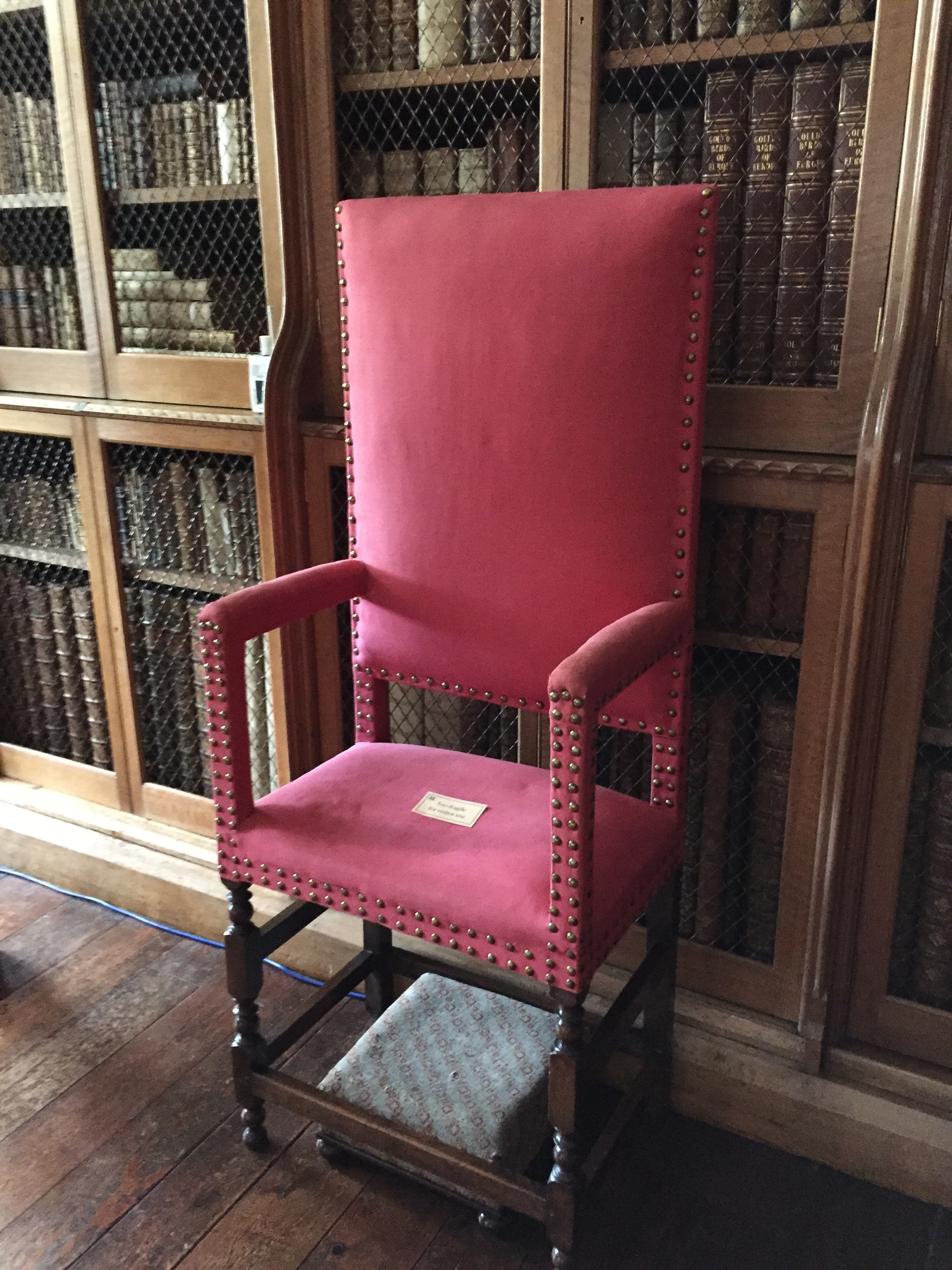
In the Oak Gallery at Blickling, a Tudor house in Norfolk, I came across a tall chair upholstered in red velvet. It had no label, just the usual polite note from the National Trust asking the visitor not to sit on it. (Actually, the NT has so many unsittable ancient chairs that they often just place a dried thistle or a pinecone on the seat).

I asked the friendly room docent, a lovely white-haired lady, if there was anything special about this chair. “Oh, yes!” she said. “That was the coronation chair of Charles the Second.”

Really? The coronation chair of the King whose reign ended the bloody Civil War in England didn’t rate a placard? Charles II was the English king crowned in 1660, 11 years after his father, Charles I, was executed–for treason. How could a king be guilty of treason? Charles I wanted to rule as an absolute monarch, levying taxes without consulting Parliament. Thus began the bloody English Civil War. Charles I lost.
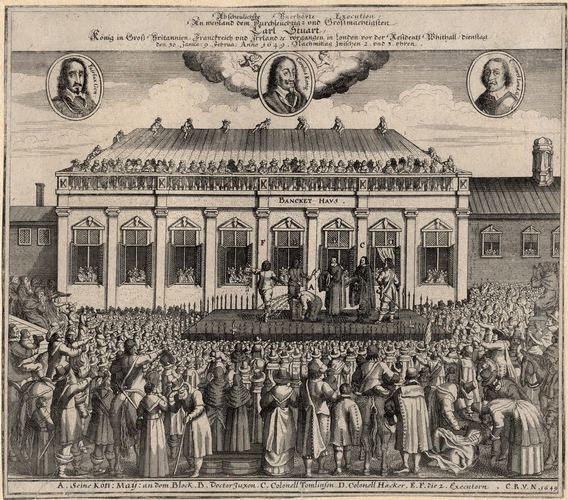
Contemporary print of Beheading of Charles I of England, 1649, Public Domain

Contemporary print of Beheading of Charles I of England, 1649, Public Domain

Charles I was executed in public, with all due ceremony, in front of the Banqueting House at Whitehall, in 1649. It was a cold day in January, and reportedly Charles’s main worry was that he would shiver and the crowd would think he was scared. He wasn’t.
IMG_8641

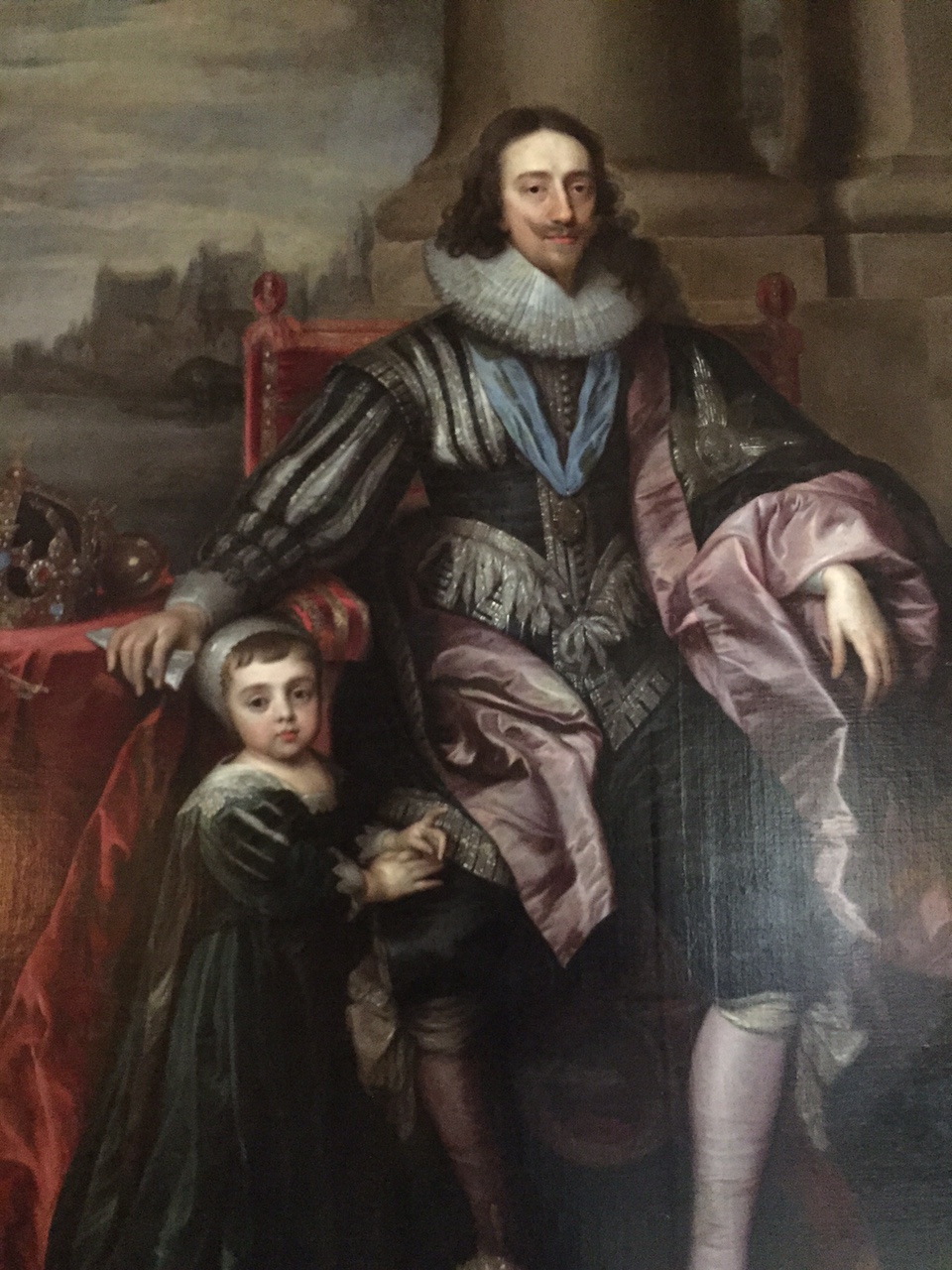
Charles I was an unpopular king, but there are countless images of him. I can spot one at twenty paces.  The painting above is at Blickling, but I forgot to take a picture of the caption so I don’t know the artist.  I think the future Charles II is shown with his unfortunate dad. The pointy beard at the bottom of Charles I’s long narrow face is always a giveaway. I’m sure I’m being way too hard on the man, but to me he always looks very aloof, with his head in the clouds.

After Charles I lost his head at Whitehall, a Commonwealth of England was declared, but it was really more of a dictatorship led by Oliver Cromwell.  Before too long the people wanted their monarchy back. This is a huge simplification of events and people that are still hotly debated, of course. Oliver Cromwell was dug up and beheaded for treason after he was already dead, but many people consider him the father of British democracy.  Anyway, once again England had a hereditary King, Charles II.  I’d have thought the coronation chair of Charles II was an important piece of furniture.

I was pretty sure the kindly docent was mistaken about the tall red velvet chair.
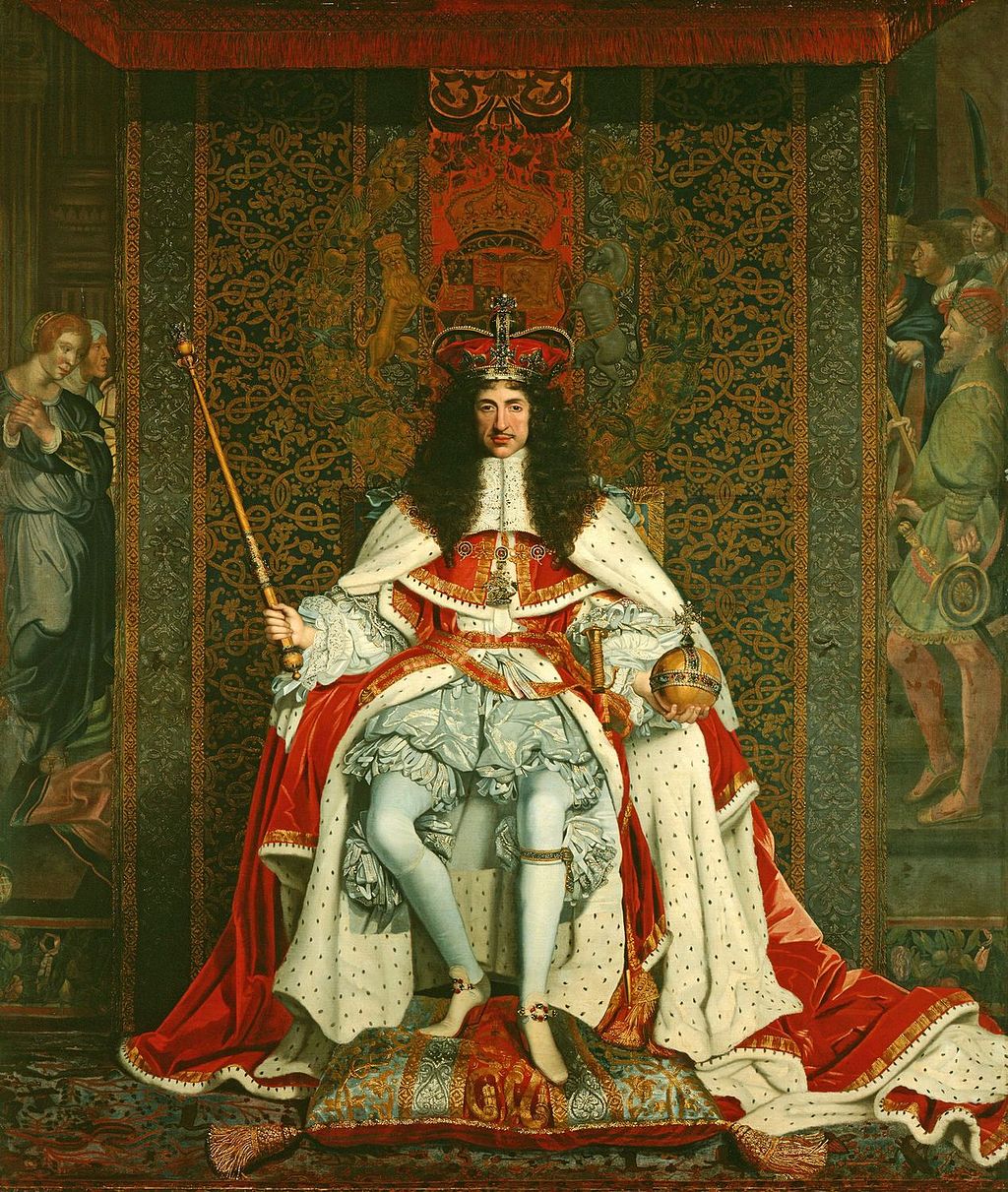
Charles II of England in Coronation Robes, John Michael Wright, 1661-1662, Public Domain

Charles II of England in Coronation Robes, John Michael Wright, 1661-1662, Public Domain

I found a coronation portrait of Charles II with a much grander coronation chair just visible behind him.  He was crowned at Westminster Abbey in the full splendor that the English have always done so well. Now I think the chair I saw may have been used for something else–maybe a grand banquet following the coronation, built high so that everyone could see the new King.  Or maybe Charles II just had especially long legs and this was his favorite chair. I’m not willing to give up the idea that Charles II sat in that chair.

Anyway, I love the way the British love their history.  I would not dream of contradicting a lovely, friendly docent who is working as a volunteer in a National Trust property. If I heard a mistake, I would always just let it slide.  But if a Brit heard a howler of a mistake, trust me, there would be a swift and stern correction. People in the room would immediately gather round and join the debate. Events from 400 years ago might as well have happened yesterday. They are lovingly preserved in memory and in physical objects.
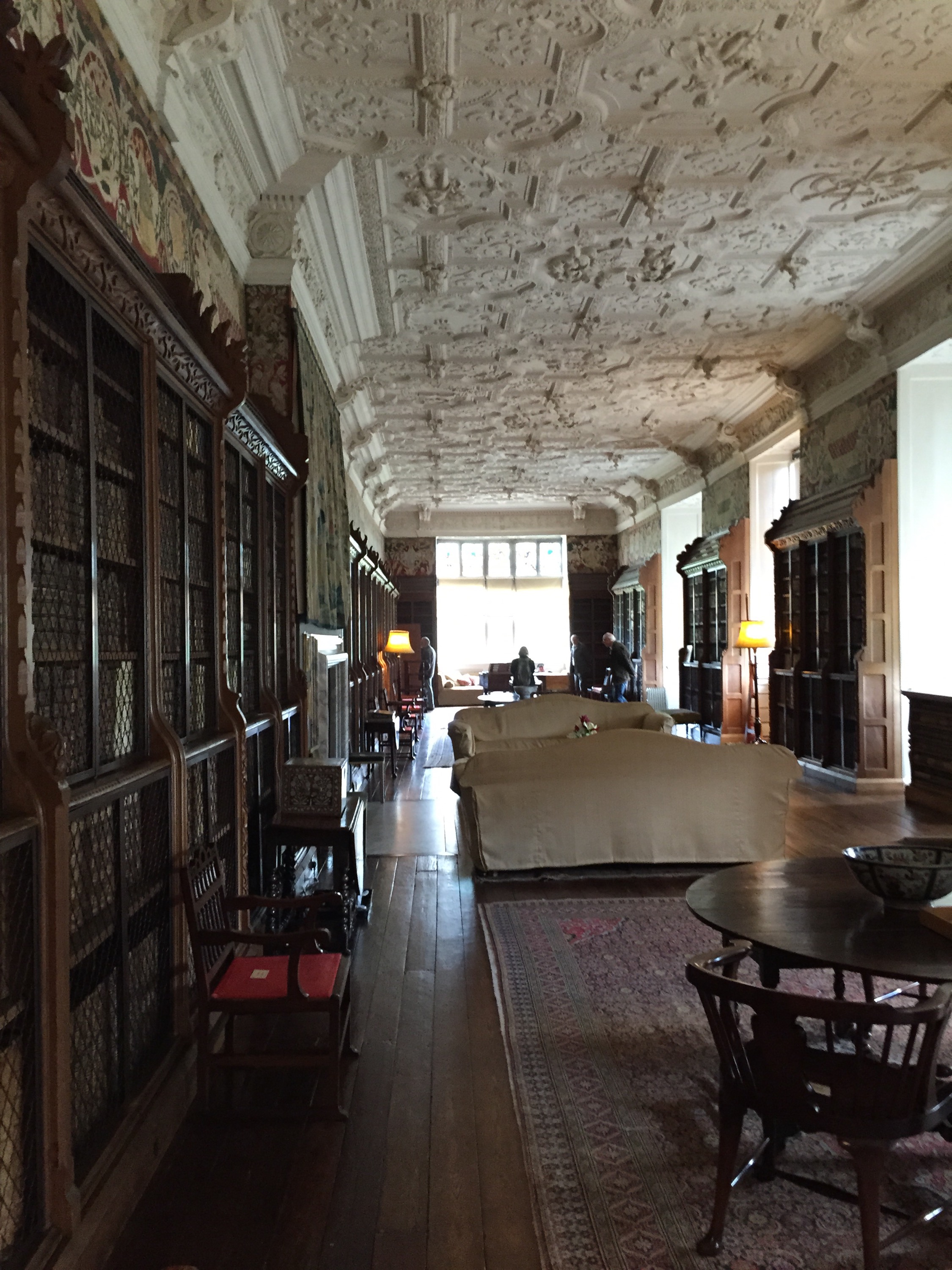
The Oak Gallery at Blickling is magnificent. For the price of a National Trust pass, a visitor can trace the footsteps of Henry VIII and several of his queens. When Henry was gone, Queen Elizabeth I was a frequent visitor. Anne Boleyn was most likely born on the property, though not in the present house.  On the anniversary of her death, she is said to arrive at the house in a ghostly carriage, sadly carrying her head.   Did Charles I or II walk this gallery? I’m not sure.  I’d better go back for another visit.

Join me next time for more explorations in the art and history of Europe and the British Isles!

Sandringham

IMG_7332

Photos are not allowed inside Sandringham House, but mere tourists like me are allowed to take pictures outside and in the nearby museum. This is the very grand entry, used by tourists and guests invited for grand occasions. I just learned that the Queen was recently in residence, possibly while I was there. But I’m sure there is a very private entrance for her and her personal guests. (I think there’s a separate ballroom entrance, which is an exit for tourists).

Yesterday Prince William and his newly-expanded family left London for Anmer Hall, their newly-expanded mansion on the Sandringham estate. I thought I’d post a few photos from my recent visit there.

IMG_7662
Sandringham is only open to tourists for a few months a year. At other times, it is the strictly private property of the Royal Family, bought during Victorian times as a retreat. The gardens have been open to the public since 1908.  King George V created and opened the Museum in 1930, with an admission charge of 3 pence. In 1977, the present Queen Elizabeth decided to open some rooms of the house to tourists for a few months a year–very good PR, I think.  The place certainly won me over.

IMG_7355

The museum, in the old stable block, is as interesting as the house. It contains, as the British would say, a lot of “bits and bobs” about the Royal Family. 

IMG_7465

The family follows traditional pastimes at their country home. This old photo shows royal children looking very serious in 1905. Princes Edward, Albert and Henry and Princess Mary are taking instruction in marching from the Piper, Forsyth. 

IMG_7504

Among many fascinating retired vehicles, there’s a picnic wagon which was in use until fairly recently, when it was replaced with a new one. The picnic wagon has a place for everything, including wine bottles and fine china. It’s housed in a large building with murals that show the Royal Family and their friends enjoying the great outdoors in their beautiful grounds. I’m sure family picnics will continue for the newest great-grandchildren of the Queen.

IMG_7640

Who knew that the Queen’s husband, Prince Philip, is a painter? He’s pretty good. Who can resist this little informal portrait of the Queen reading the morning paper?

IMG_7370

The room guides in the house are the Queen’s regular trusted servants. They’re friendly and happy to chat. In the grand formal dining room, I asked whether the Corgis have the run of the house. Of course they do! The Queen feeds them personally in the Gun Room, and they mill around under the dining room table, probably cadging scraps like any other dogs. Right now there are seven Corgis. An elderly dog, the Queen’s beloved Monty, died recently.

This year, Queen Elizabeth will become the longest-reigning British monarch in history.  She has had to overcome her share of family troubles and occasional anti-monarchy sentiment.  But as far as I can see, the Brits really love their Queen.  And right now it seems most British folks also love the very appealing young family of William, Kate, George and Charlotte.

The new little Princess Charlotte Elizabeth Diana of Cambridge will no doubt be delighted by the Queens’s Corgis. I’m sure the Queen will be a doting great-grandmother!

IMG_7681


Lord Nuffield ( the “Other” William Morris)

IMG_6101-0
William Morris wanted to be a surgeon, but his working-class family could not dream of sending him to university. So at the age of 15 he was apprenticed to a bicycle repair shop.  After awhile, he politely requested a raise.  When his boss refused, he went down the street and opened his own repair shop. Soon he was building and selling superior bicycles, which he personally raced, winning national awards for distances from one to fifty miles. His bikes, with a distinctive gilt wheel, attracted customers from all over Great Britain.
IMG_6094-0

He met his wife because she loved cycling too. As a side business, the enterprising Mr. Morris ran a taxi service.  Soon he was repairing taxis. It was just one step further to building his own car–simple and easy to repair. How hard could it be?

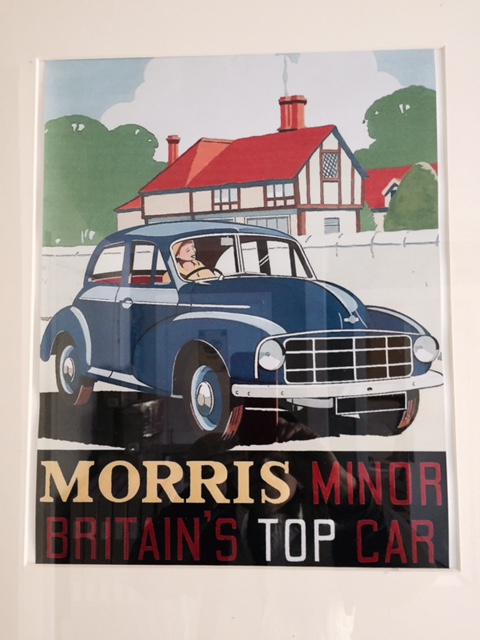
MorrisPoster

Soon he was selling huge numbers of Morris motorcars –and selling them at a price that middle-class and even working-class people could afford. Just as Henry Ford did in the United States, William Morris pioneered mass production, turning out fleets of fine affordable cars in ever-shorter times.

He was a master of marketing, too. He offered affordable car repair plans.  He published a colorful magazine that showed ordinary people tootling along the roads of Great Britain, enjoying excursions that were once reserved for the rich and their chauffeurs. But Mr. Morris gave away his money as quickly as he made it. All over Great Britain, self-made men were building stately homes that rivaled royal palaces. But Lord Nuffield gave most of his money to charities. He lived happily at his fairly modest home, Nuffield Place, now a National Trust property.

QueenThanks

In gratitude for his philanthropy, the King “created” him Viscount. He became a close personal friend of both King and Queen. He took the name “Lord Nuffield” from the village near Oxford, where he had a home. On the eve of coronation in 1937, the Queen wrote him a sweet note of gratitude.

FullSizeRender (27)

Rather reluctantly, because they were modest people, Mr. Morris and his wife decked themselves out in the ermine-trimmed red velvet robes needed for the coronation.

When World War II broke out, the Morris factories had to meet the tremendous need for military vehicles. Soldiers set forth from England to battlegrounds all over the world in Morris vehicles. Lord Nuffield was too old to fight, but he saw another need: anesthesia for field hospitals.

IMG_6240

Again, how hard could it be? In no time, he had designed a portable machine to administer ether. He gave away thousands of them. No longer did soldiers fresh off the battlefield have to endure excruciating pain in surgery.

IMG_6291
The war ended at last. Then in the 1950s, there was an outbreak of poliomyelitis, in England as in the United States. Lord Morris designed and manufactured an iron lung. One of them is on display at Nuffield Place. It is hard to imagine life inside one of these machines, but the machine saved many lives. Lord Nuffield gave away over 5,000 of these machines to patients all over Britain and the Commonwealth. Polio victims could get through the worst stage of the disease. Without such a machine they died because they could not breathe. Many of them were able to recover. They might be left with some paralysis, but they were alive.

So William Morris, who richly deserved the title “Lord Nuffield,” ended up saving and improving countless lives. What would he have accomplished as a surgeon? Most likely he would have been equally creative and generous as a physician.

FullSizeRender (7)

England has hundreds of very grand castles, palaces and stately homes.  But one of my favorite sights is Nuffield Place, the fairly modest home where William Morris chose to live.

I wrote about Lord Nuffield and his home after a visit last fall, at https://castlesandcoffeehouses.com/2015/04/21/nuffield-place…-practical-man/

I’m off to England again soon.  If I can, I’d like to pay another visit to this inventive, practical, generous man’s home. Join me next time for more explorations in the art and history of Europe and the British Isles!

Back to Blenheim

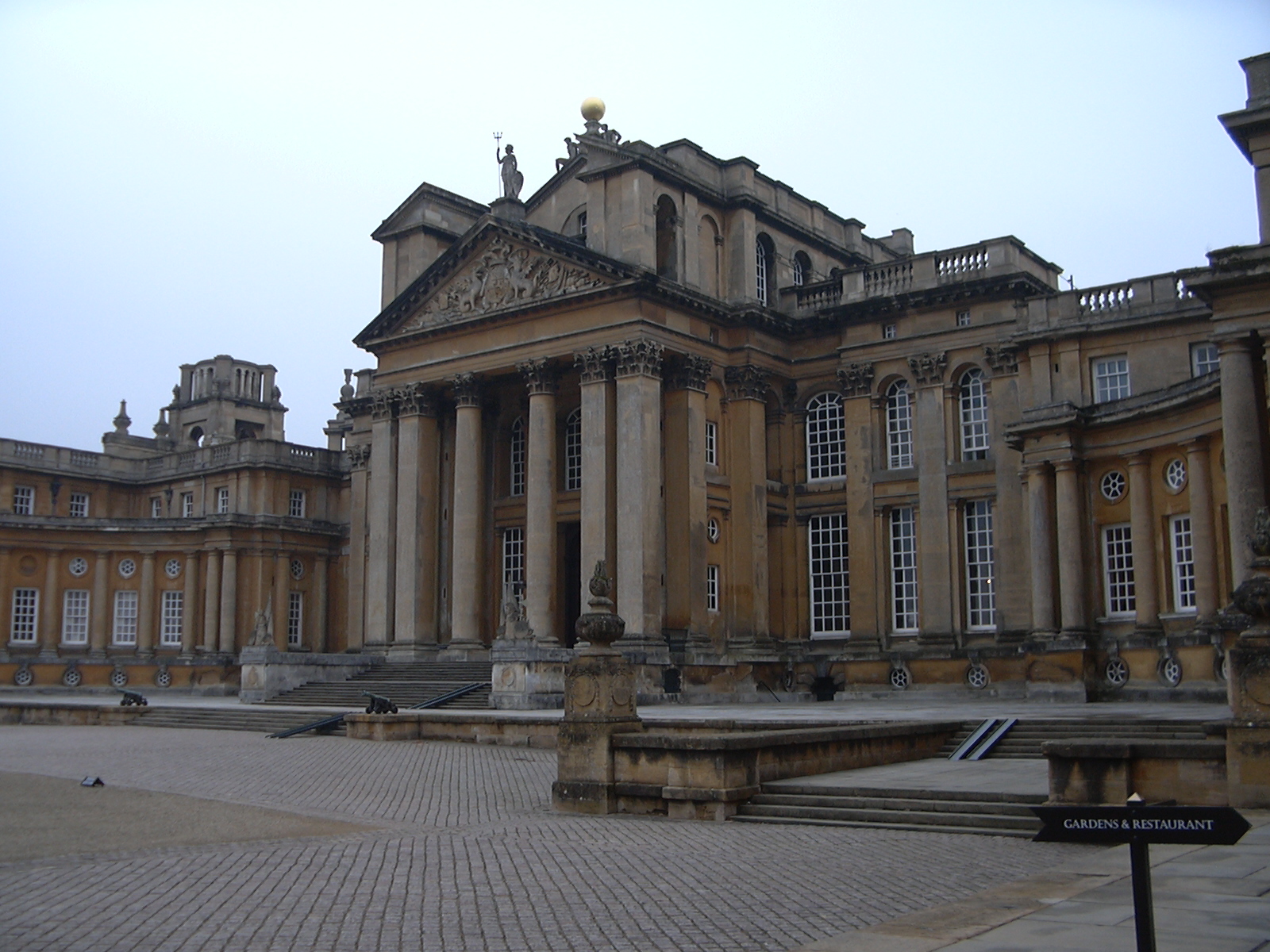
BlenheimFacade

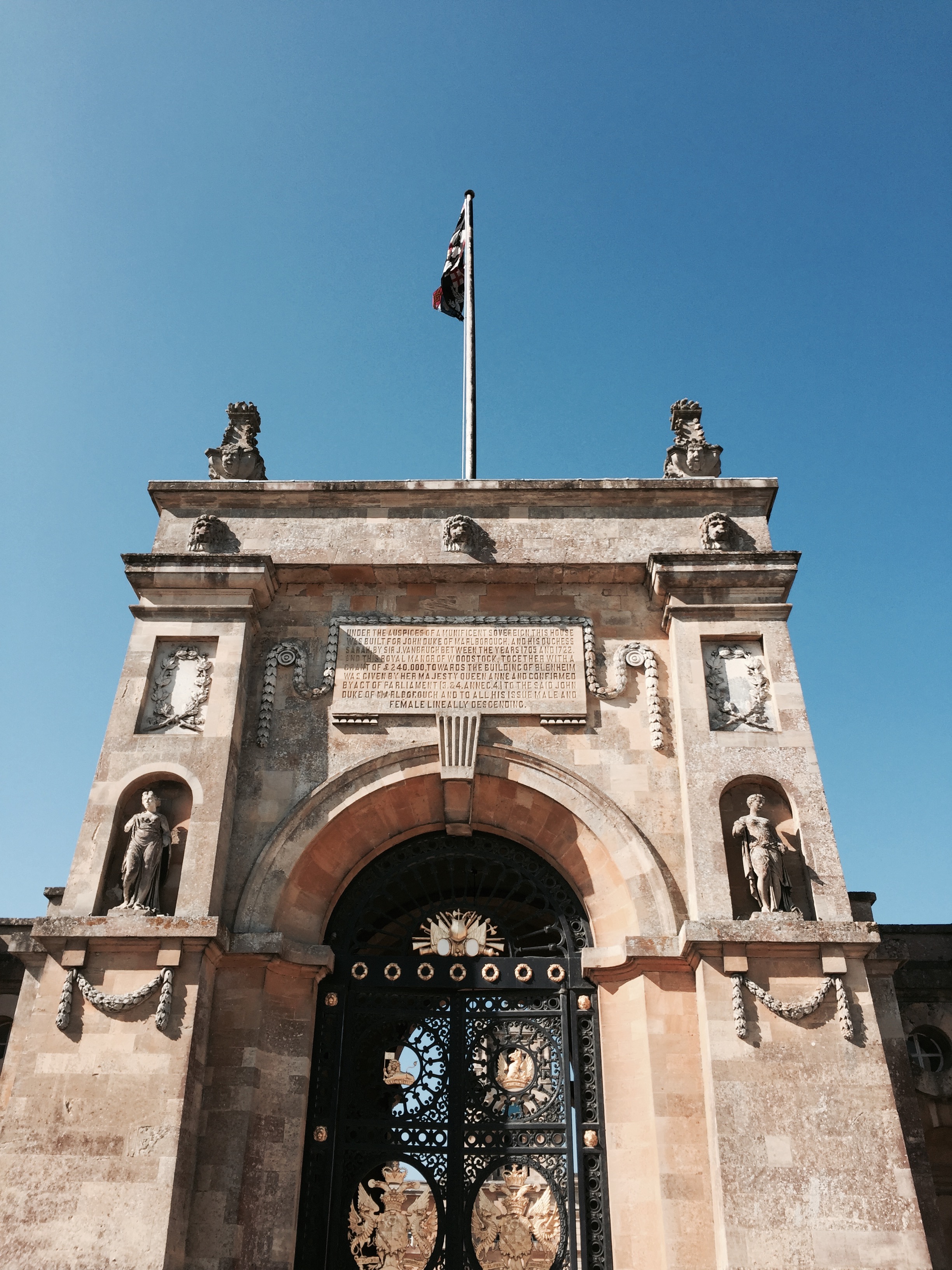
Every now and then the stars align favorably.  I was lucky enough to visit Blenheim Palace last fall, and doubly lucky to be in England again in the spring.  When I bought my Blenheim ticket last fall, I stopped at a kiosk and made it into a year-long pass–at no extra charge!  What a deal!  I’d probably go back even if I didn’t like the place, but I happen to love it.

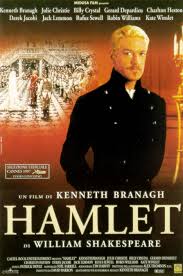
HamletPoster

Blenheim was used for the exterior scenes of the great film Hamlet, with Kenneth Branagh as director and and playing the melancholy Hamlet himself. He was perfect. English major and Shakespeare lover that I am, I’ve watched the film quite a few times.  I like to turn on the subtitles so I can get all the glorious Shakespearean words, but it is very dramatic and easy to follow even without caring much about the dialogue. It even ends with some swashbuckling worthy of Jack Bauer in 24. The acting is stellar, featuring, besides Kenneth Branagh, Charlton Heston, Julie Christie, Billy Crystal, the late Robin Williams, Derek Jacobi, Kate Winslet, Michael Maloney, Timothy Spall, Richard Attenborough, Brian Blessed, Judi Dench, Geraard Depardieu, John Gielgud, Rosemary Harris, and Jack Lemmon (he was still with us in 1996!)

FullSizeRender (31)

Toward the end of the film, one scene shows the new King arriving after the tragic events of the story, riding up to the palace with his retinue.

DSCN7019

The palace, decorated with military mementos of the First Duke of Marlborough, was just the right location. The 11th Duke of Marlborough had a cameo appearance as one of the nobles accompanying the new king.  I’m guessing it was one of the highlights of his long and distinguished life. After all, he was appearing with fine actors in a great film that showcased his ancestral home. Plus the new King was played by Rufus Sewell, in fine smoldering form.  Who wouldn’t want to appear in that film?
DukePhotos

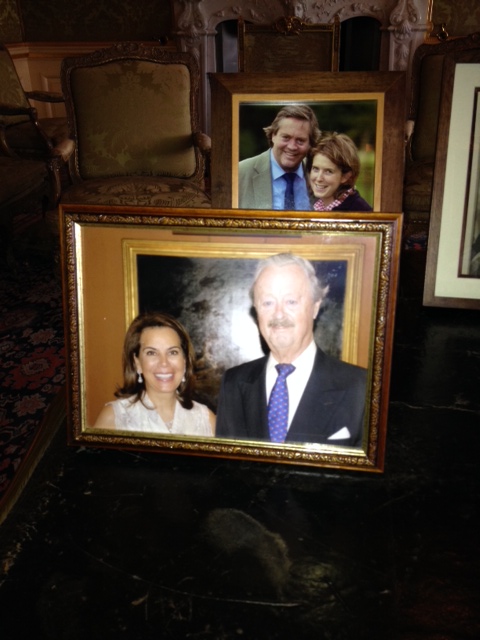
I  last saw the 11th Duke last fall on my visit.  He was usually a very visible presence, striding around his palace and really seeming to welcome visitors.  When I was there last, his brother was being married in the palace chapel. So the Duke was jovially greeting his guests.  He looked frail, though, and I was sad to learn that he died just a few weeks later. During my visit, I saw his lovely wife, and I also saw the soon-to-be 12th Duke with his wife. I recognized them all from photos in the house. The heir is in the photo just behind the 11th Duke.

I previously wrote about Blenheim at https://castlesandcoffeehouses.com/2014/11/06/blenheim-the-s…kings-waterloo/

I wrote about the death and funeral of the elegant 11th Duke at https://castlesandcoffeehouses.com/2014/10/30/what-are-plus-fours-anyway/ ‎ and  https://castlesandcoffeehouses.com/2014/10/29/farewell-to-th…of-marlborough/

FullSizeRender (34)

The 12th Duke has now moved to the front of the photo displays in the palace. Yesterday I toured the several of the family’s private rooms in the East Wing.  The rooms are sumptuous, but lived-in.  (Think of the most elegant possible version of Shabby Chic).  There are 12 bedrooms, each with its own bathroom and dressing room–but they are off limits. No photos were allowed. The 12th Duke was in the house–his flag was flying.  But he must not have been told that I had come to see him, because he was nowhere in sight.  As an American, I’m always puzzled but intrigued by British aristocracy and royalty.  I wish the 12th Duke many years of carrying on his family’s heritage, and I’m sure he’s as dedicated to the task as his late father was.

Join me next time for more explorations in the art and history of Europe and the British Isles!
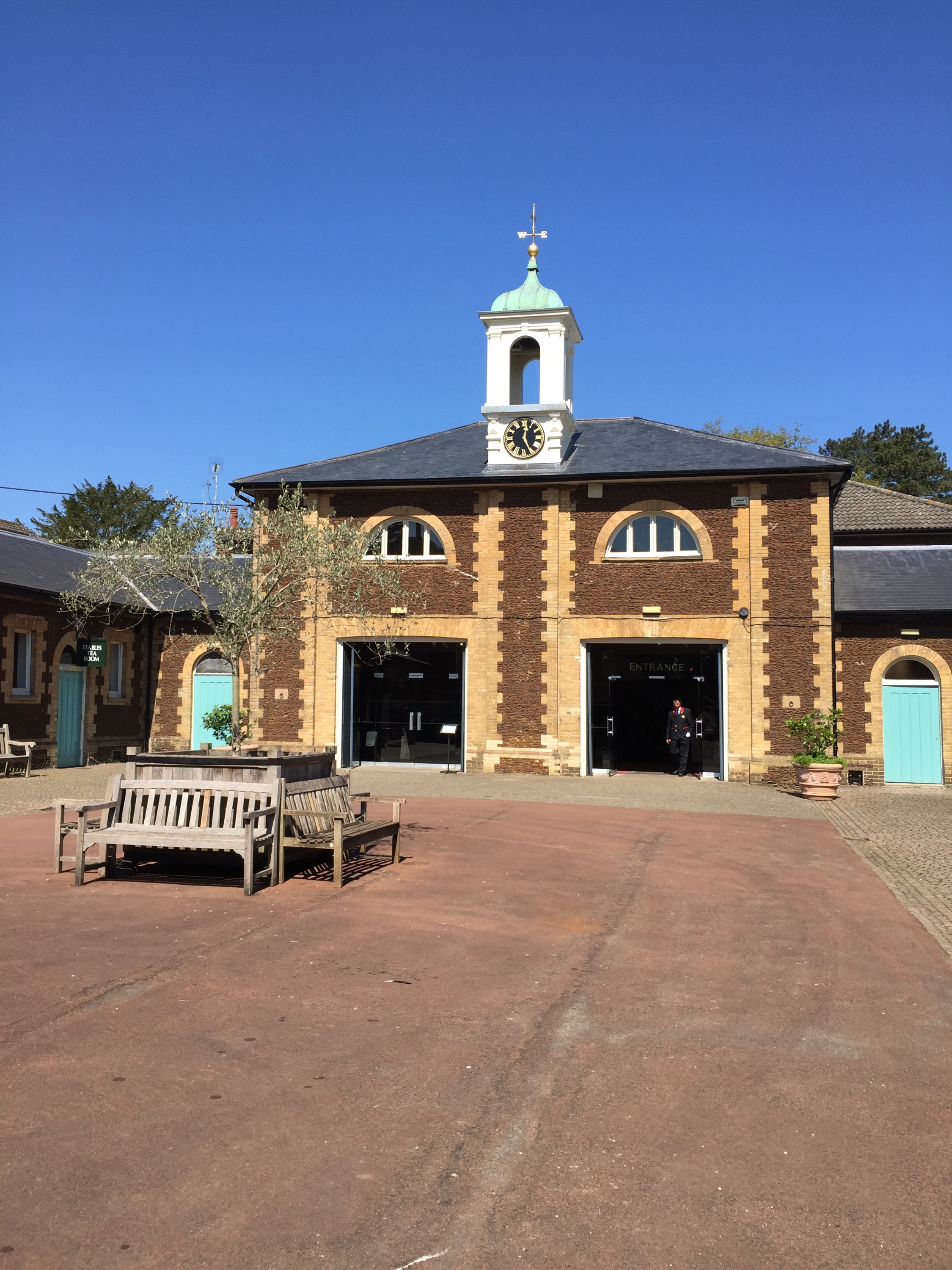
Nuffield Place: Home of a Practical Man


NuffieldExt

Last month I visited the home of William Morris–not the Arts and Crafts genius, but another kind of genius.

IMG_6270

He rose from poverty to invent and manufacture the Morris Minor motorcar, the British equivalent of Henry Ford’s Model T. He made an automobile affordable, for the first time, for the newly emerging middle class in Britain. Many families could even afford two of them.

IMG_6173
He was “created” Lord Nuffield, making him a Peer of the Realm, because he was one of England’s greatest philanthropists besides being a fine inventor. He gave away the equivalent of over a billion dollars in today’s money.

IMG_6152
He and his wife lived modestly in their beloved country home starting in 1933.  Lady Nuffield died, childless, in 1959. When Lord Nuffield died in 1963, he left their home to Nuffield College, which he had founded in nearby Oxford. The bequest stipulated that the house remain as they left it.

IMG_6127

What did the college do with the house? They must have maintained it, at least. It’s very livable, with all the original bed linens, china and towels. Maybe it was used to house special guests. The house remained a time capsule until it was given to the National Trust and opened to the public in 2011. Now it’s one of my favorite NT properties, because it’s such a contrast with the conspicuous consumption I’ve grown to expect when I flash my NT pass.

IMG_6101-0

Although he was a close personal friend of the King and Queen, Lord Nuffield liked nothing better than to go home to Nuffield Place, where he could tinker with his inventions and walk his Scottie dogs.

Nuffield Place is just one more reason to love driving around the English countryside with my trusty National Trust pass!

Lady Emma Hamilton: Wild Times and a Sad End

Portrait of Emma, Lady Hamilton, George Romney, c 1782-84, from History Today article cited

Portrait of Emma, Lady Hamilton, George Romney, c 1782-84, from History Today article cited

Emma Lyon was born to working-class parents in 1765.  She grew up to be breathtakingly beautiful–and wild. Early in her life, she worked as a maid, but she soon left dustcloths far behind. She herself joked about her “giddy ways.”  She was a popular dinner guest in certain aristocratic circles. Small wonder: she was fond of dancing naked on the dining-room table.

UpparkFront

At Uppark, a country home in England, I actually saw one of those dining room tables where Emma frolicked long ago.  No photos were allowed.  I looked closely for scratches and there were none; Emma must have been light on her ((bare) feet.

Coronation Portrait, George IV, Sir Thomas Lawrence, 1821, Public Domain

Coronation Portrait, George IV, Sir Thomas Lawrence, 1821, Public Domain

In the raffish household of the owner of this particular house, the Prince of Wales, who later became George IV, was a frequent guest. He was the ultimate playboy. So there were plenty of aristocrats more than happy to dally with the beautiful Emma. She bore an illegitimate child to a gentleman at age 16.

One Charles Francis Greville took Emma into his home, educated her, and introduced her to society painters such as George Romney and Joshua Reynolds.  They loved painting her portrait.

Eventually Greville passed Emma on to his elderly uncle, Sir William Hamilton. She married him when he was 60 and she was just 26.  He was Ambassador to what is now Sicily, and in Naples the couple were popular in high social circles.  Still beautiful, charming and uninhibited, she delighted men in particular by appearing in flimsy mythological costumes.

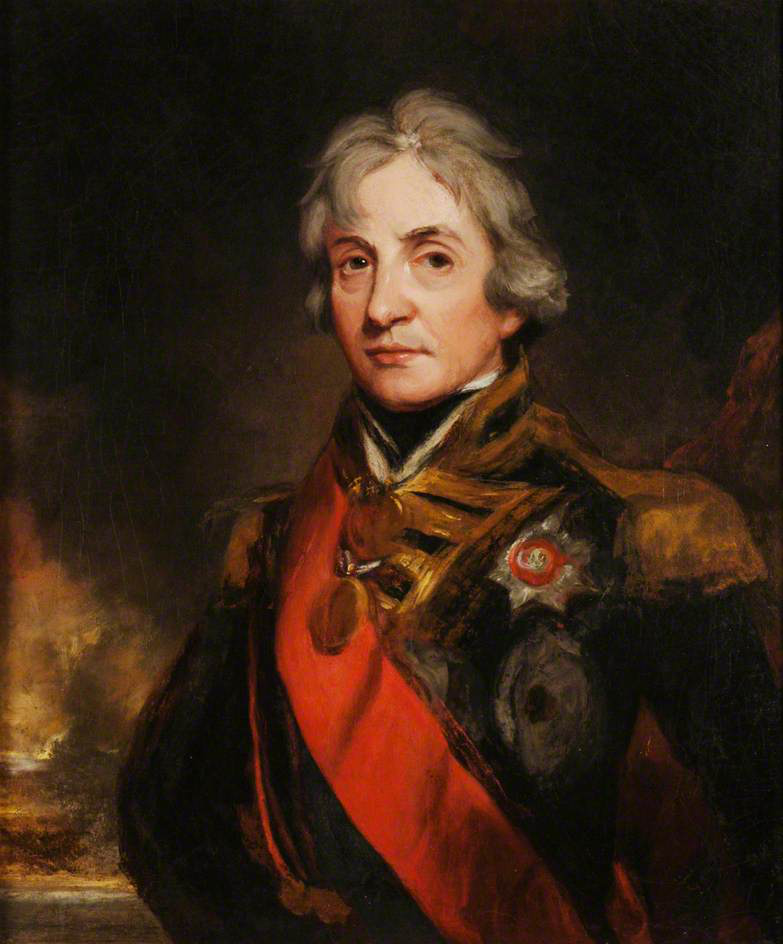
Lord Nelson, John Hoppner, Public Domain

Lord Nelson, John Hoppner, Public Domain

In 1791, Emma met Horatio Nelson, and he fell head over heels for her.  Her husband, Sir WIlliam, didn’t mind; in fact the three of them lived happily together, although Nelson had a wife living elsewhere. Emma bore Nelson’s daughter, Horatia in 1801.

Sadly, Lord Nelson was killed in action at Trafalgar.

Emma’s life was all downhill from there.  She inherited a little money from Hamilton, but his brother held on to most of her money.  By this time, she was an alcoholic–from way too many champagne toasts in her wild youth. She eventually was able to move across the Channel to Calais, where she died at age 49, poor and ill. But out of respect for Lord Nelson, the captains of many English ships attended her funeral.

I love English country homes.  I feel they’re inhabited by the ghosts of people living their colorful lives long ago. There are always volunteer docents happy to tell stories of the past.

http://historytoday.com/richard-cavendish/emma-lady-hamilton-dies-calais

Versailles: Crowded Splendor


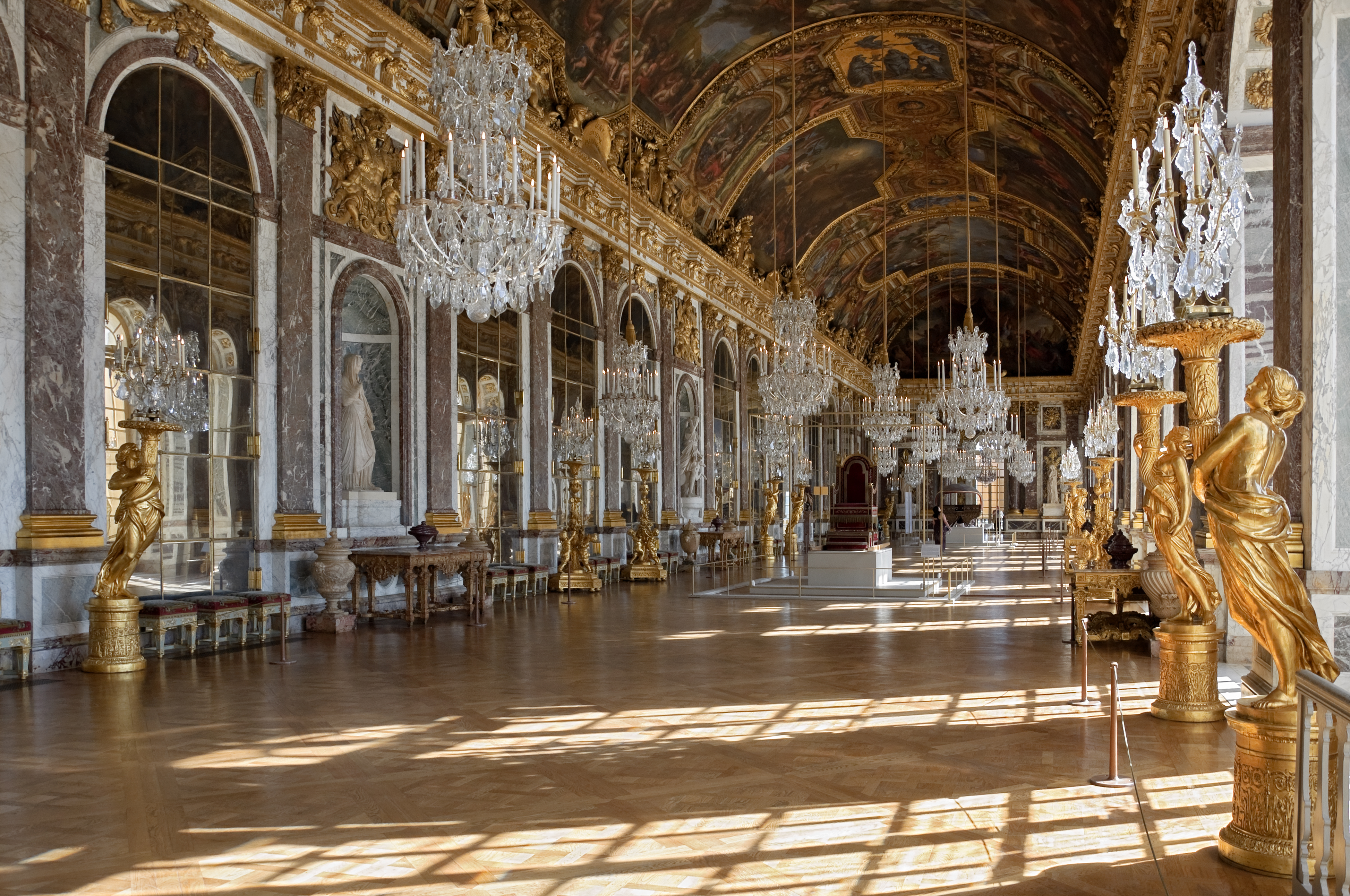
Galerie des Glaces, Myrabella, Creative Commons Attribution-Share Alike

Galerie des Glaces, Myrabella, Creative Commons Attribution-Share Alike

Why bother to stay overnight in the town of Versailles?   Most people do Versailles as a daytrip from nearby Paris. The picture above shows the best reason to spring for an overnight. It’s the Hall of Mirrors, built by Louis XIV in 1678 and crammed with people ever since. On one memorable day, after an overnight in Versailles, I managed to appear early at the entry with ticket already in hand. Success! I had arrived early enough to be THE VERY FIRST PERSON to walk the length of the glittering room. I was so awed that I didn’t take a picture.  The one above was taken by a person with more presence of mind.
HallOfMirrors2

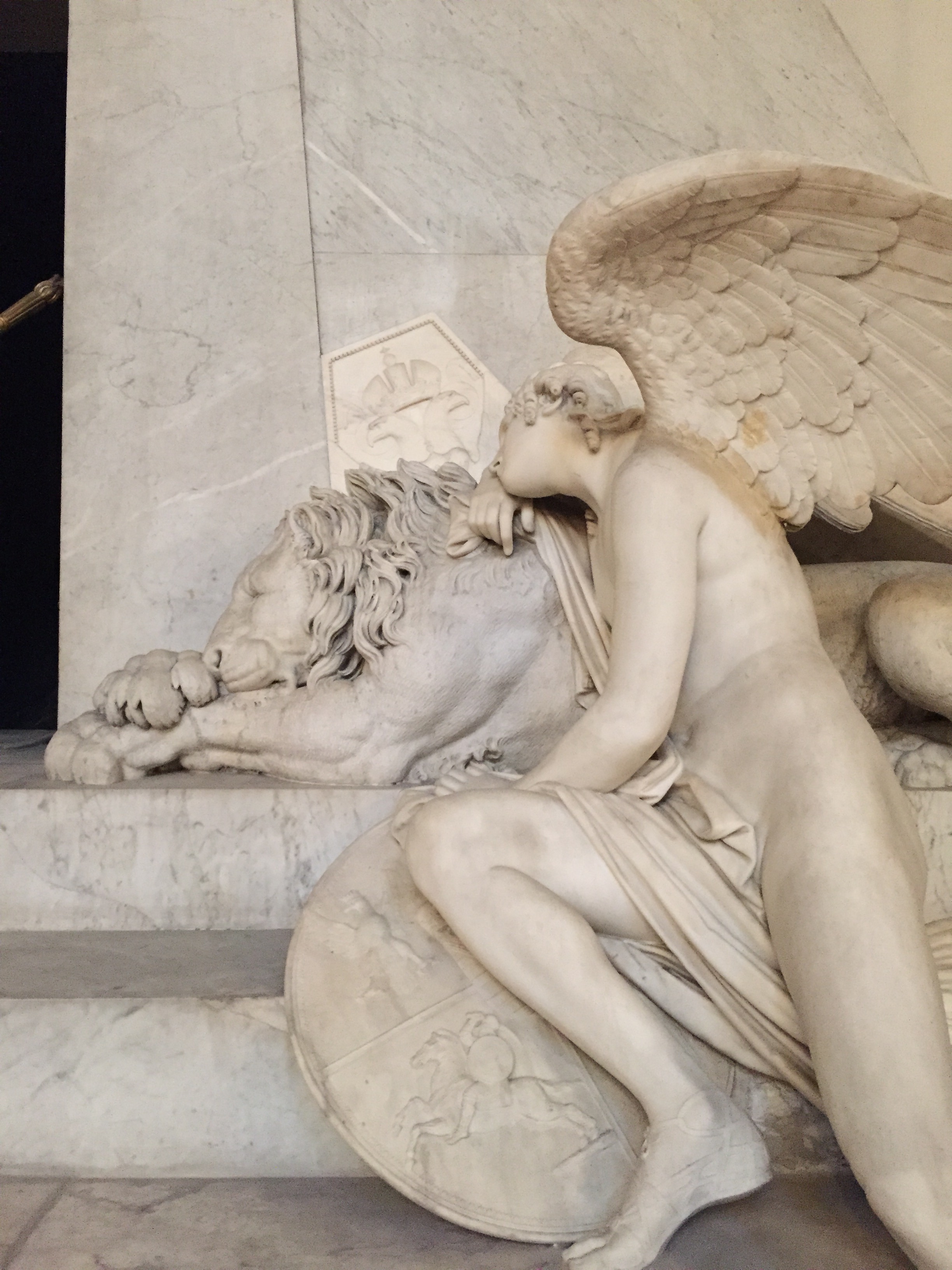
This picture above was taken about 20 minutes later.  On busy summer days–which I would avoid– tourists shuffle along almost shoulder to shoulder. But once in my life, I had the place all to myself. I doubt that even the Sun King himself had that privilege, unless he managed to do it late at night after courtiers had turned in.

P1000474

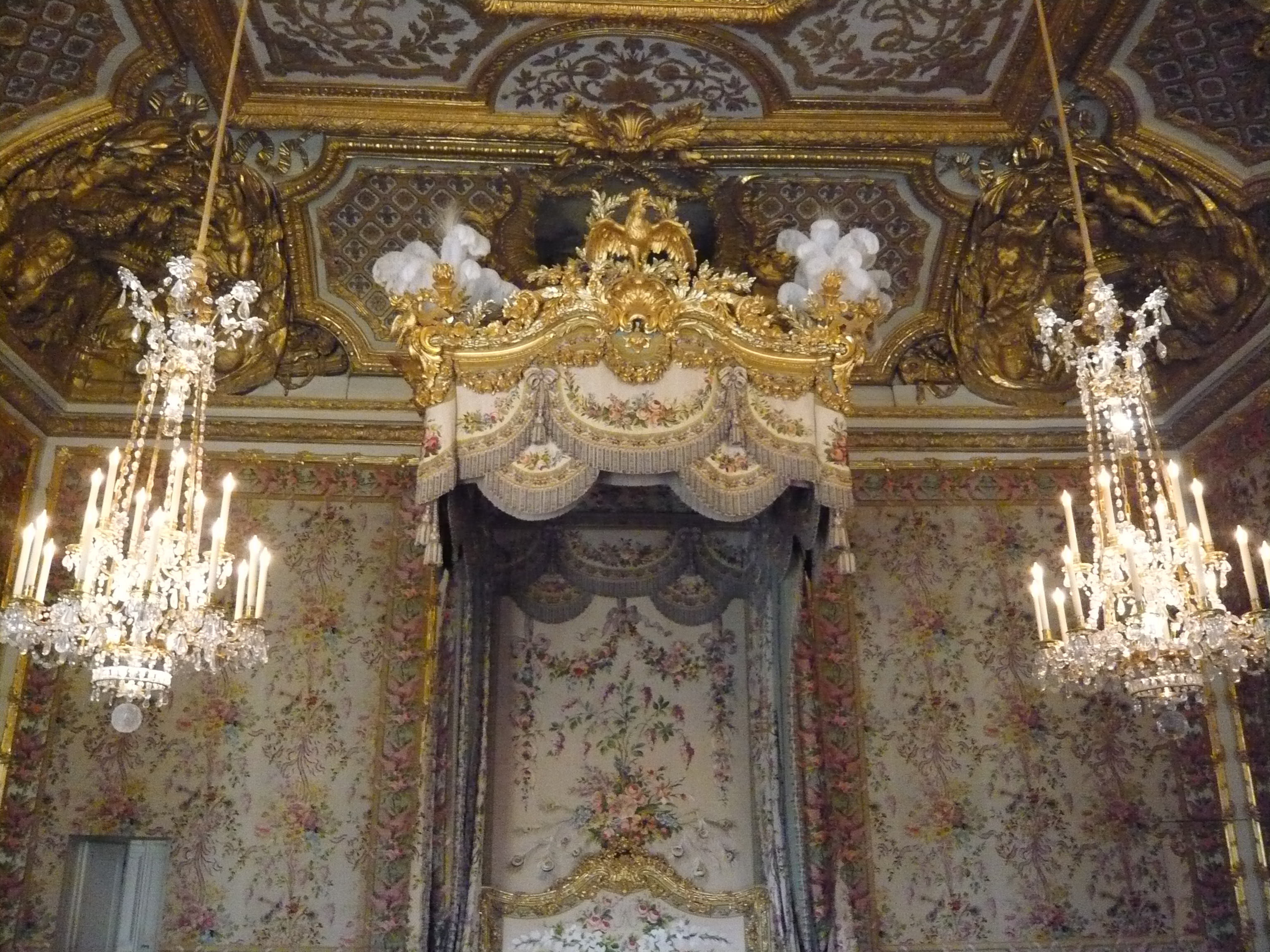
The King invented two ceremonies which bookended his day:  the Lever, when invited courtiers watched him get up, and the Coucher, when he was tucked in for the night under his grand canopy festooned with ostrich feathers. Like everything else Louis XIV did, these ceremonies inflated his ego and made people think they were lucky to even be in his presence. Trouble was, he made his bed and then he had to lie in it.  In actual practice, the King sometimes did get up way early to go hunting, but Louis XIV valued ceremony so much that he would return to bed in order to properly get up all over again.

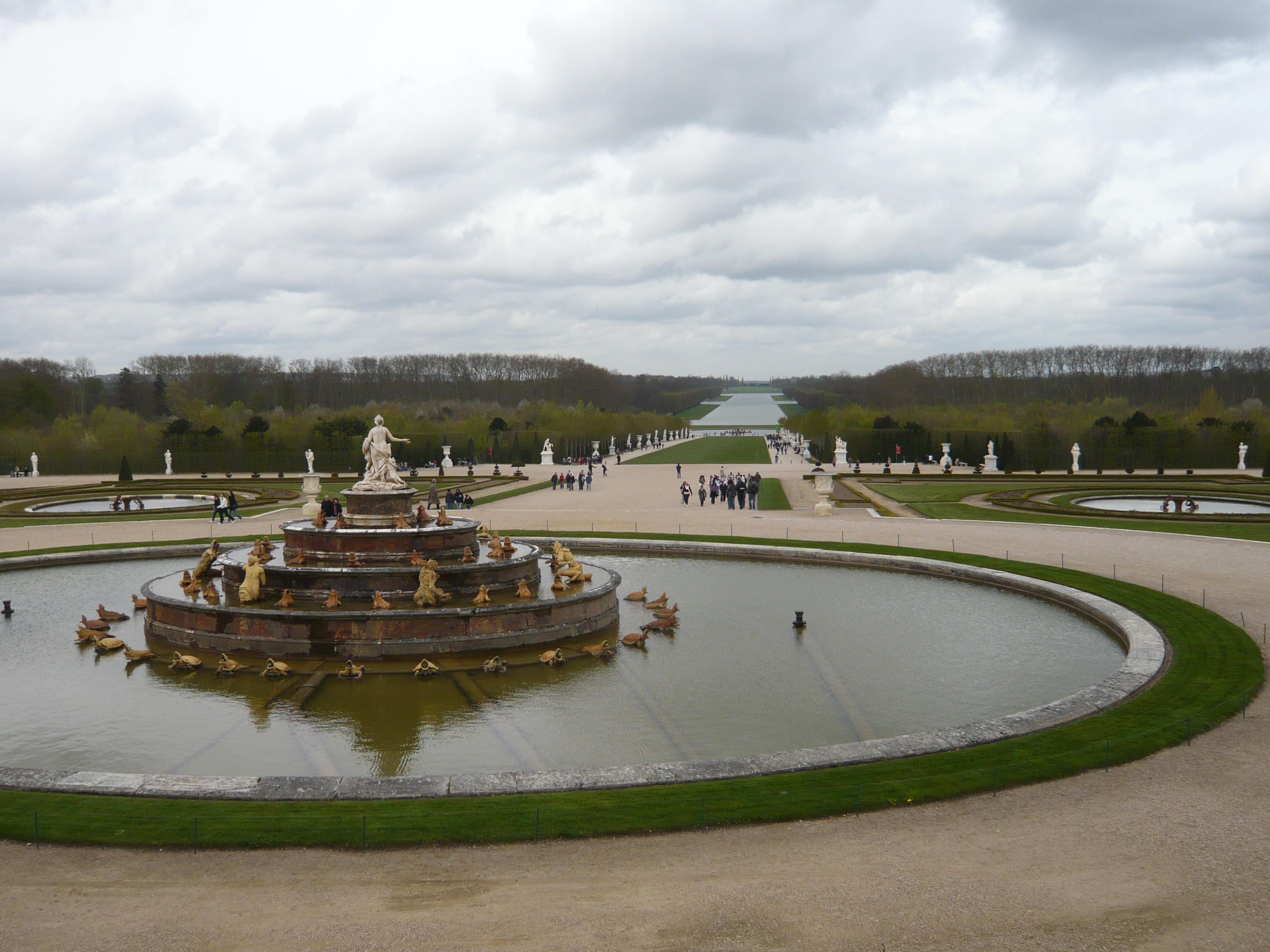
Fountain

It’s hard to appreciate the overwhelming scale of the Palace of Versailles–and the Sun King wanted everyone to be overwhelmed.

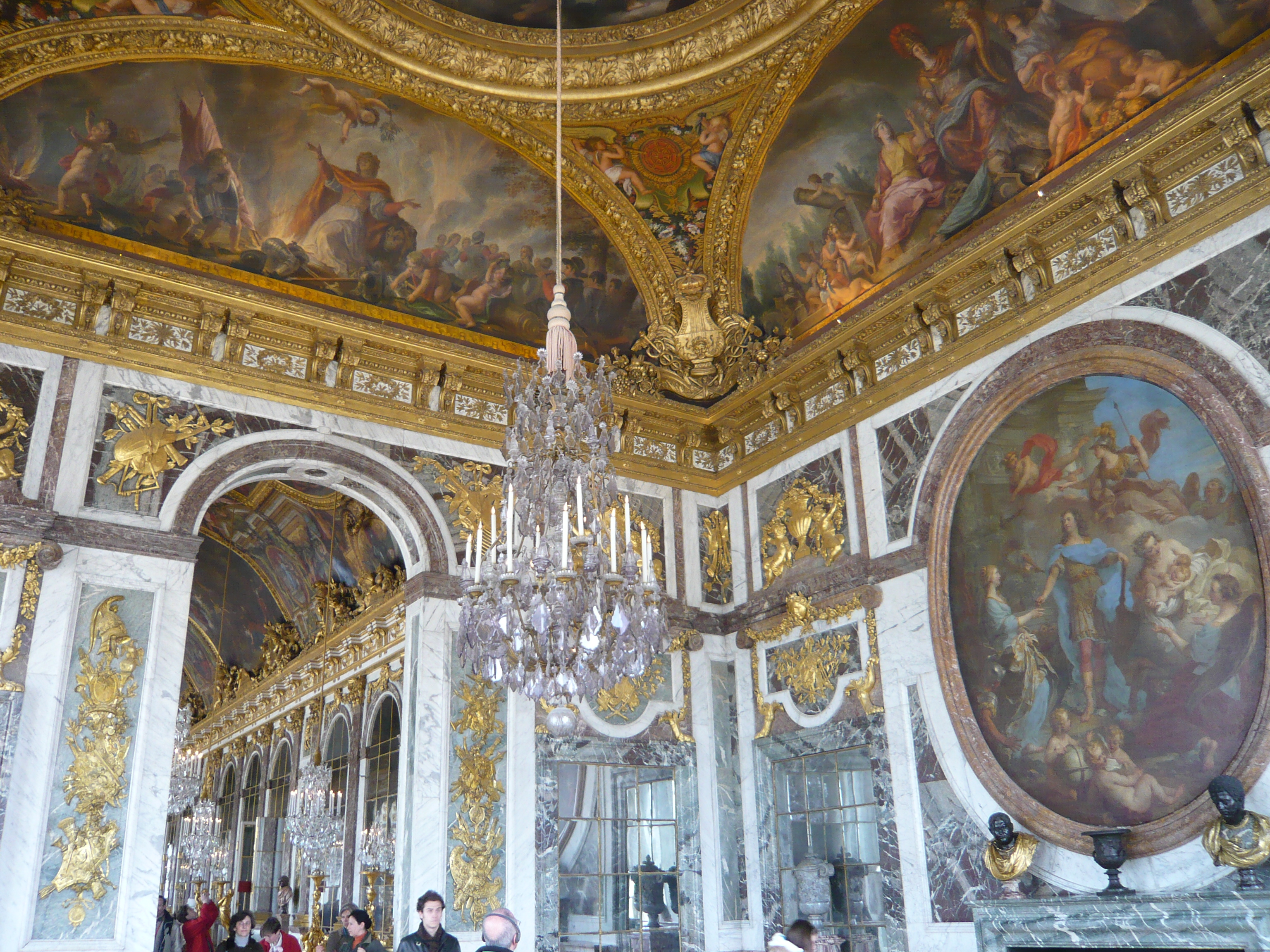
HallOfMirrorsCorner

I do better getting off to the side and lingering over some details, like this corner of the Hall of Mirrors.

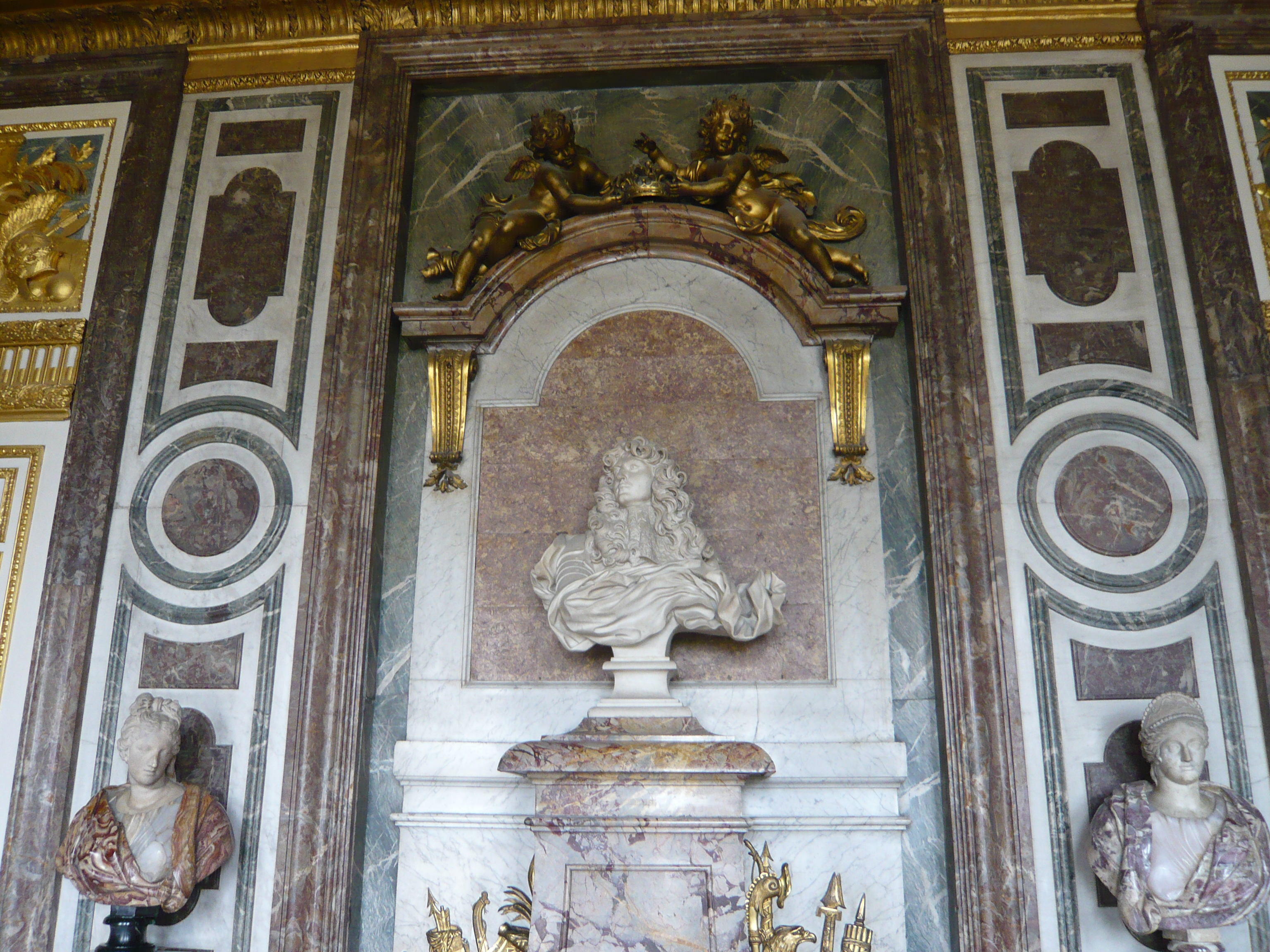
SunKing


Images of the Sun King are everywhere.  He could have invented the modern term “self-esteem.”  He famously remarked, “L’Etat, c’est moi,” meaning “The State, it is me.”  That worked out pretty well for him, but not so much for his offspring.

Louis XIV also once remarked, “Apres moi, le Deluge.” That loosely translates as, “After me, all hell breaks loose.”  He had that right.  His descendants managed to hold on to their riches and absolute monarchy for only two generations before the Revolution changed everything.

Join me next time for more explorations in the art and history of Europe!

Maria Christina: She Even Got the Canova!


MariaChristinaCanova The Augustinian Church, adjoining the Hofburg Palace in Vienna, contains one of the saddest and most grandiose memorials I’ve ever seen.  It occupies a huge section of wall space in the family church of the Habsburgs. It was exquisitely sculpted by the great Italian artist Antonio Canova in 1805 and remains one of his most famous works.  A procession of downcast mourners slowly climbs the stairs toward an open doorway with nothing but darkness inside. Gazing into the void of that black space is truly terrifying.


MariaChristinaCanova2

A tearful lion lies beside the doorway, disconsolately resting his mighty chin on his paws.  A handsome male angel leans on the lion’s back, clearly overcome with grief. The whole structure is in gleaming white marble. Canova’s funeral monuments were mostly for Popes and Venetian nobles, plus a small one for the British war hero Horatio Nelson. Most people agree that the monument in the Augustinian Church in Vienna is the grandest and most beautiful of them all.

Maria Christina

Maria Christina

This masterpiece honors a woman who never did much of anything: Archduchess Maria Christina, favorite daughter of Empress Maria Theresa. After her death at age 56, her husband (flush with wealth lavished on the couple by the Empress) commissioned the monument.

Who is buried in Maria Christina’s tomb?  No one.  She is actually buried in the Imperial Crypt along with the rest of the Habsburgs. But apparently her husband, with the blessing of her mother, wanted everyone who attended church at the Augustinian to be reminded of her loss.

I can’t help thinking of Marie Antoinette, the unfortunate younger sister of Maria Christina. After her beheading, she was unceremoniously thrown into a common pit along with other victims of the Terror in Paris.  Reportedly, when Maria Christina heard of her sister’s gruesome death, she remarked, “She never should have married.” Of course Marie Antoinette had nothing to say about whether or whom or when she married, unlike the more fortunate Maria Christina.

Why did Maria Theresa favor one daughter so highly, out of all her 16 children?  Was Maria Christina possibly the most intelligent?  If Maria Christina had been the daughter sent off the France, might she have been intelligent and strong-willed enough to persuade Louis XVI, a bit of a dim bulb, to accept some reforms before mobs marched on Versailles? Failing that, might she have persuaded Louis XVI to decamp to a safe haven until things cooled down at home? As it was, he ignored many chances to escape.  When he finally decided to make a run for it, the carriage he chose  was a huge lumbering vehicle that stuck out like a sore thumb on the rural roadways of France.  The royal family was captured and hauled back to prison in Paris.

A previous post about the Augustinian Church is at:

https://castlesandcoffeehouses.com/2014/12/01/habsburgs-hatc…and-dispatched/

Previous posts about Marie Antoinette are at:

https://castlesandcoffeehouses.com/2014/03/21/another-tragic…rie-antoinette/

https://castlesandcoffeehouses.com/2014/12/02/marie-antoinet…dow-treatments/

Theresia11-12

Maria Theresa was not the most fair or loving mother, but she had her good points.  I wrote about her at:

ttp://castlesandcoffeehouses.com/2014/04/16/maria-theresa-…-lean-in-woman/

Join me next time for more explorations in the art and history of Europe!

Maria Christina: The Sister Who Got Everything

MariaChristinaWreck

A few months ago in the Albertina Palace and Museum in Vienna, I came upon a small painting that showed the wreck of a carriage–an unusual subject for such grand surroundings. The caption explained that the wreck was an event in the life of the palace’s one-time occupants, Archduchess Maria Christina and her husband Albert of Saxony.  The couple became Duke and Duchess of Teschen and joint governors of the Austrian Netherlands on their marriage. They received an enormous dowry, too, from the bride’s famously parsimonious mother, Empress Maria Theresa.

Maria Christina

Maria Christina

Who were these fortunate people, and why was their carriage wreck such a big deal? Having a painting of a private misfortune, which the victims survived nicely, was the 18th century equivalent of a Facebook post about a fender-bender. And the 18th century was a time when almost no one had access to anything remotely like Facebook. The answer lies in family favoritism.

Empress Maria Theresa, who ruled the Austro-Hungarian Empire for 40 eventful years, produced 16 children.  It seems that she only liked one of them: Maria Christina, who happened to be born on Maria Theresa’s own birthday.  Every other sibling was used as a pawn in the empire’s political ambitions.  They were all packed off to strategic foreign marriages, preferably with either royal cousins or other monarchs who might be able to help the far-flung empire. The unluckiest sibling was Marie Antoinette, shipped off to France as a teenager to marry the doomed Louis XVI and lose her head.

Prince Albert

Prince Albert

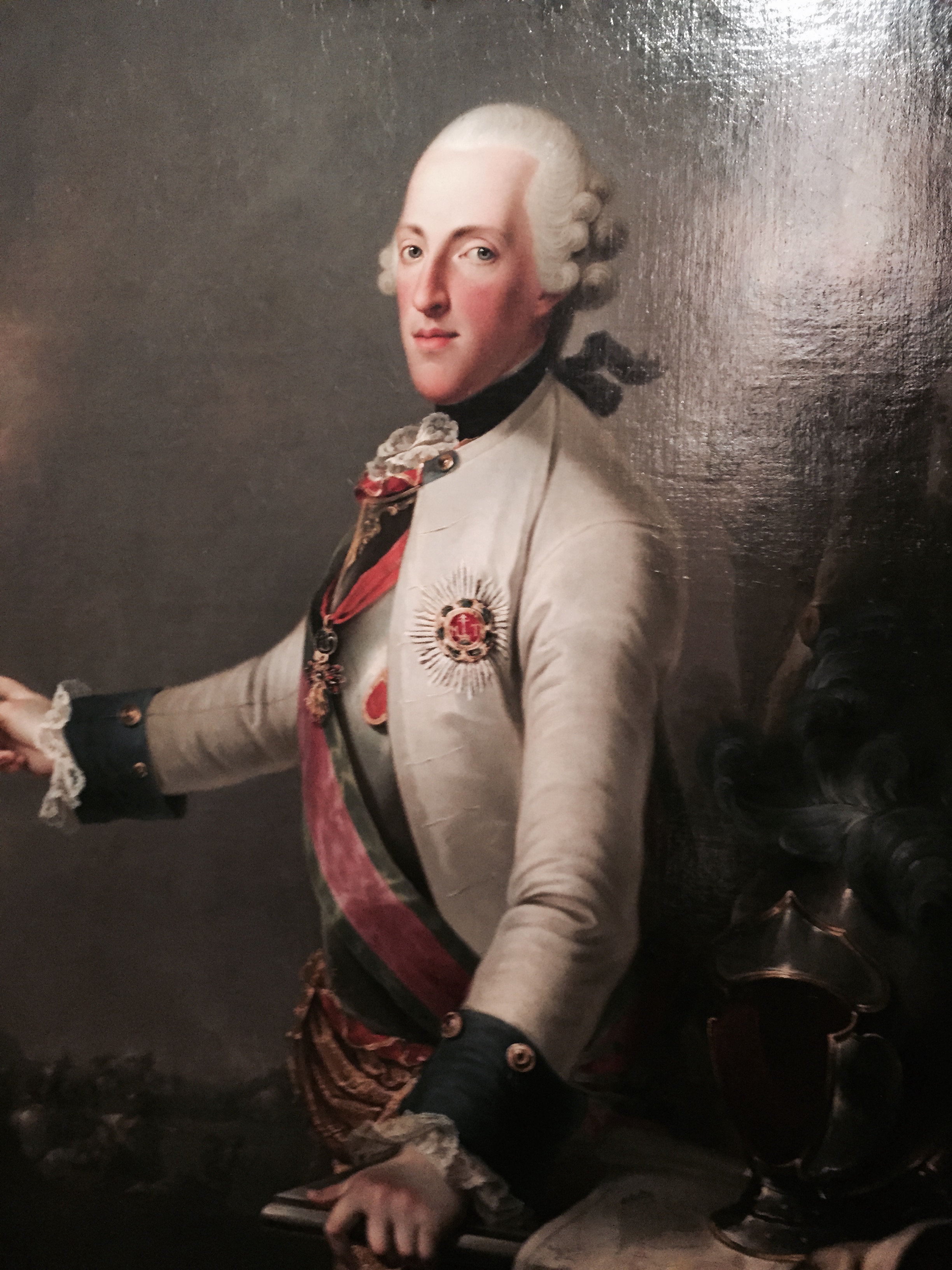
But Maria Christina was allowed to marry the man she loved, Albert, a minor princeling with no wealth and no throne. Her doting mother kept Maria Christina close, in Vienna, and built her a magnificent palace right next door to the Hofburg, seat of Austrian royalty.

FullSizeRender

Maria Christina’s portrait in the Albertina Museum shows her posing (smugly, if you ask me) with her lapdog. In contrast, Marie Antoinette, on arrival all alone at the border of France, was forced to strip down and leave behind every article of Austrian clothing because she became the property of the French state. No one told her, until the last moment, that she also had to leave behind her beloved little dog.

Years later, Maria Christina paid her kid sister a visit in France. I completely understand Marie Antoinette’s reaction. I’ve read that Marie Antoinette retreated to her private mini-palace at Versailles, the Petit Trianon, and pointedly did not invite her big sister along.

Sibling rivalry? There we have it, on a grand scale.

Join me next time for more explorations in the art and history of Europe!

Charles and Diana’s Royal Honeymoon (Gone Wrong)

HoneyHaven

The royal yacht “Britannia” was in active use from 1954 to 1997. That made it available for the now-notorious honeymoon of Charles, Prince of Wales, and his bride, Diana Spencer, in 1981.

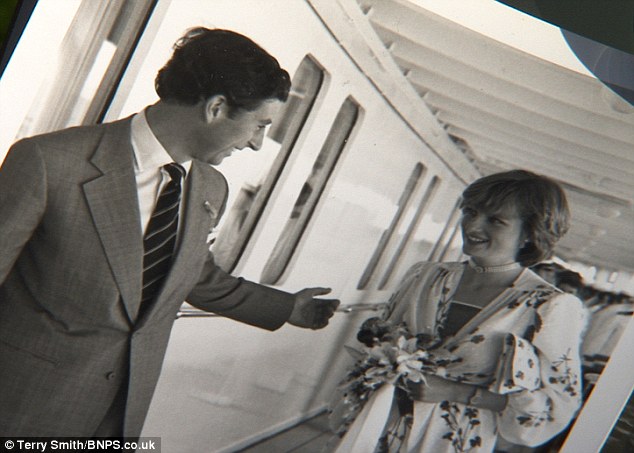
Photo from Daily Mail article cited below Photo from Daily Mail article cited below

From the published photos, all looked blissful.  But as we all know many years later, trouble was already brewing in the royal marriage.

The young couple had the use of the only two-person bed on the yacht, in what was usually used as a guest room for distinguished visitors. I think the matrimonial bed was–dare I say it?–queen-sized.

QueenBed

Crew members made do with narrow triple-stacked bunks far down in the bowels of the ship. Still, serving on the Royal Yacht was a plum position in the British Royal Navy.

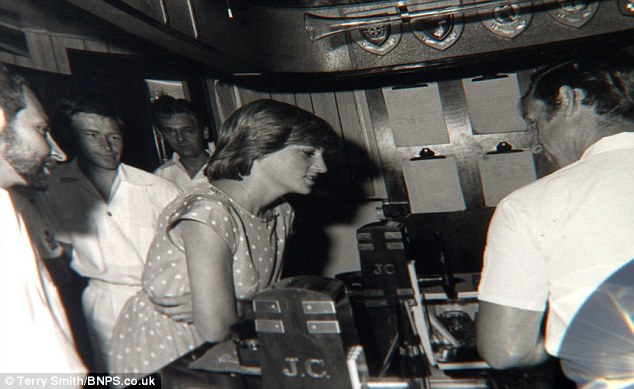
Crew members got to rub shoulders with royalty. During her honeymoon, a sometimes-bored Diana hung out belowdecks with sailors, all of them no doubt starstruck by the charming and beautiful 20-year-old princess.

Photo from the Daily Mail article cited below Photo from the Daily Mail article cited below

The fictional spy James Bond is “officially” a commander in the Royal Navy–an indication of the very high status of the British Navy, to this day.  I wonder how he would feel about serving the Princess of Wales with “half a shandy” from the officer’s mess? I can’t imagine it.  Instead, I’m sure he would wangle an invitation to dine with royals in the formal dining room onboard.

DiningFormal

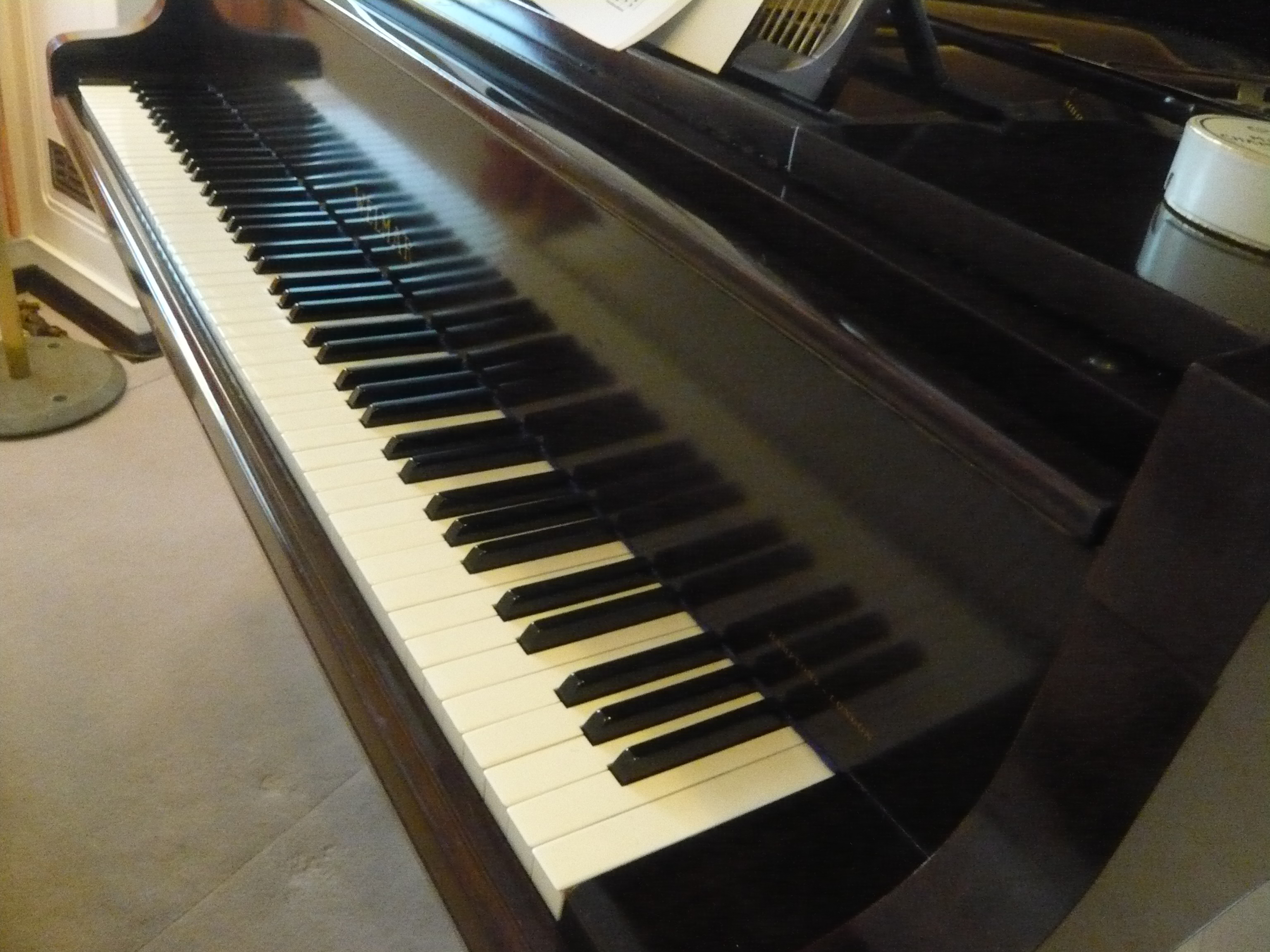
After dinner, Mr. Bond might suavely lean on the grand piano in the salon, listening to the young Princess play.

Piano

Was she any good? I guess we’ll never know.  I wish she were alive to see how her sons turned out.  Actually, I wish she were alive just for her own sake. The sailors who served the royal couple were given access to a set of photographs of the honeymoon.  Some of them were only recently published.

http://www.dailymail.co.uk/femail/article-2057550/Prince-Charles-Princess-Diana-unseen-honeymoon-pictures-Royal-Yacht-Britannia.html

Join me next time for more explorations into the art and the fascinating history of Europe and the British Isles!