Category Archives: British Isles

Happy Birthday, Jane Austen!

In honor of Jane Austen’s birth on December 16, 1775, I’m revisiting one of my favorite travel memories. In 2014, I visited the home where Jane lived in her last years. And I experienced Six (or fewer) Degrees of Separation from Jane.

Jane Austen lived the last few years of her too-short life in tranquil Chawton, Hampshire, with her mother, her cherished sister Cassandra, and a family friend. The women were pretty much penniless after the death of Jane’s father.  Like most single women of their time, they had to depend on the kindness of relatives for a roof over their heads.
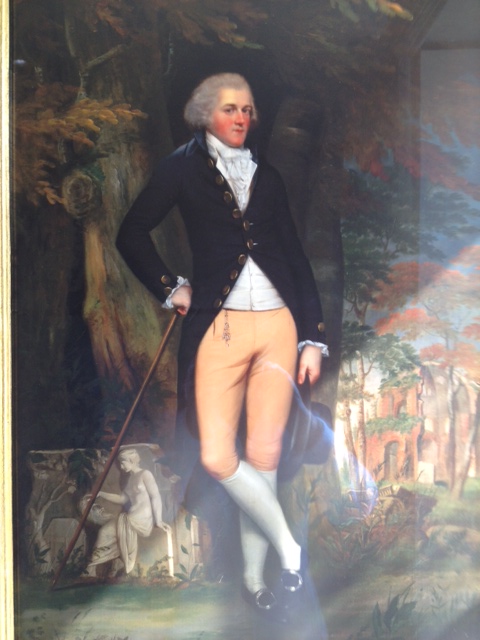
Edward Knight

It was their good fortune that Jane’s brother Edward Knight was able to come to the rescue. Why was his name Edward Knight, not Edward Austen?  He had been formally adopted by a cousin of Jane’s father, Thomas Knight.  Thomas and his wife Catherine were wealthy and childless.  They made Edward their heir.  He inherited several estates, among them a grand house at Chawton.  The house came with a sizable but cozy cottage, which Edward made available to his mother and sisters for their lifetimes.

At last, in her thirties, Jane had a stable home.  She had begun writing as a teenager but had more or less given it up during the years that she had no settled home.  In Chawton, she established a routine of writing every morning at a little round table in front of the dining room window.  Her sister Cassandra took over morning household chores, giving Jane the freedom to write. In the afternoons, they took long walks in the countryside–just like Jane’s heroines. They also spent a lot of time visiting friends and relatives, including the wealthy connections Edward Knight was able to give them.

On this humble little table, Jane wrote the classics we know and love: Persuasion, Pride and Prejudice, Sense and Sensibility, Northanger Abbey, Mansfield Park, and Emma. Some of them she had begun earlier and had put away. Family lore had it that a squeaky door was purposely never oiled, so that Jane always had warning of visitors.  She would hastily hide her manuscript until the visitors had left.

Jane’s books dealt with the serious problems of women dependent on men for economic security.  As she knew all too well from her own life, an unmarried woman without a fortune of her own had very few options for survival. Jane spun her stories with humor, but also with hard-earned experience in understanding human conflicts.

I was deep in a discussion about Austen family history with a man stationed in the house, when I noticed that his name tag said, “Mr. Knight.”  Could it be?  Yes!  My Mr. Knight was a living, breathing, direct descendant of Jane’s brother! I think he looks just like his ancestor.

In Copenhagen this month, I loved seeing some outfits from Jane’s era in the Design Museum.

The Empire dresses first popularized by Josephine, the wife of Napoleon, were popular in Scandinavia as well as in Jane’s England.

I loved the puff detail on this one, which was made in Denmark’s colony in the Indies. (Taking care of fragile garments like this was the job of slaves–an unpleasant fact that countries like Denmark and England and America are still struggling to come to terms with). In one of her books, “Mansfield Park,” Jane touched on the subject.

Still, I can dream of a ladylike life in a peaceful English village. How about a little cotton jacket for a stroll in the garden?

I just found my DVD of my all-time favorite movie based on Jane’s work, “Persuasion.” It’s about maturity, regrets, making one’s own risky choices, and second chances. It stars Amanda Root, Ciaran Hinds, Corin Redgrave, Fiona Shaw, and a long list of other fine British actors. I’ll be watching it today, and feeling grateful that in her short life Jane was able to write as much as she did.

Plas Newydd: Royalty and Green Skilly 

I admit to being a hopeless Anglophile. I can easily see myself sweeping down a grand staircase to greet visiting royalty, as the  Angleseys of Plas Newydd in Wales did for centuries.


The house has Tudor origins, but much of it was built in stages beginning in the 1700s. According to a docent, it was more or less a summer cottage, so costs were kept down. The stone walls and pillars in the entry hall? Faux painting. Works for me.

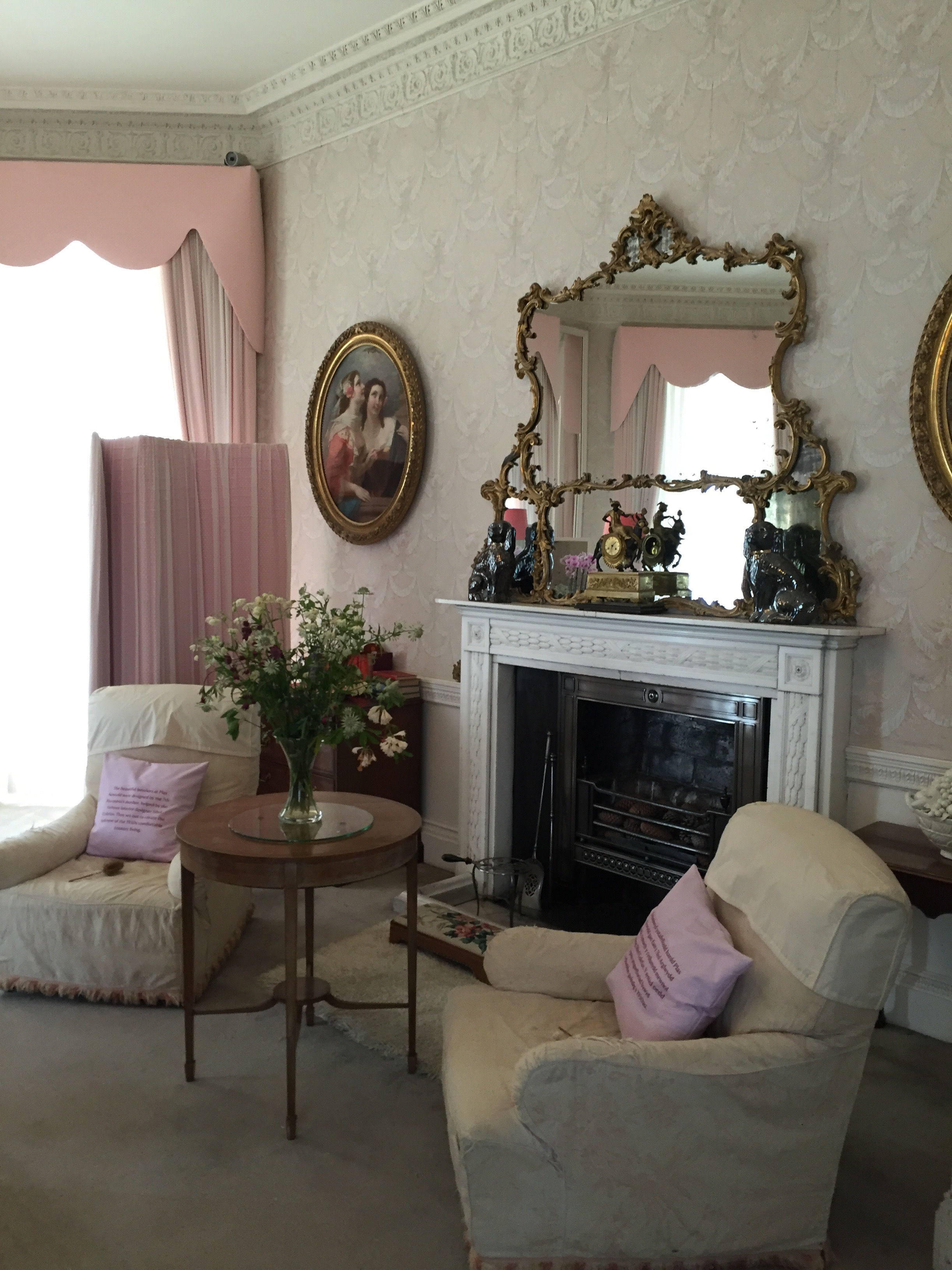
Royals attended Anglesey weddings as a matter of course. And royals stopped by Plas Newydd to play cards in the saloon (toffspeak for the main living room, where everybody gathers. If there are children, this is where they play checkers and race around on tricycles).


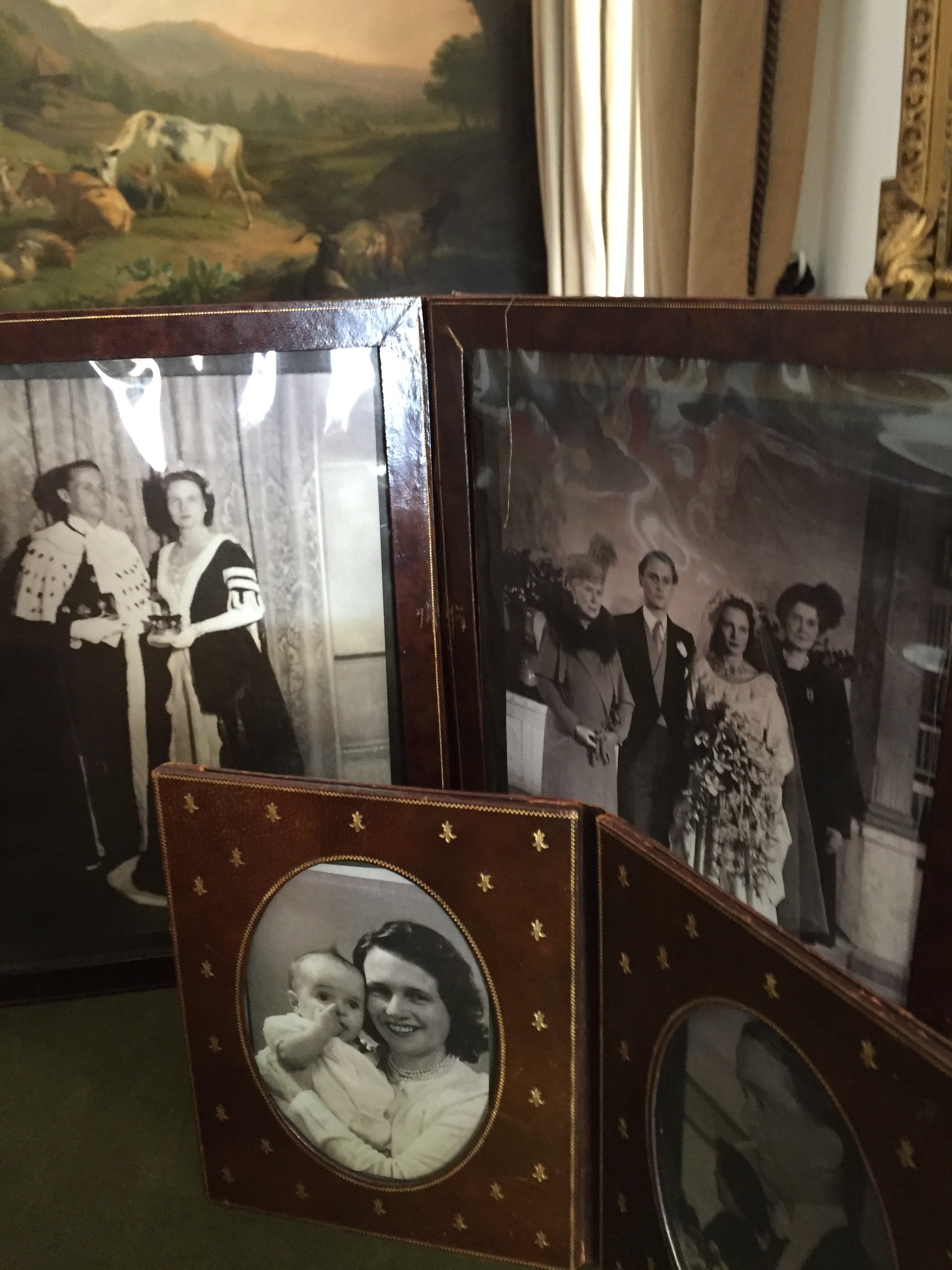
Show me a drawing room or saloon, any room where my betters relax, and I’ll head straight to the obligatory black-and-white framed photos, casually strewn on the grand piano or the museum-quality writing desk.


I love faded chintz, tastefully worn Persian rugs, and slightly shabby velvet.


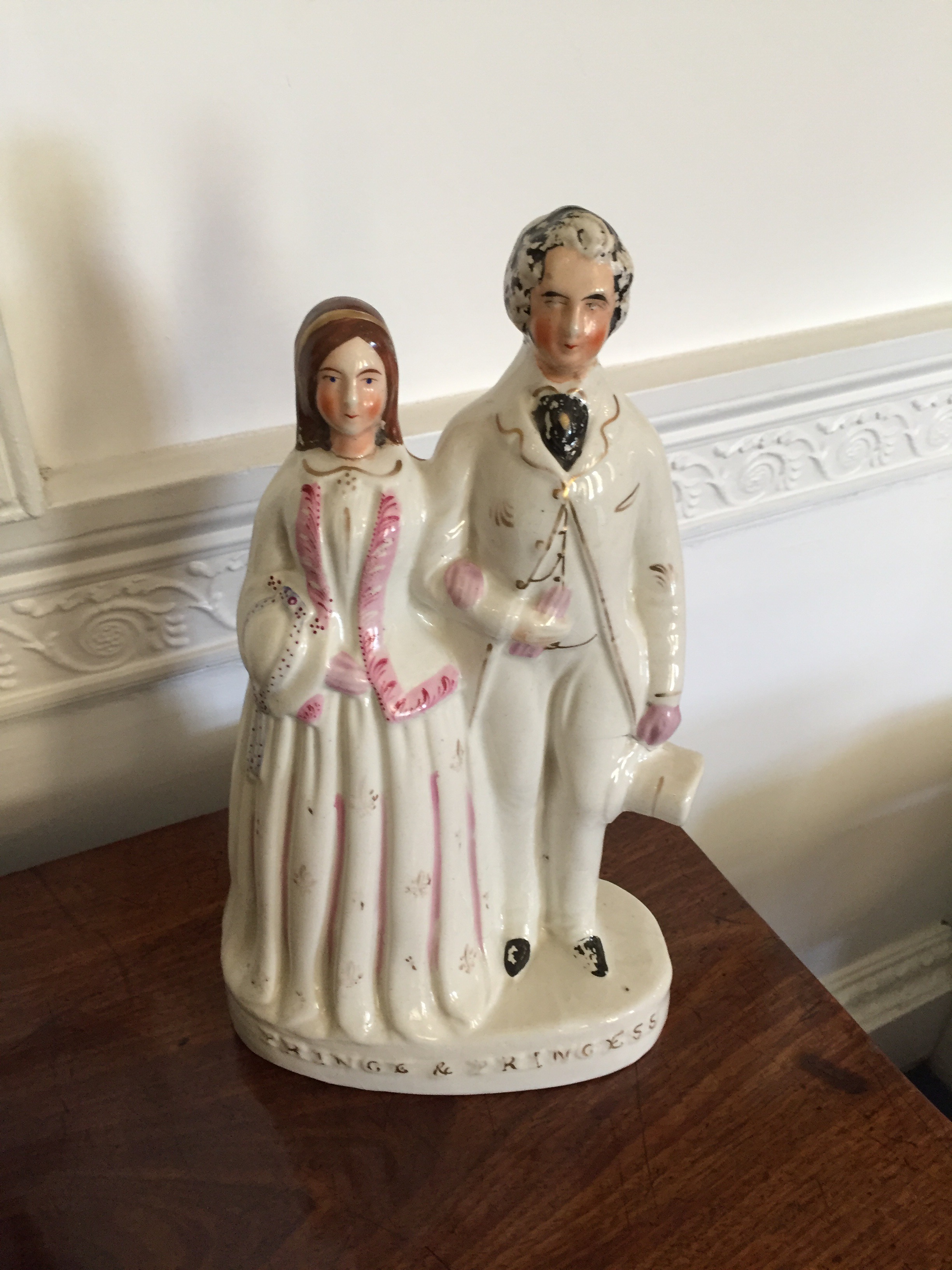
I asked whether this little ceramic pair represented any couple in particular. No, the docent said, it’s just a prince and princess. This figurine was probably mass-produced, but somebody liked it enough to set it on a table alongside family heirlooms.


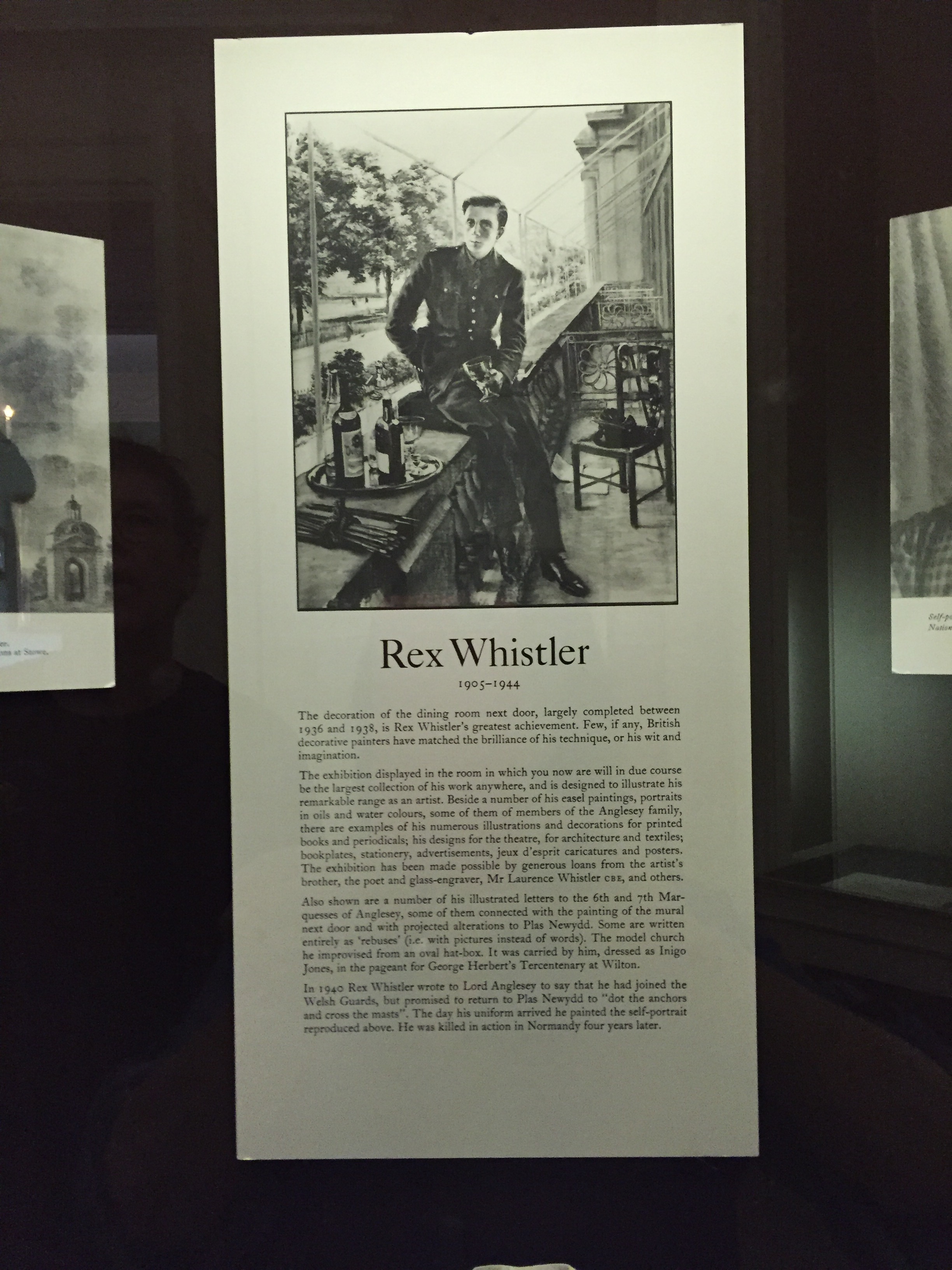
In another lifetime, maybe I was a British aristocrat–not a snooty one, but a slightly eccentric one who welcomed artists of all stripes. The artist Rex Whistler would have a permanent room in my mansion.


I’d look over Rex’s shoulder as he worked on whatever he wanted, maybe costumes and stage design for a production of Shakespeare’s “The Tempest.” I think this is Alonso, Prospero’s brother.


Caliban is spiky and green.


Miranda looks lovely, and remarkably like Caroline, a daughter of the family (to whom the artist was devoted).


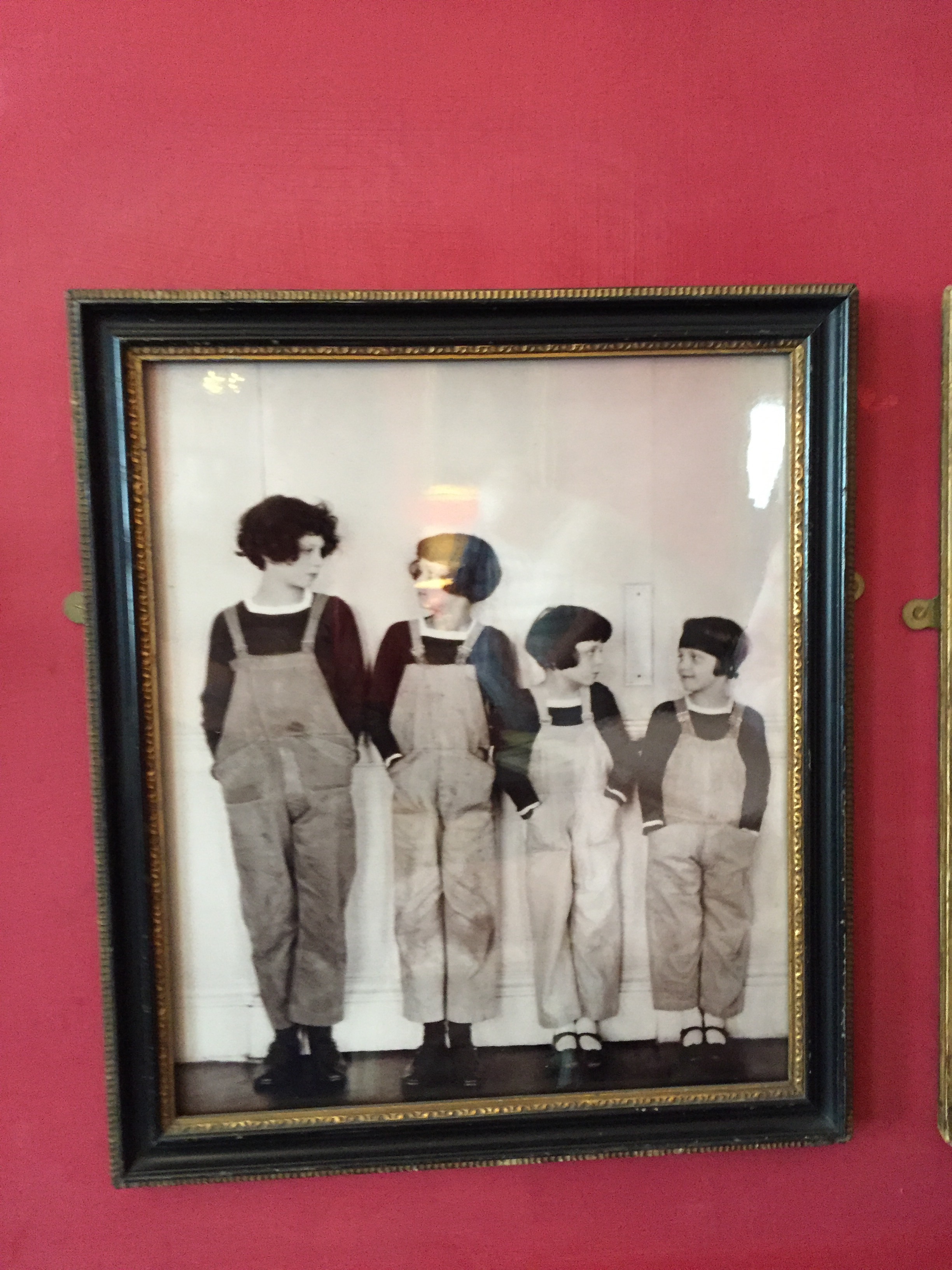
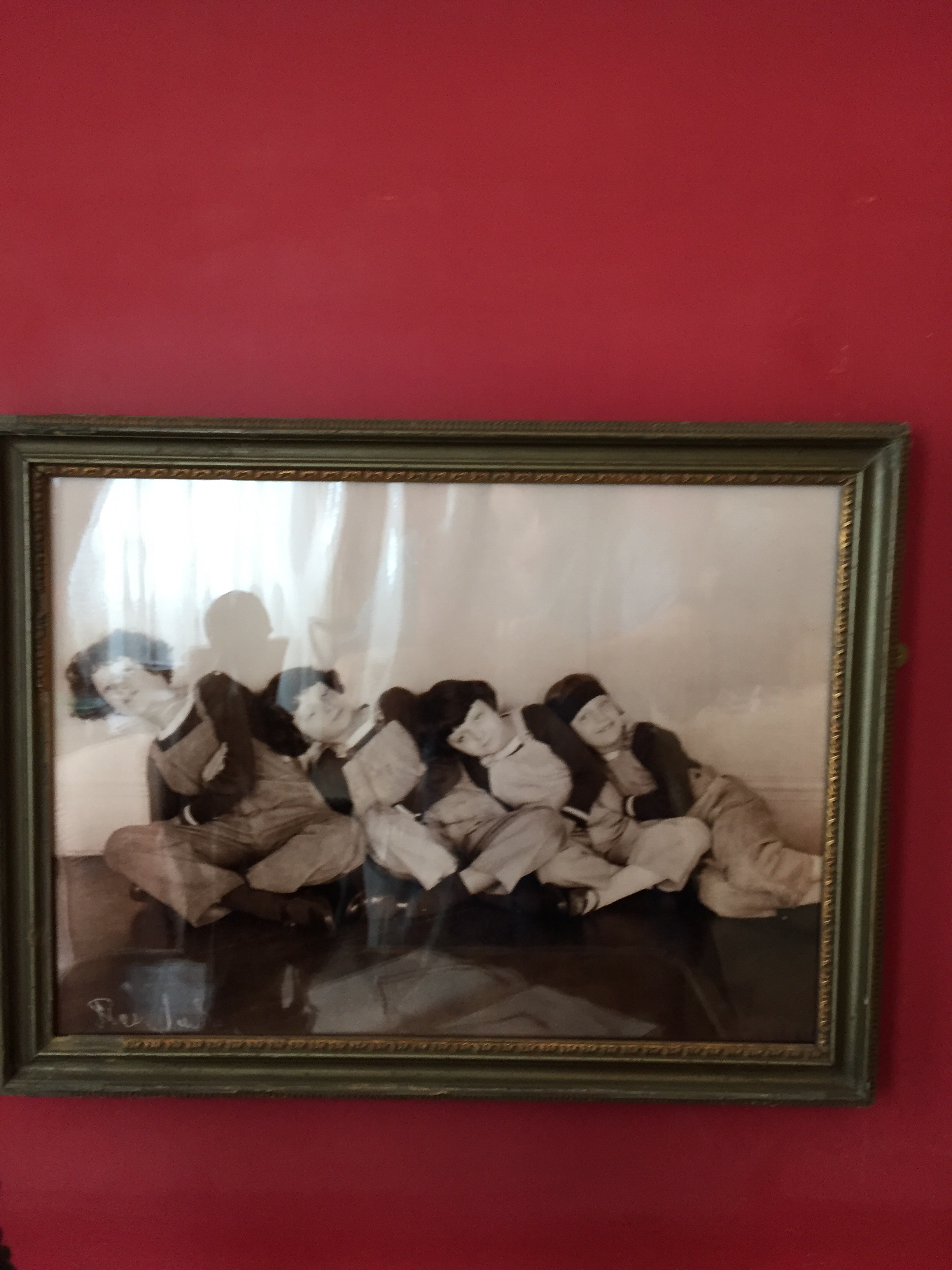
The 6th Marquess of Anglesey had a fine sense of humor. These are his photos of his four daughters. I’m guessing that none of these daughters inherited any of the property. British families kept their estates intact by passing on everything to the oldest son. Most of them still do. But growing up as an aristocratic daughter looks like a pretty good life all the same.


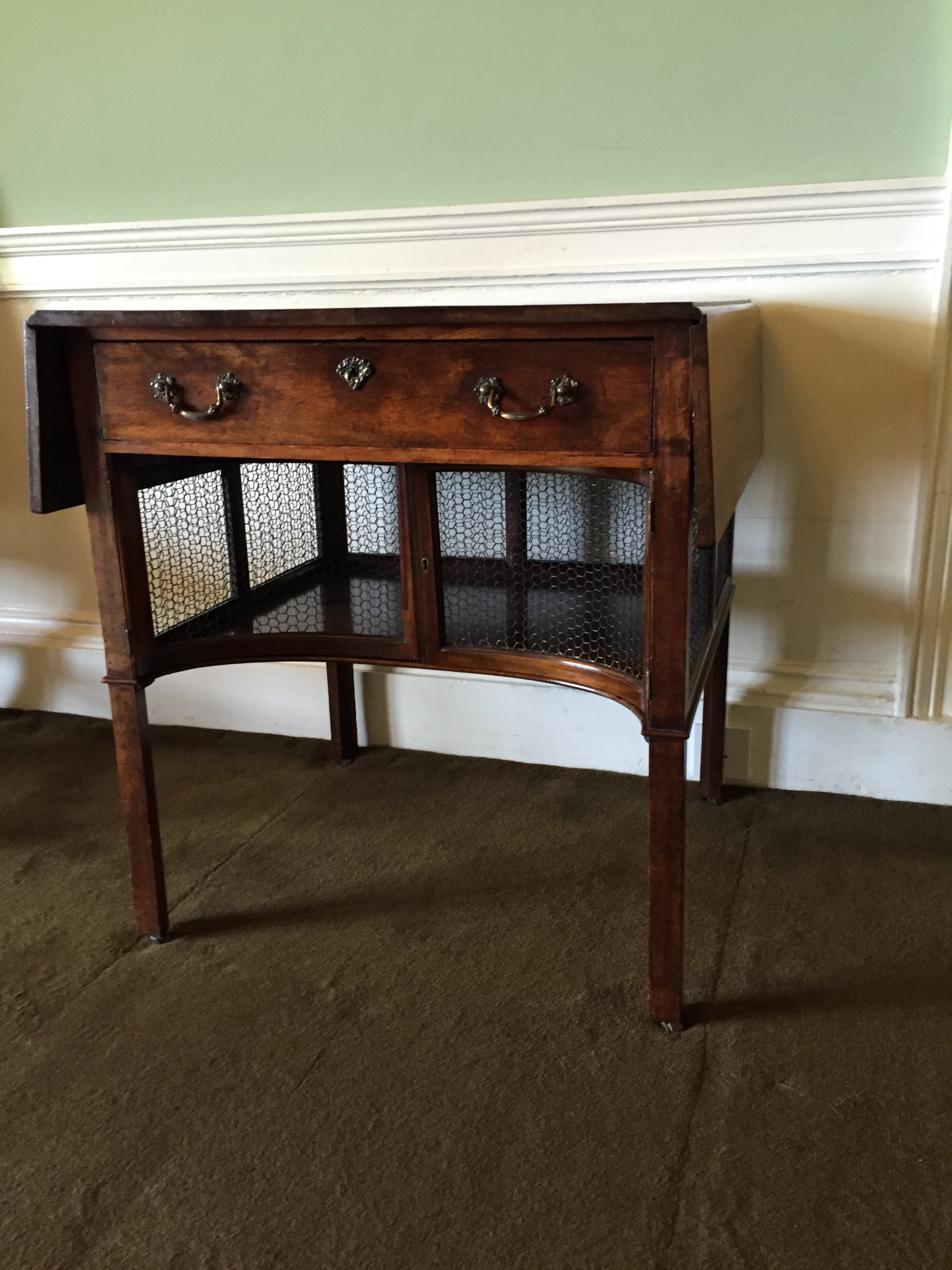
In the breakfast room, there’s a special side table with a screened box to keep the family dogs away from the sausages.


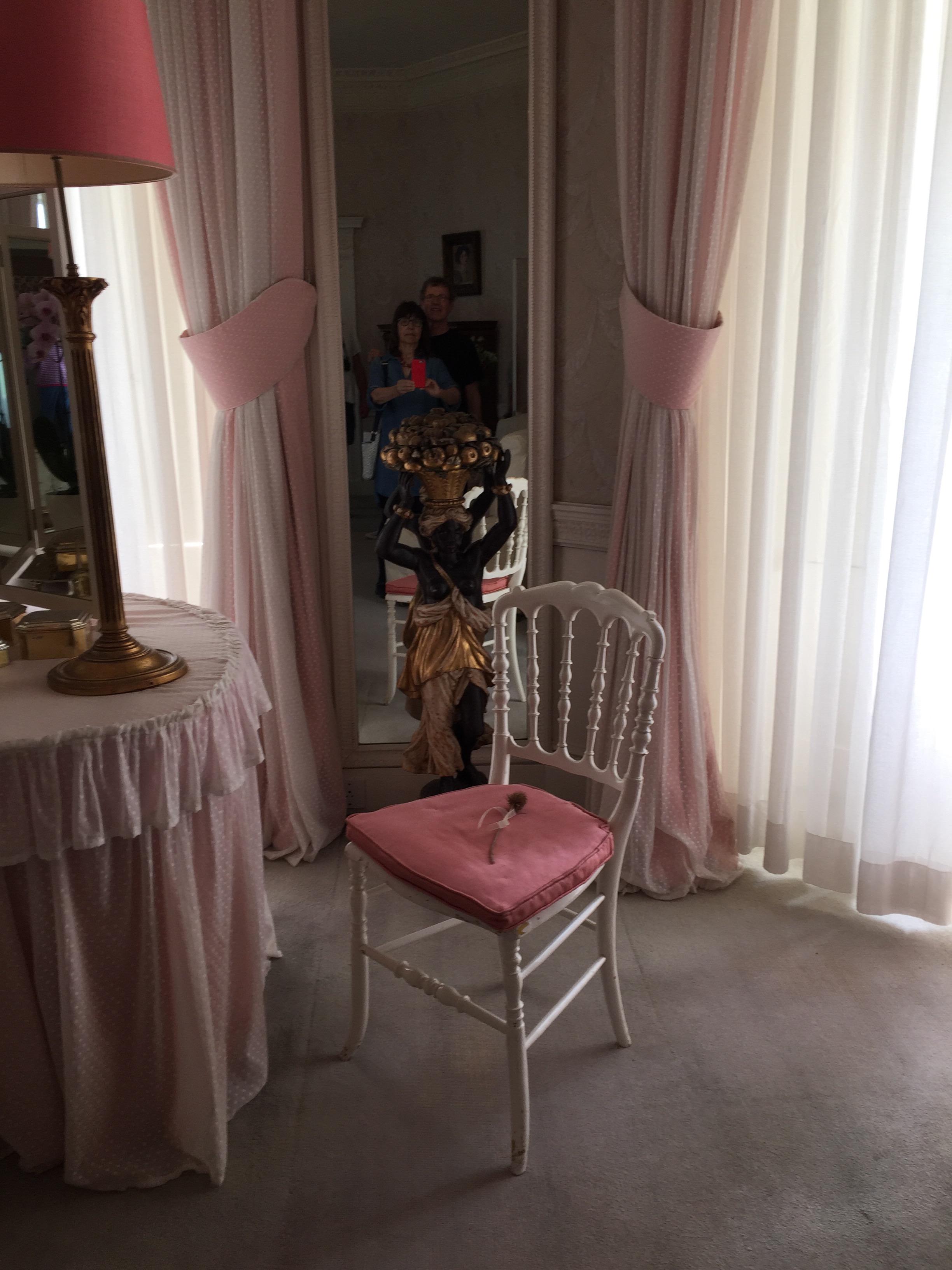
The bedrooms were completely redecorated in the epitome of 1930s country house comfort and style. I’ll take the pink one, please.


I’ll be down for dinner when the gong sounds. Just let me fuss a bit more with my hair…

In the kitchen far below, servants bustle with pots and pans and silver platters. They sit down to their own dinners. Do they say grace after the meal instead of before? Sounds like it:

We thank the Lord for what we’ve had,

It wasn’t good, it wasn’t bad.

The sodduck was stale, the skilly was green,

But thank the Lord the plates were clean.
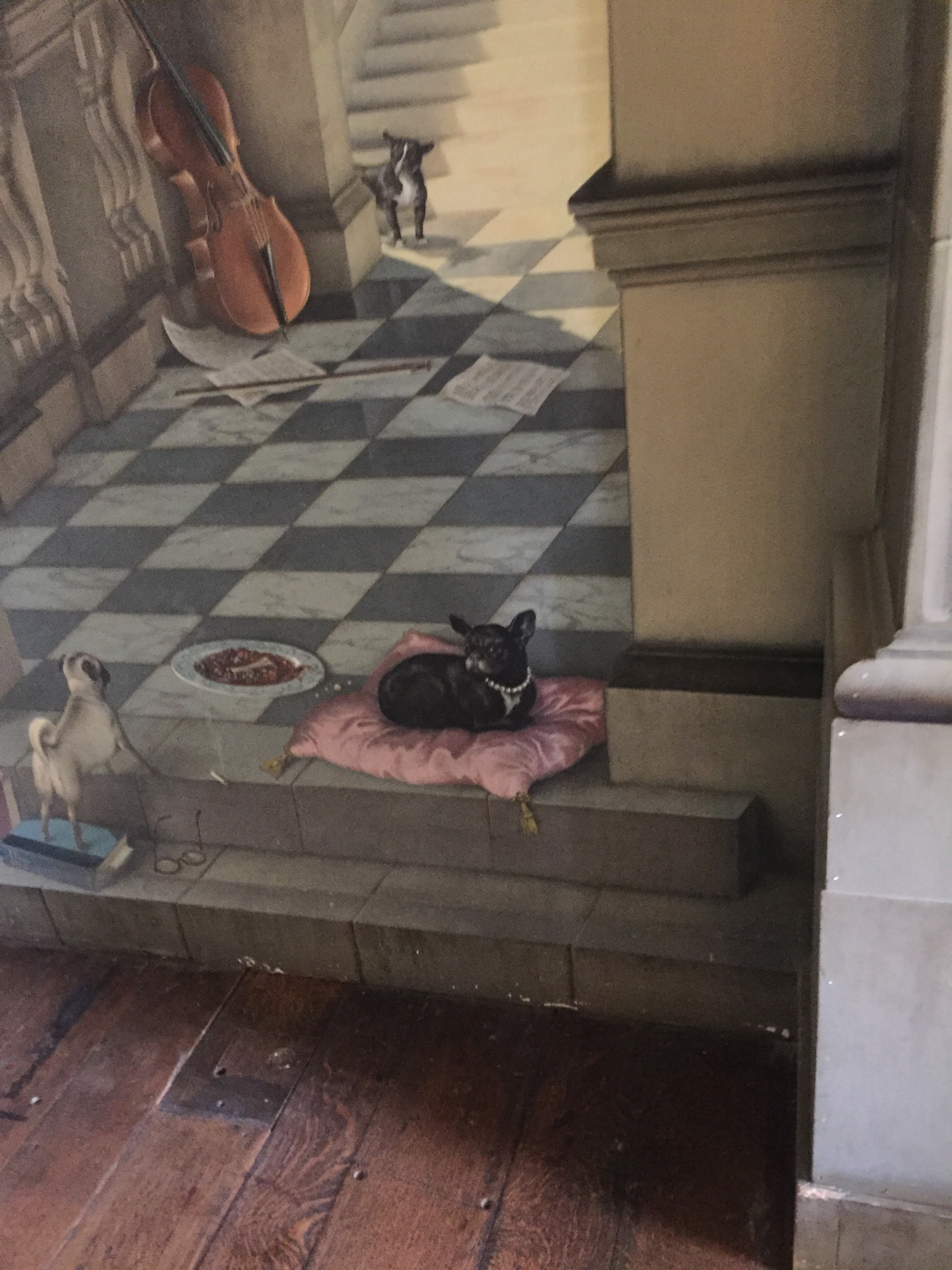

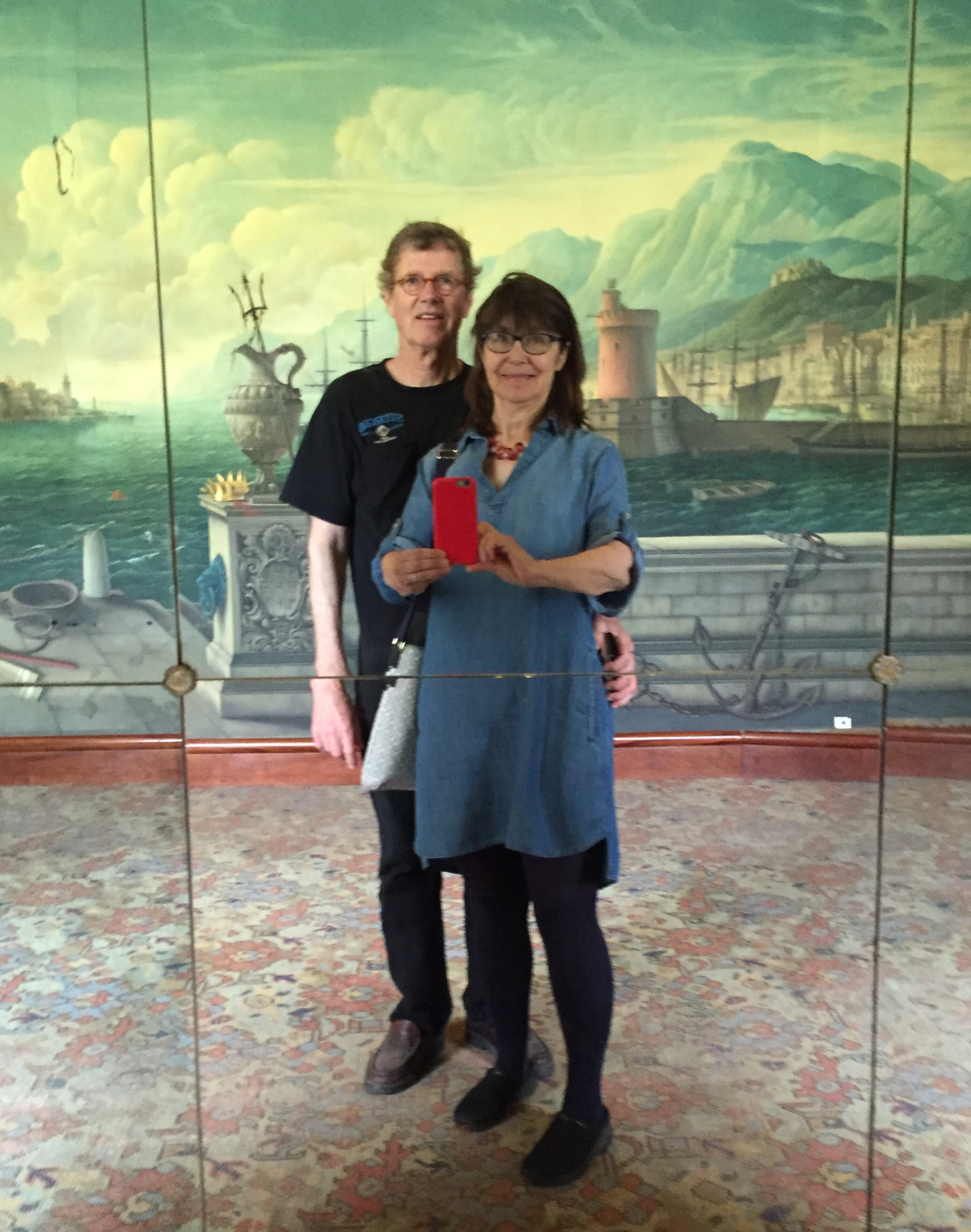
I’m blessed with a husband who likes old stuff as much as I do. We celebrated our 49th year of wedded bliss at Plas Newydd. This year, we made it to 50! I’d like to go back to Plas Newydd for a nice cup of skilly (tea), green or not.

Lord Anglesey, A Man of Parts


Henry, the dashing 7th Marquess of Anglesey, came to mind this morning. In a burst of fall energy, I started madly cleaning out drawers, cupboards, closets and even the dreaded garage. I thought of Henry.


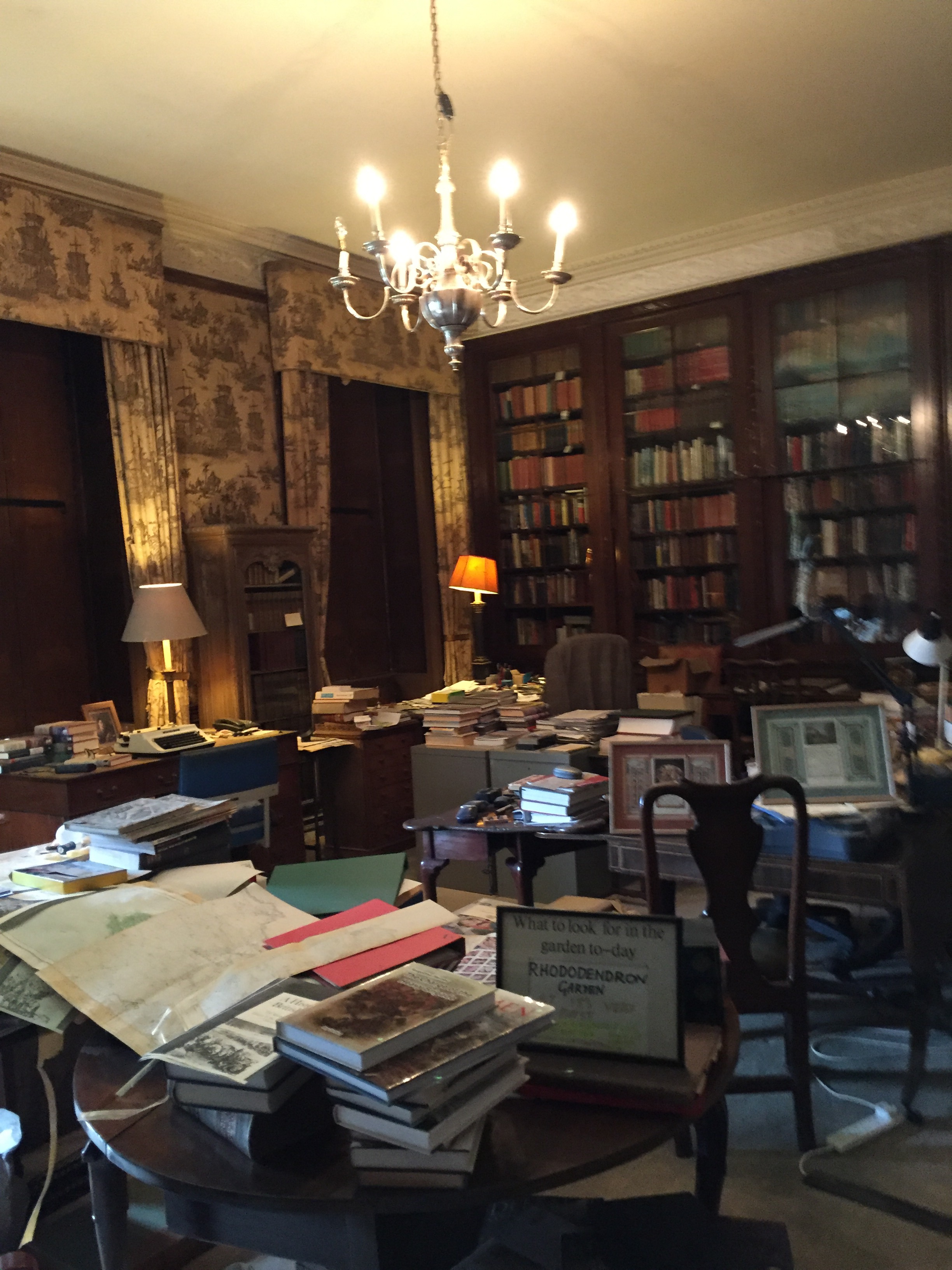
After a couple of strenuous hours of pitching and organizing things I had forgotten I owned, I sank into my softest chair and thought admiringly of Henry’s study at Plas Newydd in Wales. Henry was Marquess from 1947 until he died in 2013. In 1976, he gave Plas Newydd–“New Mansion”–to the National Trust, but still lived upstairs with his family. I think his heirs still live there, too. So would I.


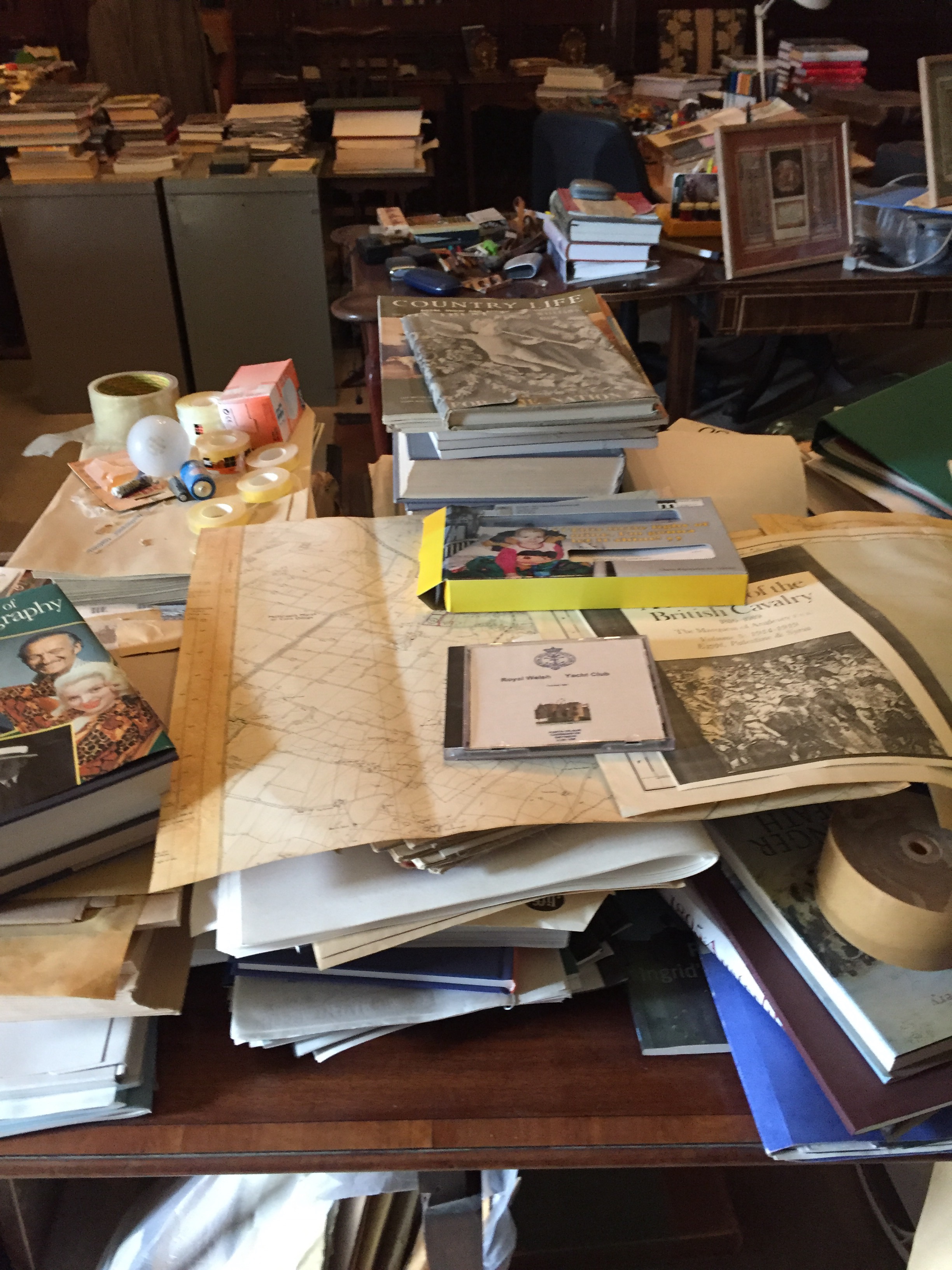
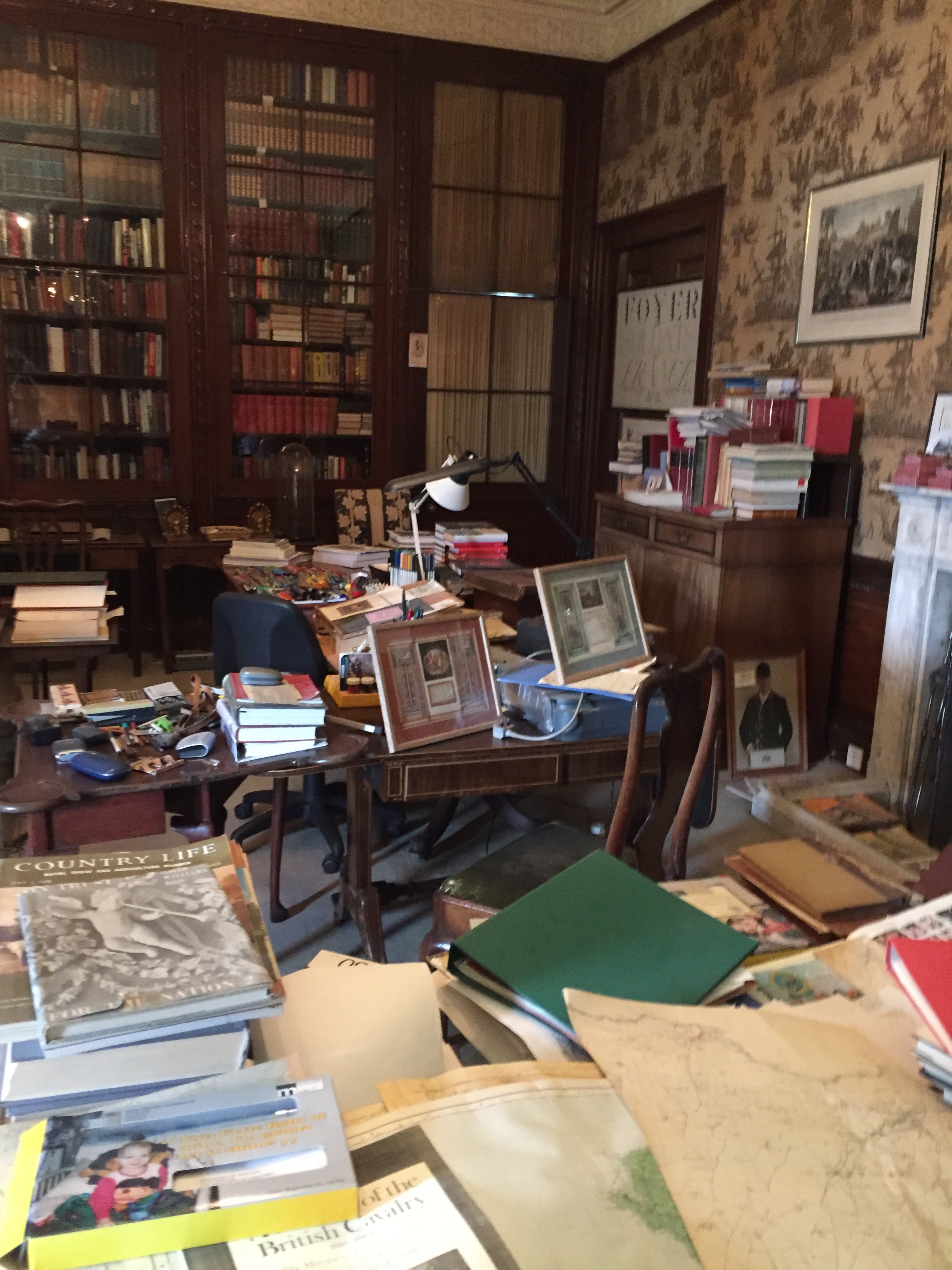
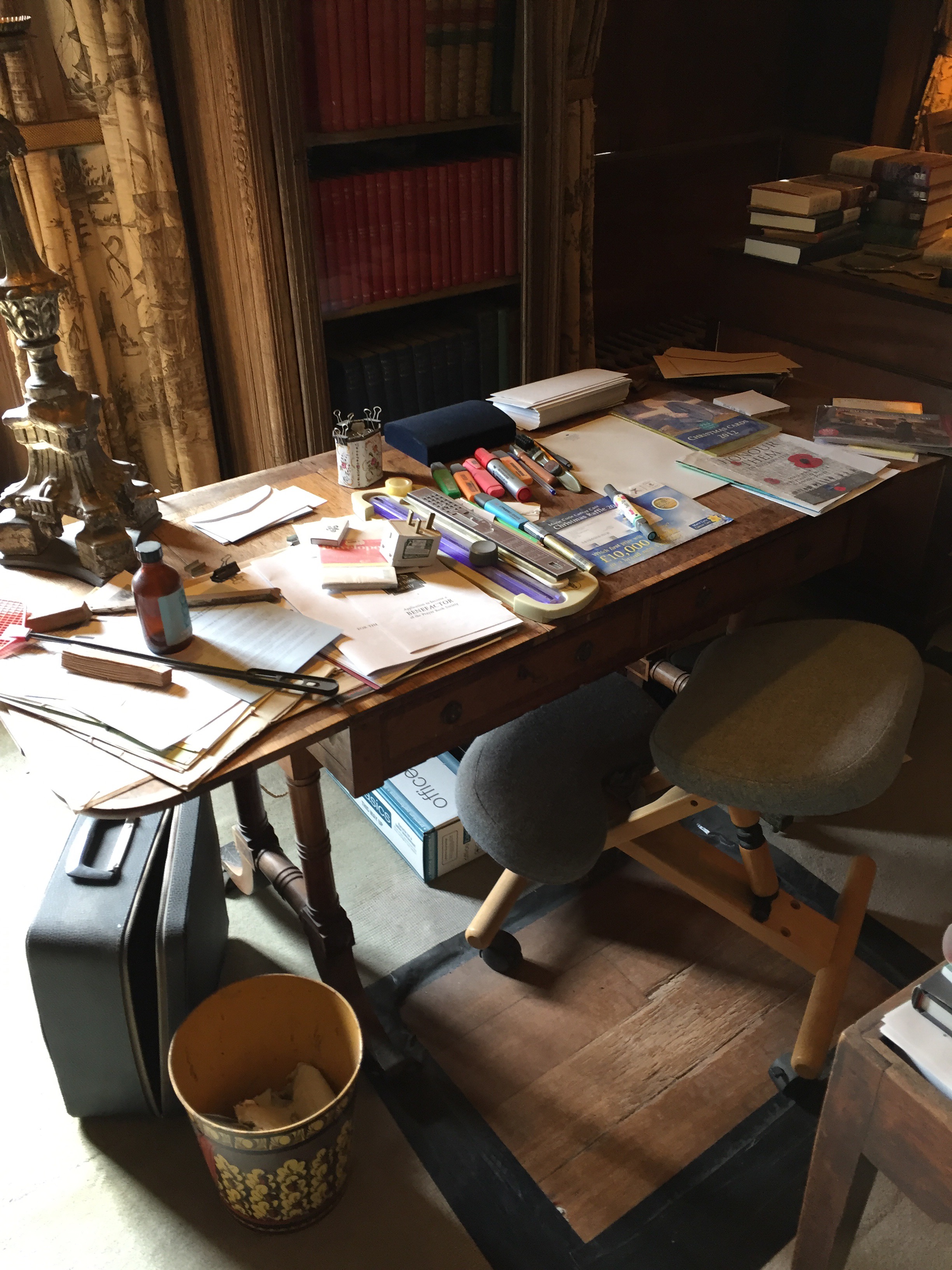
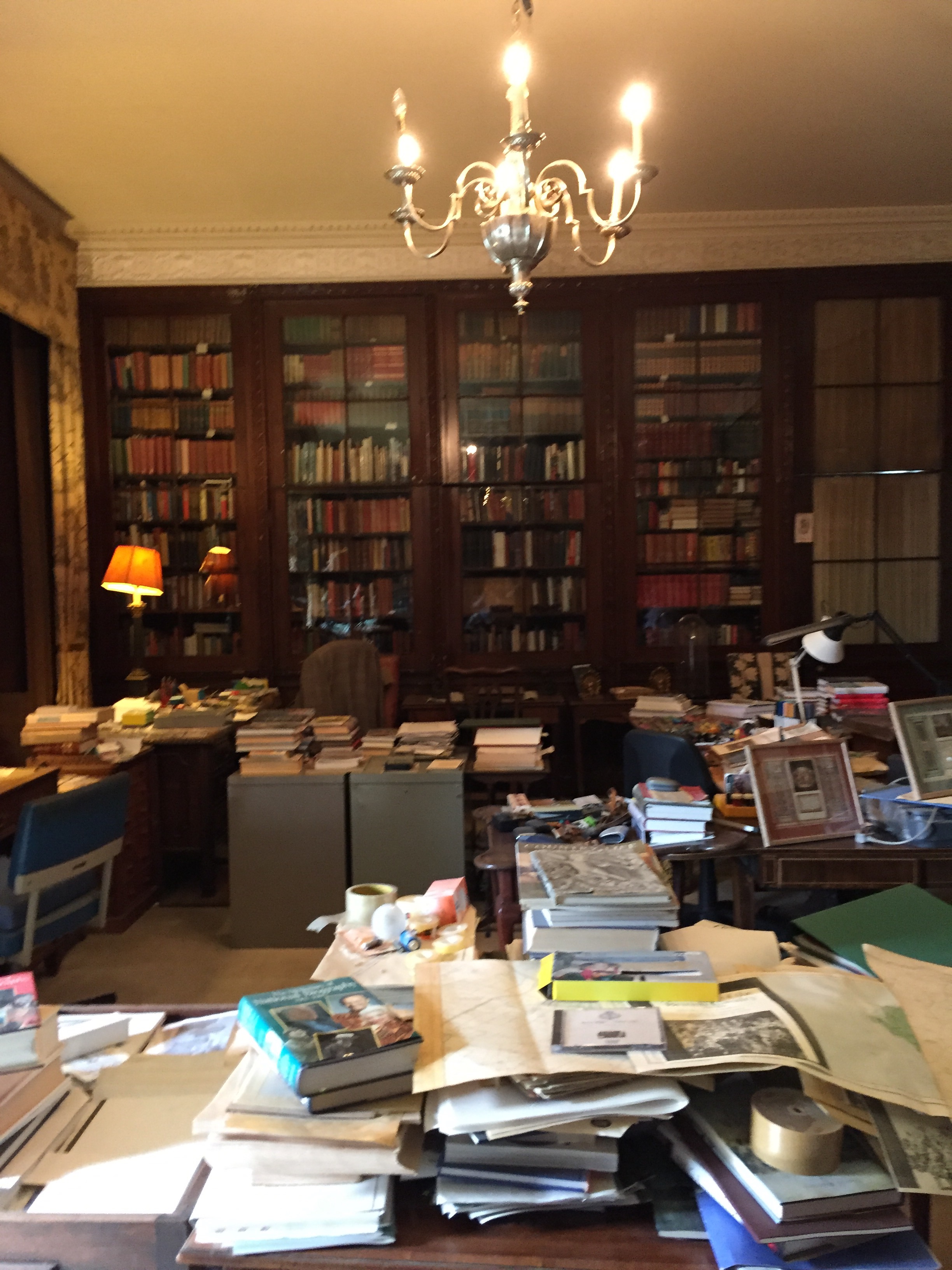
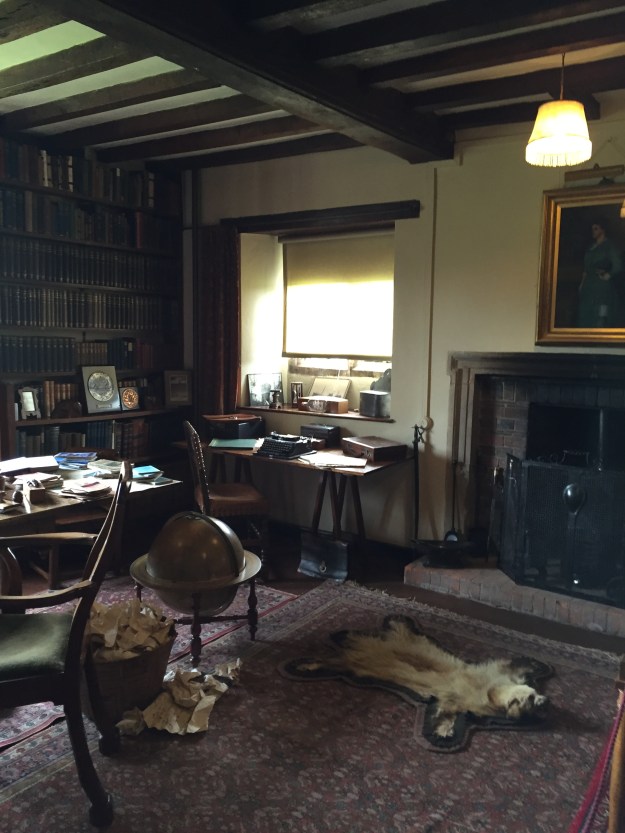
Henry’s study, used daily during his lifetime, is a magnificent jumble of books, papers, drawings, photos, magazines, and who knows what else.


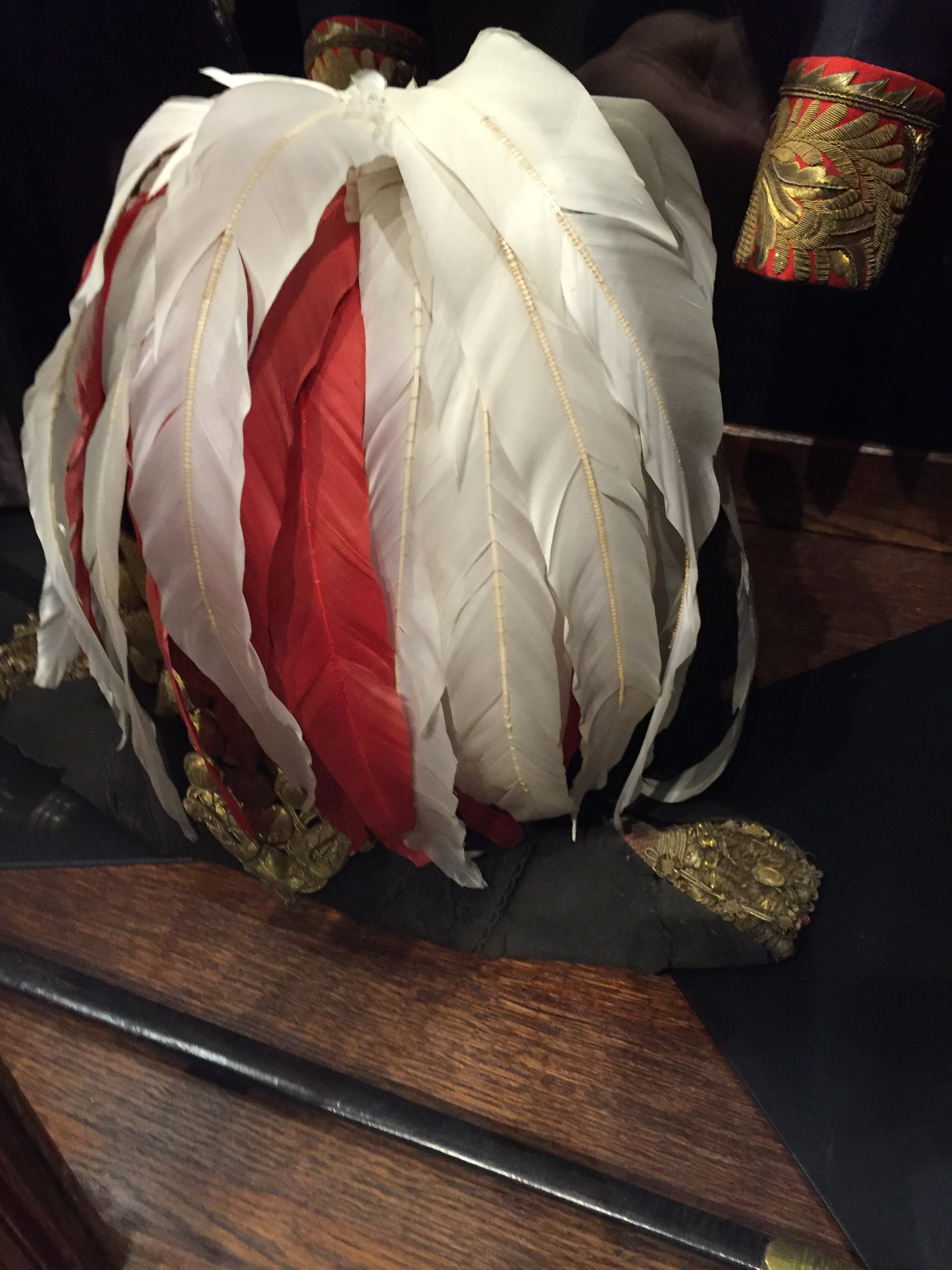
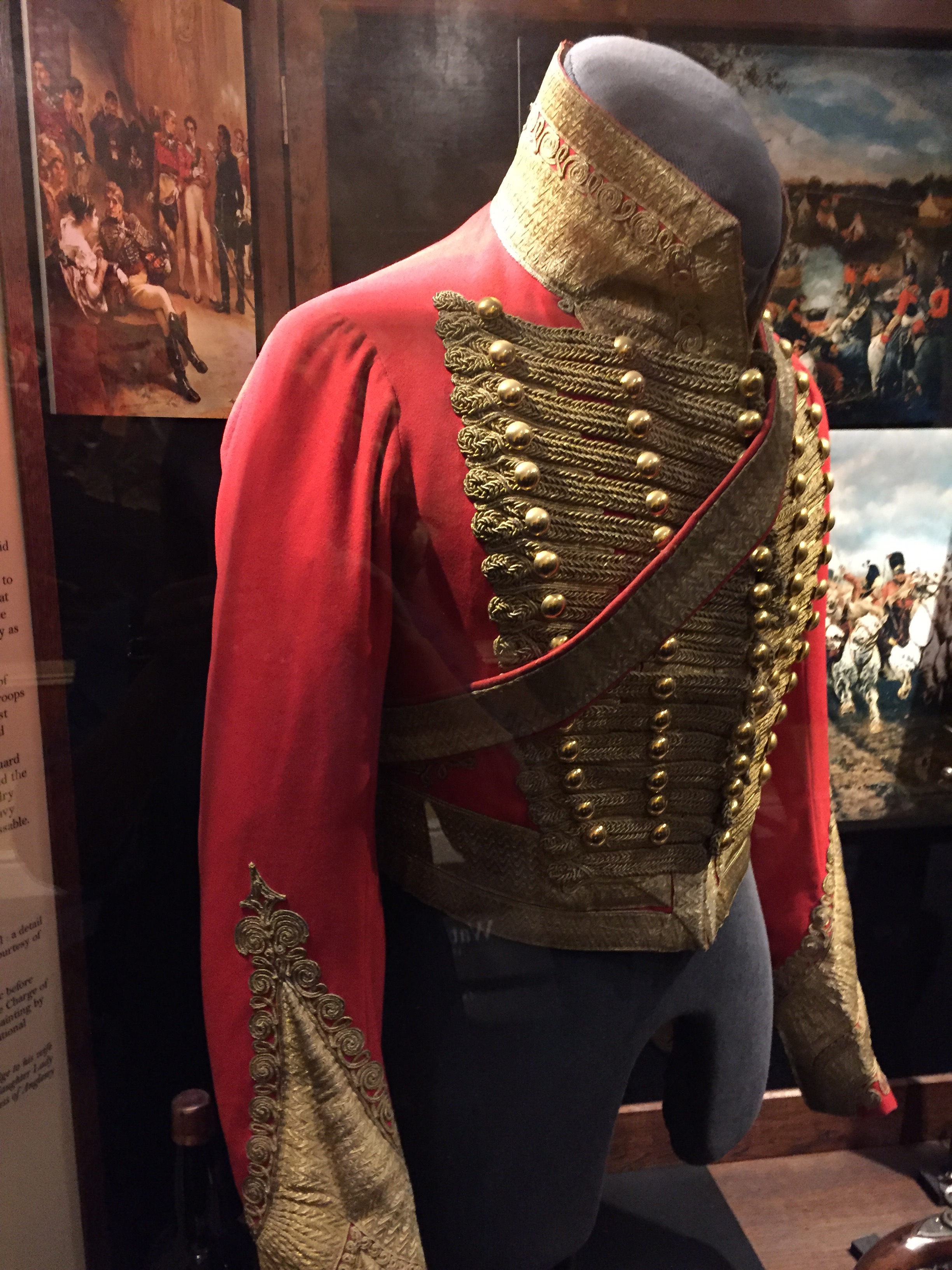
Another part of Plas Newydd displays stuff from the family’s colorful history. Henry was a distinguished historian, and well he might be. His ancestors included the first Marquess, Henry “One-Leg,” whose leg was shot off by cannon fire at the battle of Waterloo in 1815, while he was right next to the Duke of Wellington himself. On the occasion, Henry coolly said, “By God, Sir,    I’ve lost my leg.” The Iron Duke replied, “By God, Sir, so you have.”


The Marquess had what remained of his leg amputated, with a stiff upper lip and no anesthetic, and was fitted with a wooden leg. Afterward, he fathered ten children and walked nine miles a day for the rest of his life.


But back to the 7th Marquess. He must have been something of an artist as well as a politician and a writer. He kept a special drawing table, under a window with good light. Of all the rooms in grand homes that I’ve seen, Henry’s study is one of my favorites.


I can see him happily puttering around, going from one table to the next. The jumble made perfect sense to him. He just kept a separate place for each one of his many projects. If only I had the space to do the same.


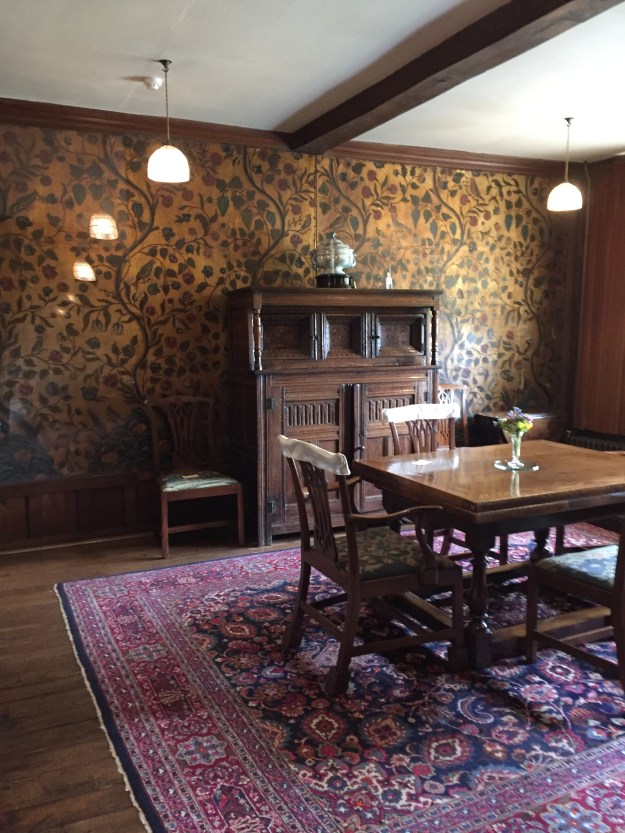
The other unforgettable room at Plas Newydd is the dining room. In 1936, the 6th Marquess commissioned Rex Whistler to paint the entire long wall as a mural.


The artist was happy to spend endless hours on the mural, partly because he was in love with one of the daughters of the family, whom he also painted. Tragically, Rex Whistler was killed in action in Normandy in July 1944, having insisted on fighting rather than serving in some less dangerous way. He had just arrived at the front.


I could spend hours taking in the detail of the Whistler mural, which is full of gentle humor and family references.


If I get to return to Plas Newydd, I’ll try to find time to look into the grounds and gardens, another interest of Henry’s.


Meanwhile, I’ll dream of having a room all my own, like Henry’s. “A man of parts” is the British term for a multi-talented Renaissance man.Henry is the best example I know of. Now, about my basement storage room…

There’s an article about the 1st Marquess at:

http://www.telegraph.co.uk/culture/books/11682406/The-Battle-of-Waterloo-is-this-the-most-British-conversation-ever-to-be-held-on-a-battlefield.html

Rudyard Kipling’s Beloved Bateman’s


1fac83c7-7594-479b-a24f-4643c42663f6The Nobel prize-winning British author Rudyard Kipling died on January 18, 1936 in his beloved country home, Bateman’s, aged 70. The house is deep in the rural countryside of East Sussex, close to the site of the Battle of Hastings.
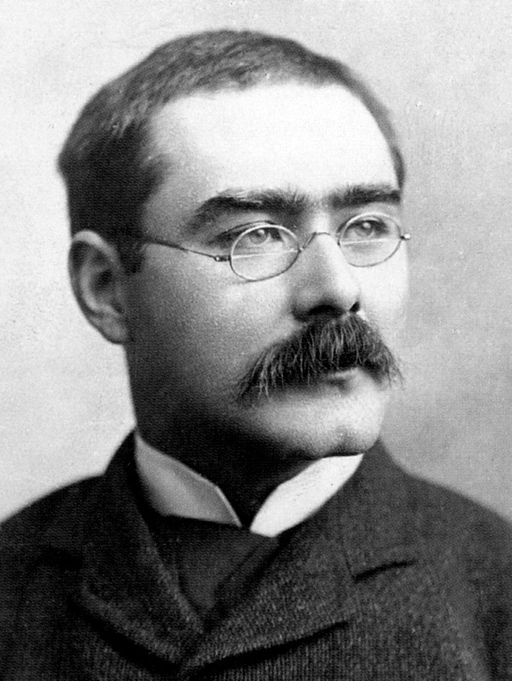
rudyard_kipling_portrait

Public Domain portrait of Rudyard Kipling, from John Palmer’s 1915 biography

I have to confess I’m not really familiar with much of his work, but I loved visiting the home where he and his wife chose to spend the last 34 years of his long and productive life.

3863aabd-aad3-408e-b003-68a928081fd0

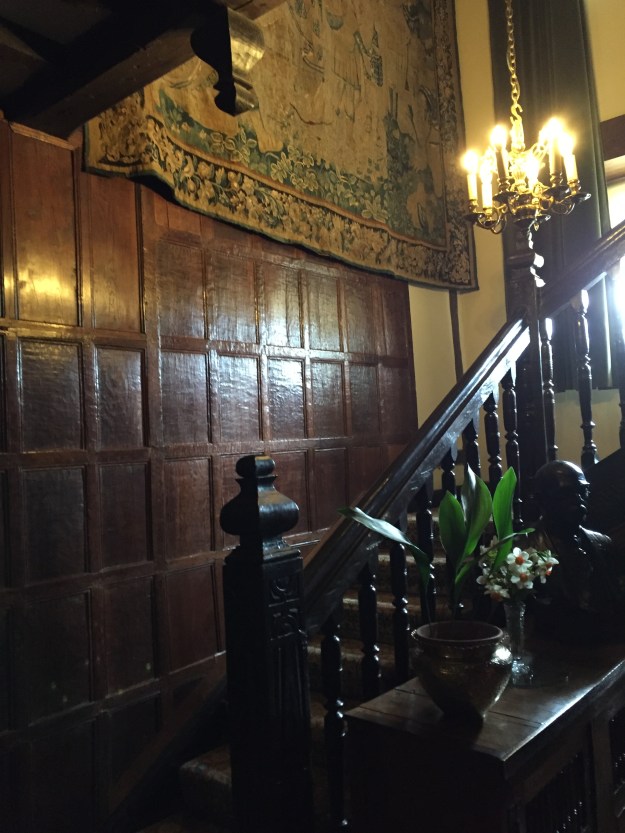
They bought the house in 1902.  It had  no bathroom, no electricity, and running water was only downstairs. But Kipling wrote, “Behold us, lawful owners of a grey stone lichened house–A.D. 1634 over the door–beamed, panelled, with old oak staircase, and all untouched and unfaked. We have loved it ever since our first sight of it.”

65835eb1-7653-4b29-ad11-1ae0d9e05016

The house is now in the hands of the National Trust.  Most of the furnishings are from Kipling’s happy time there. It is hard for us to appreciate just how famous this man was even before he was awarded the Nobel Prize for literature, but the house was a peaceful retreat from Kipling’s busy life–he was active in politics and journalism, besides literature, all his life.9313938c-3171-478f-ad25-bc04c49b1791

His wife Caroline ran his affairs, working tirelessly in a tiny hidden office with a window looking out into the entry way, above and to the right of the fireplace.  She kept an eagle eye on the many people who knocked on the door, seeking time with the great man.  Not many were admitted when he was working in his study, pictured below. (We should all probably have someone like Caroline to turn off our internet when we want to get something accomplished).

9bdb6e68-5993-404d-a0e2-8debd9e6a481

Kipling spent a good part of his working life in India and Africa, writing about both the glories and pitfalls of British imperialism.  He wrote with foreboding about the difficulties–and the morality–of maintaining the global British Empire, which was still in its heyday during Victorian times.

08dc1075-6c91-4771-bf75-20a7efeca508

In 1915, at the outbreak of World War I, Kipling’s son John was wild to join the fight.  He was rejected by both the Royal Navy and the Army because of poor eyesight.  So Kipling used his connections to get his son into the Irish Guards. John Kipling was killed in the Battle of Loos, aged 18, having been sent in with reinforcement troops.  He was last seen stumbling blindly on the battlefield, possibly from a face wound. His childhood bedroom, pictured above, is a poignant memorial to a lost son.

ce7395d3-8247-4959-a686-d16f4c667f4c

I especially liked the dining room. The walls are covered with embossed leather brought from India.

c3c148fe-ab33-4b4f-8ea8-692ec312d2fc

Above the fireplace is a painting that everybody in the family hated, but it was too good to get rid of. (Or maybe it was a gift from someone who was not to be insulted? I have items like that in my house, but I generally just get them out when the giver is visiting). The painting really is pretty ugly. It seems to show a naked crying baby, maybe with a mother or nanny wondering what to do.

4e2ed35d-519c-44ea-b1b8-577ffec654a3

Mr. Kipling’s chair was placed so that his back was always to the hated painting.

8af4c825-e824-4245-82af-e8fcf55f9612

I think the kitchen must have had modern conveniences in the years leading up to Kipling’s death in the house in 1936.  Now, it’s a serene mostly-empty space where National Trust volunteers and staff dry flowers from the gardens.

8b88fe22-33f1-4022-9a69-b64495377ca5

Literary fashions come and go, even for Nobel prize winners.  Having seen Rudyard Kipling’s country home, maybe I’ll find the time to dip into his writings. I’m sure Mr. Kipling would appreciate a visitor.

Join me next time for more explorations in the art and history of Europe and the British Isles!


Get-Well Wishes for QEII


qeii-telegraphI just read that Queen Elizabeth is resting indoors  for the second weekend in a row at her Sandringham home.  She didn’t make it to church on Christmas.  Now the word is that she may not be well enough to attend services on New Year’s Day either. She’s pictured above after delivering her annual Christmas address to the nation (photo from “Telegraph” article cited below).

dscn7080

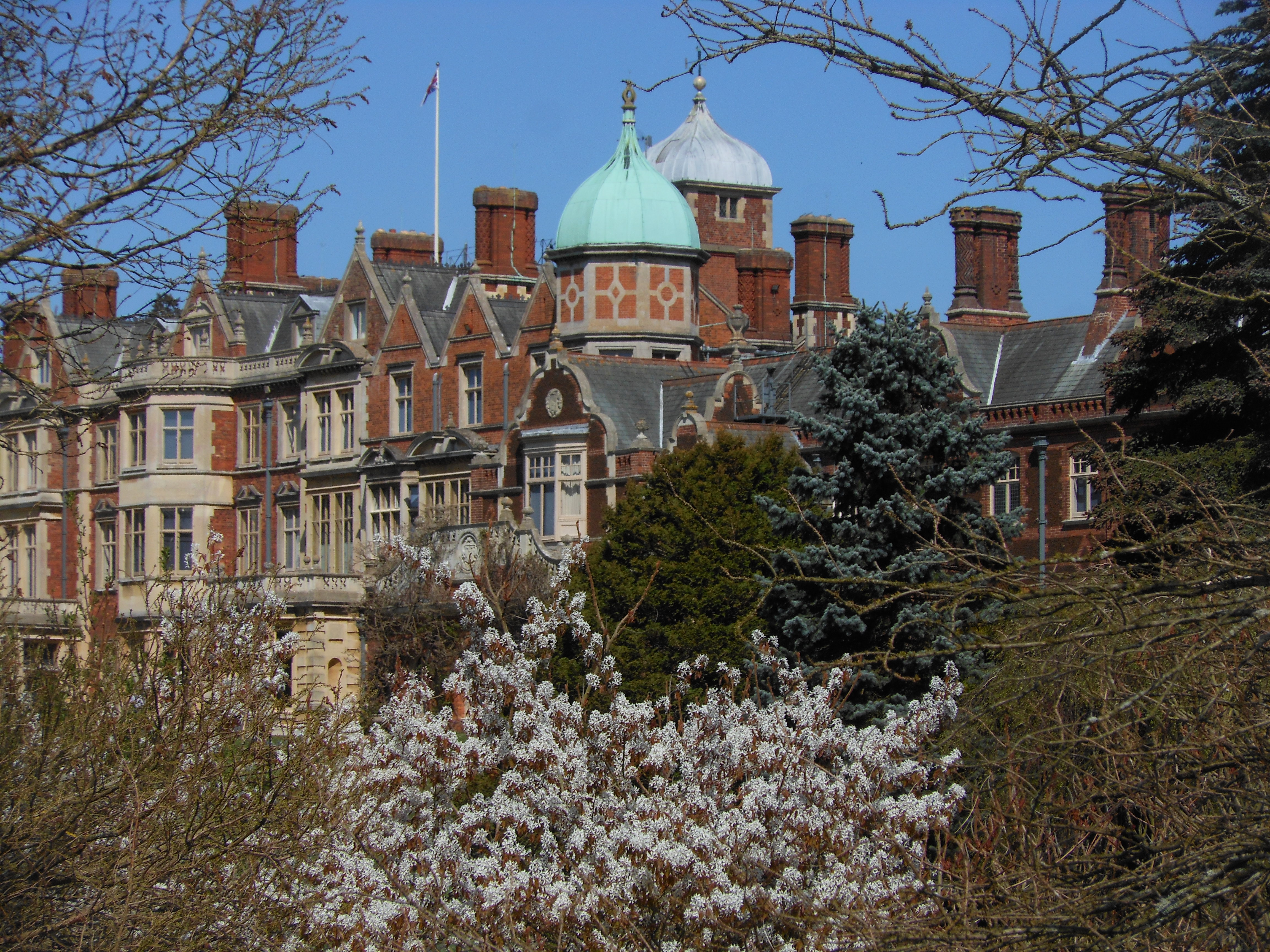
I visited Sandringham about a year and a half ago and was royally wowed. No photos are allowed inside the house, but the grounds and gardens are spectacular.

2015-04-23-12-19-56

Tourists enter through the same grand door as invited guests. The place is off the beaten tourist track.  It’s way in the northern stretches of East Anglia, an area blessedly neglected by travel writers like Rick Steves. It took me many years and many trips to England to finally get there. That is the whole point, for the Royal Family.  It is their private, personal residence–a place to really get away from it all.

2015-04-23-13-54-40

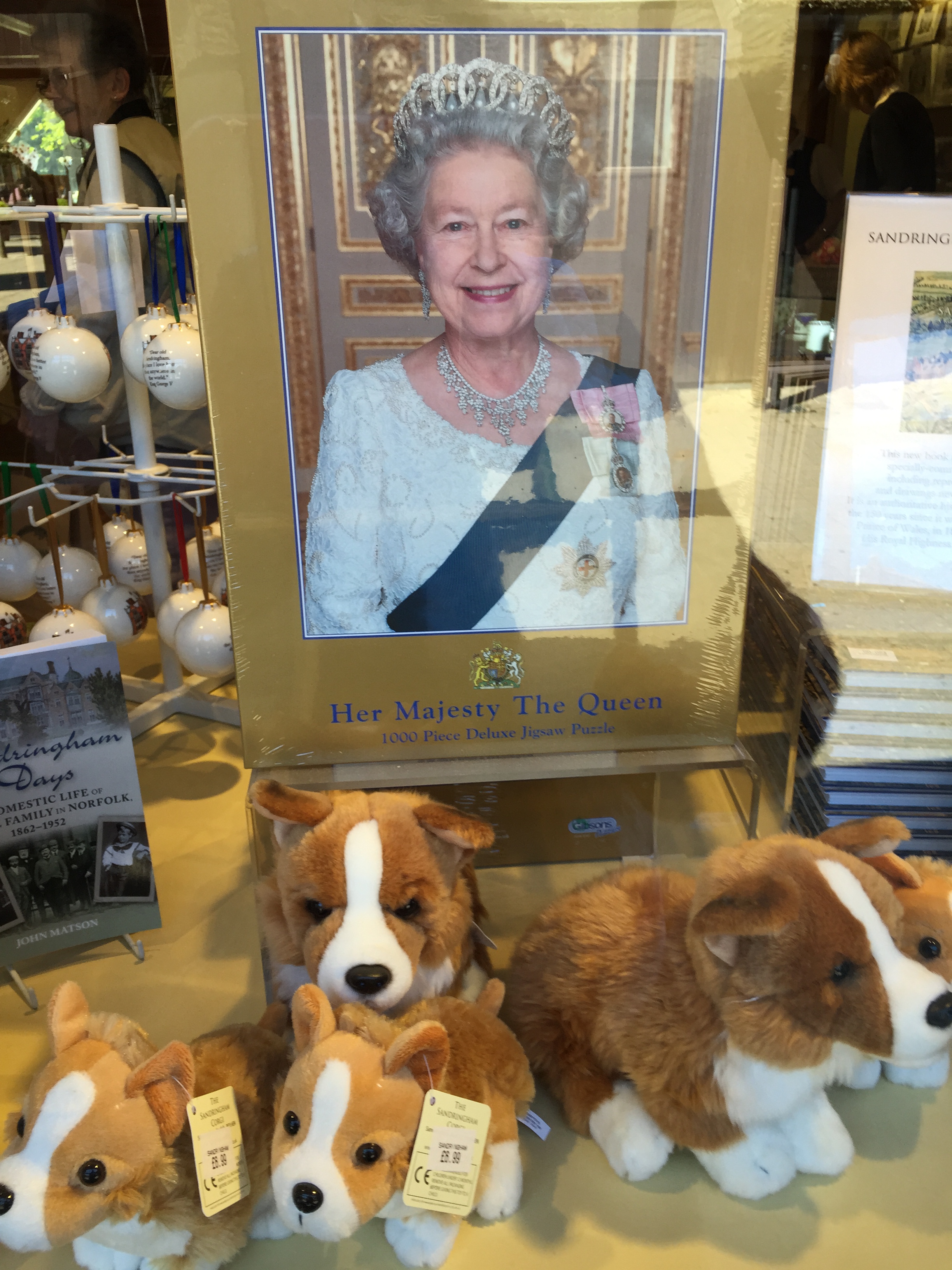
Naturally, there’s a gift shop, well supplied with royal portraits, china, tea towels, and stuffed Corgis.

2015-04-23-13-10-57

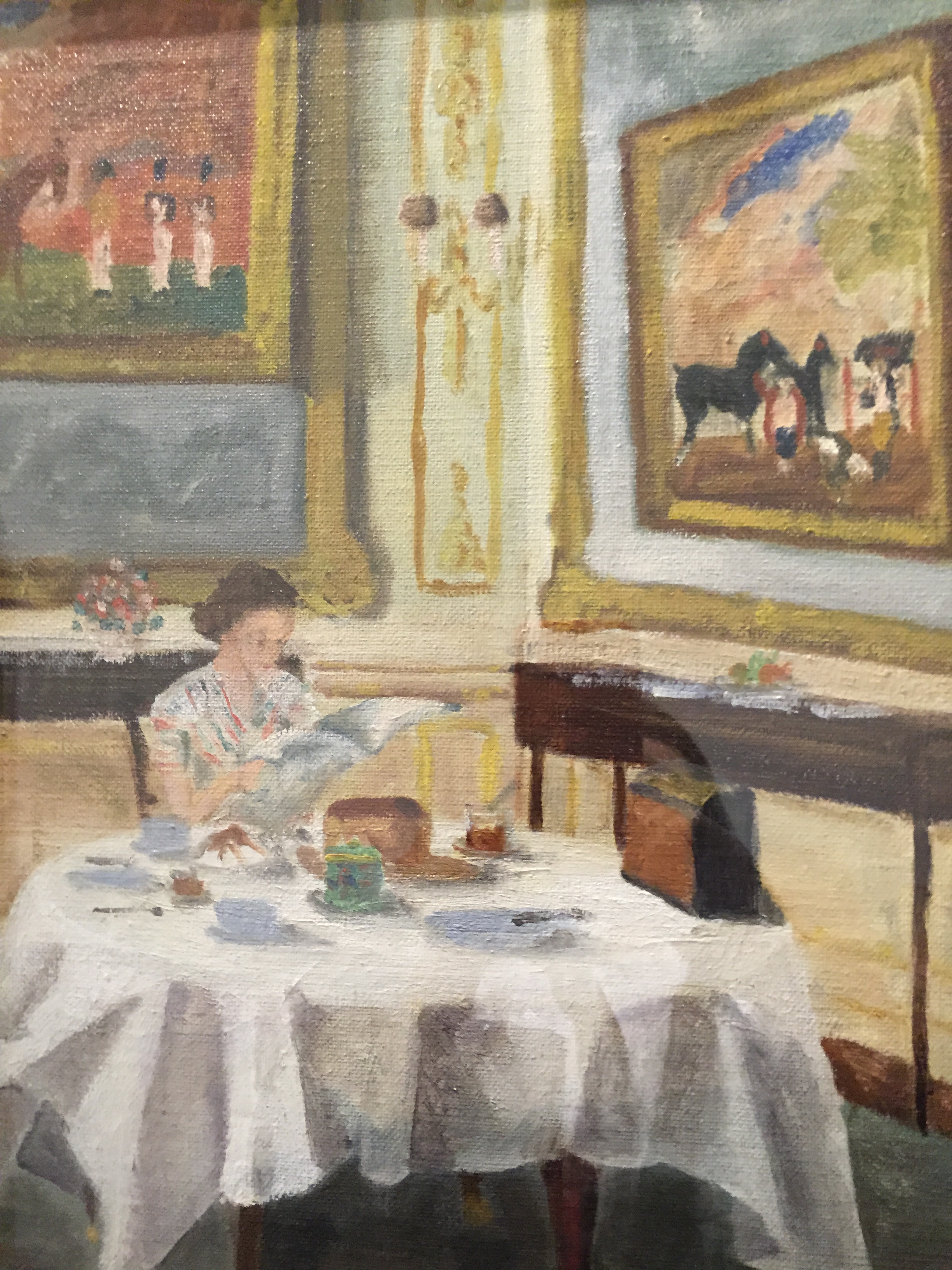
There’s a delightful museum, too, in the old stable block.  It holds all sorts of bits and bobs of royal life.  I was especially charmed to learn that Prince Philip (now 95) is a very decent painter. I loved his little painting of the Queen reading the morning papers.

dscn7016

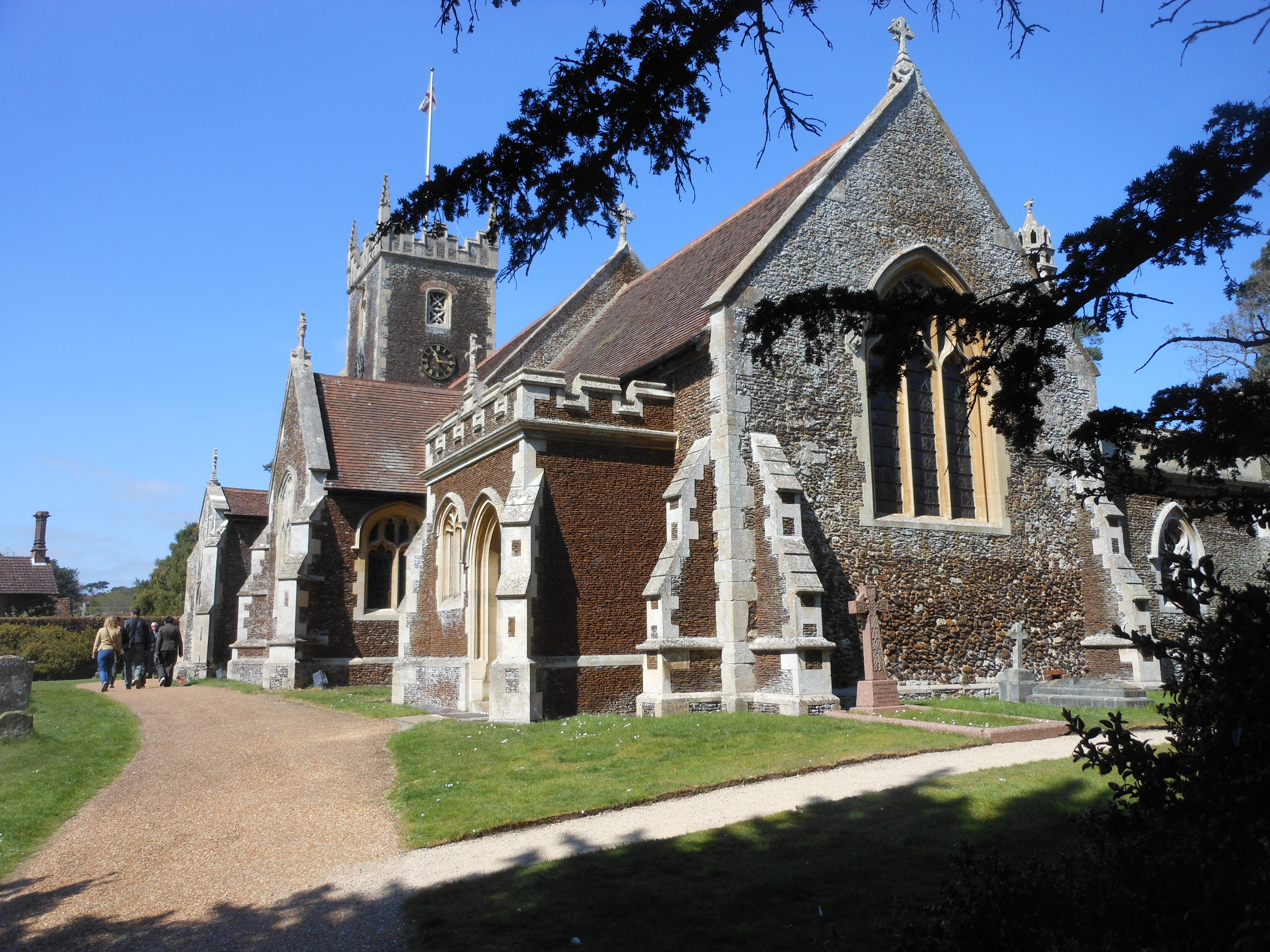
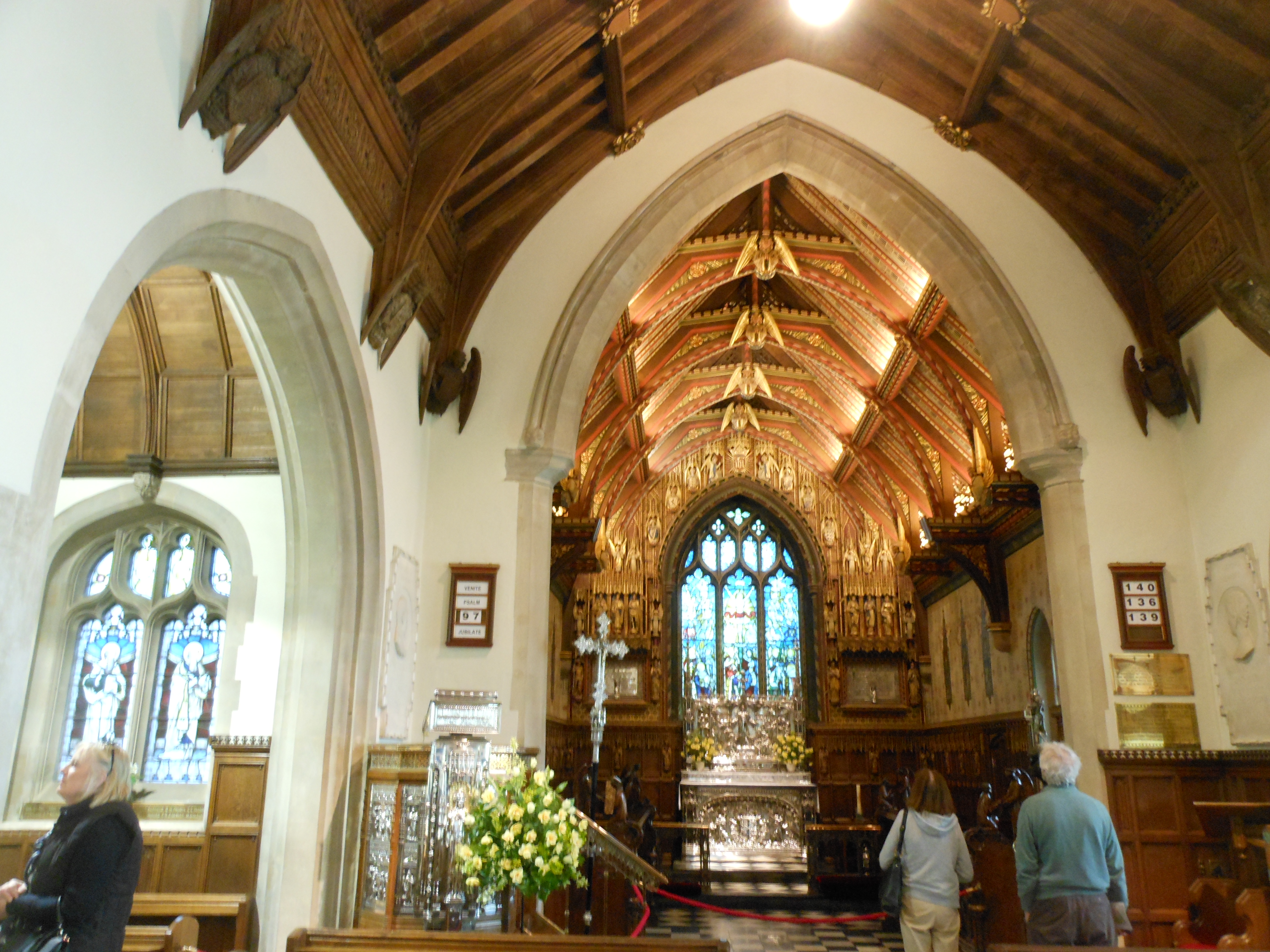
I wrote about the parish church in two previous posts, cited below.  It’s one of the most beautiful small churches I’ve ever seen.  Each year, locals and a few tourists line up along a fence to watch the royals walk to church on Christmas, and this year on New Year’s Day too.

dscn7021

I hope the Queen is well enough to walk over to her pretty little local church and take part in prayers for New Year’s Day. Whether she makes it to church or not, I wish my favorite 90-year-old reigning queen a happy  and healthy 2017.

2015-04-23-12-58-41

A Royal Christening at Sandringham

Sandringham

The Queen’s Church at Sandringham

http://www.telegraph.co.uk/news/2016/12/31/queen-may-attend-church-new-years-day-decision-expected-sunday/

Thanksgiving Day: A Berwick Memory

dscn8224 dscn8227

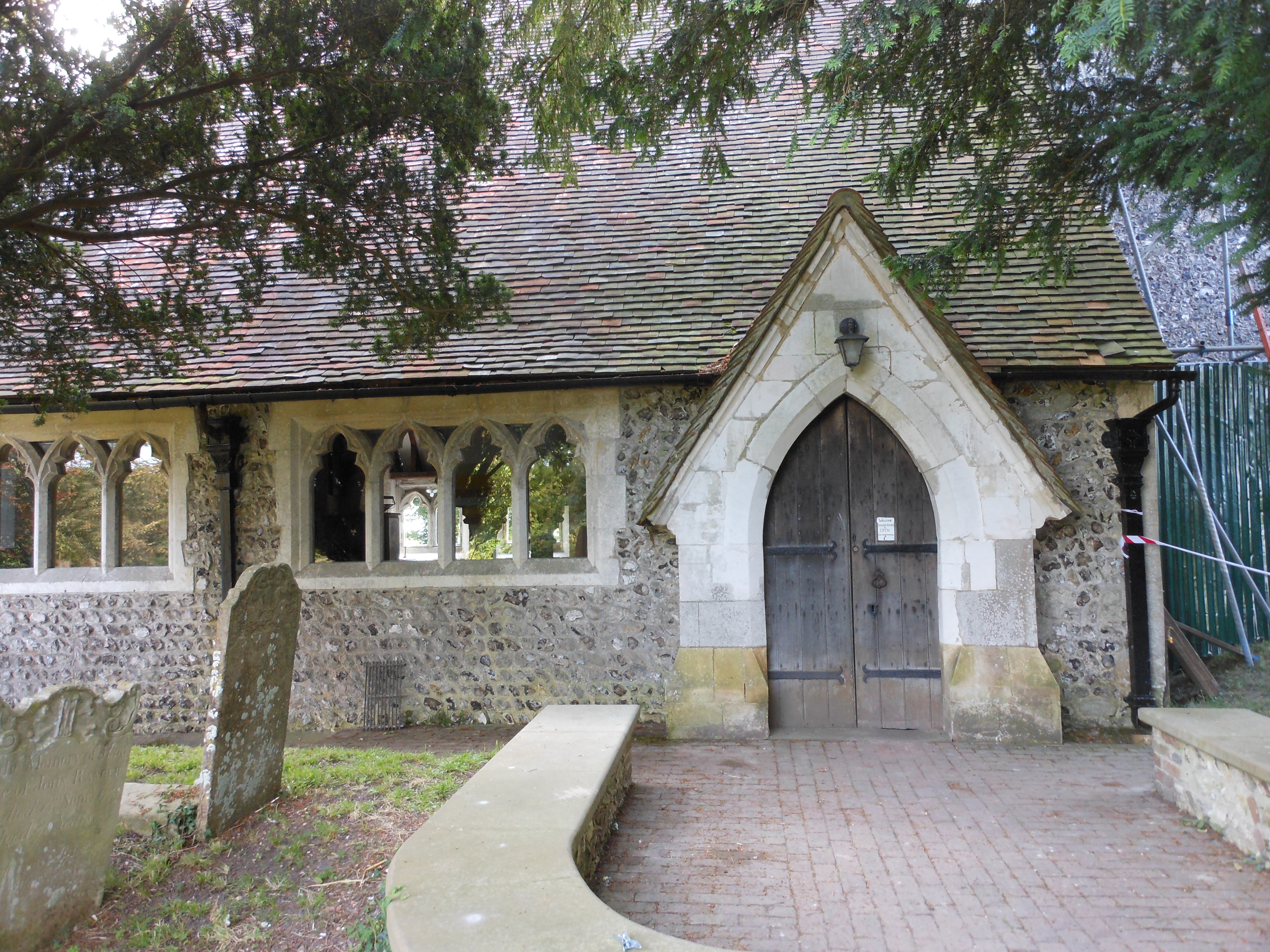
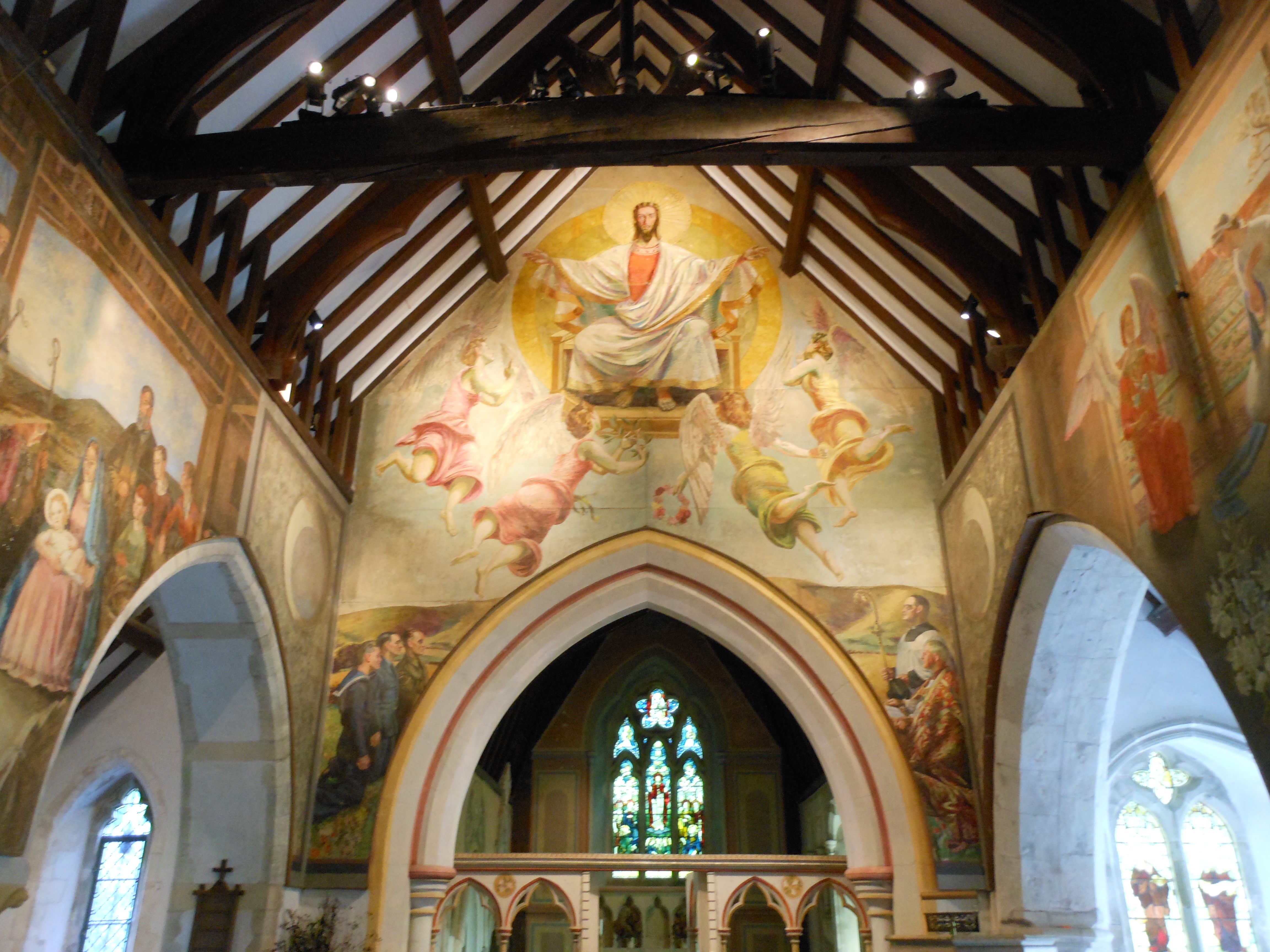
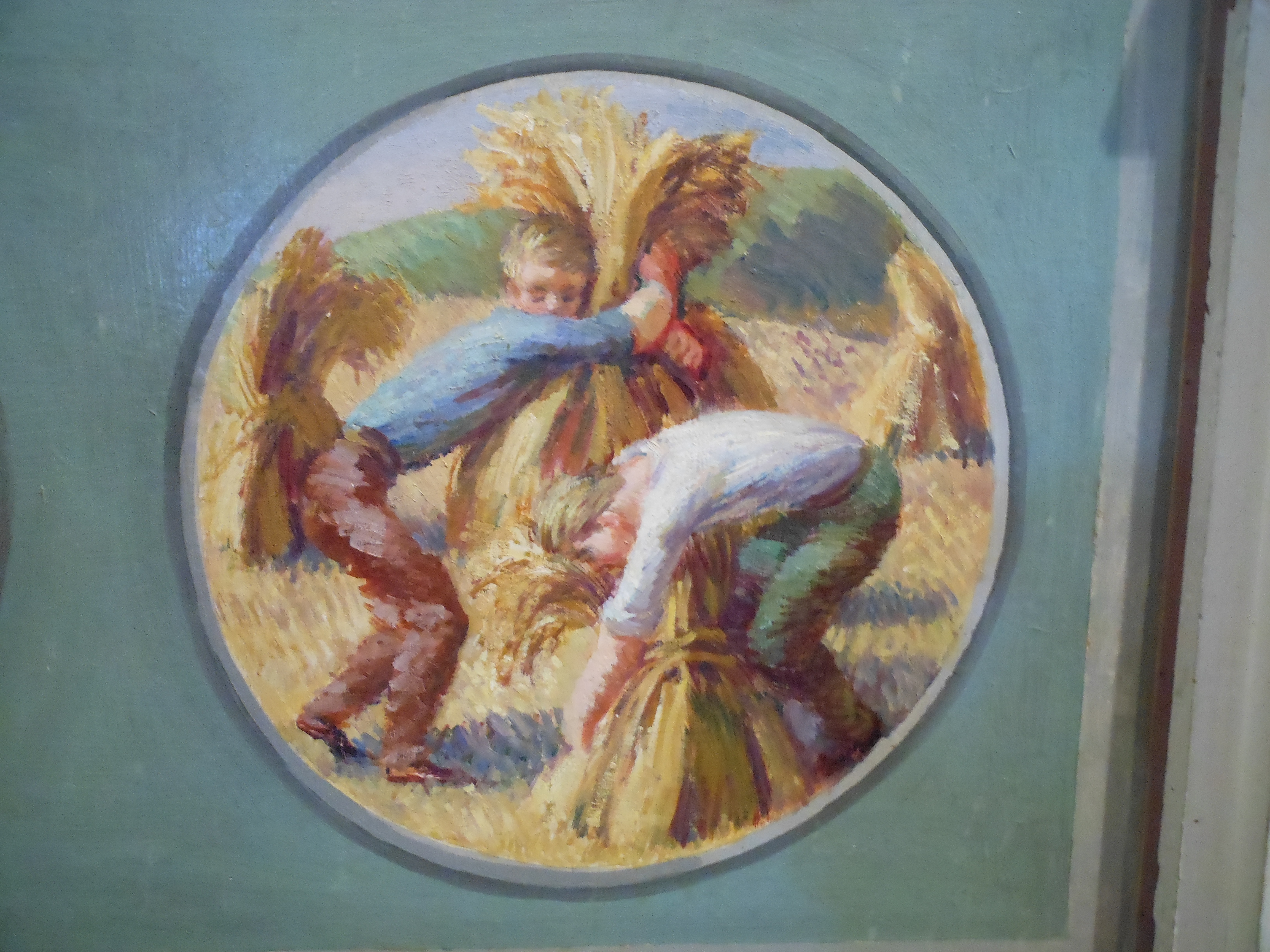
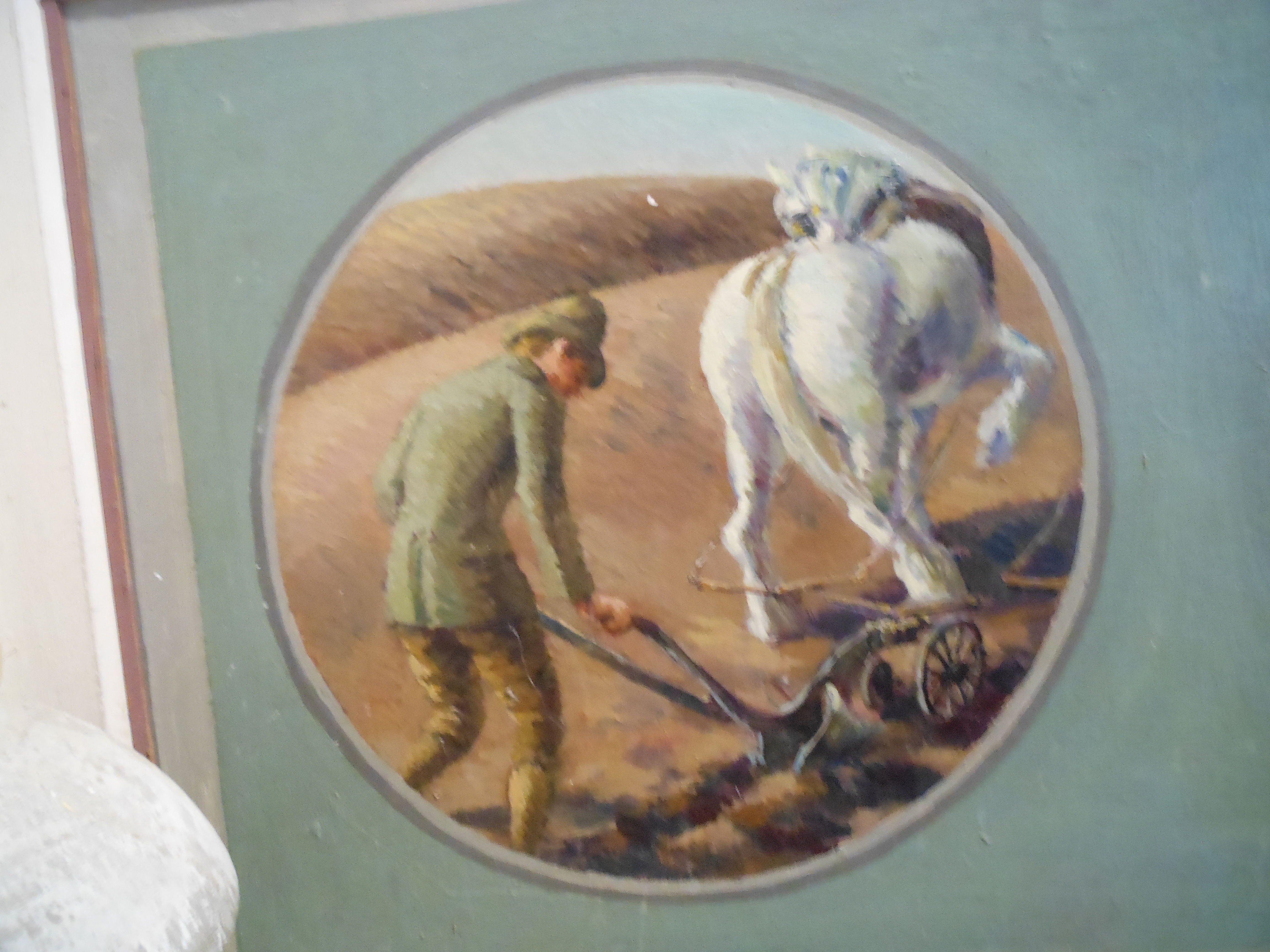
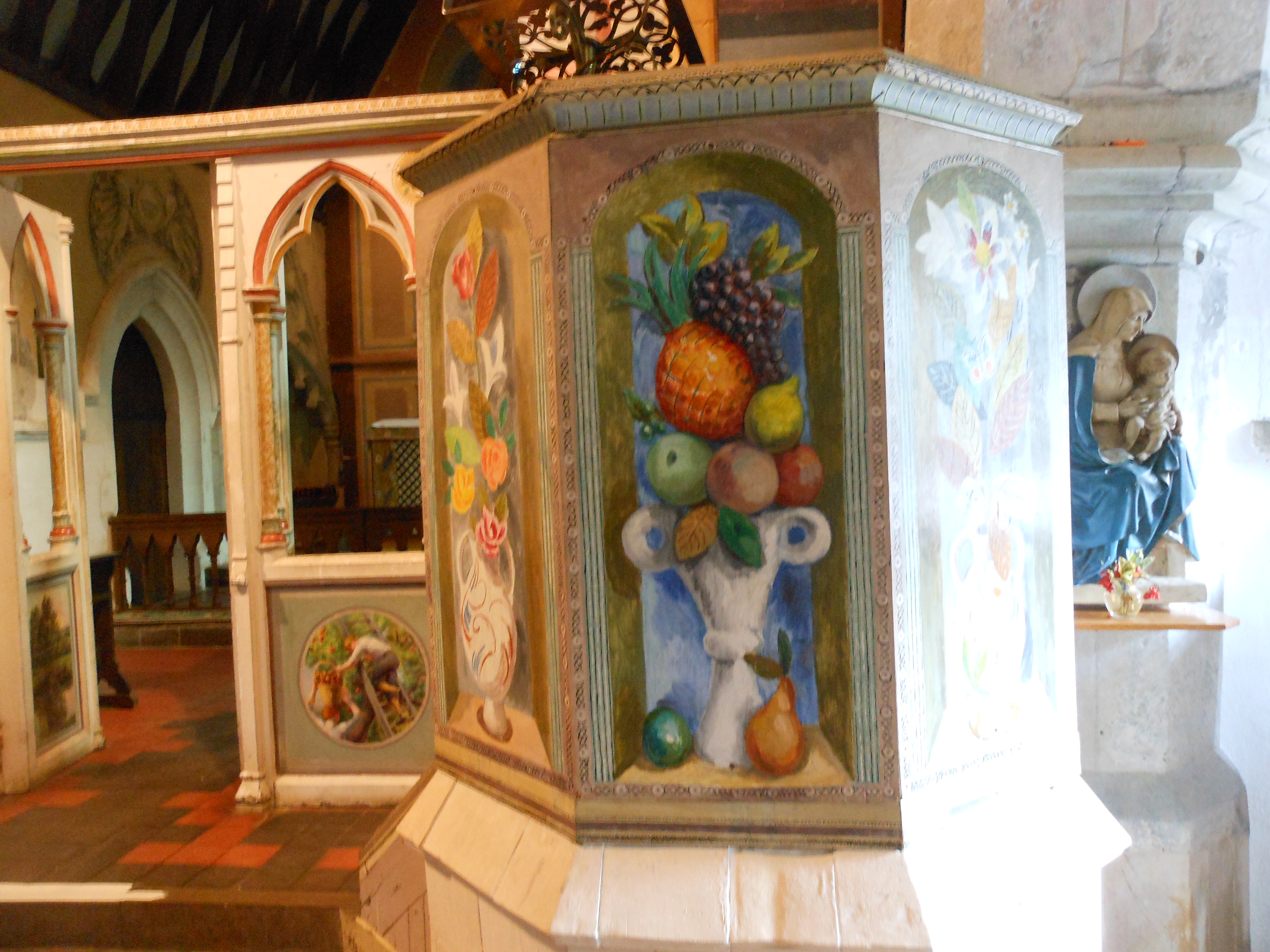
For Thanksgiving Day, I thought I’d post some paintings from beautiful Berwick Church in southern England.  St. Michael and All Angels is a little parish church in Sussex, dating back to at least the 12th century.  Parts of it are even older, dating from Saxon days. It was given a modern artistic touch in the 20th century.

dscn8239 dscn8241

During the First World War, the famous Bloomsbury group of artists, writers and intellectuals decamped from their London homes and occupied the Charleston Farmhouse and Monk’s House in this area.  The men were mostly conscientious objectors.  They fulfilled their patriotic duty by doing farm work in Sussex.

dscn8245 dscn8246

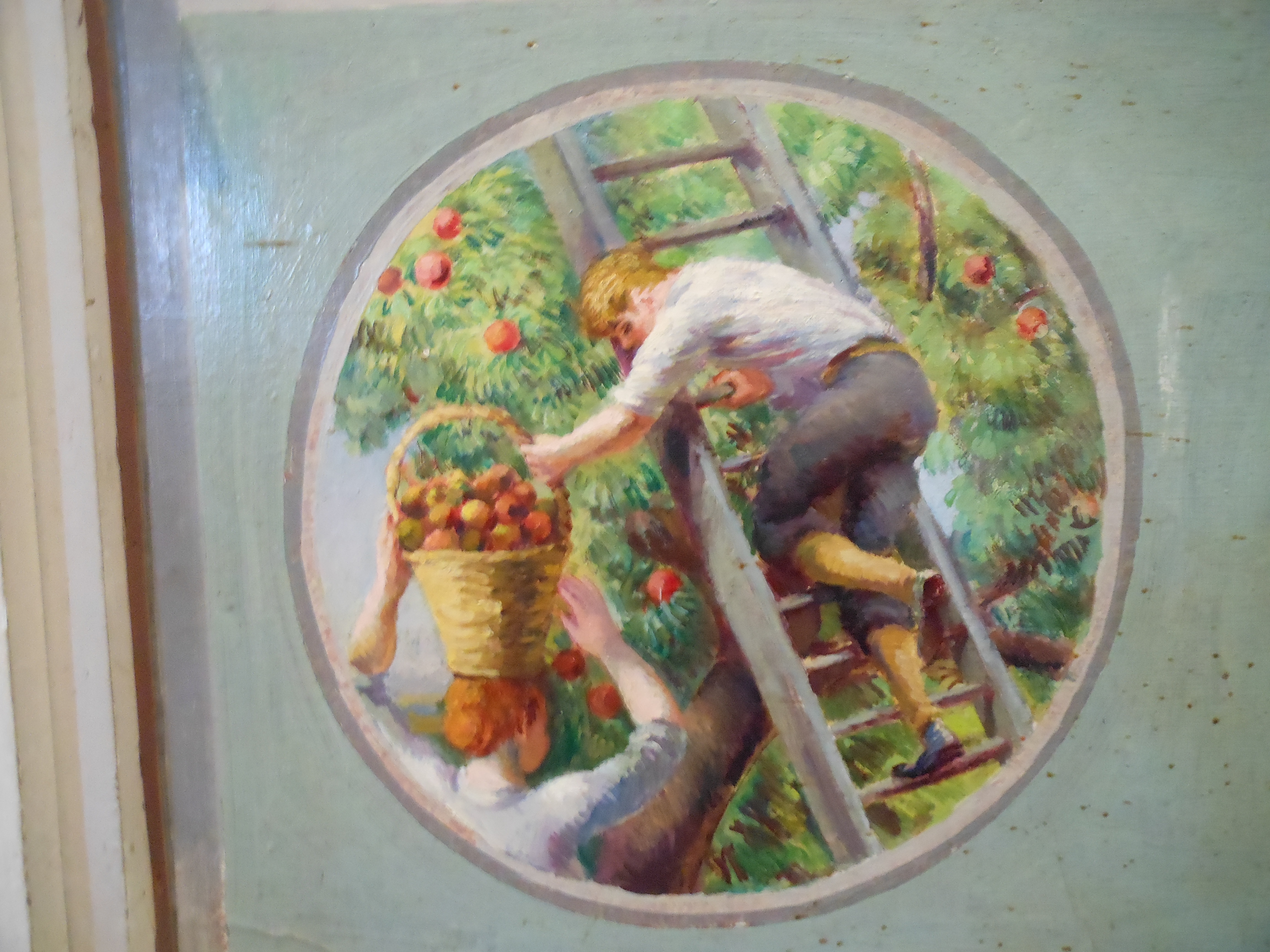
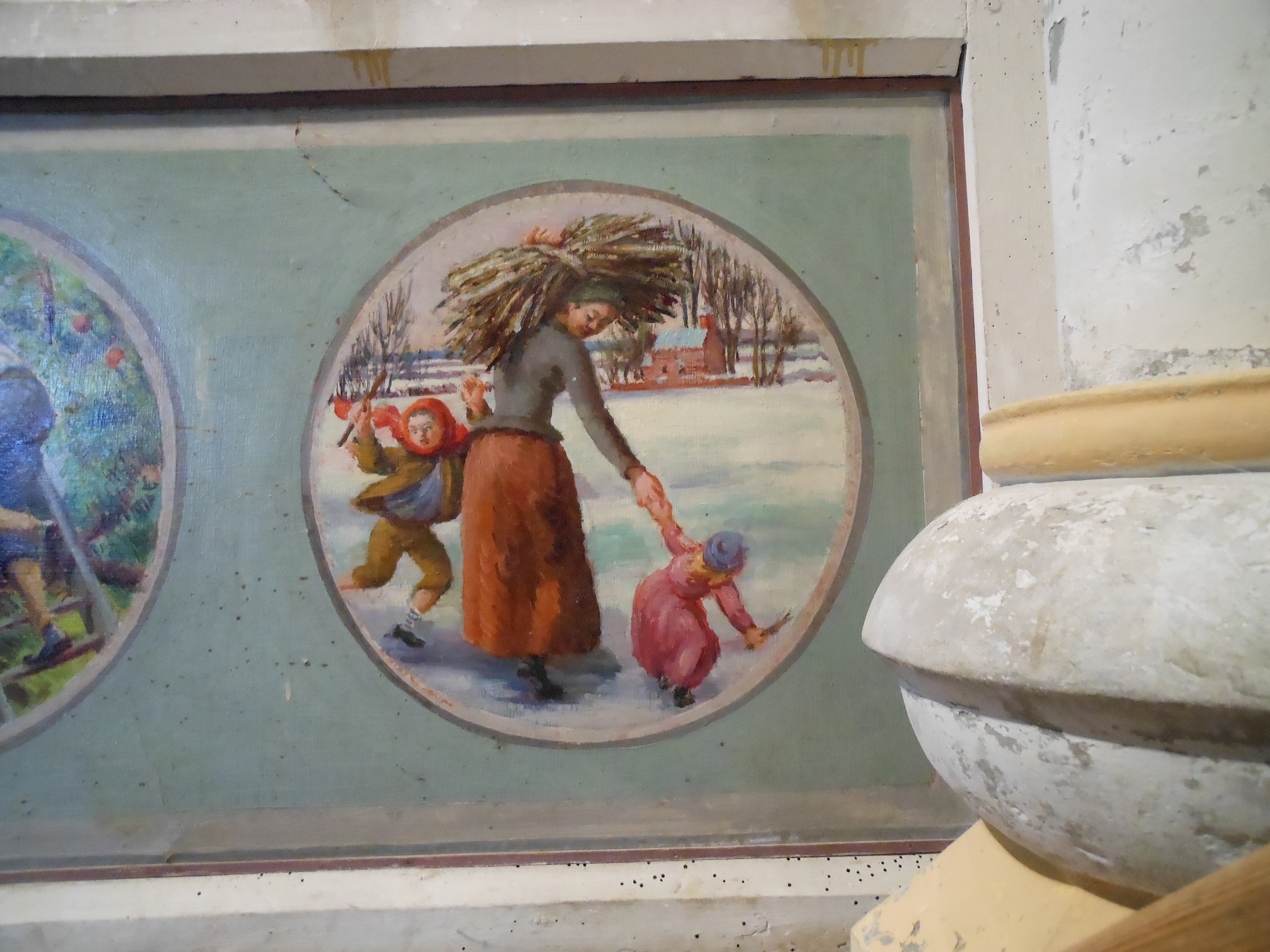
In 1941, several artists from the group were hired to paint new murals and decorations in the ancient church.  These are some of the few remaining works of Vanessa Bell, Duncan Grant, and Quentin Bell.  They depicted themselves and their friends, both as country laborers and as figures in sacred scenes.

dscn8236

The artists were all free-thinkers and even atheists living unconventional, sometimes scandalous lives.  But the local religious authorities hatched an ambitious plan to give artists employment; they hoped the plan would spread all over England’s ancient churches.  That didn’t happen, but I’d like to think the Bloomsbury group occasionally attended a service at the little country church they decorated so beautifully.

Berwick Church stands as an example of cooperation and understanding between people with very different views of the world.  After the tumultuous election season Americans just endured, I think we can use some cooperation and understanding. We’re different, but we can stand together.

img_0432

As for me, I’m spending Thanksgiving Day on an airplane, heading off on a new adventure.  They’re serving pumpkin pie in the airport lounge.  It’s pretty good!

For All Saints’ Day: Henry Chichele’s Tomb at Canterbury

img_7246

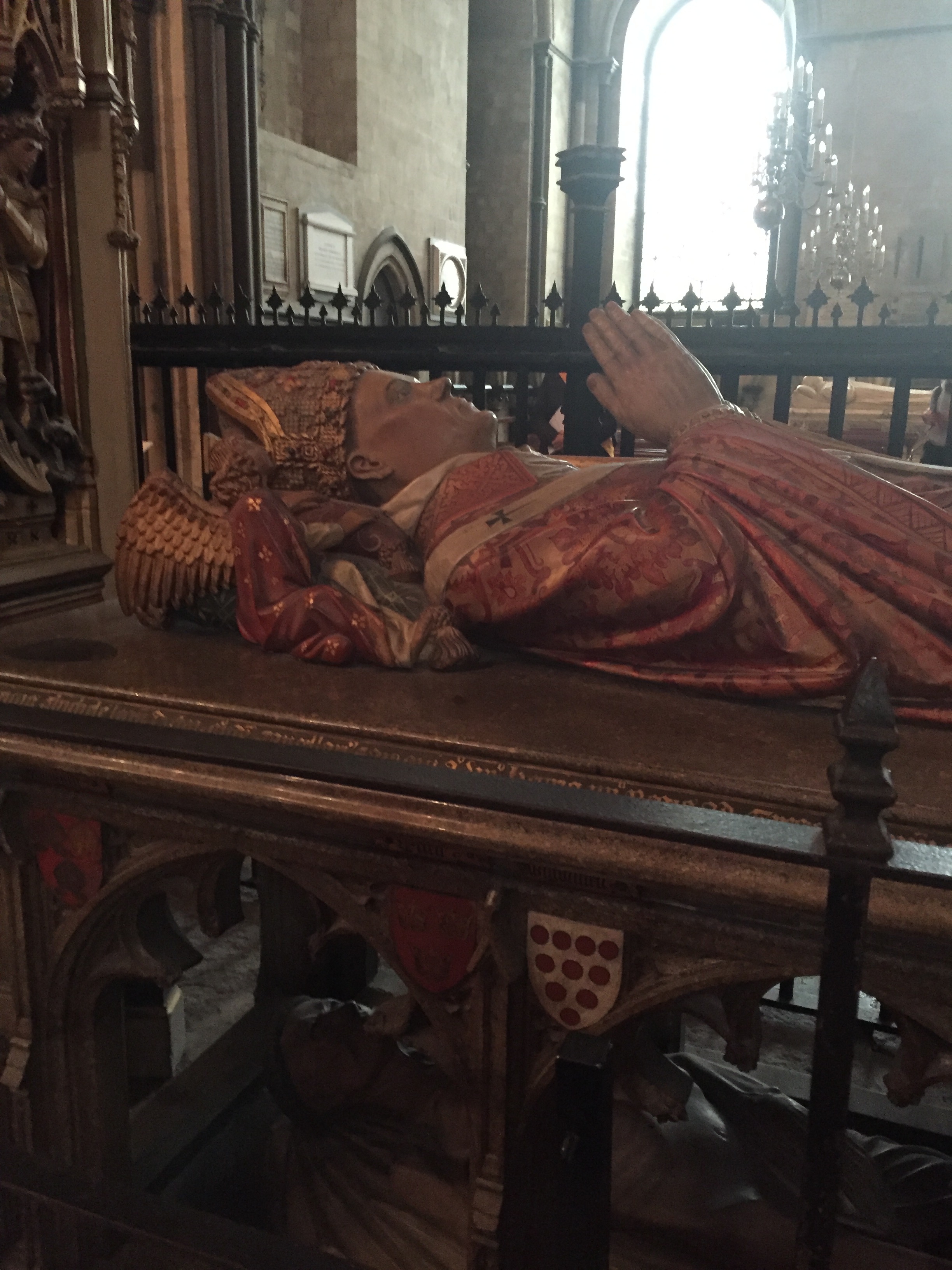
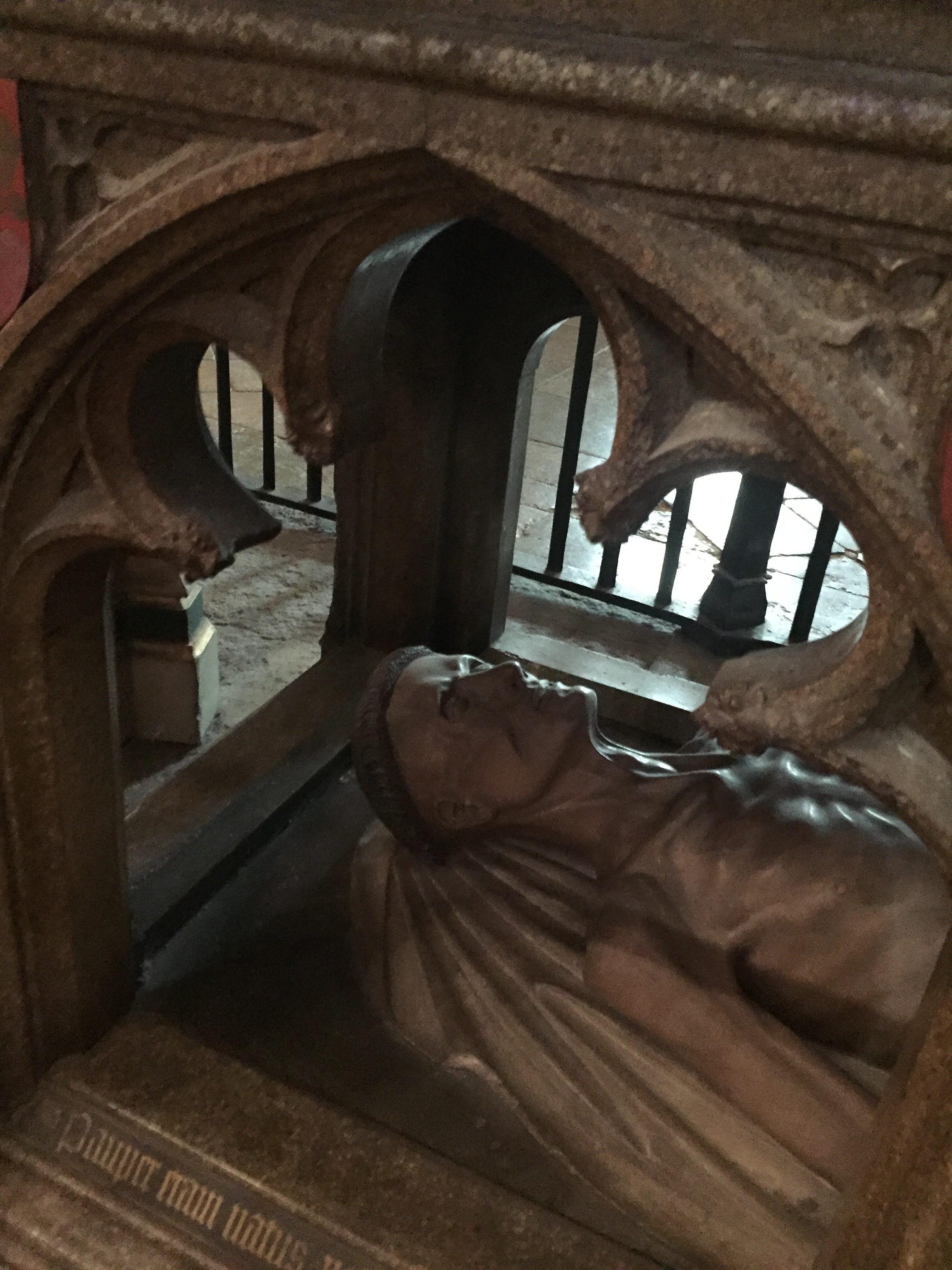
Today, November 1, is All Saints’ Day, when the Christian calendar honors the departed, saintly and otherwise. After the rollicking party atmosphere of the American “Halloween,” when everyone pretends to be scary and scared, I thought of something truly scary (at least to me).  Last spring I saw the “cadaver tomb” of Archbishop Henry Chichele, who died on the 12th of April, 1443. But the Archbishop had been contemplating his own death for many years. He had his own tomb built many years before he died.  It’s elaborate and colorful, but still it’s the very opposite of vain.

img_7345

Under the brightly painted effigy of the Archbishop dressed in his finery and clasping his hands in everlasting prayer, there’s another effigy.  The lower effigy shows the good Archbishop as a decaying corpse, naked and bony.

img_7336

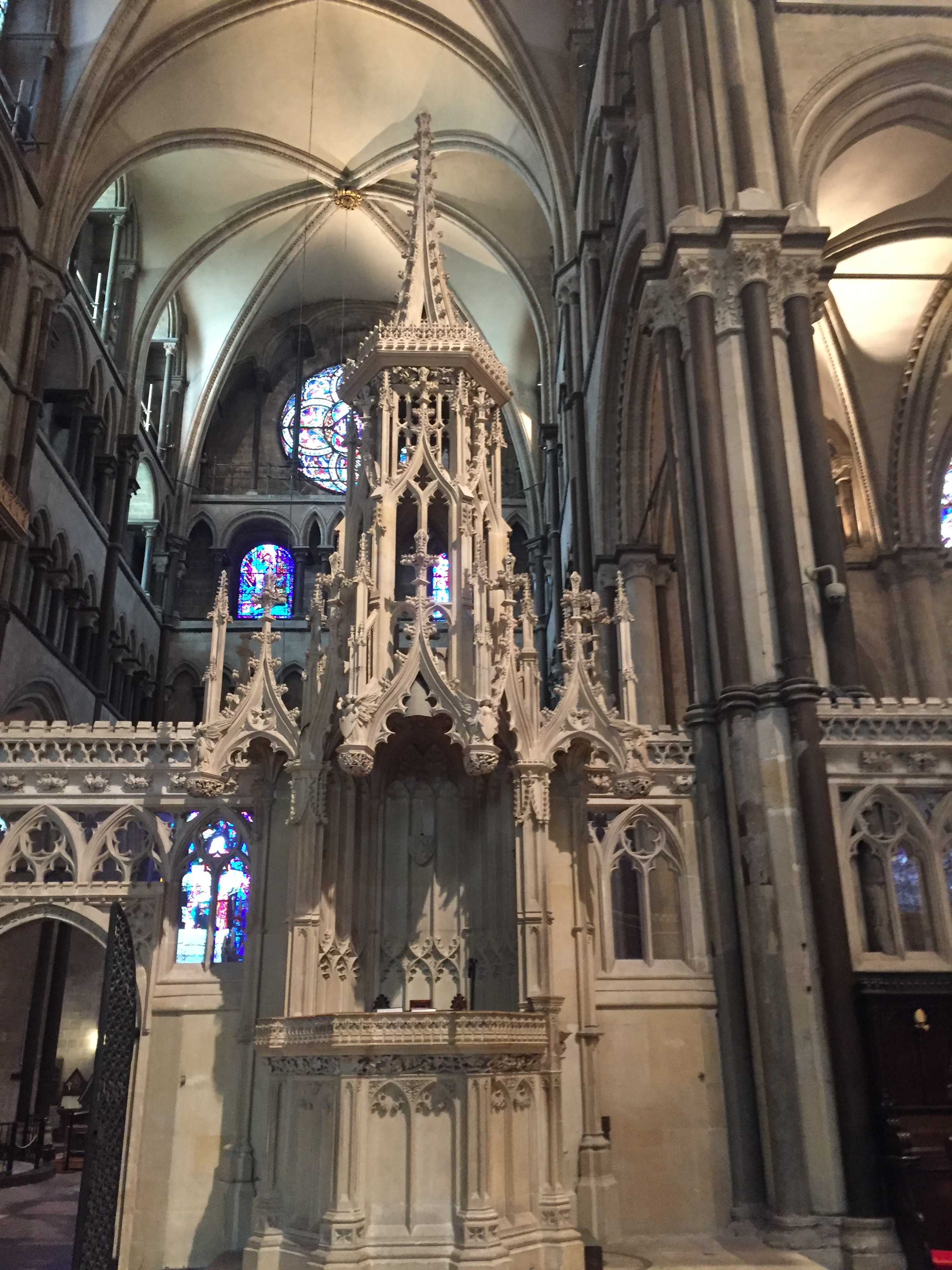
The archbishop not only paid for this jarring reminder of his own mortality, he forced himself to contemplate it often.  The tomb where he would someday be buried was directly opposite his ornate Gothic pulpit. The inscription reads, “I was pauper-born, then to primate raised.  Now I am cut down and served up for worms. Behold my grave.”  If that isn’t scary, I don’t know what is. But the Archbishop’s intent was to be ever-aware of the brevity of life.

img_7239

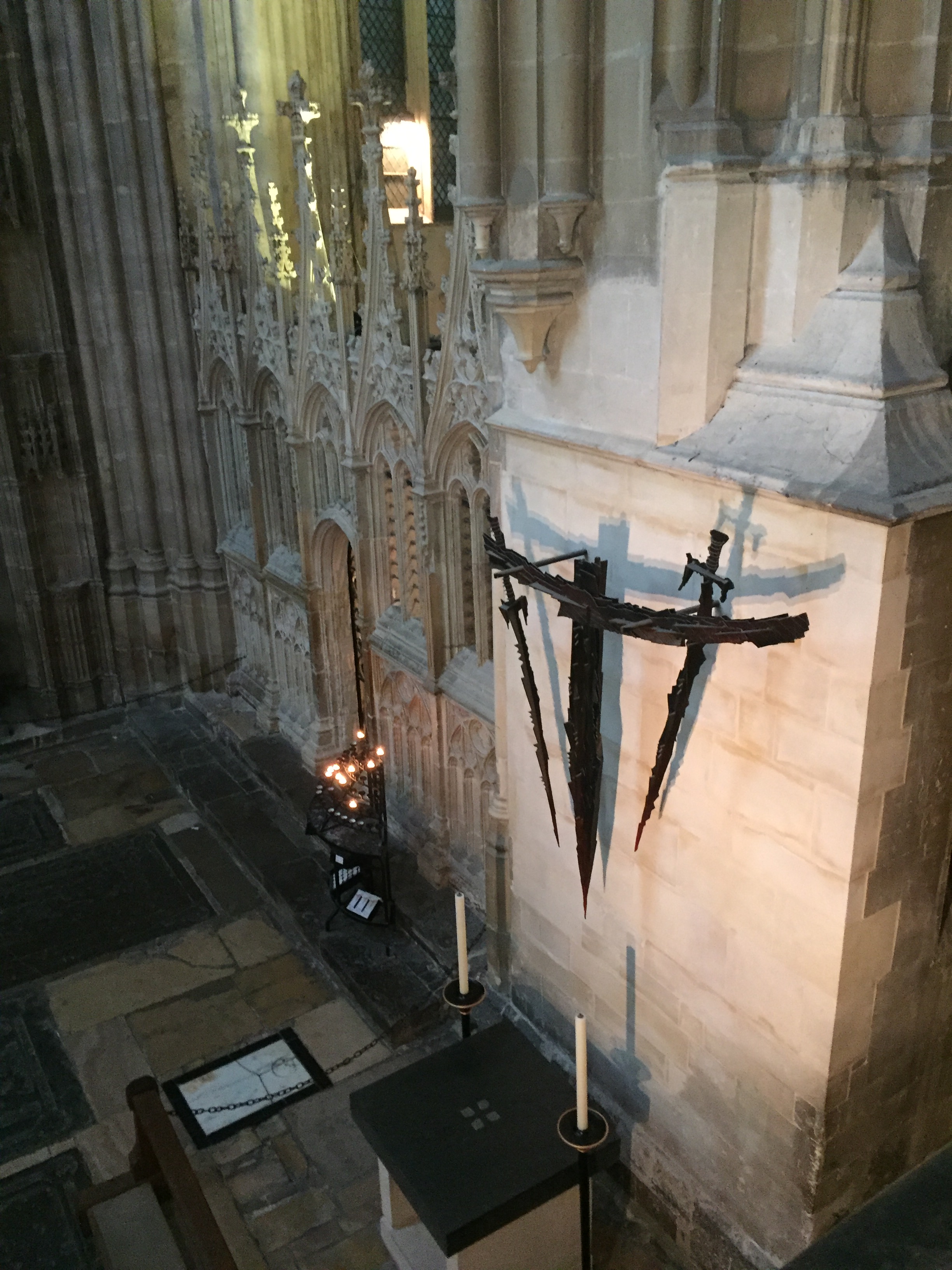
Henry is just one of many historical figures honored in Canterbury Cathedral. Another is Archbishop Thomas a Becket, murdered at the direction of King Henry II in 1170.  The exact spot where assassins surprised him at prayer is still a much-visited place of pilgrimage. Above the small altar, there’s a menacing modern sculpture of the weapons that left Thomas bleeding onto the cathedral stones. Unfortunately, King Henry VIII ordered Thomas’s tomb destroyed during the Dissolution of the Monasteries.  (I didn’t realize Henry VIII had done this particular deed.  He has a lot to answer for). Today, the approximate burial place of the sainted Thomas is underneath a dark, empty chapel decorated only with a single candle left burning.

img_7128

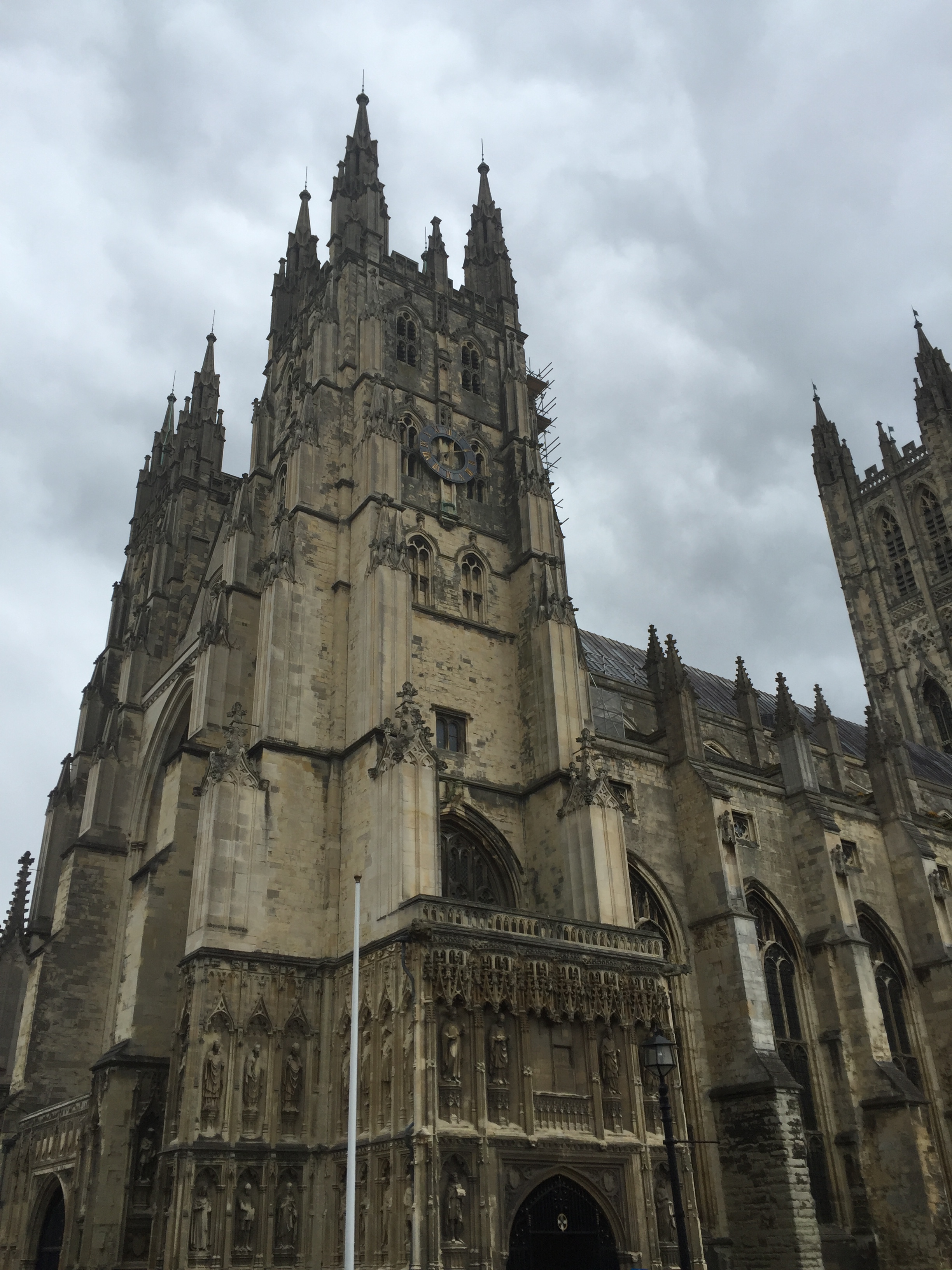
Canterbury Cathedral, dating back at least as far as St. Augustine in 576, is one of the most interesting of all the many churches in England. I was lucky enough to attend Evensong in this ancient place of worship and history. I’d love to return.

Join me next time for more explorations in the art and history of Europe and the British Isles!

Kalmar Castle Doorways

img_4443

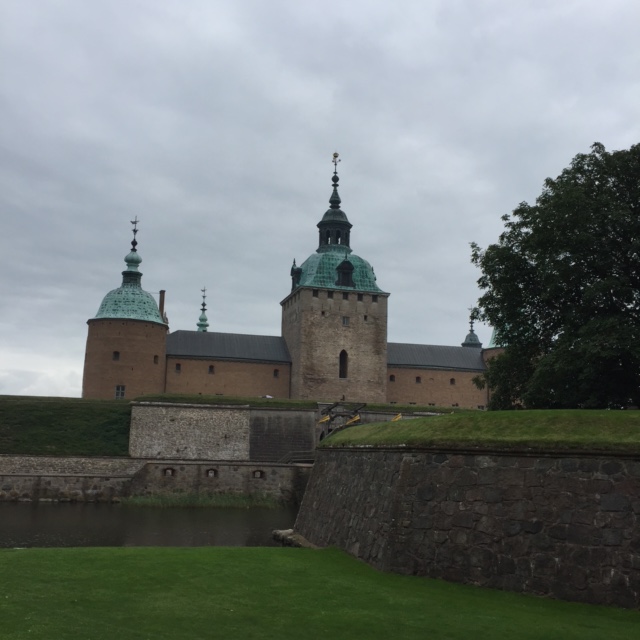
Kalmar is a pretty town on the Swedish Baltic coast. It has a spectacular Renaissance castle on a site that was of strategic importance for many centuries, starting about 800 years ago.

img_4474

Naturally, it has spectacular doorways, beginning with the dry-moated entrance.

img_4494

Some of the doors are clearly defensive.

img_4461

Some are more decorative, but still formidable.

img_4909

Some are meant to impress and possibly intimidate, like the one just past the drawbridge.

img_4456

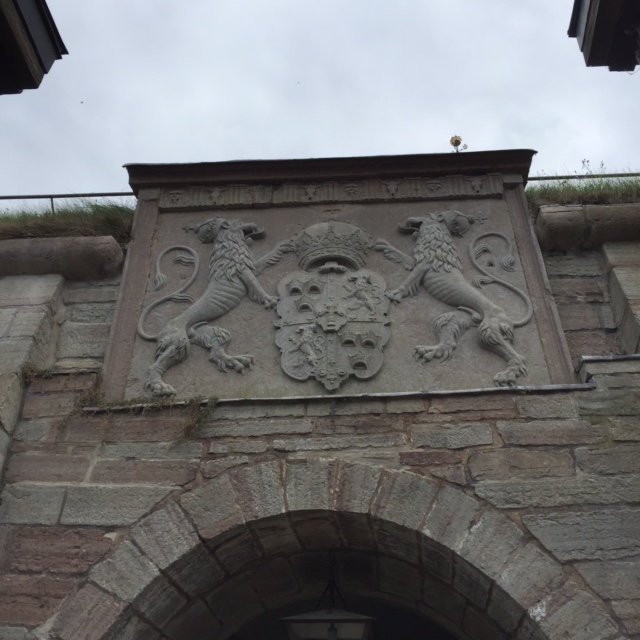
This door features the regal lions of Sweden.

img_4705

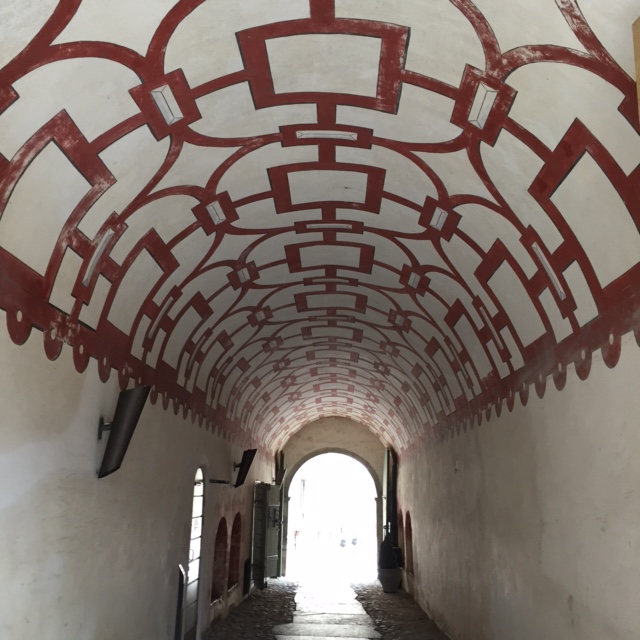
Inside, doorways reflect the luxurious tastes of kings and queens.

img_4863

The doorways of Kalmar Castle are all worth entering.  Everything is more spare than Renaissance castles and palaces in England, Austria, Germany, France or other European countries.  But that very spareness has its own Nordic elegance. The castle is a fascinating look at the unique ways that Renaissance ideas played out in Scandinavia.

The shop has books about Elizabeth I and Mary Queen of Scots, apparently because most of the major rebuilding and decoration of the castle was done during their lifetimes. And at least one Swedish prince was known to have courted Elizabeth I. Of course, we all know that she said “No!” to marriage. But at the time, Sweden was a great naval power.  I wonder if Elizabeth gave some serious thought to a Swedish alliance. How might history have been different if she had said “Yes!” to a Swedish prince?

Castle doorways always lead me to questions like this.  It’s why I travel.

Palatial Bathrooms

I’m about to get on a plane, so naturally my thoughts turn to bathrooms. The bathroom is one of my main concerns when booking a place to stay.  I’ll be in Scandinavia, a part of the world  I’ve never visited. While I wonder what my luck will be on bathrooms, I’m looking at pictures of bathrooms in the stately homes of Great Britain.

IMG_4105

I like a nice hot bath after a long day tramping a city or country lanes. But the owners of Erddig in Wales were proud to own one of the first showers, a newfangled and somewhat alarming contraption in the late eighteenth century.

IMG_4114

They commissioned an artist to depict family members lining up for showers, and looking none too happy about it. Why the dunce caps?

IMG_5014

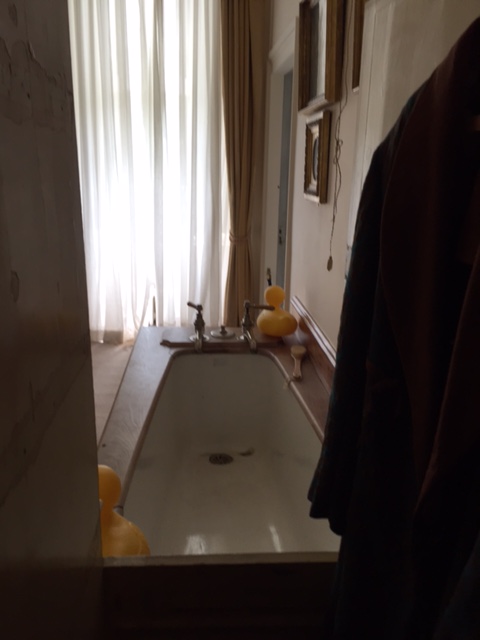
At Plas Newydd, a palatial country home on the water in Wales, the Marquis enjoyed his leisurely baths with his valet in close attendance.  His bathtub had a handy window to the hallway, so the valet could hand him a fresh drink every now and then.

IMG_5026

But at some point, the plumbing failed, as the rubber ducky warns visitors. (Once when I was a houseguest, I got up early to use a bathroom off the host’s kitchen, thinking I wouldn’t wake anyone. It turned out that the tap should have had a warning.  It had not been used in years, and I caused a flood).

IMG_1072

Still, I’m not alone in wanting my hot bath.  When Lord Curzon took over Montacute, a grand Elizabethan house in the early 1900s, he appreciated the ancient architecture.

IMG_1068

But he found a way to shoehorn a secret bathtub behind the priceless old panelled bedroom wall. (His mistress, the beautiful and accomplished novelist Elinor Glyn, was happily decorating and refurbishing the house when she received word that Lord Curzon was engaged to Grace Hinds, an equally beautiful but also very rich American. She packed up and left in a hurry, but I like to think she enjoyed one last bath).

IMG_6923

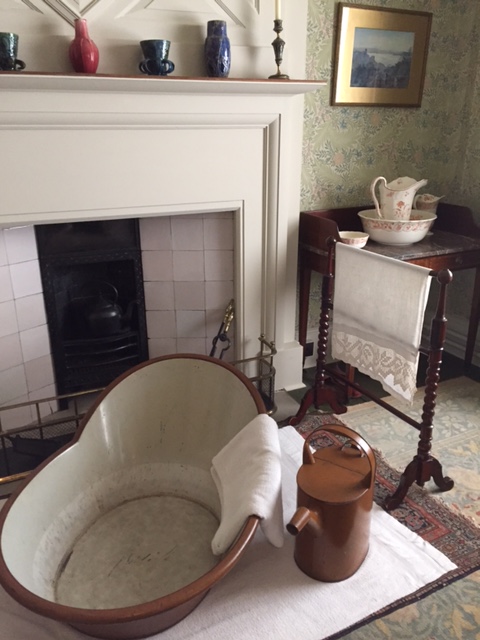
I think the ultimate in luxury would be a hand-drawn bath in front of the fire, like the one at Standen, an Arts and Crafts mansion built in the late 1800s as a family retreat for a wealthy businessman. Life for the servants who had to haul the water was not so pleasant, of course.  In this house, a maid left a recorded account of the day she finally was allowed “upstairs.” It was the day the house was opened to the public by the National Trust. She had toiled “below stairs” in the scullery for her entire working life, not even allowed to haul water upstairs.

FFEAF282-CBA4-4719-9CDB-F4D6337E406F

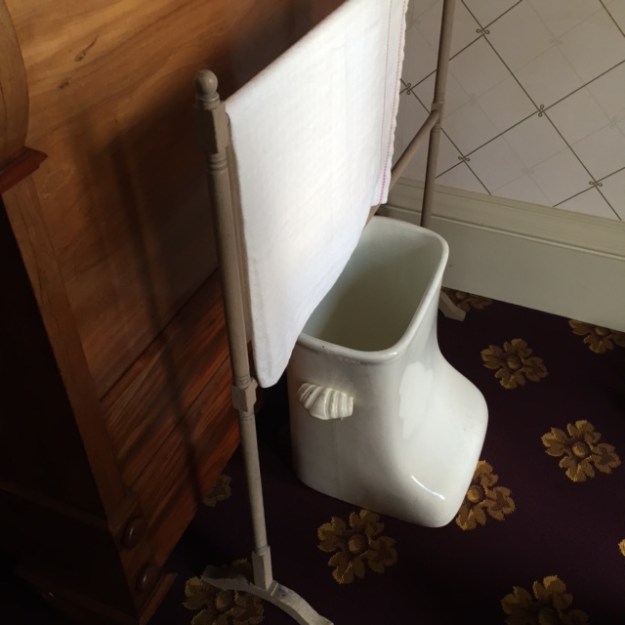
I hope this hard-working scullery maid at least had a foot bath for her aching feet, like this one below stairs at Wimpole.

As for me, I’m hoping for the best when I check in on my travels!


Happy International Cat Day!

60D3B527-DCDB-4E0E-9835-D1EE417C57B1

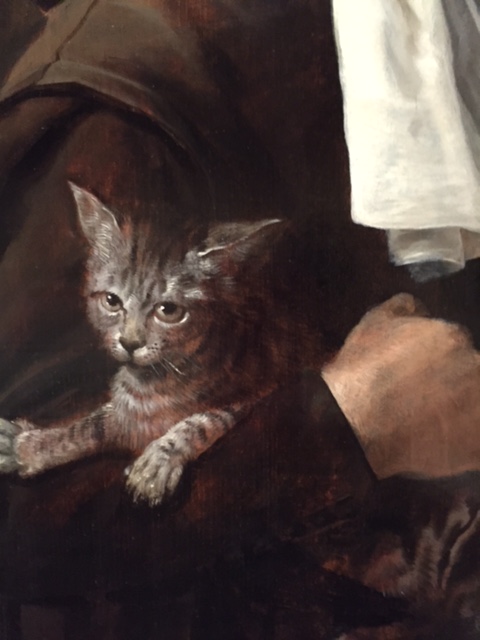
Do cats deserve a day of their very own in the international calendar? Of course they do. A couple of years ago, wandering art museums in Amsterdam and Haarlem, I wrote about the many dogs that appear in Dutch paintings.  I mused that for me, the dogs served as a window into long-ago times and places.  Cats are the same. It’s hard to identify with people wearing heavy black robe-like garments relieved only by starched white ruffs and collars. But  these same people had pets they loved.  The cat above, looking out at the world from the safety of her person’s lap, has the same smug look as any cat of mine. I can understand people who appreciate their feline friends enough to immortalize them in art.

5A866DE9-6454-4482-8B8A-B37736EF81E0

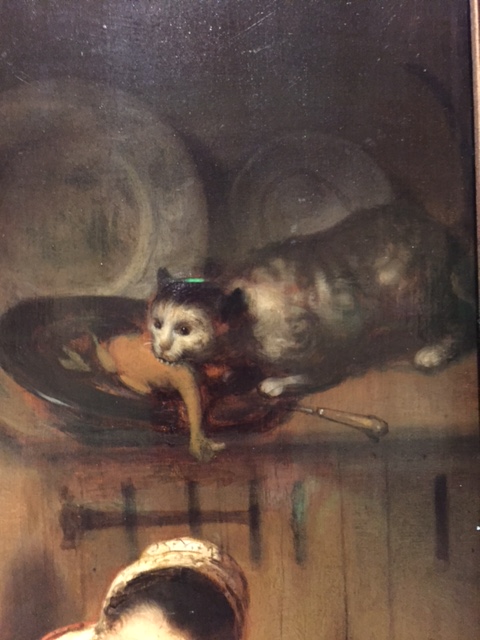
Cats in Dutch paintings are often up to no good.  The one above is about to make off with a plucked bird while the unsuspecting housewife is looking the other way.

00AD08E3-4B61-4426-9900-DCC3DB1E71D8

Cats often gaze longingly at the food artfully arranged in Dutch still life paintings, and they add some “life” to still lifes that consist mainly of dead animals ready to be consumed.

DA817445-8CF4-4AE2-BCCB-1CD306FED0ED

Children have always liked cats.  This ceramic pet, complete with a bib and abandaged leg, sits in the now-quiet nursery at Wightwick Manor, a wonderful Arts and Crafts home in England. He looks a little anxious. I have a feeling his broken ear and broken paw happened when he got tossed across the nursery in some long-ago game.

648F459B-2829-4CEC-9A55-736FD549E1CC

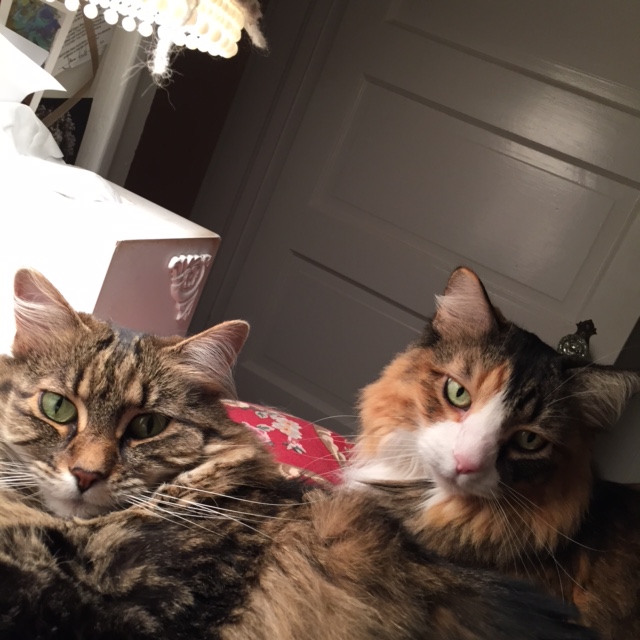
I have a soft spot for all cats, but especially for the calico and tabby  varieties. They remind me of the pair that patiently wait for me at home.

B84912A3-B784-4384-9232-83664DB88EC6

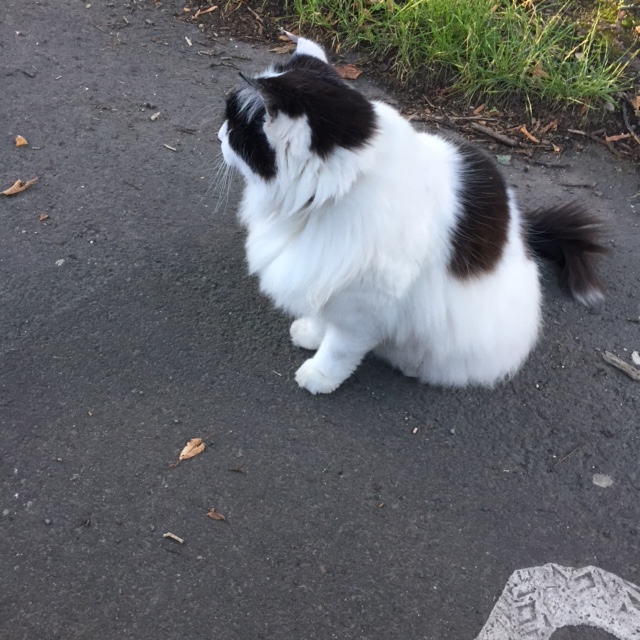
Of course I’m always on the lookout for friendly cats on my travels. This handsome fellow was in York, England.

CB007BF4-DDF8-4F4A-8F26-64A698F1FF1D

What about big cats? I love them too.  The fierce creature above is on an exterior wall of the very grand Pitti Palace in Florence.

6E00C57C-58E9-40B7-BBBD-934557E53E56

Chatsworth House in England has a pair of regal lions who lord it over the Sculpture Gallery. I think part of our fascination with big cats is that we feel we understand them just a bit, especially if we live with their small domesticated relatives. Our pet cats give us a little insight into both long-ago places and wild places on this earth.

In my post “Dogs in Dutch Art,” I quoted a striking poem by David Graham:  “The Dogs in Dutch Paintings.”  A couple of months ago I received a lovely comment from the poet, who had just happened upon my post.  The main reason I keep posting is to remember where I’ve been, what I’ve seen, and what I was thinking at the time.  That must be part of what motivates a poet, too.

Posts about dogs in art are at  https://castlesandcoffeehouses.com/2013/10/01/dogs-in-dutch-art/ ‎and https://castlesandcoffeehouses.com/2013/10/03/more-dogs-in-dutch-art/

Join me next time for more explorations in the art and history of Europe and the British Isles!