May 4, Liberation Day in Denmark


Yesterday I came upon a celebration in the park across from my hotel in Odense. A military band was playing tunes from the World War II era, accompanied by a chorus of civilians.


 The gentleman in the coat and tails, pictured above, kept a path open through the crowd.


Why? To keep a path clear for people like this elderly hero of the Danish Resistance.

When the Nazis overran Denmark in April of 1940, they just wanted the tiny country for strategic reasons. Danes were allowed to govern themselves for a couple of years. The people gritted their teeth and cooperated to some extent in order to survive. But underground, the resistance grew quietly. The Nazis tightened their grip and demanded that all the Jews be deported. Right under the noses of the Nazis, the Danes got together with their hated historic enemy Sweden. (They still don’t care much for Sweden). But Sweden was neutral, and so hundreds of boats spirited all the Jews across the water to Sweden, a few at a time. Virtually none were lost. Then the Danes turned their attention to matters like blowing up bridges and helping the Americans, the Canadians, and the British.


Liberation came at 8:30 pm on May 4, 1945. At 8:30 last night, May 4, church bells rang all over town and everybody from the park filed into the nearby cathedral for a service of thanksgiving.


Danish soldiers carried the flags of Denmark, the U.K., Canada, and the United States. Later, I thanked the soldier carrying the US flag. He and his friends thanked me for being Americans. I cried. This really was a moving ceremony.


When I left on this trip, I registered as always with the US State Department. They sent me two different travel warnings, advising me to avoid crowds and and any kind of public gathering. I am so glad I didn’t avoid the May 4 celebration in Odense, Denmark.
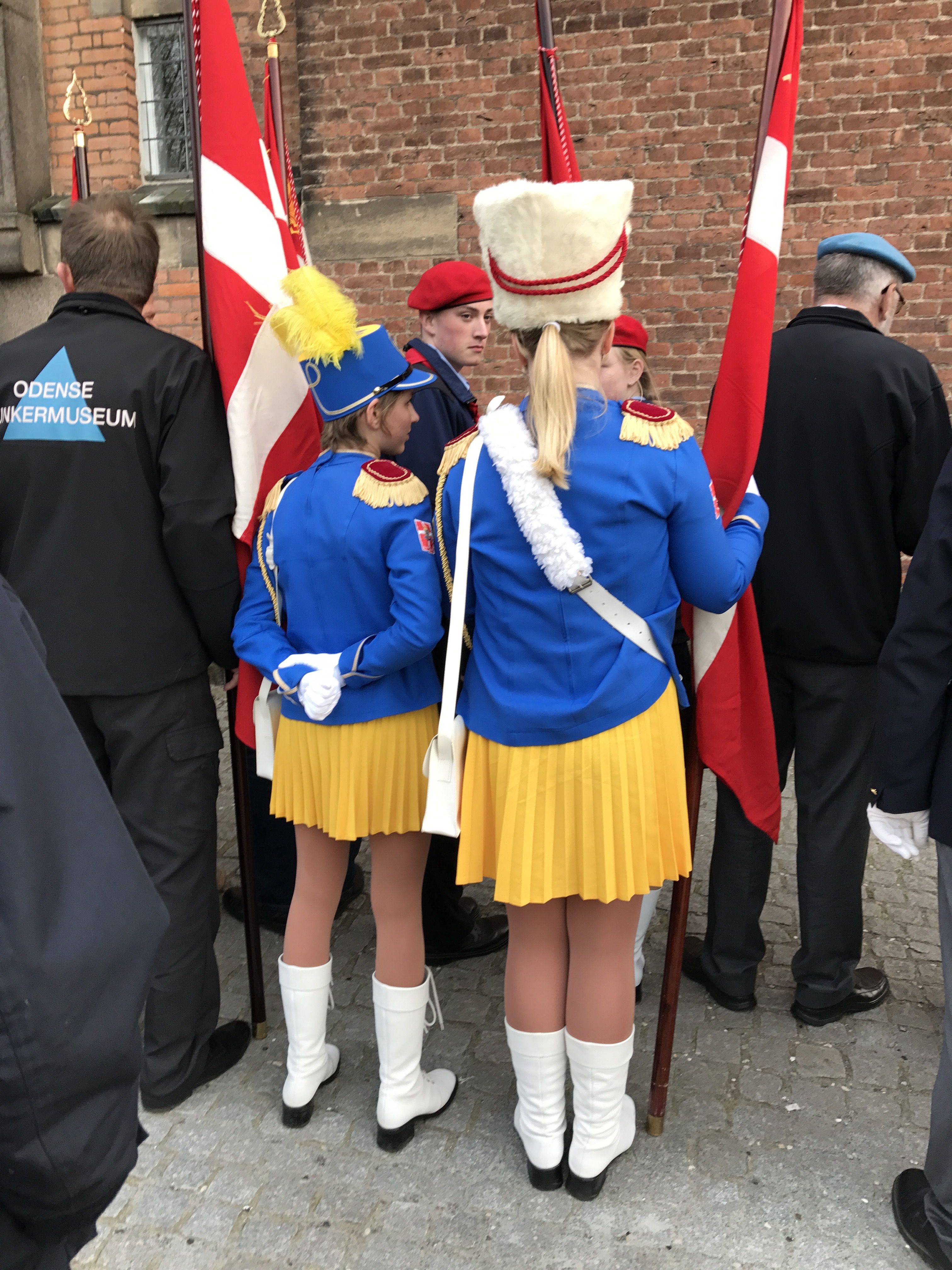

I stood around outside the church before the service and talked with Danes, who mostly speak perfect English. I thought about going into the church for the service, but it was all in Danish and looked like standing room only.
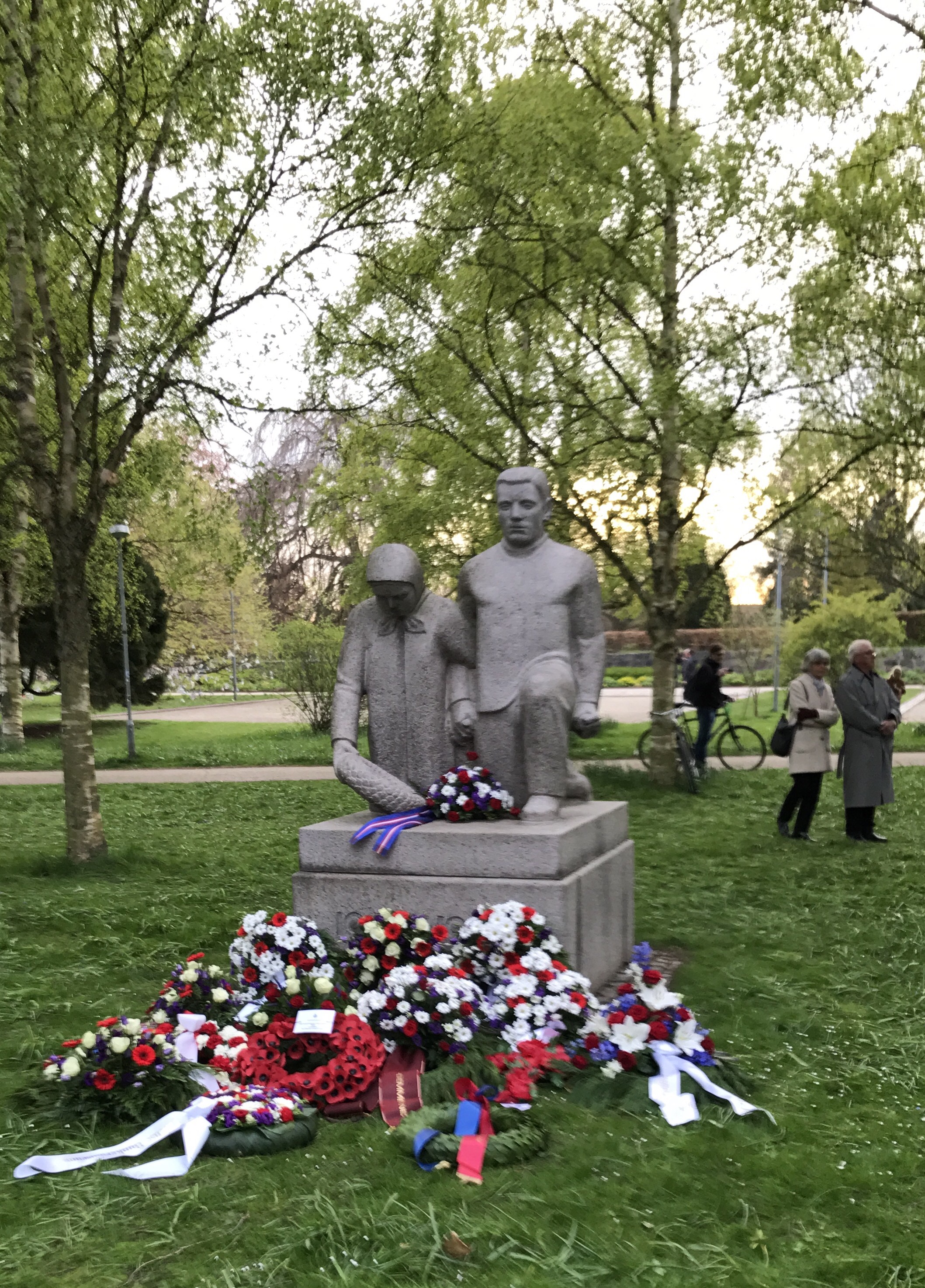

So I just walked back into the park and contemplated the war memorial.


In spite of what’s going on in my country right this minute, I’m still proud to be an American. I trust that after some dark days, we’ll be able once more to stand with those less fortunate than ourselves, and welcome people into our country. Our young people, like young people everywhere, are our hope for the future.
USA Tax Day 2017

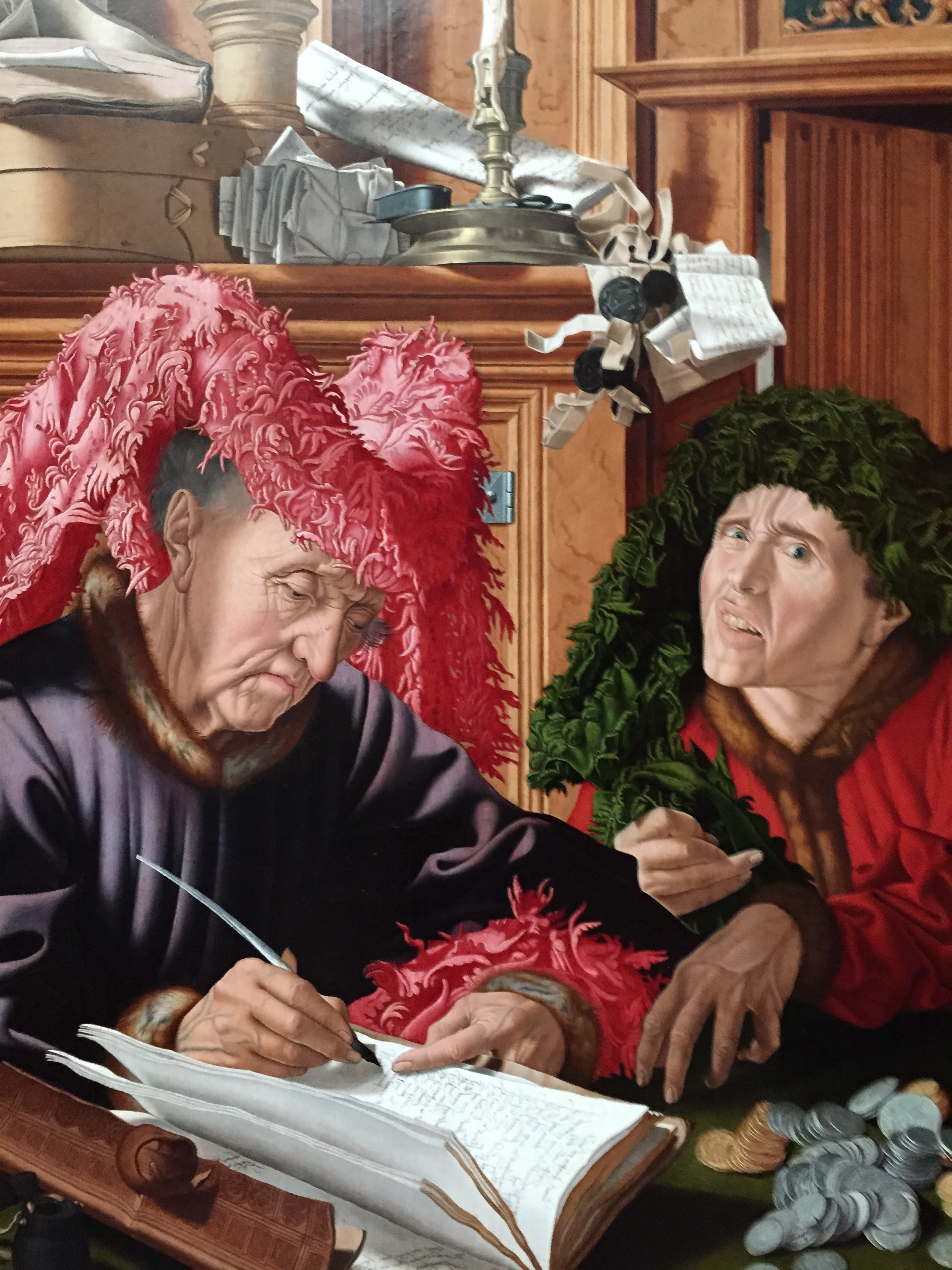
Nobody much likes to pay taxes. In the London National Gallery I came upon these two fellows, “The Tax Gatherers.” The painting is from the workshop of Marinus van Reymerswale, most likely from the 1540s. The caption explains that it was probably painted as a satire on covetousness. (Do you think? It looks to me like a 16th century version of a biting episode of our “Saturday Night Live”).

In the 1500s, government authorities imposed taxes on items such as wine, beer and fish. The serious-looking gentleman on the left is apparently writing out a tax list. Once the tax rate was set, private individuals were entrusted with actually collecting the money from taxpayers. An unscrupulous tax-gatherer could obviously take advantage of this system. The man on the right, with his grasping fingers and face contorted by greed, looks more than ready to grab more than his fair share of whatever he collects.
We all hope our hard-earned tax money is used well, but we suspect it is not. As Americans get their tax returns ready to stamp and mail (this year actually on April 18 instead of the traditional April 15), some people might have headaches. I came across a possible remedy in the National Museum of Finland in Helsinki.


It’s a wood carving of the head of John the Baptist on a platter, from the Pertteli Church, circa 1500. The caption helpfully explains that parishioners cured their headaches by holding it above their heads while praying. Worth a try, I would think!

Monkey Business with Tulips

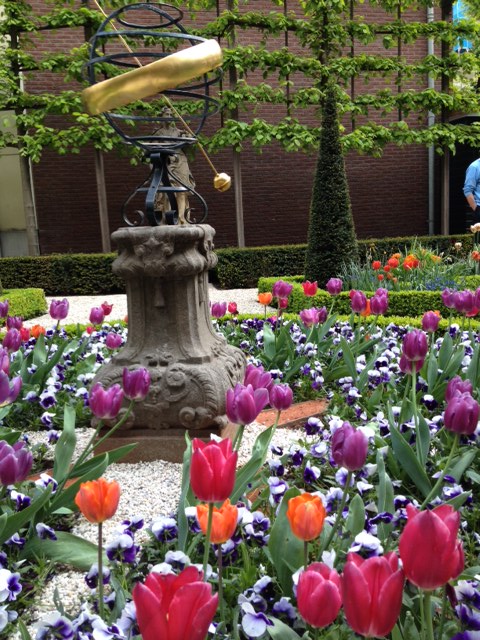
I just flew over the fabled tulip fields of Holland.  Sadly, I only had a short layover in Amsterdam airport. But I fondly remember a tulip-season trip to Holland three years ago. Tulips were everywhere, in all their glory.

photo (25)

photo (24)

photo (30)

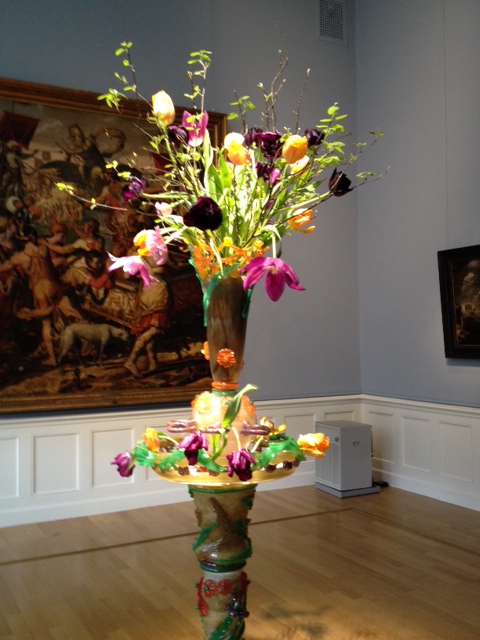
Museums have traditional arrangements of tulips, like this one which only a very wealthy family would have enjoyed in the past. Each precious bloom has its own place in a towering Delft vase, a luxurious work of art in itself.

photo (28)

During that trip, I hopped a train for a short ride from Amsterdam to the nearby town of Haarlem, especially to visit the Frans Hals Museum.  Frans Hals was a contemporary of Rembrandt; they competed for the same clientele of wealthy Dutch citizens during the Golden Age of Dutch painting, in the 1600s.  His namesake museum has many Hals paintings, plus work by other artists of his time.

photo (9)

But my favorite piece in the Hals museum was the little oil painting of monkeys going bananas over tulips. It was based on an all-too-true historical event. (In the Dutch Golden Age, they didn’t have Twitter or “Saturday Night Live”).

“A Satire of Tulip Mania” by Brueghel the Younger, Public Domain

“A Satire of Tulip Mania,” by Breughel the Younger, was painted in 1640, just after the debacle of the tulip boom and bust cycle.  This was the seventeenth-century equivalent of the dot-com boom and bust, or the subprime mortgage boom and bust. It was probably the first modern instance of rampant speculation in a commodity, followed by a crash. At the height of the frenzy, a single tulip bulb sold for ten times the annual income of a skilled craftsman.

Brueghel dressed his gullible monkeys in contemporary clothes and showed them facing debtor’s court and even urinating on discarded tulips, turned from priceless to worthless overnight. Then as now, greed leads straight into monkey business.

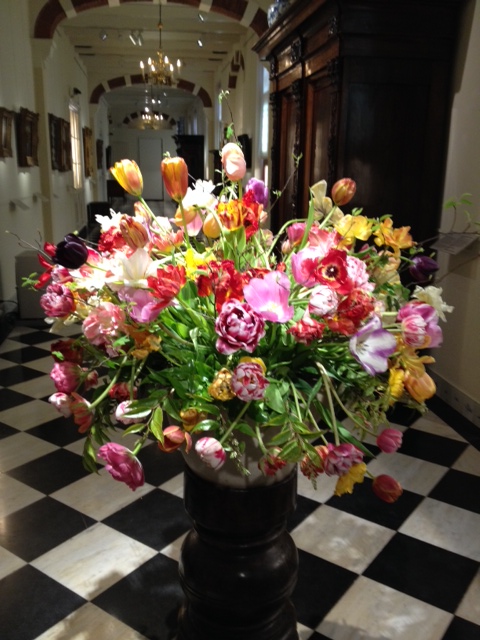
Today the tulip trade is much more stable.  The museum had spectacular arrangements of tulips and other spring flowers in every room.

photo (12)

I’m plotting a return trip to Holland–one where I can get out of the airport and into the tulips.

Easter Time in Helsinki


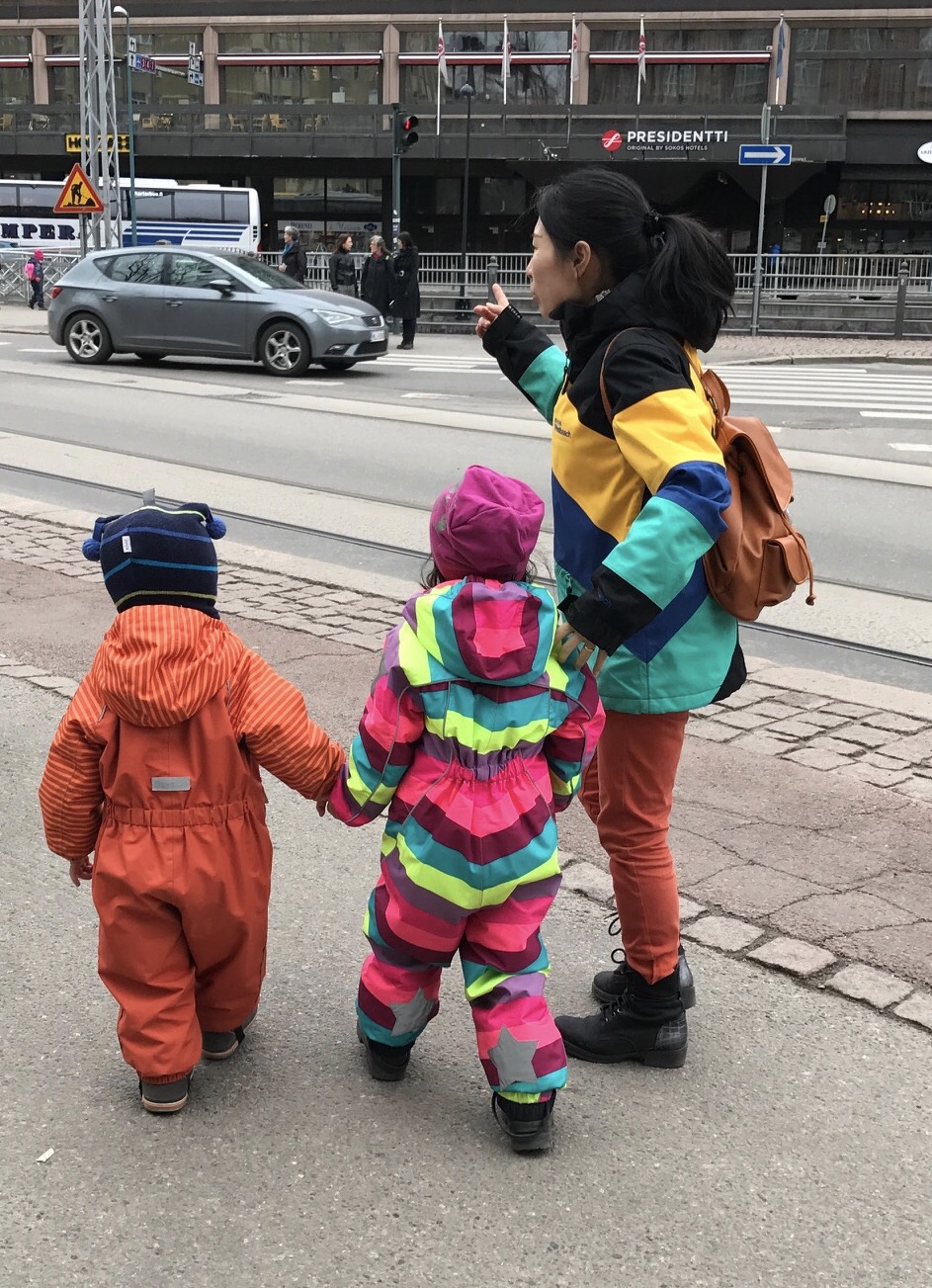
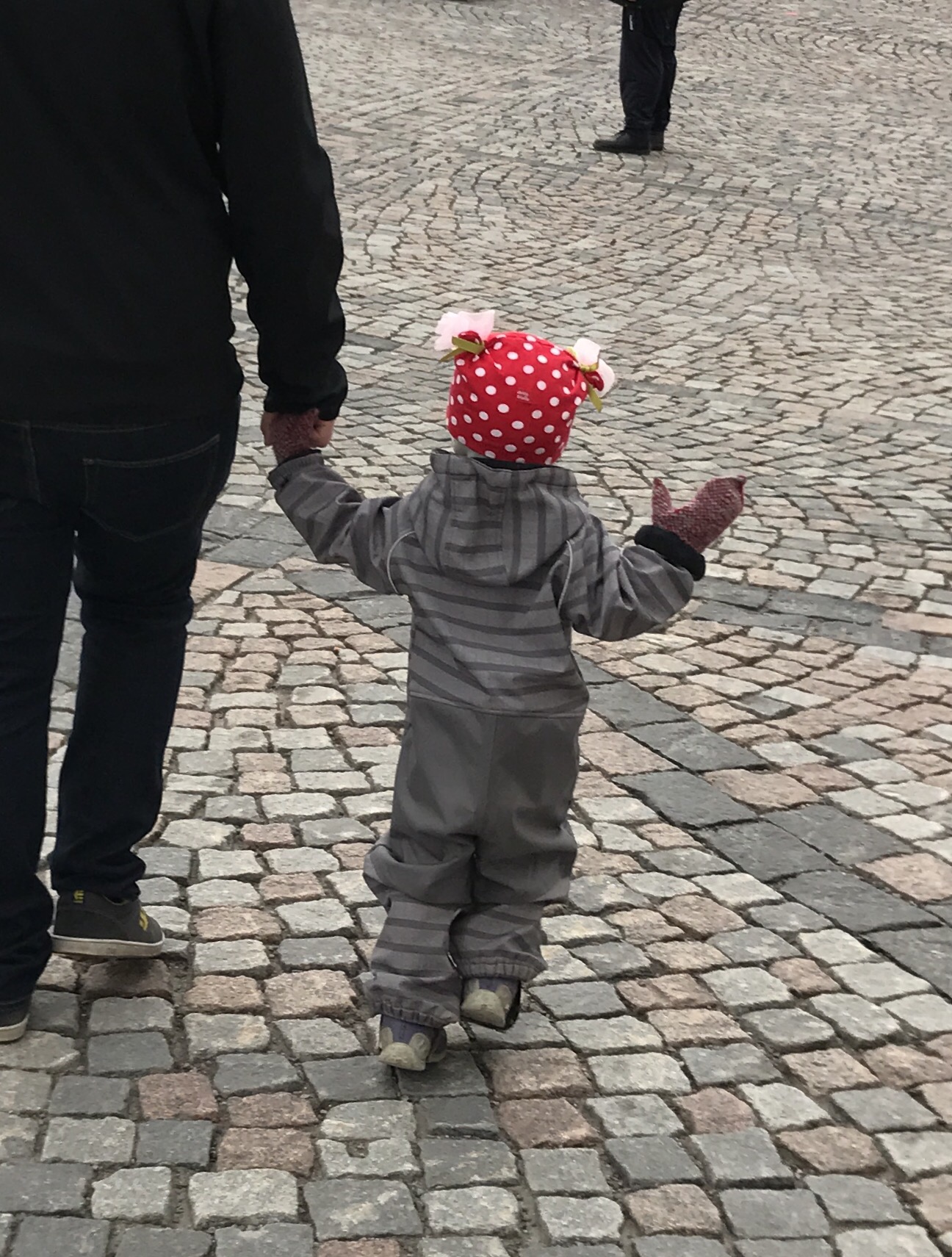
Helsinki in early April is chilly and blustery.  All the children are bundled up in one-piece snow suits. I was wishing I had one! Finland is not a place for religious pageantry and parades as in Southern Europe.


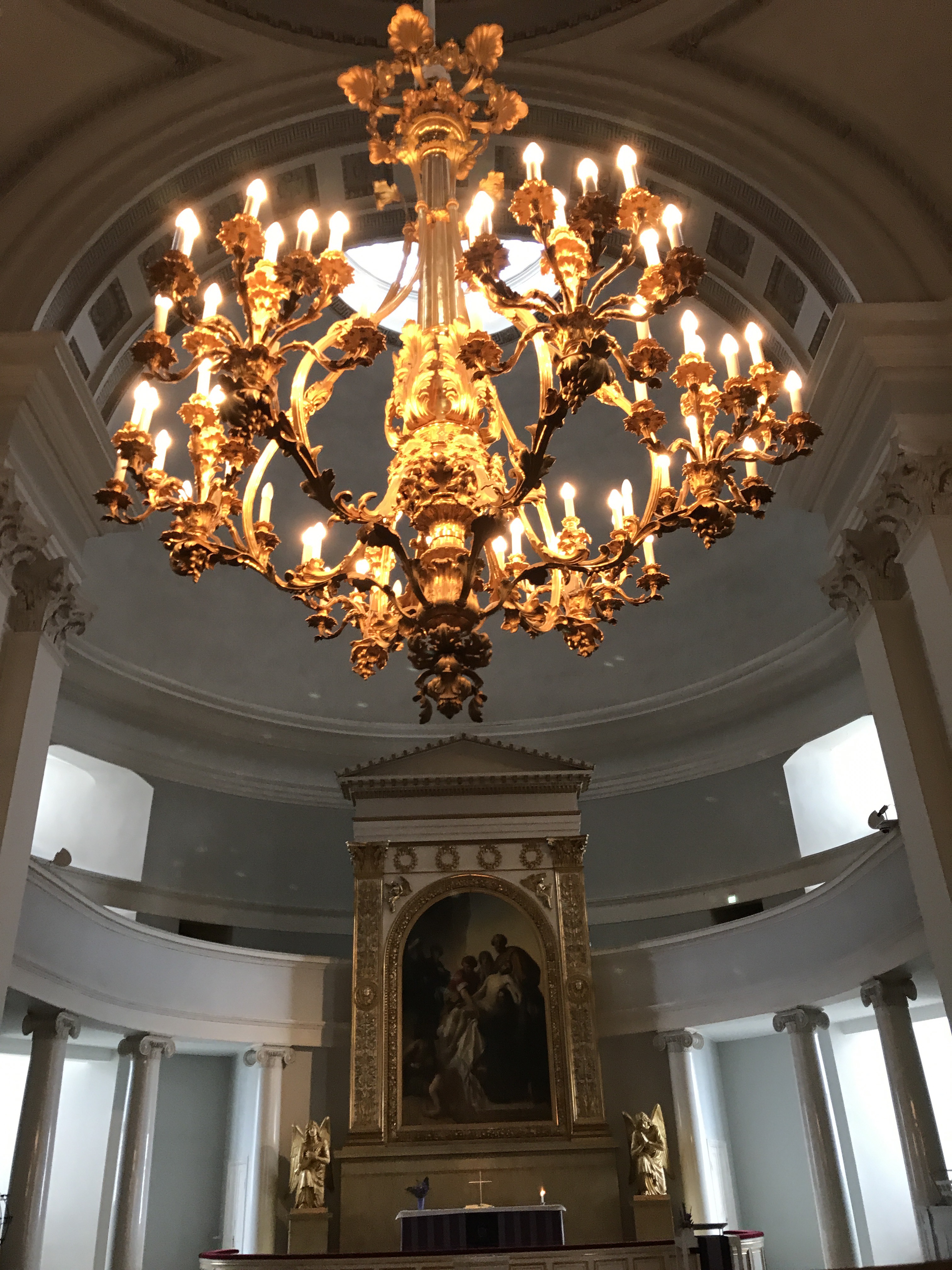
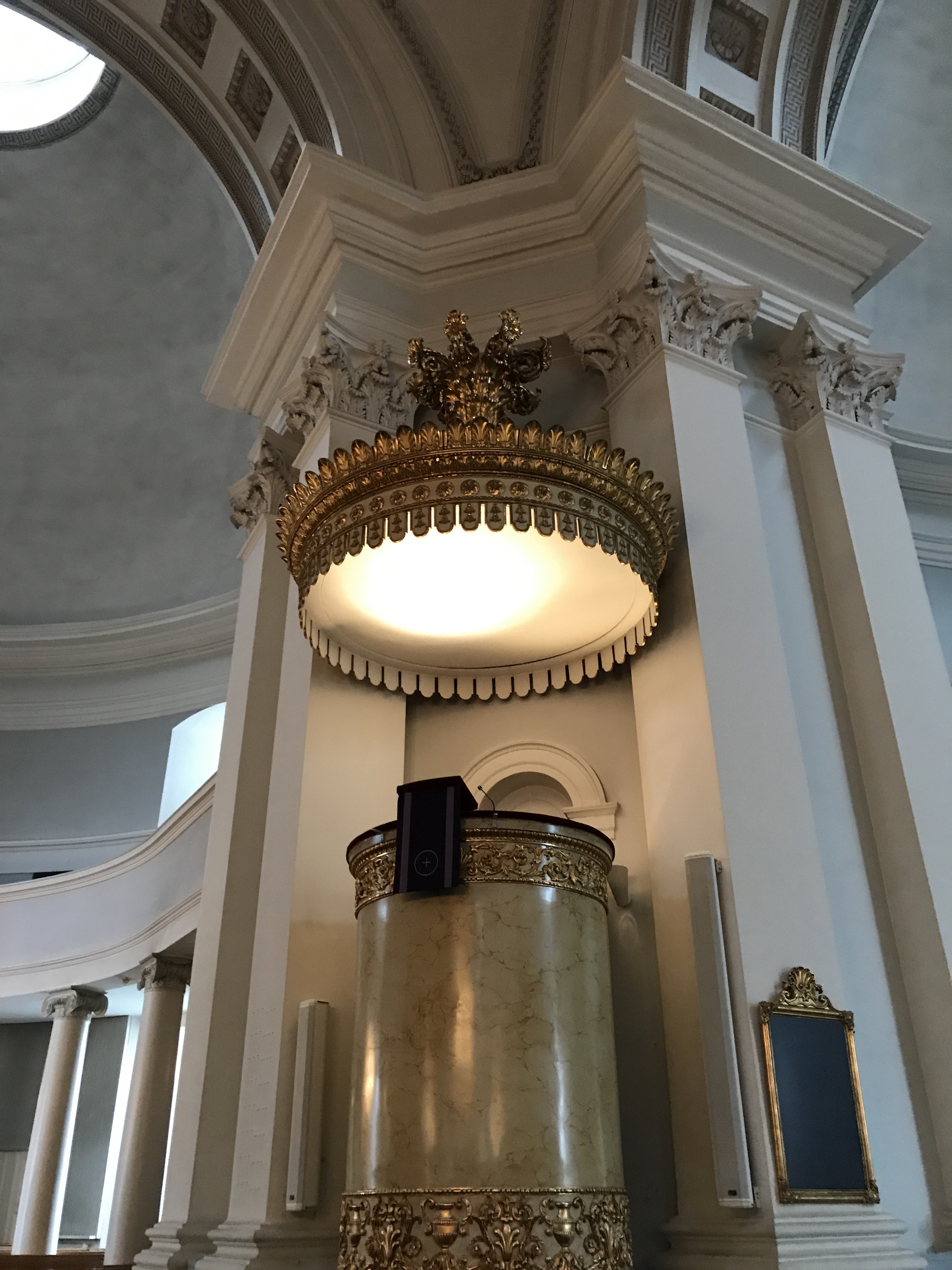
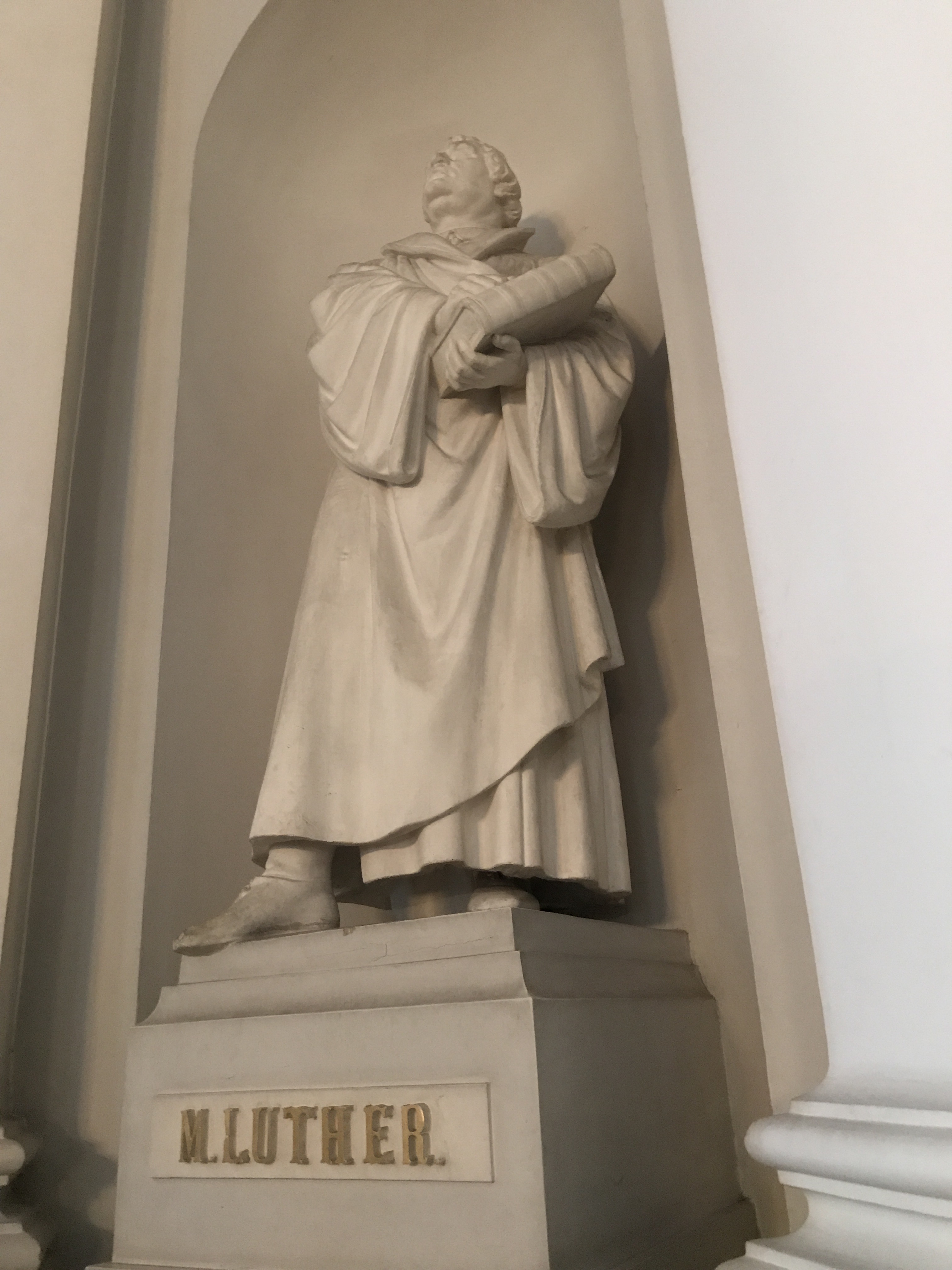
The Lutheran Helsinki Cathedral is impressive in its grand spaces, but very austere. Aside from Martin Luther gazing skyward, there’s not much to look at. And (at least on an admittedly quick stop) I didn’t see a children’s corner with little chairs, or posters about bake sales, or ladies dusting things, or a single clergy person.


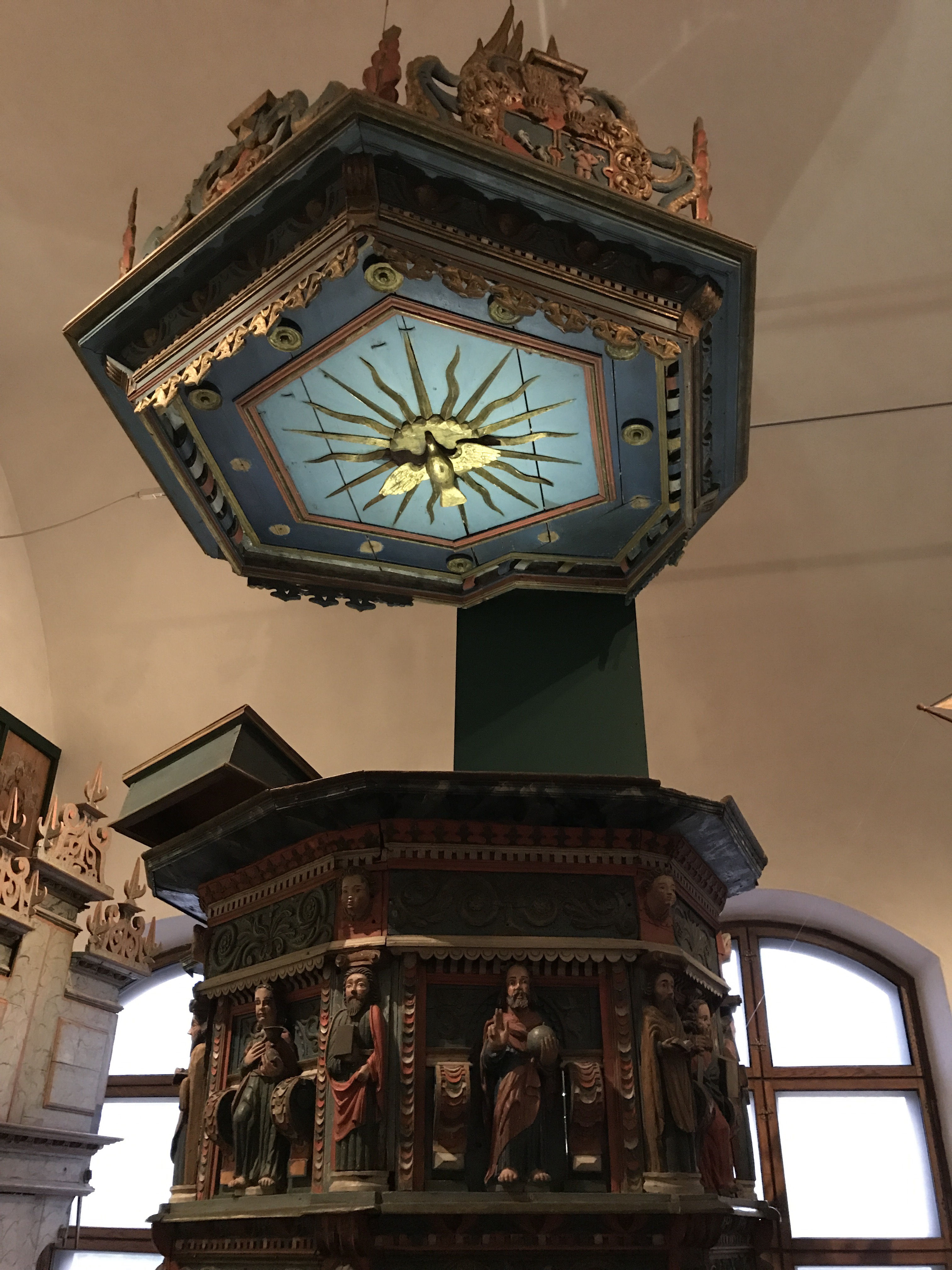
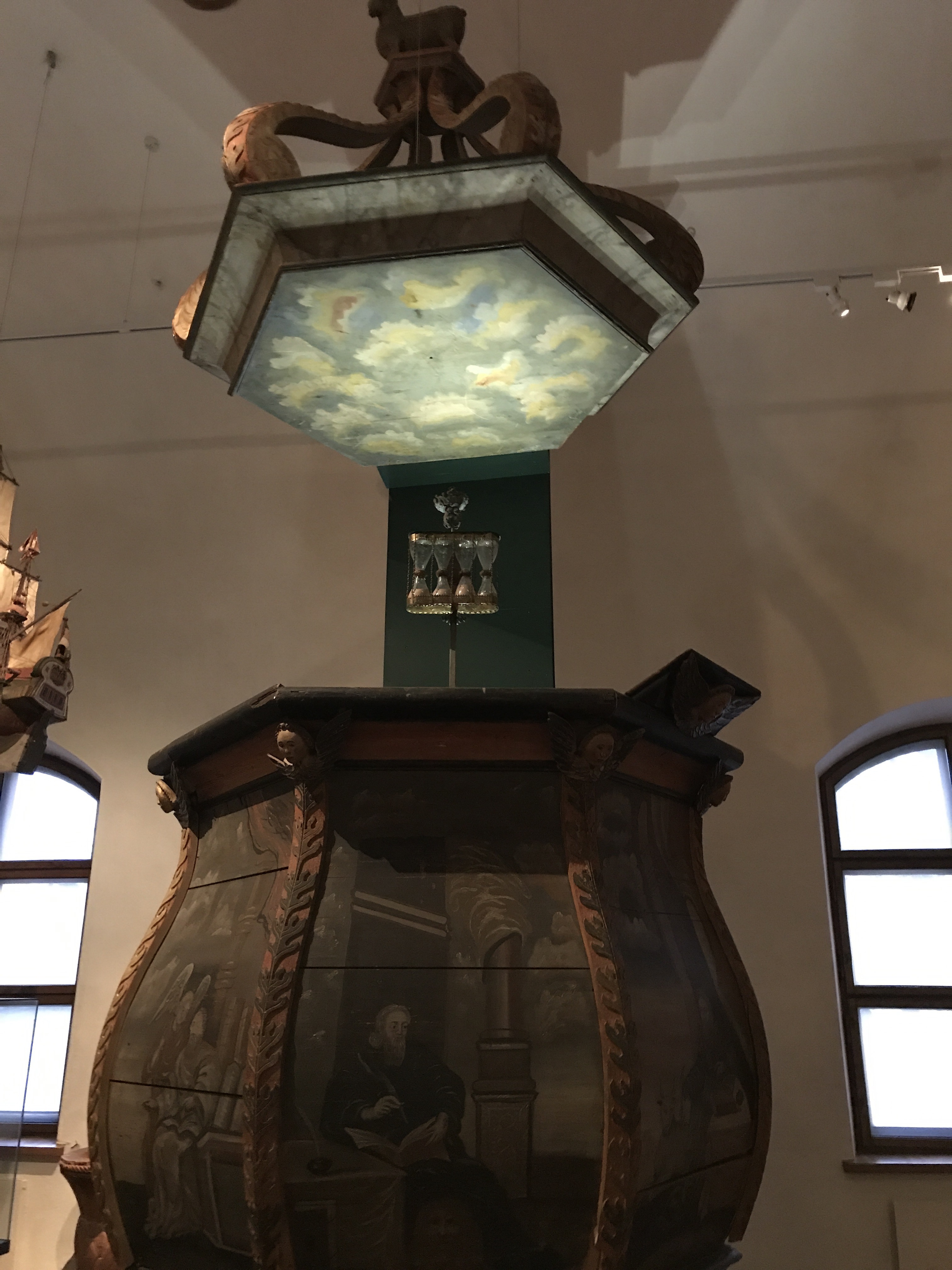
The National Museum of Finland was a much more church-like experience. This pulpit is from the church in Parainen, Finland, dated 1650. At the time, Finland was a frontier to the west of Sweden–and very handy as a buffer between Sweden and Russia. Newly built churches were required to have pulpits. Lutheranism was the state religion of Sweden, and everybody was expected to sit still for it or else.

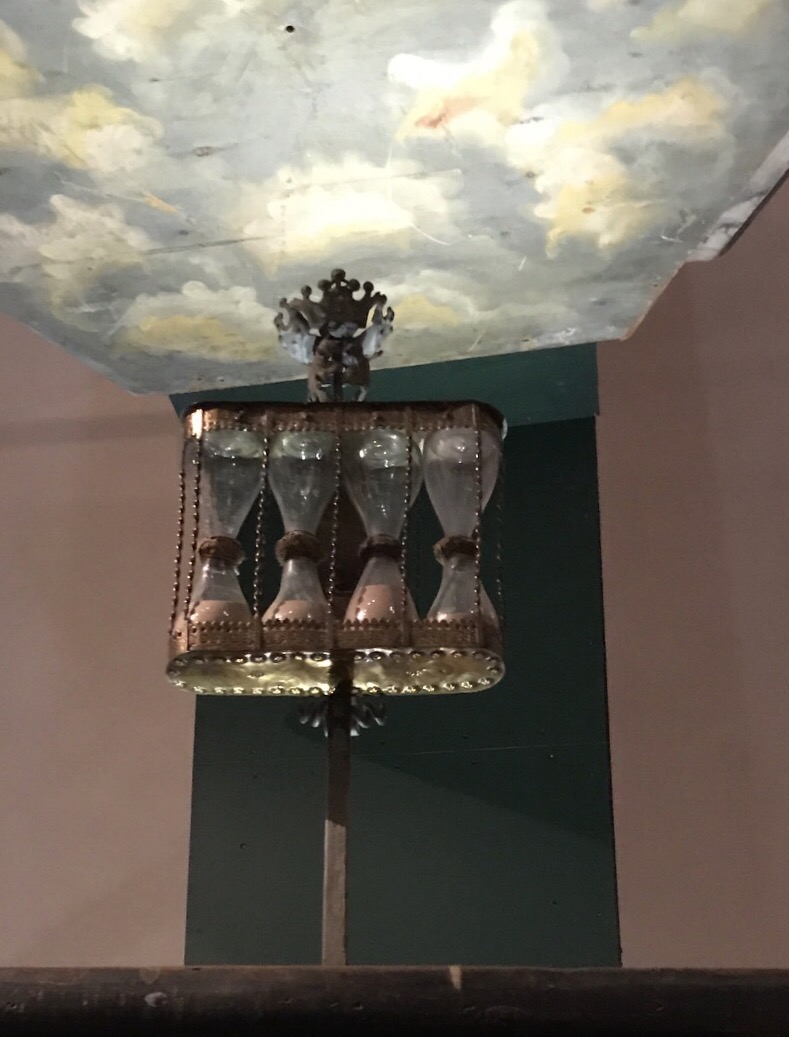
This pulpit is from the Kalvia Church, around 1726.  I like the cloudy heavens painted on its ceiling just above the preacher’s head.


Wait, there are hourglasses? Four of them? How long is this sermon going to be, anyway? Better not ask.


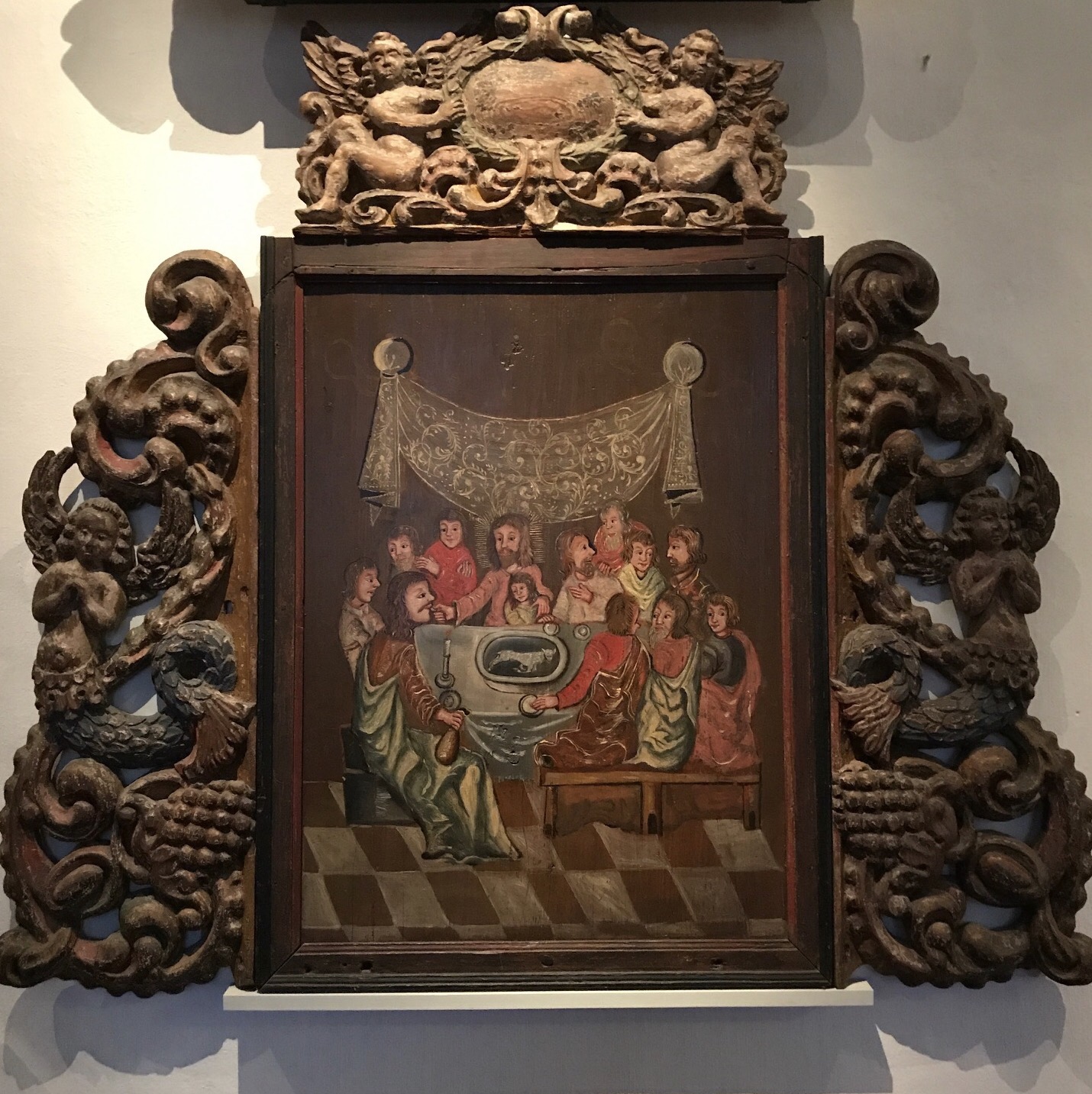
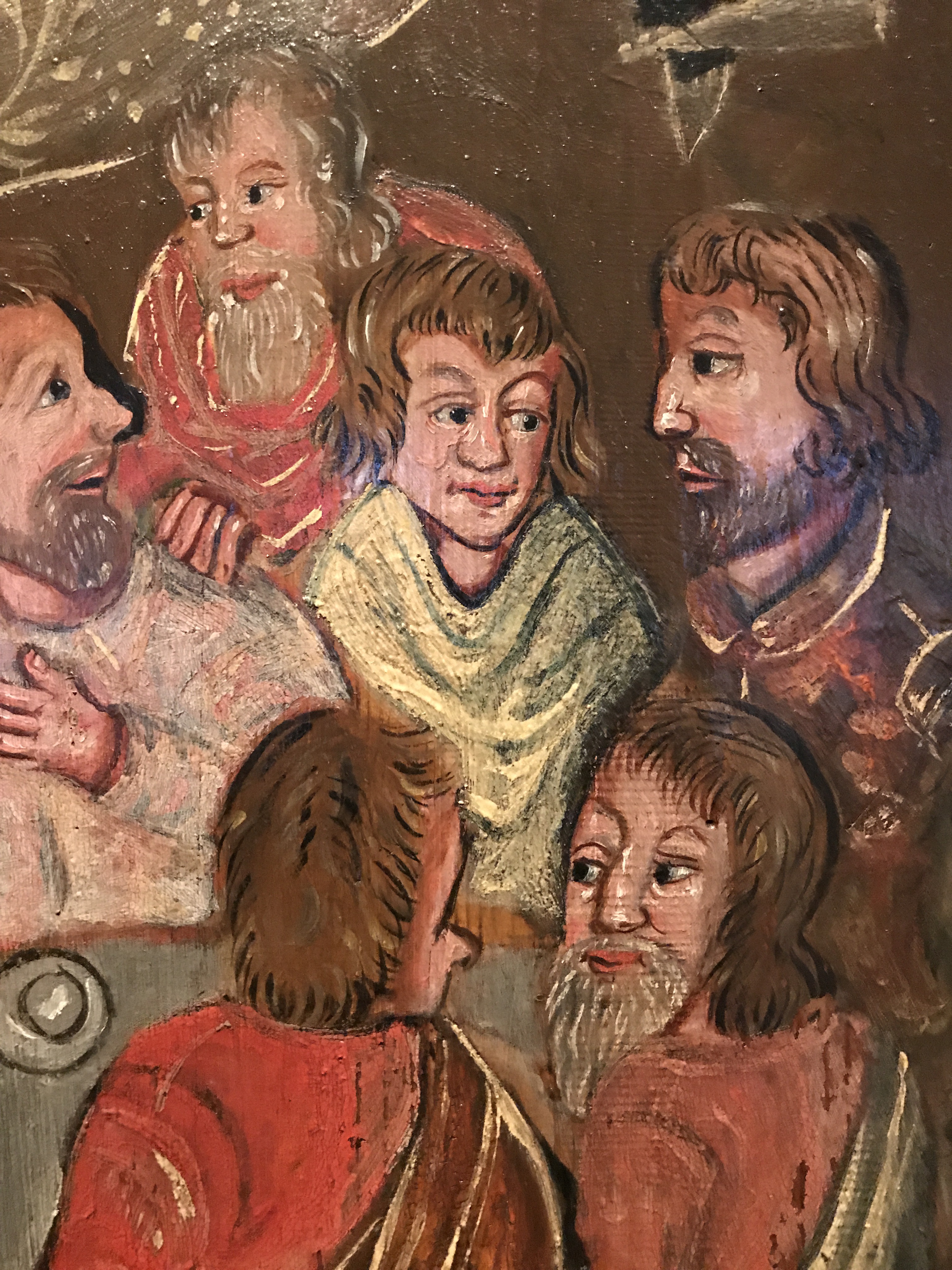
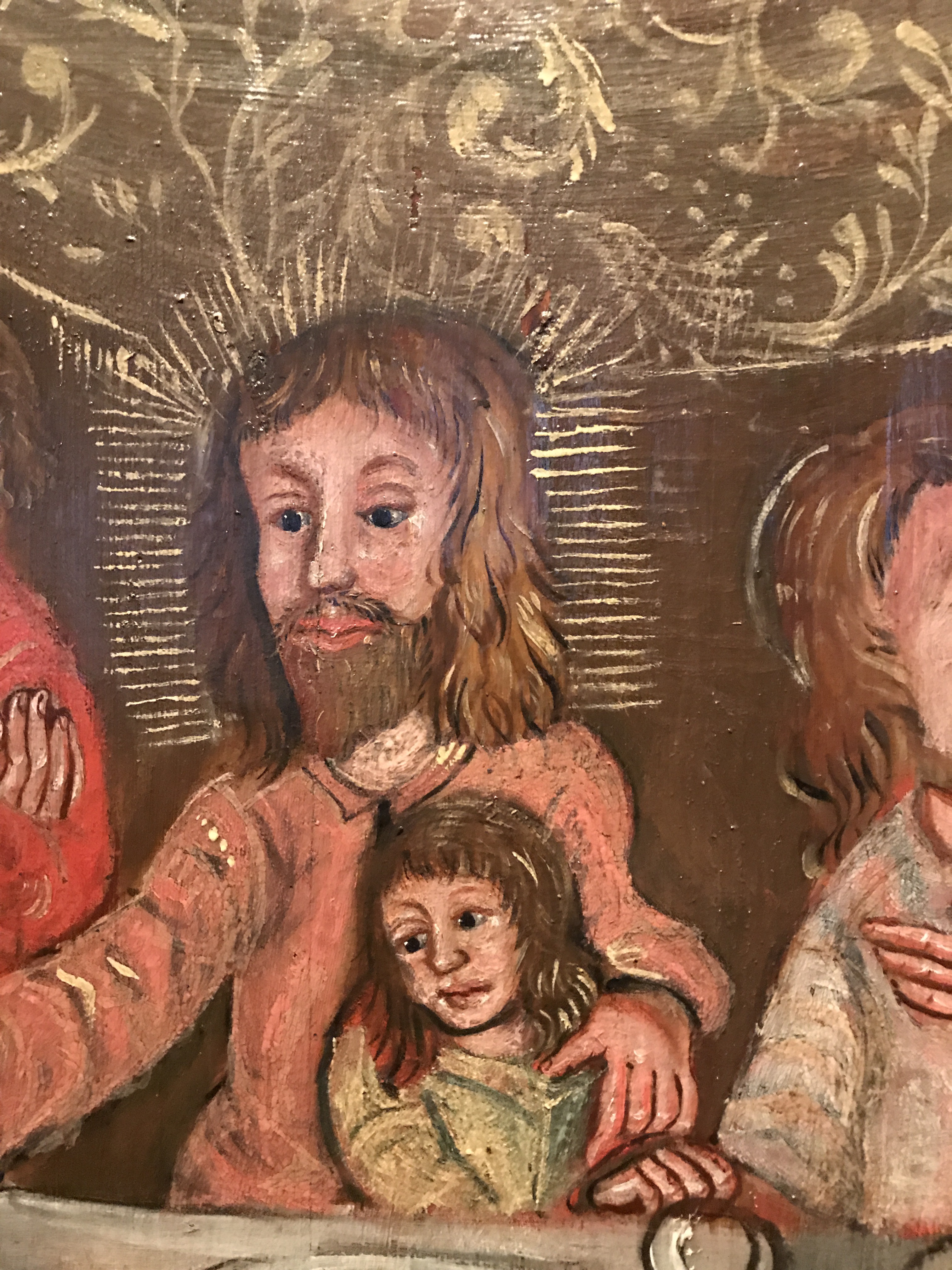
My favorite item was an altarpiece depicting the Last Supper. It’s from the Ylane Church, dated around 1675.


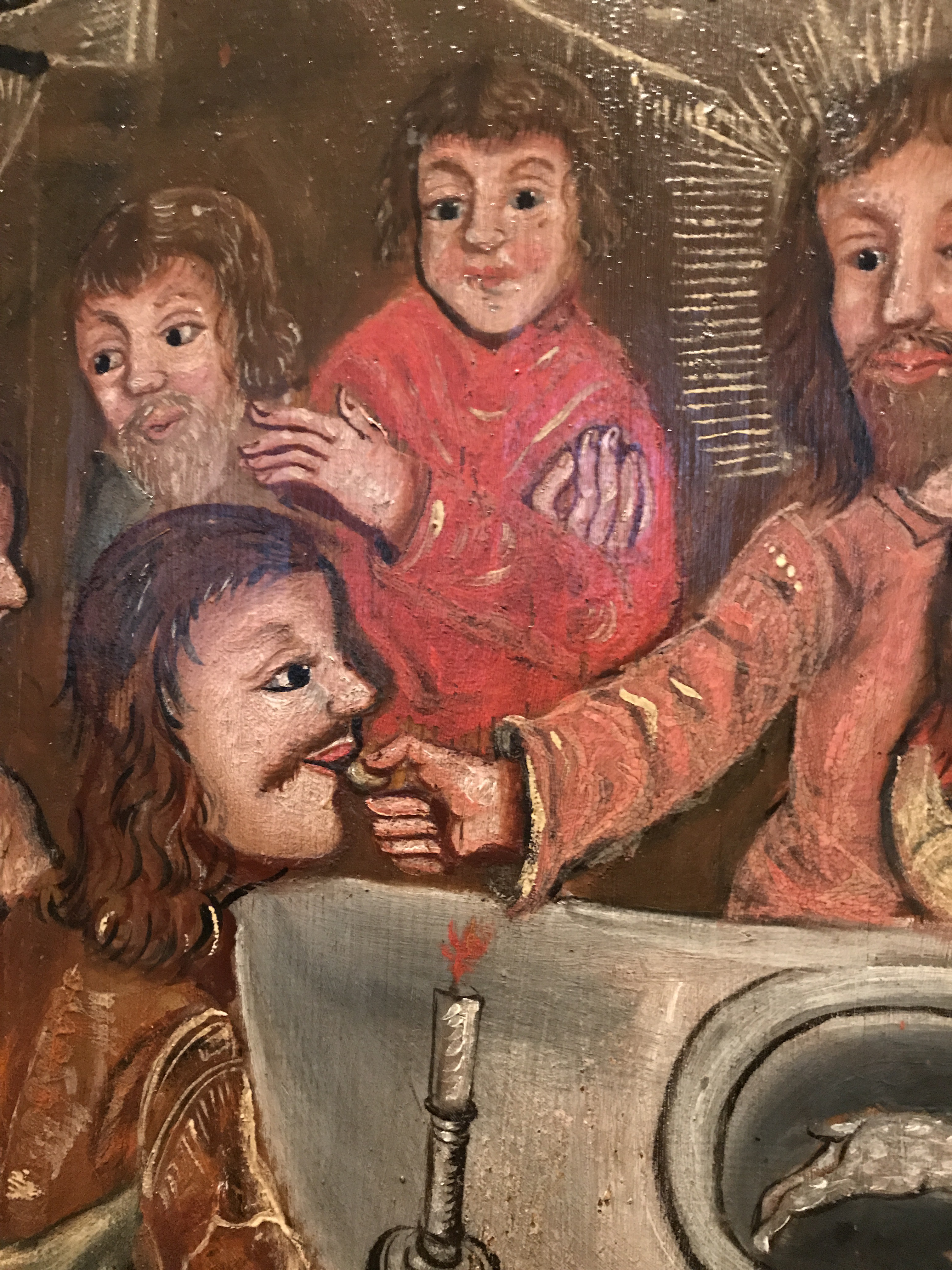
The faces are friendly and everyone is having a nice time together. There seem to be only 11 apostles. Apparently Judas has already left the building.


Jesus (with spiky sun-ray halo) seems to be holding a child in his lap. So the story is maybe doing double duty here: “Let the little children come unto me.”

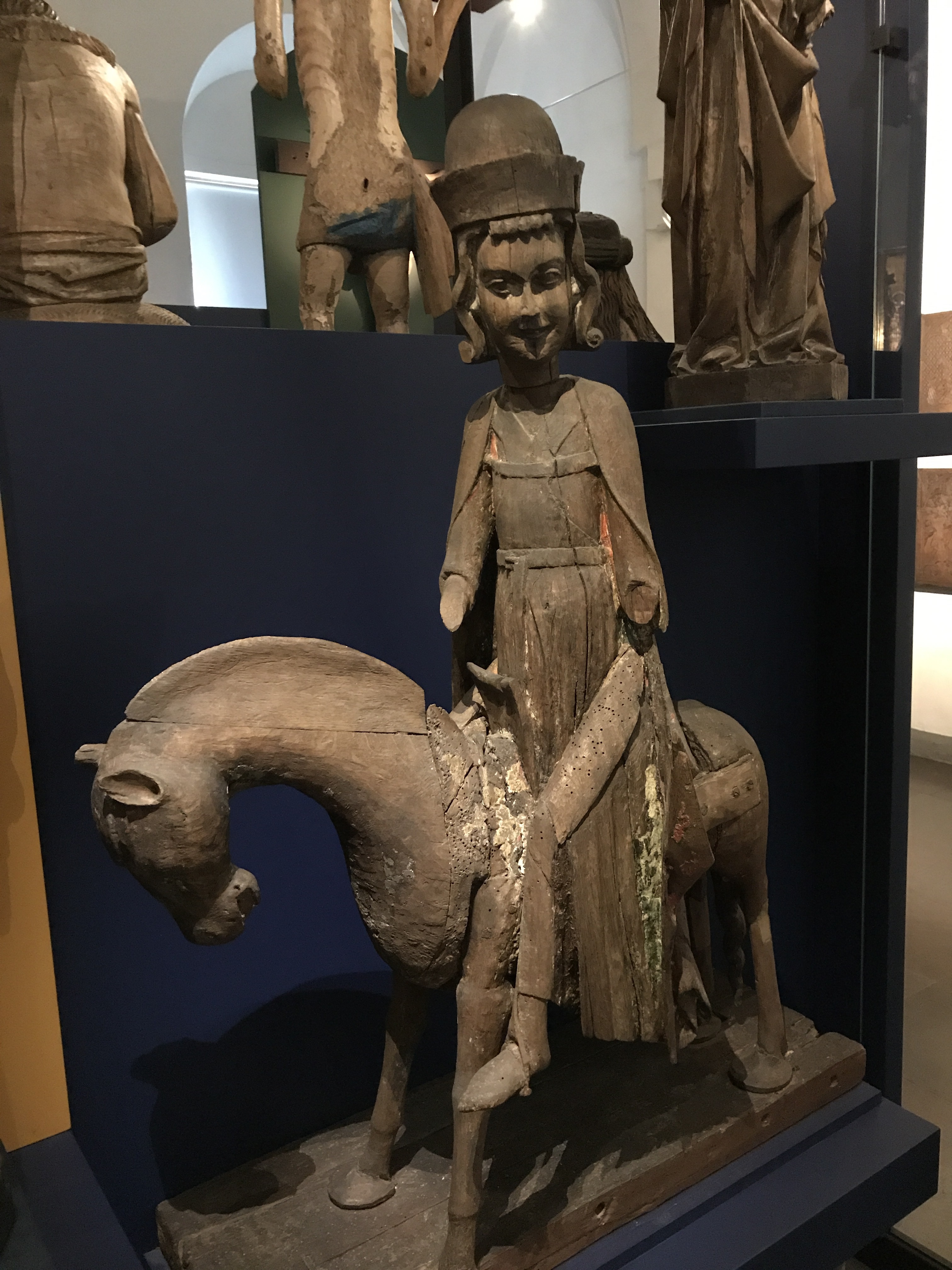
The museum also had wonderful religious wood carvings dating back as far as the 1200s. I liked St. Martin on his horse, about to share his warm cloak with a beggar. He was carved and assembled from several pieces of wood around 1320.


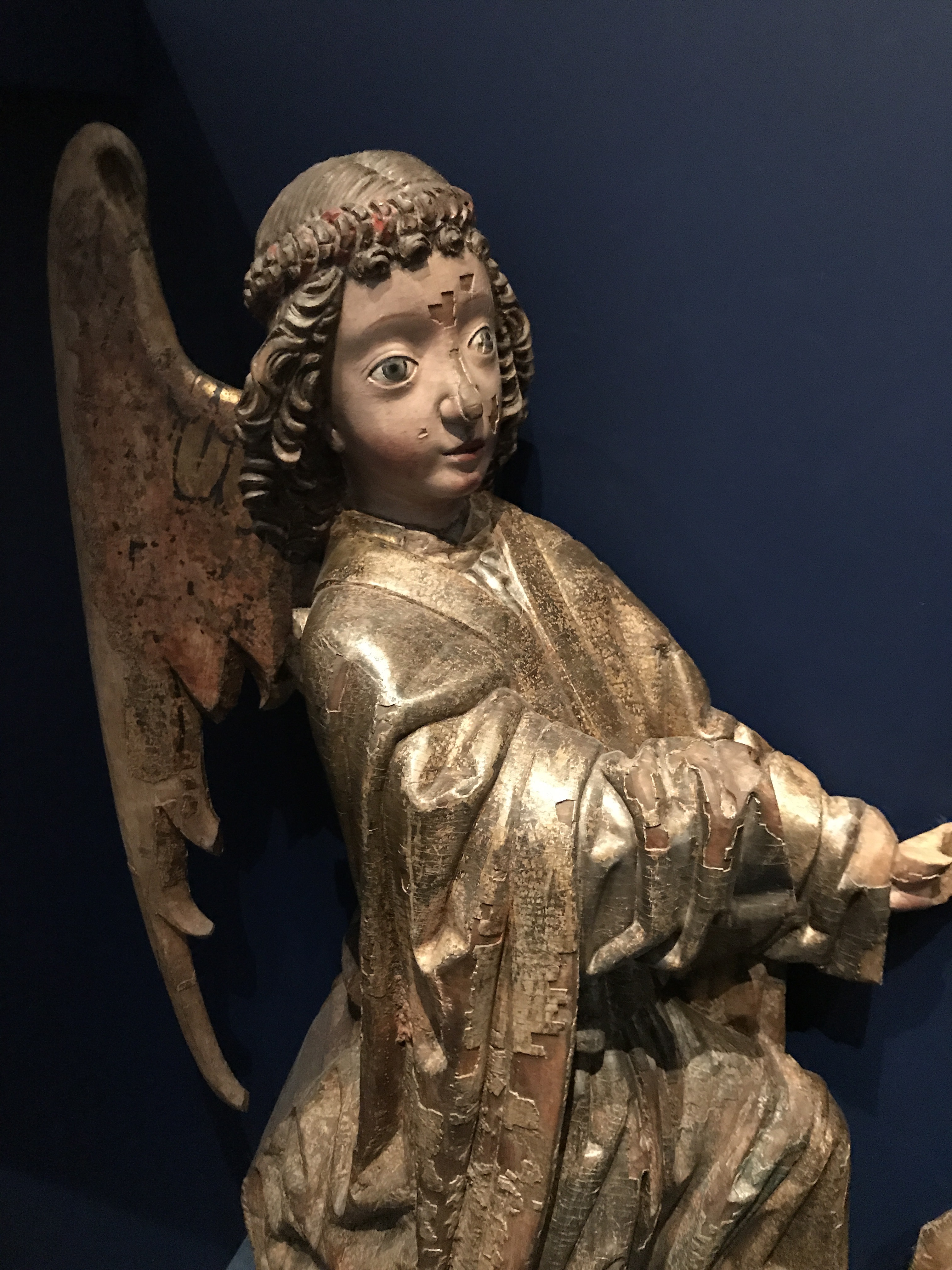
I gazed for awhile at the Archangel Gabriel, carved and gilded around 1500.


Then I was back on the friendly but chilly streets of Helsinki, wishing I had a striped snowsuit and a red polka-dotted hat with flower ears.

Jugendstil in Helsinki


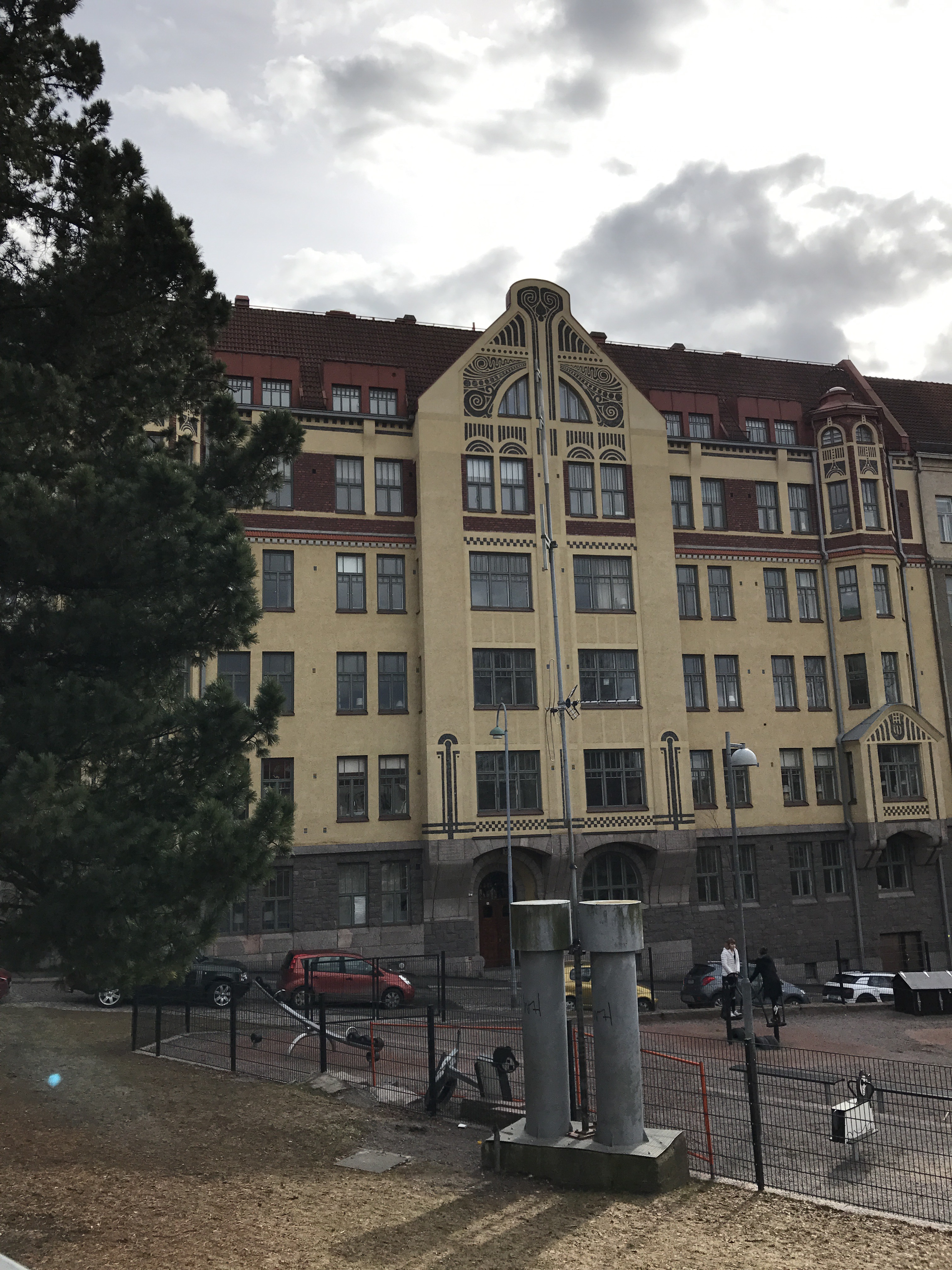
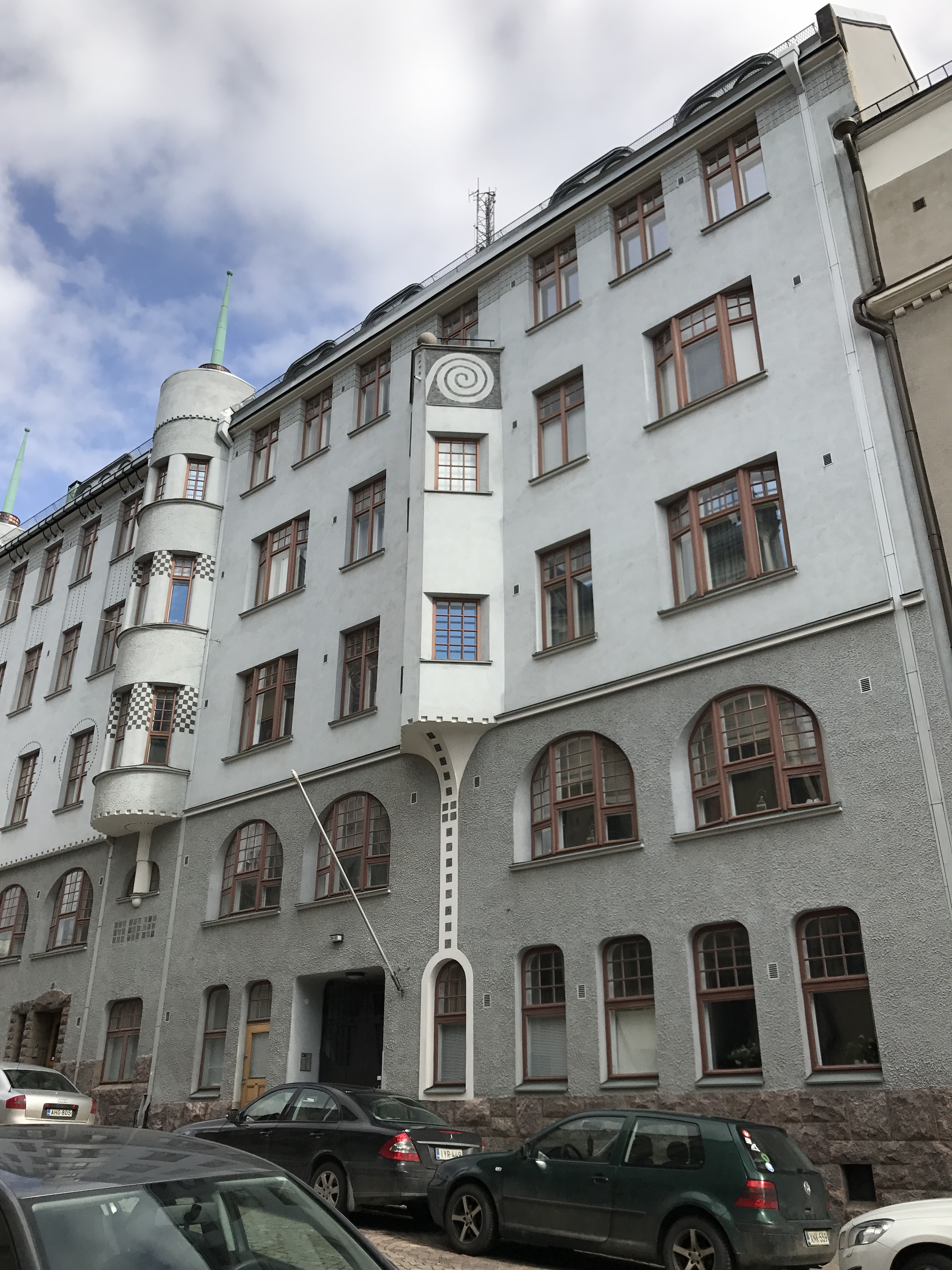
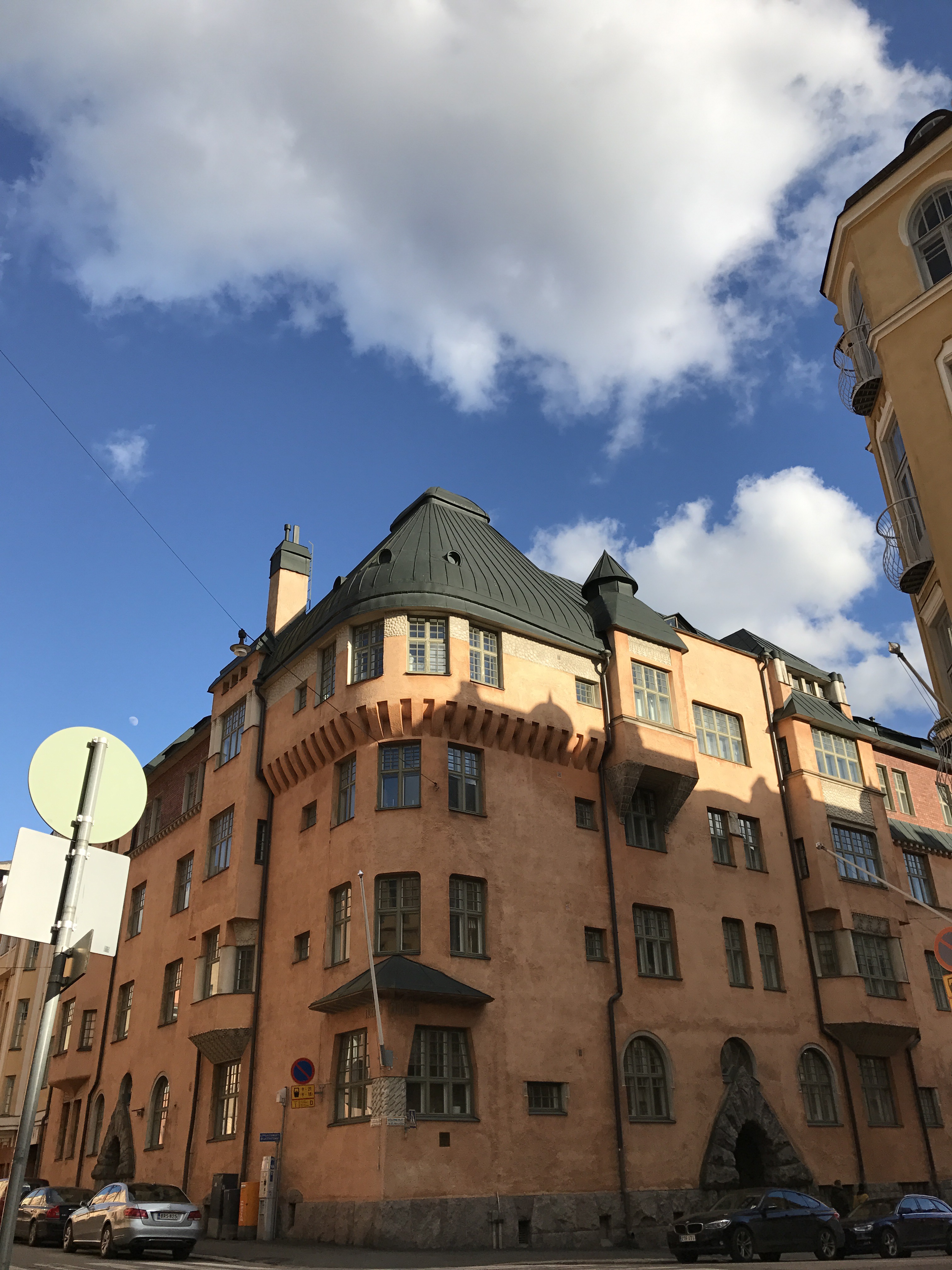
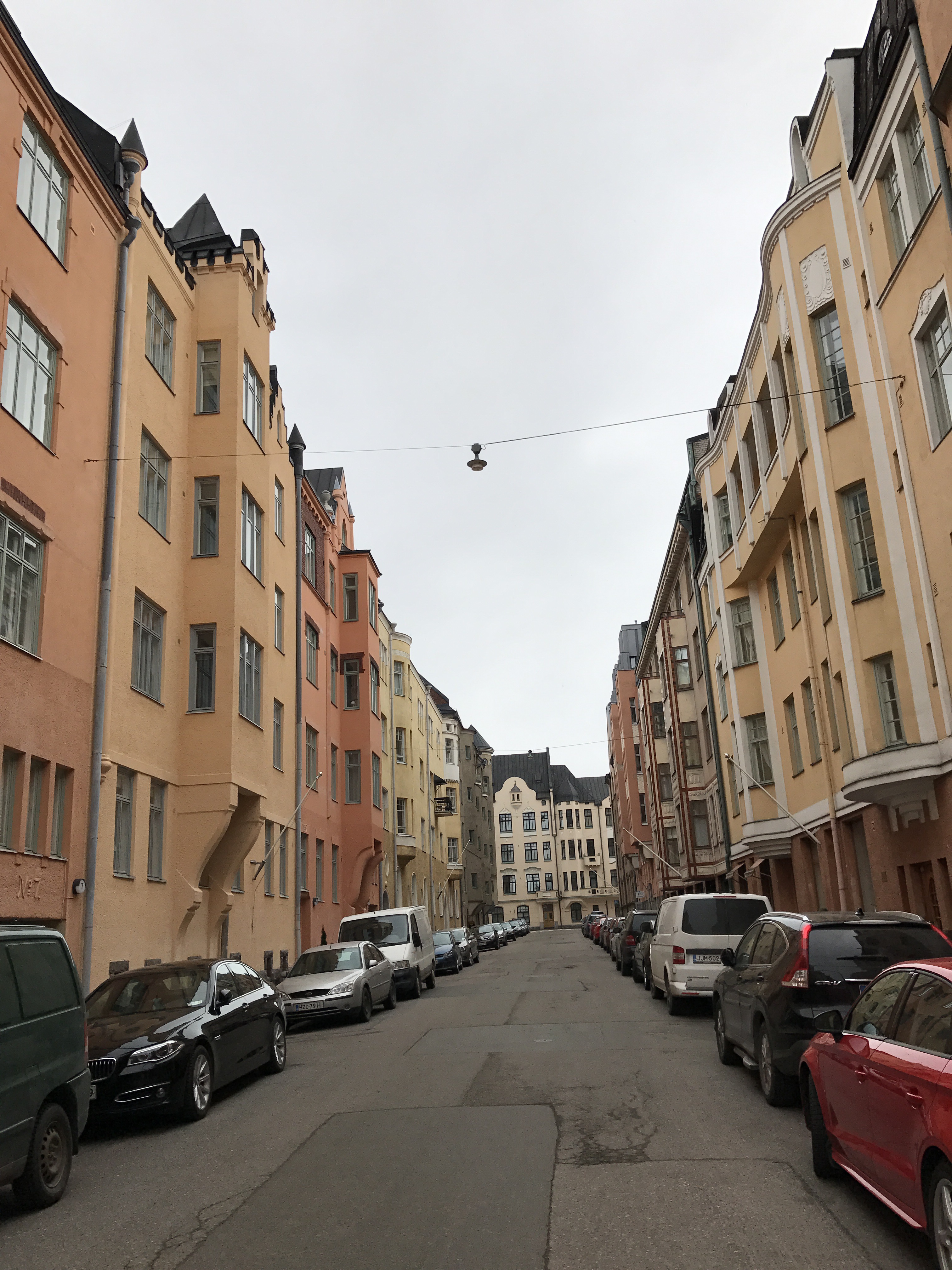
The island of Katajanokka, just outside the center of Helsinki, might have more Jugendstil buildings per square mile than anyplace else on earth.


It seems that in the early 1900s, when industrialization was drawing rural Finns into Helsinki, there must have been a building boom.


Builders must have raced to create castles for the common people: fanciful and beautiful apartment buildings with turrets, towers, interesting windows, and beautiful decorative elements.


We stayed in one of them, and I’d have cheerfully stayed longer. I could see myself living in beautiful, friendly Helsinki. The city is known for its style. Now I see why!

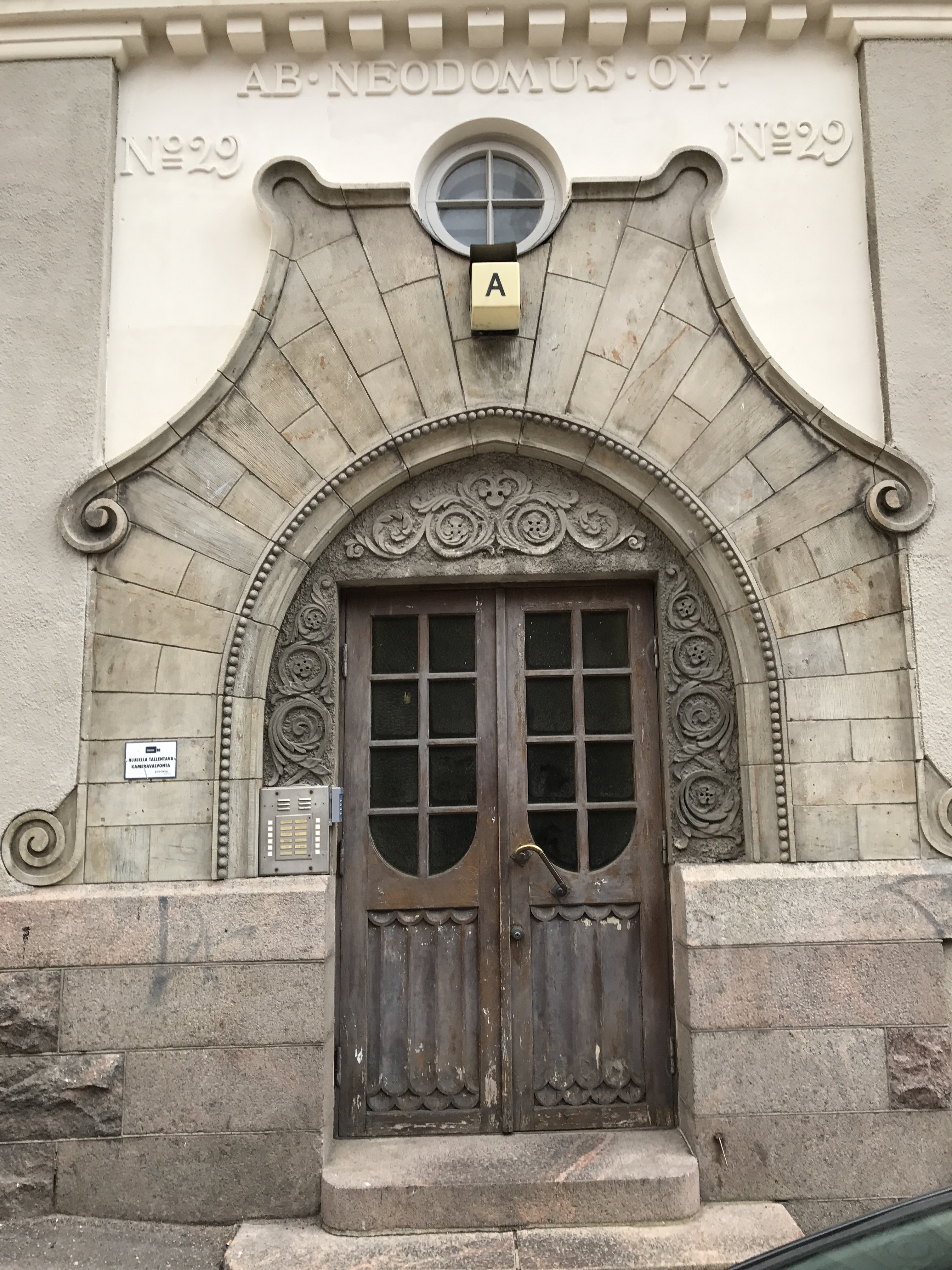
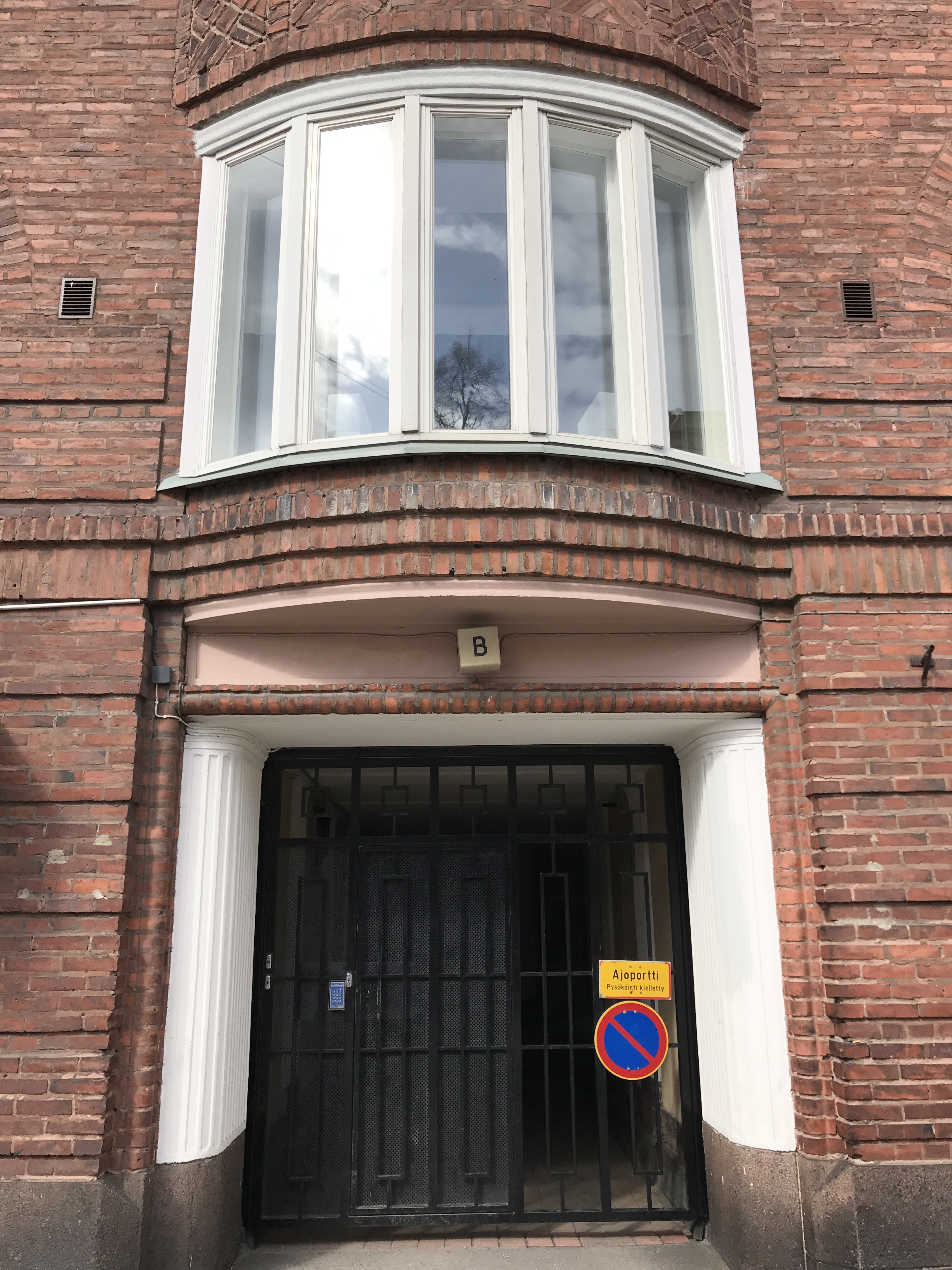
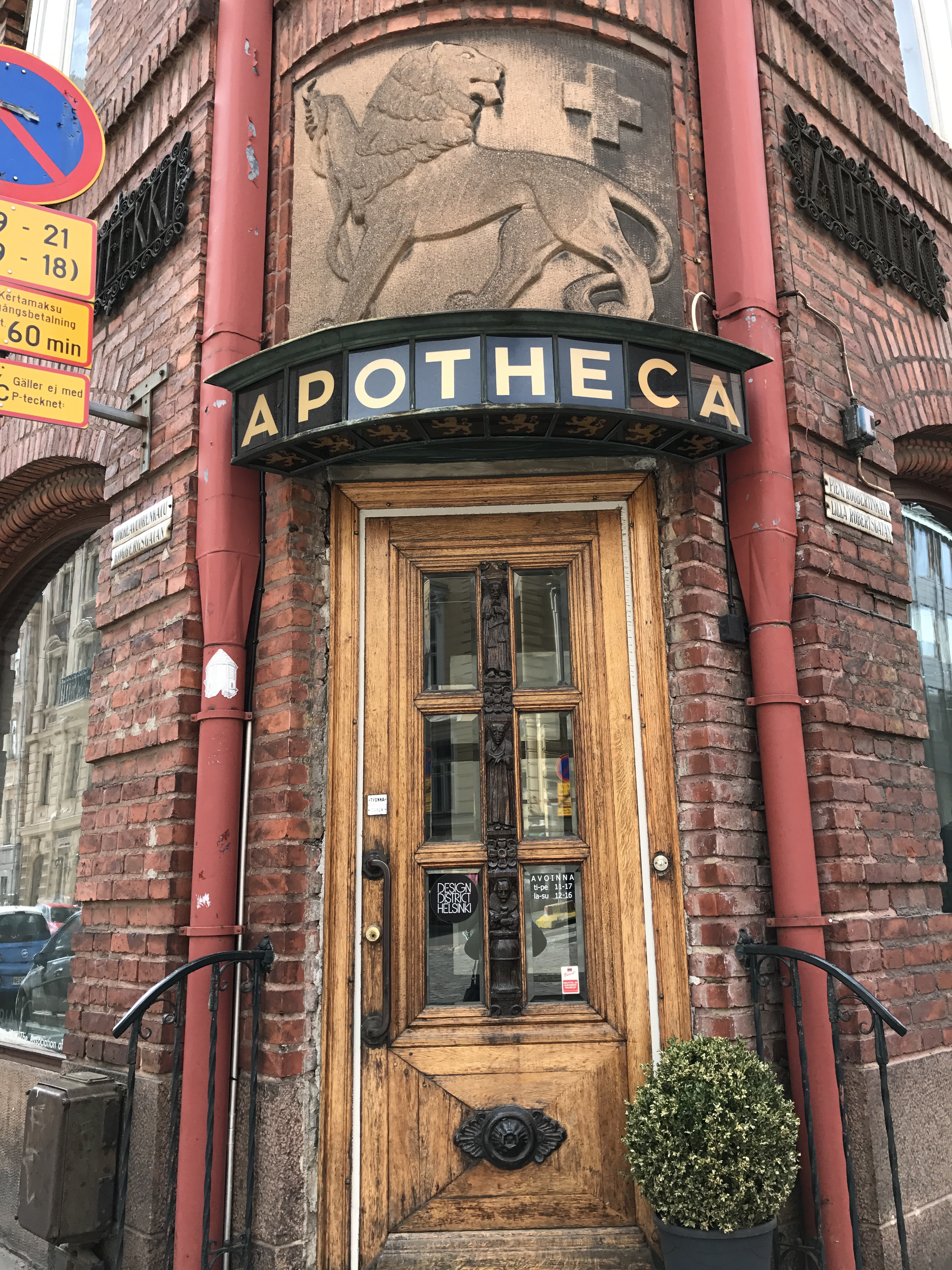
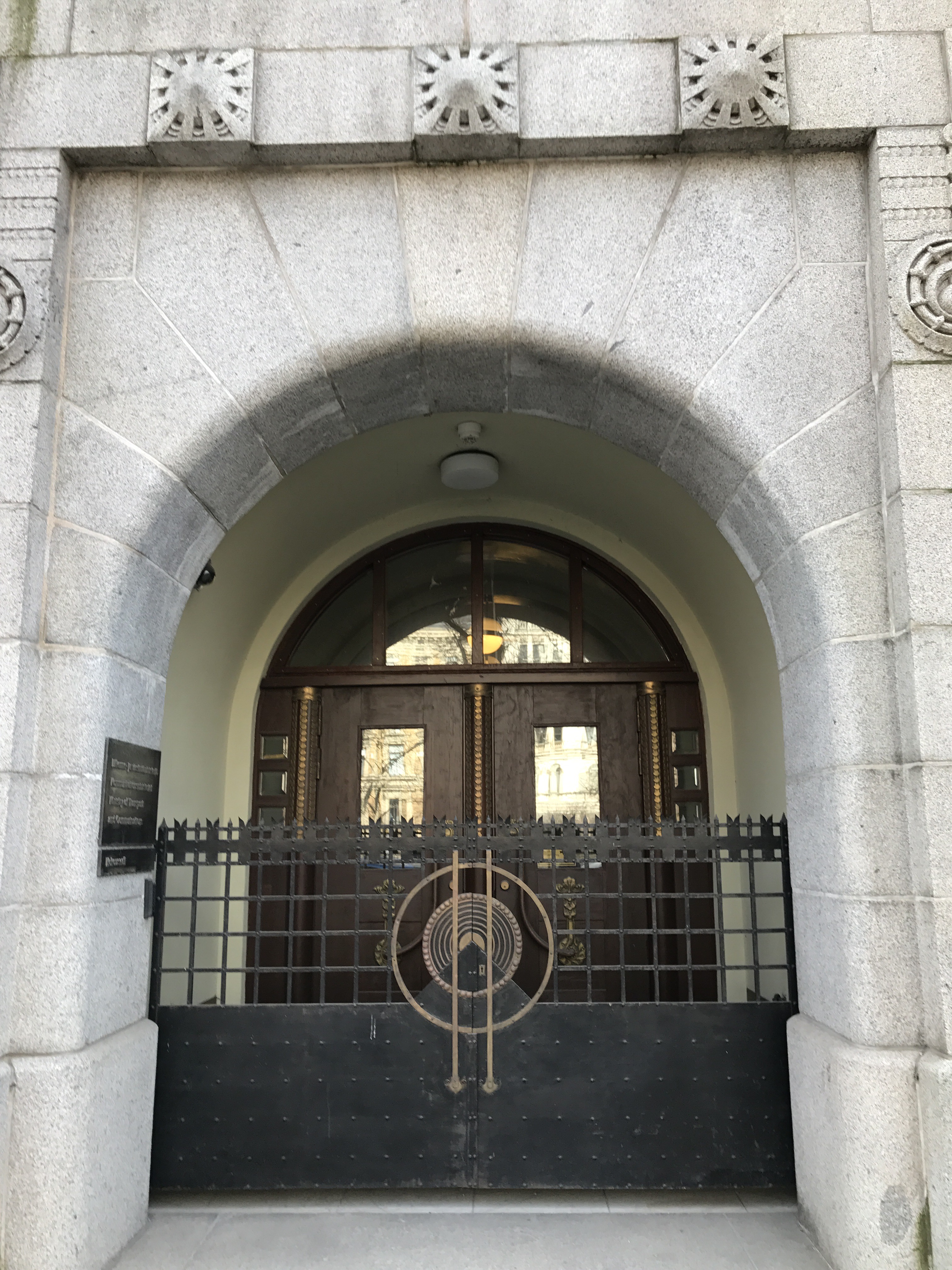
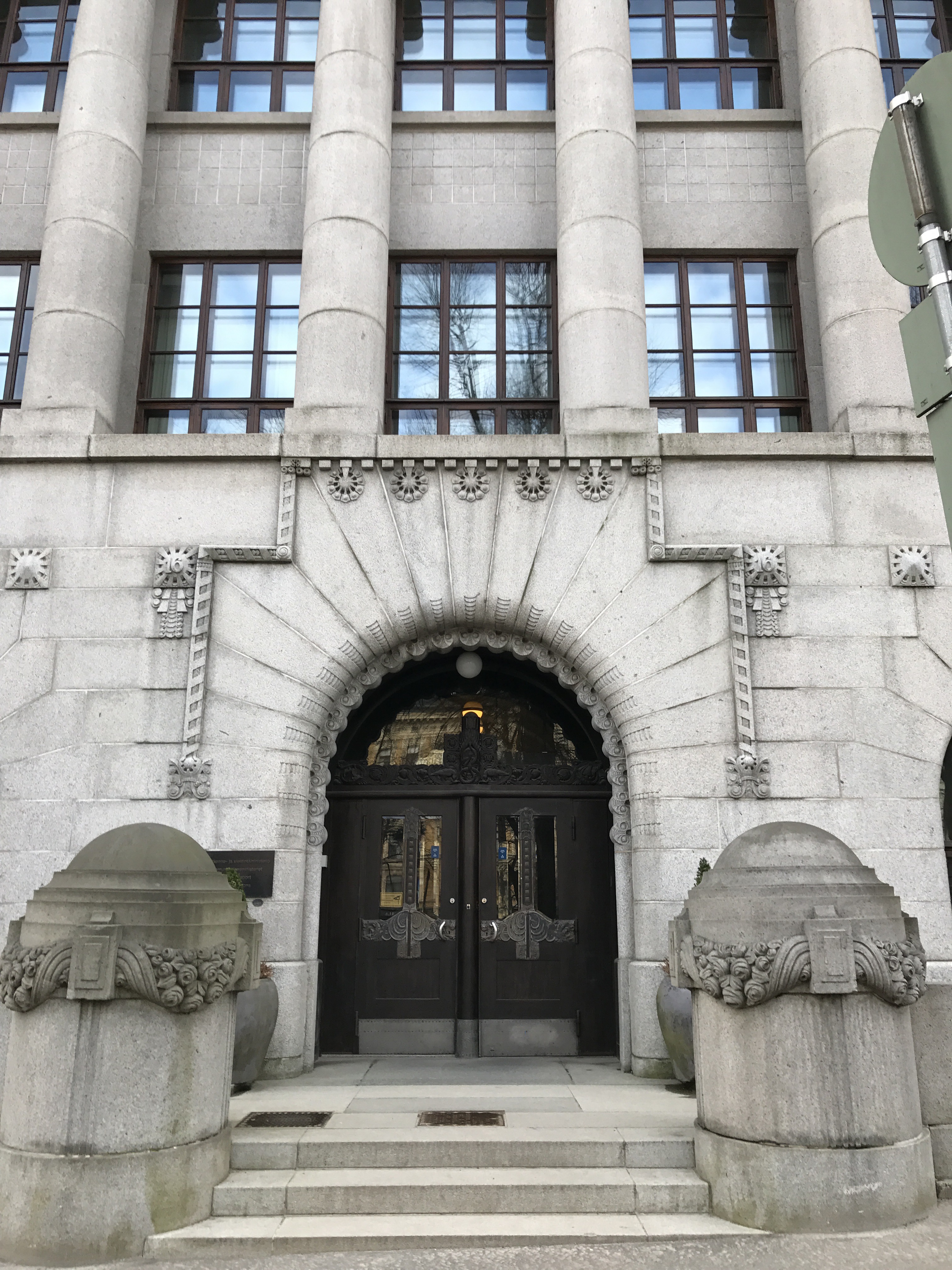
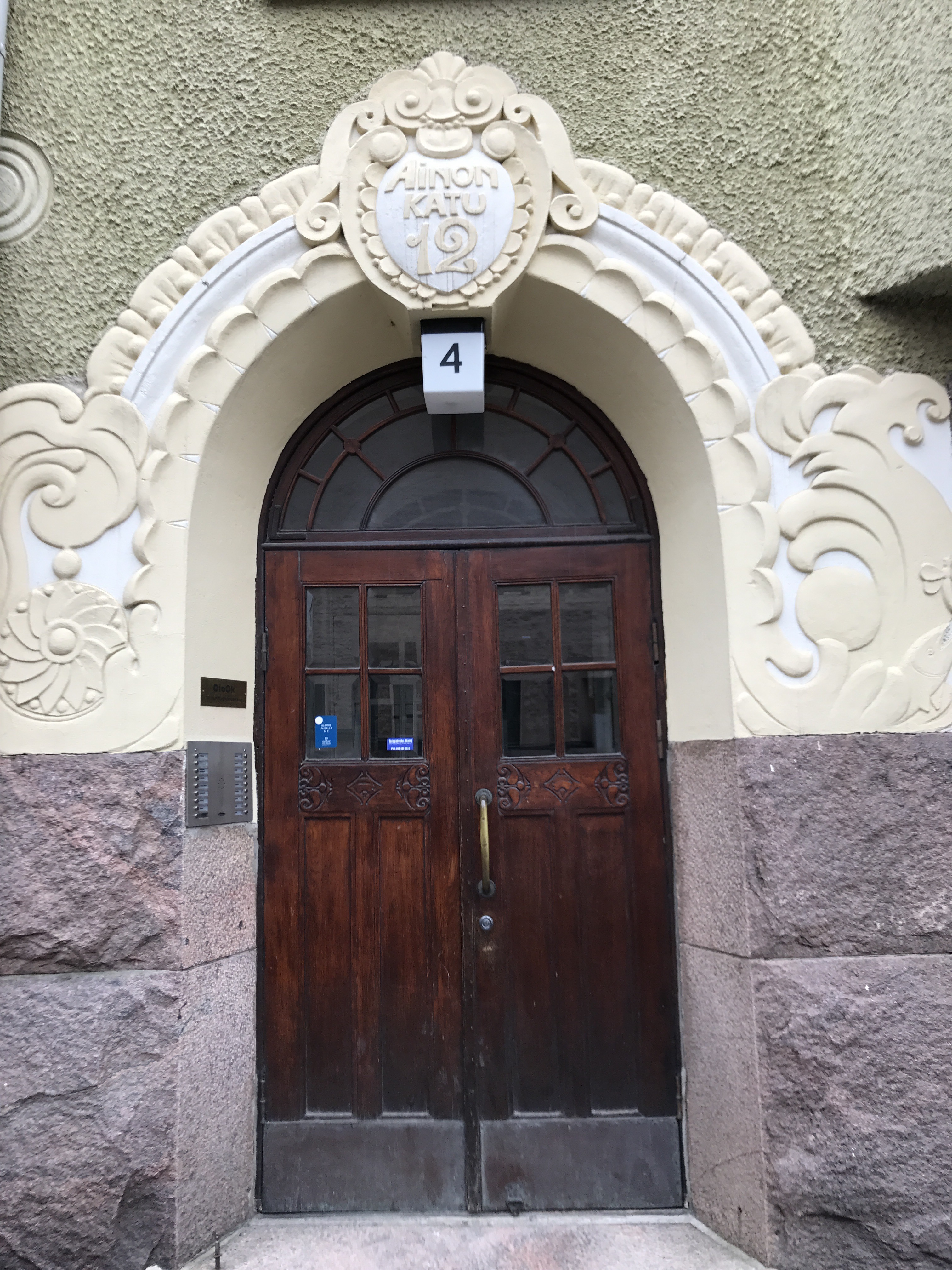
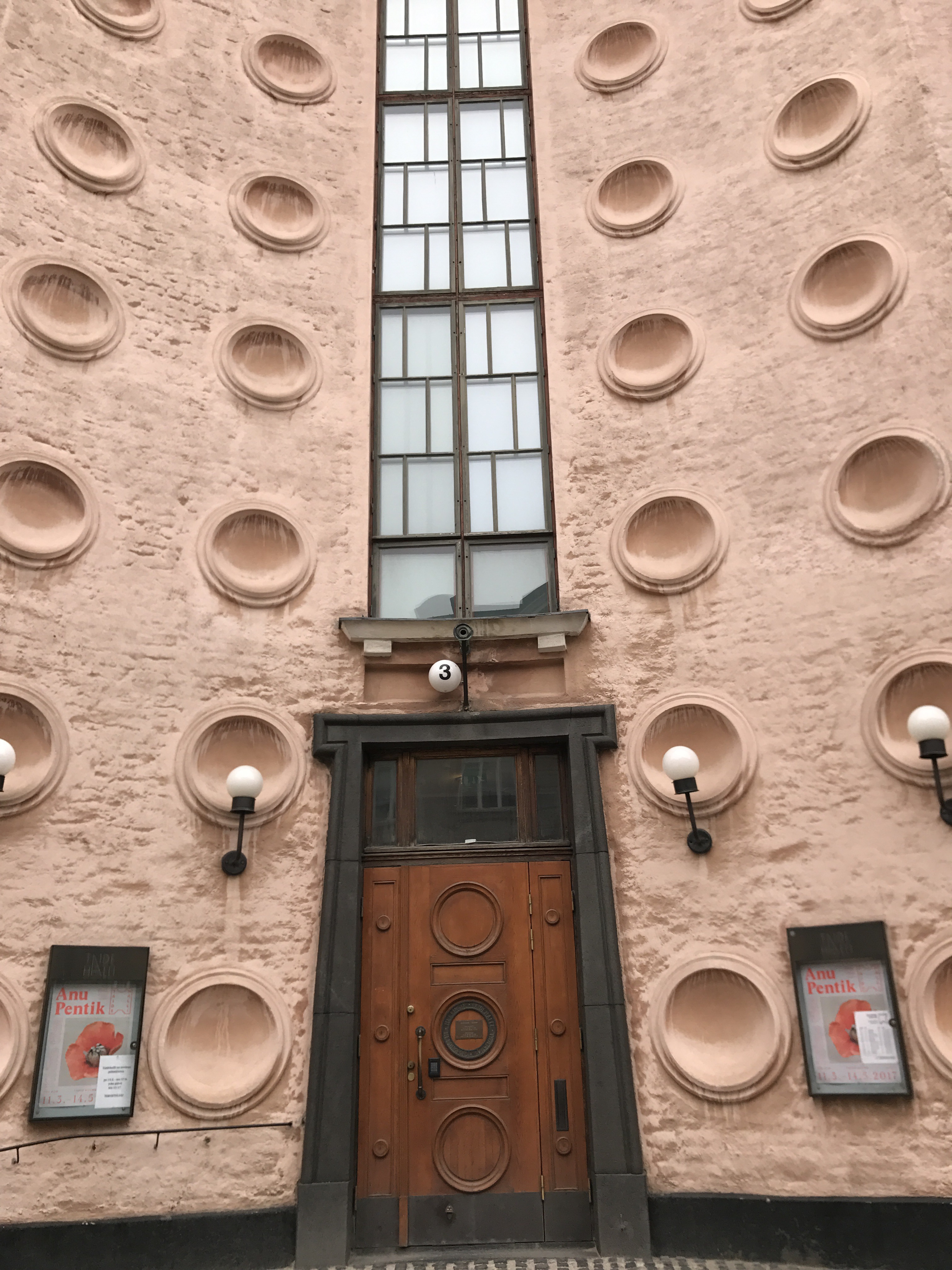
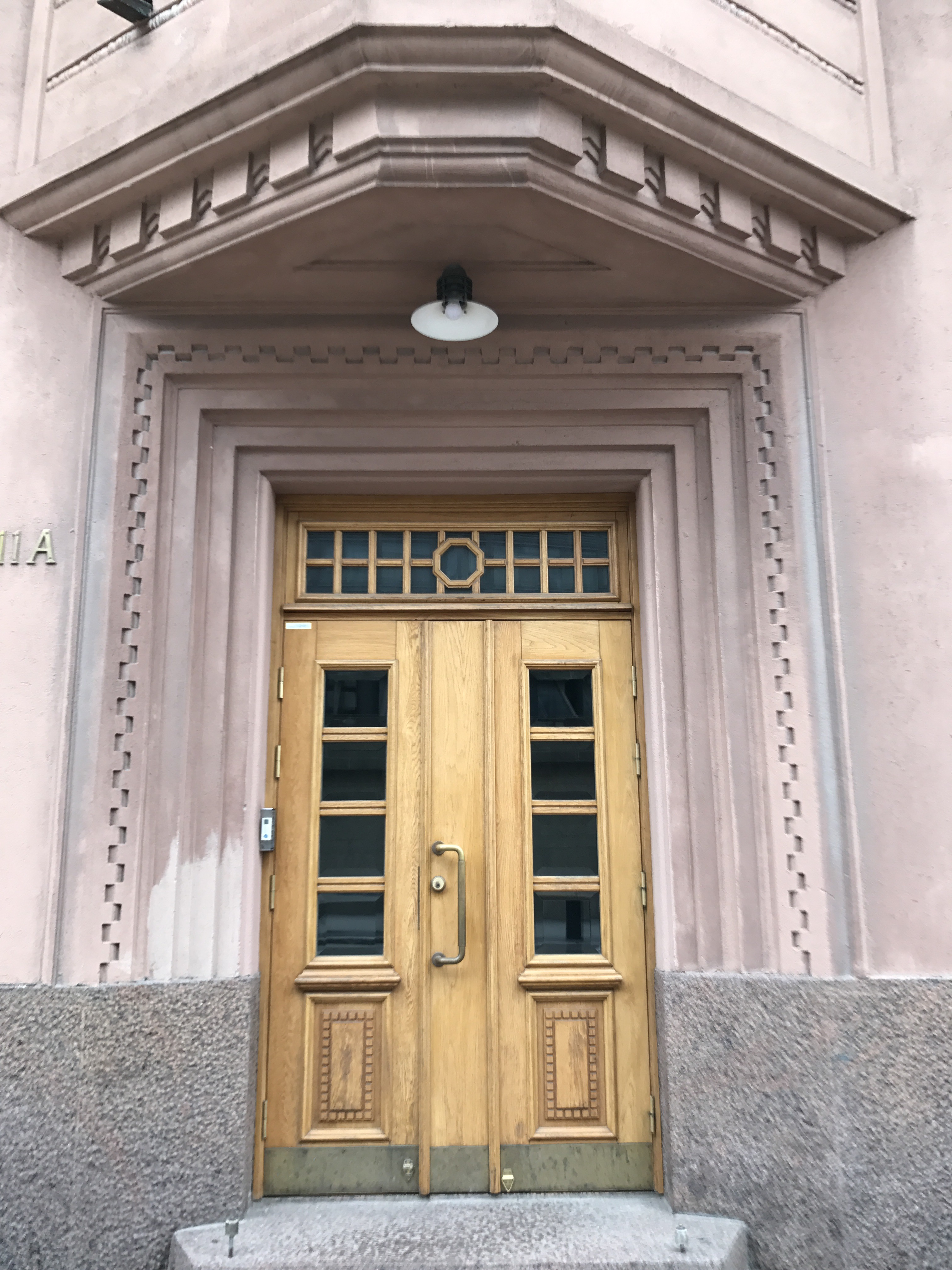
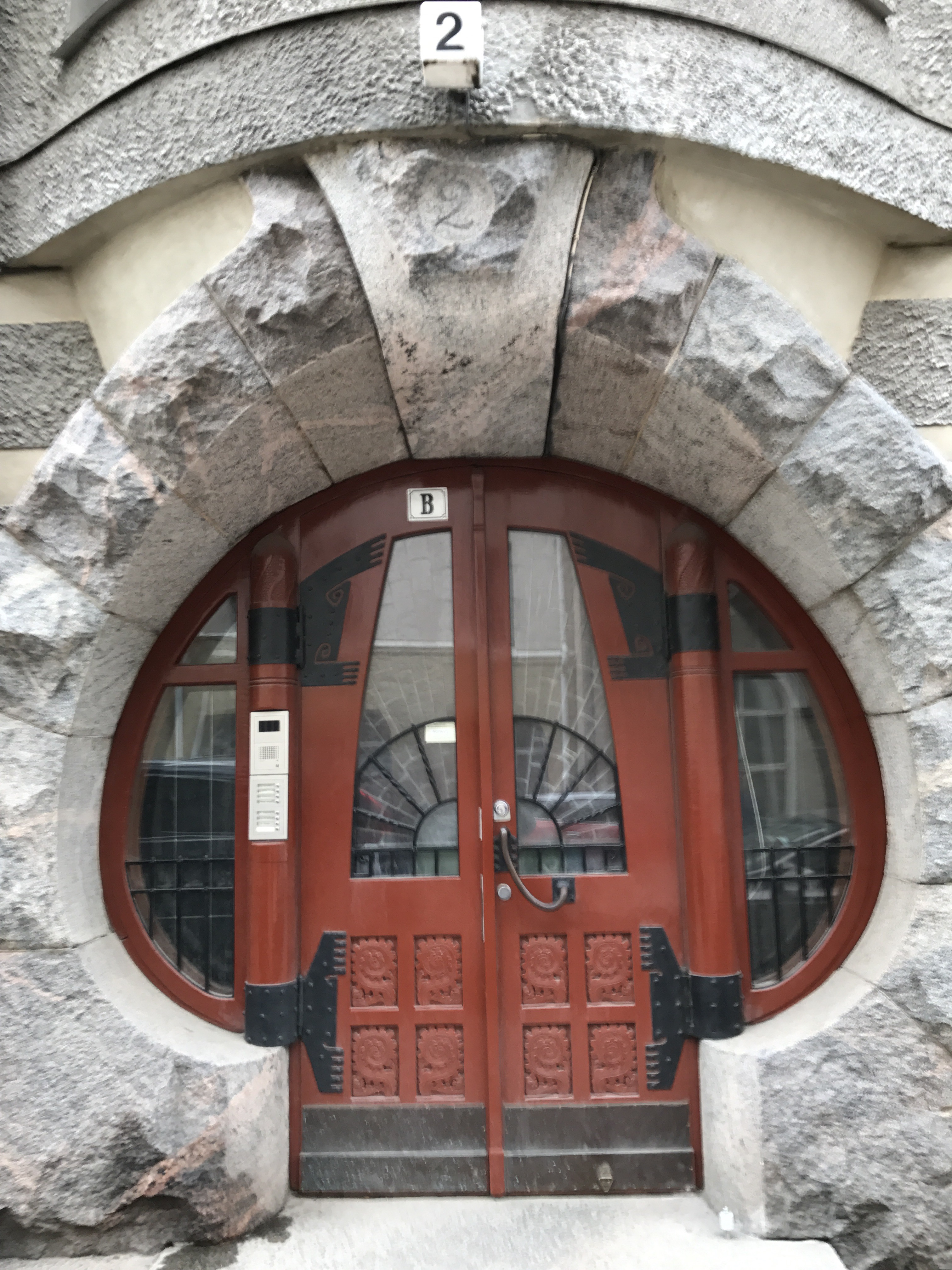
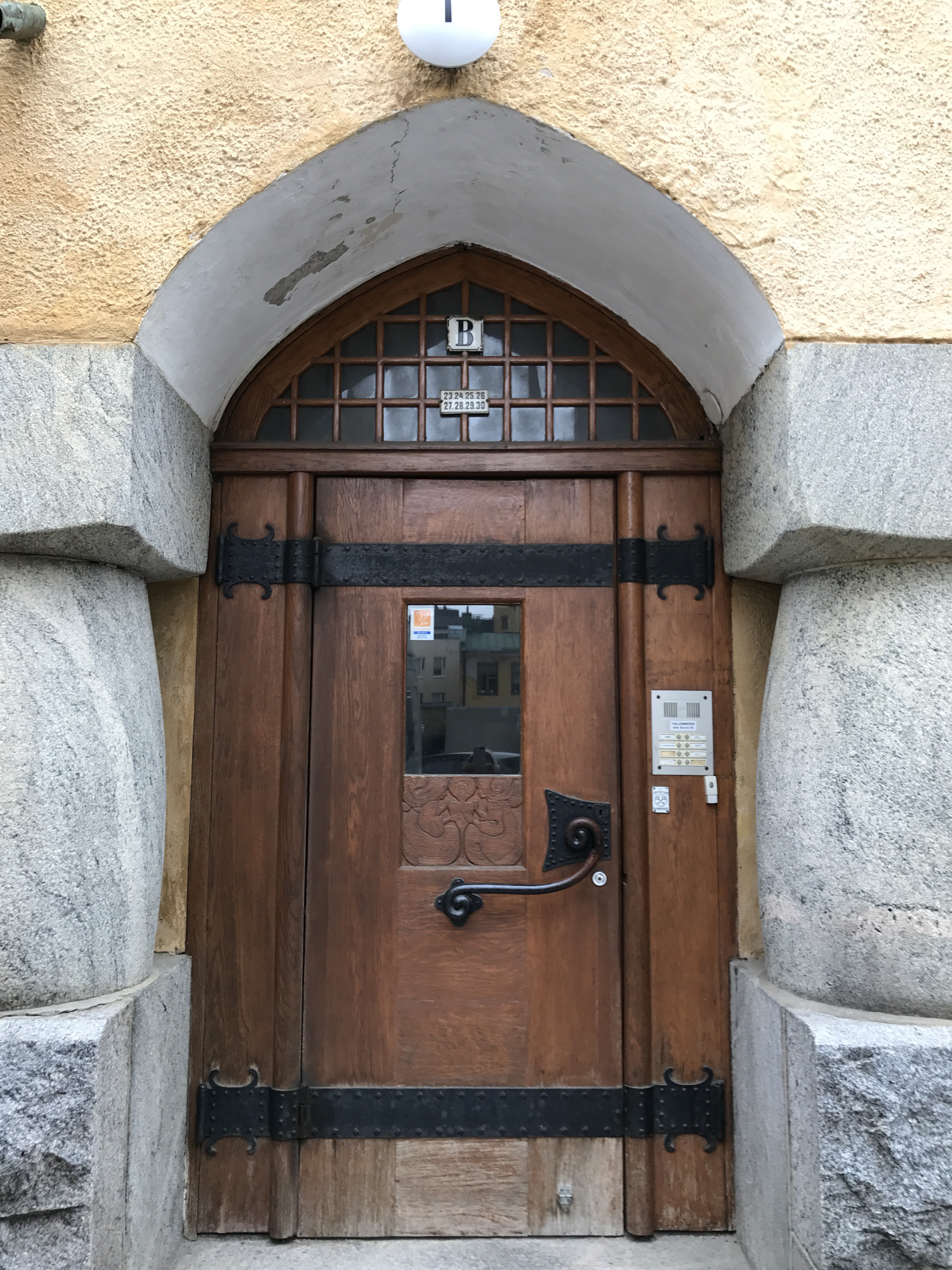
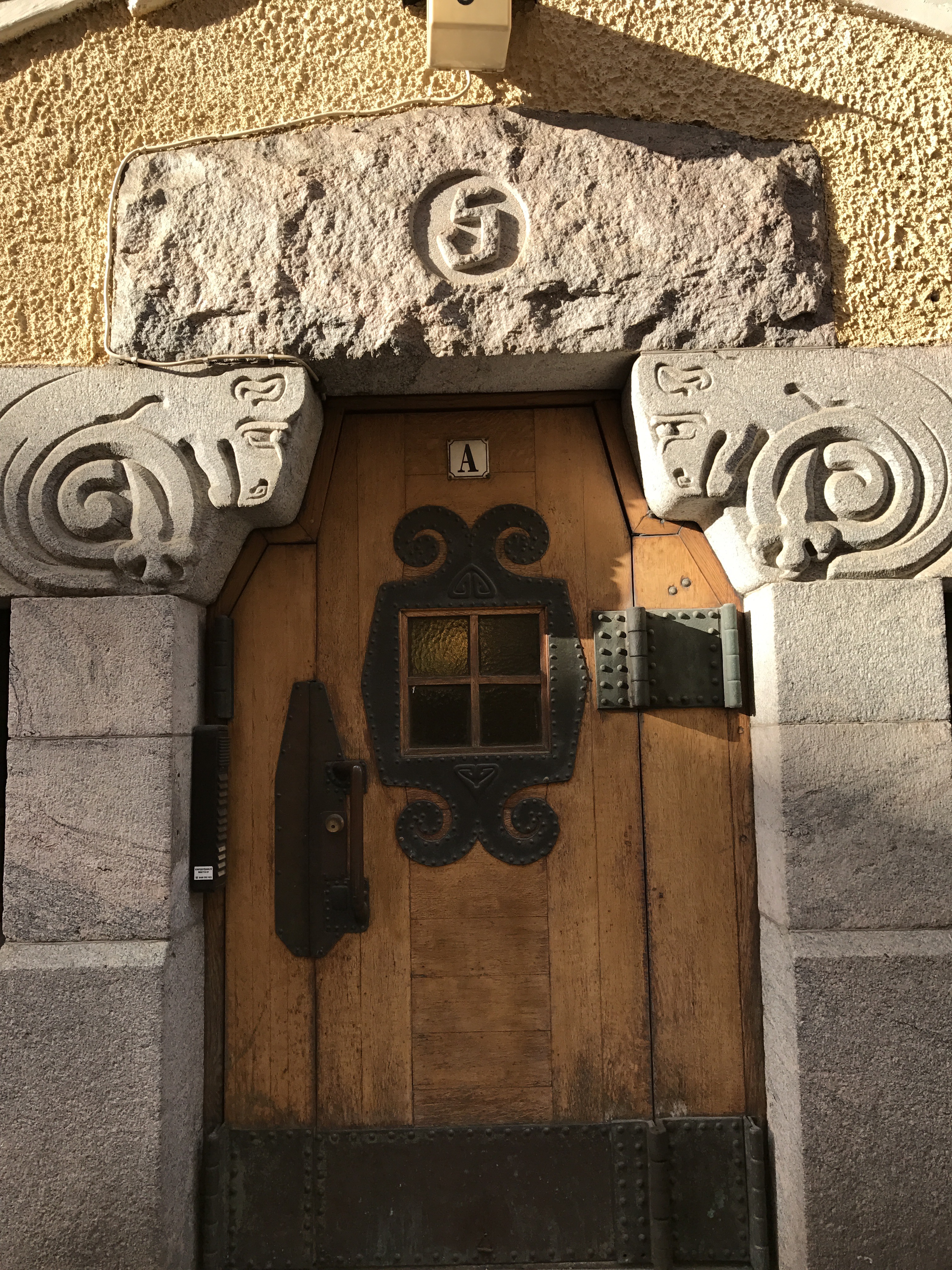
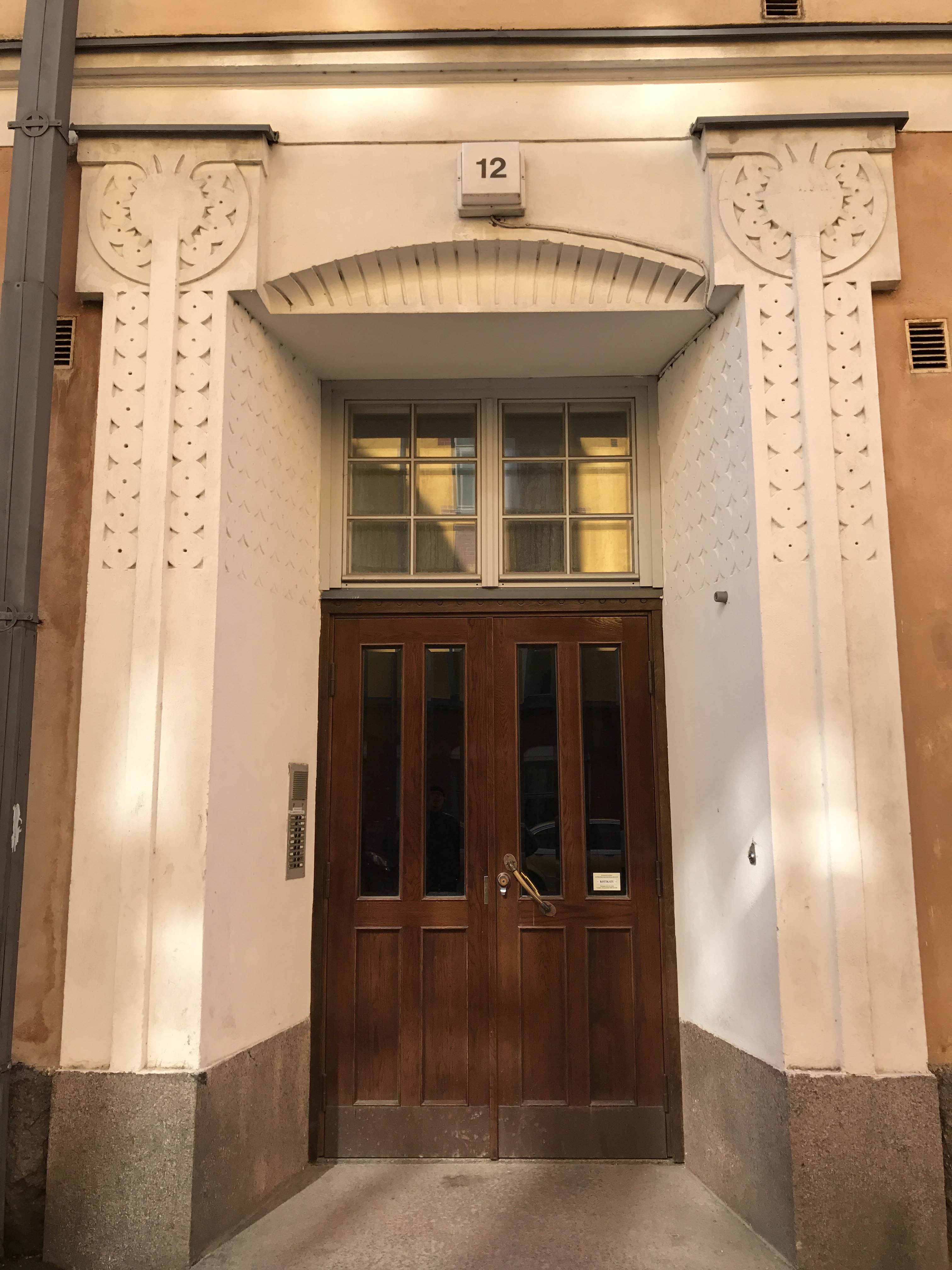
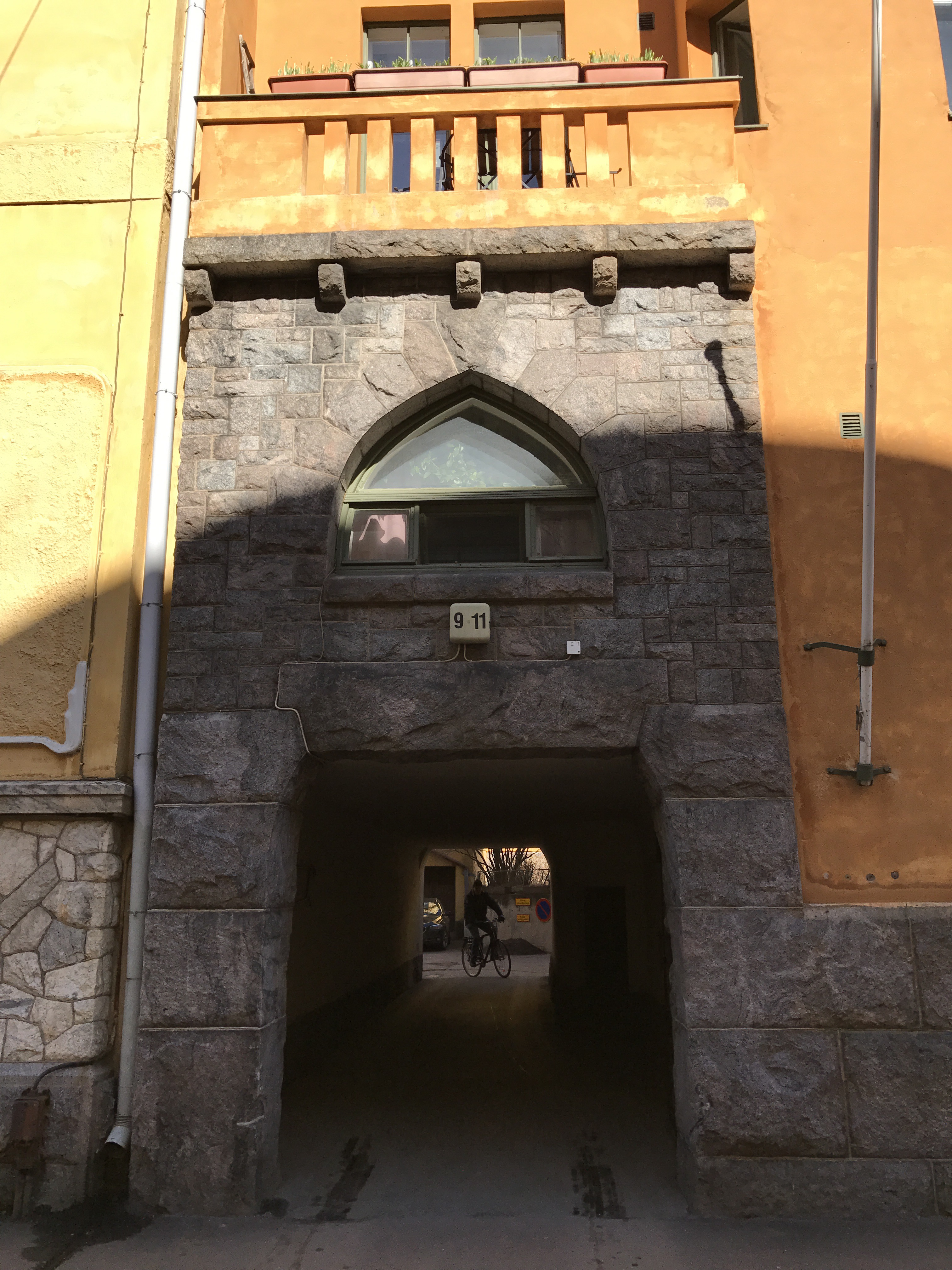
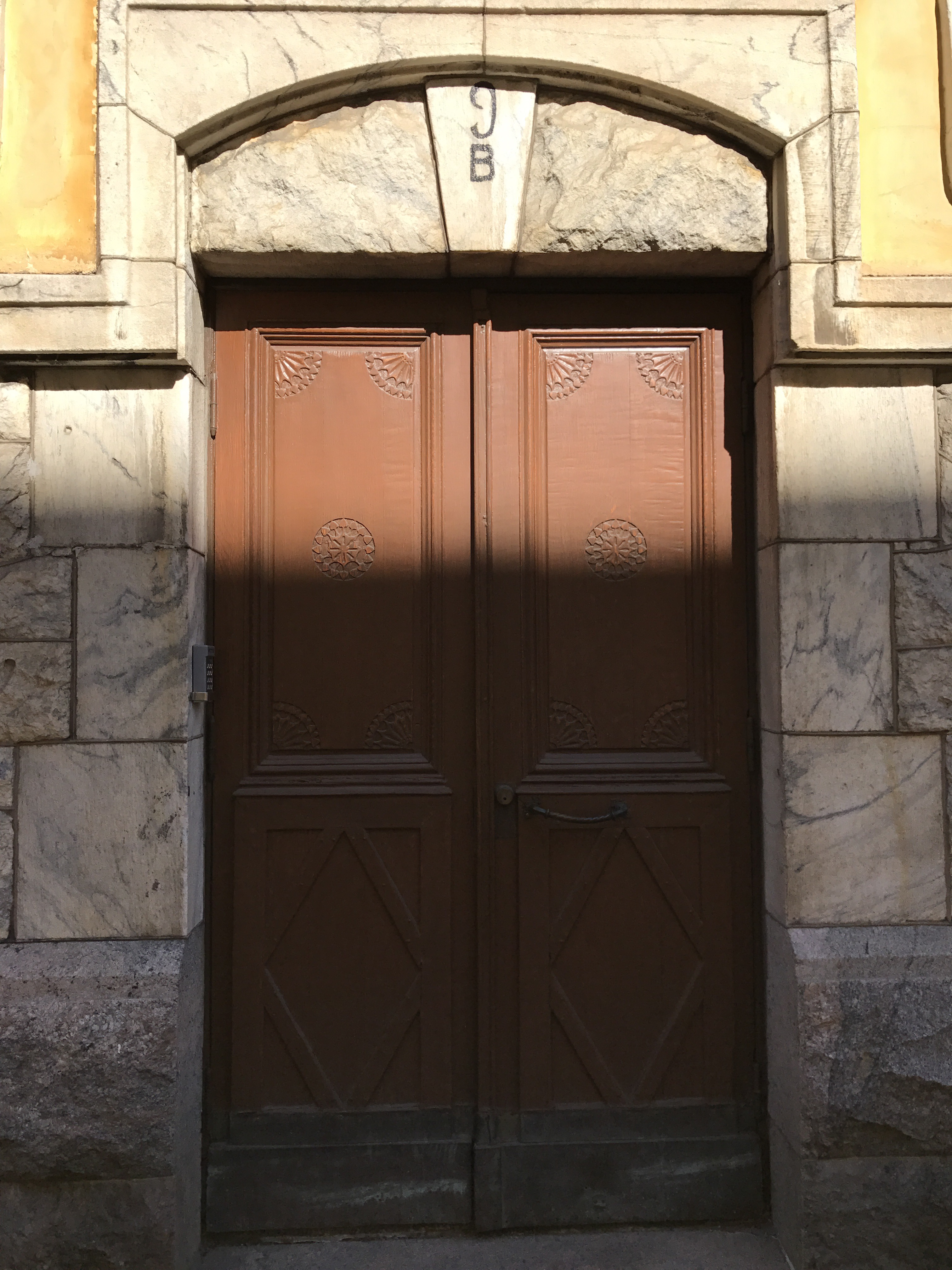
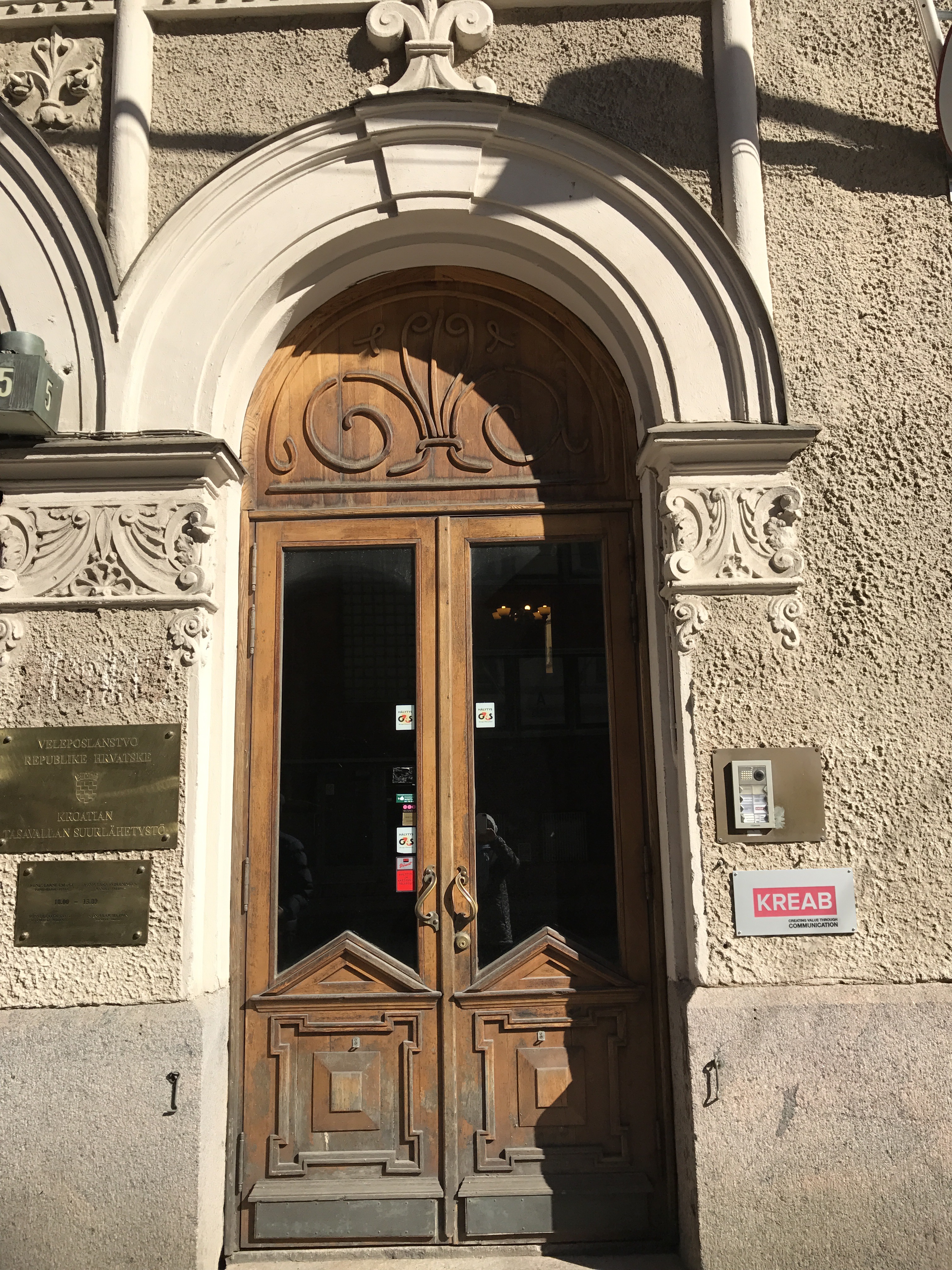
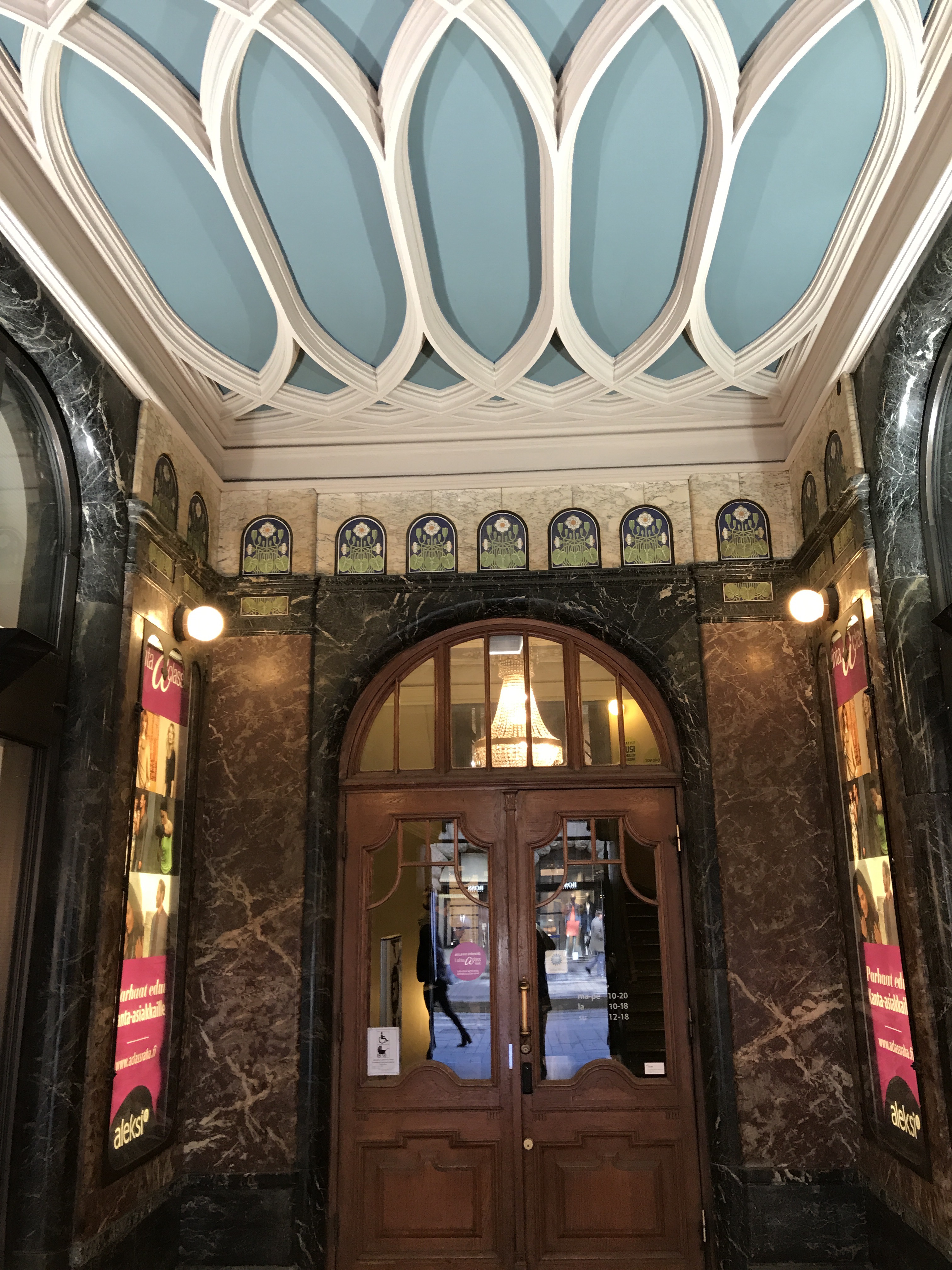
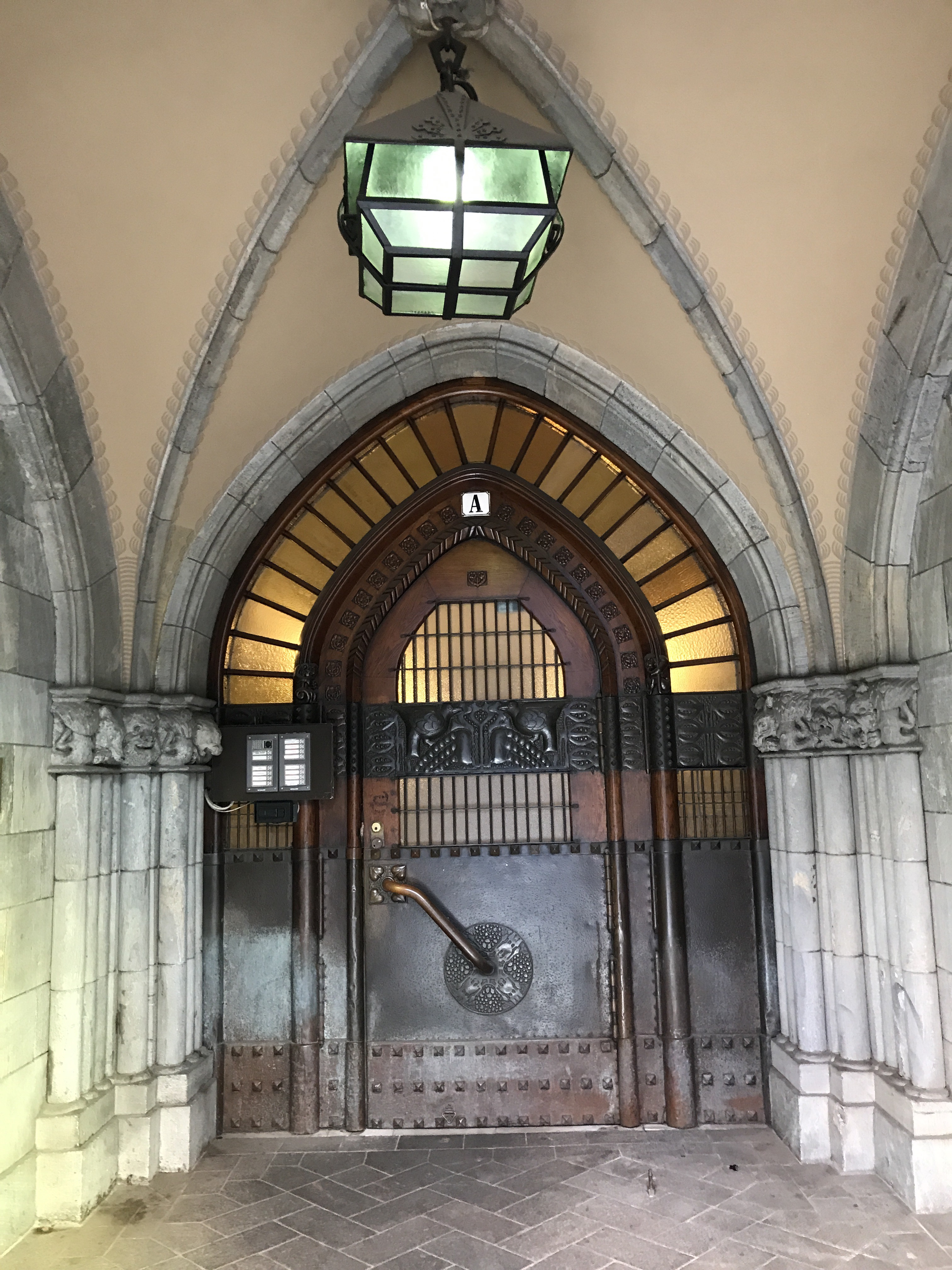
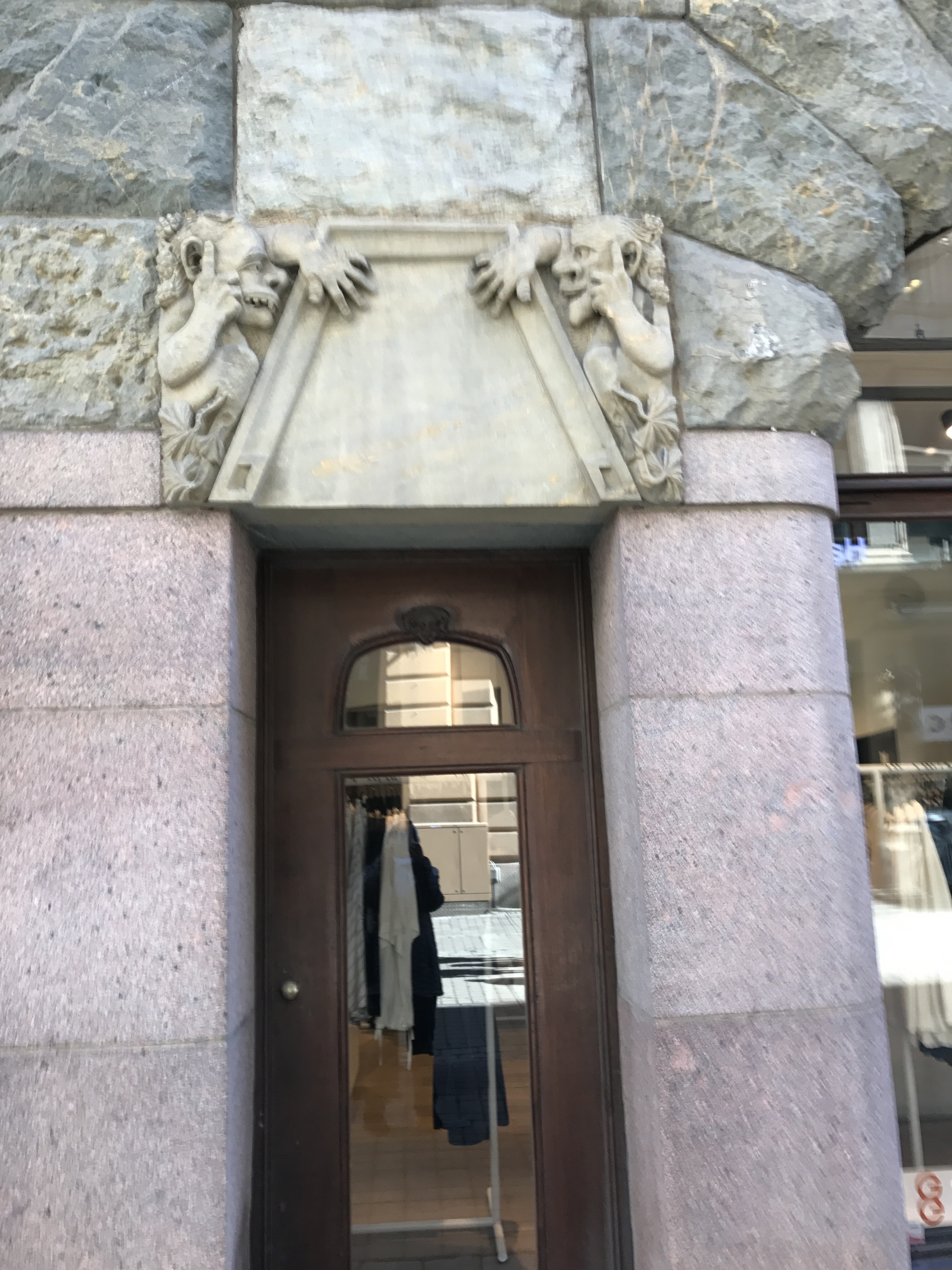
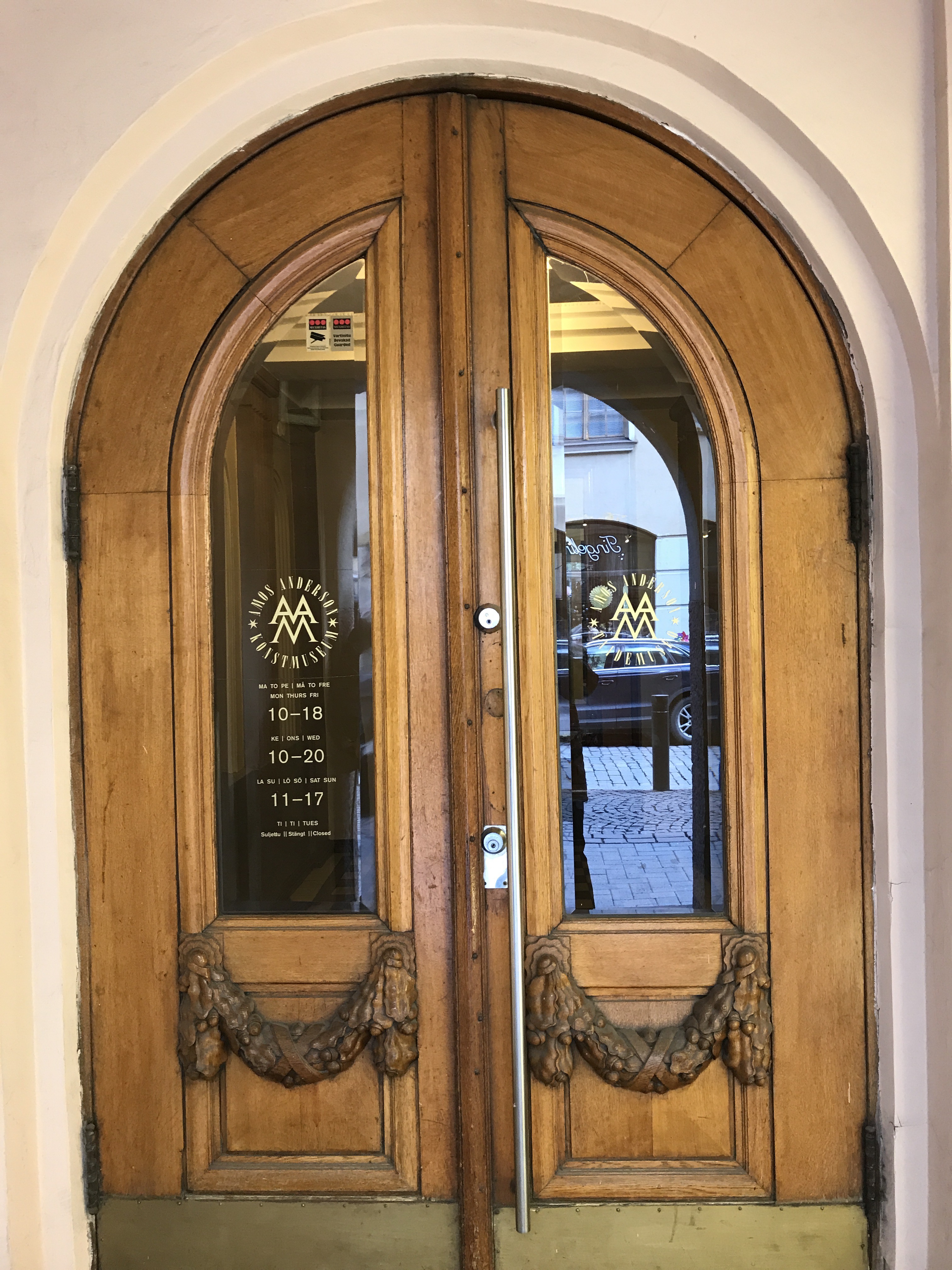
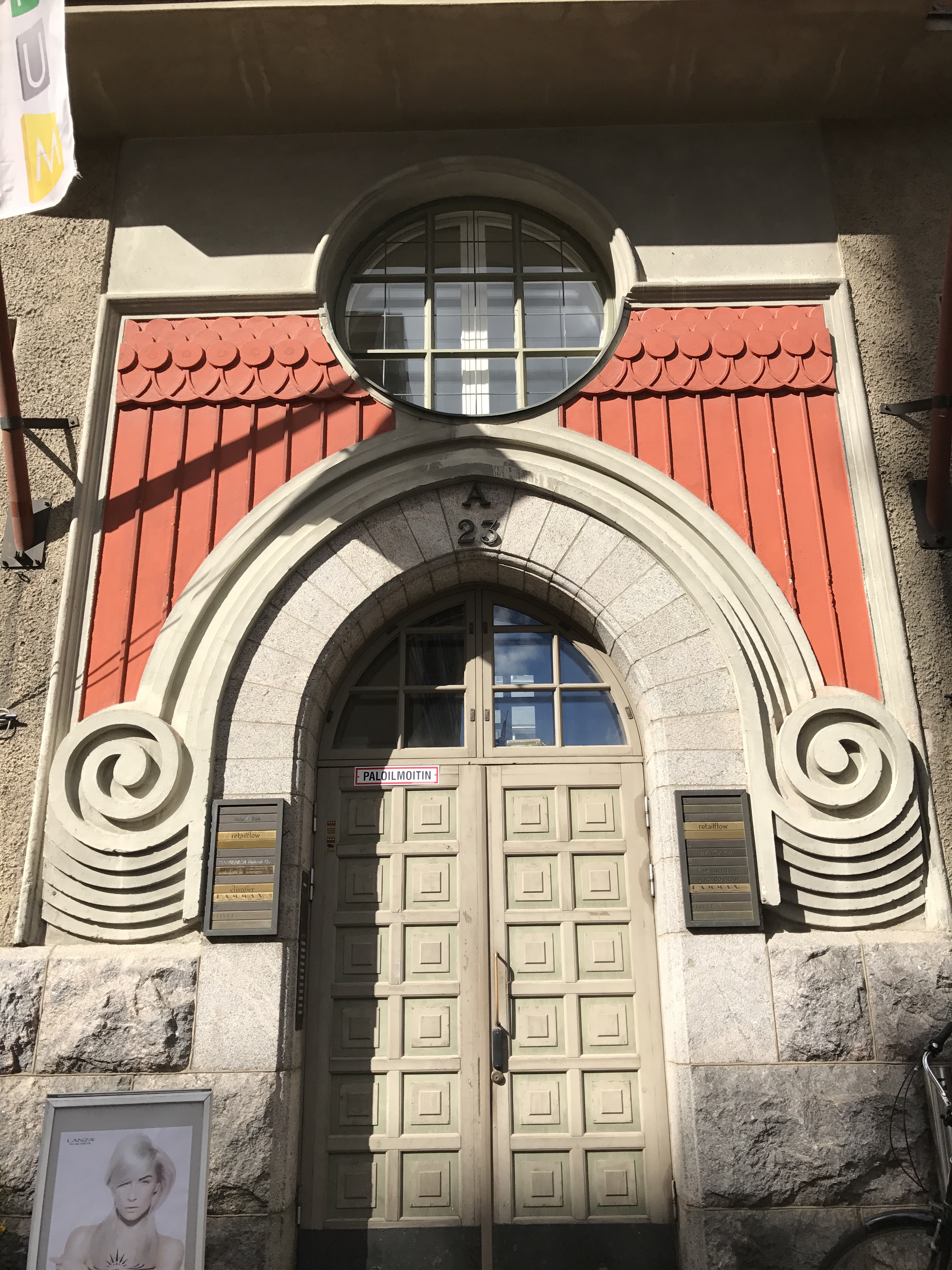
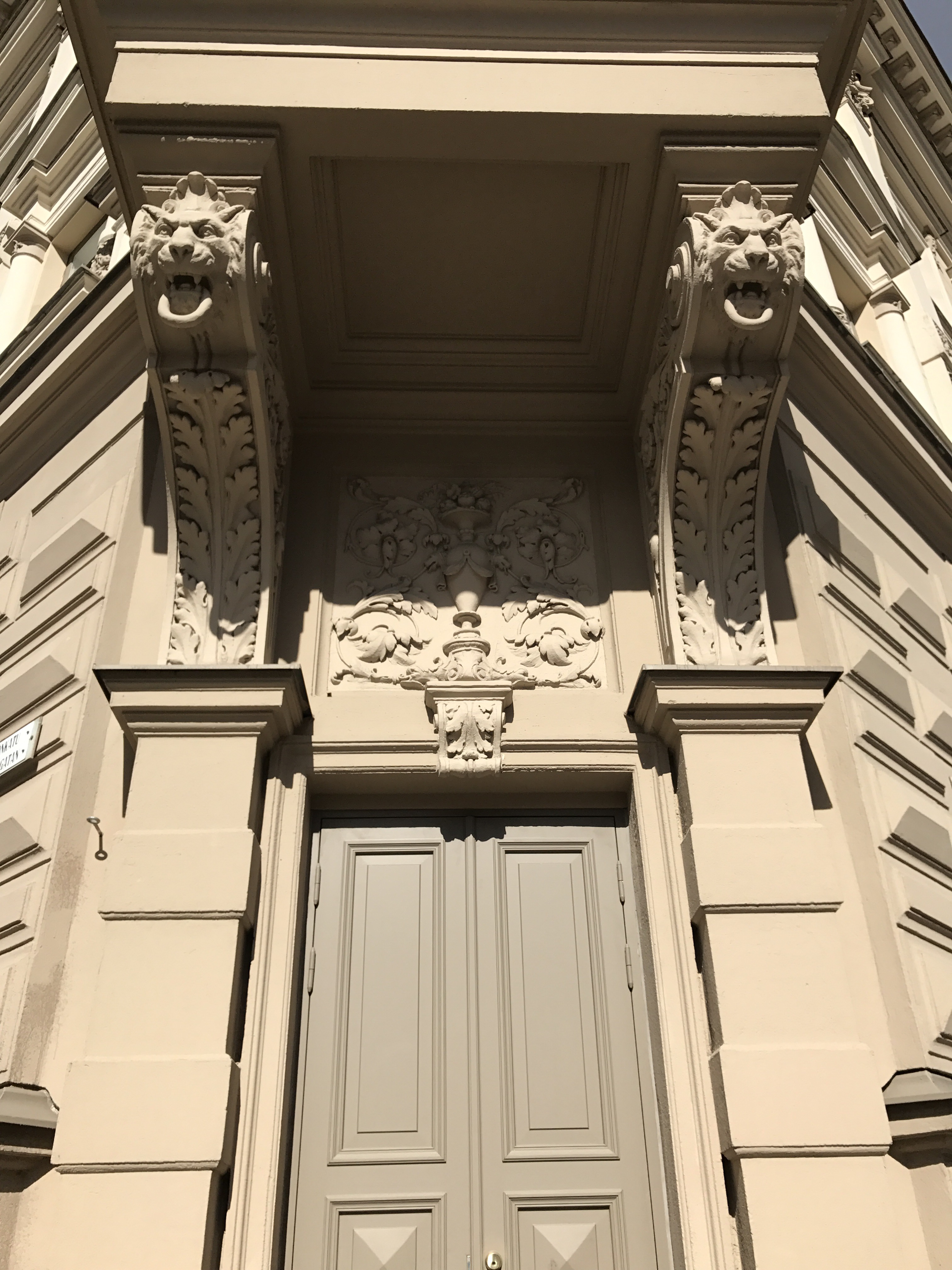
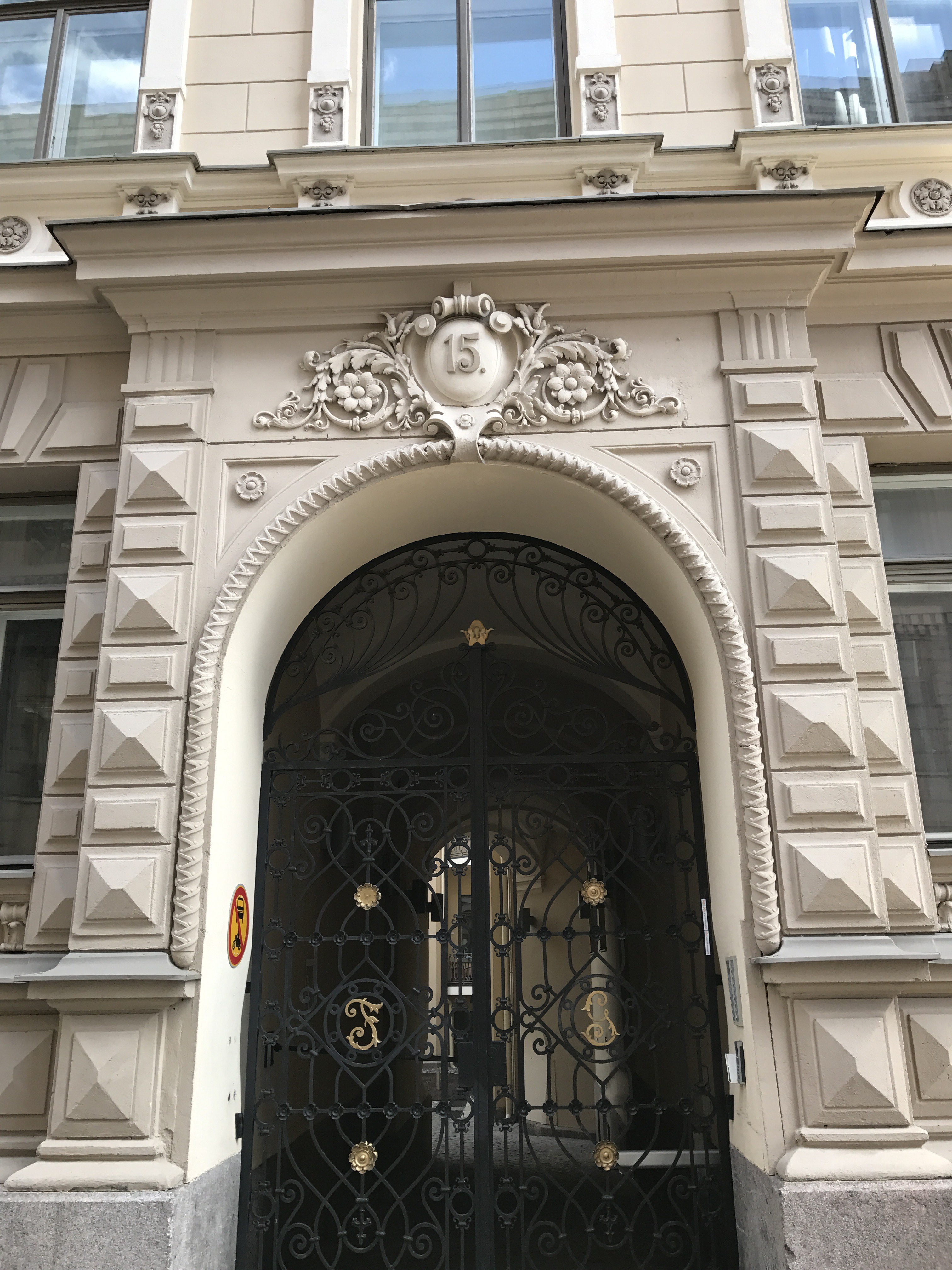
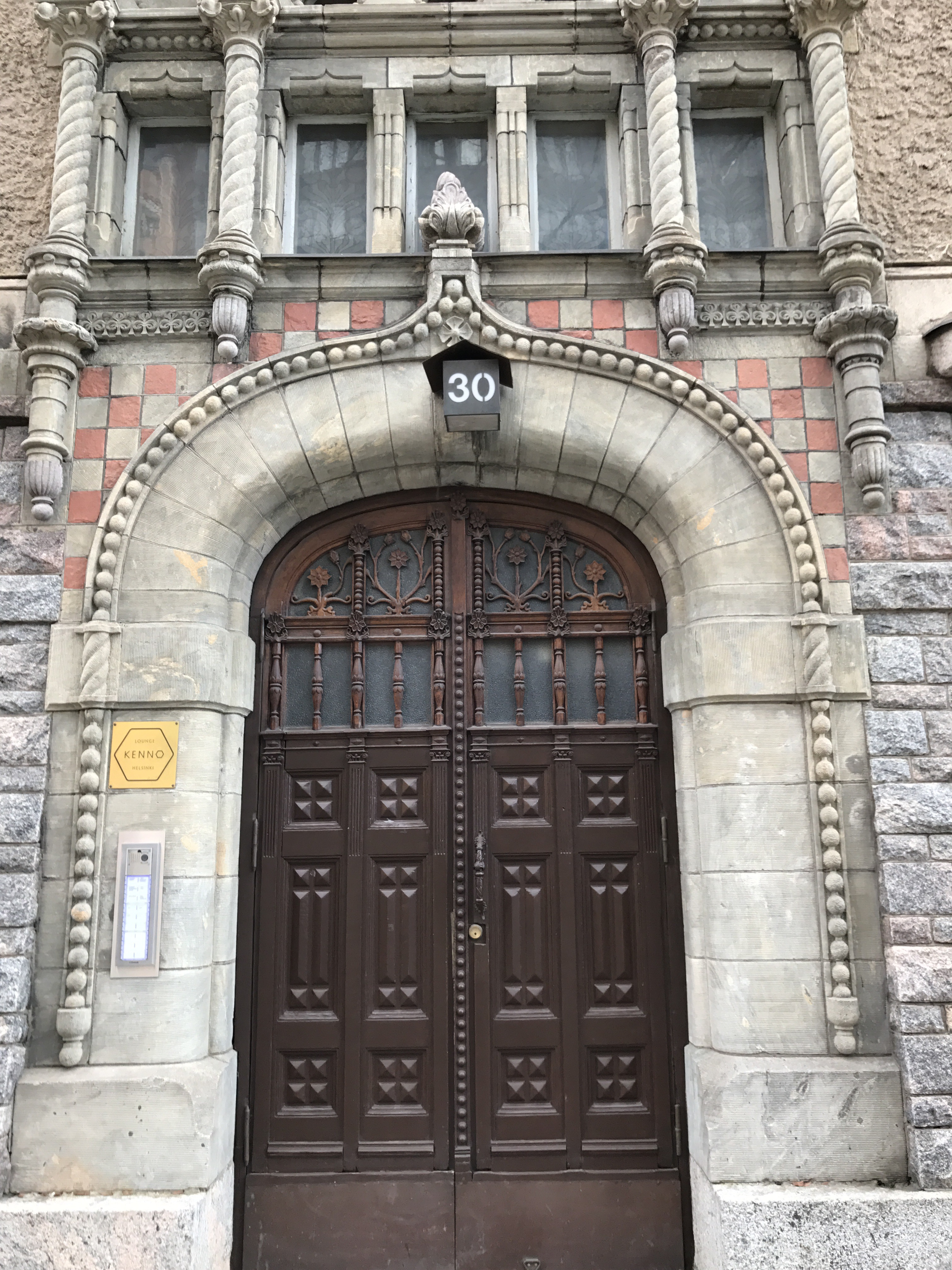
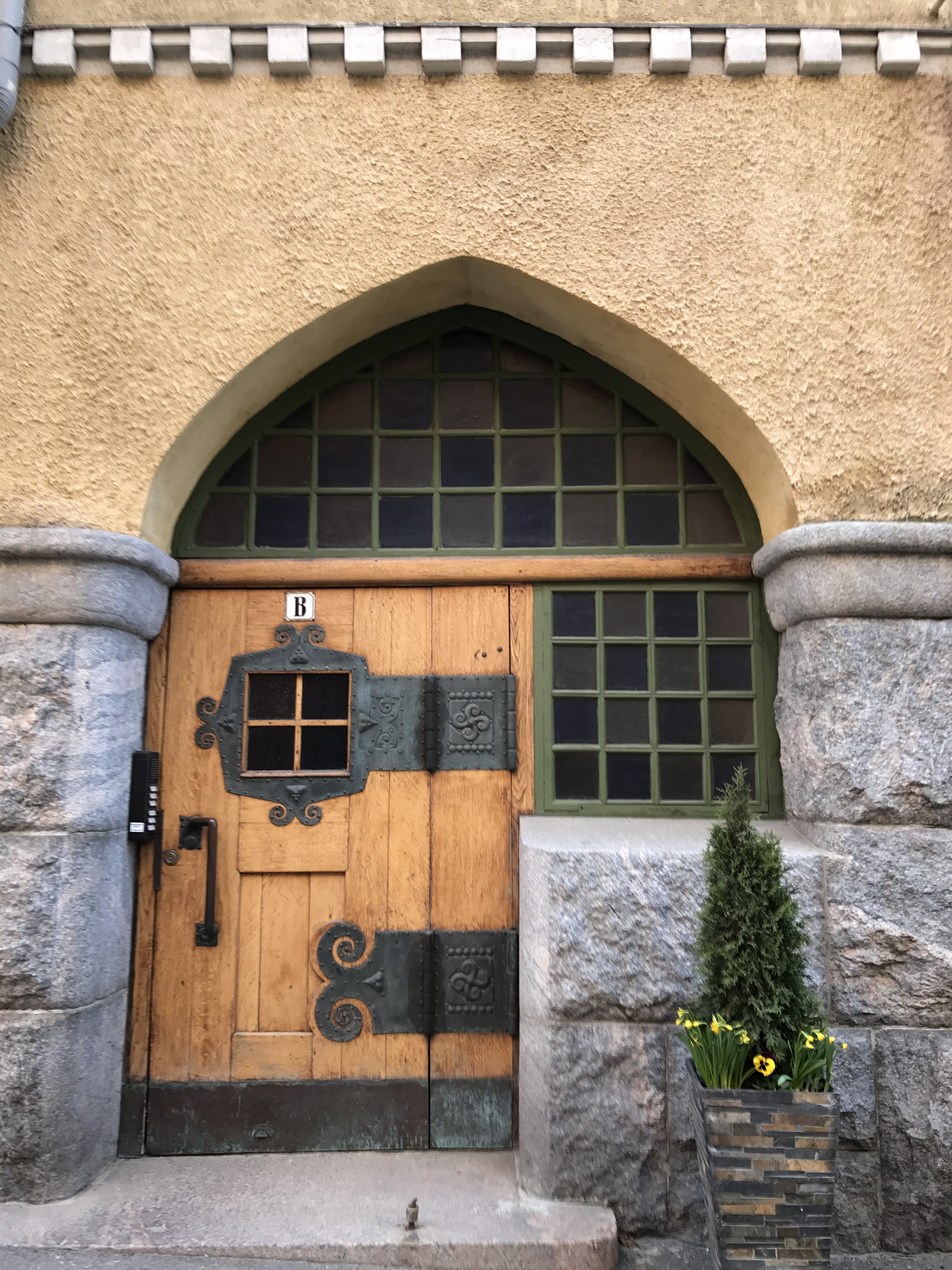
Helsinki Jugendstil Doorways


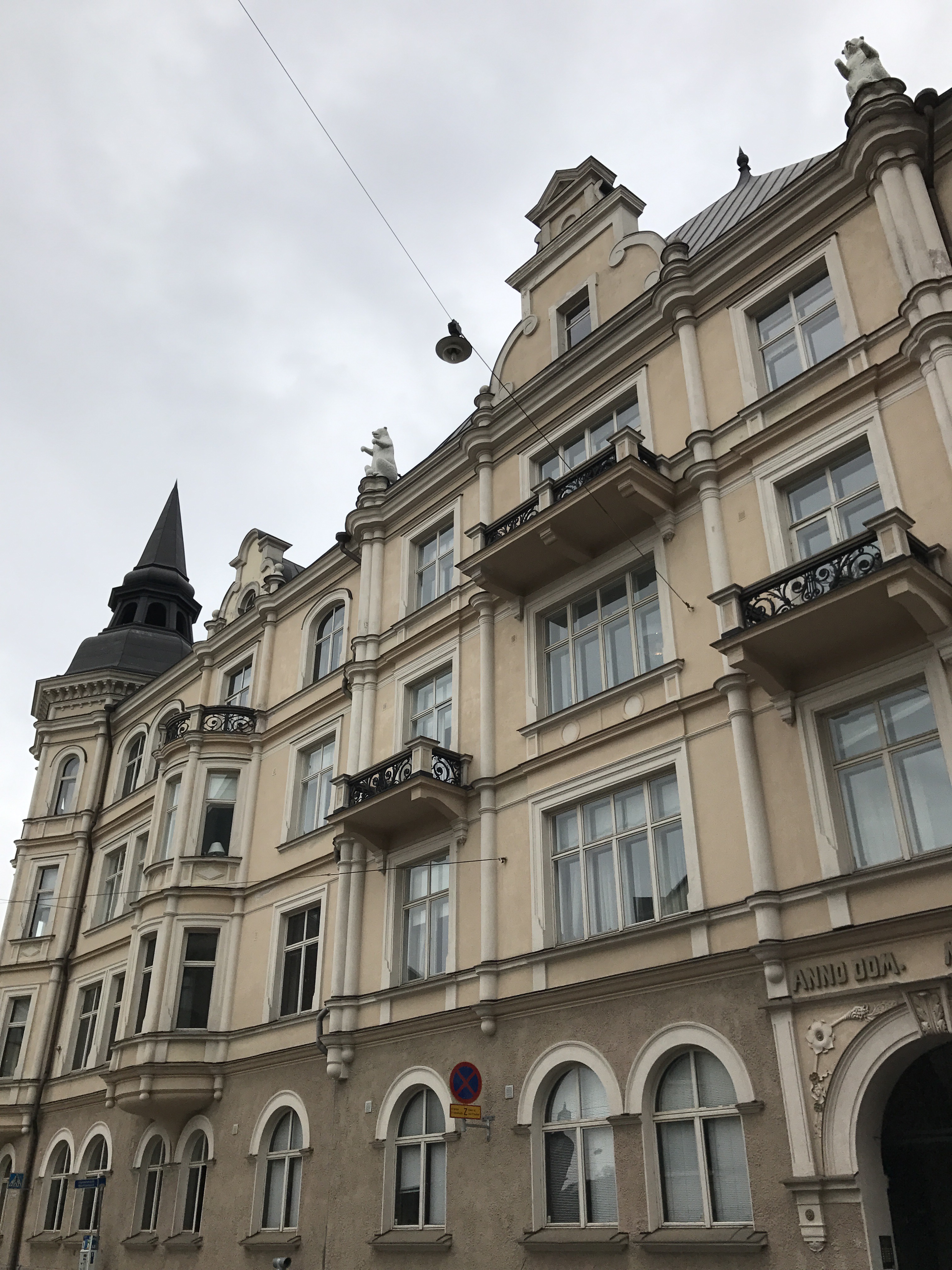
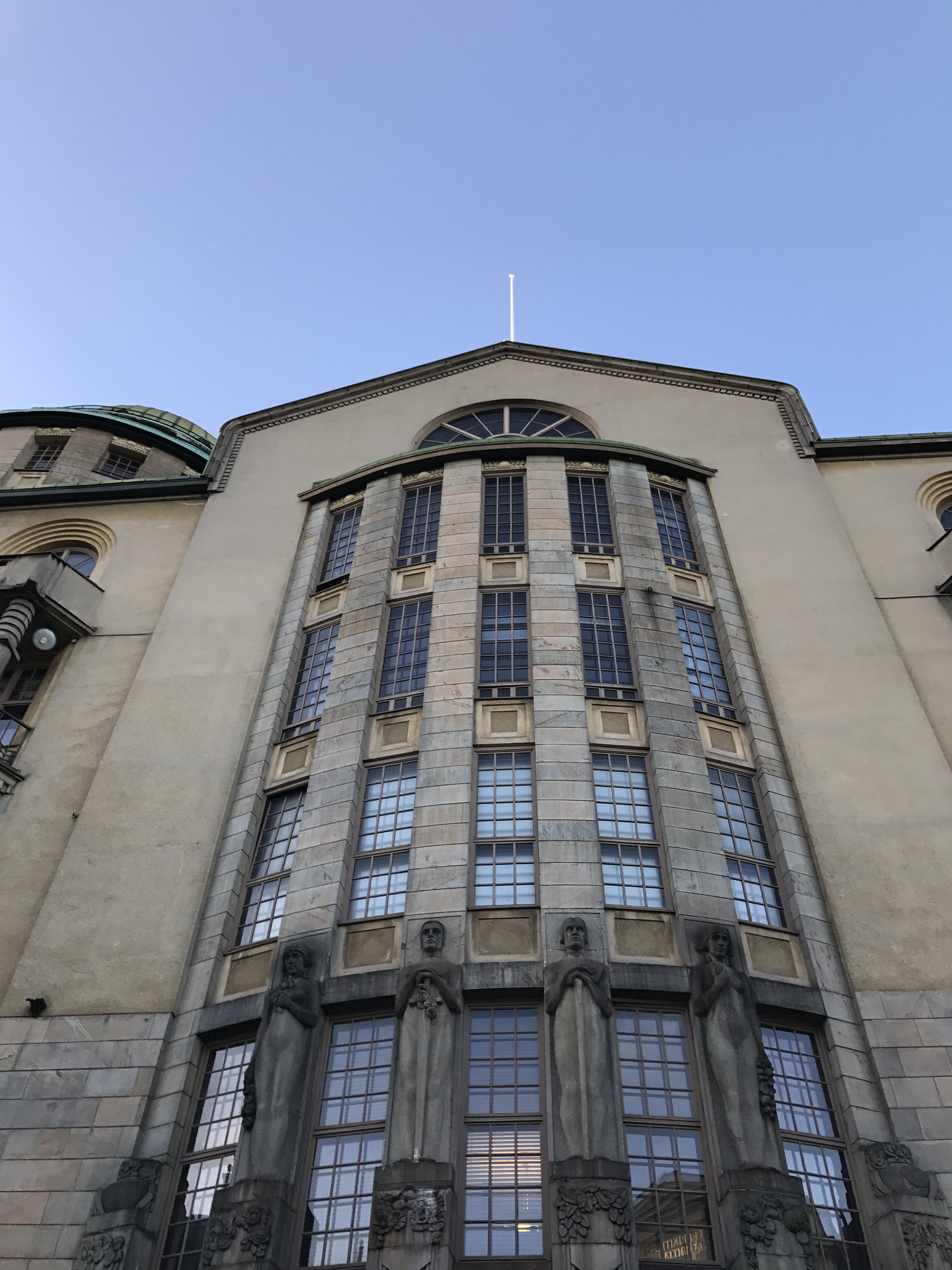
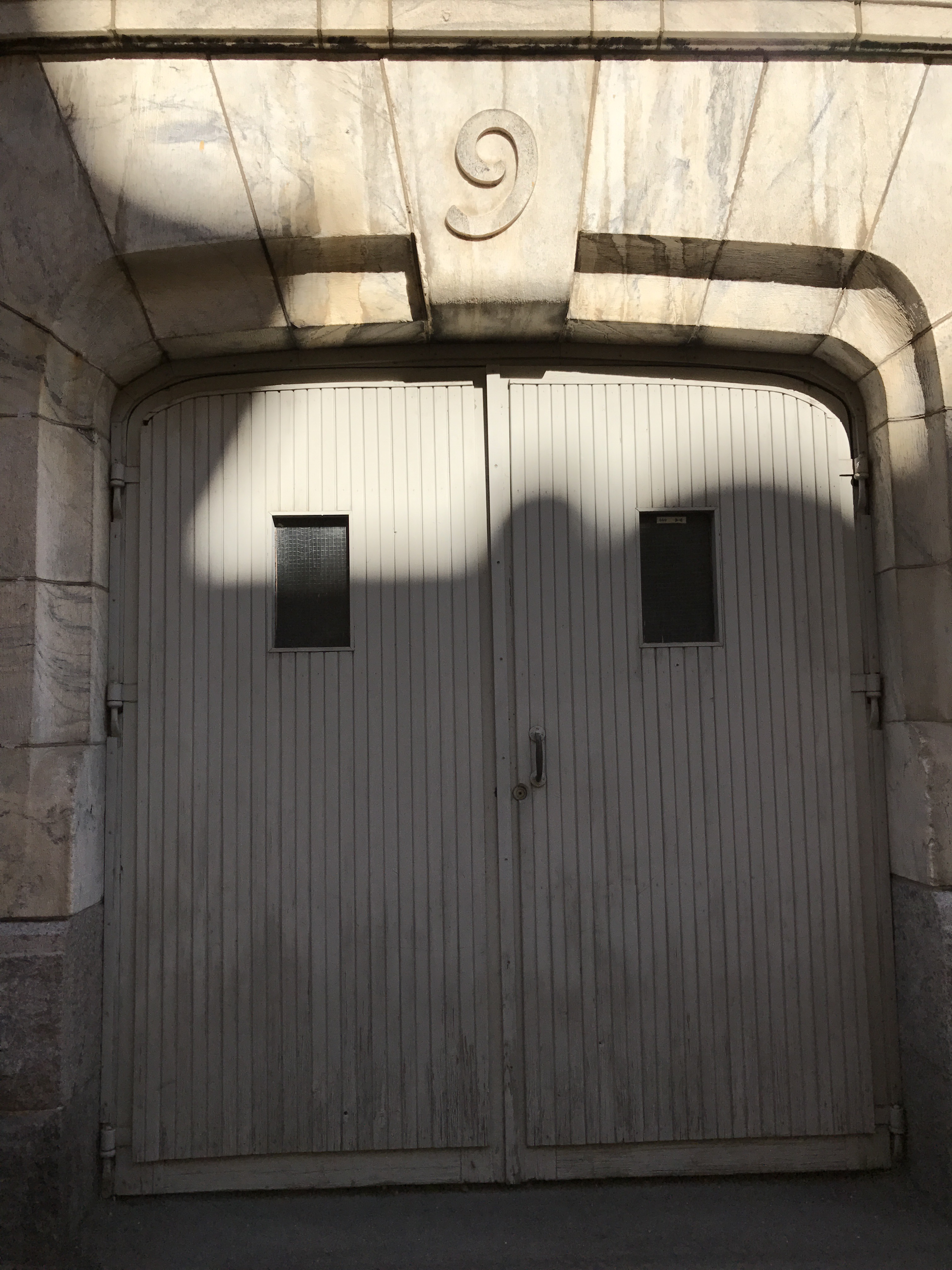
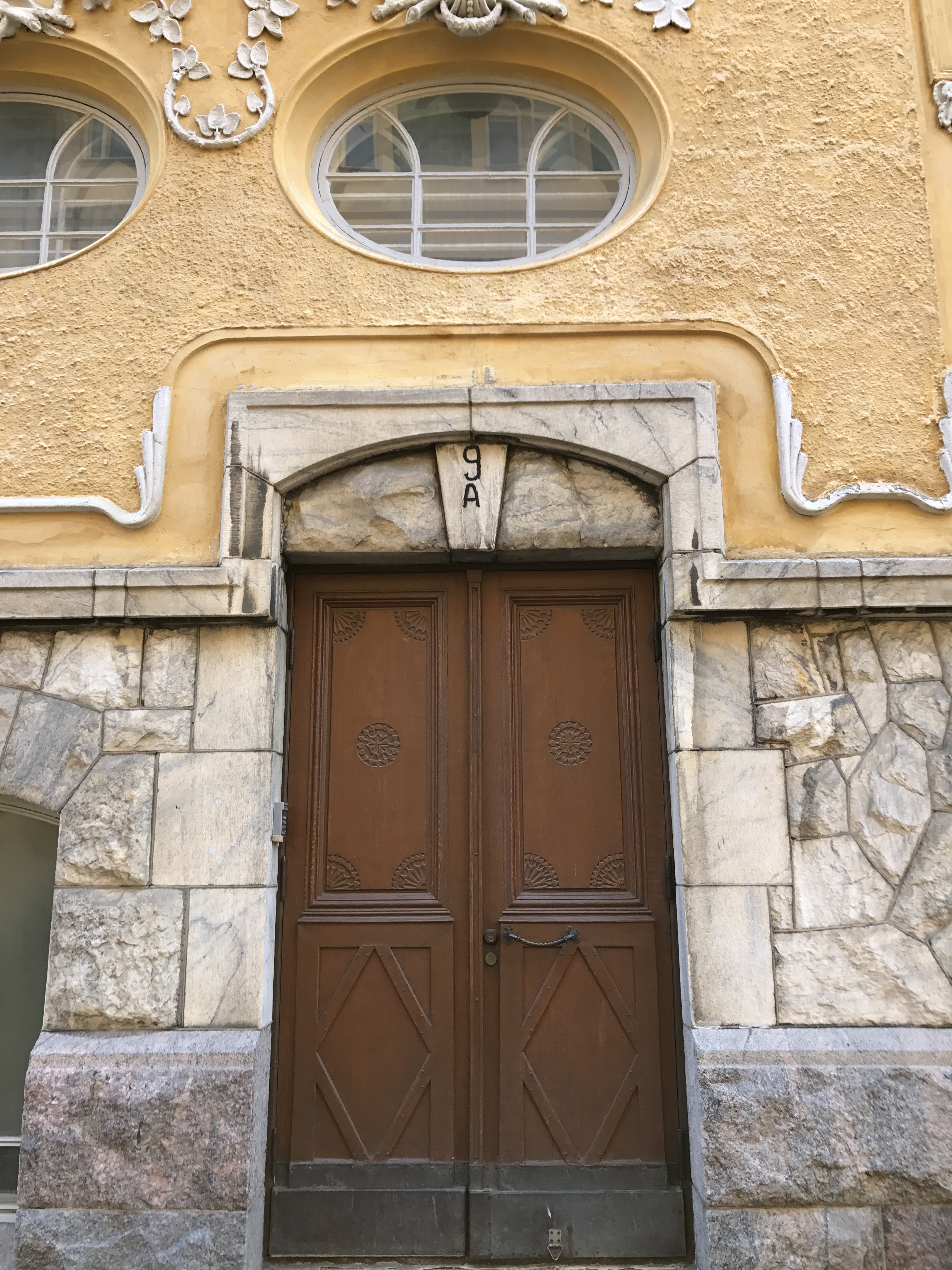
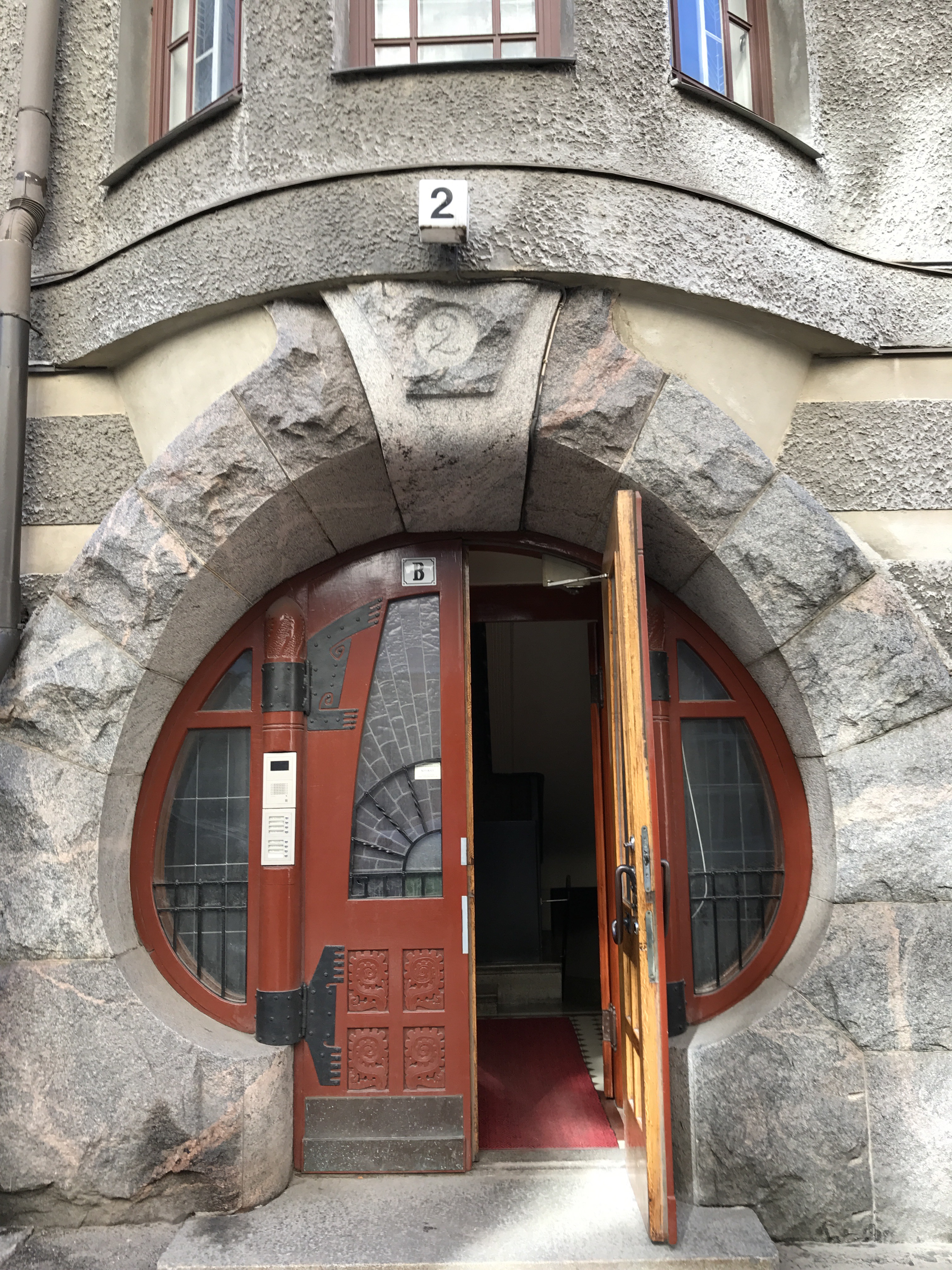
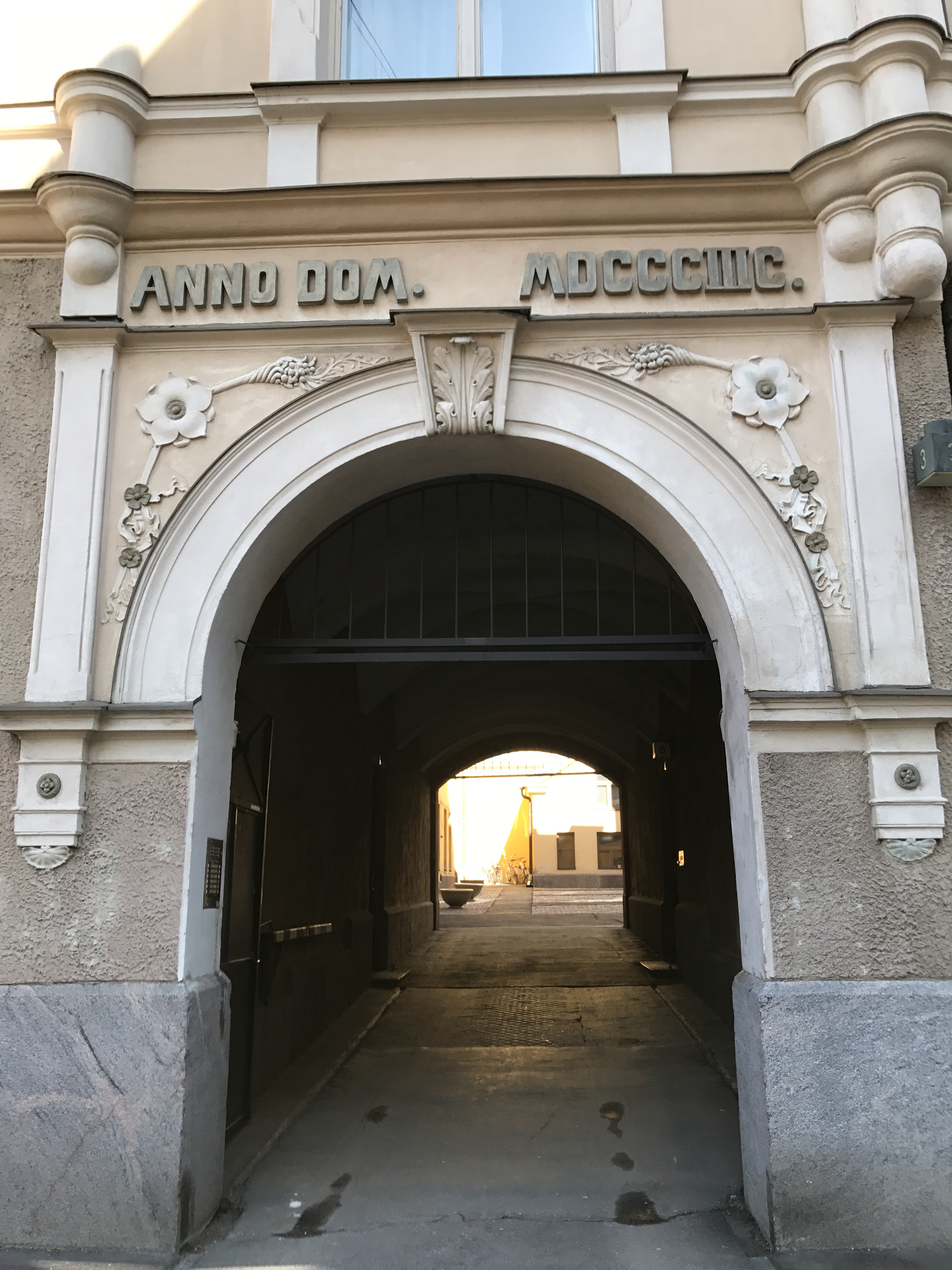
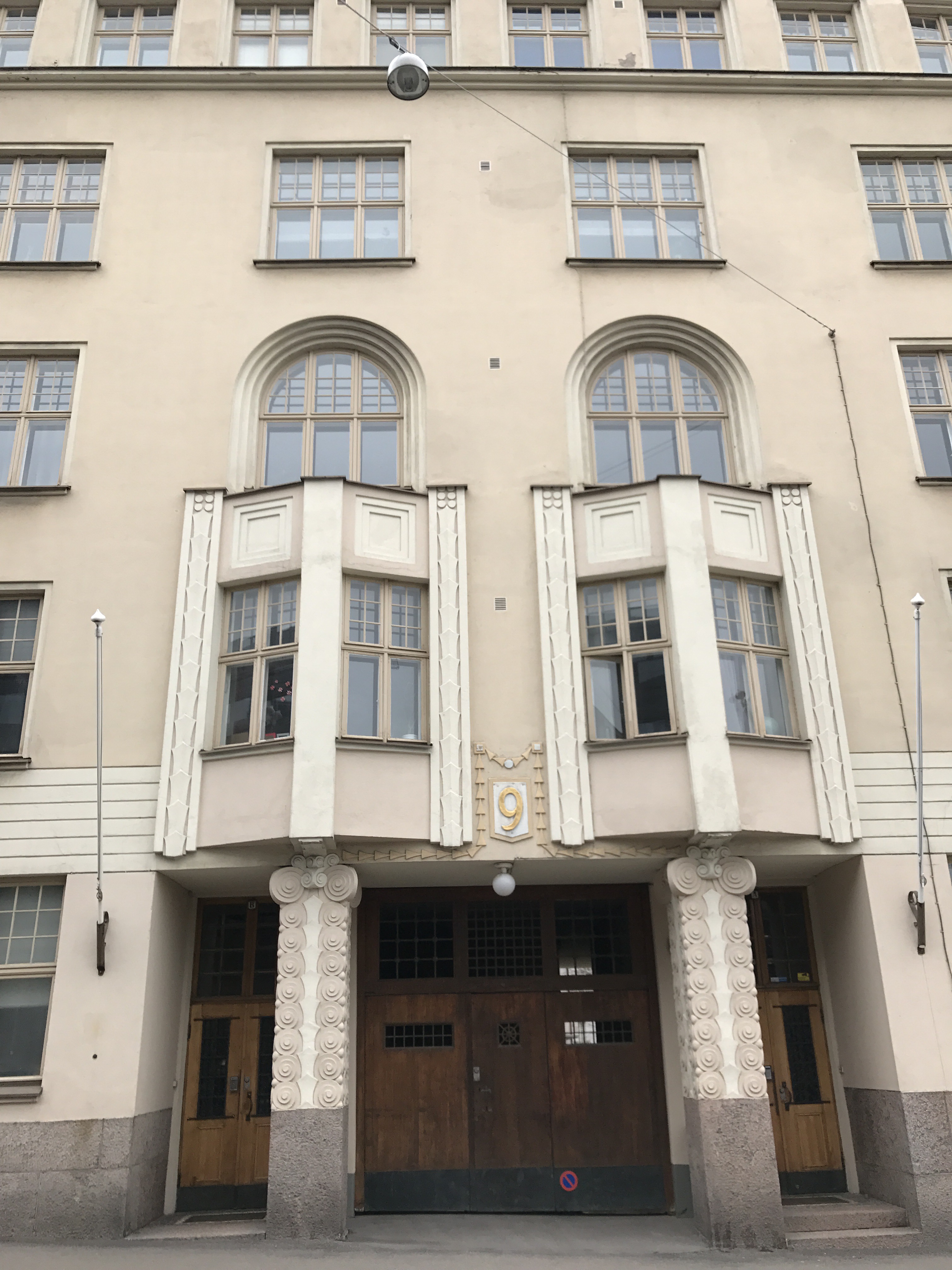
For some reason, I expected Helsinki to be a  rough-around-the edges modern industrial city. Instead I found a city full of delightful architecture, much of it dating from the early 1900s. This was the heyday of the worldwide Jugendstil or Art Nouveau movement.


I’m stopping constantly to snap a picture of yet another inviting, witty doorway. I’m loving Helsinki!

A Swedish Valentine at the Nordiska

img_0480The Nordiska Museum in Stockholm devotes a great deal of space to Swedish courting and wedding customs, for good reason.  In Sweden, folk art is still revered.

img_0817For centuries, humble rural people in little towns and villages all over Sweden celebrated love and marriage and family using the materials at hand: wood, yarn, thread, and simple fabrics.

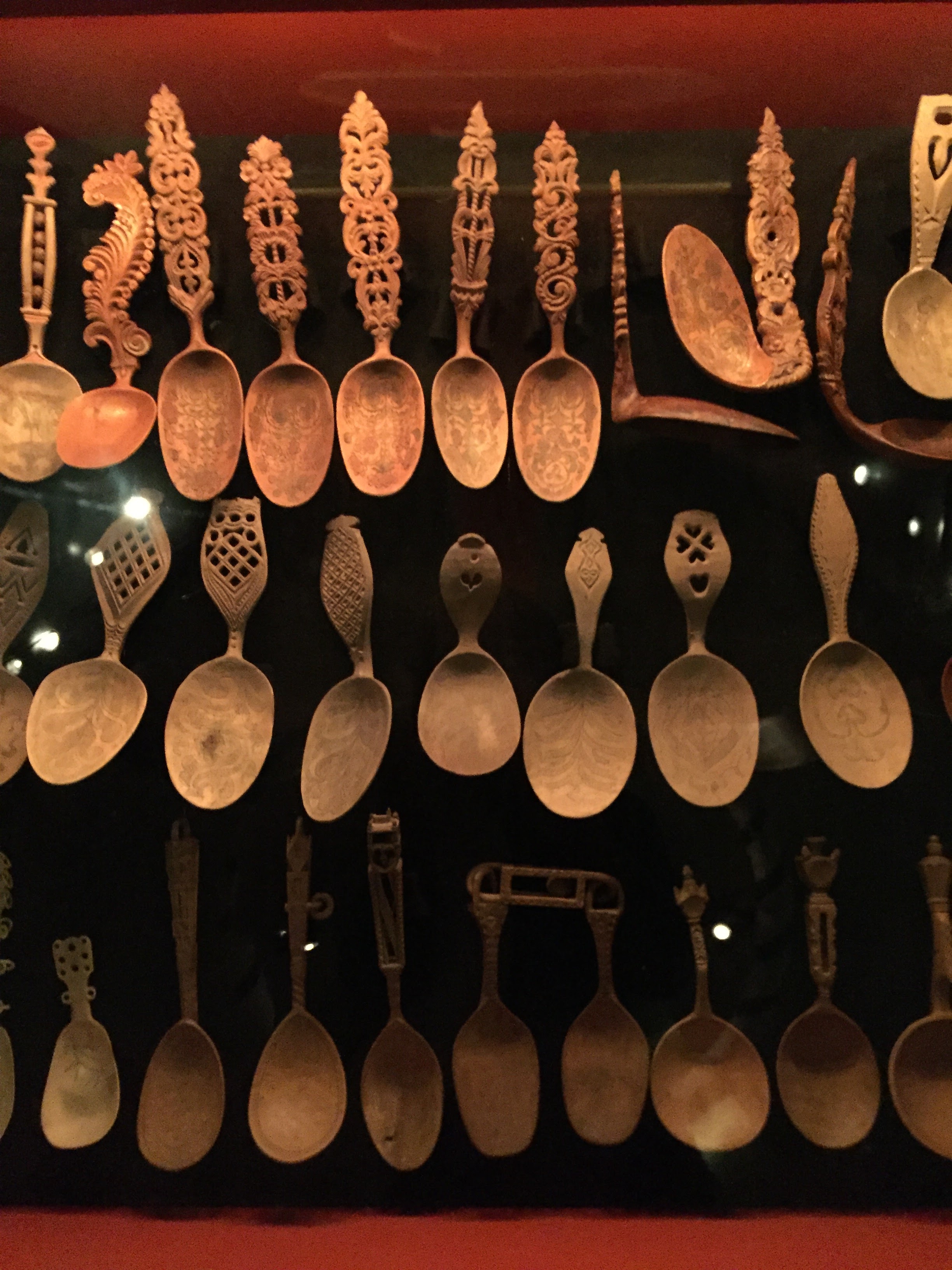
img_0801A young man courting a young woman used to spend many hours carving an elaborate wooden spoon as proof of his devotion.  The woman’s parents would also be interested in the young man’s skills and willingness to work; wood carving was a necessity of life in poor farming communities where most anything had to be made by hand.

img_0727After the wedding, the courting spoon was hung on the wall of the new couple’s kitchen, but wood-carving never ended. Country people took inspiration and materials from the natural world around them. The handy little table above incorporated a twisted tree branch as a decorative snake. Did the wood-carver’s wife appreciate having a snake forever in her house? Personally, I’d have relegated the snake table to the guy’s Man Cave.  But that’s just me.

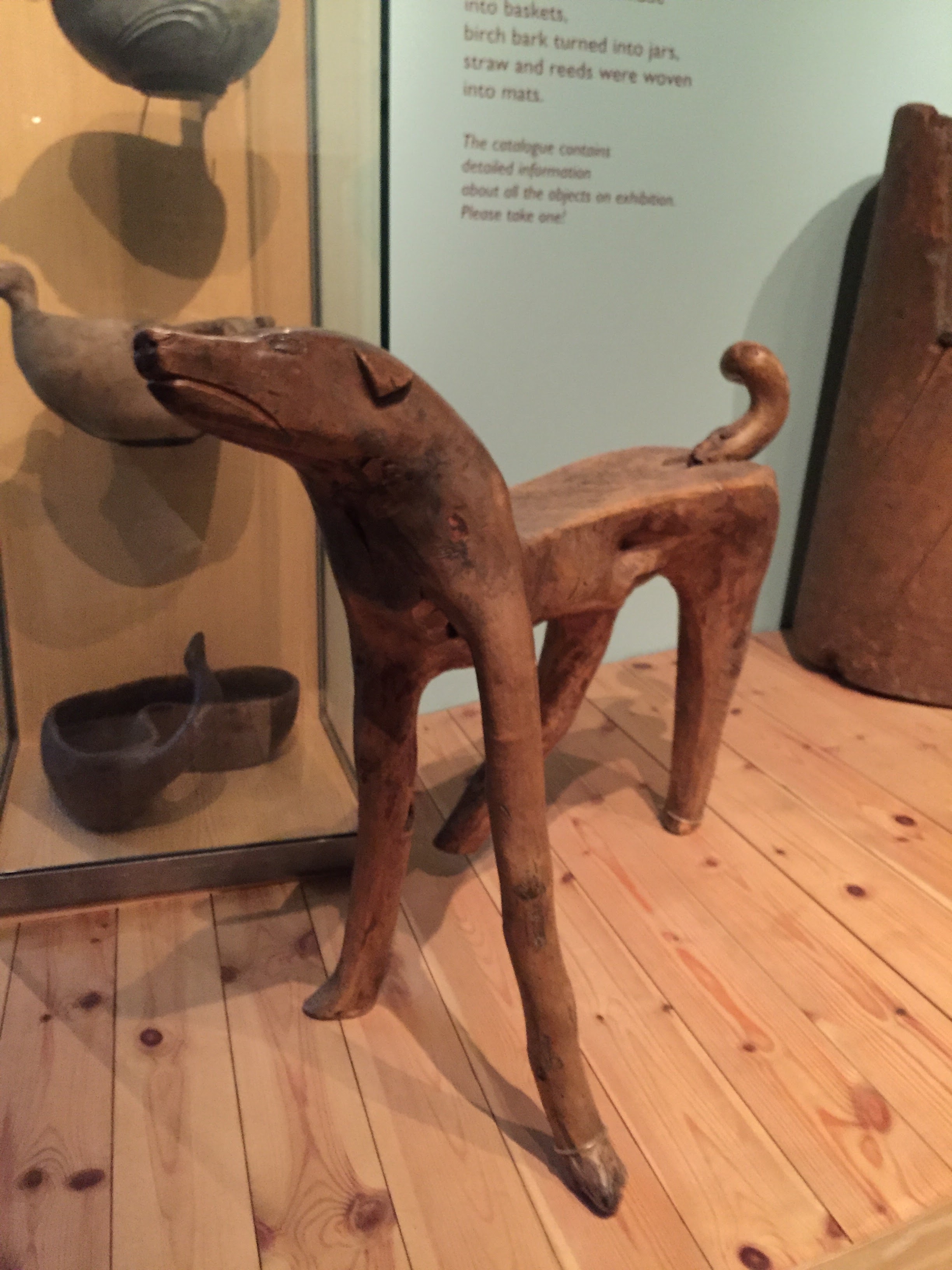
img_0726I’d have loved the little dog bench, though.

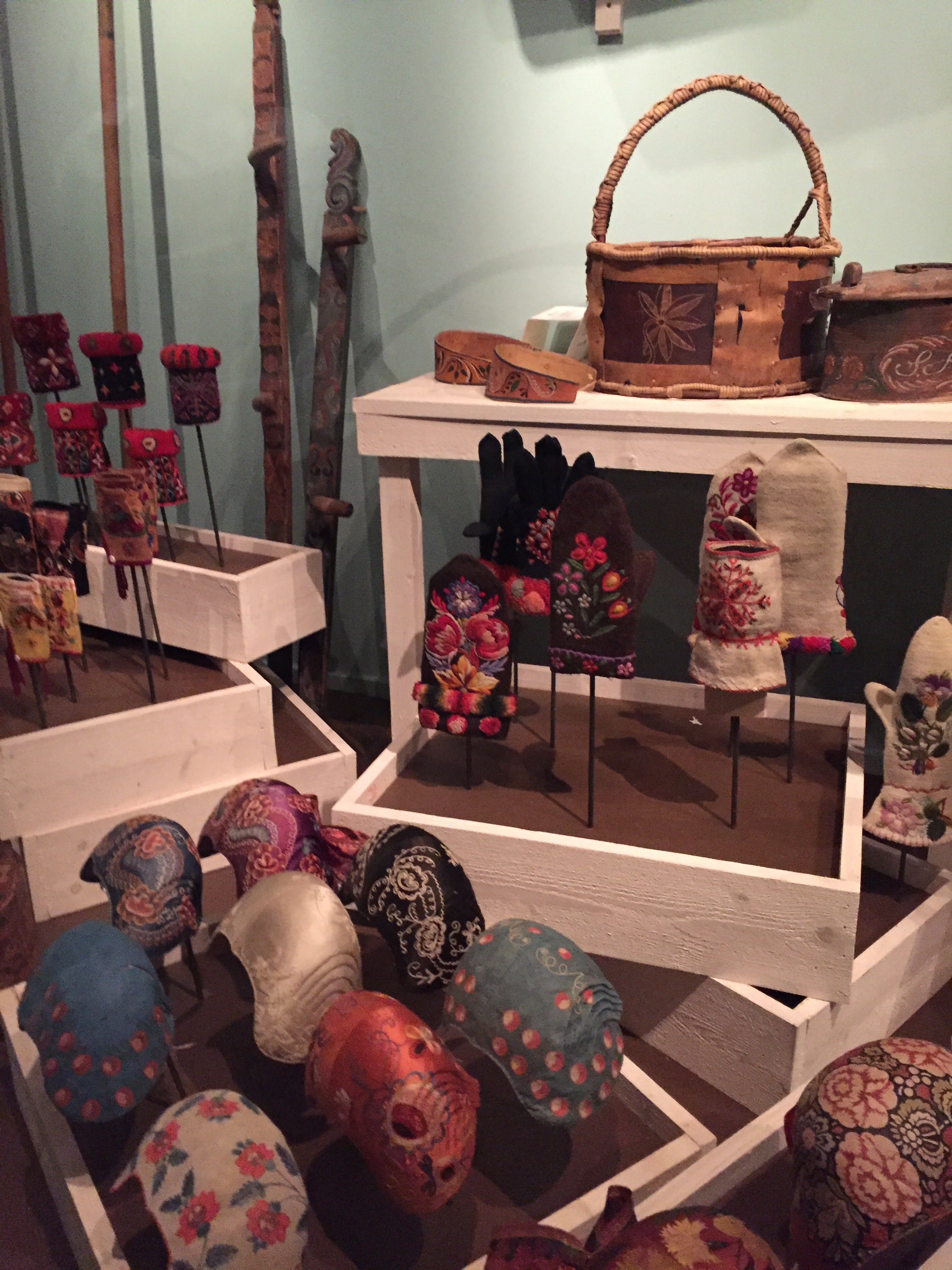
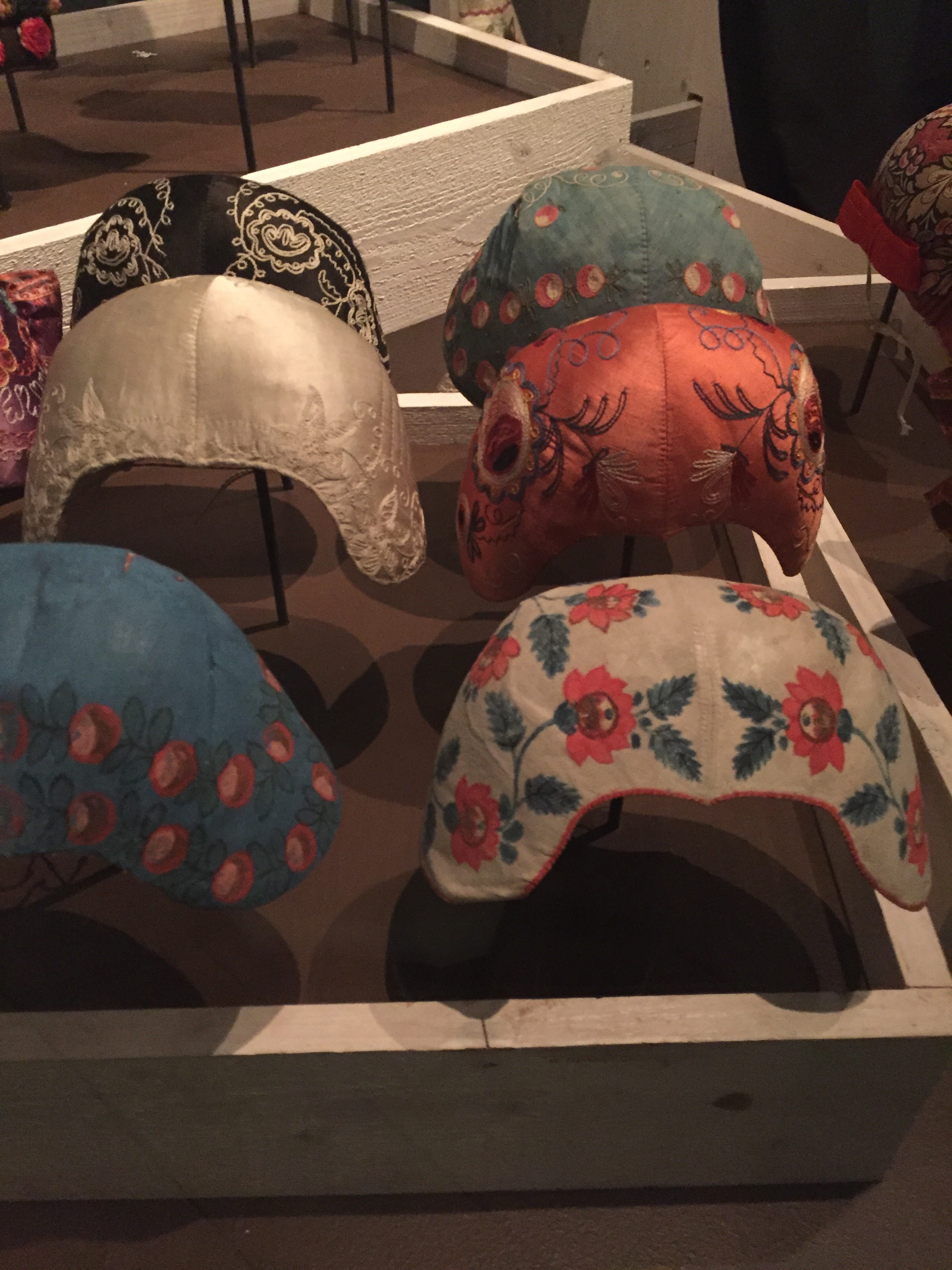
img_0734Brides spent many hours making wedding finery which was then passed down through generations. The hours were precious, stolen from housework and farm work.

img_0739Material could be precious, too–colorful scraps of silk and cotton lovingly worked into heirlooms.

img_0829img_0820Wedding finery was carefully packed away for future brides and grooms.

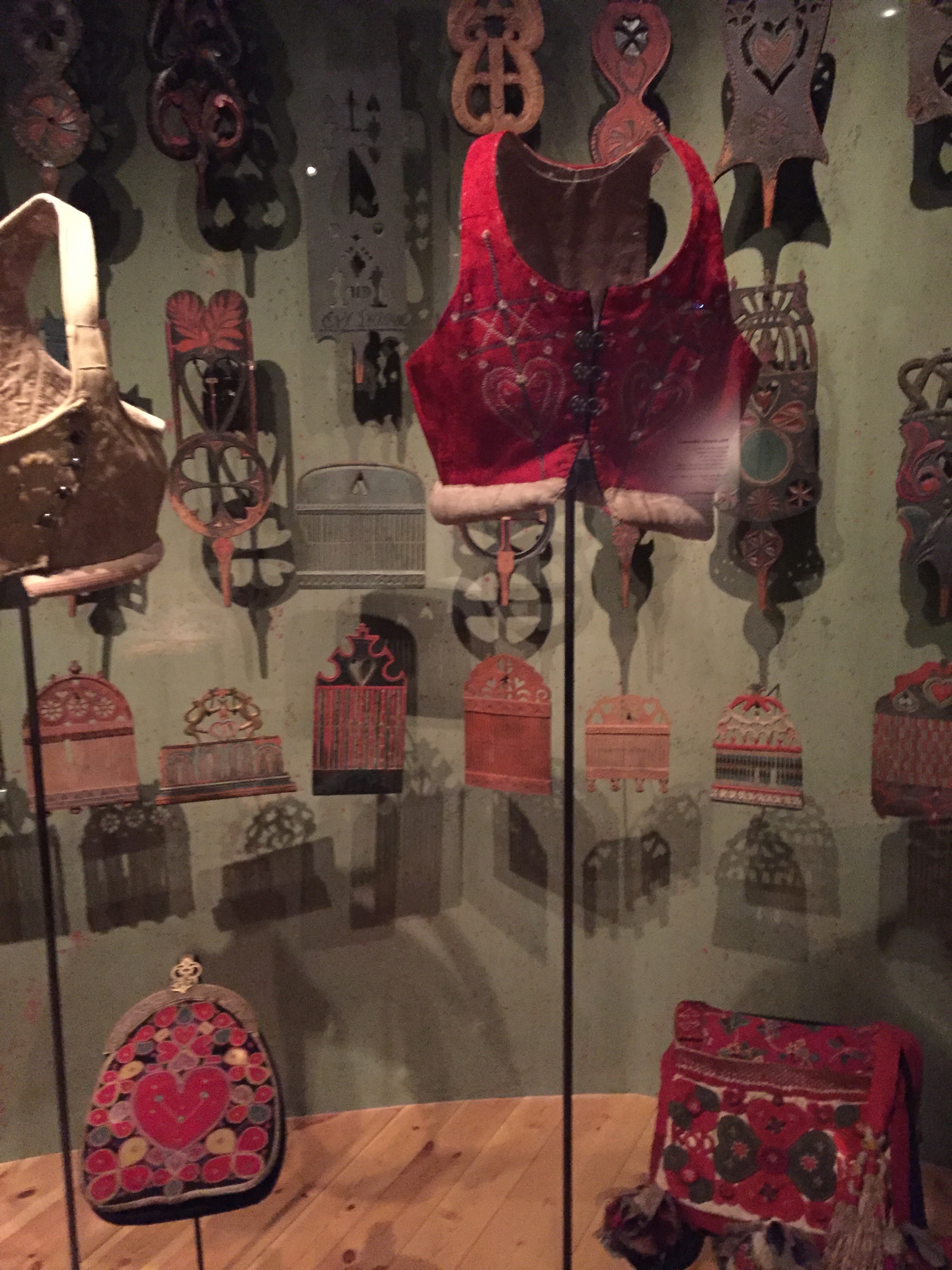
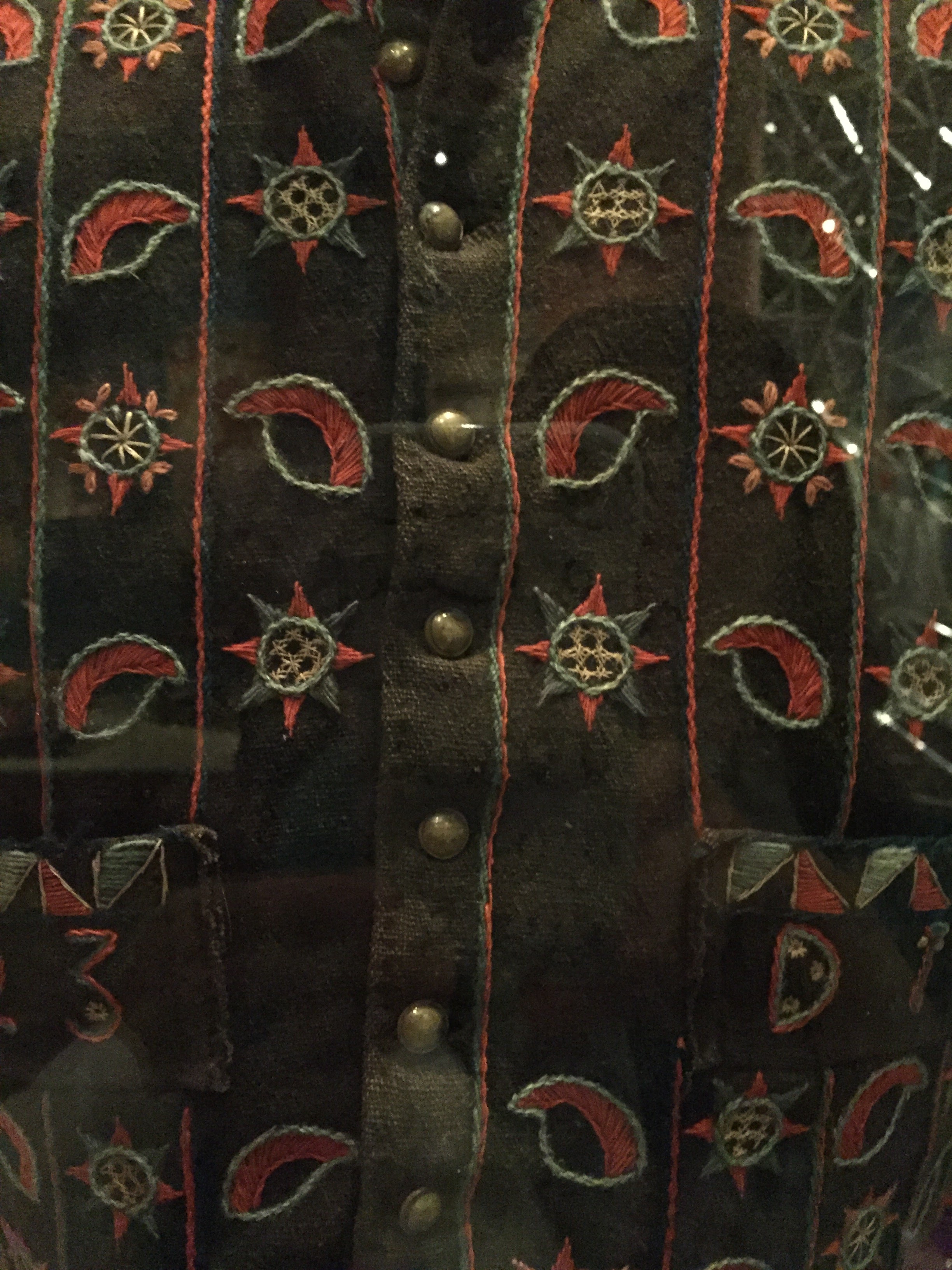
img_0746A bride might surprise her groom with a special wedding vest.

img_0750I love the handwork on this one, and I’m sure the embroidered designs had special meaning for the couple.

img_0800A colorful wedding proclamation was another treasured keepsake, for those who could afford it.

img_0757A special tapestry or painted wall hanging might do double duty as a Biblical lesson about Adam and Eve, and a decoration on the wall at the wedding feast.

img_0985Then as now, getting married can be tiring work.  A mannequin in the museum shows a bride falling asleep in her wedding outfit, maybe during the feast.  But I’m sure she’s about to wake up full of energy to start her married life.

Happy Valentine’s Day to lovers, past, present and future!

Join me next time for more explorations in the art and history of Europe!

Rudyard Kipling’s Beloved Bateman’s


1fac83c7-7594-479b-a24f-4643c42663f6The Nobel prize-winning British author Rudyard Kipling died on January 18, 1936 in his beloved country home, Bateman’s, aged 70. The house is deep in the rural countryside of East Sussex, close to the site of the Battle of Hastings.
rudyard_kipling_portrait

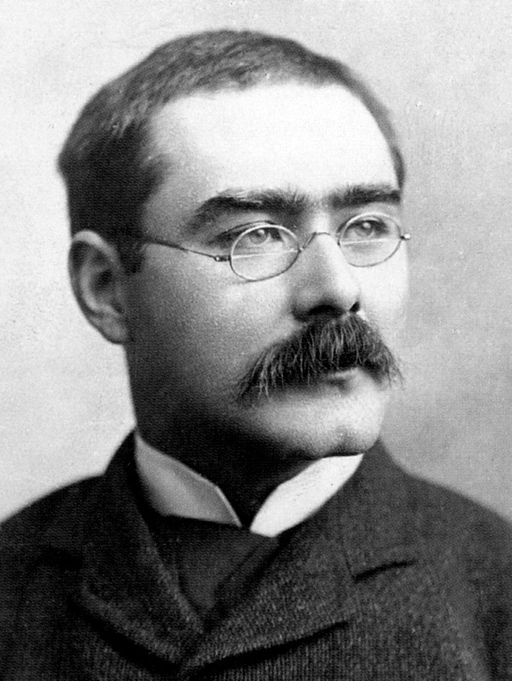
Public Domain portrait of Rudyard Kipling, from John Palmer’s 1915 biography

I have to confess I’m not really familiar with much of his work, but I loved visiting the home where he and his wife chose to spend the last 34 years of his long and productive life.

3863aabd-aad3-408e-b003-68a928081fd0

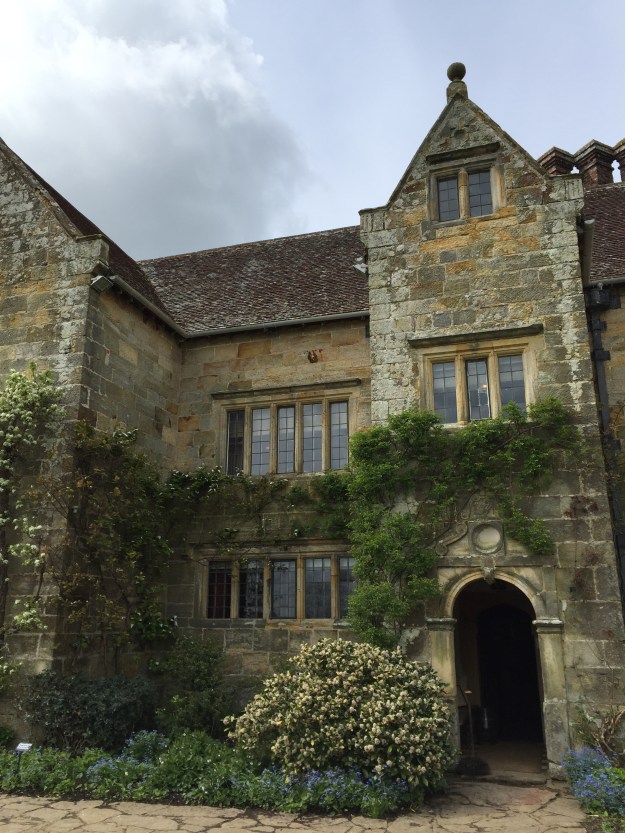
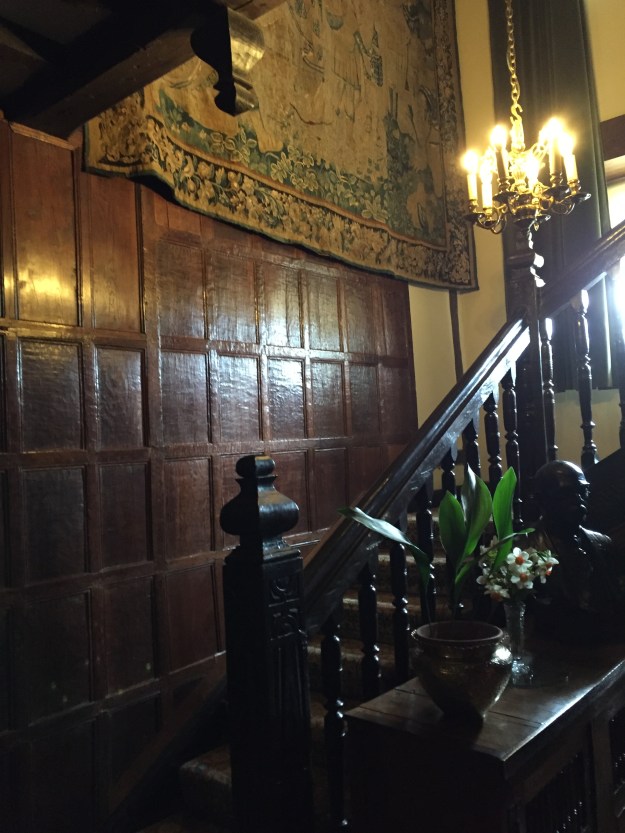
They bought the house in 1902.  It had  no bathroom, no electricity, and running water was only downstairs. But Kipling wrote, “Behold us, lawful owners of a grey stone lichened house–A.D. 1634 over the door–beamed, panelled, with old oak staircase, and all untouched and unfaked. We have loved it ever since our first sight of it.”

65835eb1-7653-4b29-ad11-1ae0d9e05016

The house is now in the hands of the National Trust.  Most of the furnishings are from Kipling’s happy time there. It is hard for us to appreciate just how famous this man was even before he was awarded the Nobel Prize for literature, but the house was a peaceful retreat from Kipling’s busy life–he was active in politics and journalism, besides literature, all his life.9313938c-3171-478f-ad25-bc04c49b1791

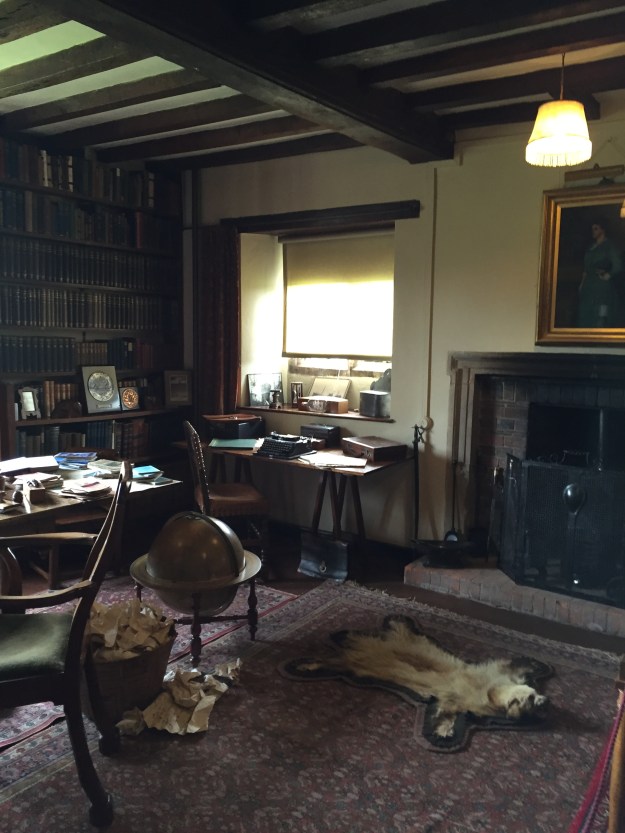
His wife Caroline ran his affairs, working tirelessly in a tiny hidden office with a window looking out into the entry way, above and to the right of the fireplace.  She kept an eagle eye on the many people who knocked on the door, seeking time with the great man.  Not many were admitted when he was working in his study, pictured below. (We should all probably have someone like Caroline to turn off our internet when we want to get something accomplished).

9bdb6e68-5993-404d-a0e2-8debd9e6a481

Kipling spent a good part of his working life in India and Africa, writing about both the glories and pitfalls of British imperialism.  He wrote with foreboding about the difficulties–and the morality–of maintaining the global British Empire, which was still in its heyday during Victorian times.

08dc1075-6c91-4771-bf75-20a7efeca508

In 1915, at the outbreak of World War I, Kipling’s son John was wild to join the fight.  He was rejected by both the Royal Navy and the Army because of poor eyesight.  So Kipling used his connections to get his son into the Irish Guards. John Kipling was killed in the Battle of Loos, aged 18, having been sent in with reinforcement troops.  He was last seen stumbling blindly on the battlefield, possibly from a face wound. His childhood bedroom, pictured above, is a poignant memorial to a lost son.

ce7395d3-8247-4959-a686-d16f4c667f4c

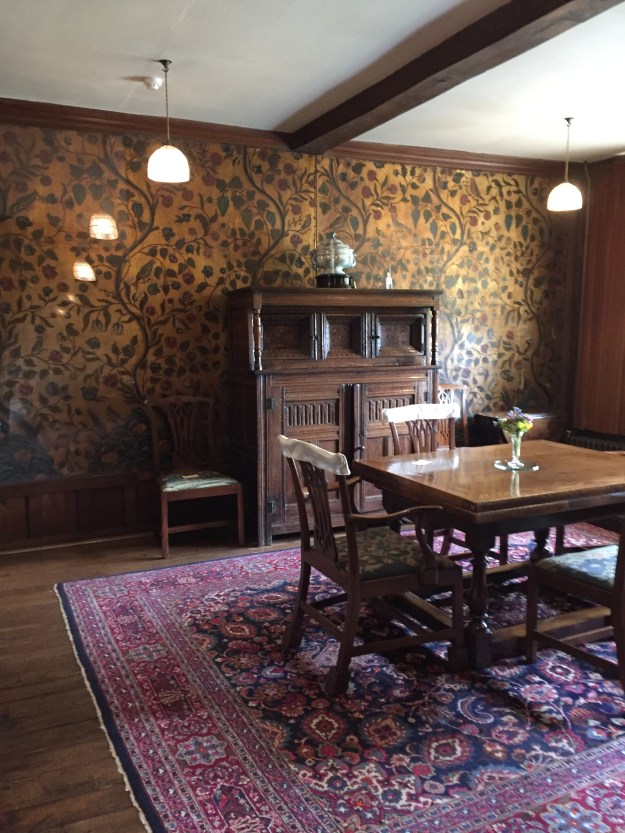
I especially liked the dining room. The walls are covered with embossed leather brought from India.

c3c148fe-ab33-4b4f-8ea8-692ec312d2fc

Above the fireplace is a painting that everybody in the family hated, but it was too good to get rid of. (Or maybe it was a gift from someone who was not to be insulted? I have items like that in my house, but I generally just get them out when the giver is visiting). The painting really is pretty ugly. It seems to show a naked crying baby, maybe with a mother or nanny wondering what to do.

4e2ed35d-519c-44ea-b1b8-577ffec654a3

Mr. Kipling’s chair was placed so that his back was always to the hated painting.

8af4c825-e824-4245-82af-e8fcf55f9612

I think the kitchen must have had modern conveniences in the years leading up to Kipling’s death in the house in 1936.  Now, it’s a serene mostly-empty space where National Trust volunteers and staff dry flowers from the gardens.

8b88fe22-33f1-4022-9a69-b64495377ca5

Literary fashions come and go, even for Nobel prize winners.  Having seen Rudyard Kipling’s country home, maybe I’ll find the time to dip into his writings. I’m sure Mr. Kipling would appreciate a visitor.

Join me next time for more explorations in the art and history of Europe and the British Isles!


Get-Well Wishes for QEII


qeii-telegraphI just read that Queen Elizabeth is resting indoors  for the second weekend in a row at her Sandringham home.  She didn’t make it to church on Christmas.  Now the word is that she may not be well enough to attend services on New Year’s Day either. She’s pictured above after delivering her annual Christmas address to the nation (photo from “Telegraph” article cited below).

dscn7080

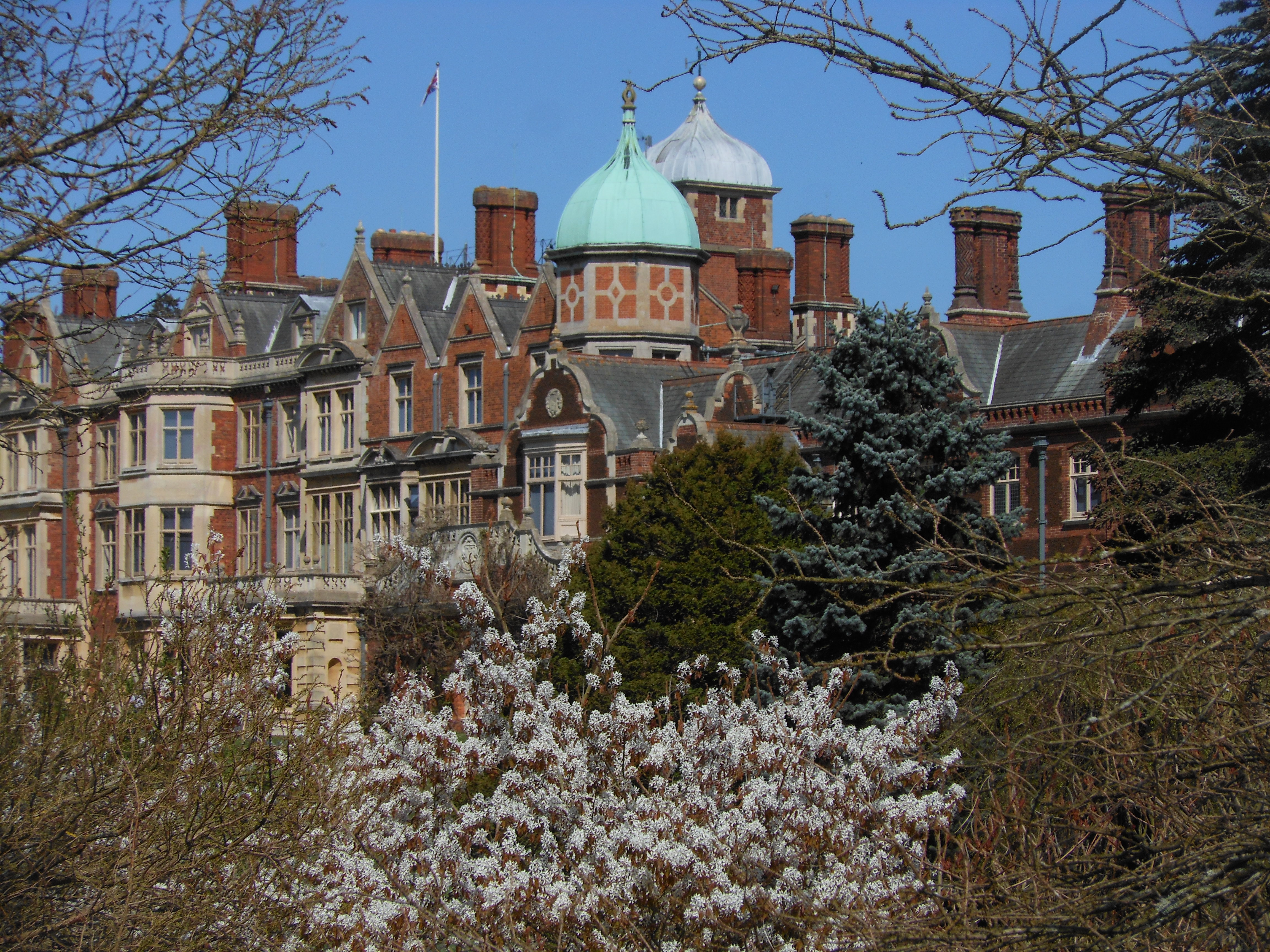
I visited Sandringham about a year and a half ago and was royally wowed. No photos are allowed inside the house, but the grounds and gardens are spectacular.

2015-04-23-12-19-56

Tourists enter through the same grand door as invited guests. The place is off the beaten tourist track.  It’s way in the northern stretches of East Anglia, an area blessedly neglected by travel writers like Rick Steves. It took me many years and many trips to England to finally get there. That is the whole point, for the Royal Family.  It is their private, personal residence–a place to really get away from it all.

2015-04-23-13-54-40

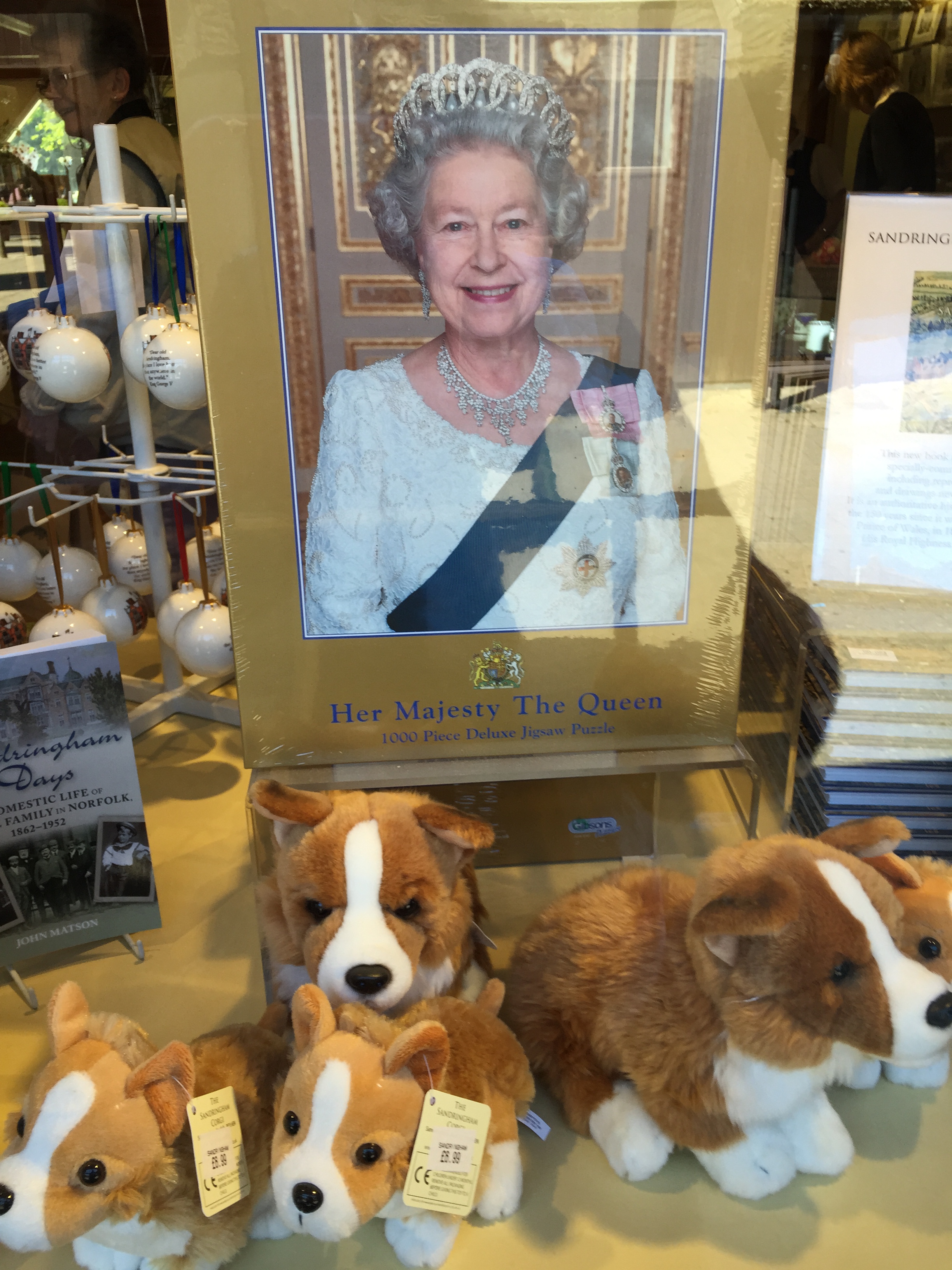
Naturally, there’s a gift shop, well supplied with royal portraits, china, tea towels, and stuffed Corgis.

2015-04-23-13-10-57

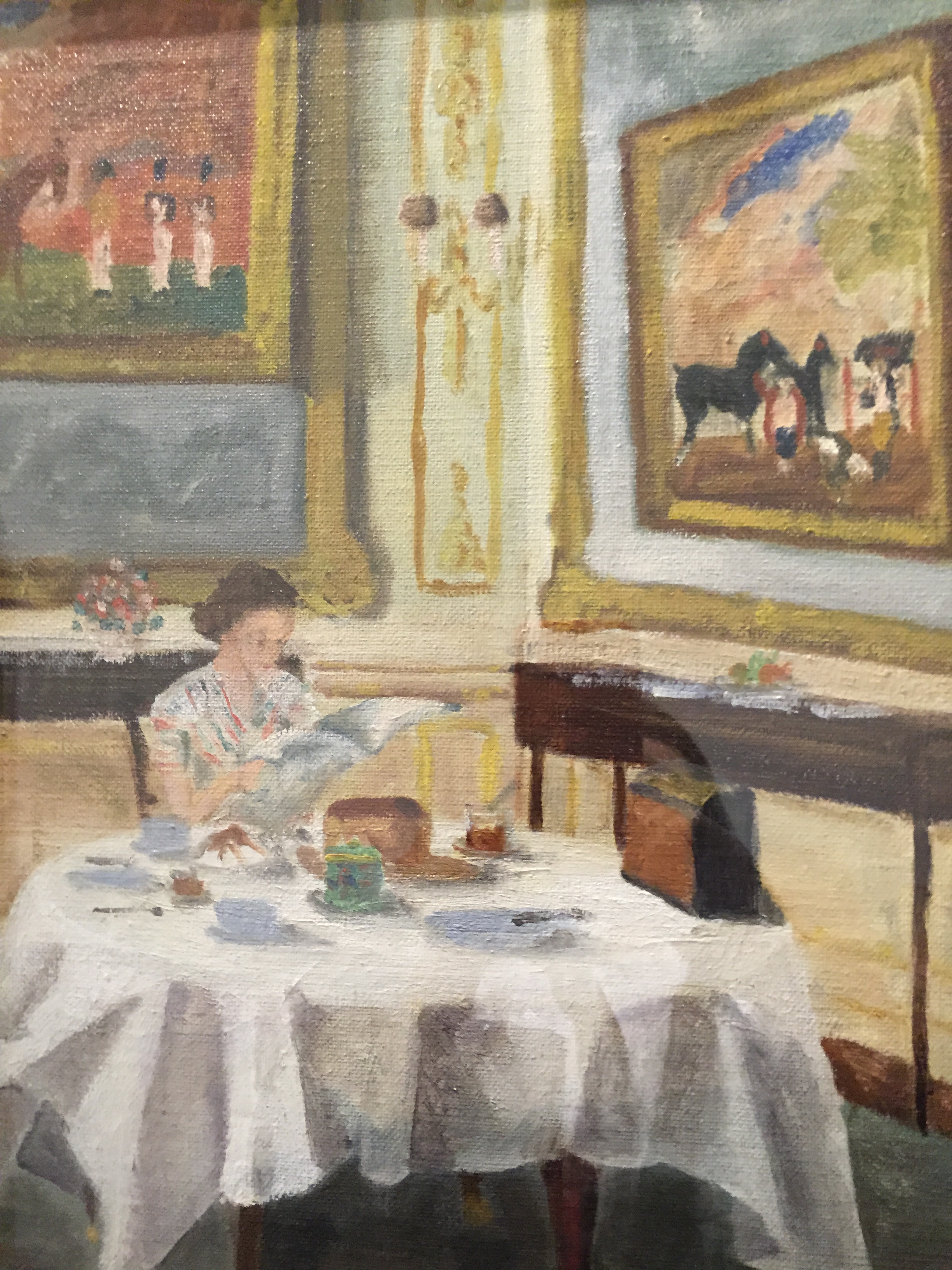
There’s a delightful museum, too, in the old stable block.  It holds all sorts of bits and bobs of royal life.  I was especially charmed to learn that Prince Philip (now 95) is a very decent painter. I loved his little painting of the Queen reading the morning papers.

dscn7016

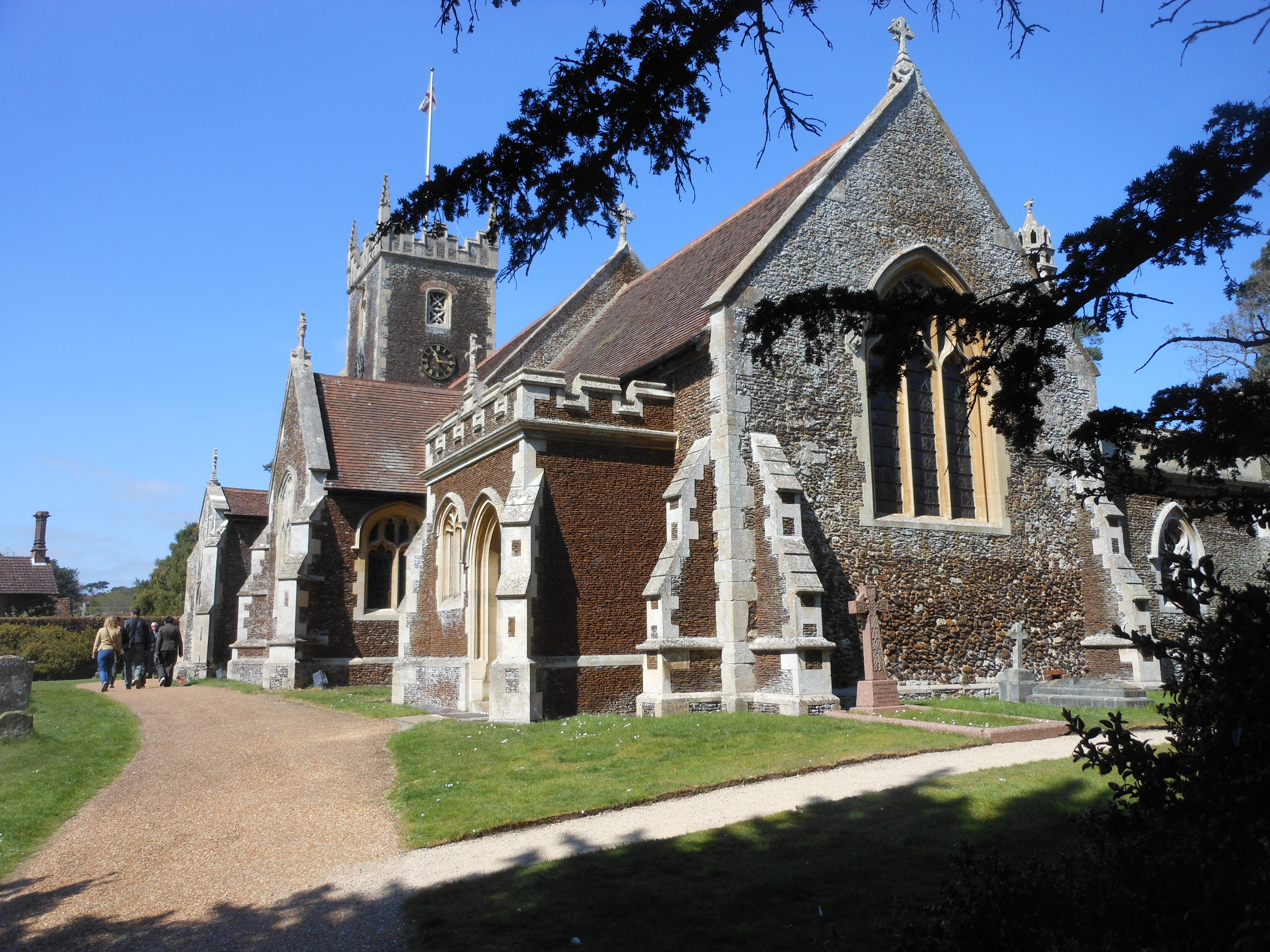
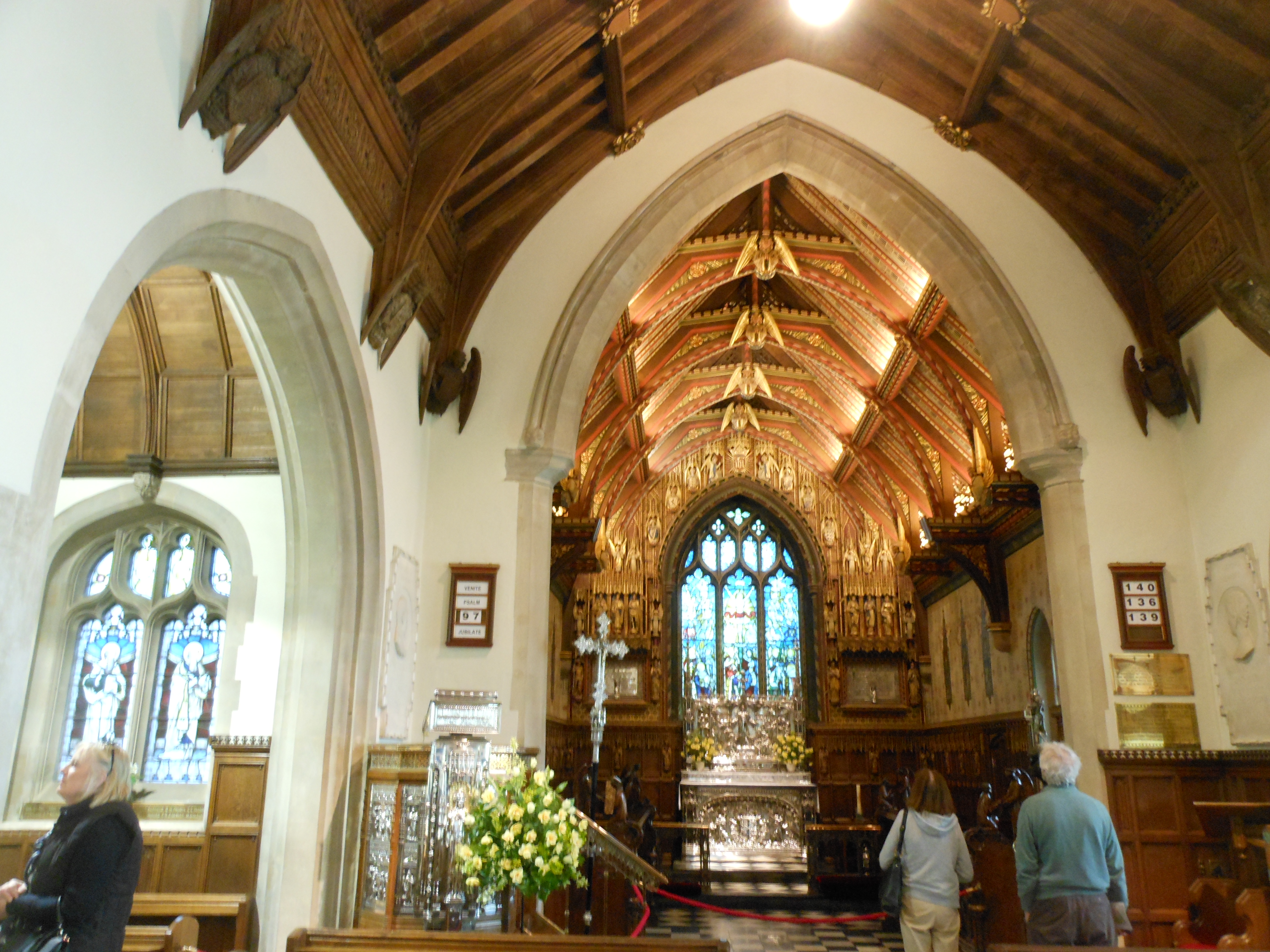
I wrote about the parish church in two previous posts, cited below.  It’s one of the most beautiful small churches I’ve ever seen.  Each year, locals and a few tourists line up along a fence to watch the royals walk to church on Christmas, and this year on New Year’s Day too.

dscn7021

I hope the Queen is well enough to walk over to her pretty little local church and take part in prayers for New Year’s Day. Whether she makes it to church or not, I wish my favorite 90-year-old reigning queen a happy  and healthy 2017.

2015-04-23-12-58-41

A Royal Christening at Sandringham

Sandringham

The Queen’s Church at Sandringham

http://www.telegraph.co.uk/news/2016/12/31/queen-may-attend-church-new-years-day-decision-expected-sunday/