My Favorite Nativity Scene, with Angels on the Buddy System

ad811dcd-ec3e-4cb8-b89b-27f368bc4ede

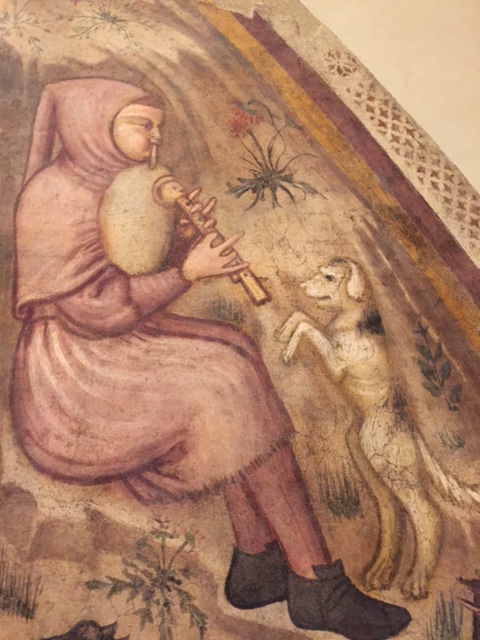
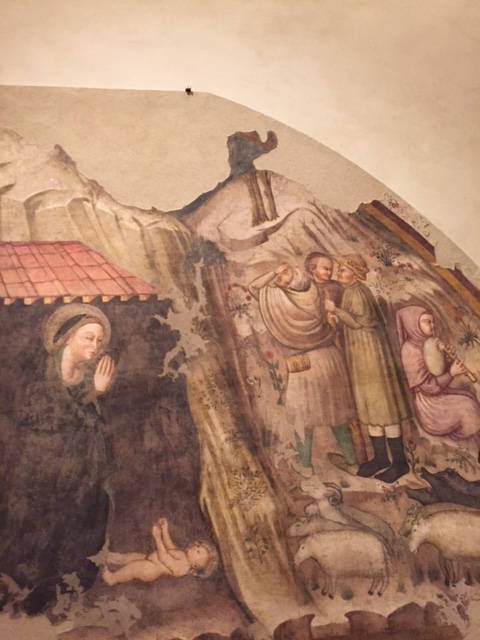
My all-time favorite image for Christmas was painted into a fresco by an unknown artist around 1370 in the Umbria area of Italy. It depicts a shepherd playing a sort of bagpipe. His smiling dog dances in delight.  This is part of fresco fragments from the long-gone monastery of Santa Giuliana in Perugia. The fragments, covering about 20 feet in width and maybe 12 feet in height, are now in the Galleria Nazionale of Umbria.  I’d travel back there just to gaze at them again.  I wrote about this fresco last Christmas, and took another look this year.
a518ccd3-7ee5-4d26-8488-190a3042b664

My favorite shepherd and his dog are really just side figures in a more conventional Nativity fresco. The entire fresco is too large to photograph in one shot, and my photography skills are pretty much limited to what I can capture on my trusty iPhone. So the view above shows the shepherd and his bagpipe, but not his joyful dog.
170e1051-c7b9-4c93-a8e5-cd6a99f7aa27

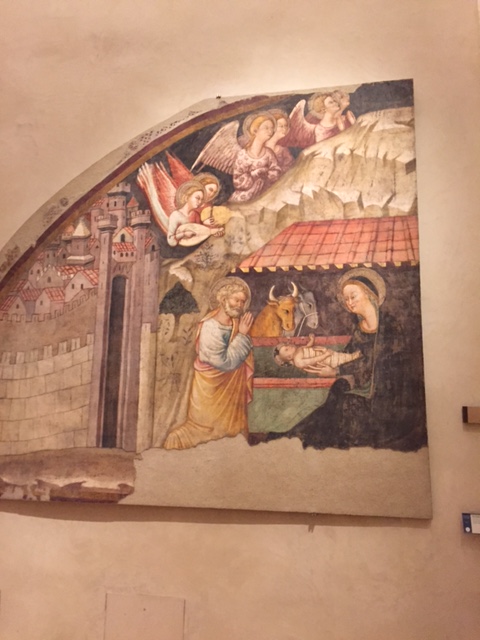
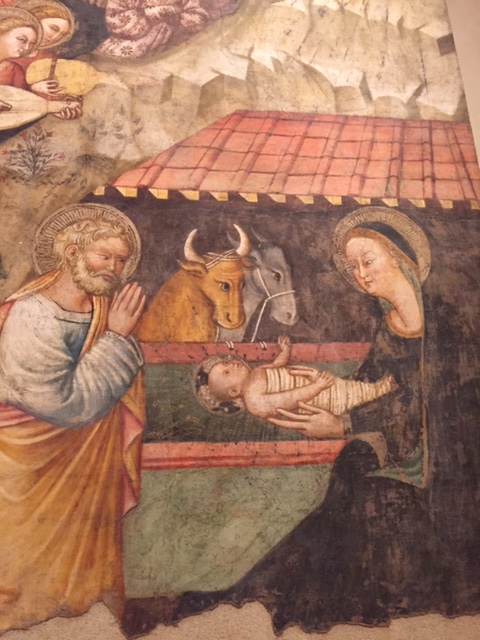
The other side of the fresco, which once covered a wall, shows the traditional Nativity scene with the stable, the town of Bethlehem, musical angels neatly arranged in pairs, some friendly cattle, and Mary and Joseph with their child duly wrapped in strips of cloth–the Biblical swaddling clothes.
049011ac-b565-4fa5-987f-8e91f3092eb5

The details are charming, the faces friendly and serene.

c6c708bd-2d57-4bdf-b900-a6dbae85e150

What I find most appealing is the artist’s careful concern for the ordinary people depicted. They are painted somehow larger than life, and in loving detail.  A friend of mine commented on the cozy-looking black socks worn by one of the shepherds on his way to the stable.  At least I think they are shepherds–or could they be the Three Kings? Whoever they are, their feet are REALLY big.  This fresco was placed high on a wall, under a vaulted ceiling.  The rules of perspective would have dictated that the feet should be smaller in proportion to the heads.  The artist chose to do the opposite. Maybe the artist didn’t exactly have perspective down pat.  Then again, maybe he (or she) just wanted to contrast grounded humanity with floating angels.  These folks definitely have their feet on solid ground.

8532cc3e-2276-4163-a8b4-68baea121710


The animals are grounded, too.  These are real sheep, solid and woolly. And each one has a unique personality, as animals do.

As a child, I always wondered what became of the sheep left behind on that hillside, after the angels in the story told the shepherds to get themselves into Bethlehem posthaste. Maybe the unknown artist of this fresco had an anwer:  the sheep trotted right along. The horned sheep seems to get what’s going on; he raises his head as though somehow lifted up by what he’s seeing.

On this Christmas Eve, my wish is for all of us to remember that we share this beautiful earth with many others. To those who celebrate Christmas and to those who don’t, I wish peace, friendship and health.
Christmas Markets in Europe

042

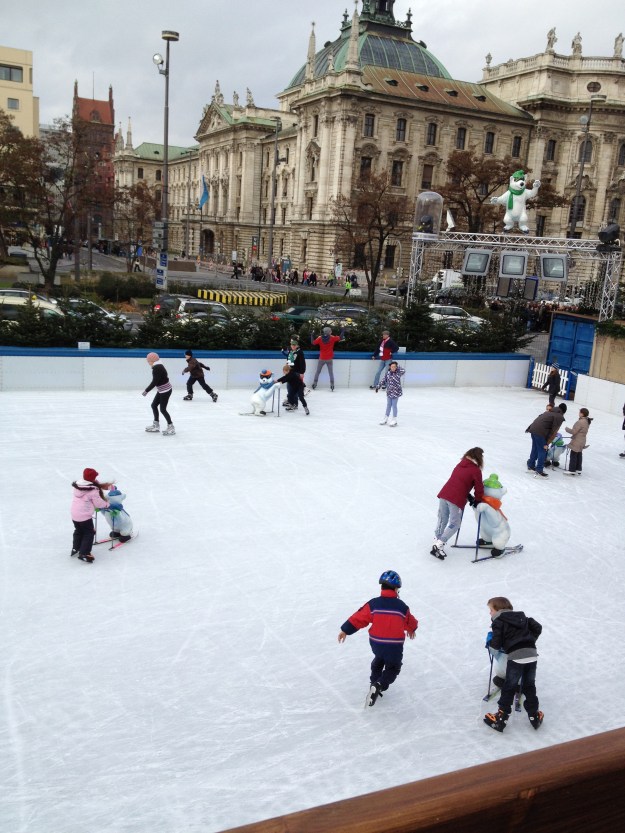
This photo is of skaters at one of the great Christmas markets, the one that takes up the main streets of Munich. As I sadly and angrily think of the carnage this week at the market in Berlin, I thought I’d post some photos of markets I’ve loved over the years–not that I ever buy much.  The point is for people to be together, enjoying the season and laughing at ice and snow.
p1070197

Vienna has some of the most beautiful markets, each with its own unique flavor. The one at the Rathaus–the City Hall–is the largest and has the most festive lights.  For weeks before Christmas, it’s packed day and night with happy people strolling, eating and drinking.

christkindlangel

Inside the august halls of the Rathaus, the Christkindl angel speaks with thrilled little children. In Austria and Germany, the angel seems to serve somewhat the same function as a visit to Santa in the United States.  But it has not become a big photo op–it’s just a chance visit, all the more thrilling because it can’t really be planned.

Children sign up for gift workshops in the Rathaus, making presents for their loved ones.  No hovering adults are allowed.  I would love to receive a lopsided gingerbread man from the baking workshop.

p1050023

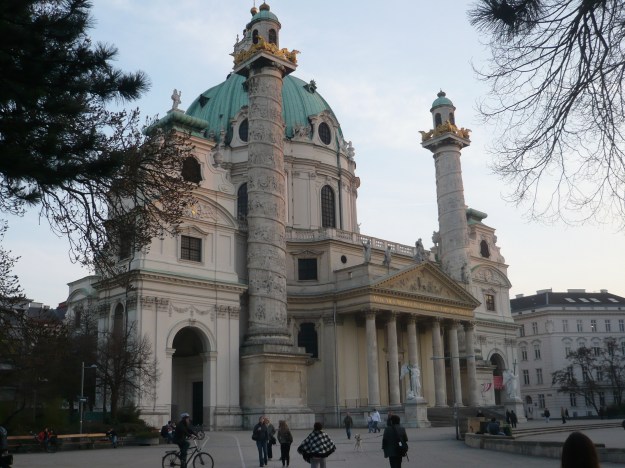
My favorite Vienna market is the one in the plaza of the historic Karlskirche.

The Karlskirche market is especially kid-oriented.  There’s a big straw play area with animals ready for the bolder kids to pet.

p1070549

One of the most popular activities at Karlskirche is to lead a gentle llama around on a leash.  As soon as I find the photo, I’ll post it! Meanwhile, I’ll dream of being in Austria or Germany again at a Christmas market–hopefully in snow.

I haven’t posted in awhile because on my last trip I caught a nasty virus which took awhile to overcome.  Am I discouraged about traveling? Not a chance.  I’ll be on a plane again as soon as I can. And I’ll be praying for world peace and harmony.

Join me next time for more explorations in European art, history and culture!


Rome in November

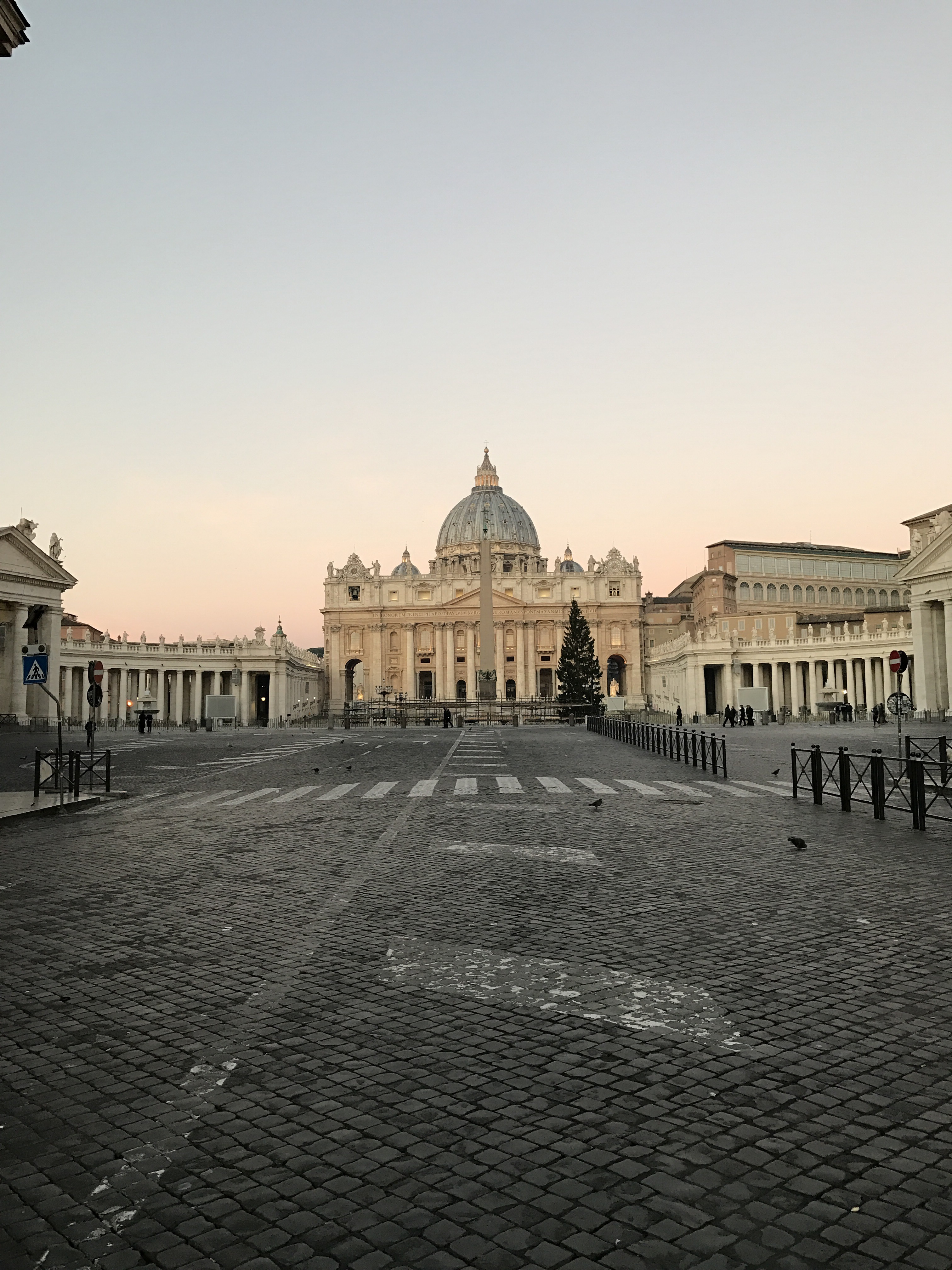
Sunshine and no crowds–well, hardly any. We got up early to arrive at St. Peter’s at 7am, opening time. 


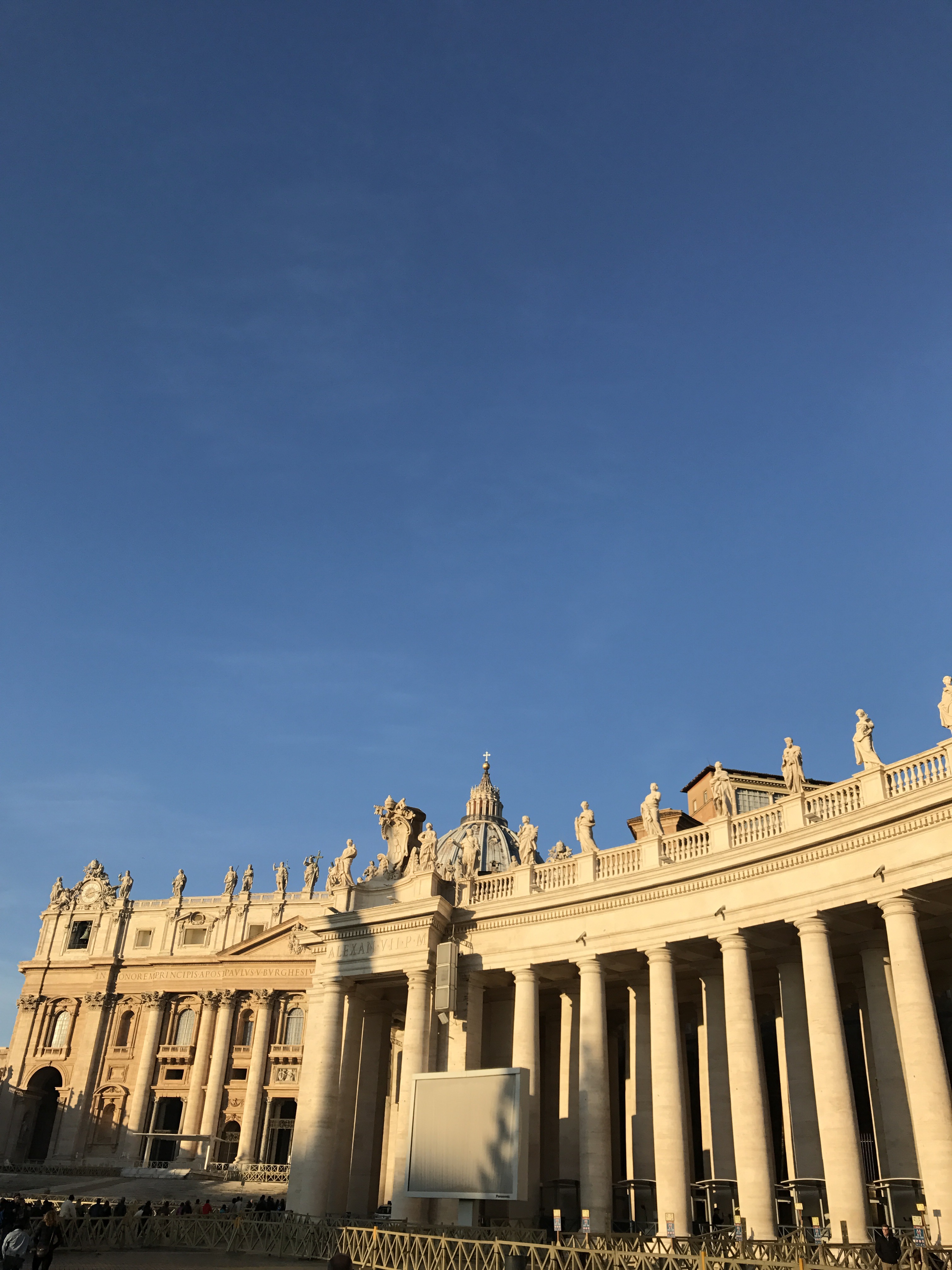
We waited just outside Bernini’s spectacular colonnade, contemplating the fact that the oval space was once Nero’s circus–a chariot racetrack with assorted atrocities against early Christians as extra entertainment. 


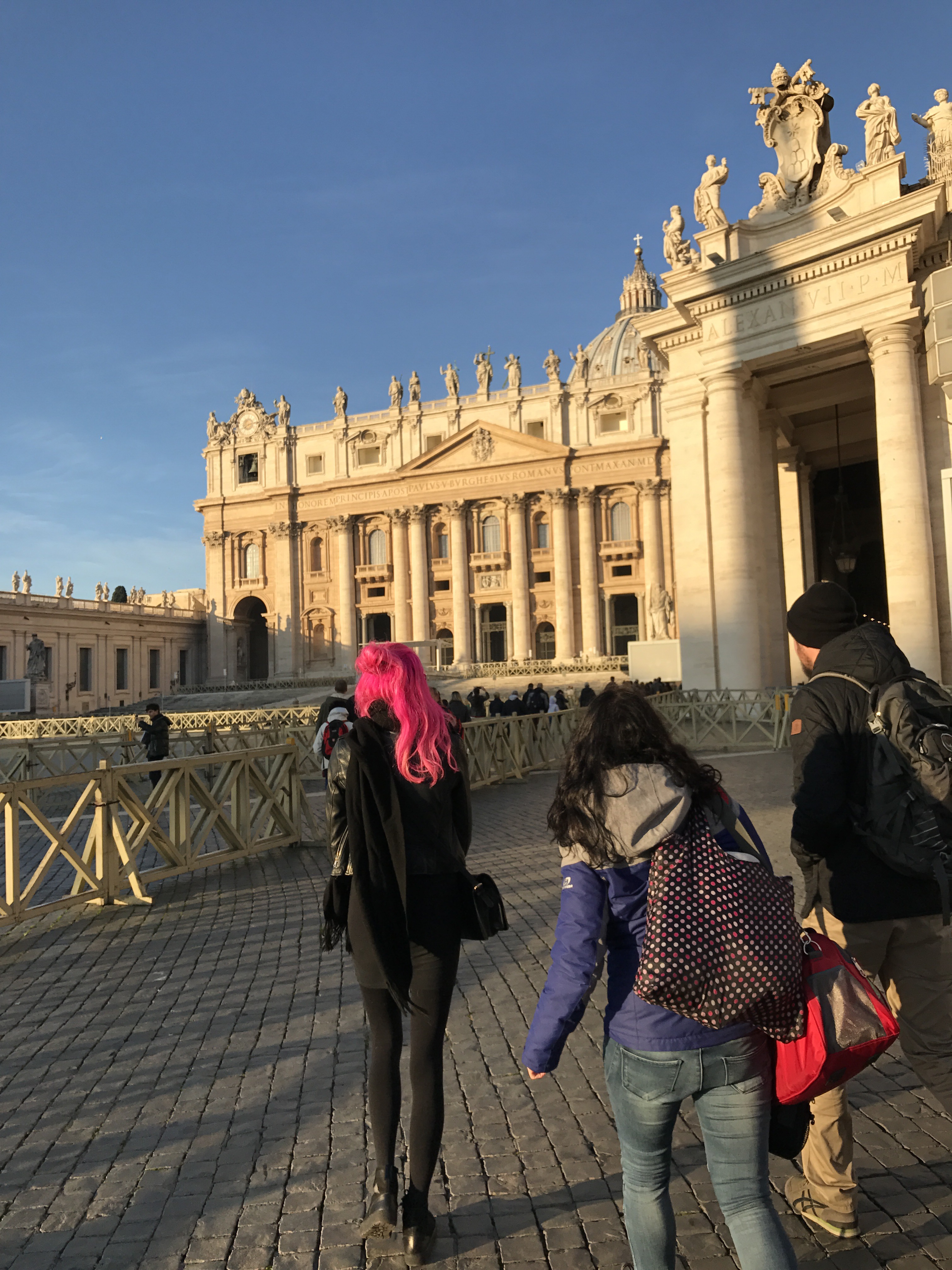
We were among the first 10 people in line. Our reward? We were allowed in at about 8:10, and suddenly there were quite a few people–some more colorful than others. All were welcome.


Inside, the enormous church feels smaller than it is–the architects, including Michelangelo, made the statues  way up high in extra-large sizes, so they seem closer.


There’s a list of all 250 or so Popes, with the dates of their deaths. The two most recent, Benedict and Francis, are not listed because they are still among the living.


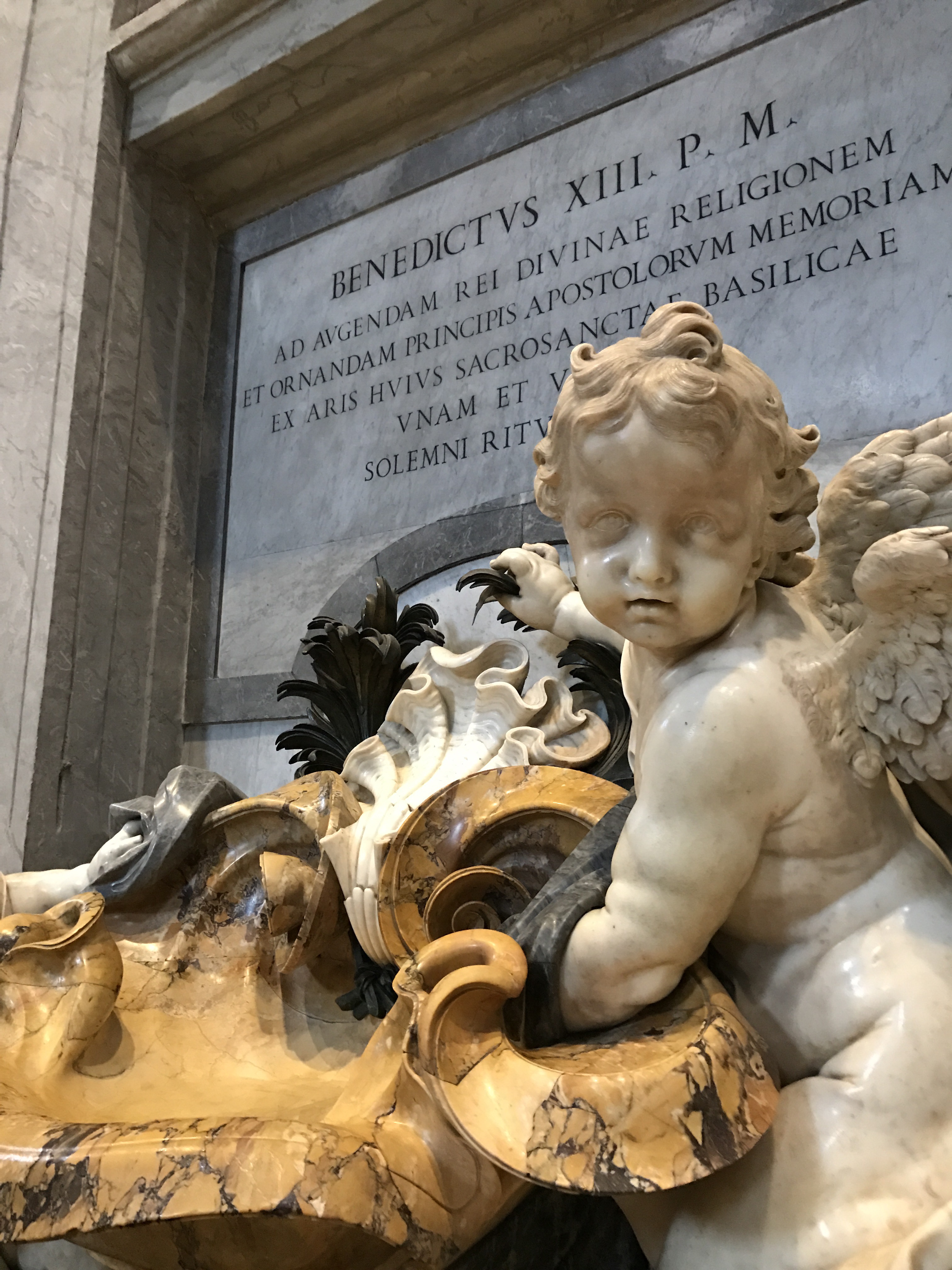
A couple of them sleep eternally, enclosed in glass, in the actual church instead of in the crypt below. I’m not sure why this is, but I especially liked the comfy Santa nightcap on this Pope. 


Some years ago, I was able to walk right up to Michelangelo’s beautiful Pieta, sculpted when he was just 24. Now, visitors are kept way back–the result of a vandalism incident. It’s like the disappointing view of the Mona Lisa in the Louvre–all jostling people with their cameras.


The closest I got to the Pieta was this plaster copy of it the next day in the Vatican Museums.


Still, St. Peter’s feels very much like a working church, not just a tourist attraction.


I’ll cheerfully visit any time I’m lucky enough to be in Rome. 

Thanksgiving Day: A Berwick Memory

dscn8224 dscn8227

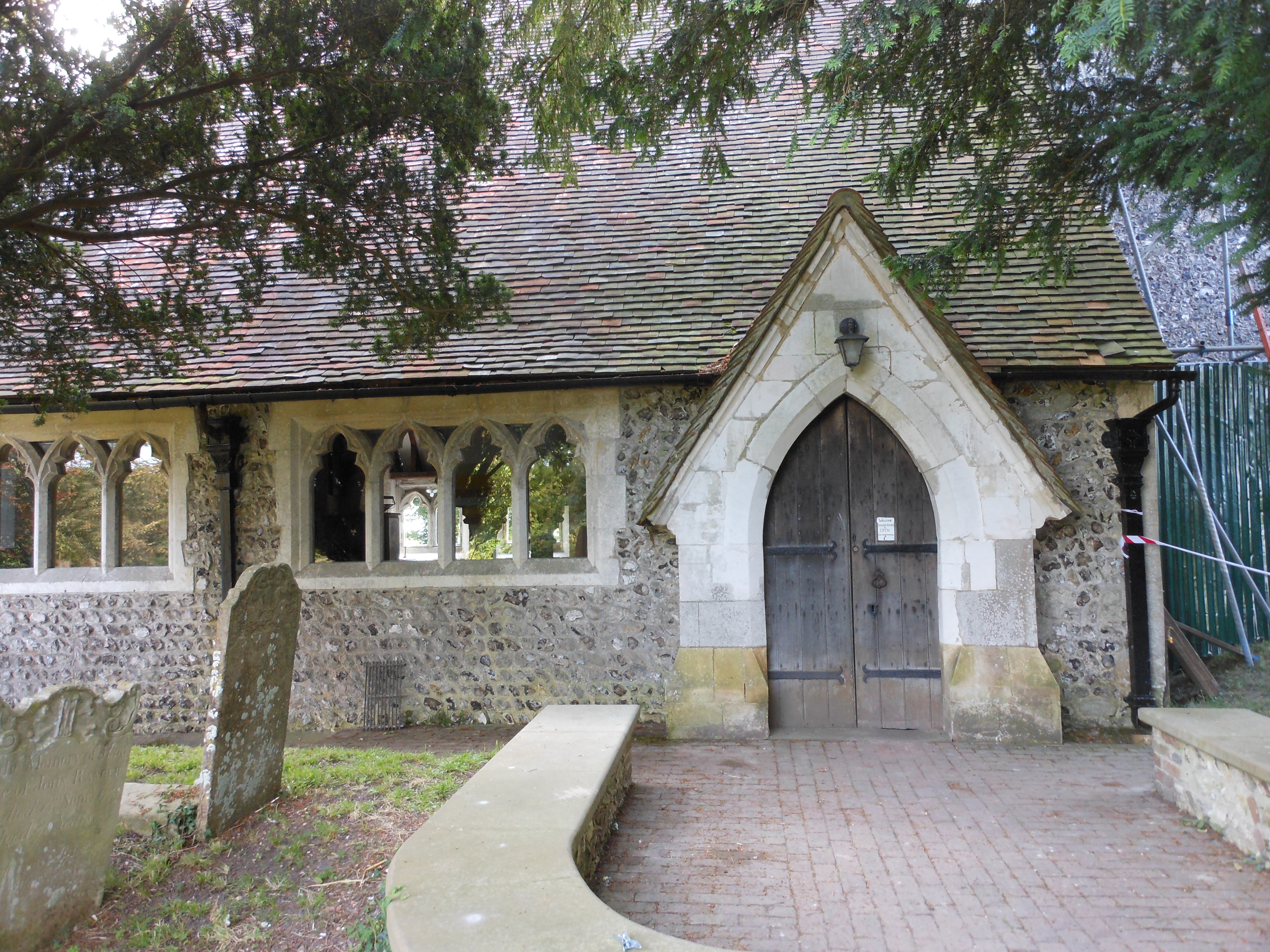
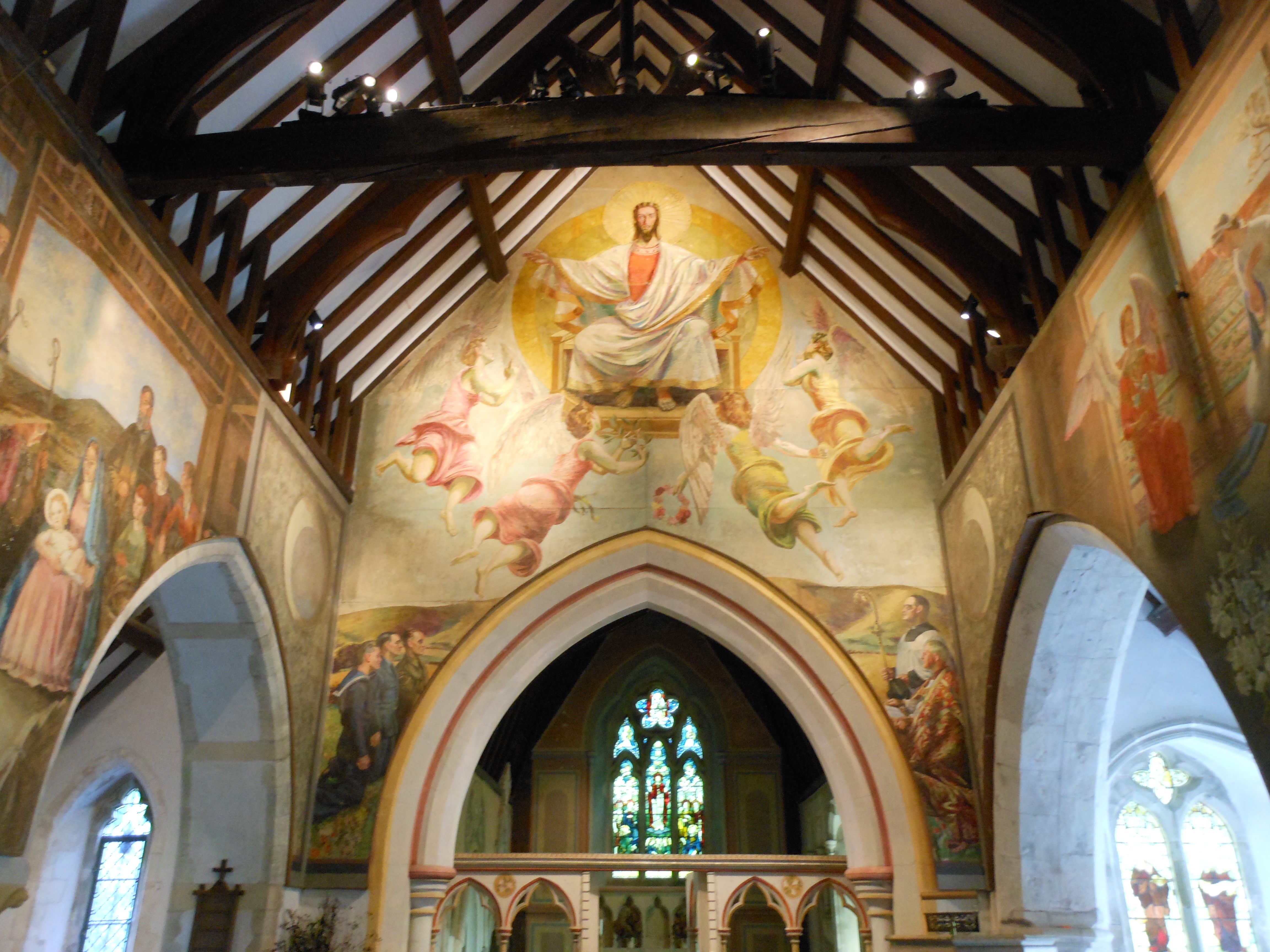
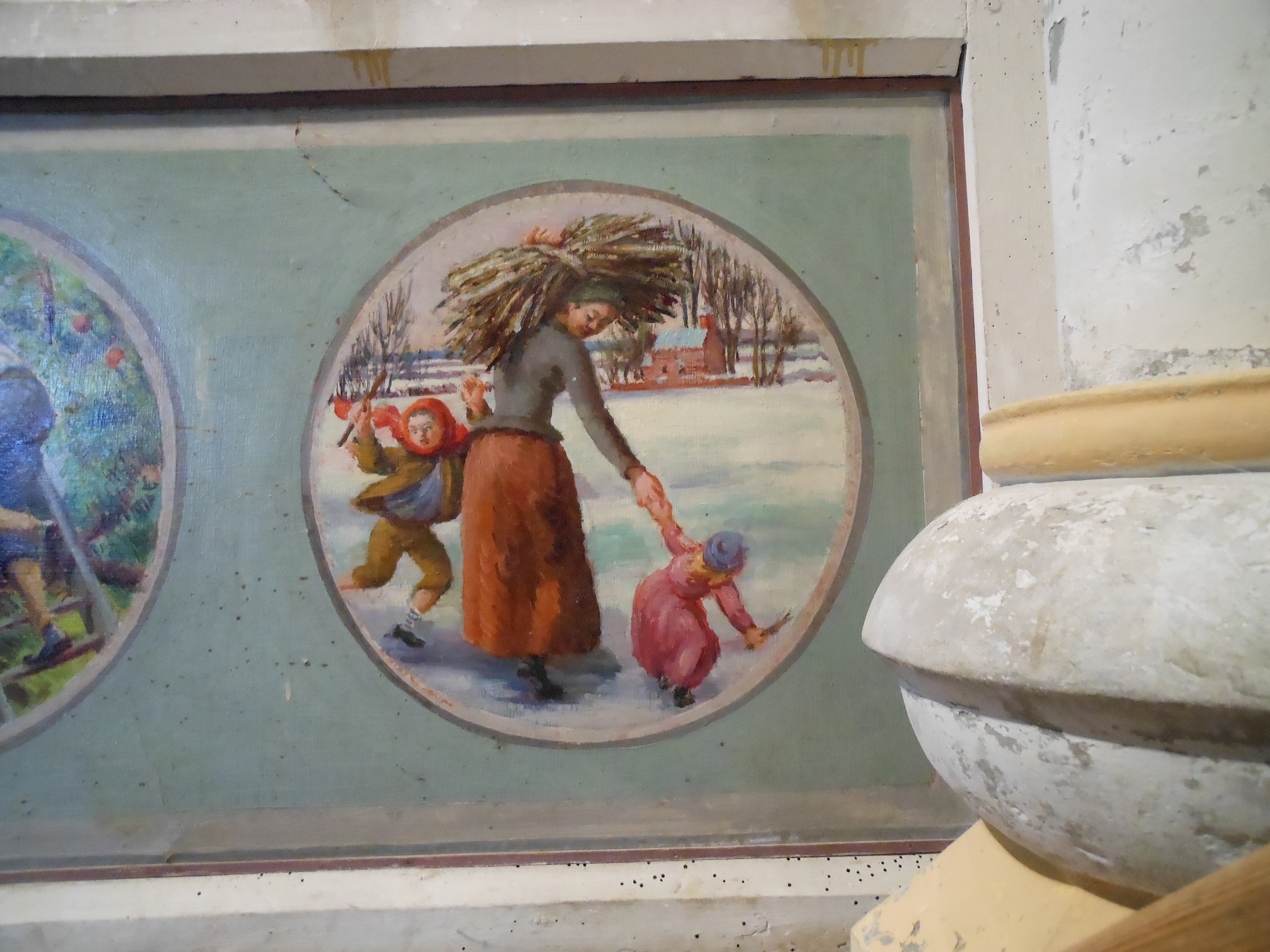
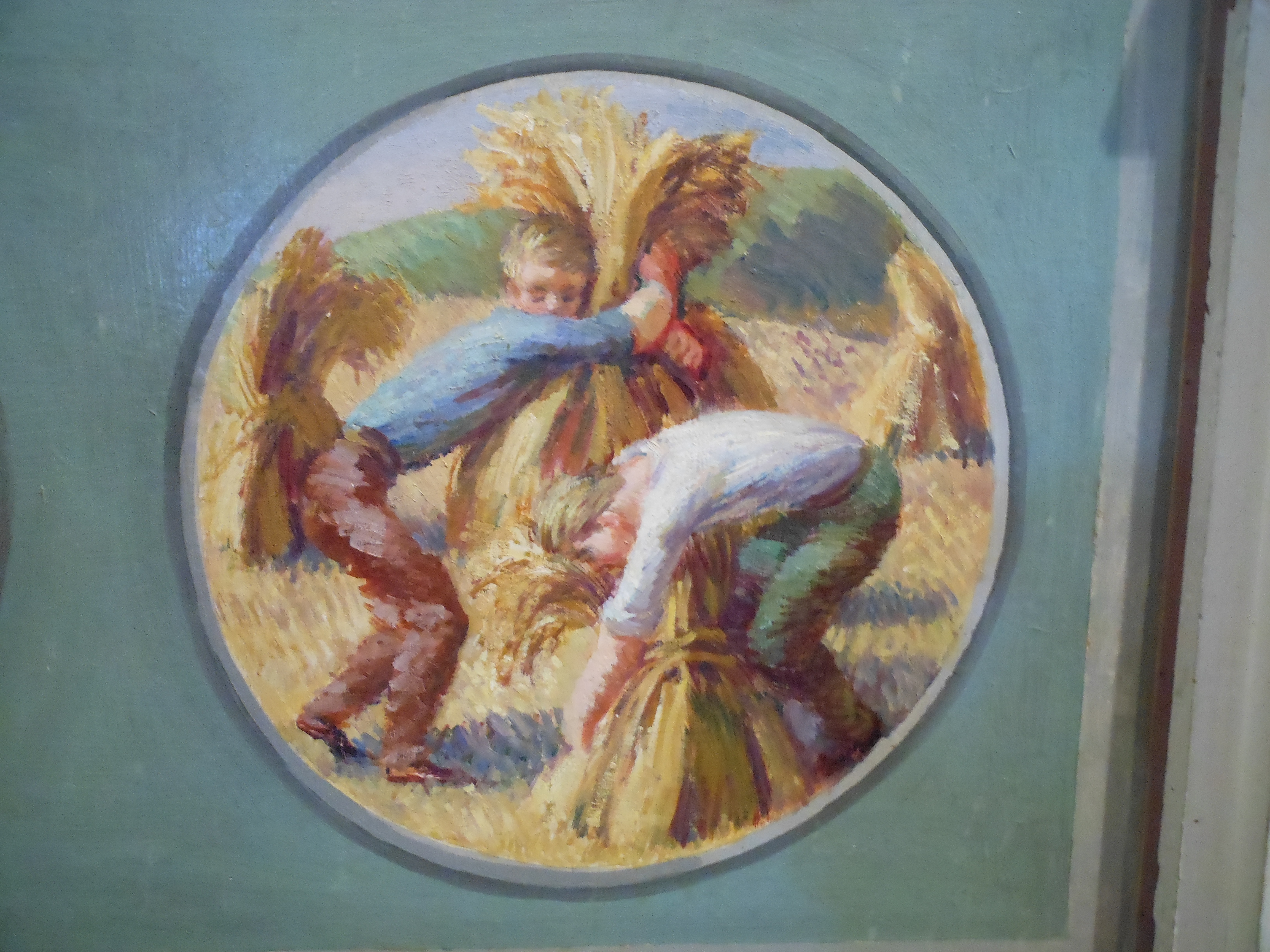
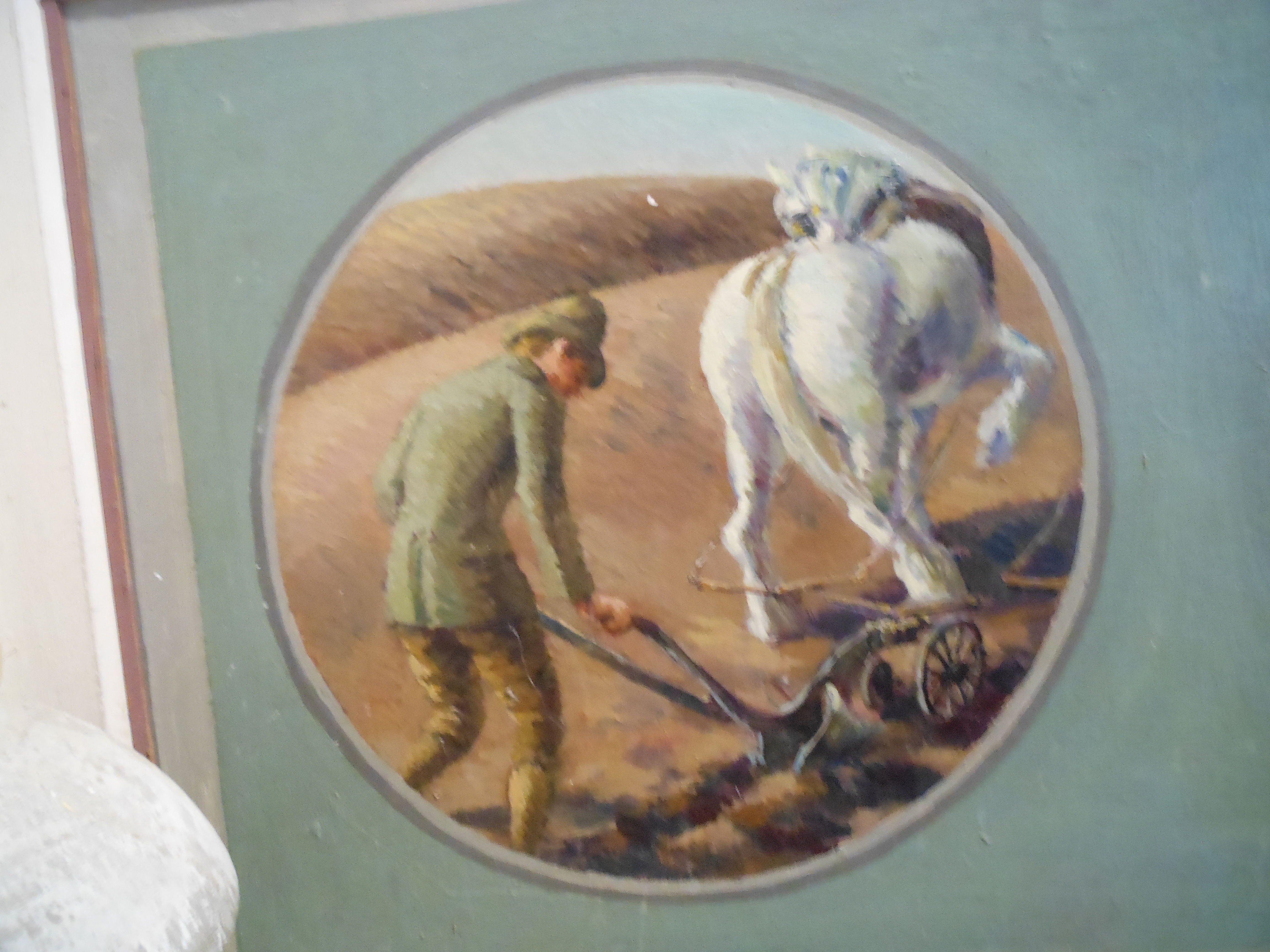
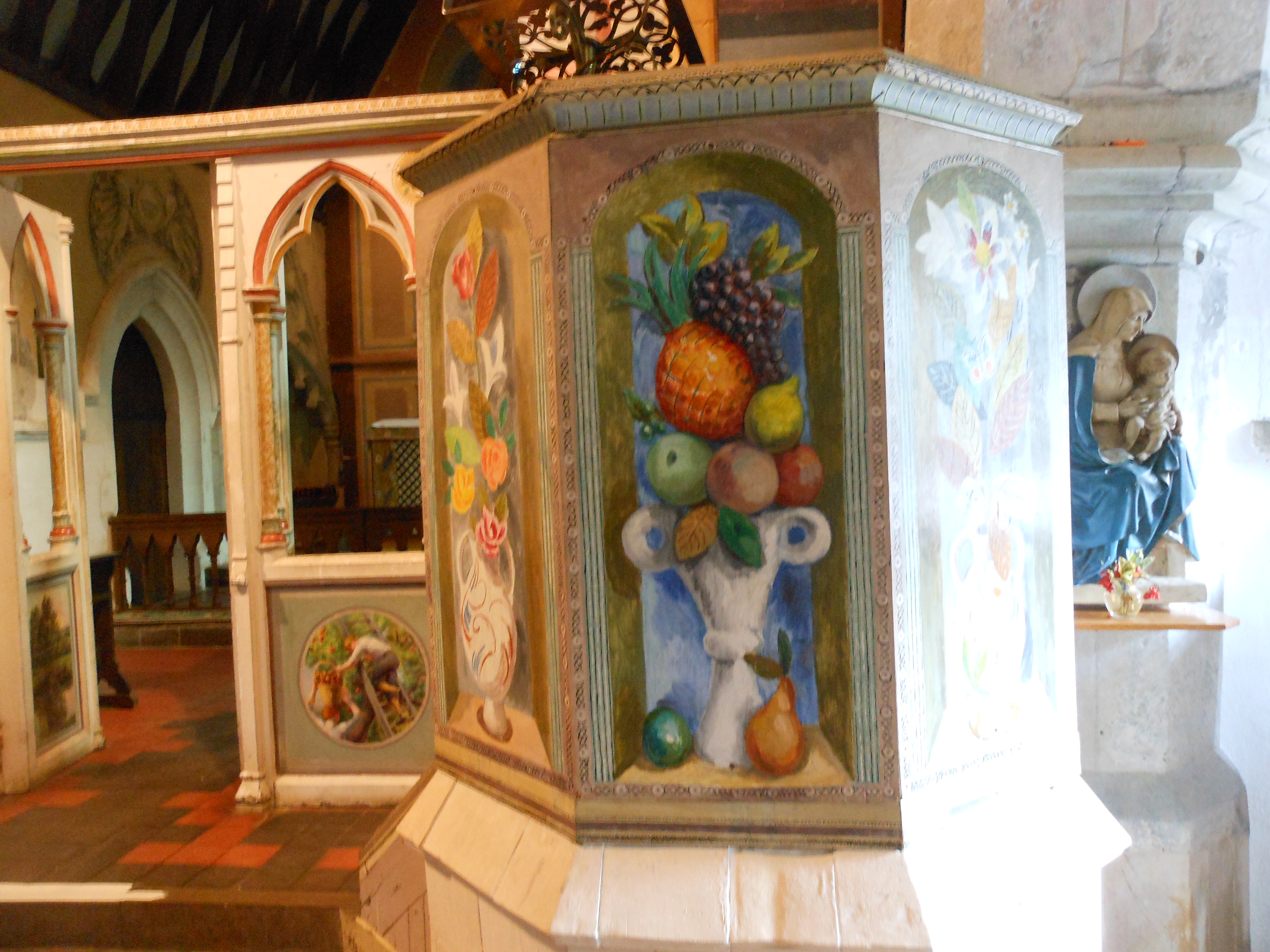
For Thanksgiving Day, I thought I’d post some paintings from beautiful Berwick Church in southern England.  St. Michael and All Angels is a little parish church in Sussex, dating back to at least the 12th century.  Parts of it are even older, dating from Saxon days. It was given a modern artistic touch in the 20th century.

dscn8239 dscn8241

During the First World War, the famous Bloomsbury group of artists, writers and intellectuals decamped from their London homes and occupied the Charleston Farmhouse and Monk’s House in this area.  The men were mostly conscientious objectors.  They fulfilled their patriotic duty by doing farm work in Sussex.

dscn8245 dscn8246

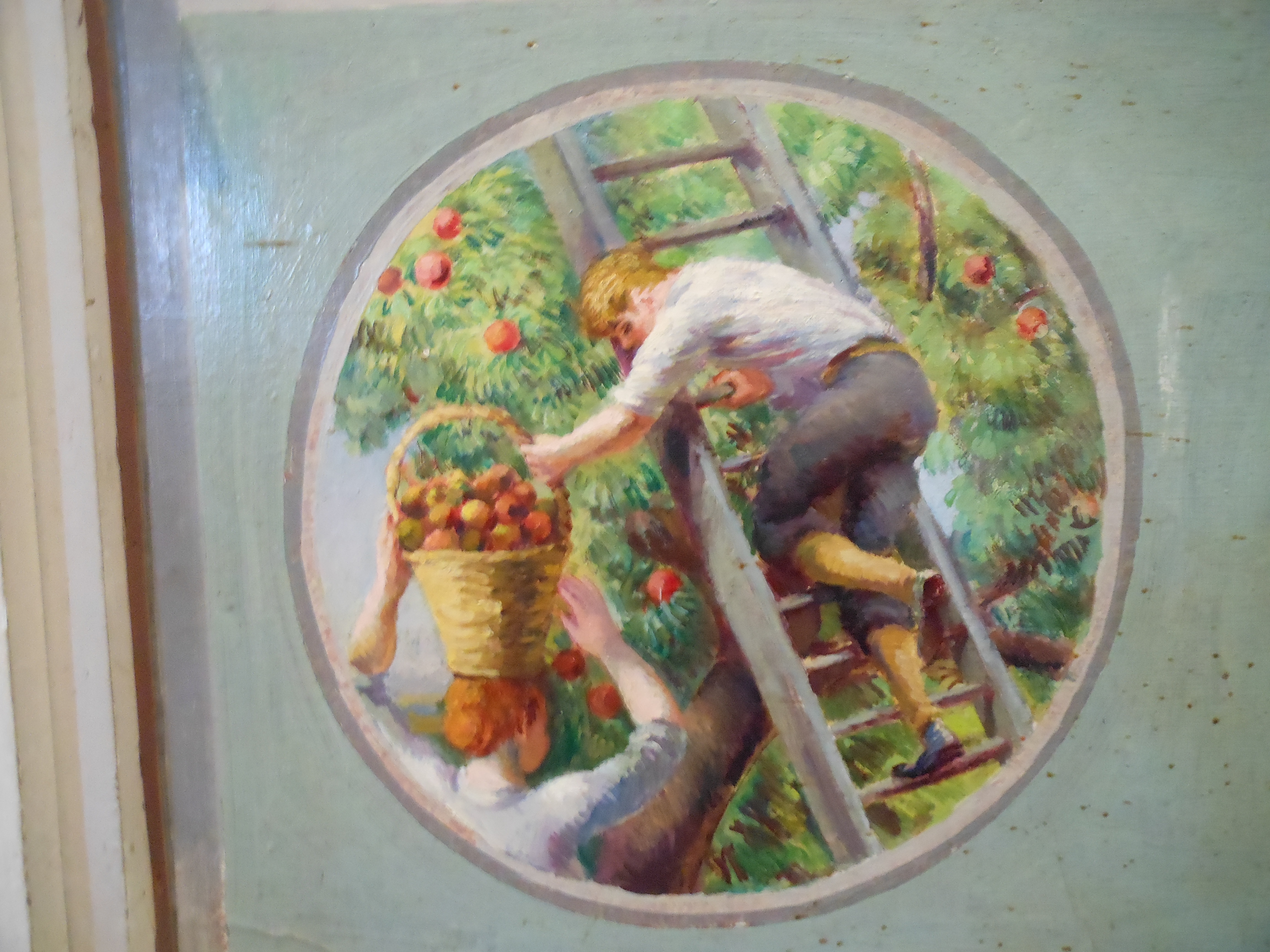
In 1941, several artists from the group were hired to paint new murals and decorations in the ancient church.  These are some of the few remaining works of Vanessa Bell, Duncan Grant, and Quentin Bell.  They depicted themselves and their friends, both as country laborers and as figures in sacred scenes.

dscn8236

The artists were all free-thinkers and even atheists living unconventional, sometimes scandalous lives.  But the local religious authorities hatched an ambitious plan to give artists employment; they hoped the plan would spread all over England’s ancient churches.  That didn’t happen, but I’d like to think the Bloomsbury group occasionally attended a service at the little country church they decorated so beautifully.

Berwick Church stands as an example of cooperation and understanding between people with very different views of the world.  After the tumultuous election season Americans just endured, I think we can use some cooperation and understanding. We’re different, but we can stand together.

img_0432

As for me, I’m spending Thanksgiving Day on an airplane, heading off on a new adventure.  They’re serving pumpkin pie in the airport lounge.  It’s pretty good!

Waldemarsudde: Favorite Room in Favorite House in Favorite City

img_3018

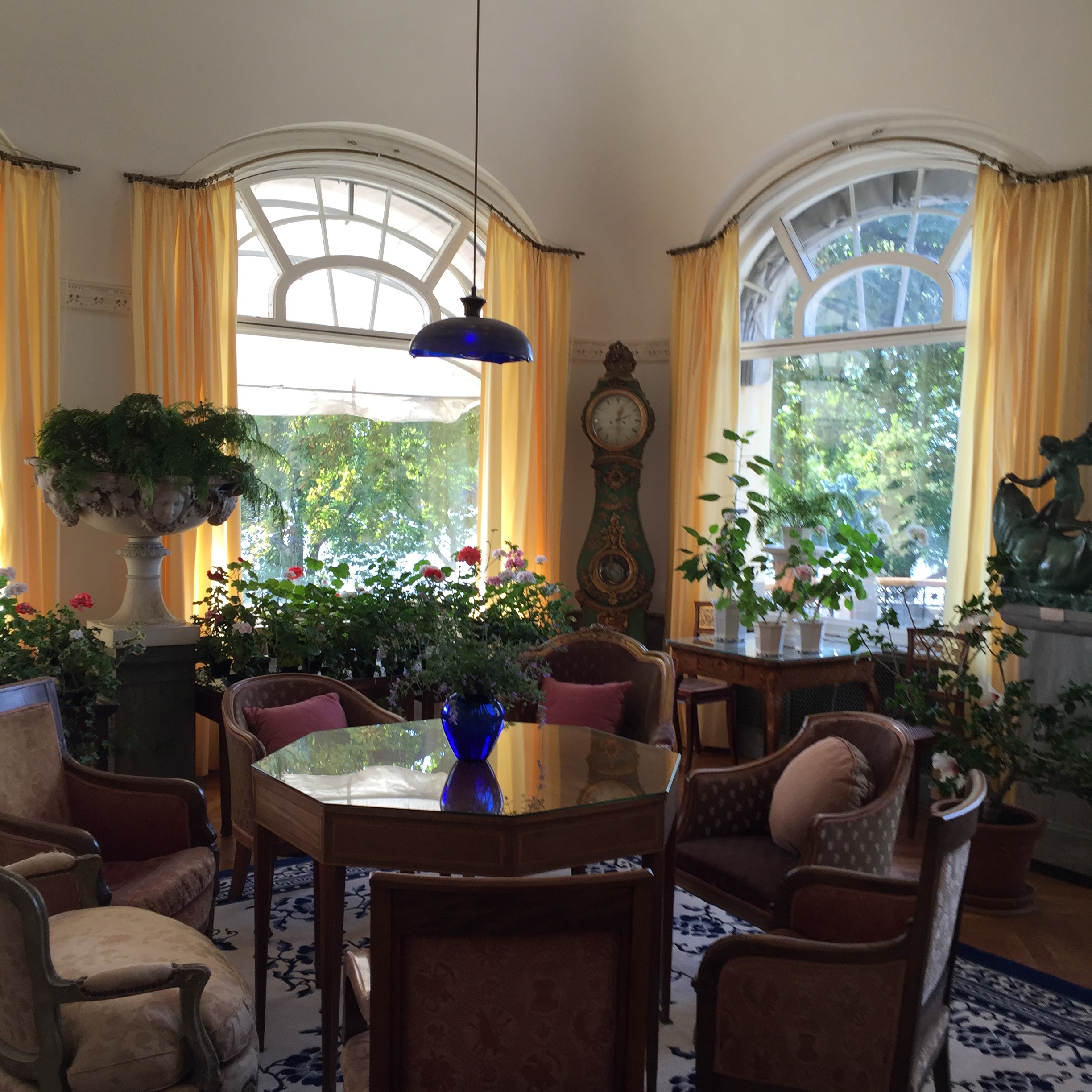
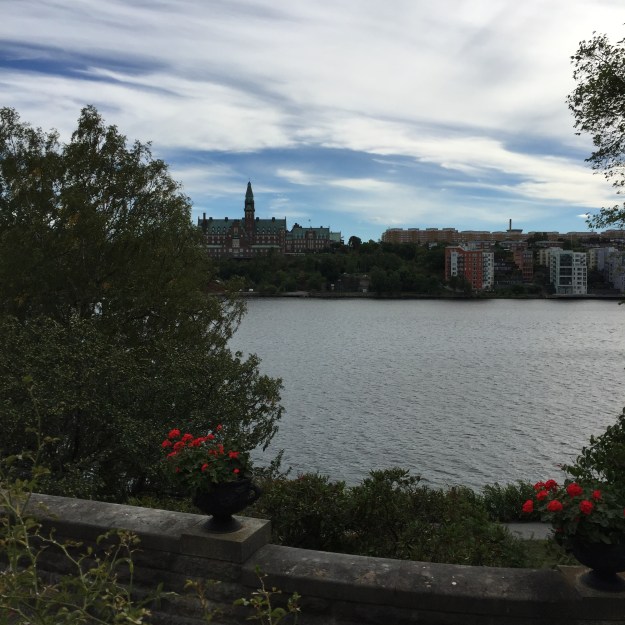
Considering the national election turmoil that’s going on in the USA this week, I’d like to transport myself to a more peaceful place:  Prince Eugene’s blue-and-white dining room in his beloved lakeside home in Stockholm, Waldemarsudde.

img_3037

It looks inviting, don’t you think?  Come on in and have a seat at the table. Here, between about 1900 and his death in 1947, the Prince entertained his friends, fellow artists, writers, and the odd anarchist.

img_2872

Eugene’s state-of-the-art kitchen, all shining white tiles, is now a little cafe. Photos of the Prince decorate the walls.

img_2845

Eugene was a handsome fellow, and must have been a charming companion. He fulfilled royal duties when asked, but mostly he lived his own life exactly as he pleased. As a younger son of the monarchy, he was under no pressure to marry.

img_2949

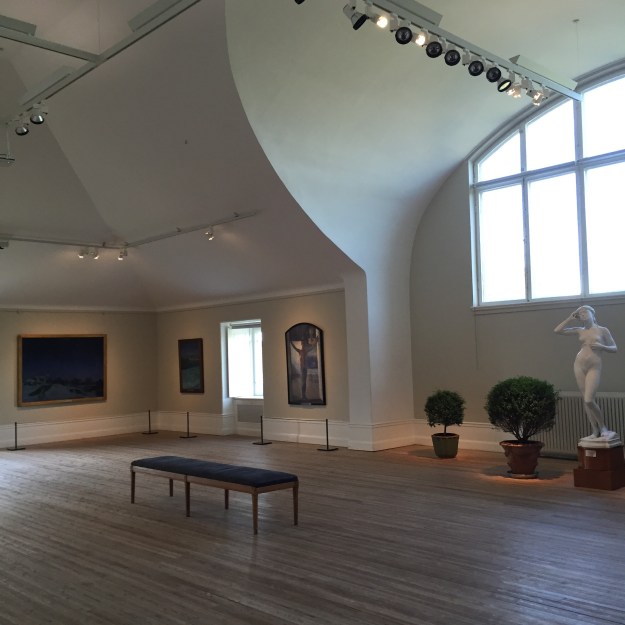
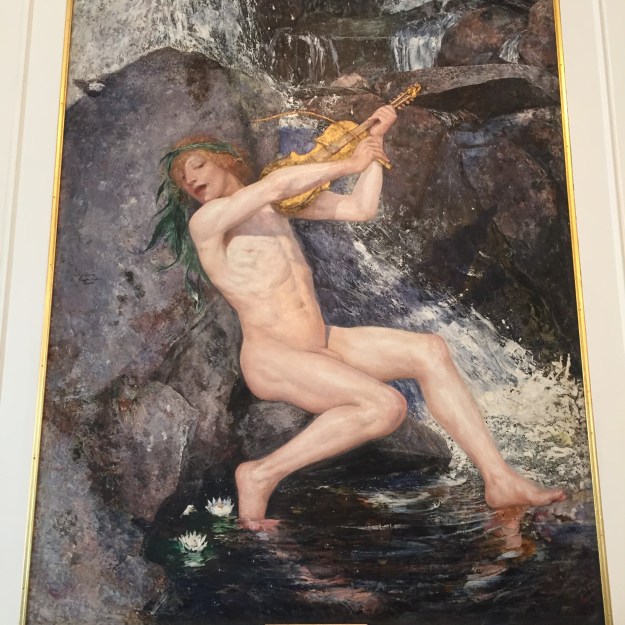
Whatever his lifestyle choices, it appears the Royal Family left him in peace, to pursue his art and his friendships. In his Salon, Ernst Josephson’s painting “The Water Sprite,” 1884, dominates the room.  It was considered so scandalous at the time that the Academy in Stockholm didn’t dare to accept it as a gift. I don’t think the nudity was the problem; it was the new-fangled Symbolist style.

img_2996

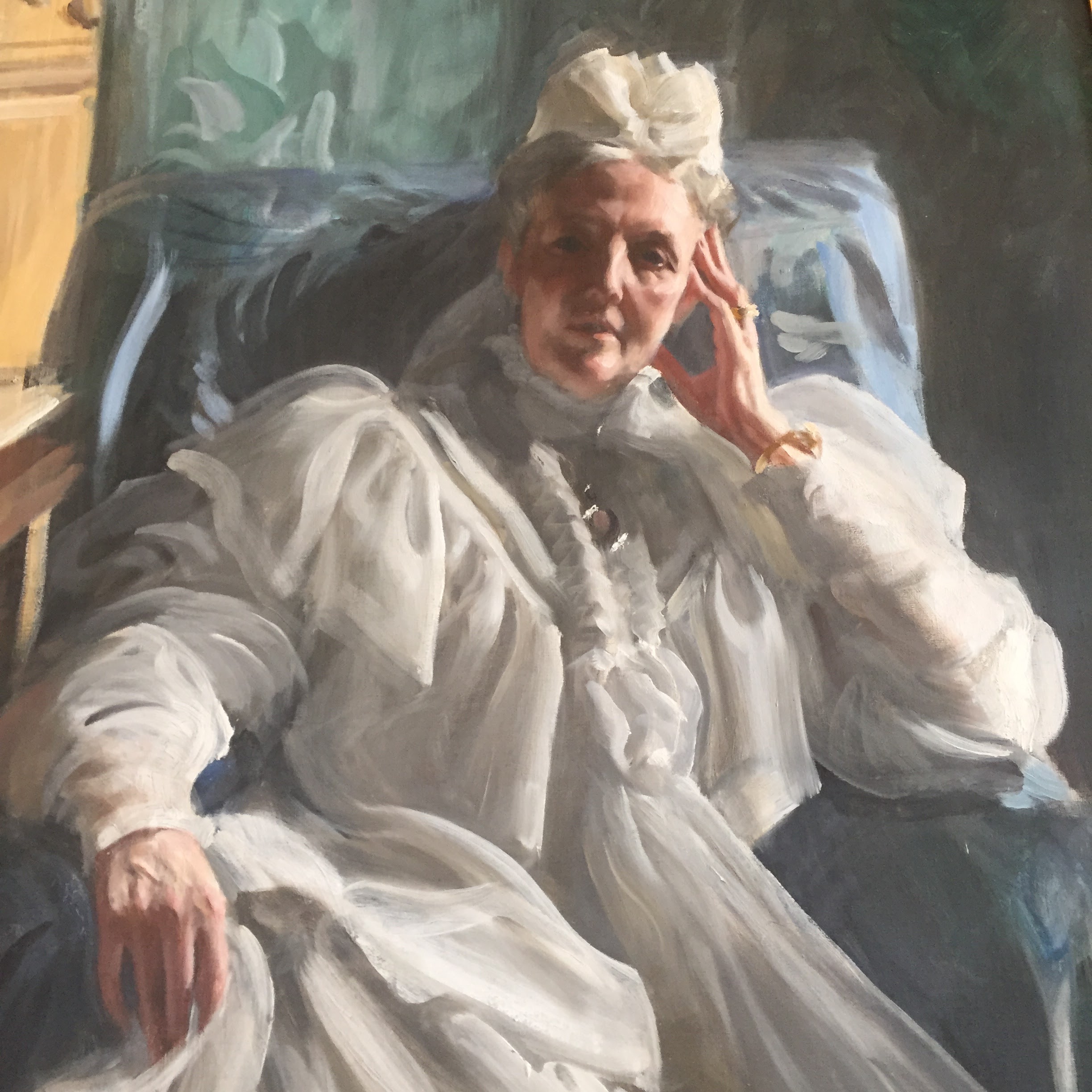
Eugene hung a portrait of his mother, Queen Sofia, directly across from the daring Water Sprite. She gazed gently and benevolently on her son’s private goings-on, however raffish. I’m guessing Eugene was a loving son who never caused his mother much worry.

img_3112

Eugene loved flowers.  His sunroom, overlooking the water, was always blooming.

img_2972

He designed a pretty ceramic flowerpot that’s still in use all over Sweden. I’d have brought one home if I didn’t always travel light.

img_3584

I’m already planning a return trip to Stockholm in the spring.  I’ll see Eugene’s flowerbeds filled with tulips, I hope.

img_3579

Meanwhile, I can dream of my favorite room in my favorite house in my new favorite city, Stockholm.

Join me next time for more explorations in the art and history of Europe!

For All Saints’ Day: Henry Chichele’s Tomb at Canterbury

img_7246

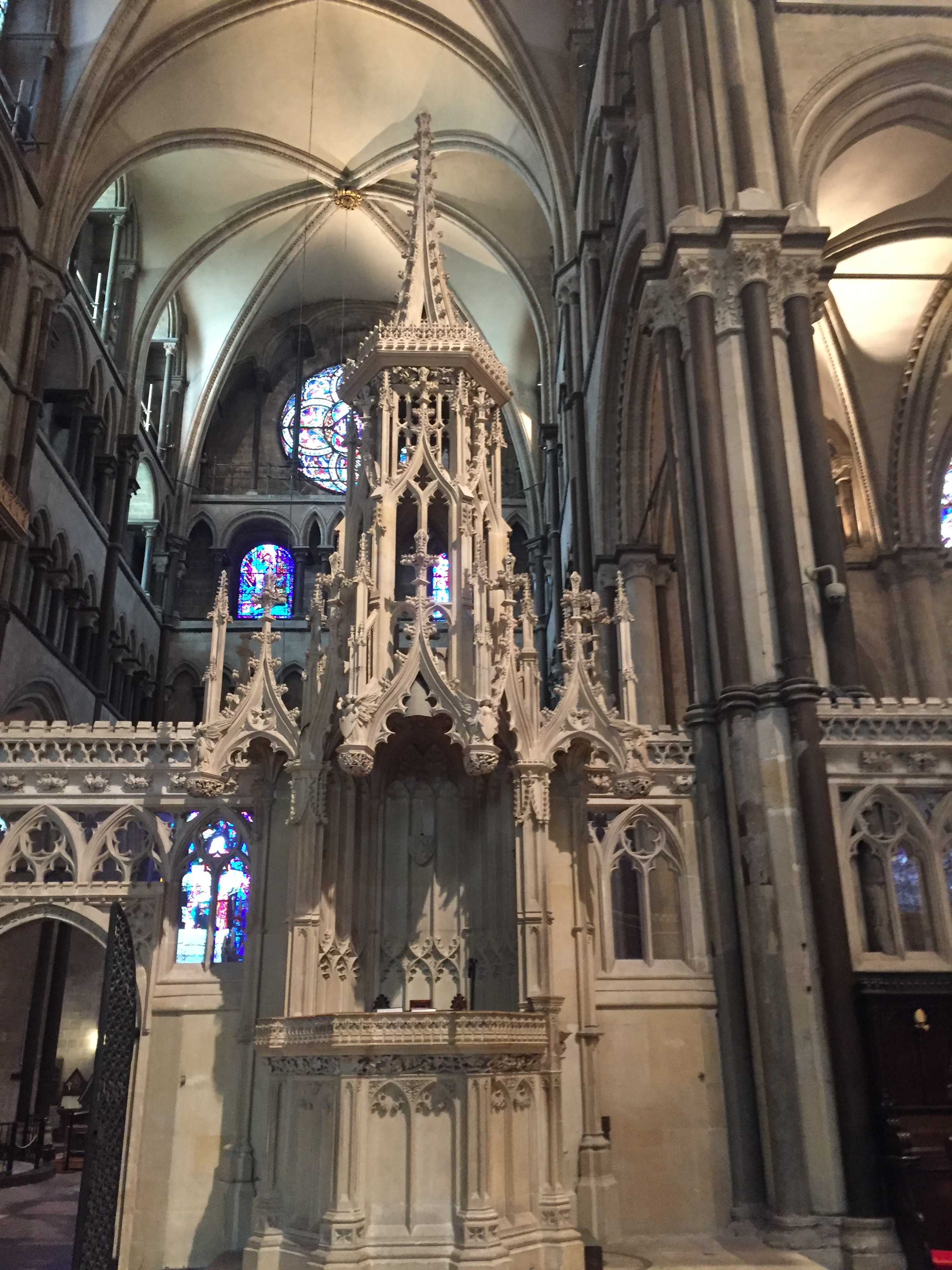
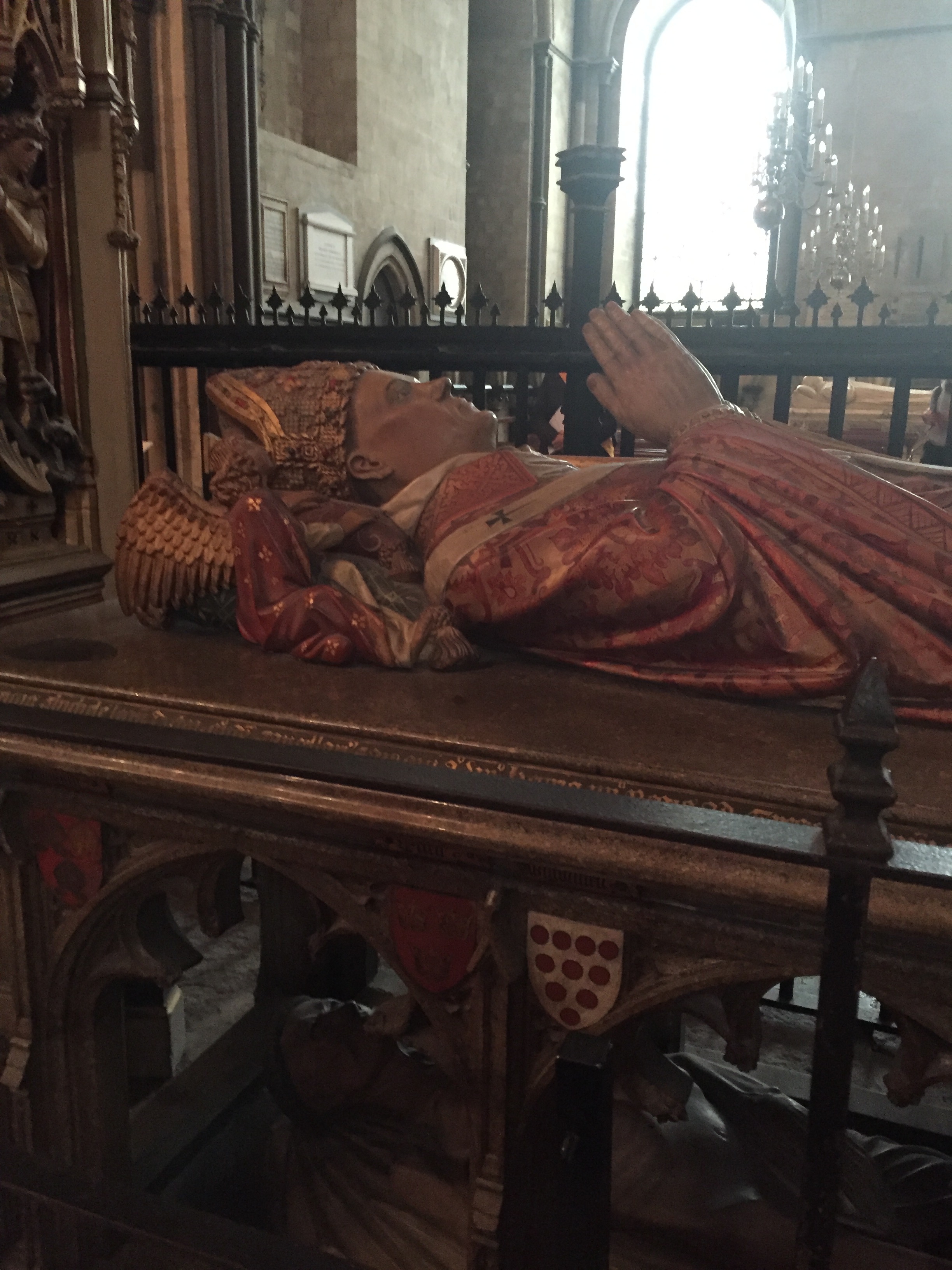
Today, November 1, is All Saints’ Day, when the Christian calendar honors the departed, saintly and otherwise. After the rollicking party atmosphere of the American “Halloween,” when everyone pretends to be scary and scared, I thought of something truly scary (at least to me).  Last spring I saw the “cadaver tomb” of Archbishop Henry Chichele, who died on the 12th of April, 1443. But the Archbishop had been contemplating his own death for many years. He had his own tomb built many years before he died.  It’s elaborate and colorful, but still it’s the very opposite of vain.

img_7345

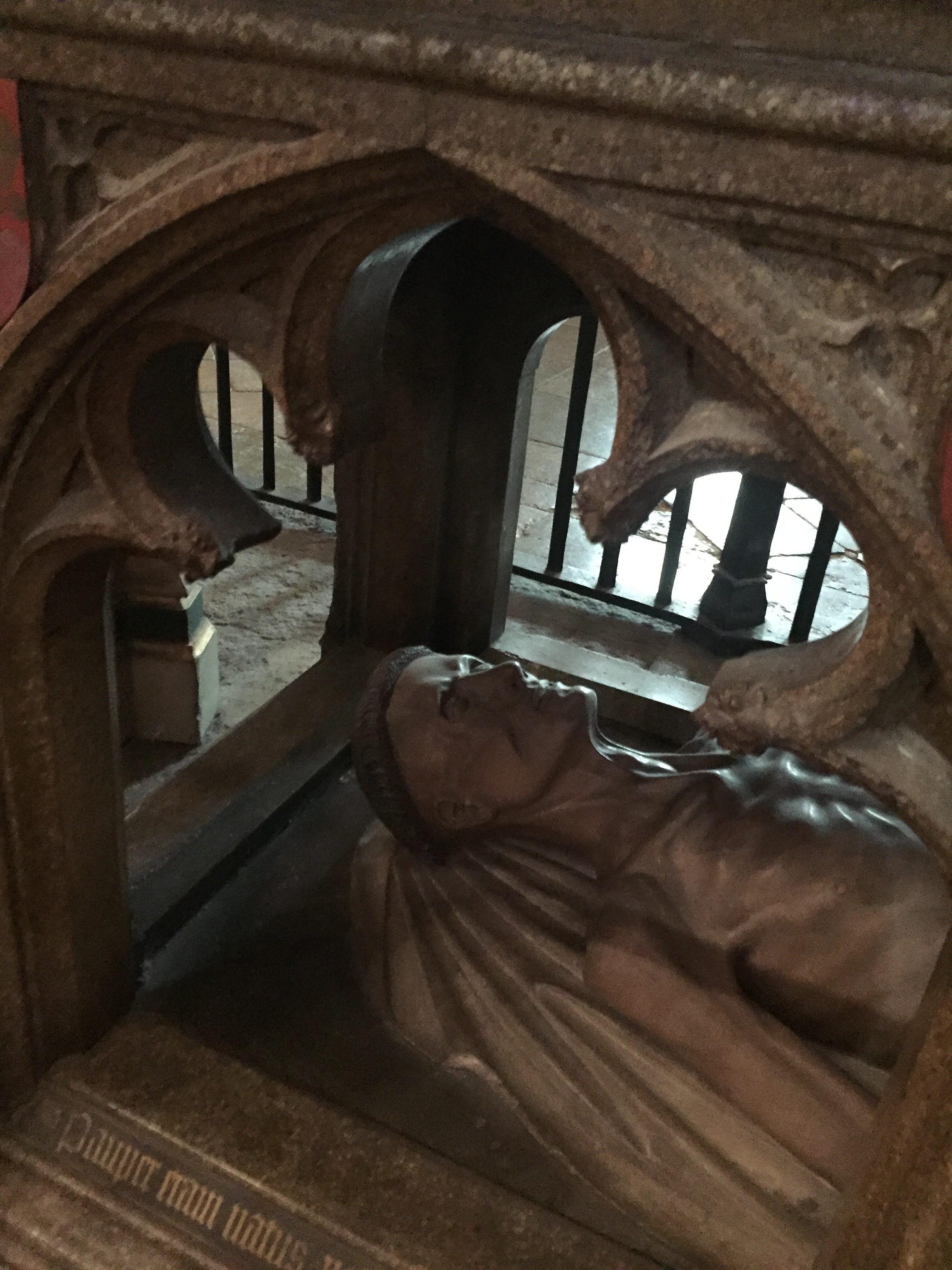
Under the brightly painted effigy of the Archbishop dressed in his finery and clasping his hands in everlasting prayer, there’s another effigy.  The lower effigy shows the good Archbishop as a decaying corpse, naked and bony.

img_7336

The archbishop not only paid for this jarring reminder of his own mortality, he forced himself to contemplate it often.  The tomb where he would someday be buried was directly opposite his ornate Gothic pulpit. The inscription reads, “I was pauper-born, then to primate raised.  Now I am cut down and served up for worms. Behold my grave.”  If that isn’t scary, I don’t know what is. But the Archbishop’s intent was to be ever-aware of the brevity of life.

img_7239

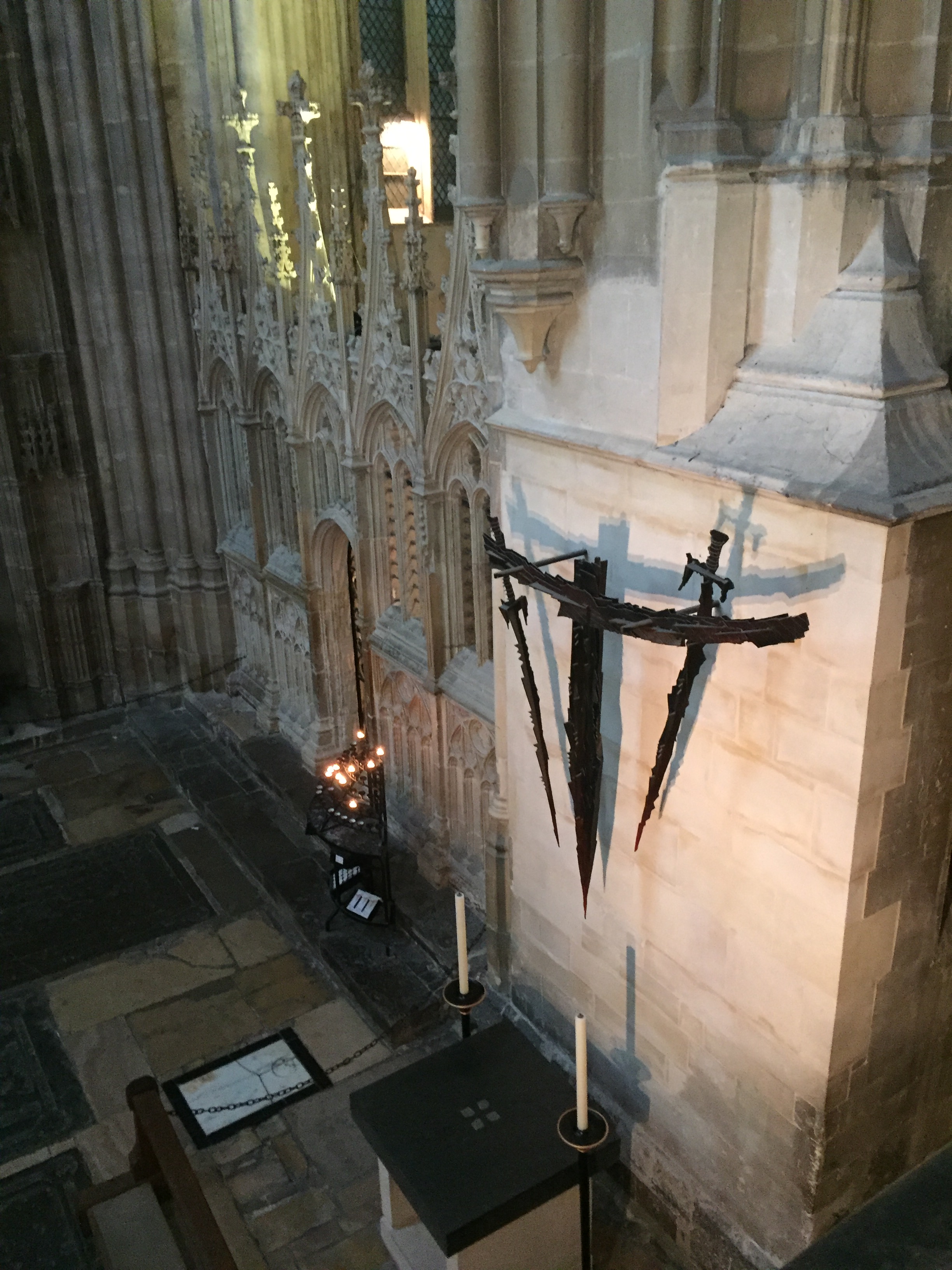
Henry is just one of many historical figures honored in Canterbury Cathedral. Another is Archbishop Thomas a Becket, murdered at the direction of King Henry II in 1170.  The exact spot where assassins surprised him at prayer is still a much-visited place of pilgrimage. Above the small altar, there’s a menacing modern sculpture of the weapons that left Thomas bleeding onto the cathedral stones. Unfortunately, King Henry VIII ordered Thomas’s tomb destroyed during the Dissolution of the Monasteries.  (I didn’t realize Henry VIII had done this particular deed.  He has a lot to answer for). Today, the approximate burial place of the sainted Thomas is underneath a dark, empty chapel decorated only with a single candle left burning.

img_7128

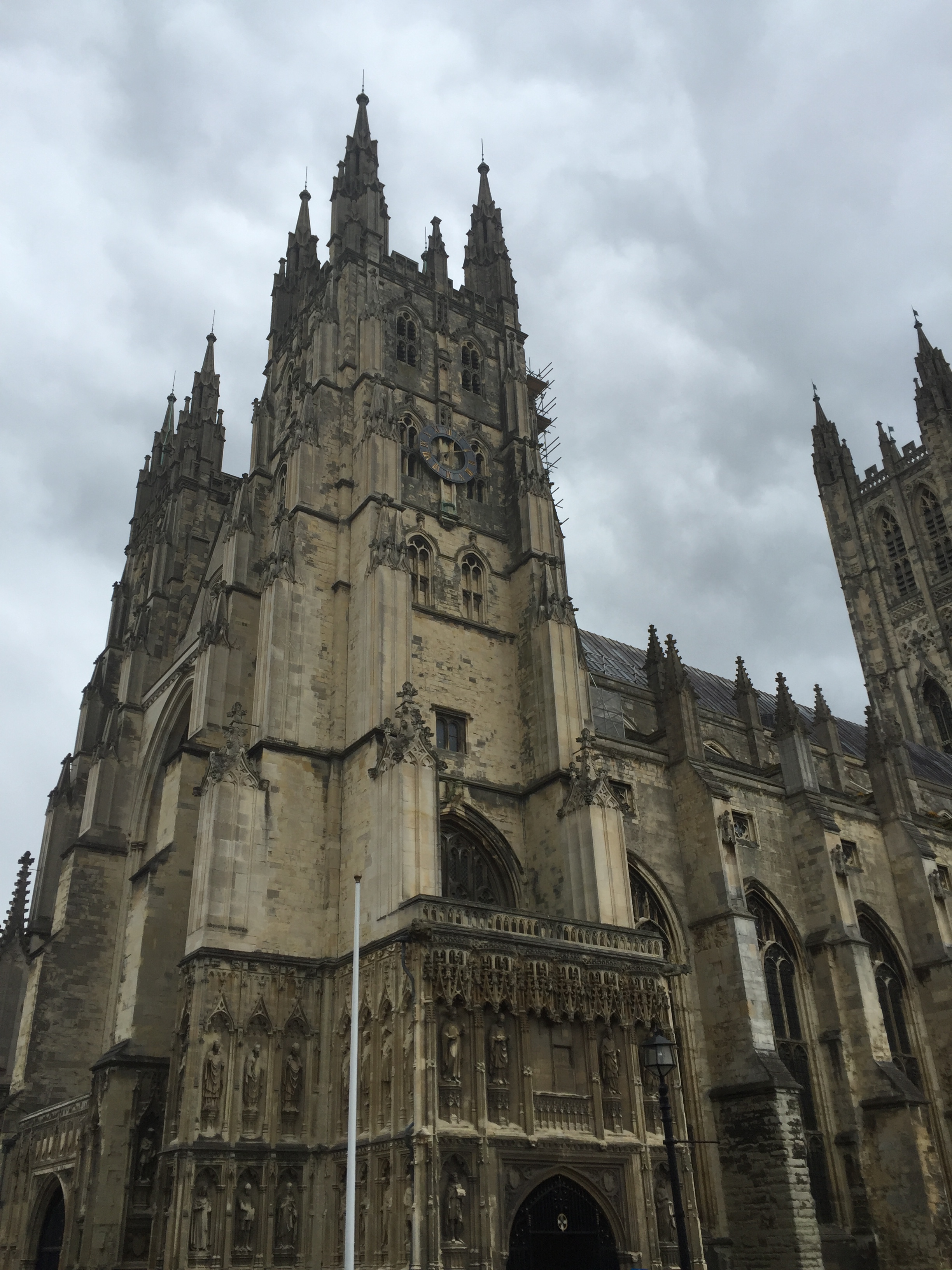
Canterbury Cathedral, dating back at least as far as St. Augustine in 576, is one of the most interesting of all the many churches in England. I was lucky enough to attend Evensong in this ancient place of worship and history. I’d love to return.

Join me next time for more explorations in the art and history of Europe and the British Isles!

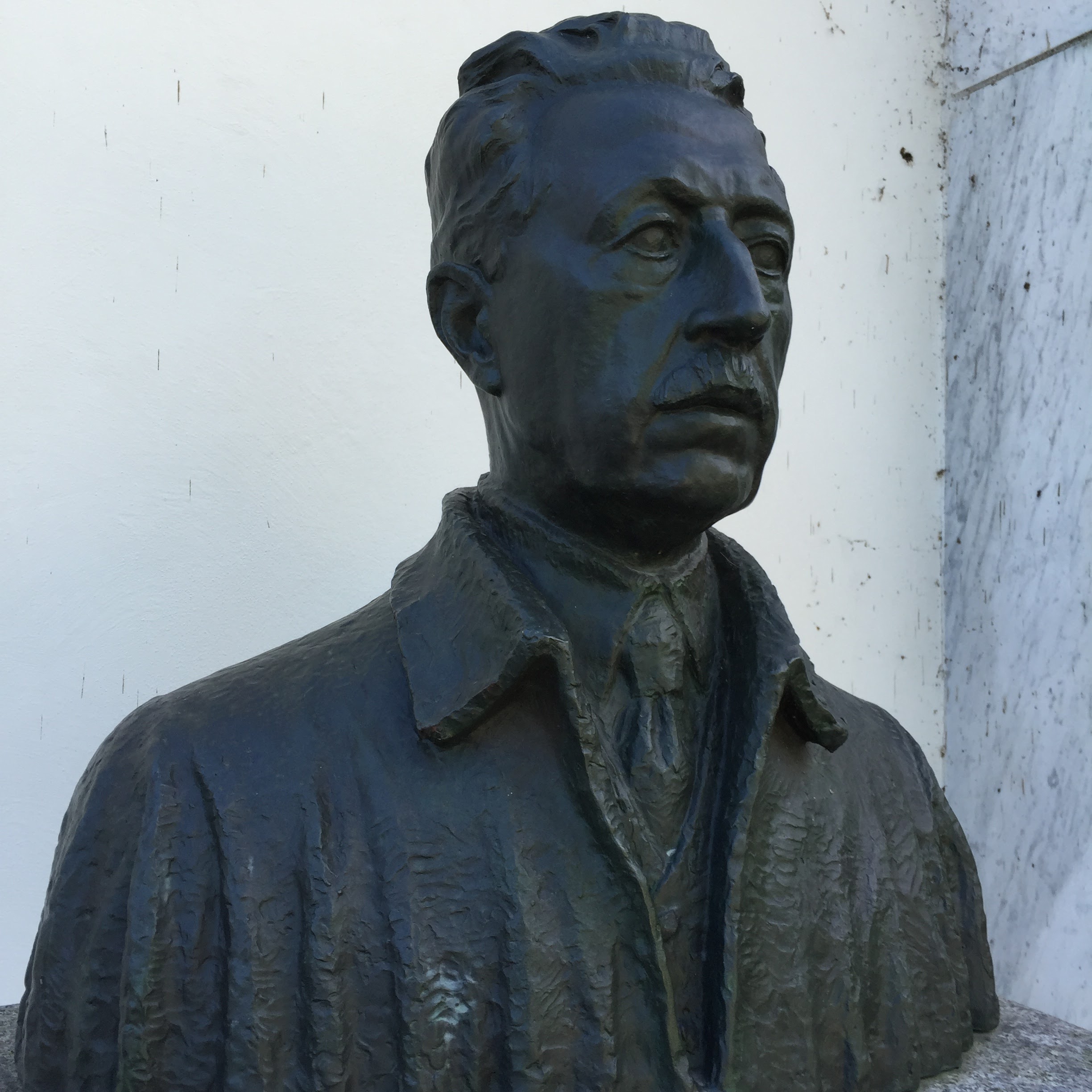
Eugene, the Painter Prince of Sweden

Prinz Eugen, Duke of Narke, 1910, painting by Anders Zorn, Public Domain

Prinz Eugen, Duke of Narke, 1910, painting by Anders Zorn, Public Domain

If I were born royal, I’d for sure want to be a younger child.  It looks to me like Prince Harry has a lot more freedom than the more direct heir to the throne, Prince William.  In Sweden, Prince Eugene was the fortunate younger son of the royal family in the late 19th century.

Eugene was born in 1865 in Drottningholm Palace, on a beautiful island about an hour by boat from Stockholm.  It’s still the home of the Swedish royal family, and makes for a dreamy visit. Eugene was fourth in line to the throne, so he was pretty much free to do as he liked. Nobody expected him to marry and produce an heir, although he did cheerfully carry out many royal duties.

img_2849

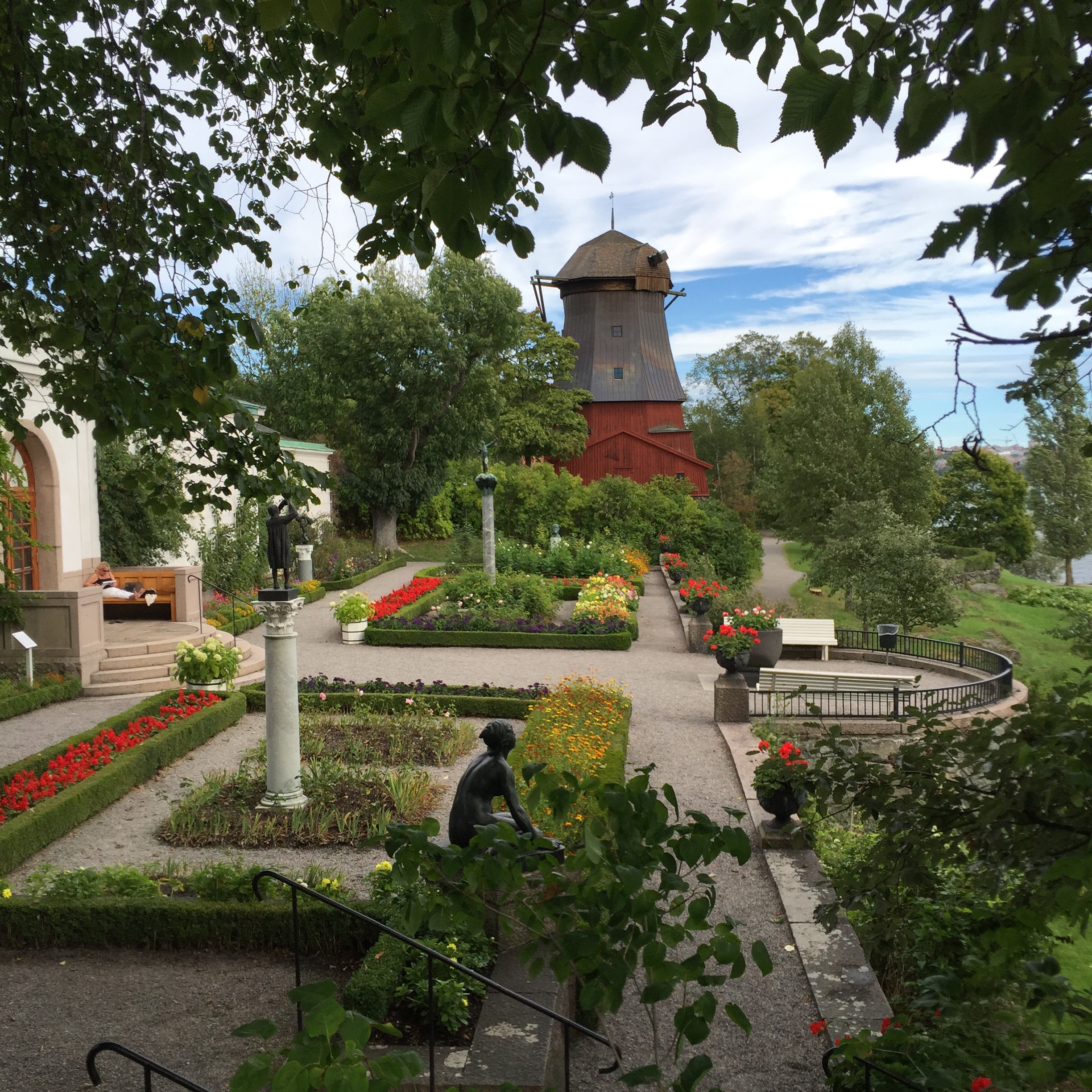
What Eugene wanted was to paint and to hobnob with artists and writers. He found the perfect spot for his home on the island of Djurgarden, with views over the water of the Stockholm skyline. He studied painting seriously, in Stockholm, Olso and Paris.

img_3557

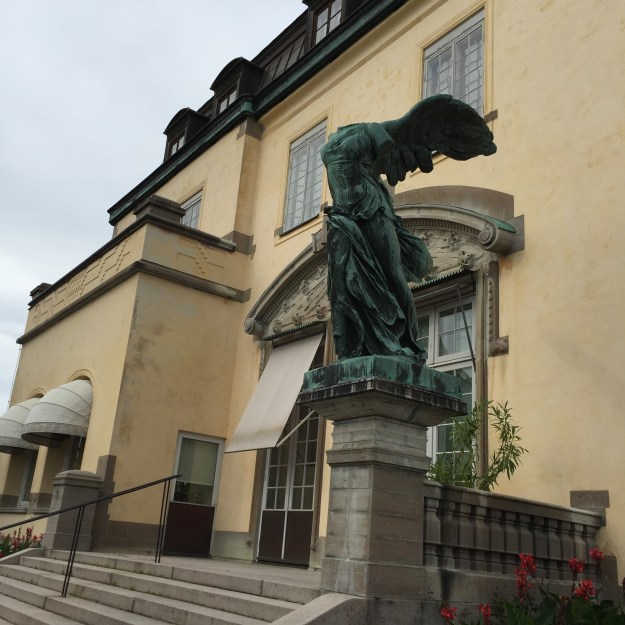
Today, his beloved home, Waldemarsudde, is an enchanting museum with the rooms left as they were at his death in 1947.

img_3410

His top-floor studio space is a gallery with rotating exhibits, some by artists the Prince patronized during his long life.

In his studio and on his peaceful grounds, Eugene contentedly painted the Swedish and Norwegian landscapes he loved. The painting just above is a beloved country home where he spent time.

img_2962

Eugene decorated his home with the work of other artists who were his friends. He considered “The Water Sprite” by Ernst Josephson, 1884, to be one of his best acquisitions.  Josephson did three versions of this painting of a character from Swedish folklore. Eugene offered it to the Academy in Stockholm, but they considered it too daring to accept.  It seems the problem was not so much the nudity as the style.  Josephson was breaking away from the time-honored traditions of Realism and Naturalism.  He was getting into the movement that later became known as Symbolism. Eugene was more than happy to keep the painting, which dominates his salon.

img_3150

Inside Waldemarsudde, Eugene studied, read, and entertained his friends–most of them artists, and many of them partisans of the then-radical ideas of the 1880s. Although he was named the Duke of Narke at his birth, Eugene much preferred artists to royalty.

img_3571

Having seen Drottningholm Palace, the Royal Palace in Stockholm, and Waldemarsudde, I’m with Eugene.  The palaces are showplaces, gilded, confining, and a little dreary. Waldemarsudde is a light-filled home.  I’d choose the artist’s life over the Royal Prince’s any day.


Join me next time for more explorations in the art and history of Europe!

Swedish Small Tables


img_2974If you come over to my house, you might disapprove of my housekeeping. You might not appreciate having one of my cats jump up in your lap and settle in as though she owned it (she thinks you came especially to pet her). But you will have a cup of good coffee, and you will have a place to set it down. I have a thing about having a little table beside every single chair or sofa in my house.  When I sit down, I need a lamp for reading. I need a place for my book and my coffee cup. I think this need comes from my Swedish ancestry.

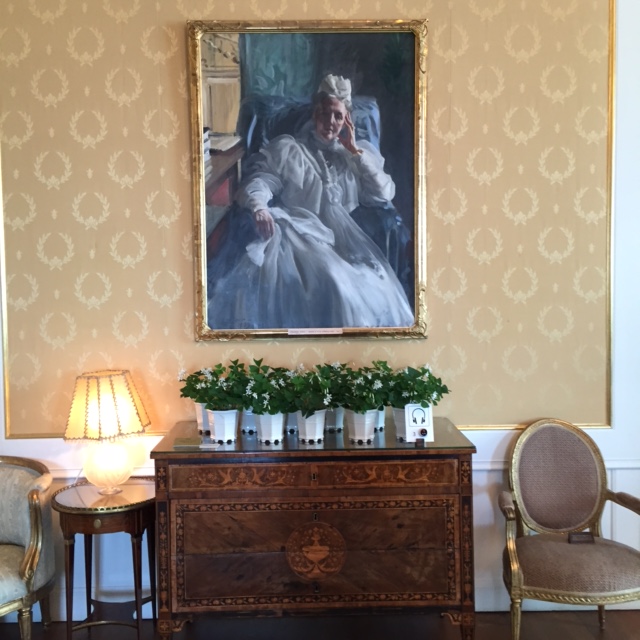
In Stockholm last month, I admired countless pretty little tables. The one above is more of a cabinet, really–all the better.  It’s in the island home of Prince Eugene in Stockholm–more about him in a post to come.  Above it, there’s a portrait of his mother, Queen Sofia.

img_3069

Prince Eugene was a younger son of the royal family, so he did not have the pressure of marrying and producing heirs.  Instead, he designed and lived out his life in a beautiful house/studio, Waldemarsudde. He was a very good landscape painter.  And he appreciated fine workmanship and artistry in all things.

img_3066

No IKEA space-fillers for Prince Eugene.

img_3021

If he wanted to write a letter to one of his artsy-Bohemian friends, he sat down at a proper desk, like the one above with its delicate wood inlays. I saw similar exquisite little tables, desks and cabinets all over Stockholm.

img_3744

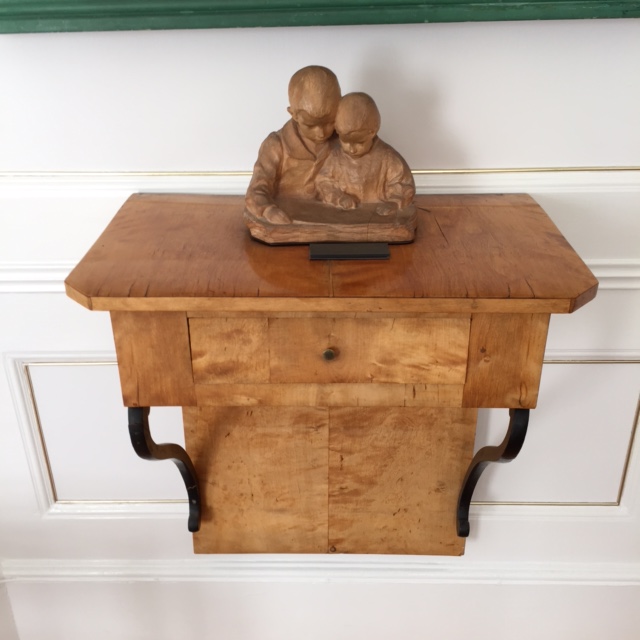
The simple but beautiful little table above is really more of a shelf unit, cleverly attached to the wall. It was at the nearby Thielska Gallery, another formerly-private home full of art and distinctive furniture.

I loved Sweden.  I’ve already figured out a way to return to Stockholm in the spring.  There are any number of cups of good strong Swedish coffee waiting, with my name on them!  And there are plenty of handy little tables to set them on.

Join me next time for more explorations in the art, history and culture of Europe!


Goteborg Doorways

img_7497

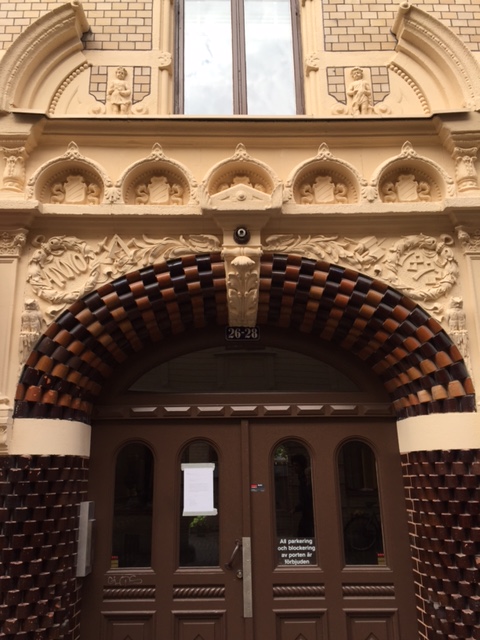
Sweden’s second largest city, Goteborg, is more edgy than elegant Stockholm. It has more of an industrial vibe. But it still has plenty of beautiful doorways. The Art Nouveau gate above led into the vestibule of an apartment building near the University.  I’d move right in.

img_7502 img_7501 img_7416img_7395

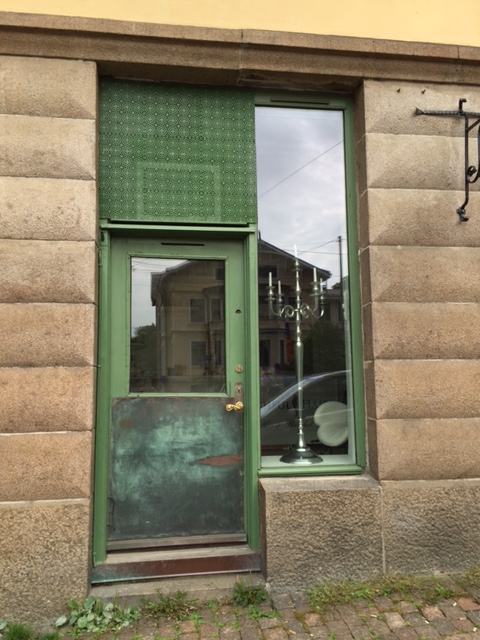
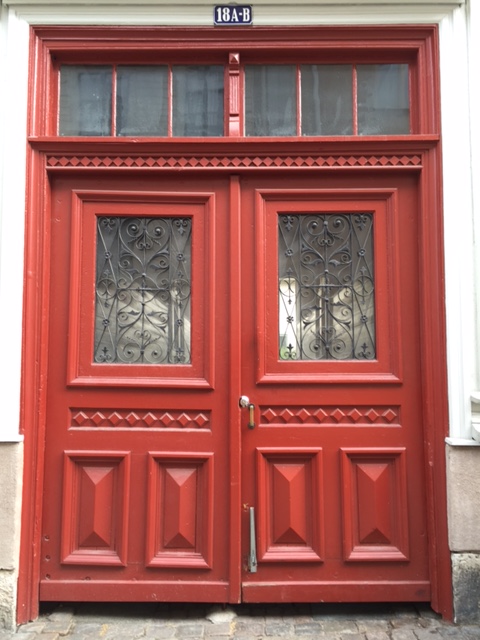
Green doors are popular. Some are simple and some are ornate.

img_7493 img_7459 img_7449 img_7437

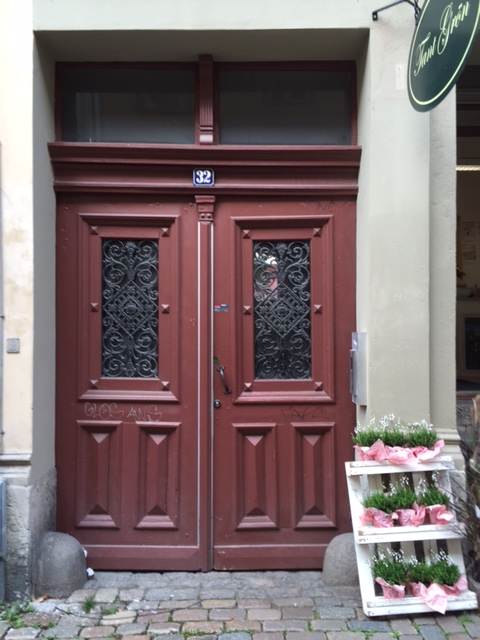
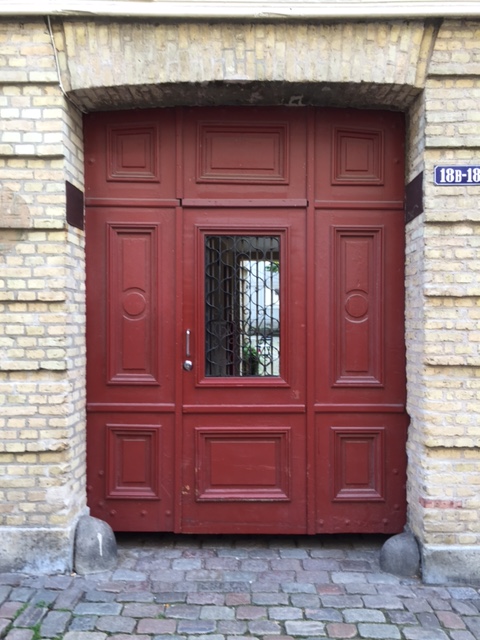
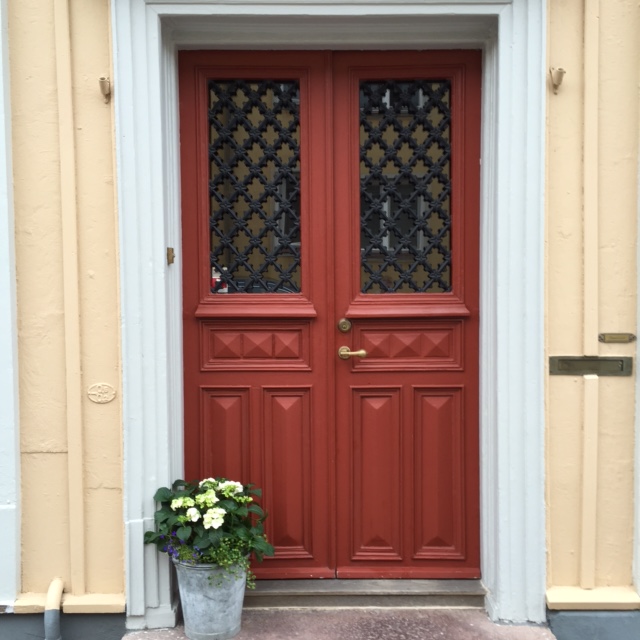
Red doors are even more popular. Very Inviting!

img_7401

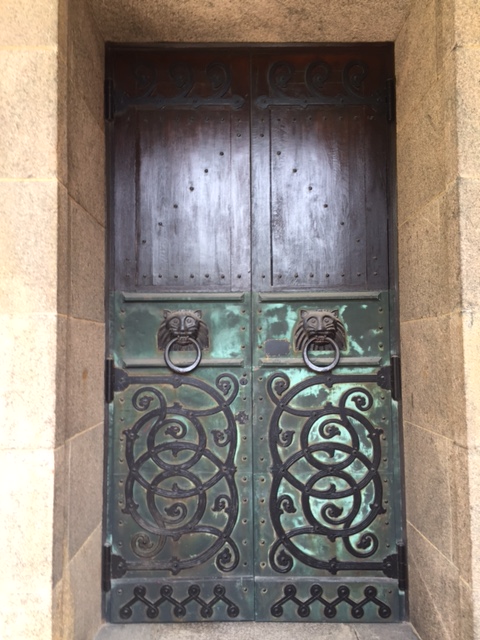
These somber church doors reminded me of some of my more dour Swedish ancestors, who joined the great migration from Sweden to Minnesota in the 1850s. I didn’t actually get inside this church because a funeral was about to begin.  The guests, mostly very old, REALLY reminded me of my ancestors.

img_7407

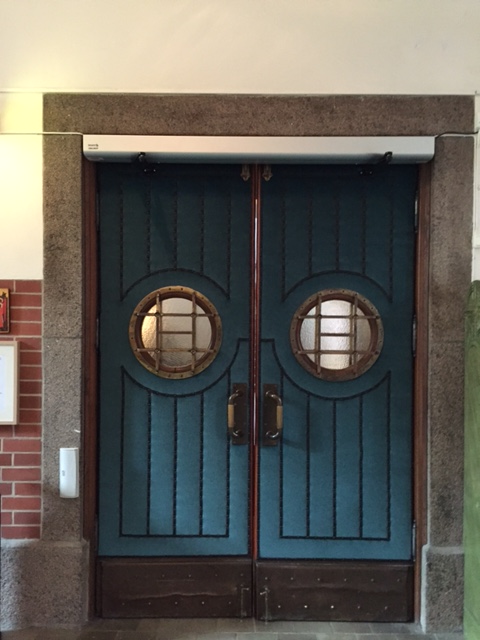
In the church vestibule, I opened the blue door above for a very old man who had just been dropped off in a taxi and had made it up the stairs with some difficulty. The doors in this church had porthole-like windows, just right for this seafaring city. Was the old man attending the funeral of an old shipmate?

img_7446

Goteborg has a thriving waterfront–with a spectacular new Opera House. I’m already plotting a return.  I want to open more doors.

Join me next time for more explorations in the art and history of Europe!


Doorways in Kalmar

img_4436

First impression of any building: the front door. A well-chosen one is unique and inviting. This one looks like a face, don’t you think? Maybe a friendly cat?

img_4430

The Swedish town of Kalmar has a lot of unique doorways. Kalmar was once an important strategic town, on the old border between Sweden and Denmark.  It still have a wonderful historic castle. Where there’s a royal castle, people always go to the trouble and expense of putting up fine homes and grand public buildings.

img_4934

Some Kalmar doors are beautiful in their simplicity.

img_4947

Some are  a little more elaborate.

img_4928

Beautiful shades of red, blue and green are favorites everywhere in Sweden.

img_4940

Sometimes flowers add color, even at the very end of the way-too-short Swedish summer.

img_4952

How about some classic geometrics?

img_4916

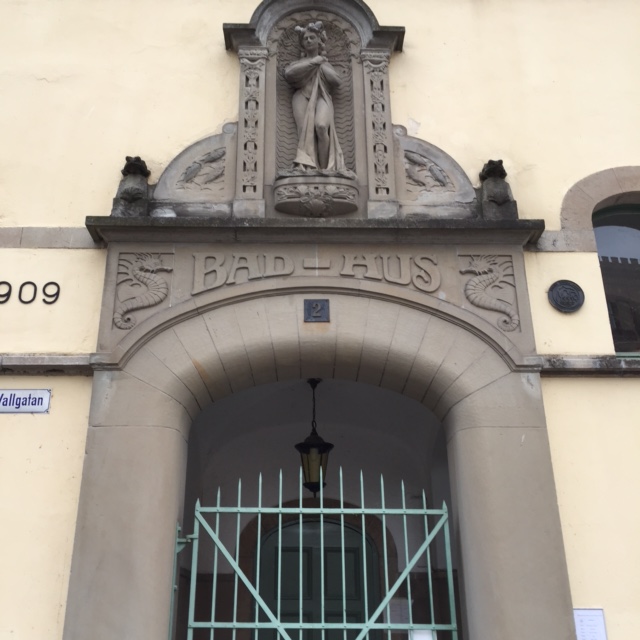
Sometimes a door invokes the past.  This one is on a grand seafront building, right next to an inviting beach.  I’m thinking “Bad Hus” means “bath house.” How about a swim?

img_3635

Not today. It’s early September. Leaves are changing and the days are getting cold in Sweden. We’ll have to wait for summer! I hope to be back.

Join me next time for more explorations in the art and history of Europe!