Category Archives: Historical Figures

St. Clare of Assisi

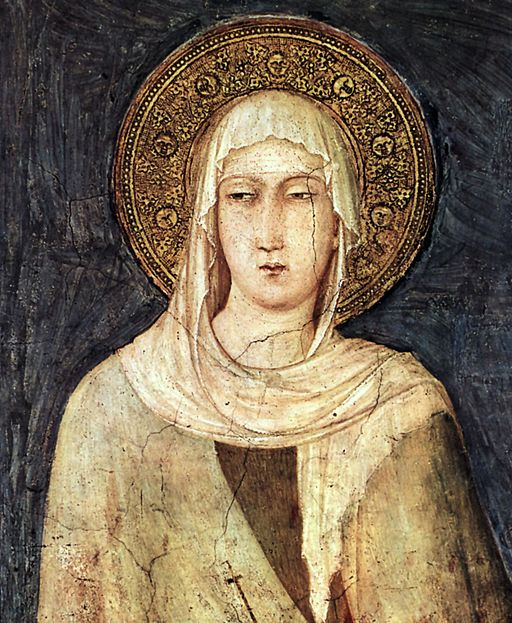
St. Clare, detail of fresco by Simone Martini, circa 1322-1326, Public Domain
St. Clare, detail of fresco by Simone Martini, circa 1322-1326, Public Domain

St. Clare of Assisi, known also as Santa Chiara in Italy, was born on July 16, 1194 in Assisi, a hill town in Umbria. She was born to a wealthy noble family and was said to be beautiful.  In the natural course of things, she would have been married to a noble man in her early teens.  But she persuaded her parents to allow her to wait until she was 18 to marry.  By that time, she had found another love:  all she wanted was a life of prayer and poverty and service. She was one of the early followers of St. Francis of Assisi, and her presence is felt in Assisi almost as strongly as that of Francis himself.

IMG_2546

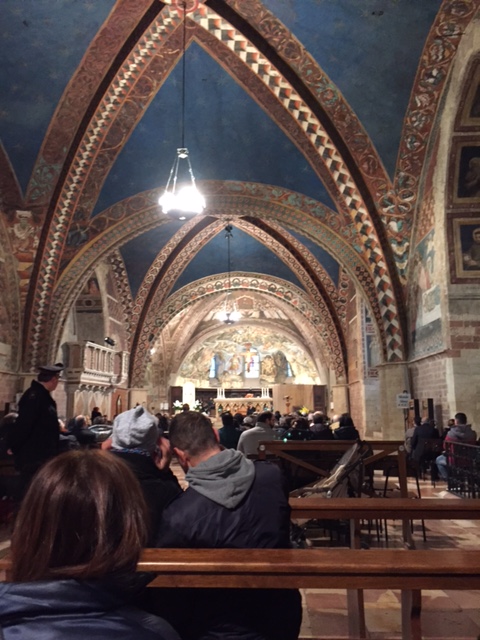
The portrait of Clare above is from one of the beautiful frescoes in the Lower Basilica of St. Francis. Masses are held frequently.  I wandered into one and felt immediately welcome in a crowd of people from all walks of life.

Porziuncula in Basilica of St. Mary of the Angels, Assisi

Porziuncula in Basilica of St. Mary of the Angels, Assisi

Clare heard Francis preach during Lent in 1212. On Palm Sunday of that year, Clare left her father’s house and went to the small chapel called Porziuncula (which means something like “small portion”). The tiny chapel, down the hill from the main town, still stands.

IMG_2597

But now the Porziuncula is inside the magnificent Basilica of St. Mary of the Angels. When it is still a humble chapel outside the city walls, this is where Clare met Francis, intending to leave her old comfortable life behind for good.  Her hair was shorn and she traded her sumptuous gown for a rough plain robe and veil.

IMG_1812 (1)

Some of the rough-woven clothing worn by both Francis and Clare is on display in Assisi.  Ordinarily, I might be sceptical, but both Francis and Clare were sainted very shortly after they died, and it is wasy to believe that their clothing was preserved.

Francis sent her to a nearby convent of Benedictine nuns. Her father was not pleased. He tried to force her to return home, but reportedly she clung to the church altar, showed him her short-cropped hair, and declared that she would marry no one but Jesus Christ. Soon, though, two of her sisters joined her, and eventually even her mother became part of the order she founded.

At the time, monastic life could be fairly luxurious.  Following the teachings of Francis meant seeking out extreme poverty and completely selfless service to the poorest of the poor.  This was a radical choice that could have been dangerous, but Francis and then Clare received approval from the Pope. Clare’s order came to be called the Poor Ladies, and later the Poor Clares.

IMG_1788

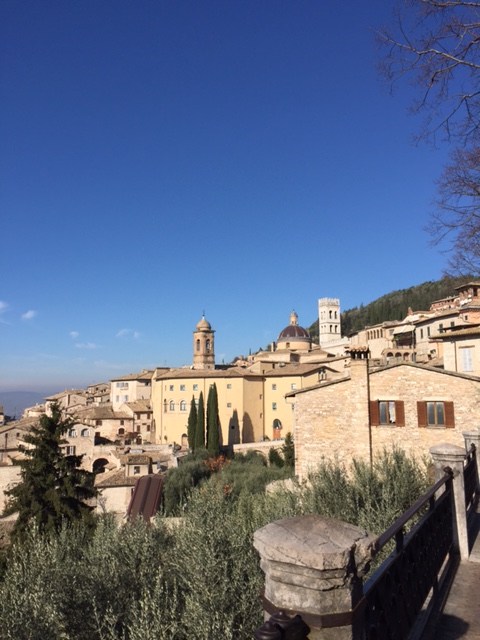
Today, the narrow medieval streets of Assisi look much the same as they did in Clare’s day.
IMG_1794 (1)

The city may be crowded in summer.  But last year I was fortunate enough to spend a couple of sunny December days there, soaking up great art in situ and being refreshed by the spirituality of the place. I’m hoping to do it again.
IMG_1770

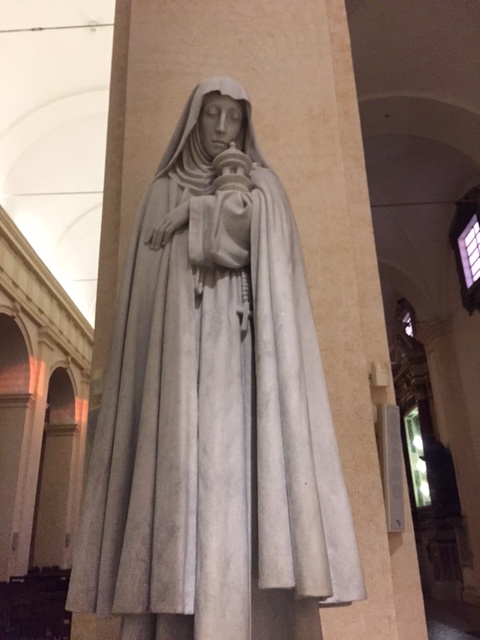
Clare is present in many ways, like this elegant 1888 statue.
IMG_2531

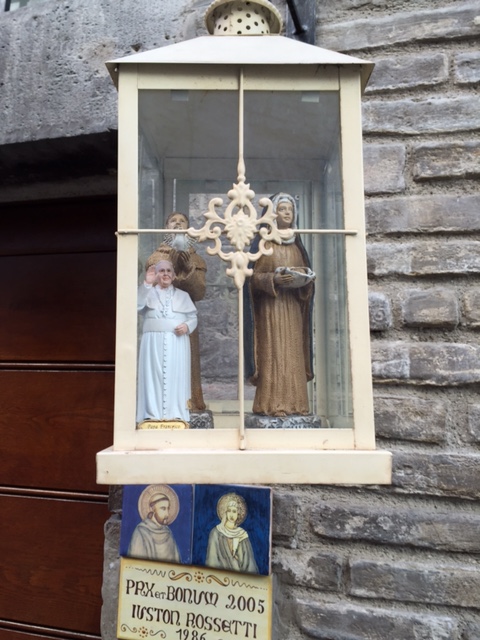
She’s also present in lighthearted personal displays, like this doorside lantern where she stands cheerfully next to St. Francis and his namesake, Pope Francis.

Join me next time for more explorations in the art and history of Europe!

Erddig: Home of the Spider Brusher

IMG_4085

Who is the Spider Brusher?  She is Jane Ebbrell, a beloved servant at the Welsh estate of Erddig, near Wrexham. Actually, she was more of an all-around housemaid, but she wielded a mean spider-brush in her day.  We know this because her slightly eccentric late 18th century master, Philip Yorke, not only commissioned her portrait, but wrote an affectionate ditty about her.  It begins,

To dignify our Servants hall

Here comes the Mother of us all;

For seventy years, or near have pass’d her

Since Spider-Brusher, to the Master

At the time of her portrait, she was 87.  Many other servants received the same oil portrait and poem treatment over the next 250 years. But the Yorkes went beyond lip service. Jane Ebbrell, for example, was encouraged to marry another servant, and when she finally retired it was to her own home on the estate.

IMG_4068

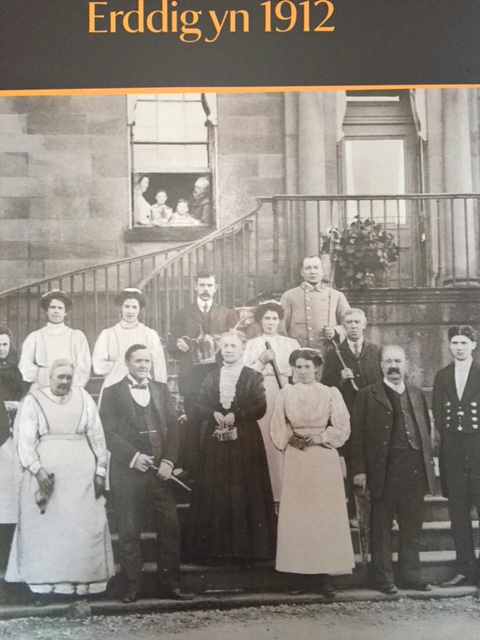
In around 1852, the squire, Simon Yorke III commissioned a photograph of all the family servants, each holding an implement of his or her work, standing on the front steps.  He and his family appeared in the window behind the servants.

IMG_4051

In 1912, Philip Yorke duplicated the photo with his own servants and his own young family.  He wrote a long poem for the occasion.  A book of his poems, all affectionate doggerel, is sold in the gift shop.

What made seven generations of the Yorke family treat their servants so well? This was an age when kitchen maid might always be called “Mary” because master and mistress could not be bothered to learn new names. Most likely the reason is that the Yorke family had somewhat humble origins themselves. When they unexpectedly inherited the house and its grand 18th century furnishings from an uncle, they found themselves rich in property but poor in cash.  They could not afford the usual wages, but they made up for it by treating their servants so well that they felt part of the whole enterprise.

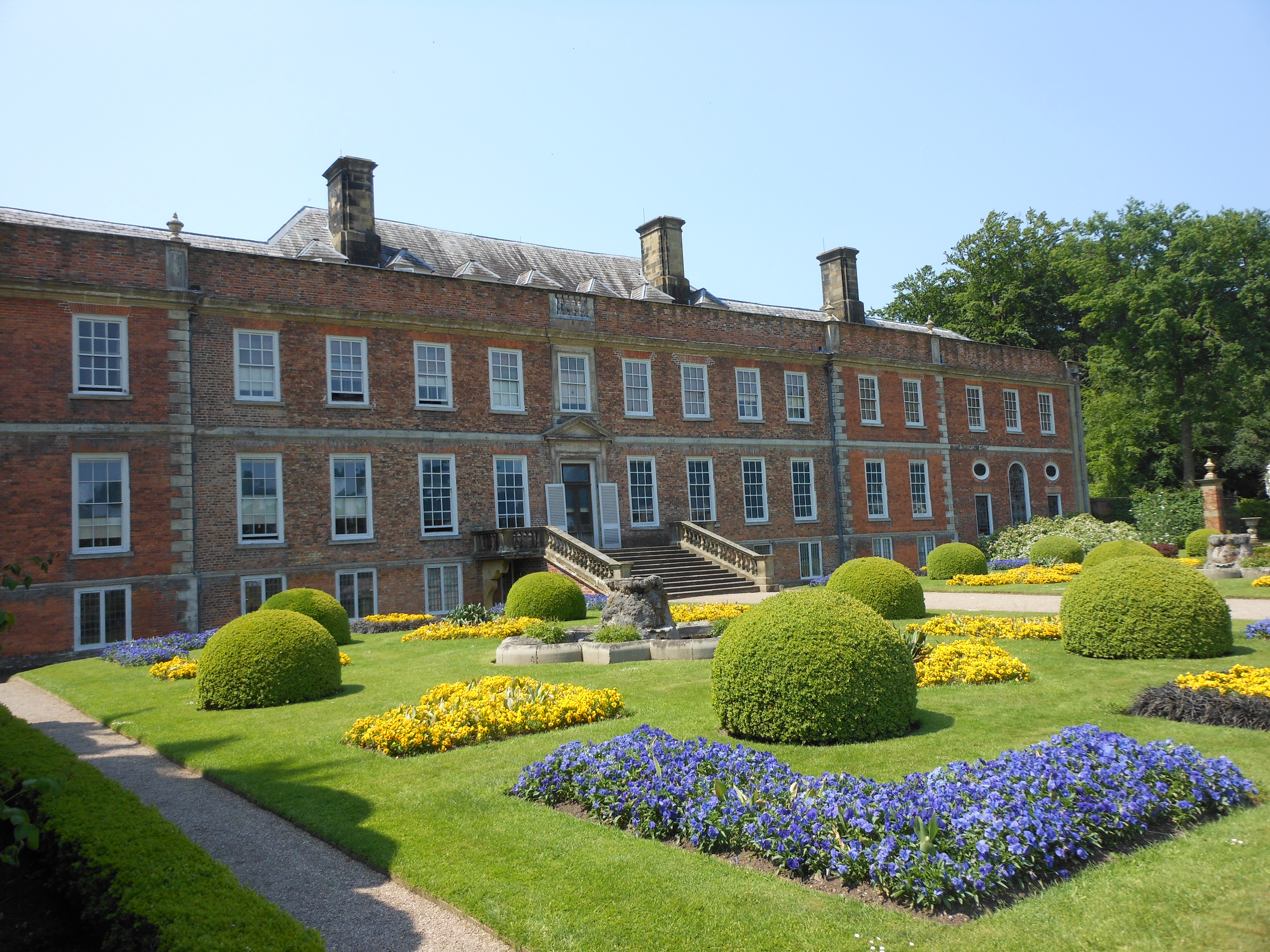
ErddigFacade

Perhaps not wanting to waste anything, they eventually became epic hoarders.

DSCN0068

When the property finally passed to the National Trust in 1973, the sole remaining Yorke required that no objects should EVER be thrown out or sold. About 30,000 objects were inventoried.  Only about 10,000 can be on display at the same time.

DSCN0123

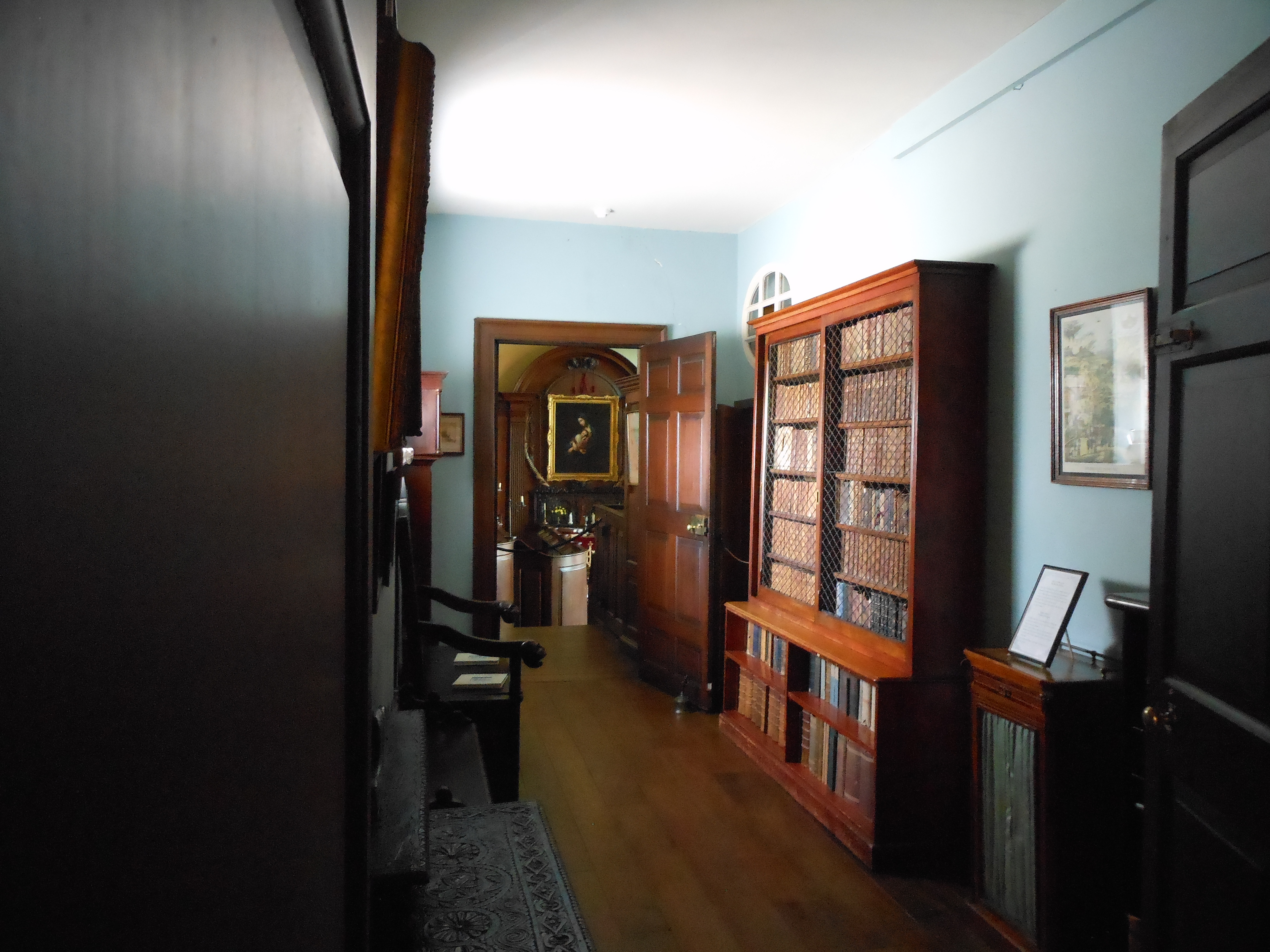
In their more orderly years, the family kept a “Failures Gallery:” a collection of objects and art they didn’t like but didn’t want to part with.  It lined the walls of the passage the servants used to get to the private chapel.

DSCN0106

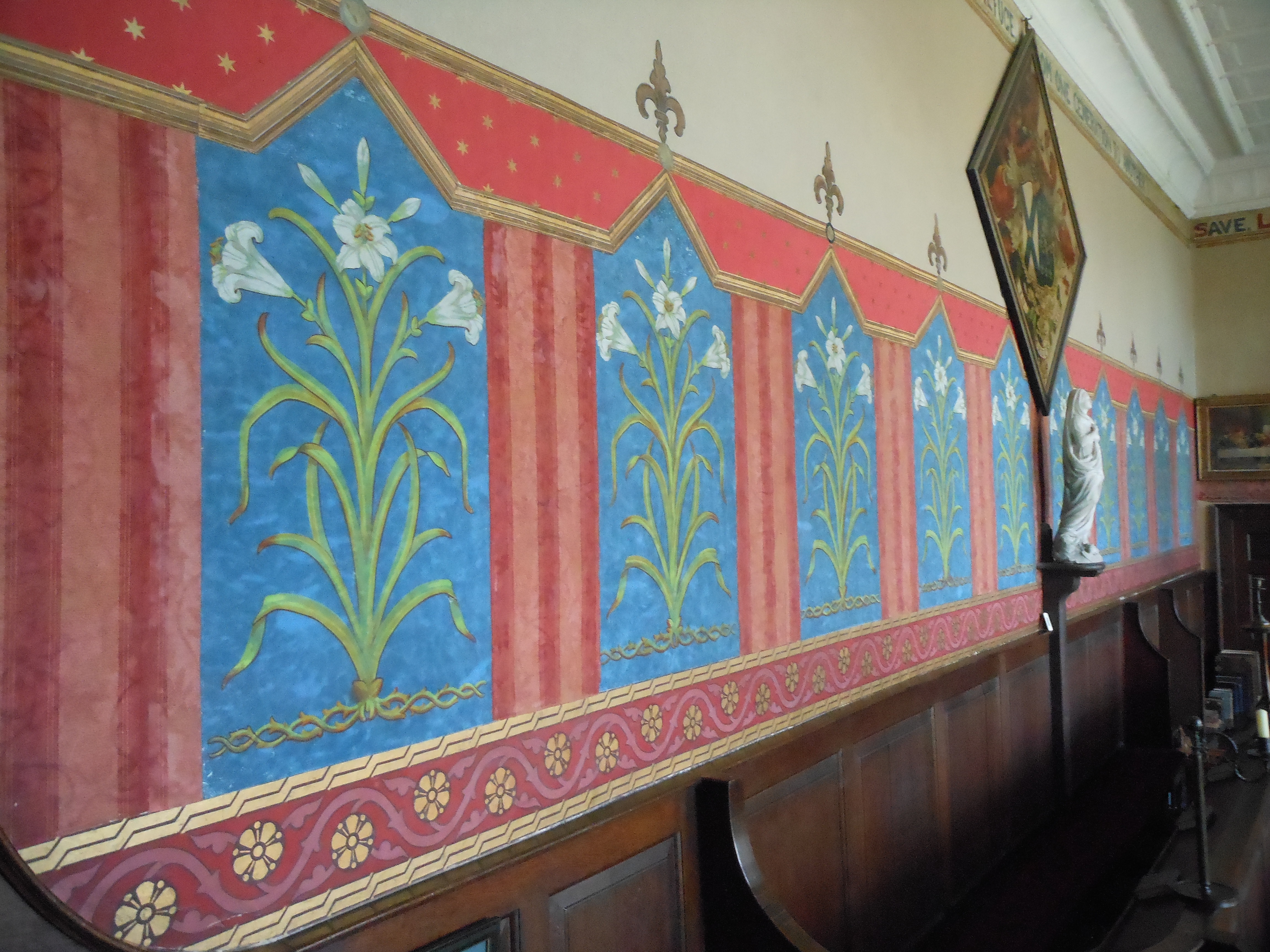
The chapel was the scene of daily prayers for everyone.

DSCN0122

The family never used the Failures Gallery.  They entered the chapel through their grand eighteenth century rooms. So life at Erddig kept some of the traditional distance between master/mistress and servant.  But still, life in the Servants’ Hall at Erddig was pleasant enough that generations of families were happy to serve the Yorkes for low wages.

An article about Errdig is at:

http://www.telegraph.co.uk/travel/destinations/europe/united-kingdom/wales/articles/Fiona-Bruces-Britain-Erddig-Wales/

Shakespeare’s Globe Theatre

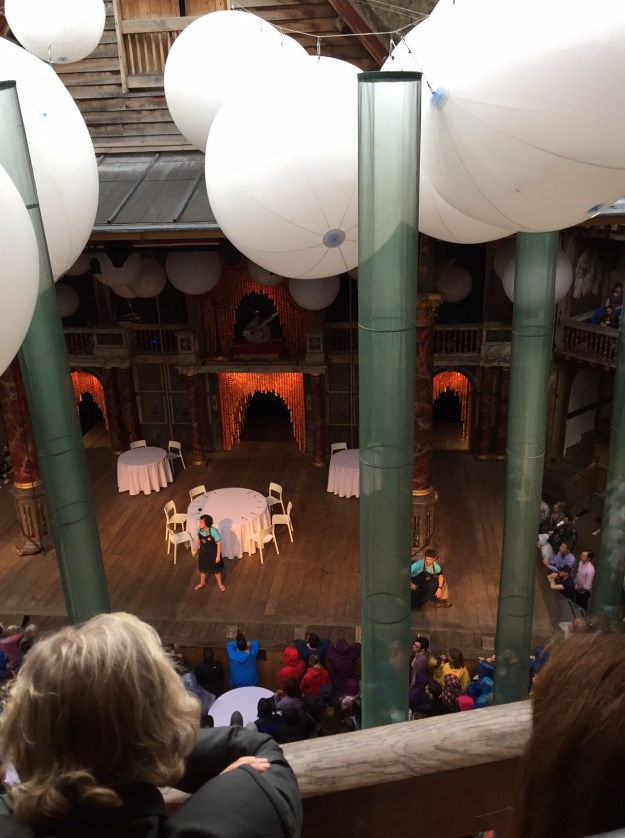
IMG_8643

Shakespeare’s original Globe Theatre burned to the ground on June 29, 1613.  It was rebuilt in 1614 and operated until about 1642, when the Puritan movement in England closed theatres, and demolished in 1644. The American actor and producer Sam Wanamaker organized a group that worked tirelessly for decades to build a replica, based on drawings and best guesses.  Construction had begun when Mr. Wanamaker died in 1993; performances began in 1997.

I finally made it to the Globe this month, and I’ll go again every chance I get. Lately I am rediscovering London, after avoiding the city for years because of the expense, the crowds, the pollution, and on and on. I’ve been tootling around the English and Welsh countryside instead, loving the small towns and villages and historic homes. But London is still glorious.

IMG_8655

I saw a wonderful production of Shakespeare’s “A Misdummer Night’s Dream.”  Of course, photos are not allowed during performance, and I would not want them to be. But I did snap some photos before the performance began. The “rude mechanicals” were Globe staff members in this production, and they regaled the audience with jokes and instructions before the show got underway.

IMG_8666

My vantage point was from the uppermost gallery, with a roof and wooden benches–still cheap as theatre tickets go, but not as cheap as the “groundlings” places at 5 pounds apiece.  It’s standing room down there, as it was in Shakespeare’s time, and there’s no shelter from the rain.  It rains a lot in London. No umbrellas are allowed, but people wore raincoats and ponchos, and obviously had a good time.  The rain was only on and off, and not many people left during intermission. It looked like a lot of fun down there. I would do it.

IMG_8667

But I was glad enough to have a thatched roof over my head, a plain wooden bench and the cushion which I hired for a couple of pounds extra. After a day chasing around London and standing in museums, the old dogs were barking.

IMG_8658

The setting on the Thames, a few hundred yards from the site of the original Globe, is part of the revitalised South Bank nightlife area.  It’s lively and fun and feels perfectly safe, at least along the river walk. St. Paul’s Cathedral, which earlier that day held a Service of Thanksgiving for the 90th birthday of Queen Elizabeth II, looms majestically across the Thames.

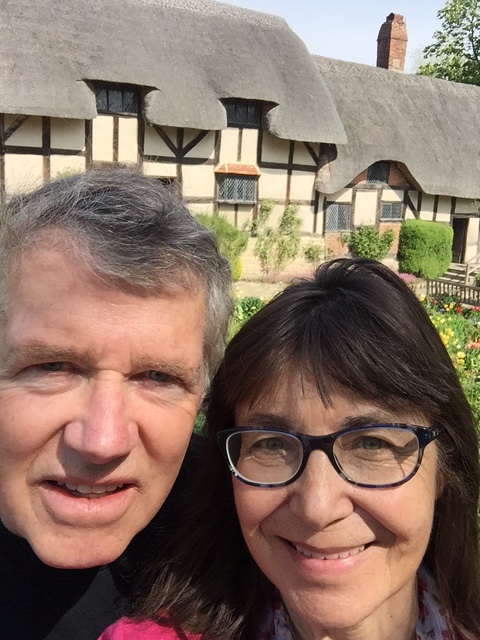
IMG_1764

Outside of London (tootling around in a rental car) we took in some other Shakespeare sights, including my favorite, Ann Hathaway’s Cottage in Stratford-upon-Avon.  Long live the Bard!


Virginia Woolf at Monk’s House

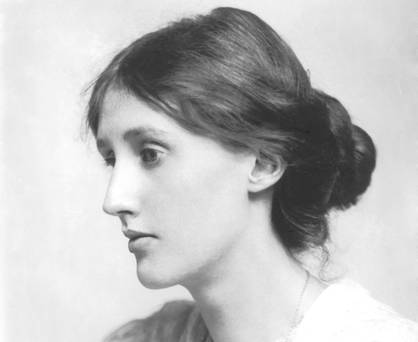
VWoolf1902

On March 28, 1941, Virginia Woolf wrote a loving letter to her husband, Leonard Woolf, and walked out of her country home in rural Sussex, Monk’s House.  She made her way to the nearby River Ouse.  On its banks, she filled her pockets with stones, waded in, and drowned.  Her body was recovered almost 3 weeks later. She was 59 years old.  She was a central figure of the intellectual and artistic Bloomsbury Group, whose influence is still felt.  Virginia herself was an avant-garde novelist who changed the shape of the English novel with works such as Mrs. Dalloway, Orlando, The Waves, and To the Lighthouse.

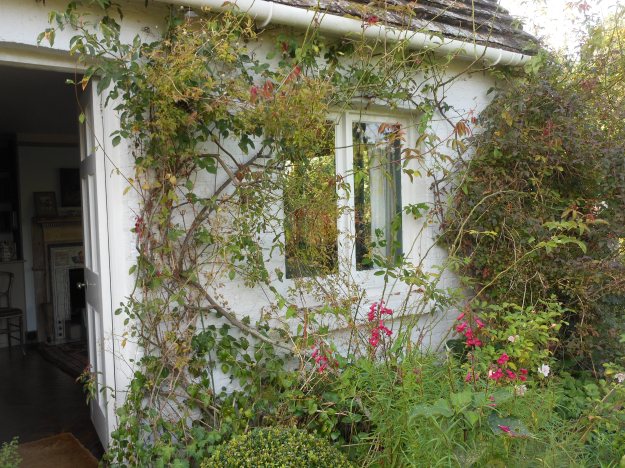
BRDoorway

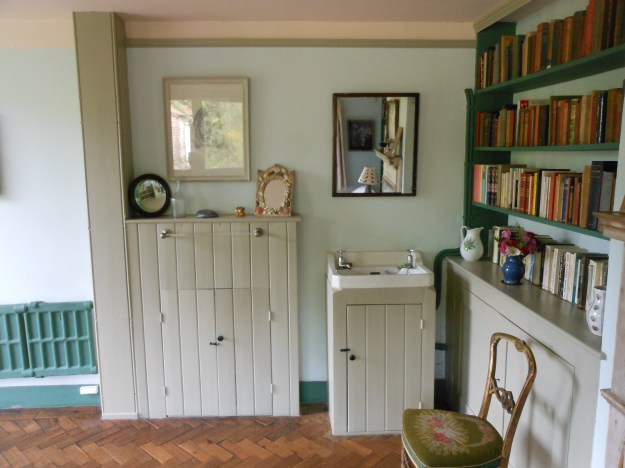
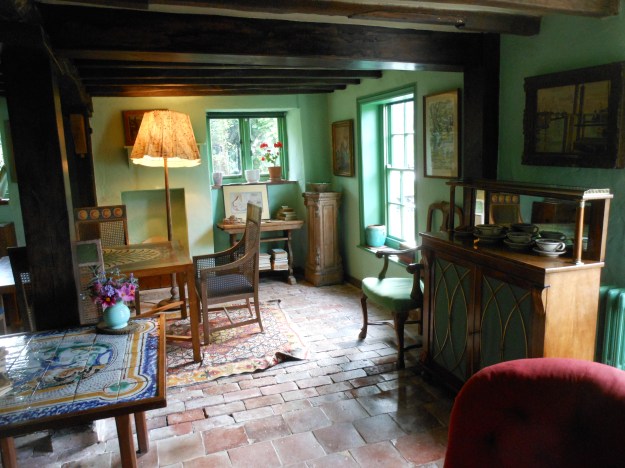
Last year I visited Monk’s House, now a National Trust property. I was thrilled to walk in the footsteps of Virginia and Leonard Woolf.

Virginia had suffered bouts of debilitating depression for much of her life, but she had always recovered. Between illnesses, she was a fun-loving friend and a wonderful conversationalist.  But she needed a certain amount of “alone” time in order to create.

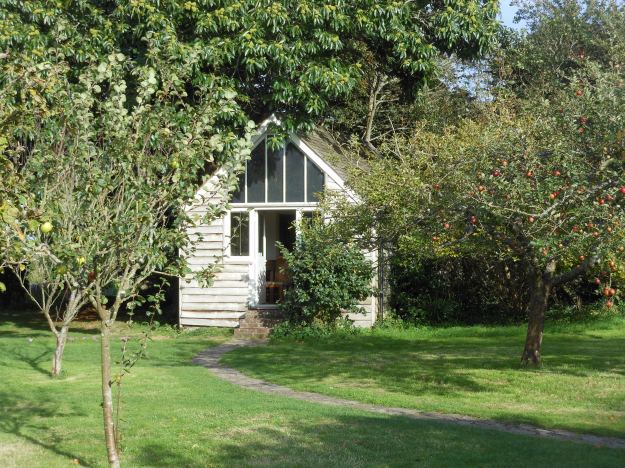
WritingShedIn her country garden, she spent long hours composing her ground-breaking novels and thoughtful essays in her writing shed. It is furnished just as she left it.  It looks as though she just stepped out for a stroll through her flowers.

One of Virginia’s most famous works is the long essay “A  Room of One’s Own,” in which she examined the need for women to have solitary time and space in order to create. She knew all too well that most women had no writing shed or other personal space. Maybe her need for creative time and space is what prompted a friend, Lady Ottoline Morrell, to describe Virginia as “this strange, lovely, furtive creature.”

Kitchen

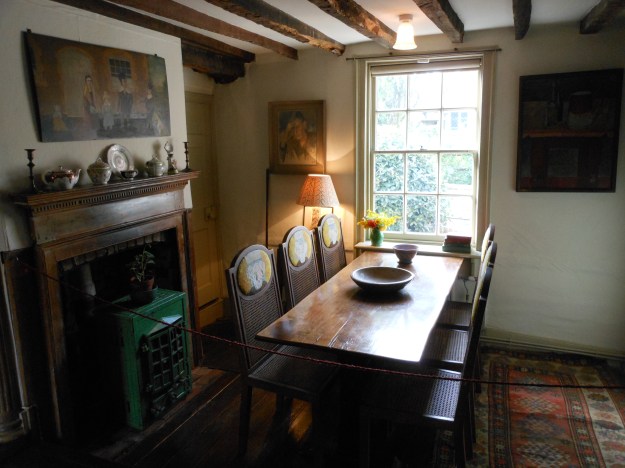
Inside the house, I could imagine long and lively discussions at the dining table, with the likes of Roger Fry, Lytton Strachey, John Maynard Keynes, T.S. Eliot, and H.M. Forster, not to mention Virginia’s sister the painter Vanessa Bell.VWBR2

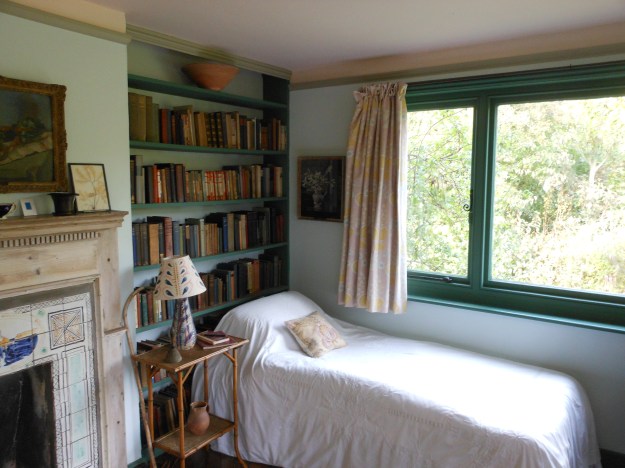
Her bedroom was originally added to the house as a writing studio.

WoolfBR

But Virginia liked the airy room so much she decided to sleep there.  I would too.

VWBBR

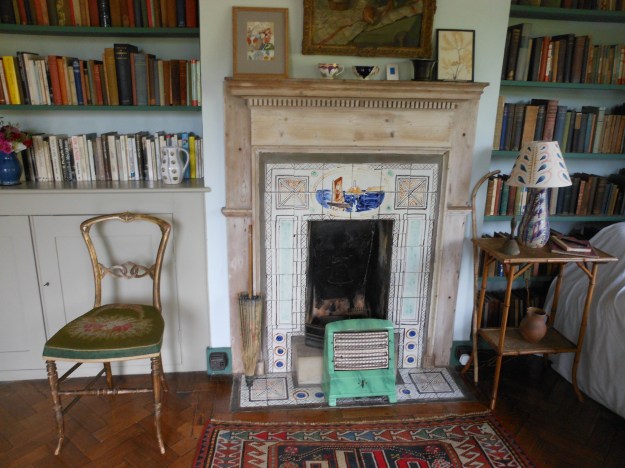
Naturally, there are books everywhere in the house.

MonksLR

The drawing room is cosy, set up for long evenings of reading and conversation.

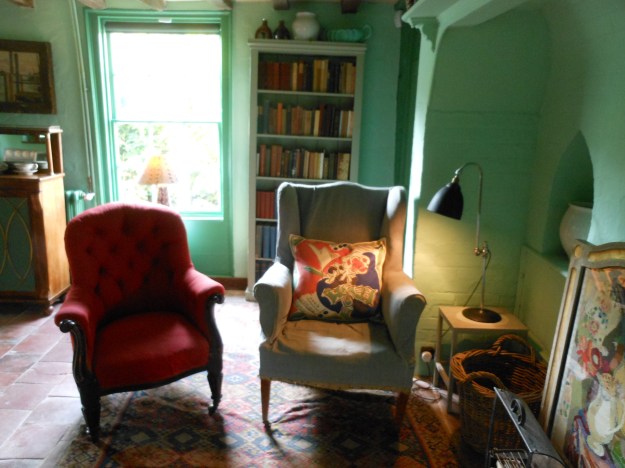
Monks2Chairs

Are these his-and-hers chairs?  I can imagine Virginia in one and Leonard in the other.

VWBust

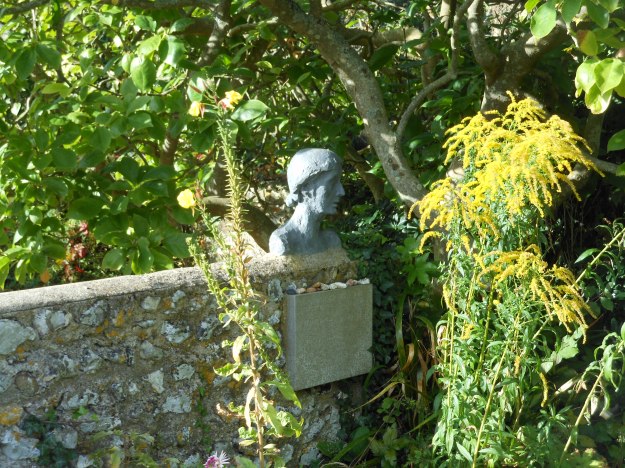
After her death, Leonard had Virginia’s ashes buried in their beloved garden. A bust of Virginia stands nearby.  Her admirers leave stones beneath it.

LeonardWBust

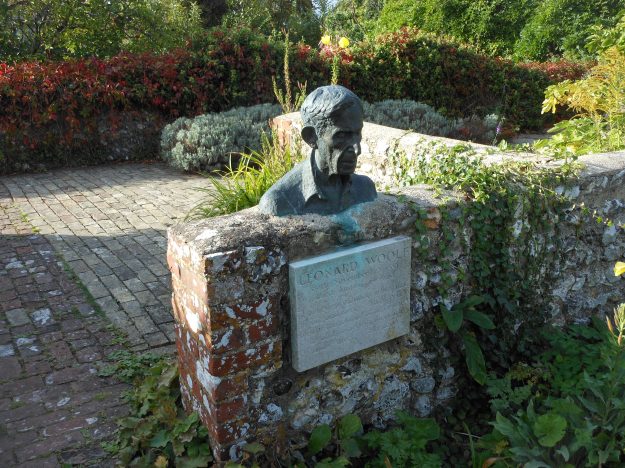
Later, Leonard’s own ashes and bust took their places near hers. In her final letter, Virginia sadly explained that she could not bear another episode of what she called her “madness.” Possibly she suffered from what we would now call bipolar syndrome. At any rate, she described hearing “voices.” The last line of her final letter read, “I don’t think two people could have been happier than we have been.”

The photo  at the top of this post is from the article cited below, “Virginia Woolf: The Woman Who Remade the Novel,” by Jonathan deBurca Butler. The photo, of Virginia in 1902, is by George C. Beresford. The article is an excellent summary of Virginia’s life, her sad death, and her continuing influence on modern literature.

http://www.independent.ie/life/virginia-woolf-the-woman-who-remade-the-novel-34572892.html

MonksNT

Monk’s House is wonderfully maintained by the National Trust. Charleston Farmhouse, where Virginia’s sister Vanessa Bell lived, is nearby.  I would highly recommend a visit to both.

Join me next time for more explorations in the art and history of Europe and the British Isles!


Julius Caesar and the Ides of March

In the midst of the most turbulent American political season in decades, I recently re-read Shakespeare’s play Julius Caesar. His source was mostly the historian Plutarch. The play is still relevant, and still illuminating on the subjects of loyalty to others versus loyalty to country, honest differences of political opinion, the uses and abuses of power, and whether and when violence is justified. And because it’s Shakespeare, every word is memorable. In history and in the play, Julius Caesar meets a bloody end.  But  Shakespeare gave him some memorable lines before he went down.  In the play, contemplating his risks, Julius Caesar says, “Cowards die may times before their deaths; the valiant never taste of death but once.”

This day, the 15th of March in year 44 B.C., did not work out well for Julius Caesar.  According to the historian Plutarch, a fortune-teller warned Caesar that something terrible would happen to him before the “Ides of March.”  There were other warnings, too:  a graphically violent dream by Caesar’s worried wife Calphurnia, men seemingly walking around on fire in the marketplace, a lion wandering the streets. Confident (or foolhardy) fellow that Julius Caesar was, he laughed at the portents and predictions. He even gloated, as he made his way to the Roman Senate on that morning.  When he reached the Theater of Pompey, where Senate sessions were being temporarily held, he figured he was home free.  But a lethal circle of assassins awaited him, knives concealed under their togas. Calphurnia’s nightmare came horribly true.

"Death of Caesar," 1798, VIncenzo Camuccini, public domain

“Death of Caesar,” 1798, Vincenzo Camuccini, public domain

Julius Caesar’s death marked the end of the Roman Republic and the beginning of fierce civil wars that eventually led to the formation of the Roman Empire–a period that was stable, but definitely not democratic. Julius Caesar had already more or less ended the Republic:  at the height of his power, he had named himself “Imperator.”

P1020522 - Copy

Could Caesar have avoided his violent end? Given his personality and supreme self-confidence, he probably could not. He had refused to resign when the Senate politely requested that he step down, and with one of his legions he had defiantly crossed the Rubicon River into Italy.  That was strictly forbidden. Military conquest was for the frontiers. Rome was for reasoned debate among civilized men.  Ever since Julius Caesar’s audacious and risky march across that border river, the expression “crossing the Rubicon” has meant a fateful and irreversible action. There was no turning back, for Caesar or for Rome.

P1020524 - Copy

Looking back over the centuries, it appears that the common people loved Julius Caesar for his flamboyance and for the military glory he had brought home to Rome. But his aristocratic peers saw only danger ahead. They decided that Caesar had to go. Once he was safely dead and out of the way, his heir, Octavius, obligingly made Julius Caesar a god. No danger there, and the move placated the restive common people.

HauntingForum

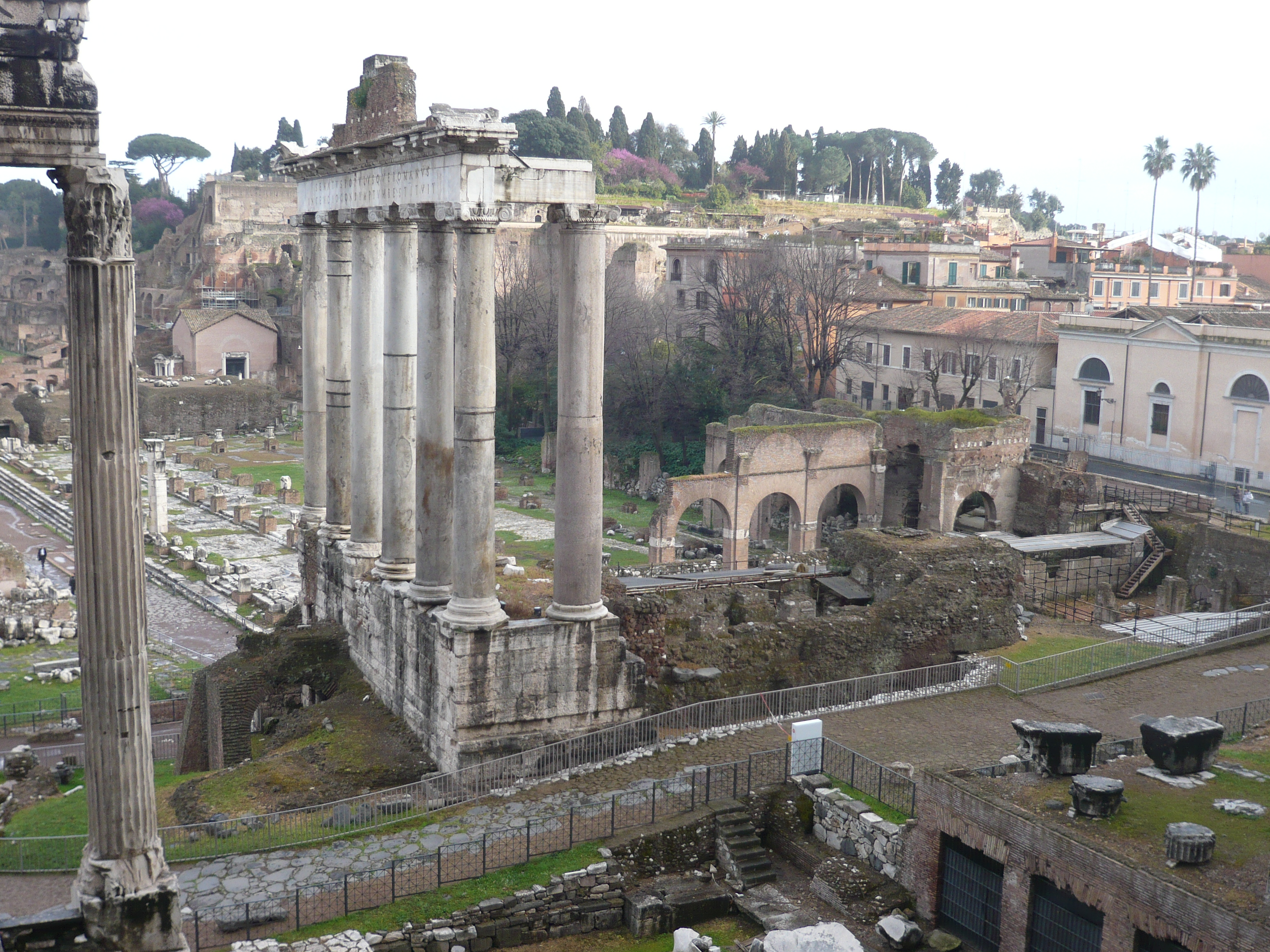
Today, the Roman Forum is a haunting place to wander, pondering the ups and downs of history. When I visited, I bought a book with clear overlays which shows how the various buildings must once have looked back in the day.  But even without a visual aid, it is not hard to imagine Julius Caesar and his entourage making his way through the Forum on his way to the Senate session on that fateful day, the Ides of March in 44 B.C.

Join me next time for more explorations into the art and history of Europe!

Disraeli at Hughenden Manor

Vic&Dis

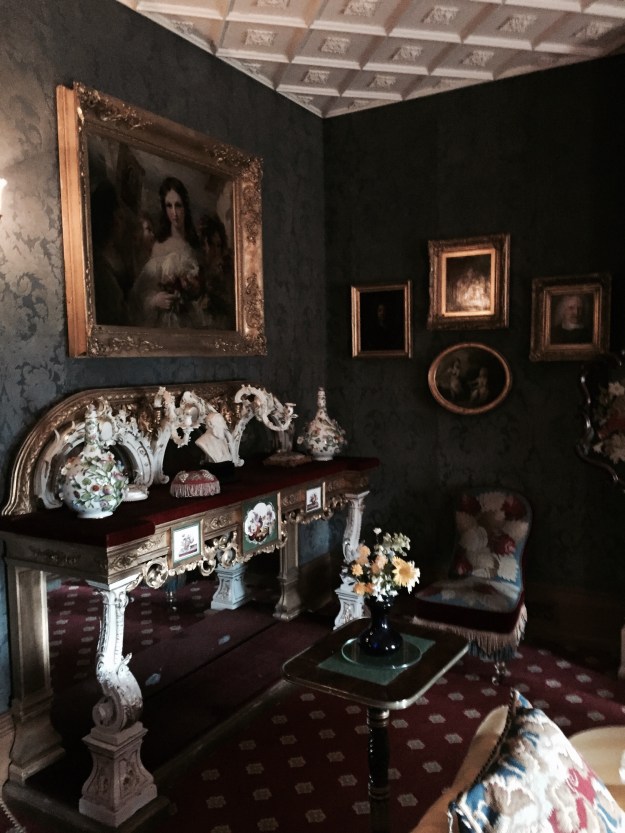
I can’t really leave Benjamin Disraeli without posting some more pictures from his country home, Hughenden Manor.  It’s the most quintessentially Victorian place I can think of. In those days, it must have seemed perfectly natural to hang side-by-side portraits of the Prime Minister and his Queen above the fireplace–in the bedroom Mr. Disraeli shared with his loving wife, Mary Anne.  She decorated the room herself.

DisRobe

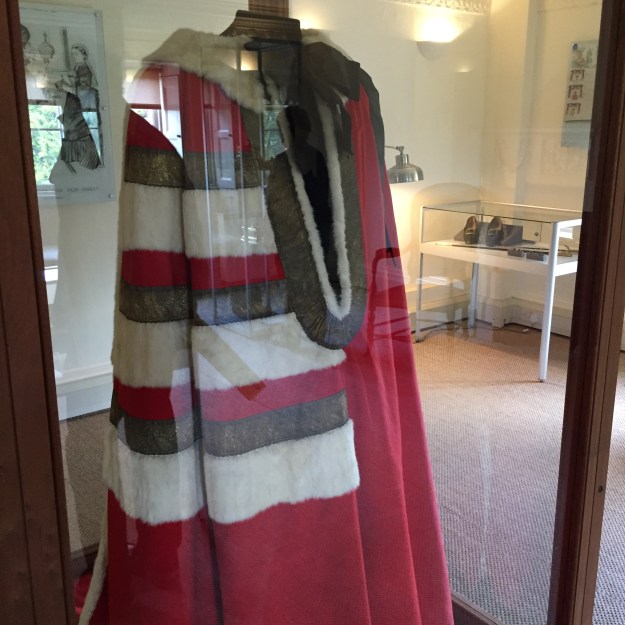
In the House of Lords during the height of the British Empire, politicians wore red velvet robes on ceremonial occasions, without irony or having to wade through rude protests outside. Becoming the Earl of Beaconsfield was a proud accomplishment for a man born into a modest Jewish family in 1804.  Disraeli became an Anglican at age 12, and remained one for the rest of his long life.

IMG_6851

We tend to think that Britain has a fairly rigid class system, but even in Victorian times it was possible for an unlikely man to rise to the height of power, through luck, connections, charm and sheer hard work.

512px-Her_Majesty's_Gracious_Smile_by_Charles_Knight

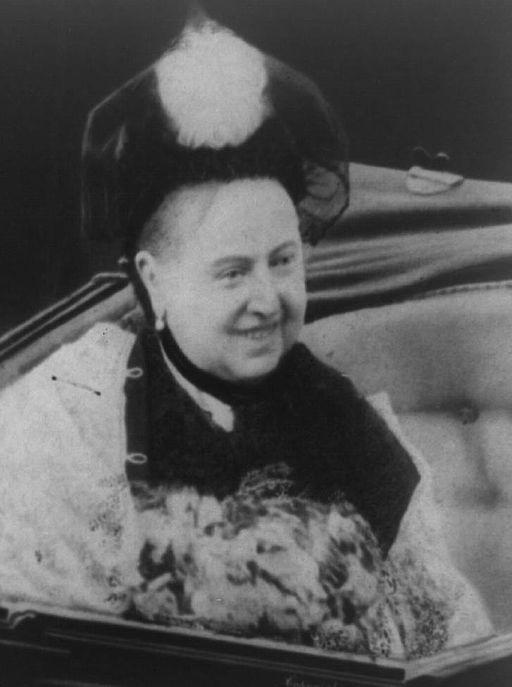
Queen Victoria has a reputation for sternness, but she knew how to be amused, too.  And her trusted friend Benjamin Disraeli amused her.

IMG_6920

The Queen set an example of happy, respectable family life for her subjects. Mary Anne Disraeli created a peaceful refuge at home for her busy husband.

IMG_6923

Why did Victorians stuff their homes with so much stuff?  In a restored Victorian home like Hughenden, every surface is occupied:  baubles, bibelots, and knickknacks carefully arranged on top of curlicued whatnots. In Victorian times, minimalism was an unknown concept. And old photos seem even more crowded than restored rooms. Why? Here’s my theory: the British ruled an empire that spanned the entire globe. Victorian rooms seem crowded and stuffy to the modern sensibility, but I think all those possessions were an exuberant expression of Victorian confidence and optimism. If you’ve got it, flaunt it!

HughendenDR

Mary Anne Disraeli presided over a lively dinner table.  She was practical, too–which her husband was not.  Household records show that after one dinner party, she sent two big unused blocks of cheese back to the cheesemonger.  Waste not, want not!

Disraeli loved trees. In fact, while Mary Anne was busy inside finding just the right places for her trinkets and doodads, Disraeli was busy outside planting trees–the more the better.  He brought in specimens from the far-flung empire and created a forest that lives on today. He spent hours walking among his trees, taking solace from their growth and variety. He once remarked, “I am not surprised that the ancients worshipped trees.”

HughendenExt

I was so interested in the house–with its Victorian history as well as the amazing part it played in World War II–that I didn’t get into the gardens and the forest.  Next time!

The three posts just before this one described the vital history of Hughenden in more detail. Join me next time for more explorations in the art and history of Europe and the British Isles!

No More Red Boxes? What Would Disraeli Say?

IMG_7054

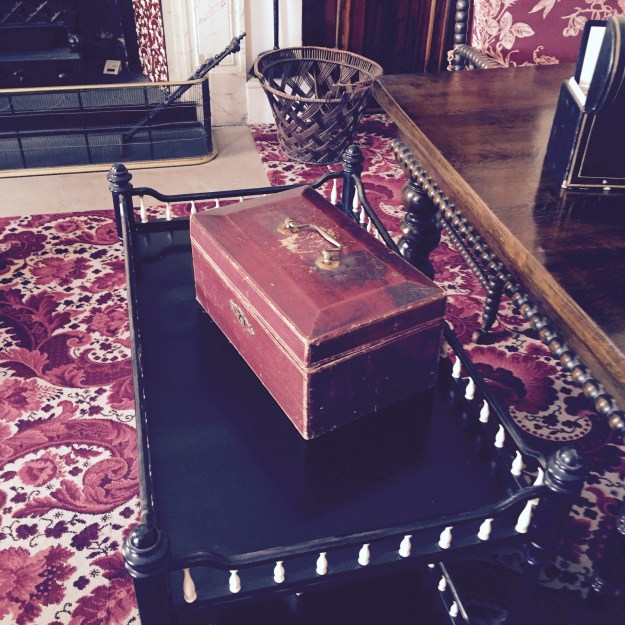
At Hughenden Manor last spring, I was thrilled to spot Prime Minister Disraeli’s famous “red box” in his study.  It’s a  kind of box used for the last 150 years or so by British government officials. It’s really just a briefcase, but so much more romantic–and quintessentially British. These boxes were first used in the 1860s.  They were covered in red-dyed rams’ leather, embossed with the Royal Cypher and lined with lead–reportedly so that if the carrier were captured at sea, the box would sink with all its secrets intact. The lead also made the boxes pretty strong in the event of bombing or other catastrophe. The lock is on the bottom of the box, guaranteeing that nobody will walk off without locking it. (Does anyone ever forget, grab the handle and spill the important documents?  Let’s hope not).

redboxontrain

Photo from “Daily Mail” article cited below

Until very recently, important government officials proudly carried their red boxes wherever they went. (Naturally, a government official is always hard at work, so the box is necessary at all times). Any man or woman would walk a little taller carrying the jaunty red case. And what a status symbol to casually place on one’s table on the train!

Queen Elizabeth, like Disraeli’s Queen Victoria, receives her own royal red box daily.  It contains documents the sovereign must sign before they become law.  I’d like to think the Queen’s red box will exist for a long time.

But now, the British government is phasing out the revered symbol of power in favor of secure smartphones. For one thing, ministers have developed the wasteful habit of having their boxes shuttled from place to place in chauffeured limousines, as described in an article from The Independent. Then there’s the problem of security. A fingerprint-activated smartphone is apparently safer (at least until it’s hacked.)

2015-04-21 19.03.39

So in England, red ministerial boxes are going the way of red curbside telephone boxes.

IMG_7050

Prime Minister Benjamin Disraeli lived in a slower-moving world.  His red box came with him to his country home, where he worked in his quiet study between long walks inspecting his grounds. There was time for him to think, to read actual books, to reflect on the weighty problems of state. I fear that Britain’s government ministers will now be more like the rest of us: constantly intent on a pocket-sized screen.

IMG_7179

Somehow, I can’t see the elegant Mr. Disrael hunched over a smartphone.

I wouldn’t give up my own smartphone for anything, of course.  It’s my only camera, as well as my window into the wider world.  I can look up most anything with a few thumbstrokes. But if I were a British government minister, I would miss my elegant red ramskin box with the Royal Cypher and the lock on the bottom.

http://www.dailymail.co.uk/news/article-2958851/Traditional-government-red-boxes-phased-150-years-ministers-given-thumbprint-activated-smartphones.html

http://www.independent.co.uk/news/uk/politics/the-government-ferried-briefcases-around-alone-in-chauffeur-driven-cars-3000-times-in-the-last-three-a6812851.html

Join me next time for more explorations in the art and history of Europe and the British Isles!


Mary Anne Disraeli: the Woman Behind the Man

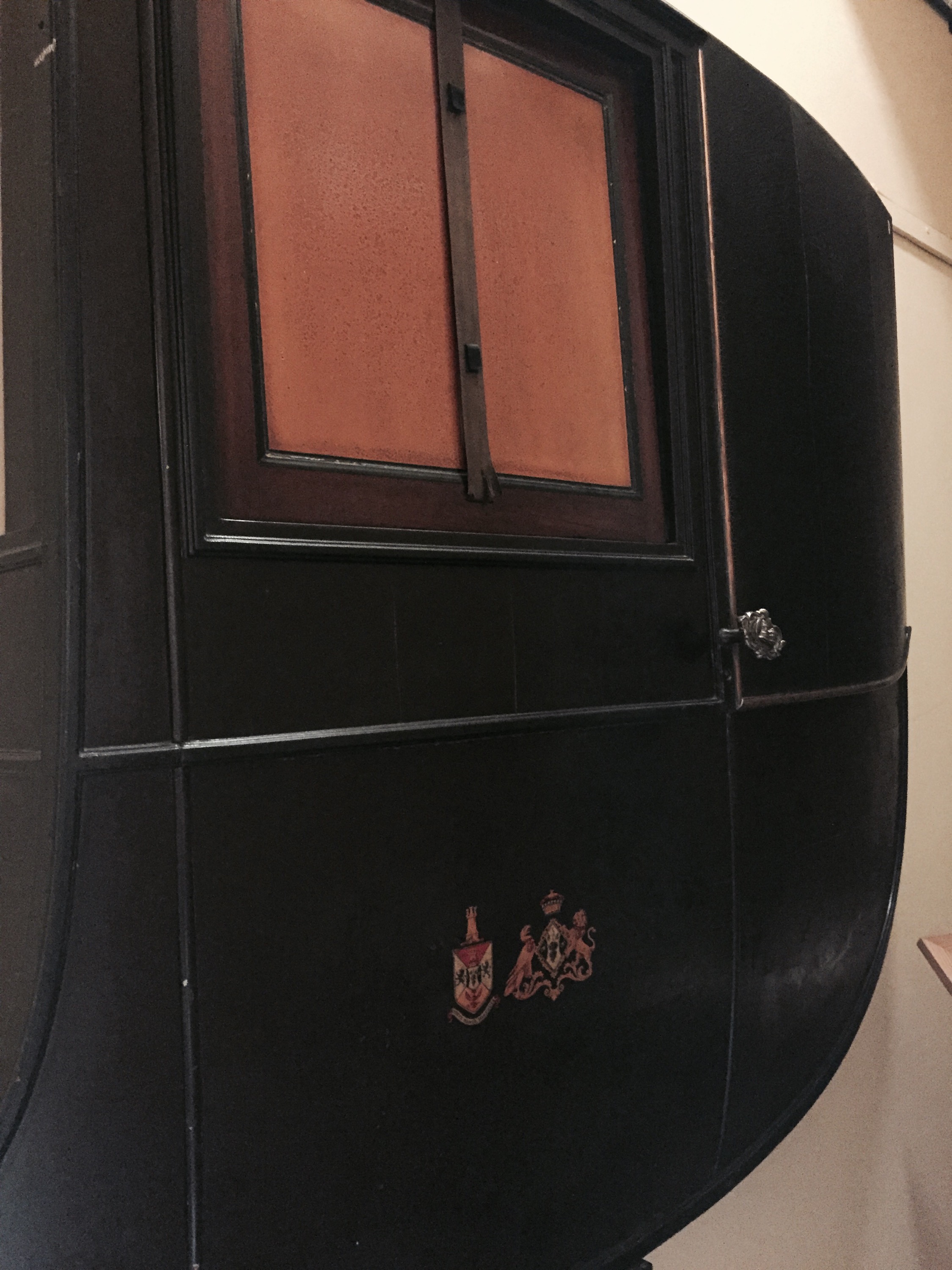
Why is a Victorian carriage door prominently displayed on a wall at Hughenden, the country home of Queen Victoria’s friend and Prime Minister, Benjamin Disraeli? The Prime Minister himself removed it from the carriage and preserved it as a tribute to his wife, Mary Anne. One evening the ambitious politician and his doting wife set off from his London house to Parliament, where he was to deliver a very important speech.  When the carriage door was closed, it slammed shut on Mary Anne’s thumb. What did she do? She suffered in silence, all the way to Westminster. She didn’t want to upset the man before his speech. A placard next to the carriage door explains that Mary Anne said not a word until Disraeli was safely out of the carriage and on his way into the corridors of power.  The placard remarks drily that her words when her thumb was released were not recorded.

 Mary Anne was 12 years older than her husband, and the marriage began as one of convenience. But it grew into a true love match.

DisDandy

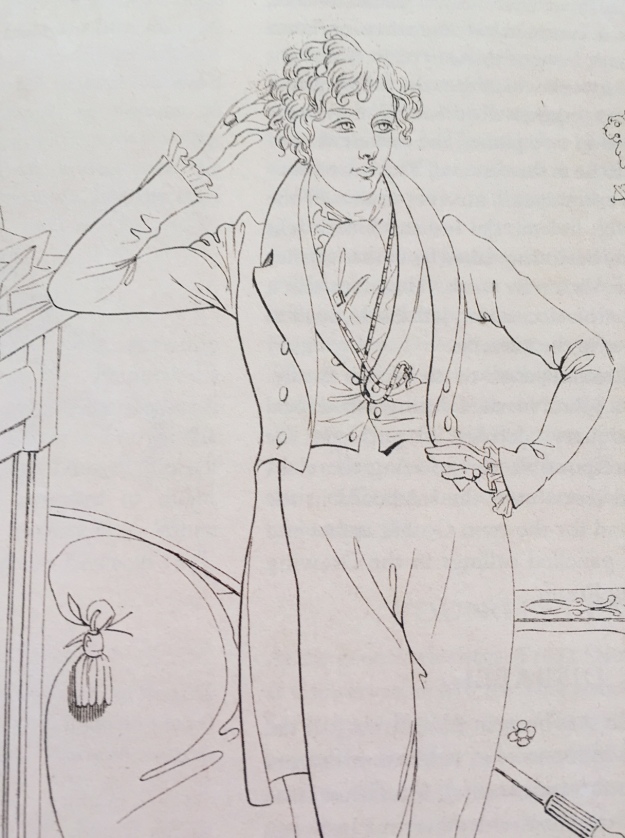
According to the guidebook sold at Hughenden, Disraeli was a novelist and something of a playboy in 1830s London. He had written a novel, Vivian Grey, which was a thinly veiled self-portrait of a young man on the make. His friend Bulwer-Lytton described him thus: he wore “green velvet trousers, a canary coloured waistcoat, low sleeves, silver buckles, lace at his wrists, his hair in ringlets.” He cut a wide swath through bohemian London salons, finally gaining an entree into the highest circles. He tried five times for a seat in Parliament before he won an election.  His maiden speech was a disaster; he was shouted down. What worked in drawing rooms did not work in the House of Commons.  He famously ended by saying, “I will sit down now, but the time will come when you will hear me.”

IMG_6240

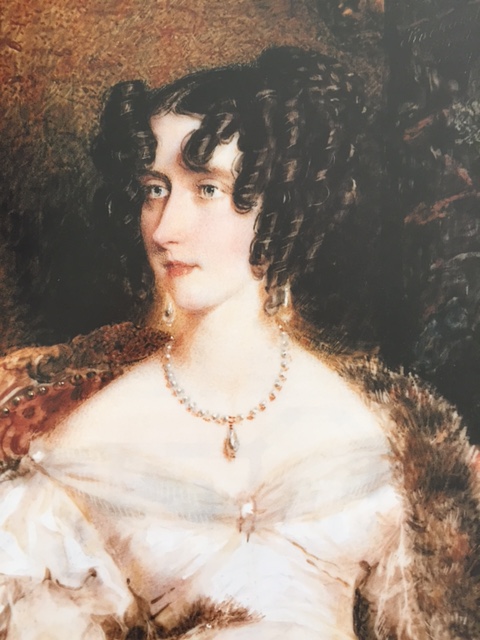
Mary Anne, my photo from Hughenden guidebook


What Disraeli needed was a rich wife. He met Mary Anne Wyndham Lewis in 1832, when she was just another older married woman he enjoyed flirting with.  He thought her “a pretty little woman, a flirt and a rattle” which according to the guidebook meant “incessant chatterer.” But her deep-pocketed husband obligingly died in 1838, leaving her a rich widow. Her appeal increased and Disraeli married her in 1839.
Disraeli soon learned what a treasure he had found.  He wrote, “There was no care which she could not mitigate, and no difficulty which she could not face. She was the most cheerful and the most courageous woman I ever knew.”  High praise indeed; Disraeli had known and depended on many, many women in his rise to power in Victorian England.

HughendenCover

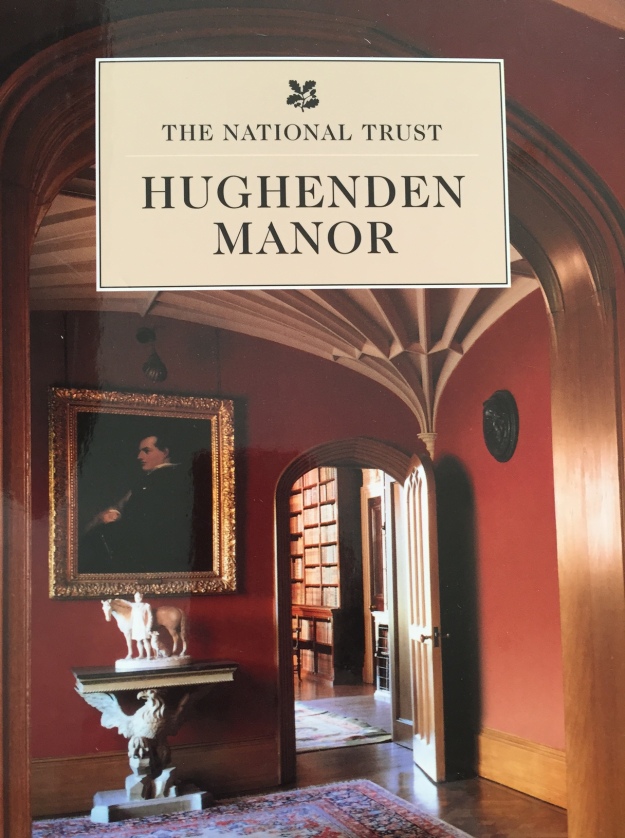
A visit to Hughenden is a window into the Victorian past.

HughendenLR

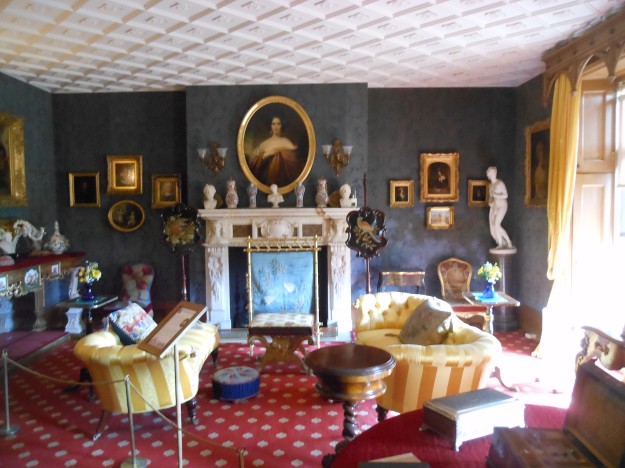
The estate is under the care of the National Trust, and beyond the quintessentially Victorian rooms there’s a surprise, new since I first visited years ago. The estate was a secret location for surveillance work which was crucial to victory in World War II.  This work was so secret that not even the National Trust knew a thing about it until very recently.  I’ll be writing about what went on in the wartime rooms and the icehouse soon.

Join me next time for more explorations in the art and history of Europe and the British Isles!

Queen Victoria and Queen Elizabeth II

Queen Victoria in her coronation regalia, public domain

Britain’s beloved Queen Victoria died on January 22, 1901, ending the Victorian Era. She was also Empress of India all through the heyday of the years when the sun never set on the British Empire. Her image still appears everywhere in Great Britain. The coronation portrait by George Hayter is in the Royal Collection (Public Domain now). It still appears in reproductions in some tradition-loving British homes.

6B7E95AF-0E29-47D1-87D7-DDCD309D43FD

Other homes display mass-produced images like the one above, spotted in the very regal Wimpole Estate.

VictoriaModel

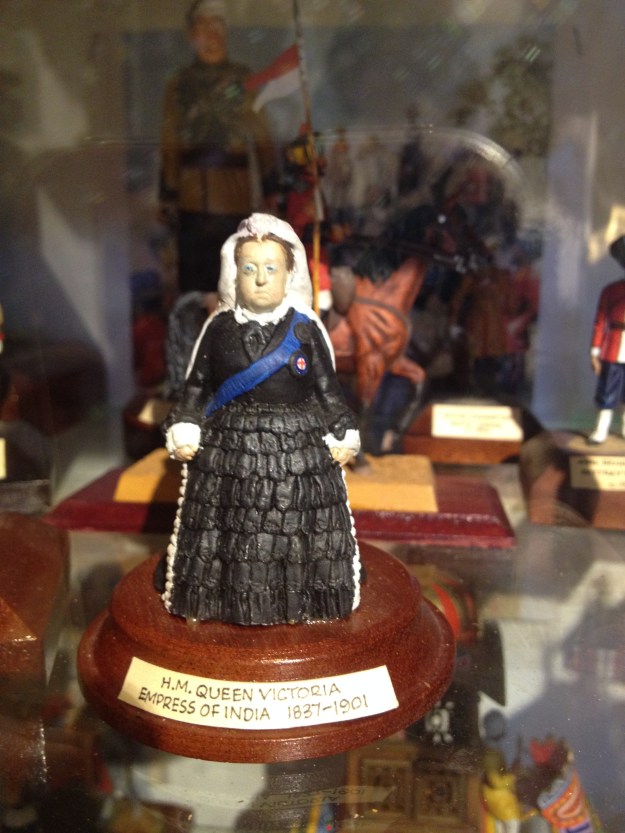
Victoria’s image, dressed in black in her widowhood and with her little diamond crown perched on top of her head, is instantly recognizable. The little model above holds pride of place in an exhibit of military models at Blenheim Palace. That unusual crown served as a canny early version of a prominent person creating a unique brand for herself.

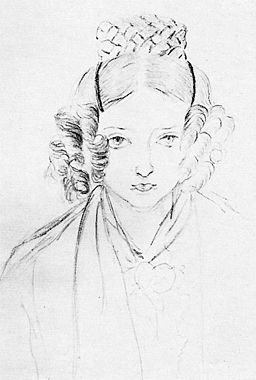
256px-Victoria_sketch_1835

How did Victoria see herself?  The sketch above, Public Domain, was Victoria’s own self-portrait as a young girl. She already has some kind of little whatsit balancing on top of her head. She looks apprehensive.  But when she unexpectedly took the throne at the age of 18, after everyone else in the line of succession had died, she rose to the occasion and she kept rising. She reigned over England for over 63 years.
512px-Her_Majesty's_Gracious_Smile_by_Charles_Knight

We tend to think of Victoria as a dour old lady.  But in fact she laughed often.  The Public Domain photo above shows her in a jolly mood, even into her old age.

IMG_2749

A statue of Victoria stands serenely at the entrance of Windsor Castle, the thousand-year-old complex that is one of the favorite homes of the current Queen.

IMG_7681

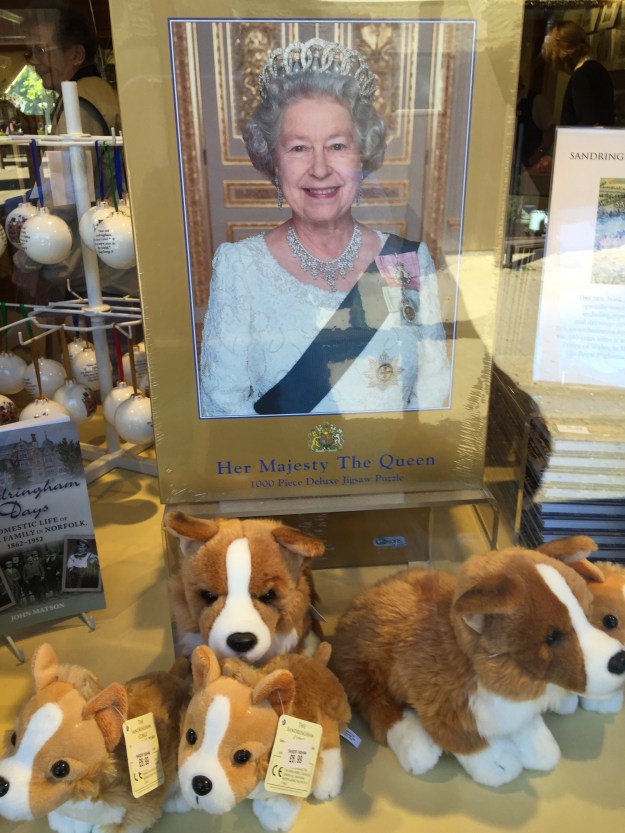
Queen Elizabeth II has now reigned longer than her ancestor, the redoubtable Victoria. Whatever one thinks of the institution of the monarchy, there’s no doubt that Queen Elizabeth is a cracking good Queen.  The photo above is from the shop at Sandringham, the country estate in Norfolk that Queen Victoria wisely bought as a private retreat for the Windsors. When I was there, neither the Queen nor her Corgis were in sight, but their presence was felt everywhere. There’s nothing more British than the Queen and her beloved Corgis.  I wish them all well.
Join me next time for more exploration in the art and history of Europe and the British Isles!


Mary Russell, Flying Duchess–and Much More

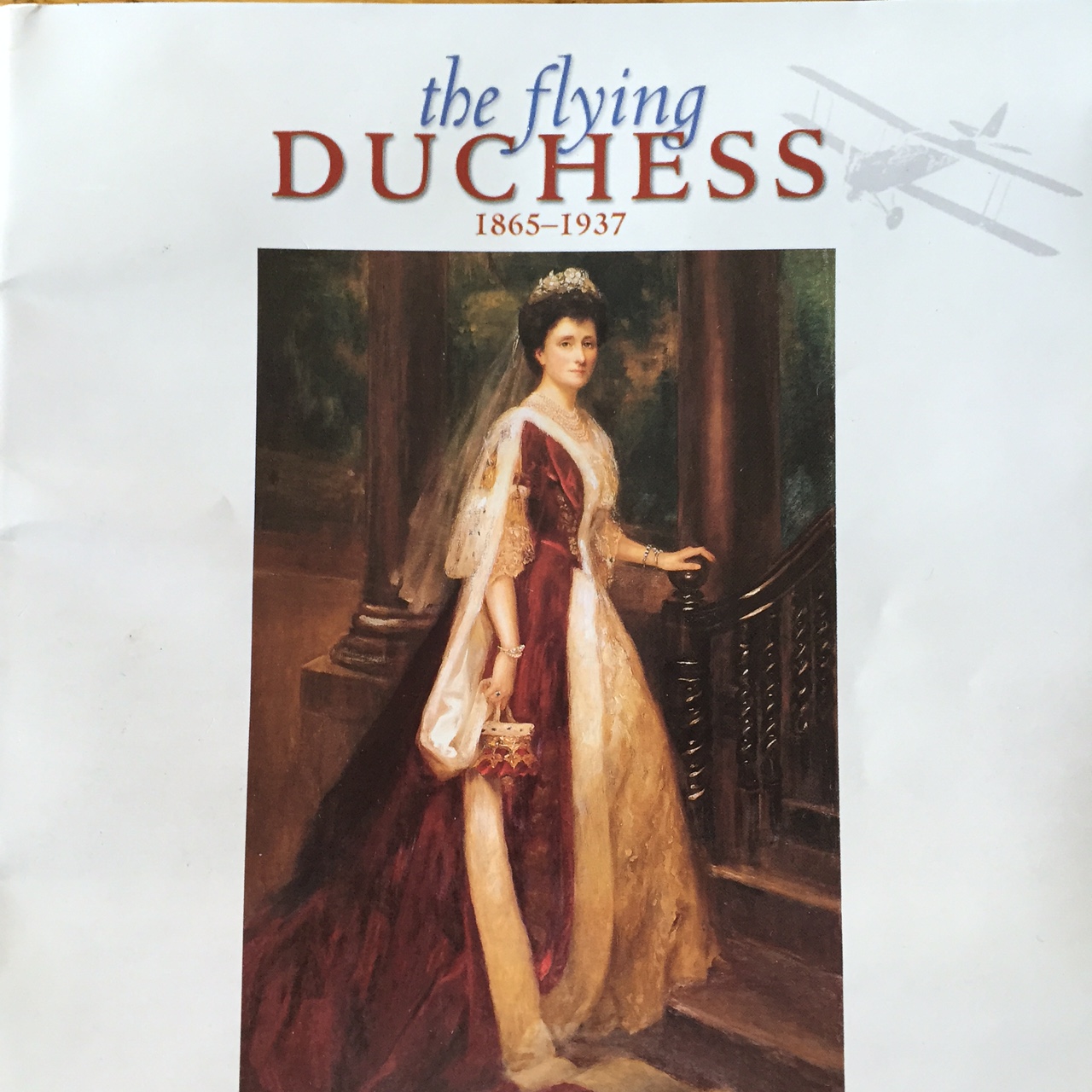
IMG_1407

How did the free-spirited daughter of an obscure English clergyman become the famous Duchess of Bedford, best known as The Flying Duchess? The little book above, written by Mary’s great-grandson the Marquess of Tavistock, tells her story. Mary Du Caurroy Tribe was born and educated in England, but as a young teenager she went to join her family, stationed in India.  Her father’s chaplaincy duties took him on dirt roads and over mountain passes to Indian villages.  For six years, Mary happily went along for the ride, taking turns with her father on their one pony. She loved every moment of outdoor adventure.

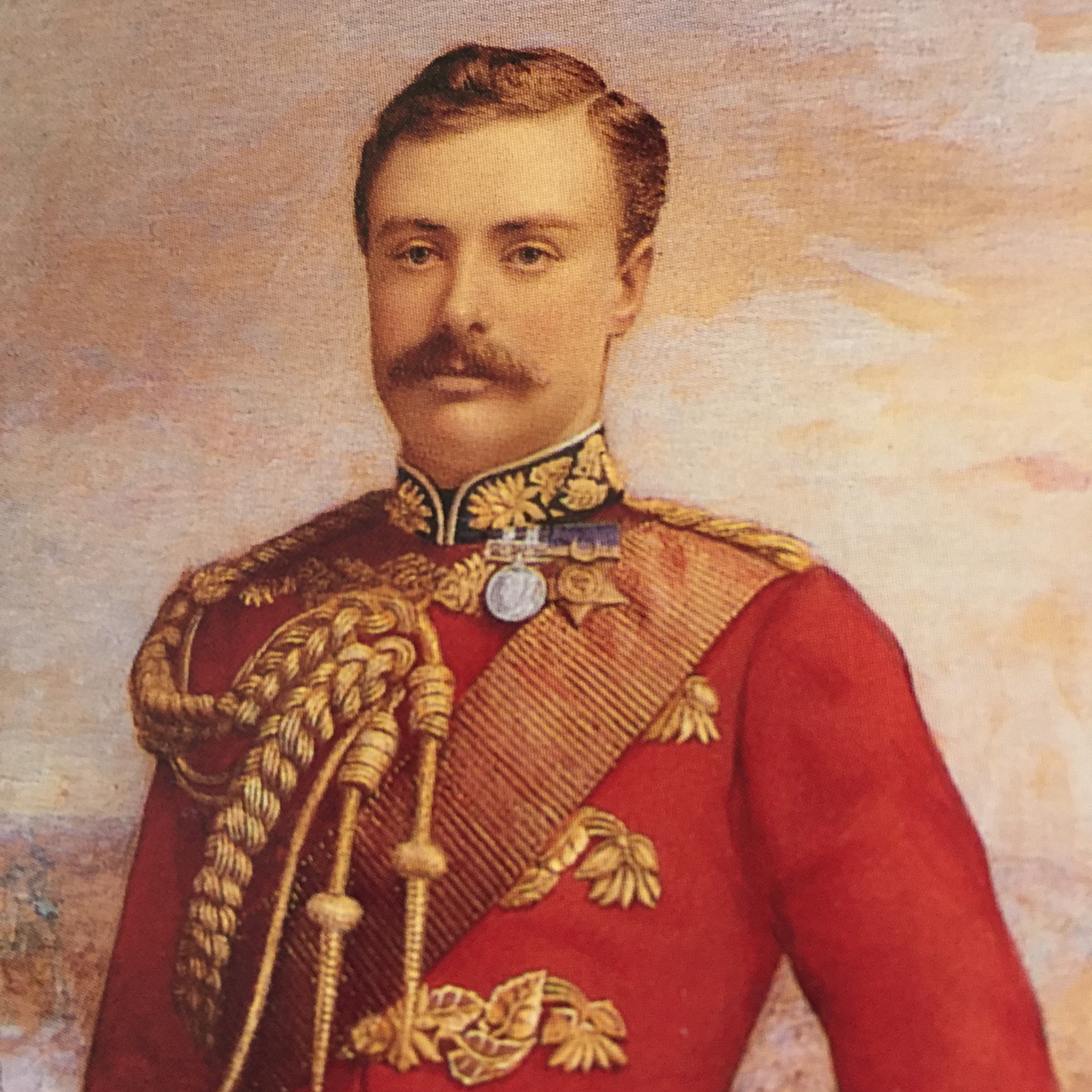
Lord Herbrand Russell, my photo taken from book "The Flying Duchess," cited above

Lord Herbrand Russell, my photo taken from book “The Flying Duchess,” cited above

In 1888, at age 23, she married the dashing Lord Herbrand Russell, aide-de-camp to the Viceroy. He was 27, and as an aristocratic younger son he had to make his own way in the world. A life serving Queen Victoria in India seemed likely for the young couple.

Mary Russell, Duchess of Bedford, Public Domain

Mary Russell, Duchess of Bedford, Public Domain

But in quick succession, Lord Herbrand’s father and childless older brother died, and hey presto! the young couple became Duke and Duchess of Bedford.

Woburn

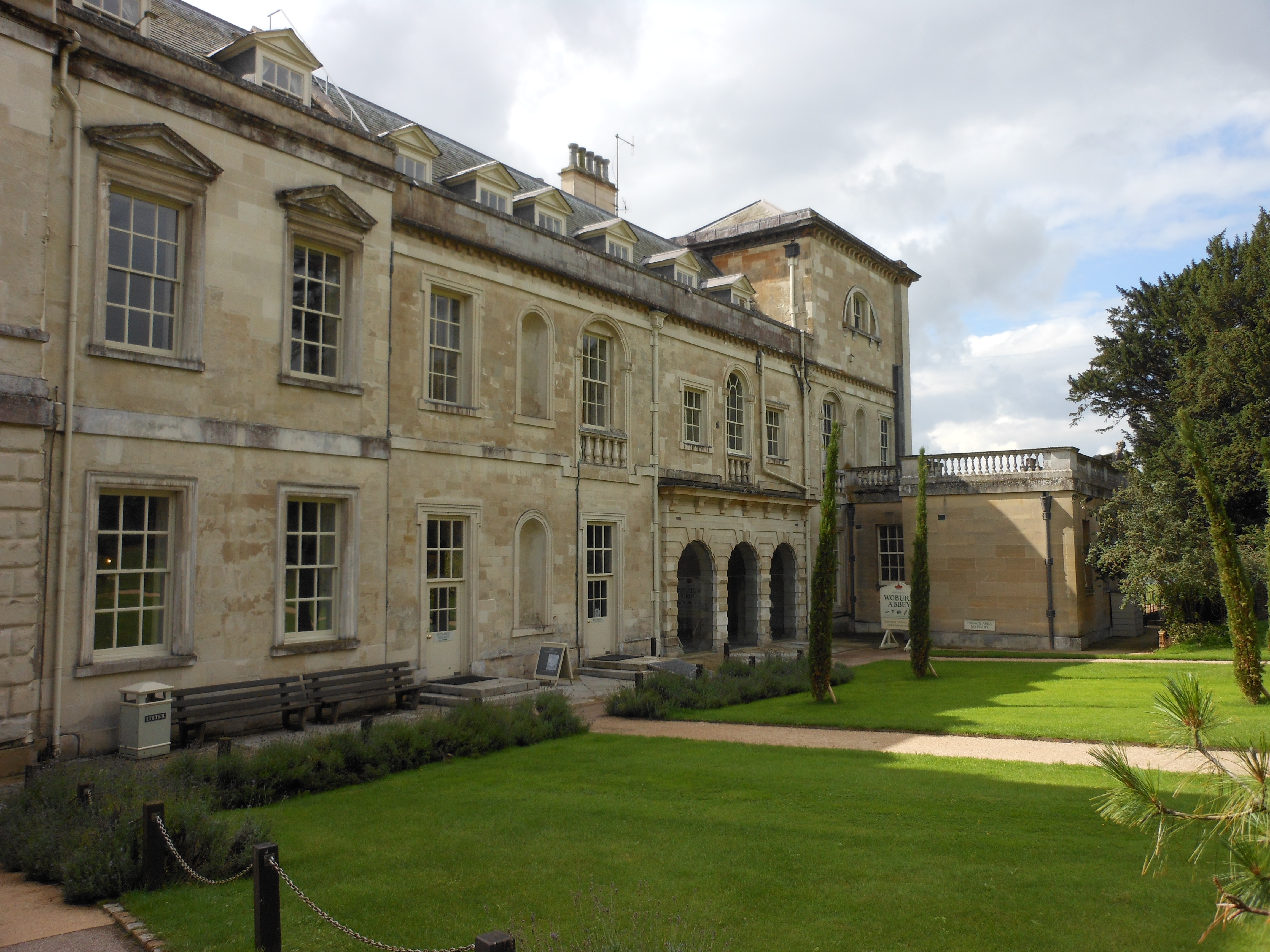
Along with the title came Woburn Abbey, seat of the Dukes of Bedford for over 300 years. In the twentieth century, war and industrialization took a toll on all great country houses. Woburn opened to the paying public in 1953, preserved from steep tax bills thanks to pragmatic plans that included a golf club. But it is still the family’s home. And rare breeds of deer still roam the park.

In her early married years, the Duchess gave birth to her only child, a son named Hastings.  Besides dressing up and wearing a tiara when required, she did all manner of good works in her community. She loved nature and being outdoors. She traveled on her yacht, hunted, fly-fished, and canoed, often alone, down rivers where she “shipwrecked” more often than she probably cared to admit. She took up bird-watching. Never one to do things by halves, she became a world authority on birds.

One of her prized pets was a rare swan named Sabina, a rescue bird who ferociously attacked any creature, man or beast, that ventured near her pond. She was no match for Mary Russell. The Duchess wrote in her diary, “I made a stand and gave Sabina to understand that in my case at least such behavior could not be tolerated.” Soon Sabina was following the Duchess around and allowing herself to be picked up. She haunted the terrace in front of the house, watching for the Duchess. She even asked for kisses. A male swan was drafted into service as a mate for her. Sabina tolerated him, but her first love was the Duchess.

Duchess of Bedford as a nurse, my photo taken from "The Flying Duchess" book cited above

Duchess of Bedford as a nurse, my photo taken from “The Flying Duchess” book cited above

The Duchess designed and built a state-of-the-art community hospital in Woburn. But she didn’t stop there.  For 34 years, she actually worked in the hospital, shoulder to shoulder with her employees. If she noticed a dirty floor, she scrubbed it. 

When World War I came, she converted large outbuildings on the estate into a war hospital. She hired an eminent London surgeon, Mr. Bryden Glendining, as her head of staff.  She trained as a surgeon’s assistant and stood by his side for about a dozen operations a week.

Realizing that the new science of radiology was crucial to diagnosis, she learned radiology and headed that department.  I can just hear her saying, “How hard can it be?” The War Office had so much confidence in the Duchess’s hospital that wounded soldiers were sent to Woburn directly from the Front.

MaryRussellBedford

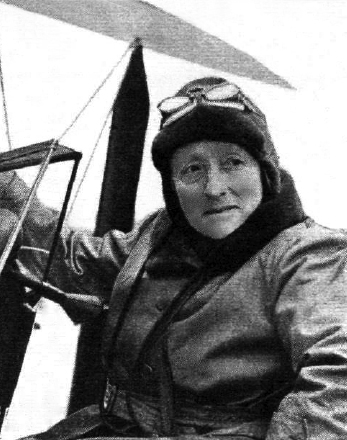
At age 61, the Duchess took up flying.  Again, how hard could it be? In 1937, at age 71, she had 199 hours of solo flight under her belt when she took off from the park at Woburn, alone in her De Havilland Gipsy Moth. She was never seen again. It seems likely that she strayed over the Channel and went down at sea.  Pieces of her plane eventually washed up on shore, but she was never found. Her beloved husband survived her by three years.

If the Duchess had lived on into the years of World War II, no doubt she would have tossed her flying helmet onto a shelf, rolled up her sleeves, and marched straight back into her hospital work.  A BBC article about her life is at http://www.bbc.co.uk/threecounties/content/articles/2008/08/12/flying_duchess_feature.shtml