Category Archives: Art

Thanks for Everything, Mom! Love, Vincent

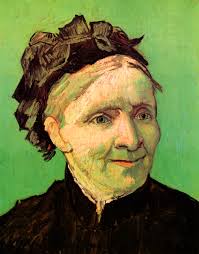
Portrait of the Artist's Mother, Vincent van Gogh, 1888, Public Domain

Portrait of the Artist’s Mother, Vincent van Gogh, 1888, Public Domain

Vincent van Gogh painted a portrait of his mother in October of 1888 during his stay in Arles, France.  This was an autumn of turmoil for Vincent; Paul Gaugin visited him in Arles, they quarreled, and the visit finally ended with the infamous ear-cutting episode.
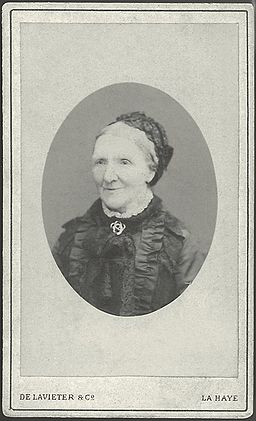
 

Photo of Anna van Gogh, Public Domain

Photo of Anna van Gogh, Public Domain

It seems that Vincent was missing his mother, whom he had not seen in years.  He wrote to his brother Theo that he was painting his mother for himself.  He had received a black and white photograph of her, and couldn’t bear to look at it. So he painted her in the soft glowing colors in which he remembered her. I wish he could have visited her. I think that her gentle actual presence would have helped him at this point in his life.

Vincent’s mother, Anna Carbentus van Gogh, raised six children: Vincent, Theo, Anna, Elizabeth, Wilhelmien and Cornelius.  Vincent was the oldest, although an earlier son, also named Vincent, had died.  Anna van Gogh was a pastor’s wife, tirelessly serving rural communities. Still, she found time to paint in watercolors, especially flowers and nature subjects.  She shared her love of flowers and painting with her children. As he accumulated finished canvases, Vincent used to send flowers to his mother in the form of paintings.  He sent, he wrote, “great bouquets of flowers, violet-colored irises, great bouquets of roses.”

Vincent’s parents had conservative and conventional religious views.  They were dismayed when he turned away from the institutional church and developed his own mystical religious view of the world, in which the divine was present everywhere at all times.  They could not approve of his stubborn poverty for the sake of his art, and they certainly could not approve of his unconventional love life.  But I love to think of Vincent’s mother, at her modest home in the Netherlands, unrolling a canvas from her son and finding a glorious bouquet of irises.

Irises, Vincent van Gogh, 1889, J. Paul Getty Museum, Public Domain

Irises, Vincent van Gogh, 1889, J. Paul Getty Museum, Public Domain

You can see van Gogh’s portrait of his mother at the Norton Simon Museum in Pasadena, California.  It’s one of my very favorite small museums in the world, worth going a little out of the way to visit on any trip to Los Angeles.

Happy Mother’s Day to all moms!  Join me next time for more explorations into the art, artists and history of Europe.
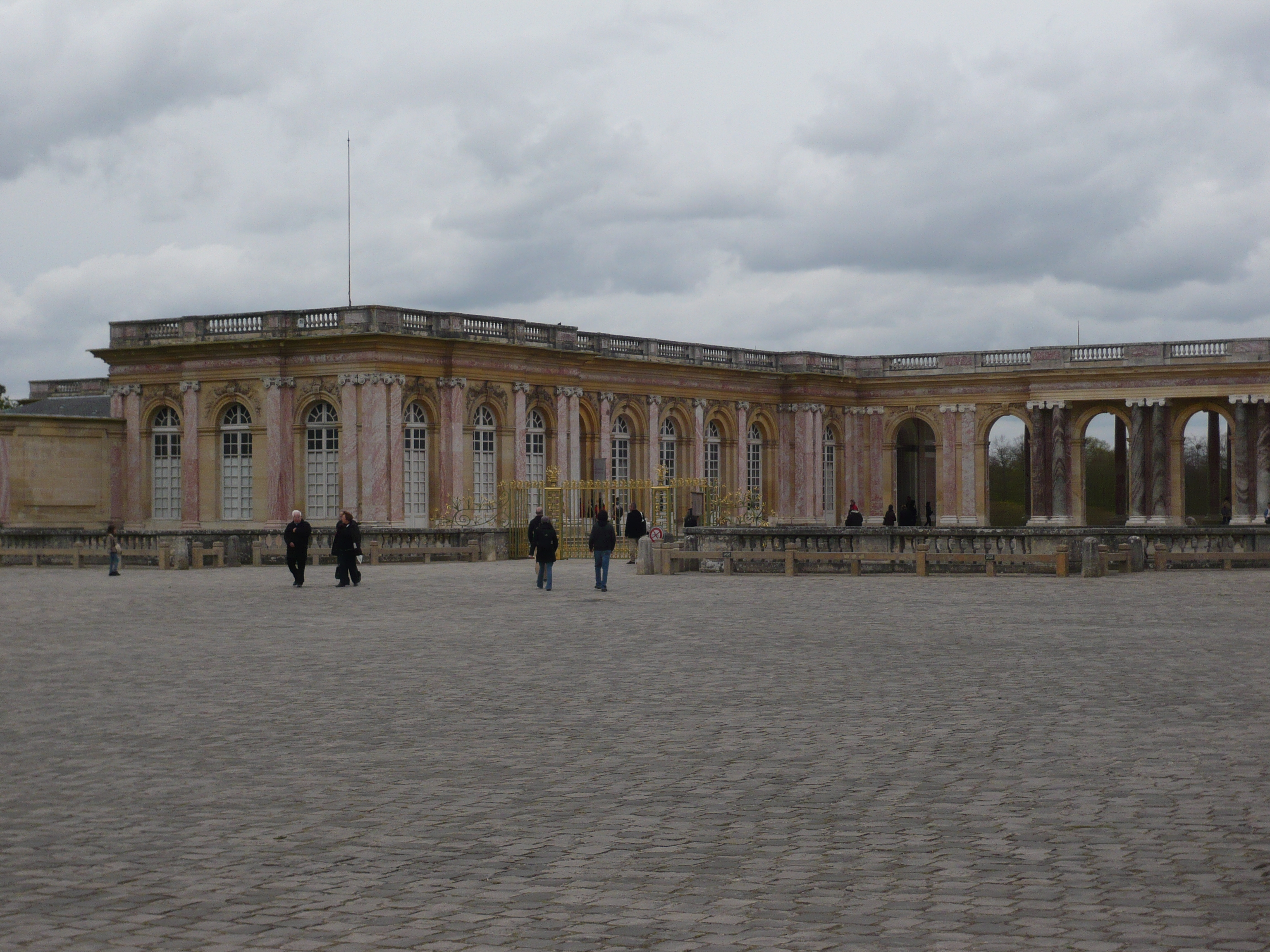
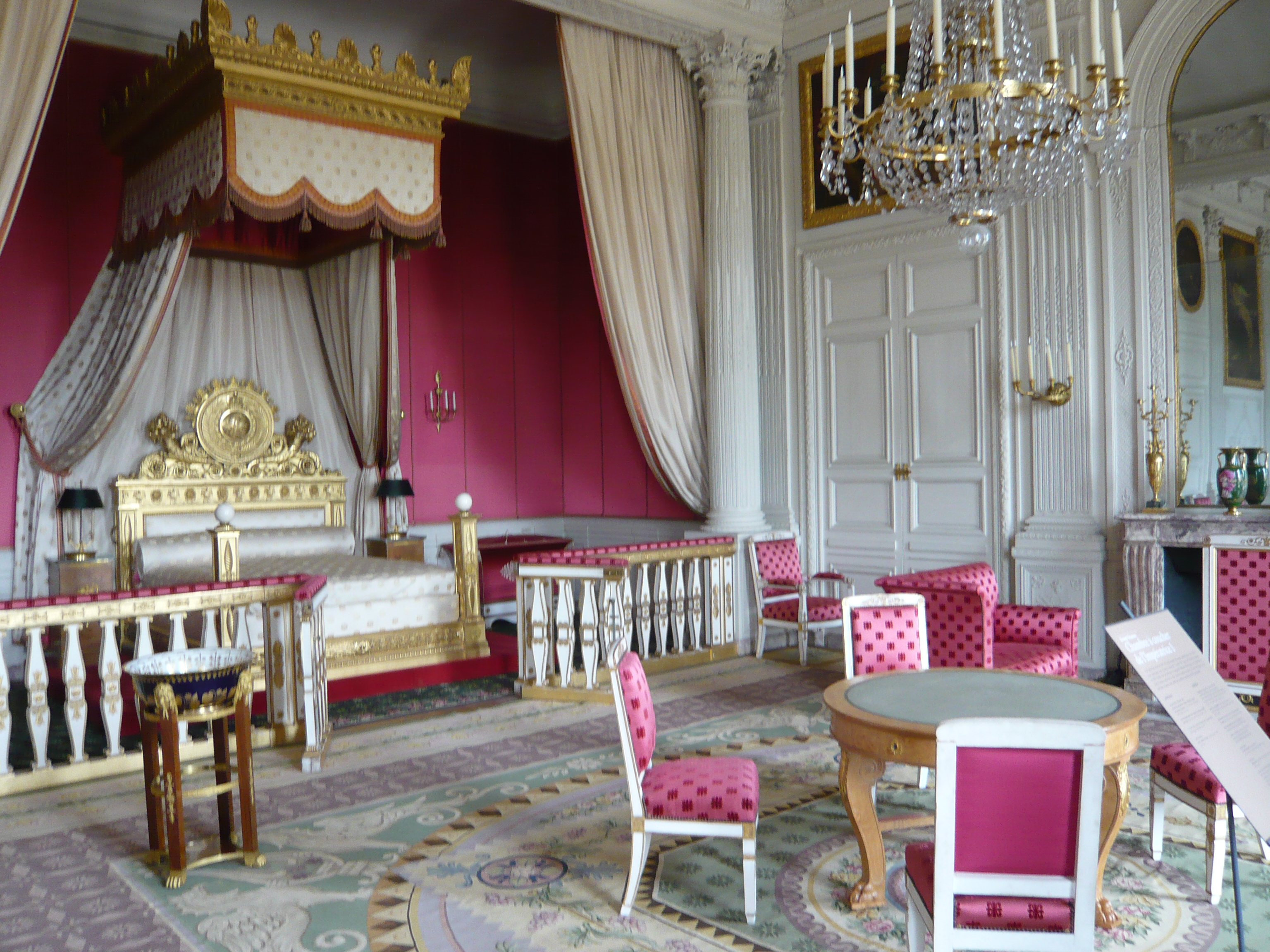
Petit Trianon: It’s All in the Details

PetitTrianon

Not that many tourists make the trek from the over-the-top Palace of Versailles to the much smaller Petit Trianon, built as a retreat from the crowds that filled the main palace as soon as it was built.

PetitTrianonBR

I like the much-more-human scale of the Petit Trianon. So did Marie Antoinette.  OK, I’m sure her critics were correct in accusing her of hosting raucous parties there, but I’m sure she also appreciated the details in her more quiet moments.

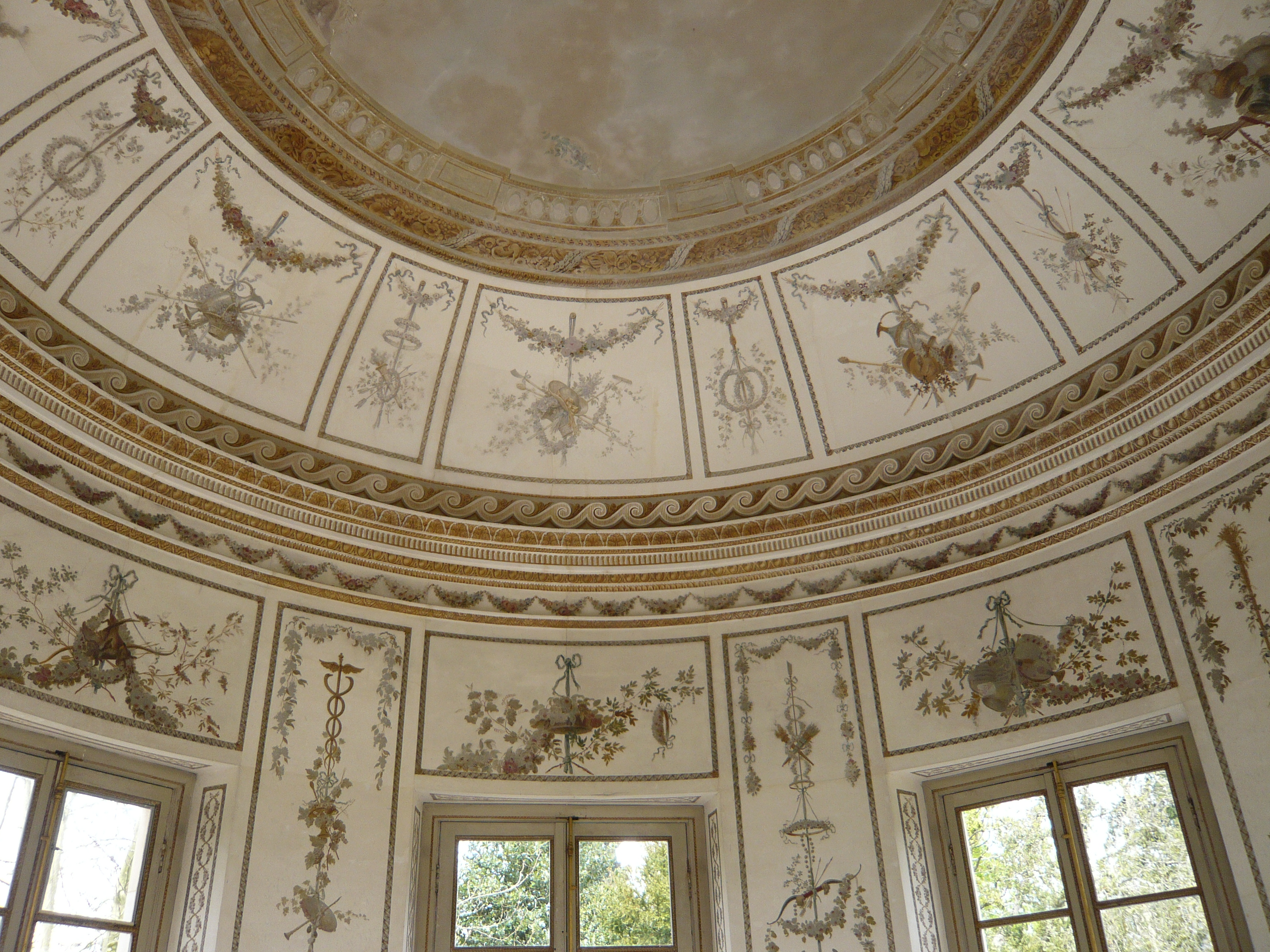
TrianonDetail

There’s a round salon with exquisite, soothing painted panels.

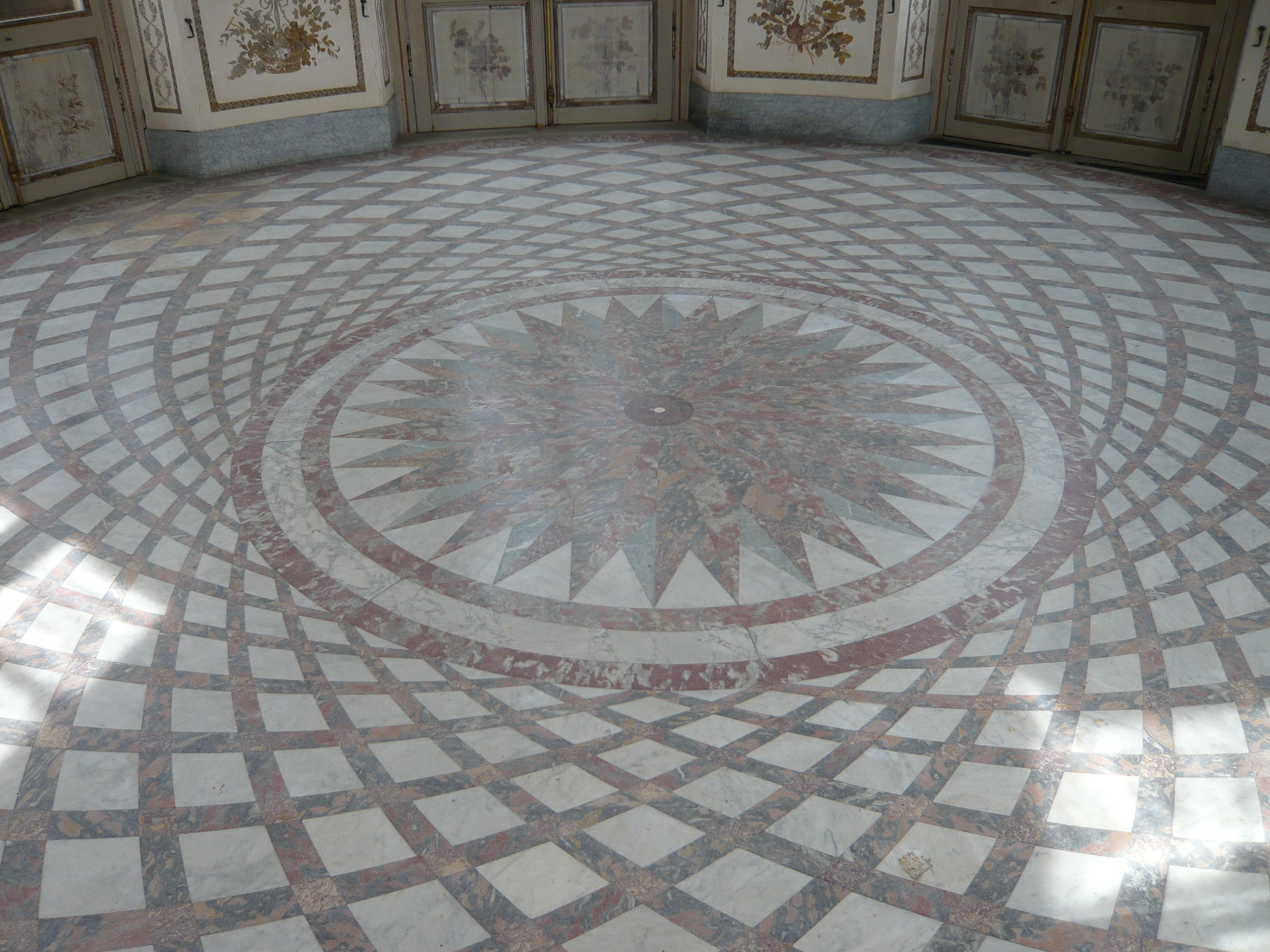
TrianonFloor

The salon has a patterned marble floor, still pristine.

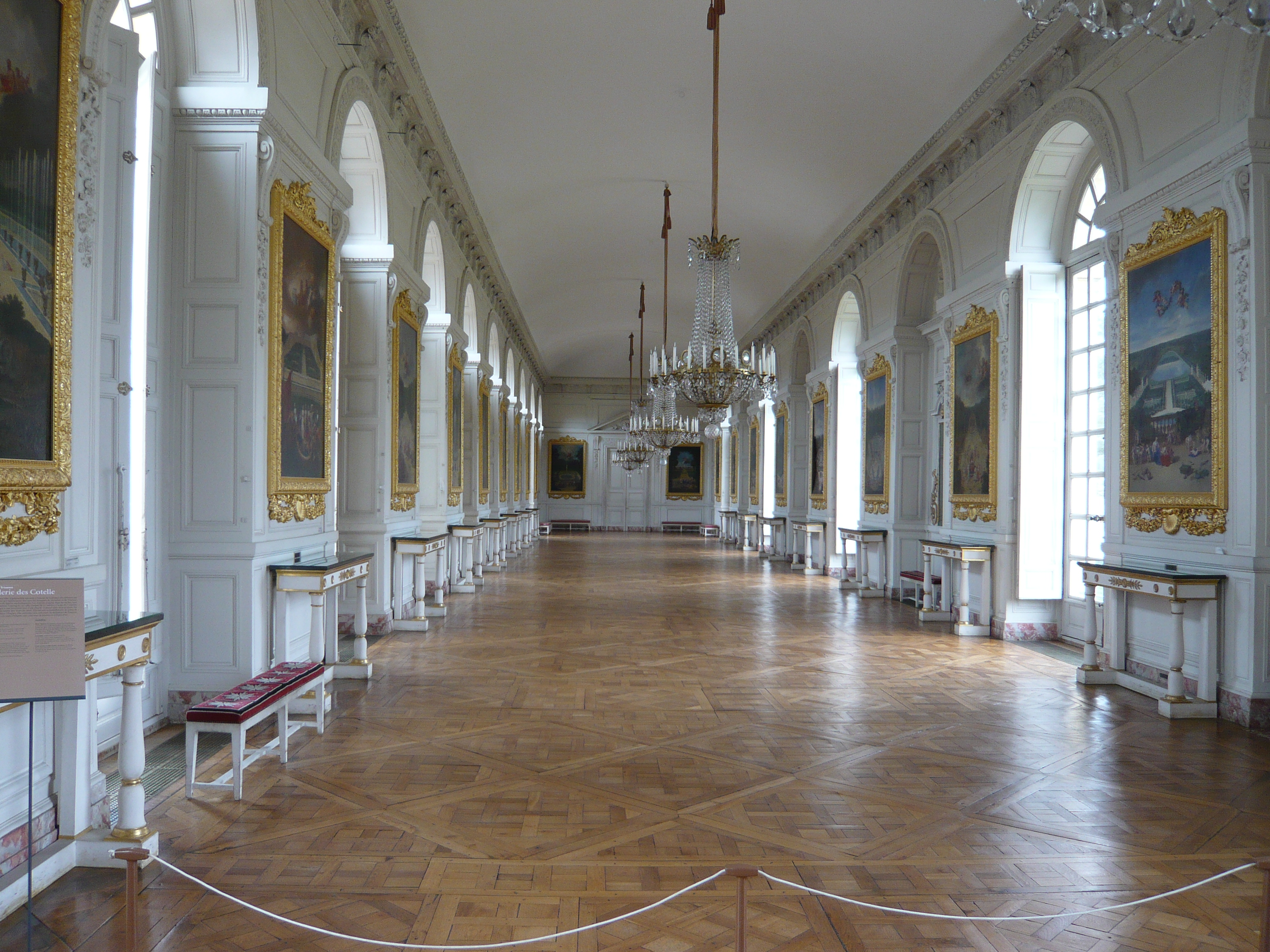
PetitTrianonGallery

A long gallery is a mostly-white version of the main palace’s Hall of Mirrors.  It’s calming, not frenetic. I think it’s too bad the royals who succeeded the glory days of the Sun King did not use the peace and quiet of their retreats to think about how they could sustain the monarchy.  In nearby Paris, daring thinkers were meeting in obscure coffeehouses, sowing the seeds of revolution.

Join me next time for more explorations in the art and history of Europe!


Jerome and His Lion

Niccolo Antonio Colantonio,

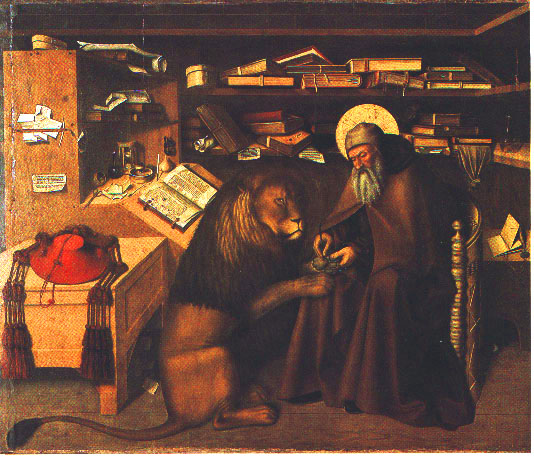
Niccolo Antonio Colantonio, “Jerome in his Study,” c. 1440-1470, Public Domain, National Museum of Capodimonte

Animal lover that I am, one of my favorite saints is Jerome, AKA Saint Hieronymous. Why? Because he befriended a lion in the wilderness–or at least so the legend goes. In the painting above, the lion has ventured into the saint’s dusty study with a thorn in his paw.  Jerome sets his book aside and carefully removes the thorn.  In other depictions, the saint comes across the lion, writhing in pain, out in the wilds. Either way, the legend is that from the moment Jerome extracted the thorn, the lion never left his side.

St. Jerome, Jacopo Tintoretto, Kunsthistorisches Museum, Vienna

St. Jerome, Jacopo Tintoretto, Kunsthistorisches Museum, Vienna

Jerome was born around the year 347 A.D.  He lived mostly in what is now Croatia.  A scholarly fellow, he became one of the earliest Doctors of the Church, before titles like “Cardinal” existed.  One of his main accomplishments was translating the Bible into Latin, from its original Aramaic and Greek.

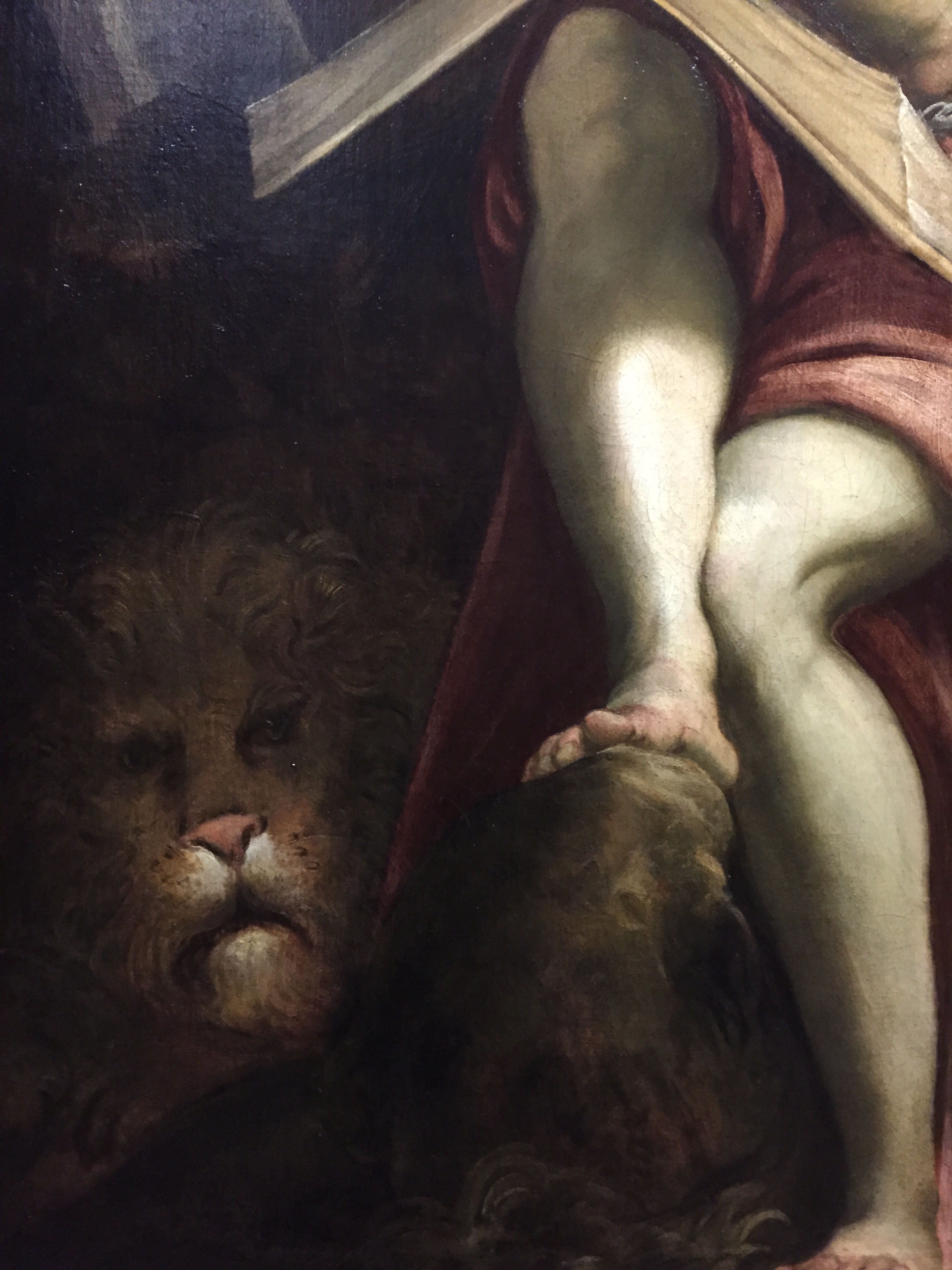
In paintings, the lion often lurks under a table or in a dark corner.

IMG_3174

I took the two photos above in the Kunsthistorisches Museum in Vienna. I love the legend, and whenever I’m in an art museum I’m on the lookout for images of Jerome and his lion. They have been painted countless times.

IMG_3495

Whenever I spot Jerome and his lion, I move in for a closeup.

Workshop of David Gerard, Saint Jerome in a Landscape, about 1501, my photo taken in National Gallery, London

Workshop of David Gerard, Saint Jerome in a Landscape, about 1501, my photo taken in National Gallery, London

To me, Jerome’s friendship with his lion is part of his concern and care for the whole creation.

Antonello da Messina, Saint Jerome in his study, about 1475, my photo taken in National Gallery, London

Antonello da Messina, Saint Jerome in his study, about 1475, my photo taken in National Gallery, London

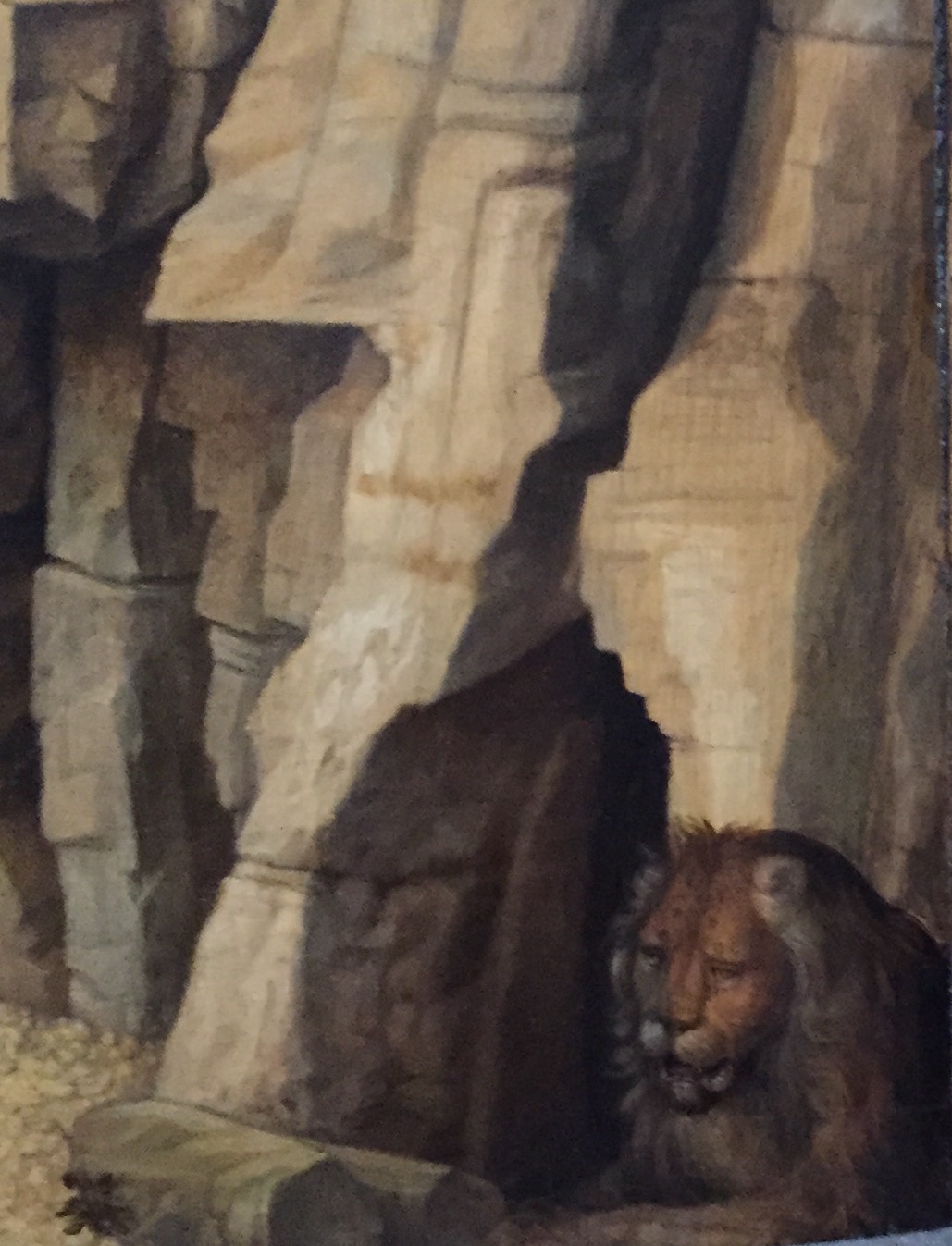
Sometimes the lion is not underfoot, but he’s always close by. He’s a little hard to spot in the painting above. Time to move in for a closer look.

FullSizeRender (3)

The faithful lion is always present.  In the painting of Jerome in the large study above, he’s patrolling the perimeter. No matter what, the lion always had Jerome’s back.

Giovanni Bellini, Saint Jerome Reading in a Landscape, circa 1480-5, my photo taken in National Gallery, London

Giovanni Bellini, Saint Jerome Reading in a Landscape, circa 1480-5, my photo taken in National Gallery, London

If the lion’s face is shown, he always has a friendly, grateful, loyal face–much like a shy family dog. He tends to look a little wary–who is about to disturb his friend Jerome?

FullSizeRender (2)

Are these paintings just sentimental portrayals of a serious saint who should be remembered for much more than a story that may not have happened at all?  The subject is the medieval and Renaissance equivalent of sharing cute animal videos online.

On a busy day, a couple of minutes spent watching photogenic animals feels to me like a guilty pleasure. What am I accomplishing by watching a gorilla rock a kitten to sleep or a dog rescue a teacup pig from drowning?  Well, I’m not getting a thing done, but I’m pausing in a busy day to learn compassion from animals. Like those videos, the images of St. Jerome and his lion give us an appreciation of our bond with the animals who share our world. The animals mostly treat each other and our world better than we humans do. If I were St. Jerome, I wouldn’t mind being remembered as an animal lover as well as a high-powered scholar.

Join me next time for more explorations in the art and history of Europe!

Easter in Venice: One to Remember

Easter this year may not be the greatest in my memory.  I’ve been down for the past week with a bad case of respiratory flu–the one that we all heard the flu vaccine did not protect against. Just when I thought I’d made it through the winter without getting anything, the virus knocked me flat.  I can’t really complain, though.  After all, I know one person who ended up in ICU for two weeks with this crummy virus.  I’m getting better, but I may not even make it to church on Sunday.  I don’t want to expose anyone.

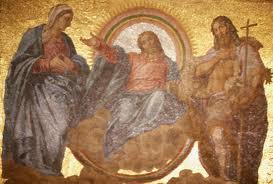
Anyway, I’m contenting myself with memories of my most spectacular Easter ever: in Venice, several years ago.  We got up super-early and hurried through almost-empty streets to the Basilica of San Marco, built in the 11th century and packed with pilgrims and tourists ever since. We were actually worried about getting seats. No problem! We breezed in the side entrance and found we could sit wherever we wanted.

SanMarco

What a perfect time to be there!  Typically, tourists wait in long lines, then get about 10 minutes to shuffle through the darkened cathedral, peering up in a vain effort to see the spectacular 12th and 13th century mosaics. Once in awhile some lights come on, and attendants periodically call for silence. Most times, I’d rather look at the mosaics in a book.

marcomosaics

But during all of the many services on Easter Sunday, the interior of San Marco is brightly lit.  And worshippers get to sit down! This is why the best way to experience a church or cathedral that’s a tourist magnet is to actually attend a service.  Although we could not understand a word of the Easter service, we felt entirely welcome.  There were even some printed copies of the sermon in English–at least we thought it was the sermon.  Even in translation, it was hard to decipher.  But no matter.

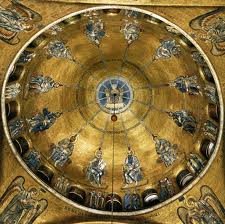
marcodome

We spent a wonderful hour soaking up beautiful sacred music, mysterious (to us) words, and an ambiance of golden light. We ventured to take a few photos, seeing that other congregants were doing so discreetly. Mostly, though, we loved having  time to gaze up at the 8,000 square meters of breathtaking mosaics depicting events from the New Testament and lives of various saints.

marcomosaic2

I’ll never forget the warm beauty of the mosaics in San Marco.

As a bonus, the Pala d’Oro, a golden altarpiece usually covered, was wide open and brightly lit. The Easter experience at St. Mark’s was so spectacular that we actually went back for another service later in the day.  The streets were getting crowded, and we figured we might never have this chance again.

Later on Easter morning, we wandered past the English Anglican Church. The doors were wide open and people were still filtering in. In we went. The place was austere compared to San Marco, but we could understand all the words. Afterward, smiling church ladies, stationed at a table in the foyer, offered small paper cups to us. All churches have smiling church ladies and I love them.  I happily accepted the little cup–lemonade, I thought, just like at home. Outside, next to the sparkling Grand Canal, I took a sip and stopped in my tracks.  It was champagne!

GrandCanal

Am I planning another trip to Venice? Maybe someday, during whatever passes for the off season these days. I think I would like Venice in the dead of winter. But I keep readiing that floods are becoming more and more frequent–tourists slosh around in rubber boots and balance on temporary boardwalks.  The city, built on pilings in the lagoon, is slowly sinking even as ocean levels rise. There are high hopes for a new system of water control gates on the sea floor.

But there’s little hope for stemming the relentless tide of tourists.  Residents have left the city, moving steadily to the mainland over the past generation. It is just too hard and expensive to live in the beautiful and unique medieval city.  I just read that on a summer day, tourists outnumber residents 600 to 1.  Venice is becoming a victim of its own glorious success, first as a world naval power, and now as a tourist magnet.  Of course I’d have attended George Clooney’s wedding, but sadly my invitation must have been lost in the mail.

Join me next time for more explorations in the art and history of Europe!


Maria Christina: She Even Got the Canova!


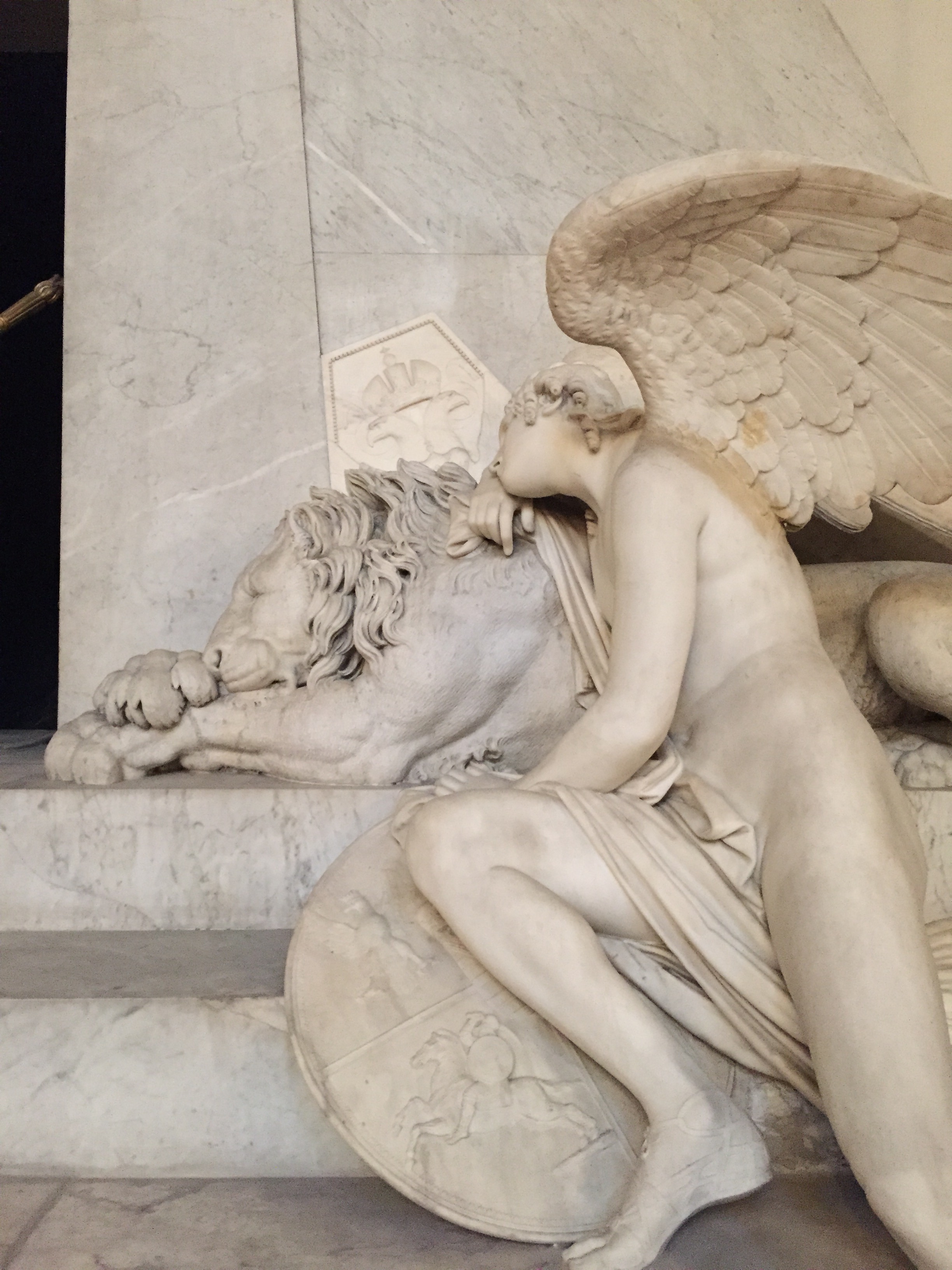
MariaChristinaCanova The Augustinian Church, adjoining the Hofburg Palace in Vienna, contains one of the saddest and most grandiose memorials I’ve ever seen.  It occupies a huge section of wall space in the family church of the Habsburgs. It was exquisitely sculpted by the great Italian artist Antonio Canova in 1805 and remains one of his most famous works.  A procession of downcast mourners slowly climbs the stairs toward an open doorway with nothing but darkness inside. Gazing into the void of that black space is truly terrifying.


MariaChristinaCanova2

A tearful lion lies beside the doorway, disconsolately resting his mighty chin on his paws.  A handsome male angel leans on the lion’s back, clearly overcome with grief. The whole structure is in gleaming white marble. Canova’s funeral monuments were mostly for Popes and Venetian nobles, plus a small one for the British war hero Horatio Nelson. Most people agree that the monument in the Augustinian Church in Vienna is the grandest and most beautiful of them all.

Maria Christina

Maria Christina

This masterpiece honors a woman who never did much of anything: Archduchess Maria Christina, favorite daughter of Empress Maria Theresa. After her death at age 56, her husband (flush with wealth lavished on the couple by the Empress) commissioned the monument.

Who is buried in Maria Christina’s tomb?  No one.  She is actually buried in the Imperial Crypt along with the rest of the Habsburgs. But apparently her husband, with the blessing of her mother, wanted everyone who attended church at the Augustinian to be reminded of her loss.

I can’t help thinking of Marie Antoinette, the unfortunate younger sister of Maria Christina. After her beheading, she was unceremoniously thrown into a common pit along with other victims of the Terror in Paris.  Reportedly, when Maria Christina heard of her sister’s gruesome death, she remarked, “She never should have married.” Of course Marie Antoinette had nothing to say about whether or whom or when she married, unlike the more fortunate Maria Christina.

Why did Maria Theresa favor one daughter so highly, out of all her 16 children?  Was Maria Christina possibly the most intelligent?  If Maria Christina had been the daughter sent off the France, might she have been intelligent and strong-willed enough to persuade Louis XVI, a bit of a dim bulb, to accept some reforms before mobs marched on Versailles? Failing that, might she have persuaded Louis XVI to decamp to a safe haven until things cooled down at home? As it was, he ignored many chances to escape.  When he finally decided to make a run for it, the carriage he chose  was a huge lumbering vehicle that stuck out like a sore thumb on the rural roadways of France.  The royal family was captured and hauled back to prison in Paris.
A previous post about the Augustinian Church is at:

https://castlesandcoffeehouses.com/2014/12/01/habsburgs-hatc…and-dispatched/

Previous posts about Marie Antoinette are at:

https://castlesandcoffeehouses.com/2014/03/21/another-tragic…rie-antoinette/

https://castlesandcoffeehouses.com/2014/12/02/marie-antoinet…dow-treatments/

Theresia11-12

Maria Theresa was not the most fair or loving mother, but she had her good points.  I wrote about her at:

ttp://castlesandcoffeehouses.com/2014/04/16/maria-theresa-…-lean-in-woman/

Join me next time for more explorations in the art and history of Europe!

Love in the Dutch Golden Age


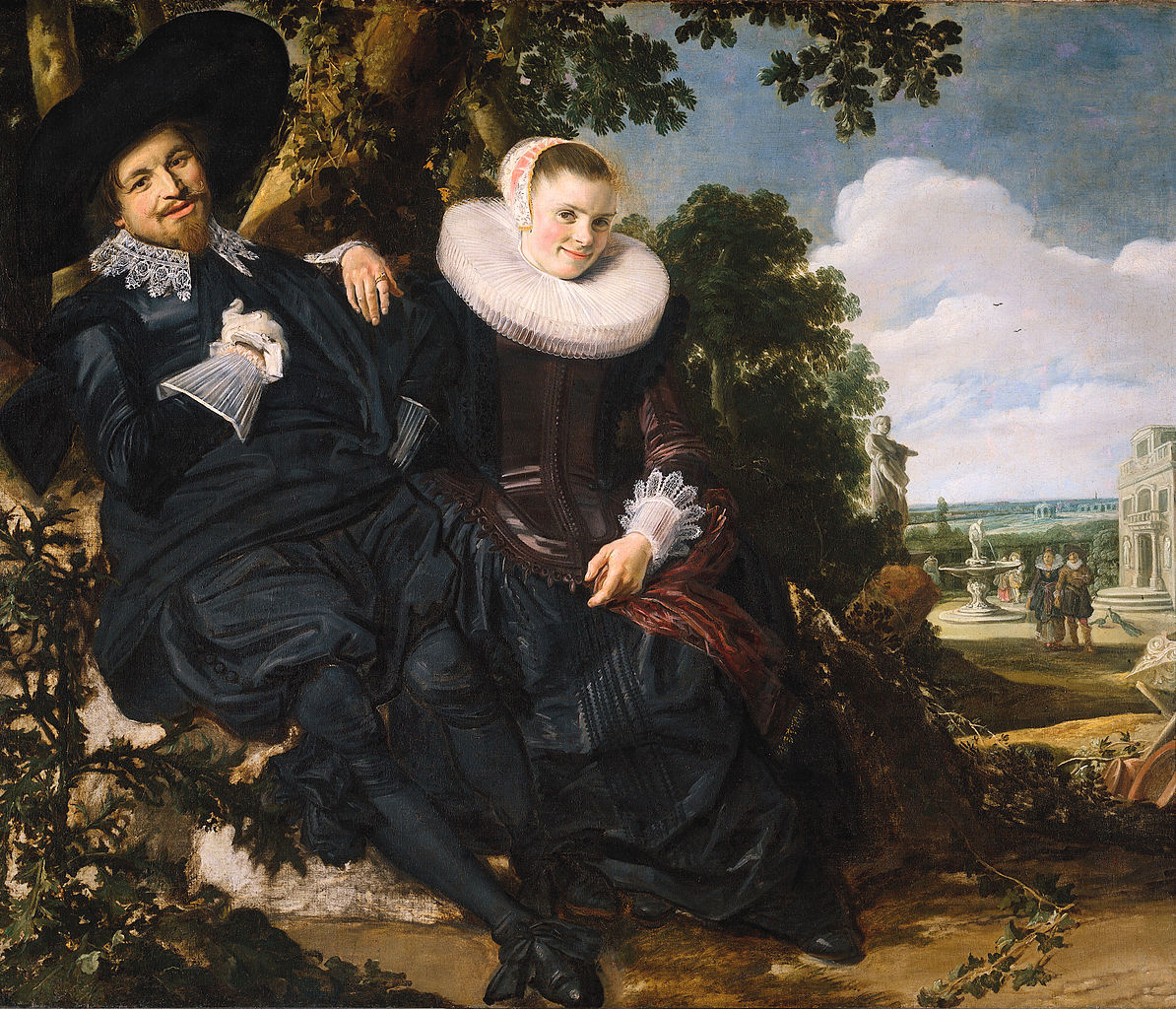
Portrait of a Couple, Franz Hals, c. 1622, Amsterdam Rijskmuseum

Portrait of a Couple, Franz Hals, c. 1622, Amsterdam Rijskmuseum

This happy couple posed for the great Dutch portrait artist Franz Hals in around 1622. They were married in April of that year.  They seem completely at ease with each other, and they exude the joy of love. They are believed to be Isaac Abrahamz Massa and Beatrix van der Laen.  The relaxed pose was unusual at a time when portraits were serious business.  However, Hals was known to break conventional norms all the time in order to show the true humanity of his subjects.  And these people were known to be friends of the artist.

Hals included references to love and marriage:  a garden of love to the right, and to the left an eryngium thistle.  This plant was a symbol of male fidelity. (Let’s hope Isaac took the symbol to heart).  I’d like to think these two joyful people enjoyed a long and happy marriage. Happy Valentine’s Day, Isaac and Beatrix!

Pixels and Pearls

PearlPixels

A few months ago in Amsterdam, I stayed at a bed and breakfast with especially trendy-but-funky decor.  One entire wall of my room was covered in little squares about the size of sample paint chips from the hardware store, all hinged together in an abstract design.  The shapes and colors were oddly familiar.

The Girl with the Pearl Earring, Johannes Vermeer, c. 1665, Public Domain

The Girl with the Pearl Earring, Johannes Vermeer, c. 1665, Public Domain

After about a day, I realized why the image was familiar.  Of course!  I was looking at an abstraction drawn from Johannes Vermeer’s “The Girl with the Pearl Earring,” painted by the still-mysterious master of light and shadow in about 1665 in Delft. Vermeer worked slowly on his small canvases of domestic scenes, but he lavished the extremely expensive blue pigment of lapis lazuli on his work, building up luminous surfaces from repeated glazes.

When I returned home, I watched the 2003 movie Girl with a Pearl Earring, directed by Peter Webber from a screenplay by Olivia Hetreed.  The story was taken from Tracy Chevalier’s historical novel of the same title. The painting creates a dramatic tension by its very subject matter:  the humbly dressed but beautiful young woman should not be wearing a priceless pearl earring. She is gazing back over her shoulder at the  viewer, as though caught in a guilty act. Yet she has an undeniable dignity and poise.

Theatrical Release Poster

Theatrical Release Poster

What’s the story here?  This is the question the book and movie explore.  In the Dutch Golden Age, as in our own time, the rich always find ways to exploit the poor. Scarlett Johansson is luminous as a servant girl pressed into service as a model for the artist.  Colin Firth plays the artist, who painted this masterpiece in 1665. The movie explores themes of class, creativity, the waste of human potential, and the tragedy of repressed talent. Repressed sexuality is there, too.

The movie asks a lot of questions. How can the powerful rich be reined in? How far should an artist go to pursue a vision? What happens if a poor girl happens to have artistic talent? Colin Firth is in fine smoldering form, and Scarlet Johansson gives him plenty to smolder about. Tom Wilkinson and Cillian Murphy (of the high cheekbones and piercing blue eyes) round out the cast. The film was nominated for Academy Awards, the BAFTA, and Golden Globes. Unfortunately it fizzled like a seventeenth-century candle at the box office, but I have it on DVD for those times I really need to retreat to the Dutch Golden Age.

In my Amsterdam room, once I realized I was looking at a pixellated version of a masterpiece, all I wanted was to see the masterpiece itself in all its glory. The Rijksmuseum in Amsterdam has several Vermeers. But this particular painting is not in Amsterdam; to see it, I’ll have to travel to the Mauritshuis Museum in The Hague.  Time to plan another trip!

Join me next time for more explorations in the art and history of Europe!

Racy PJs at the House of Art Nouveau

Budapest’s  House of Art Nouveau is a delightful conglomeration of the possessions of ordinary people during the period of peace and prosperity between the 1890s and the outbreak of the First World War.  This approximate period was known in France as Le Belle Epoque; i wrote about it in several posts about the Paris 1900 Exhibition.  The items I admired last spring in Paris were for the elite; the ones I admired in Budapest were decidedly more humble, but just as charming and thought-provoking.

FullSizeRender (32)

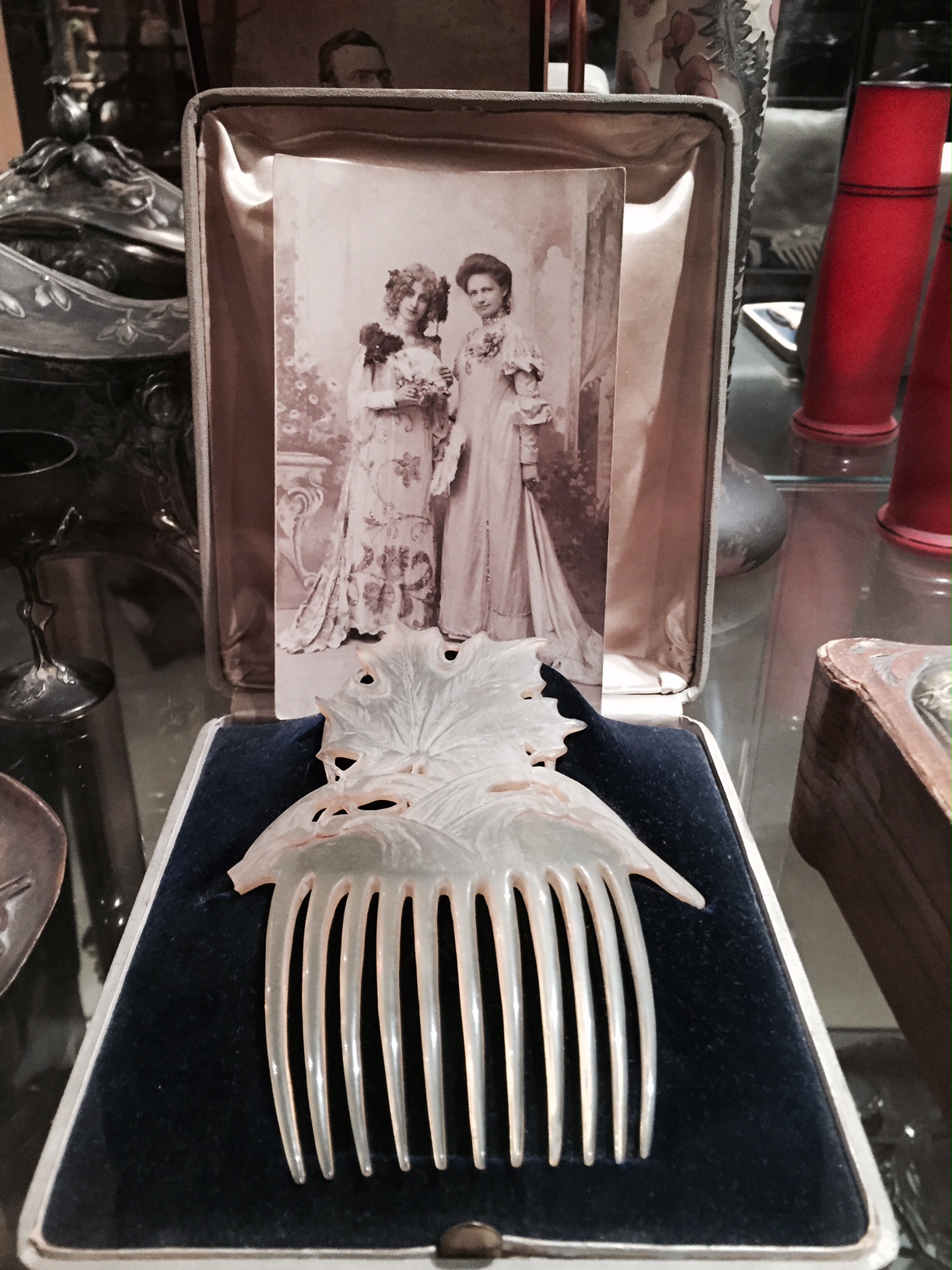
In fashion, the period began with Victorian primness and fussiness. The ladies above pose with an ivory comb perfect for hair styled in intricate billows, braids and loops.

FullSizeRender (56)

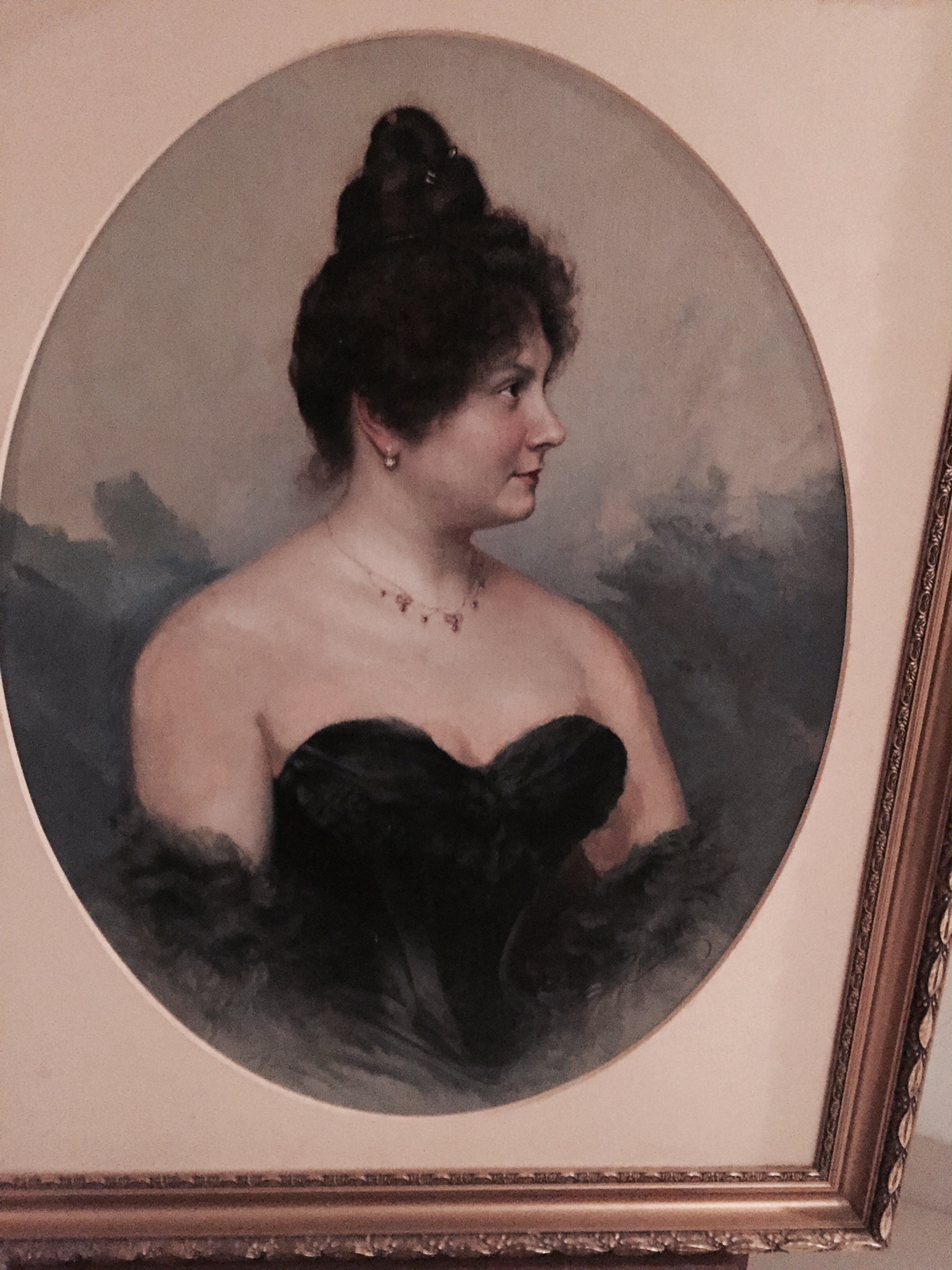
Who was this pretty lady?  The aristocracy had themselves grandly painted life-sized, in oils.  But members of the new middle class were happy to have portraits of their loved ones in humbler pastels and watercolors.


FullSizeRender (55)

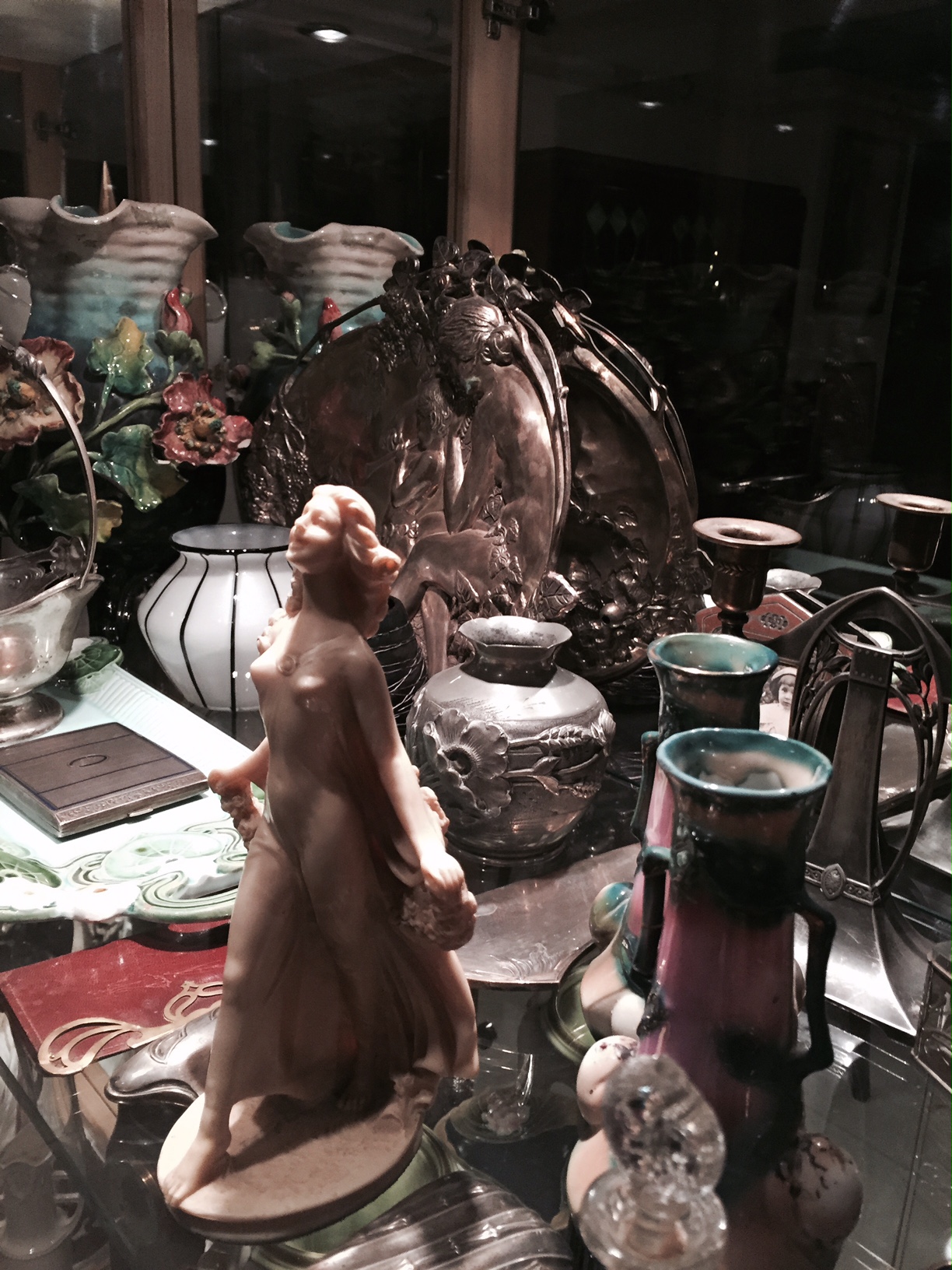
At some point in the period, respectable women became more daring–possibly inspired by items like this exuberant little nude figurine on a dressing table.

FullSizeRender (36)

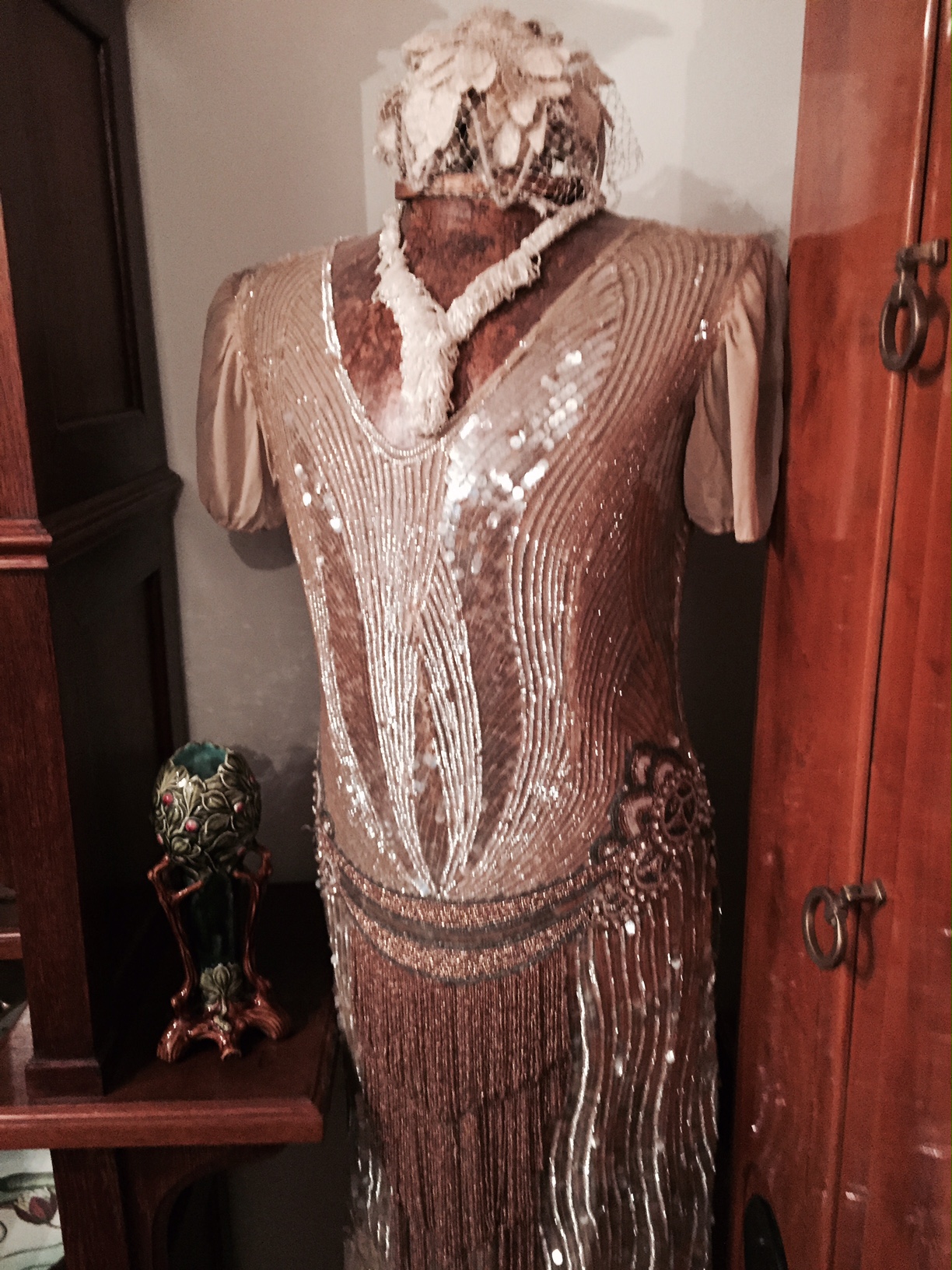
That new boldness led directly to fashions which would not have amused Queen Victoria. This evening dress looks like a precursor of the flapper dress that became popular in the 1920s.

FullSizeRender (24)

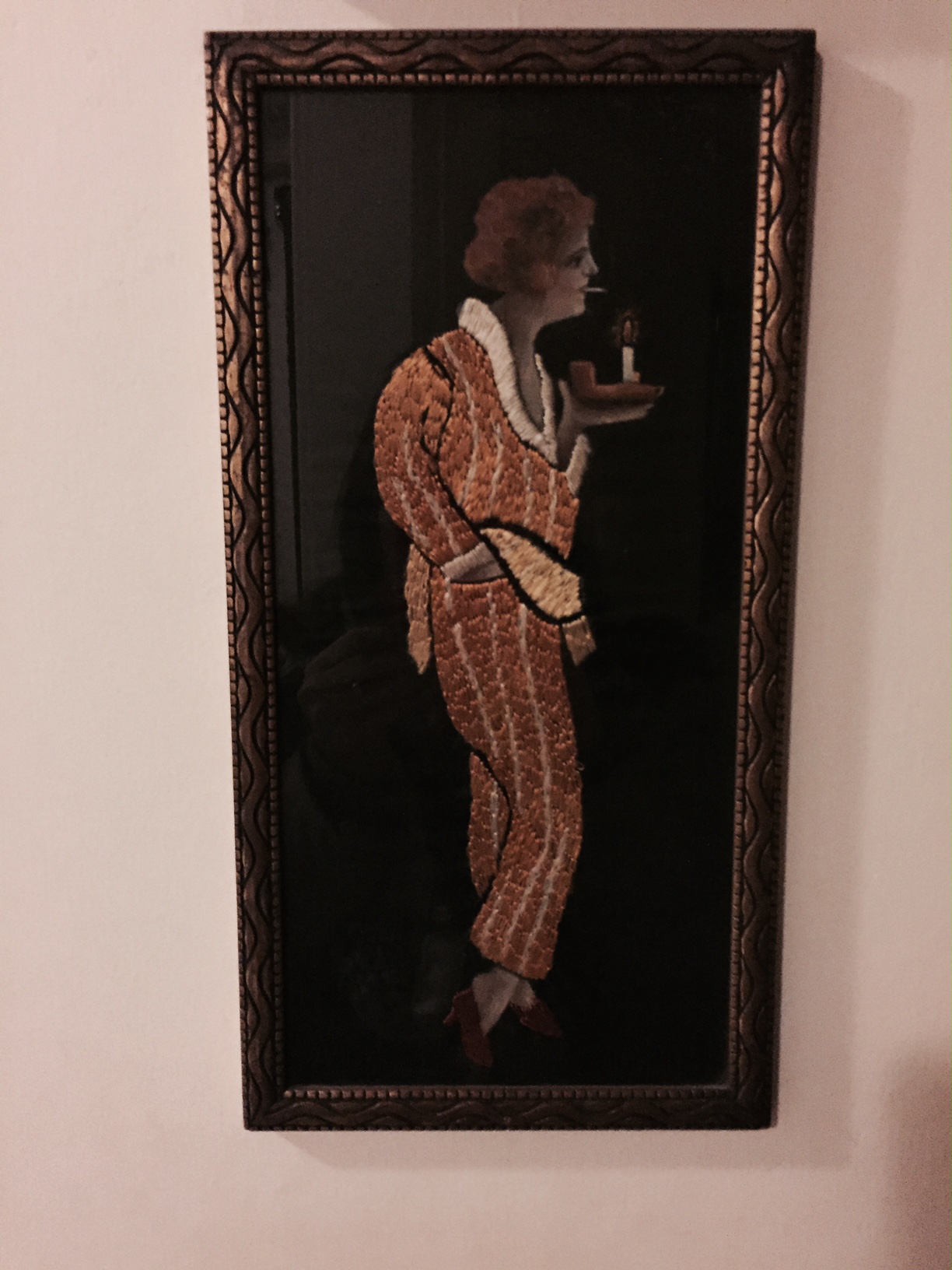
And at home, women enjoyed their new freedoms as much as when they were out and about.  On the door of the women’s restroom, I found this charming portrait of a woman wearing pajamas–with pants!  And lighting a cigarette from her bedtime candle! The world was changing, in Budapest as in other cities. The House of Art Nouveau is a delightful wander into the past, and a look at what the future would bring.

More Art Nouveau in Hungary

My apologies to those who received a post with no content.  I was trying to re-blog a post on “How to Travel in Winter” from one of my favorite travel blogs, “Picnic at the Cathedral.”  I’ll try again!

I’m just getting around to sorting my many photos of my first trip to Hungary, this past December. One of my favorite stops was the House of Art Nouveau in Budapest.  As I explained in a recent post, it’s not so much a museum as a collection of stuff that ordinary people owned, used and loved. Hungary enjoyed one of its few periods of peace and relative prosperity between about 1890 and the outbreak of the First World War.

FullSizeRender (28)

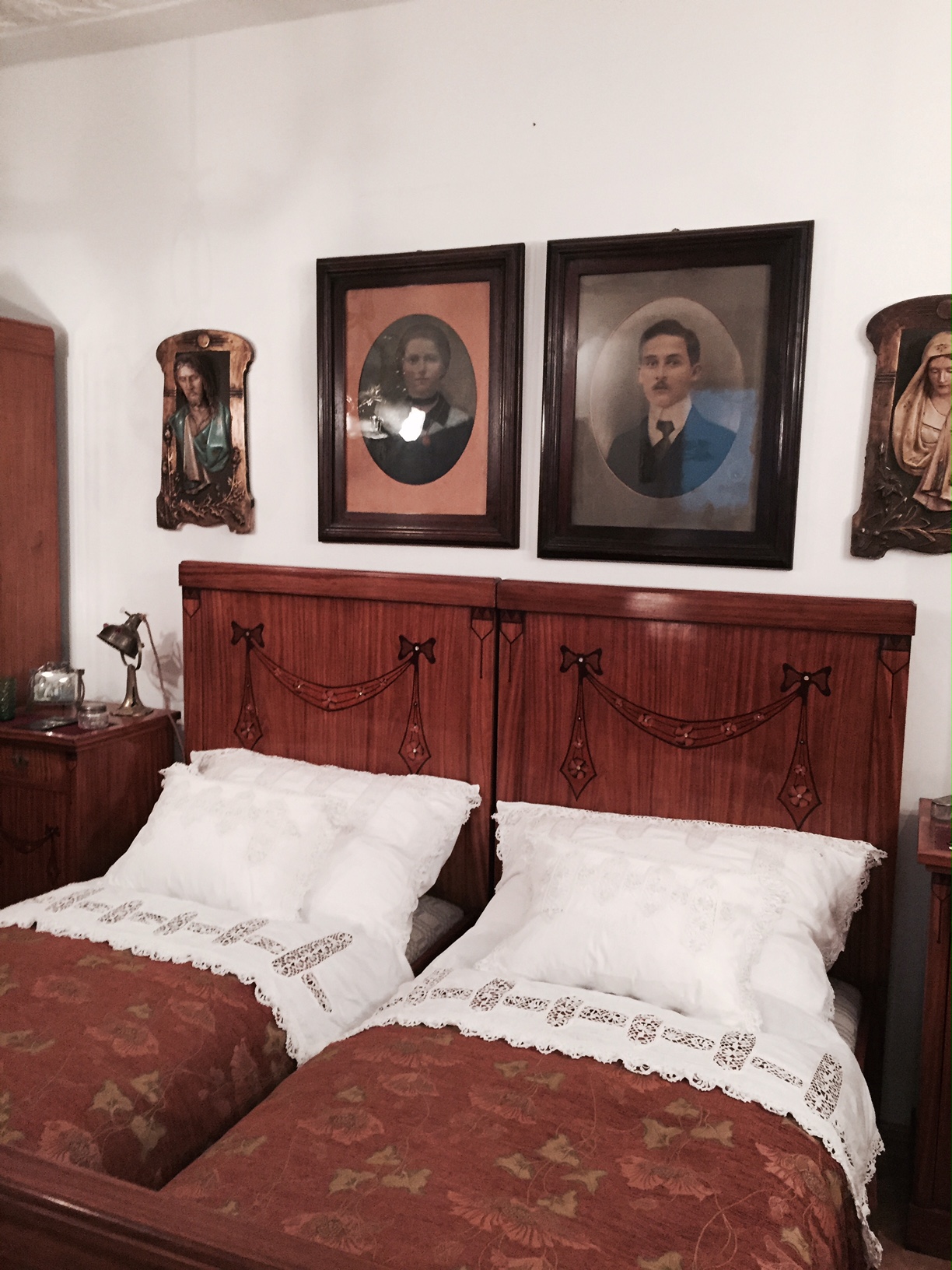
Furniture styles at the beginning of the period were staunchly conservative, even a little stuffy.  I’m not an expert, but I might call the bedroom set above a version of the “Biedermeier” style popular with the new middle classes of central Europe between about 1815 and 1850.

FullSizeRender (26)

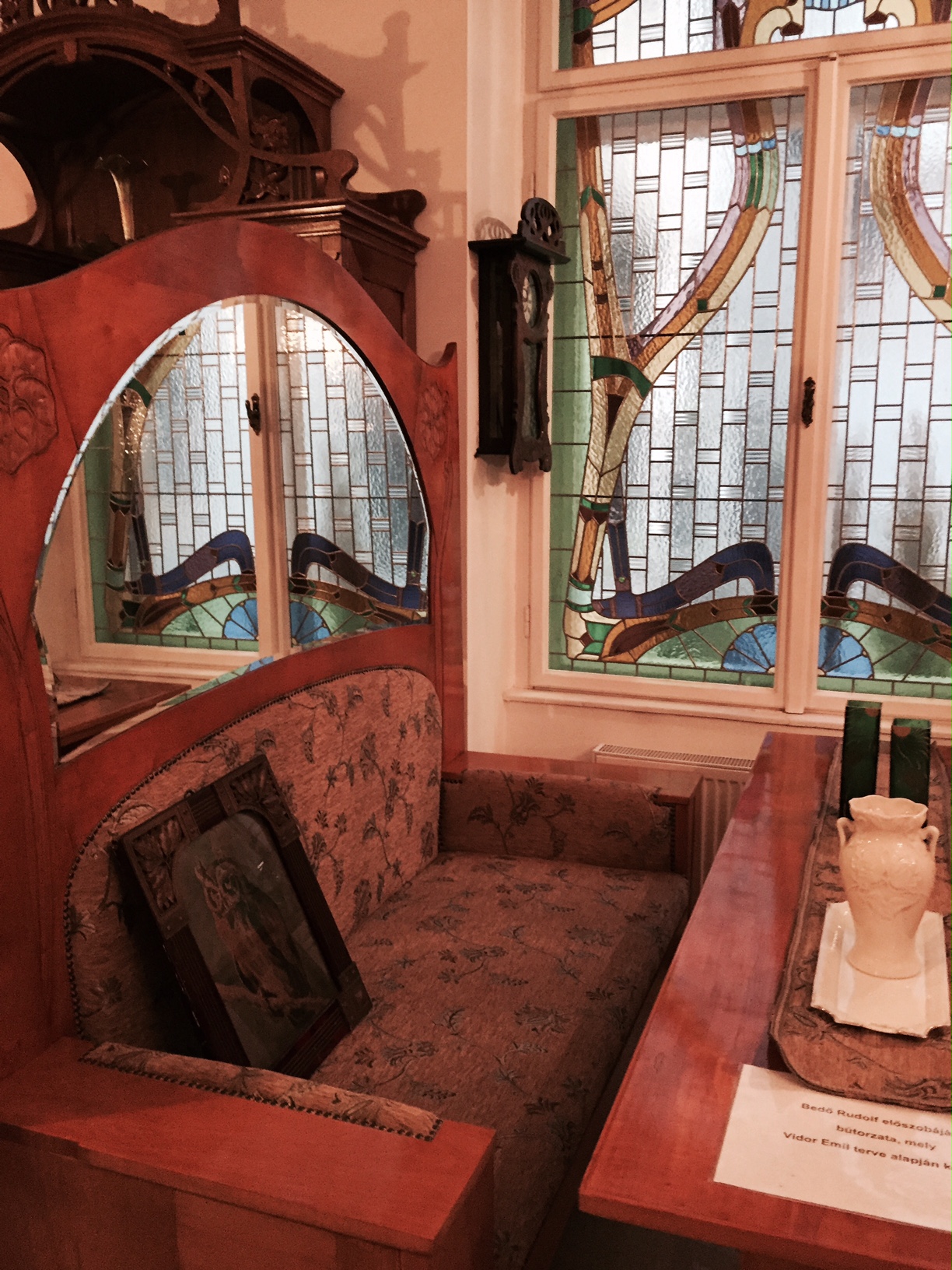
The cozy dining nook above sits next to an Art Nouveau stained glass window original to the house. It looks ready for a cozy chat and a nice cup of coffee.

FullSizeRender (39)

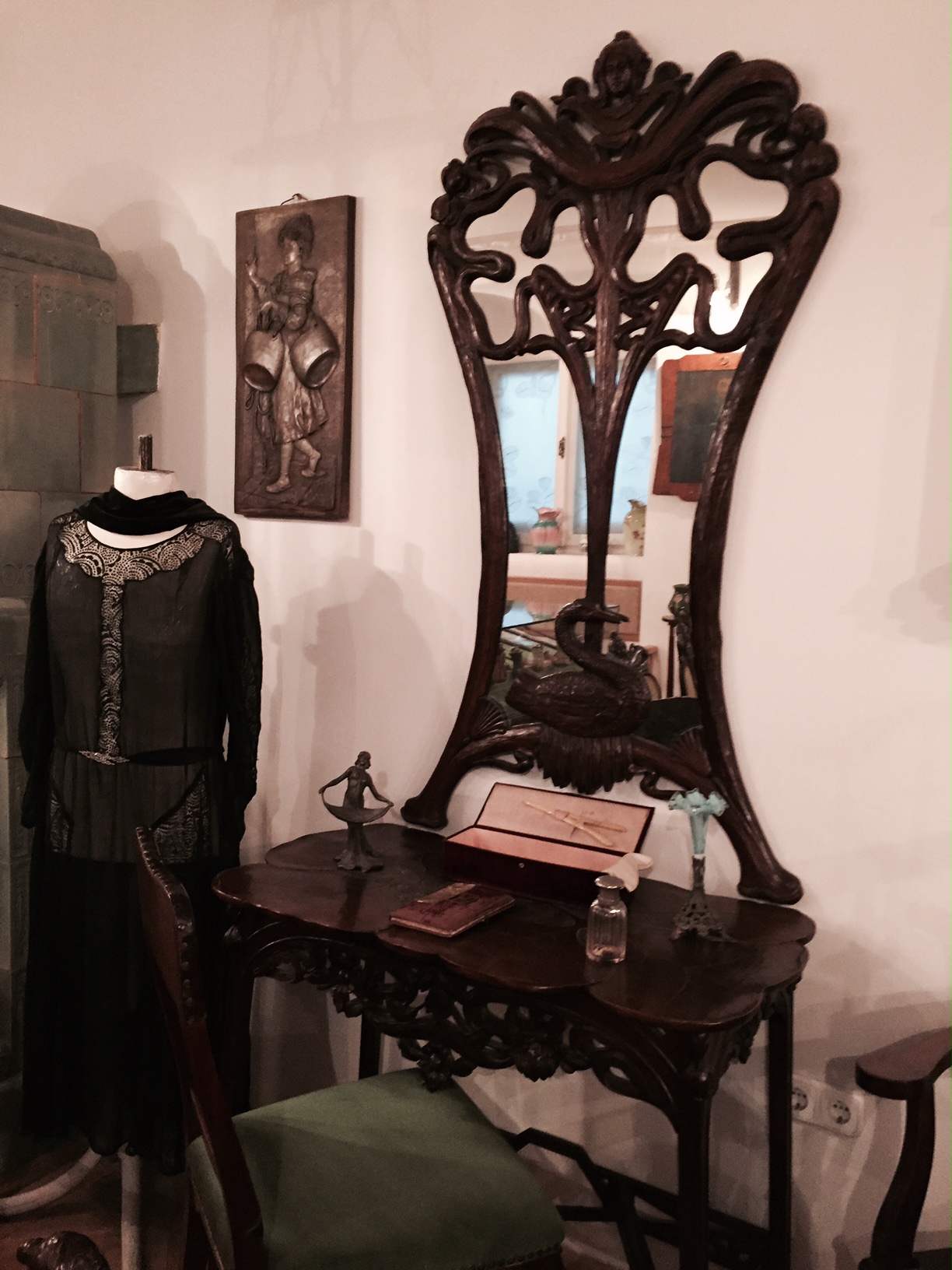
Later in the period, the height of fashion was for furniture with fanciful flowing lines, like this dressing table.

I’ve seen much finer examples of Art Nouveau in the design museums of Paris and Vienna, but I love the common touch of the everyday pieces haphazardly crammed into Budapest’s House of Art Nouveau.

FullSizeRender (37)

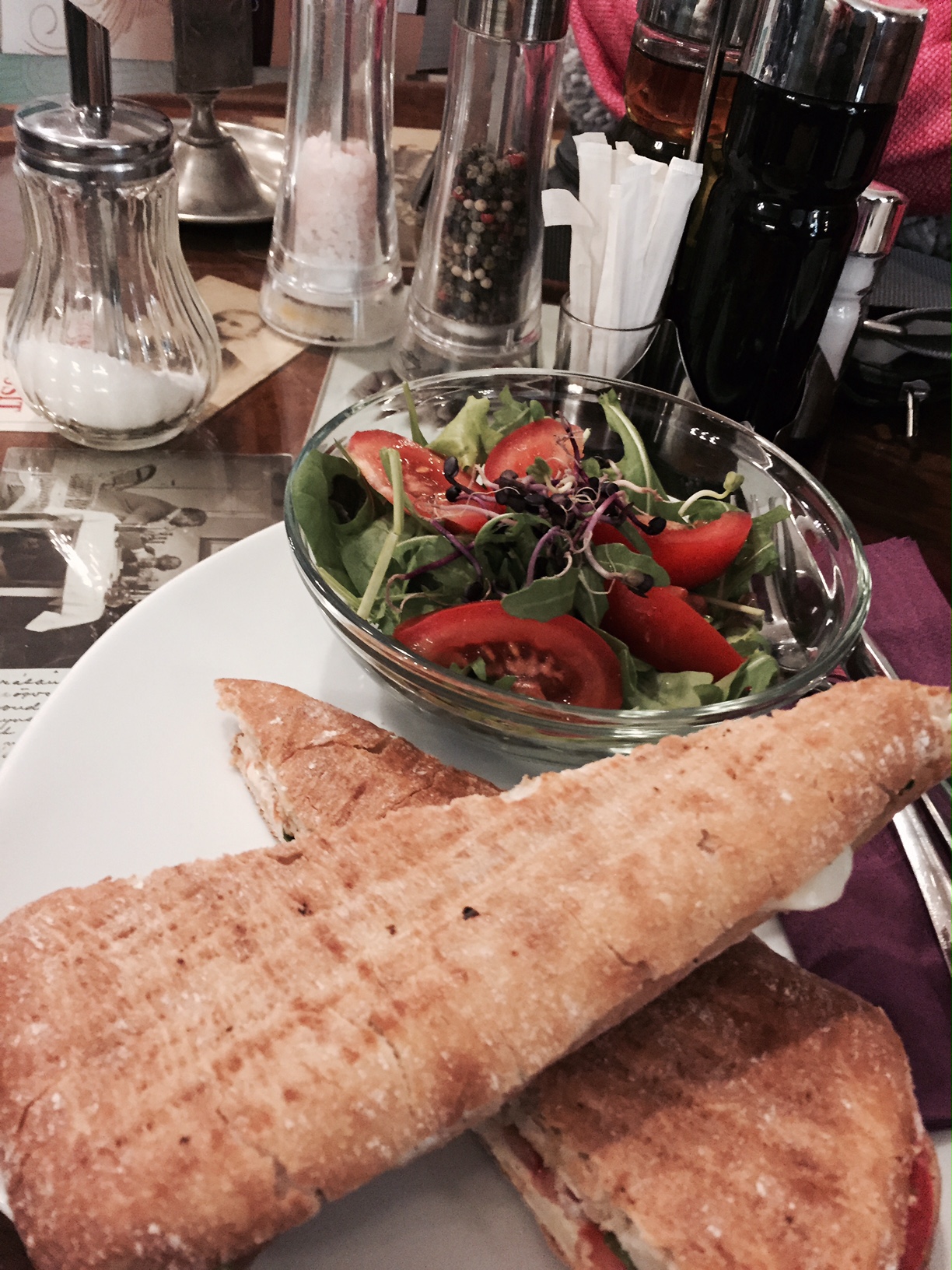
And there’s a cafe, perfect for a quick meal while dreaming of the past.  The smiling waitress asked with great interest where we were from.  She thanked us profusely for coming to her country!  This friendliness is just one of the reasons why I love Hungary.

Art Nouveau in Hungary

Between about 1890 and the outbreak of the First World War, an artistic movement developed and spread all over Europe and even in the United States. It was called Art Nouveau (New Art) in French and Jugendstihl (Youth Style) in German.  In Austria, and especially in Vienna, it flourished as the Secession movement. Artists like Gustav Klimt, along with designers and architects, wanted to “secede” from the stodgy academic past. The emphasis was on flowing natural forms, and sometimes on simple but elegant geometrics.

FullSizeRender (27)

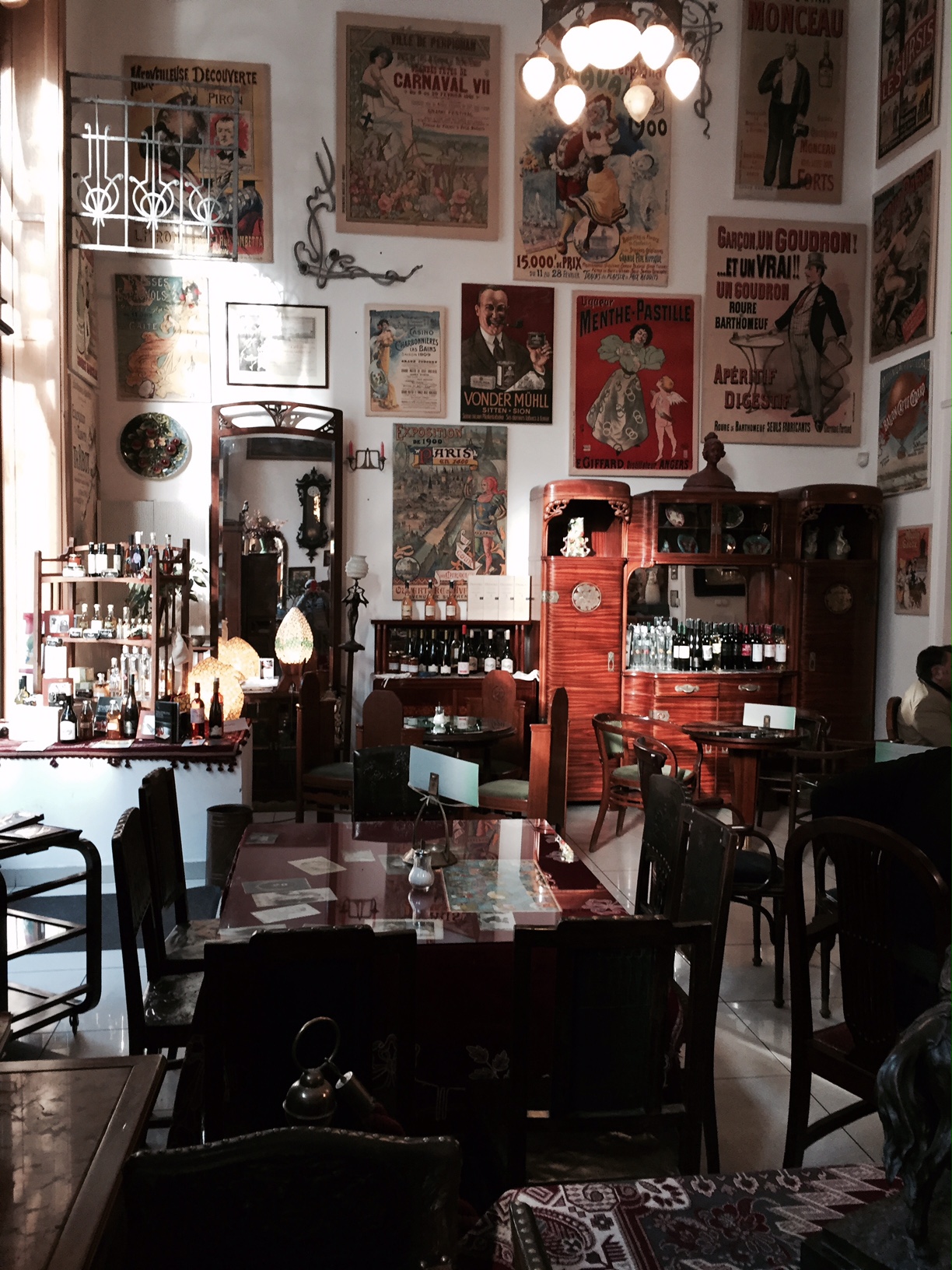
In Budapest, I visited the Magyar Secession Haza, known in English guidebooks as the House of Art Nouveau.  I wouldn’t exactly call it a museum; nothing is really labelled or explained.  It’s just an authentic house from the Secession Era, built in 1903, and stuffed from top to bottom with objects a well-to-do but not aristocratic family would own during the time period. It’s a place to wander and to conjure up the people who lived with these objects.

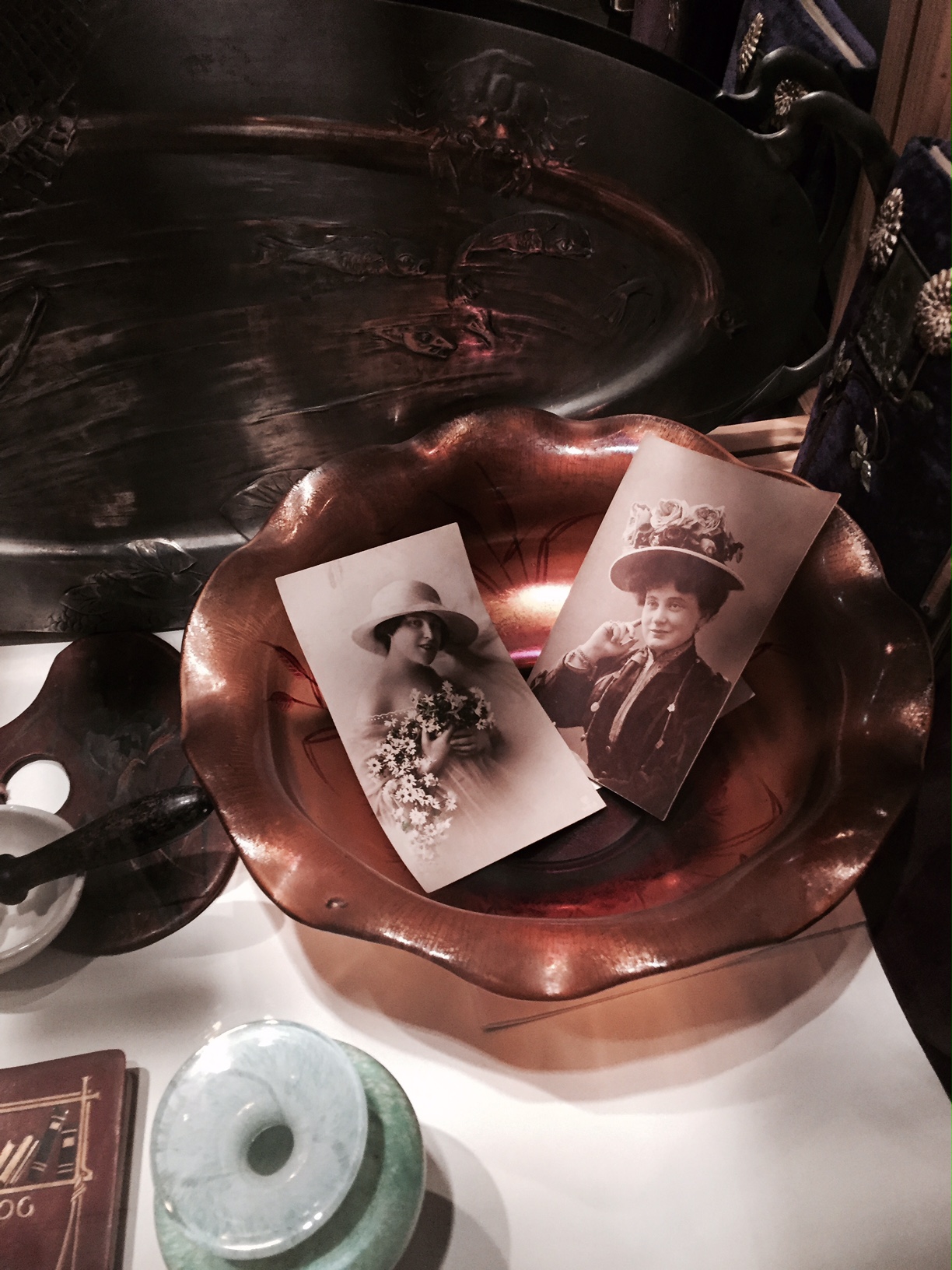
FullSizeRender (31)

Old photographs of ordinary people bring the past to life. Women pose coquettishly with flowered hats and elaborate bouquets.

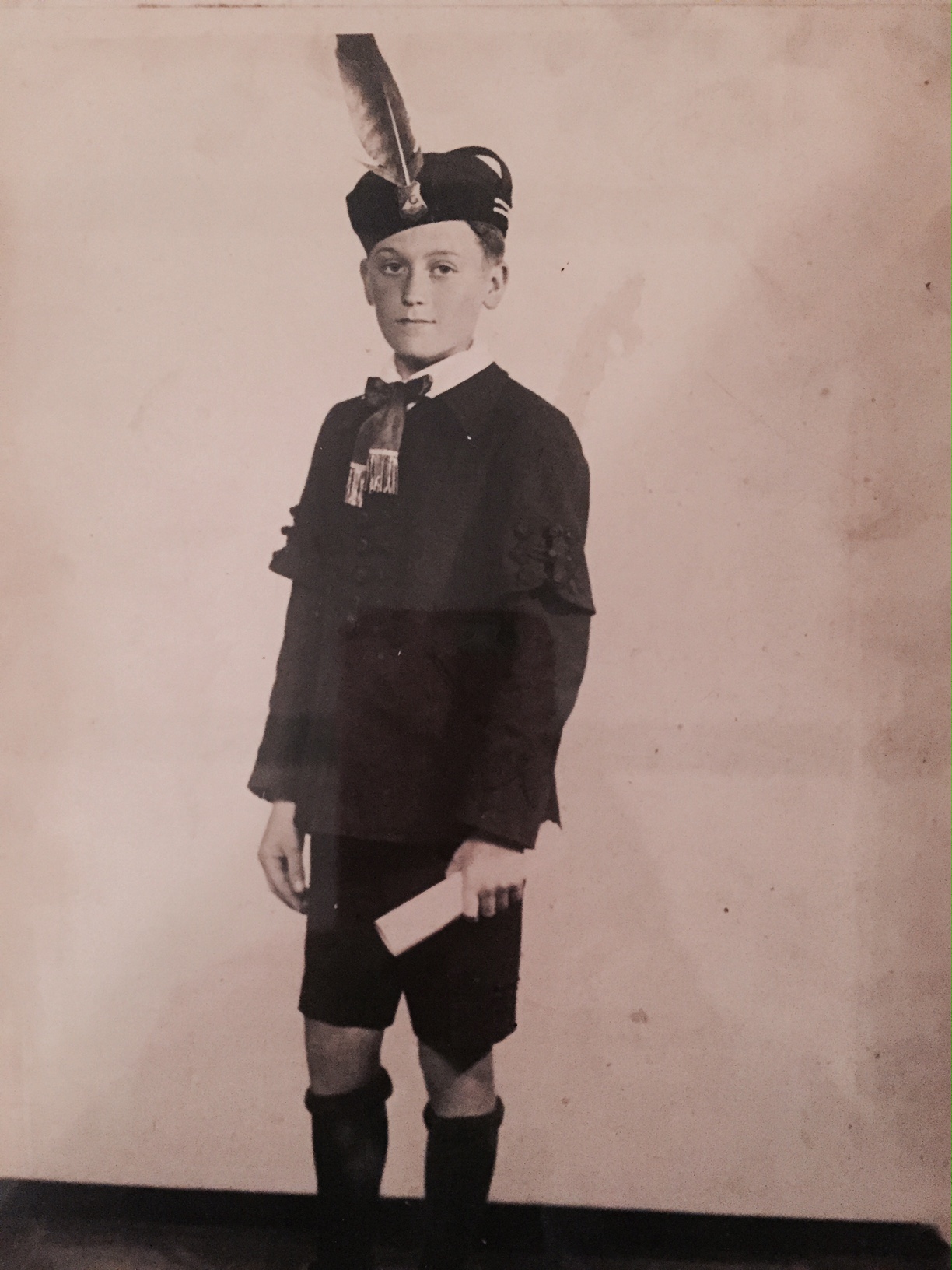
FullSizeRender (33)


Who was this child?  Why the festive feather in his cap? Was this perhaps a photo taken just before he graduated to long pants?

FullSizeRender (30)


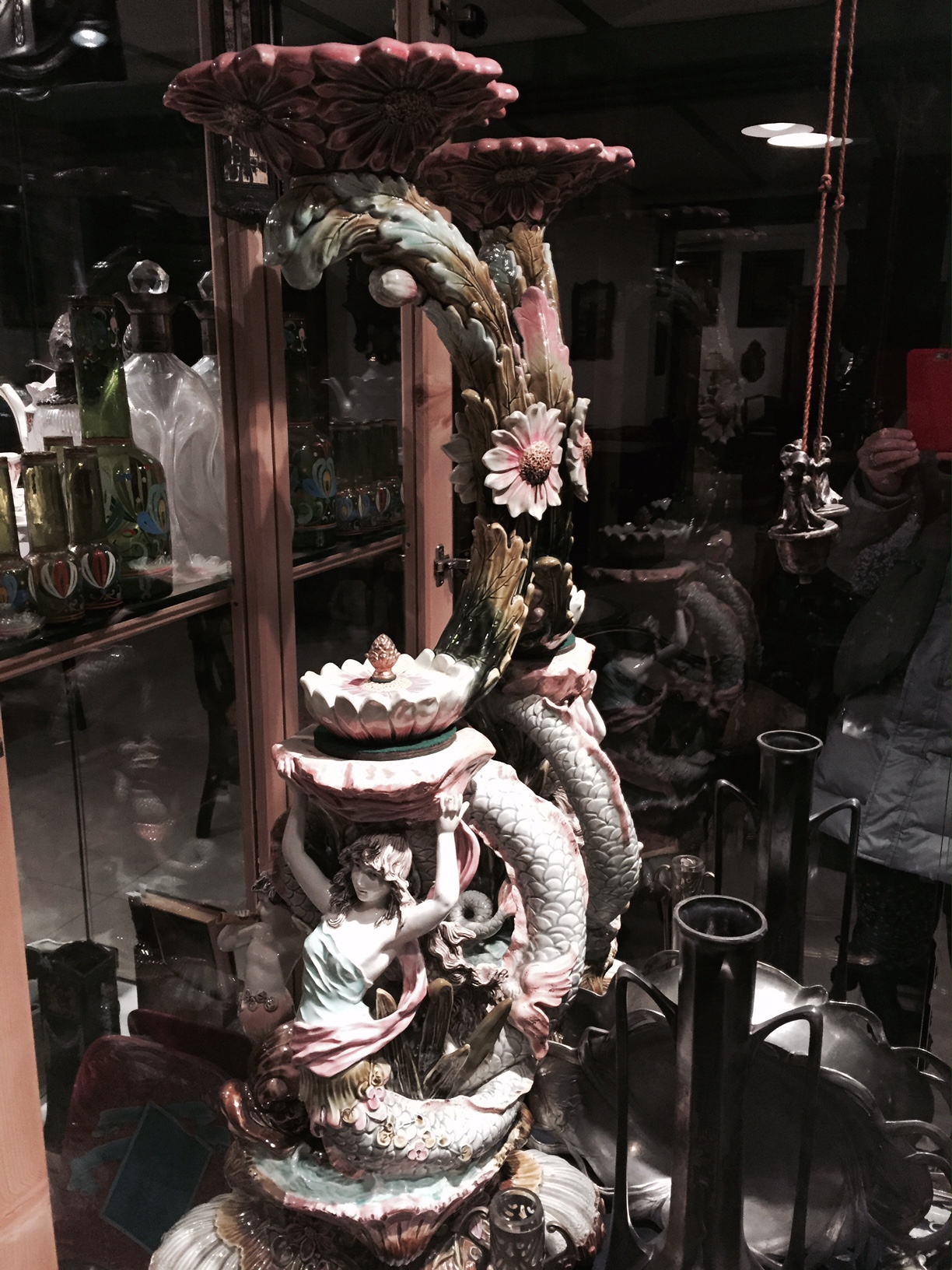
New production methods made elaborate (if not always tasteful) objects available to the middle classes. What is the object above? A candle holder? A four-foot-tall candy dish?  Hard to say, but it graced someone’s parlor.

FullSizeRender (34)

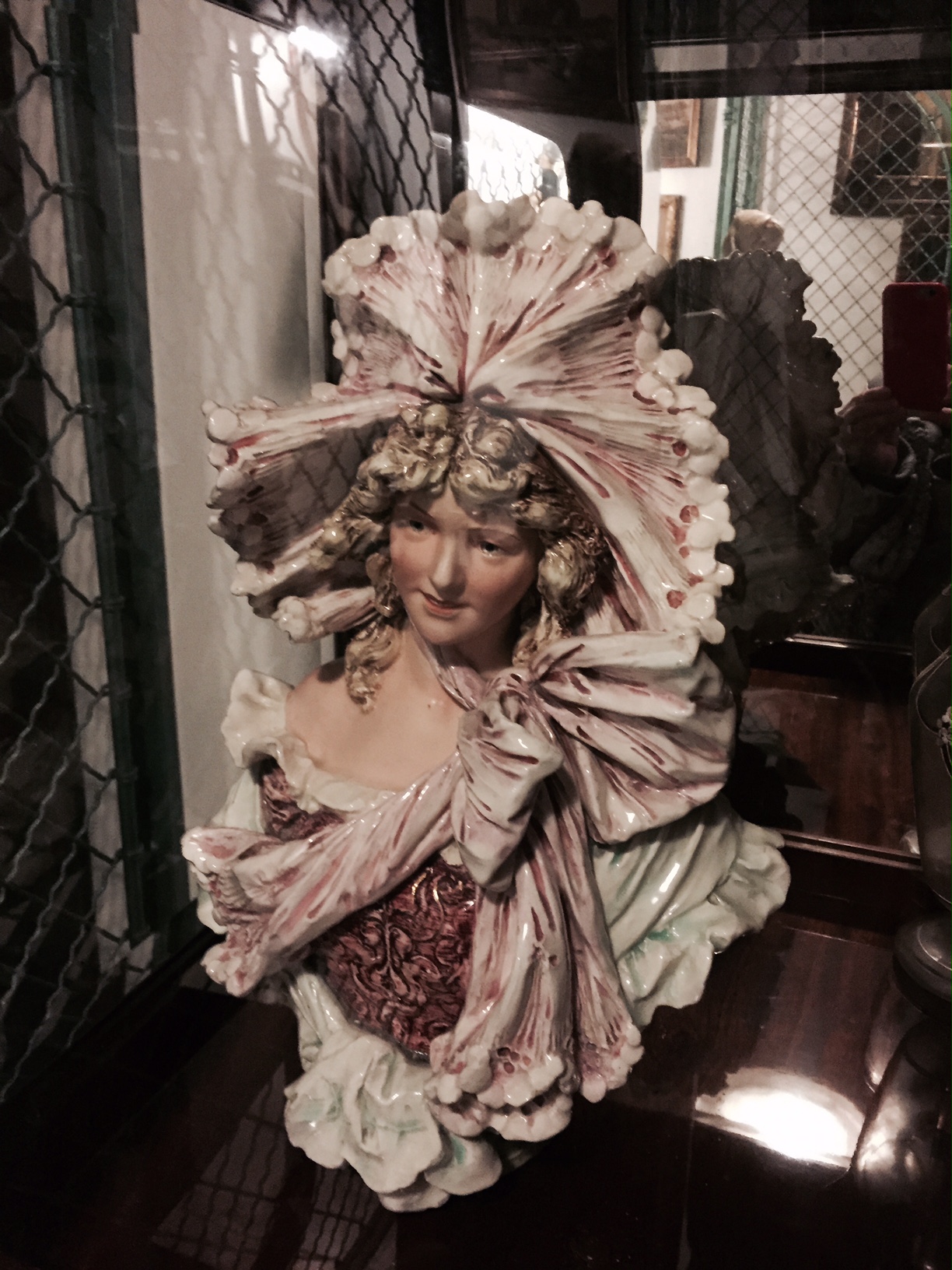
The figurine above would never be shown in a serious museum of decorative arts.  But I can see its appeal to the person who brought it home a century ago, during one of the rare periods of peace in Hungary.  This lady seems to celebrate youth, freedom and the sheer joy of life. The Art Nouveau movement also celebrated the right of ordinary people to own things they considered beautiful, whether they served a useful purpose or not.

The website of the House of Art Nouveau is at http://www.magyarszecessziohaza.hu/mainen.php