Love in the Dutch Golden Age


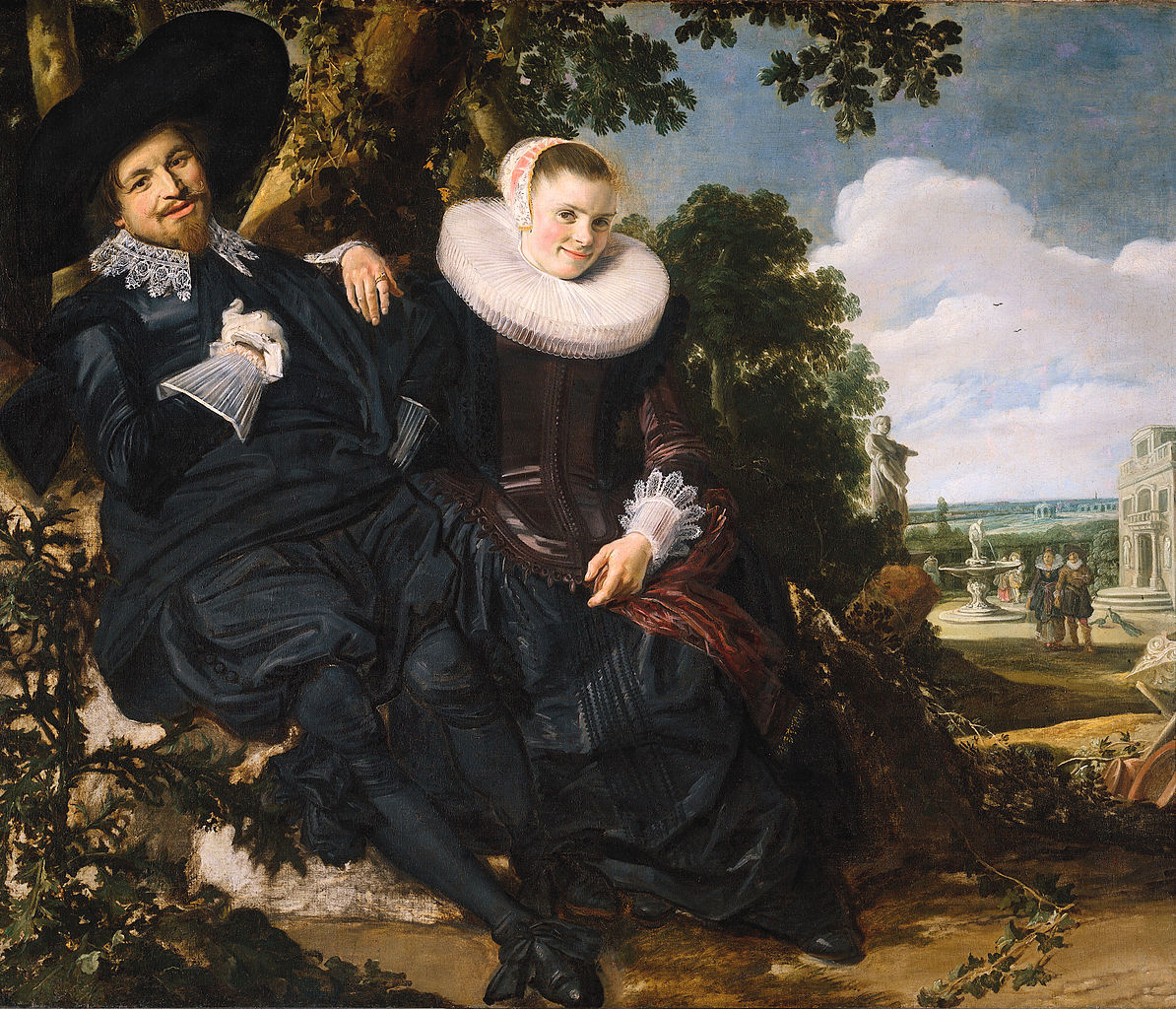
Portrait of a Couple, Franz Hals, c. 1622, Amsterdam Rijskmuseum

Portrait of a Couple, Franz Hals, c. 1622, Amsterdam Rijskmuseum

This happy couple posed for the great Dutch portrait artist Franz Hals in around 1622. They were married in April of that year.  They seem completely at ease with each other, and they exude the joy of love. They are believed to be Isaac Abrahamz Massa and Beatrix van der Laen.  The relaxed pose was unusual at a time when portraits were serious business.  However, Hals was known to break conventional norms all the time in order to show the true humanity of his subjects.  And these people were known to be friends of the artist.

Hals included references to love and marriage:  a garden of love to the right, and to the left an eryngium thistle.  This plant was a symbol of male fidelity. (Let’s hope Isaac took the symbol to heart).  I’d like to think these two joyful people enjoyed a long and happy marriage. Happy Valentine’s Day, Isaac and Beatrix!

Pixels and Pearls

PearlPixels

A few months ago in Amsterdam, I stayed at a bed and breakfast with especially trendy-but-funky decor.  One entire wall of my room was covered in little squares about the size of sample paint chips from the hardware store, all hinged together in an abstract design.  The shapes and colors were oddly familiar.

The Girl with the Pearl Earring, Johannes Vermeer, c. 1665, Public Domain

The Girl with the Pearl Earring, Johannes Vermeer, c. 1665, Public Domain

After about a day, I realized why the image was familiar.  Of course!  I was looking at an abstraction drawn from Johannes Vermeer’s “The Girl with the Pearl Earring,” painted by the still-mysterious master of light and shadow in about 1665 in Delft. Vermeer worked slowly on his small canvases of domestic scenes, but he lavished the extremely expensive blue pigment of lapis lazuli on his work, building up luminous surfaces from repeated glazes.

When I returned home, I watched the 2003 movie Girl with a Pearl Earring, directed by Peter Webber from a screenplay by Olivia Hetreed.  The story was taken from Tracy Chevalier’s historical novel of the same title. The painting creates a dramatic tension by its very subject matter:  the humbly dressed but beautiful young woman should not be wearing a priceless pearl earring. She is gazing back over her shoulder at the  viewer, as though caught in a guilty act. Yet she has an undeniable dignity and poise.

Theatrical Release Poster

Theatrical Release Poster

What’s the story here?  This is the question the book and movie explore.  In the Dutch Golden Age, as in our own time, the rich always find ways to exploit the poor. Scarlett Johansson is luminous as a servant girl pressed into service as a model for the artist.  Colin Firth plays the artist, who painted this masterpiece in 1665. The movie explores themes of class, creativity, the waste of human potential, and the tragedy of repressed talent. Repressed sexuality is there, too.

The movie asks a lot of questions. How can the powerful rich be reined in? How far should an artist go to pursue a vision? What happens if a poor girl happens to have artistic talent? Colin Firth is in fine smoldering form, and Scarlet Johansson gives him plenty to smolder about. Tom Wilkinson and Cillian Murphy (of the high cheekbones and piercing blue eyes) round out the cast. The film was nominated for Academy Awards, the BAFTA, and Golden Globes. Unfortunately it fizzled like a seventeenth-century candle at the box office, but I have it on DVD for those times I really need to retreat to the Dutch Golden Age.

In my Amsterdam room, once I realized I was looking at a pixellated version of a masterpiece, all I wanted was to see the masterpiece itself in all its glory. The Rijksmuseum in Amsterdam has several Vermeers. But this particular painting is not in Amsterdam; to see it, I’ll have to travel to the Mauritshuis Museum in The Hague.  Time to plan another trip!

Join me next time for more explorations in the art and history of Europe!

A Knight in Shining Armor—Wearing a Skirt

A couple of months ago in Vienna, I wandered into the Arms and Armour section of the Kunsthistorisches Museums–included with my museum pass, but not something that usually interests me much.

IMG_2936

But whoa!  What was up with this extremely scary suit of armor with a skirt? Were there actual women requiring feminine suits of armor? The waist seems small enough for a woman.  The helmet has a devilish look, male or female. Was this suit designed to get the enemy wondering exactly what he was up against?

The series Game of Thrones features a fearsome female knight, Brienne of Tarth.  Would she have worn something like this? On the show, she wears some skirt-like pads for swordfighting, but nothing like the getup above.

Brienne of Tarth, photo from LA Times article cited below

a Brienne of Tarth, photo from LA Times article cited below

I had trouble deciphering the German museum caption, and the photo I took of the caption didn’t turn out.  The next day, I thought I’d pop back into the museum to investigate further.  But the museum was closed. So I posted my mystery photo to one of the history Facebook groups I follow. Within minutes, people with a lot more knowledge than I had answers.

Armor like this dates from about the 1500s.  King Henry VIII of England had a set like it.  It was not made for a woman, but for a man planning to engage in ground combat. The skirt would protect his legs better than traditional pants-style armor.  Form-fitting armor needs joints that bend.  Joints mean there are gaps that a sword or axe or spear could penetrate. A strong skirt, covering the knees, might look unwieldy to us, but we might be glad enough to reach for one if we were faced with hand-to-hand combat.

The fluted design of the skirt was not just a fashion statement.  The folds made the armor plate stronger.  But it was still not strong enough to block musket fire, which was slowly taking over the battlefield.  Fancy suits of armor went out of vogue on the battlefield by the 1700s, although kings and princes sometimes  wore them into battle as marks of status, much as they sometimes wore battlefield crowns. This seems ill-advised to me–why make oneself an obvious target? Still, there are examples of elaborately decorated skirted suits designed to be worn on horseback.

IMG_2942

Anyway, skirted suits eventually became obsolete on the battlefield, but the nobility still wore them for jousting–an extreme sport for the rich in the Renaissance.  Hans Holbein the Younger, among other highly paid artists, designed armor for noblemen to show off in.

IMG_3038

Later in Vienna, I came upon this store window, in a lingerie shop.  Window display is an art.  I have to think the display designer, like many Viennese, was a regular visitor to the Kunsthistorisches.

http://herocomplex.latimes.com/tv/game-of-thrones-gwendoline-christie-on-brienne-of-tarths-beauty/#/0

Topsy Turvy

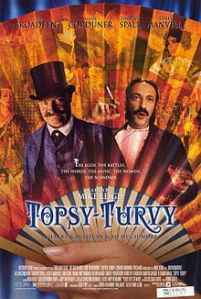
The cold winter months are a perfect time to catch up on movies and miniseries.  I just treated myself to a repeat of one of my very favorite movies, Topsy Turvy. It’s a 1999 musical drama/comedy by the great and idiosyncratic director Mike Leigh. He works with a regular troupe of favorite actors.  The actors all develop their characters over a period of months and get together regularly to improvise based on the relationships they develop. Mr. Leigh watches the improvisations.  At certain points, he tells his actors to get out of character. Then they all discuss what’s happened. Based on the improvisations and discussions, Mr. Leigh develops a shooting script.  So the stories arise organically, out of real human behavior.
220px-Topsy_Turvy

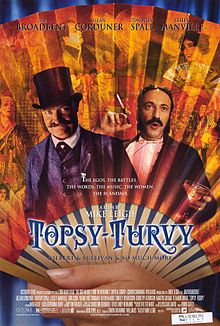
The subject of Topsy Turvy is the unlikely creation of the much-performed and much-loved musical classic, The Mikado. The film’s story is based on real people and real events, extensively researched.  Each cast member was given a character to research and understand, then at intervals they got together in various groupings. Mr. Leigh would give them the premise of a scene, and off they’d go.

At the beginning of the story, Arthur Sullivan and W.S. Gilbert are a phenomenally successful creative team.  Their comic operas attract large and appreciative audiences to the Savoy Theatre, built specially for them by the producer D’Oyly Carte. Gilbert writes the stories and lyrics, and Sullivan comes up with the orchestral scores.  But Sullivan is weary.  He feels he has a serious opera in him, and he is convinced he is wasting his time with light comic operas.  He complains to Gilbert that every story they’ve done is the same: a “topsy turvy” world created by a potion or spell or magical device.

large_mUDH3XjYO3AU1alLpWGtkXfU0LK

Sullivan decamps to Paris, where, truth be told, he enjoys the naughty nightlife more than he composes serious work.  Gilbert is left to his own devices in Victorian London. He has a supportive but miserable wife, an estranged set of demanding elderly parents, and two old maid sisters.  His wife wants children, and he either can’t or won’t cooperate in conceiving any.

Suddenly, Eureka!  There’s an international exposition which includes a wildly popular Japanese pavilion.  Gilbert brings home a ceremonial Japanese sword; it falls on his head with the same brain-jarring effect as Newton’s apple.  The Mikado, in all its wit and humor, flies out of his pen. Sullivan, skeptical,  reads the libretto and chuckles appreciatively.  The duo is in business again, hard at work on their greatest triumph. The Mikado premiered in 1885.  It was an instant smash hit.

hero_EB20000121REVIEWS1210305AR

The best part of the film chronicles the joy and struggle to bring the piece from the page to the stage.  Scenes of backstage pettiness alternate with scenes of sheer genius as the performers learn their places in the comic masterpiece.

Some years ago, I was lucky enough to attend a performance of The Mikado at the Savoy Theatre in London.  It was all I’d hoped for, and more–sublimely beautiful and funny. Topsy Turvy brings it all back. But it is not necessary to know a thing about Gilbert and Sullivan to enjoy the rollicking humor and genuine pathos of the movie.

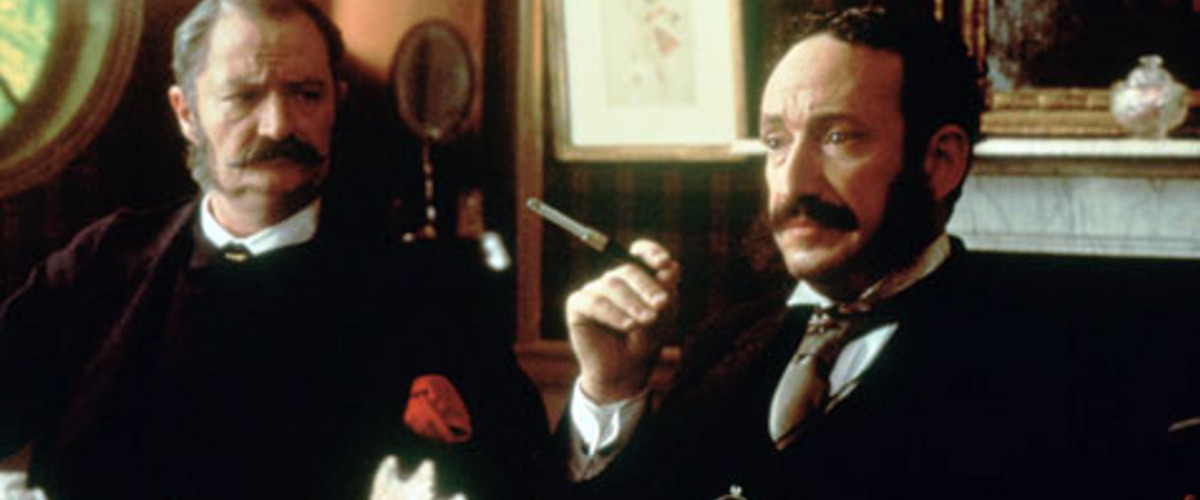
Alan Corduner stars as Arthur Sullivan.  Jim Broadbent is W.S. Gilbert.  All the actors are stellar, including Timothy Spall, who is currently starring in Mr. Turner, a new Mike Leigh film. Mr. Spall plays the great English landscape painter J.M.W. Turner in an acclaimed performance.

The movie still above is from Roger Ebert’s admiring review, found at

http://www.rogerebert.com/reviews/topsy-turvy-2000

Racy PJs at the House of Art Nouveau

Budapest’s  House of Art Nouveau is a delightful conglomeration of the possessions of ordinary people during the period of peace and prosperity between the 1890s and the outbreak of the First World War.  This approximate period was known in France as Le Belle Epoque; i wrote about it in several posts about the Paris 1900 Exhibition.  The items I admired last spring in Paris were for the elite; the ones I admired in Budapest were decidedly more humble, but just as charming and thought-provoking.
FullSizeRender (32)

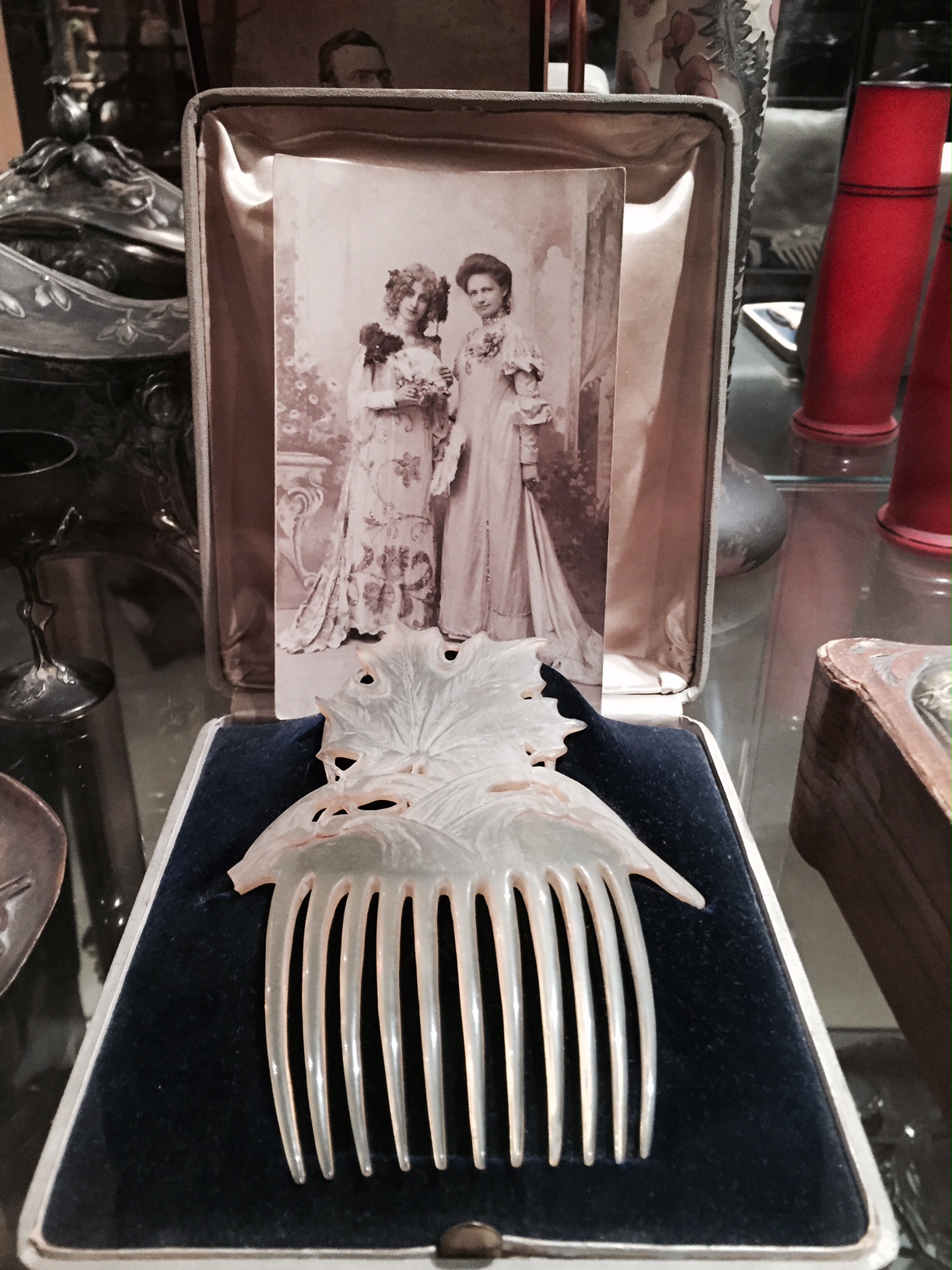
In fashion, the period began with Victorian primness and fussiness. The ladies above pose with an ivory comb perfect for hair styled in intricate billows, braids and loops.

FullSizeRender (56)

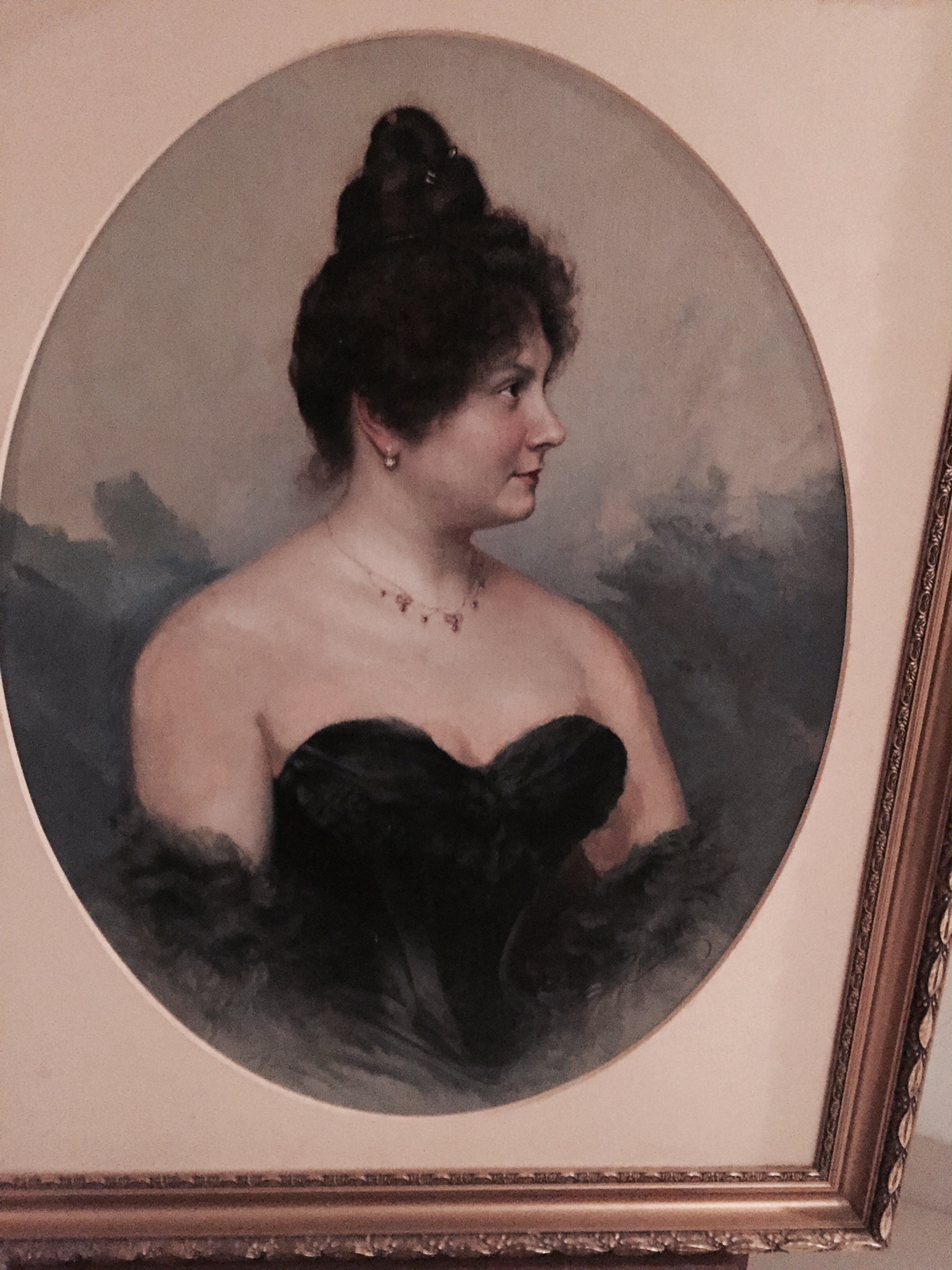
Who was this pretty lady?  The aristocracy had themselves grandly painted life-sized, in oils.  But members of the new middle class were happy to have portraits of their loved ones in humbler pastels and watercolors.


FullSizeRender (55)

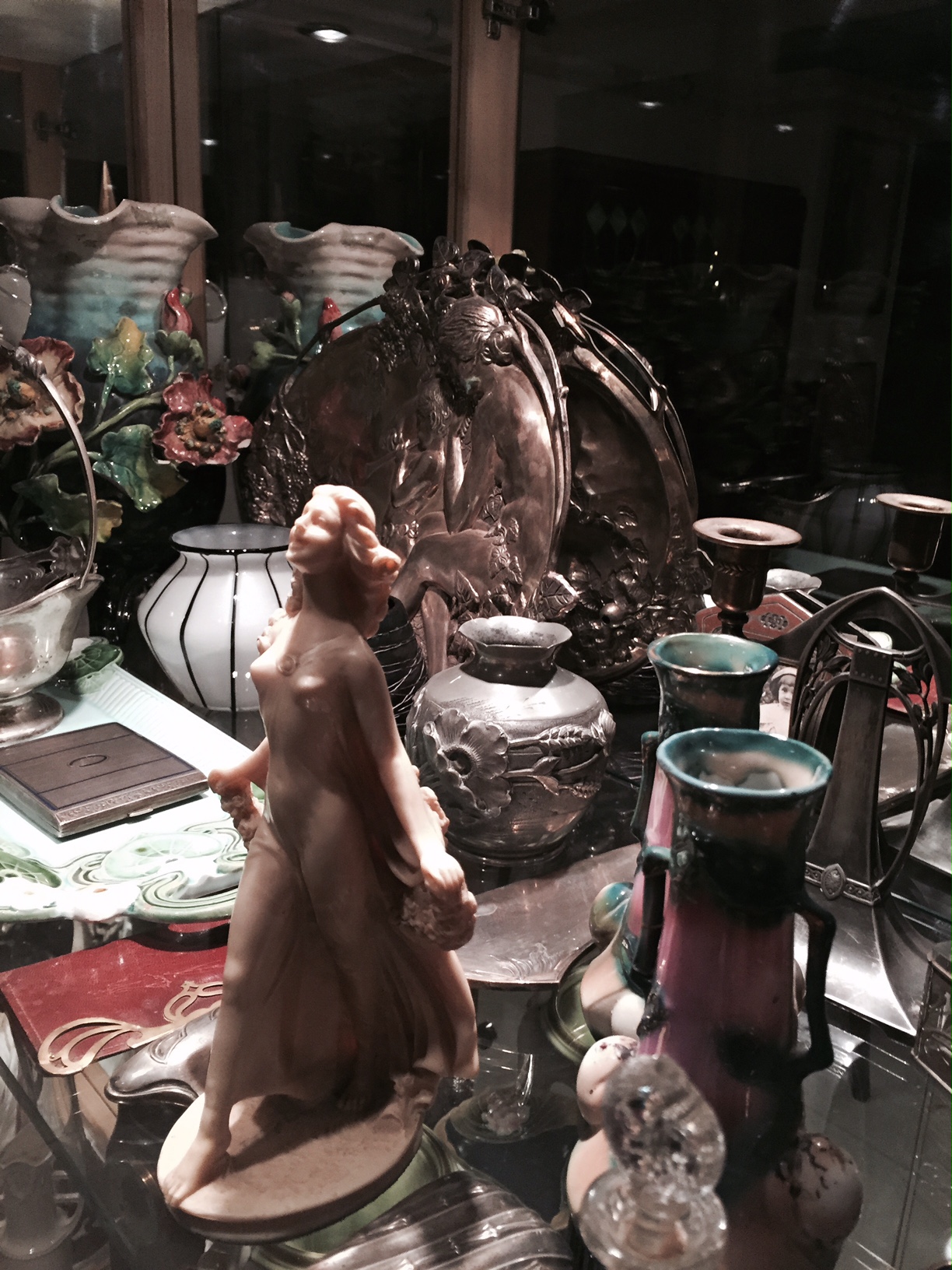
At some point in the period, respectable women became more daring–possibly inspired by items like this exuberant little nude figurine on a dressing table.

FullSizeRender (36)

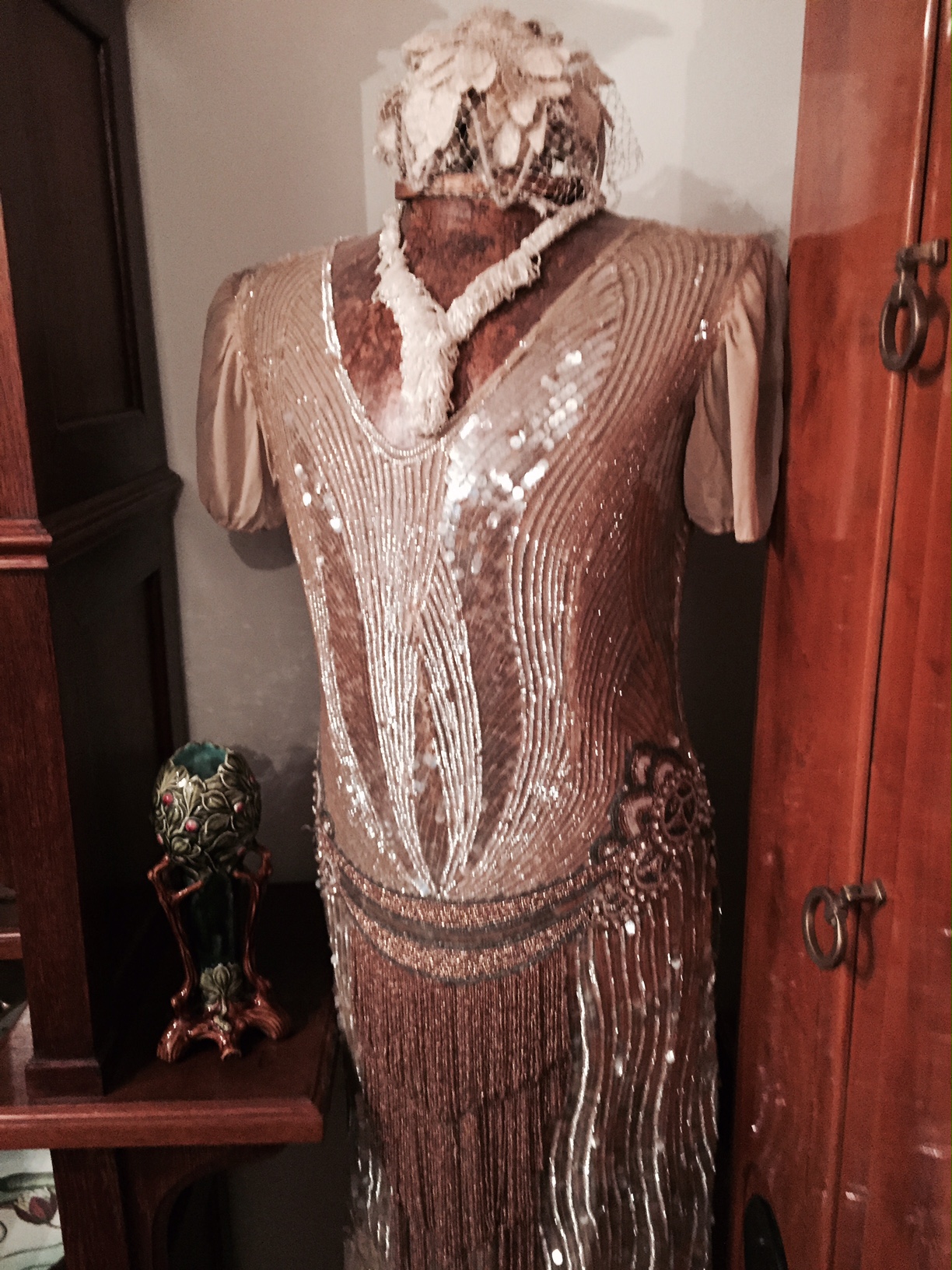
That new boldness led directly to fashions which would not have amused Queen Victoria. This evening dress looks like a precursor of the flapper dress that became popular in the 1920s.

FullSizeRender (24)

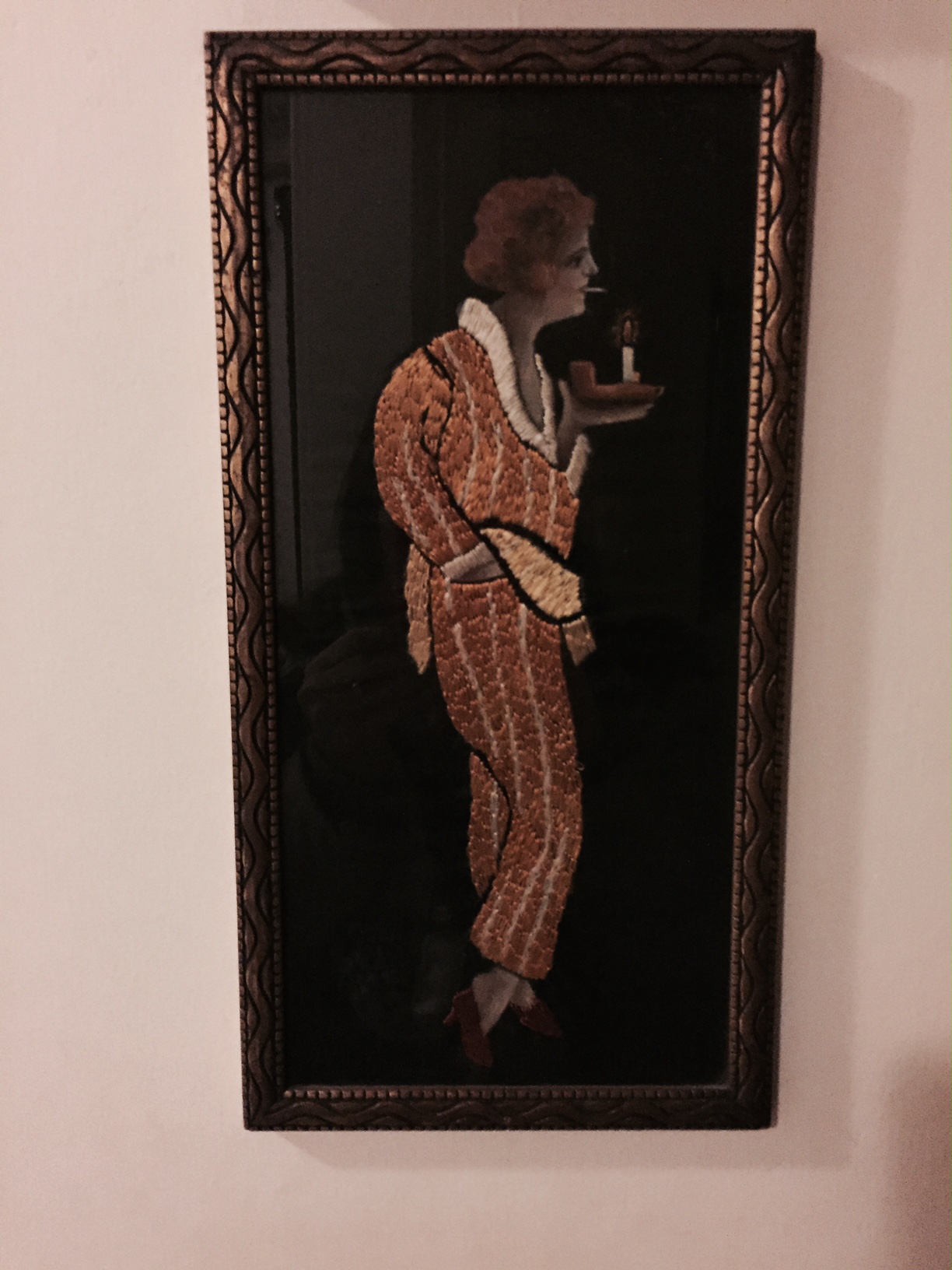
And at home, women enjoyed their new freedoms as much as when they were out and about.  On the door of the women’s restroom, I found this charming portrait of a woman wearing pajamas–with pants!  And lighting a cigarette from her bedtime candle! The world was changing, in Budapest as in other cities. The House of Art Nouveau is a delightful wander into the past, and a look at what the future would bring.

More Art Nouveau in Hungary

My apologies to those who received a post with no content.  I was trying to re-blog a post on “How to Travel in Winter” from one of my favorite travel blogs, “Picnic at the Cathedral.”  I’ll try again!

I’m just getting around to sorting my many photos of my first trip to Hungary, this past December. One of my favorite stops was the House of Art Nouveau in Budapest.  As I explained in a recent post, it’s not so much a museum as a collection of stuff that ordinary people owned, used and loved. Hungary enjoyed one of its few periods of peace and relative prosperity between about 1890 and the outbreak of the First World War.
FullSizeRender (28)

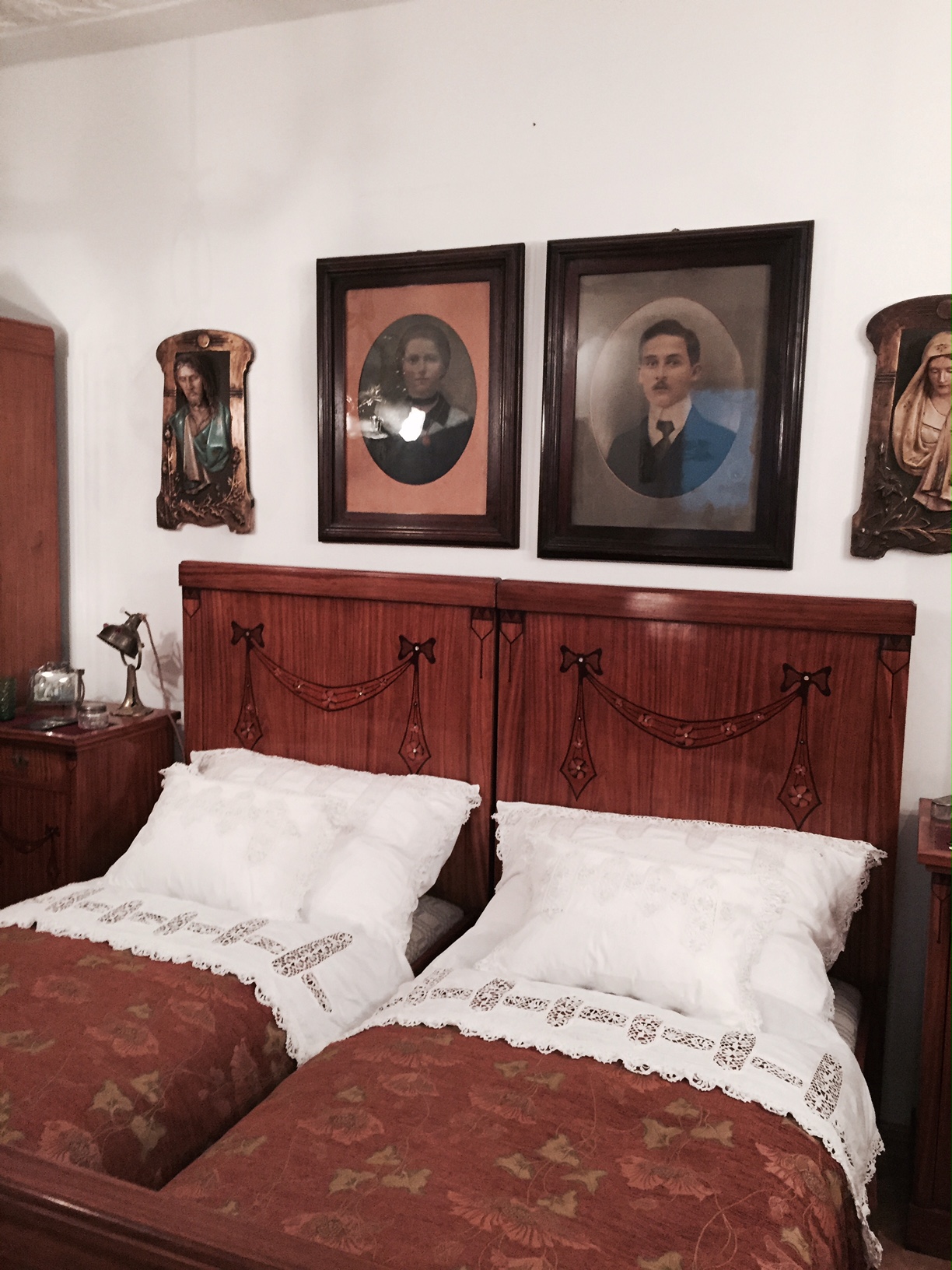
Furniture styles at the beginning of the period were staunchly conservative, even a little stuffy.  I’m not an expert, but I might call the bedroom set above a version of the “Biedermeier” style popular with the new middle classes of central Europe between about 1815 and 1850.

FullSizeRender (26)

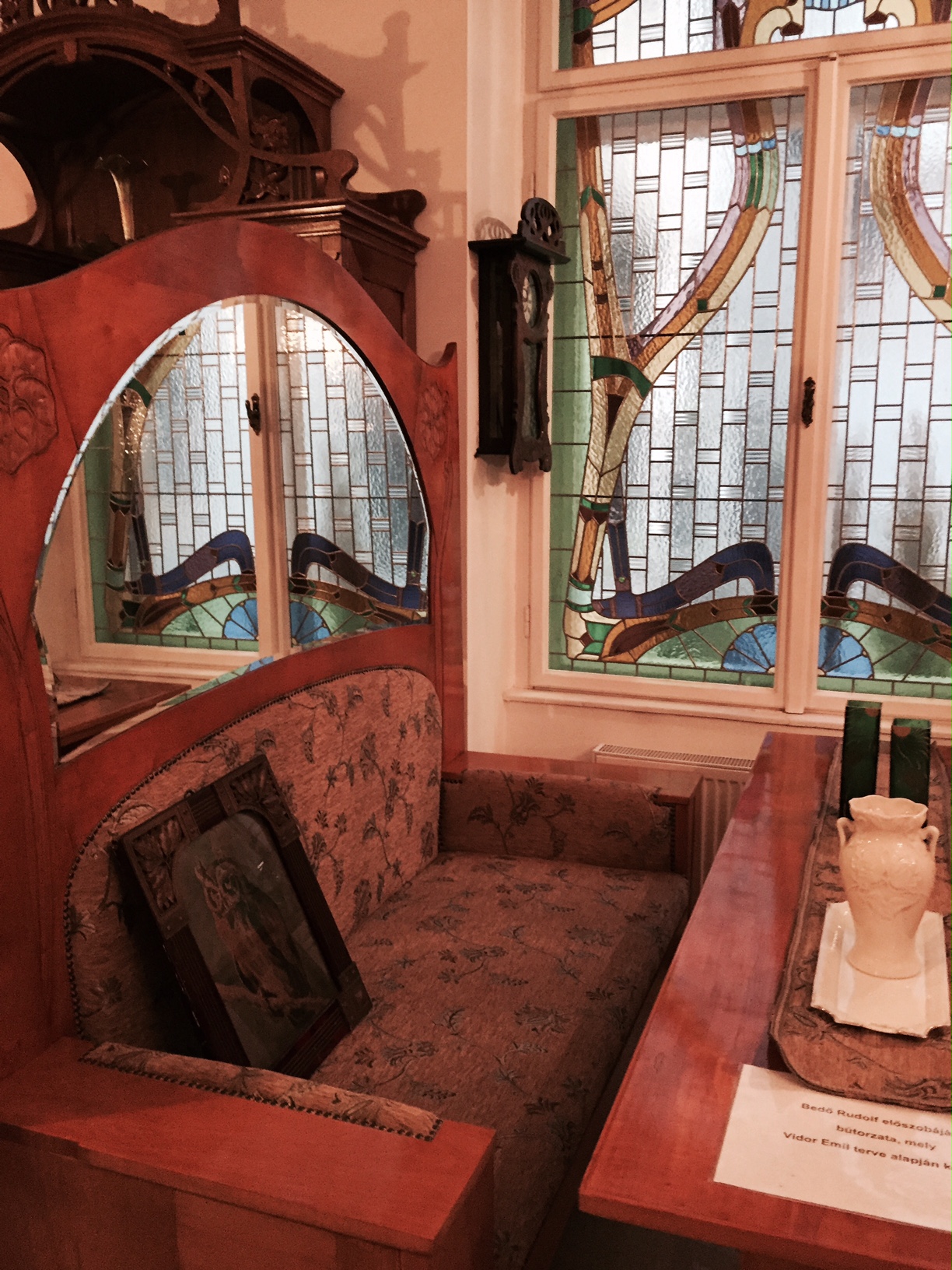
The cozy dining nook above sits next to an Art Nouveau stained glass window original to the house. It looks ready for a cozy chat and a nice cup of coffee.

FullSizeRender (39)

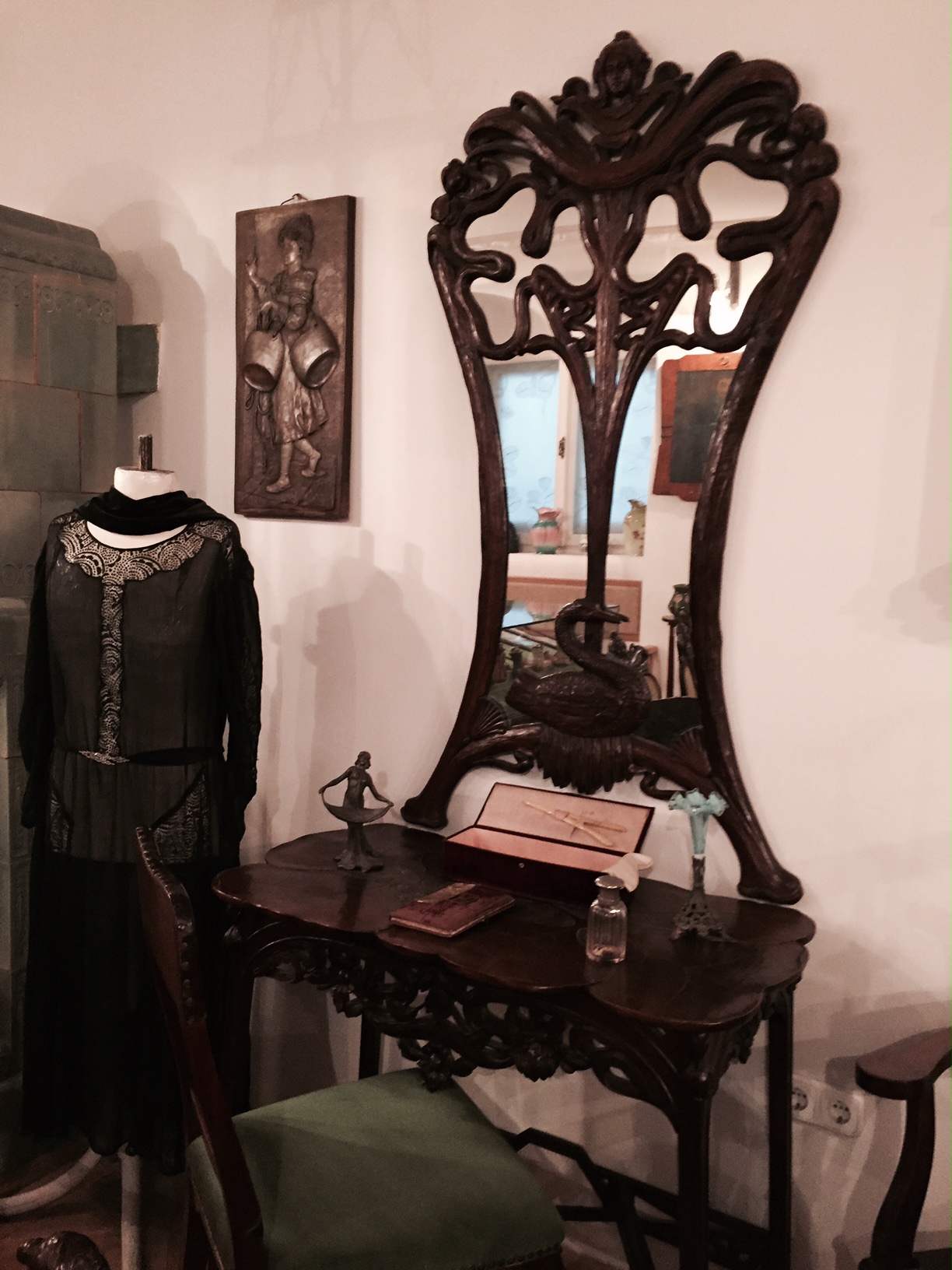
Later in the period, the height of fashion was for furniture with fanciful flowing lines, like this dressing table.

I’ve seen much finer examples of Art Nouveau in the design museums of Paris and Vienna, but I love the common touch of the everyday pieces haphazardly crammed into Budapest’s House of Art Nouveau.

FullSizeRender (37)

And there’s a cafe, perfect for a quick meal while dreaming of the past.  The smiling waitress asked with great interest where we were from.  She thanked us profusely for coming to her country!  This friendliness is just one of the reasons why I love Hungary.

Thoughts of Paris


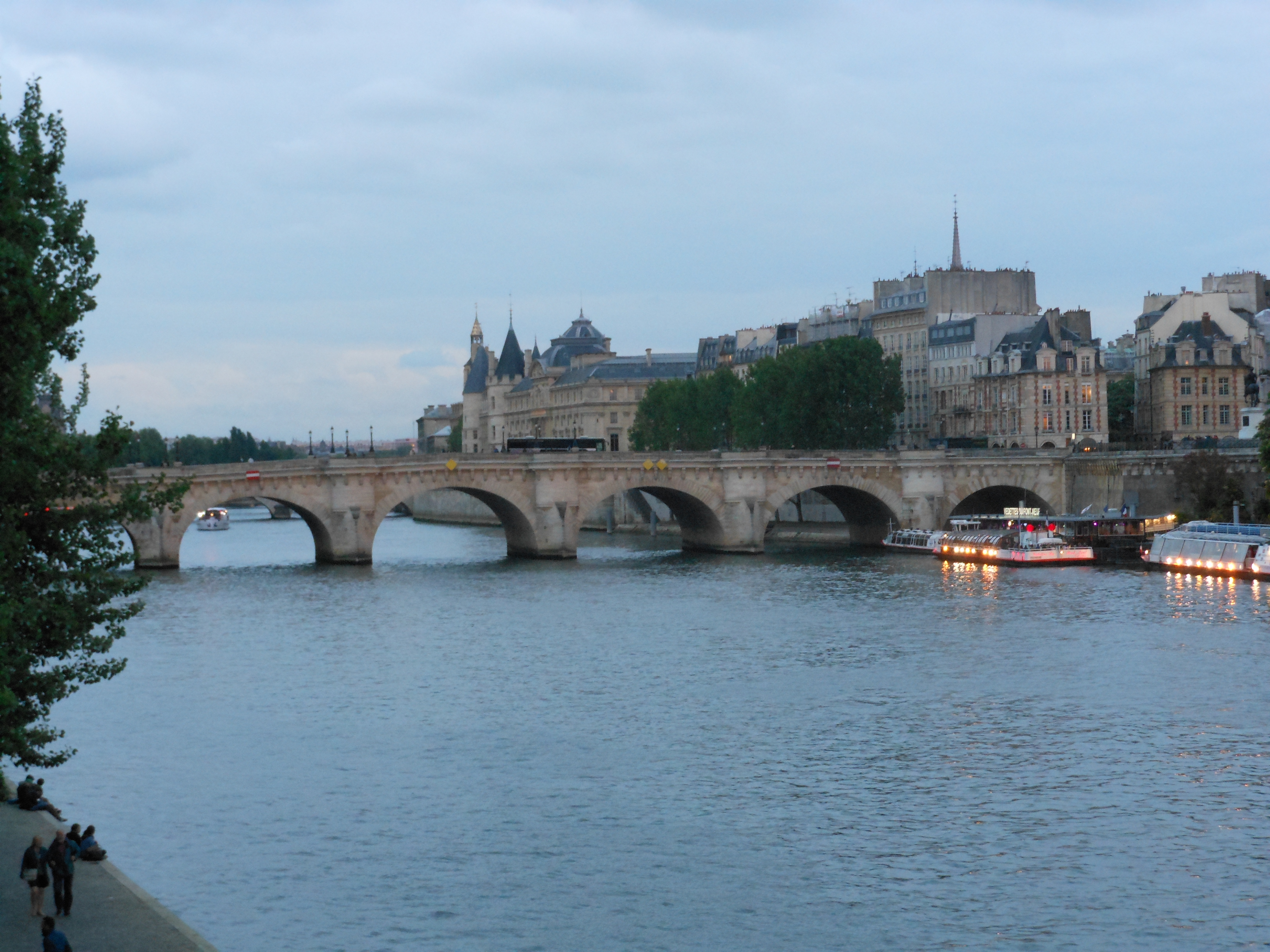
Seine

On this day when enormous crowds are gathering in Paris and other French cities, I’m there in spirit.

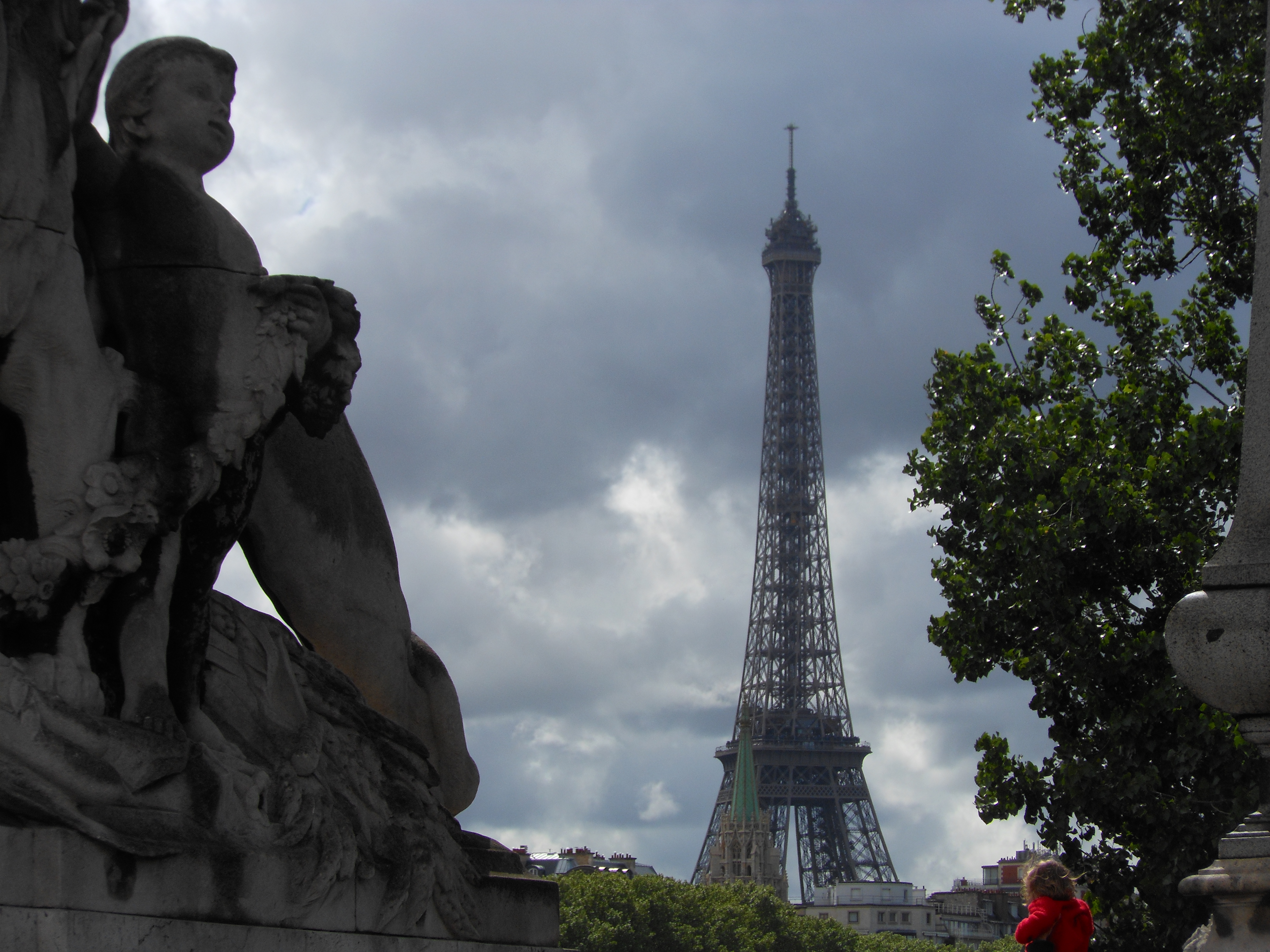
Eiffel

I look forward to being in Paris again, as soon as I can get back to one of the most beautiful and historic cities in the world.  Paris has seen its share of turmoil over the years.  Cloudy skies will clear.  It seems each generation faces and overcomes new challenges.  I wish Parisians, and citizens of other cities all across France, wisdom and courage in their current crisis.


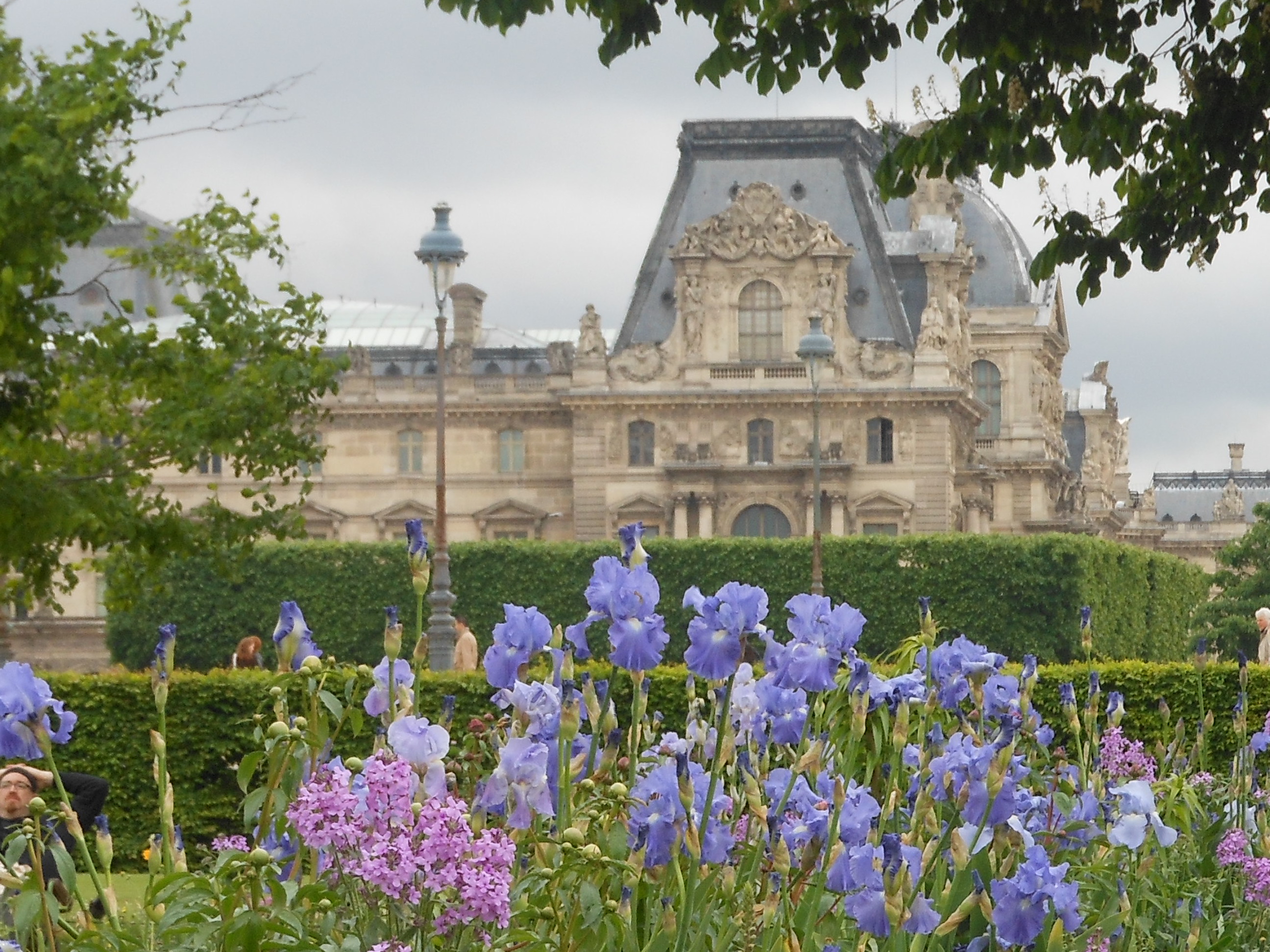
TuileriesIris

I am hoping this winter of violence gives way to a springtime of peace, good will and understanding between all people.


Art Nouveau in Hungary

Between about 1890 and the outbreak of the First World War, an artistic movement developed and spread all over Europe and even in the United States. It was called Art Nouveau (New Art) in French and Jugendstihl (Youth Style) in German.  In Austria, and especially in Vienna, it flourished as the Secession movement. Artists like Gustav Klimt, along with designers and architects, wanted to “secede” from the stodgy academic past. The emphasis was on flowing natural forms, and sometimes on simple but elegant geometrics.

FullSizeRender (27)

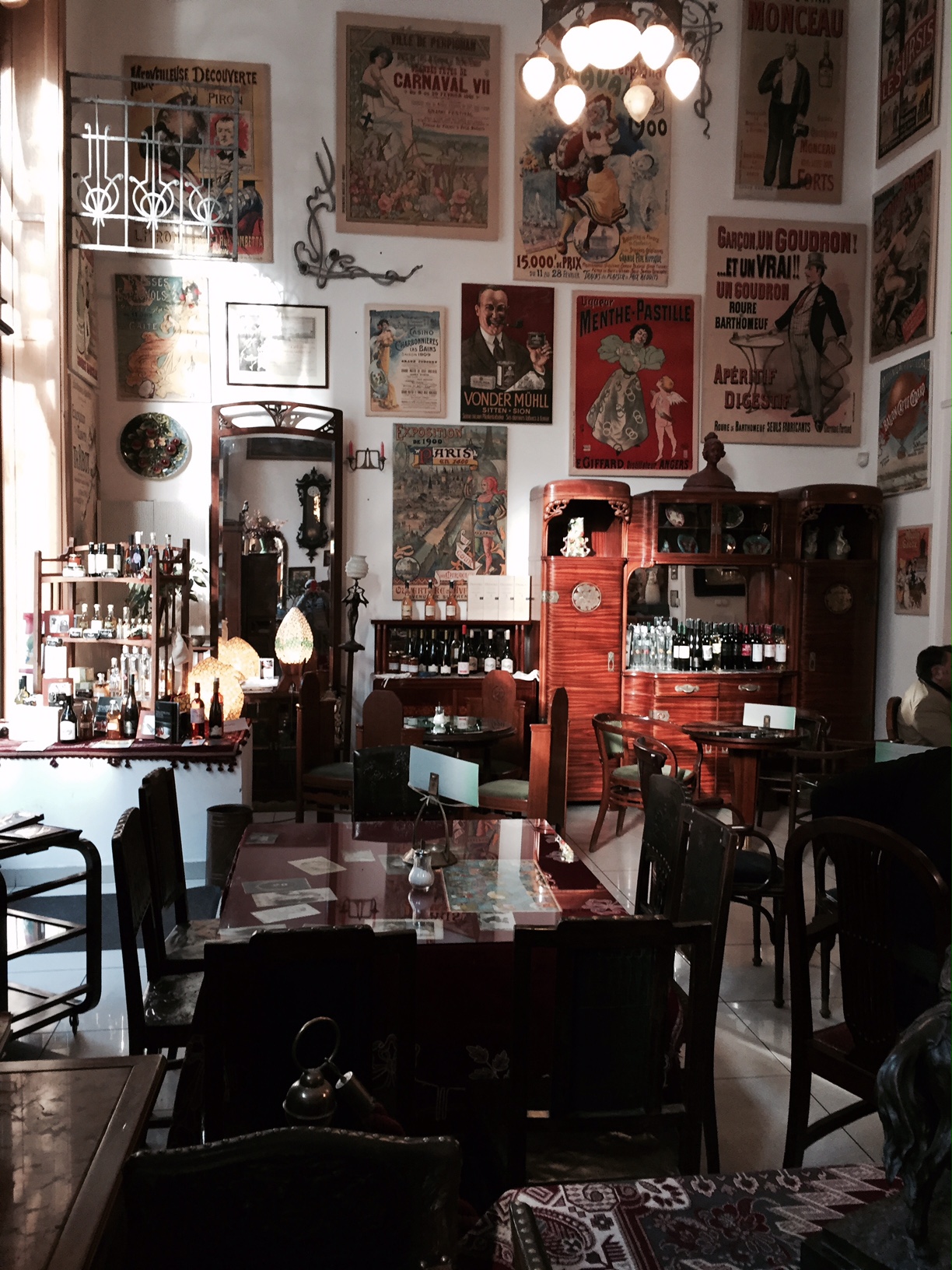
In Budapest, I visited the Magyar Secession Haza, known in English guidebooks as the House of Art Nouveau.  I wouldn’t exactly call it a museum; nothing is really labelled or explained.  It’s just an authentic house from the Secession Era, built in 1903, and stuffed from top to bottom with objects a well-to-do but not aristocratic family would own during the time period. It’s a place to wander and to conjure up the people who lived with these objects.

FullSizeRender (31)

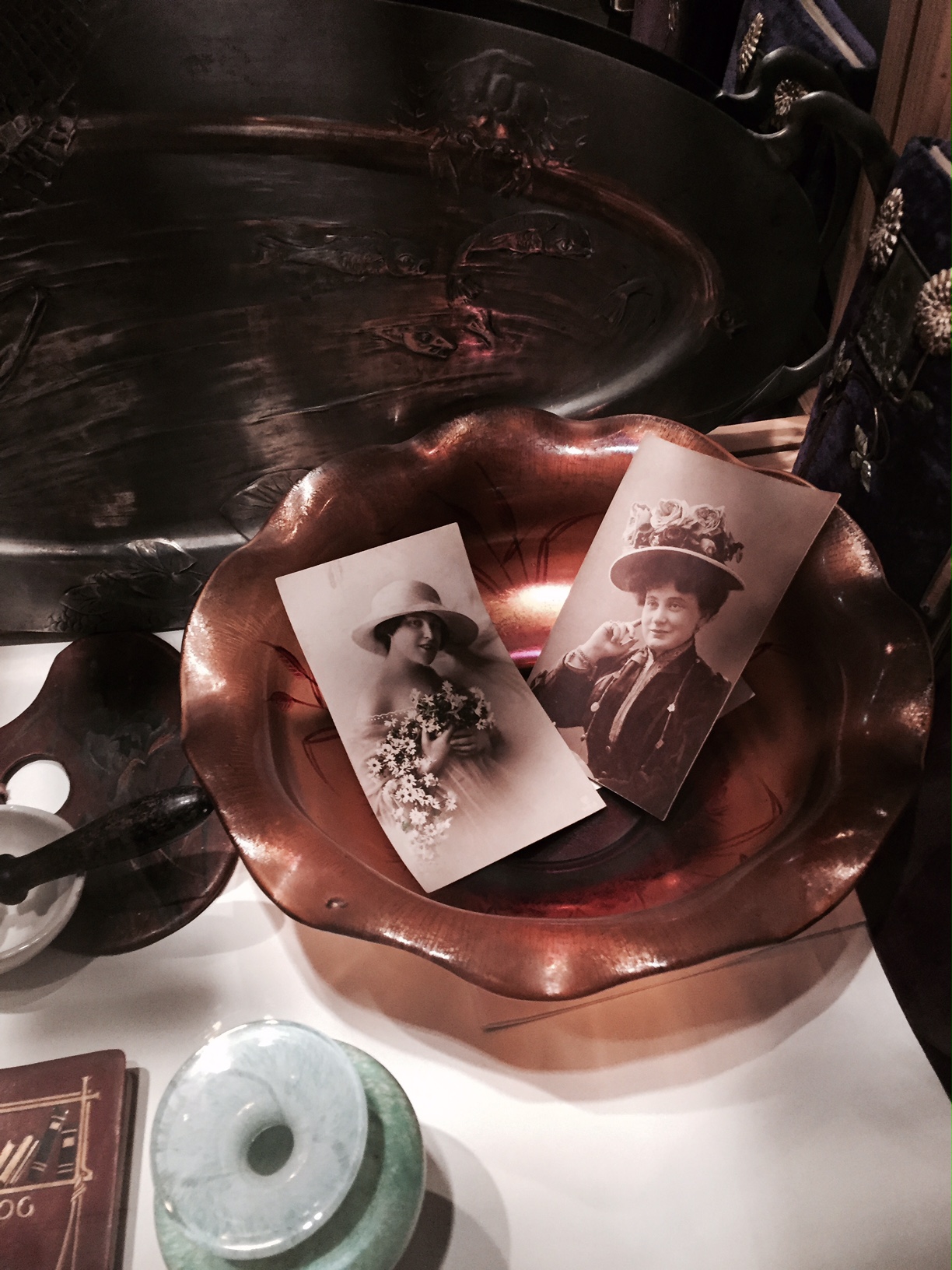
Old photographs of ordinary people bring the past to life. Women pose coquettishly with flowered hats and elaborate bouquets.

FullSizeRender (33)


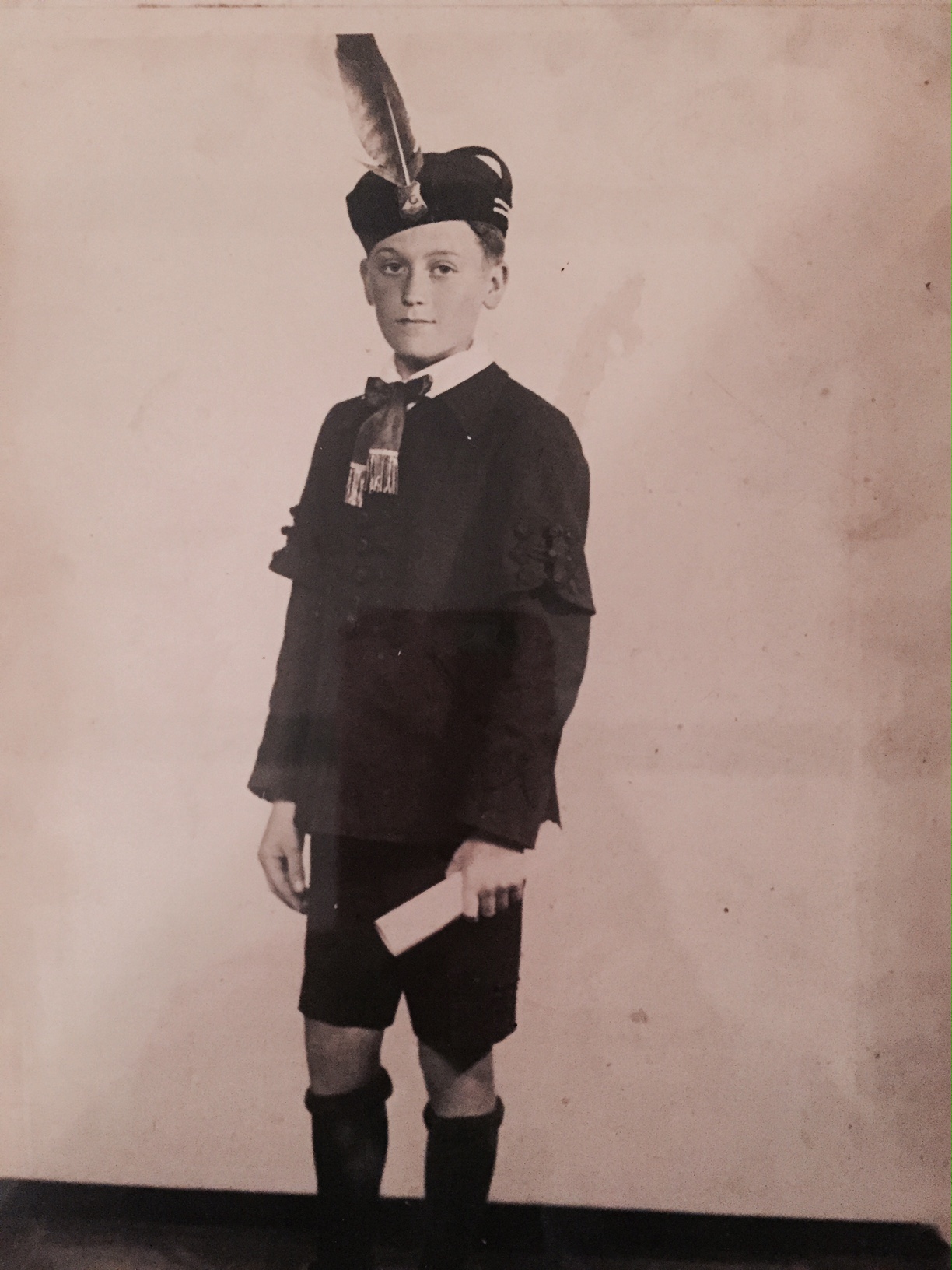
Who was this child?  Why the festive feather in his cap? Was this perhaps a photo taken just before he graduated to long pants?

FullSizeRender (30)


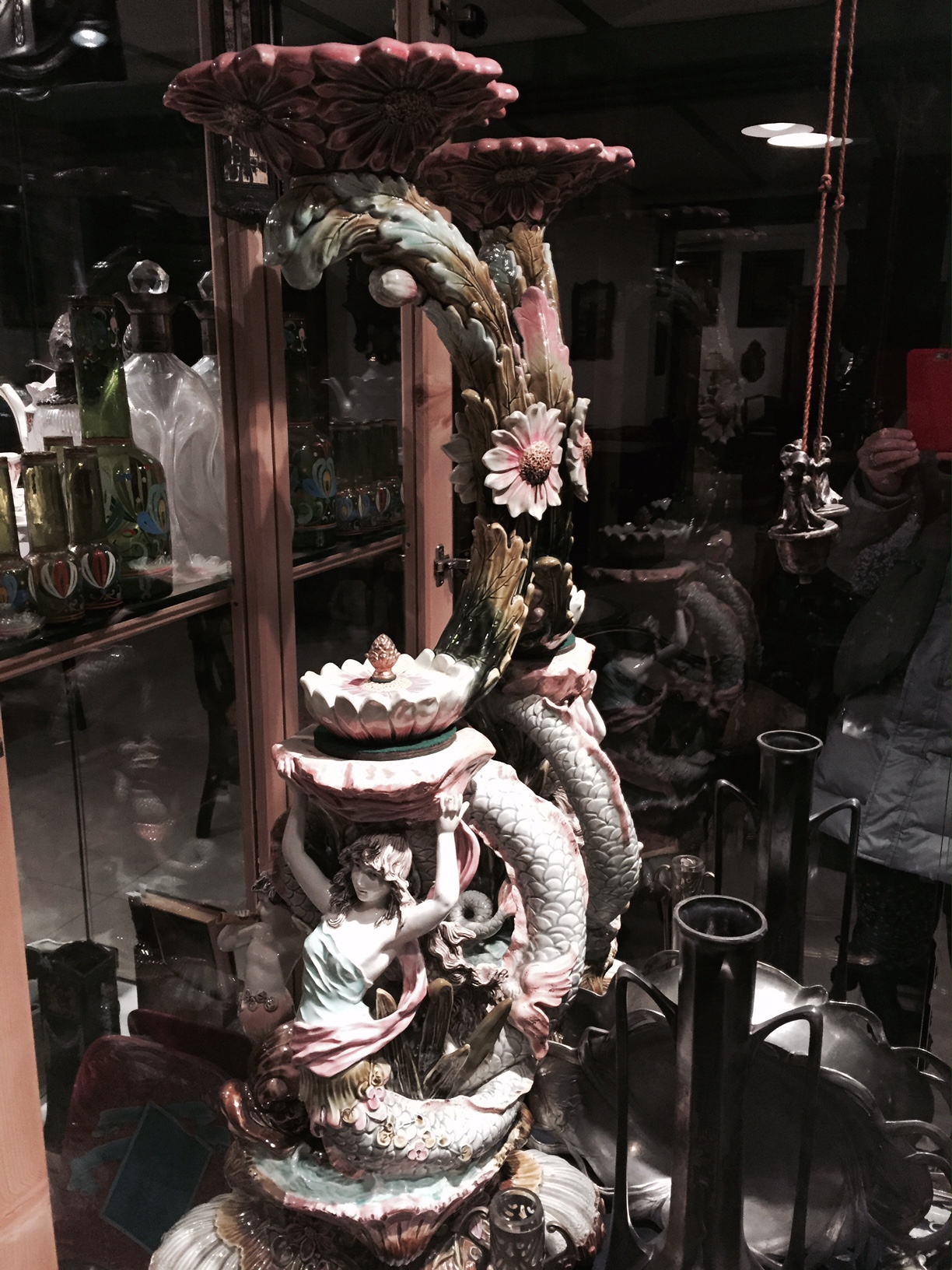
New production methods made elaborate (if not always tasteful) objects available to the middle classes. What is the object above? A candle holder? A four-foot-tall candy dish?  Hard to say, but it graced someone’s parlor.

FullSizeRender (34)

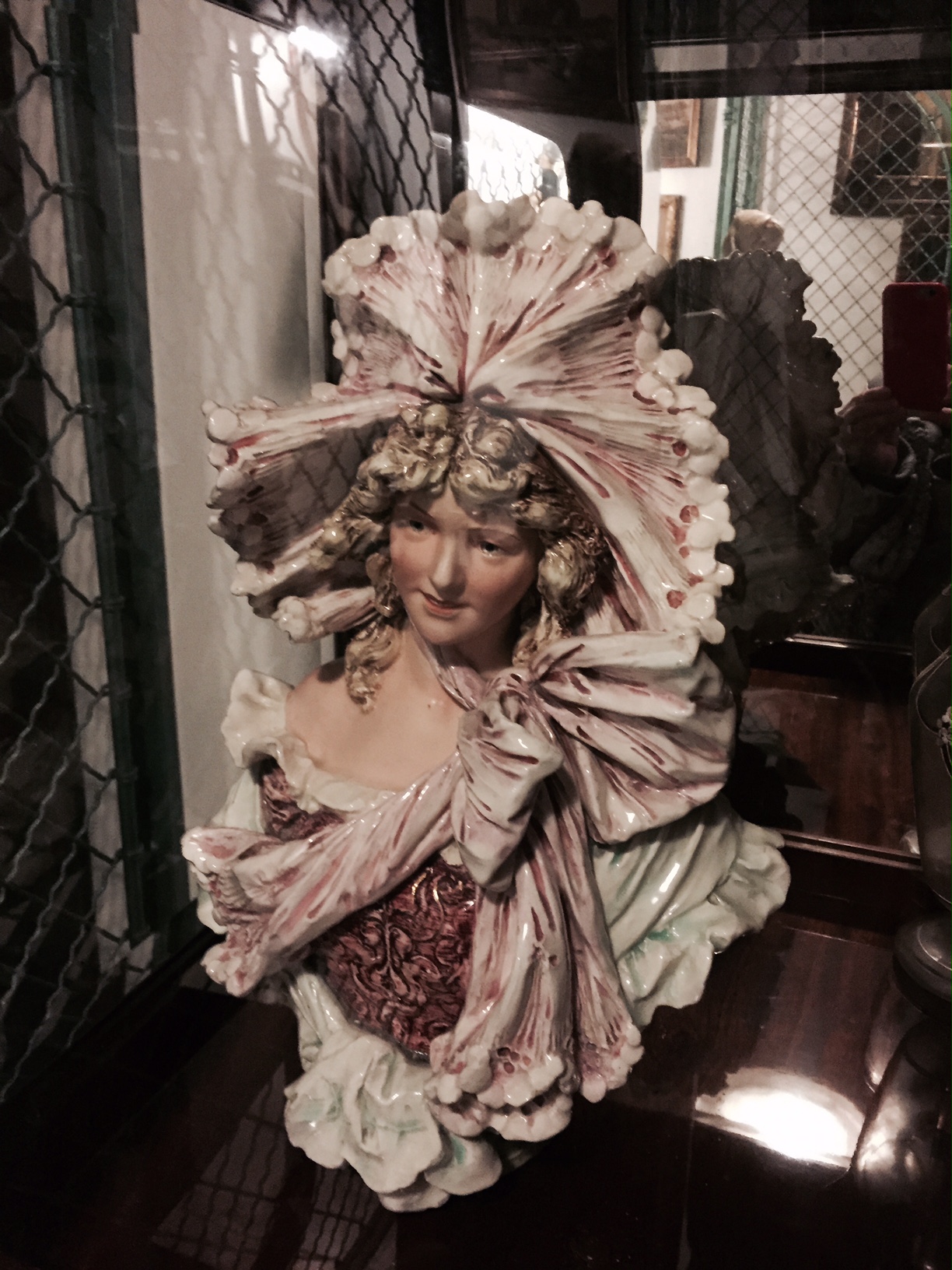
The figurine above would never be shown in a serious museum of decorative arts.  But I can see its appeal to the person who brought it home a century ago, during one of the rare periods of peace in Hungary.  This lady seems to celebrate youth, freedom and the sheer joy of life. The Art Nouveau movement also celebrated the right of ordinary people to own things they considered beautiful, whether they served a useful purpose or not.

The website of the House of Art Nouveau is at http://www.magyarszecessziohaza.hu/mainen.php


See You Next Year, Nutcracker!

FullSizeRender (15)

I guess there’s no denying that the holiday season is over and Santa’s elves and reindeer are safely back at the North Pole.  In New York City, the last performance of George Balanchine’s venerable “Nutcracker” ballet was on January 3.  Reviewers reported that after 50 performances in the past season, the musicians and dancers were as fresh and energetic as ever. Tchaikovsky’s 1892 score has something for everyone:  an easily-understood story for children, along with sophisticated music and dancing to satisfy the connoisseur.

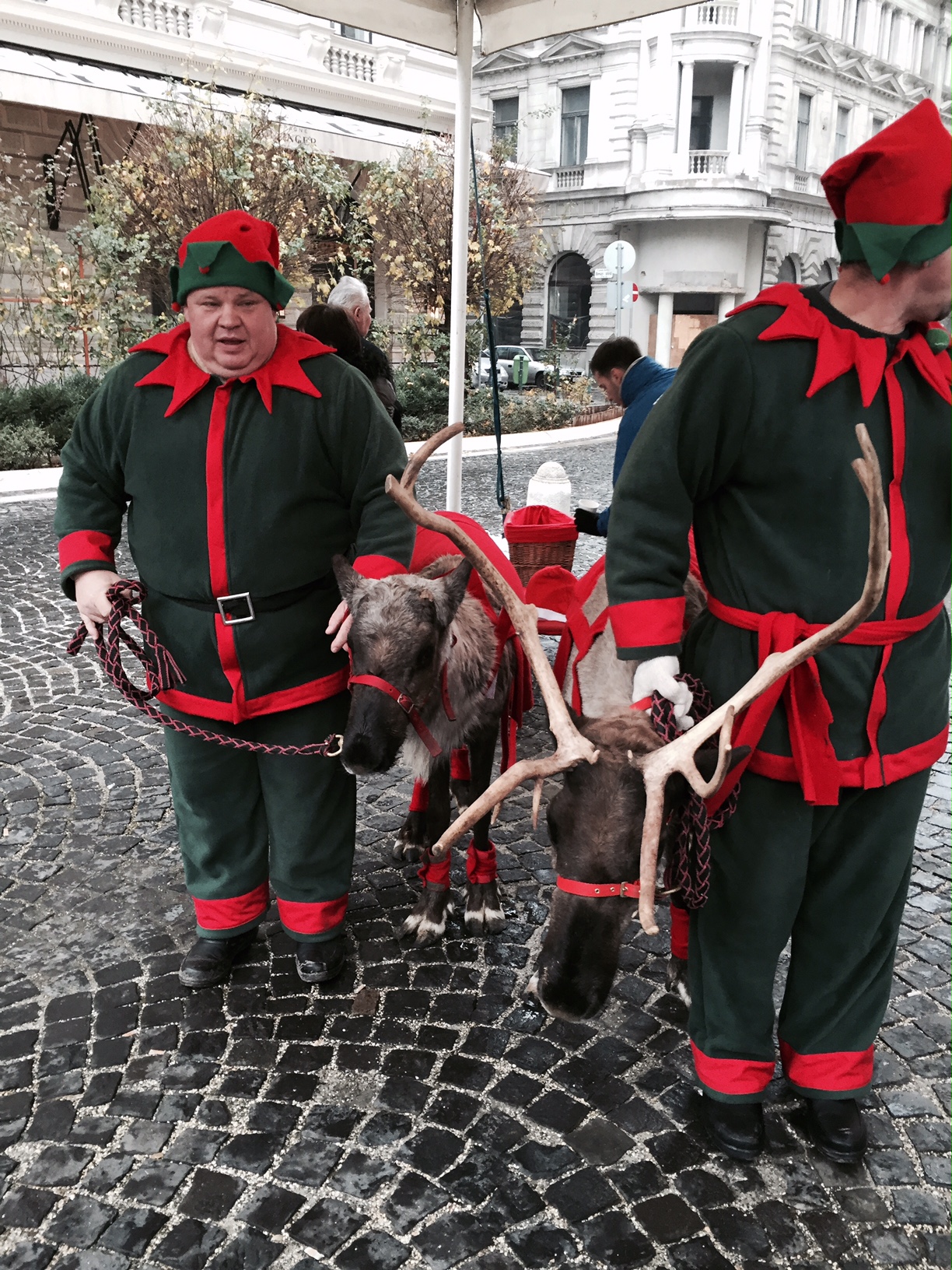
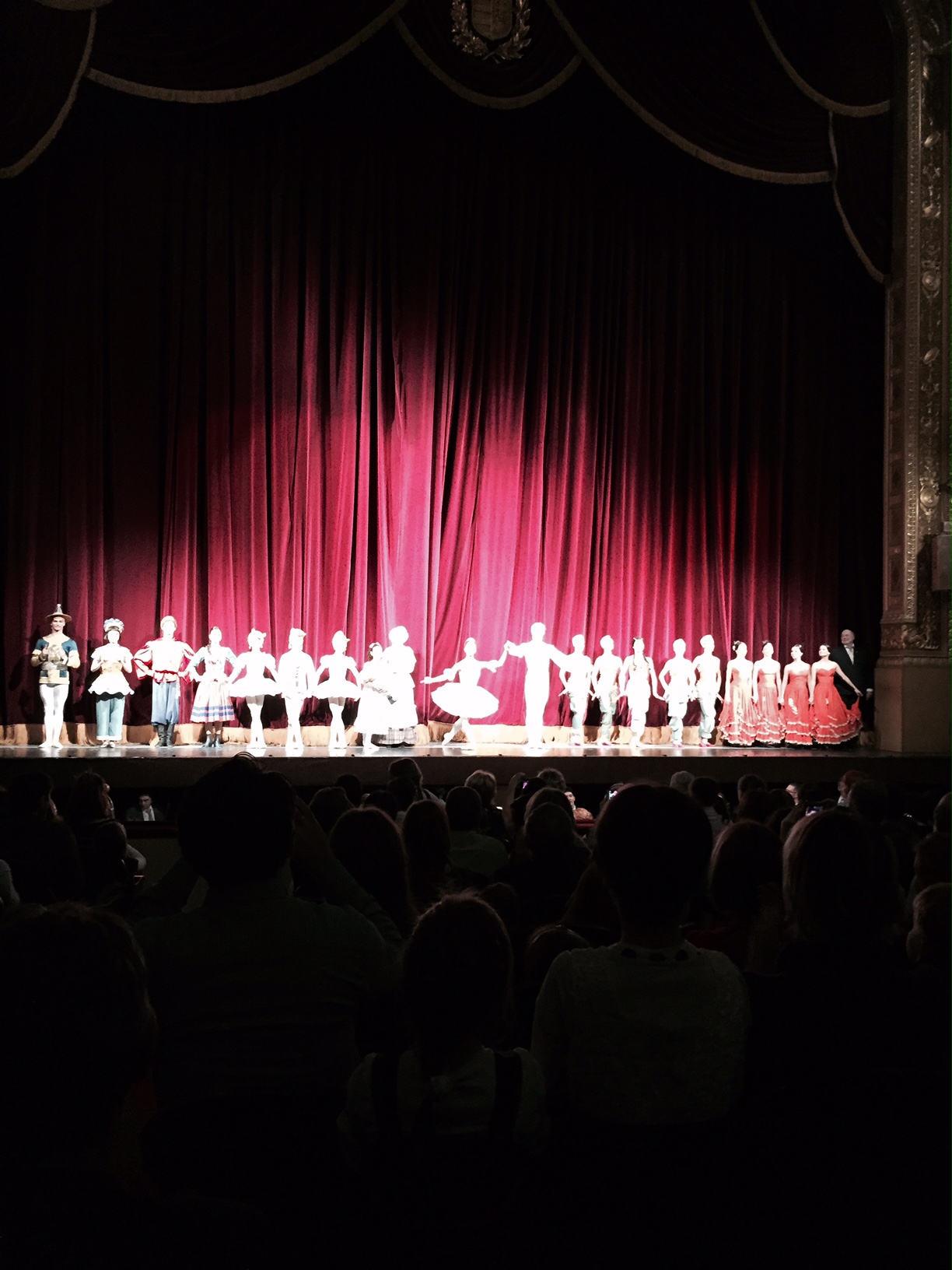
I was lucky enough to attend a performance of “The Nutcracker” at the Budapest Opera House just before Christmas.  It was a matinee, so naturally there were lots of children excitedly greeting the elves and reindeer stationed outside.

FullSizeRender (14)

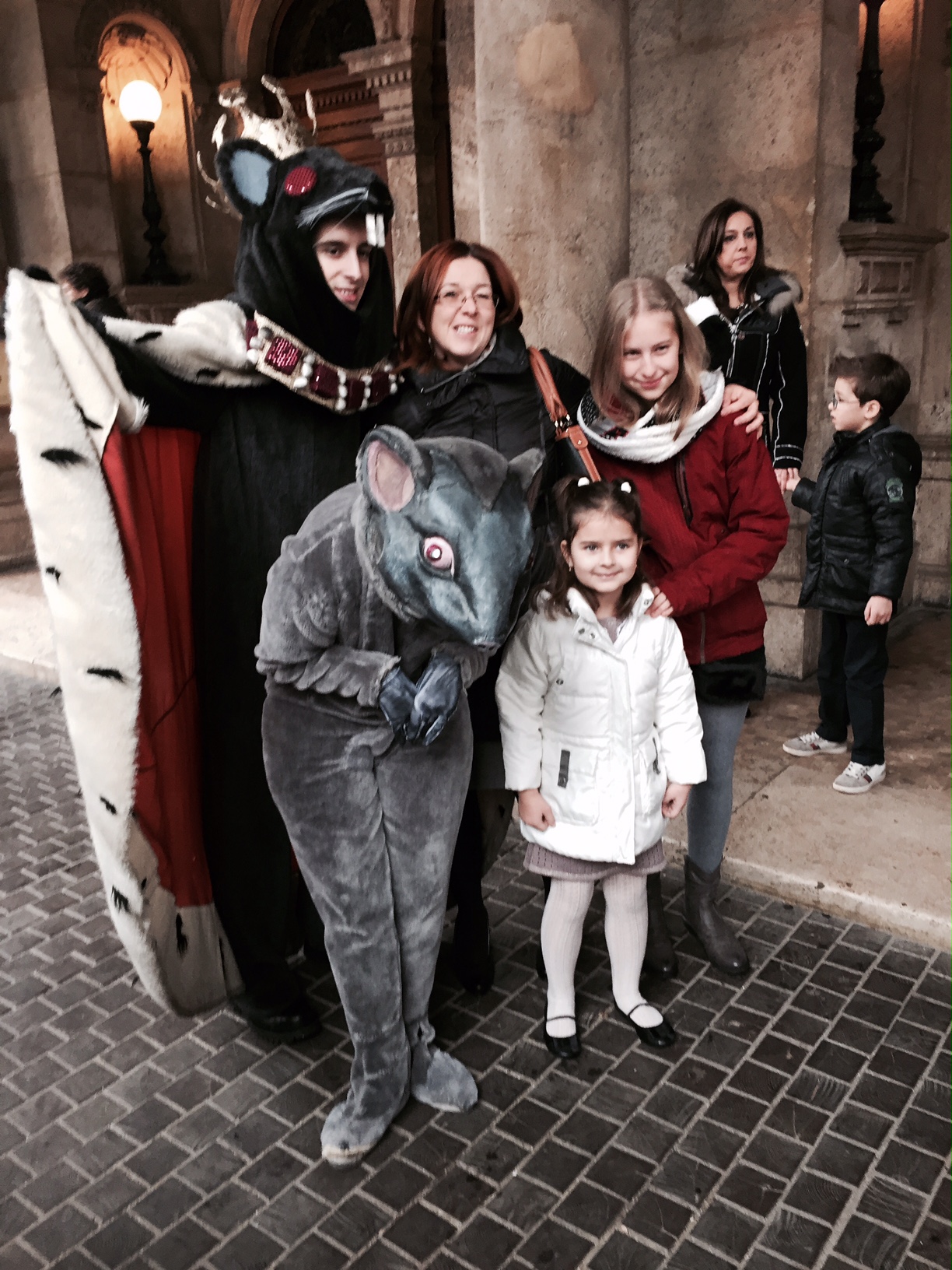
Cast members in costume cheerfully posed for photos with delighted families.

This production was simpler than the one that has served as the  model for most American productions.  I loved it.  The focus was on the music and the dancing, not so much on the sets and costumes (although sets and costumes were exquisite).

i.1.a-balanchine-nutcracker-ballet-vf

The current issue of Vanity Fair magazine has an article about the history of the Balanchine “Nutcracker,” which was first seen 50 years ago. The photo above, of the Waltz of the Flowers, is from the article.  It’s at http://www.vanityfair.com/culture/2015/01/the-nutcracker-george-balanchine.

Balanchine’s New York City Ballet version is available on DVD, in its 1989 production which featured the adorable child actor Macaulay Culkin as the Nutcracker/Prince. I watch it every year.  I love it, but I find it a little over-complicated.  There’s a Godfather Drosselmeier who produces magical toys, and brings along his nephew who morphs into the Nutcracker/Prince. There’s an owl that perches on a clock that strikes midnight, and a doll-sized bed, and then a full-sized bed that rolls in and out of the wings.

The Budapest production simplified the Drosselmeier character:  he was really the children’s father, dressed in a wizard’s cape and conical hat.  This seemed psychologically sound; the young girl’s father was the one who introduced her, in a safe way, to the dreamboat Nutcracker/Prince.  It seemed appropriate for a girl’s father to show her, in a Christmas dream setting, what she ought to expect from the boys who would inevitably come calling in the future.

FullSizeRender (17)

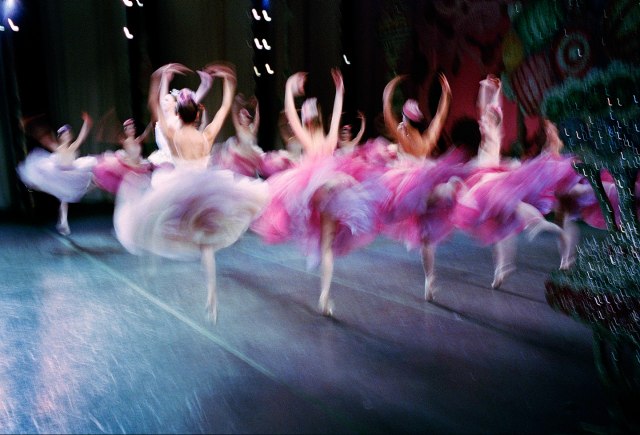
It seemed all right to take a photo during a curtain call.  The one above was from the beloved dance of the snowflakes.

FullSizeRender (16)

Was the audience quiet and attentive?  Not really!  It was filled with children, marveling at the orchestra, the dancing, the costumes, the Opera House, and the Christmas season itself.  That’s how I like my Nutcracker–and my Christmas.


Why I Love Budapest

I’ve just returned from my very first visit to Budapest, and I’m hooked.  I’ve heard the city called “the Paris of Eastern Europe,” and now I can see why.

FullSizeRender (10)

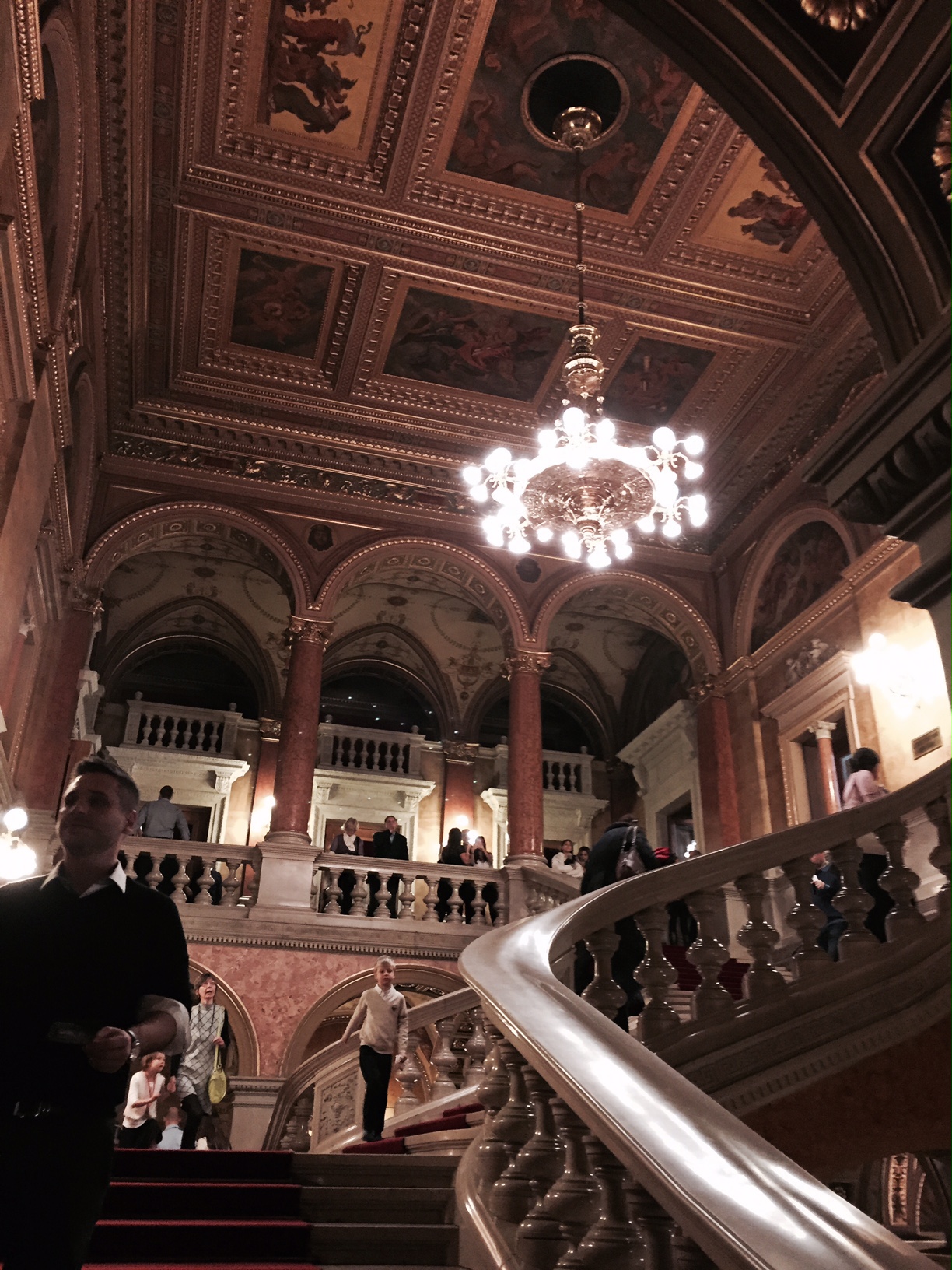
There’s a world-class Opera, with a building as spectacular as anything Paris or Vienna can offer.

FullSizeRender (13)

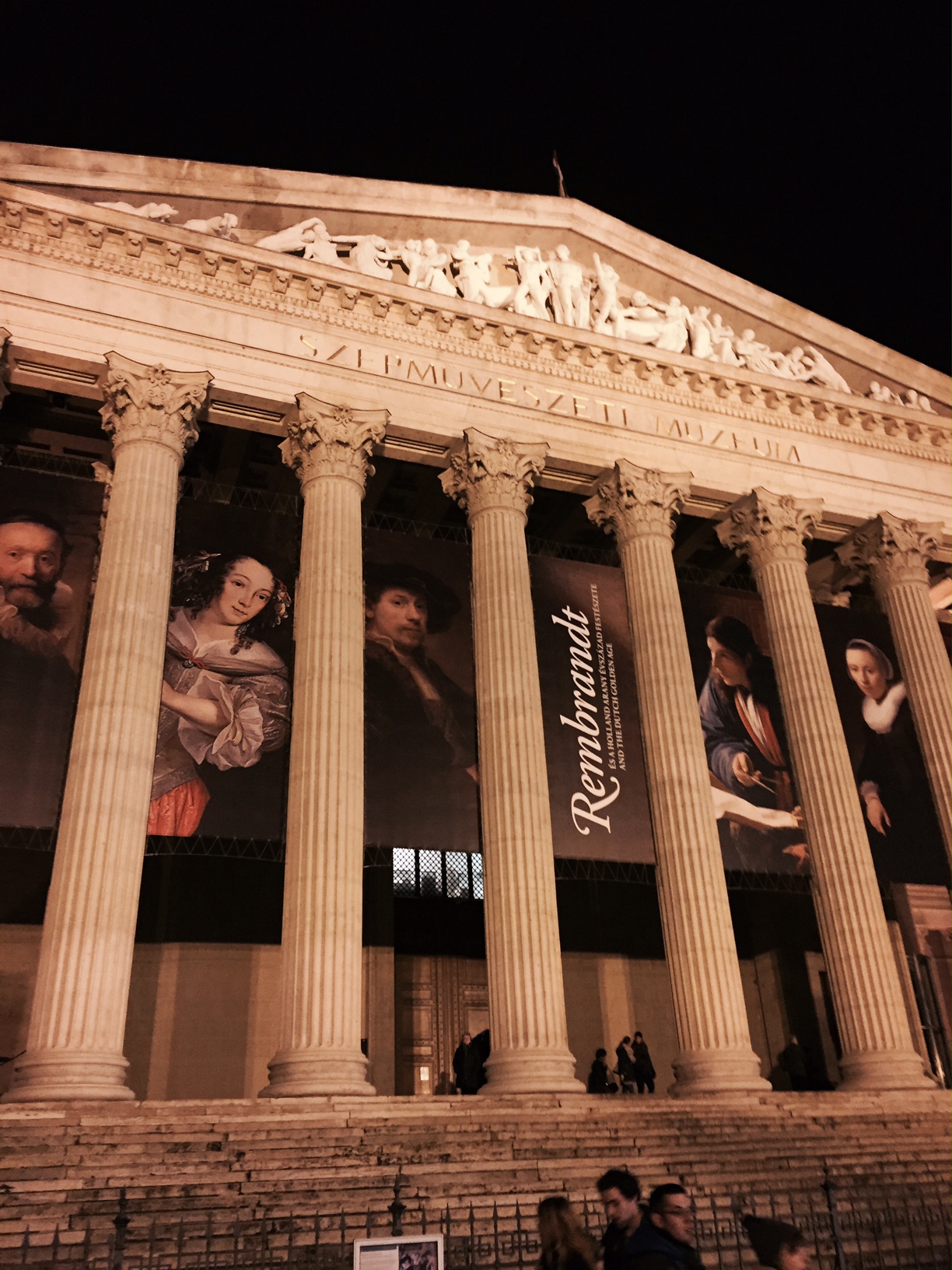
The rich and varied collections of many museums can keep an art-lover happily occupied for days, with special exhibits in addition to wonderful permanent collections of the masters.  The special Rembrandt exhibit at the Fine Arts Museum was especially enlightening.

FullSizeRender (11)

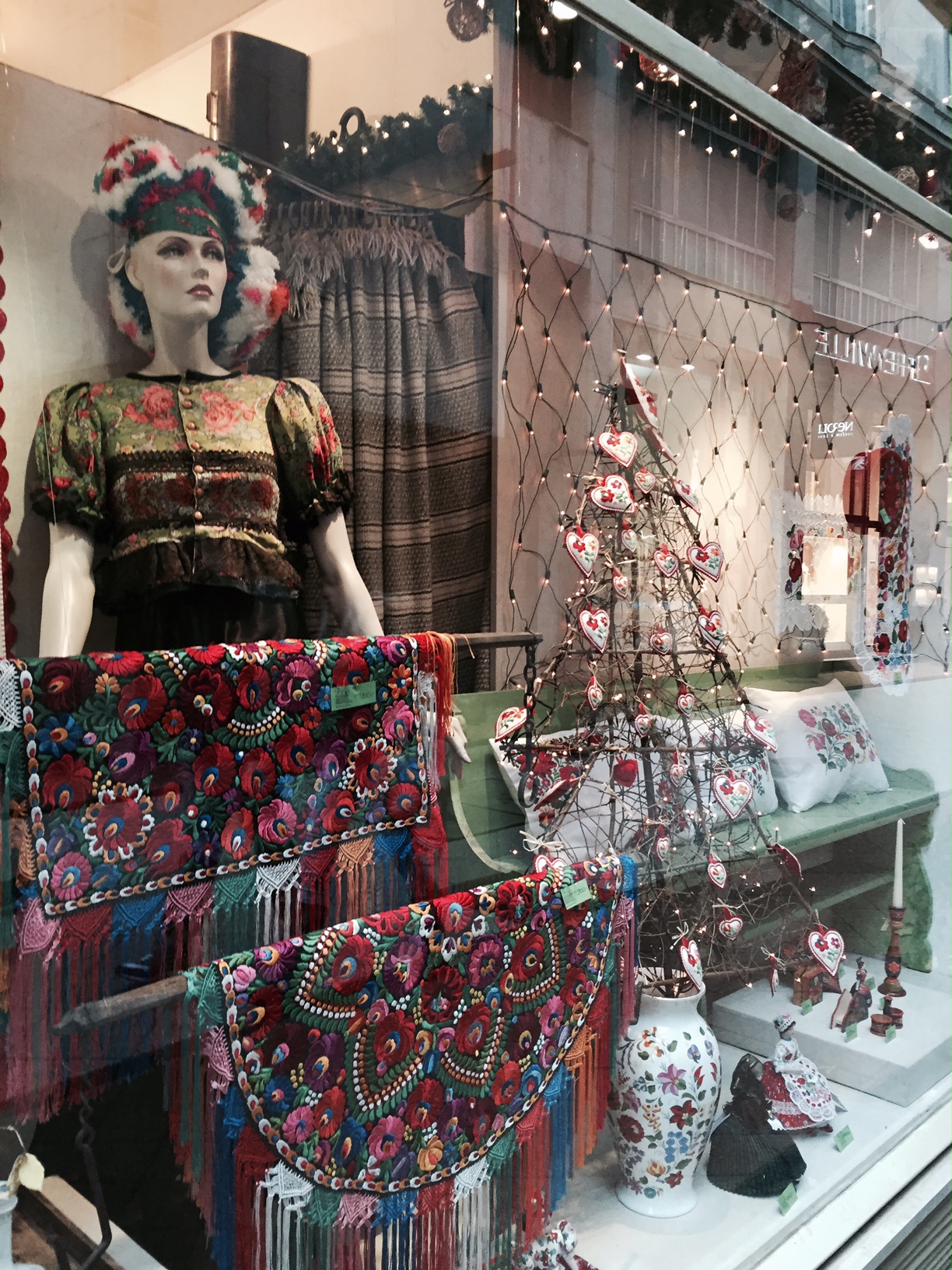
Shops exhibit distinctive Hungarian crafts.

FullSizeRender (9)

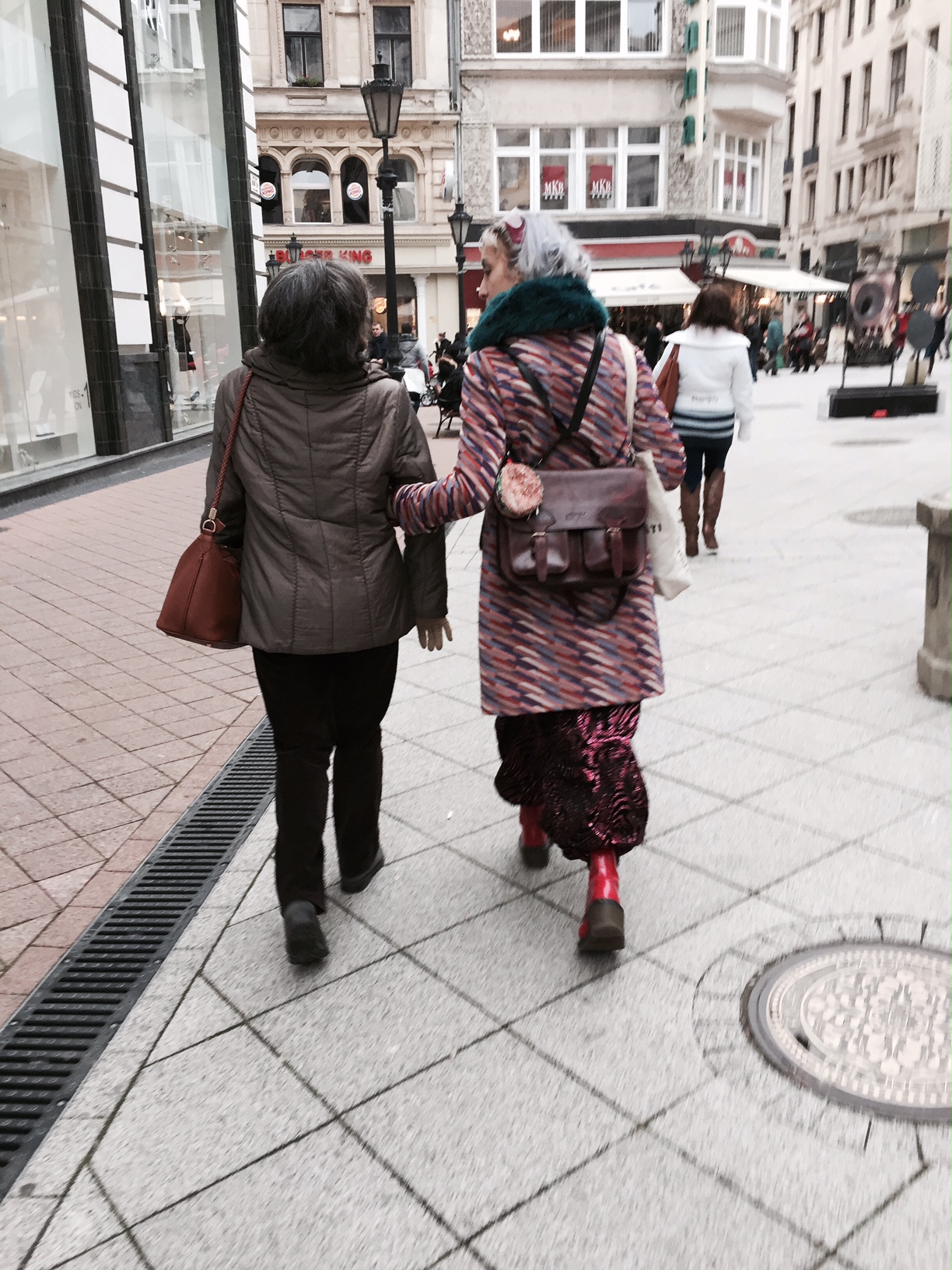
The city is a little more rough around the edges than, say, Vienna or Paris.  But women in Budapest dress creatively; street fashion is alive and well.

FullSizeRender (8)

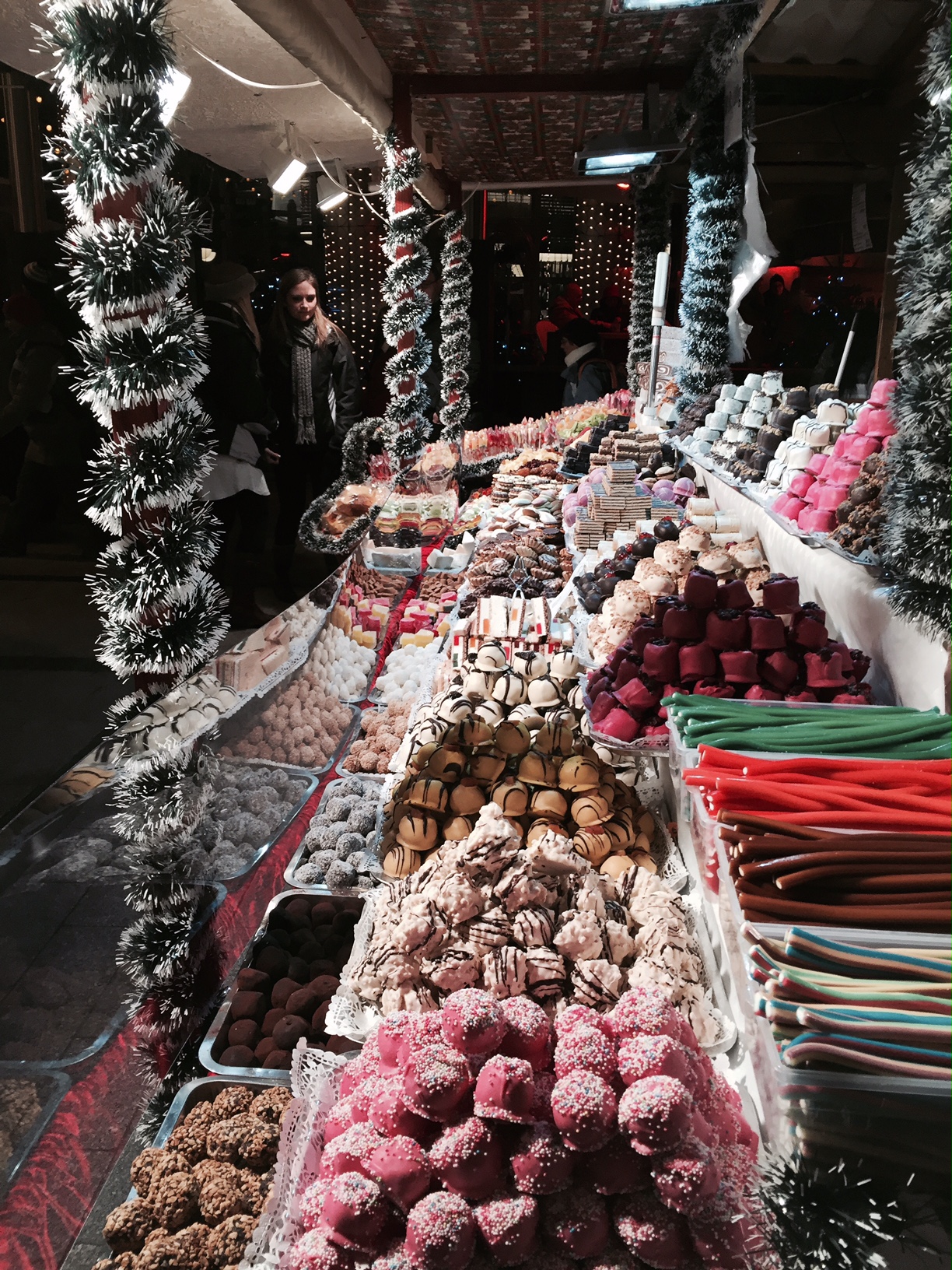
In December, the Christmas markets are in full swing.  Delicious tastes and smells tempt the visitor.

FullSizeRender (12)

“Mosdo” means “toilet?”  That’s a new one on me.  The Hungarian language is unlike any other.  It is not related to Latin, French, German, Anglo-Saxon, or any other language except possibly Finnish.  Why is this a benefit?  Since only about 12 million people in the world can speak Hungarian, the powers that be decided some time ago that all schoolchildren should learn English.  There’s always a friendly English speaker nearby. That makes life easy for the tourist!

Join me next time for more explorations in the art, history and cultures of Europe!