Category Archives: Historic Homes

Mary Russell, Flying Duchess–and Much More

IMG_1407

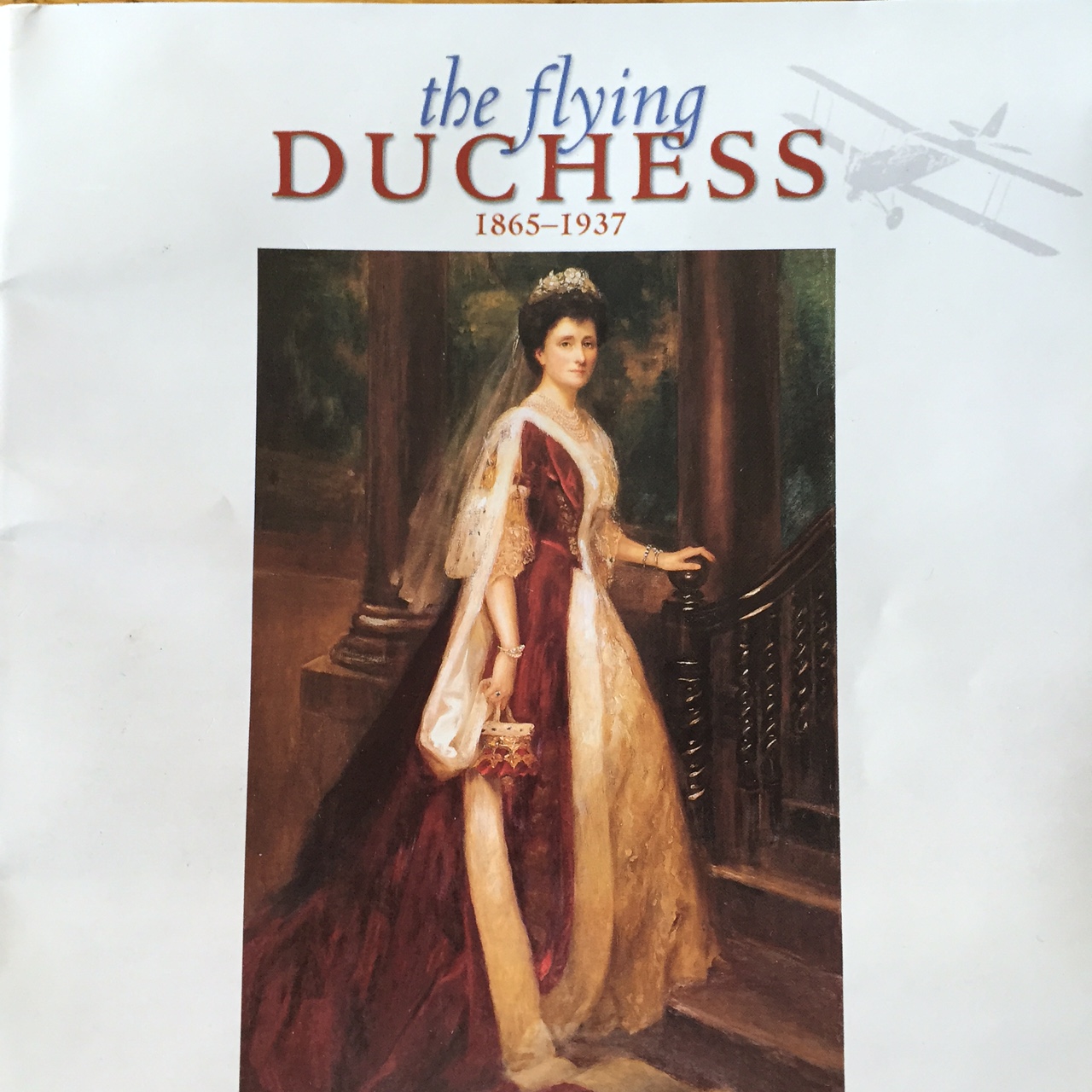
How did the free-spirited daughter of an obscure English clergyman become the famous Duchess of Bedford, best known as The Flying Duchess? The little book above, written by Mary’s great-grandson the Marquess of Tavistock, tells her story. Mary Du Caurroy Tribe was born and educated in England, but as a young teenager she went to join her family, stationed in India.  Her father’s chaplaincy duties took him on dirt roads and over mountain passes to Indian villages.  For six years, Mary happily went along for the ride, taking turns with her father on their one pony. She loved every moment of outdoor adventure.
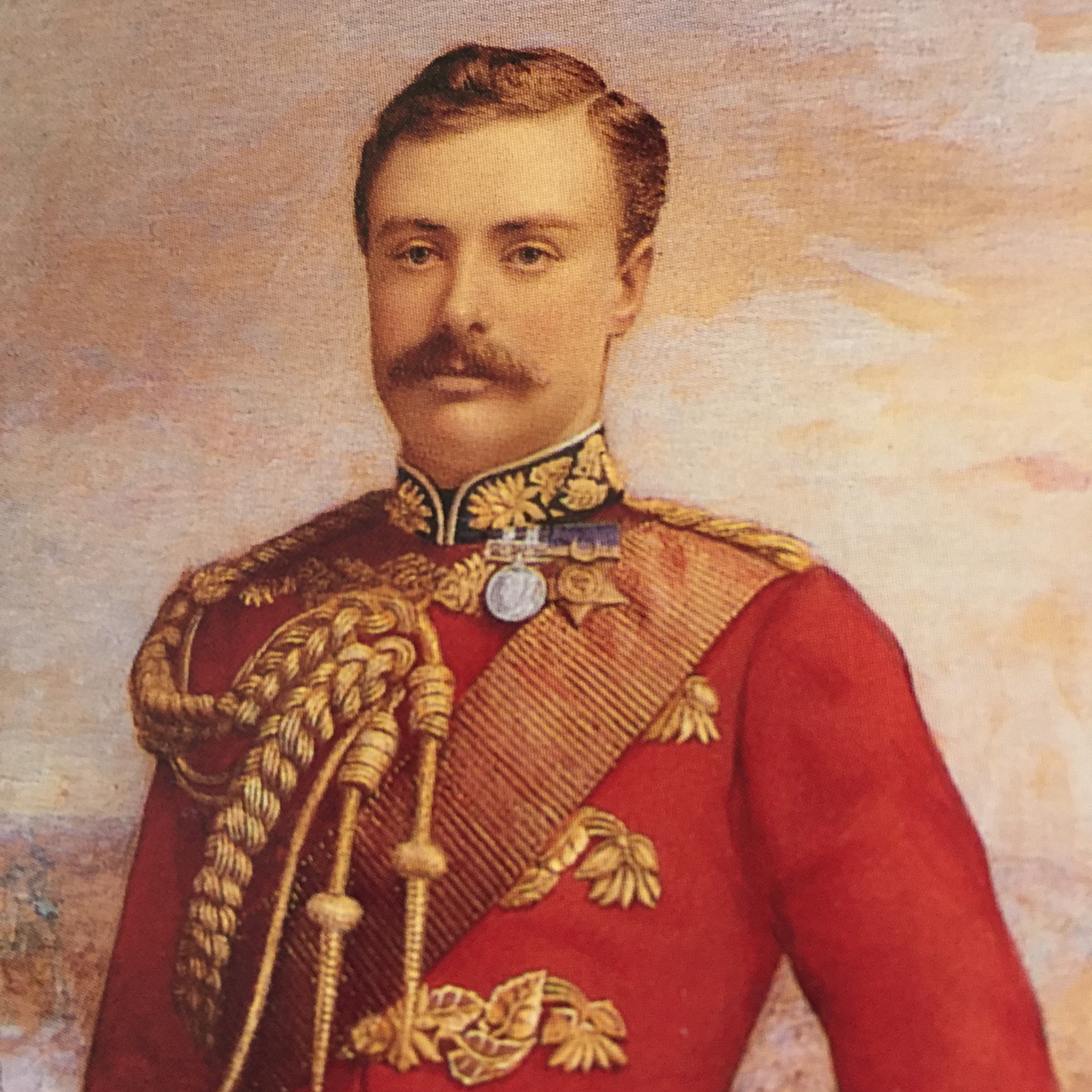
Lord Herbrand Russell, my photo taken from book "The Flying Duchess," cited above

Lord Herbrand Russell, my photo taken from book “The Flying Duchess,” cited above

In 1888, at age 23, she married the dashing Lord Herbrand Russell, aide-de-camp to the Viceroy. He was 27, and as an aristocratic younger son he had to make his own way in the world. A life serving Queen Victoria in India seemed likely for the young couple.

Mary Russell, Duchess of Bedford, Public Domain
Mary Russell, Duchess of Bedford, Public Domain

But in quick succession, Lord Herbrand’s father and childless older brother died, and hey presto! the young couple became Duke and Duchess of Bedford.

Woburn

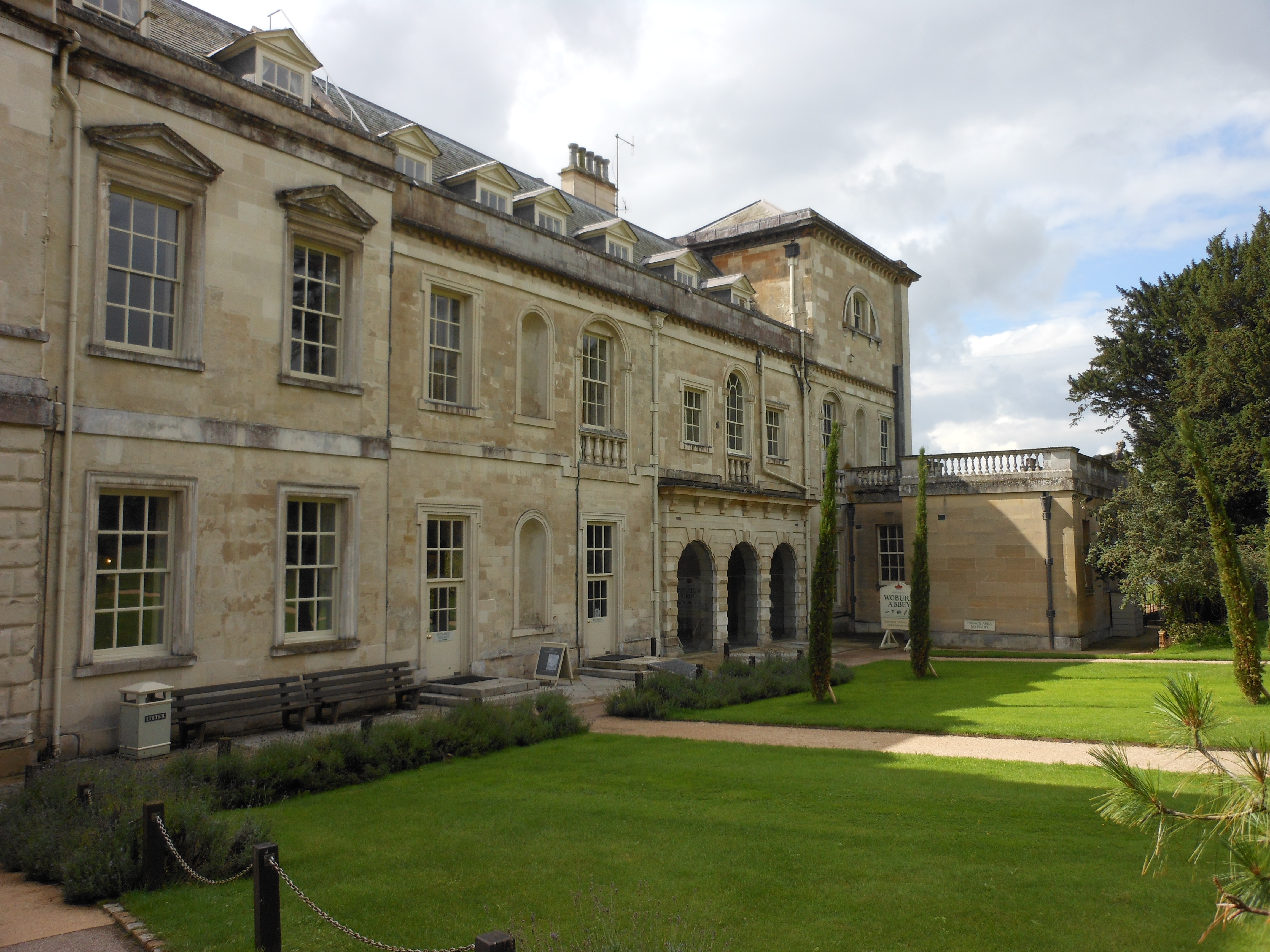
Along with the title came Woburn Abbey, seat of the Dukes of Bedford for over 300 years. In the twentieth century, war and industrialization took a toll on all great country houses. Woburn opened to the paying public in 1953, preserved from steep tax bills thanks to pragmatic plans that included a golf club. But it is still the family’s home. And rare breeds of deer still roam the park.

In her early married years, the Duchess gave birth to her only child, a son named Hastings.  Besides dressing up and wearing a tiara when required, she did all manner of good works in her community. She loved nature and being outdoors. She traveled on her yacht, hunted, fly-fished, and canoed, often alone, down rivers where she “shipwrecked” more often than she probably cared to admit. She took up bird-watching. Never one to do things by halves, she became a world authority on birds.

One of her prized pets was a rare swan named Sabina, a rescue bird who ferociously attacked any creature, man or beast, that ventured near her pond. She was no match for Mary Russell. The Duchess wrote in her diary, “I made a stand and gave Sabina to understand that in my case at least such behavior could not be tolerated.” Soon Sabina was following the Duchess around and allowing herself to be picked up. She haunted the terrace in front of the house, watching for the Duchess. She even asked for kisses. A male swan was drafted into service as a mate for her. Sabina tolerated him, but her first love was the Duchess.

Duchess of Bedford as a nurse, my photo taken from "The Flying Duchess" book cited above

Duchess of Bedford as a nurse, my photo taken from “The Flying Duchess” book cited above

The Duchess designed and built a state-of-the-art community hospital in Woburn. But she didn’t stop there.  For 34 years, she actually worked in the hospital, shoulder to shoulder with her employees. If she noticed a dirty floor, she scrubbed it. 

When World War I came, she converted large outbuildings on the estate into a war hospital. She hired an eminent London surgeon, Mr. Bryden Glendining, as her head of staff.  She trained as a surgeon’s assistant and stood by his side for about a dozen operations a week.

Realizing that the new science of radiology was crucial to diagnosis, she learned radiology and headed that department.  I can just hear her saying, “How hard can it be?” The War Office had so much confidence in the Duchess’s hospital that wounded soldiers were sent to Woburn directly from the Front.
MaryRussellBedford

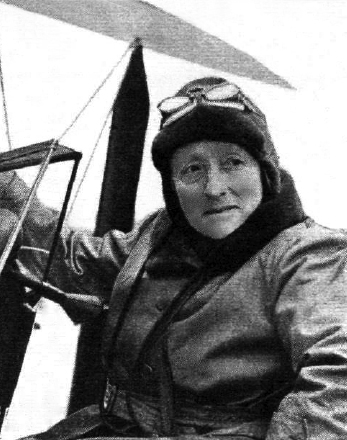
At age 61, the Duchess took up flying.  Again, how hard could it be? In 1937, at age 71, she had 199 hours of solo flight under her belt when she took off from the park at Woburn, alone in her De Havilland Gipsy Moth. She was never seen again. It seems likely that she strayed over the Channel and went down at sea.  Pieces of her plane eventually washed up on shore, but she was never found. Her beloved husband survived her by three years.

If the Duchess had lived on into the years of World War II, no doubt she would have tossed her flying helmet onto a shelf, rolled up her sleeves, and marched straight back into her hospital work.  A BBC article about her life is at http://www.bbc.co.uk/threecounties/content/articles/2008/08/12/flying_duchess_feature.shtml


All Saints’ Church at Kedleston Hall
KedlestonHall

Kedleston Hall is the spectacular showplace home of the Curzon family, designed by Robert Adam, finished in 1765 and open to visitors before all the plaster was dry. The housekeeper led visitors (of the right sort, of course) on a tour through the state rooms. The point was to impress visitors with the wealth, power and taste of the family. Not everyone cared for the place, though. Dr. Johnson remarked, “It would do excellently for a town hall.” I have to agree.  Entering the lofty Marble Hall feels like entering a courthouse. Visitors stop in their tracks and speak in hushed voices.

AllSaintsKedleston

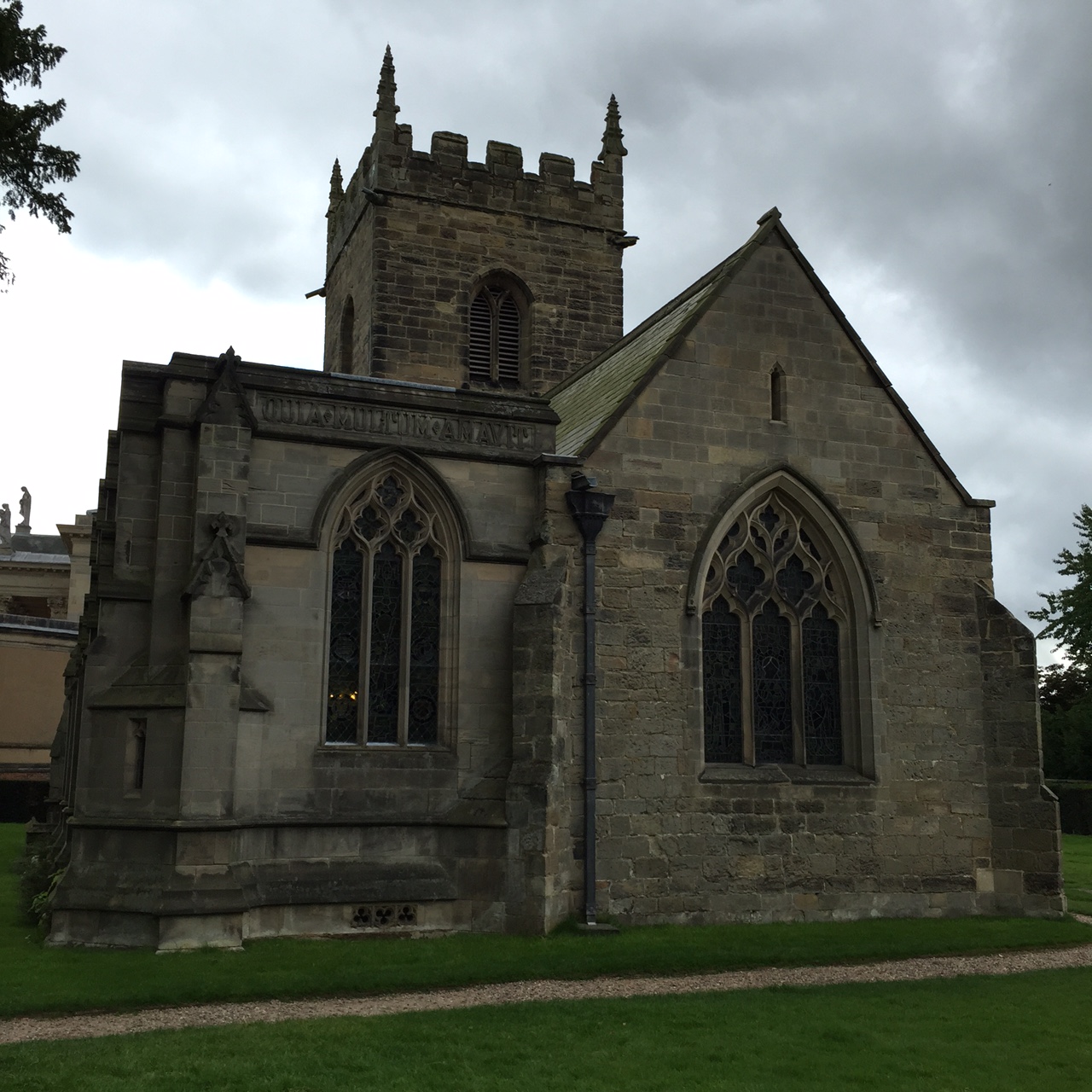
My favorite part of the estate is All Saints Church on the grounds outside. The church is an important historic site, cared for by a special organization separate from the National Trust, which manages the house.

CurzonMedieval

Curzon ancestors, dating all the way back to Norman times, were buried inside and in the churchyard. When Sir Nathaniel Curzon inherited the estate in 1758, he lost no time in razing the medieval village where his ancestors had lived quietly for centuries. But he kept the village church where they slept in their tombs.

AllSaintsPlaque

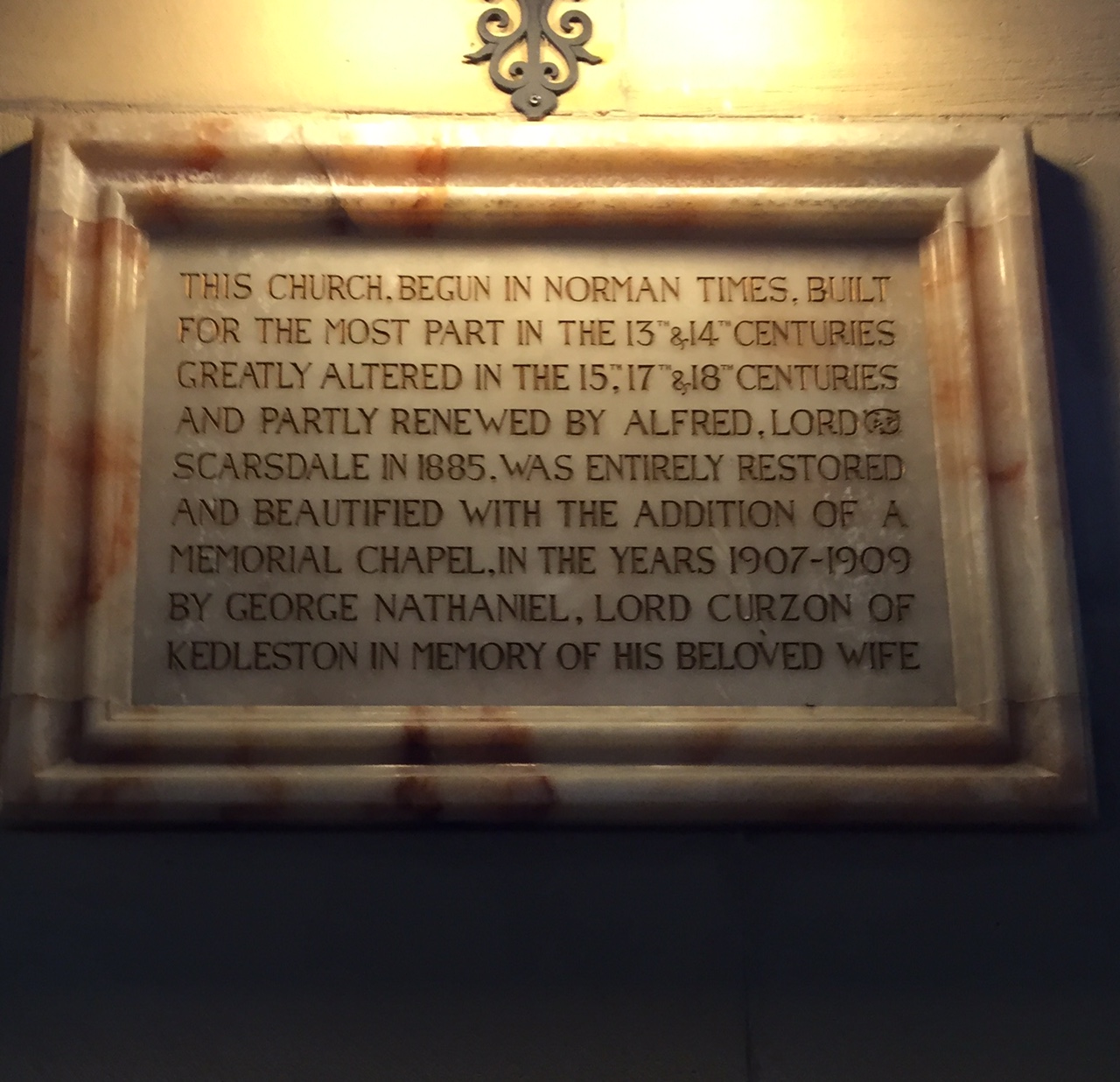
As the plaque above explains, various Curzons maintained and restored the church over the years.  But its pristine condition today is mostly because of a sad love story.

Photo by Chris Hoare, Creative Commons Attribution 2.0 Generic

Photo by Chris Hoare, Creative Commons Attribution 2.0 Generic

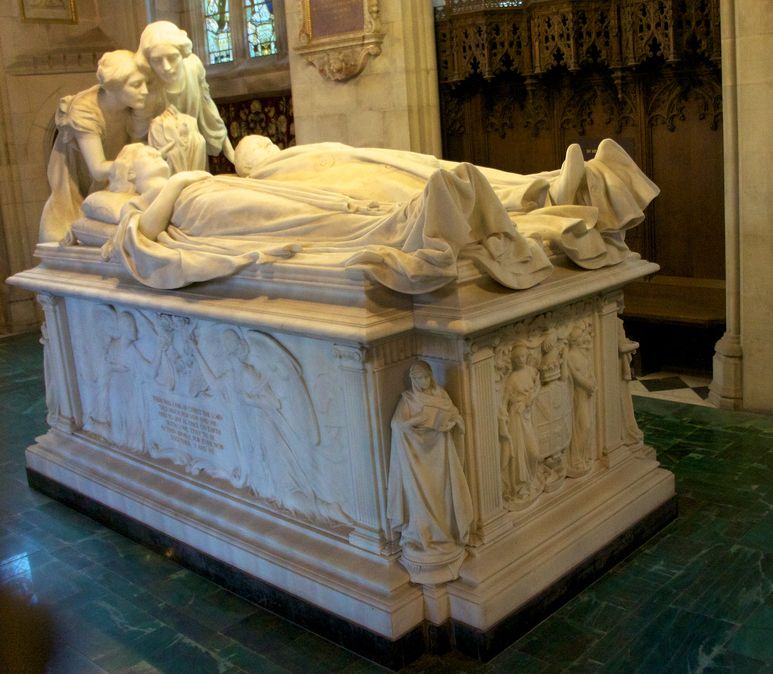
The photo above shows the exquisite marble memorial of Lord George and Lady Mary Curzon.  It was created between 1907 and 1913 by Bertram Mackennal. (Visitors can’t get the complete view above, because the side chapel is separated from the main church by a gate). This is one of the most beautiful and intriguing of all the many tombs I’ve seen in old churches. Who were these people?

MaryCurzon

Mary Leiter was a fabulously wealthy, cultivated and beautiful young woman from Chicago.  Her father was Levi Leiter, founder of Field and Leiter stores, which eventually became Marshall Fields. (Yes, Mary Leiter was an inspiration for Cora, the perfect wife of Lord Grantham on the TV show “Downton Abbey.”)  Mary Leiter married George Curzon in 1895. He very soon afterward became Viceroy of India, the highest title available to an Englishman, during the heyday of Victorian empire. Mary gave birth to three daughters, but failed to produce the all-important son. The years she spent in India were happy ones, but her health suffered and she died in 1906, aged only 36.

KedlestonSideChapel

Her husband immediately set to work memorializing her, even as he moved on to various mistresses and an eventual second wife. He never really recovered from his grief at losing Mary. So he built a neo-Gothic addition to the family church. The addition blends almost seamlessly with the original medieval church.   He commissioned the beautiful marble memorial. Mary was buried in the newly-created family vault underneath.  My understanding is that Lord Curzon had Mary’s effigy placed on the plinth as soon as the chapel was complete.  His own effigy was finished and kept in storage until he died.  Then it was placed next to his beloved Mary, and he took his place in the vault below.

Victorian technology allowed Lotrd Curzon to install a hidden elevator in the marble floor next to the memorial, so that coffins could be lowered into the vault at the push of a button.  The friendly church guide recalled the spooking of a lady in recent years. She walked into the church just as a workman rose slowly from underground, standing on the moving section of floor. The terrified lady fled.

FullSizeRender (12)

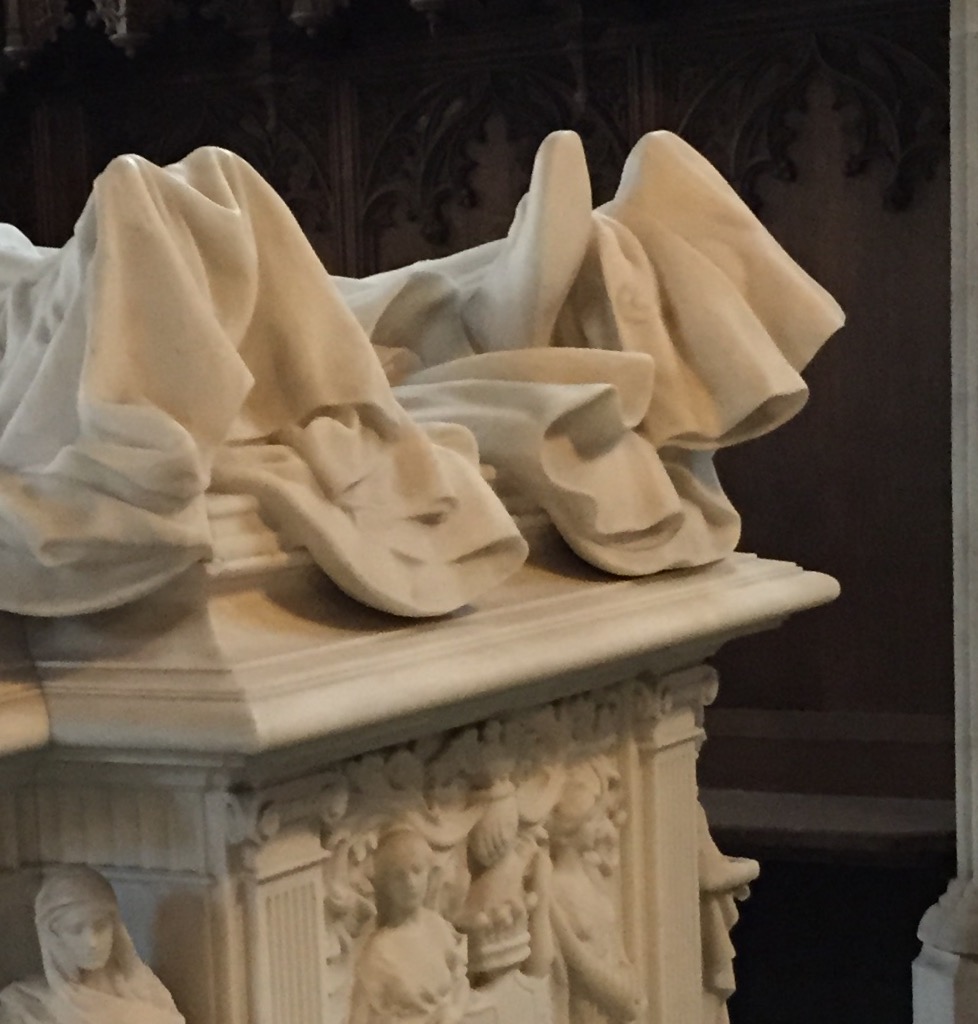
The guide pointed out that Lord Curzon’s right foot is uncovered, a Victorian convention indicating that the effigy was created while the person was still alive. Lord Curzon was a stickler for detail, and he expected the same from his family and everyone who worked for him.

MaryCrown

The sculpture depicts two angels hovering over the sleeping figures.  What are they holding? It’s the Crown of Life–a fairly obscure Biblical reference. The crown is wrapped in a veil. Why?  My thought is that nobody gets to see their heavenly reward until they actually receive it in the Great Beyond.

The sculpture stands serenely in its own side chapel, surrounded by nine stained glass windows depicting various Marys from the Bible and other sources. Impertinent questions come to mind. Considering that there are two people lying in state, why is there only one crown? Is the sleeping couple somehow supposed to share the crown, or is it meant for only one of them? If it is for one of them, would that be Mary? In some traditions, Mary the mother of Jesus became Queen of Heaven after her death. But this is an Anglican church, and as far as I know has no such tradition. Anyway, wouldn’t it be just a bit sacriligious to insinuate that one’s wife was destined to be Queen of Heaven? The guide had an information booklet, but there was very little explanation of the mysterious veiled crown. I would not use a vulgar term like “control freak” for Lord Curzon, but I half expected his ghost to tap me on the shoulder and set me straight about the crown. He did not suffer fools gladly.

Lord Curzon never found another person who could compare to his Mary, and by all accounts he often said so. How could any actual living person compete with a sainted ghost? After Mary’s death, Lord Curzon was soon battling his daughters for their shares of the money Mary had left. He ended up estranged from them. Toward the end of his life, he was also estranged from his second wife, Grace. All the same, according to the guide, Lord Curzon kindly reserved a space for her in the family vault. But Grace did not care to spend eternity directly underneath the effigies of her husband and his first wife, depicted in everlasting marital bliss. Instead she chose a burial plot for herself in the far corner of the churchyard.

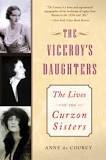
Viceroy's Daughters
Every trip leads me to buy books which I may or may not find time to actually read. I’ve already devoured the book above, The Viceroy’s Daughters by Anne de Courcy. The Curzon family history, especially in the 20th century, is riveting.  The book is a window into British aristocratic life from Victorian times all the way through World War II.  I’ll be writing more about the glamorous Curzons.

Join me next time for more explorations in the art and history of Europe and the British Isles!

The Chapel at Tyntesfield

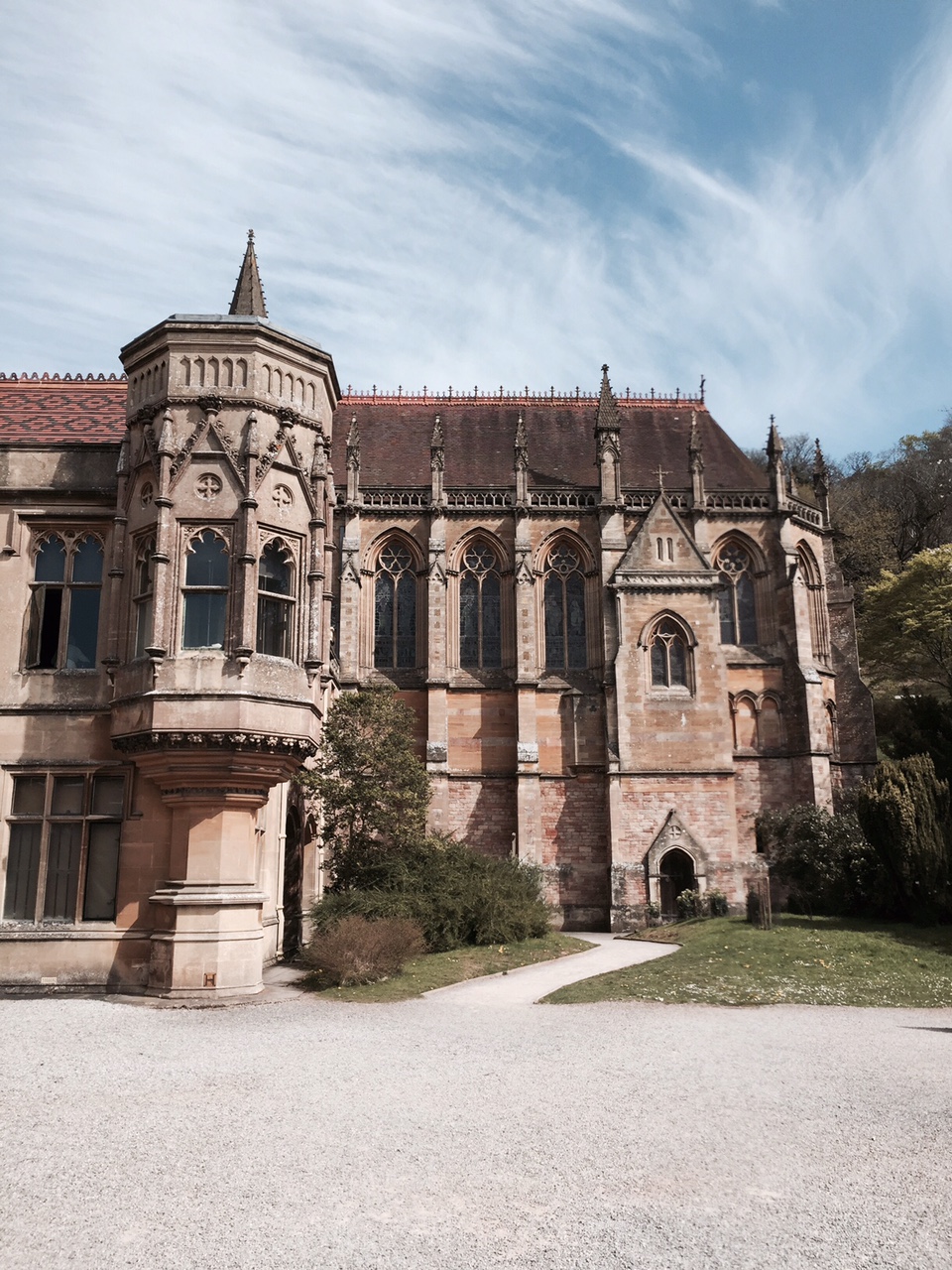
TynChapelExt

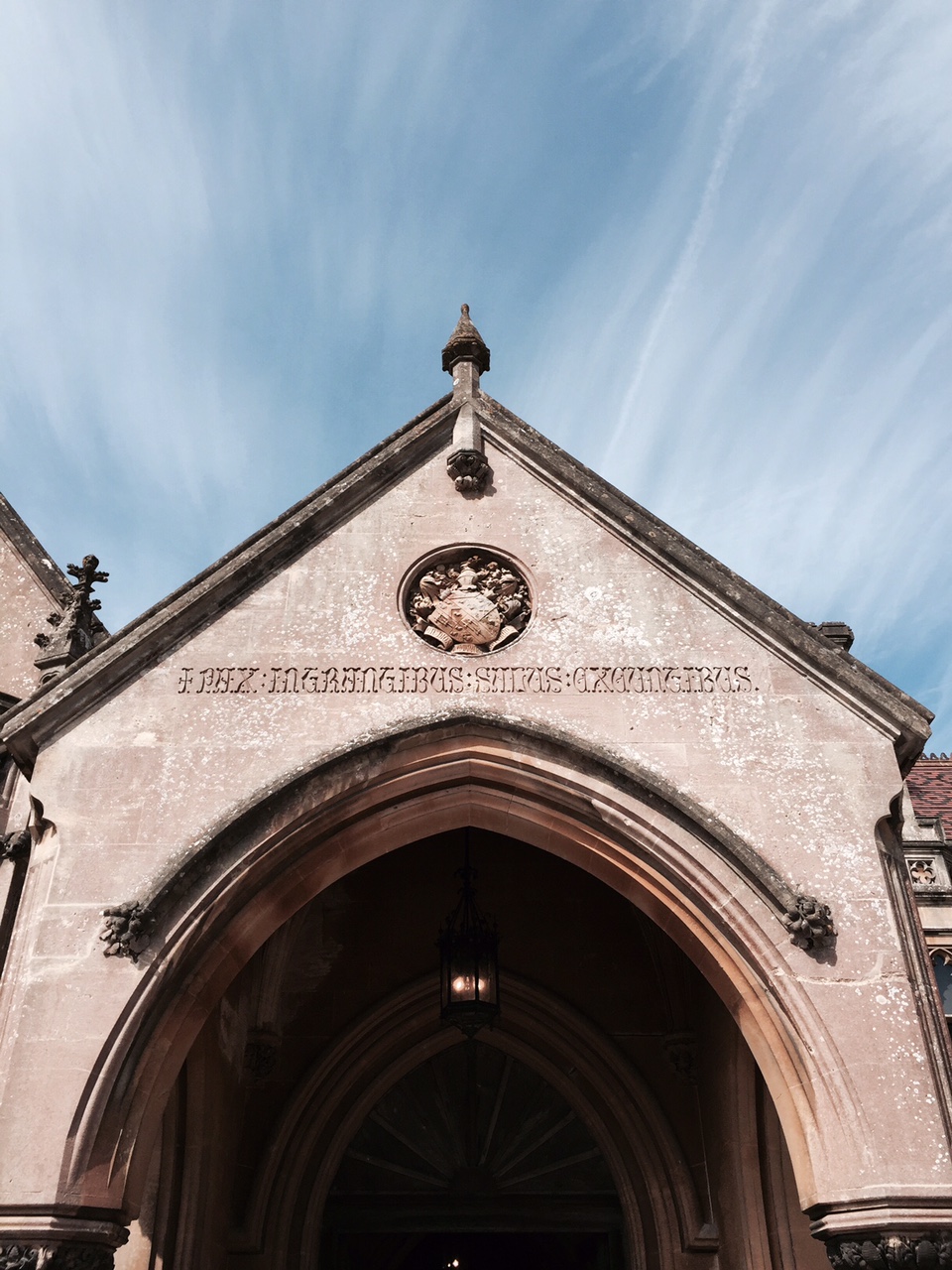
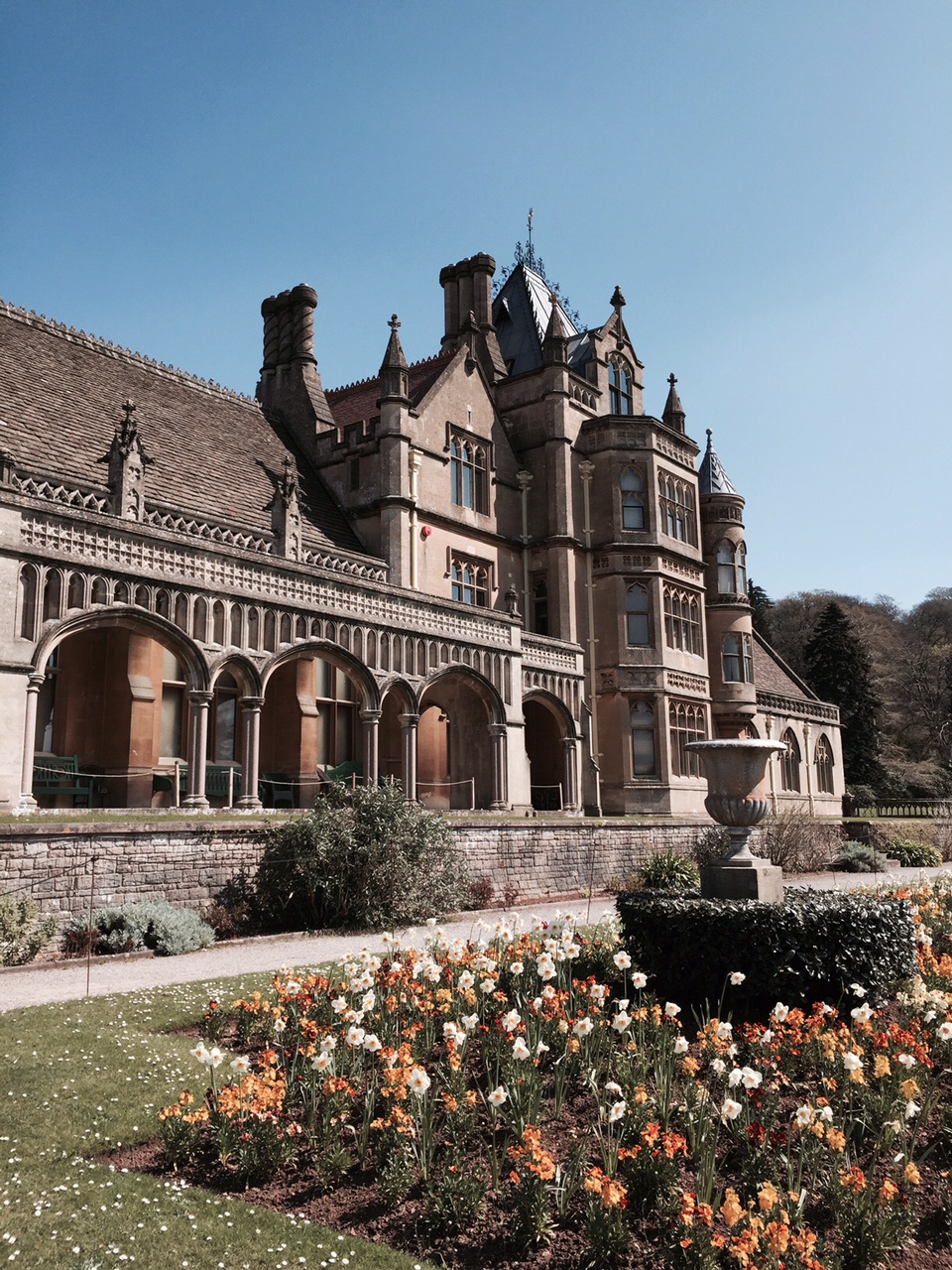
The chapel at Tyntesfield is a spectacularly beautiful reimagining of a French medieval church, Sainte-Chapelle in Paris. Tyntesfield is a Victorian neo-Gothic mansion built by the devout Gibbs family, commoners who rose to great wealth through banking, shipping, and bat and bird manure (more on that later).

FullSizeRender (9)

The chapel was the last big building project on the property, just outside Bristol, but it was in many ways the one most important to William Gibbs. It is also the first part of the house that the visitor sees on the walk from the parking lot and National Trust visitor center.  It’s a stunning first impression. Arthur Blomfield was the architect and builder.

FullSizeRender (8)

When the Gibbs family lived in their Victorian Gothic Revival mansion, the family, guests and servants alike attended prayers twice daily–first in the grand hall, and later in the chapel when it was finished. Beginning around 1842, William Gibbs made his fortune from a simple idea that grew and grew: he imported guano, the droppings of sea birds and bats, from Peru to North America.  Guano was highly prized as a fertilizer. William Gibbs became the richest non-aristocratic man in England. Tyntesfield had 106 total rooms, with 26 main bedrooms plus more rooms for the many servants. The square footage is about 40,000. And this was only their country home.  Most of the time they lived elsewhere, in equally grand digs.

FullSizeRender

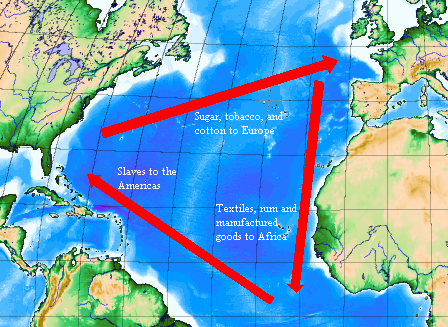
Naturally, people were envious of Gibbs’s success. An indelicate ditty in London ran, “Mr. Gibbs made his dibs, Selling the turds of foreign birds.” Actually, the selling of fertilizer led inexorably to profiting from the slave trade, a fact which the Gibbs family preferred not to dwell on.  Their shipping business, over time, became a part of the Triangular Trade that caused so much human misery. Ships constantly transported material goods and slaves between Europe, the Americas, and Africa.

Triangular Trade, Creative Commons GNU Free Documentation License

Triangular Trade, Creative Commons GNU Free Documentation License

The Gibbs family donated large amounts of their fortune to various charitable causes, and generously supported churches all over England. Naturally, they wanted their own church.  The chapel was built between 1872 and 1879, to a design by Arthur Bloomfield.

Sainte-Chapelle, interior, image from The Guardian article cited below

Sainte-Chapelle, interior, image from The Guardian article cited below

The inspiration was Sainte-Chapelle in Paris, pictured above. Sainte-Chapelle was built by the devout Louis IV in the 1240s. (He later became St. Louis, giving his name to the American city later still).

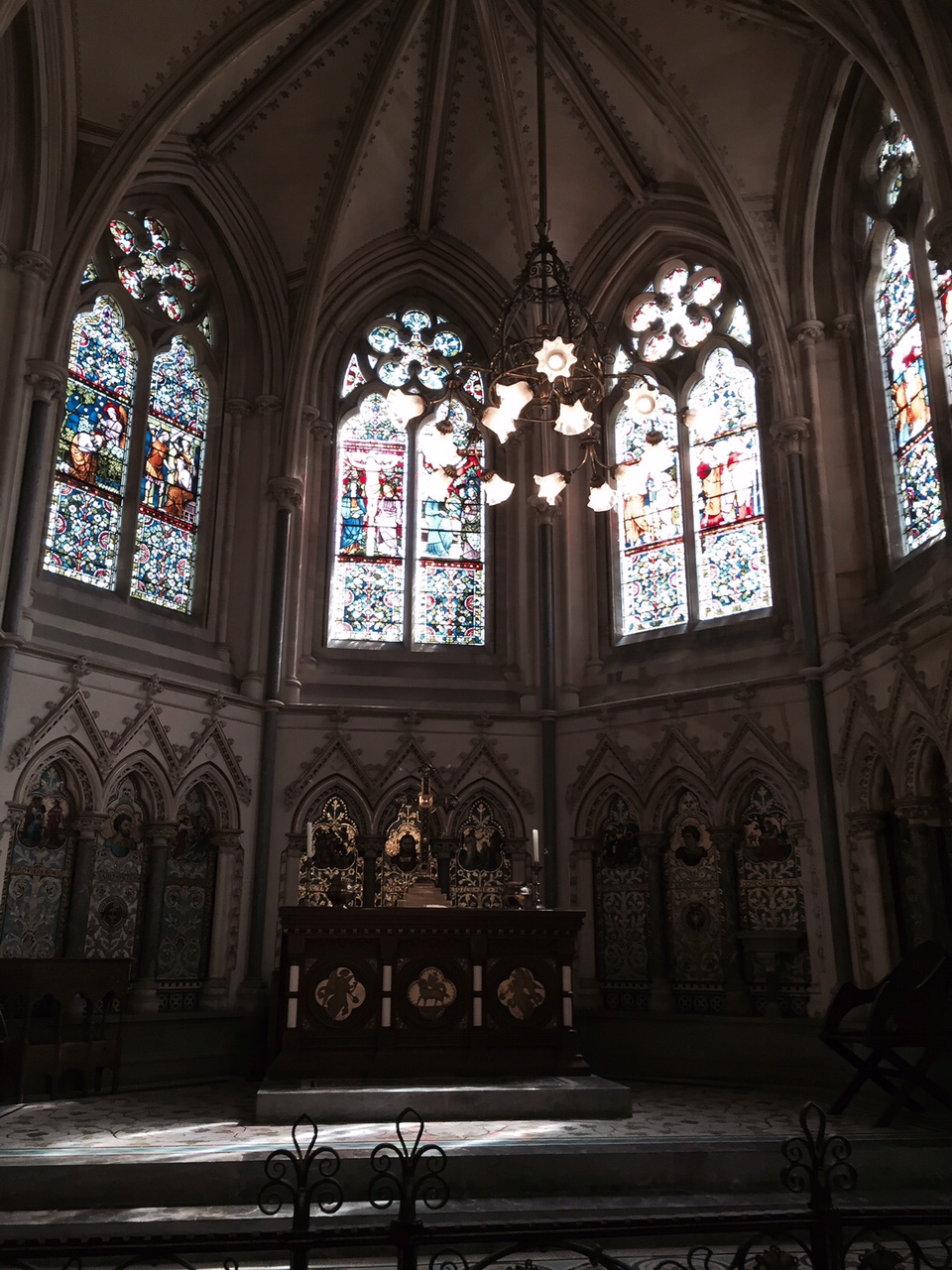
TynChapGlass

The stained glass at Tyntesfield is beautiful, if not as spectacular as the newly-restored glass at Sainte-Chapelle in Paris.

FullSizeRender

The stonework is lovely and evocative.

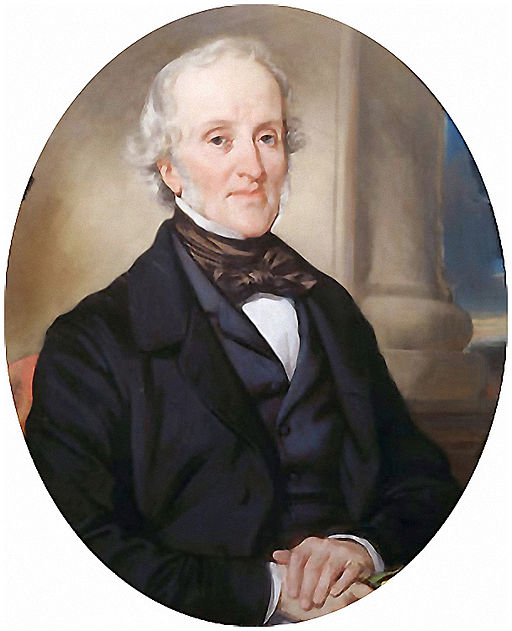
Portrait of William Gibbs by Eugene Deveria, circa 1850, Public Domain

Portrait of William Gibbs by Eugene Deveria, circa 1850, Public Domain

WIlliam Gibbs intended to follow the example of aristocratic families and create a family burial vault underneath the chapel for future generations. The vault exists, but it is empty. The Bishop of Bath and Wells, under pressure from local churches, refused to consecrate the chapel. The stated reason was that allowing a consecrated chapel on the grounds of Tyntesfield would detract from local churches. I can’t help thinking that “the powers that be” were also reluctant to upset the social applecart by allowing a family of common birth to put on airs. (Eventually, George Abraham Gibbs was “created” 1st Baron Wraxall in 1928, but family fortunes were already declining by that time).

The chapel at Tyntesfield is the last stop for visitors touring the beautiful mansion. It’s a lovely, light-filled, quiet place to contemplate history. William Gibbs was buried elsewhere, but a cross and inscription from the book of Proverbs memorialize his life: “The hoary head is a crown of glory, if it is found in the way of righteousness.” William Gibbs did his best to be both a businessman and a righteous man.  Early in his career, he and his brother Henry worked hard to completely repay the debts that earlier family members had run up.  The family business had gone bankrupt, and there was no obligation to pay. But they did anyway, every penny. It also appears that William Gibbs did his best to remove his shipping business from the slave trade once the terrible abuses were known.

I previously wrote about Tyntesfield and the Gibbs family at https://castlesandcoffeehouses.com/2014/10/22/high-victorian…at-tyntesfield/

https://castlesandcoffeehouses.com/2013/06/19/tyntesfield-vi…lendor-rescued/

Tyntesfield: Mr. Gibbs Made His Dibs

An article about the restoration of St. Chapelle in Paris is at http://www.theguardian.com/world/2015/may/20/sainte-chapelle-paris-stained-glass-window-restoration-completed

Join me next time for more explorations in the art and history of Europe and the British Isles!

Cousin Beatie at Melford Hall

2015-04-26 16.07.09

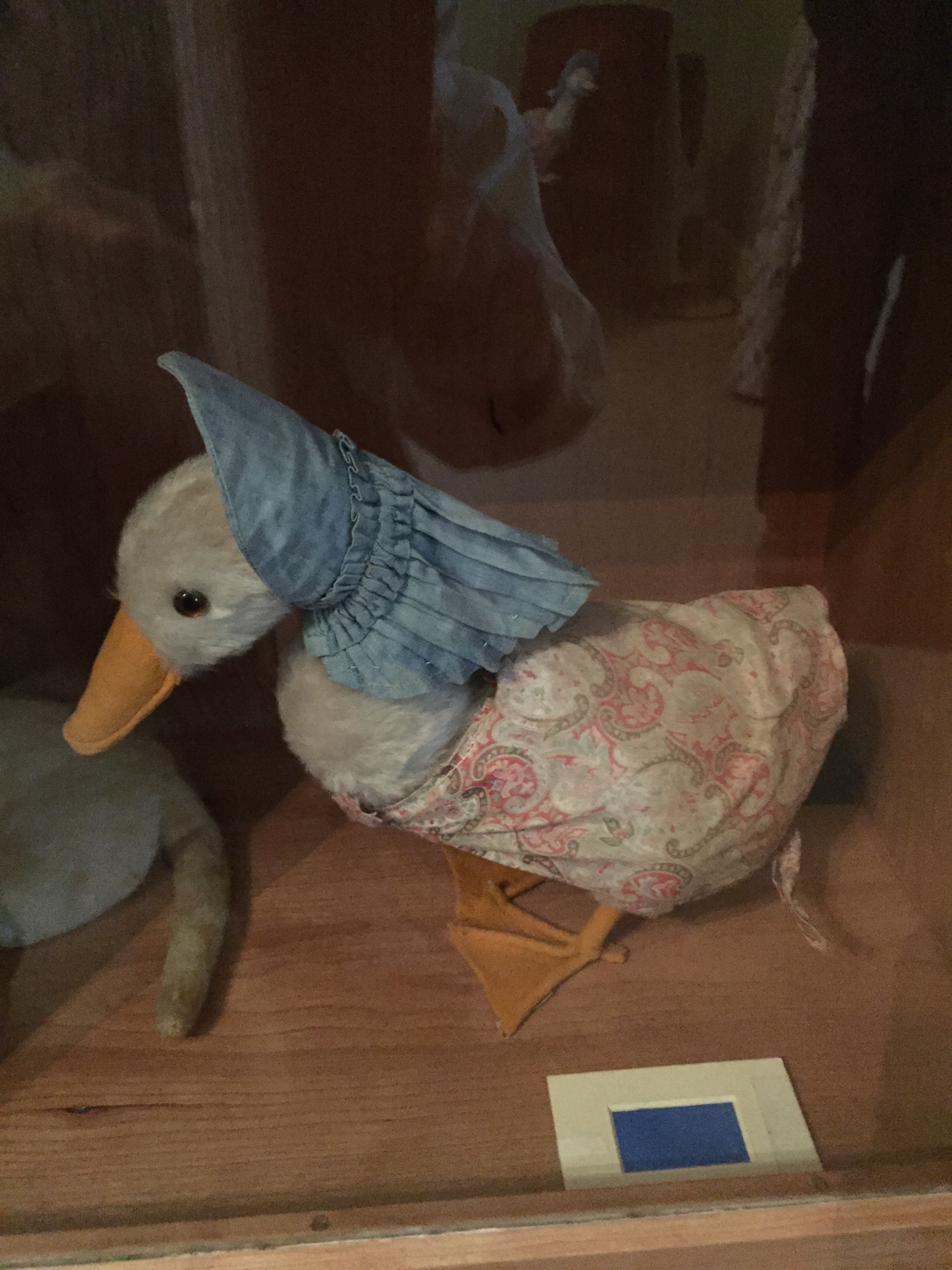
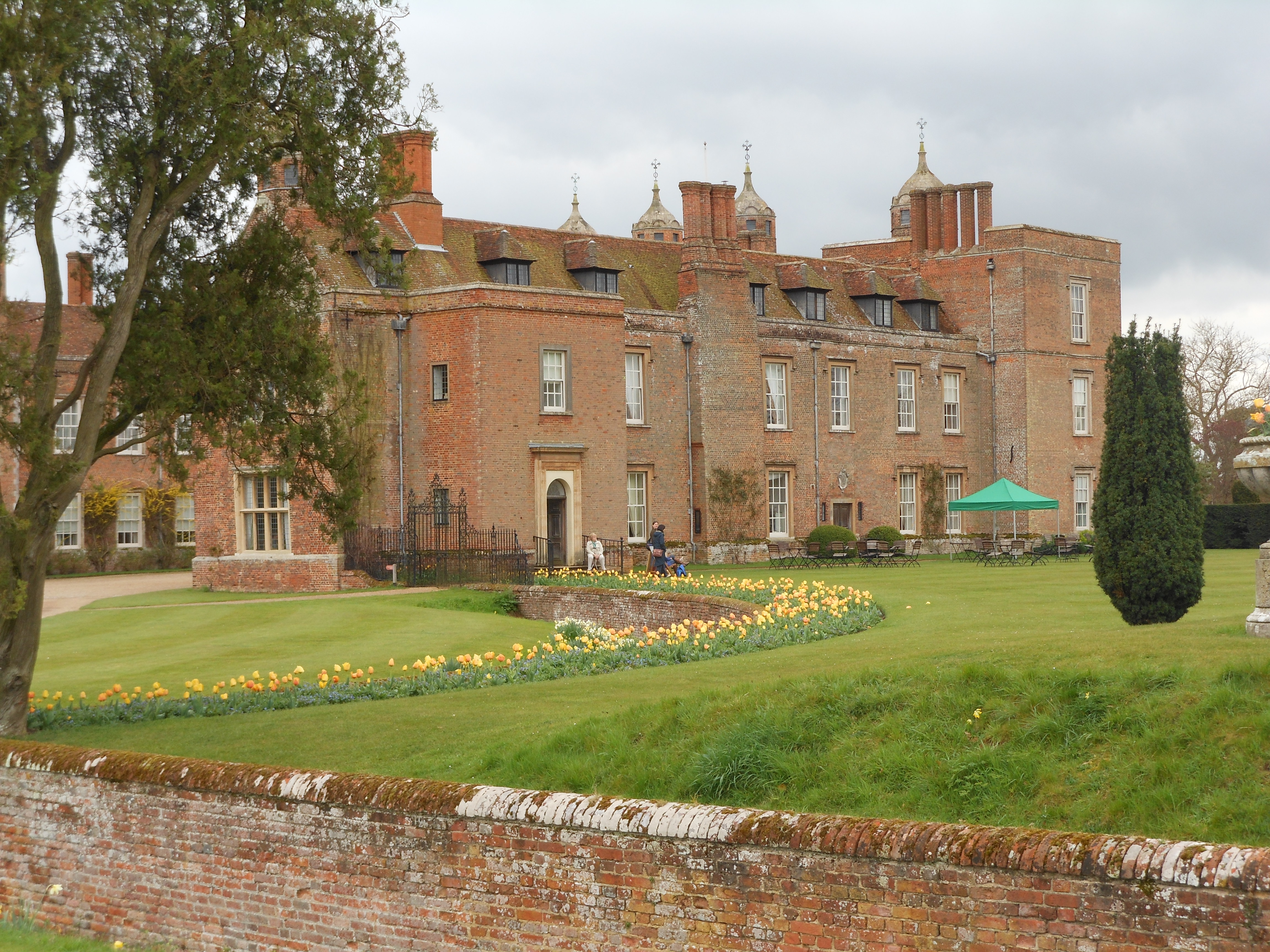
Beatrix Potter, born on this day in 1866, was a frequent guest at Melford Hall in Suffolk. One of her most beloved characters, Jemima Puddleduck, began life as a toy dressed by Beatrix and given to Richard Hyde Parker, a grandson of her cousin.

DSCN7712

The house is now a National Trust property and a delight to visit. Beatrix was a cousin of Ethel Leech, who lived at the Hall with her husband, Reverend Sir William Hyde Parker. (Like many younger sons of the nobility, he had gone into the Church.  But the heir died unexpectedly and Sir WIlliam found himself a Baronet and the owner of a grand country home with a rich history).

2015-04-26 16.09.07

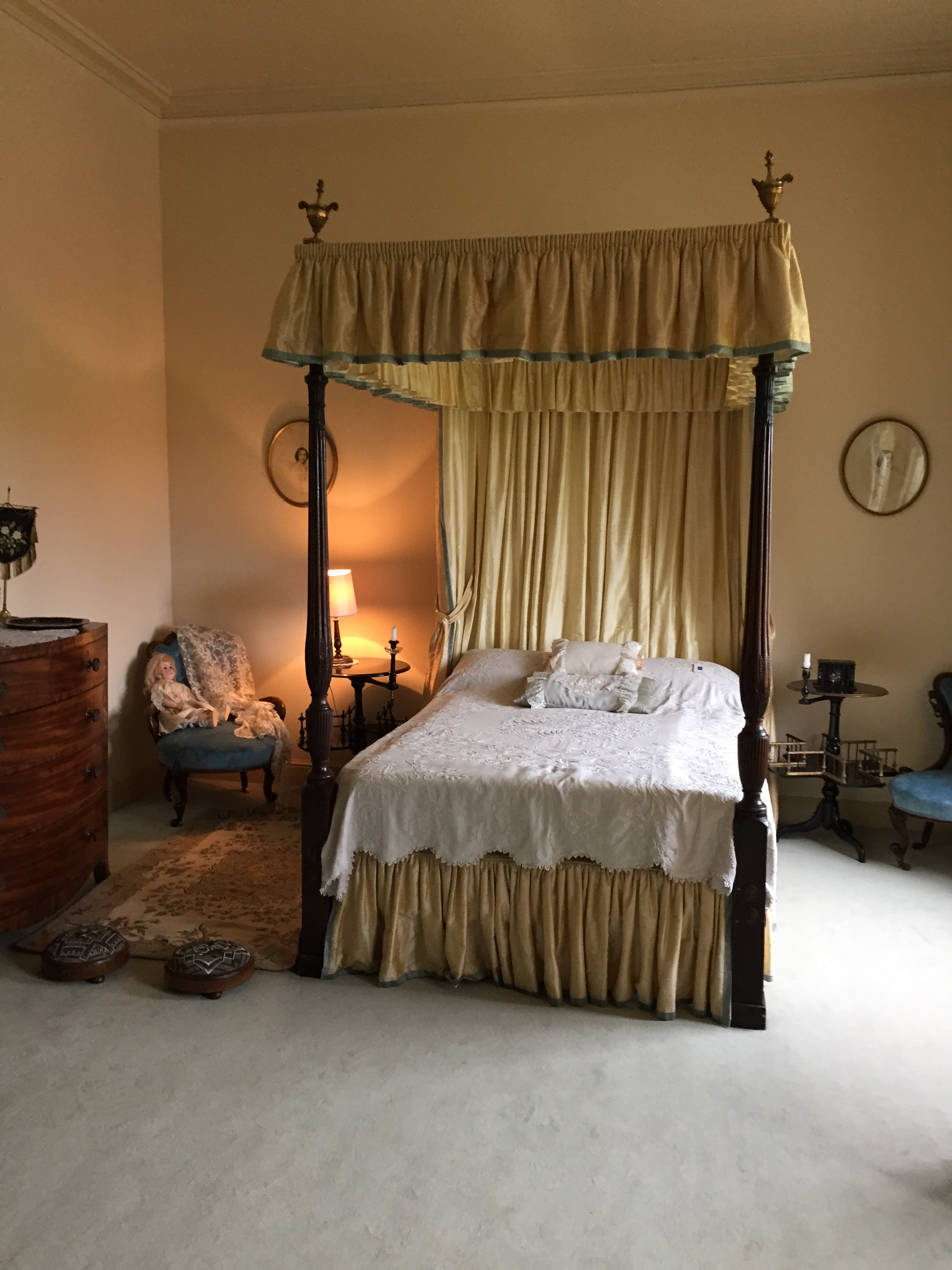
Beatrix usually stayed in the West Bedroom, which had views over the garden and countryside. It’s an elegant high-ceilinged room. When she was a visitor, the room was a magnet for the children of the family.  Beatrix often brought along a collection of small animals, which she kept in the adjoining turret room.

2015-04-26 16.09.33

The house has lots of mementos of “Cousin Beatie’s” time there.

Beatrix returned the family’s hospitality.  When Melford Hall was commandeered by the army during the Second World War, she invited the family to live at Hill Top Farm. They lived there for a year, a great privilege. No one had lived there since Hill Top contained many of Beatrix’s most prized possessions.  No one had lived at Hill Top after she herself moved to Castle Cottage when she married.

One of the joys of wandering in British country houses is in finding connections with history, and especially with British authors.  Beatrix Potter is one of my favorites, and I was very happy to spend an afternoon walking in her footsteps.

Join me next time for more explorations in the art and history of Europe and the British Isles!

If I Had to Choose a French Chateau: Chenonceau

P1020886

Rumbling up the drive in a carriage, here is what the long-ago aristocratic visitor would have seen.  I suppose a line of nicely-turned-out servants would have stood at the ready, to haul in trunks. From this angle, Chenonceau  looks like a hundred other chateaux all across France.

IMG_3907

But wait, there’s more! Chenonceau is the only chateau I know of that was actually built spanning an entire river. It stops just a short hop from the opposite bank. (During World War II, the River Cher was the border between Nazi-occupied and Vichy France. Prisoner exchanges and who knows what else took place here).  Back in 1514-1522 when the present chateau was built, I don’t know why everyone else didn’t run out and build one like it. I guess not everyone owned access to a river, or had the means to accomplish this feat of engineering.

The visitor enters Chenonceau the same way royalty did in days long gone: through a supremely French-looking courtyard and facade. As always, I find the details of Chenonceau every bit as enchanting as the overall dreamy effect of this pleasure palace built over a serene river.

ChenonceauManDoor

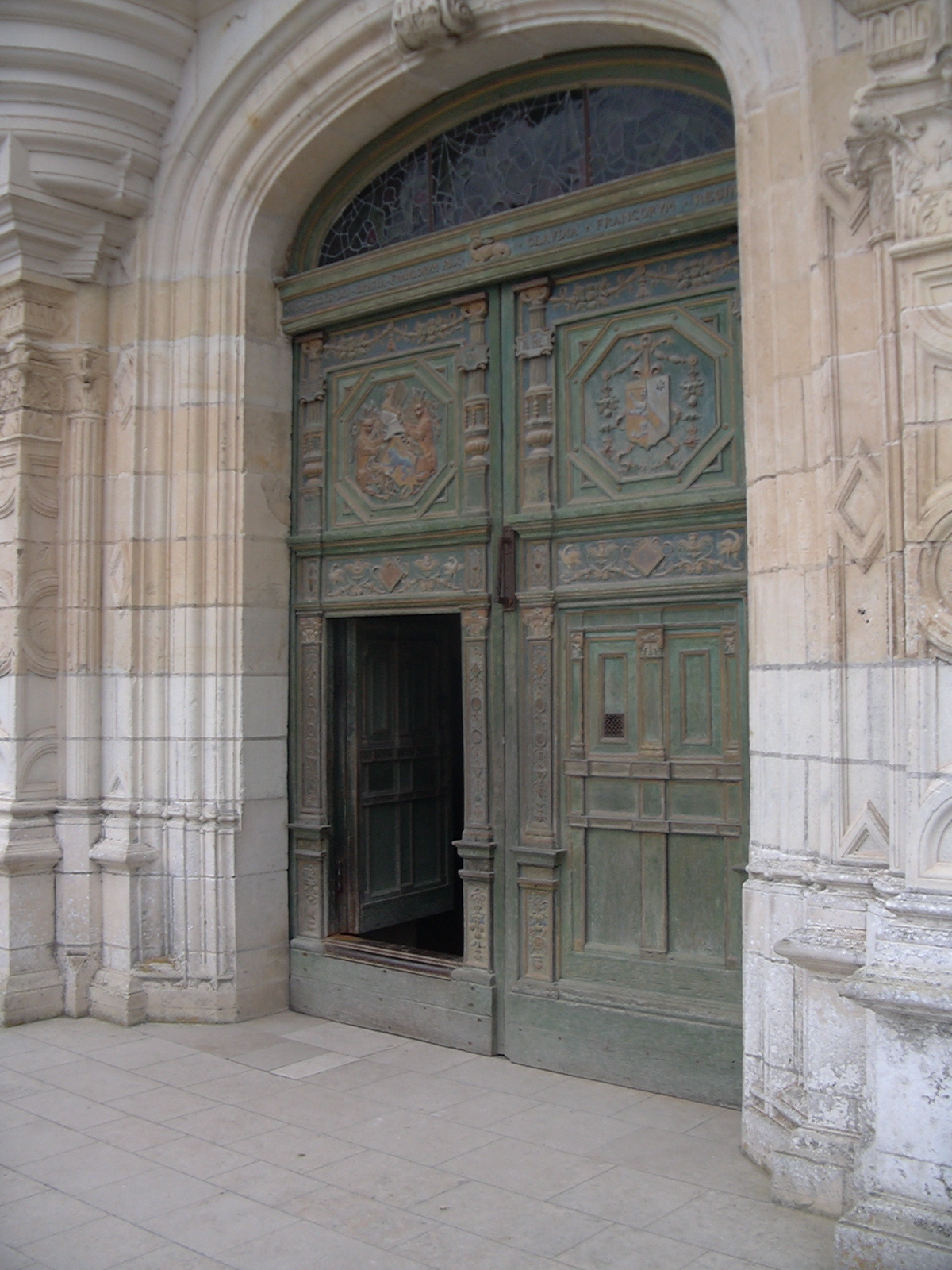
The grand entry door has a person-sized smaller door within it, for visitors who don’t need to make a grand entrance. I didn’t have a sweeping ball gown, so the small door worked for me.

ChenonceauStudy

Fresh flowers from the gardens outside decorate all the rooms.  This was a study, overlooking the gently flowing river.  I’m not sure I’d get much work done here.

ChenonceauCeiling

This stairway was reportedly one of the first that was not a cramped spiral.  Guests must have enjoyed sweeping grandly up and down this staircase.

ChenonceauGarden2

The entire chateau is wonderfully light and airy.  And outside, gardens await, just as they did when Diane de Poitiers reigned here.

Diane de Poitiers, portrait by unknown artist, Public Domain

Diane de Poitiers, portrait by unknown artist, Public Domain

Chenonceau’s most illustrious occupant was Diane de Poitiers, a beautiful and cultured noblewoman who was the longtime mistress of King Henri II of France.  In the portrait above, she is pictured as Diana, goddess of the hunt.


Join me next time for more explorations in the art and history of Europe!

Ludwig at Linderhof

"King Ludwig II of Bavaria," Ferdinand Piloty, 1865, Public Domain

“King Ludwig II of Bavaria,” Ferdinand Piloty, 1865, Public Domain

“Mad” King Ludwig II of Bavaria was found dead in Lake Starnberg on June 13, 1886. He was 40 years old. The cause of death is still mysterious, but his death was convenient for a lot of people in Bavaria, where he had pretty much given up on the day-to-day business of governing. Government of Bavaria ground to a halt while Ludwig spent all his money (mostly his own personal fortune) on increasingly theatrical castles and palaces. He had been declared insane the previous day and was in some kind of royal “protective” custody.

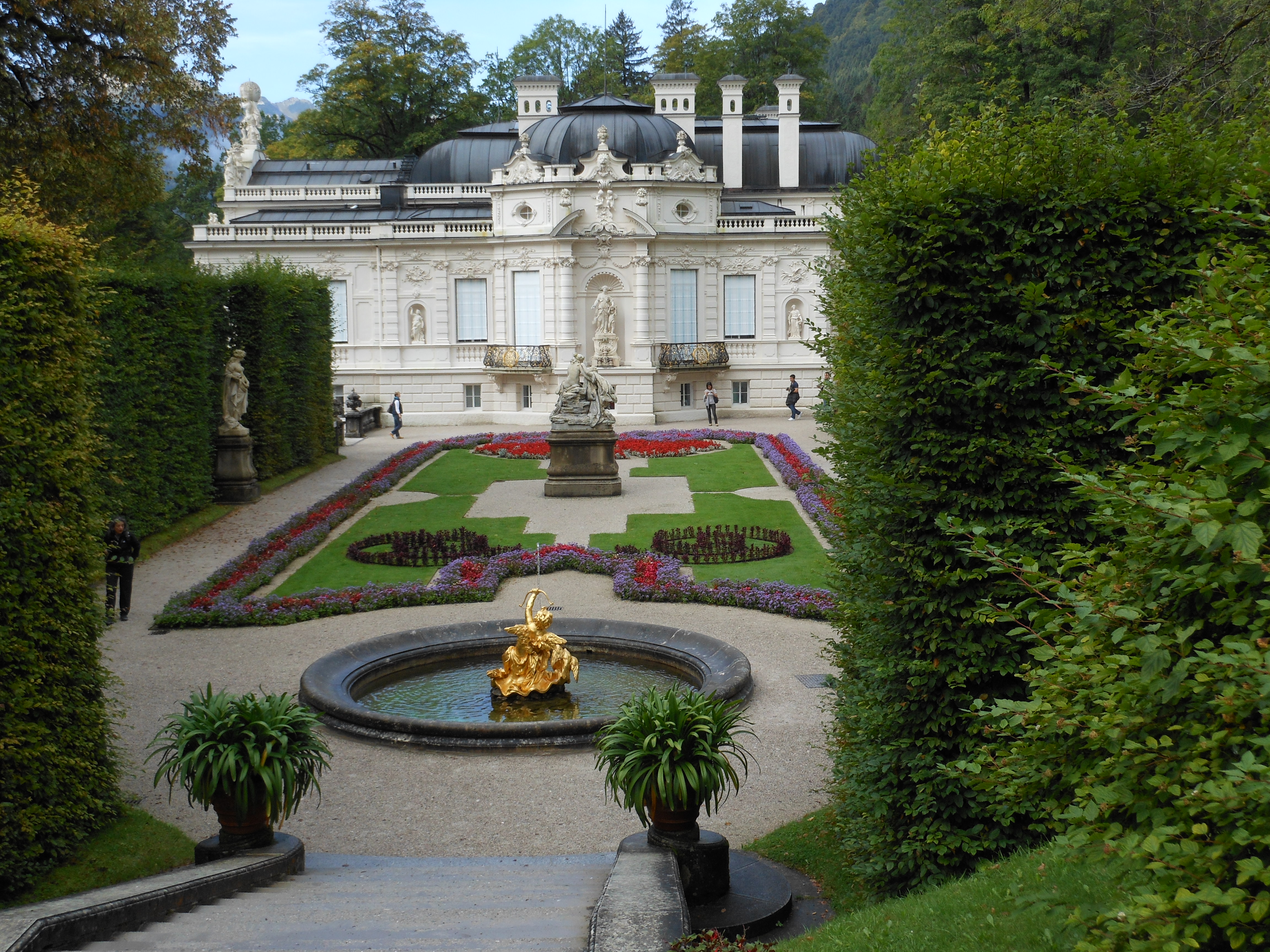
After a couple of misses, I was finally able to visit Linderhof Palace, King Ludwig II’s favorite home, at a time when the grotto was open.  I was anxious to see it, especially after watching Luchino Visconti’s very fine film Ludwig, about the life and mysterious death of the notorious Bavarian king.

LudwigPoster

Ludwig built Linderhof as his own personal getaway.  In fact, it was the ultimate bachelor pad.  But he enjoyed the place in solitary splendor; he rarely if ever had visitors.  He built a special music room for his favorite composer, Richard Wagner, but Wagner never saw it. The grounds are breathtaking, and because the palace is quite small, each room looks out onto a beautiful manicured view with pristine mountains in the background.

Linderhof Palace

Linderhof Palace

In Visconti’s 1972 film Ludwig, the king is played by Visconti’s real-life romantic partner and muse, Helmut Berger.

LudwigBed1

The film shows Ludwig lounging around in his grand surroundings with hand-picked servants and a handsome young actor. Filming took place in the palace, so watching it is like having a tour personally conducted by the very strange and romantic Ludwig himself. His bedroom (intentionally) recalls the bedroom of King Louis XIV of France. This is a one-man palace; there are no guest rooms.  The help stayed in outbuildings, invisible to the king until they were needed.

It is hard to say how accurate the life story is.  But it is certain that Ludwig was an eccentric and  dreamy romantic.  His people loved him, but he was not much of a king when it was time to hang the ermine in the closet and get some work done.

One of Ludwig’s very few friends was his cousin, the Austrian Empress Elisabeth, nicknamed Sisi. She was famously married to the Emperor when she was only 15, and spent the rest of her life wanting out.  She is played by Romy Schneider (who also played Sisi in the very silly but entertaining semi-fictional series of Sissi movies).

The grotto was built up the hill behind the castle.  The entrance looks like a fort a very ambitious child might build.

GrottoEntry

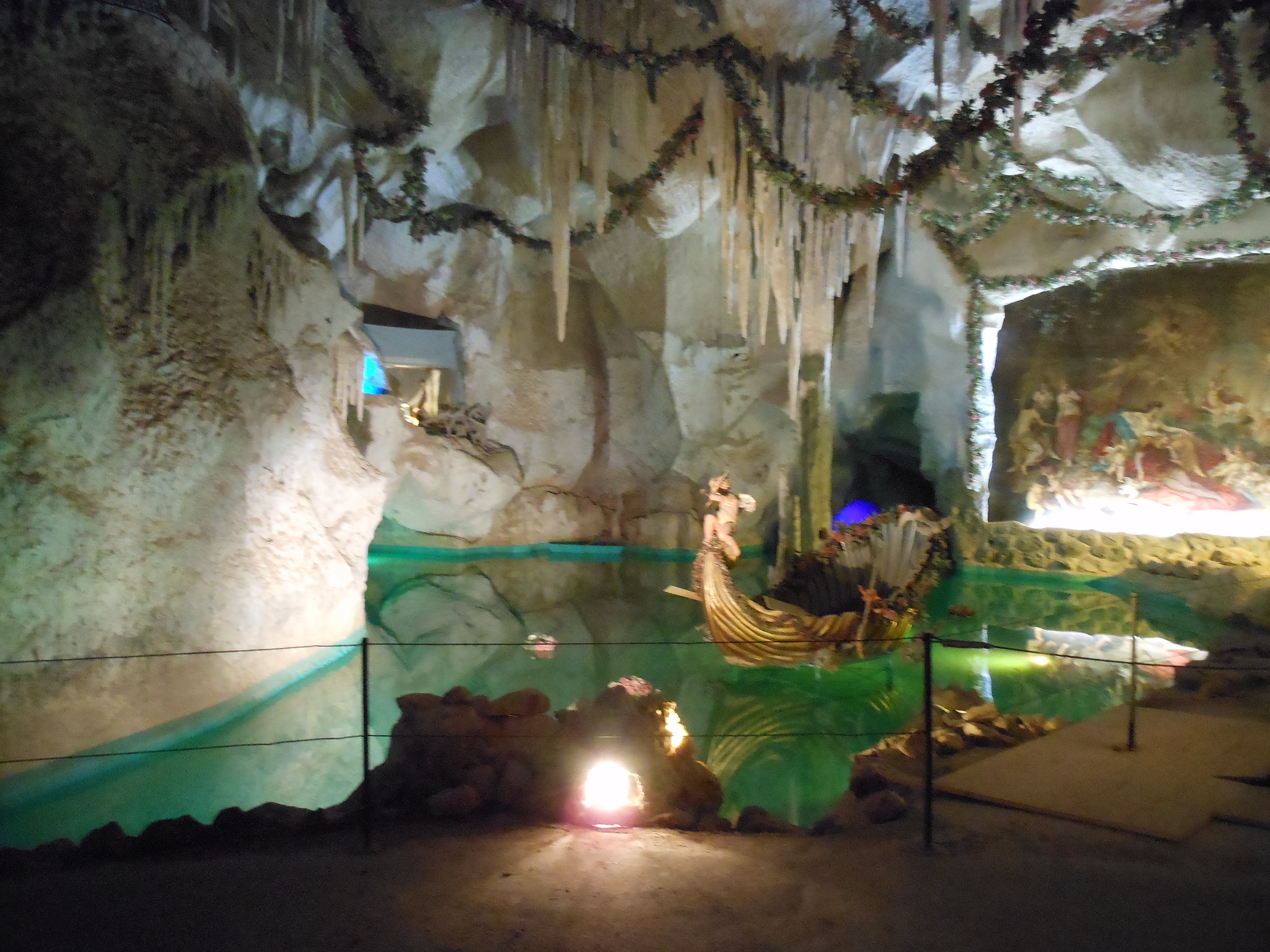
But the grotto itself is as jaw-droppingly weird and beautiful as it was in Ludwig’s day.  He had Wagner’s operas performed inside for his own personal pleasure.  The water was heated, so that he could swim in it if he tired of being rowed around in his gilded shell boat.  And the lighting could change colors depending on his mood, or the mood of the opera scene.

Ludwig's Grotto

Ludwig’s Grotto

The grotto is still festooned with the floral swags that Visconti’s movie crew put up.  The film has a fantastic scene where an Austrian actor is taken into the grotto to meet Ludwig, who wants him to recite dramatic speeches 24/7.  Helmut Berger, as Ludwig, floats out of the gloom in his shell boat, wearing a dark overcoat and a black Homburg–with an enormous diamond brooch pinned to the side. He fixes the actor with an imperious, piercing stare. The actor tries hard to be Ludwig’s New Best Friend, but the friendship ends badly and Ludwig is alone again.

Nearby Neuschwanstein and Hohenschwangau Castles are justly famous, but they are overrun with tourists.  Armed with a Bavarian Castles Pass, I actually went to Linderhof twice during my last trip.  One day it was rainy, the next it was sunny.  I can’t say I had the place to myself, but there was time and space enough to ponder the mysterious life of Ludwig.

Join me next time for more explorations in the art and history of Europe!

Why I Love England: History in Bits and Bobs

IMG_8851

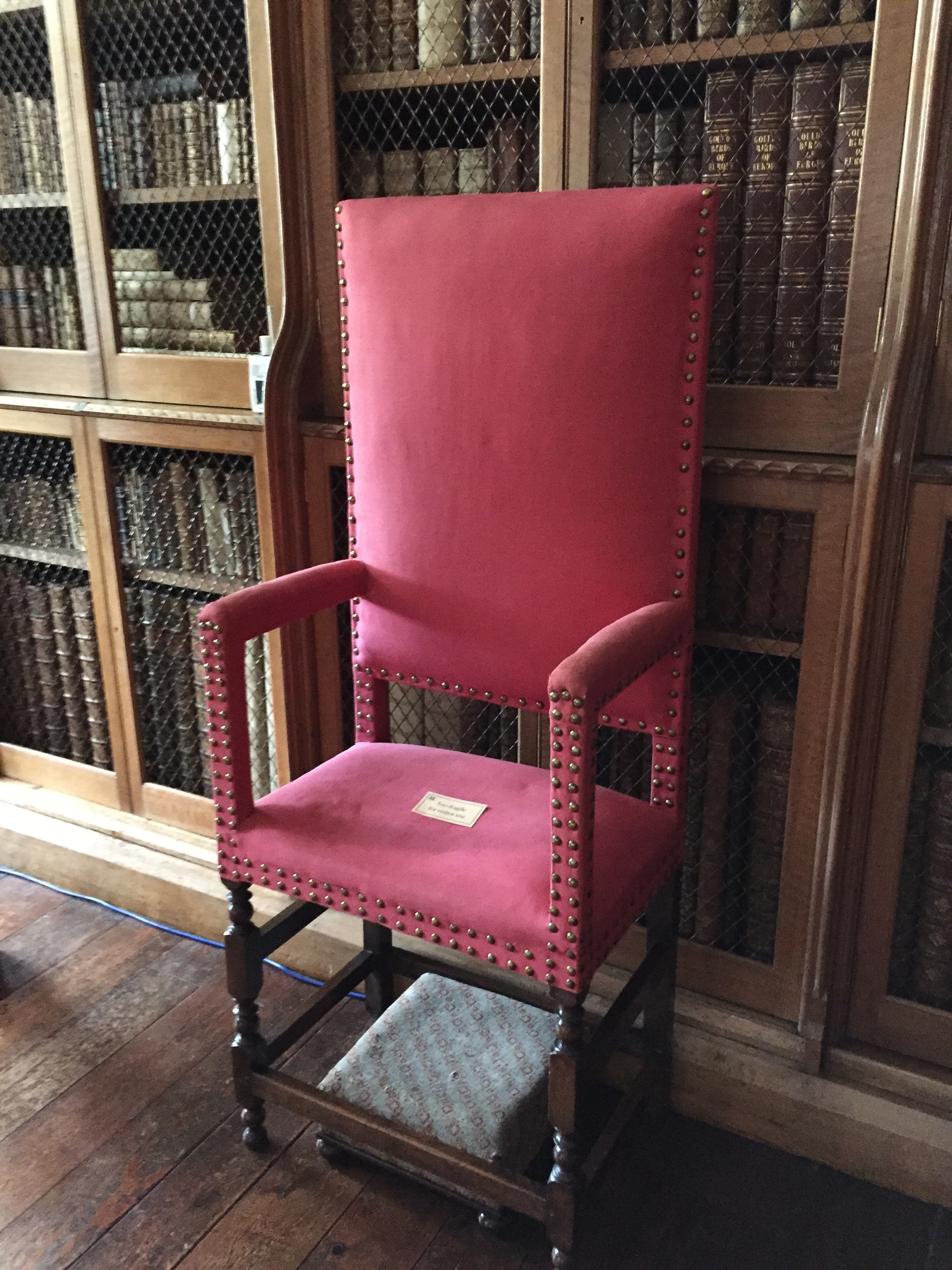
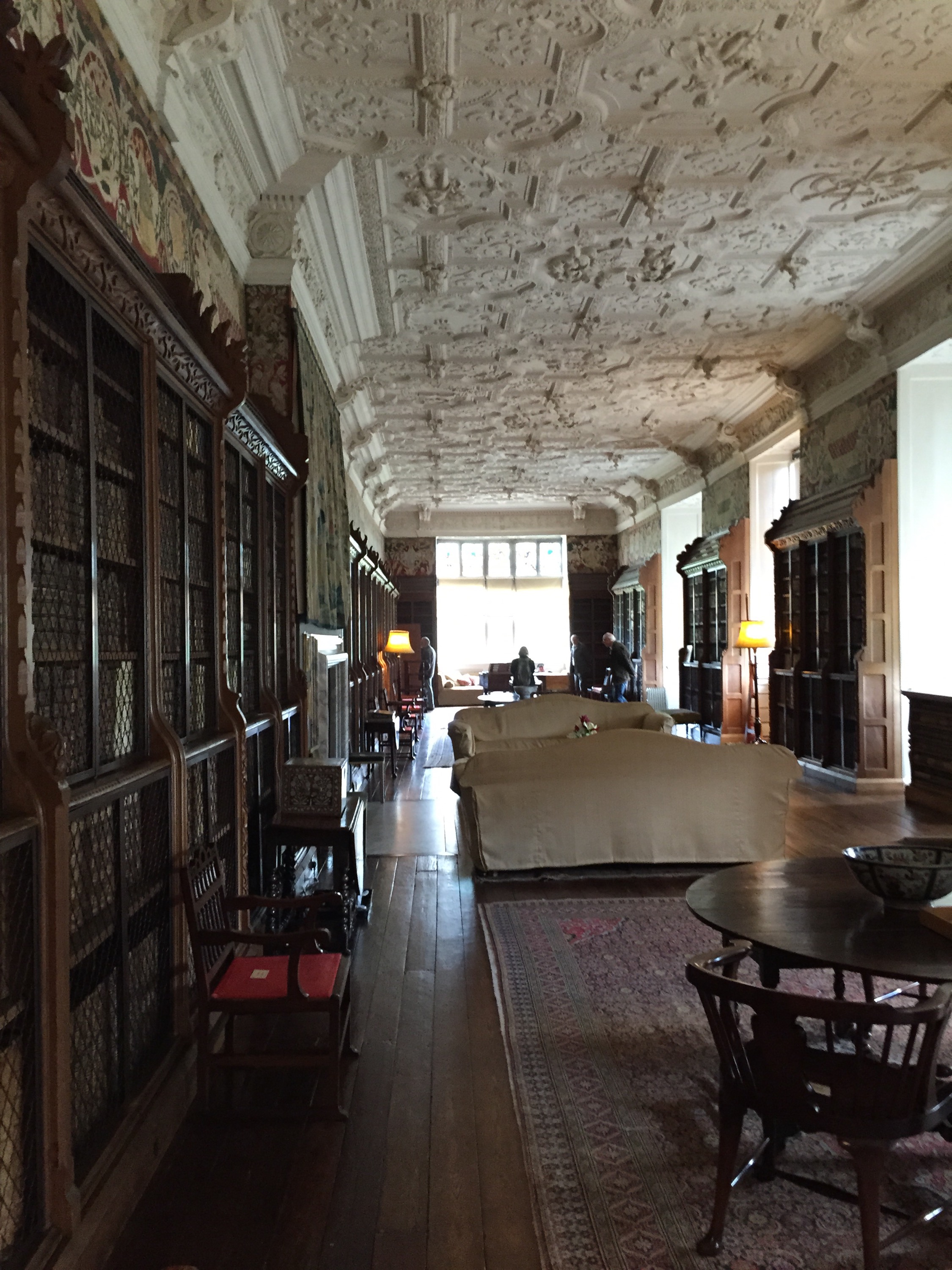
In the Oak Gallery at Blickling, a Tudor house in Norfolk, I came across a tall chair upholstered in red velvet. It had no label, just the usual polite note from the National Trust asking the visitor not to sit on it. (Actually, the NT has so many unsittable ancient chairs that they often just place a dried thistle or a pinecone on the seat).

I asked the friendly room docent, a lovely white-haired lady, if there was anything special about this chair. “Oh, yes!” she said. “That was the coronation chair of Charles the Second.”

Really? The coronation chair of the King whose reign ended the bloody Civil War in England didn’t rate a placard? Charles II was the English king crowned in 1660, 11 years after his father, Charles I, was executed–for treason. How could a king be guilty of treason? Charles I wanted to rule as an absolute monarch, levying taxes without consulting Parliament. Thus began the bloody English Civil War. Charles I lost.

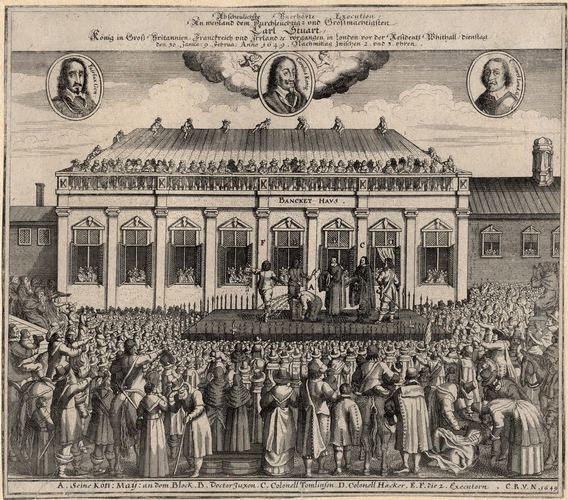
Contemporary print of Beheading of Charles I of England, 1649, Public Domain

Contemporary print of Beheading of Charles I of England, 1649, Public Domain

Charles I was executed in public, with all due ceremony, in front of the Banqueting House at Whitehall, in 1649. It was a cold day in January, and reportedly Charles’s main worry was that he would shiver and the crowd would think he was scared. He wasn’t.

IMG_8641

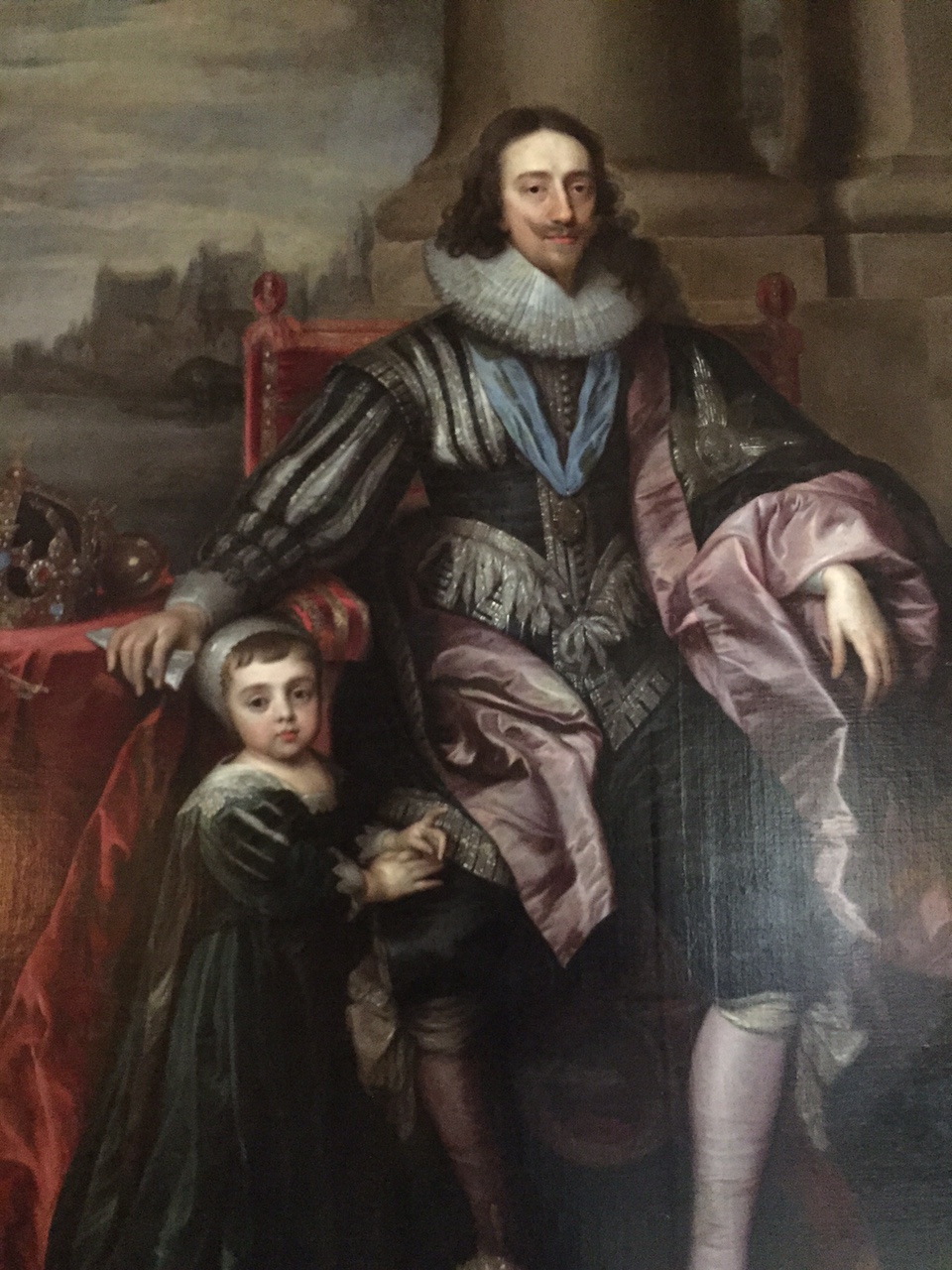
Charles I was an unpopular king, but there are countless images of him. I can spot one at twenty paces.  The painting above is at Blickling, but I forgot to take a picture of the caption so I don’t know the artist.  I think the future Charles II is shown with his unfortunate dad. The pointy beard at the bottom of Charles I’s long narrow face is always a giveaway. I’m sure I’m being way too hard on the man, but to me he always looks very aloof, with his head in the clouds.

After Charles I lost his head at Whitehall, a Commonwealth of England was declared, but it was really more of a dictatorship led by Oliver Cromwell.  Before too long the people wanted their monarchy back. This is a huge simplification of events and people that are still hotly debated, of course. Oliver Cromwell was dug up and beheaded for treason after he was already dead, but many people consider him the father of British democracy.  Anyway, once again England had a hereditary King, Charles II.  I’d have thought the coronation chair of Charles II was an important piece of furniture.

I was pretty sure the kindly docent was mistaken about the tall red velvet chair.

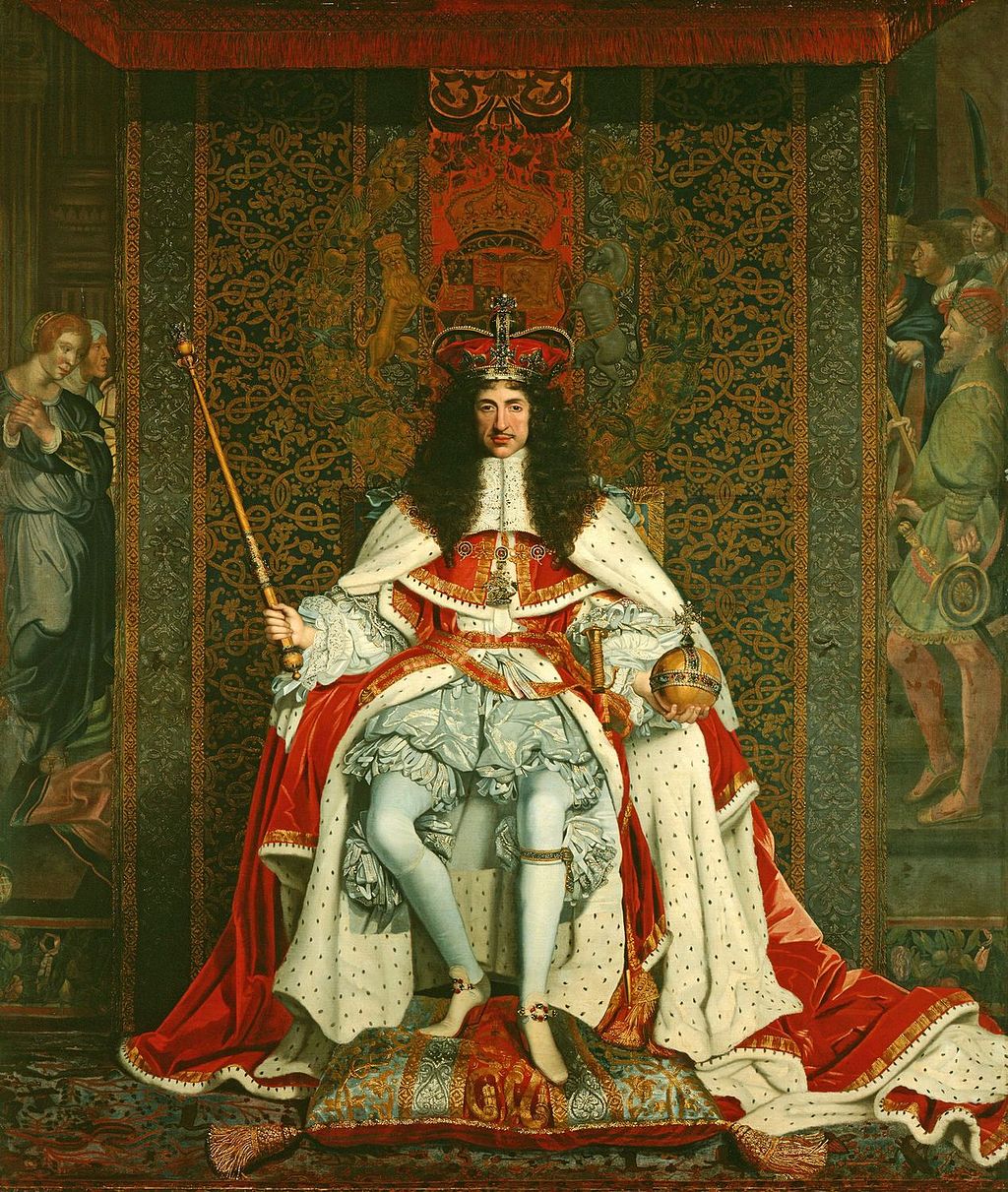
Charles II of England in Coronation Robes, John Michael Wright, 1661-1662, Public Domain

Charles II of England in Coronation Robes, John Michael Wright, 1661-1662, Public Domain

I found a coronation portrait of Charles II with a much grander coronation chair just visible behind him.  He was crowned at Westminster Abbey in the full splendor that the English have always done so well. Now I think the chair I saw may have been used for something else–maybe a grand banquet following the coronation, built high so that everyone could see the new King.  Or maybe Charles II just had especially long legs and this was his favorite chair. I’m not willing to give up the idea that Charles II sat in that chair.

Anyway, I love the way the British love their history.  I would not dream of contradicting a lovely, friendly docent who is working as a volunteer in a National Trust property. If I heard a mistake, I would always just let it slide.  But if a Brit heard a howler of a mistake, trust me, there would be a swift and stern correction. People in the room would immediately gather round and join the debate. Events from 400 years ago might as well have happened yesterday. They are lovingly preserved in memory and in physical objects.

The Oak Gallery at Blickling is magnificent. For the price of a National Trust pass, a visitor can trace the footsteps of Henry VIII and several of his queens. When Henry was gone, Queen Elizabeth I was a frequent visitor. Anne Boleyn was most likely born on the property, though not in the present house.  On the anniversary of her death, she is said to arrive at the house in a ghostly carriage, sadly carrying her head.   Did Charles I or II walk this gallery? I’m not sure.  I’d better go back for another visit.

Join me next time for more explorations in the art and history of Europe and the British Isles!

Sandringham

IMG_7332

Photos are not allowed inside Sandringham House, but mere tourists like me are allowed to take pictures outside and in the nearby museum. This is the very grand entry, used by tourists and guests invited for grand occasions. I just learned that the Queen was recently in residence, possibly while I was there. But I’m sure there is a very private entrance for her and her personal guests. (I think there’s a separate ballroom entrance, which is an exit for tourists).

Yesterday Prince William and his newly-expanded family left London for Anmer Hall, their newly-expanded mansion on the Sandringham estate. I thought I’d post a few photos from my recent visit there.

IMG_7662
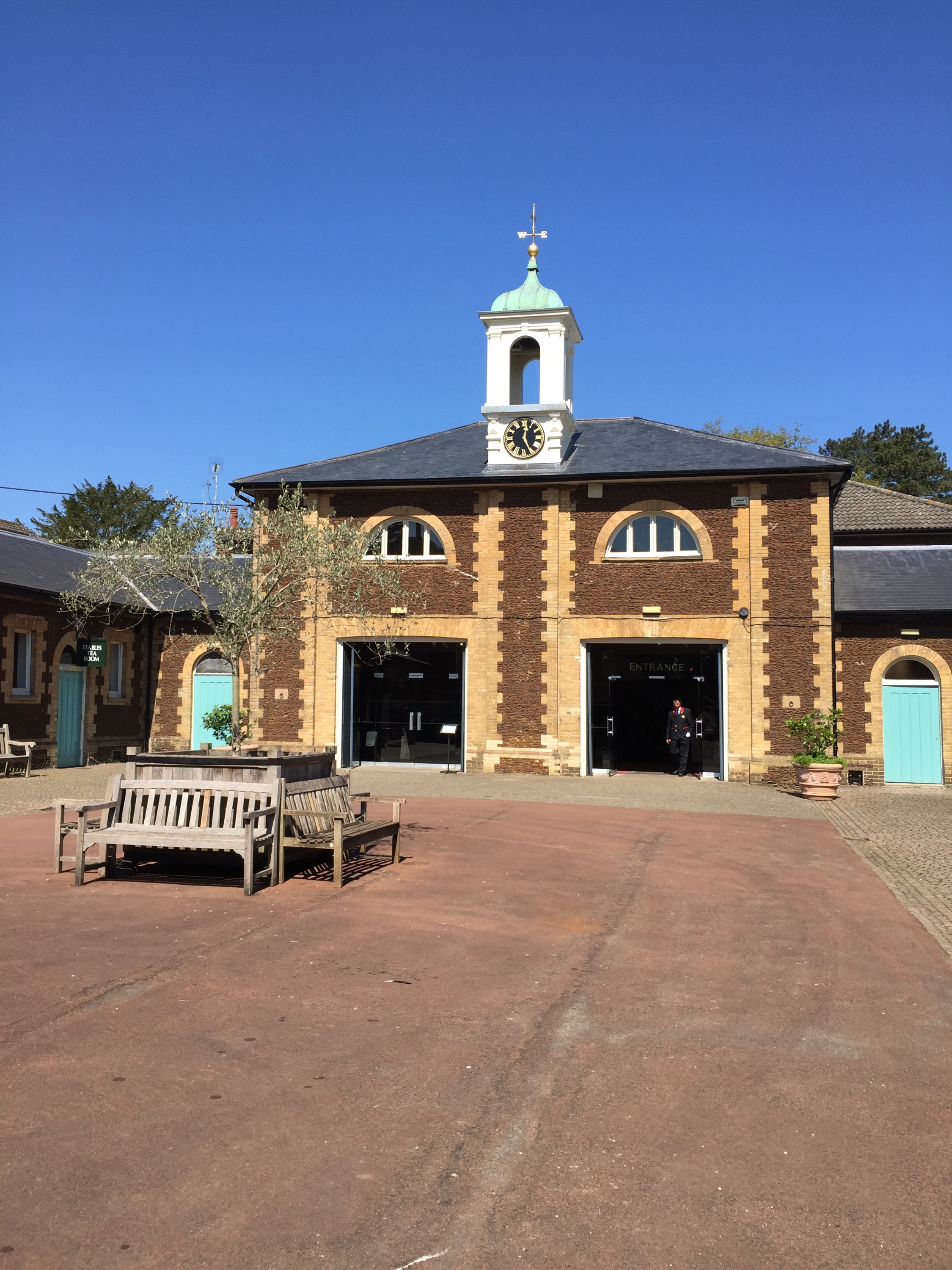
Sandringham is only open to tourists for a few months a year. At other times, it is the strictly private property of the Royal Family, bought during Victorian times as a retreat. The gardens have been open to the public since 1908.  King George V created and opened the Museum in 1930, with an admission charge of 3 pence. In 1977, the present Queen Elizabeth decided to open some rooms of the house to tourists for a few months a year–very good PR, I think.  The place certainly won me over.

IMG_7355

The museum, in the old stable block, is as interesting as the house. It contains, as the British would say, a lot of “bits and bobs” about the Royal Family. 

IMG_7465

The family follows traditional pastimes at their country home. This old photo shows royal children looking very serious in 1905. Princes Edward, Albert and Henry and Princess Mary are taking instruction in marching from the Piper, Forsyth. 

IMG_7504

Among many fascinating retired vehicles, there’s a picnic wagon which was in use until fairly recently, when it was replaced with a new one. The picnic wagon has a place for everything, including wine bottles and fine china. It’s housed in a large building with murals that show the Royal Family and their friends enjoying the great outdoors in their beautiful grounds. I’m sure family picnics will continue for the newest great-grandchildren of the Queen.

IMG_7640

Who knew that the Queen’s husband, Prince Philip, is a painter? He’s pretty good. Who can resist this little informal portrait of the Queen reading the morning paper?

IMG_7370

The room guides in the house are the Queen’s regular trusted servants. They’re friendly and happy to chat. In the grand formal dining room, I asked whether the Corgis have the run of the house. Of course they do! The Queen feeds them personally in the Gun Room, and they mill around under the dining room table, probably cadging scraps like any other dogs. Right now there are seven Corgis. An elderly dog, the Queen’s beloved Monty, died recently.

This year, Queen Elizabeth will become the longest-reigning British monarch in history.  She has had to overcome her share of family troubles and occasional anti-monarchy sentiment.  But as far as I can see, the Brits really love their Queen.  And right now it seems most British folks also love the very appealing young family of William, Kate, George and Charlotte.

The new little Princess Charlotte Elizabeth Diana of Cambridge will no doubt be delighted by the Queens’s Corgis. I’m sure the Queen will be a doting great-grandmother!

IMG_7681


Affordable Europe: The Old Farmhouse, Windsor

DSCN8934
I chose The Old Farmhouse because it is close to Heathrow–a good place to unwind after a long flight or to depart without stress. I don’t like paying exorbitant airport hotel rates for rooms that are just OK at best. After three nights in this house, I’m hooked. I’ll go back any chance I get.

DSCN9118


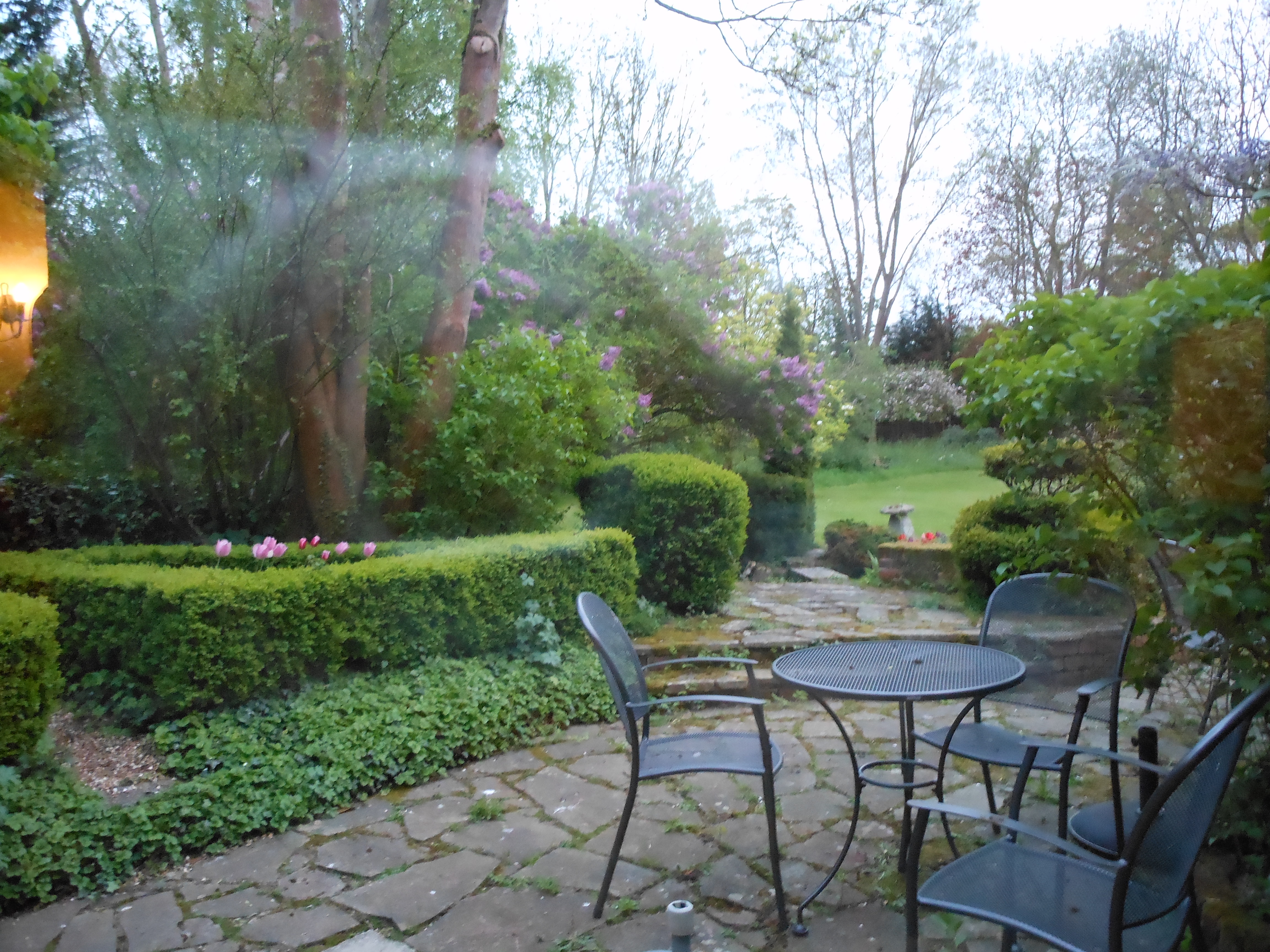
The Old Farmhouse is a destination in itself–peaceful flowery grounds, just three guest rooms, and a cooked-to-order breakfast that comes with a huge fresh fruit plate. No one actually lives in the house–the very professional staff arrive in the morning to bustle around making breakfast and cleaning, cheerfully answering questions and generally being friendly. They’re on call the rest of the day and night.


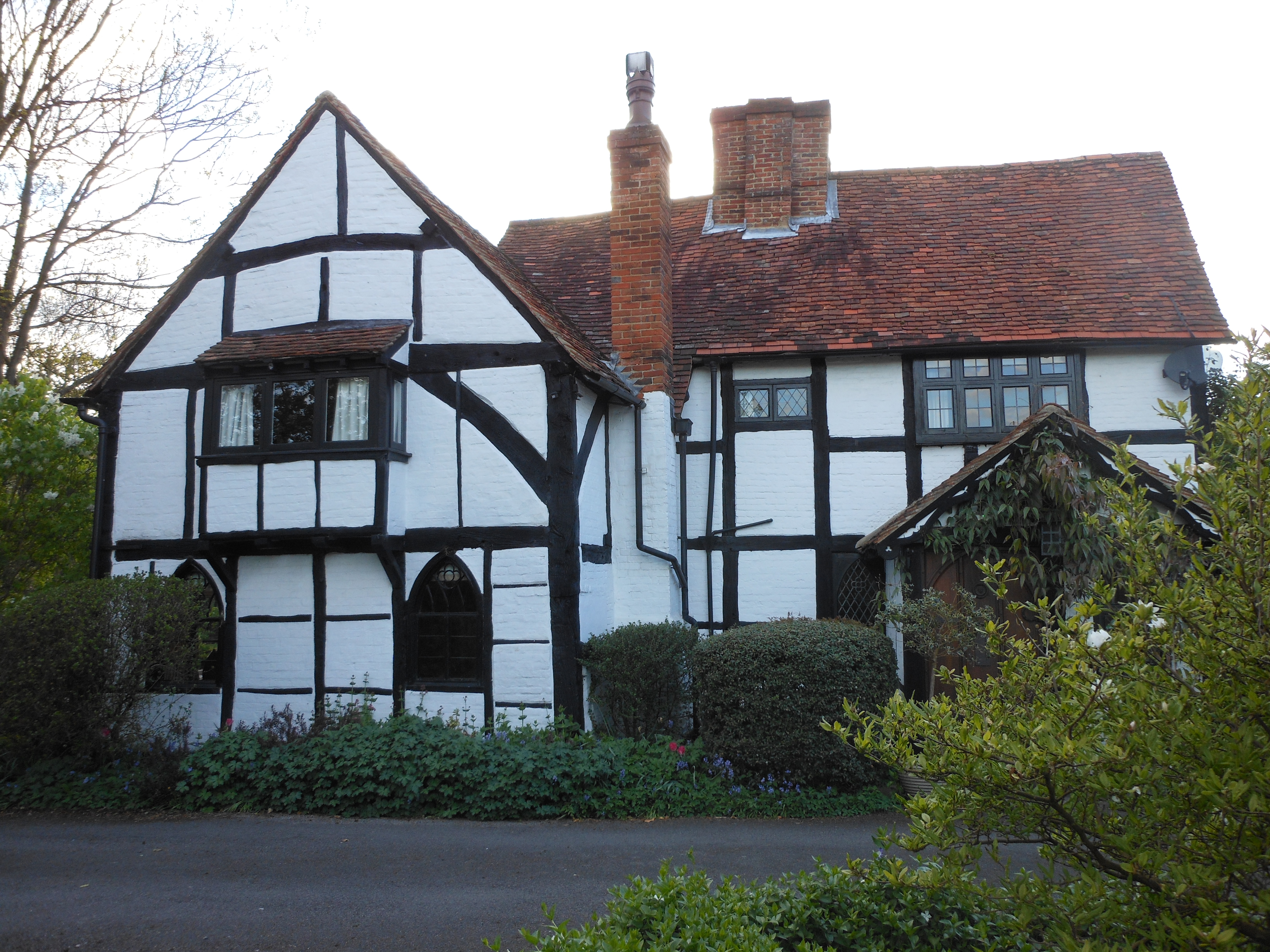
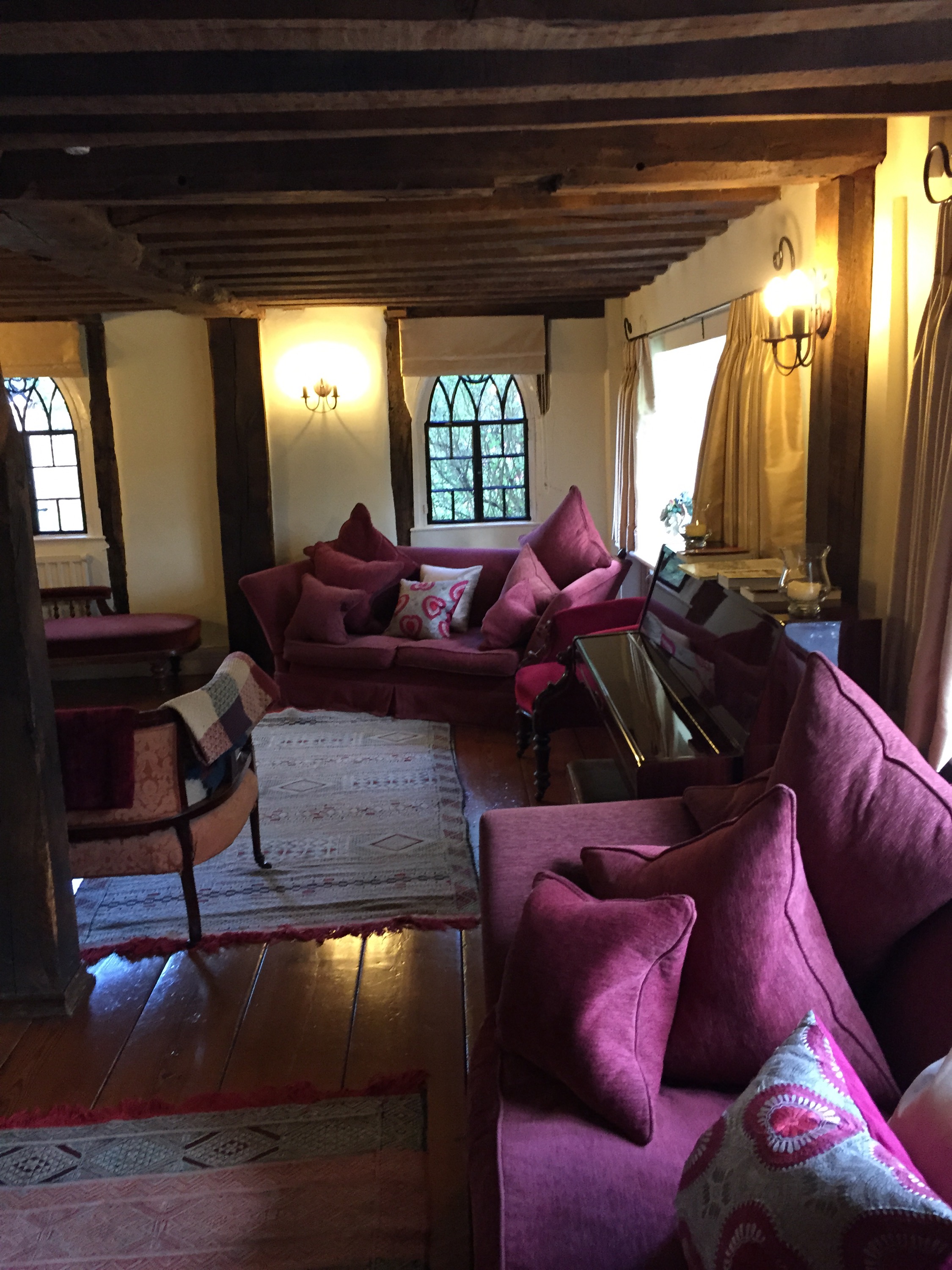
It’s actually a 14th and 15th century house, modernized over the centuries but keeping the historic charm that brings Anglophiles like me to England. It’s not rock-bottom cheap, but it’s about a third of the price of a comparable nice hotel in the town of Windsor–and way less than anything in London.  I spend my trips to England using my National Trust pass to visit historic houses.  It’s a real treat to stay in one.

IMG_2697

My bedroom had ancient beams–complete with original wood pegs from the days when there were no nails.

IMG_2725


The entry has a beautiful and very old fireplace, decked with flowers in spring.

IMG_2705

There’s a pretty lounge downstairs with comfy sofas and a piano. Wifi is free and fast.

Is there anything I didn’t like? Well, I have to say that flights out of Heathrow begin at around 6:30 in the morning. But Heathrow planes fly over all of Windsor. And there are not that many flights. The Old Farmhouse must be on one of many flight paths.

When we left, it took about 25 minutes to drive to the rental car return at Heathrow–which I had saved as a location on my GPS, because finding it is confusing. Heathrow is huge, and the car rental is not only at Terminal 5, but way outside the terminal. I think a taxi ride to the Heathrow departure level for a specific terminal would be a lot faster. I understand there is also a bus.

The location makes for an easy daytrip into London. An inexpensive train ride from Windsor to Paddington Station takes about half an hour, including an easy change at Slough. Trains run every 10 minutes. We had a rental car to drive to the station, less than two miles away. But the location is so close to Heathrow and Windsor that it would also work with taxi rides, kept pretty inexpensive by following the advice of staff and calling a particular company.

IMG_2773

Hampton Court Palace, where Henry VIII kept everybody shaking in their boots in the 1500s, is a 30-minute drive from Windsor. Henry’s Great Hall is intact, complete with some wood carvings of Anne Boleyn’s initials. Most of the marks of Anne’s time as Queen were removed along with her head, but even Henry VIII was not able to control every detail.

Join me next time for more explorations in the art and history of Europe and the British Isles!

Lord Nuffield ( the “Other” William Morris)

IMG_6101-0
William Morris wanted to be a surgeon, but his working-class family could not dream of sending him to university. So at the age of 15 he was apprenticed to a bicycle repair shop.  After awhile, he politely requested a raise.  When his boss refused, he went down the street and opened his own repair shop. Soon he was building and selling superior bicycles, which he personally raced, winning national awards for distances from one to fifty miles. His bikes, with a distinctive gilt wheel, attracted customers from all over Great Britain.
IMG_6094-0

He met his wife because she loved cycling too. As a side business, the enterprising Mr. Morris ran a taxi service.  Soon he was repairing taxis. It was just one step further to building his own car–simple and easy to repair. How hard could it be?

MorrisPoster

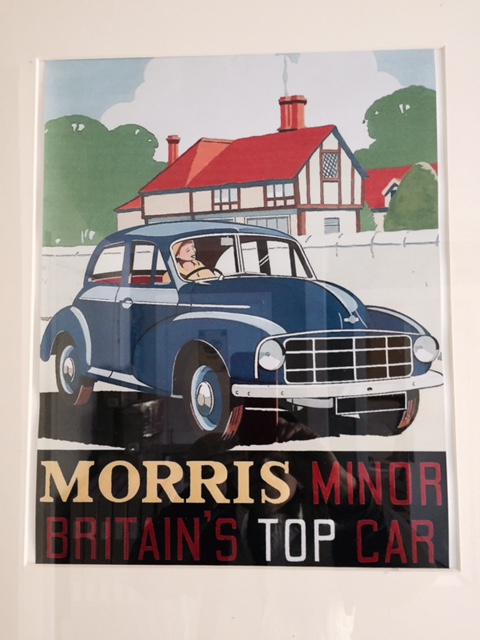
Soon he was selling huge numbers of Morris motorcars –and selling them at a price that middle-class and even working-class people could afford. Just as Henry Ford did in the United States, William Morris pioneered mass production, turning out fleets of fine affordable cars in ever-shorter times.

He was a master of marketing, too. He offered affordable car repair plans.  He published a colorful magazine that showed ordinary people tootling along the roads of Great Britain, enjoying excursions that were once reserved for the rich and their chauffeurs. But Mr. Morris gave away his money as quickly as he made it. All over Great Britain, self-made men were building stately homes that rivaled royal palaces. But Lord Nuffield gave most of his money to charities. He lived happily at his fairly modest home, Nuffield Place, now a National Trust property.

QueenThanks

In gratitude for his philanthropy, the King “created” him Viscount. He became a close personal friend of both King and Queen. He took the name “Lord Nuffield” from the village near Oxford, where he had a home. On the eve of coronation in 1937, the Queen wrote him a sweet note of gratitude.

FullSizeRender (27)

Rather reluctantly, because they were modest people, Mr. Morris and his wife decked themselves out in the ermine-trimmed red velvet robes needed for the coronation.

When World War II broke out, the Morris factories had to meet the tremendous need for military vehicles. Soldiers set forth from England to battlegrounds all over the world in Morris vehicles. Lord Nuffield was too old to fight, but he saw another need: anesthesia for field hospitals.

IMG_6240

Again, how hard could it be? In no time, he had designed a portable machine to administer ether. He gave away thousands of them. No longer did soldiers fresh off the battlefield have to endure excruciating pain in surgery.

IMG_6291
The war ended at last. Then in the 1950s, there was an outbreak of poliomyelitis, in England as in the United States. Lord Morris designed and manufactured an iron lung. One of them is on display at Nuffield Place. It is hard to imagine life inside one of these machines, but the machine saved many lives. Lord Nuffield gave away over 5,000 of these machines to patients all over Britain and the Commonwealth. Polio victims could get through the worst stage of the disease. Without such a machine they died because they could not breathe. Many of them were able to recover. They might be left with some paralysis, but they were alive.

So William Morris, who richly deserved the title “Lord Nuffield,” ended up saving and improving countless lives. What would he have accomplished as a surgeon? Most likely he would have been equally creative and generous as a physician.

FullSizeRender (7)

England has hundreds of very grand castles, palaces and stately homes.  But one of my favorite sights is Nuffield Place, the fairly modest home where William Morris chose to live.

I wrote about Lord Nuffield and his home after a visit last fall, at https://castlesandcoffeehouses.com/2015/04/21/nuffield-place…-practical-man/

I’m off to England again soon.  If I can, I’d like to pay another visit to this inventive, practical, generous man’s home. Join me next time for more explorations in the art and history of Europe and the British Isles!