Category Archives: Castles and Palaces

British Hall Chairs: Putting Visitors in Their Place

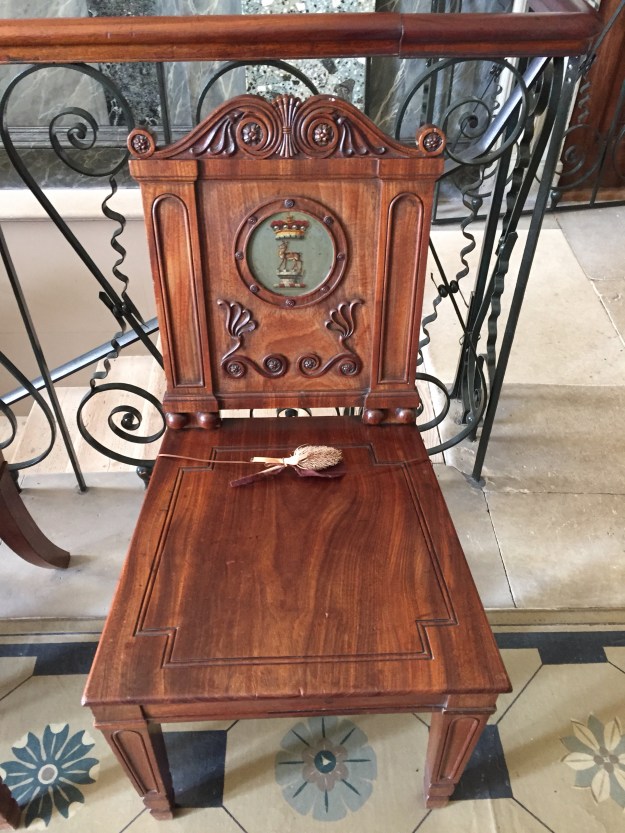
If you turned up at the entrance to a grand home in Britain without an invitation, you’d likely be told to go around to the servants’ entrance. If you were obviously respectable and had a convincing story, you might be shown into the drawing room to wait for the master or mistress. But if the maid or butler was not sure whether you were fish or fowl, you’d be told to cool your heels on a hall chair. The one above is at Attingham, a Georgian mansion near Shrewsbury.
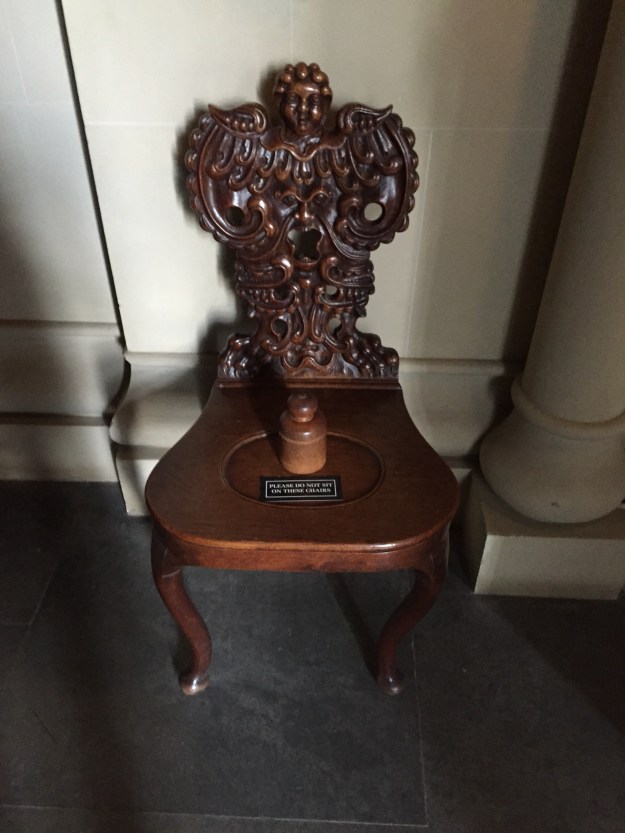
Hall chairs were often custom-made for grand homes, the style carefully considered to reflect the wealth and taste of the owner. The one above is from Penrhyn, an over-the-top 19th-century stone pile built to resemble a medieval Norman castle. It’s in North Wales, and in its heyday it was a favorite haunt of Bertie, Prince of Wales.
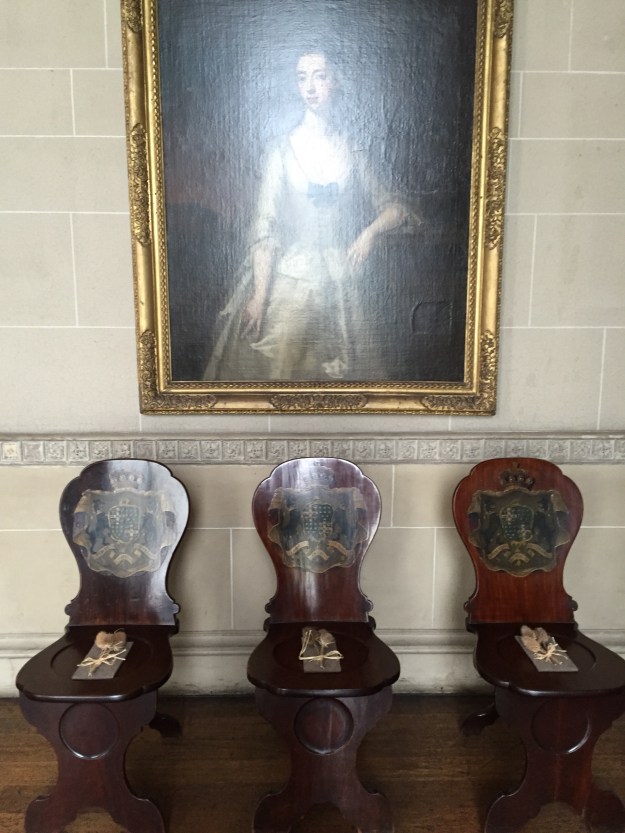
At Plas Newydd, also in North Wales, hall chairs boast the family’s coat of arms.
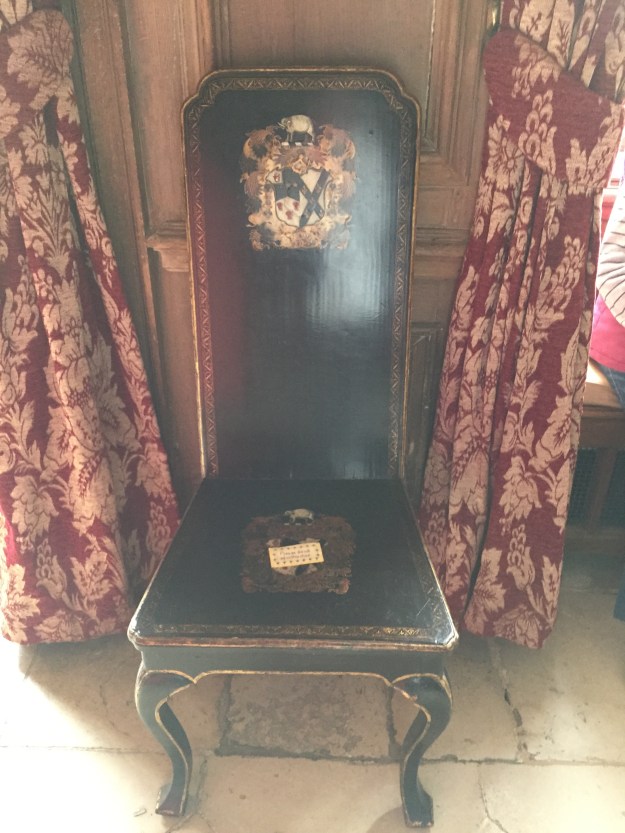
A hall chair can be steeped in history. This chair, at Nunnington Hall in Yorkshire, has the emblems of one of the many owners over the years. I’m not sure whose emblems they are. But the oldest part of the existing mansion was built by William Parr, the brother of Catherine Parr, the only one of Henry VIII’s six wives to outlive him. William lost his title and Nunnington in 1553 when he made the big mistake of plumping for Lady Jane Grey as Queen. After her nine days on the throne, he was convicted of treason and sentenced to death. But a pardon allowed him to keep his head. Eventually, Elizabeth I restored his title, but not his mansion or his hall chairs.
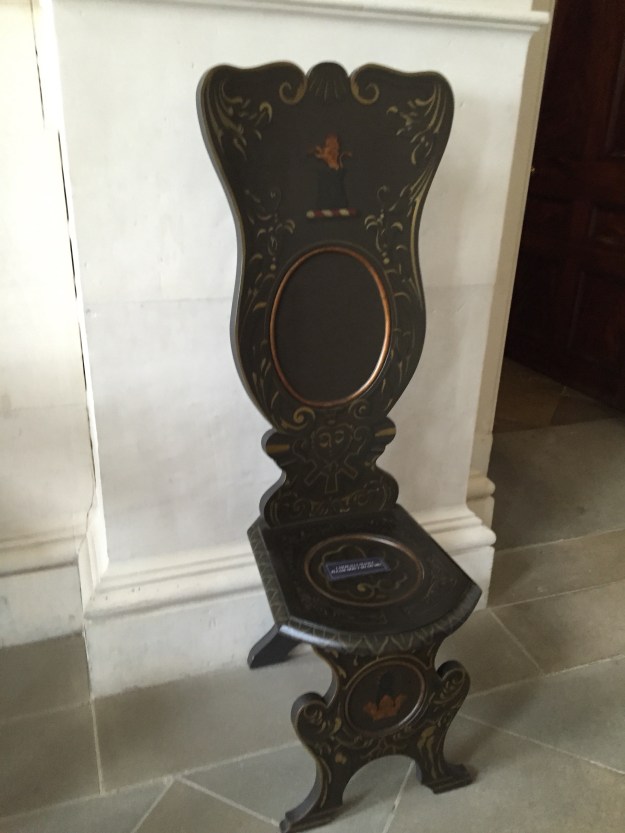
This chair, at Castle Howard in Yorkshire, looks like a spot to squirm in discomfort. But then comfort is not the point in hall chairs. They almost never have arms. This one barely has a seat.

Hall chairs are almost never padded or upholstered. A docent explained to me that a visitor relegated to a hall chair might have fleas. Hall chairs had to be easy to sanitize.
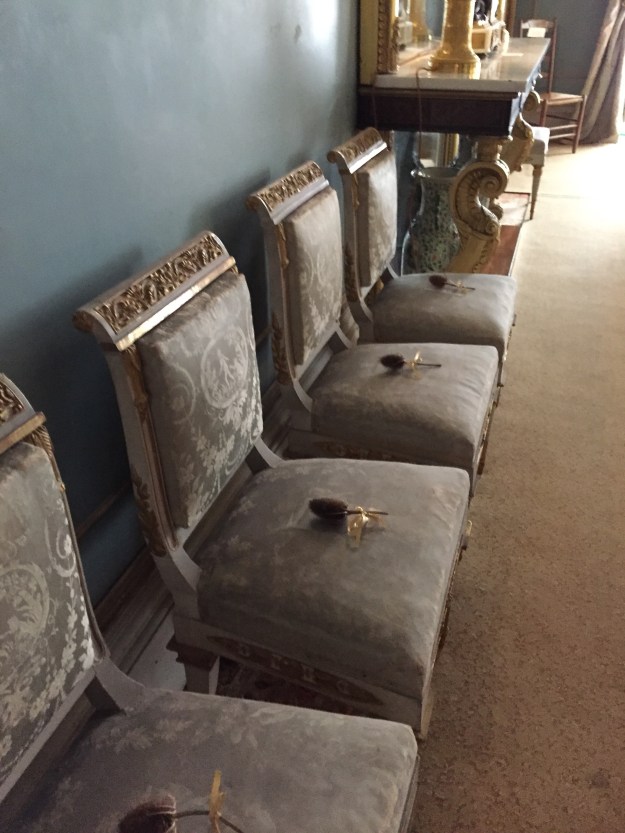
If you were lucky enough to be invited into a drawing room and dared to sit down, you might feel comfy on an upholstered chair, like one of these at Attingham. But if you were kept in the entry hall, you might have a long wait perched on a hard chair. I suspect that often a servant would be delegated to watch you as well, to be sure you didn’t make off with a silver candlestick.
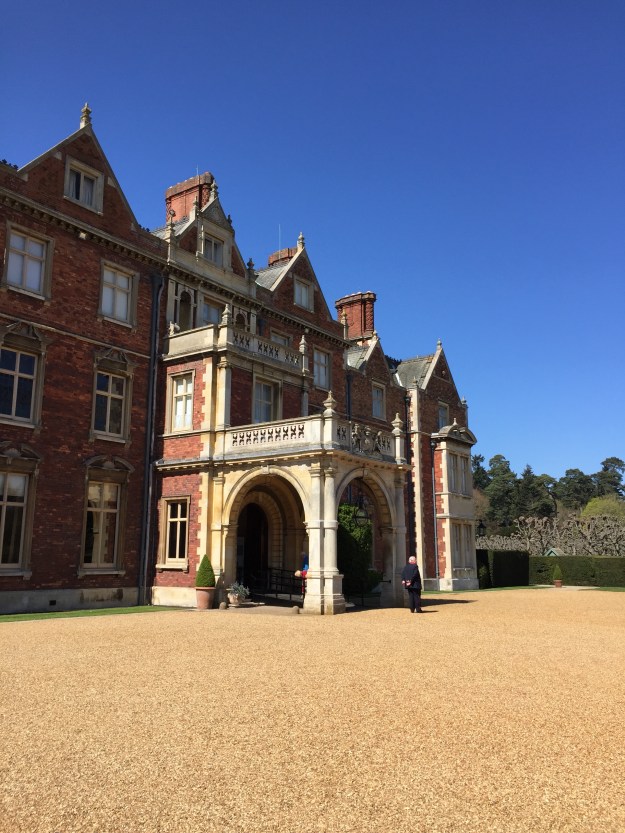
At Sandringham House, the private home of the Royal Family in Norfolk, paying visitors are welcome to see a few rooms when the Queen is not in residence.
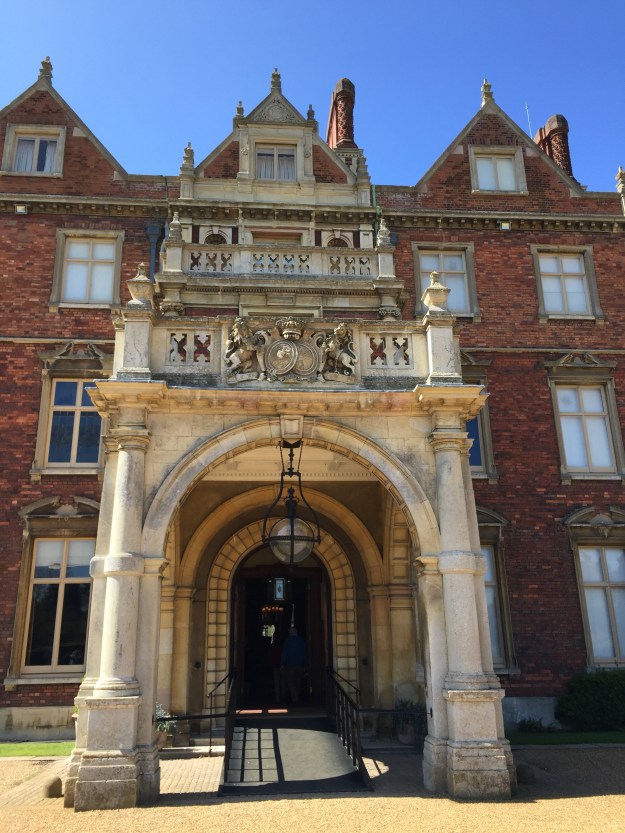
Everybody enters through this door. But photographs inside are strictly forbidden.
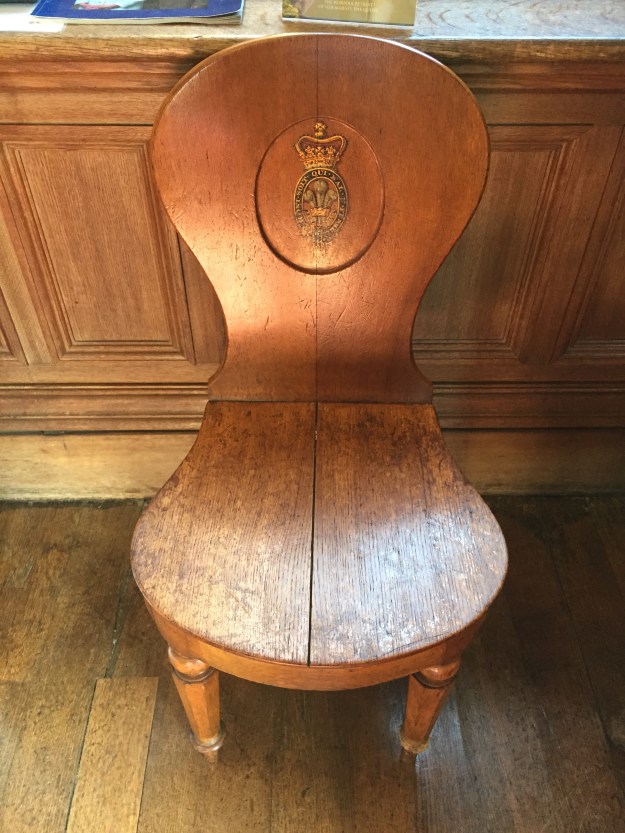
It seemed all right to take a picture of one of the Queen’s very elegant hall chairs just inside. But I didn’t quite dare to sit down.
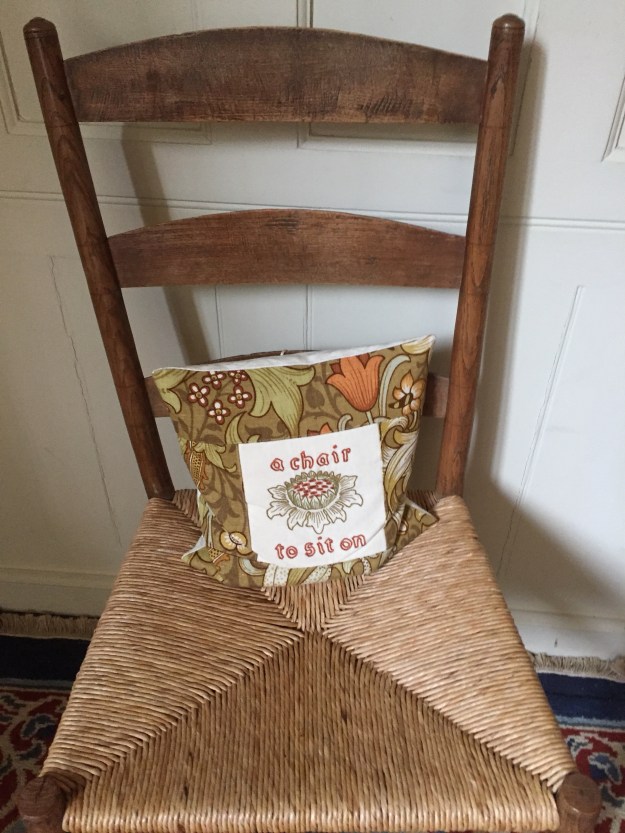
In refreshing contrast to aristocratic chair rules, stately and historic homes run by the National Trust often have special non-historic chairs set aside for weary visitors to take a load off. This one, at Standen near East Grinstead, even has an inviting pillow. Standen is entirely done up in William Morris style, which was all about beauty, comfort and practicality. Sit down? Thank you! I don’t mind if I do.

Join me next time for more explorations in the art and history of Europe and the British Isles!
Topiaries and the Hound of Hades at Hever Castle

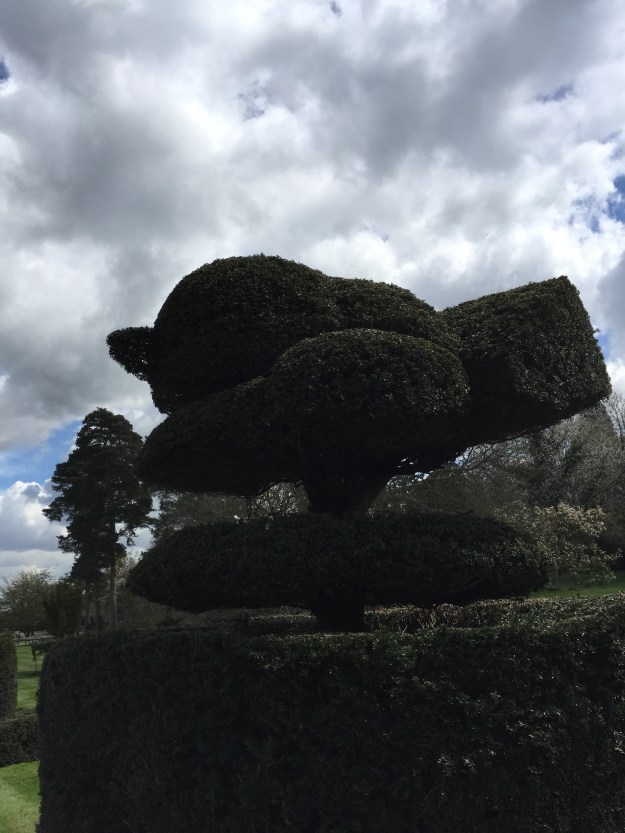
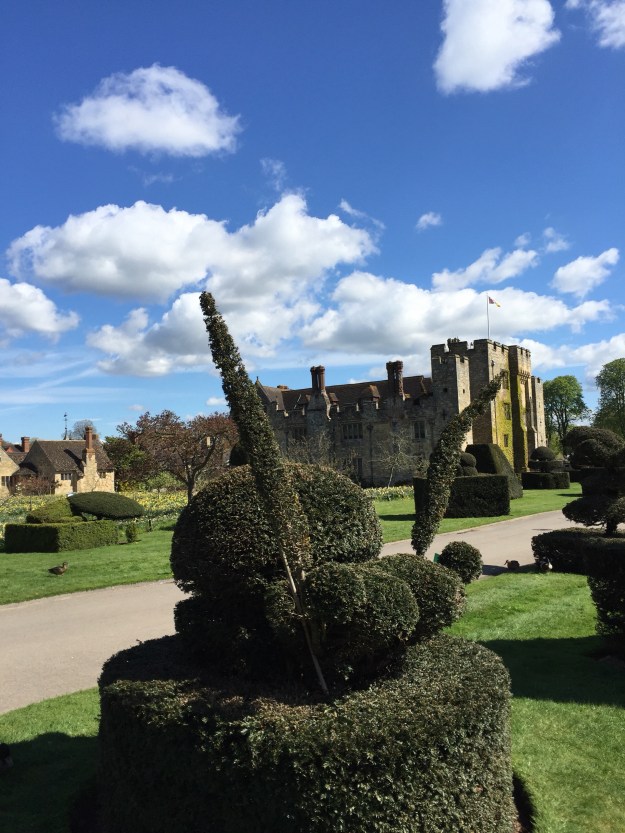
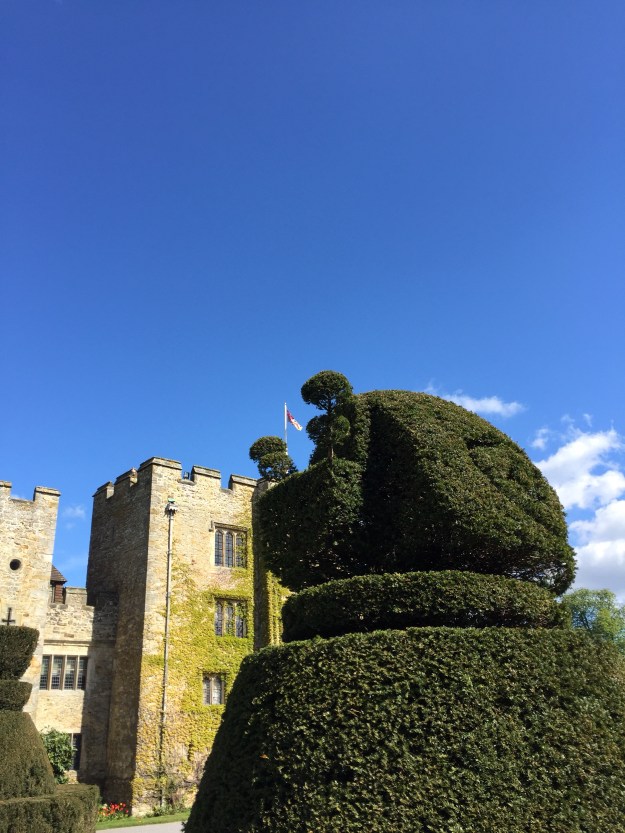
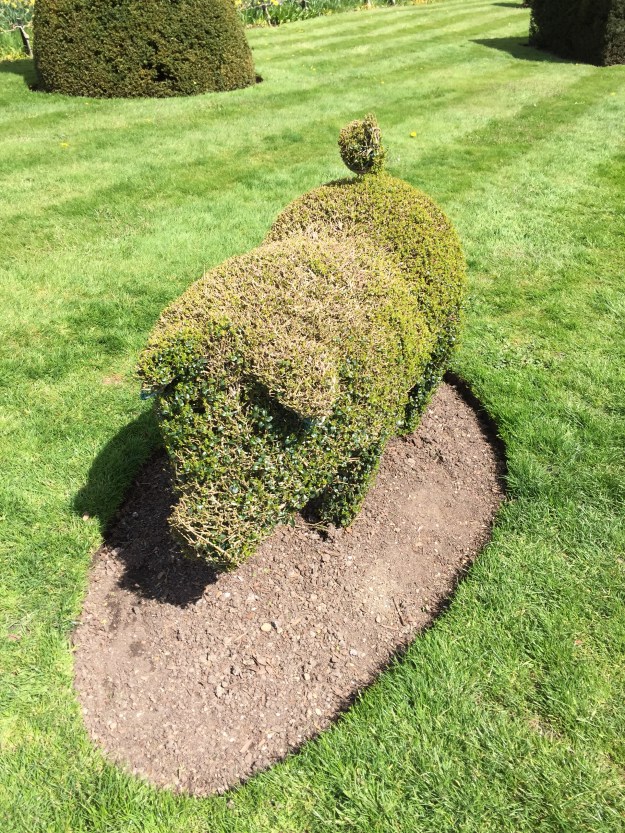
Apparently the art of topiary began under the Romans. Did Julius Caesar ever order up a topiary pig? This one lives on the grounds at Hever Castle, in Edenbridge. It’s about 30 miles south of London.

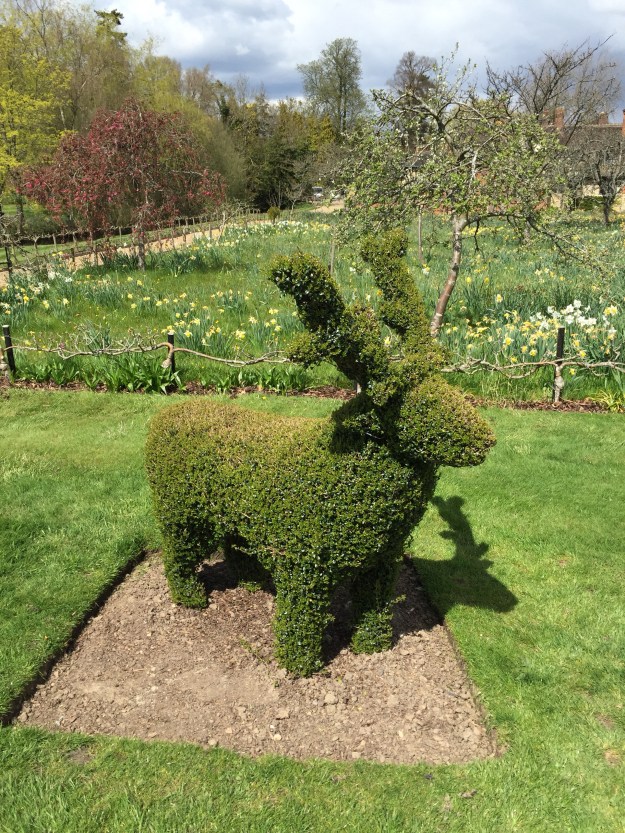
How about a reindeer?

Or a nice songbird.

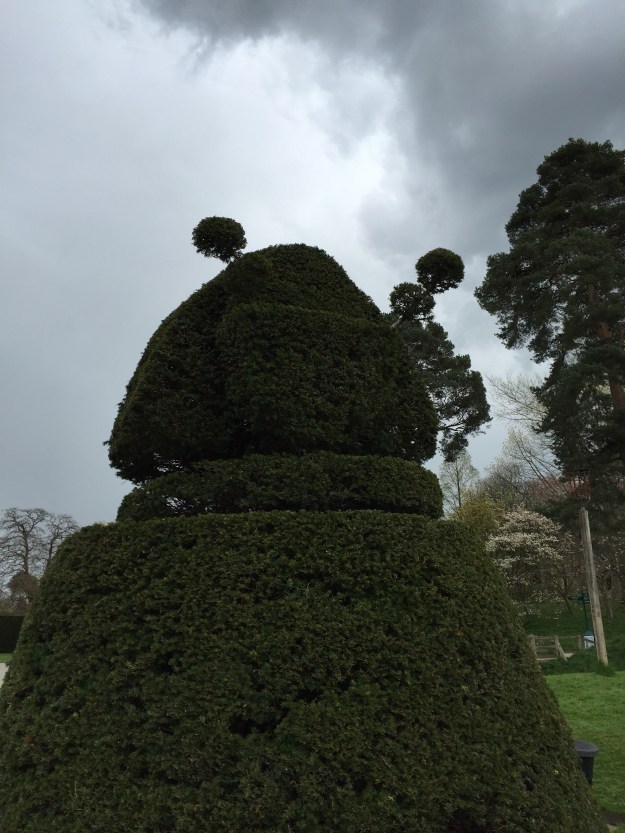
I’m pretty sure this is a giant snail.

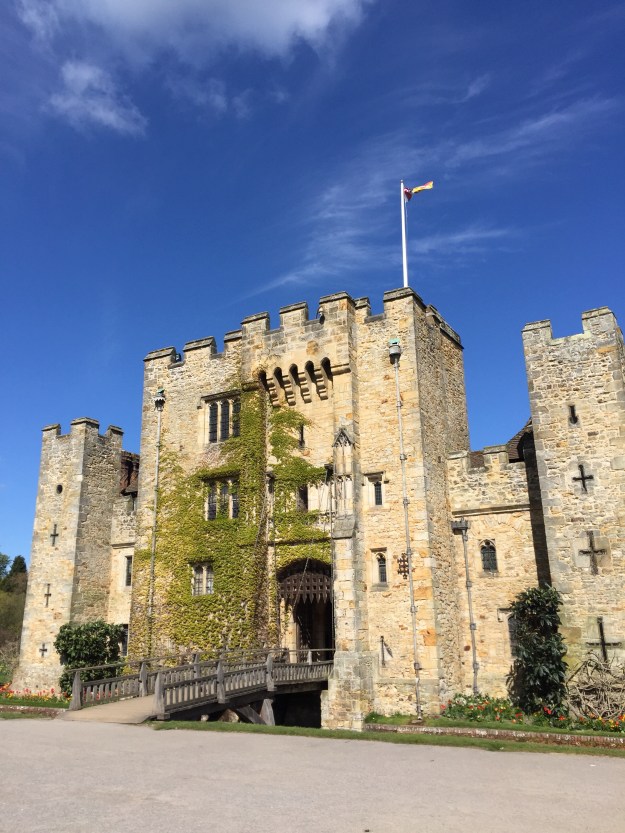
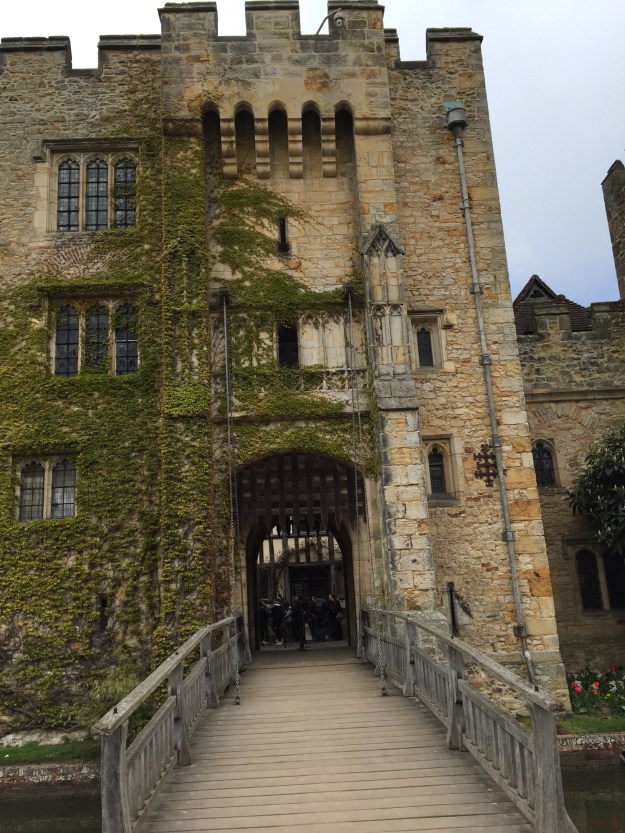
Hever Castle was the childhood home of the unfortunate Queen Anne Boleyn. The castle was the family seat of the Boleyns from 1462 to 1539.

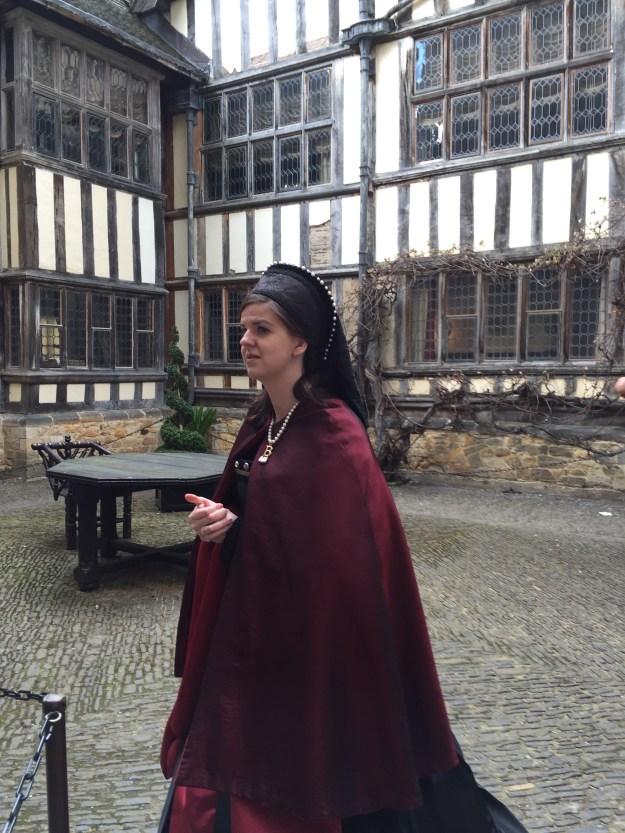
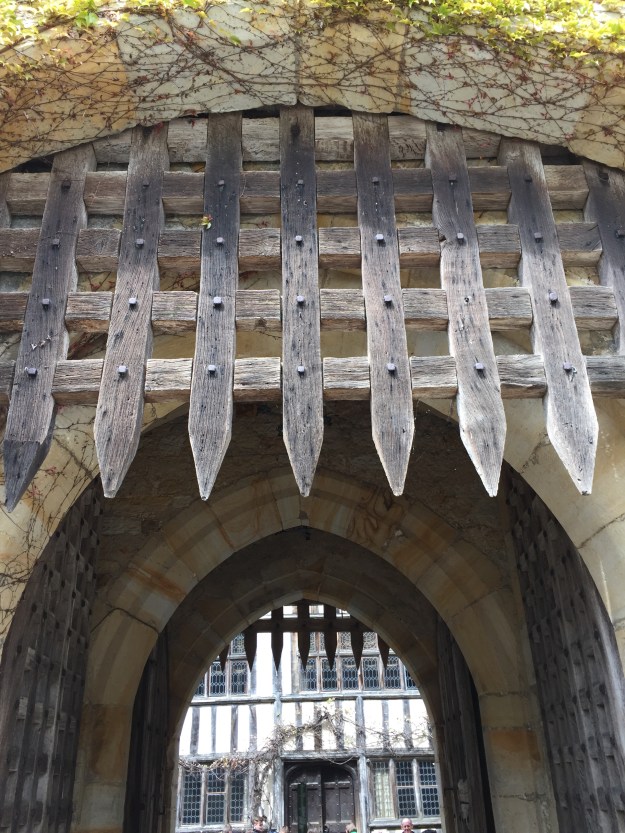
Tour guides in period costume roam the creaky hallways and courtyard today. Photos are not allowed inside, much to my disappointment.

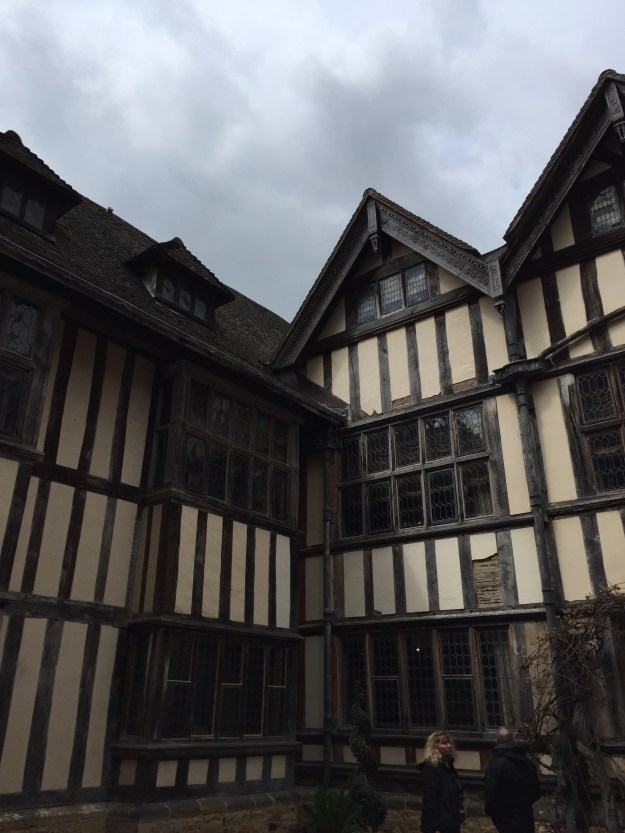
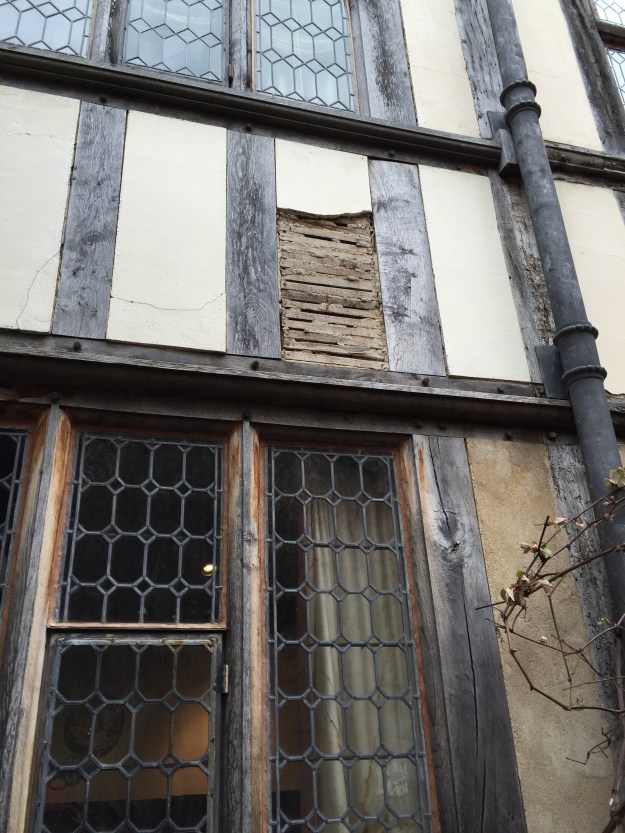
Visitors wait in the courtyard to be let in by timed ticket. There’s not much to see while waiting, but it’s interesting to get a glimpse of how the house was constructed centuries ago. I think the walls were made with a “wattle and daub” method.

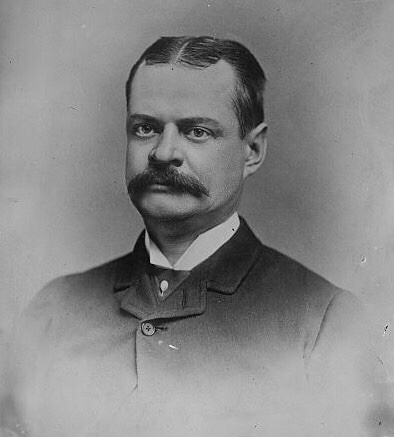
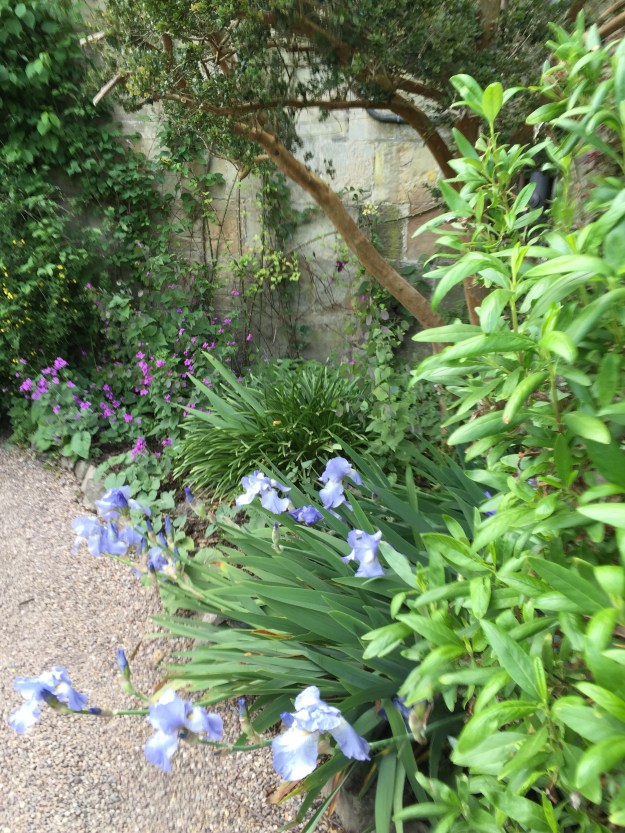
No doubt there were fine Tudor gardens during the heyday of the Boleyns, but I doubt they would compare to the gardens planted by William Waldorf Astor when he bought the derelict castle in 1903.

He had become the richest man in America on the death of his father in 1890, but after failing at politics and having a falling-out with some of his relatives, he took his vast fortune to England and became a British subject in 1899.

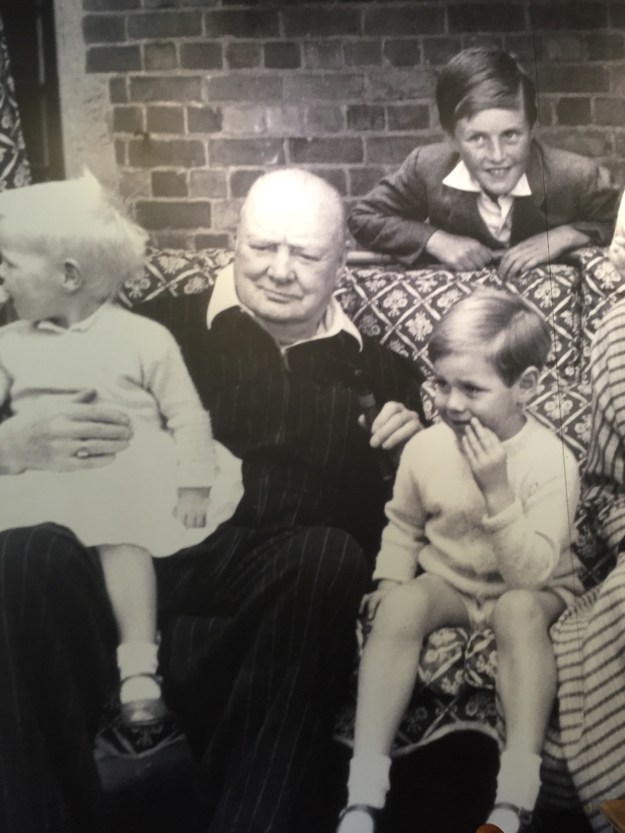
Hever Castle was more or less abandoned and falling into ruin until Mr. Astor made it one of his family homes. He needed a country place to entertain his famous friends, like Sir Winston Churchill and his family.

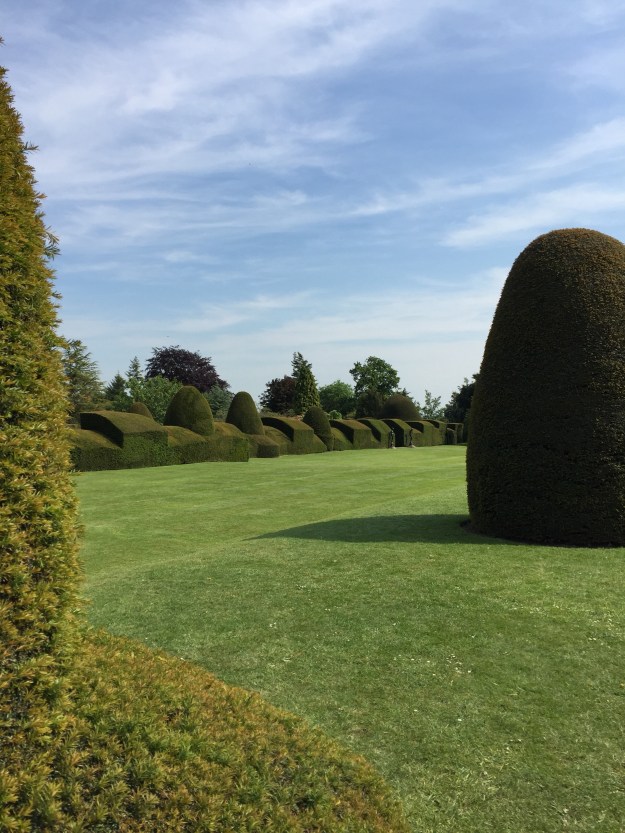
Mr. Astor poured money into the house and grounds. He began planting yew and box hedges, which his small army of gardeners carved into topiary figures for the amusement of his guests. There are about 100 figures altogether. There’s a maze and water garden, too.

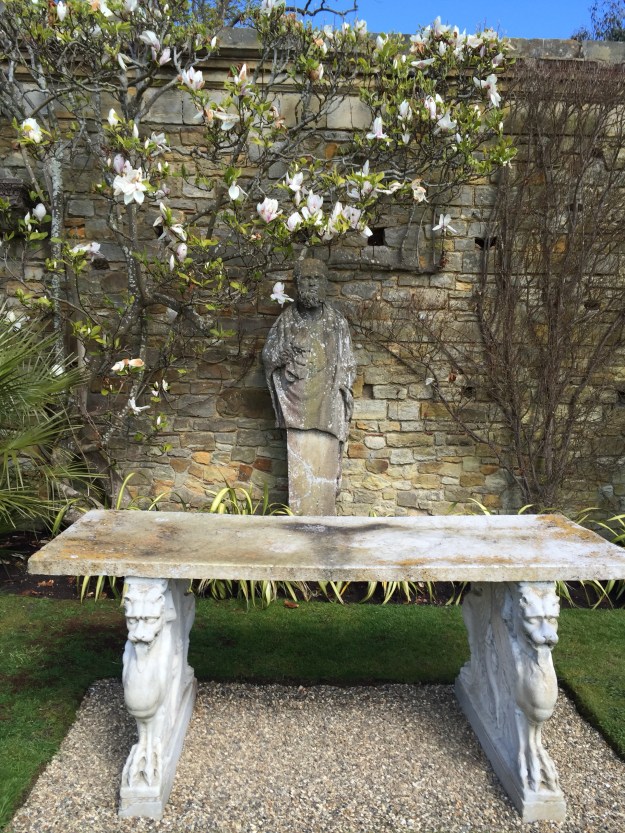
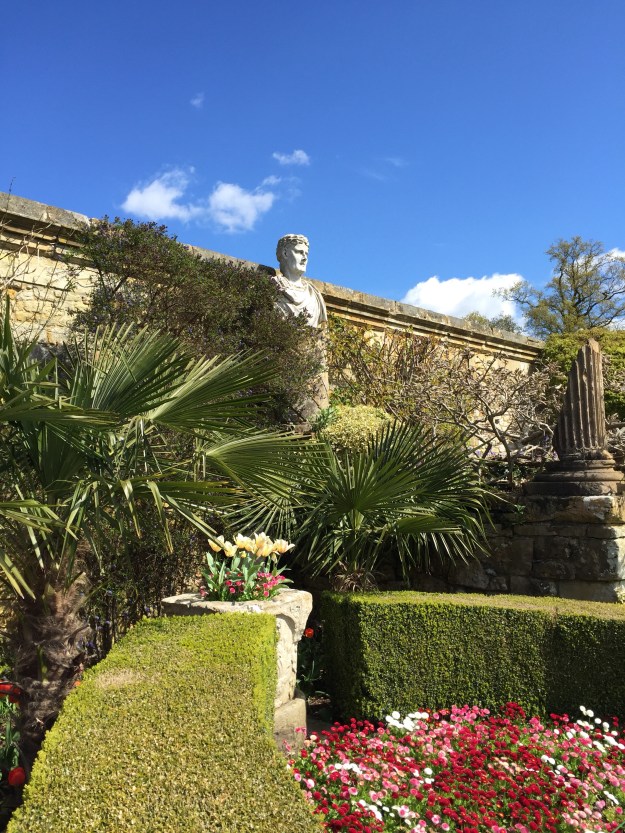
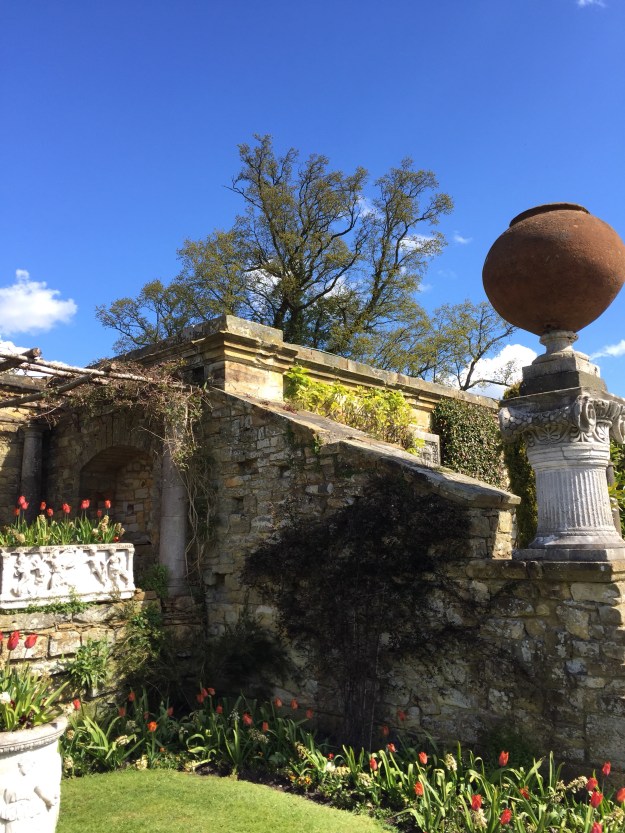
My favorite part of the estate is the Italian Garden, with statuary from Mr. Astor’s travels organized into little floral rooms.

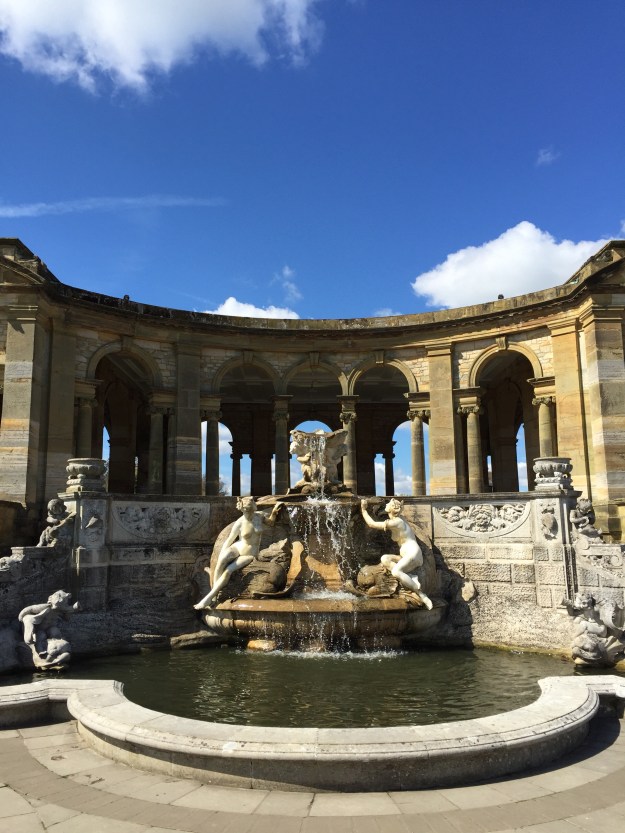
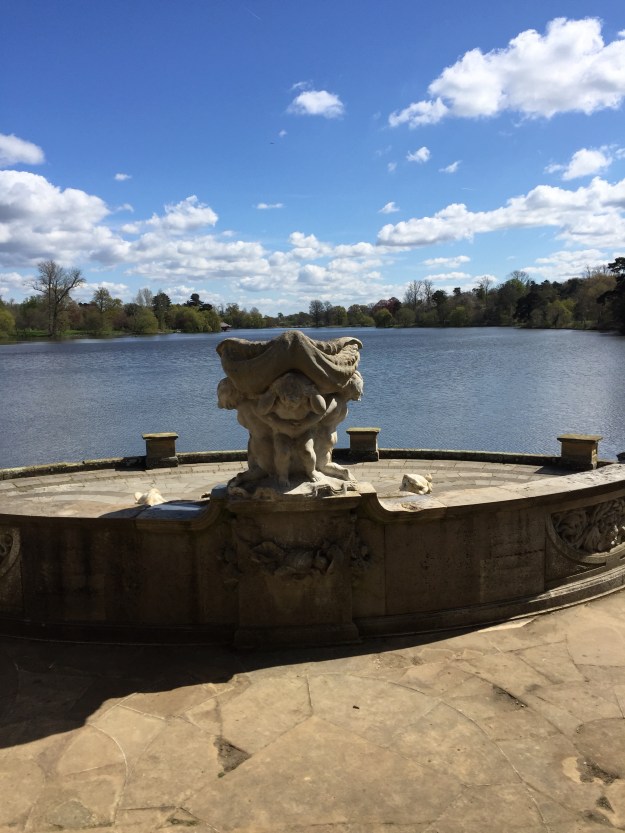
There’s an Italian colonnade leading to a lake.

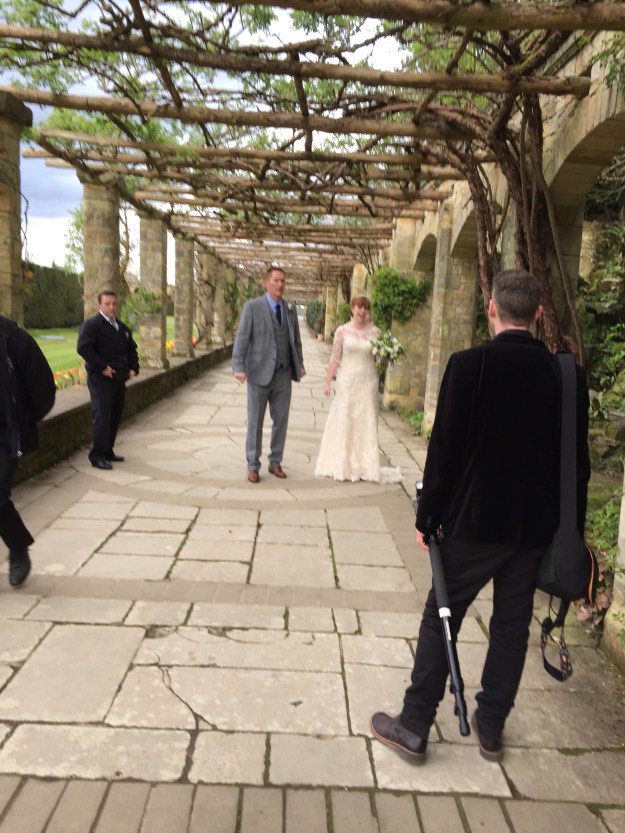
It’s a popular wedding venue.

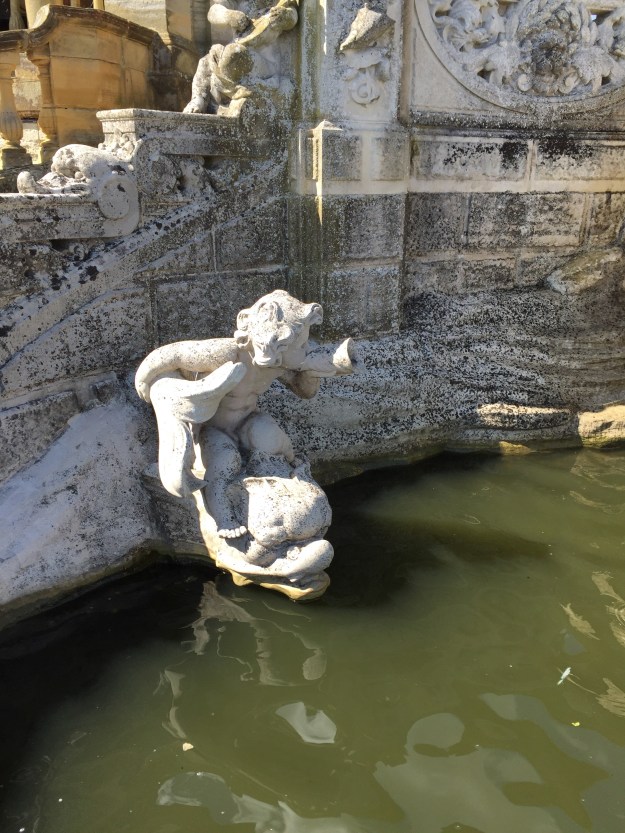
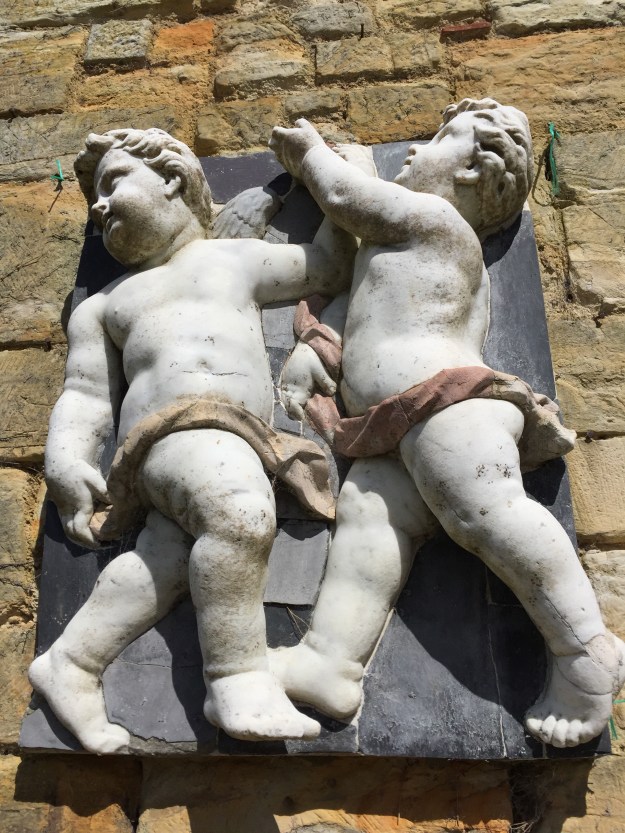
Cherubs frolic in the colonnade on the lakeshore.

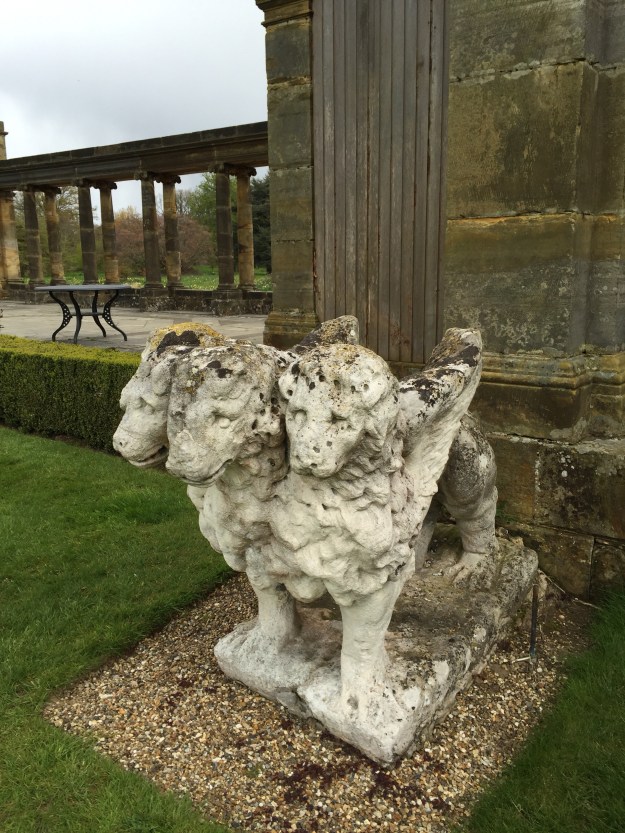
Mythical beasts keep watch. Just above, that’s Cerberus, the fierce three-headed Hound of Hades.

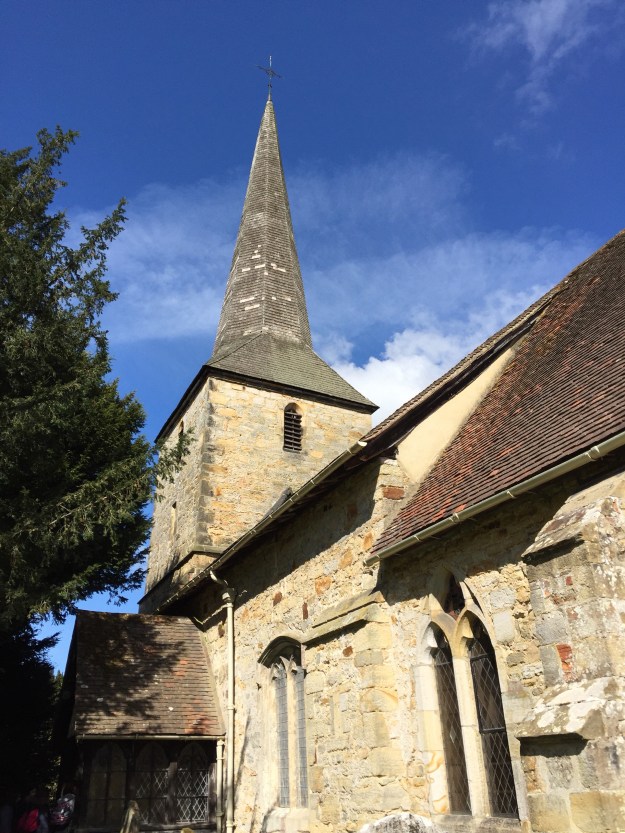
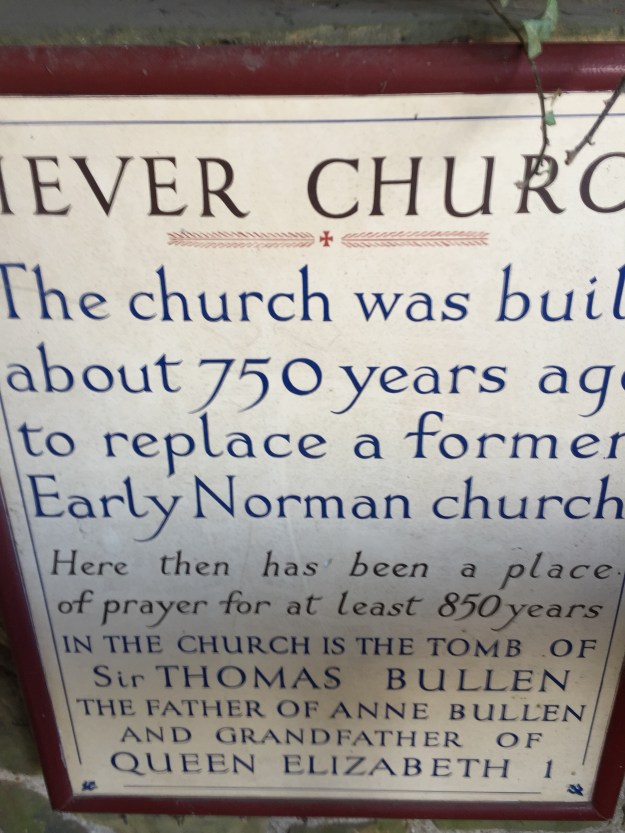
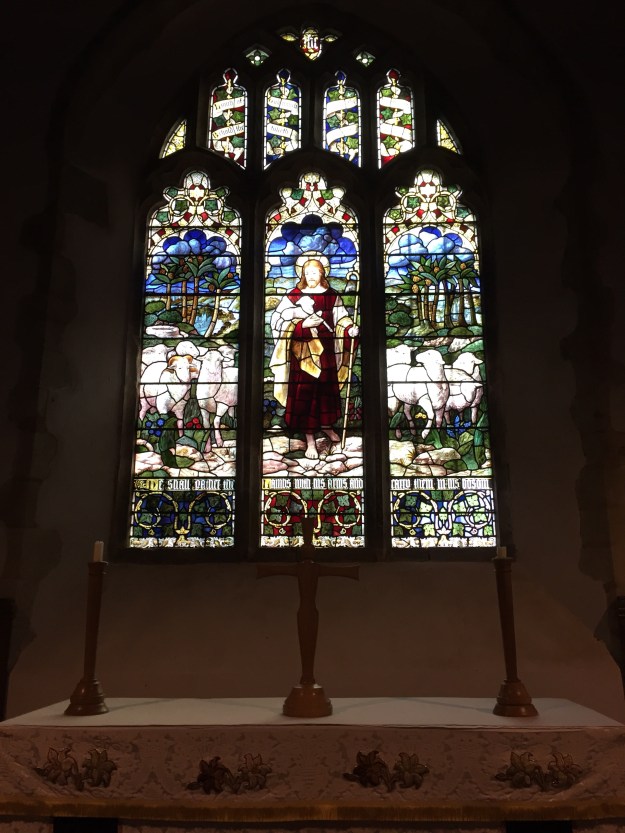
The nearby village church is a little melancholy. Several Astors are buried there.

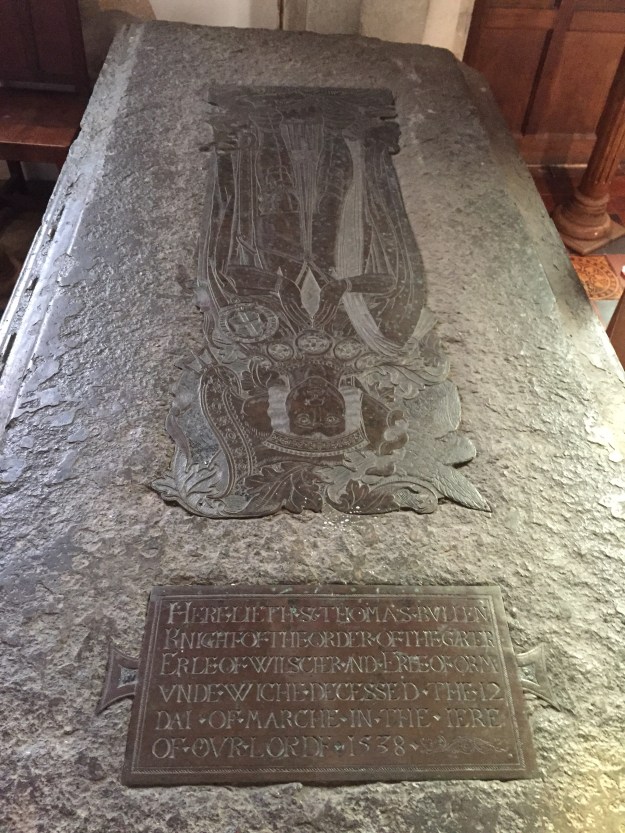
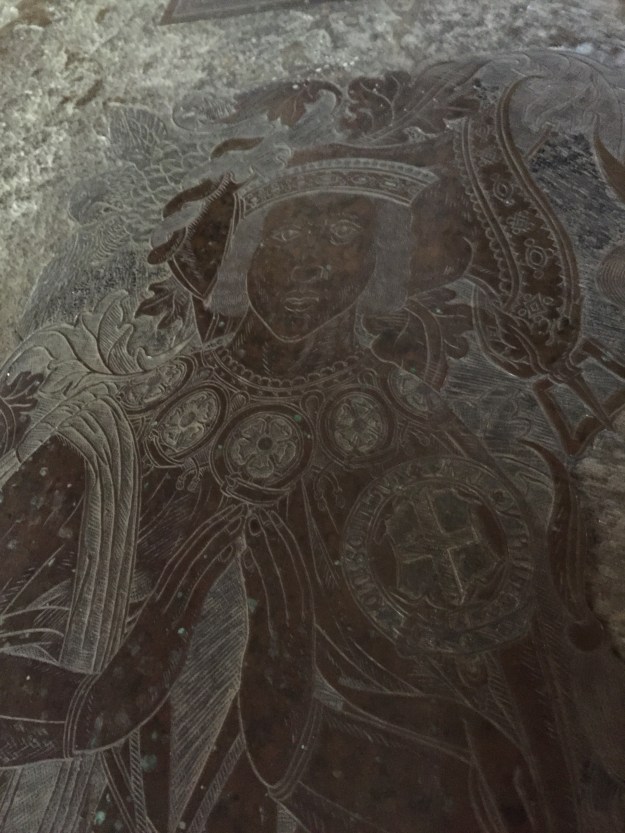
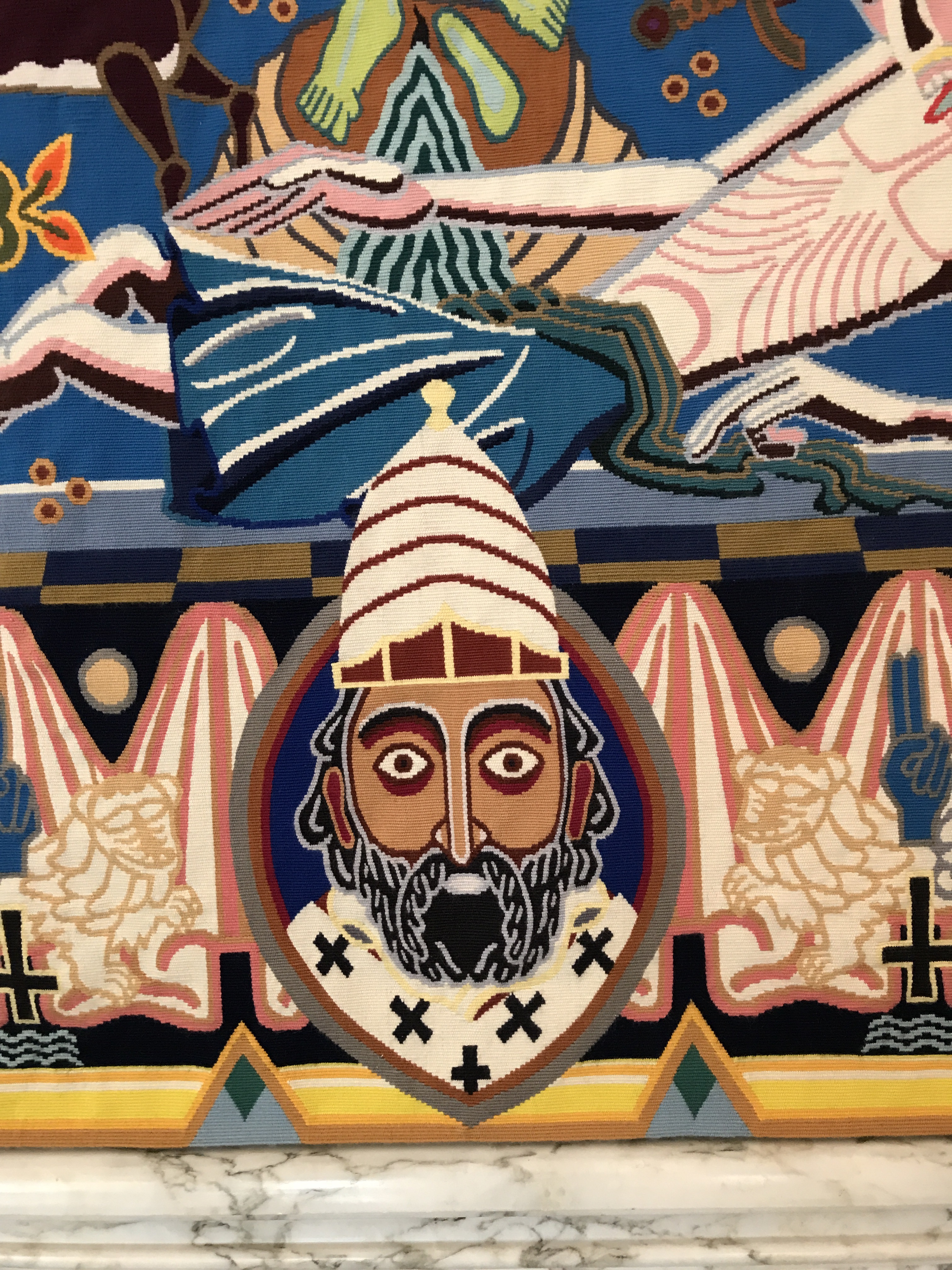
It also holds the tomb of Thomas Boleyn, father of Anne. The Boleyns seized the main chance under King Henry VIII, but their line died out when Thomas died in 1538. If I understand it correctly, Thomas sat in judgment for at least part of the trial of his son George and daughter Anne when they were convicted on trumped-up charges of incest. George and Anne were both executed, but Thomas survived.

Here’s a right-side-up view of the image on Thomas’s tomb. Through the murderous reign of Henry VIII, Thomas had managed to hold on to his head and his castle at Hever, but he must have felt his family was pursued by the Hound of Hades. Did he regret the part he played in the fates of his son and daughter? I’m thinking his last days at Hever must have been sad and lonely.

After Thomas died, his castle passed to Henry VIII, who later gave it to Anne of Cleves as part of their dissolution-of-marriage settlement. Henry is known to have visited here. Inside the castle, not very much remains of the rooms these long-ago people walked in. But the stone walls and windows and doorways look about the same as they did during those turbulent Tudor times.

Join me next time for more explorations in the art and history of Europe and the British Isles!
The Ha-Ha at Chirk Castle

I’ll be the first to admit that it rains in England. So when visiting castles and stately homes, I often scurry through the gardens and take refuge inside. But the day I made it to Chirk Castle was gloriously sunny, so I got the full effect of the gardens.

The views across the Ceiriog Valley in Wales are spectacular. I’m sure the herd of 500 deer, established by the 1500s, enjoy the views as much as their ancestors did (when they’re not being hunted by their owners). But deer and cattle are not allowed inside the 5 manicured acres of the garden. They’re kept out by the Ha-Ha, built in 1764 by landscape architect William Emes.

What’s a Ha-Ha? It’s a deep ditch with a stone or brick wall set into one side. Presumably the name comes from the reaction of a person who stumbles into it, although I’d expect to hear some choice words beyond “Ha ha!” Anyway, it works as well as a fence, but preserves the views. I’ve always wanted one, but I would probably get sued if someone stumbled in.

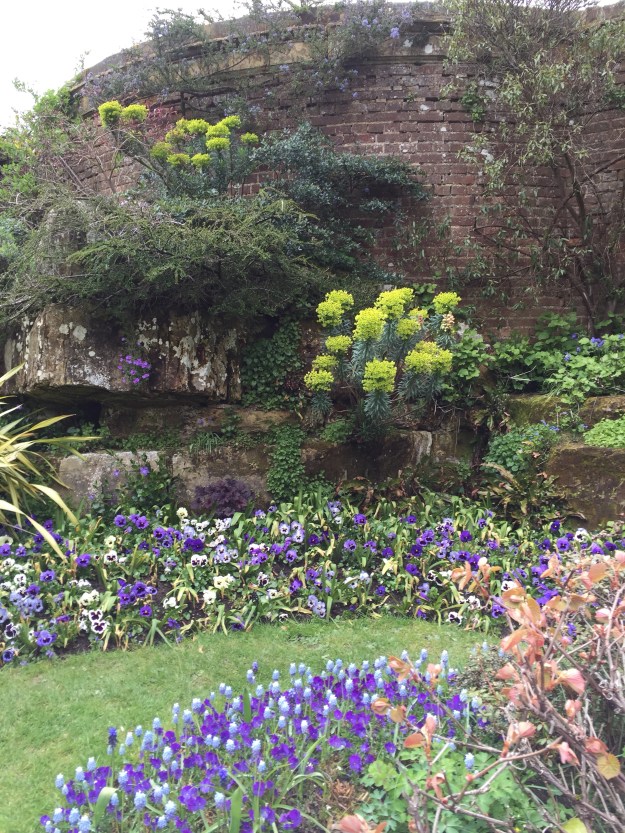
Generations of the Myddelton family lovingly tended the gardens. I visited in springtime.

The yew-tree topiaries are about 130 years old. These days, there are only three gardeners. It takes them six to eight weeks every year just to trim the topiaries.

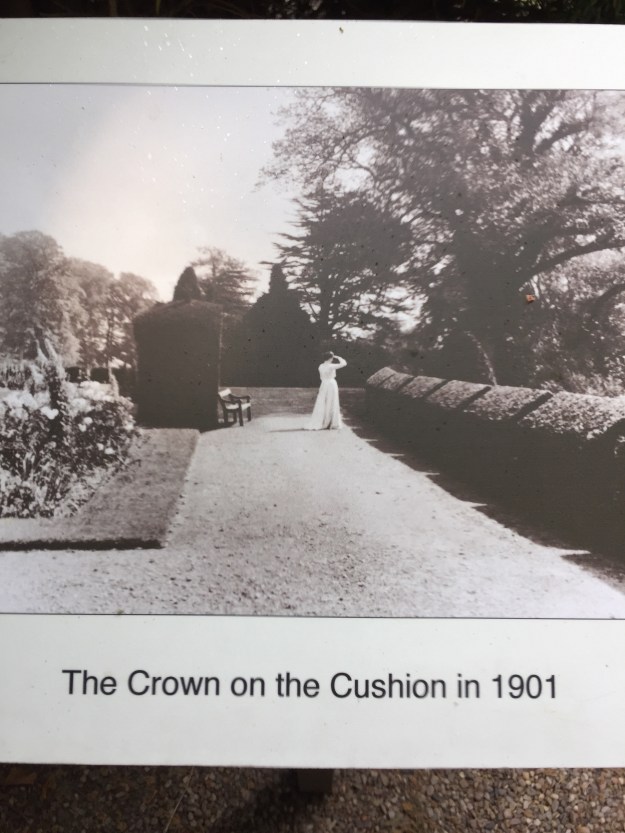
The grandest topiary is the Crown on the Cushion.

In 1901, it was not that much taller than a Victorian lady.

Now, it’s big enough to pitch a tent under.

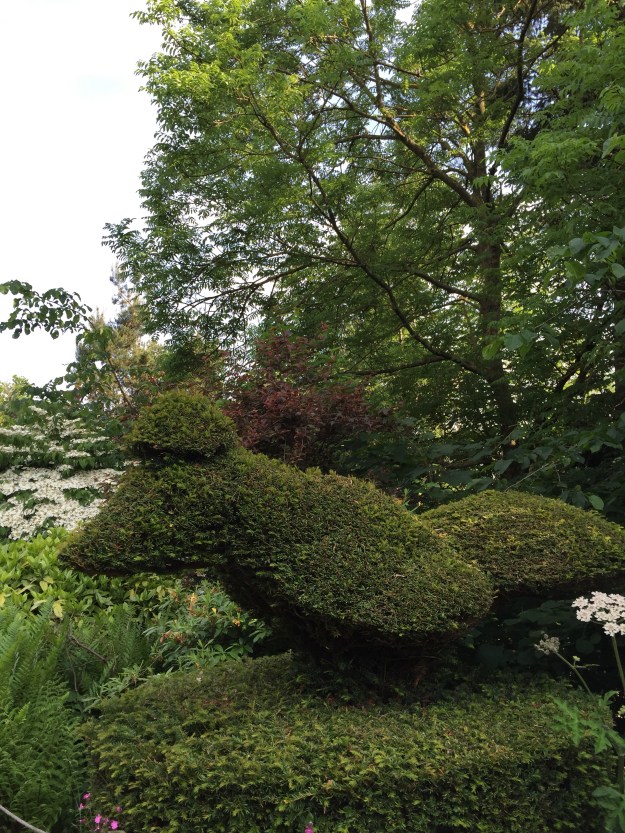
I like this bird topiary, perched in a shady spot among the ferns.

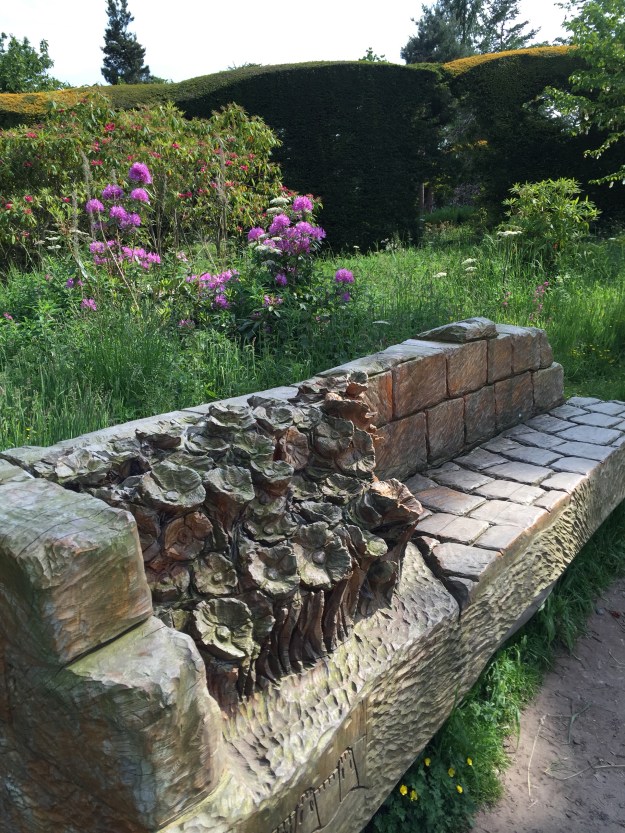
In recent years a beloved tree was felled by a storm.

The Myddelton family had its trunk carved into a garden bench.

If I were more of a gardener myself, I’d know exactly what I’m looking at. Rhododendrons? I like the wildness of the grassy bordered walks, after the formality of the manicured gardens.

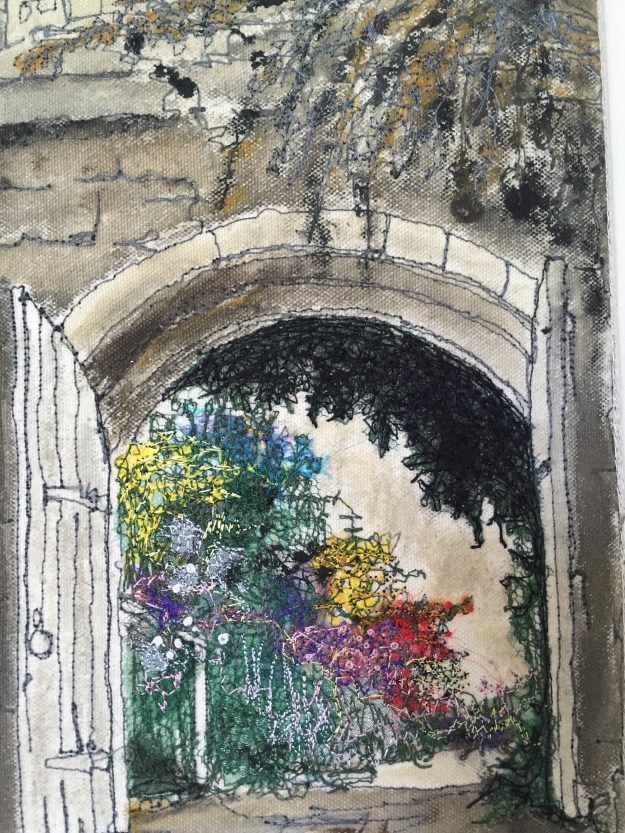
Inside the castle, there was a special exhibit of embroidery based on the grounds and gardens. The piece above, “Across the Fields,” is by Janet Vance of the Embroiderers’ Guild.

Sue Sercombe made “Snowdrops in the Woods.”

Sheila Foggin used her sewing machine in ways I would not dream of, to create “Through the Gate.”

I always think that needlework is under-appreciated as an art form. I have trouble appreciating the gardener’s art too, because I know so little about it.

Well, I’ll head back into the castle for one last look at the grand Drawing Room.

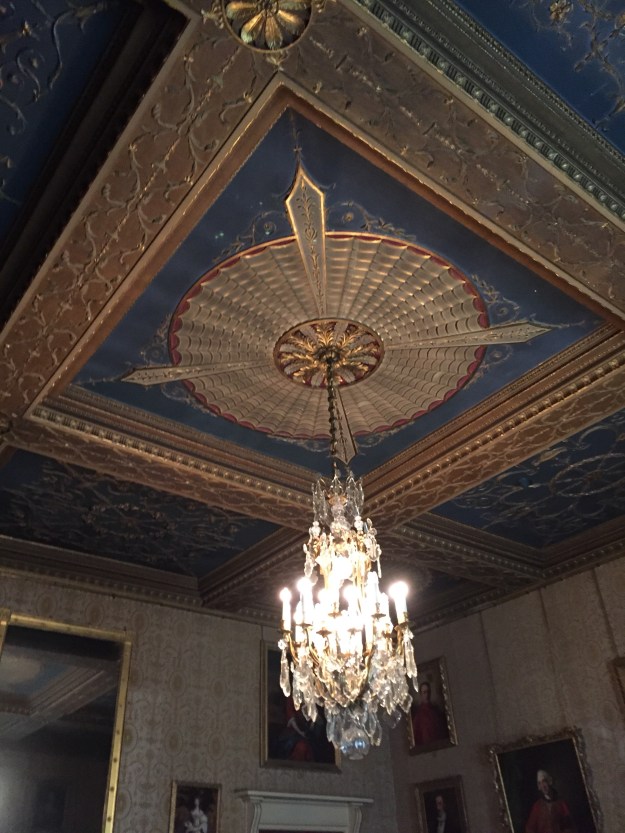
It has an 18th-century look to it. In a 700-year-old castle, each succeeding generation makes its mark.

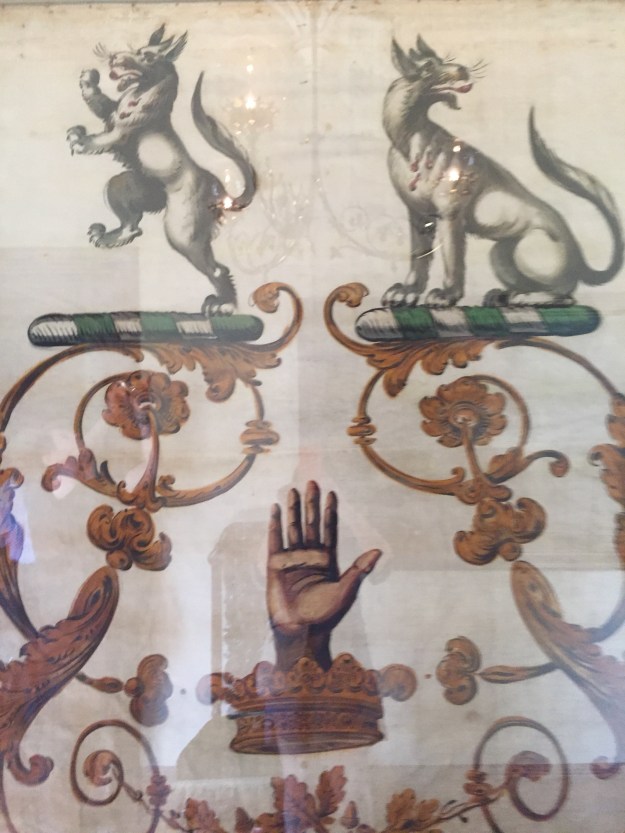
And there’s that famous Red Hand again! It’s the subject of all kinds of entertainingly bloody legends, but really it just represents the title of Baronet which the Myddelton family bought themselves a few centuries ago.

So many faces have come and gone at Chirk. We know a bit about those who made it into the history books. The more humble “below stairs” stories would be just as fascinating.

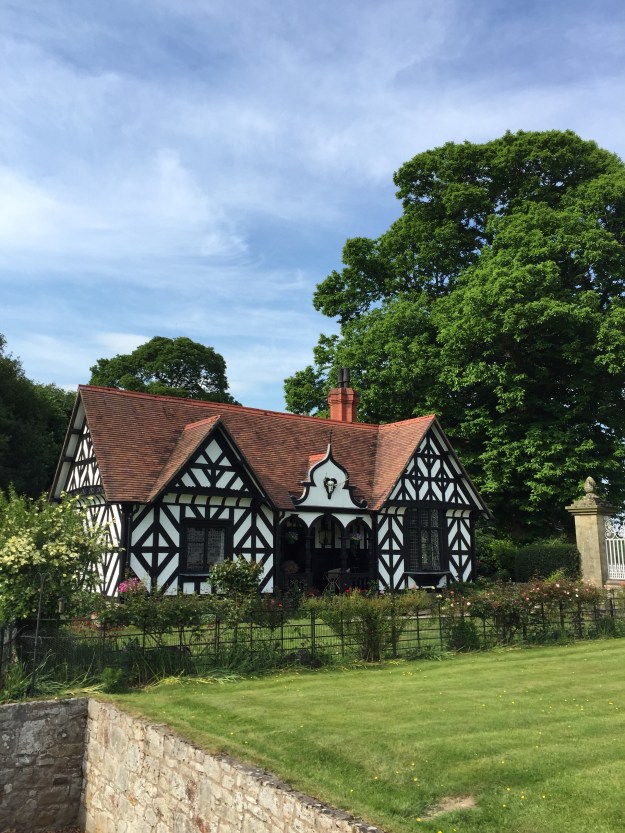
On my way out, I’ll admire this cottage perched on the edge of the Ha-Ha. Maybe it was once the home of the chief gardener. I’d cheerfully move right in! Just show me how to use those garden shears.

Join me next time for more explorations in Europe and the British Isles!
Chirk Castle

Catching-up time: I’m off to England soon, so I’m posting about places I will not see because I’ve seen them before. For a hopeless Anglophile like me, England has way too many stellar sights. Chirk Castle is one of my favorites.

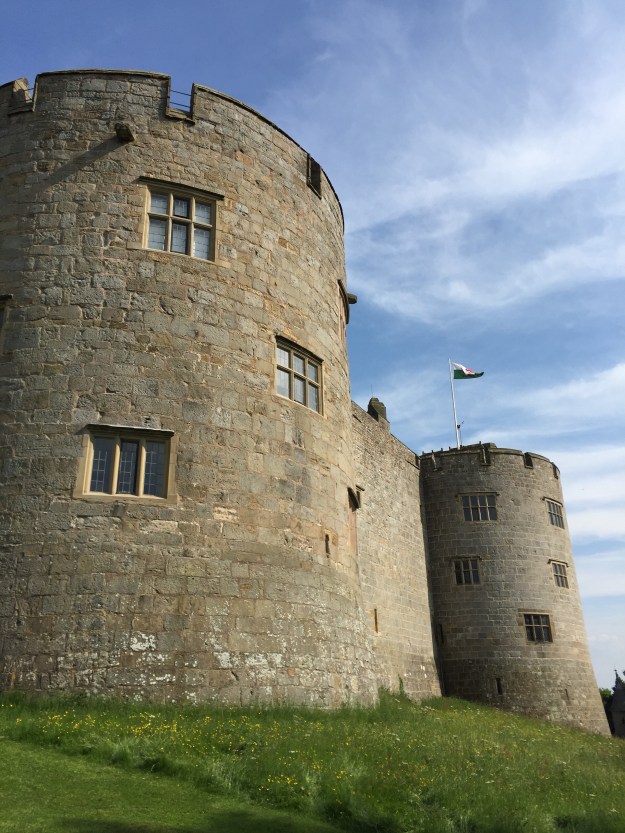
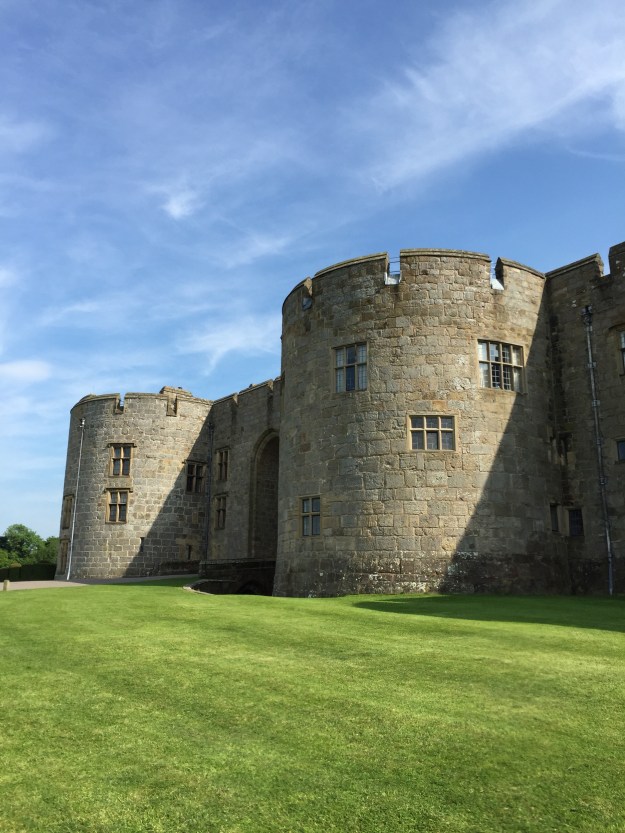
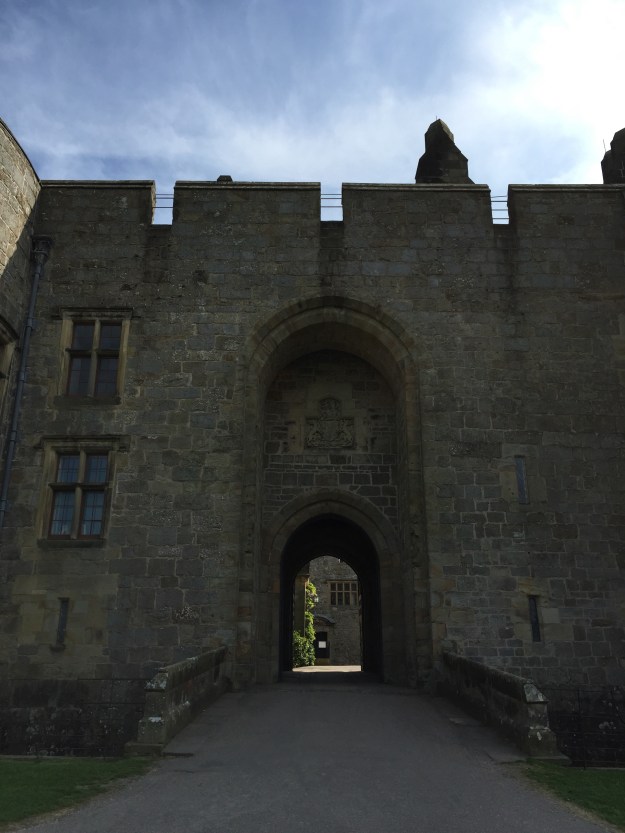
Construction began in 1295, under Roger Mortimer. He was an English army captain who received the land from Edward I, with a mandate to show the recently-subdued Welsh who was in charge. A powerful ring of fortresses grew within a few years on the Marches, the brooding borderlands between England and Wales.

Most of these stone piles are now picturesque ruins, but Chirk has been continuously inhabited since it was finished in 1310.

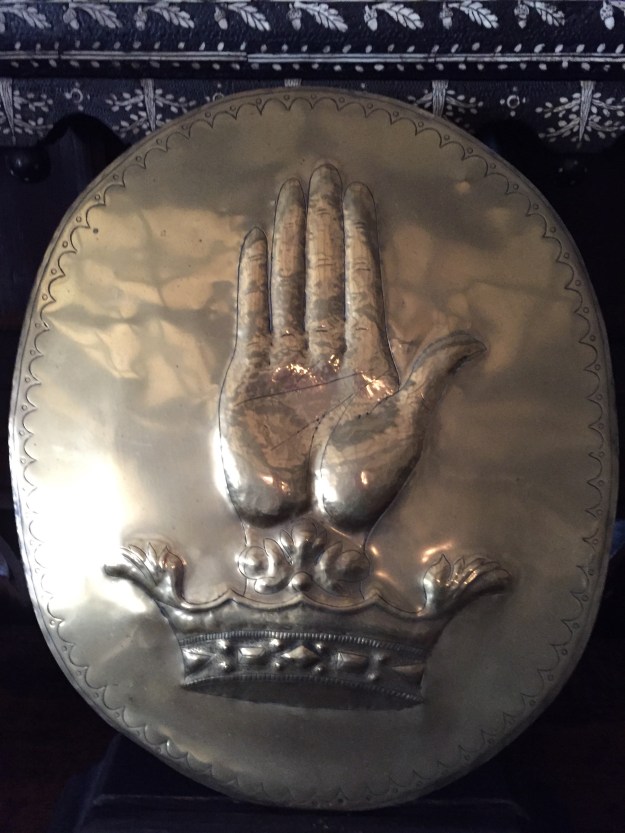
I’d like to think this emblem, showing a hand above a crown, is from the days of the Mortimers. I’m a “Game of Thrones” fan. Was Roger Mortimer the “Hand of the King?” No, actually the hand emblem is from the late 1500s, when the Myddelton family owned the place and bought themselves a title.

When they added to King James I’s coffers by paying for the title of Baronet, they were entitled to add a red glove to their coat of arms.

The original Roger Mortimer and his namesake nephew both turned against the Crown. The first died in the Tower, and the second was executed as a traitor by Edward III. Three other owners of Chirk were also executed as traitors over the years. It’s easy to imagine the castle being haunted.

In Tudor times, in 1563, Elizabeth I gifted the castle to her favorite, Robert Dudley. Some rooms and parts of the gardens still have a distinctly Tudor look.

After Robert Dudley died, the castle was eventually sold to Sir Thomas Myddelton I. His son, Sir Thomas Myddelton II, found himself in the peculiar position of being ordered to break in and occupy his own castle in 1643. It had been taken by Royalists under Charles I in the English Civil War. Myddelton was ordered to retake it, which he could have done with artillery. But he didn’t feel like bashing his own home to smithereens. Eventually, the Royalists were bribed to leave peacefully, Charles I was executed, and Chirk went on as before. If these walls could talk!

Later, subsequent generations of Myddeltons were forced to rent out their castle to make ends meet, but the family managed to hold on until 1978. Even after giving the castle to the National Trust, family members lived there, and they still actively help manage the castle and grounds. That’s a Lady Mary Myddelton above, circa 1613.

One of her descendants sits, wineglass in hand, in the Bow Drawing Room.

The room is furnished as it was for posh parties in the twenties and thirties.

A gramophone plays dance music, and visitors are invited to make themselves at home.

Maybe we should take a turn in the Long Gallery?

Wait, I heard the dinner gong!

The dining room, last decorated in the 1930s, has entertained the likes of George Bernard Shaw, Rudyard Kipling, Augustus John, and any number of other people I would love to meet.

I’m not big on romantic castle ruins, but I’d go back to gloriously UN-ruined Chirk Castle anytime.

The exuberant Baroque Davies Gates, made by two local blacksmiths in 1712, will be waiting.

Prince Henrik: The Ungrateful (Royal) Dead of Denmark?

Now I’ve heard the ultimate First-World problem:  what if a man married a queen, naturally expecting that would make him  a king, and had to settle for being a Prince Consort? Not even a King Consort? That is what happened to Prince Henrik of Denmark. A few months before his death, the Prince made world news with his announcement that he would not be buried beside his wife, Queen Margrethe, in the royal tomb that is already prepared.  I wrote a snarky post, which I’m revising now to be slightly less snarky. Especially after reading that he suffered from dementia, I felt that my post was a little mean-spirited.  I do feel some sympathy for his plight, even though I don’t completely understand it. I find the whole concept of royalty in the modern age both fascinating and baffling.


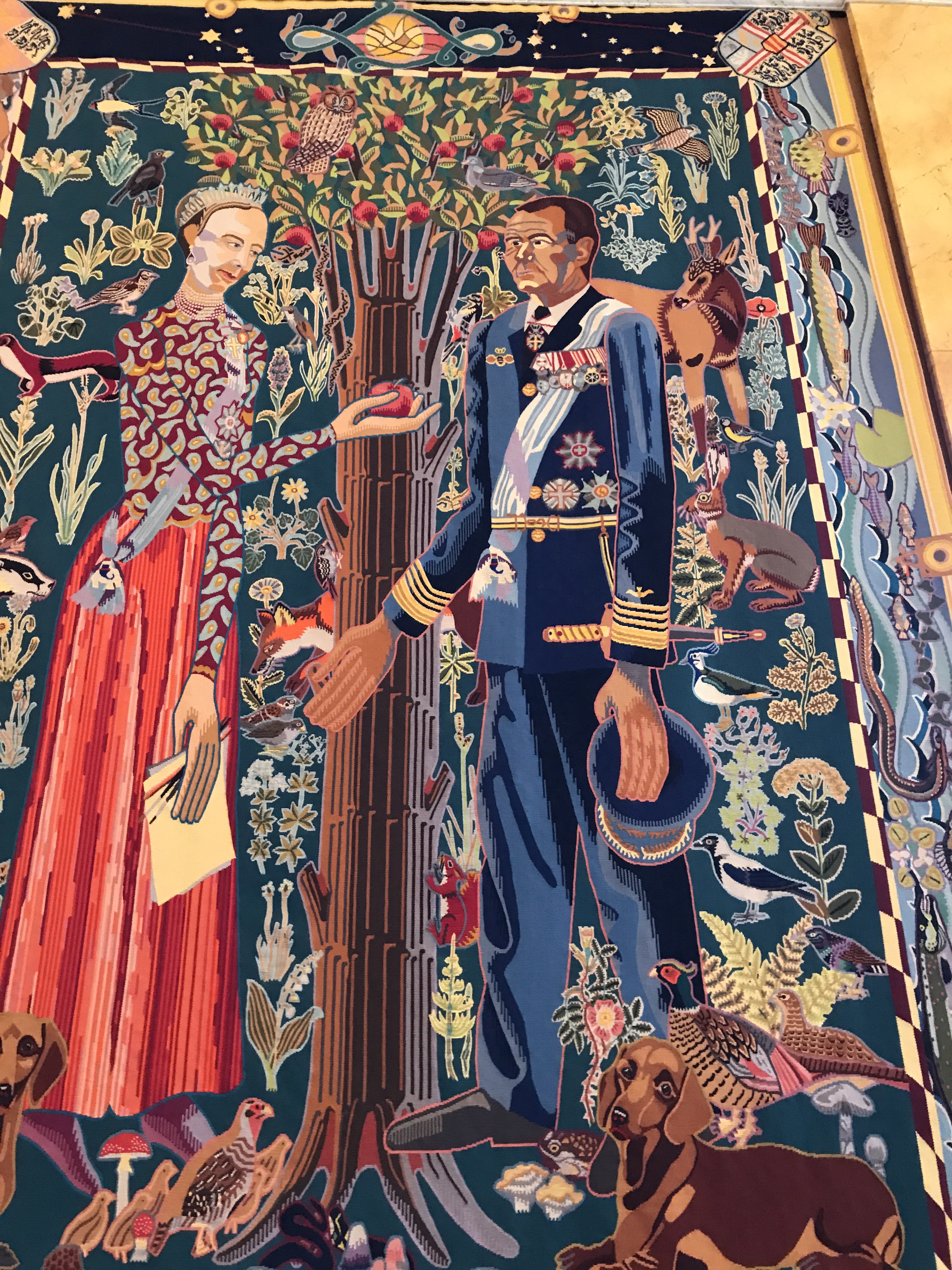
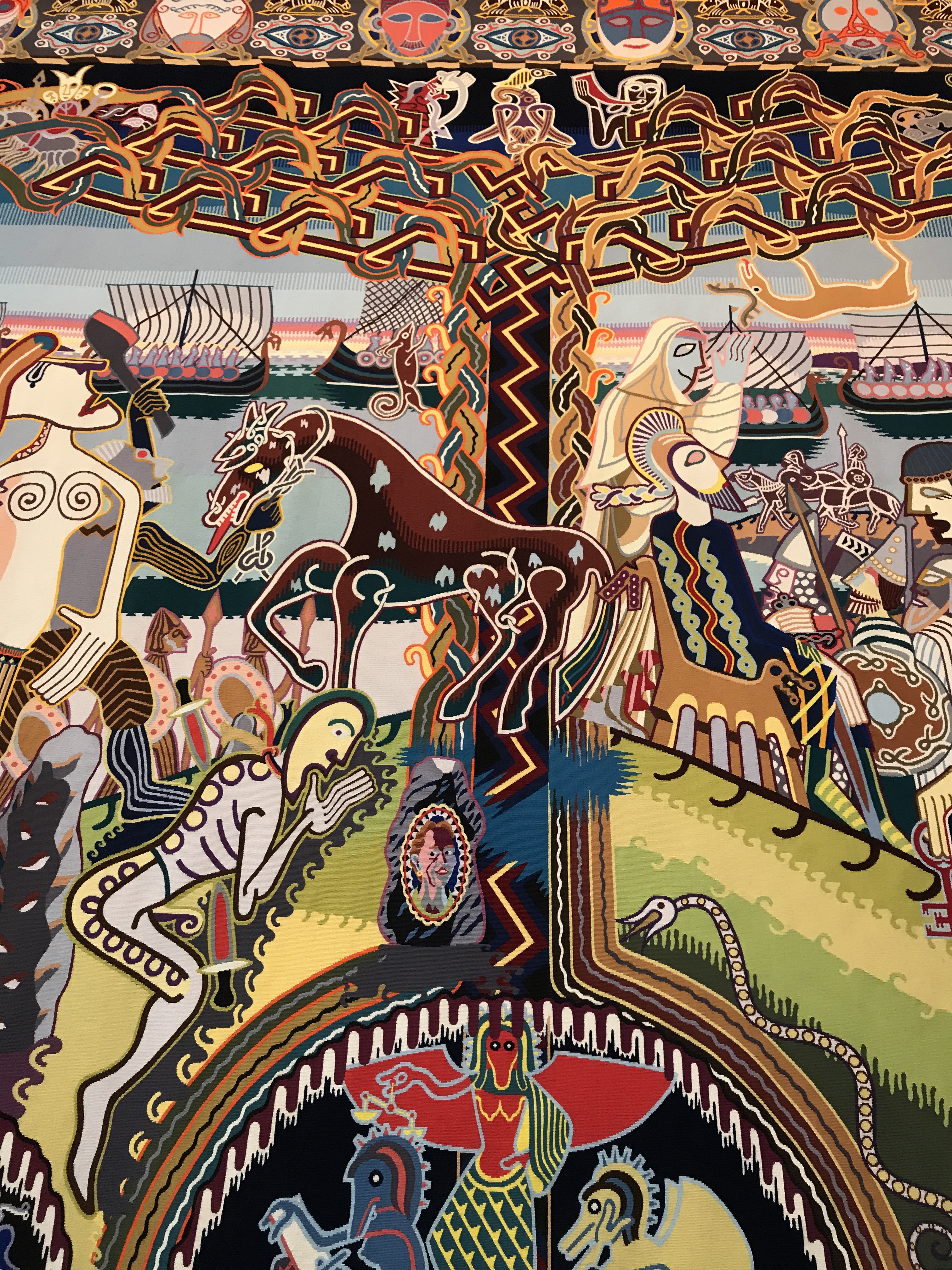
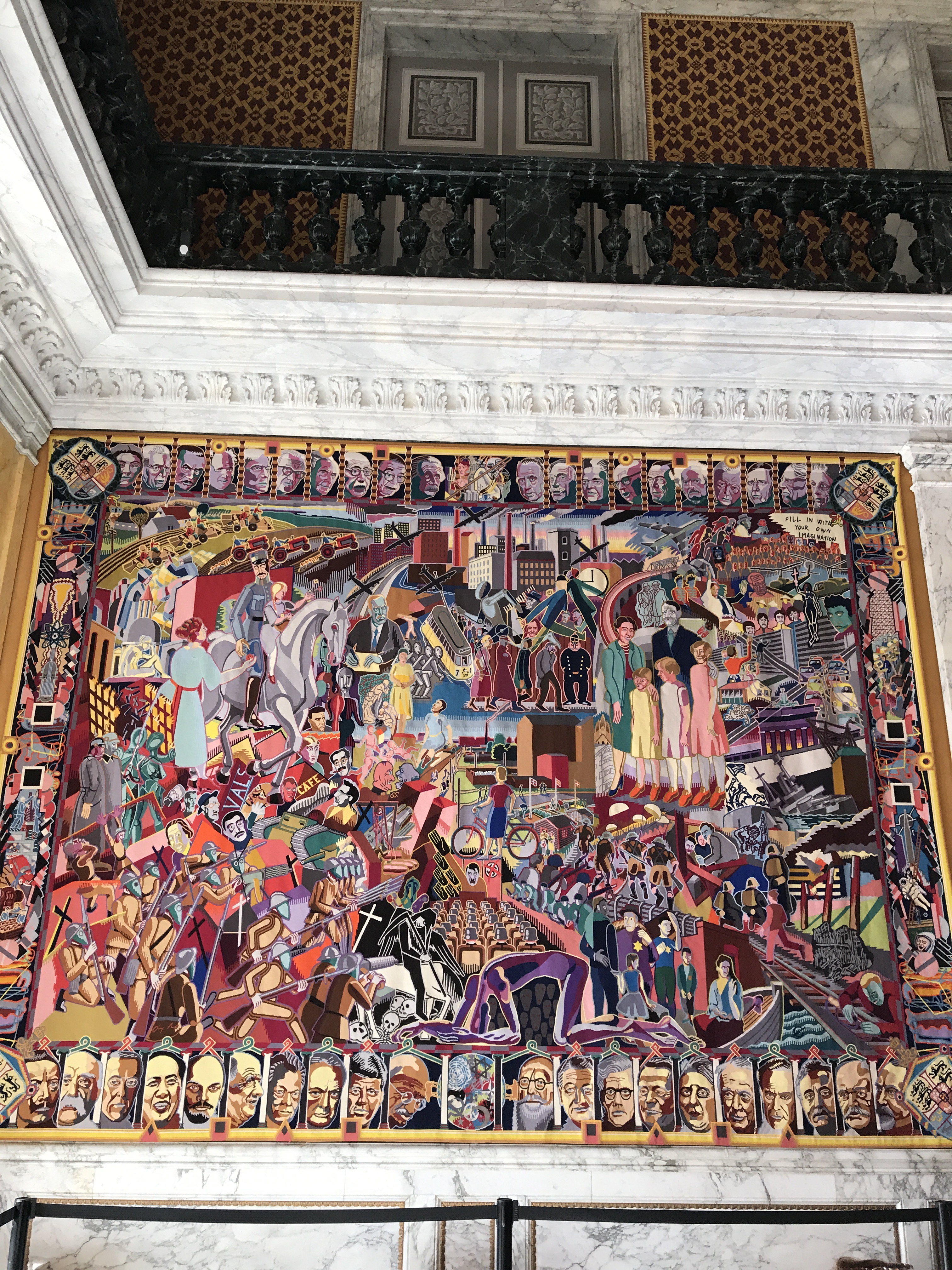
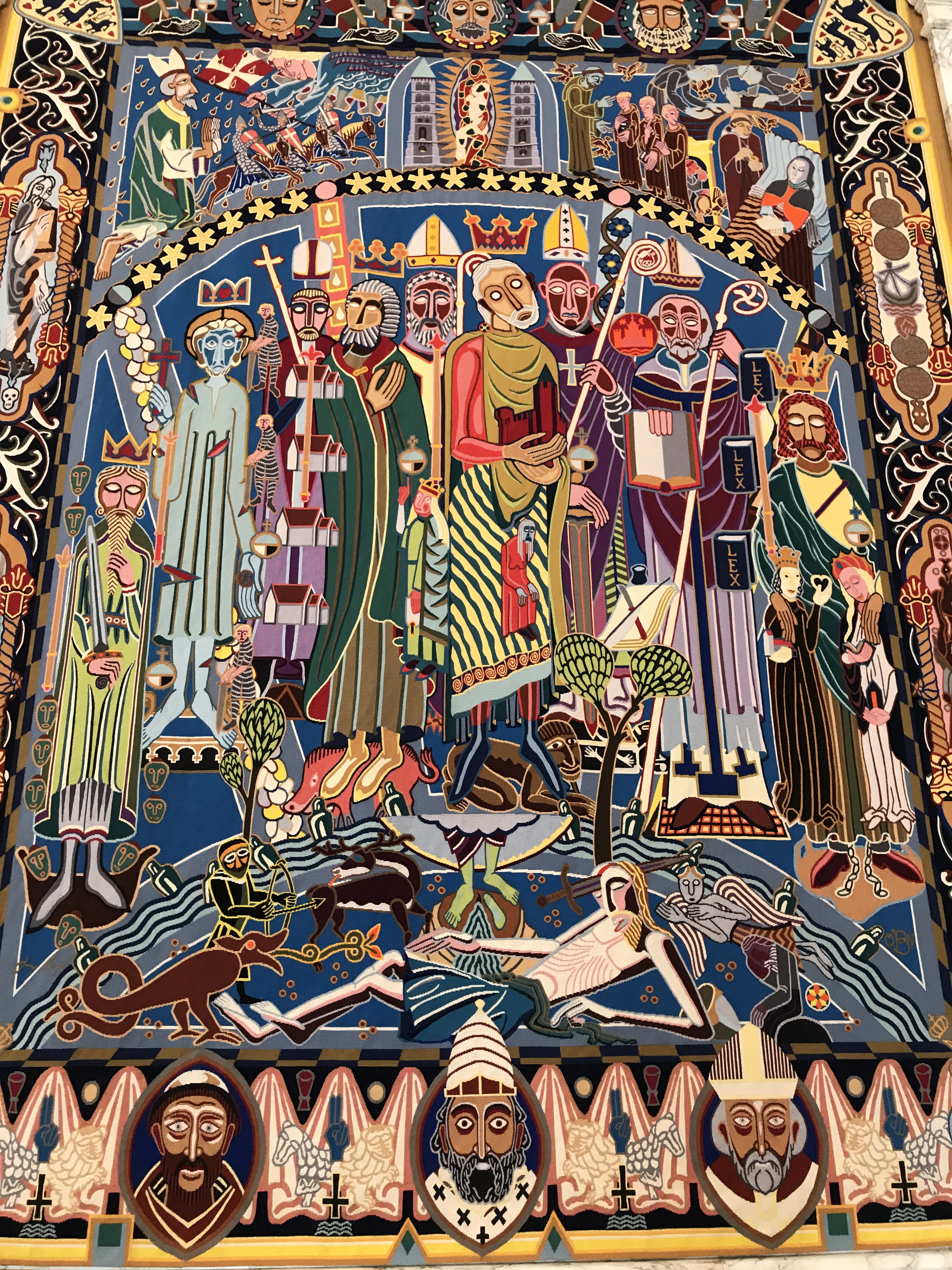
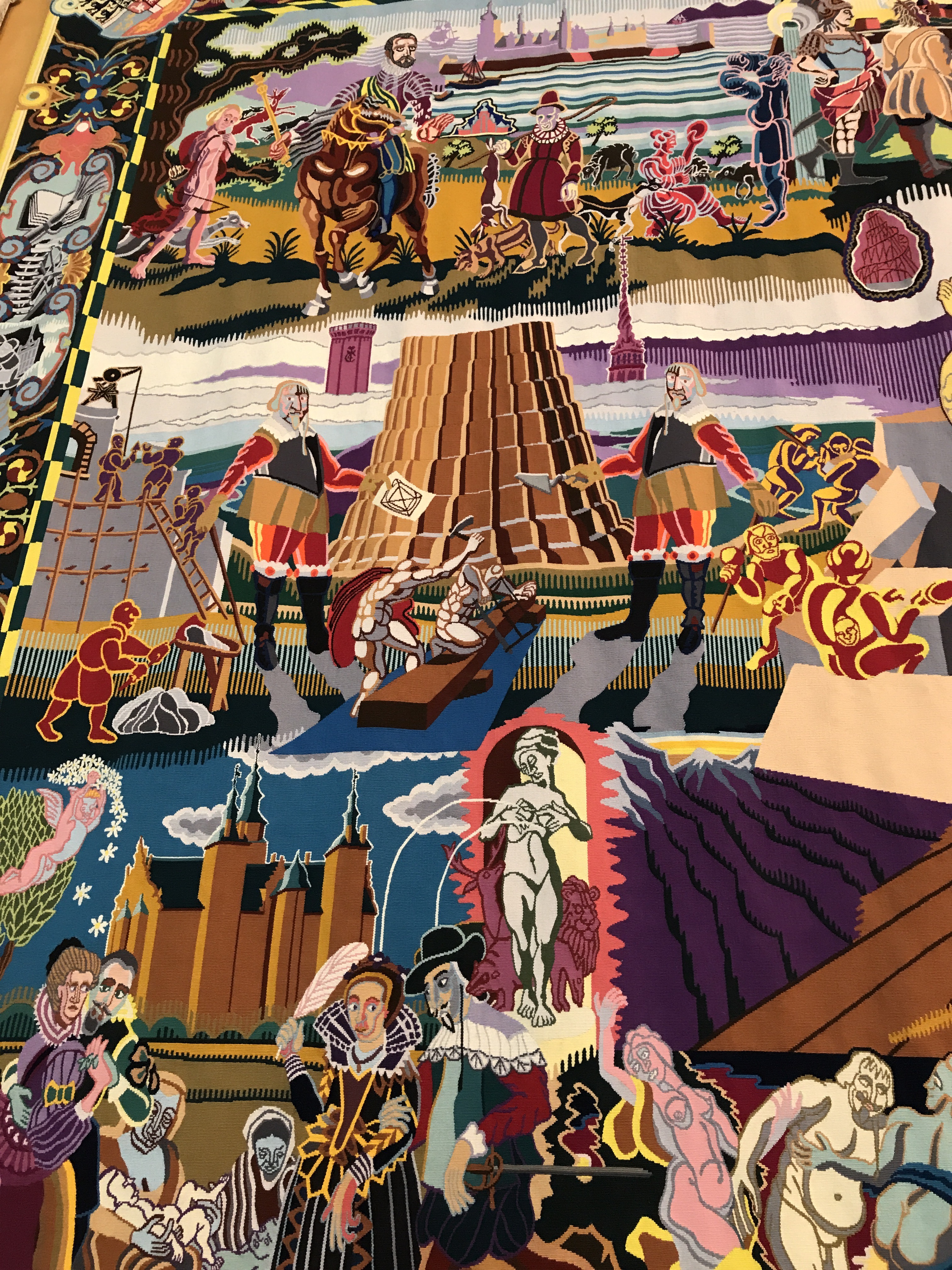
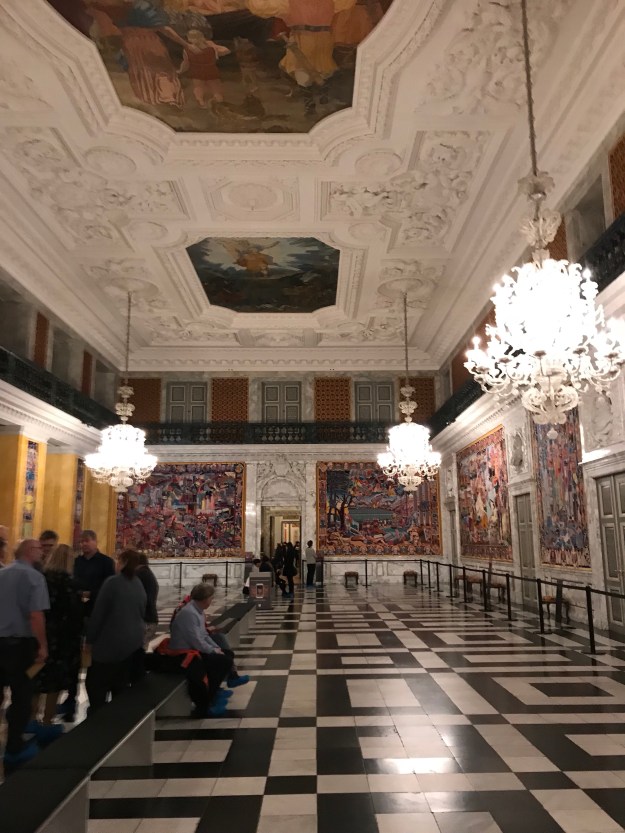
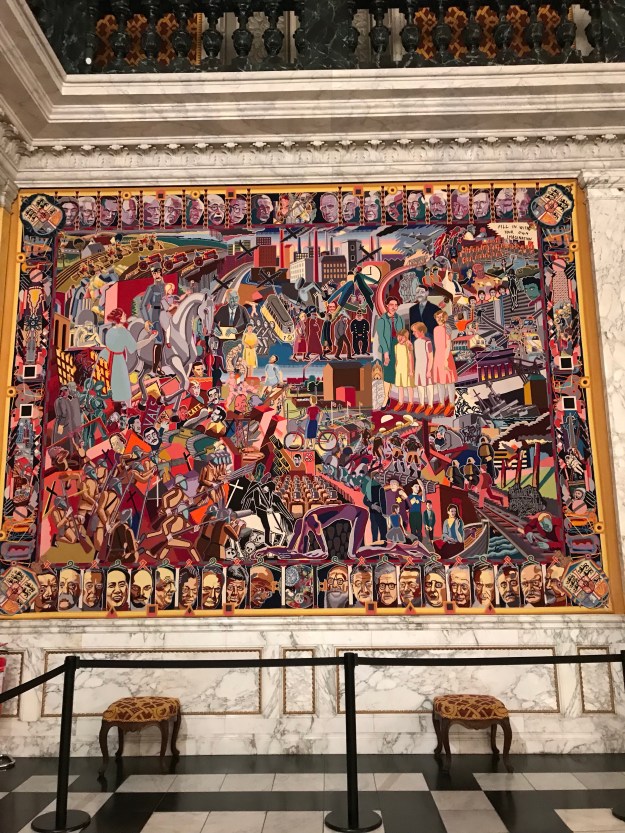
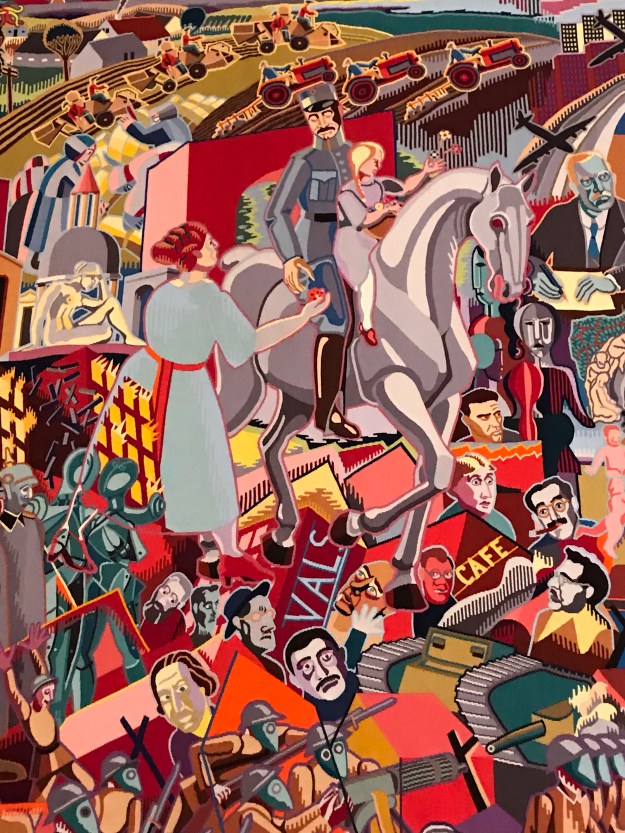
Among other places, the Prince is prominently featured in the spectacular series of seventeen wall-sized tapestries created to celebrate the 50th birthday of Queen Margrethe II in 1990. They actually took ten years to make, so they were finally hung in the Great Hall on her 60th birthday, in 2000.


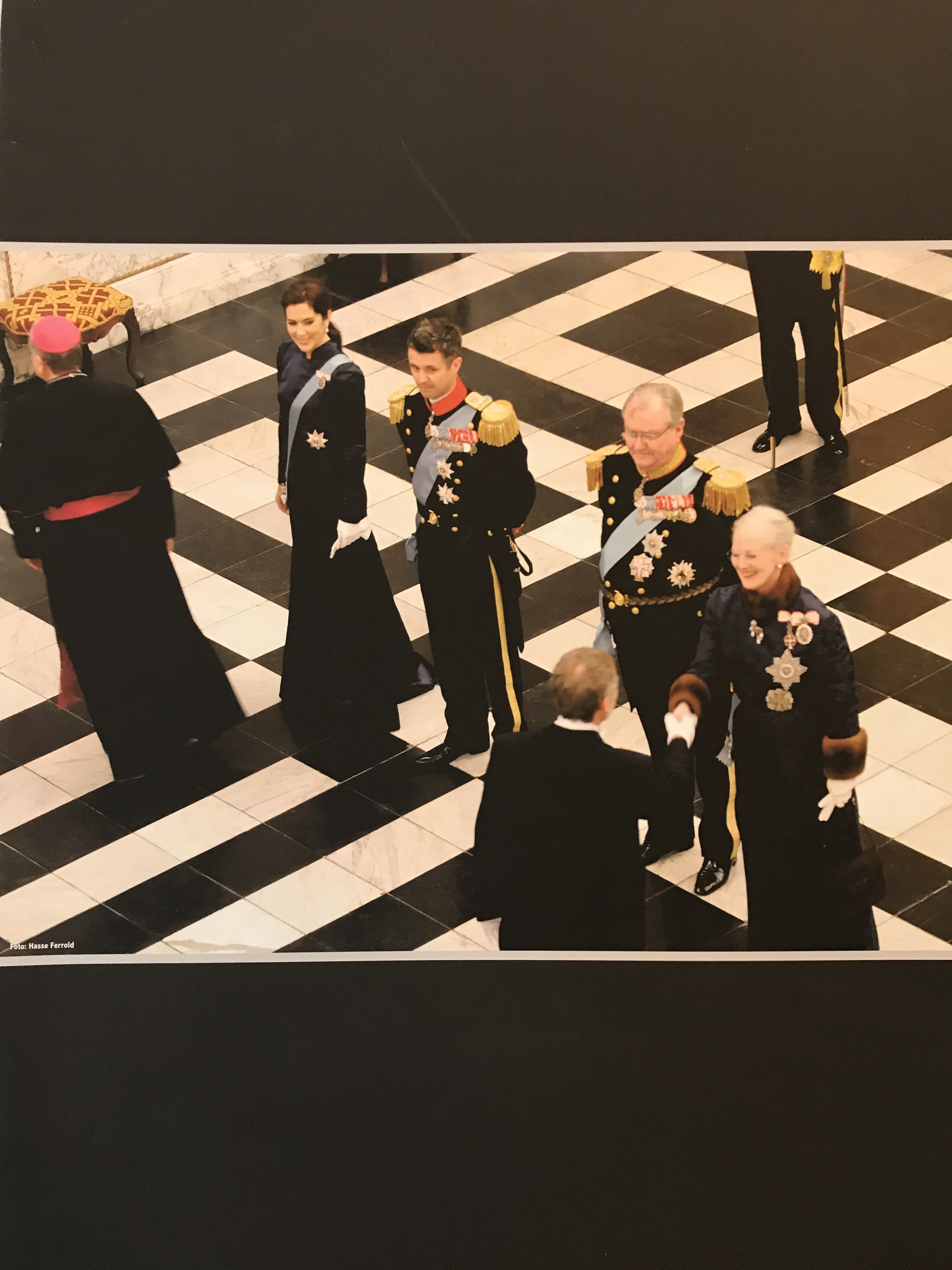
The Prince gets to wear any number of medals and attend elegant events in the Great Hall. The photo is from a poster in the hall. Snarky comment: Sadly, my invitation to the event must have been lost in the mail.

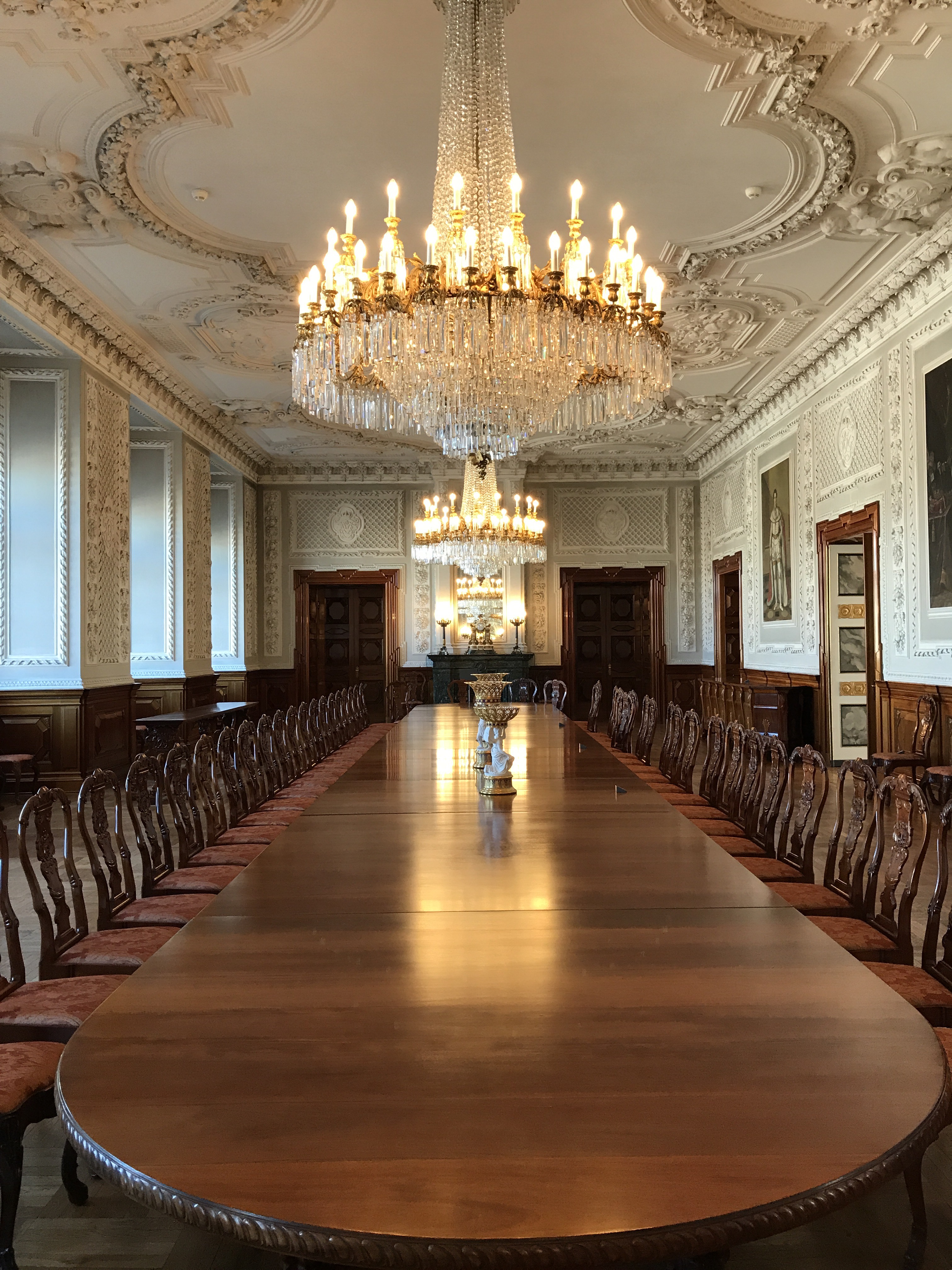
Another snarky comment: I wasn’t invited to eat in the adjoining dining room, either.


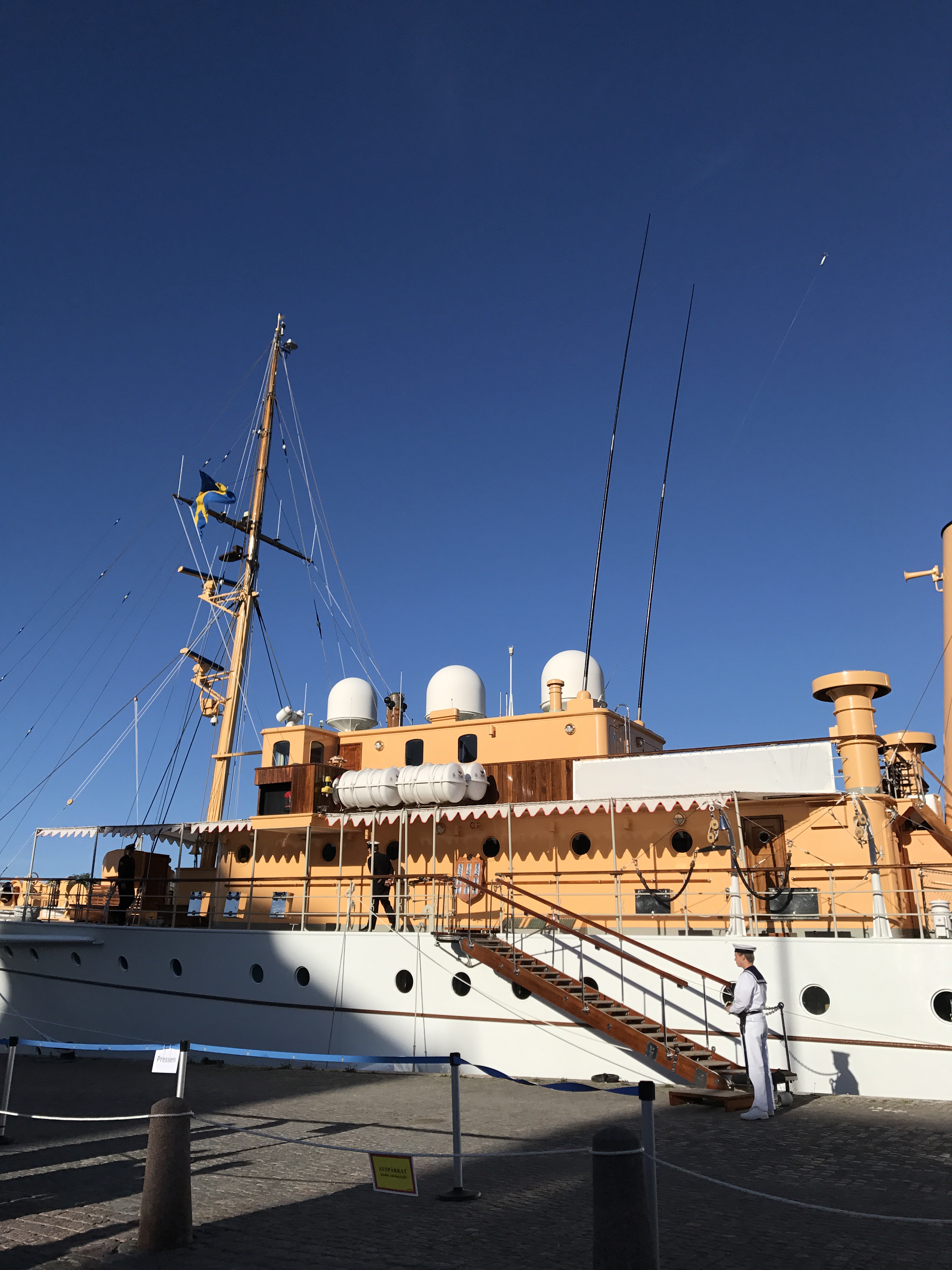
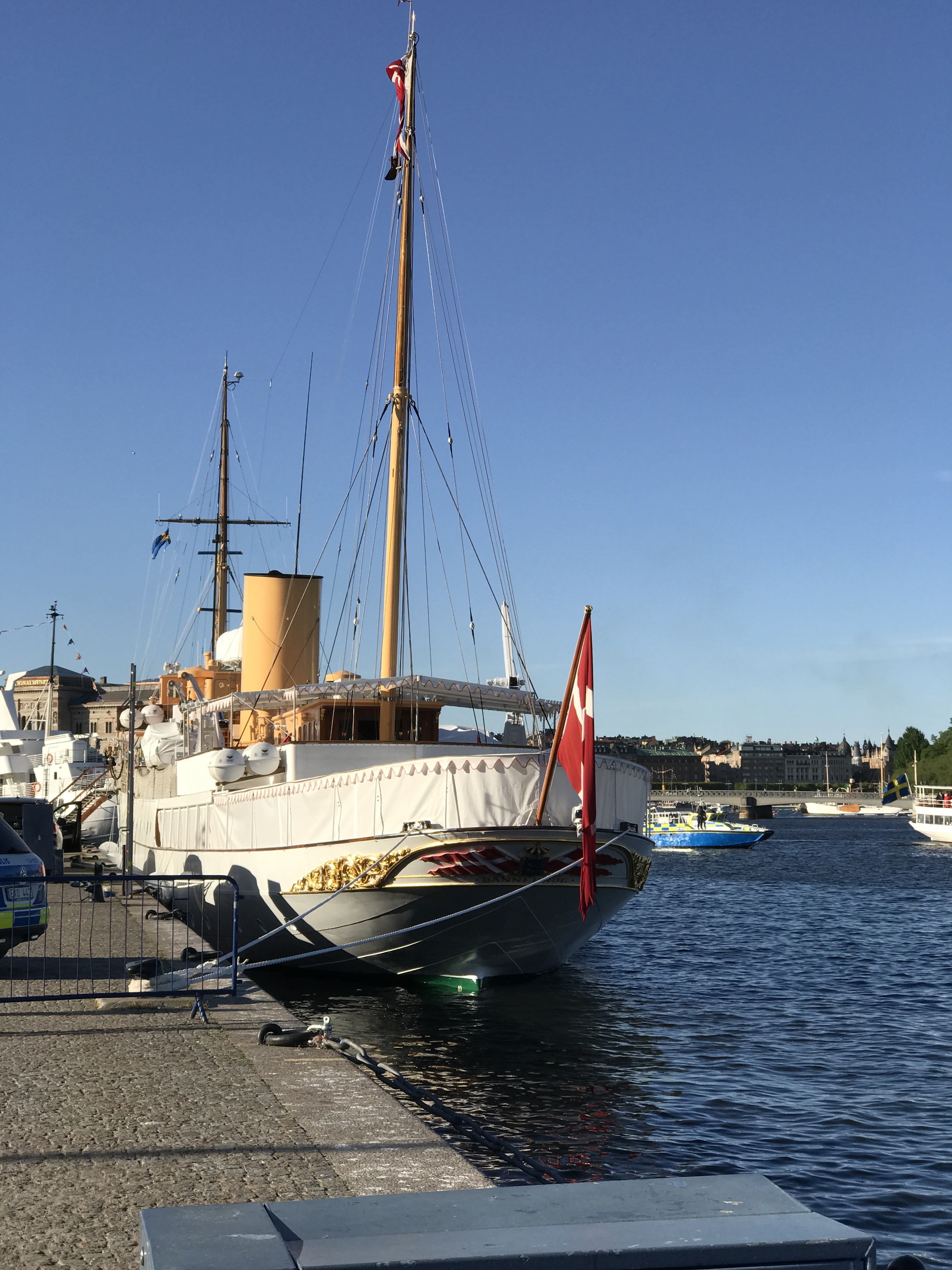
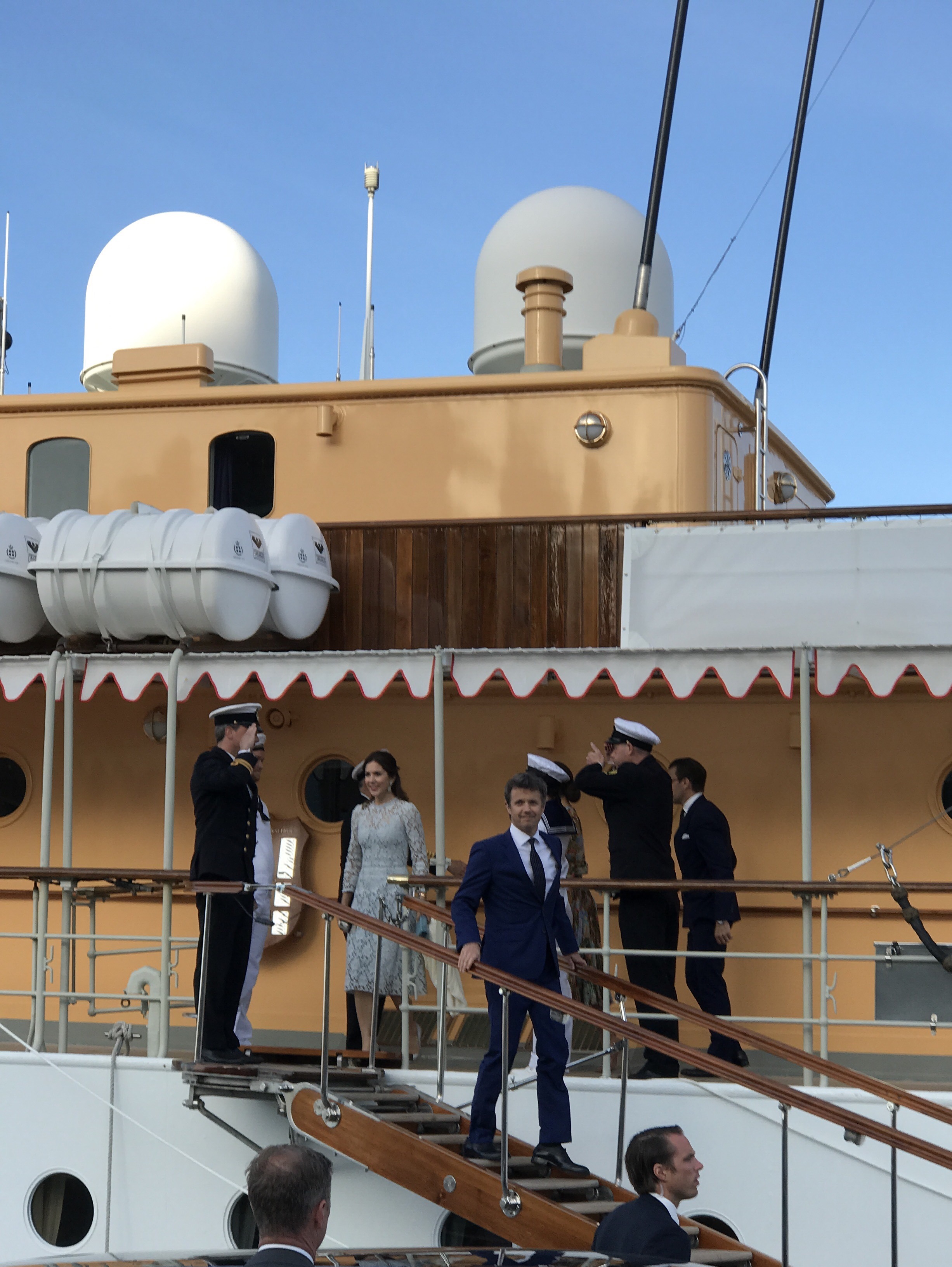
Among other royal perks, there’s a royal yacht. We happened to be in Stockholm last spring when the Crown Prince of Denmark, son of Prince Henrik and Queen Margrethe, sailed in for a visit.


We stood around for quite awhile so that my granddaughters could lay eyes on an actual Prince and Princess. They duly emerged and waved to the small crowd.


The Danish artist Bjørn Nørgaard painted the “cartoons”–the full-size color plans for the seventeen tapestries in the Grand Hall of Christiansborg Palace.


A gift from many Danish businesses plus the state of France, the homeland of the prince, the tapestries depict the entire history of Denmark. They throw in some guesses at the future to boot.

I spent a couple of hours studying and admiring the seventeen tapestries.  They’re by far the best reason to buy a ticket to Christiansborg Palace in Copenhagen.

All through 50 years of marriage, the Prince Consort groused about the slight he suffered. At age 83, a few months before his death, he made his shocking announcement.


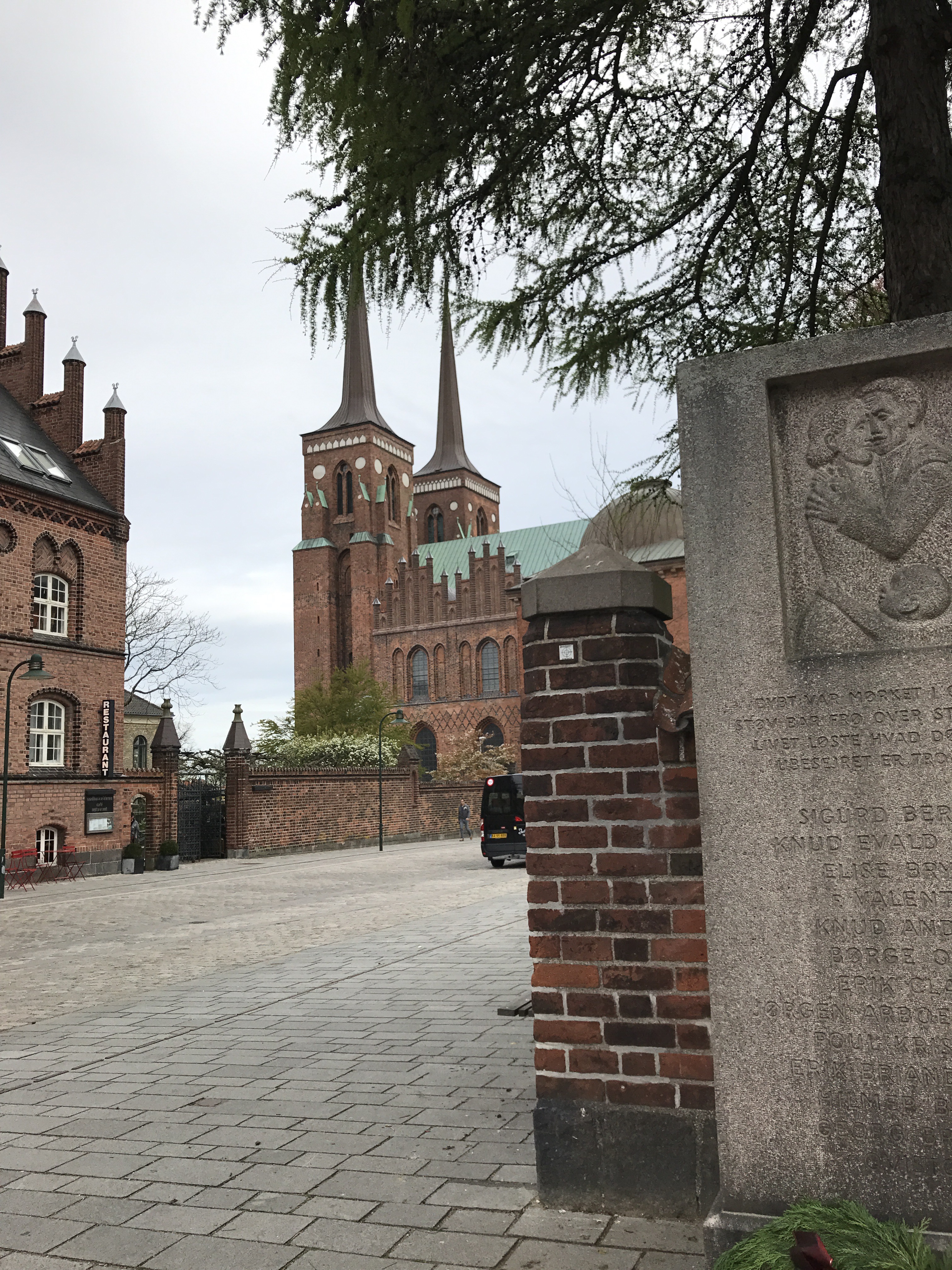
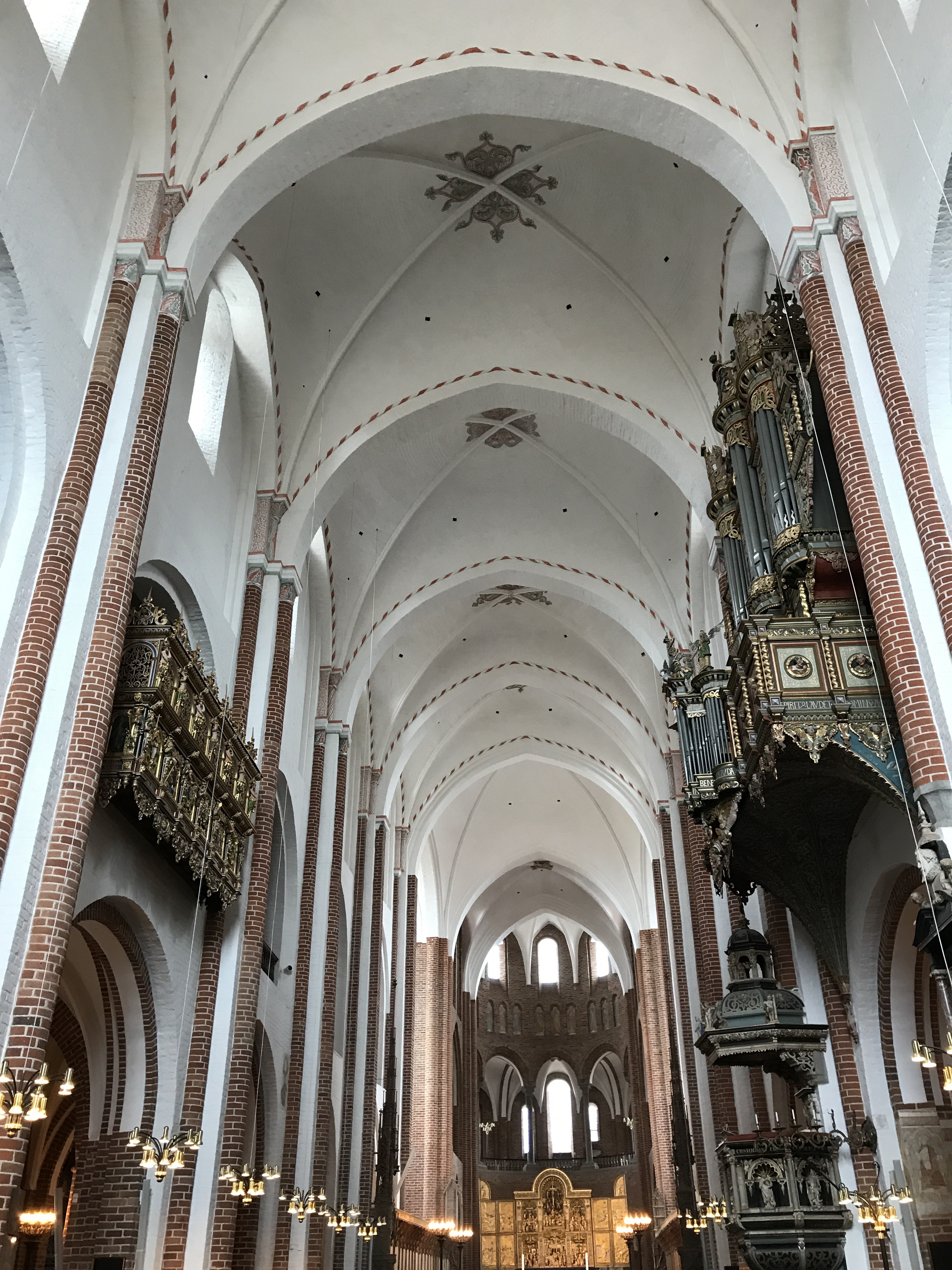
As resting places go, Roskilde is pretty nice.


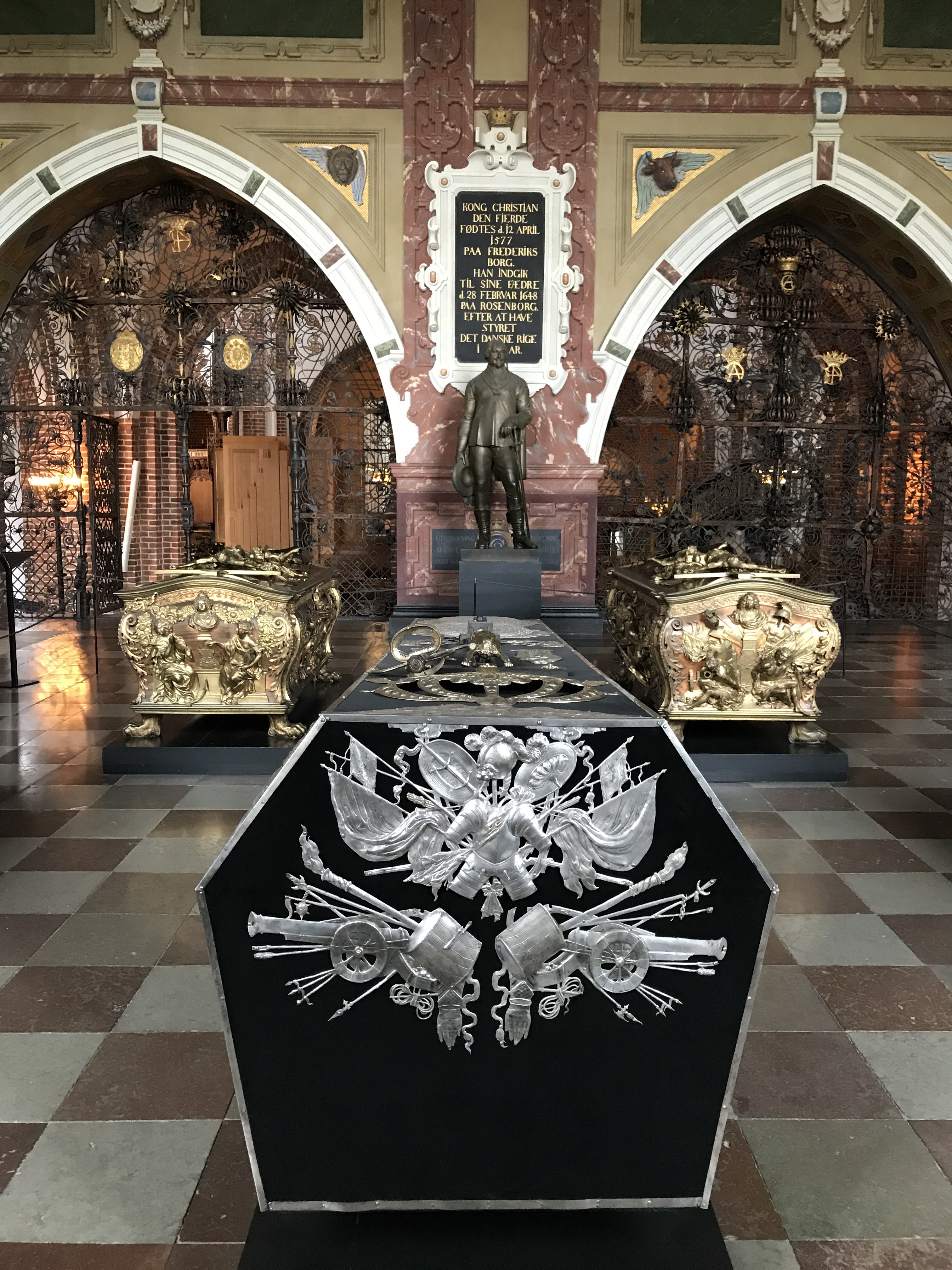
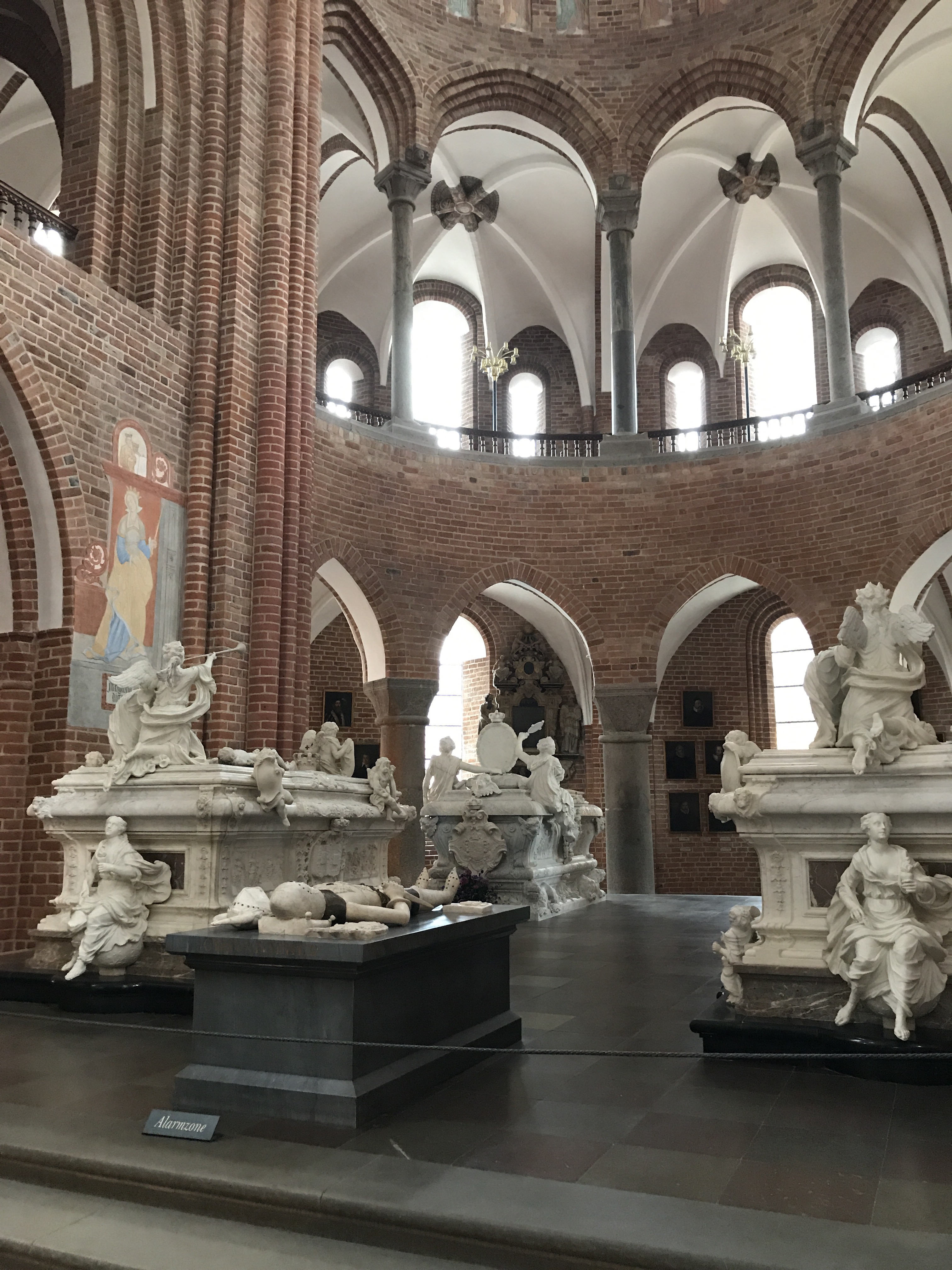
The medieval cathedral has been the resting place of Danish royalty for many generations.


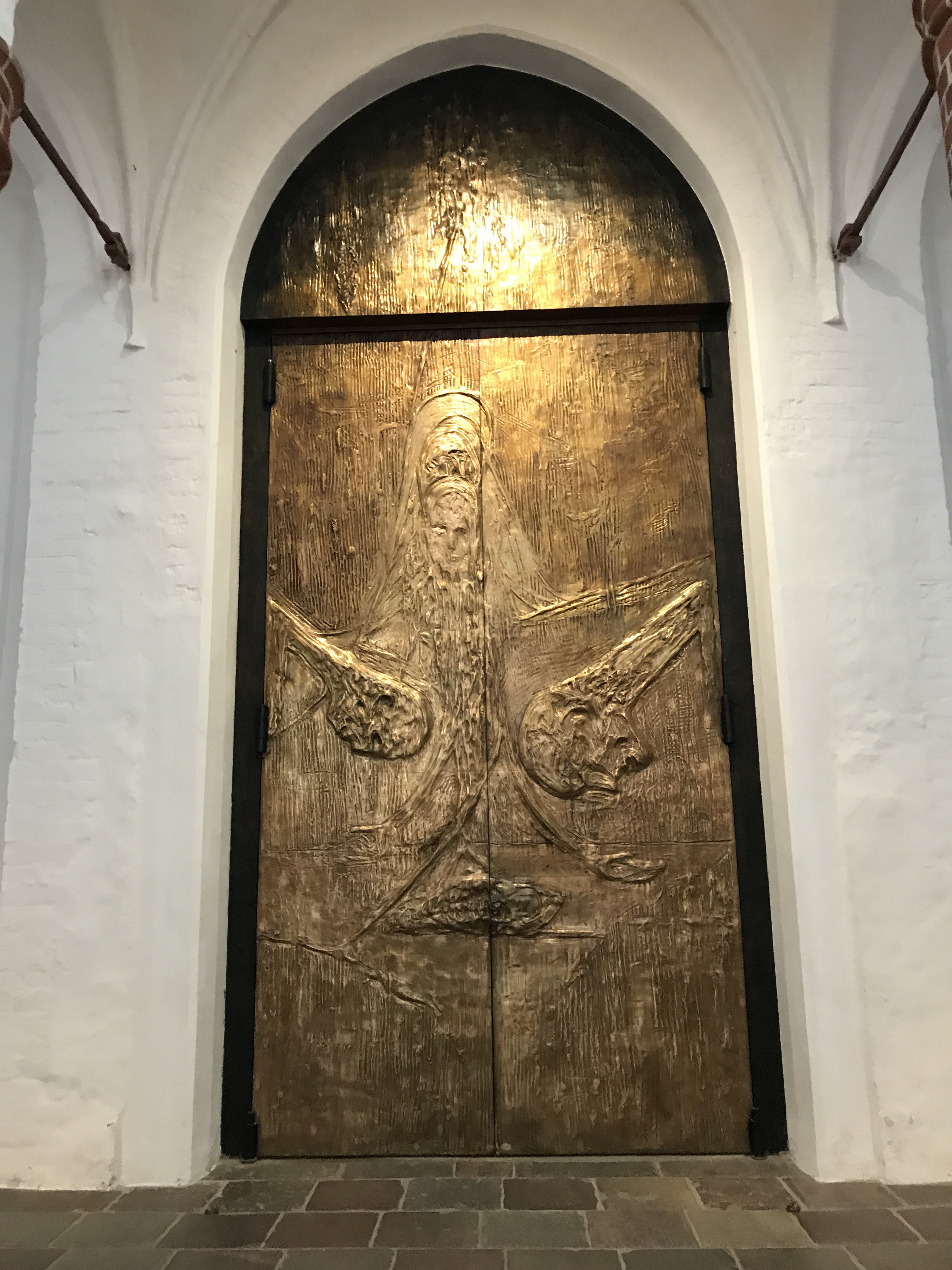
There’s a King’s Door which can only be used by the King and/or Queen to enter. It’s not clear to me whether the Prince Consort was allowed enter through it. I believe anyone is allowed to LEAVE through this special door when it is used for a ceremony like a baptism, or possibly a funeral. Anyway, the bronze doors, polished and patinated to look like gold, replaced carved-oak ones from the late 1800s. They were newly designed and installed in 2010.


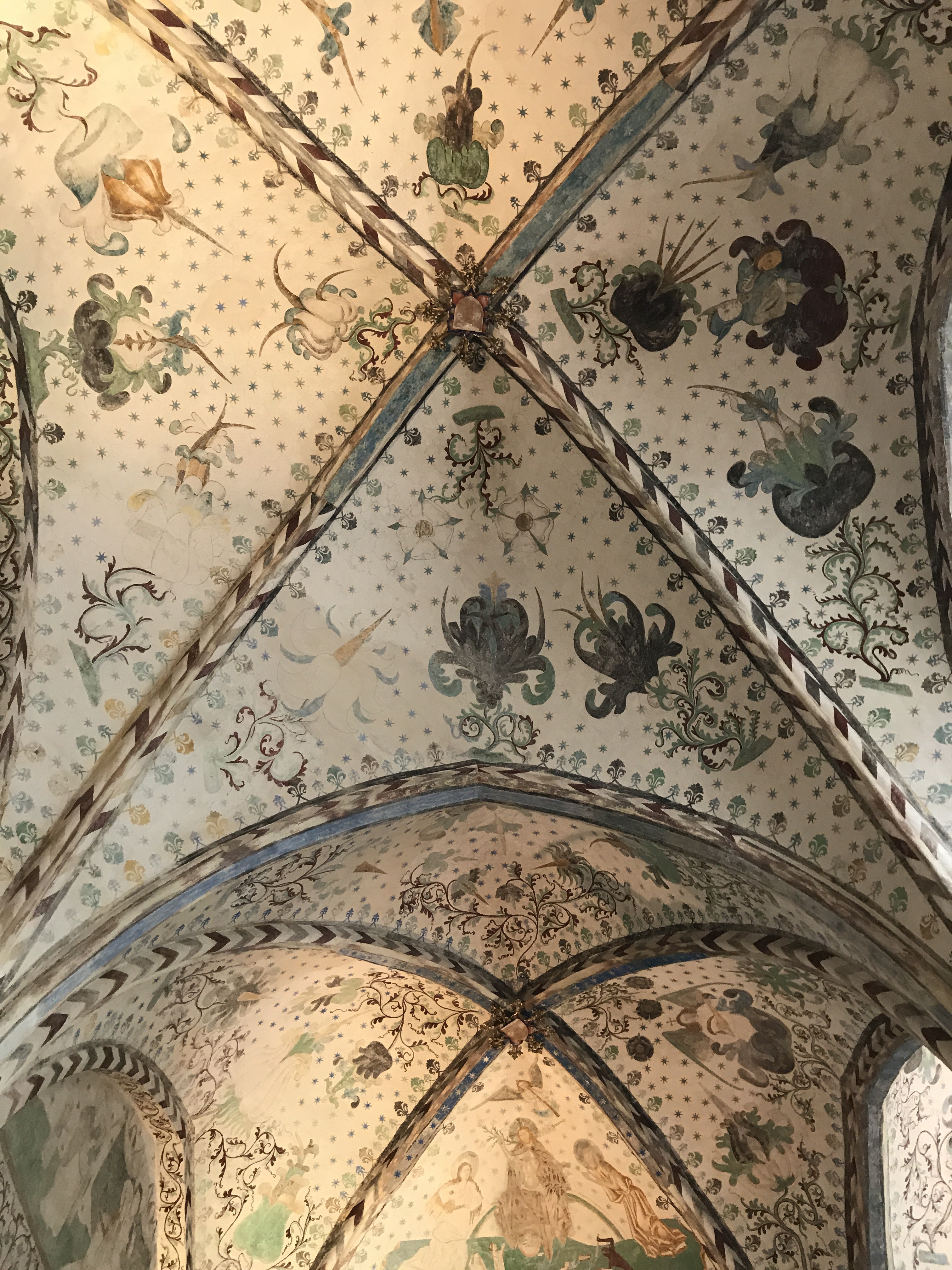
Royalty and nobles occupy beautiful chapels. I especially like the ceilings.


The memorial sculptures range from medieval times to the 1950s or so.


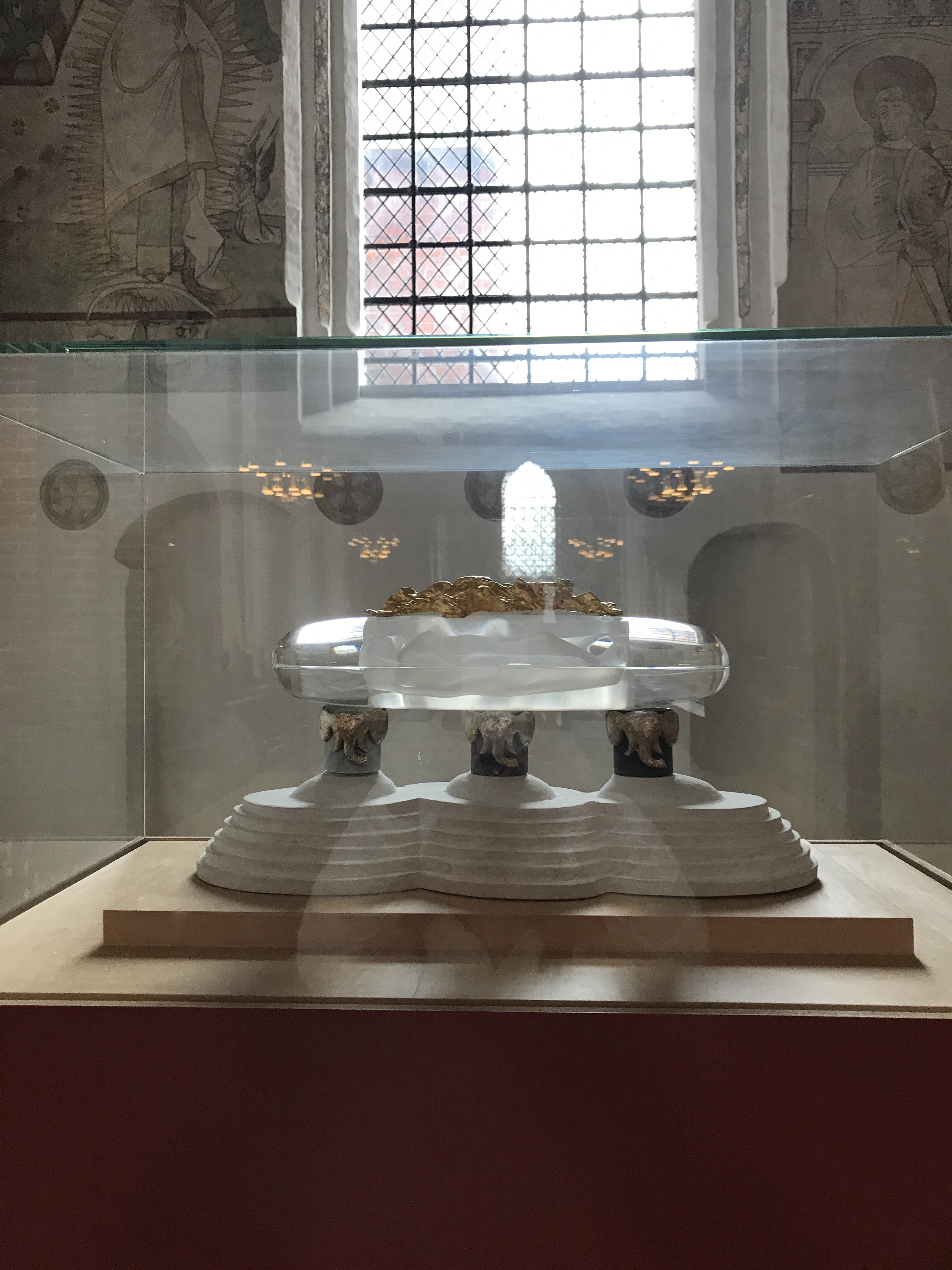
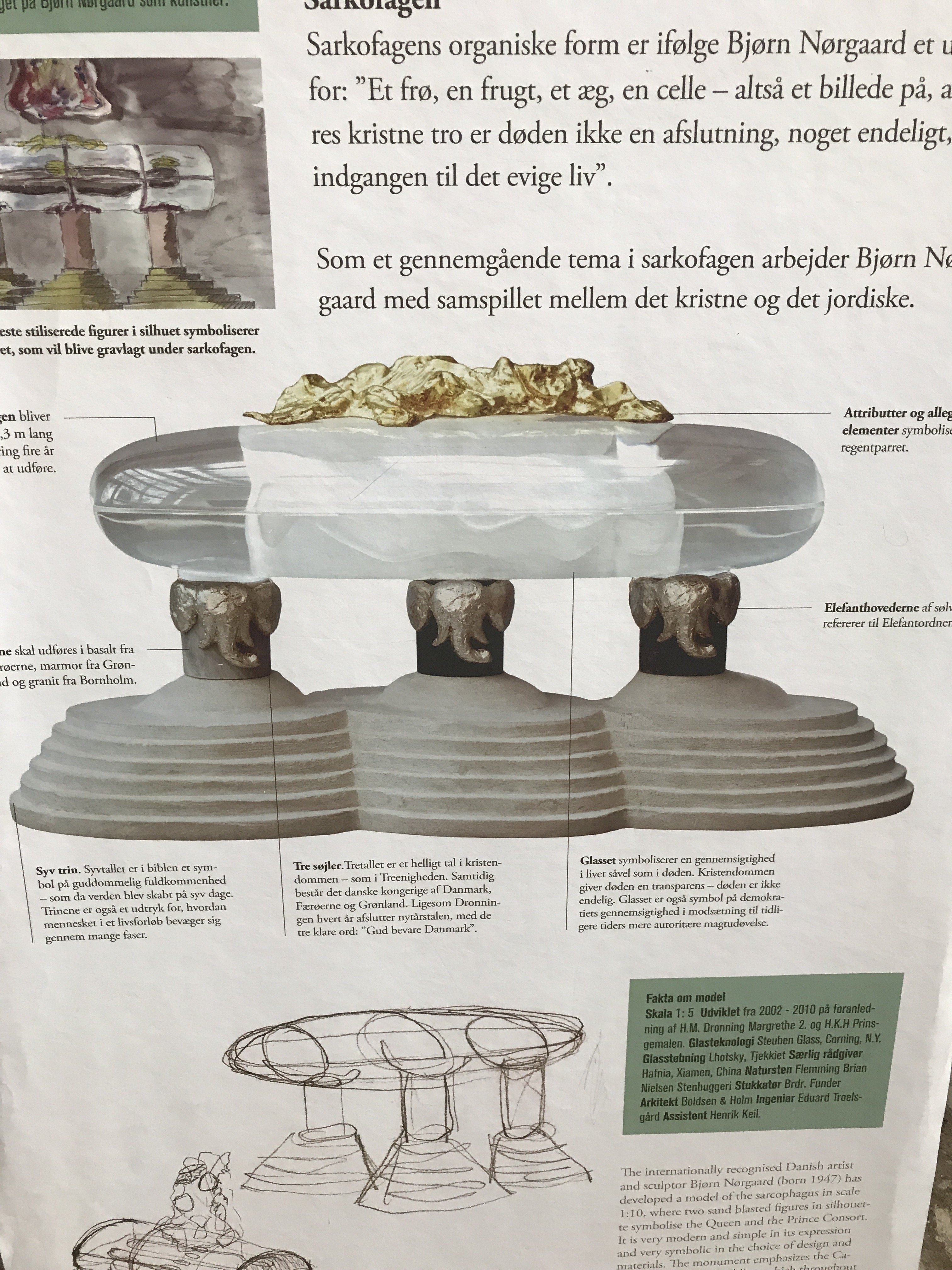
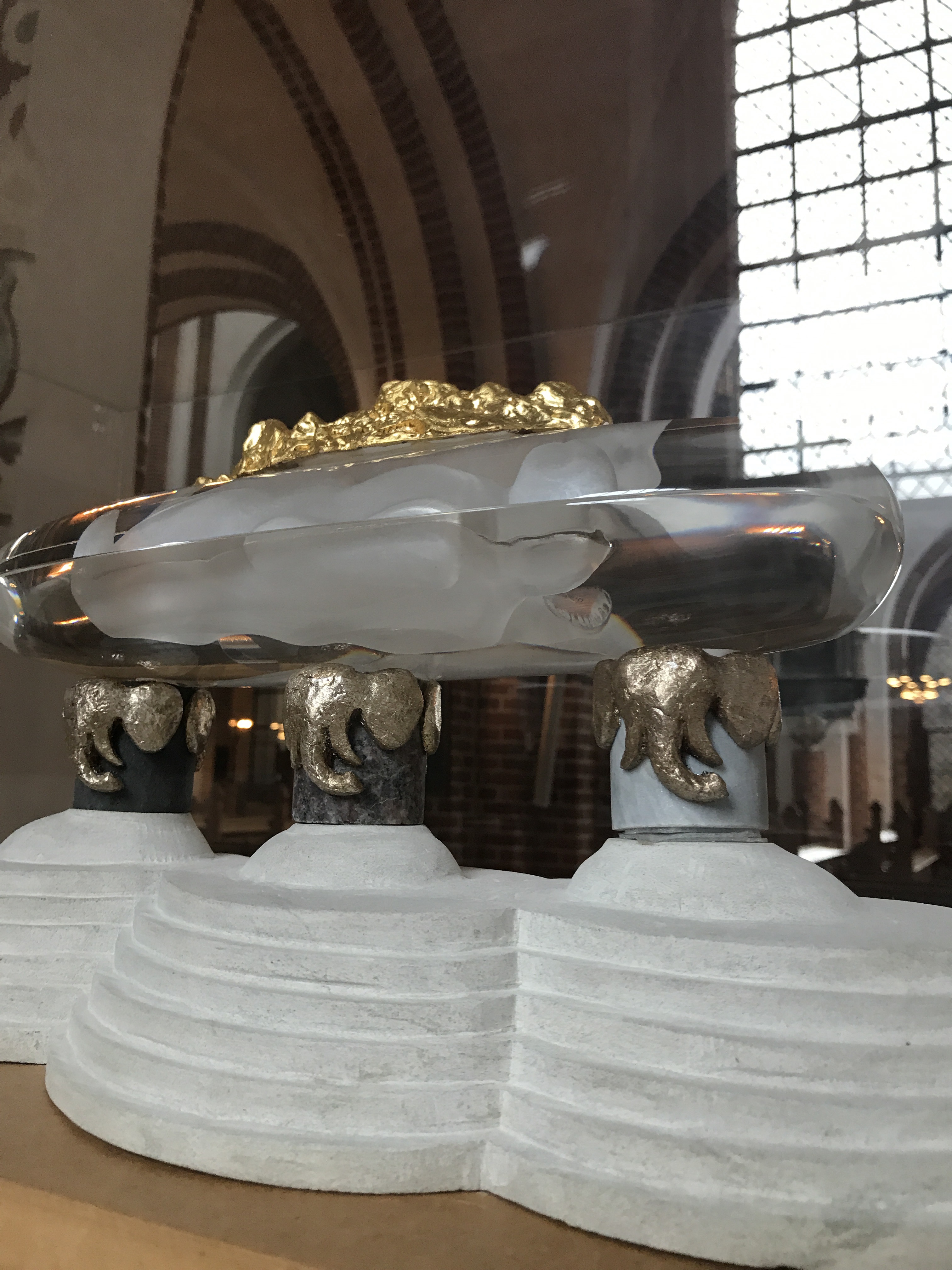
Bjorn Norgaard, designer of the magnificent Christiansborg tapestries, was commissioned some years ago to design a modern-yet-traditional monument for the future burial chapel of Queen Margrethe and Prince Henrik. Instead of the typical stone effigies of the great and good, it features their images sandblasted into a large gleaming egg of glass.


But Queen Margrethe will apparently occupy this resting place alone. Before his death on February 14, 2018, I wondered whether the Prince might still get a promotion, and if so, whether it would change his mind. That did not happen. If I had been in charge, I might have found some way to give him the title he wanted, in the interest of peace in the family. But I gather there were constitutional reasons why it could not be done. On the other hand, my egalitarian, practical mind has to wonder why a lifetime of royal luxury wasn’t enough. Wherever Prince Henrik rests, I hope he rests in peace.

A couple of articles about the situation are at:

http://m.startribune.com/denmark-s-french-born-prince-causes-a-stir/438498423/

http://www.theguardian.com › world › … › royal-snub…

Plas Newydd: Royalty and Green Skilly 

I admit to being a hopeless Anglophile. I can easily see myself sweeping down a grand staircase to greet visiting royalty, as the  Angleseys of Plas Newydd in Wales did for centuries.


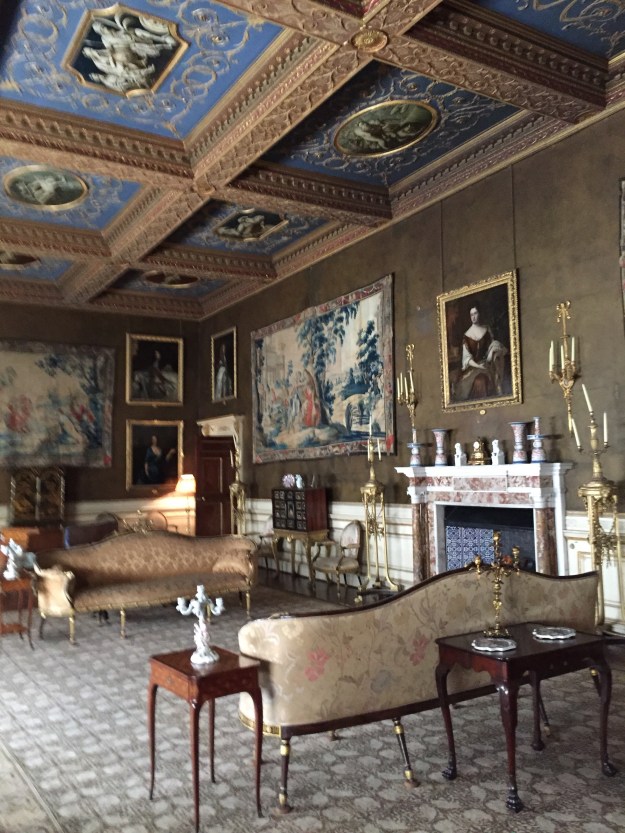
The house has Tudor origins, but much of it was built in stages beginning in the 1700s. According to a docent, it was more or less a summer cottage, so costs were kept down. The stone walls and pillars in the entry hall? Faux painting. Works for me.

Royals attended Anglesey weddings as a matter of course. And royals stopped by Plas Newydd to play cards in the saloon (toffspeak for the main living room, where everybody gathers. If there are children, this is where they play checkers and race around on tricycles).


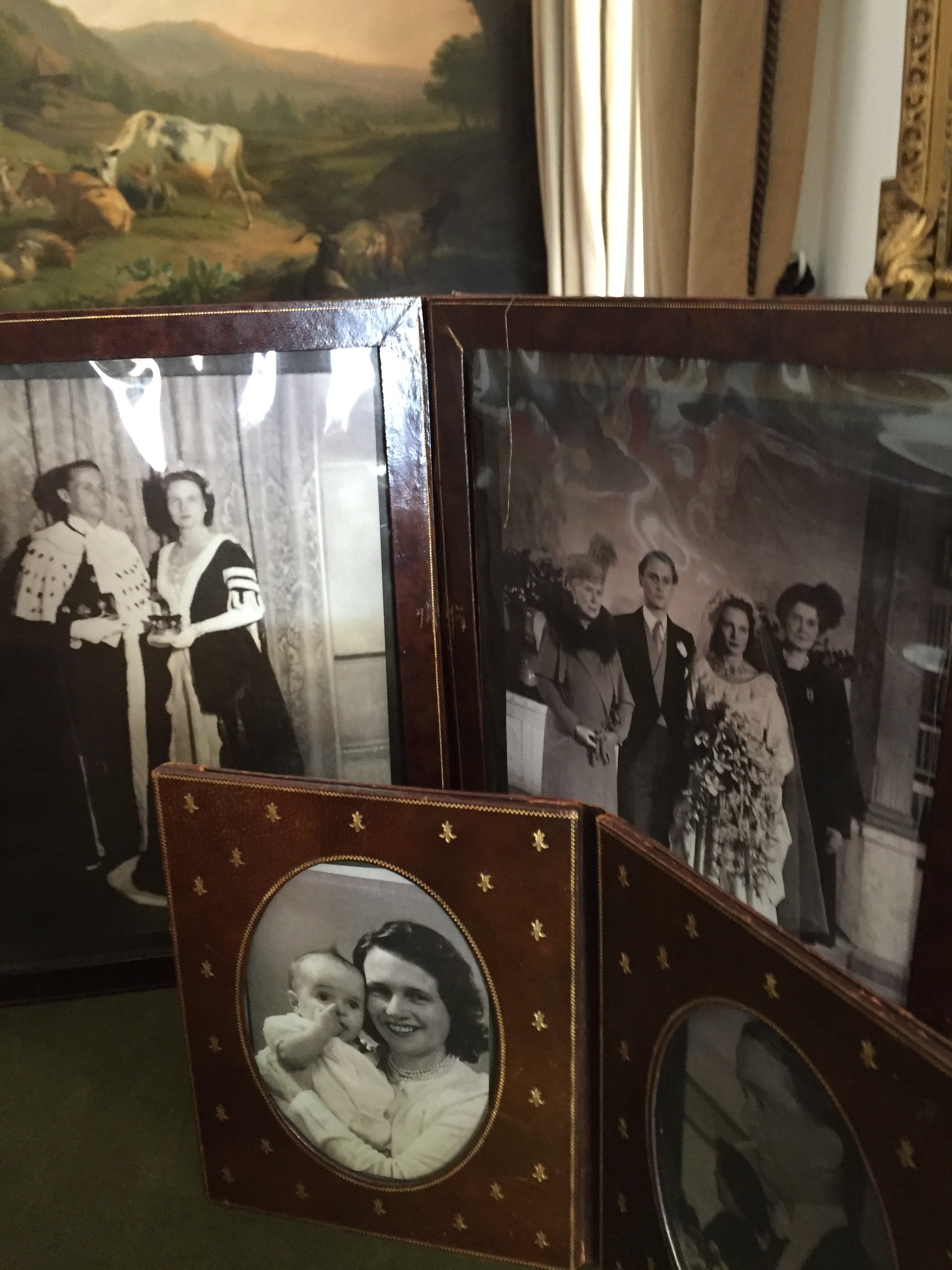
Show me a drawing room or saloon, any room where my betters relax, and I’ll head straight to the obligatory black-and-white framed photos, casually strewn on the grand piano or the museum-quality writing desk.


I love faded chintz, tastefully worn Persian rugs, and slightly shabby velvet.


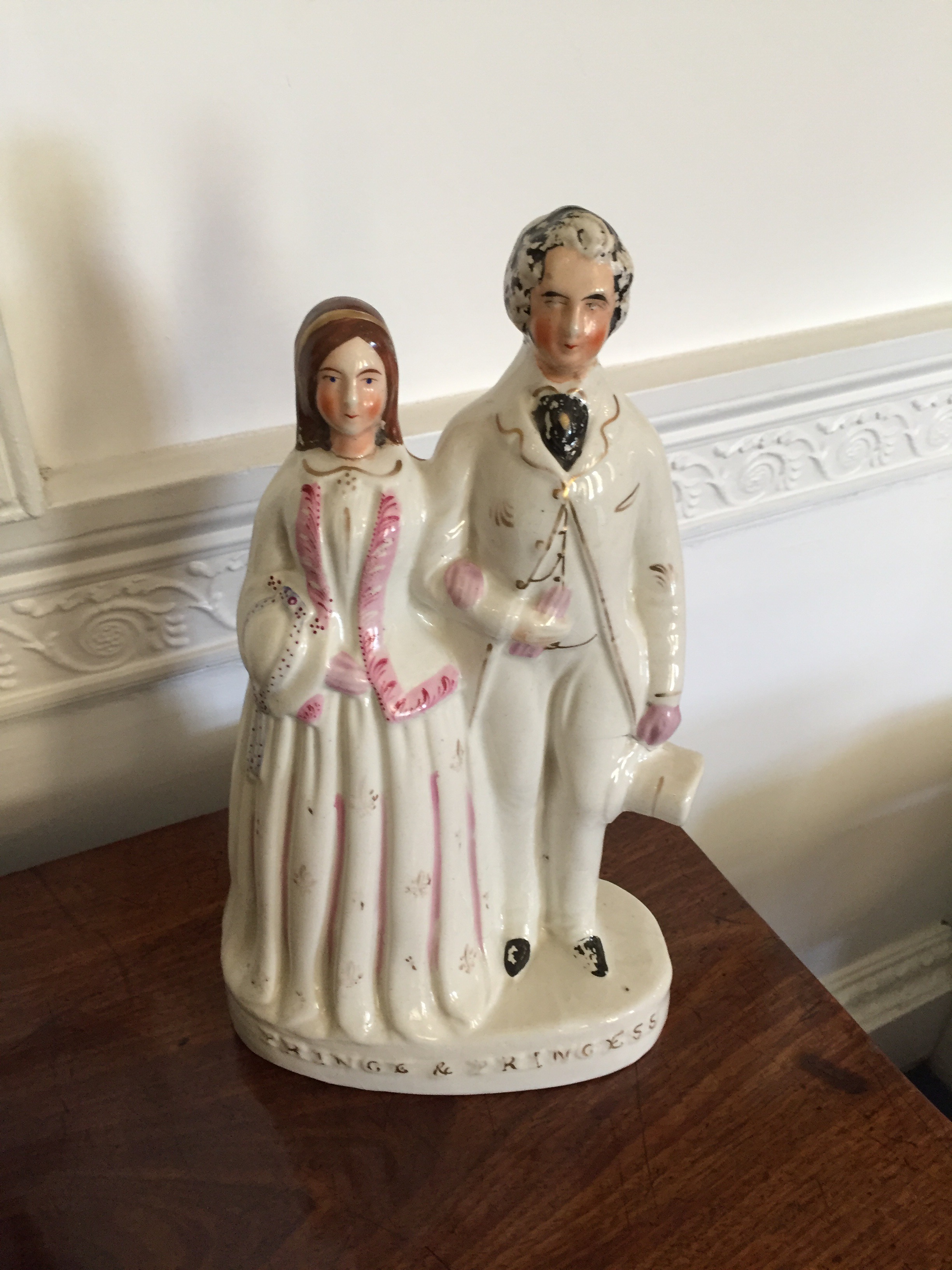
I asked whether this little ceramic pair represented any couple in particular. No, the docent said, it’s just a prince and princess. This figurine was probably mass-produced, but somebody liked it enough to set it on a table alongside family heirlooms.


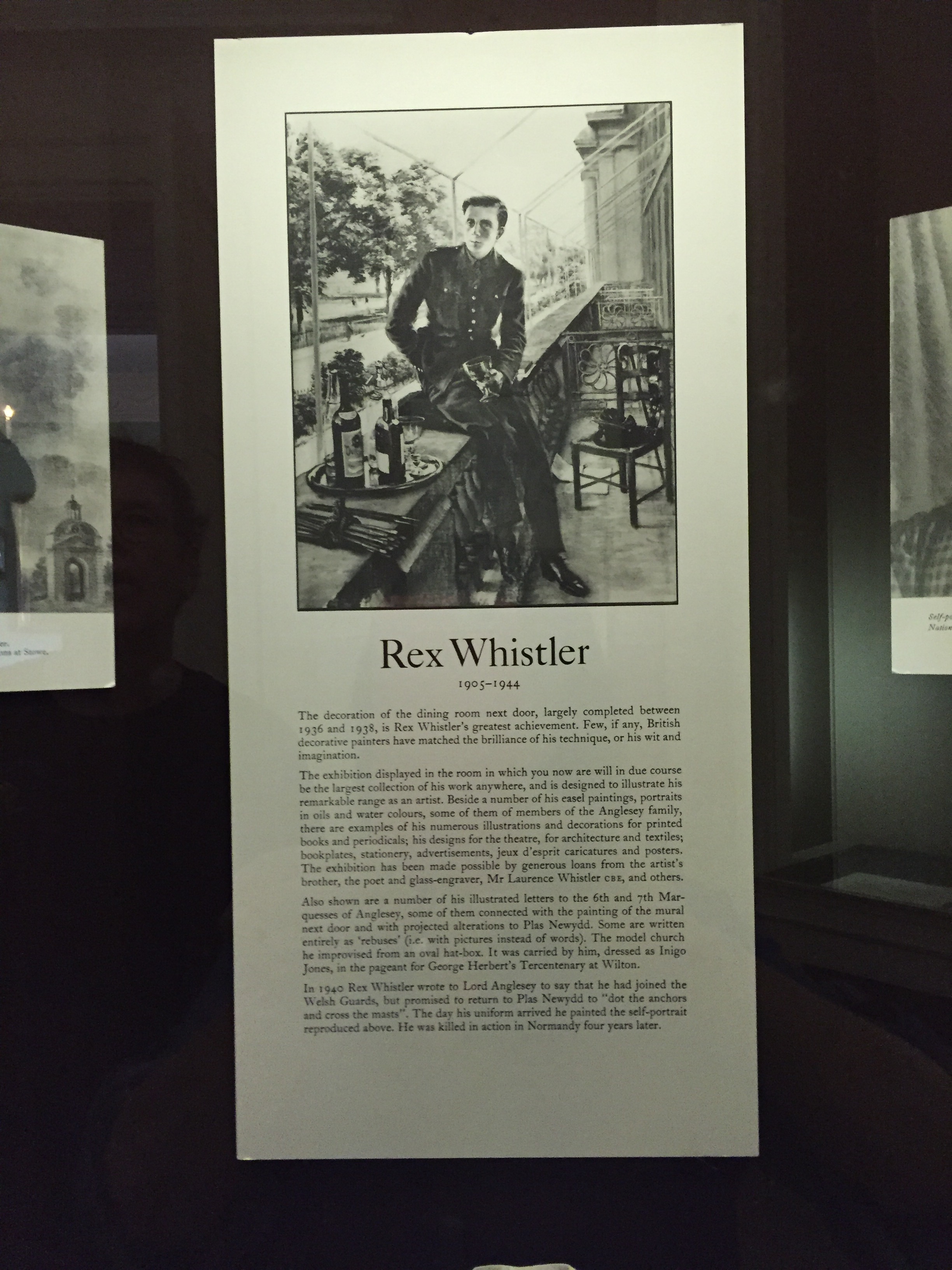
In another lifetime, maybe I was a British aristocrat–not a snooty one, but a slightly eccentric one who welcomed artists of all stripes. The artist Rex Whistler would have a permanent room in my mansion.


I’d look over Rex’s shoulder as he worked on whatever he wanted, maybe costumes and stage design for a production of Shakespeare’s “The Tempest.” I think this is Alonso, Prospero’s brother.


Caliban is spiky and green.


Miranda looks lovely, and remarkably like Caroline, a daughter of the family (to whom the artist was devoted).


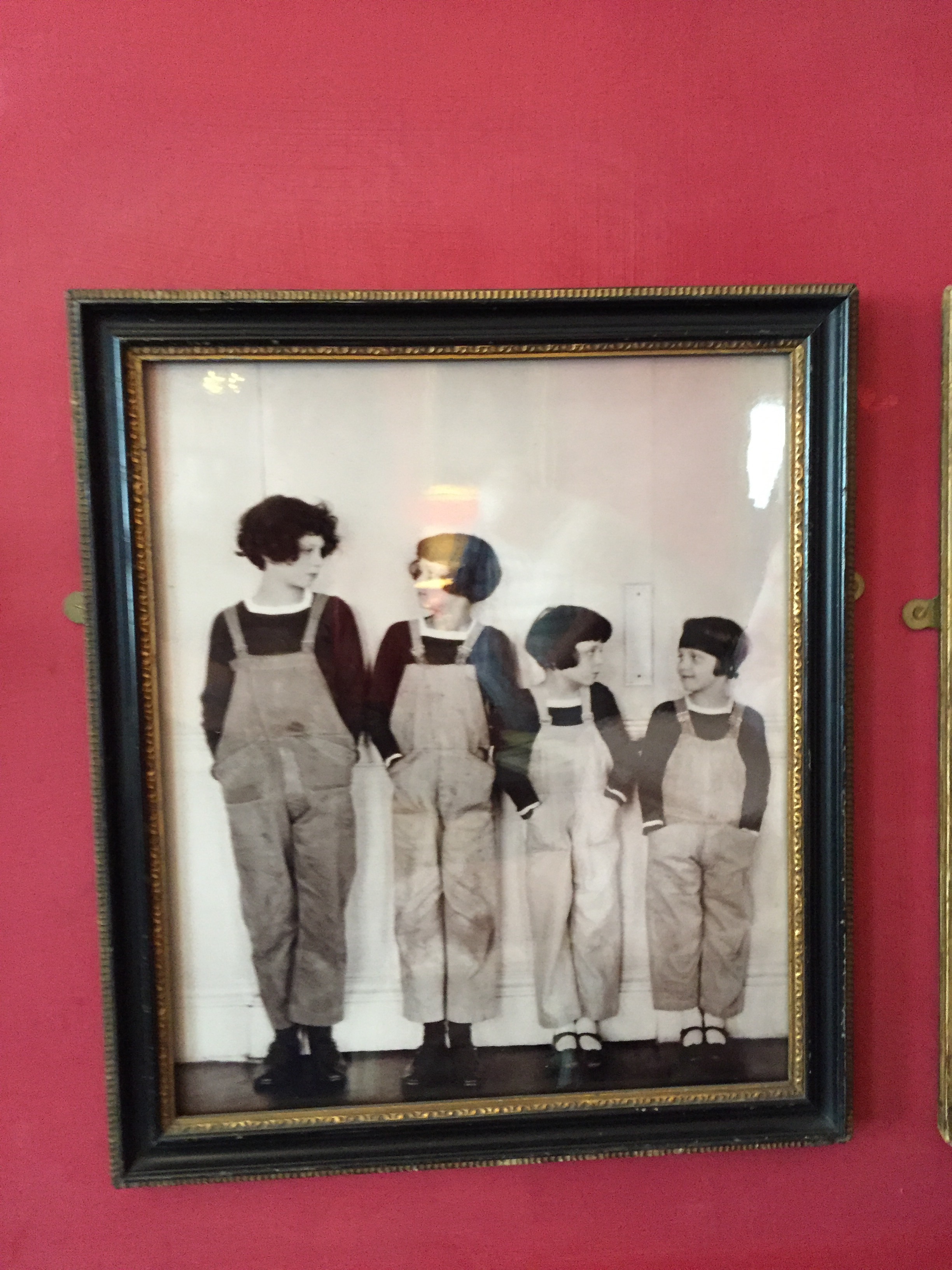
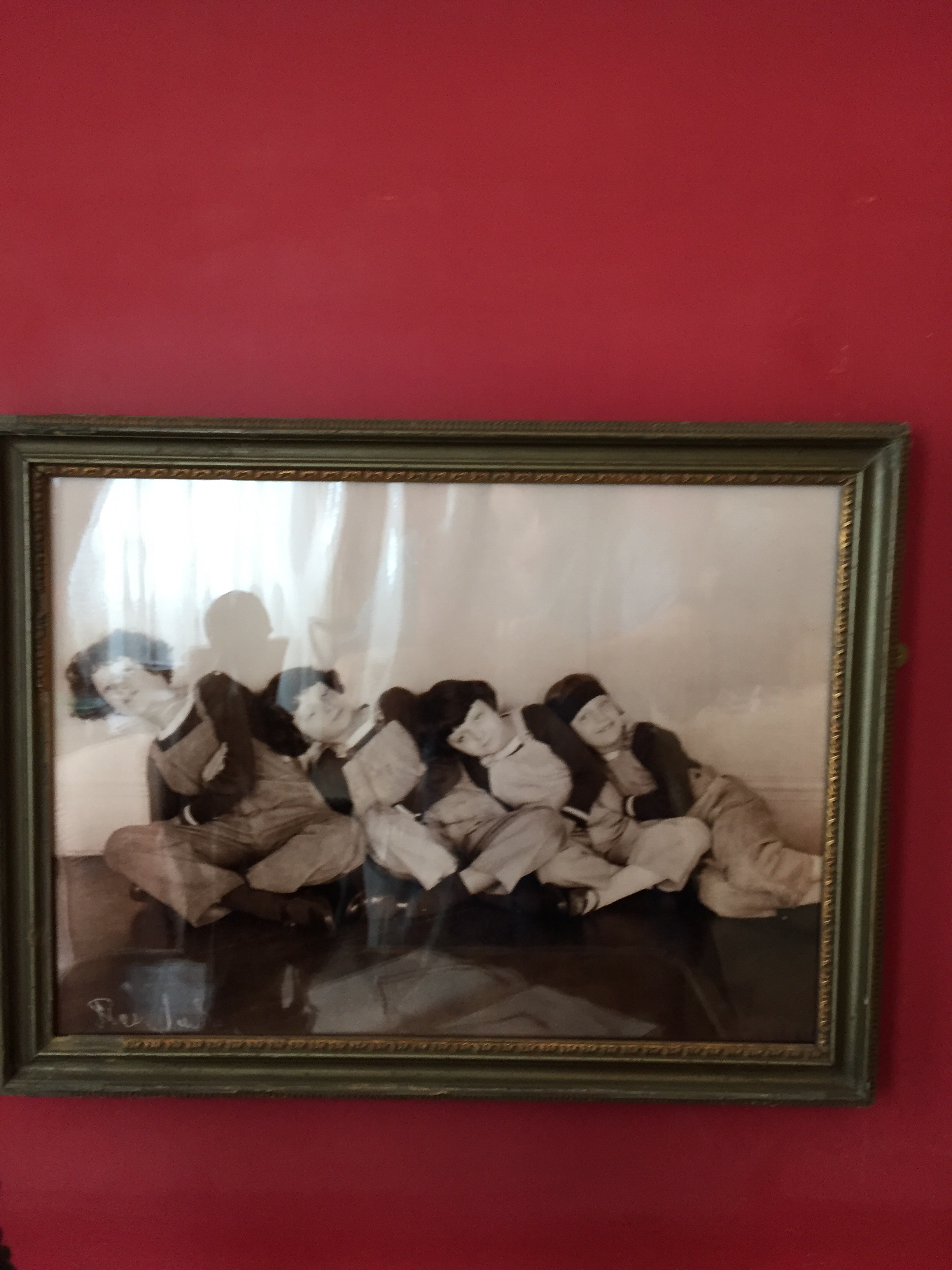
The 6th Marquess of Anglesey had a fine sense of humor. These are his photos of his four daughters. I’m guessing that none of these daughters inherited any of the property. British families kept their estates intact by passing on everything to the oldest son. Most of them still do. But growing up as an aristocratic daughter looks like a pretty good life all the same.


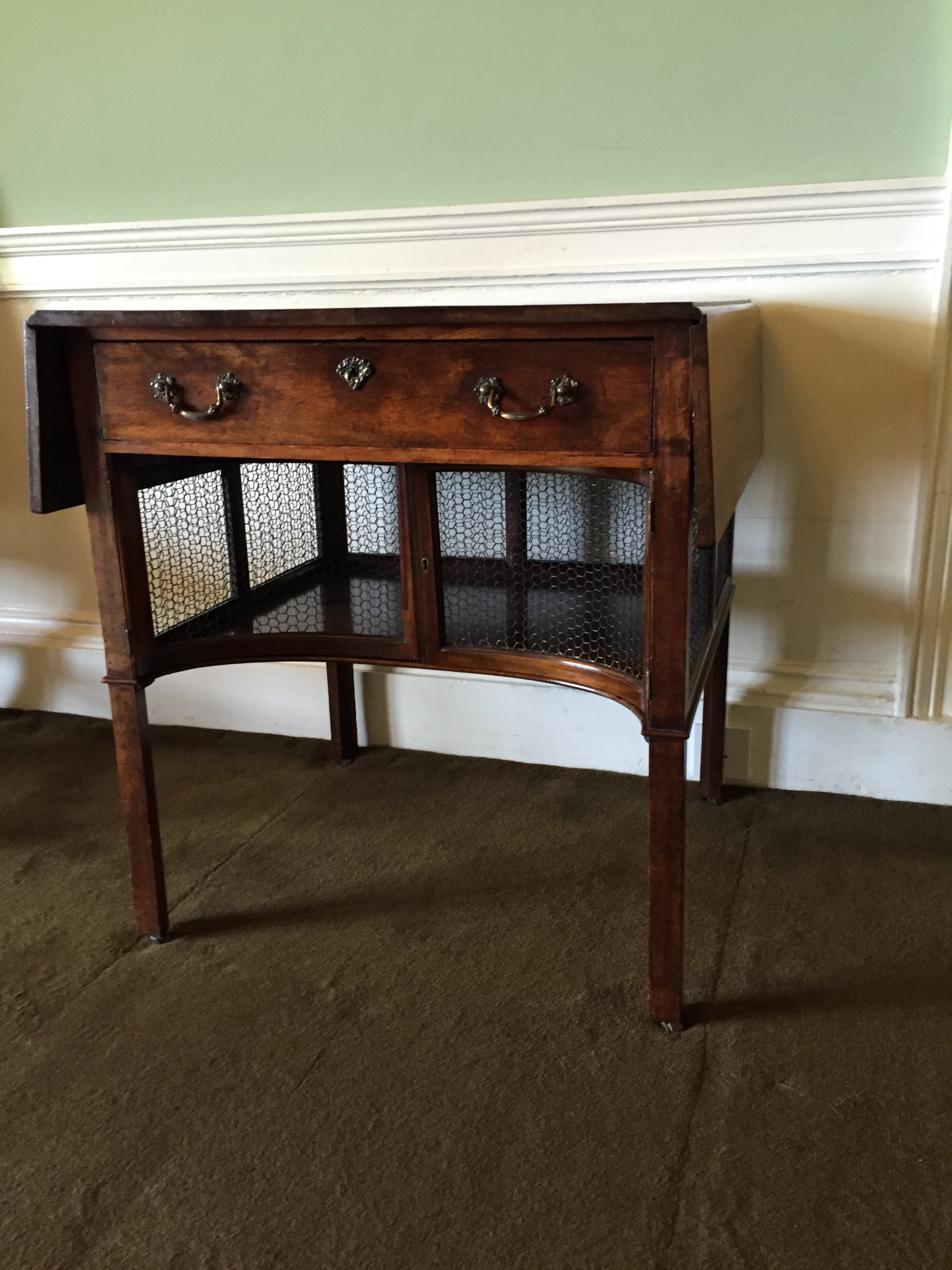
In the breakfast room, there’s a special side table with a screened box to keep the family dogs away from the sausages.


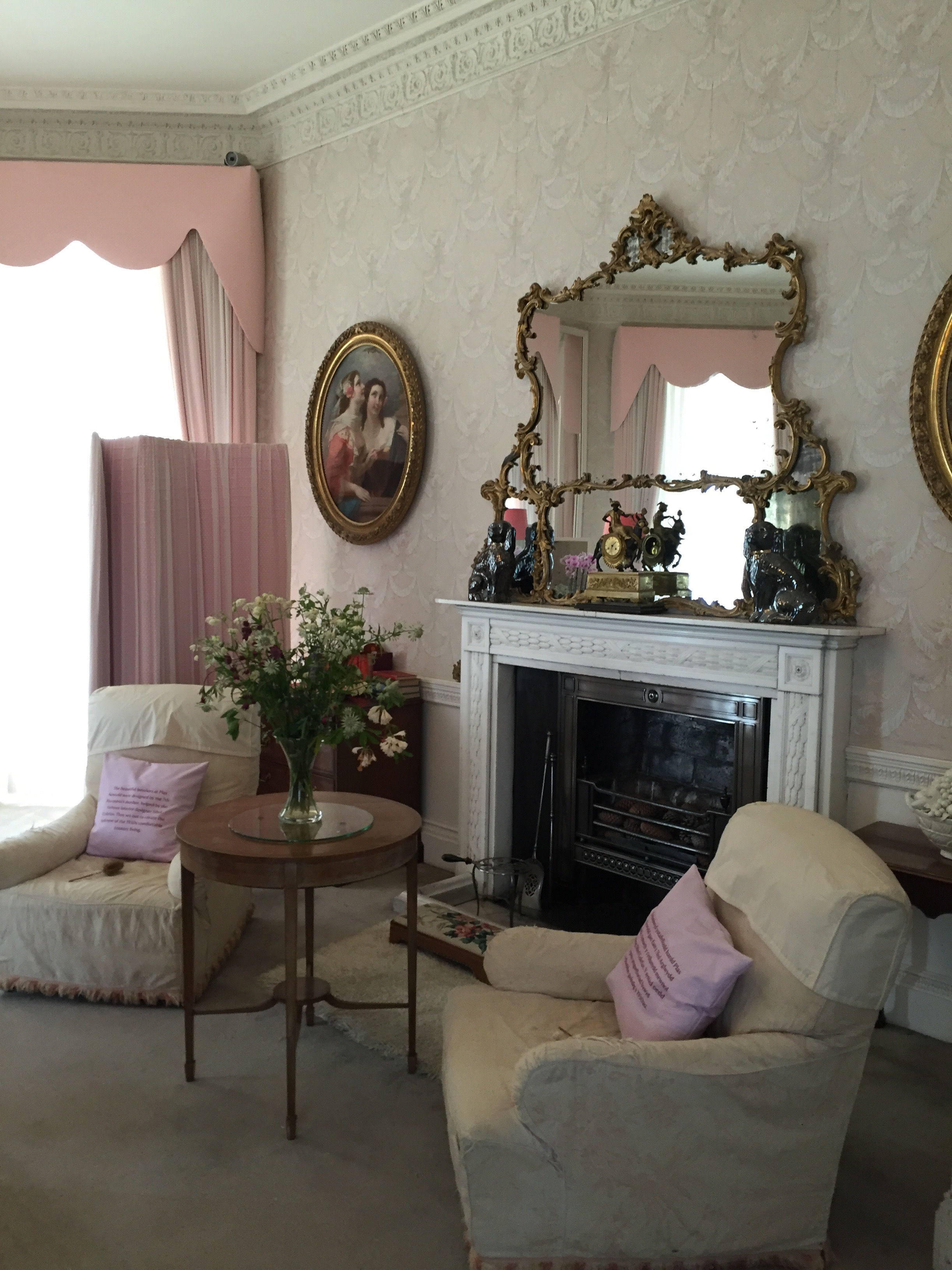
The bedrooms were completely redecorated in the epitome of 1930s country house comfort and style. I’ll take the pink one, please.


I’ll be down for dinner when the gong sounds. Just let me fuss a bit more with my hair…

In the kitchen far below, servants bustle with pots and pans and silver platters. They sit down to their own dinners. Do they say grace after the meal instead of before? Sounds like it:

We thank the Lord for what we’ve had,

It wasn’t good, it wasn’t bad.

The sodduck was stale, the skilly was green,

But thank the Lord the plates were clean.


I’m blessed with a husband who likes old stuff as much as I do. We celebrated our 49th year of wedded bliss at Plas Newydd. This year, we made it to 50! I’d like to go back to Plas Newydd for a nice cup of skilly (tea), green or not.

Lord Anglesey, A Man of Parts


Henry, the dashing 7th Marquess of Anglesey, came to mind this morning. In a burst of fall energy, I started madly cleaning out drawers, cupboards, closets and even the dreaded garage. I thought of Henry.


After a couple of strenuous hours of pitching and organizing things I had forgotten I owned, I sank into my softest chair and thought admiringly of Henry’s study at Plas Newydd in Wales. Henry was Marquess from 1947 until he died in 2013. In 1976, he gave Plas Newydd–“New Mansion”–to the National Trust, but still lived upstairs with his family. I think his heirs still live there, too. So would I.


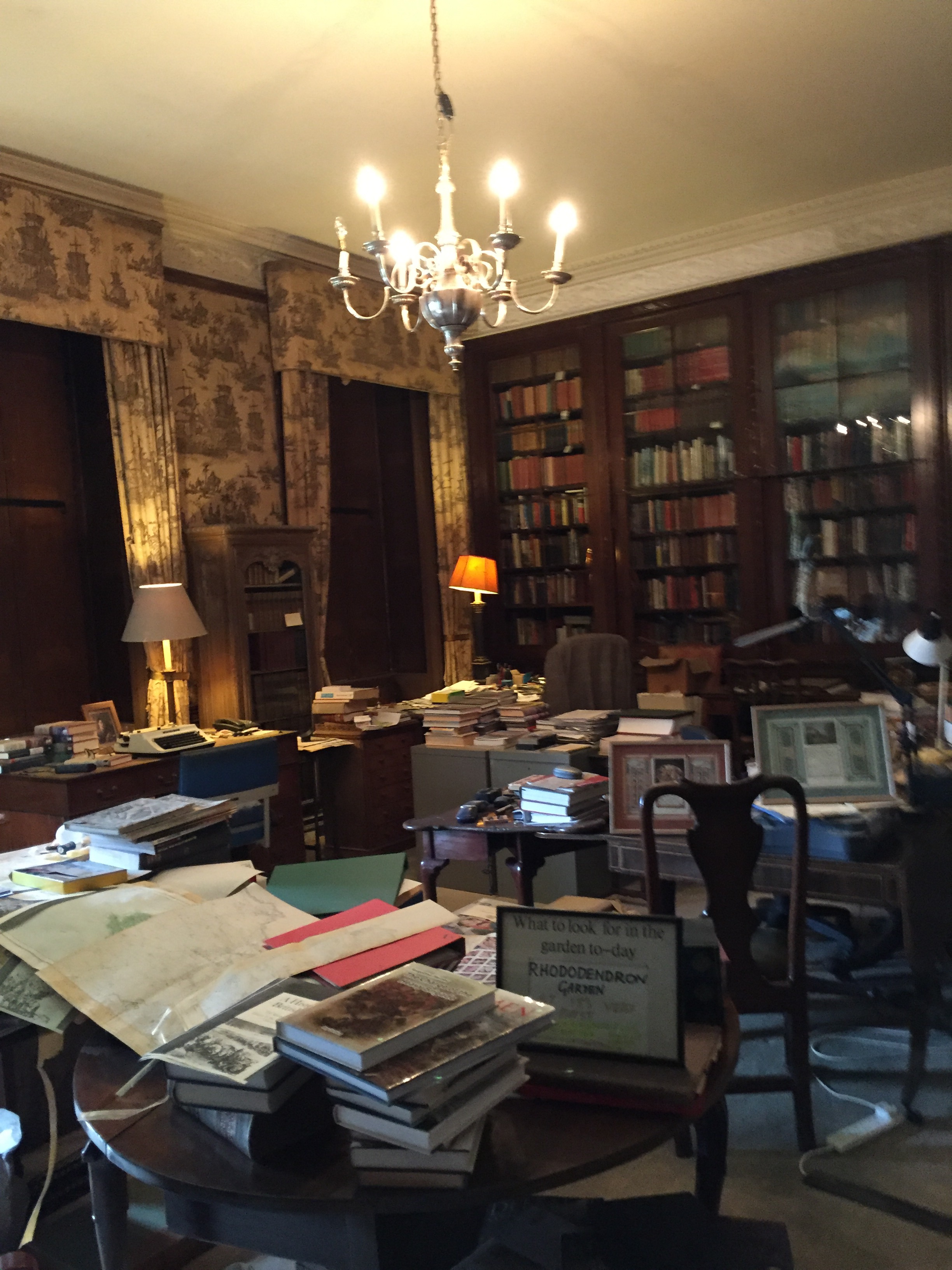
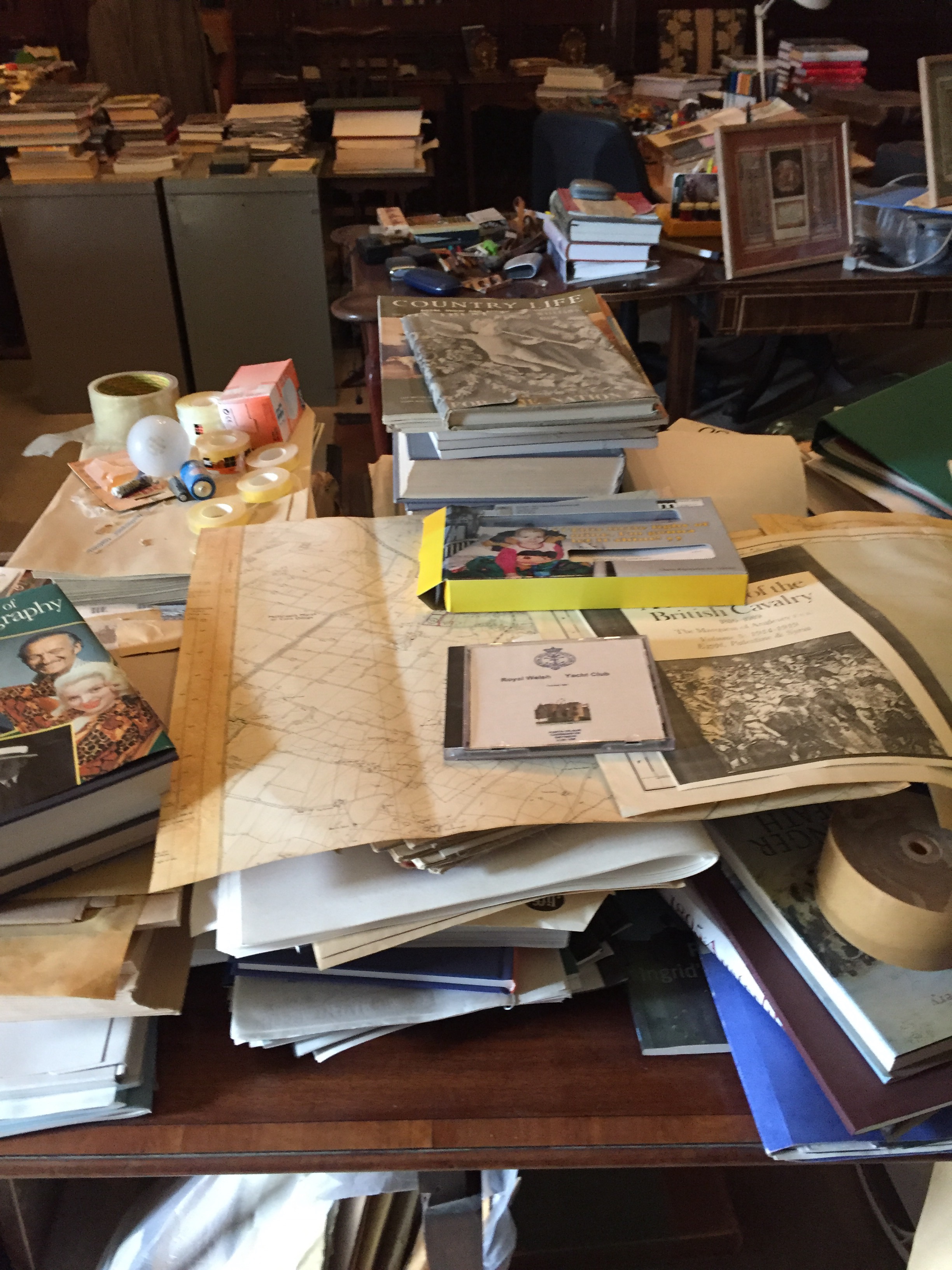
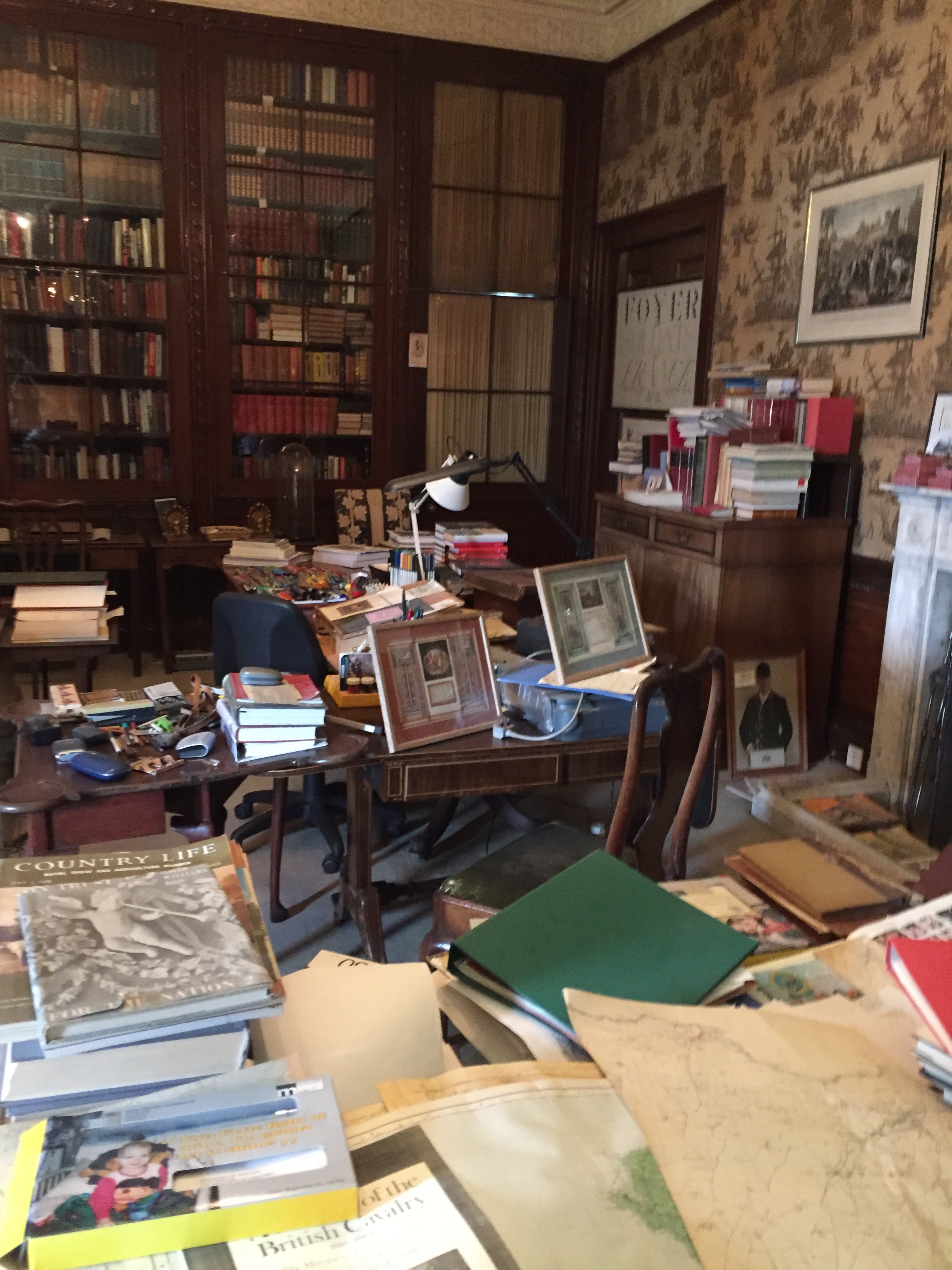
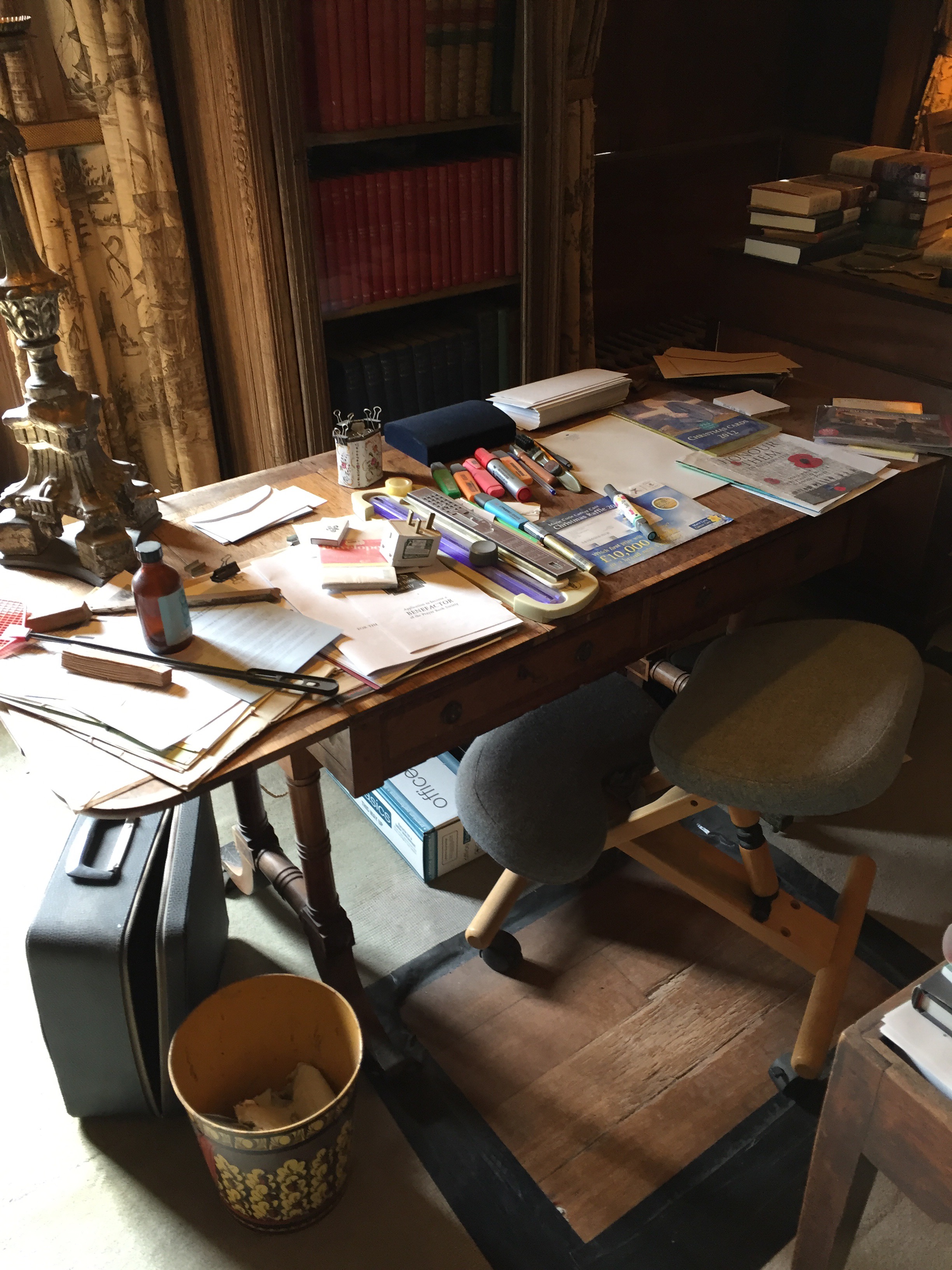
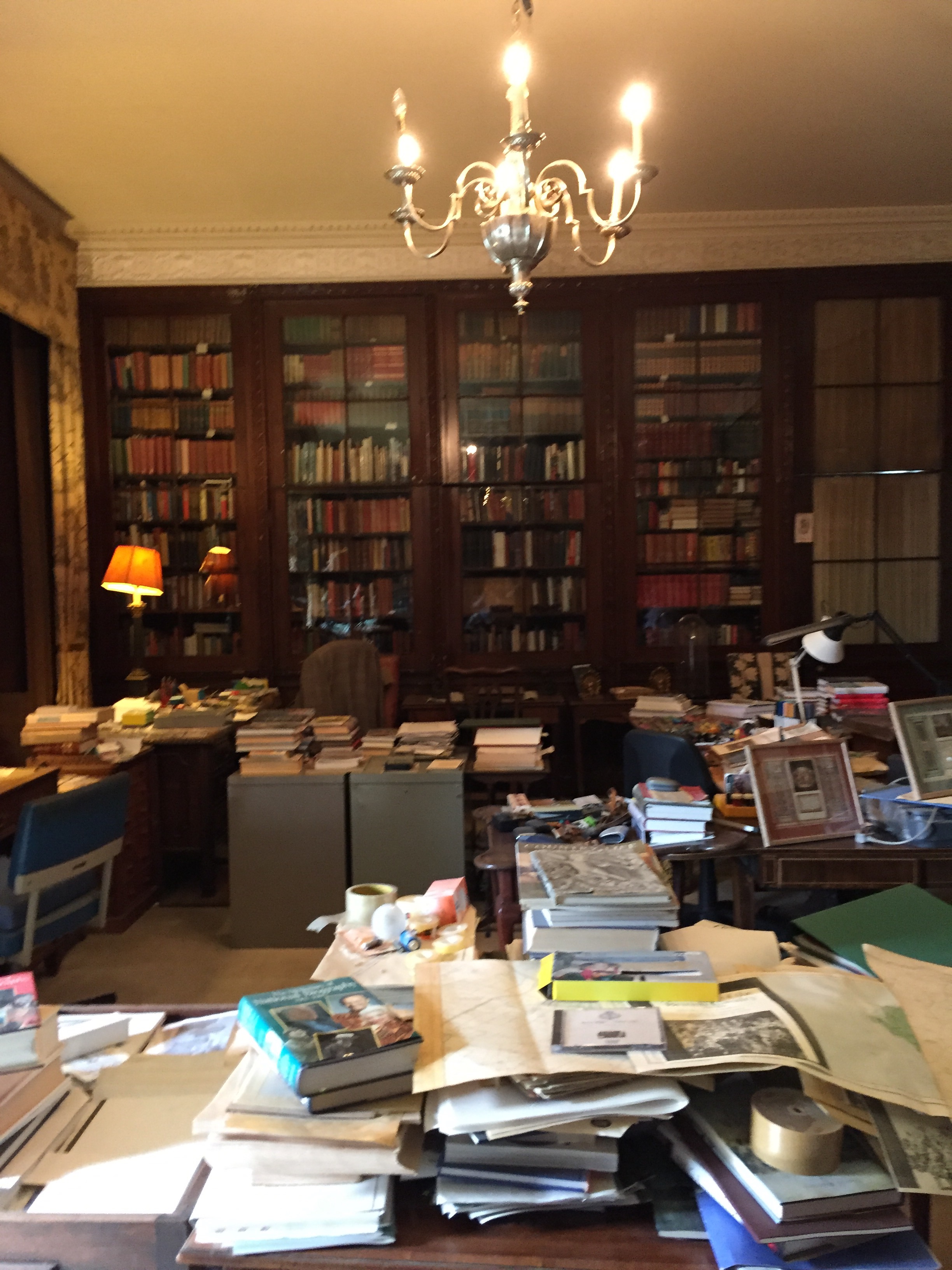
Henry’s study, used daily during his lifetime, is a magnificent jumble of books, papers, drawings, photos, magazines, and who knows what else.


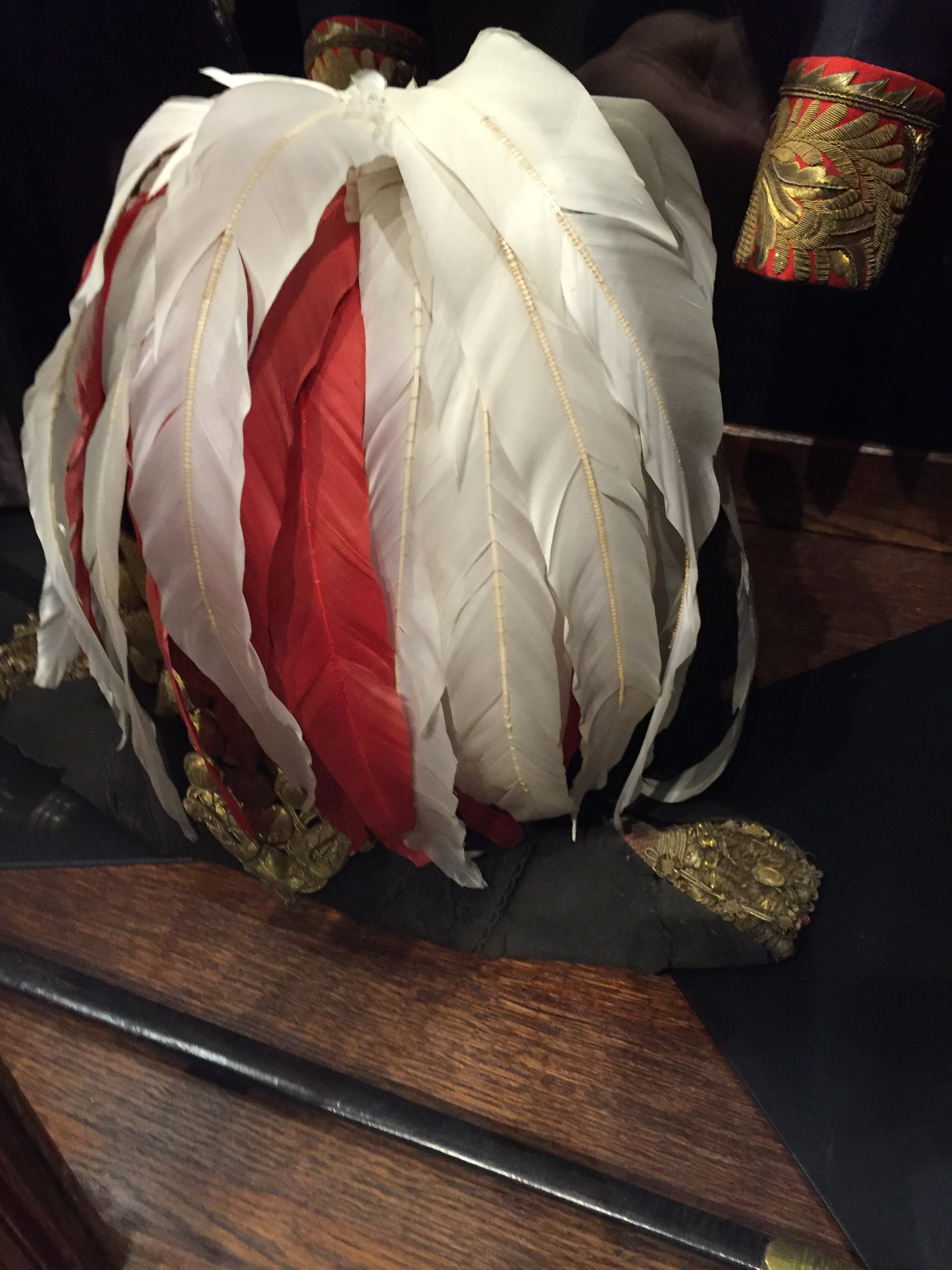
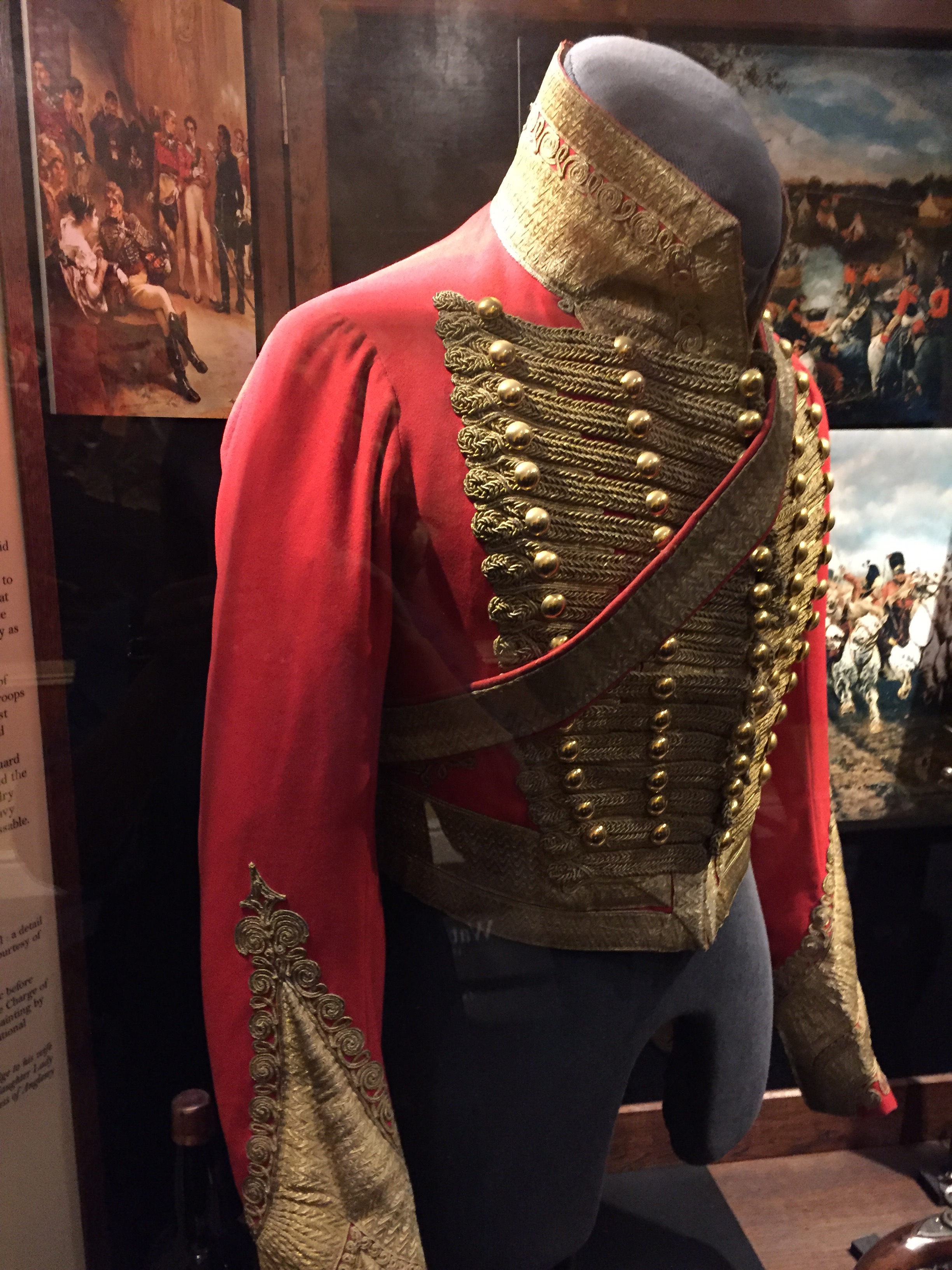
Another part of Plas Newydd displays stuff from the family’s colorful history. Henry was a distinguished historian, and well he might be. His ancestors included the first Marquess, Henry “One-Leg,” whose leg was shot off by cannon fire at the battle of Waterloo in 1815, while he was right next to the Duke of Wellington himself. On the occasion, Henry coolly said, “By God, Sir,    I’ve lost my leg.” The Iron Duke replied, “By God, Sir, so you have.”

The Marquess had what remained of his leg amputated, with a stiff upper lip and no anesthetic, and was fitted with a wooden leg. Afterward, he fathered ten children and walked nine miles a day for the rest of his life.


But back to the 7th Marquess. He must have been something of an artist as well as a politician and a writer. He kept a special drawing table, under a window with good light. Of all the rooms in grand homes that I’ve seen, Henry’s study is one of my favorites.


I can see him happily puttering around, going from one table to the next. The jumble made perfect sense to him. He just kept a separate place for each one of his many projects. If only I had the space to do the same.


The other unforgettable room at Plas Newydd is the dining room. In 1936, the 6th Marquess commissioned Rex Whistler to paint the entire long wall as a mural.


The artist was happy to spend endless hours on the mural, partly because he was in love with one of the daughters of the family, whom he also painted. Tragically, Rex Whistler was killed in action in Normandy in July 1944, having insisted on fighting rather than serving in some less dangerous way. He had just arrived at the front.

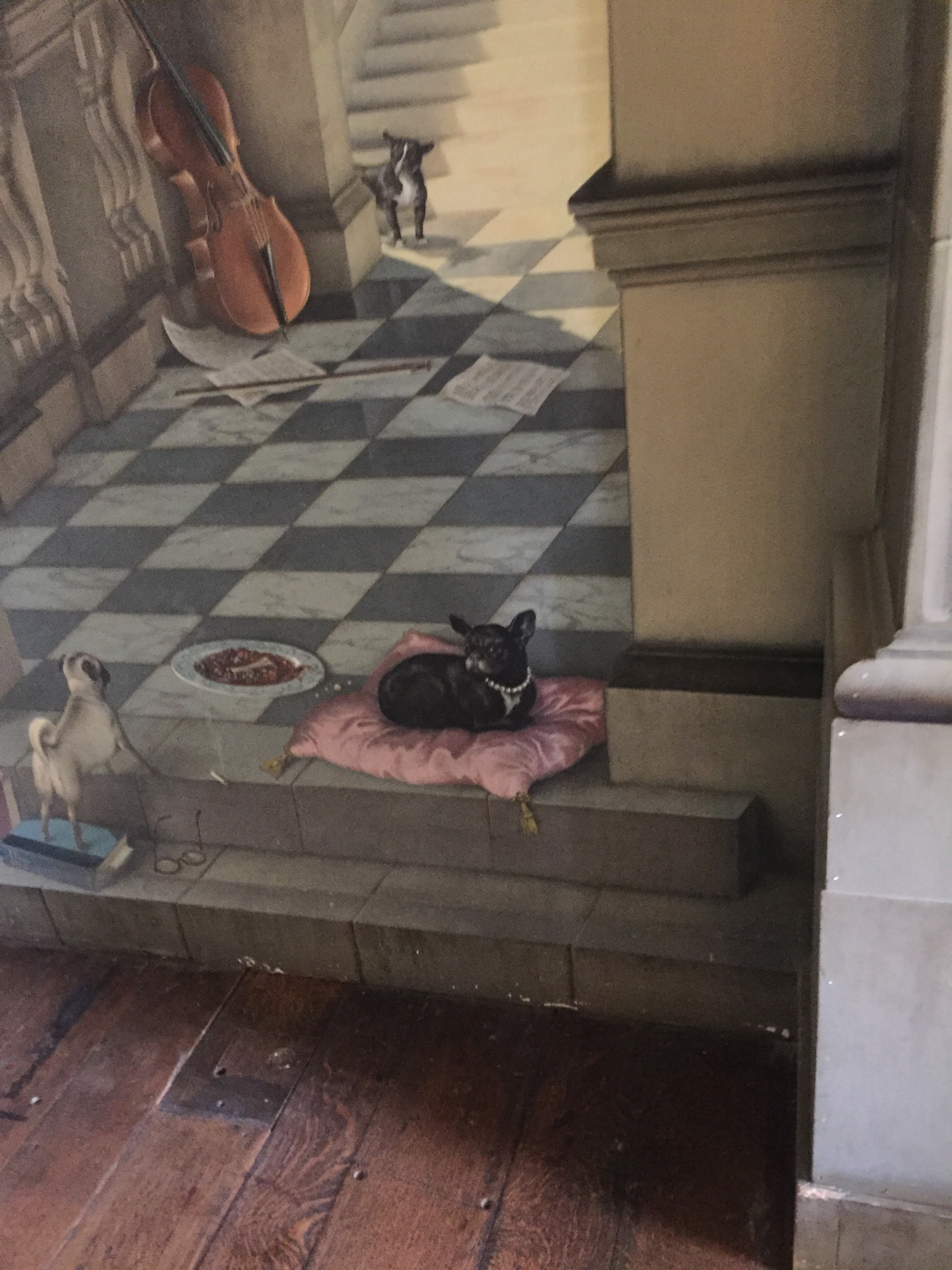
I could spend hours taking in the detail of the Whistler mural, which is full of gentle humor and family references.


If I get to return to Plas Newydd, I’ll try to find time to look into the grounds and gardens, another interest of Henry’s.


Meanwhile, I’ll dream of having a room all my own, like Henry’s. “A man of parts” is the British term for a multi-talented Renaissance man.Henry is the best example I know of. Now, about my basement storage room…

There’s an article about the 1st Marquess at:

http://www.telegraph.co.uk/culture/books/11682406/The-Battle-of-Waterloo-is-this-the-most-British-conversation-ever-to-be-held-on-a-battlefield.html

Art Nouveau Vikings at Frederiksborg 

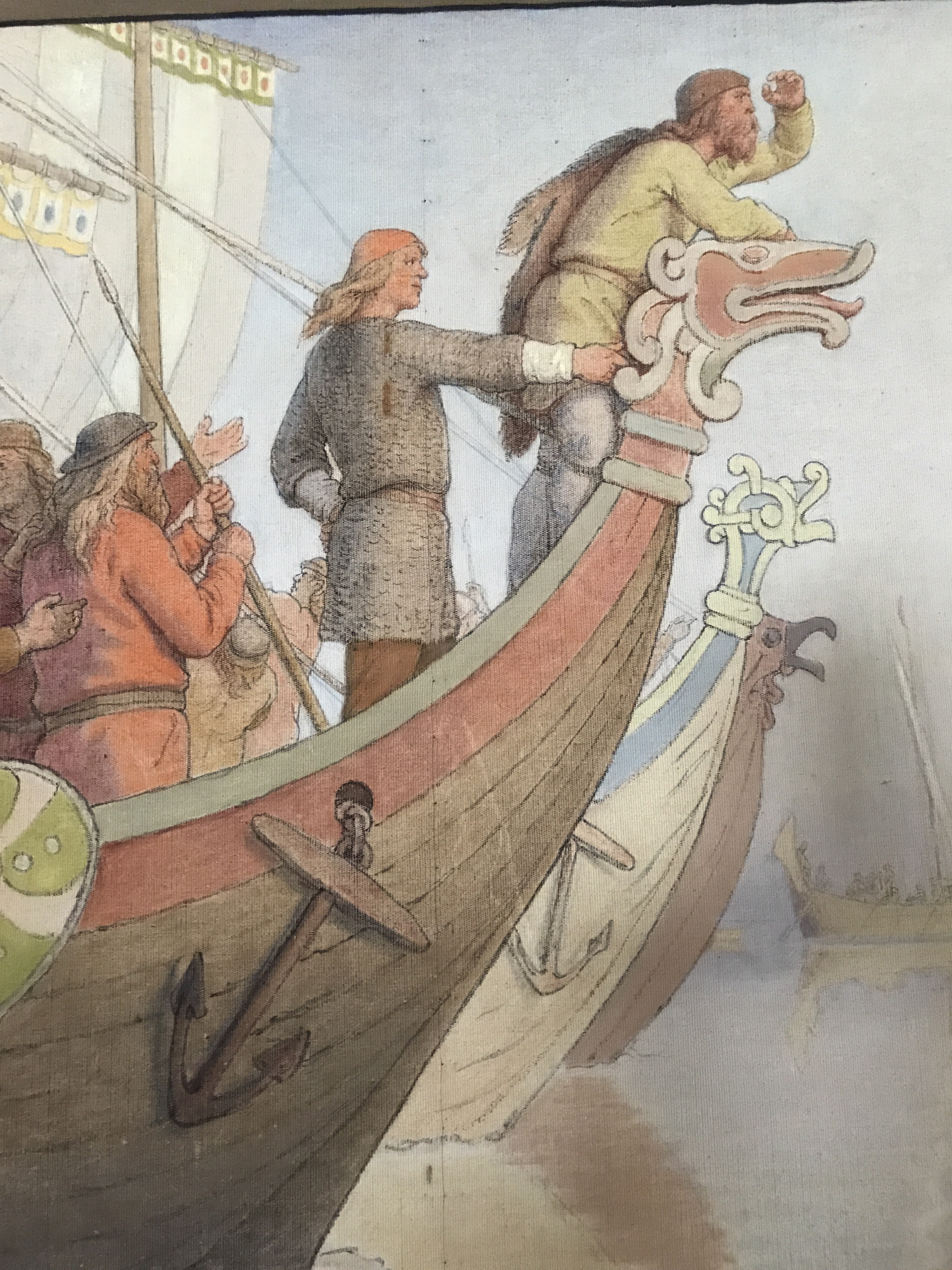
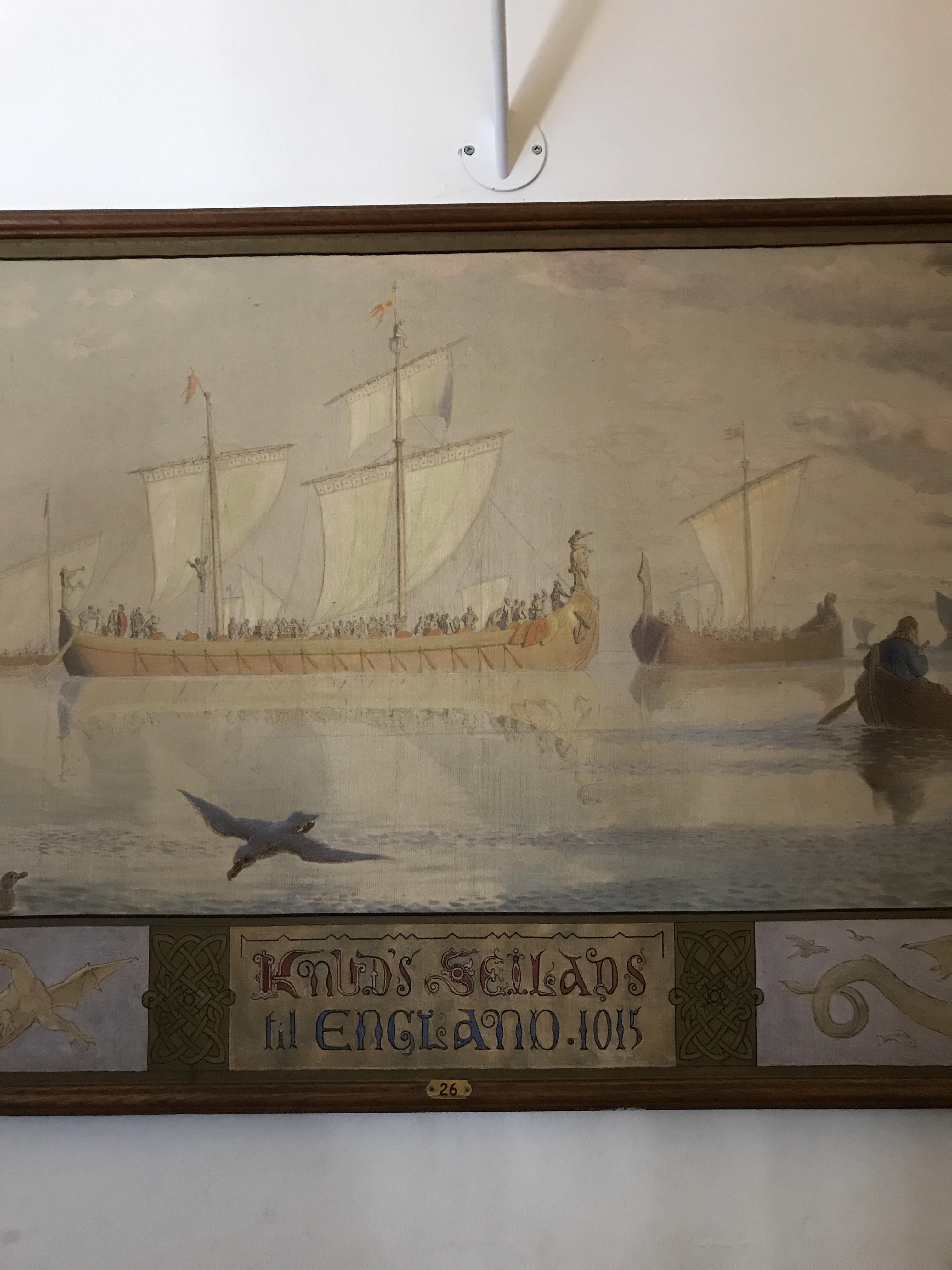
Frederiksborg Castle in Hillerod, Denmark houses tons of fine historic art, but one of my favorite pieces is pretty humble: it occupies a long lower-level hallway leading to the exit.

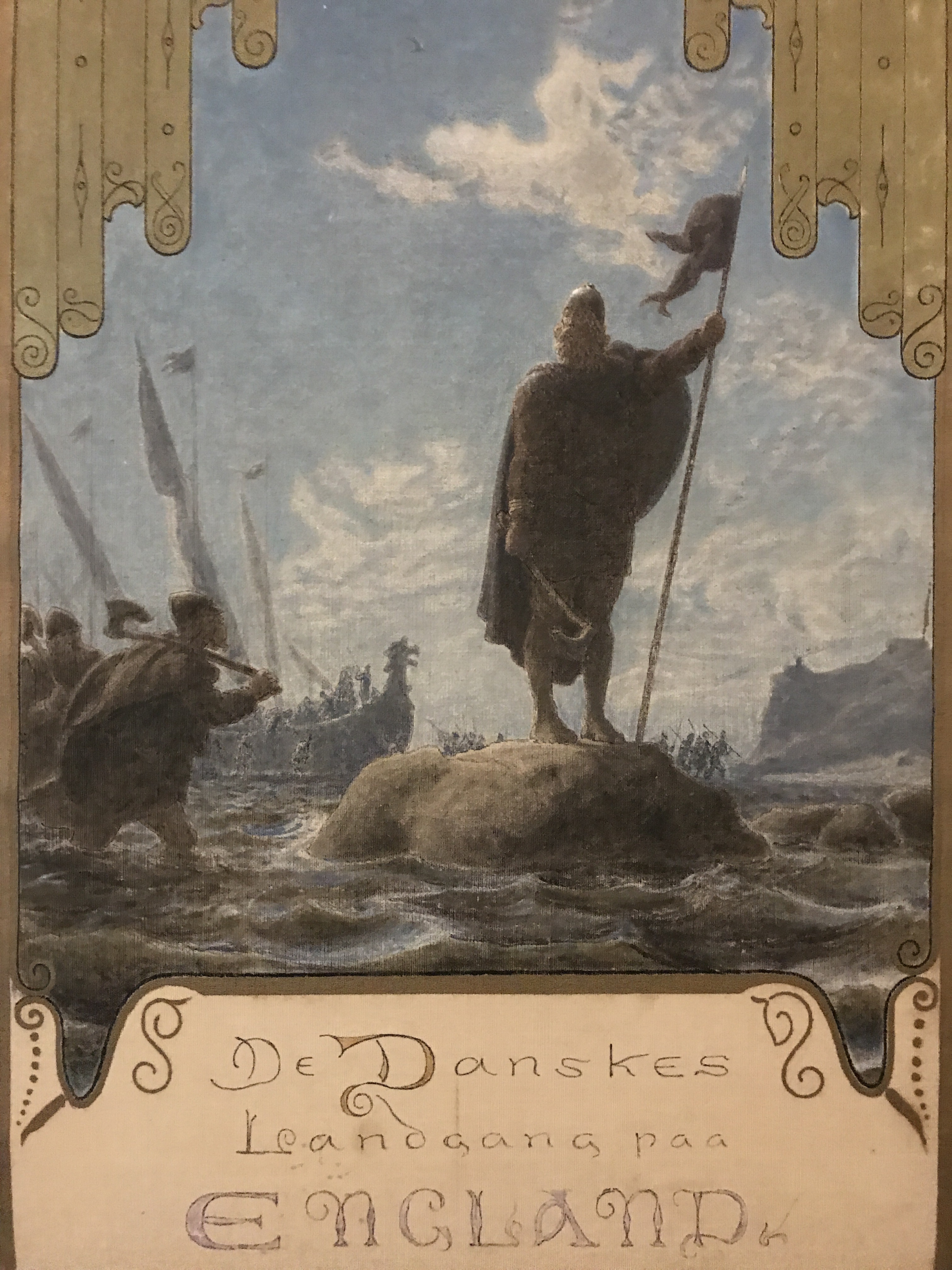
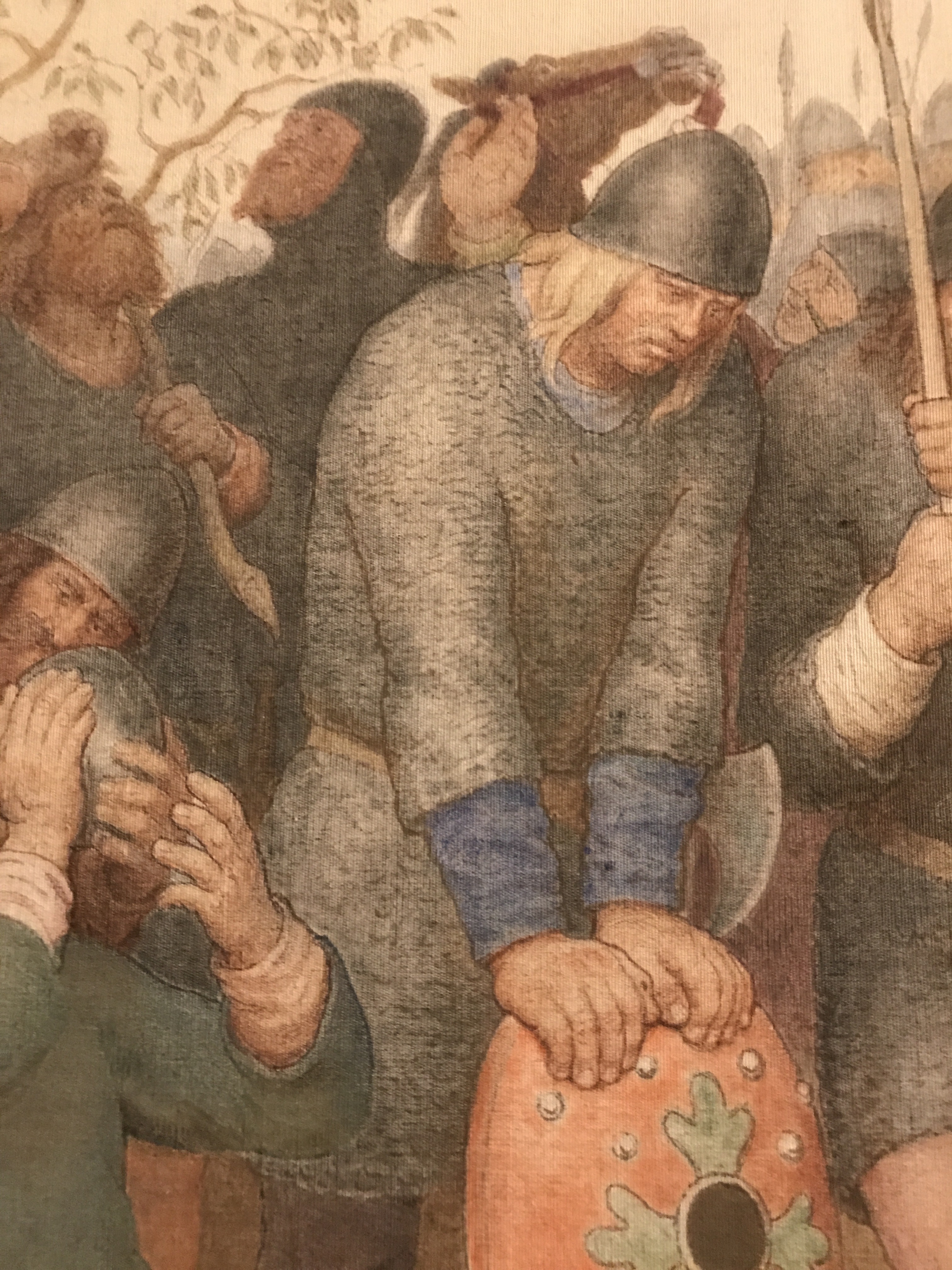
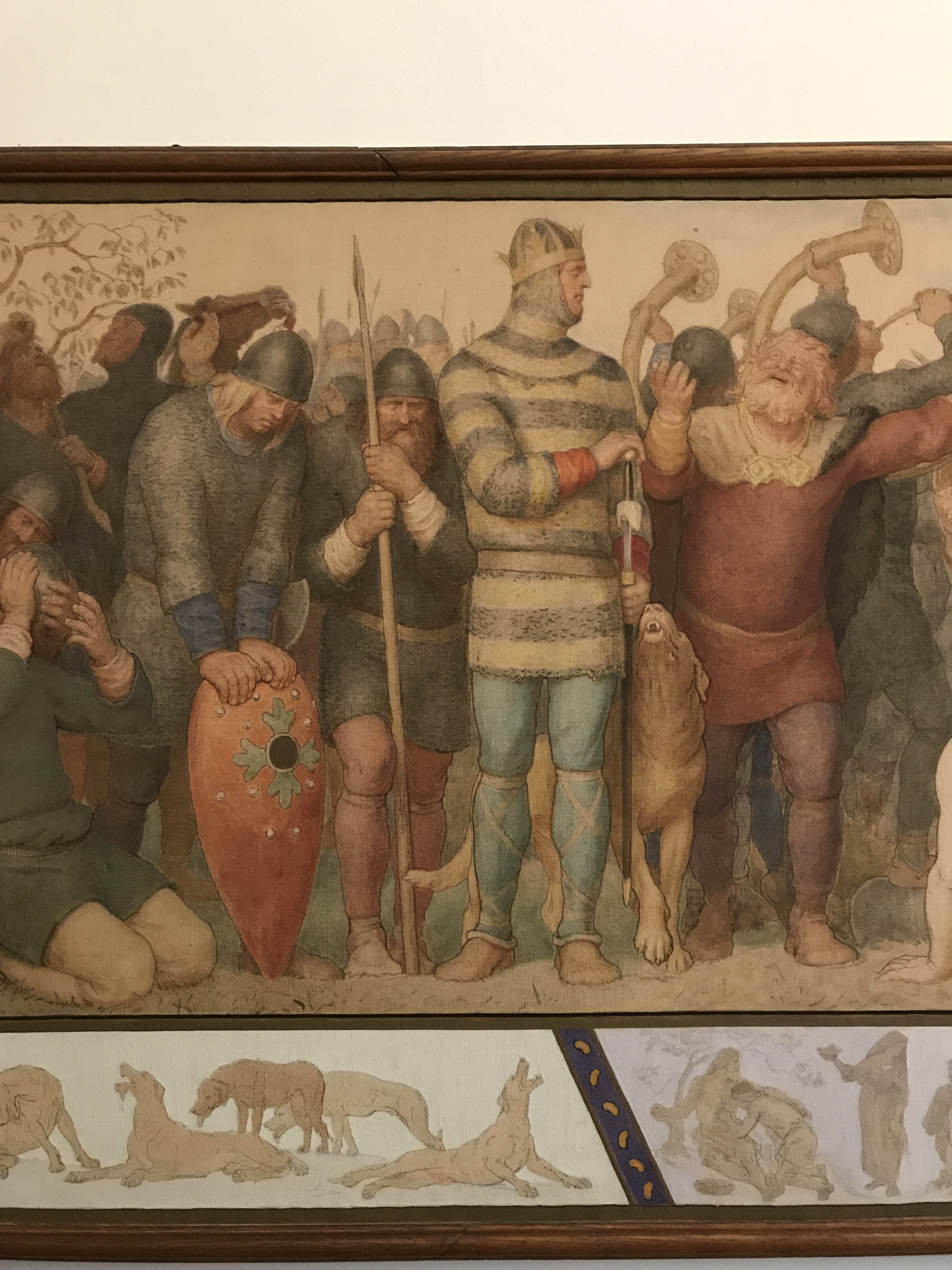
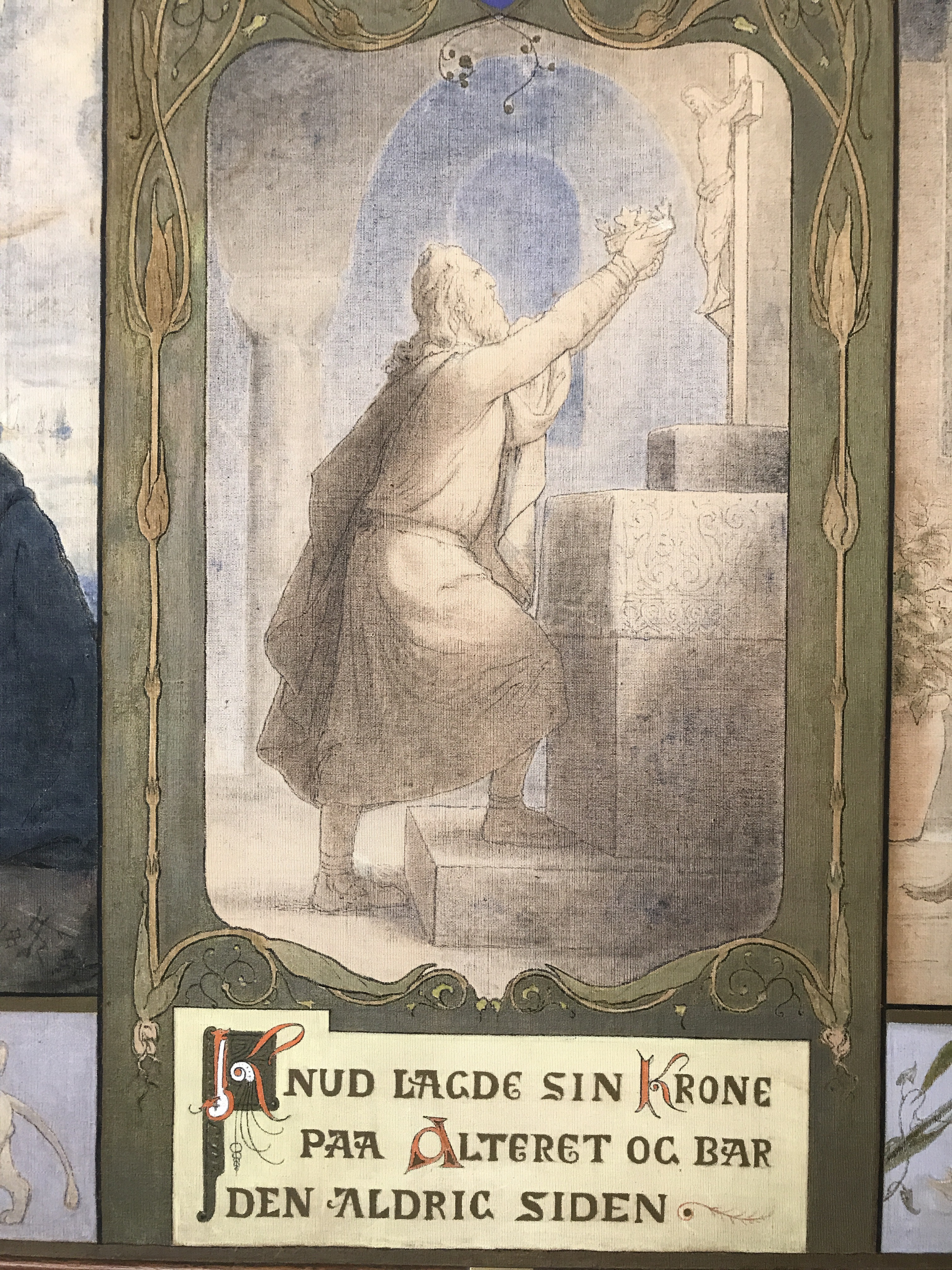
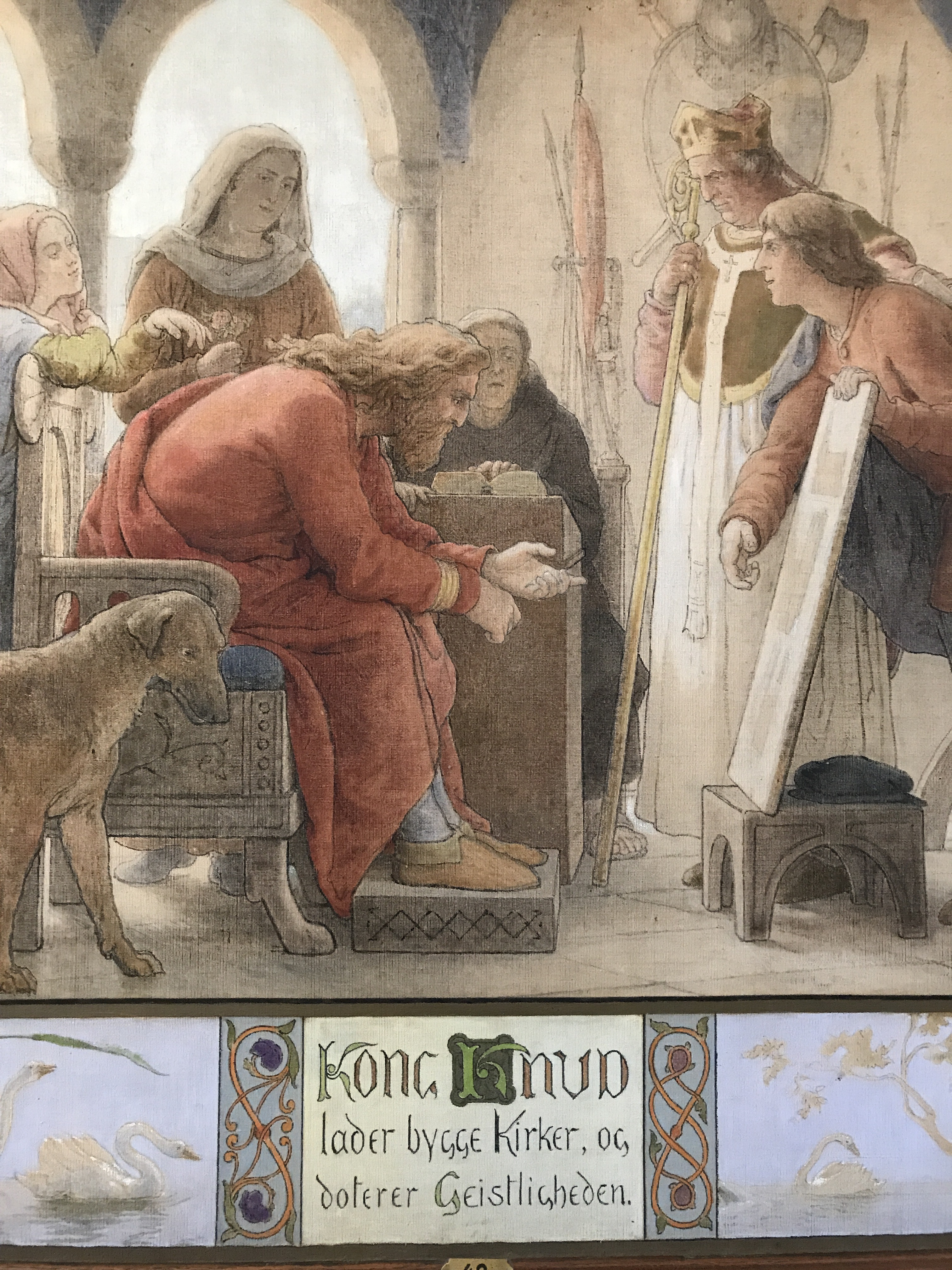
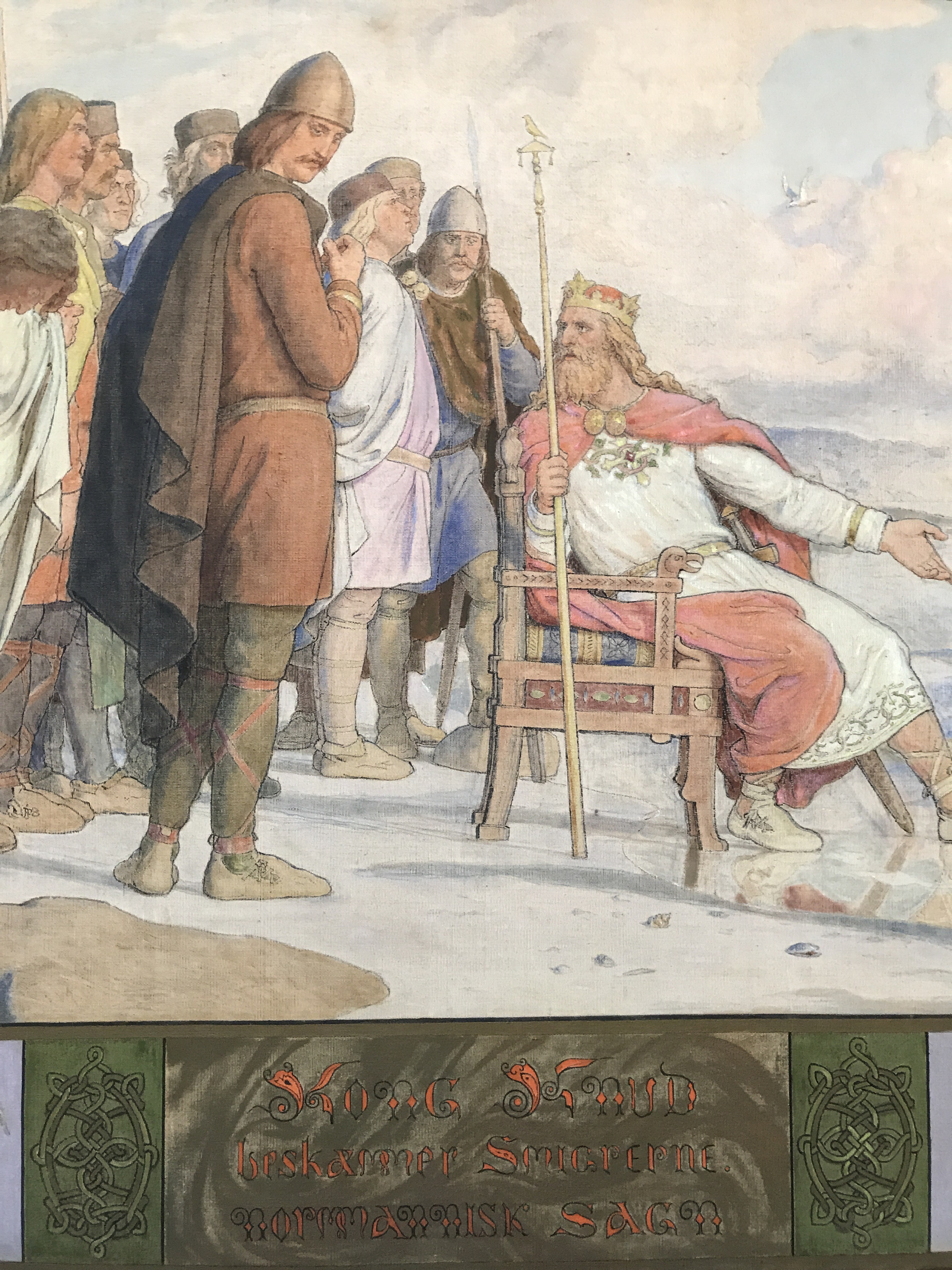
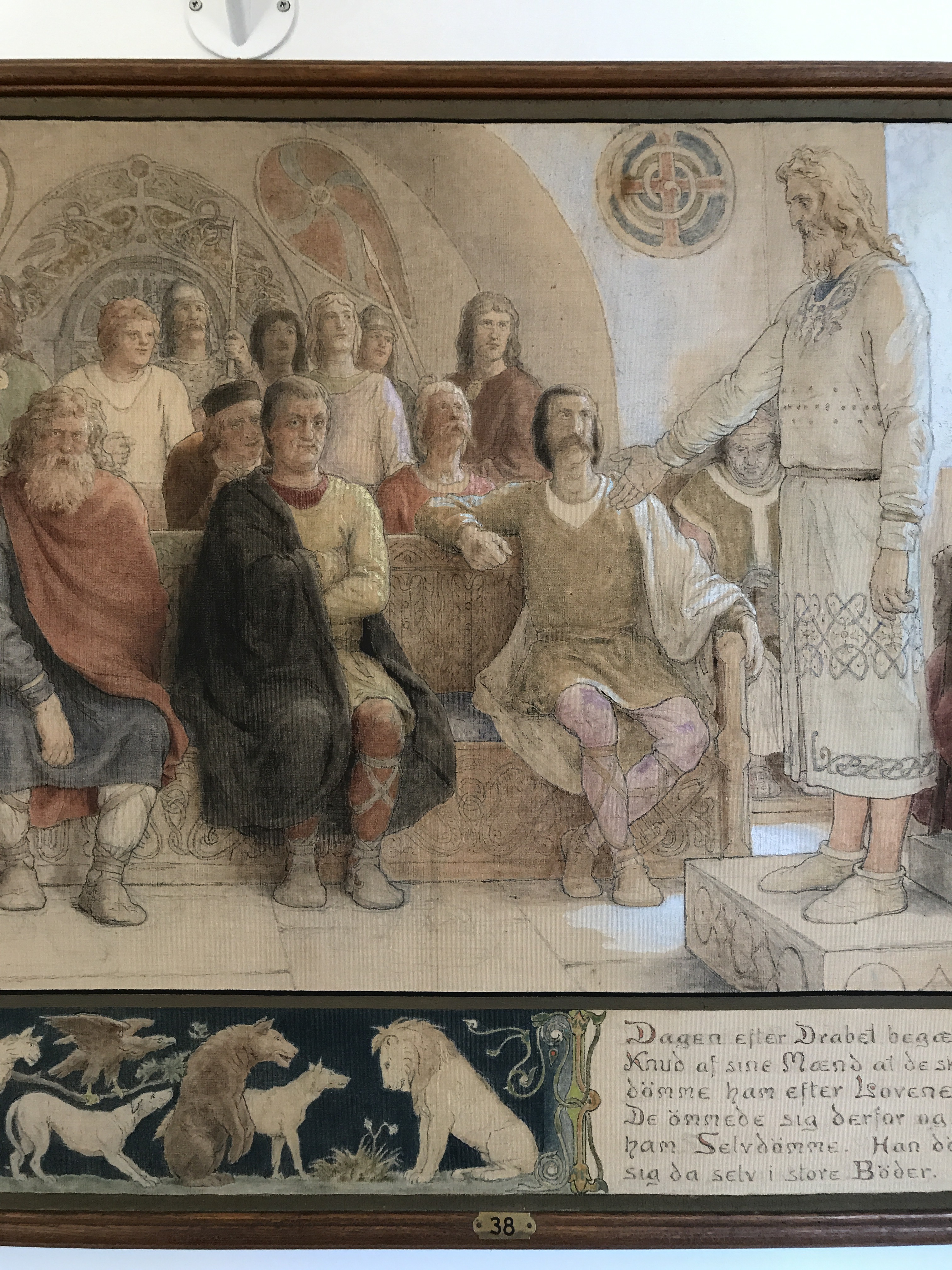
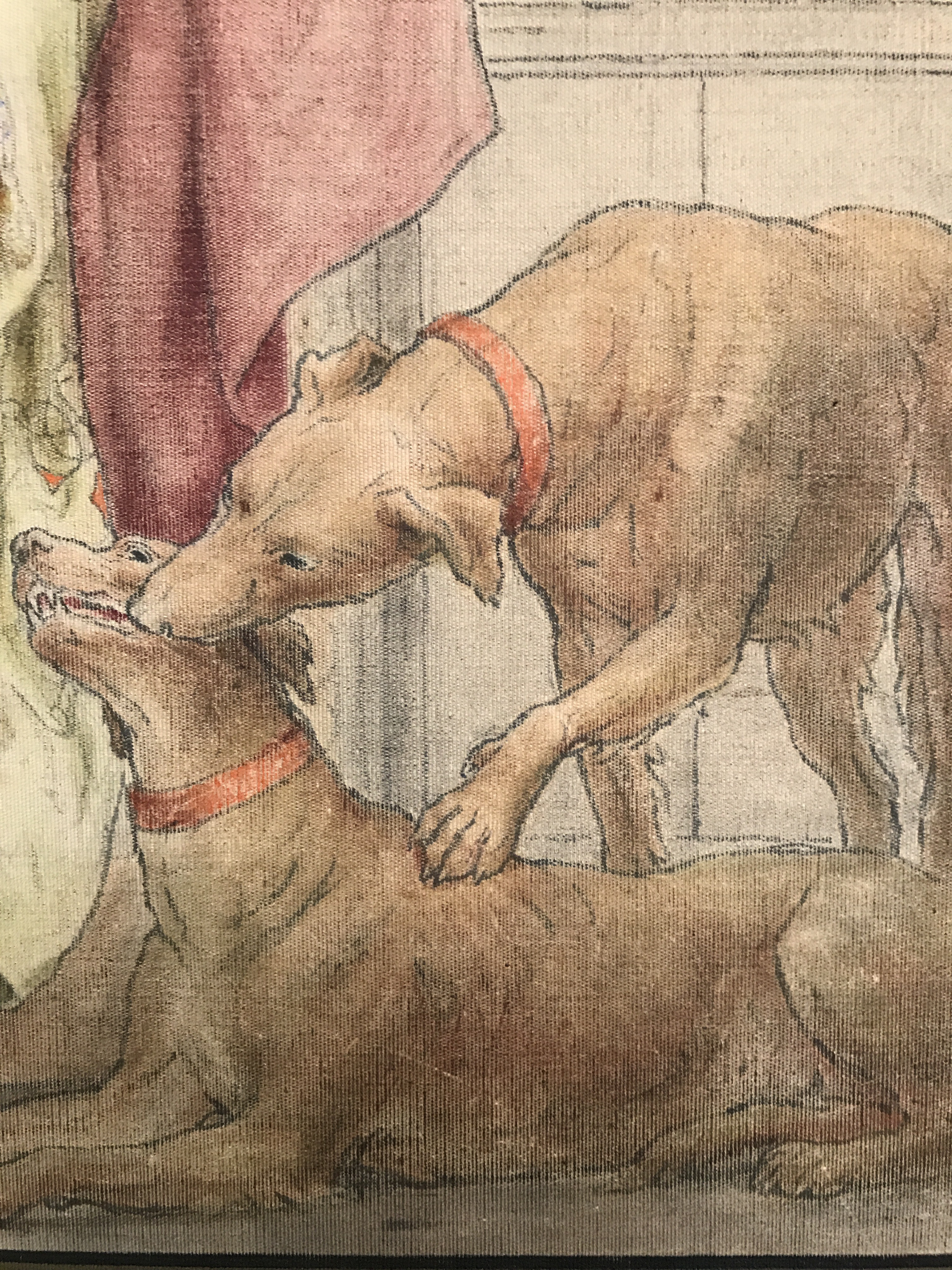
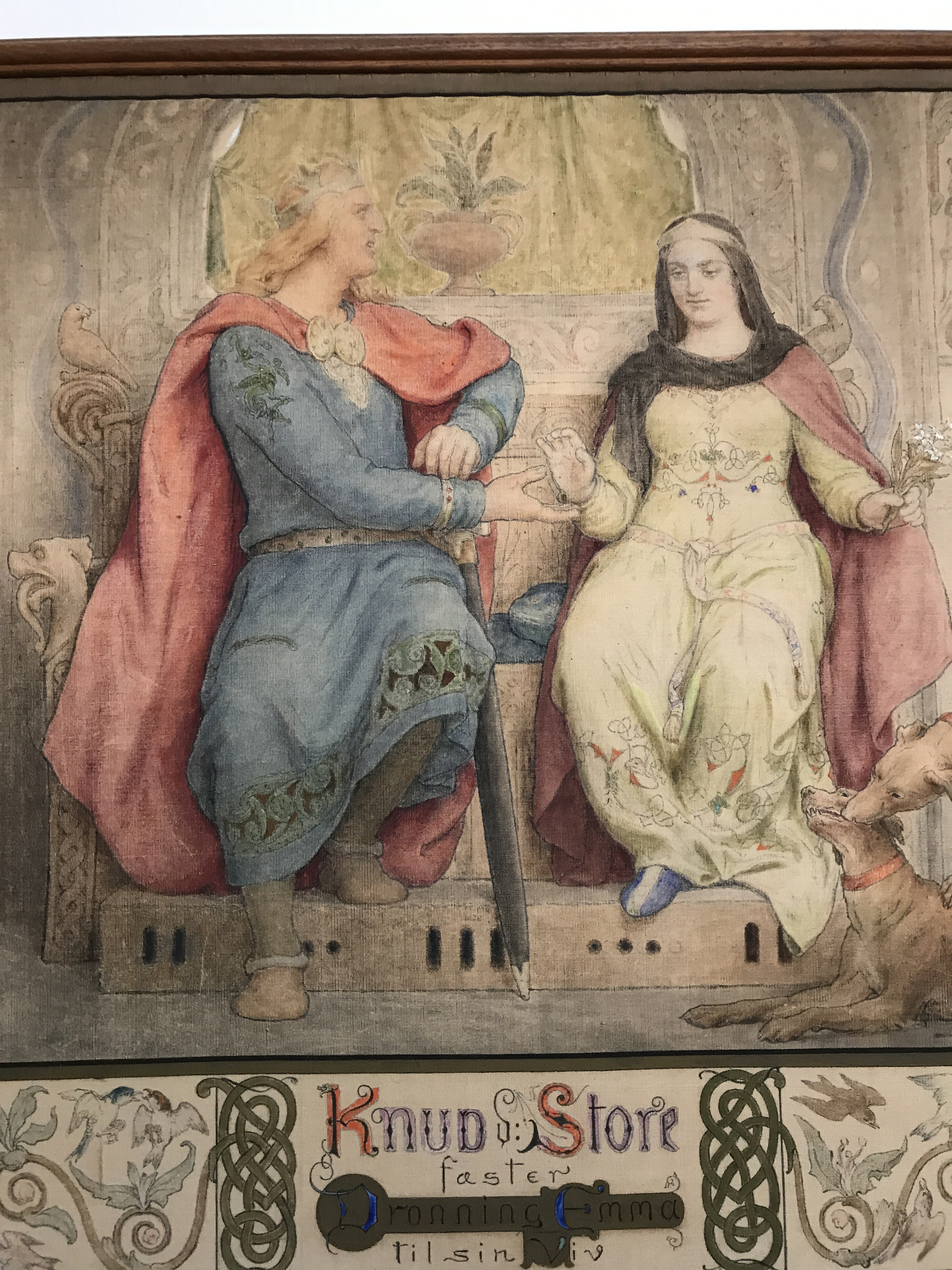
From 1883-1886, Lorenz Frolich painted a commissioned piece: a 37-meter frieze depicting the Danish conquest of large chunks of England. It was to be a Danish counterpart to the embroidered Bayeux Tapestry, which documented the Norman Conquest of England in 1066. The style of the frieze was from the very early years of Art Nouveau,  also known as Jugendstihl, also known as Skonvirke in Denmark.

The Danish Vikings began sailing their shallow-depth longboats across the sea and up the rivers of England in the late 700s. Before that, they had only ventured as far as the Baltic countries on their raids. The trouble was, the Baltics were almost as poor in resources as Scandinavia. Pickings were slim. But England had rich soil where Danish settlers could grow much more food than in their own rocky soil. English monasteries were crammed with gold and silver candleholders, crosses and chalices.

Raiding was wearying work, but somebody had to do it, right?


After a couple of centuries of striking fear into the hearts of the Brits, and much bloody axe-swinging, the Dane Swein Forkbeard was crowned King of England in 1013.

When Swein died, his son Canute the Great took the crown, and in due course Swein’s grandsons Harold Harfoot and Hardecnut had their turns at ruling the rich land of England. The printed information at Frederiksborg skips over the period when the Danes lost their grip on power in 1042 after the death of Hardecnut. But we’re informed that 1066 was all about the Danes: the Normans were direct descendants of the Danish Vikings who had conquered the part of France that became Normandy.


The Frederiksborg frieze is at pains to depict the conquering Vikings as reasonable, law-abiding fellows willing to sit in orderly rows and debate issues like gentlemen.


There’s also emphasis on their domestic qualities. And it’s true: they were fine farmers and they had domesticated animals.

Travis Fimmel as Ragnar Lothbrok, photo from review in “Variety,” Feb. 21, 2014


All the qualities of the Vikings are on display in the History Channel’s TV series “The Vikings.” I’m anxiously awaiting the 5th season. A disclaimer: yes, I know the show is full of appalling violence. Don’t even ask me what a Blood Eagle is. But for the first time, I begin to understand the Vikings, their world view, and the elaborate mythology that guided their behavior.

The series tells the story of Ragnar Lothbrok, an early Viking of song and legend, and his descendants, who eventually became the Normans of 1066 fame. Following the time-honored traditions of TV showrunners everywhere, real events are compressed and characters invented. But historical research is said to be quite accurate as far as clothing, houses, community organization, laws, and religion.

Travis Fimmel, pictured above, plays Ragnar. He is a former Calvin Klein model, but he has real acting chops to go along with his fierce blue eyes and intimidating tattoos. I’ll watch him do anything, from his early daring voyage to pillage Lindisfarne monastery, through adultery and divorce, and right on into the murderous madness of his old age.

Katheryn Winnick and Travis Fimmel in “The Vikings,” photo from review in “The Telegraph,” May 3, 2014


Another big selling point of “The Vikings,” for me, is the depiction of strong women. Lagertha is Ragnar’s brave and loyal wife, a formidable “shieldmaiden.” Even after their messy separation after he takes up with a tall, graceful, ladylike beauty, Lagertha graciously returns again and again to bash heads alongside Ragnar and their sons. Axe, sword and shield in hand, she’s ready save Ragnar’s bacon when he finds himself in trouble. What a woman!


I like the kinder, gentler version of the Vikings depicted in Frolich’s frieze paintings. But I’ll take my Vikings at their fiercest, too.

Join me next time for more explorations in the art and history of Europe, Scandinavia and the British Isles!

Frederiksborg Castle: Renaissance in Knitting Needles

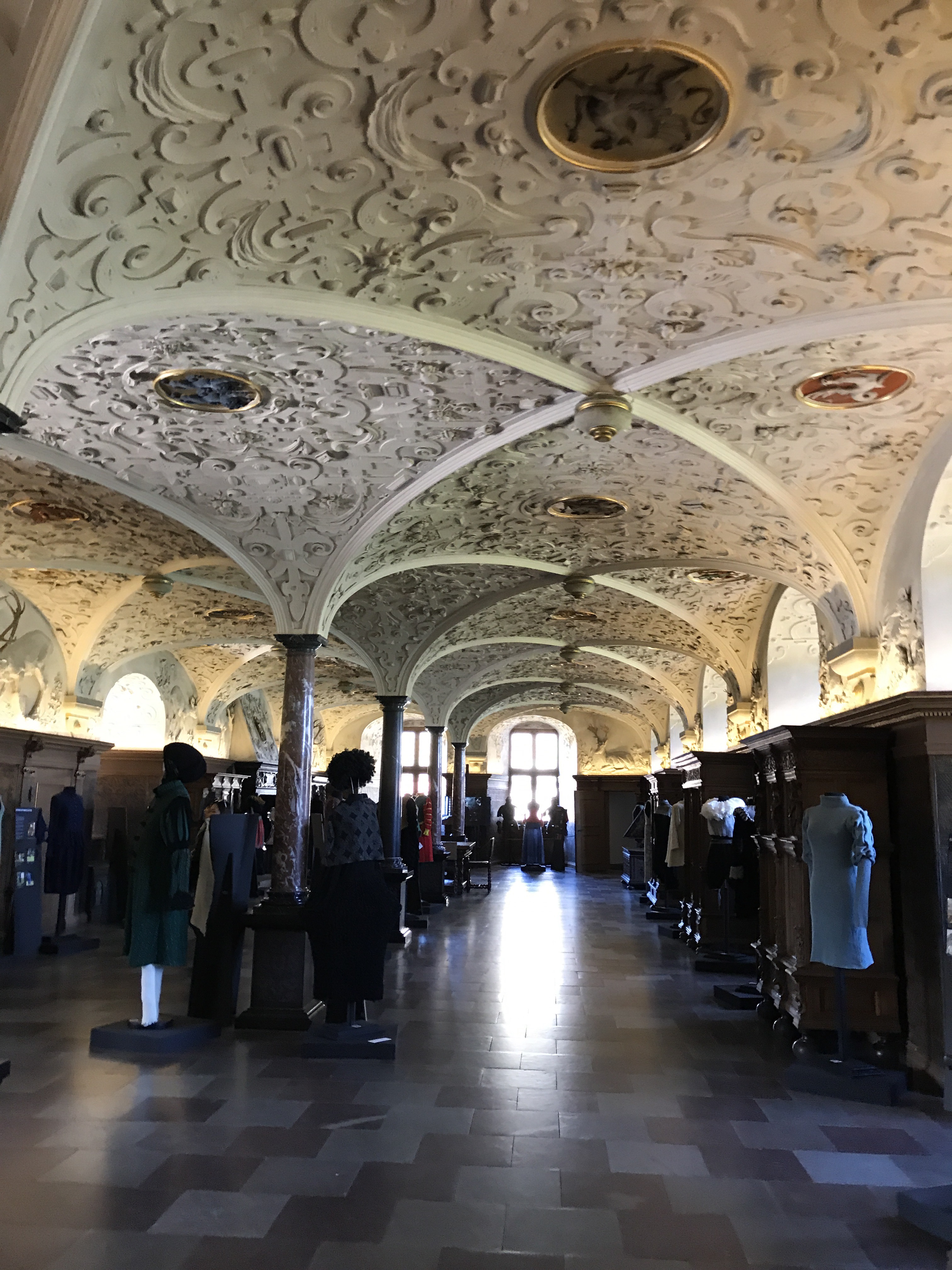
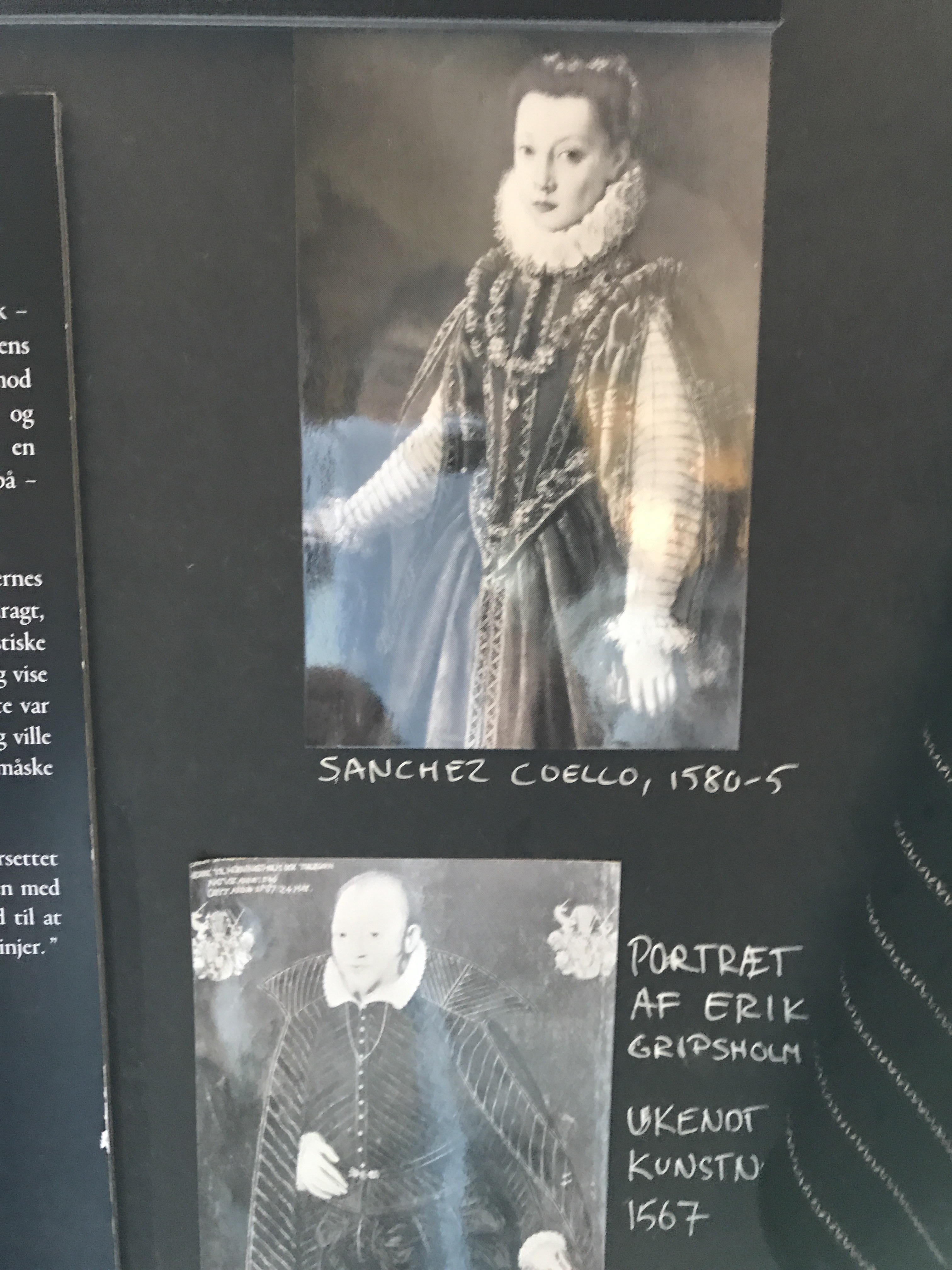
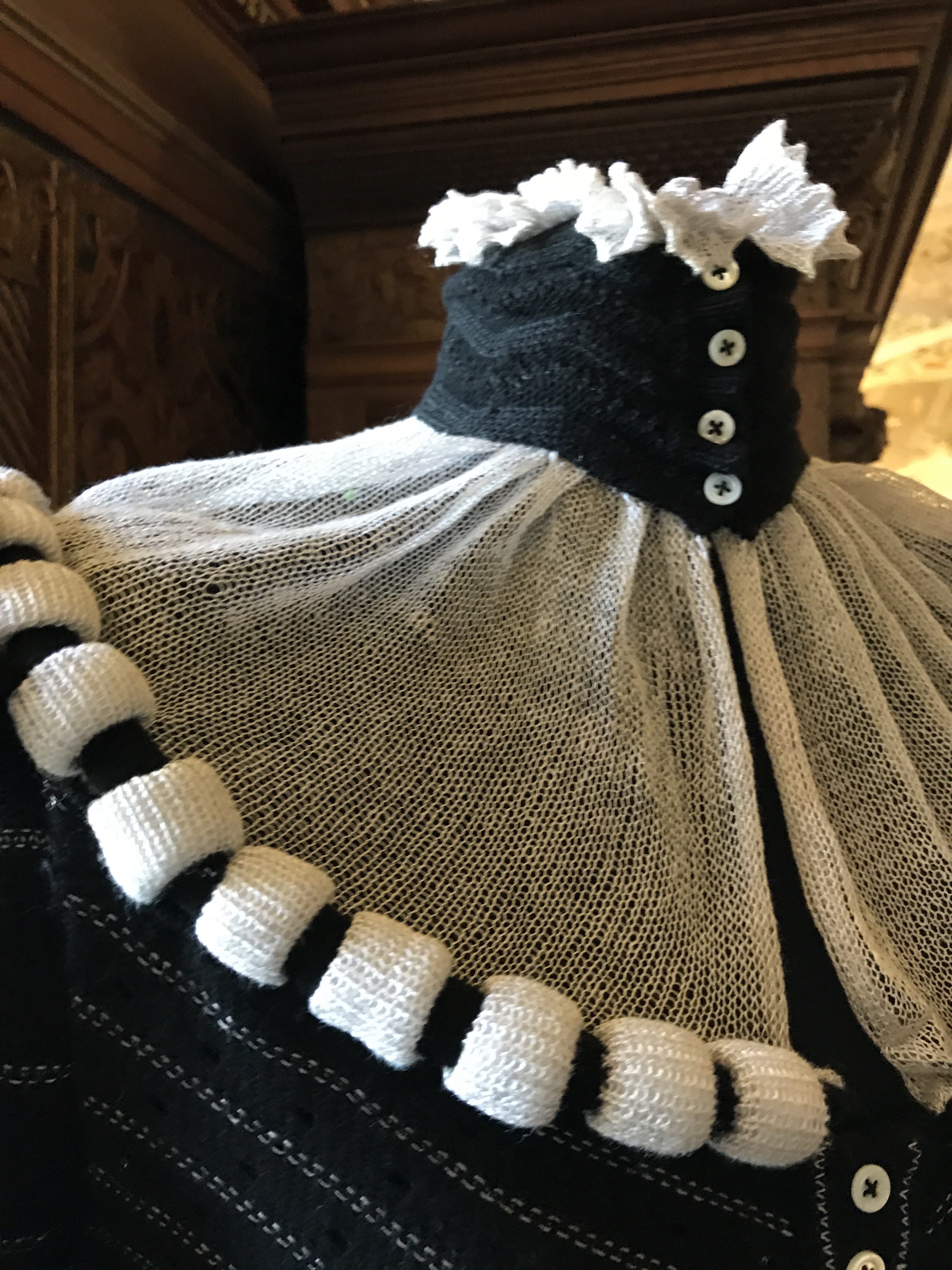
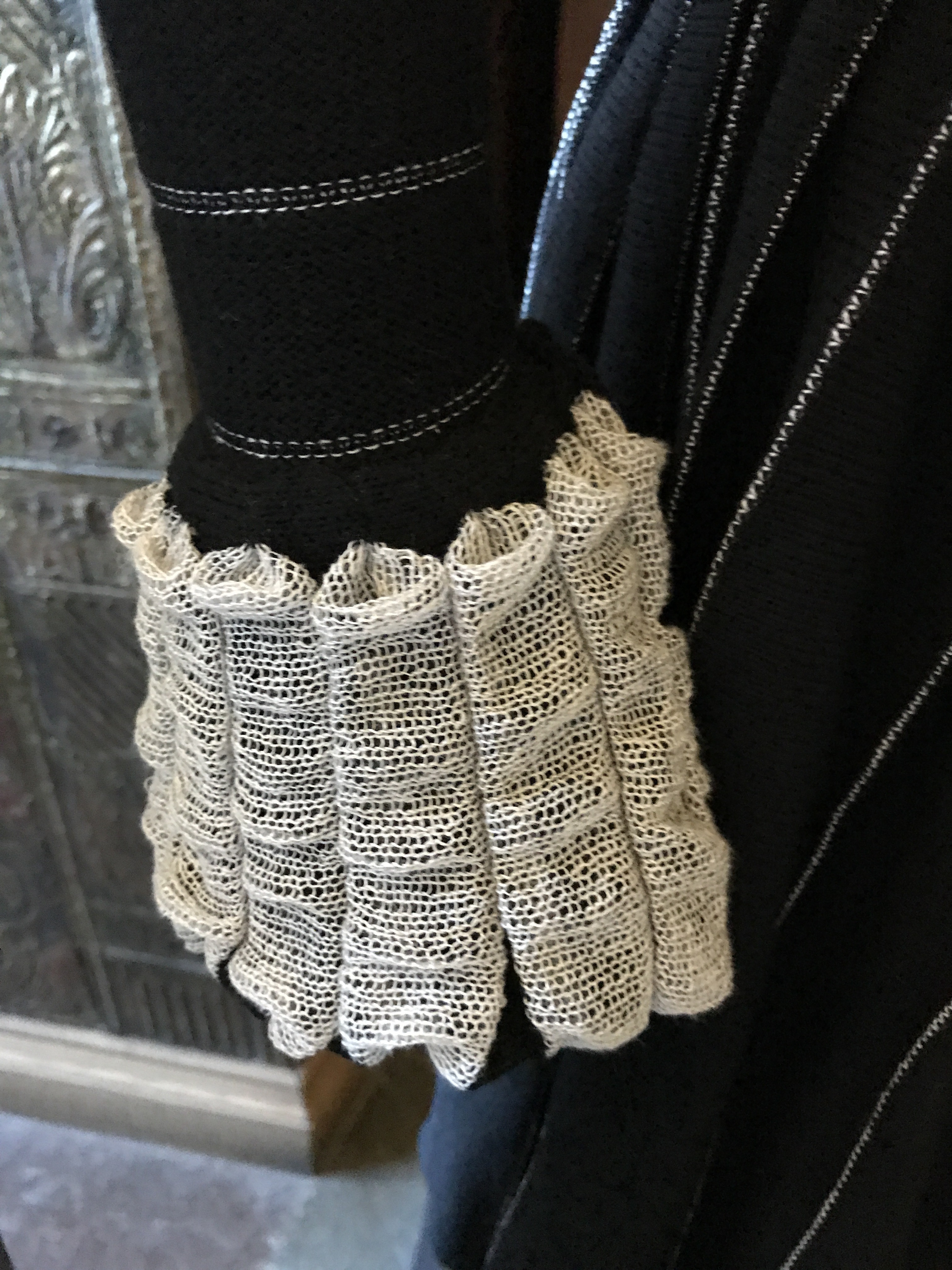
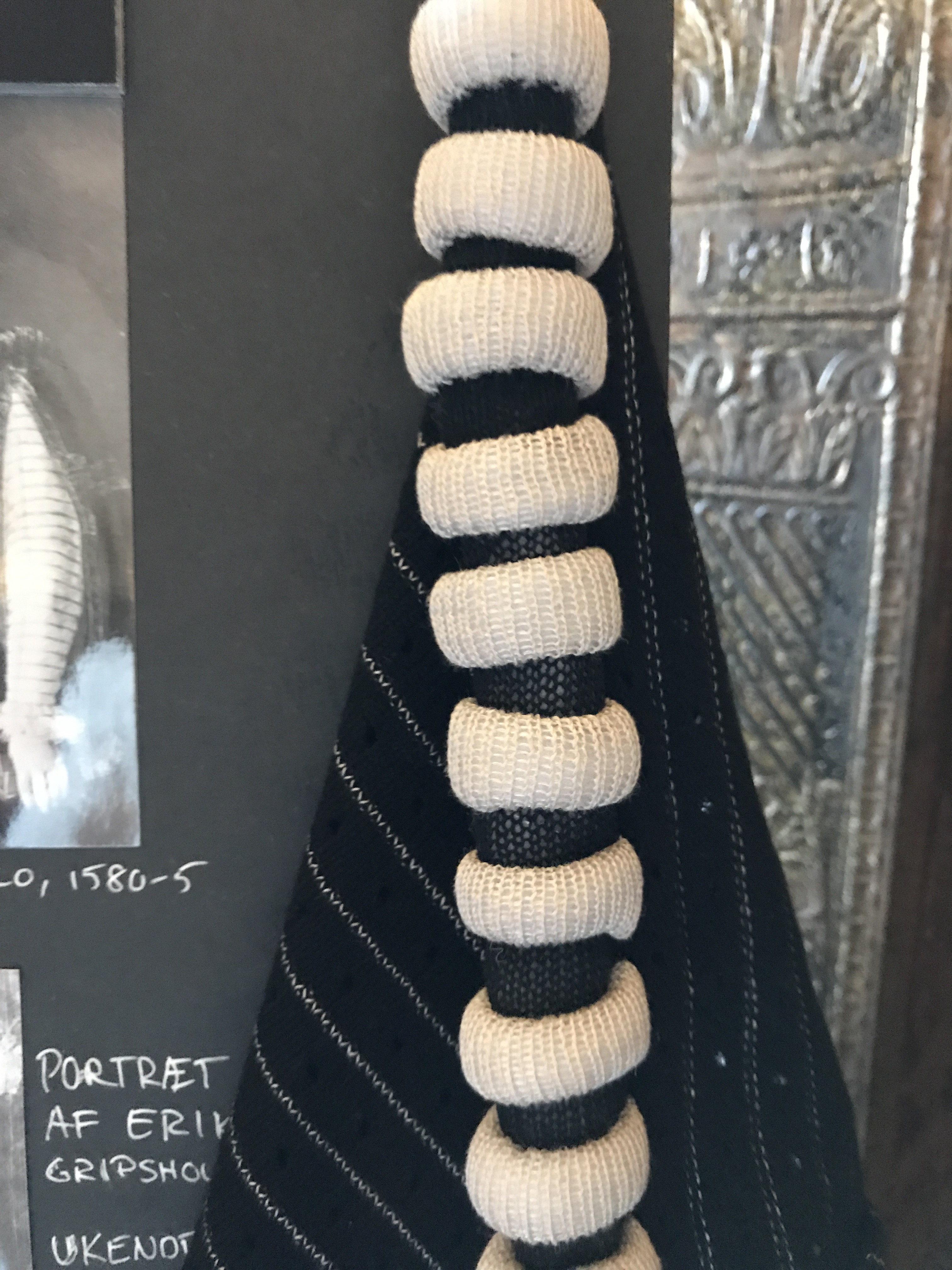
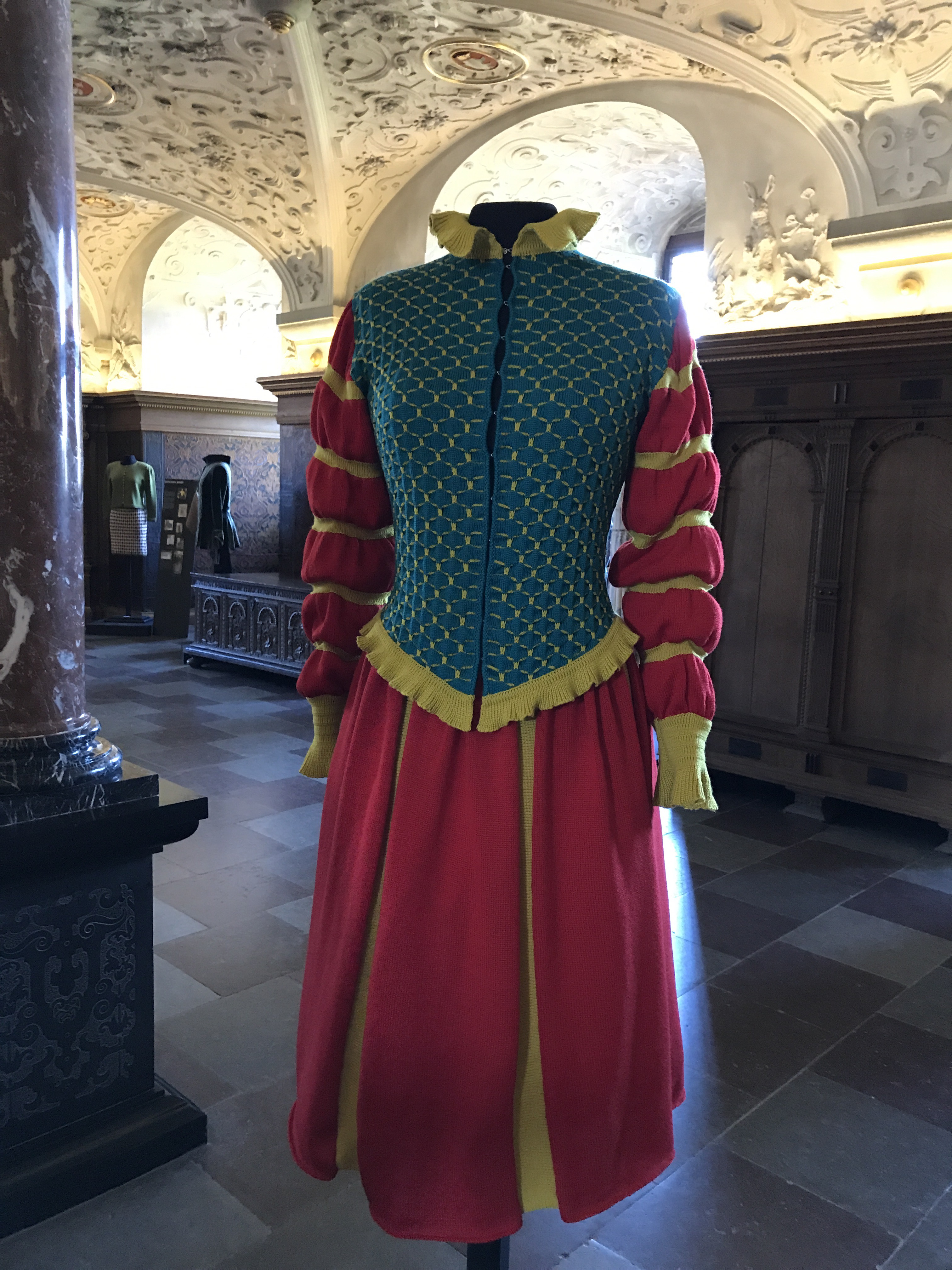
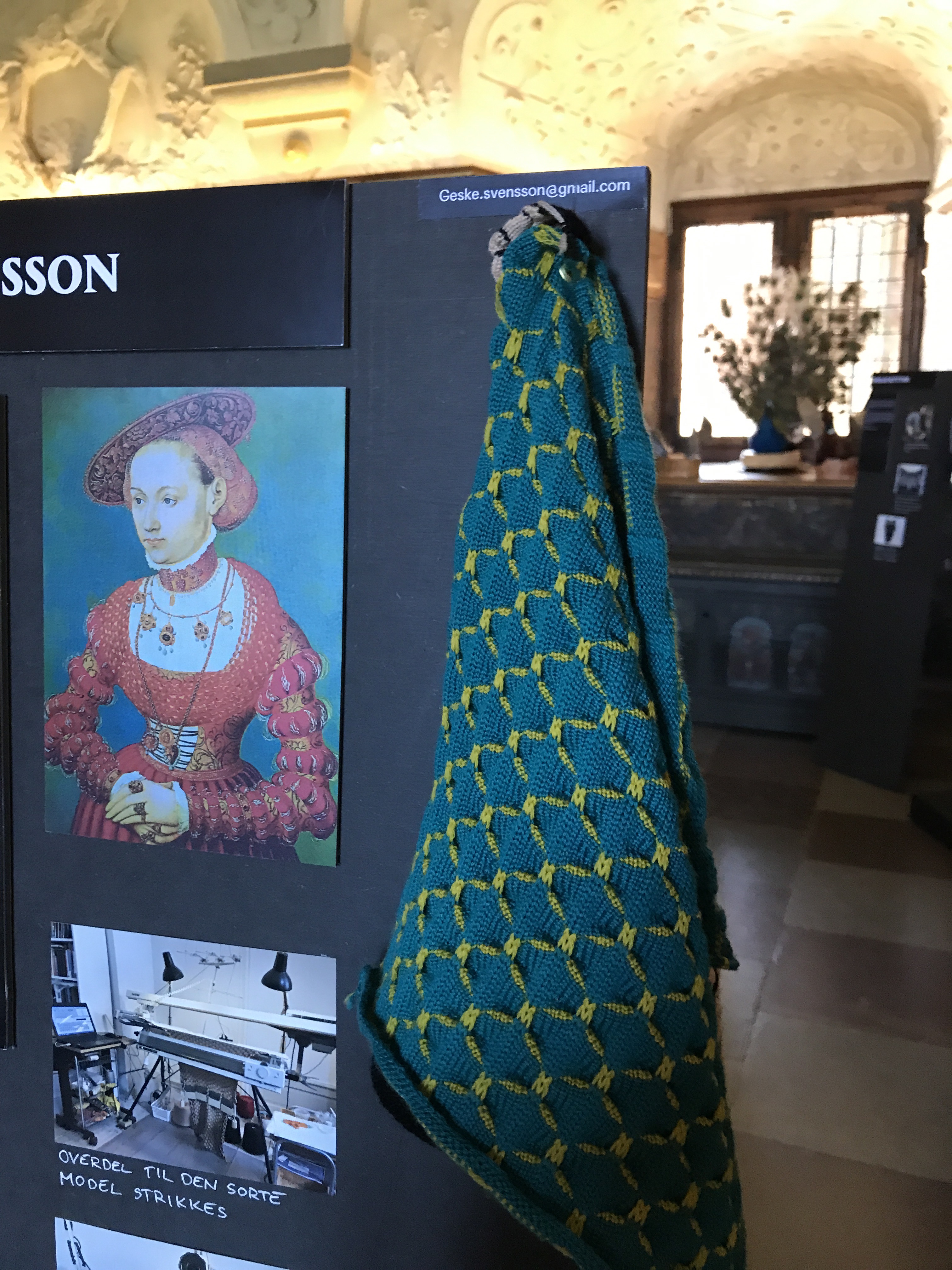
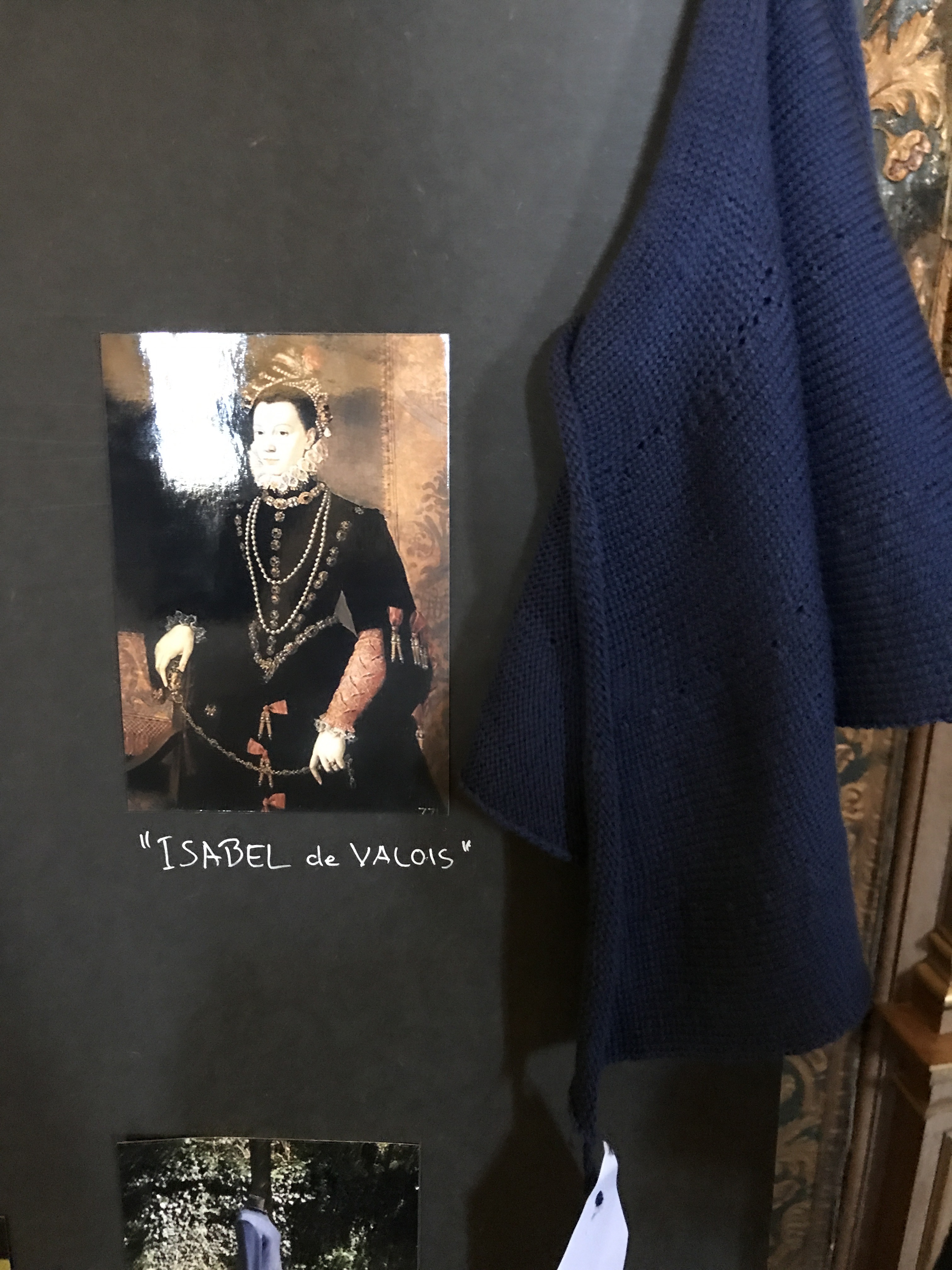
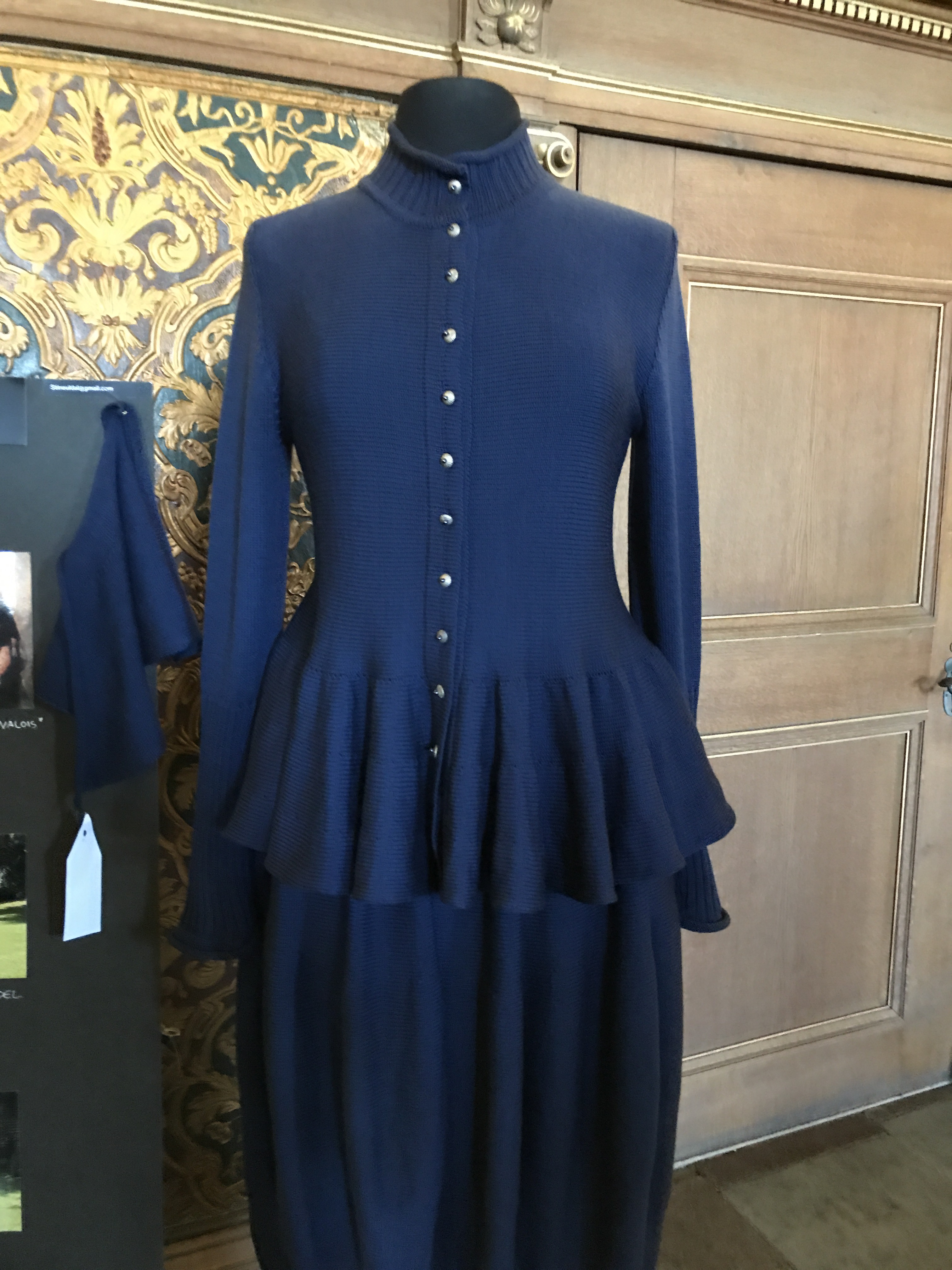
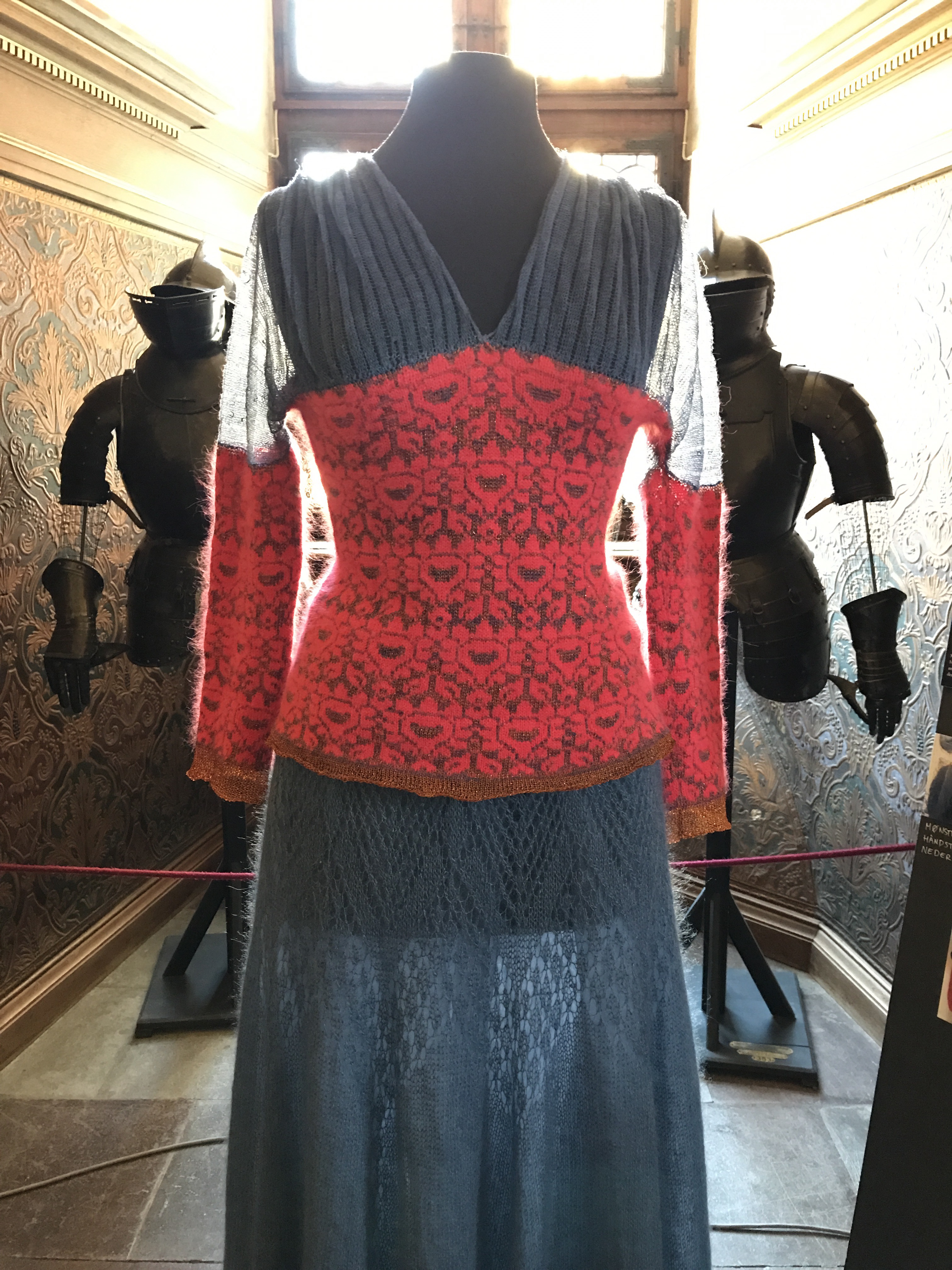
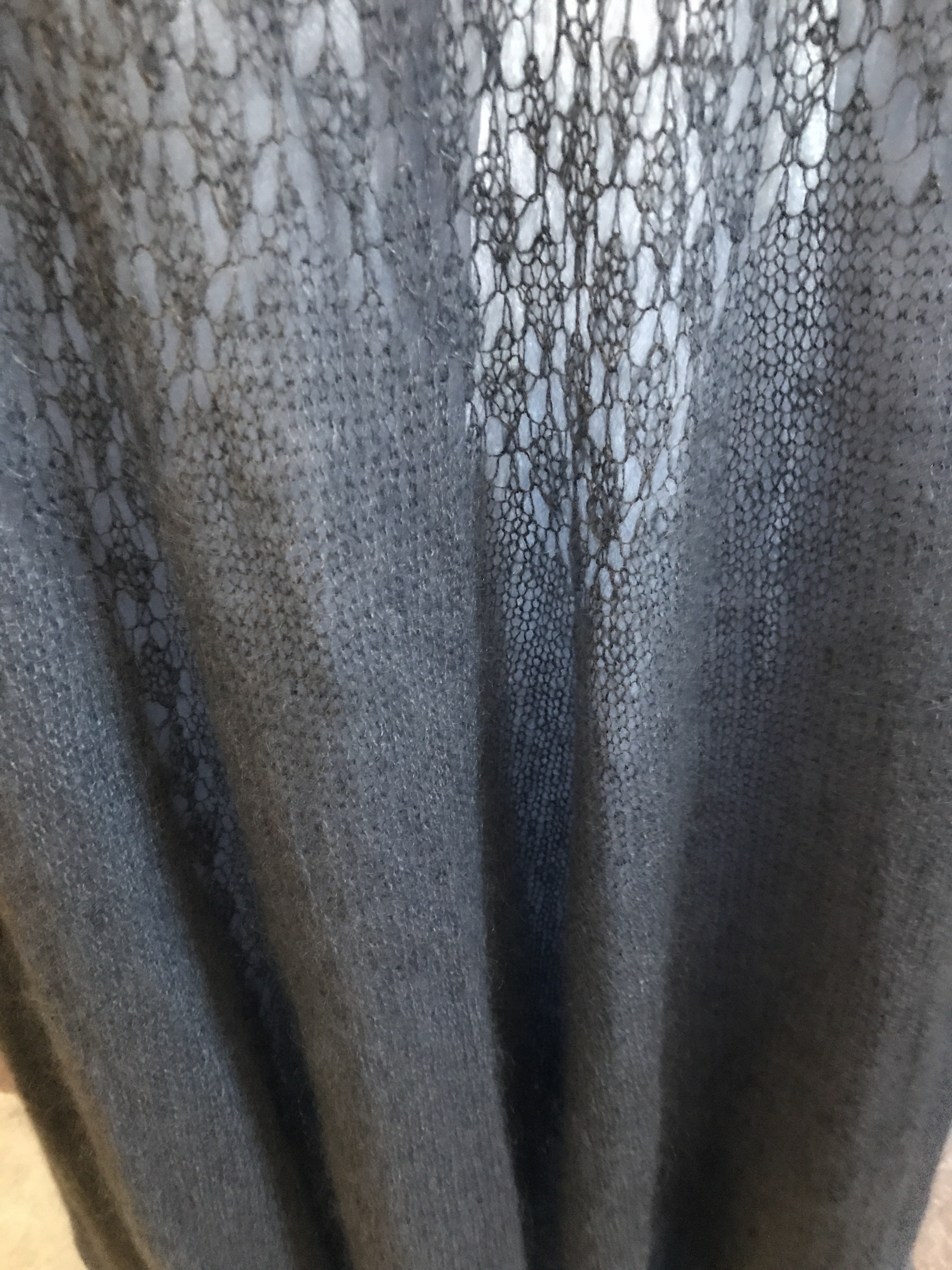
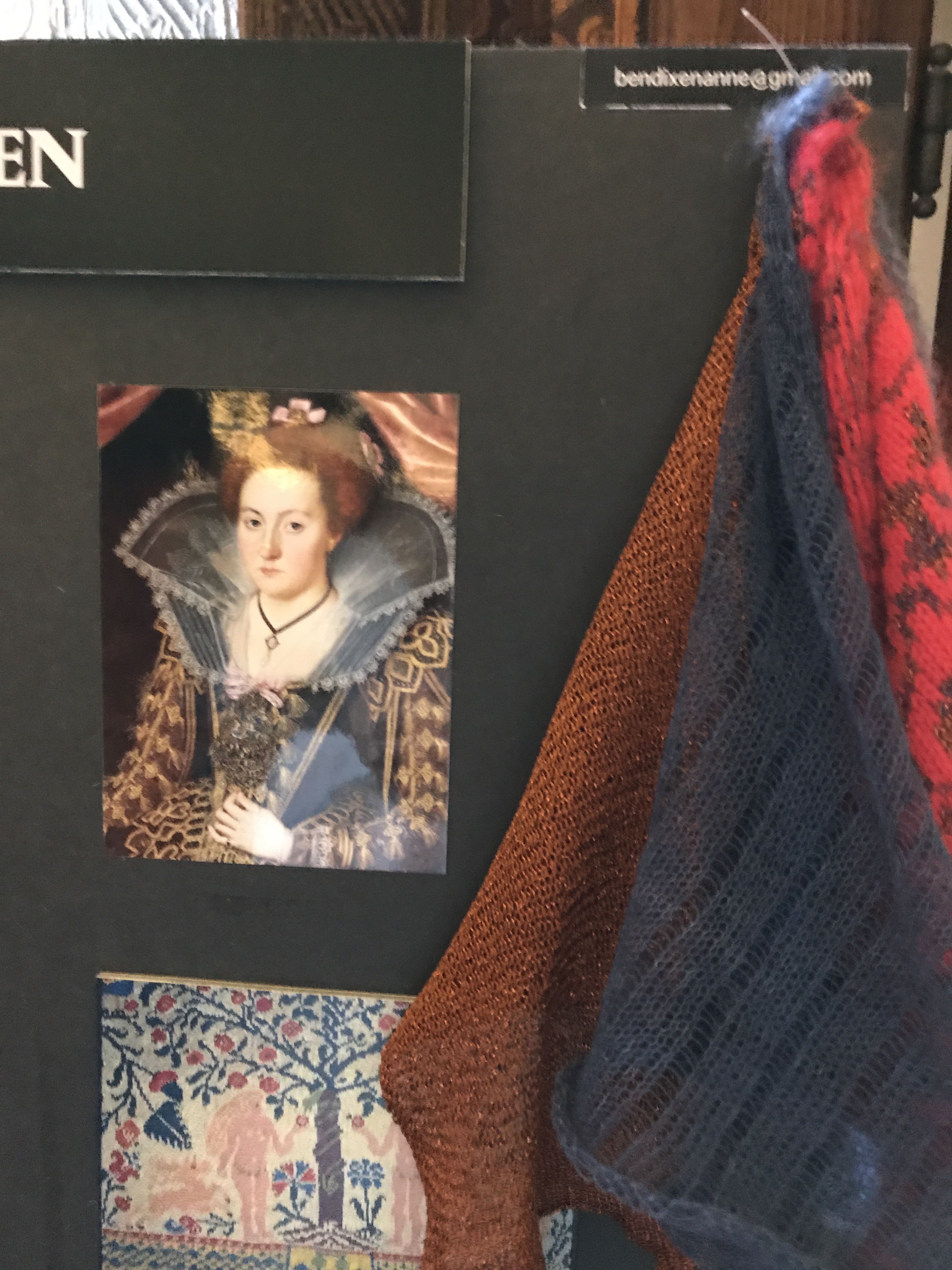
Frederiksborg Castle in Denmark is a riot of Renaissance elegance. A recent exhibit featured a jaw-dropping collection of hand-knitted ensembles based on the costumes in royal and noble portraits in the castle.

I love the idea of knitting, but I’m terrible at it. A simple scarf from my hands turns into a lumpy mess. So I was in awe.

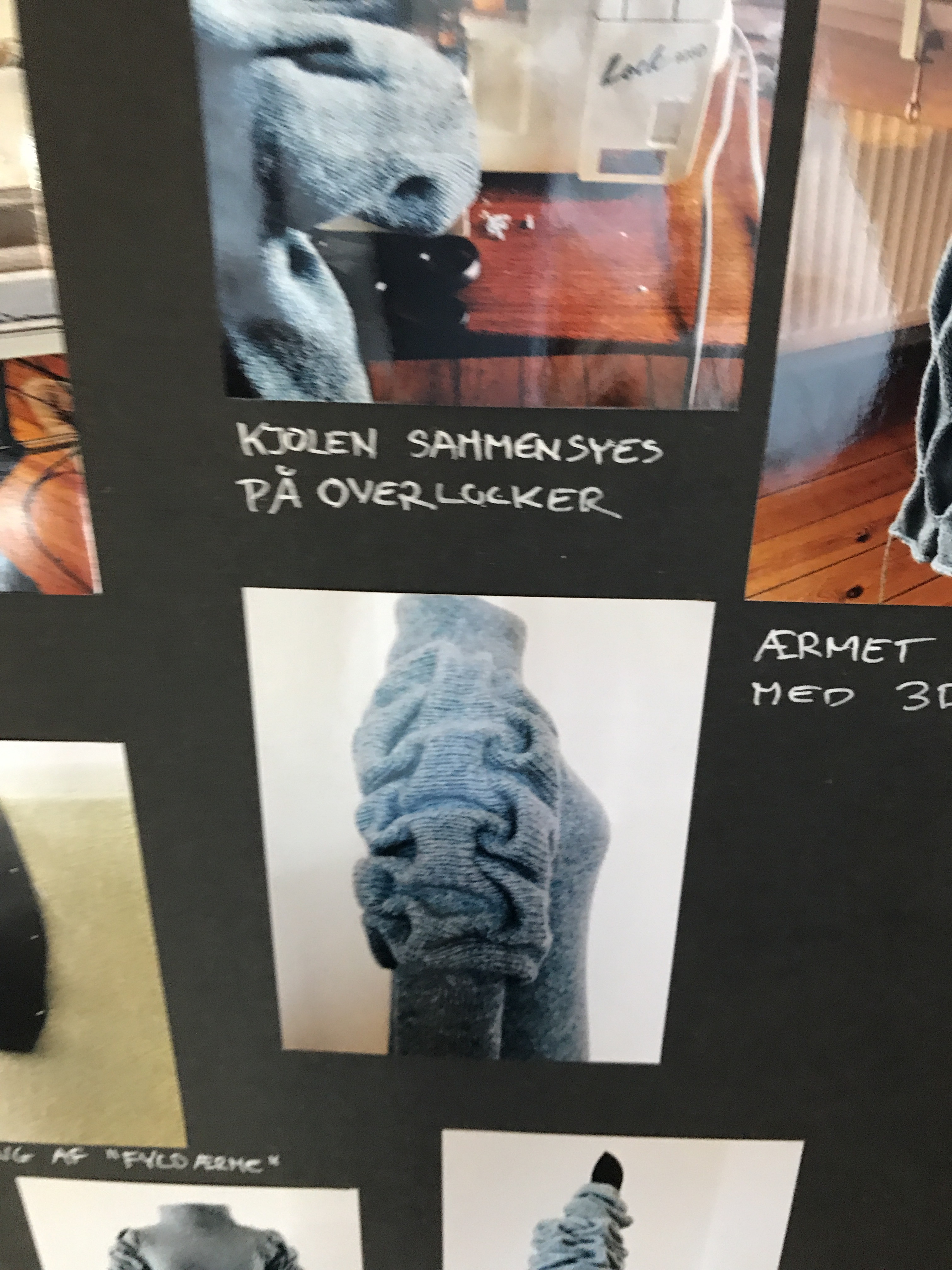
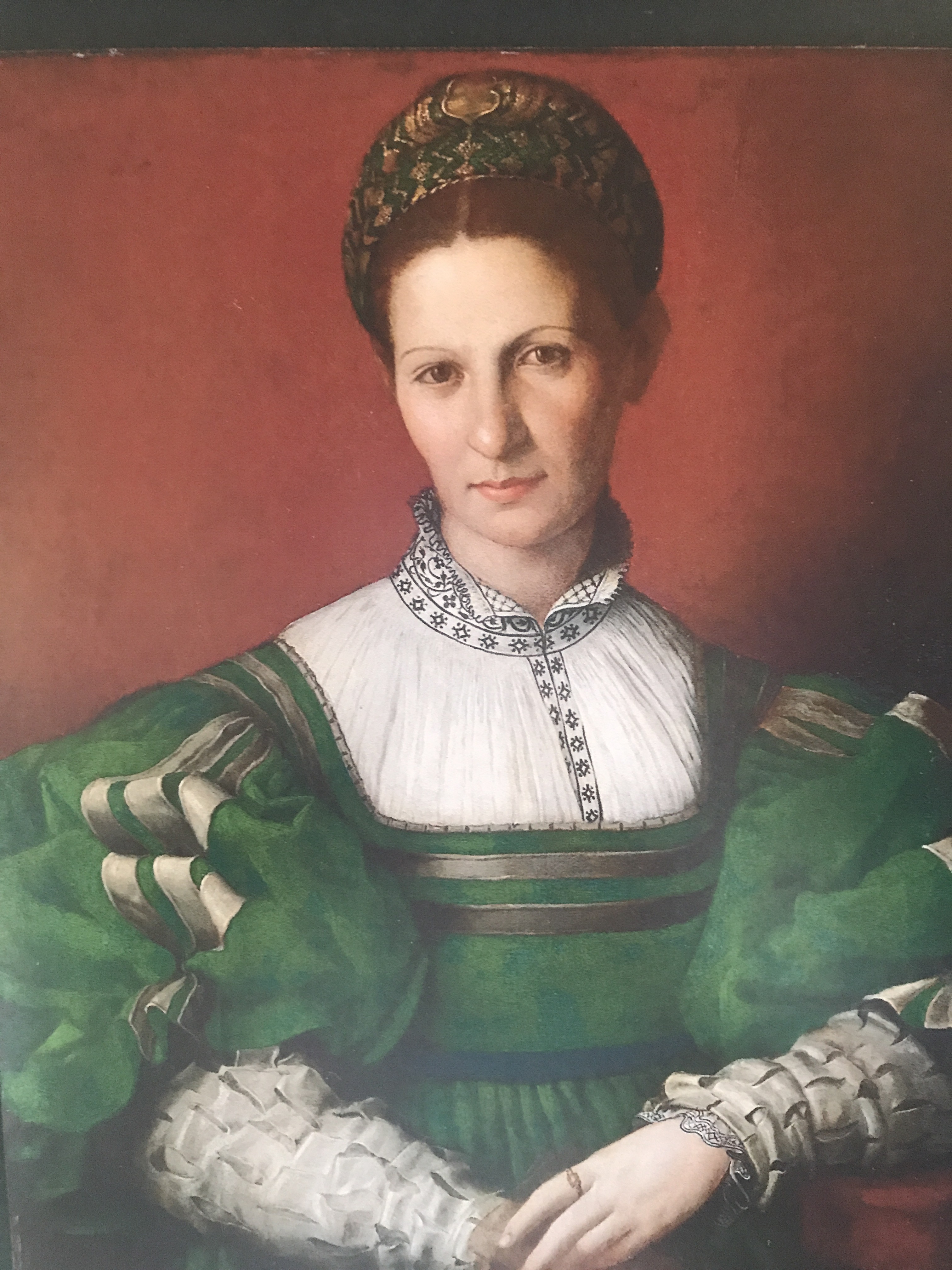
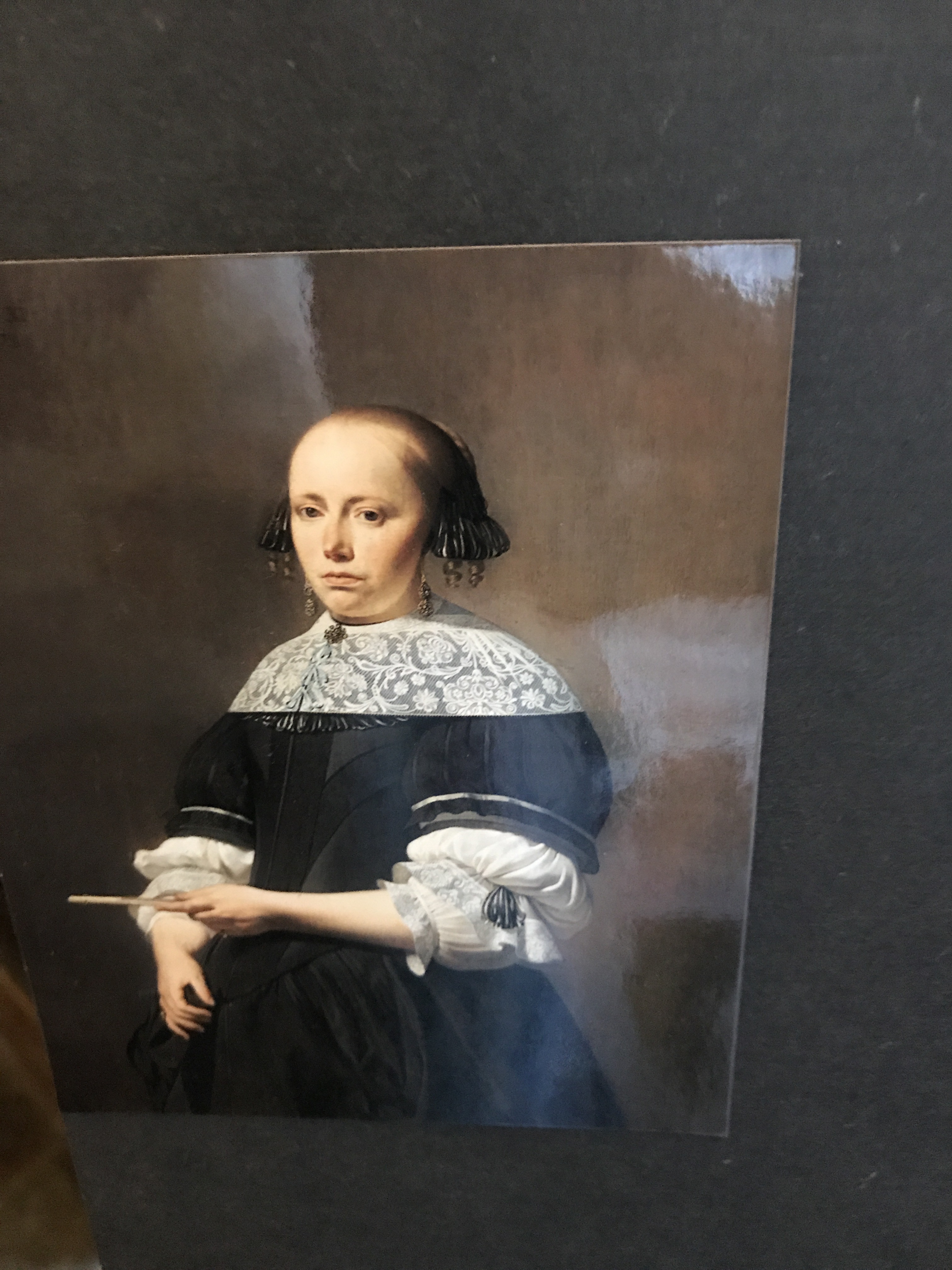
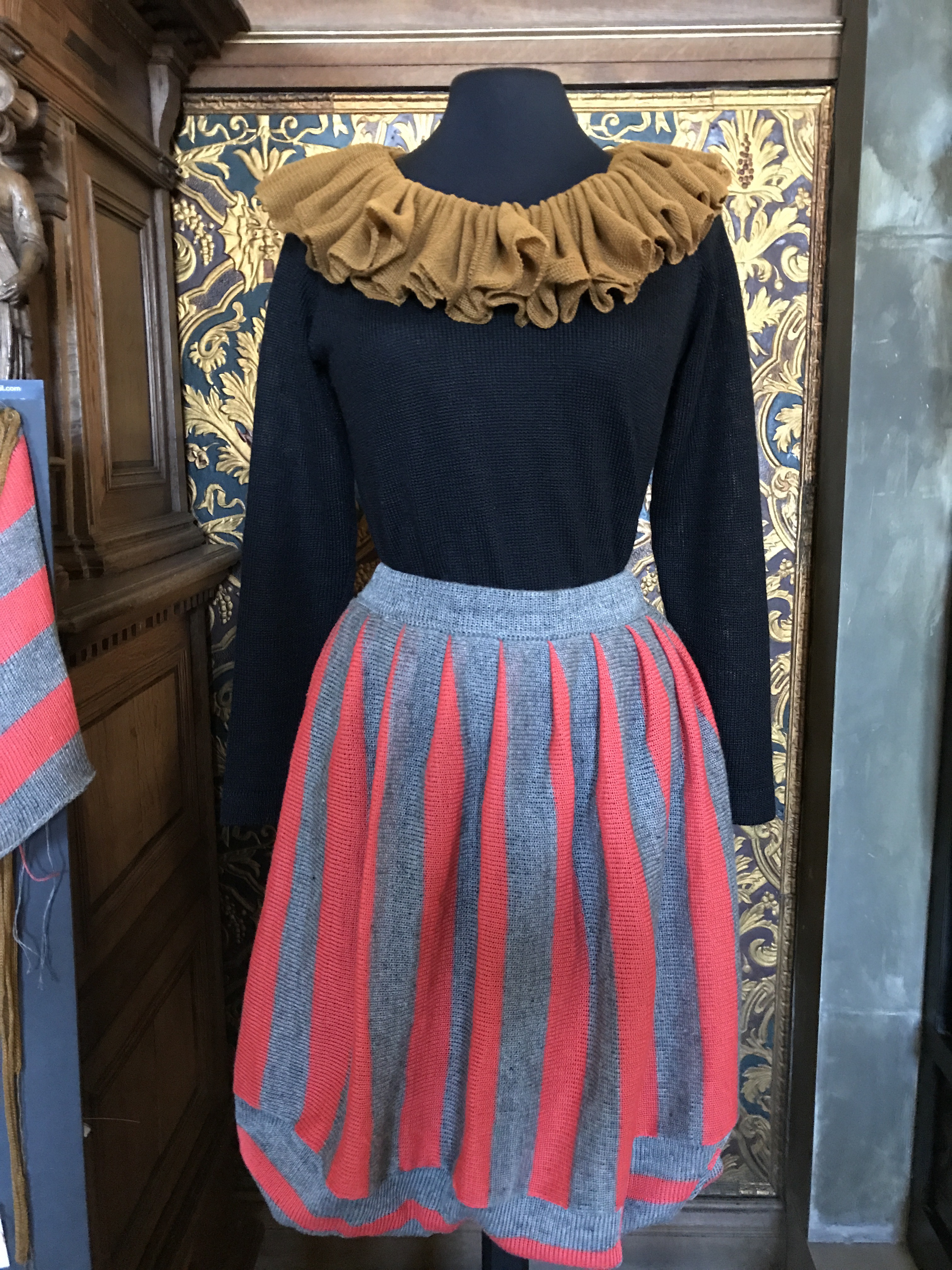
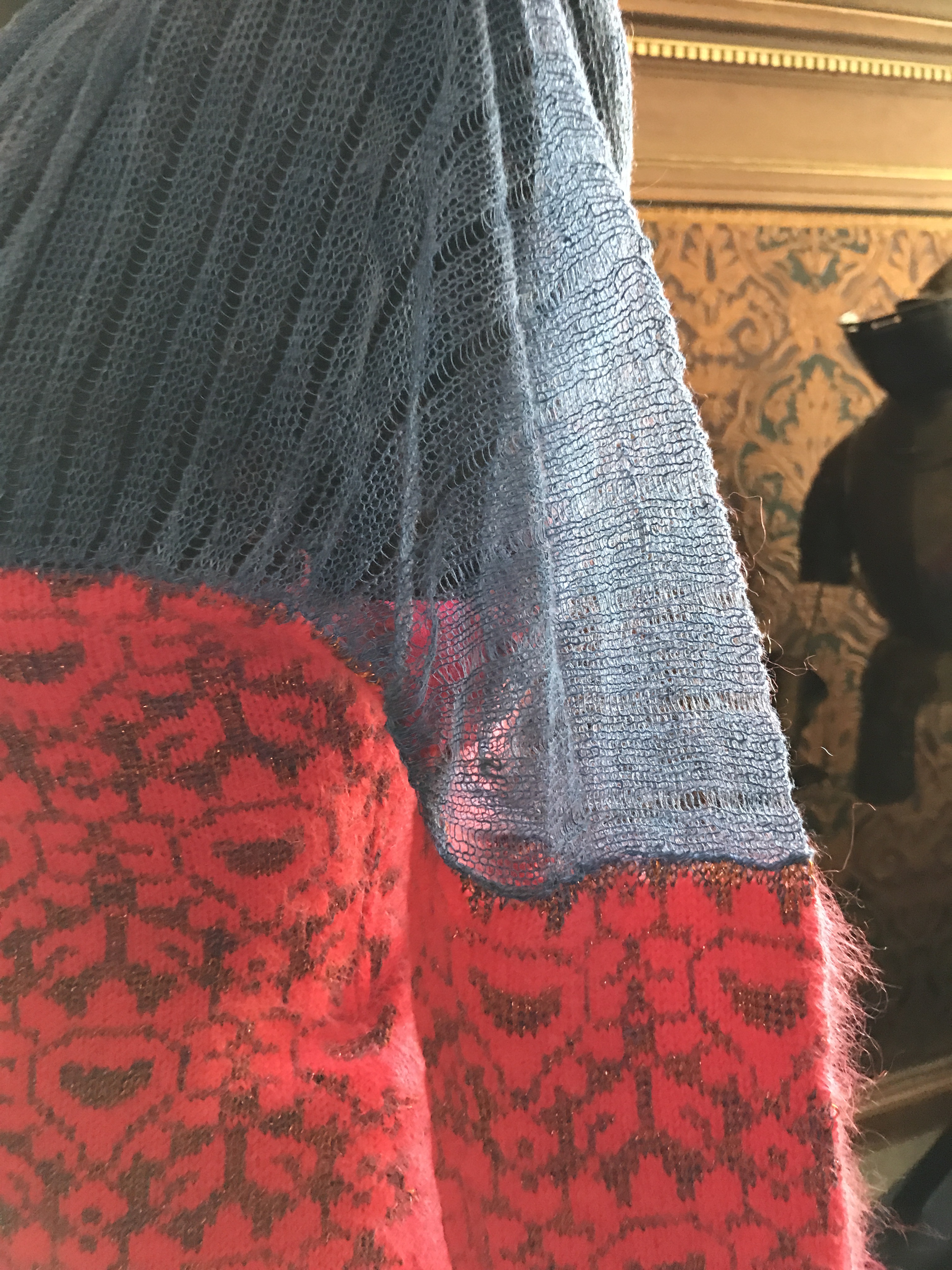
The source portraits were hard to identify in Danish, so I gave up and just enjoyed the knitted versions of the costumes. How about an artfully ruched sleeve on a simple gray sweater?

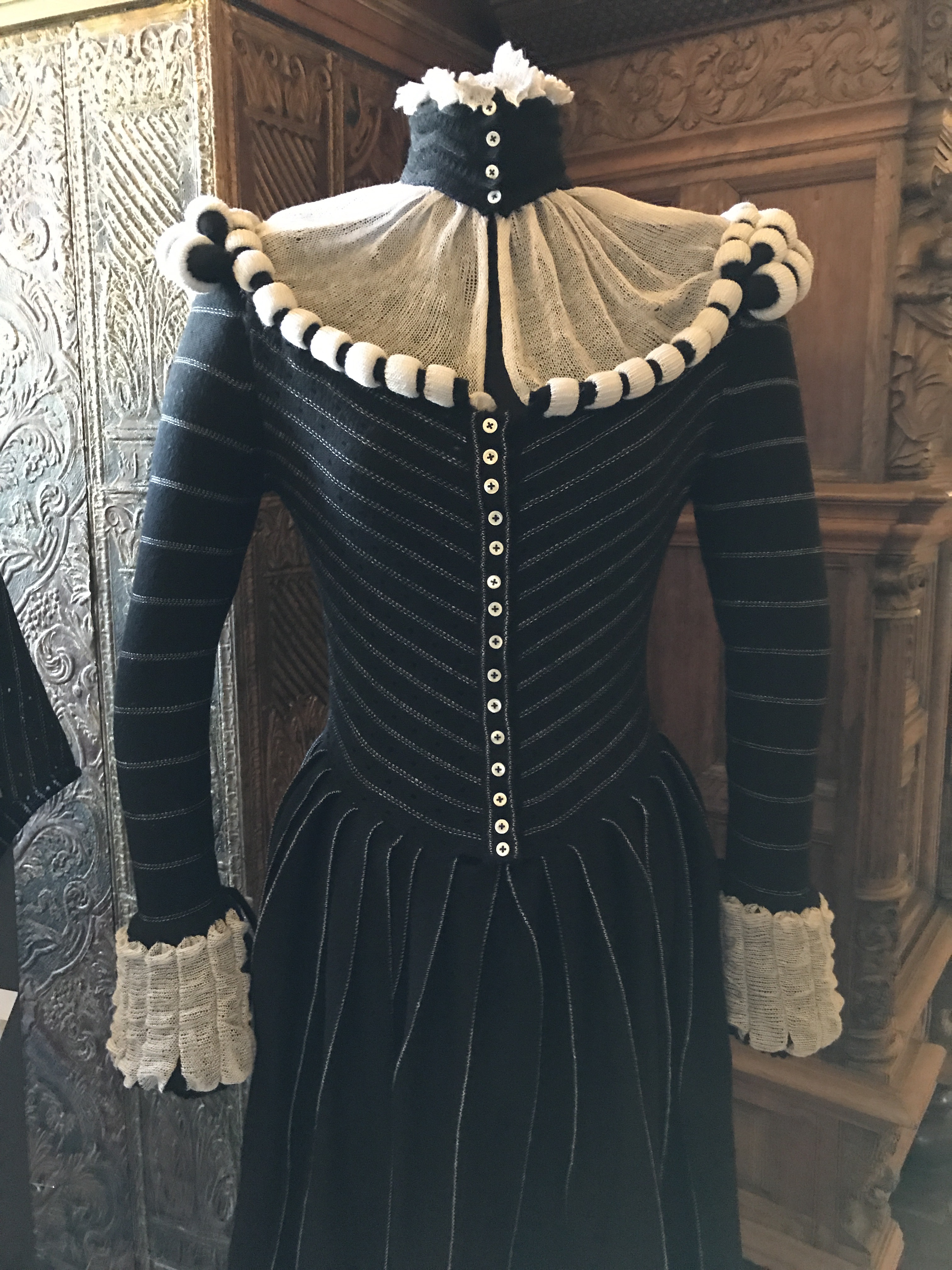
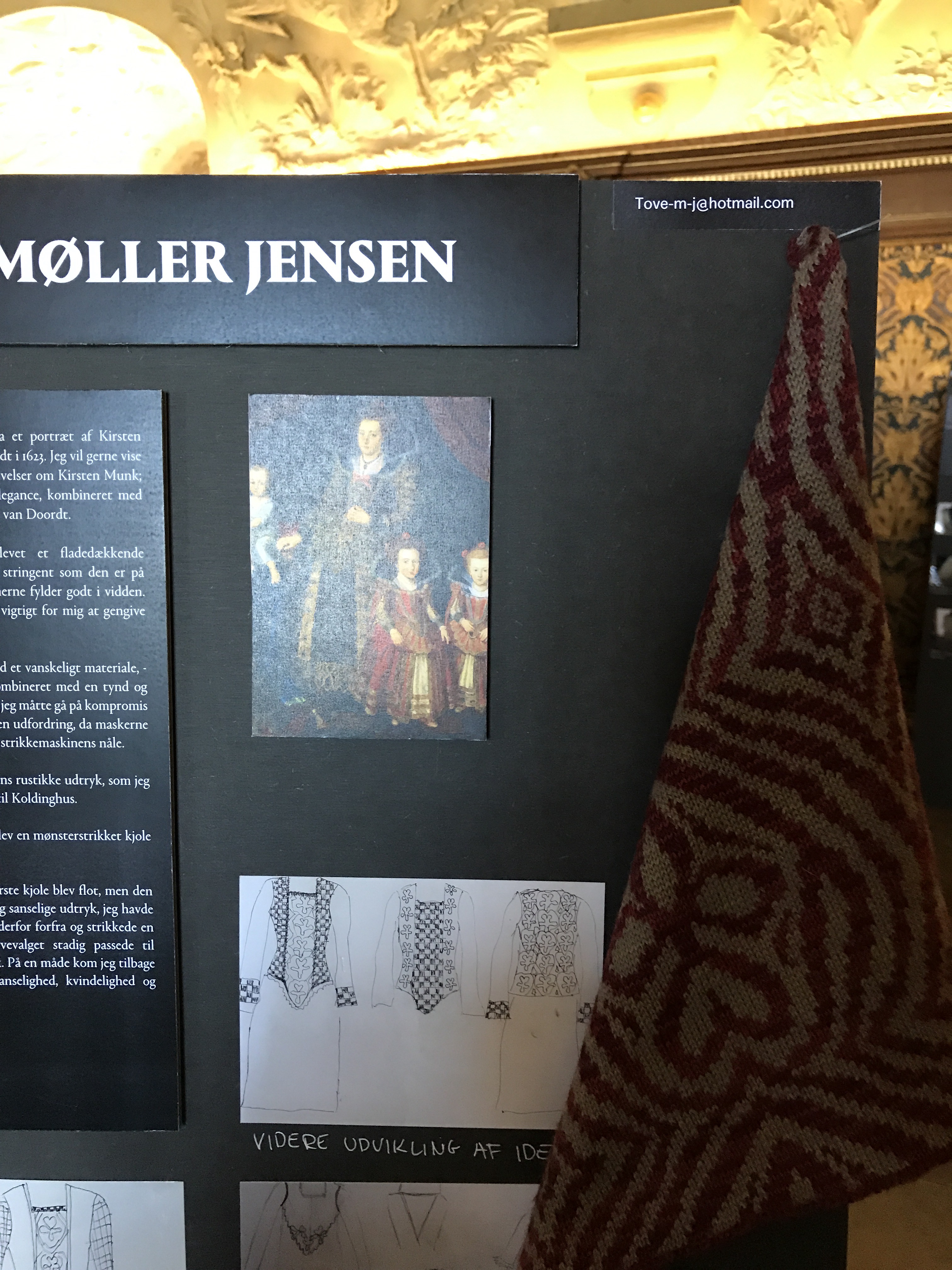
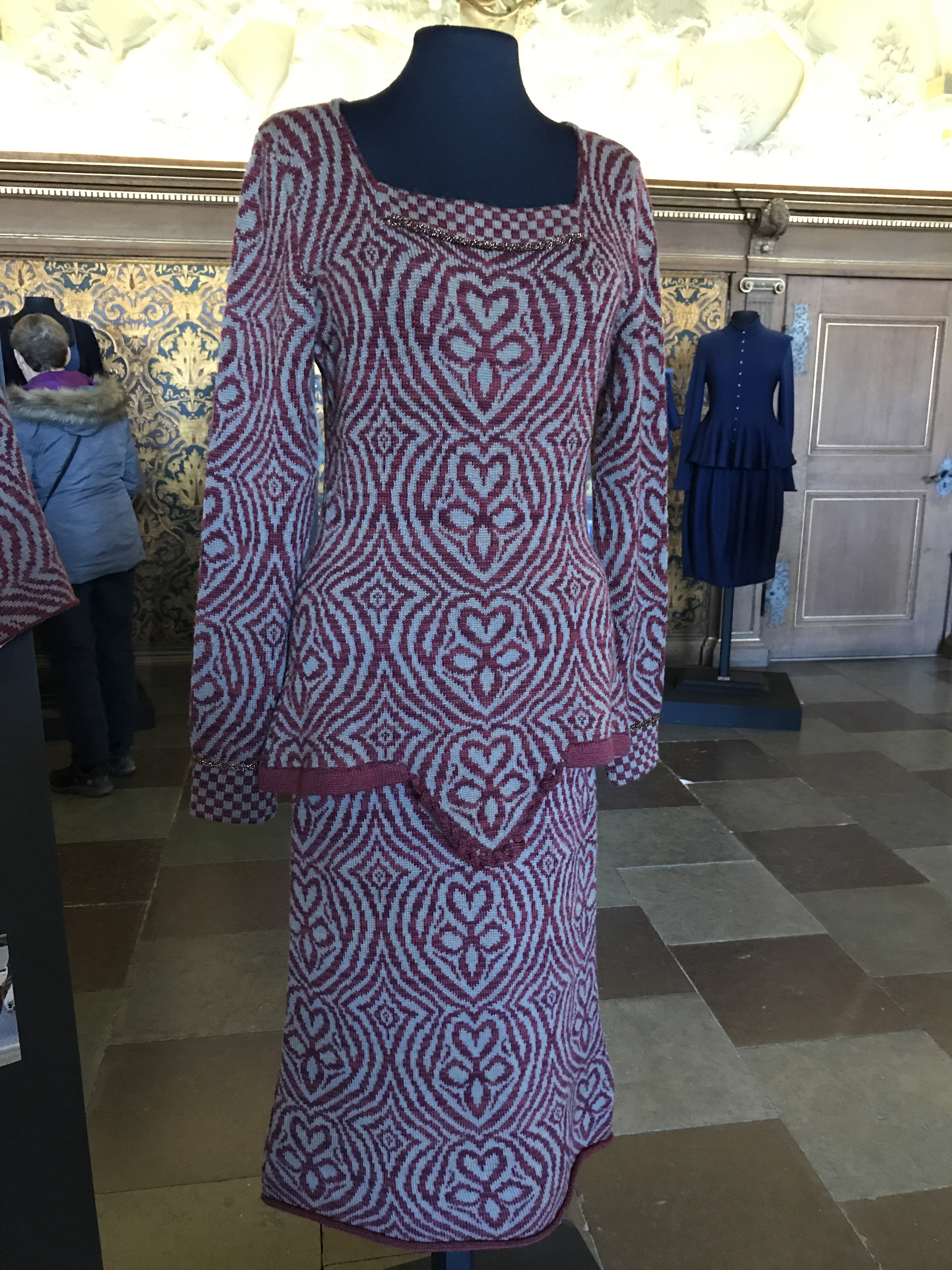
Or an elegant dress based on two portraits from the 1500s? I’d cheerfully wear this if I had an occasion fancy enough.

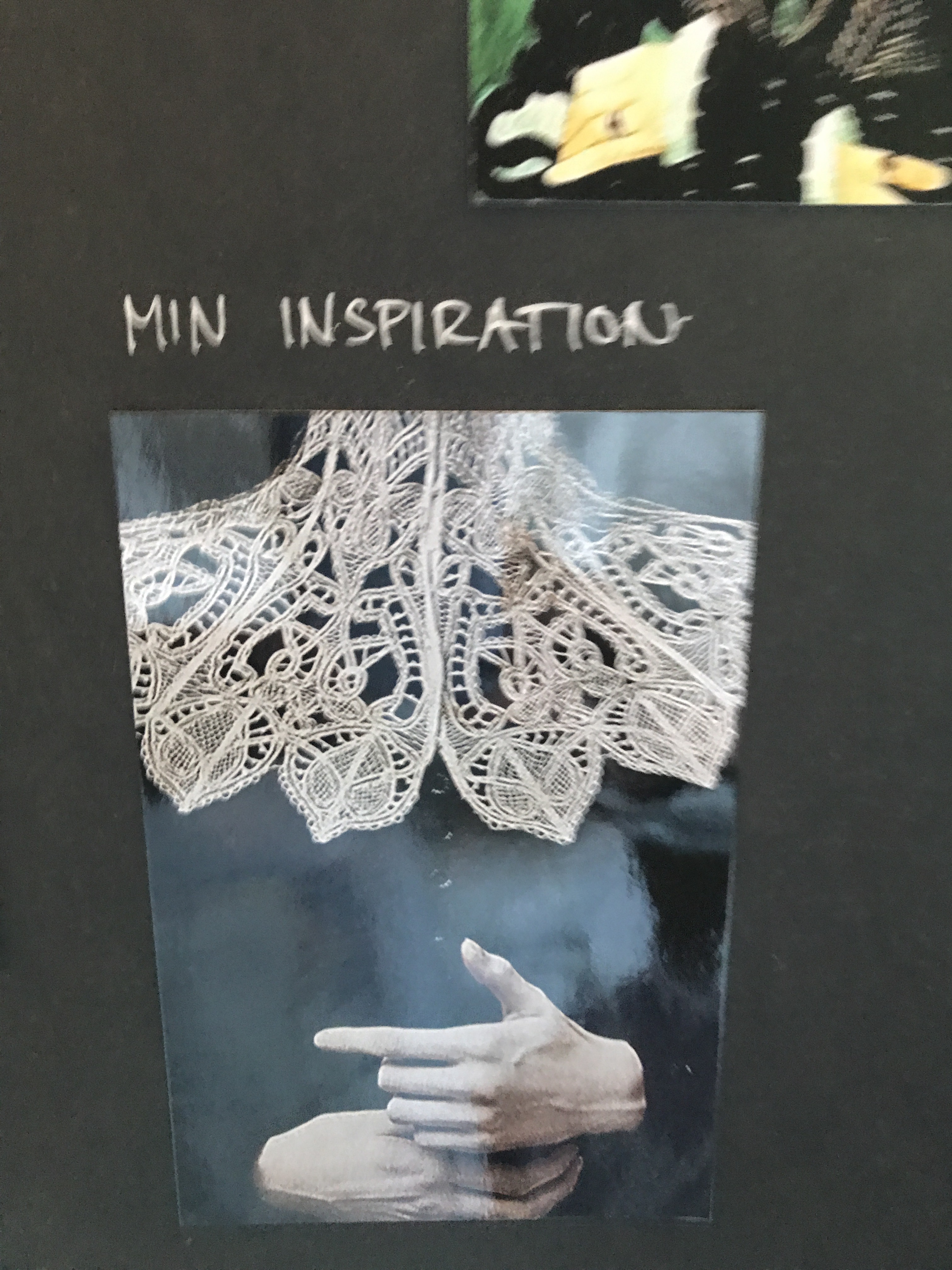
Perhaps an elaborate lace collar?

I’d wear this dress too, if the artist knitted me one in a different color combination. Maybe subtle blues and purples?


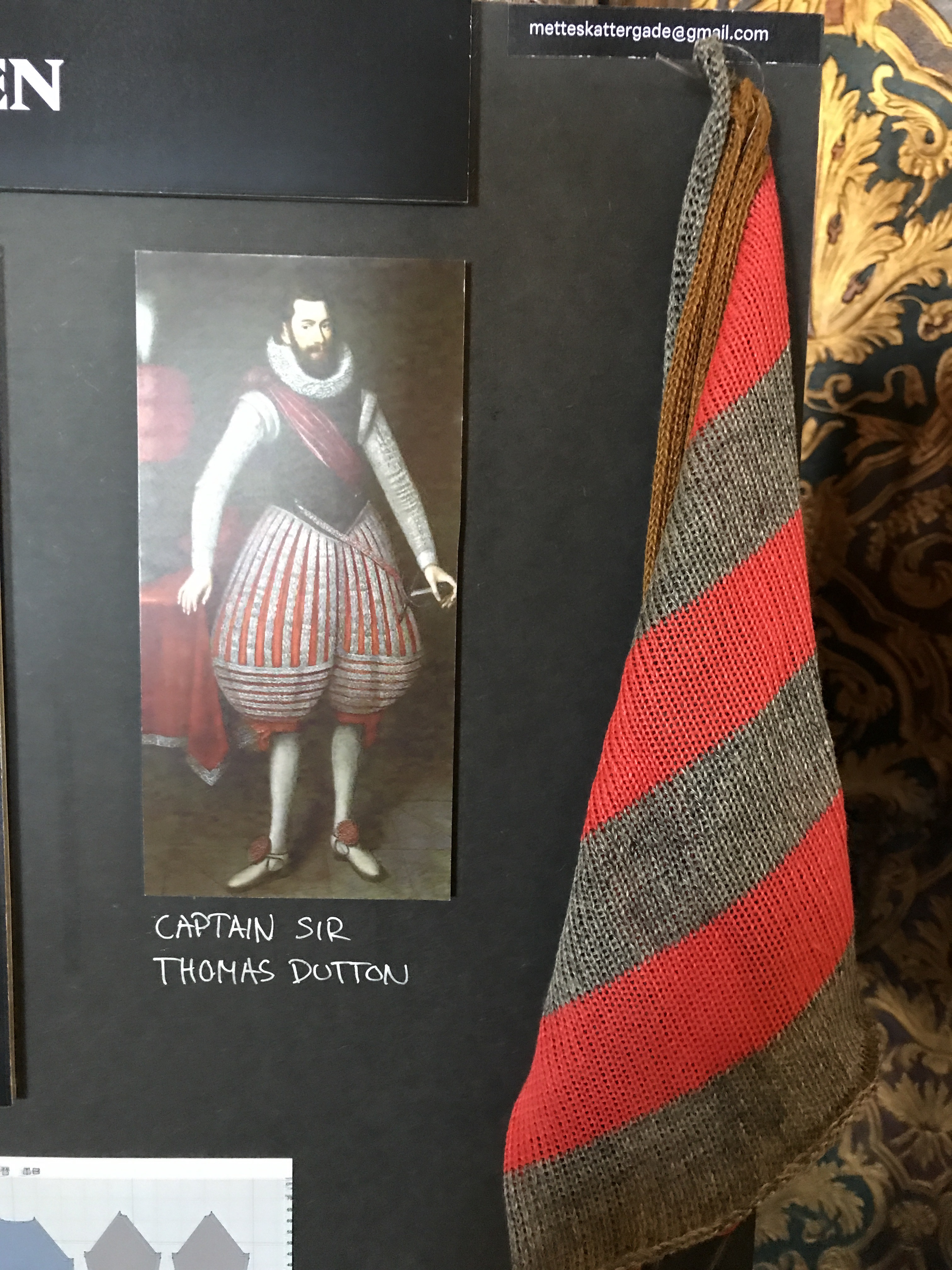
The same goes for the pantaloon-turned-skirt number, based on a portrait of one Captain Sir Thomas Dutton. I’ll take one in grays and blues, please.

Two of my favorite colors, and an Elizabeth vibe…

A peplum number in deep blue.

Textures and colors fit for a long-ago princess…


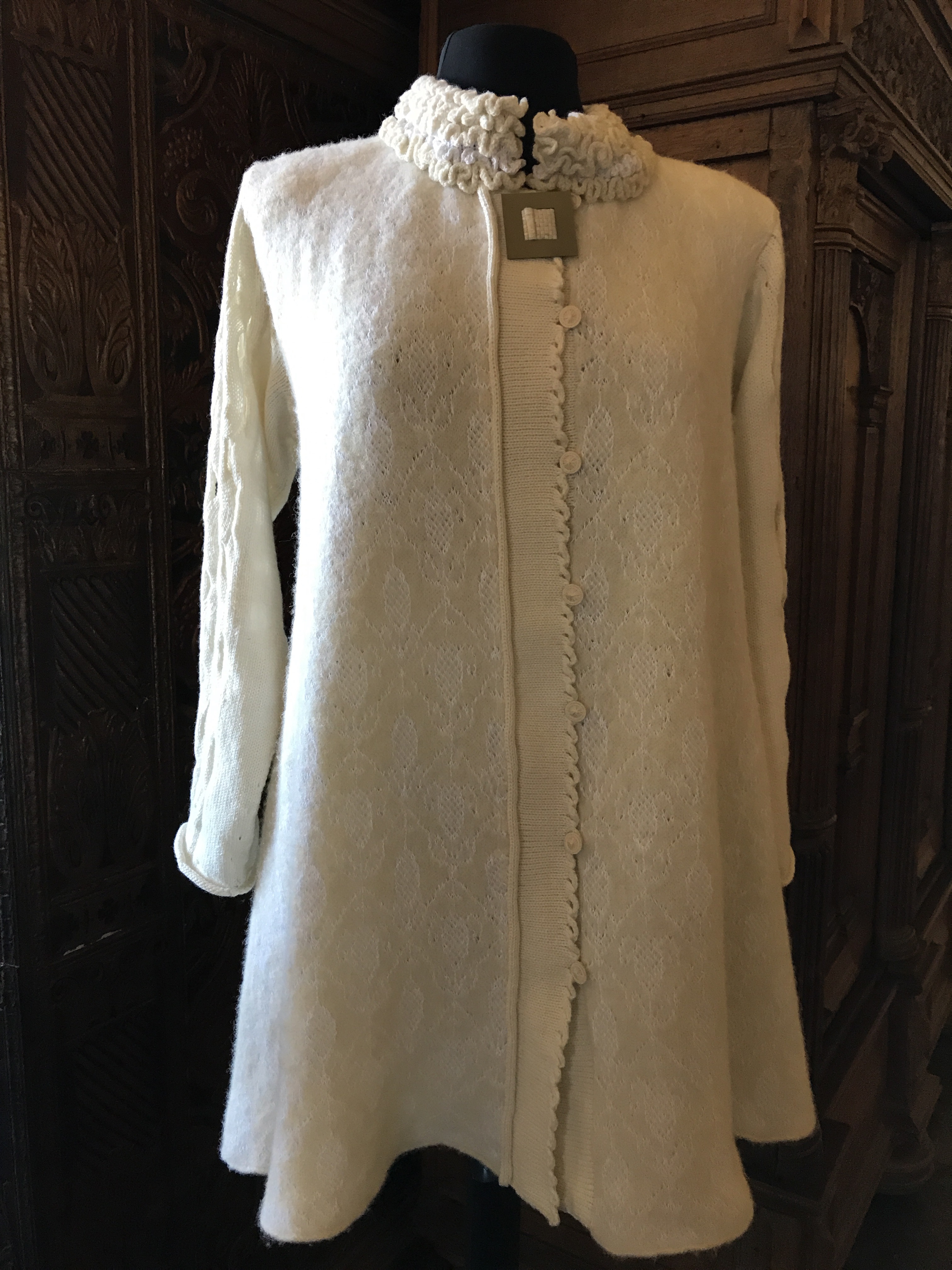
I’m not sure of the inspiration for this creamy white wool coat. It kind of looks like a gentleman’s long-sleeved undershirt, lovingly sewn by his lady. Whatever. Just ring it up. I’ll wear it home!

Join me next time for more explorations in the art, past and present, of Europe and the British Isles.

Kalmar Castle Doorways

img_4443

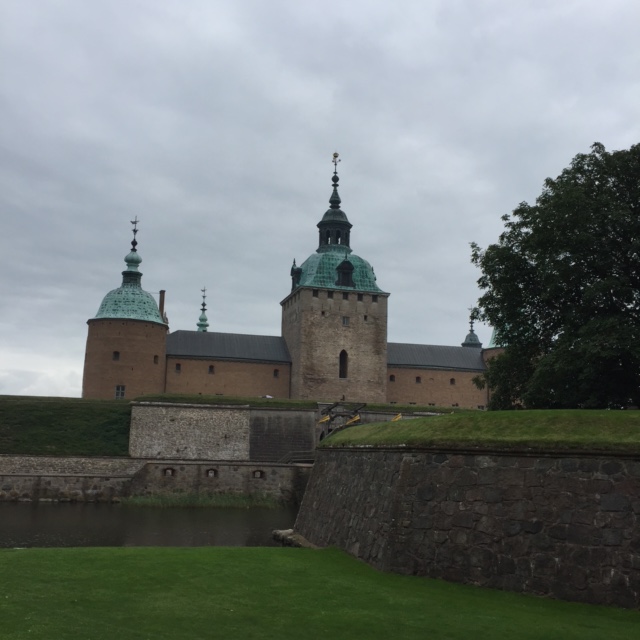
Kalmar is a pretty town on the Swedish Baltic coast. It has a spectacular Renaissance castle on a site that was of strategic importance for many centuries, starting about 800 years ago.

img_4474

Naturally, it has spectacular doorways, beginning with the dry-moated entrance.

img_4494

Some of the doors are clearly defensive.

img_4461

Some are more decorative, but still formidable.

img_4909

Some are meant to impress and possibly intimidate, like the one just past the drawbridge.

img_4456

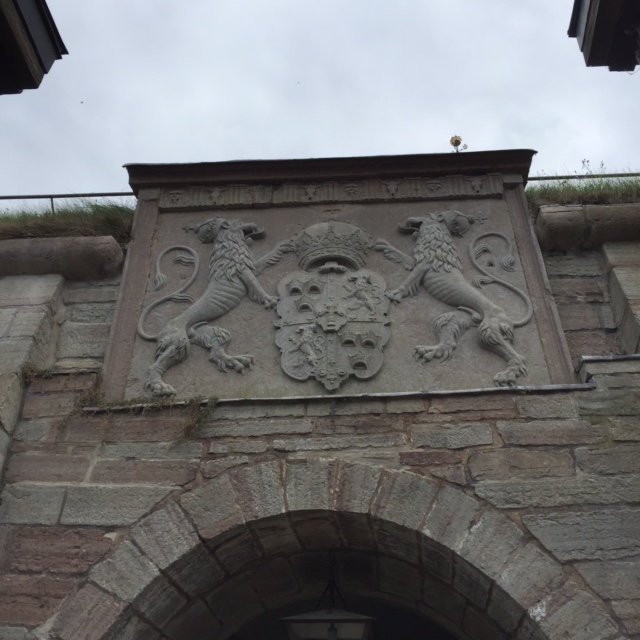
This door features the regal lions of Sweden.

img_4705

Inside, doorways reflect the luxurious tastes of kings and queens.

img_4863

The doorways of Kalmar Castle are all worth entering.  Everything is more spare than Renaissance castles and palaces in England, Austria, Germany, France or other European countries.  But that very spareness has its own Nordic elegance. The castle is a fascinating look at the unique ways that Renaissance ideas played out in Scandinavia.

The shop has books about Elizabeth I and Mary Queen of Scots, apparently because most of the major rebuilding and decoration of the castle was done during their lifetimes. And at least one Swedish prince was known to have courted Elizabeth I. Of course, we all know that she said “No!” to marriage. But at the time, Sweden was a great naval power.  I wonder if Elizabeth gave some serious thought to a Swedish alliance. How might history have been different if she had said “Yes!” to a Swedish prince?

Castle doorways always lead me to questions like this.  It’s why I travel.