Author Archives: Claudia Suzan Carley

The Queen’s Church at Sandringham


Every Christmas I see pictures of Britain’s Royal Family walking from Sandringham House to the local parish church, St. Mary Magdalene. They’re always beautifully turned out, of course, and there’s always at least one pretty child ready to present a bouquet to the Queen. Now I’ve seen the inside of the church, and it’s one of the most beautiful rural churches I’ve ever seen.

  The altar and ceiling are wonderfully carved and painted.  The atmosphere is full of light and joy.
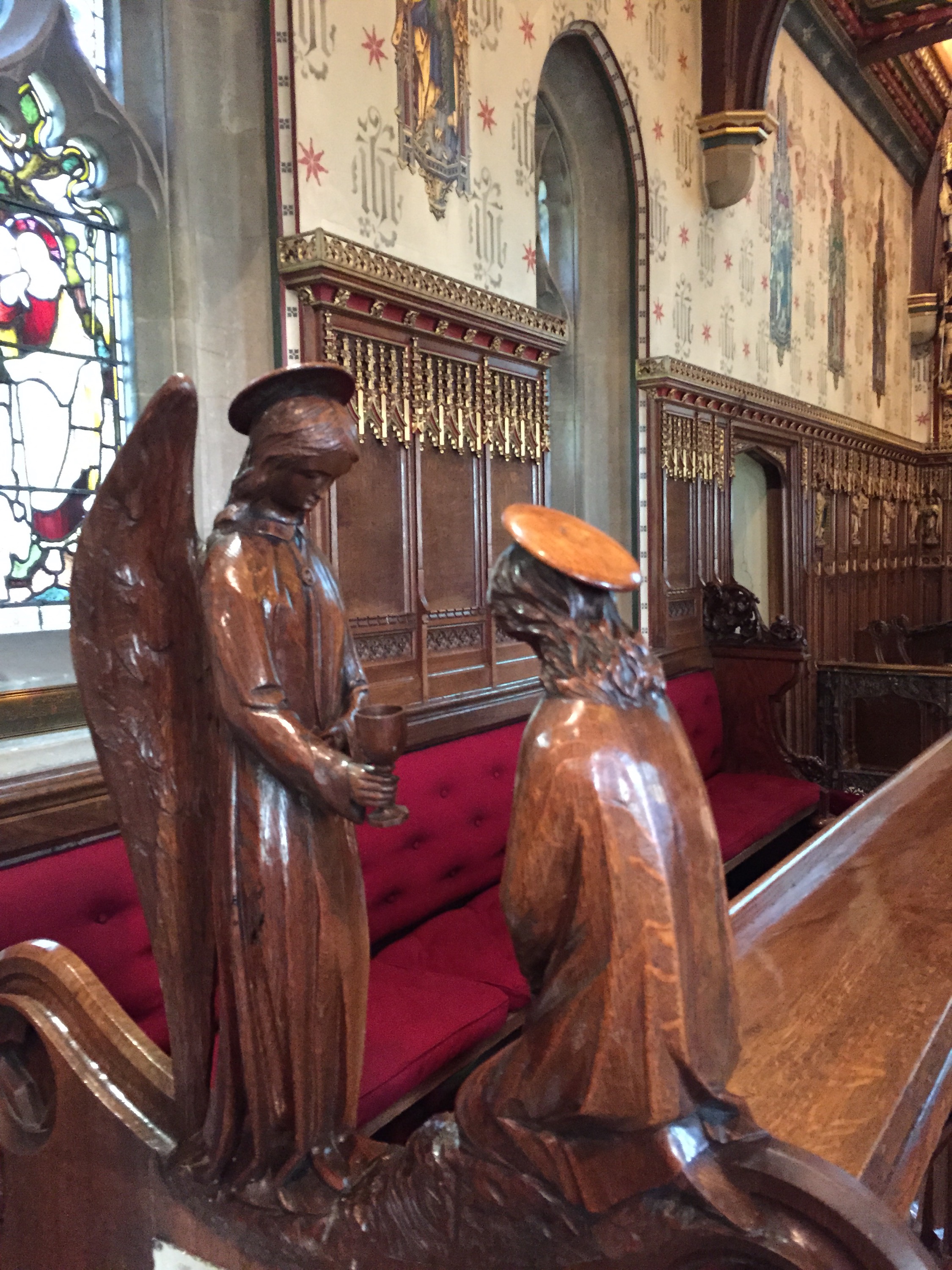
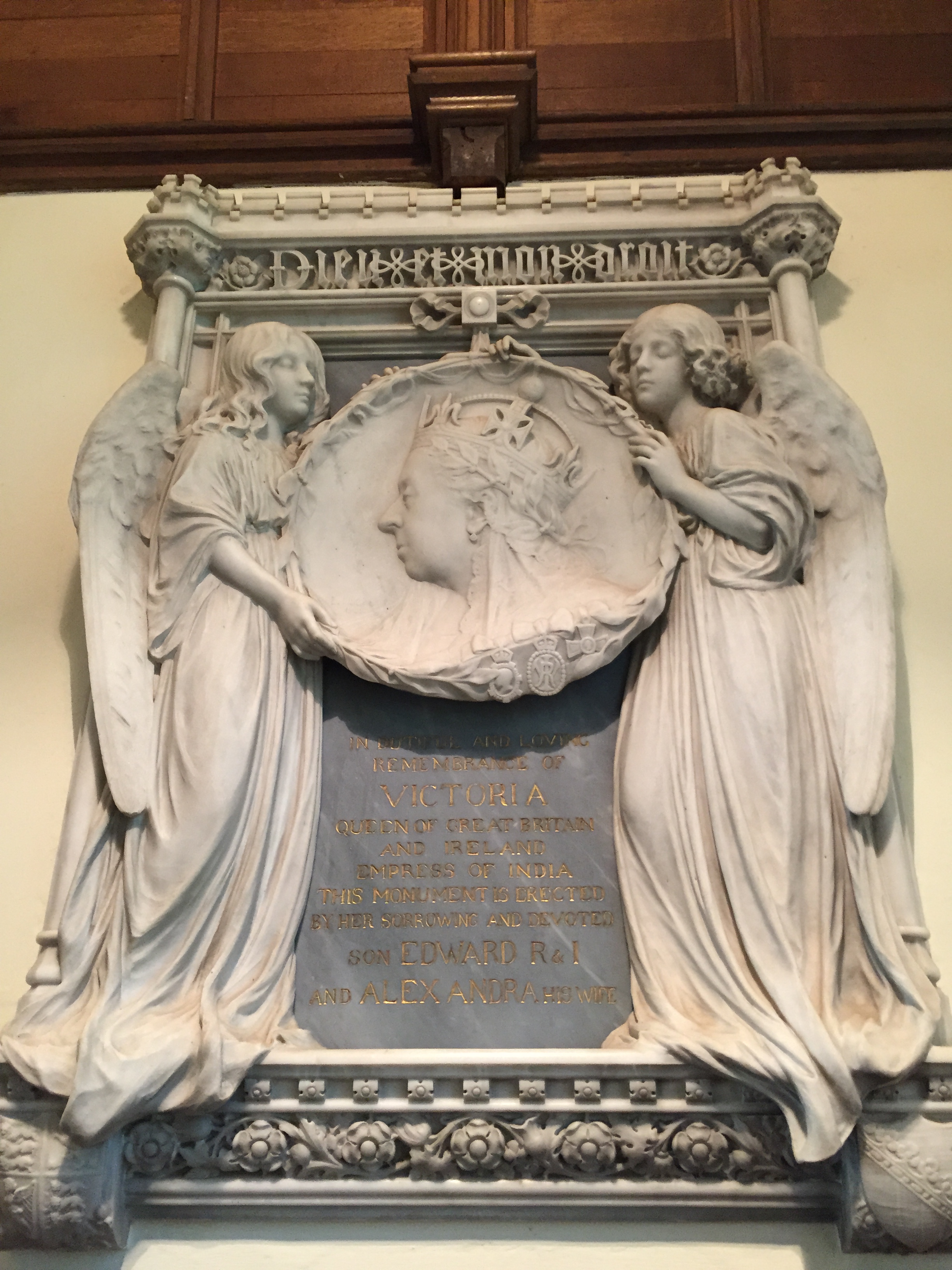
 A beautifully carved angel administers Communion in the choir. There are no royal tombs here, just exquisite memorials to various Royal Family members.

2015-04-23 11.26.07


The two angels above lovingly hold a silhouette of Queen Victoria, who had the foresight to buy Sandringham House as a privately owned family retreat.

This post is an experiment–I’m trying to post from my phone. If it works, it will be a whole lot easier to post while traveling!

Why I Love England…In April

FullSizeRender (10)

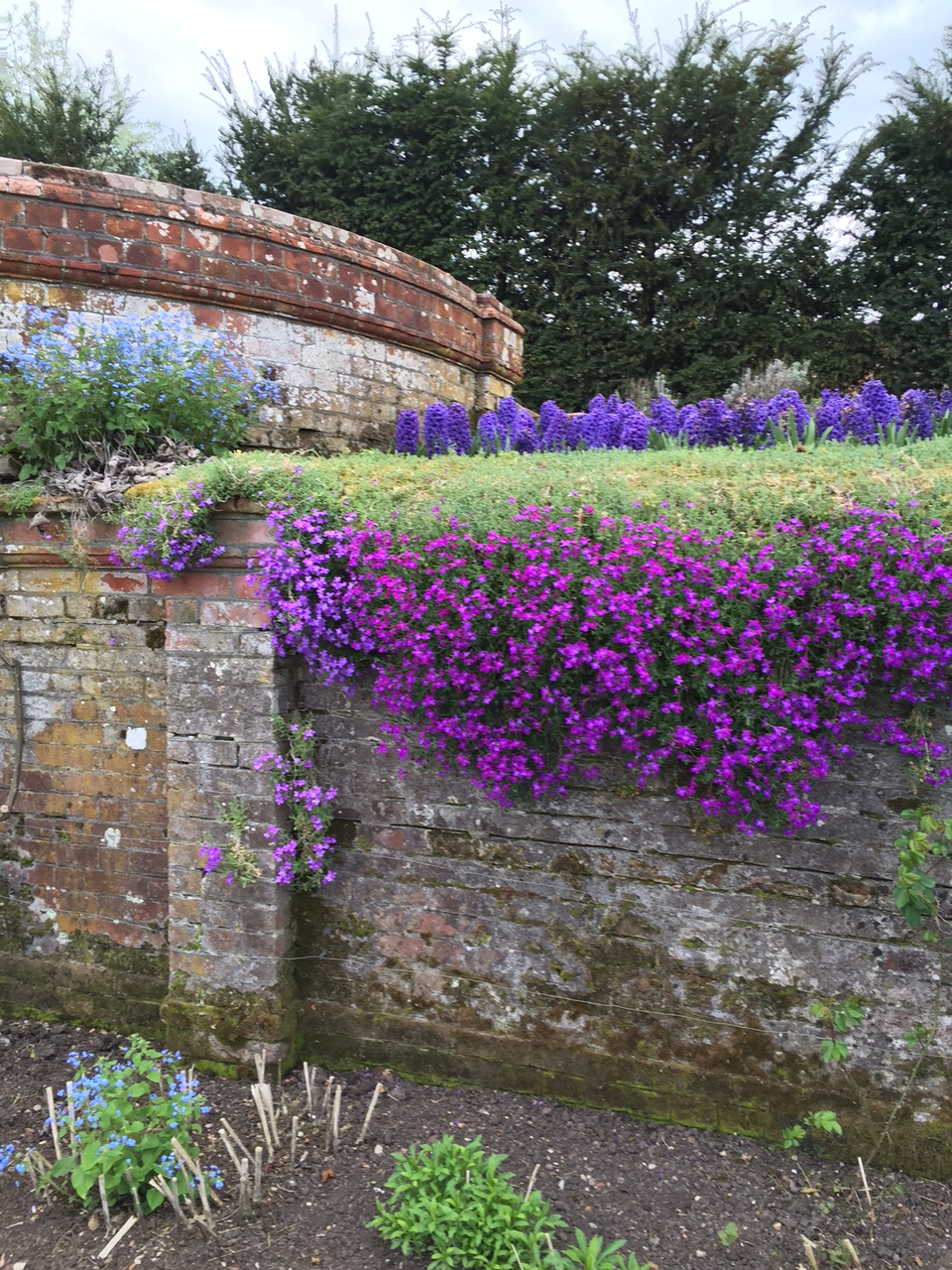
England is a nation of gardeners.  Hyacinths are fragrant right now.

IMG_8879

Daffodils are still in bloom, and bluebells are just coming into season. Bluebells are a protected species; they carpet forest floors.

FullSizeRender (61)

Garden gates beckon.

IMG_7671

Fiddlehead ferns are just coming up.  They’re a delicacy in salads, I’m told.  These belong to the Queen, on her estate in Sandringham.

IMG_8907

Every gardener is an artist.  A gardener at the Tudor mansion Blickling Hall, reputed birthplace of Anne Boleyn, composed a beautiful study in blues and purples.

I love England in April!

Back to Blenheim

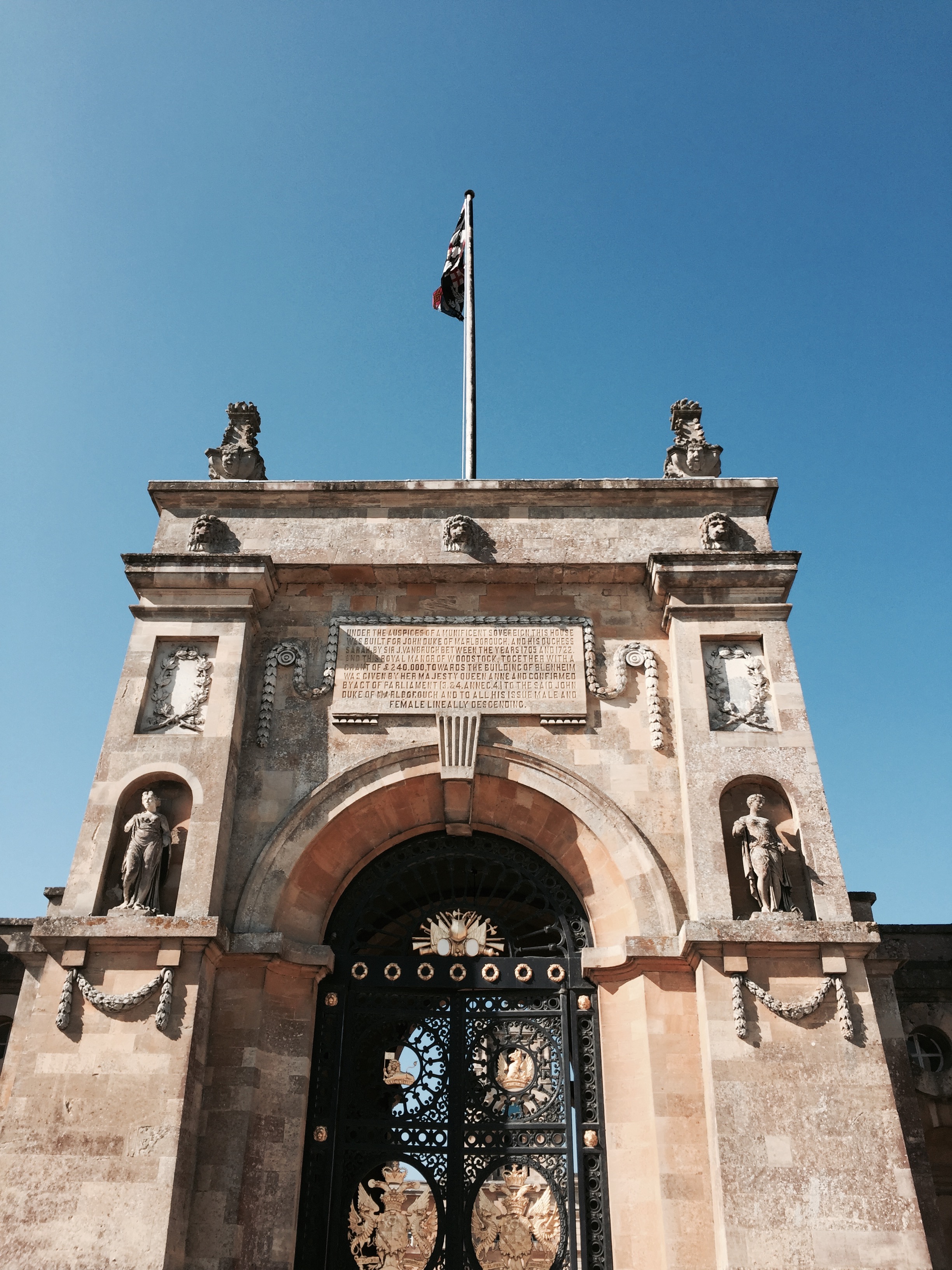
BlenheimFacade

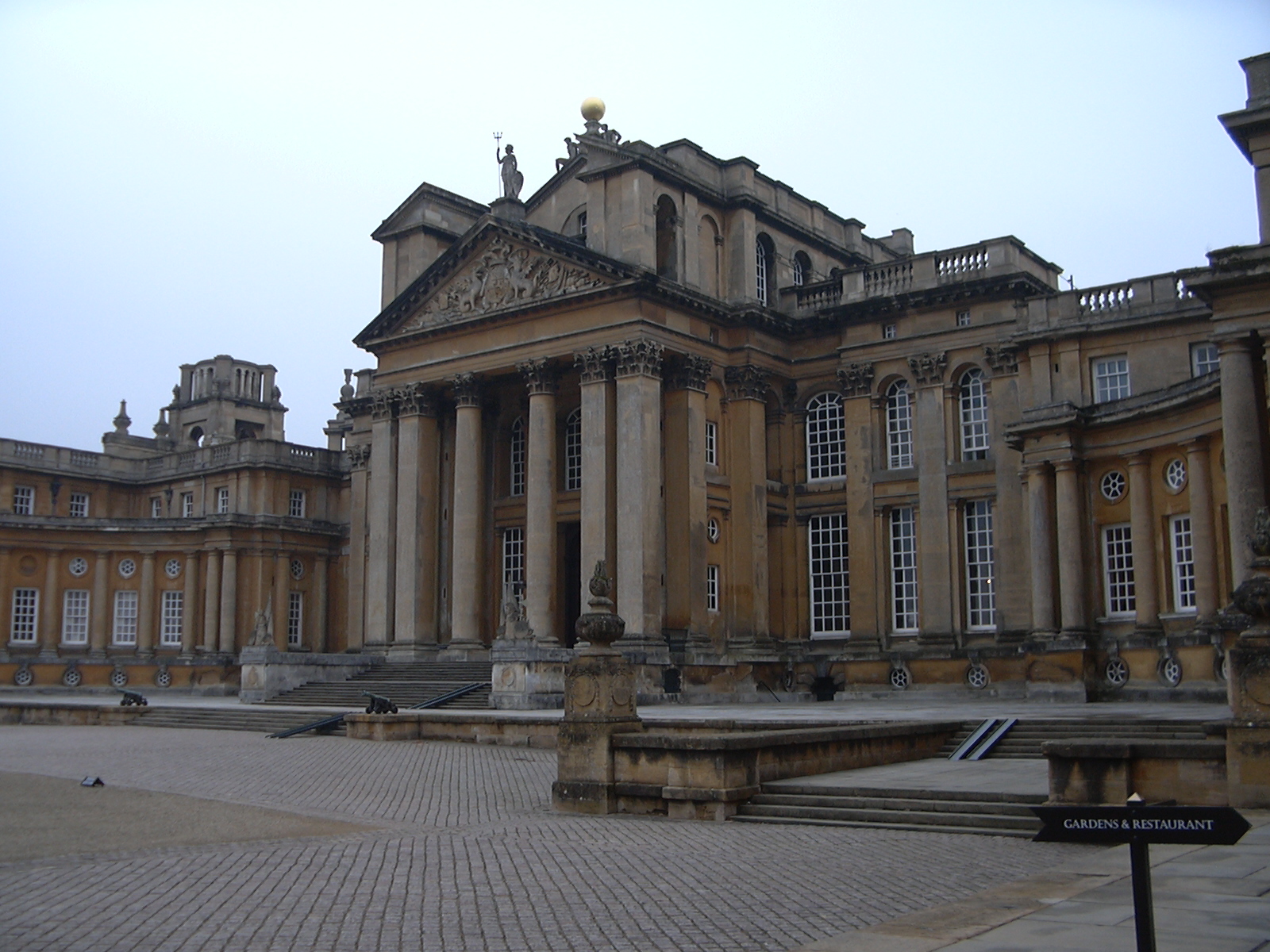
Every now and then the stars align favorably.  I was lucky enough to visit Blenheim Palace last fall, and doubly lucky to be in England again in the spring.  When I bought my Blenheim ticket last fall, I stopped at a kiosk and made it into a year-long pass–at no extra charge!  What a deal!  I’d probably go back even if I didn’t like the place, but I happen to love it.

HamletPoster

Blenheim was used for the exterior scenes of the great film Hamlet, with Kenneth Branagh as director and and playing the melancholy Hamlet himself. He was perfect. English major and Shakespeare lover that I am, I’ve watched the film quite a few times.  I like to turn on the subtitles so I can get all the glorious Shakespearean words, but it is very dramatic and easy to follow even without caring much about the dialogue. It even ends with some swashbuckling worthy of Jack Bauer in 24. The acting is stellar, featuring, besides Kenneth Branagh, Charlton Heston, Julie Christie, Billy Crystal, the late Robin Williams, Derek Jacobi, Kate Winslet, Michael Maloney, Timothy Spall, Richard Attenborough, Brian Blessed, Judi Dench, Geraard Depardieu, John Gielgud, Rosemary Harris, and Jack Lemmon (he was still with us in 1996!)

FullSizeRender (31)

Toward the end of the film, one scene shows the new King arriving after the tragic events of the story, riding up to the palace with his retinue.

DSCN7019

The palace, decorated with military mementos of the First Duke of Marlborough, was just the right location. The 11th Duke of Marlborough had a cameo appearance as one of the nobles accompanying the new king.  I’m guessing it was one of the highlights of his long and distinguished life. After all, he was appearing with fine actors in a great film that showcased his ancestral home. Plus the new King was played by Rufus Sewell, in fine smoldering form.  Who wouldn’t want to appear in that film?
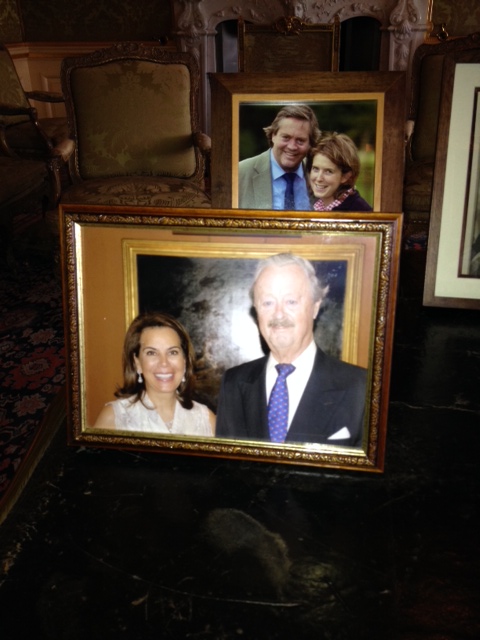
DukePhotos

I  last saw the 11th Duke last fall on my visit.  He was usually a very visible presence, striding around his palace and really seeming to welcome visitors.  When I was there last, his brother was being married in the palace chapel. So the Duke was jovially greeting his guests.  He looked frail, though, and I was sad to learn that he died just a few weeks later. During my visit, I saw his lovely wife, and I also saw the soon-to-be 12th Duke with his wife. I recognized them all from photos in the house. The heir is in the photo just behind the 11th Duke.

I previously wrote about Blenheim at https://castlesandcoffeehouses.com/2014/11/06/blenheim-the-s…kings-waterloo/

I wrote about the death and funeral of the elegant 11th Duke at https://castlesandcoffeehouses.com/2014/10/30/what-are-plus-fours-anyway/ ‎ and  https://castlesandcoffeehouses.com/2014/10/29/farewell-to-th…of-marlborough/

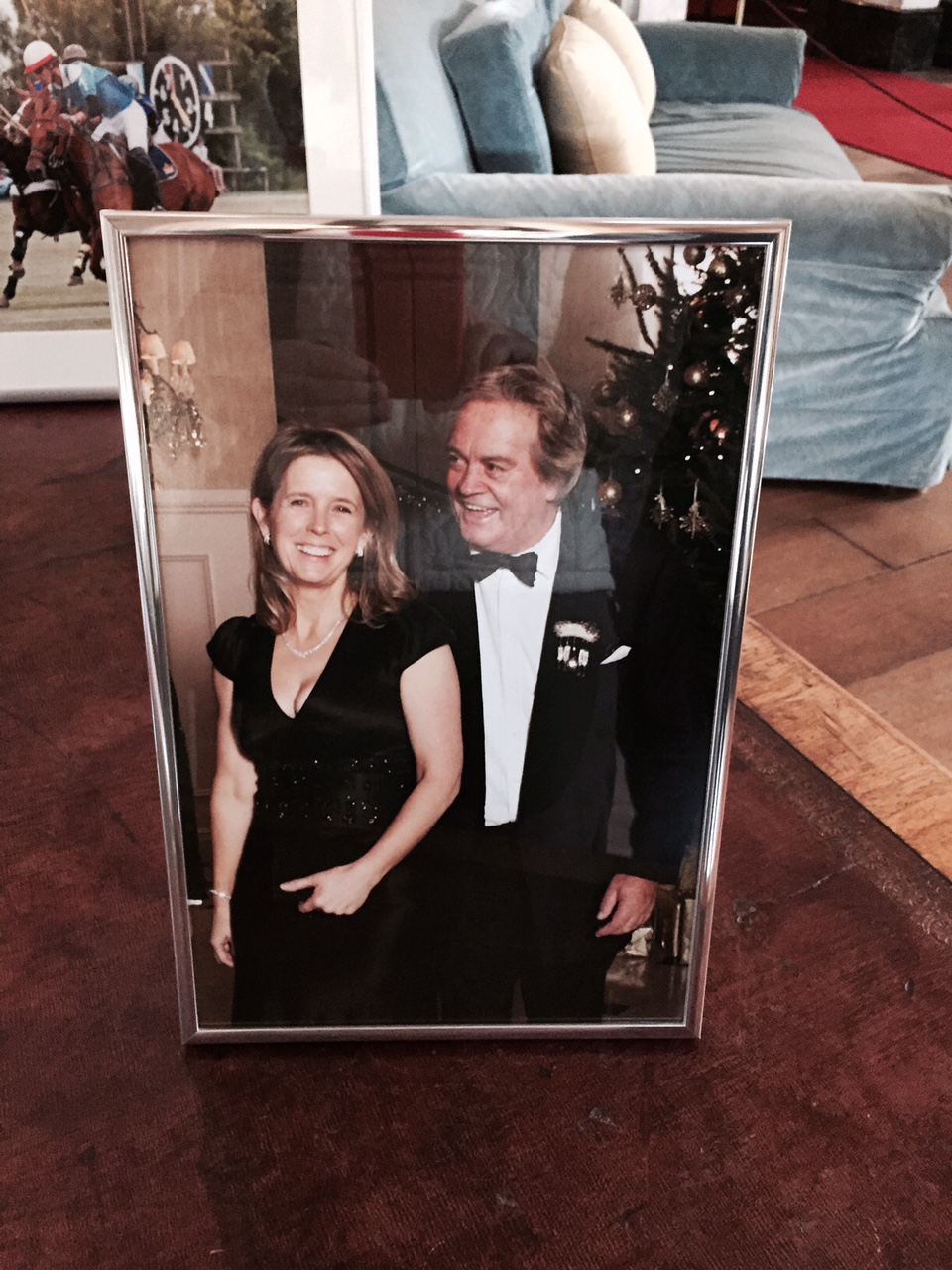
FullSizeRender (34)

The 12th Duke has now moved to the front of the photo displays in the palace. Yesterday I toured the several of the family’s private rooms in the East Wing.  The rooms are sumptuous, but lived-in.  (Think of the most elegant possible version of Shabby Chic).  There are 12 bedrooms, each with its own bathroom and dressing room–but they are off limits. No photos were allowed. The 12th Duke was in the house–his flag was flying.  But he must not have been told that I had come to see him, because he was nowhere in sight.  As an American, I’m always puzzled but intrigued by British aristocracy and royalty.  I wish the 12th Duke many years of carrying on his family’s heritage, and I’m sure he’s as dedicated to the task as his late father was.

Join me next time for more explorations in the art and history of Europe and the British Isles!

Nuffield Place: Home of a Practical Man


NuffieldExt

Last month I visited the home of William Morris–not the Arts and Crafts genius, but another kind of genius.

IMG_6270

He rose from poverty to invent and manufacture the Morris Minor motorcar, the British equivalent of Henry Ford’s Model T. He made an automobile affordable, for the first time, for the newly emerging middle class in Britain. Many families could even afford two of them.

IMG_6173
He was “created” Lord Nuffield, making him a Peer of the Realm, because he was one of England’s greatest philanthropists besides being a fine inventor. He gave away the equivalent of over a billion dollars in today’s money.

IMG_6152
He and his wife lived modestly in their beloved country home starting in 1933.  Lady Nuffield died, childless, in 1959. When Lord Nuffield died in 1963, he left their home to Nuffield College, which he had founded in nearby Oxford. The bequest stipulated that the house remain as they left it.

IMG_6127

What did the college do with the house? They must have maintained it, at least. It’s very livable, with all the original bed linens, china and towels. Maybe it was used to house special guests. The house remained a time capsule until it was given to the National Trust and opened to the public in 2011. Now it’s one of my favorite NT properties, because it’s such a contrast with the conspicuous consumption I’ve grown to expect when I flash my NT pass.

IMG_6101-0

Although he was a close personal friend of the King and Queen, Lord Nuffield liked nothing better than to go home to Nuffield Place, where he could tinker with his inventions and walk his Scottie dogs.

Nuffield Place is just one more reason to love driving around the English countryside with my trusty National Trust pass!

Brits Love Their Queen

Queen Elizabeth II, photo from "Telegraph" article cited below

Queen Elizabeth II, photo from “Telegraph” article cited below

Today is Queen Elizabeth II’s birthday:  89 years young, and still going strong.  Were there big birthday celebrations?  No, because Elizabeth very sensibly prefers to celebrate in June, when the weather is usually better.

FullSizeRender (25)

Her official birthday involves any number of soldiers, dignitaries, retainers and nobles on parade, so it’s not just her own personal comfort that concerns the Queen.  The models above are on display at Blenheim Palace.  They depict a royal Jubilee procession.

FullSizeRender (15)

When in England, I consider myself an honorary Brit.  So I didn’t mind when the carillon bells in the church tower next to the place where I’m staying rang out for about 5 minutes on the hour and half-hour all day long. And I’m waiting breathlessly for word of a new royal grandbaby any day now.

http://www.telegraph.co.uk/news/uknews/theroyalfamily/11549870/Happy-89th-Birthday-Queen-Elizabeth-II-her-life-in-pictures.html

Mompessons: Resting (With a View) in Salisbury

EffigiesPainted

In glorious Salisbury Cathedral, I came upon these two striking effigies, looking much more colorful than most of the effigies lined up along the nave.  They somehow looked startled.  Also they lay in the opposite direction of most of their companions. The closer I got to them, the more curious I was.

EffigiesPainted2

Who were they, and what was their story?  As luck would have it, the photo I took of their names did not turn out.  What to do?  I posted my photos on one of the Facebook history groups I belong to, and had the answer within minutes.

I was looking at effigies of Sir Richard Mompesson and his third wife Katherine. Sir Richard was a local gentleman and politician, a Member of Parliament.  He died in 1627. He had made judicious marriages and enjoyed a comfortable life.  His family owned an early version of nearby Mompesson House, which is now a beautiful National Trust property.

I think I read a placard in the cathedral stating that the tomb of the Mompessons was facing a different direction from most, because it had once been repositioned during a change in the Cathedral.

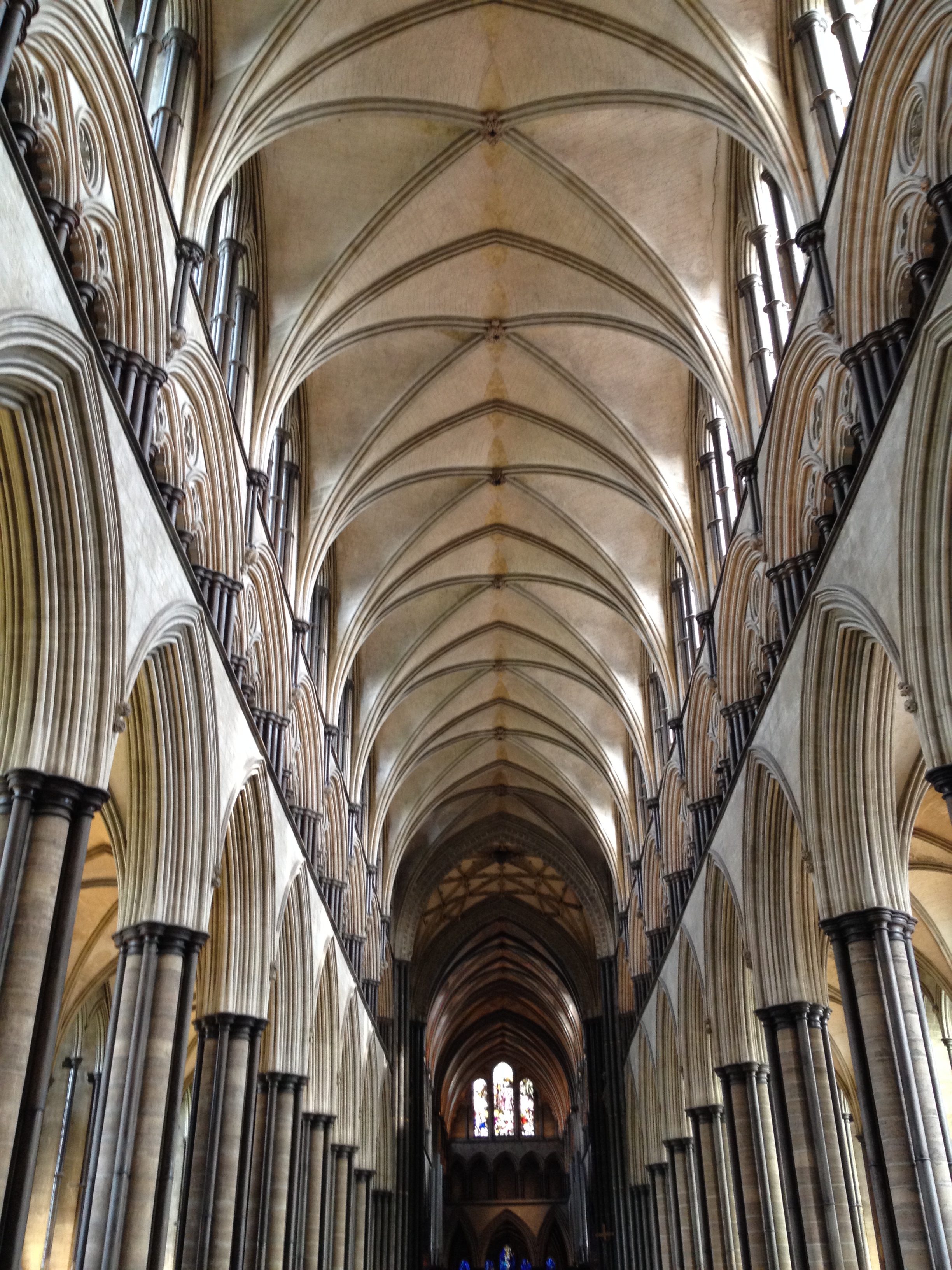
IMG_1484

The Mompessons must enjoy their view of the very beautiful Gothic ceiling of soaring Salisbury Cathedral. If those wonderful arches were my view, I’d keep my eyes wide open too.

IMG_1224

Salisbury is one of my very favorite cathedrals.  I’m looking forward to entering its welcoming doors again.

Join me next time for more explorations in the art and history of Europe and the British Isles!

Slummin’ with Marie Antoinette

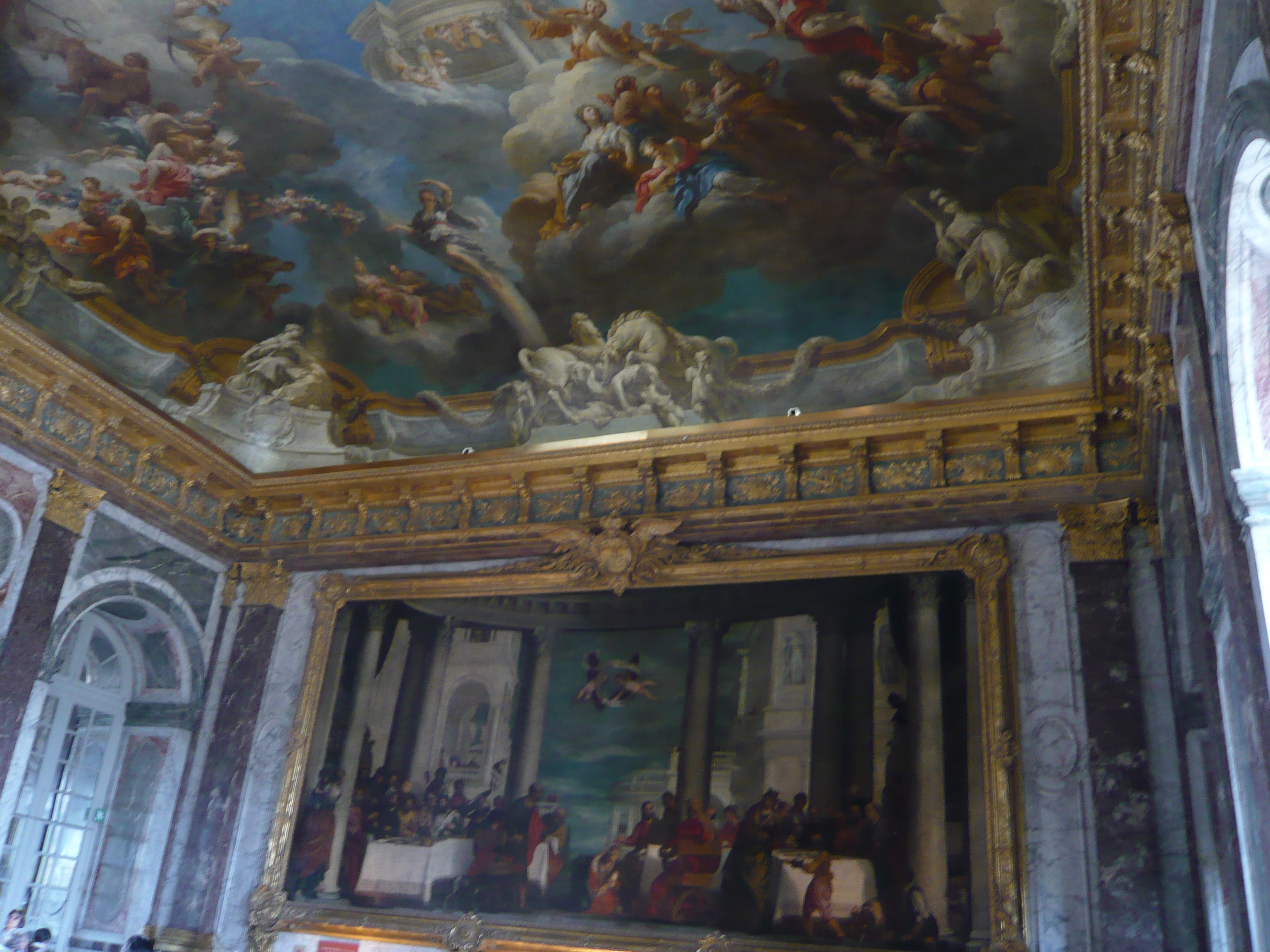
Ceiling

What’s a Queen to do when the gilded glories of Versailles get to be a bit much? Early in her reign, Marie Antoinette larked around Paris, shopping and taking in theatre and opera performances.  Adoring crowds applauded her beauty and grace.  That was then. Things changed, for the worse.  Retail therapy became a lot less therapeutic.  The Paris crowds began to turn restive, then hostile, and finally lethal.

The Palace of Versailles was the permanent and mandatory home of at least 3,000 people, courtiers and their servants.

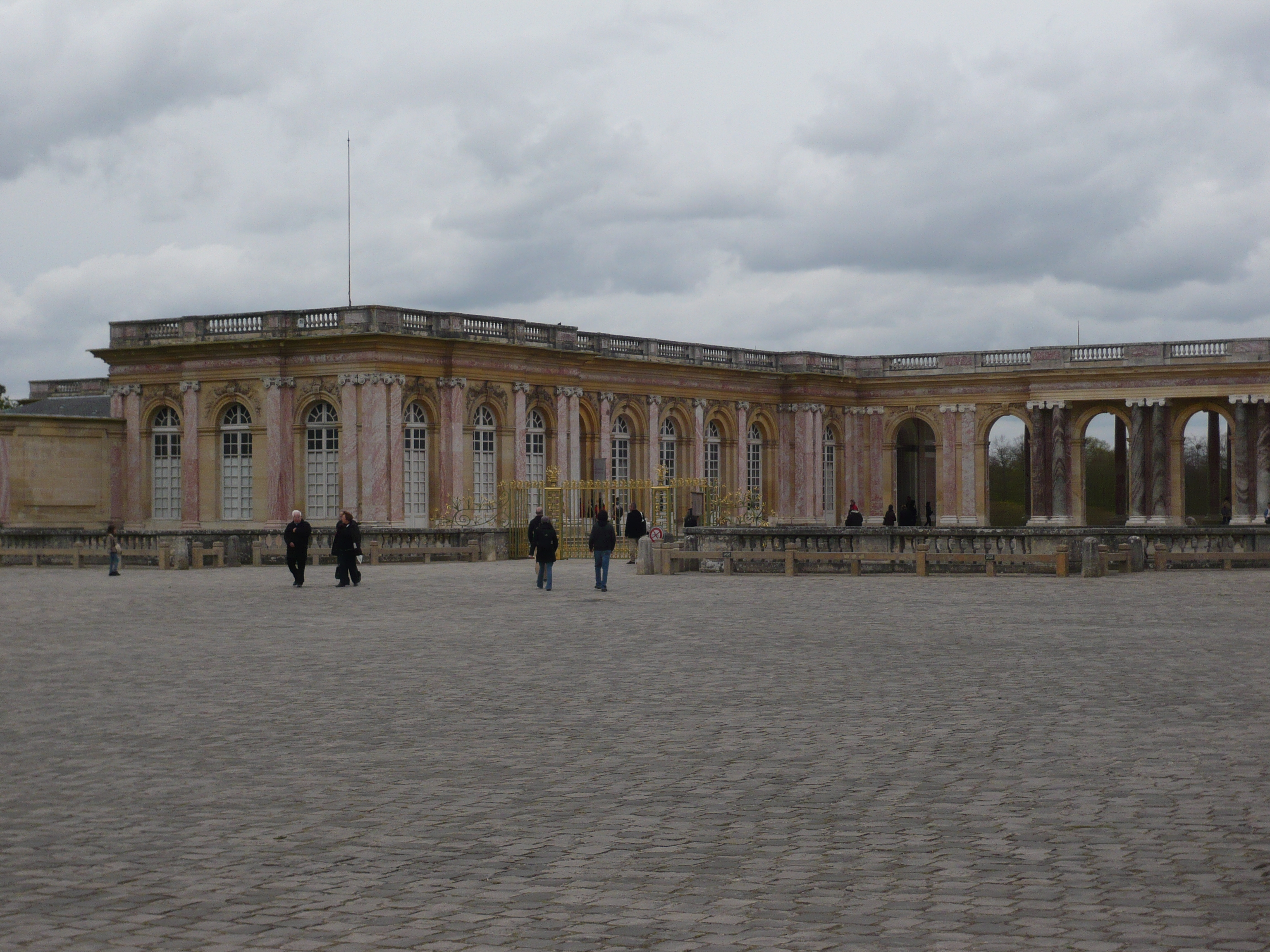
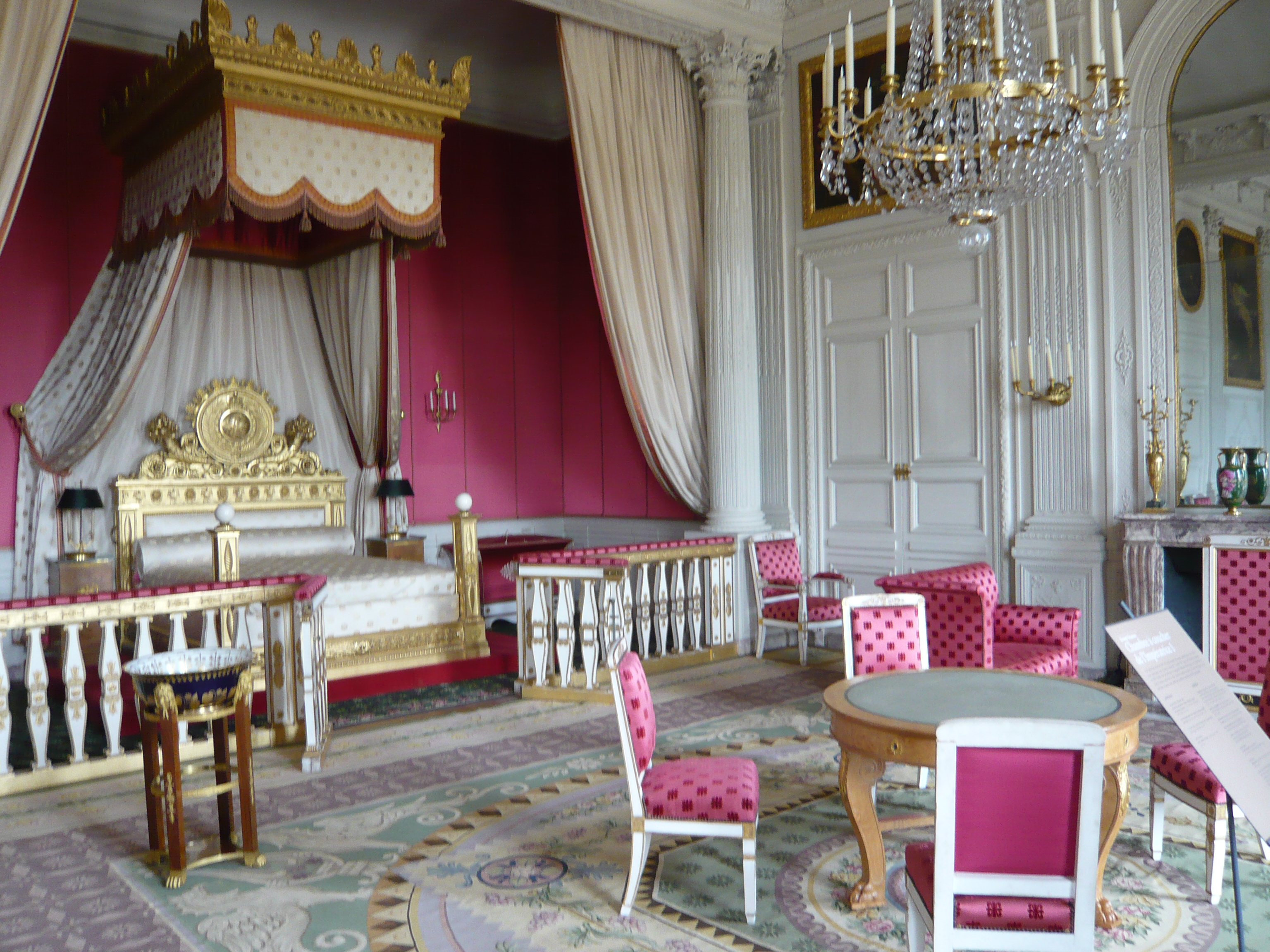
The Grand Trianon and the Petit Trianon are elegant, smaller, private palaces conveniently close to the ever-crowded main palace.  They’re great for private dinners away from the majority of prying eyes.  But still, a girl sometimes needs to just get away from the whole kit and kaboodle.

FullSizeRender

Marie Antoinette’s haughty pose was set in stone, as far as the angry intellectuals and hungry mobs plotting revolution.  (After all, she had been raised to carry herself like a queen). But she had fond memories of running wild as a child in the wooded grounds of Schonnbrunn Palace, with her many brothers and sisters. She had an idea:  she ordered up her own personal getaway within the vast grounds of the Palace.

P1000478

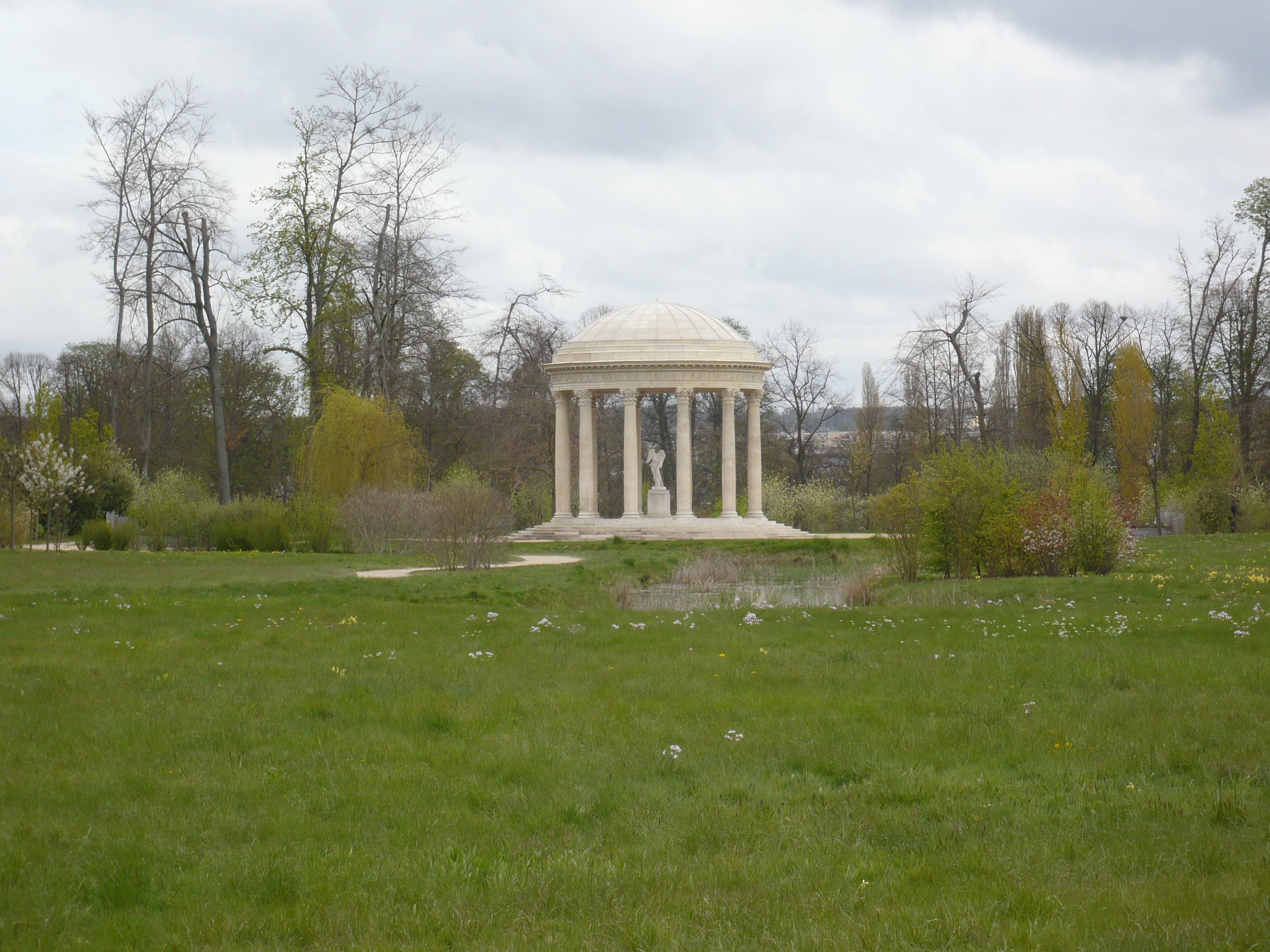
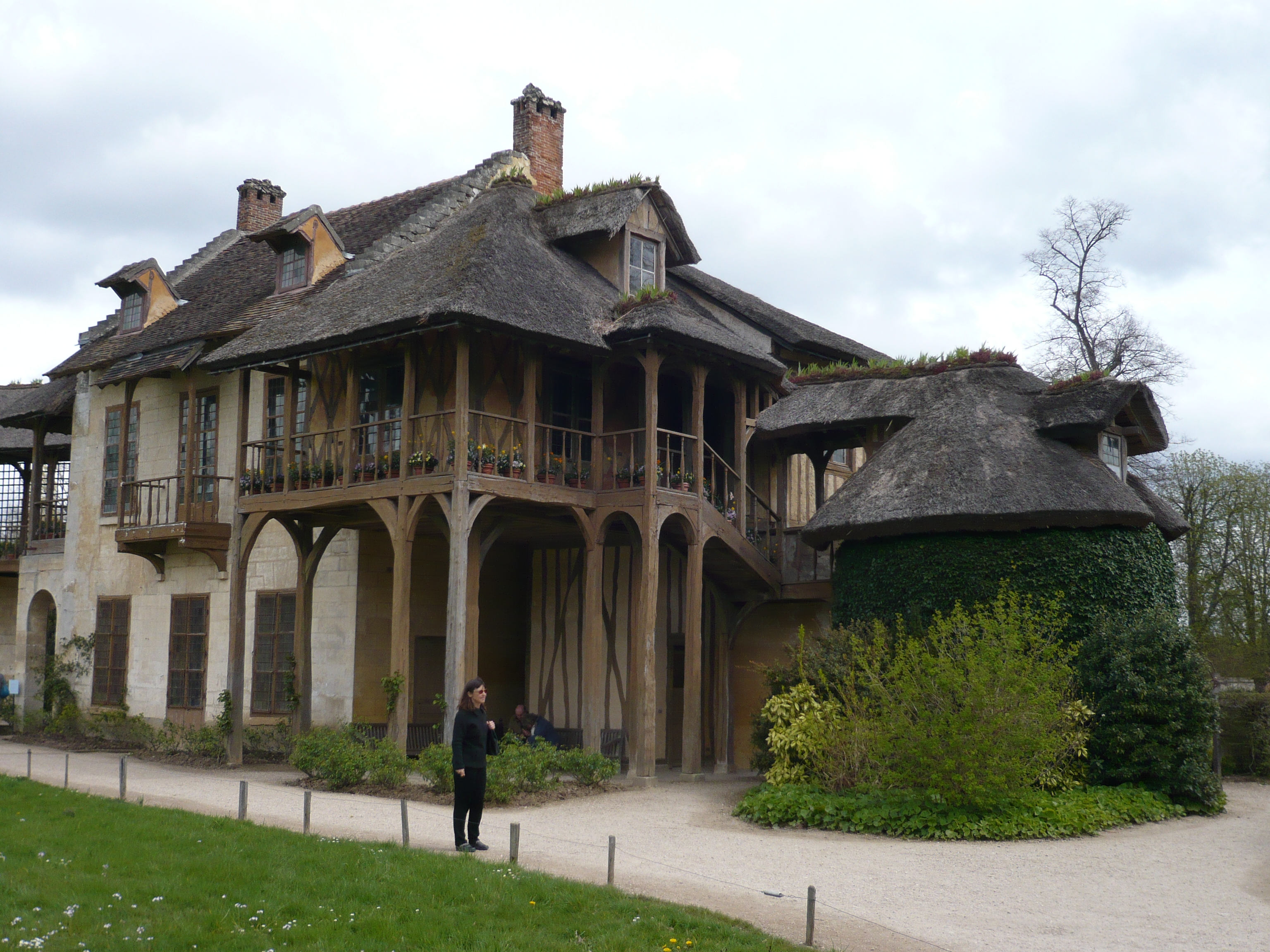
Le Hameau de la Reine, The Hamlet of the Queen, was built for Marie Antoinette in 1783.  It was a large fenced-off area, open only to the Queen, her children, and her dearest friends.  It included private gardens much more informal than the main grounds.  There were pretty, grassy walks and a Temple of Love on an island.

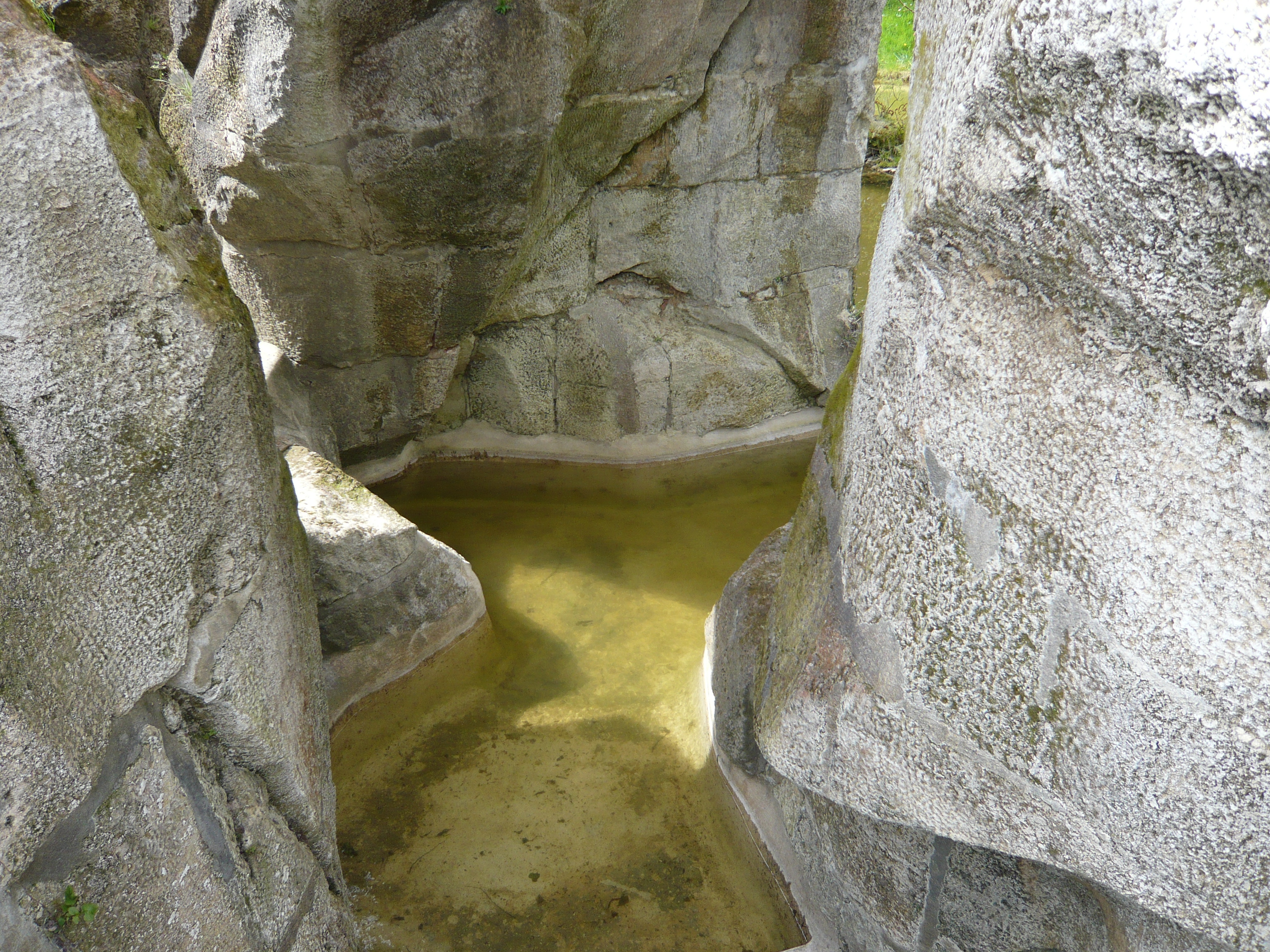
Grotto

There was a grotto–a sort of custom-made concrete movie set meant to look like a cave.

Grotto2

The grotto was perfect for games of hide-and-seek with the many lovers the queen was rumored to entertain. Were the rumors true? In the end, it didn’t matter one way or the other.

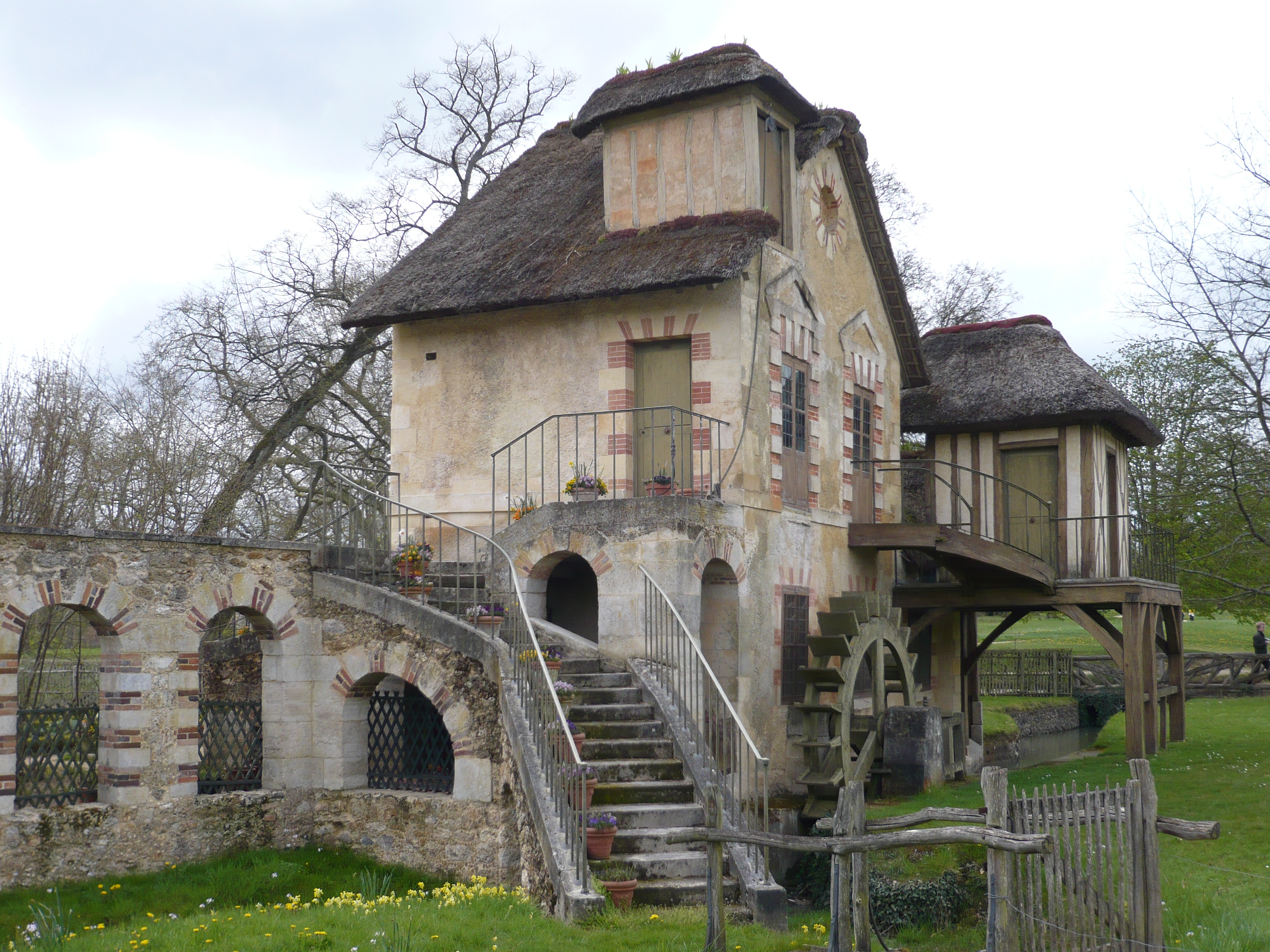
BarnWaterwheel

But the most notorious feature of the Hamlet was the Queen’s Farm.  Quaint rustic buildings created a fairy-tale version of a working farm.  The Queen spent carefree days dressed in simple white muslin and a straw hat. She milked carefully groomed cows using specially made Sevres china buckets. There was a special billiards room attached to the main house–naturally, an important room in any farmhouse. There was an actual working farm nearby which provided shampooed and scented cows, sheep, chicken and ducks.  I’m sure her kids loved it.

MeFarmHouse

Today, the Hamlet is a place to ponder the wretched excesses that led to the French Revolution. When angry mobs arrived at the gates of Versailles, they had no sympathy at all for a Queen who played at being a peasant. For Marie Antoinette, there was no escape from her destiny.

MarieAntKunst

Lady Emma Hamilton: Wild Times and a Sad End

Portrait of Emma, Lady Hamilton, George Romney, c 1782-84, from History Today article cited

Portrait of Emma, Lady Hamilton, George Romney, c 1782-84, from History Today article cited

Emma Lyon was born to working-class parents in 1765.  She grew up to be breathtakingly beautiful–and wild. Early in her life, she worked as a maid, but she soon left dustcloths far behind. She herself joked about her “giddy ways.”  She was a popular dinner guest in certain aristocratic circles. Small wonder: she was fond of dancing naked on the dining-room table.

UpparkFront

At Uppark, a country home in England, I actually saw one of those dining room tables where Emma frolicked long ago.  No photos were allowed.  I looked closely for scratches and there were none; Emma must have been light on her ((bare) feet.

Coronation Portrait, George IV, Sir Thomas Lawrence, 1821, Public Domain

Coronation Portrait, George IV, Sir Thomas Lawrence, 1821, Public Domain

In the raffish household of the owner of this particular house, the Prince of Wales, who later became George IV, was a frequent guest. He was the ultimate playboy. So there were plenty of aristocrats more than happy to dally with the beautiful Emma. She bore an illegitimate child to a gentleman at age 16.

One Charles Francis Greville took Emma into his home, educated her, and introduced her to society painters such as George Romney and Joshua Reynolds.  They loved painting her portrait.

Eventually Greville passed Emma on to his elderly uncle, Sir William Hamilton. She married him when he was 60 and she was just 26.  He was Ambassador to what is now Sicily, and in Naples the couple were popular in high social circles.  Still beautiful, charming and uninhibited, she delighted men in particular by appearing in flimsy mythological costumes.

Lord Nelson, John Hoppner, Public Domain

Lord Nelson, John Hoppner, Public Domain

In 1791, Emma met Horatio Nelson, and he fell head over heels for her.  Her husband, Sir WIlliam, didn’t mind; in fact the three of them lived happily together, although Nelson had a wife living elsewhere. Emma bore Nelson’s daughter, Horatia in 1801.

Sadly, Lord Nelson was killed in action at Trafalgar.

Emma’s life was all downhill from there.  She inherited a little money from Hamilton, but his brother held on to most of her money.  By this time, she was an alcoholic–from way too many champagne toasts in her wild youth. She eventually was able to move across the Channel to Calais, where she died at age 49, poor and ill. But out of respect for Lord Nelson, the captains of many English ships attended her funeral.

I love English country homes.  I feel they’re inhabited by the ghosts of people living their colorful lives long ago. There are always volunteer docents happy to tell stories of the past.

http://historytoday.com/richard-cavendish/emma-lady-hamilton-dies-calais

Petit Trianon: It’s All in the Details

PetitTrianon

Not that many tourists make the trek from the over-the-top Palace of Versailles to the much smaller Petit Trianon, built as a retreat from the crowds that filled the main palace as soon as it was built.

PetitTrianonBR

I like the much-more-human scale of the Petit Trianon. So did Marie Antoinette.  OK, I’m sure her critics were correct in accusing her of hosting raucous parties there, but I’m sure she also appreciated the details in her more quiet moments.

TrianonDetail

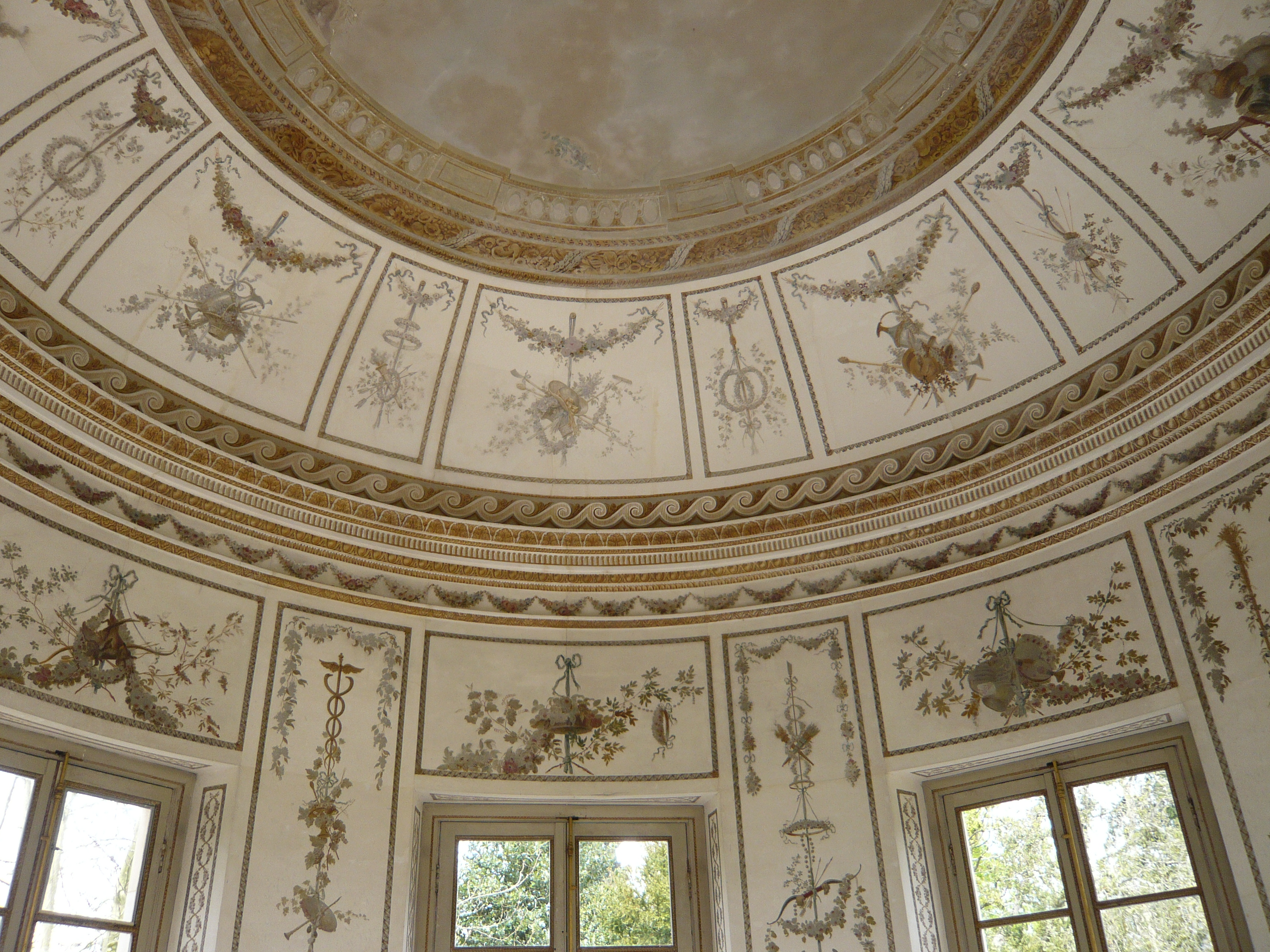
There’s a round salon with exquisite, soothing painted panels.

TrianonFloor

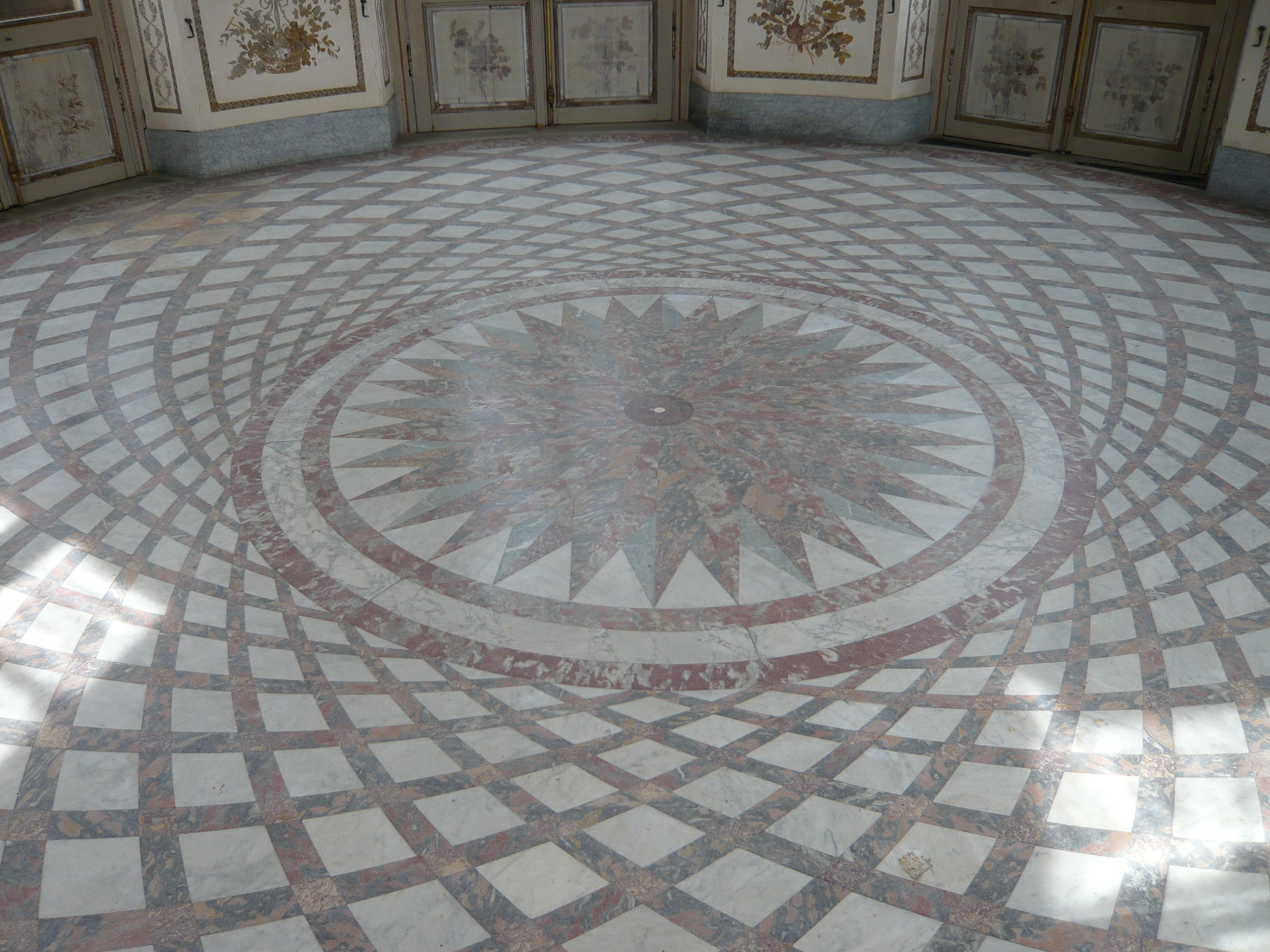
The salon has a patterned marble floor, still pristine.

PetitTrianonGallery

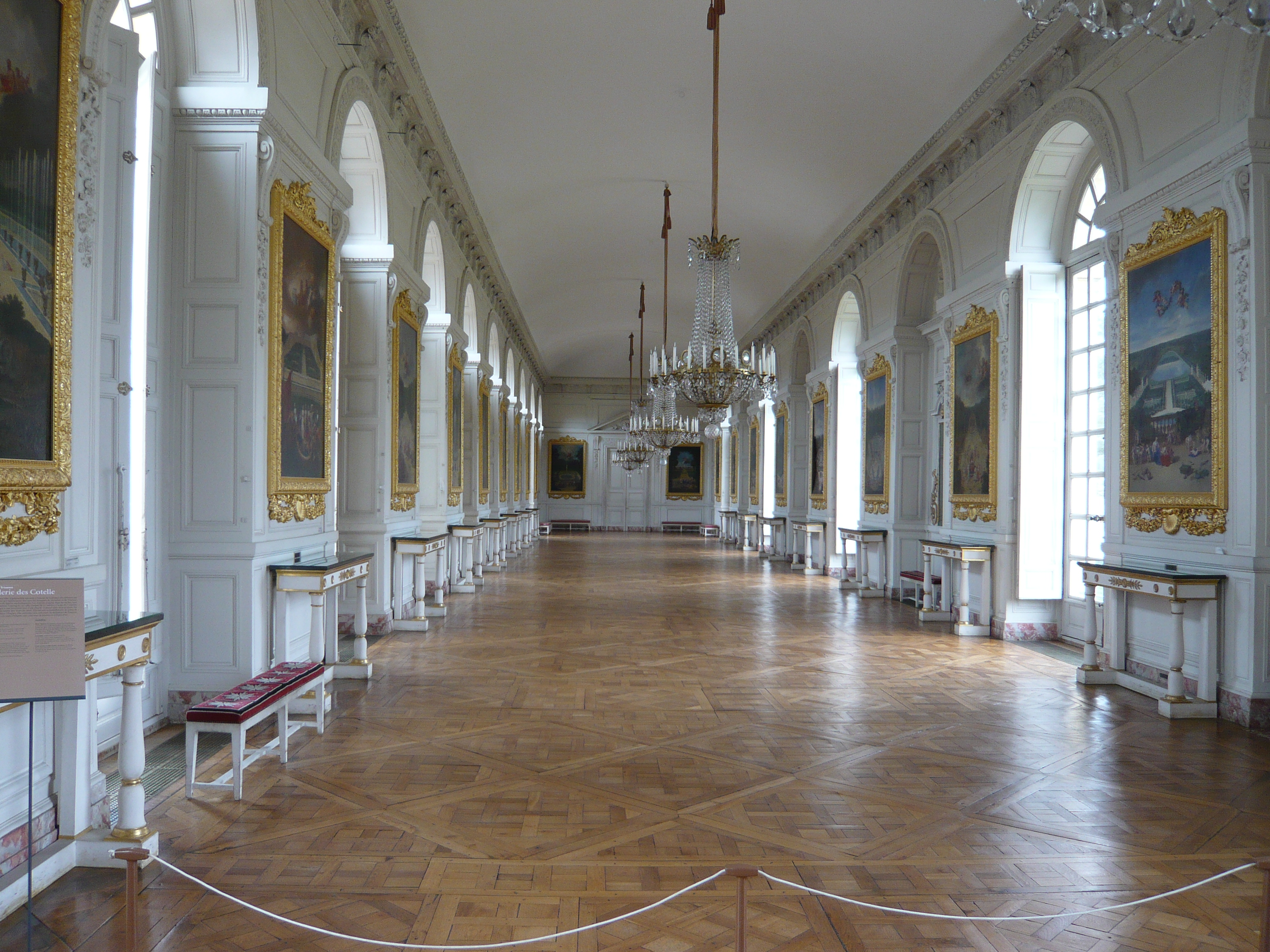
A long gallery is a mostly-white version of the main palace’s Hall of Mirrors.  It’s calming, not frenetic. I think it’s too bad the royals who succeeded the glory days of the Sun King did not use the peace and quiet of their retreats to think about how they could sustain the monarchy.  In nearby Paris, daring thinkers were meeting in obscure coffeehouses, sowing the seeds of revolution.

Join me next time for more explorations in the art and history of Europe!


Jerome and His Lion

Niccolo Antonio Colantonio,

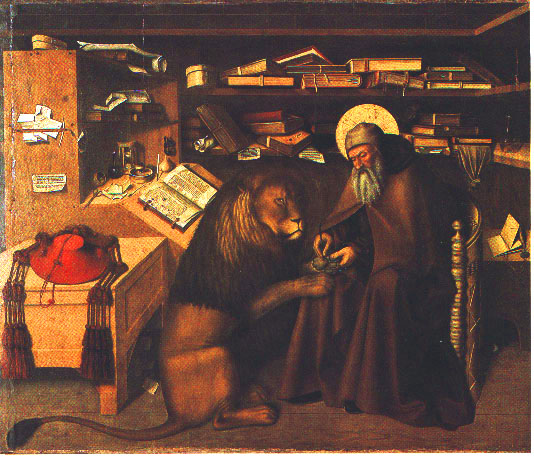
Niccolo Antonio Colantonio, “Jerome in his Study,” c. 1440-1470, Public Domain, National Museum of Capodimonte

Animal lover that I am, one of my favorite saints is Jerome, AKA Saint Hieronymous. Why? Because he befriended a lion in the wilderness–or at least so the legend goes. In the painting above, the lion has ventured into the saint’s dusty study with a thorn in his paw.  Jerome sets his book aside and carefully removes the thorn.  In other depictions, the saint comes across the lion, writhing in pain, out in the wilds. Either way, the legend is that from the moment Jerome extracted the thorn, the lion never left his side.

St. Jerome, Jacopo Tintoretto, Kunsthistorisches Museum, Vienna

St. Jerome, Jacopo Tintoretto, Kunsthistorisches Museum, Vienna

Jerome was born around the year 347 A.D.  He lived mostly in what is now Croatia.  A scholarly fellow, he became one of the earliest Doctors of the Church, before titles like “Cardinal” existed.  One of his main accomplishments was translating the Bible into Latin, from its original Aramaic and Greek.

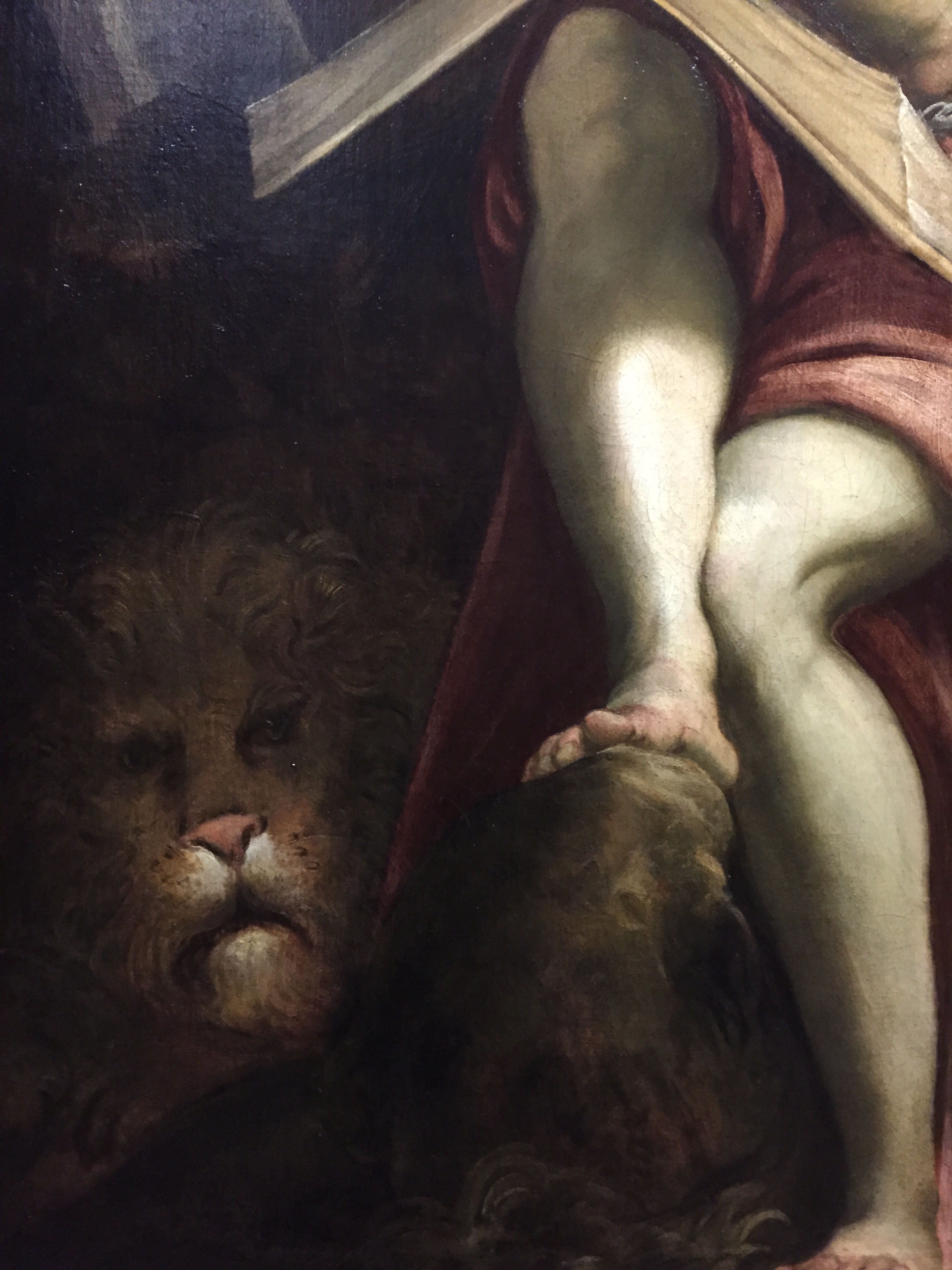
In paintings, the lion often lurks under a table or in a dark corner.

IMG_3174

I took the two photos above in the Kunsthistorisches Museum in Vienna. I love the legend, and whenever I’m in an art museum I’m on the lookout for images of Jerome and his lion. They have been painted countless times.

IMG_3495

Whenever I spot Jerome and his lion, I move in for a closeup.
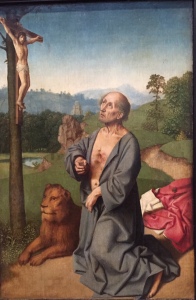
Workshop of David Gerard, Saint Jerome in a Landscape, about 1501, my photo taken in National Gallery, London

Workshop of David Gerard, Saint Jerome in a Landscape, about 1501, my photo taken in National Gallery, London

To me, Jerome’s friendship with his lion is part of his concern and care for the whole creation.
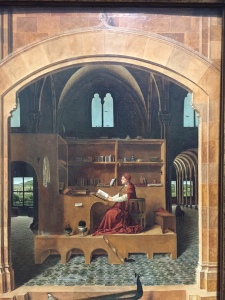
Antonello da Messina, Saint Jerome in his study, about 1475, my photo taken in National Gallery, London

Antonello da Messina, Saint Jerome in his study, about 1475, my photo taken in National Gallery, London

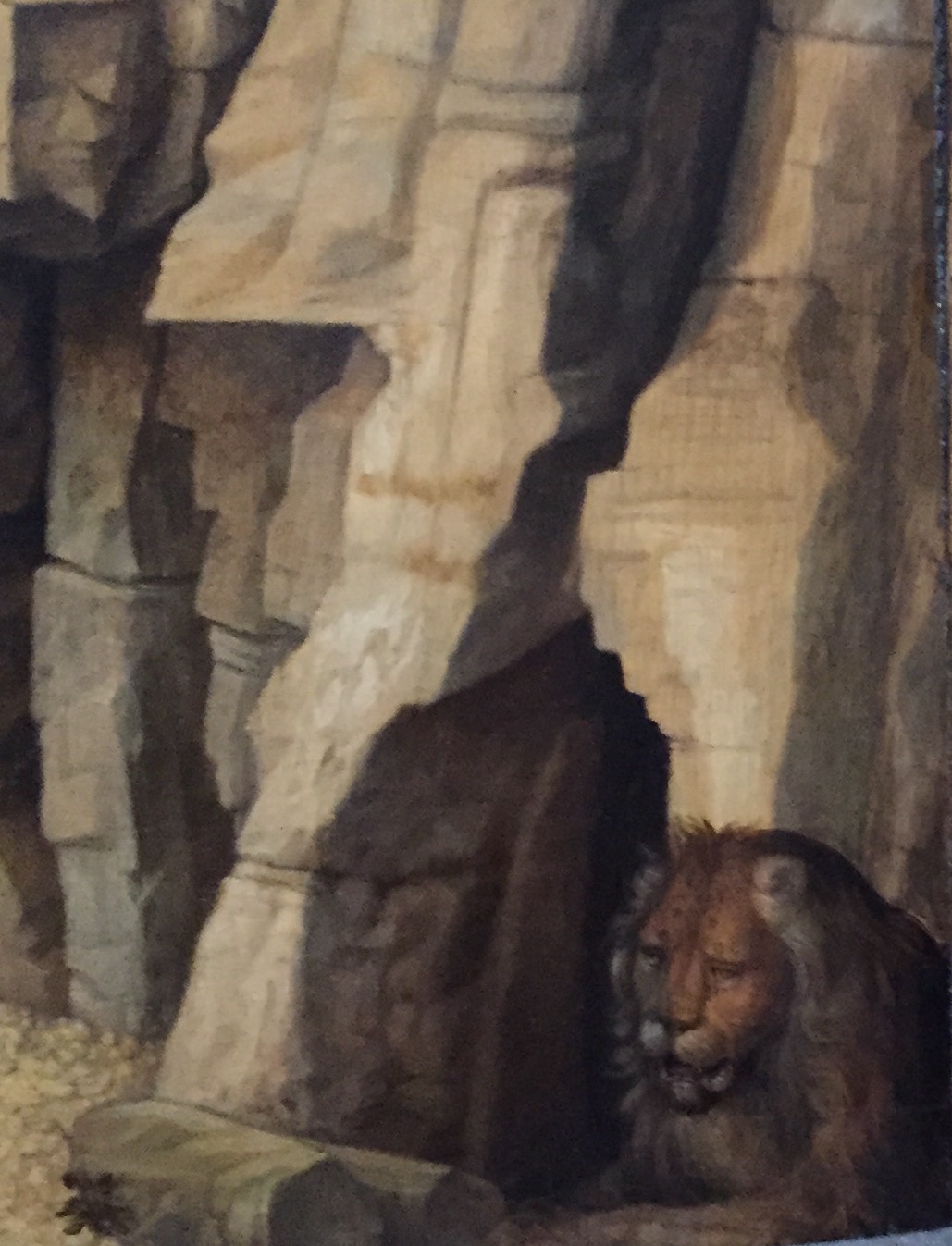
Sometimes the lion is not underfoot, but he’s always close by. He’s a little hard to spot in the painting above. Time to move in for a closer look.
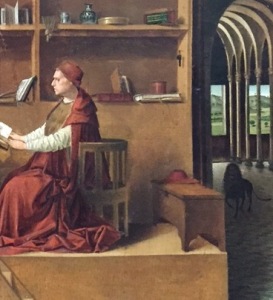
FullSizeRender (3)

The faithful lion is always present.  In the painting of Jerome in the large study above, he’s patrolling the perimeter. No matter what, the lion always had Jerome’s back.

Giovanni Bellini, Saint Jerome Reading in a Landscape, circa 1480-5, my photo taken in National Gallery, London

Giovanni Bellini, Saint Jerome Reading in a Landscape, circa 1480-5, my photo taken in National Gallery, London

If the lion’s face is shown, he always has a friendly, grateful, loyal face–much like a shy family dog. He tends to look a little wary–who is about to disturb his friend Jerome?
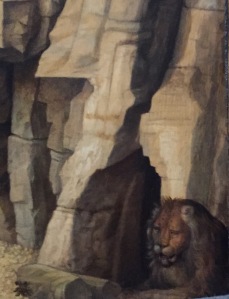
FullSizeRender (2)

Are these paintings just sentimental portrayals of a serious saint who should be remembered for much more than a story that may not have happened at all?  The subject is the medieval and Renaissance equivalent of sharing cute animal videos online.

On a busy day, a couple of minutes spent watching photogenic animals feels to me like a guilty pleasure. What am I accomplishing by watching a gorilla rock a kitten to sleep or a dog rescue a teacup pig from drowning?  Well, I’m not getting a thing done, but I’m pausing in a busy day to learn compassion from animals. Like those videos, the images of St. Jerome and his lion give us an appreciation of our bond with the animals who share our world. The animals mostly treat each other and our world better than we humans do. If I were St. Jerome, I wouldn’t mind being remembered as an animal lover as well as a high-powered scholar.
Join me next time for more explorations in the art and history of Europe!