Mimi and Rodolfo in Budapest


FullSizeRender (7)

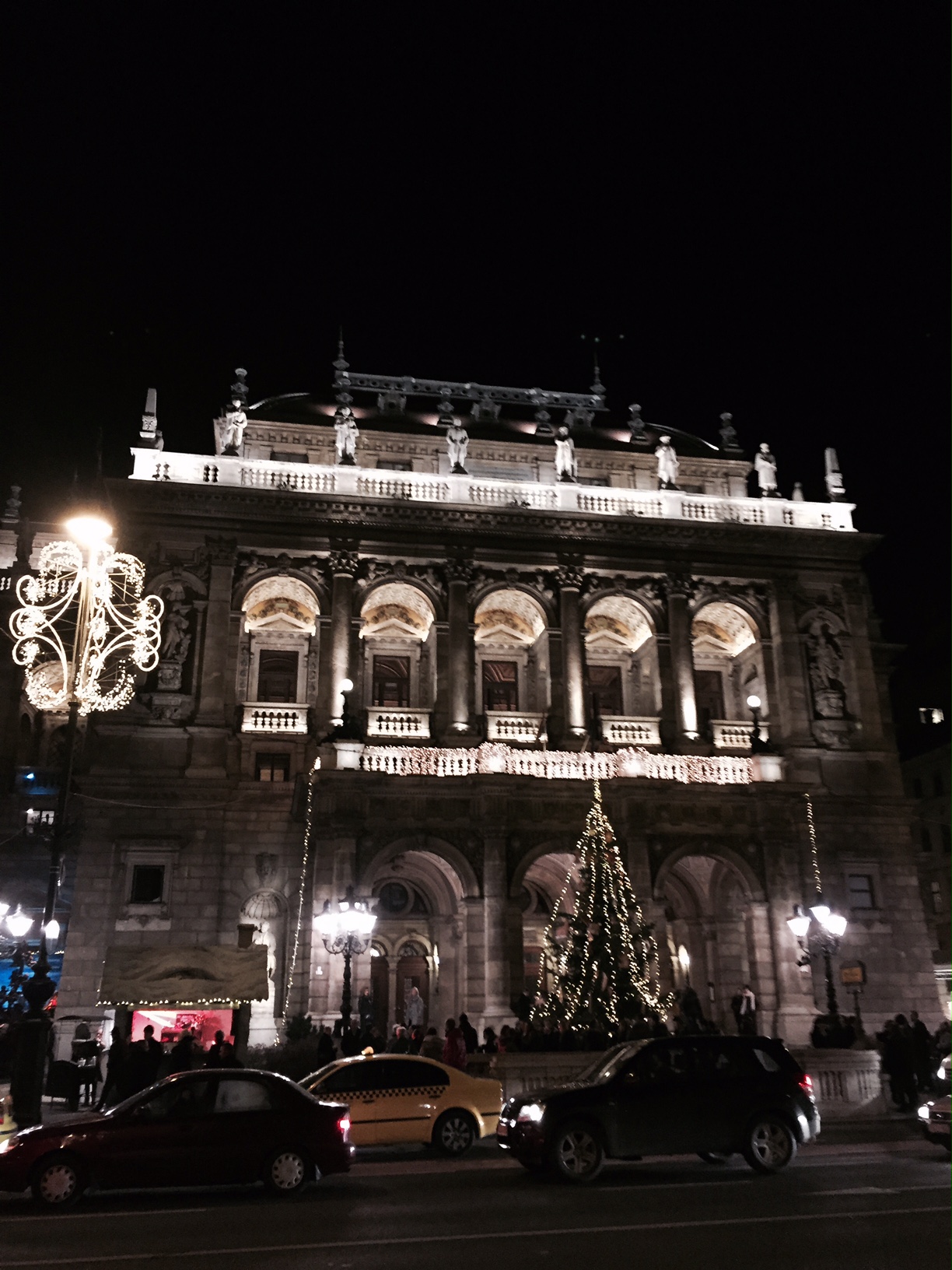
What if it were as easy and cheap to see world-class opera as to see a movie?  In Budapest, world-class opera is actually easier and cheaper than a movie–at least for the tourist.  I have not seen a single movie theater as I’ve wandered Budapest.  But at the Opera Metro stop, sure enough, I found myself outside the grand headquarters of the Hungarian National Opera.  With no advance planning at all, I walked in and bought same-day tickets for my very favorite opera, La Boheme by Giacomo Puccini. Tickets were available for just a few dollars.  I splurged and snapped up two seats that must have been returns, 3rd row center.  The cost was still about 1/6 to 1/10 what I’d expect to pay in New York, Paris or Vienna.
FullSizeRender (4)

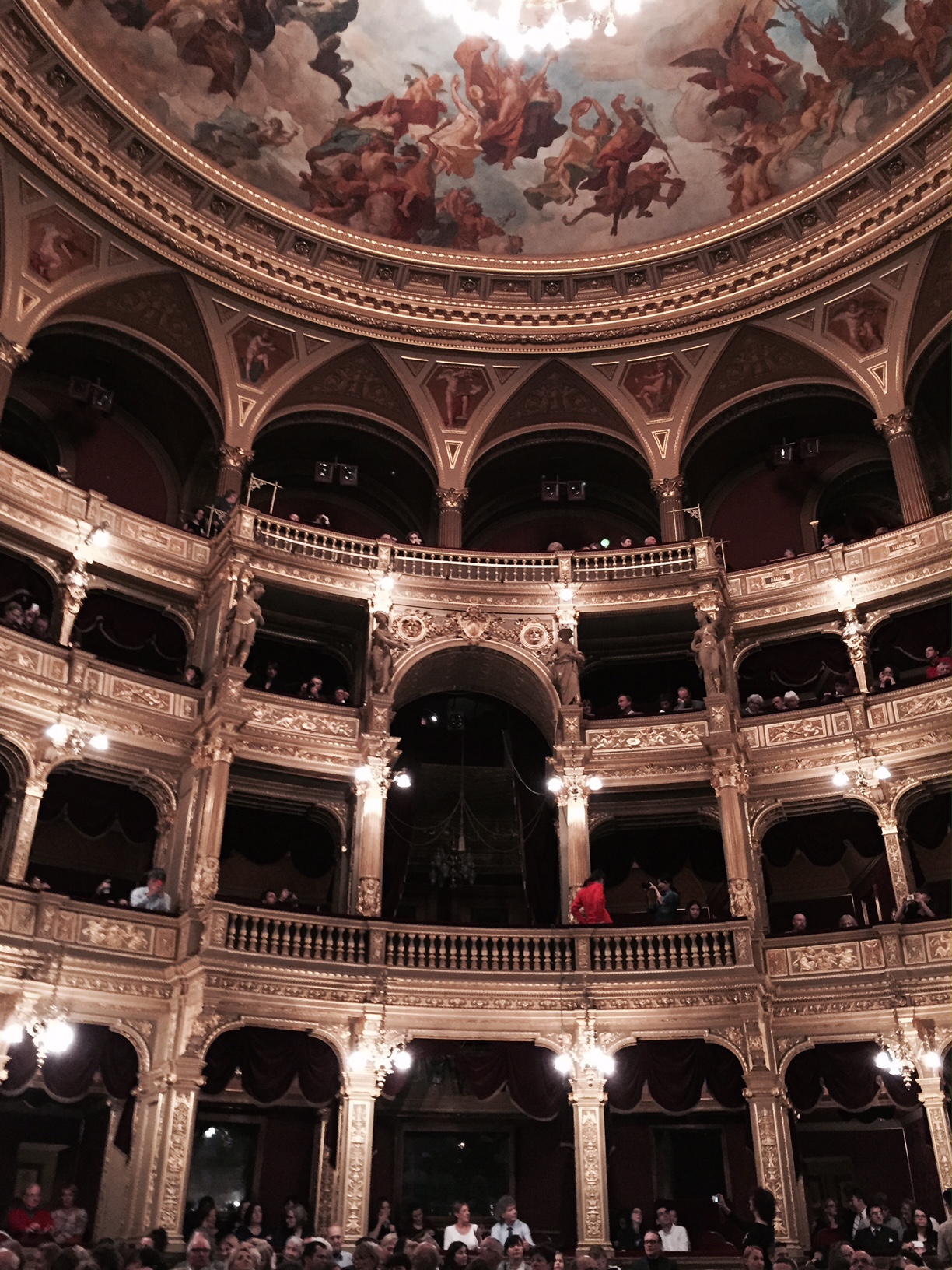
The gilded auditorium holds about 1200 seats, and the acoustics are generally considered among the very best in the world, after La Scala in Milan and the Opera Garnier in Paris. Emperor Franz Joseph of Austria shared the cost with the city of Budapest, once he became King of Hungary in a political compromise that put an end to years of bloody conflict.  The first performances in the neo-Renaissance auditorium took place in 1884.
FullSizeRender (5)

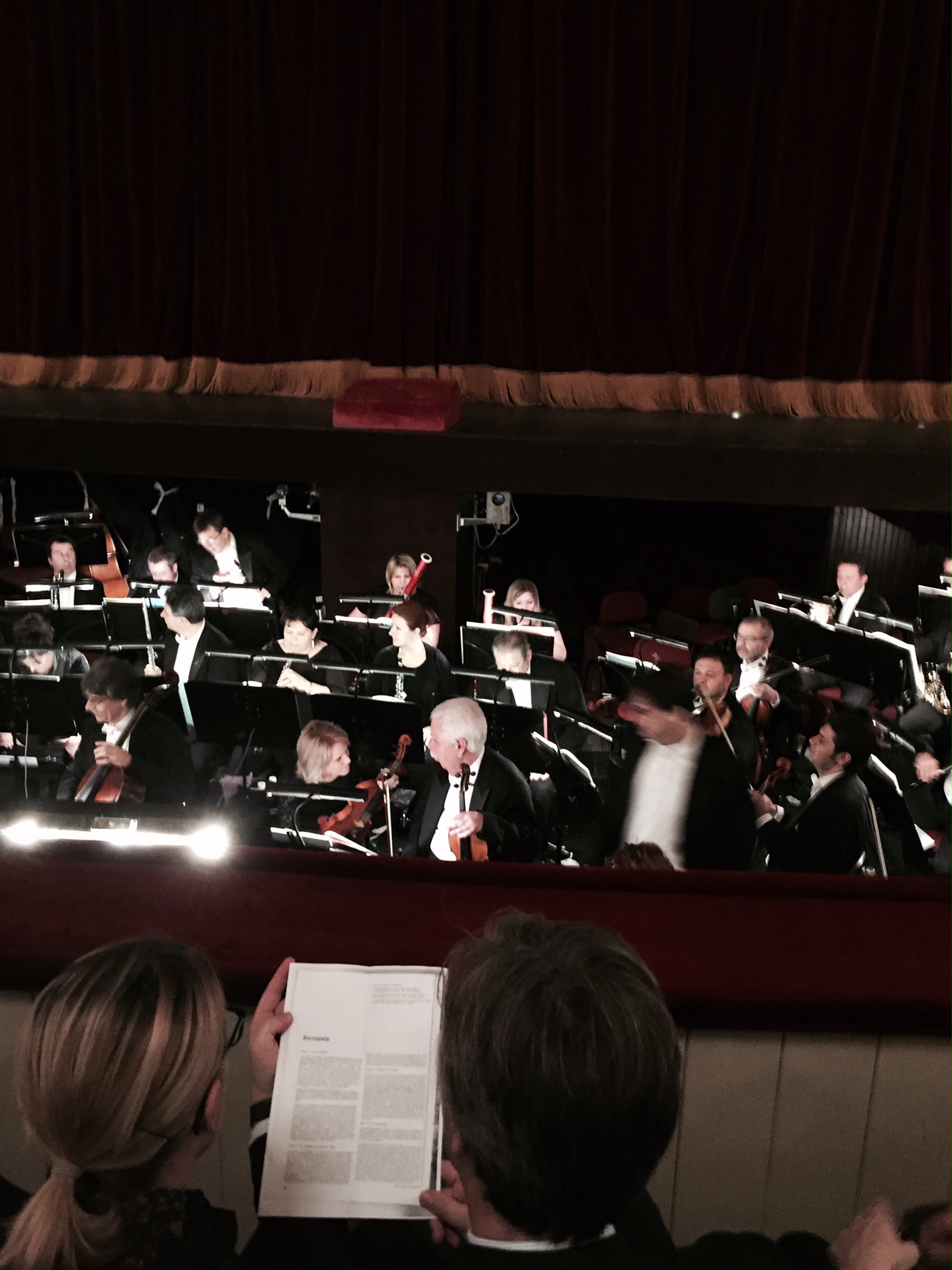
From my seat, I could look over the shoulder of the conductor into the orchestra and marvel at the perfect coordination between about a hundred instrumentalists and the sublime singers onstage.  Sets, costumes, acting, music–all combined to tell a simple but moving story.  I love this particular opera because it deals with ordinary humans making ordinary messes of their lives, and doing it in the most musical and poetic way possible.  There are no dead spots in this opera–there’s either lively action or an achingly beautiful piece of music at every moment.

What about language?  The opera was sung in its original Italian. Hungarian translations appeared above the stage.  No matter! I knew the story and even most of the lyrics well enough to follow along.
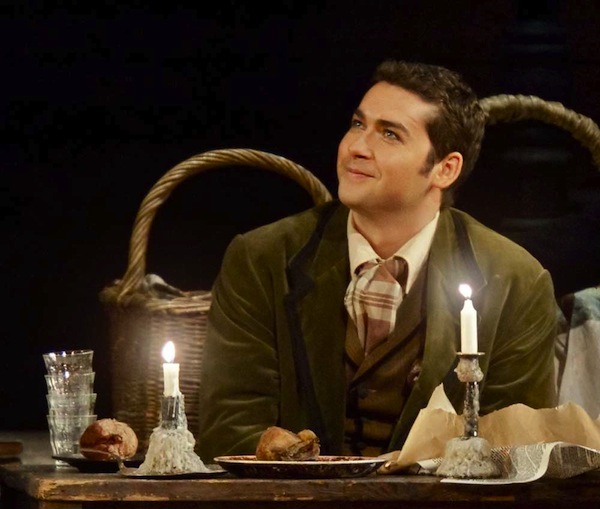
Teodor Ilincai as Rodolfo, Royal Opera House 2010, photo by madamabutterfly, Creative Commons Share Alike Attribution 3.0

Teodor Ilincai as Rodolfo, Royal Opera House 2010, photo by madamabutterfly, Creative Commons Share Alike Attribution 3.0O

Of course no photos were allowed during the performance. I had to be content with the photo above, from an earlier performance. Teodor Inincai was a wonderful Rodolfo, and Letay Kiss Gabriella was transcendent as Mimi.  I was happy to share a glorious performance with an appreciative audience.  Afterward, I didn’t want it to end.  I happily sat through many curtain calls, complete with shouts of “Brava!” and “Bravo!” and their Hungarian equivalents.

What’s next, before I leave Budapest? A performance of the ballet The Nutcracker at the Hungarian State Opera House. I can’t wait!


Marie Antoinette: Women and Window Treatments

MarieAntKunst

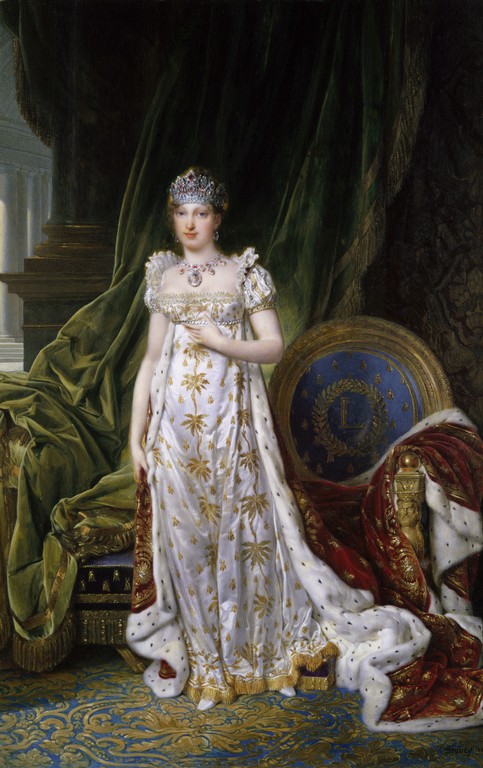
The Kunsthistorisches Museum in Vienna has one of the most famous images of Marie Antoinette, painted by Elisabeth Vigee Lebrun in 1779. It was one of her most important paintings, and the artist herself made six copies of it. The young Queen had only reigned for five years; she still had about thirteen years of high living in store, before the Revolution and the Terror that cost her life.

It’s such a familiar image that I haven’t looked at it very carefully.  What struck me on a recent visit was that it’s mostly about fine silks.  All we really see of the queen is her face.  The rest is window dressing.

MarieAntDetail

I got to thinking that her dress actually looks like a window treatment fit for a palace.

Curtains2

In a way, her entire life was a kind of window dressing.  She was married off as a teenager for the valuable political alliance between Austria and France.  She was expected to produce royal heirs, and in her spare time, to show off the wealth and power of the French monarchy.  No doubt it took at least a dozen ladies-in-waiting to get her into this dress.  No doubt she would much rather have been playing house in her farm on the grounds of Versailles, where she could dress as a milkmaid and tend her shampooed sheep.  But in sitting for this portrait, she was doing her duty.  Sadly, her duty did not work out well for her.

I went directly from the Kunsthistorisches to the Albertina Palace, where Marie Antoinette’s sister Marie Christine got to live out her life.  Marie Christine was the favorite child of the redoubtable Maria Theresa.  Of all the children, Marie Christine was the only one allowed to marry for love instead of political alliance. Life is not fair.

Curtains1

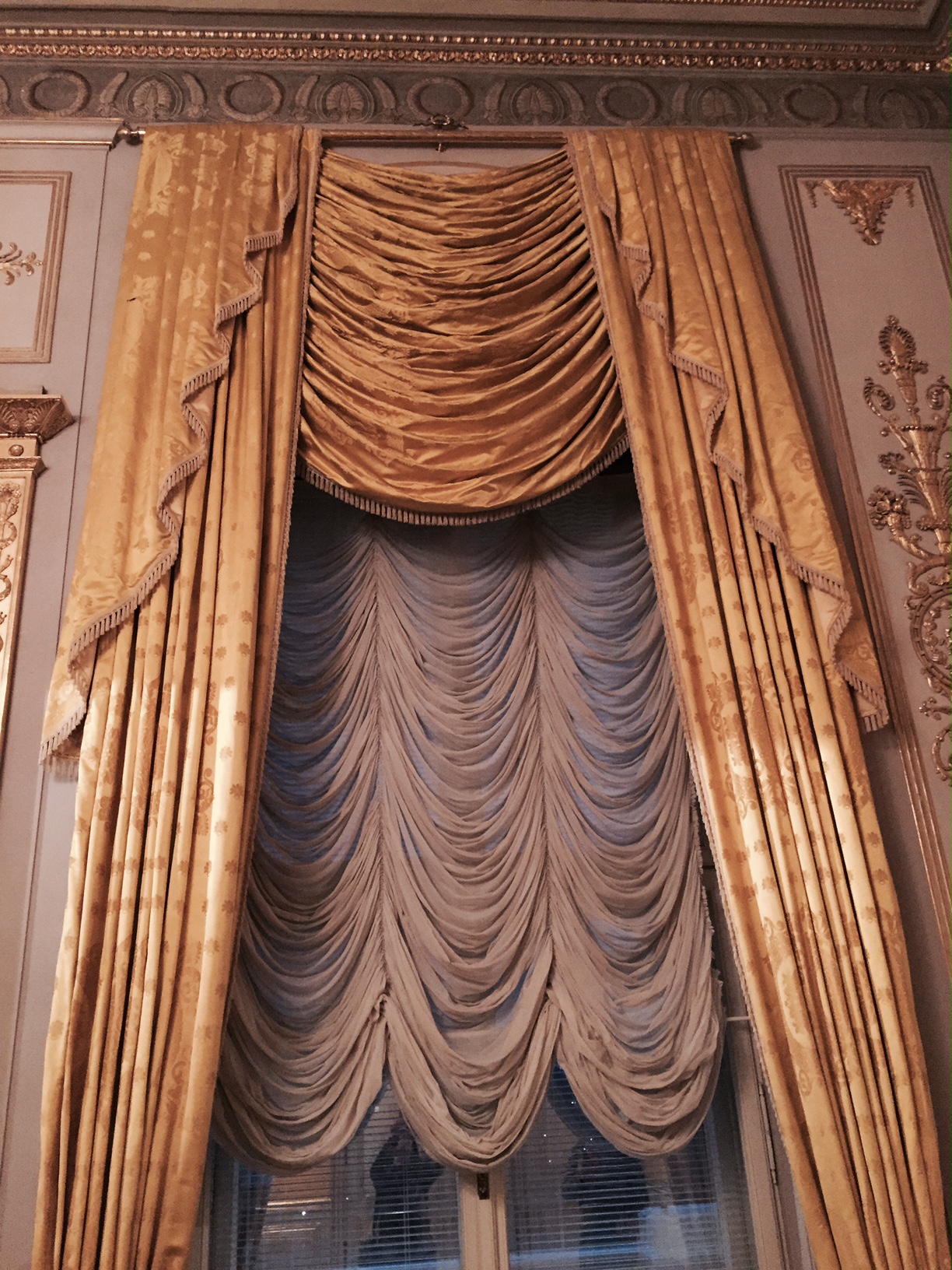
Anyway, the window treatments in the Albertina look exactly like Marie Antoinette’s portrait gown, if you ask me.

FullSizeRender (6)

How much of a person’s life, in history and in the present, is spent trying to strike an idealized pose?  How much of a life is window dressing?  It’s a question to ponder.

Join me next time for more explorations in the art and history of Europe!

Habsburgs Hatched, Matched and Dispatched


AugustInt

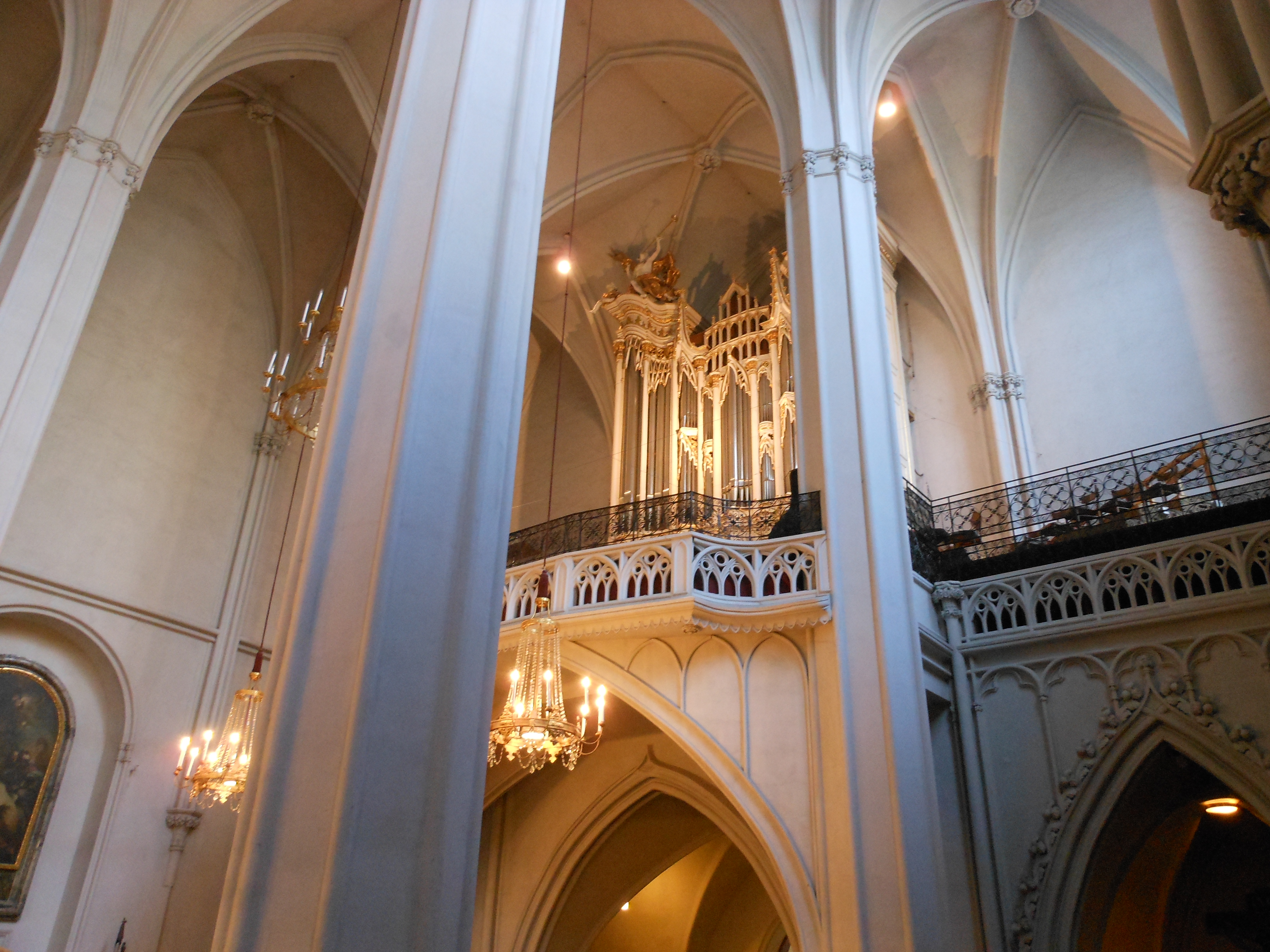
The Augustinian Church adjacent to the Hofburg palace in Vienna is the traditional parish church of the Habsburgs.  It was originally built in the 14th century; the present Gothic interior, elegantly austere, dates from the 18th century.  The church almost seems to be built into the walls of the Hofburg, the winter palace of the Habsburgs, and this is where imperial christenings, weddings and funerals took place. Among the marriages were those of Maria Theresa to Francis of Lorraine in 1736; one of their daughters grew up to be the ill-fated Marie Antoinette.

Portrait by Jean-Baptiste Isabey, Public Domain

Portrait by Jean-Baptiste Isabey, Public Domain

NapTreasury


French Emperor Napoleon Bonaparte married Archduchess Marie Louise here in 1810, after the love of his life, Empress Josephine, failed to produce an heir. Of course, Napoleon was far too busy conquering every corner of Europe to attend his own wedding. Marie Louise had to stand up with a proxy–one of her brothers, I think. That should have told her something about Napoleon as marriage material, not that she really had any choice in the matter.

ChoirLoft

Today, one of the great pleasures of visiting Vienna is attending Sunday Mass at the Augustinian Church.  From the choir loft, an orchestra and choir produce sublime music.  It is considered poor form to turn around and watch the musicians during the service, but I’ve seen people discreetly pull mirrors out to get a good view.  When I’ve visited, I’ve arrived about an hour early to wander the church and listen to the rehearsal. The church seems to have absolutely no heating at all. In winter, people bundle up. The entire service is in German, but the point is to soak up the music and the historic atmosphere. Franz Schubert and Anton Bruckner both composed Masses and conducted them in this church.  The illustrious tradition continues.

HabsHearts

In a previous post, https://castlesandcoffeehouses.com/2014/04/10/an-imperial-last-stop/,  I described Habsburg burials in the Imperial Crypt beneath the Capuchin Church.  Like many royal families, the Habsburgs were fond of leaving a little of themselves in various other places.  There is a room near the altar at the Augustinian Church which contains, neatly shelved, the hearts of any number of Habsburgs, each encased in an engraved silver urn.  A discreet placard outside gives the visitor an idea of the hidden shelves. I noticed for the first time that it’s possible to pay a couple of Euros for a peek at the urns, but I gave that a miss.

Join me next time for more explorations in the art and history of Europe!

Why I Love Vienna in Winter

ChristmasTreeCourtyard

Christmas trees, even commercial ones, are decorated with simplicity. They all look like they were decorated by a cheerful child with very good taste.

Moonrise


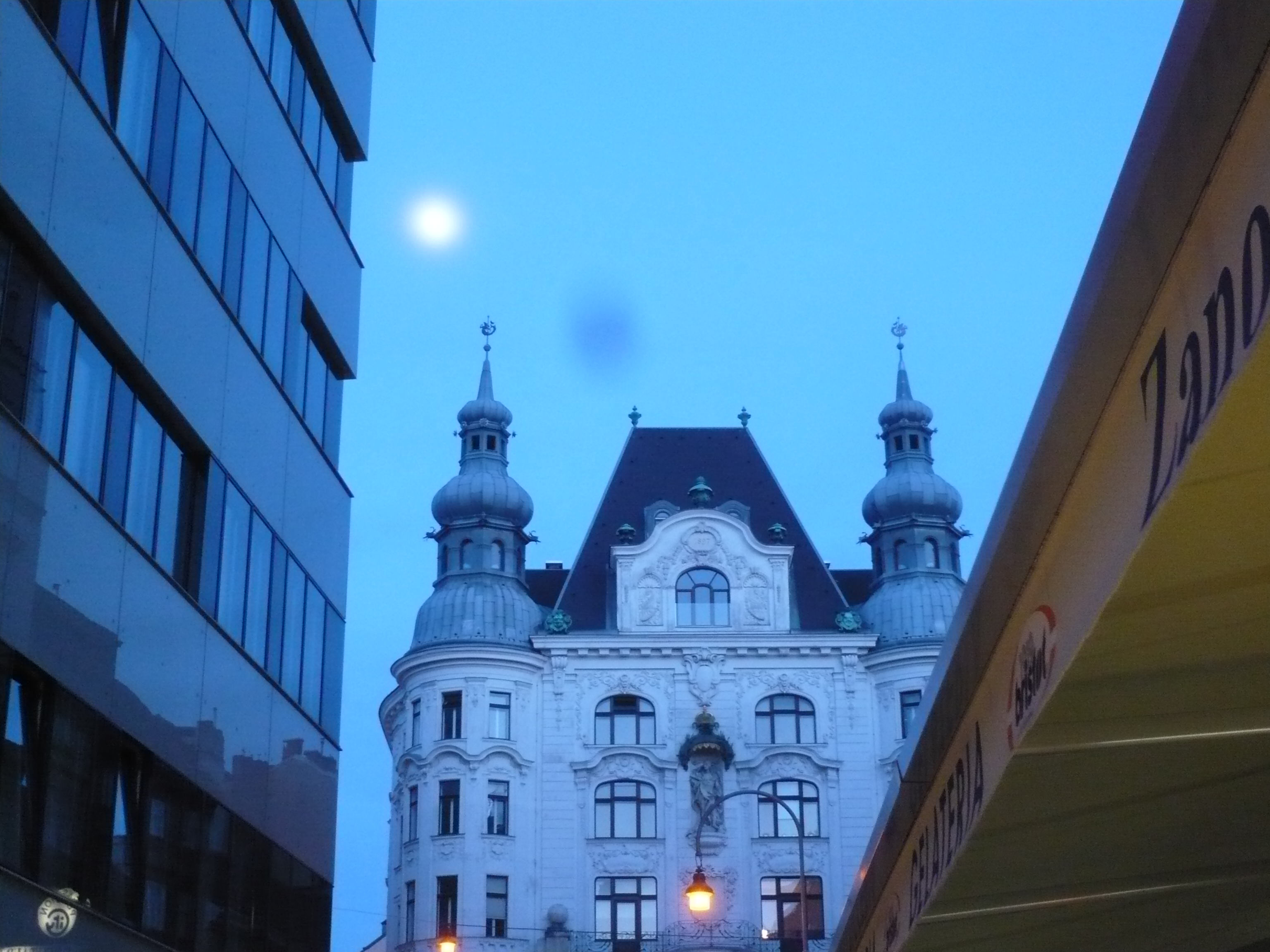
The moon rises over Baroque buildings, coexisting with all that is hip and modern.

IMG_2409

The Kunsthistorisches Museum is packed with masterpieces.

IMG_2583

Just outside the doors of the museum, there’s a Christmas market.  A grand statue of Empress Maria Theresa presides over the square. She  did more than almost anyone else to consolidate and increase the wealth and power of the Habsburgs, who built a huge part of the Vienna we see today. Maria Theresa worked hard, but she always enjoyed a good party. I hope she’s enjoying the holiday season!


Winter as a Child, Again and Again

It is now two years since I started my blog.  I decided to revisit my very first post, written when I was getting ready to travel to Vienna for the Christmas markets, the concerts and the museums–and of course the apple strudel.  Now I’m lucky enough to be leaving again for Vienna, one of my very favorite places.  Here’s to discovering new places and revisiting old ones!  Two years ago, I wrote:

Travel is not just about being there.  Travel is about memory and anticipation.  As I pack my one small suitcase for Vienna in November, I am full of memories of past trips and high hopes for this one.

Lady Caroline Scott as Winter; image from Commons Wikimedia

Last year, the Vienna Kunsthistorisches Museum had a special exhibit:  “Winter Tales.”  Paintings, sculpture and artifacts from all over the world were gathered in a glorious celebration of winter.  My very favorite piece was this portrait of a child with a fur-and-velvet muff and a scruffy little dog impatient for her to play:  “Lady Caroline Scott as Winter,” by Sir Joshua Reynolds.  Winter is so often personified as Death, or as a creaky old man.  Here, though, winter is a child full of hope and wonder.  She gazes out at us from the barren winter grounds of her British home, her face as fresh as the day she was painted in 1776 at the age of two or three.

This is not a glamorous society portrait.  It is only about 57 x 45 inches (just the right size to place over my fireplace, if I could afford such a thing!)  I can imagine the artist Sir Joshua Reynolds, age 51 at the time, encountering Lady Caroline in the bare winter grounds of her home.  Anyone would be captivated by her rosy-cheeked face and direct gaze.  I can see Sir Joshua dashing off a sketch and finishing the portrait back in his studio.  It would have made a nice break from painting his more demanding adult subjects, who proudly posed with the emblems of their wealth and power:  swords, globes, weighty books, jewels and fine silks.

The British Peerage tells us that Lady Caroline was the daughter of the 3rd Duke of Buccleuch. She married the 6th Marquess of Queensberry (slightly lower in rank than a Duke, but who’s keeping score?) She had 6 surviving children and lived to the age of 80.  So she was an exact contemporary of Jane Austen, although Jane died at age 41.  I’d like to think Lady Caroline read Jane’s books.

Lady Caroline was a privileged child.  As she grew up, no doubt she learned that many children were cold and dirty and hungry.  Her rank would come with some responsibilities to take care of the less fortunate.  She lived through the American Revolution, the Terror in France, and the Napoleonic Wars.  And we all know that even for the most privileged, life holds heartbreak and disappointment.  But on this wintry day, all that is in the future.  In this perfect moment, Lady Caroline stands on her sturdy little legs, happy to be 615-369-5900walking about in the wide world.

Vienna is an enchanting city in any season, but my favorite time there is winter.  The Christmas season begins in late November, an ideal time for crowd-free travel.  I do not have a fur muff or a scruffy little dog, but I am setting off for Vienna with all the anticipation of a child at Christmas.

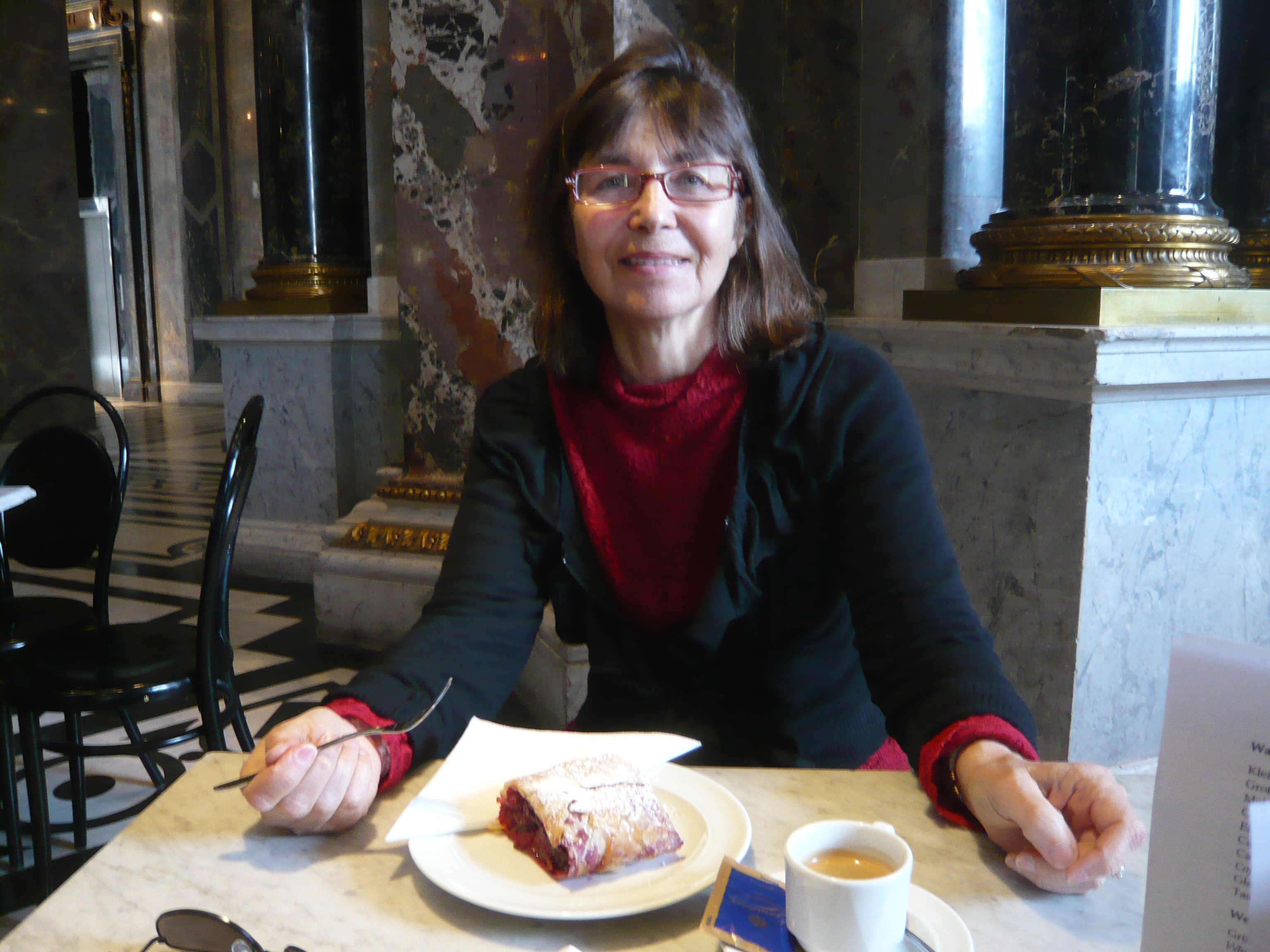
MeStrudel

Fanny and Felix

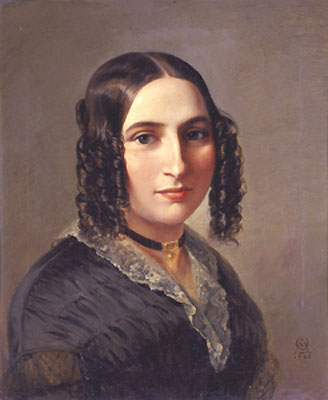
Fanny Mendelssohn Hensel, 1842, portrait by Moritz Daniel Oppenheim, Public Domain

Fanny Mendelssohn Hensel, 1842, portrait by Moritz Daniel Oppenheim, Public Domain

November 14 is the birthday of Fanny Mendelssohn Hensel, older sister of the composer Felix Mendelssohn.  As children in a wealthy and refined family in Hamburg, Fanny and her brother shared a passion for music.  They were at least equally talented.  One of their teachers, Carl Friedrich Zelter, actually seemed to think Fanny’s was the superior talent.  In 1816, he wrote to his friend, the great poet Goethe, the  “…oldest daughter could give you something of Sebastian Bach.  This child is really something special.”

Fanny was a composer as well as a fine pianist. But like so many other women, she found herself automatically kept at home, out of the way of anything so vulgar as publishing and performing music for pay.  Her father commented about Felix, in a letter to Fanny.  He wrote, “Music will perhaps become his profession, while for you it can and must be only an ornament.” That was easy for him to say.  Living with those infuriating limitations must have been hard for Fanny, as it was for Mozart’s talented sister Nannerl a century earlier.

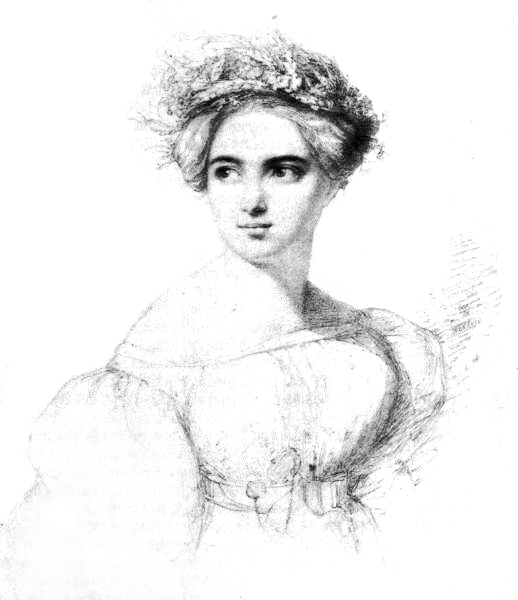
Fanny Mendelssohn, sketch by her fiance, Public Domain

Fanny Mendelssohn, sketch by her fiance, Public Domain

Fanny made a good marriage and continued to compose as best she could.  Her brother Felix “generously” allowed some of her compositions to be published under his name. He had at least one embarrassing incident as a result.  Queen Victoria, at Buckingham Palace, announced to Felix that she was going to sing her favorite of his songs, “Italien.”  He was forced to confess that it was actually his sister Fanny’s song. Served him right, if you ask me.

Fanny’s husband, the painter Wilhelm Hensel, encouraged her composing and playing.  Her brother relied on her for critiques of his works in progress, and she collaborated with him on various pieces–probably more than we know.

16365103

Things have changed for gifted women.  Recently, the prodigiously talented singer-songwriter Taylor Swift changed over from country to pop music, against the advice of her agents. Then she defied a music streaming outlet, Spotify.  She decided that the outlet didn’t give proper recognition, control or compensation to artists, and she could manage nicely without them. Her new album, “1989,” is available at Target and other outlets.  I wish her success.

The Tenth Mountain Division

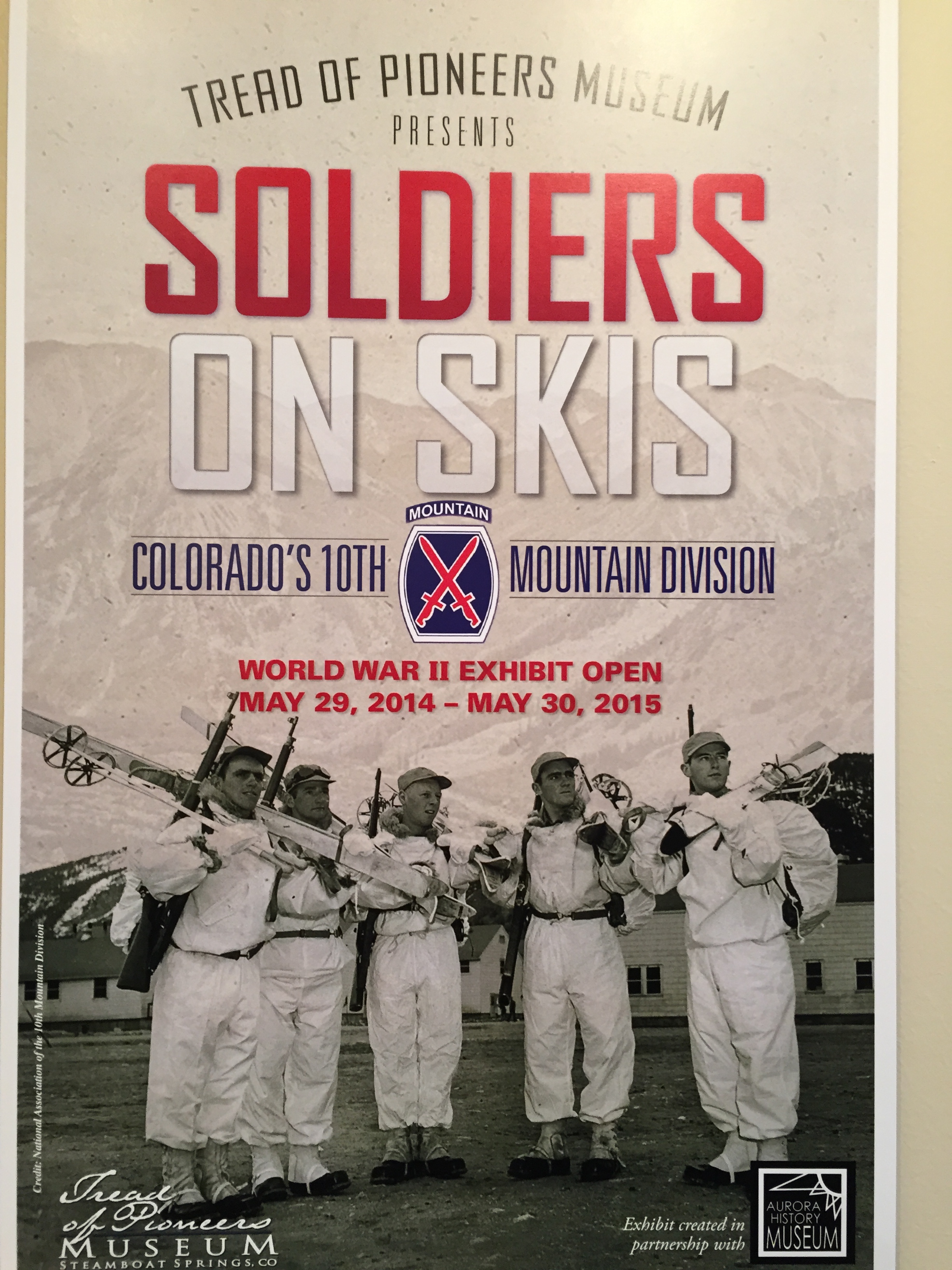
IMG_2159

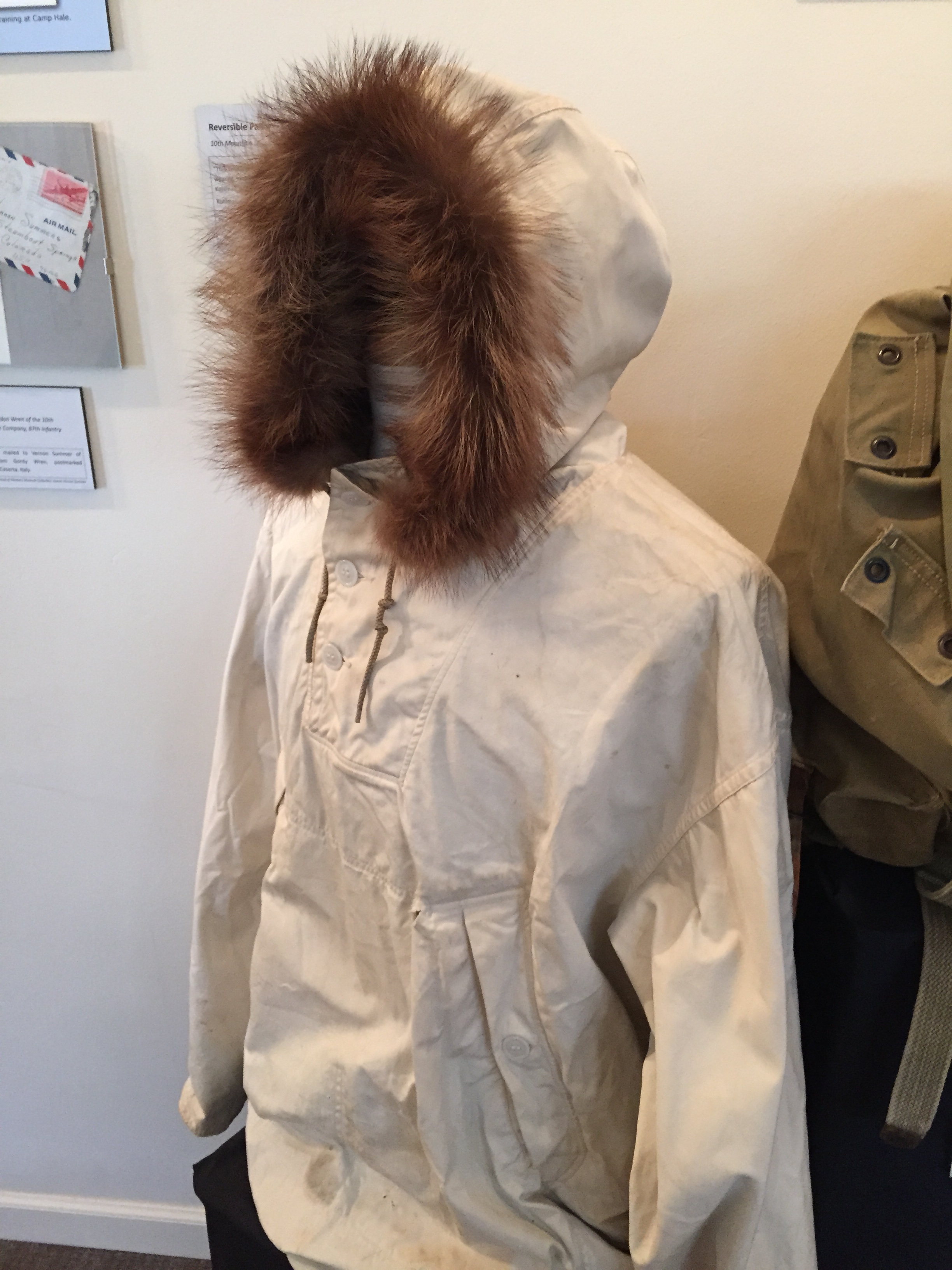
On this Veterans’ Day in the United States, I stopped by a local museum to see an exhibit honoring a special group of soldiers who served during World War II.  The Tread of Pioneers Museum in Steamboat Springs, Colorado is hosting a exhibit called “Soldiers on Skis.” A number of locals served as soldiers on skis.  They still hold reunions here.

Immediately after the attack on Pearl Harbor on December 7, 1941, military leaders realized that American soldiers would have to be combat-ready in all kinds of circumstances all over the world.  That included the treacherous mountain terrain of Europe and Asia–and, if it came to it, of the United States as well.  In 1939, Russian troops invading Finland had been held back by much smaller numbers of Finnish soldiers on skis.  The Finnish soldiers were able to use the rugged terrain of their home country to their advantage. United States military leaders took a lesson from the brave Finns. Soon Army suppliers were designing warm clothing and tents for mountaineering soldiers.

IMG_2167


Serious planning for mountain combat began. There were already a number of recreational ski mountains in the United States, along with some ski racers and ski patrol men. The Army began recruiting efforts with men already skilled on skis and in mountain terrain. They found no shortage of volunteers. The 10th Light Division (Alpine) was activated in July of 1943 and based in Camp Hale, in the heart of the Colorado Rockies. Among other training techniques, Army engineers actually built a glacier to mimic terrain the soldiers would soon see in Italy.  In 1944, what became known as the 10th Mountain Division shipped off to Italy.  They fought Axis troops in fierce and crucial battles in the Italian Apennine mountains near Bologna, Pisa and Lake Garda. (There’s an expert ski run called “Riva Ridge” in Vail, Colorado. I skied it for years without appreciating that it was named after a perilous ridge climbed by 10th Mountain Division soldiers on February 18, 1944, on their way to a vital attack that began on February 20).

Once the skiing soldiers had successfully helped to end German resistance Italy, they were to be shipped to Japan to fight in the mountains there.  However, they were not needed after the Japanese surrender. Since World War II, the 10th Mountain Division has been demobilized and reactivated several times.  To this day, the unit is light infantry, with special training and equipment to move in hard terrain.

IMG_2177

I bought a book at the museum. It is The Boys of Winter: Life and Death in U.S. Ski Troops During the Second World War. The author, Charles J. Sanders, particularly honors three of the many men who gave their lives fighting in the 10th Mountain Division.  Their names are Rudy Konieszny, Jacob Nunnemacher, and Ralph Bromaghin.  I’m going to read their stories with interest.

IMG_2176

Many of the great American ski areas were founded by skiing soldiers who returned home, sad at the loss of their friends but enthusiastic about sharing their love of the mountains and of skiing with a civilian population living in peace. Pete Seibert, an ex-soldier who became one of the founders of Vail Resort, no doubt had his fallen friends in mind whenever he set off down Riva Ridge.


Blenheim: The Sun King’s Waterloo

Claude Lefebre, Public Domainnknown artist, after Louis XIV, circa 1670, u

Claude Lefebre, Public Domainnknown artist, after Louis XIV, circa 1670, u

Before there was Napoleon Bonaparte, there  was Louis XIV, the Sun King.  He believed himself the greatest monarch the world had ever seen, so naturally he thought he might as well control all of Europe plus the British Isles, not just France.  In 1704, the War of the Spanish Succession had been going on for four years, and things were going well for the French.  Unlike many kings, Louis XIV was actually a soldier, and an accomplished one.

John Churchill, 1st Duke of Marlborough, 1704, Adriaen van der Werff, Public Domain

John Churchill, 1st Duke of Marlborough, 1704, Adriaen van der Werff, Public Domain

He met his match in John Churchill, who had risen through the ranks after beginning at court as a lowly page.  He had already attained the rank of First Duke of Marlborough when he stopped the French in their tracks.  He changed the course of European history.  Churchill/Marlborough did this through a combination of deceptive communications and wily maneuvering of his forces.  As I understand it, he marched his troops undetected through the Low Countries, pretty much surprising the French at a little Bavarian village called Blenheim.  The object was to keep the French from occupying Vienna, which would have broken up the delicate and ever-shifting balance among European powers.

Marlborough’s heroics ended Louis XIV’s dream of controlling all of Europe. The French suffered 30,000 casualties.  The French commander-in-chief, Marshall Tallard, was captured and hauled to England as a prisoner.  There were still battles left to fight, but the battle of Blenheim was a huge turning point in history.

DSCN7028

A grateful nation gave the 1st Duke of Marlborough the lands and the money to build a suitable tribute, a palace that would rival the Versailles of Louis XIV.  In fact, the cavernous entry hall at Blenheim is as impressive as anything I’ve seen at Versailles.  It’s more austere, though–suitable for the military theme of Blenheim. The palace was built in the English Baroque style, and contained 187 rooms. The construction was halted in 1711, after the Duchess of Marlborough had a terrible quarrel with Queen Anne.  In fact, the Duke and Duchess had to go into temporary exile on the continent until the Queen died in 1714.  After that, the Duke had to spend his own money to complete his palace.

Serious historians would not be much impressed by my analysis of the military situation. If I wanted to fully understand the War of the Spanish Succession and its many battles, I could study a large military exhibition at Blenheim Palace.  I thought about the military exhibit on my recent visit, but the tearoom was calling my name.

Join me next time for more explorations in the art and history of Europe and the British Isles!

A Cradle Fit for a King (or Emperor or Duke)

BlenCradle

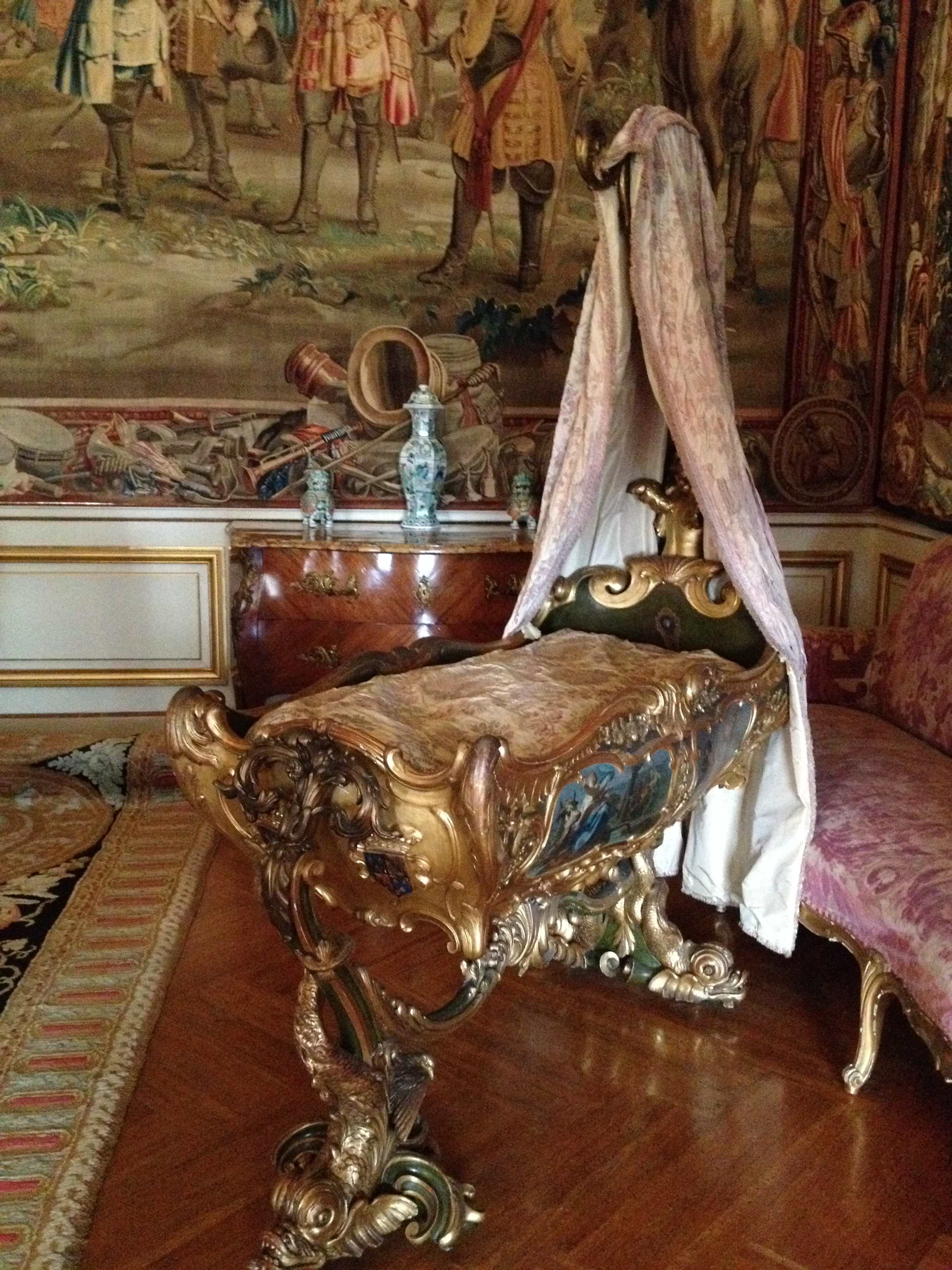
When Consuelo Vanderbilt did her duty and produced the required “heir and a spare” for the 9th Duke of Marlborough, she rocked her boys in a regal cradle, which is still on view at Blenheim Palace.   Consuelo’s mother, the irrepressible Alva Vanderbilt, wasted no time in ordering this cradle from Italy.  She had moved heaven and earth to marry her very rich daughter to the Duke of Marlborough.  The birth of a male heir insured that the Vanderbilt bloodline would forever have a secure footing in the British aristocracy.

According to a placard about the cradle in Blenheim Palace, it was a near-replica of the one made for Napoleon Bonaparte’s long-awaited heir in 1811. I don’t see much resemblance, though. Consuelo’s cradle is ornate, over-the-top with fanciful figures and gilding. (Actually, a baby being rocked in this cradle would have gone straight over the top and onto the floor–the mattress is even with the sides. If Consuelo actually used it, she must have used it with a lower mattress).

NapoleonCrib


Napoleon II’s cradle is now in the Imperial Treasury in Vienna, because the child’s mother was Napoleon’s second wife, Marie-Louise of Austria. It was never actually subjected to a burping, crying child.  It was a ceremonial object–a “throne cradle”– presented to Empress Marie Louise by the City of Paris. This cradle has a distinctly military look. It was fashioned of 280 kg of silver, replete with symbols of power and good government:  horns of plenty, the Roman Capitoline Wolf, a laurel wreath, a crown of stars, and numerous bees. Napoleon the Emperor took the bee as his personal emblem; it was also an old symbol of Paris, indicating diligence. The foot of the cradle has a small eagle; Napoleon II was popularly known as “The Eaglet,” with the hope that he would surpass even the glorious exploits of his father.

Napoleon’s only legitimate son had a short and tragic life.  The Emperor made his son the King of Rome the instant he was born.  Glory did not follow, though. After his father’s abdication in 1814, Napoleon II’s mother was forced to flee home to Austria with her toddler.  She remained married to Napoleon, but never saw him again.  The child died in isolation in Austria, where he had to be kept from the public for fear of his father’s admirers trying to rally around him.  I read somewhere that the unfortunate child’s only companion was a pet bird.  He was a frail, sickly child, kept indoors almost all the time. He died of tuberculosis at age 21.

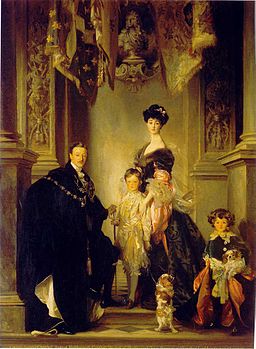
Duke of Marlborough and His Family, John SInger Sargent, 1905, Public Domain

Duke of Marlborough and His Family, John SInger Sargent, 1905, Public Domain

Consuelo’s marriage to the 9th Duke of Marlborough was loveless and unhappy, but her older son, in the fullness of time, became the 10th Duke of Marlborough and her younger son lived out his days as Lord Ivor Spencer-Churchill. Consuelo’s ancestors continue to occupy Blenheim Palace to this day.

Join me next time for more explorations in the art and history of Europe and the British Isles!

Consuelo Vanderbilt to the Rescue

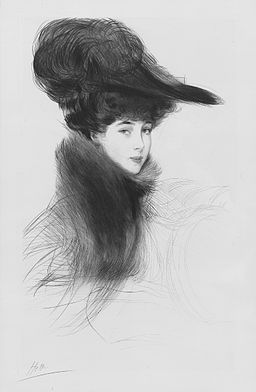
La Duchess de Marlborough, Helleu, 1901, Public Domain

La Duchess de Marlborough, Helleu, 1901, Public Domain

Julian Fellowes, creator of the television hit Downton Abbey, did not invent the story of an American heiress bringing her fortune to the rescue of an aristocratic British family of declining fortunes. Fortune-hunting Brits, titled but poor, regularly patrolled the upper reaches of American society for rich brides.  Consuelo Vanderbilt was one of those real-life brides. She became the very reluctant wife of the 9th Duke of Marlborough.

By all accounts, Consuelo was one of the loveliest and most charming women of her age. The playwright Sir James Barrie, author of Peter Pan, famously wrote, “I would wait all night in the rain, to see Consuelo Marlborough get into her carriage.” She was also sweet, compliant, and dominated by her mother Alva Vanderbilt.

Alva was formidable.  She was estranged from her husband, the fabulously rich railroad man who, among other feats, created Madison Square Garden.  He was a grandson of the dynasty’s founder, Cornelius “The Commodore” Vanderbilt, and inherited the equivalent of about $1.4 billion in today’s money. Alva divorced him for adultery and landed a settlement of the equivalent of $280 million in today’s money.  Alva named her daughter after her godmother, a half-Cuban American socialite who had made a spectacular marriage into the family of the Duke of Manchester.

Alva expected no less of her beautiful daughter Consuelo. She forced Consuelo into a brilliant but doomed marriage with the 9th Duke, who didn’t want the marriage any more than Consuelo did. Alva actually placed her daughter under house arrest in her bedroom, keeping her away from the man she loved, until the tearful teenager finally agreed to marry the Duke of Marlborough.  Consuelo wept behind her wedding veil at the 1895 ceremony in New York. She was just 18 at the time. The Duke wasted no time in collecting her dowry, the equivalent of $67 million dollars, which he sorely needed to maintain the family seat at Blenheim Palace. The money lasted until around 1950, when declining fortunes forced the house to open to the paying public.

Duke of Marlborough and His Family, John SInger Sargent, 1905, Public Domain

Duke of Marlborough and His Family, John SInger Sargent, 1905, Public Domain

Consuelo did her duty, producing the required “heir and a spare.” By some accounts, she invented the famous expression. Predictably, the marriage ended in separation in 1906, divorce in 1921, and finally annullment in 1926, after Alva admitted that she had been wrong to force the marriage. Consuelo forgave her domineering mother and they developed a close relationship.

Consuelo with WInston Churchill at Blenheim, Public Domain

Consuelo with WInston Churchill at Blenheim, Public Domain

Consuelo became a close friend of Sir Winston Churchill, who was born at Blenheim in 1874 and remained a frequent visitor there all his life. While she was the Duchess, she worked to improve the lives of the poor around the estate and in the town of Woodstock.  It appears she was universally adored.  Later in life, she continued her good works, even as she took part in glittering society.  Her second marriage was happy, and she lived out her days in contentment. She died in New York at age 87.

Join me next time for more explorations in the art and history of Europe and the British Isles!