Category Archives: Art

Columbus Day

No American holiday is as controversial as Columbus Day.  Over 500 years after Christopher Columbus’s voyage to what was then the “New World,” celebrations often turn into protests.  Since Christopher Columbus was from Genoa in what is now Italy, Italian-Americans use the holiday to celebrate their heritage. Native Americans and others decry the exploitation of their peoples by the European colonizers.  We can all give some thought to history today. I am repeating some material from a previous post of mine for Columbus Day.

Remember the ditty, “In fourteen hundred and ninety-two, Columbus sailed the ocean blue?” Just two years after Christopher Columbus’s  voyage, in the year 1494, the Renaissance artist Pinturicchio apparently added images of the Native Americans described by Columbus to a fresco in the Vatican. Columbus called the people he met “Indians” because he mistakenly believed he had reached the East Indies, source of coveted treasure like silk and spices.
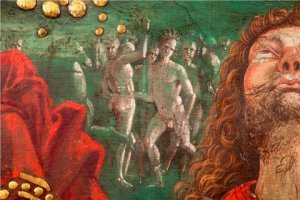
Detail of fresco showing Native Americans
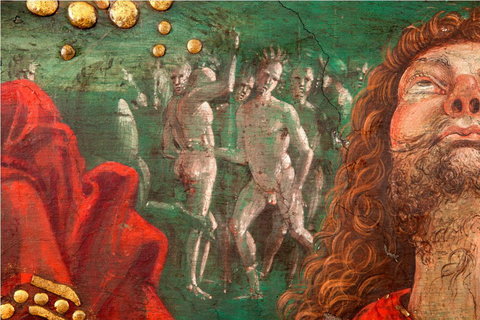

News reports on the frescoes vary.  Either the images were more or less overlooked for the past 500 years, or they were uncovered in a recent cleaning of the fresco. The images are difficult to see.  They appear at the top of the open tomb.
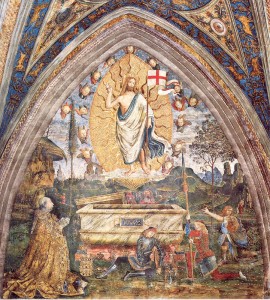
Pinturicchio "Resurrection of Christ"
Pinturicchio “Resurrection of Christ”

The fresco, titled “Resurrection of Christ,” was commissioned for the rooms to be occupied by the newly-elected Pope Alexander VI.  This Pope was the former Spanish cardinal Rodrigo Borgia, so his rooms came to be called the “Borgia Apartments.” All the great powers in Europe at the time were much interested in the so-called “New World.” Of course, we now know that a big part of the interest in “the New World” was in exploiting the people and the riches to be found there.  But seeing this fresco gives us a little insight into the excitement in Europe over the new discoveries.  And over time, after many mistakes and abuses, a “New World” of freedom and democracy really was created.

I first read about this discovery in The New York Times, http://artsbeat.blogs.nytimes.com/2013/05/06/early-images-of-american-indians-found-in-a-vatican-fresco/. I have to thank Kathy Schiffer, in her blog “Seasons of Grace,” for coming up with the full image of the fresco.  Her article is at http://www.patheos.com/blogs/kathyschiffer/2013/04/first-ever-painting-of-native-americans-discovered-in-the-vatican/.

Today, in the midst of a government shutdown frustrating to everyone, the Statue of Liberty has reopened.  The reopening is timely.  In spite of grievous mistakes made by our country, past and present, and by European colonizers in the past, the United States still stands as a land of freedom and opportunity. The Statue of Liberty is still a cherished symbol of what America offers. An article about the reopening is at http://www.nytimes.com/2013/10/14/nyregion/statue-of-liberty-reopens-as-other-sites-stay-empty.html?_r=0.


More Dogs in Dutch Art

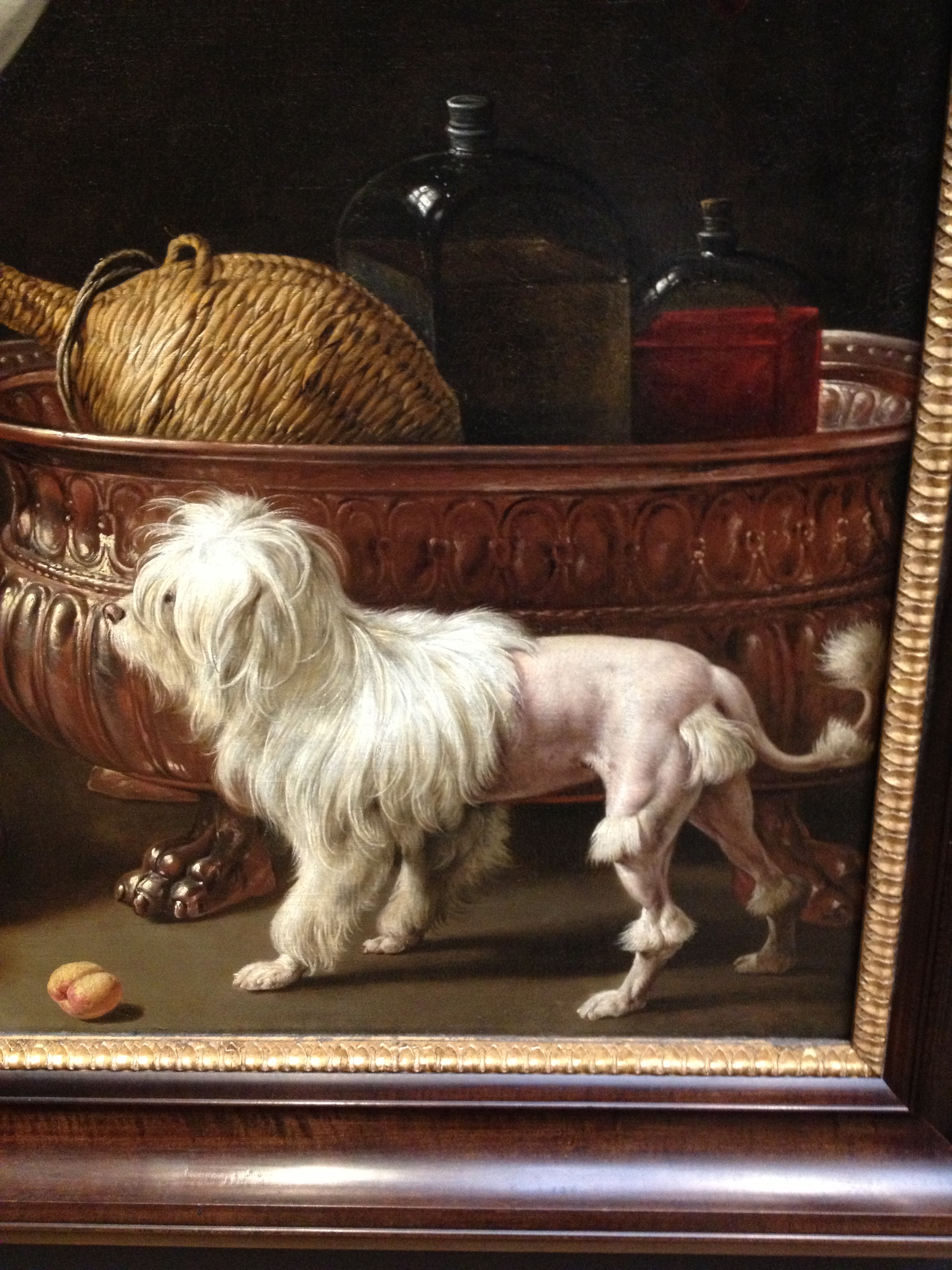
DogLookUpWhat do we really value about our dogs? Blind adoration is the most important thing, if we dog lovers are honest.  Sure, we’d like to see obedience, intelligence, cute tricks, and barking only when fire breaks out or someone is actually breaking into the house.  But that look of pure unconditional love trumps everything else. I imagine that even rich merchants in the Dutch Golden Age had their moments of doubt and insecurity, moments when they needed that adoring upward gaze.

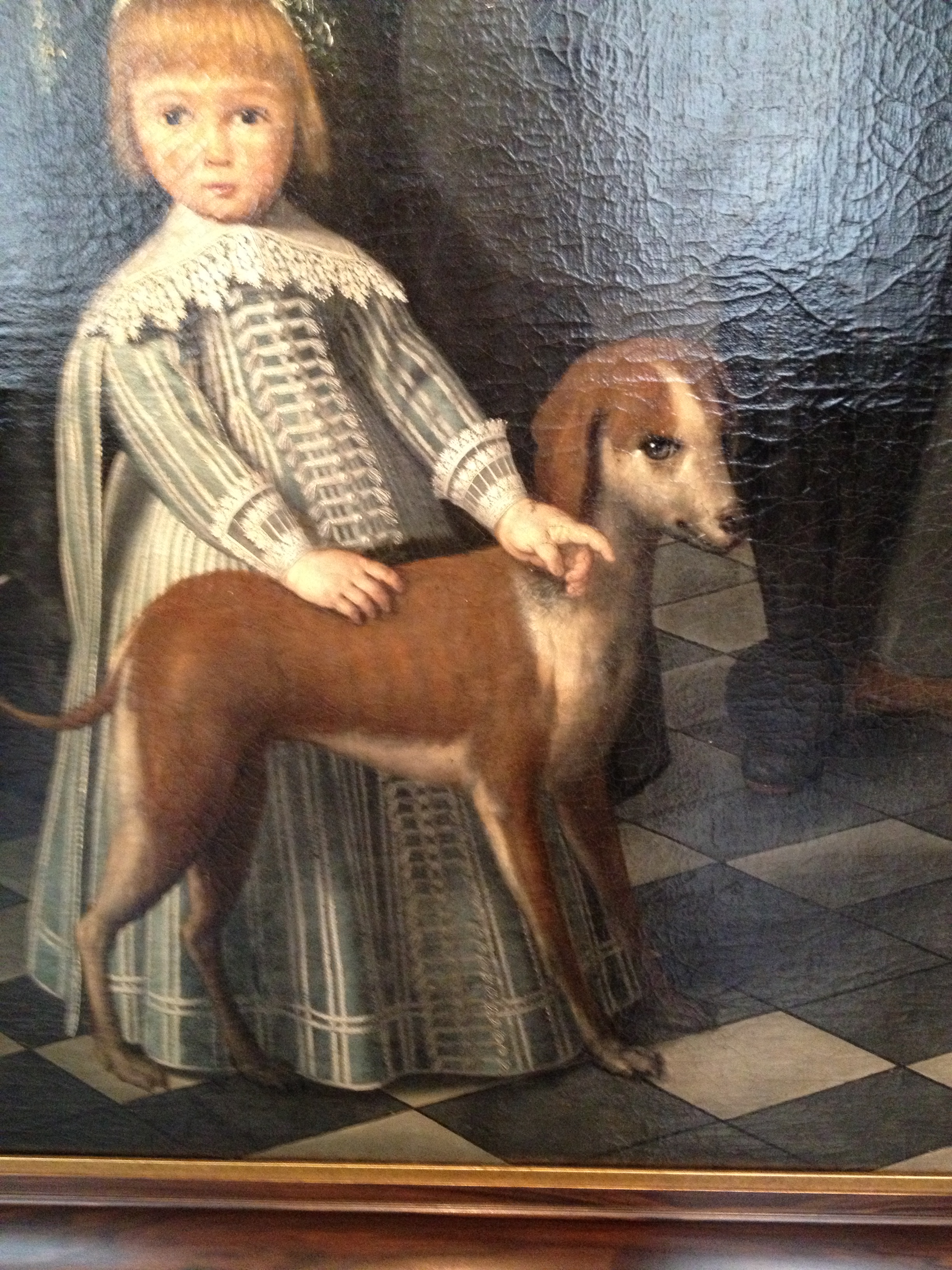
As I wandered the art galleries of Amsterdam, I snapped photos of dogs. They were everywhere, in the Rijksmuseum and in the Amsterdam Museum (which is really the history museum, but the word “history” was recently removed, apparently because it was thought to scare some people away).

iPhone9-23-13 394

Somehow, the dogs featured in paintings serve to make the people depicted seem more real, more like us.

iPhone9-23-13 363Each animal is an individual character, as lovingly painted as any man, woman or child.

iPhone9-23-13 239


Each long-ago dog had a name, a favorite place to sleep, a way of looking happy or sad.

iPhone9-23-13 238

We might have trouble imagining the lives of humans from past centuries, but we have no trouble recognizing these dogs. And that adoring upward look still speaks to us, centuries after dog and master are gone. For me, the loving relationship between people and their pets is a kind of window into the past.

iPhone9-23-13 237

Join me next time for more explorations in the art and history of Europe!

Dogs in Dutch Art

iPhone9-23-13 240

Dogs are everywhere in Dutch museums.  As I wandered through the art galleries of Amsterdam, I wondered why dogs appear in so many paintings, especially those dating from the Golden Age.  All though the 1600s, the Dutch Republic was pretty much on top of the world.  Merchants and seamen traded all over the world, bringing in boatloads of money.  A wealthy middle class rose up. There was still a market for religious and historical art, but above all this new wealthy class  wanted portraits and depictions of their everyday lives of luxury.  Rembrandt, Vermeer, Frans Hals and many other artists were happy to oblige. My guess is that man’s best friend was just part of the good life.

I came across a wonderful poem by David Graham:

The Dogs in Dutch Paintings

How shall I not love them, snoozing

right through the Annunciation?  They inhabit

the outskirts of every importance, sprawl

dead center in each oblivious household.

They’re digging at fleas or snapping at scraps,

dozing with noble abandon while a boy

bells their tails.  Often they present their rumps

in the foreground of some martyrdom.

What Christ could lean so unconcernedly

against a table leg, the feast above continuing?

Could the Virgin in her joy match this grace

as a hound sagely ponders an upturned turtle?

No scholar at his huge book will capture

my eye so well as the skinny haunches,

the frazzled tails and serene optimism

of the least of these mutts, curled

in the corners of the world’s dazzlement.

The poet’s website is at davidgraham.lifeyo.com.

I’m counting my discovery of this poet as one of the world’s dazzlements!

Like Father, Like Son? Not So Much.

BickerKid

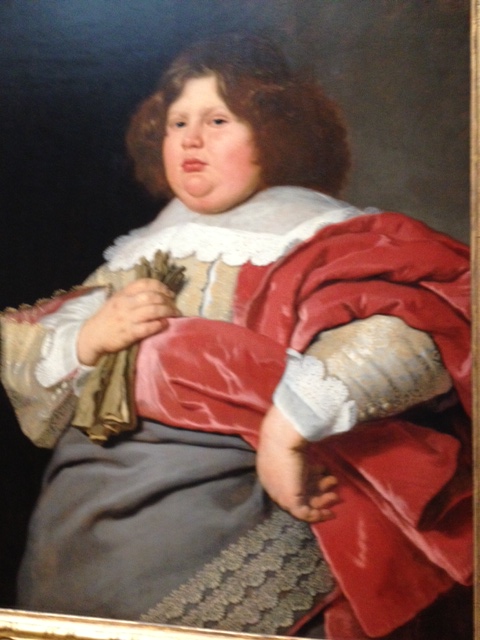
In Amsterdam’s Rijksmuseum, I noticed a lot of people pausing in front of a particular portrait, depicting a fat young man named Gerard Andriesz Bicker in 1639.  Dressed in fine silks, velvet and lace, he looks particularly satisfied with himself.  If Gerard had posted this portrait on match.com, I suppose he would have expected a lot of takers.  People in the museum pause, read the caption, and then move to the adjoining portrait, of young Gerard’s father.

BickerDad

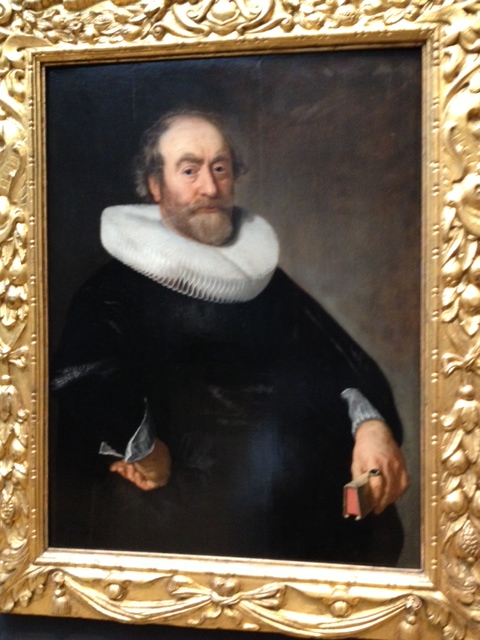
The father, Andries, was the mayor of Amsterdam at the time.  He appears as a stern, hardworking burgher, dressed in severe black.  He wears the stiffly starched and pleated collar so popular among the elite at the time.  These collars took about 18 yards of fabric to make and had to be painstakingly hand-pleated.  They held a person’s head high and made it impossible to lean back and relax.  One can only imagine what opinion Andries had of his spoiled-looking son.  The son’s caption notes dryly that young Gerard did not attain offices as high as those of his father.  No kidding.

Both portraits were painted by Bartholomeus van der Heist, 1613-1670.  He was Rembrandt’s chief rival in the contest to get the most lucrative portrait painting jobs among Amsterdam’s rich and famous. Apparently young Gerard was pleased with his portrait.  His father must have been pleased enough with both portraits, too.  After all, he paid for them.

Join me next time as I explore the art and history of Europe!

Rembrandt’s House in Amsterdam

Rembrandt van Rijn’s house in Amsterdam is on the tourist circuit, and well worth a stop. The building is the original one where the artist lived and work, but the interior has been reconstructed to accommodate visitors. An adjoining building has further displays.

The nearby Rijksmuseum has some of Rembrandt’s greatest hits in paintings, but the house has a treasure trove of his etchings.  During high season, I understand the etching process is demonstrated. The artist spent a good deal of time and effort becoming a fantastically skilled master of etching–an art form a little harder to appreciate than the big colorful paintings such as the one we know as “The Night Watch.”  Like other Rembrandt canvases, that famous work draws big crowds over at the newly-refurbished Rijksmuseum.

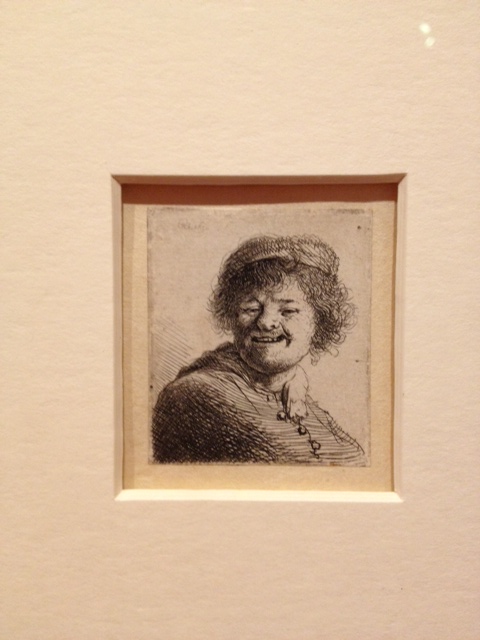
In his many drawings and etchings, Rembrandt developed his skill with characterization and especially with light and shadow.  He used himself as a subject over and over, often to study emotion and facial expression.

RembrandtLaugh

In this example, he shows himself laughing.

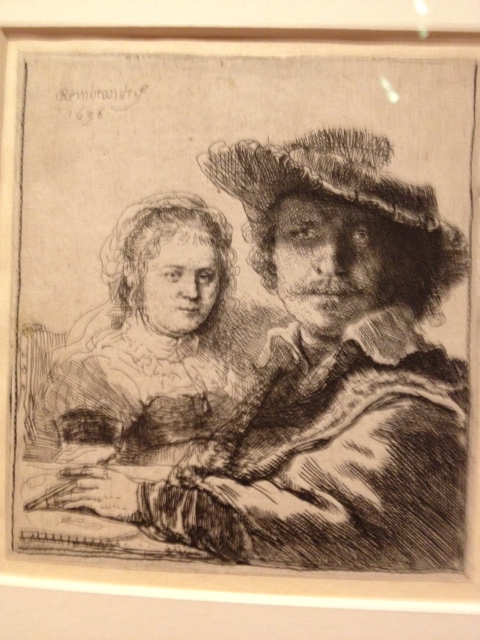
RembrandtSaskia

He used his wife Saskia as a frequent model, too.  Here she is shown with the artist himself in a double portrait.

RembrandtPaint

The house recreates the studio where Rembrandt worked.  It has wonderful large windows with northern light.  Here he mixed his paints and produced his masterpieces.  For his portrait work, Biblical subjects, and historical paintings, he needed a lot of props.  He had rooms full of interesting objects gathered from all over the world.

RembrandtStuff

Sadly, the artist fell upon hard financial times for reasons I don’t really understand.  He continued to draw, paint, and teach many students to the end of his life, but the big lucrative commissions dried up. Finally he went bankrupt and had to move to a smaller rented house. He was forced to sell the house for which he had paid a fortune in his heyday.  To recreate the place, curators had only to refer to the detailed list of every single one of Rembrandt’s possessions. I’m sure they would be able to place most of these objects in Rembrandt’s many paintings.  More casual visitors to the house can get a vivid idea of a great artist’s working methods, and a new appreciation for the art of etching.

Join me next time as I continue on a journey with new discoveries in the art and history of Europe!


Picasso’s Lady in a Fish Hat

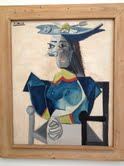
Fish Hat

At the very end of two days of looking at great art in Amsterdam, I came across a Pablo Picasso painting that made me laugh: “Seated Woman Wearing a Hat in the Shape of a Fish.”  The painting is in Amsterdam’s modern art museum, the Stedelijk. The date is 1942, midway through the Second World War.  I had to look up the artist’s whereabouts during this time.  As it happened, he stayed in Paris during the entire Nazi occupation.  Naturally, the Gestapo regarded him as subversive–and he certainly was, though not in any way the Nazis could understand. He did not bother to exhibit his work at this time, but he never stopped creating.

According to one account, one day Gestapo officers were in his studio harassing him, as they often did.  They spotted his great antiwar painting, “Guernica,”  which depicts the terrible suffering inflicted by German bombers on a town full of innocent victims during the Spanish Civil War.  A Gestapo officer pointed at the painting, which was not yet acknowledged as one of the most powerful antiwar images ever made, and asked Picasso, “Did you do this?”  “No,” Picasso reportedly replied. “You did.”

So what about this woman with a fish on her head? Could it be a spoof on military headgear?  Or a joke about pompous officials in general? Was Picasso poking fun at some acquaintance?  Was he making fun of women’s frivolous fashions during wartime?  I don’t know. Maybe the painting  means nothing at all–maybe that is the point. Maybe it is just meant to provoke a smile. In even the darkest times, we need artists who are able to show us that there is more to life than the grim reality that sometimes surrounds us.

Scandalous Dancing in the Woods

I’ve been writing lately about the Perry-Mansfield Performing Arts School and Camp in Steamboat Springs, Colorado.  The school celebrated 100 years since its founding this past summer.  When I attended the open house, I found an enchanting cabin, restored to reflect history.

Cabin

Dorothy Woodruff and Rosamond Underwood, the adventurous young women featured in my last post, visited the camp shortly after its founding. They were Smith College graduates, teaching for a year in the area.  They were eager to see the venture started by two other intrepid young women who had also graduated from Smith:  Charlotte Perry and Portia Mansfield.  Charlotte’s brother Bob was one of Rosamund’s suitors; his father owned the local coal mine, and he was very much an eligible bachelor.  He and Ferry Carpenter competed for the attentions of Rosamond.

Charlotte and Portia had worked in Chicago for two years to earn the money to buy the land for the camp.  Then they worked side by side with a small crew loaned by Charlotte’s father to build rustic tents and renovate the abandoned homesite on the property. They were sophisticated city girls; they had trouble providing meals their working crew would eat.  Afraid the crew would abandon them, they took the advice of Charlotte’s brother:  “…soak the potatoes in grease, over-cook the meat, boil the coffee, and serve them soggy pie.”  The formula worked like a charm.

Portia and Charlotte soon had students and teachers, all enjoying a very high quality of instruction in art and music, which continues to this day.  The atmosphere was one of complete artistic freedom, too.  Over the coming decades, Perry-Mansfield was a haven of the avante-garde, including the great dancer Merce Cunningham and his composing partner, John Cage.

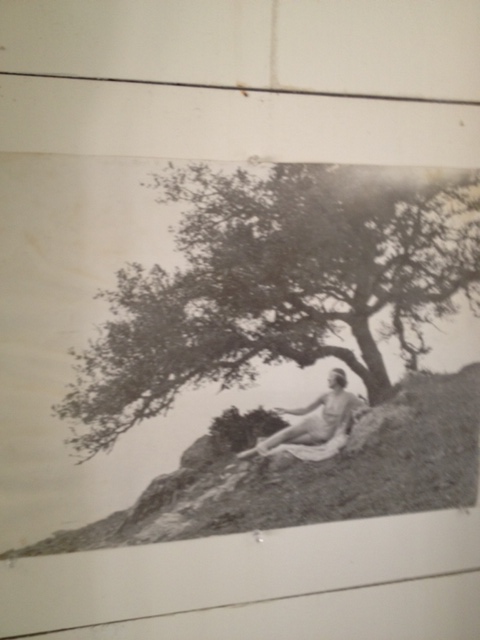
photo-11

Local ranchers were suspicious of the place; rumors flew of young women dancing in the woods in diaphanous gowns.  The rumors were true. Dorothy and Rosamond watched actual outdoor rehearsals. Local wives and daughters were forbidden to go near the place; milk and butter were delivered to the creek nearby, to be picked up when the ranchers’ women were safely home again.

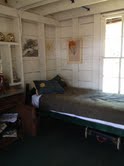
In her book Nothing Daunted, Dorothy Wickenden tells the story of the overnight visit Dorothy and Rosamond paid to the camp.  They loved the place.  Ferry Carpenter guided them along a two-mile forest path to get there.  When they were ready to leave the next day, his romantic rival, Bob Perry, one-upped Ferry by maneuvering his little Dodge in and out of the remote area so they didn’t have to walk back.  Rosamund described the living room, which doubled as a music room, as “one of the loveliest and most artistic rooms I have ever seen.”  I think the living room is long gone, but I found the restored cabin enchanting.  I’d cheerfully move right in.

CabinBed

Present-day students live in modernized cabins which were not part of the open house.  These cabins are now winterized.  They are a popular lodging option for skiers and other visitors to Steamboat Springs during the long, snowy winters when there are no students. The website is at http://perry-mansfield.org/.

To read more about the colorful history of the Steamboat Springs area, have a look at Dorothy Wickenden’s best-selling book about the adventures of her fearless grandmother and the best friend who accompanied her on the adventure of a lifetime!

513BtSEHi7L._SL110_

From the Grand Tour to the American West

In my last post, I mentioned the delightful book Nothing Daunted by Dorothy Wickenden.  The subtitle is “The Unexpected Education of Two Society Girls in the West.”

513BtSEHi7L._SL110_

Dorothy Wickenden, the executive editor of The New Yorker, found a treasure trove of letters written by her grandmother, Dorothy Woodruff, who with her best friend, Rosamund Underwood, answered an ad for teachers in a one-room schoolhouse in remote northwestern Colorado.  The young women had graduated together from Smith College.  They were twenty-three and had no intention of settling in right away to their expected life of marriage, charity work, and society events.  So in the summer of 1916, off they went on the grand adventure of their lives.

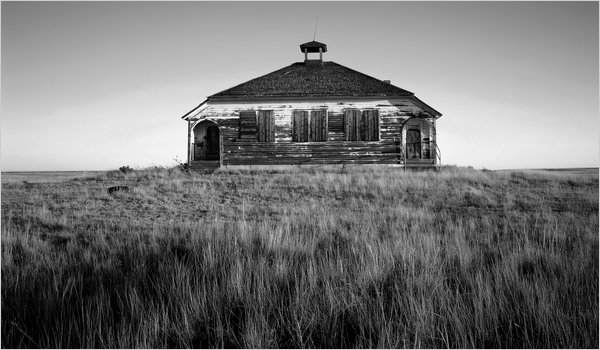
Photo by Lawrence M. Sawyer/Corbin, from NYT review cited below

Photo by Lawrence M. Sawyer/Corbin, from NYT review cited below

The schoolhouse was in an area so remote they had to live with a homesteading family and ride horseback to work every day, rain or shine.  Their students had to do the same; in winter some students had to ski to school on makeshift skis made of barrel staves.  Not surprisingly, the young women found themselves courted enthusiastically by local cowboys and also by educated men–including the one who had placed the ad, Ferry Carpenter.  He was a Harvard-educated lawyer who had gone west to make his fortune.

The young women had lived lives of privilege; after college, they had been lucky enough to take the Grand Tour.  They spent a year in Europe, studying French and seeing as much as they possibly could.  They went out of their way to see art and experience theater and dance. They judged the women in Rubens’ paintings “beefy,” but loved most of what they saw.  In Paris, they saw an exhibit by Matisse and Picasso.  They were not impressed, especially after having spent a lot of time with the masterpieces in the Louvre. Dorothy thought Matisse’s work was “like that of a little child.” Many years later, she regretted passing up the chance to buy some of those paintings for a song.

They saw Nijinsky, then twenty years old, dance in Scheherazade, the most famous ballet produced by Sergei Diaghilev’s Ballets Russes. They saw Isadora Duncan in her premiere performance of Orpheus.

Dorothy and Rosamund toured France, Germany, Italy, Spain and Holland. All along the way, they wrote long letters home.  They also collected postcards.  Later, when they went off to teach in the one-room Colorado schoolhouse, they brought their postcard collection.  Their students (and the parents of the students) eagerly studied the postcards as clues to the wider world.  I’d like to think that many of them eventually went on adventures of their own, following the lead of these two remarkable young women.

There’s a review by Maria Russo in The New York Times at http://www.nytimes.com/2011/06/26/books/review/book-review-nothing-daunted-by-dorothy-wickenden.html?pagewanted=all&_r=0.

Russian Cowboys in Colorado: Agnes de Mille’s “Rodeo” at Perry-Mansfield

Rodeo

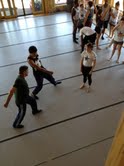
Last month, I watched a rehearsal and a run-through of Agnes de Mille’s most famous ballet, Rodeo.  There’s a strong Colorado connection, and it runs straight through Perry-Mansfield Performing Arts School and Camp in Steamboat Springs. In 1935, the 30-year-old dancer and choreographer Agnes de Mille was in residence at Perry-Mansfield.  She came from a privileged and sophisticated background. Her father was William C. de Mille and her uncle was Cecil B. de Mille, both Hollywood movie producers. She had been discouraged from acting because she was not considered pretty enough, so she turned to dance instead.

During her stay in Steamboat Springs, Agnes asked to be taken to a square dance, an important and regular social event in the local schoolhouse.  Not only was she fascinated with the actual cowboys–and girls–dancing in actual cowboy boots, but she went out on the floor and did a solo turn, to much applause.  The crowd was so enthusiastic that a long line of dancers honored her, in local fashion, by joining hands and “cracking the whip,” propelling Agnes out the schoolhouse door into the sagebrush outside.  It’s too bad there was no You-Tube to capture those moments.

Seven years later, her ballet Rodeo premiered in New York, with music by Aaron Copland.  The dancers were from the company Ballet Russe de Monte Carlo.  Agnes de Mille herself danced the lead, the tomboy Cowgirl who dances up a storm and also gets her man. She received twenty-two curtain calls.

The Ballet Russe de Monte Carlo had left Russia after artistic differences, and moved to Monte Carlo.  From there, they went on to tour the United States during World War II.  (Tragically, one of the founders, Rene Blum, was one of the very first Jews arrested in France during the Occupation in 1941.  He was sent to Auschwitz, where he was killed).

Agnes de Mille was mostly unknown when she landed the job with this company. Rodeo was one of their most successful productions.  It took some doing.  Russian-trained dancers had to perform in cowboy regalia, incorporating raucous cowboy moves into their exquisite classical technique.

On the strength of this ballet, Agnes de Mille was asked to choreograph the Broadway musical Oklahoma! She went on to choreograph many other musicals, such as CarouselBrigadoon, Gentlemen Prefer Blondes, and Paint Your Wagon. Her most important innovation, which changed musical theater permanently, was to create dances that deeply expressed character rather than being just thrown in for entertainment value.

The story of Agnes de Mille in Steamboat Springs is one of the many historical nuggets in Dorothy Wickenden’s bestselling book, Nothing Daunted. The book is reviewed by Maria Russo in The New York Times at http://www.nytimes.com/2011/06/26/books/review/book-review-nothing-daunted-by-dorothy-wickenden.html?pagewanted=all&_r=0.

tlesandcoffeehouses.files.wordpress.com/2013/09/lawrencem-sawyercorbis.jpg”> Photo by Lawrence M. Sawyer/Corbin, from NYT review cited above

The sch

[/caption]The schoolhouse building still stands.  And Perry-Mansfield is still a vital presence in Steamboat Springs, 100 years after its founding.

Ballet Shoes, Cowboy Boots and The Sound of Music

Last September in Salzburg, Austria, I took a break from the crowded streets of the city famous for being the birthplace of Mozart and for the movie The Sound of Music.  (Today, the inner core of the city during the day seems like a very expensive and very crowded shopping mall). I visited the Museum of Modern Art.  It’s located on top of Monchsberg, the steep mountain that towers over the city.  So the views are panoramic.

SalzView

I was a little disappointed with the permanent collection in the museum, because the captions were all in German–I know a little of the language, but not enough to decipher modern art.  Also, I might as well admit it’s not my favorite kind of art. But there was a special exhibit that made the elevator ride up the mountain more than worthwhile:  a series of videos about the great dancer and choreographer Merce Cunningham, and his longtime partner, composer John Cage.  The videos were all in English!  I spent quite a lot of time with earphones, glued to TV monitors, watching and listening to archival footage of the work of two men who profoundly influenced modern dance, and modern art in general.

Merce, Public

I had never before had a chance to see Merce Cunningham perform. He was active as a dancer, choreographer and teacher for over 70 years, until his death at age 90 in 2009. I had never understood the principles of his work, either.  Besides his longtime collaboration with John Cage, Merce Cunningham collaborated with other musicians, plus visual artists like Robert Rauschenberg.  The most radical innovation pioneered by Mr. Cunningham and Mr. Cage was that the music and the movements for a ballet should be created independently of each other, then put together in the same time and space–at either the dress rehearsal or the first performance.  The concept sounds counter-intuitive, but it works.  The effect of the many dances I watched in Salzburg was challenging but fascinating, even hypnotic. Instead of trying to figure out the plot of a sentimental story, the viewer is caught up in the infinite possibilities of human movement and human-made sound.

When Mr. Cunningham died in 2009, among the many tributes was an article in The New York Times by Alastair Macaulay.  The article is at http://topics.nytimes.com/top/reference/timestopics/people/c/merce_cunningham/index.html. From the article, there are links to slideshows which give some idea of the energy and range of this towering artist.

Actually, watching these ballets gave me a new appreciation for modern, abstract and avant-garde art in general.  The dances were the movement and musical equivalents of non-representational art.  Clearly I need to expand my horizons.

Imagine my surprise when, at the top of a mountain in Austria, the Perry Mansfield Performing Arts School and Camp was mentioned as an important place in the artistic development of Merce Cunningham and John Cage.  The camp in Steamboat Springs, Colorado welcomed artists from the avant-garde from its very beginning in 1913.

During an open house celebrating the 100th anniversary of the founding of Perry Mansfield this past summer, I was able to see for myself that the arts are alive and well in the Rocky Mountains of Colorado.

Ballet

Join me next time for more discoveries in the art and history of Europe–and the influences that extend to the farthest corners of our world.