Author Archives: Claudia Suzan Carley

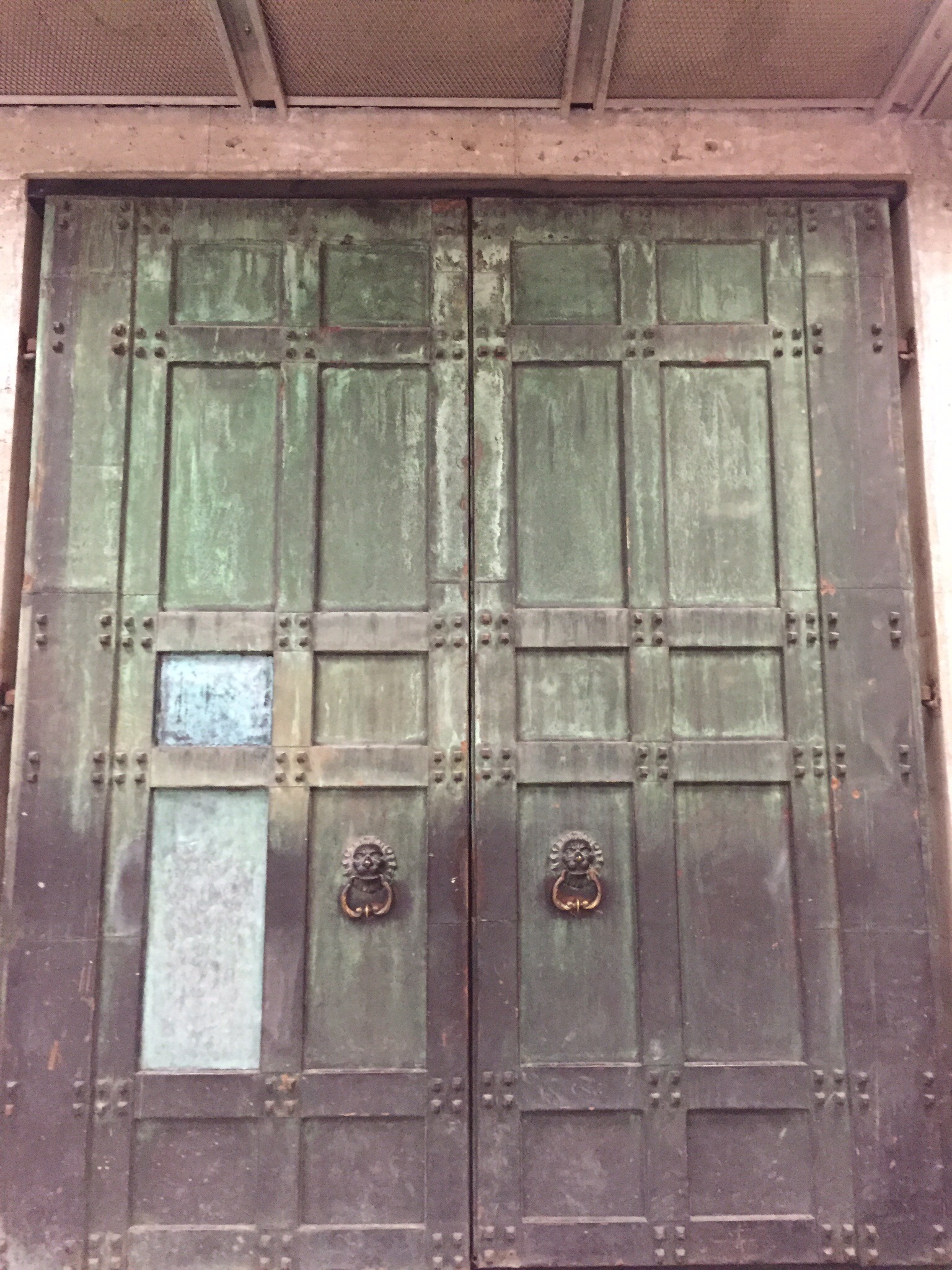
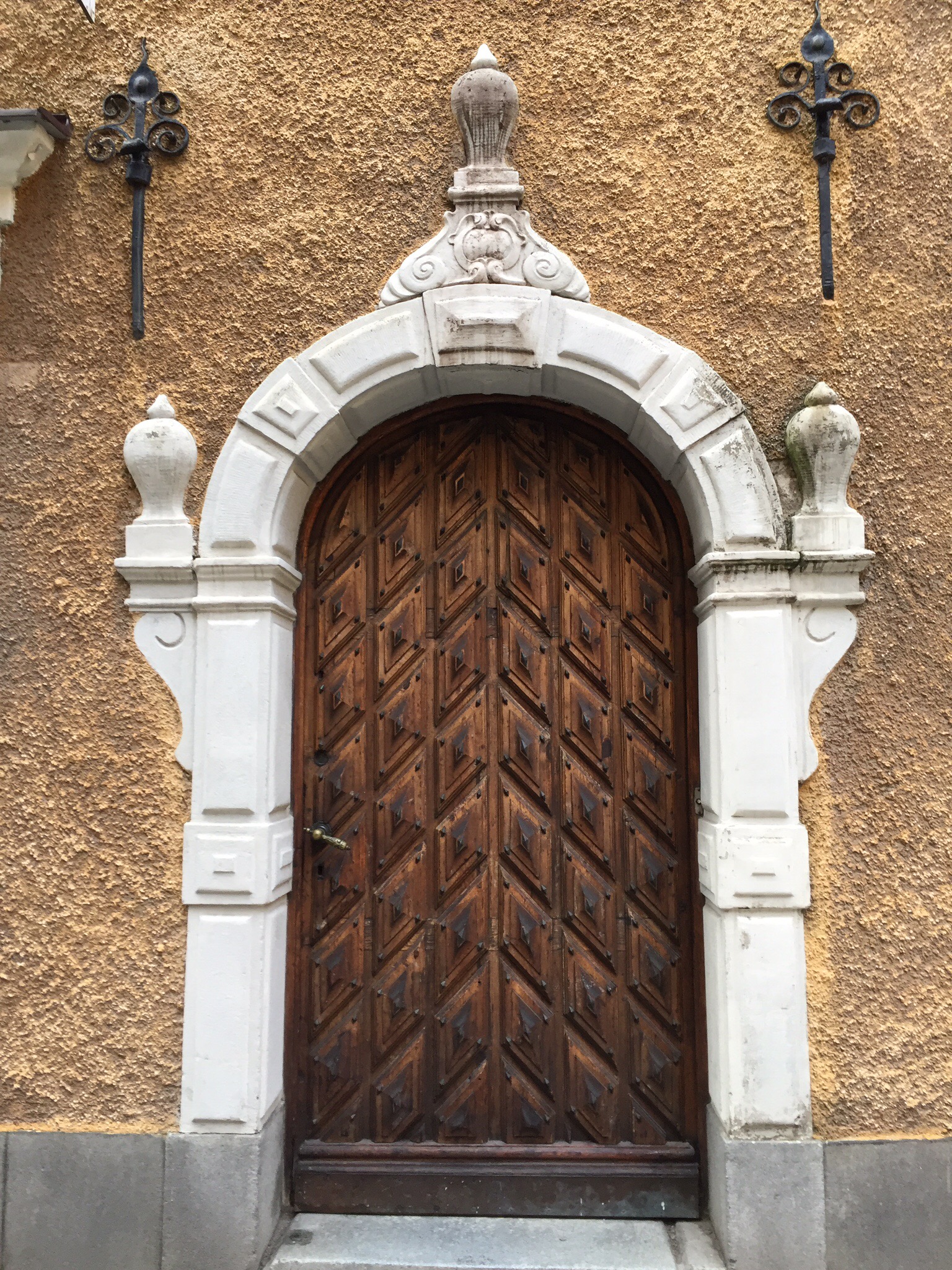
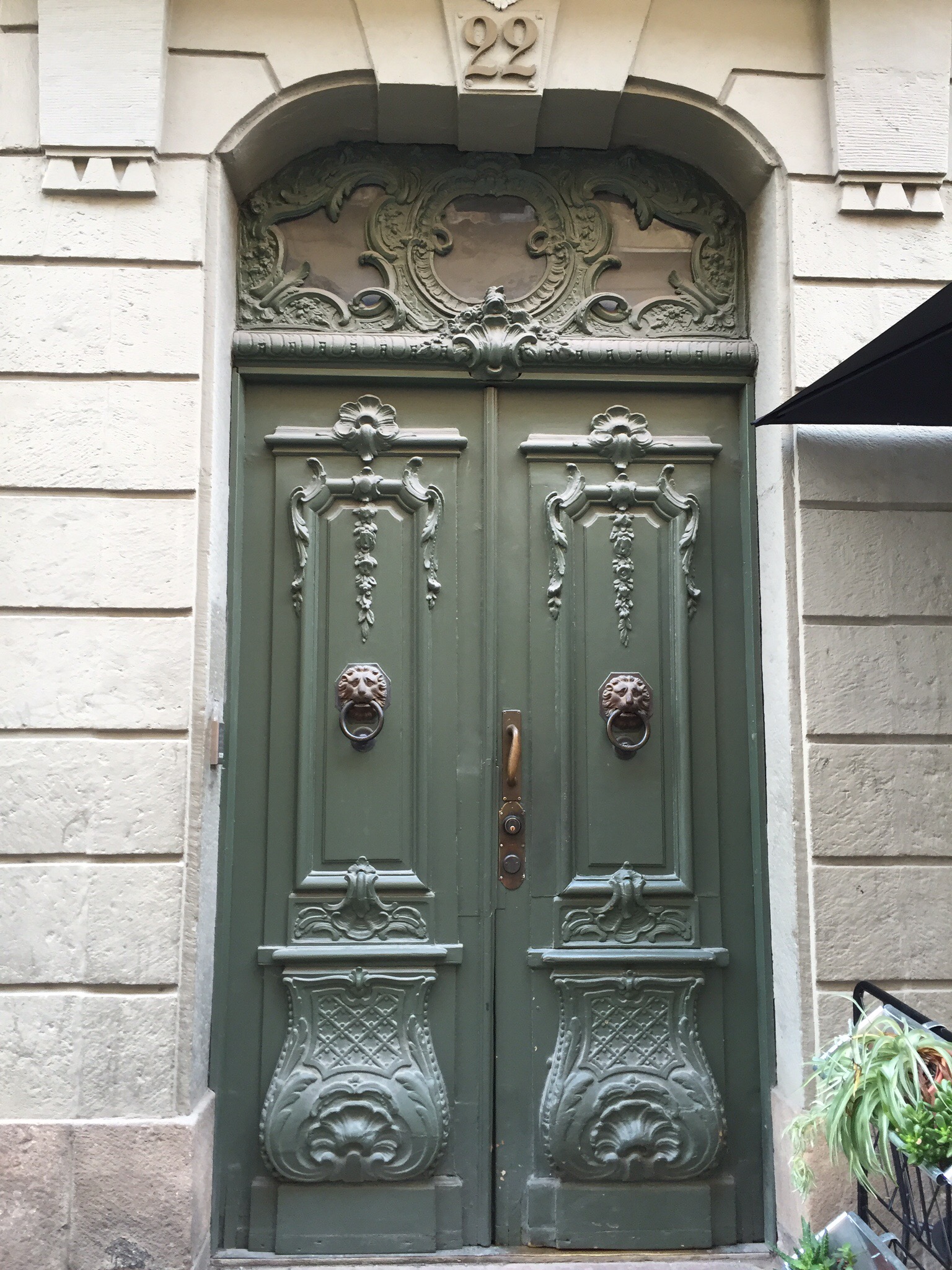
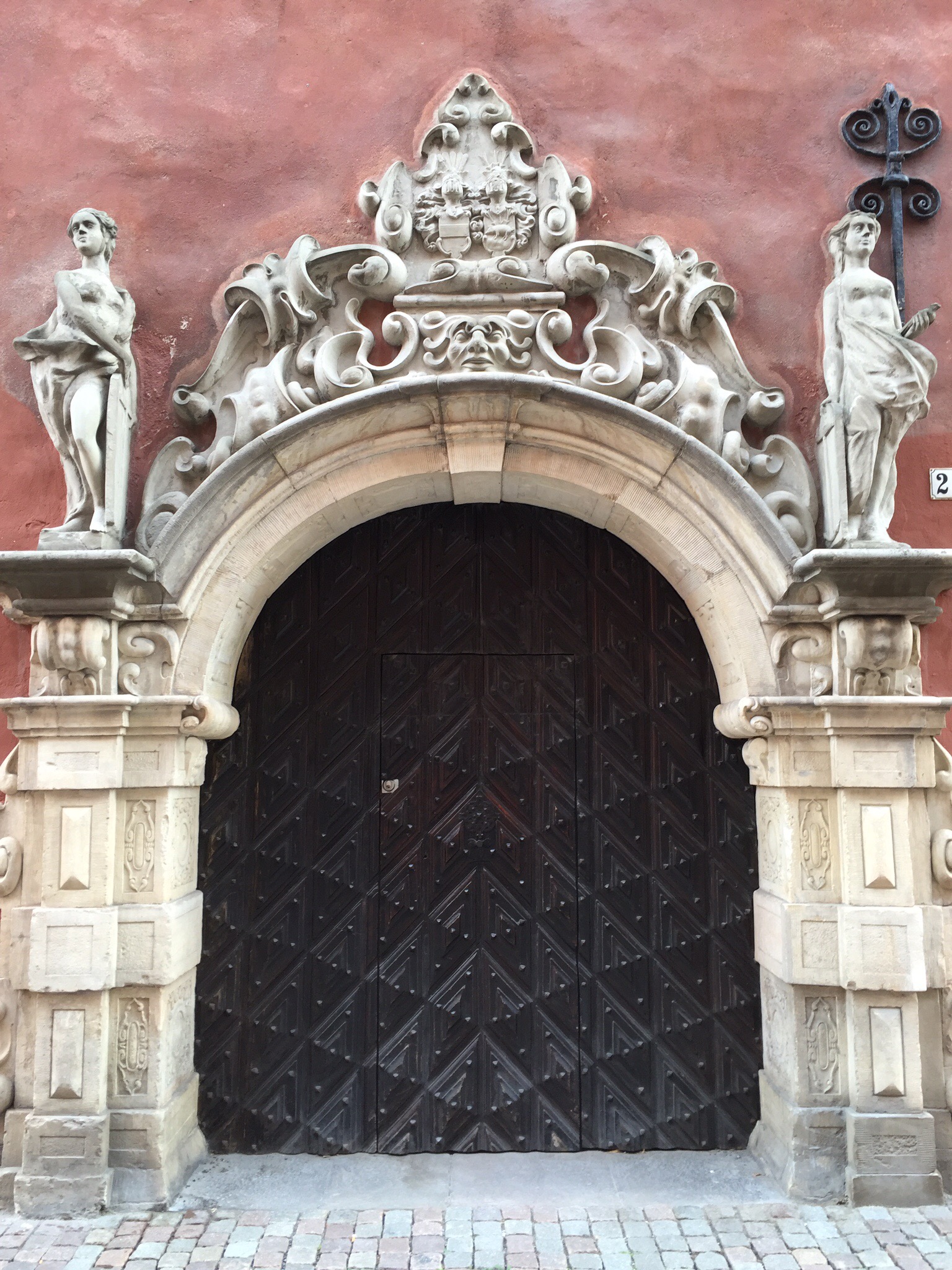
Kalmar Castle Doorways

img_4443

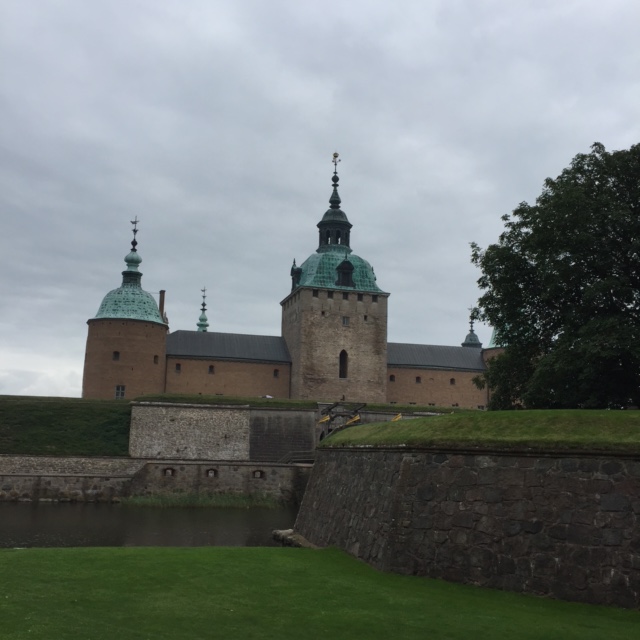
Kalmar is a pretty town on the Swedish Baltic coast. It has a spectacular Renaissance castle on a site that was of strategic importance for many centuries, starting about 800 years ago.

img_4474

Naturally, it has spectacular doorways, beginning with the dry-moated entrance.

img_4494

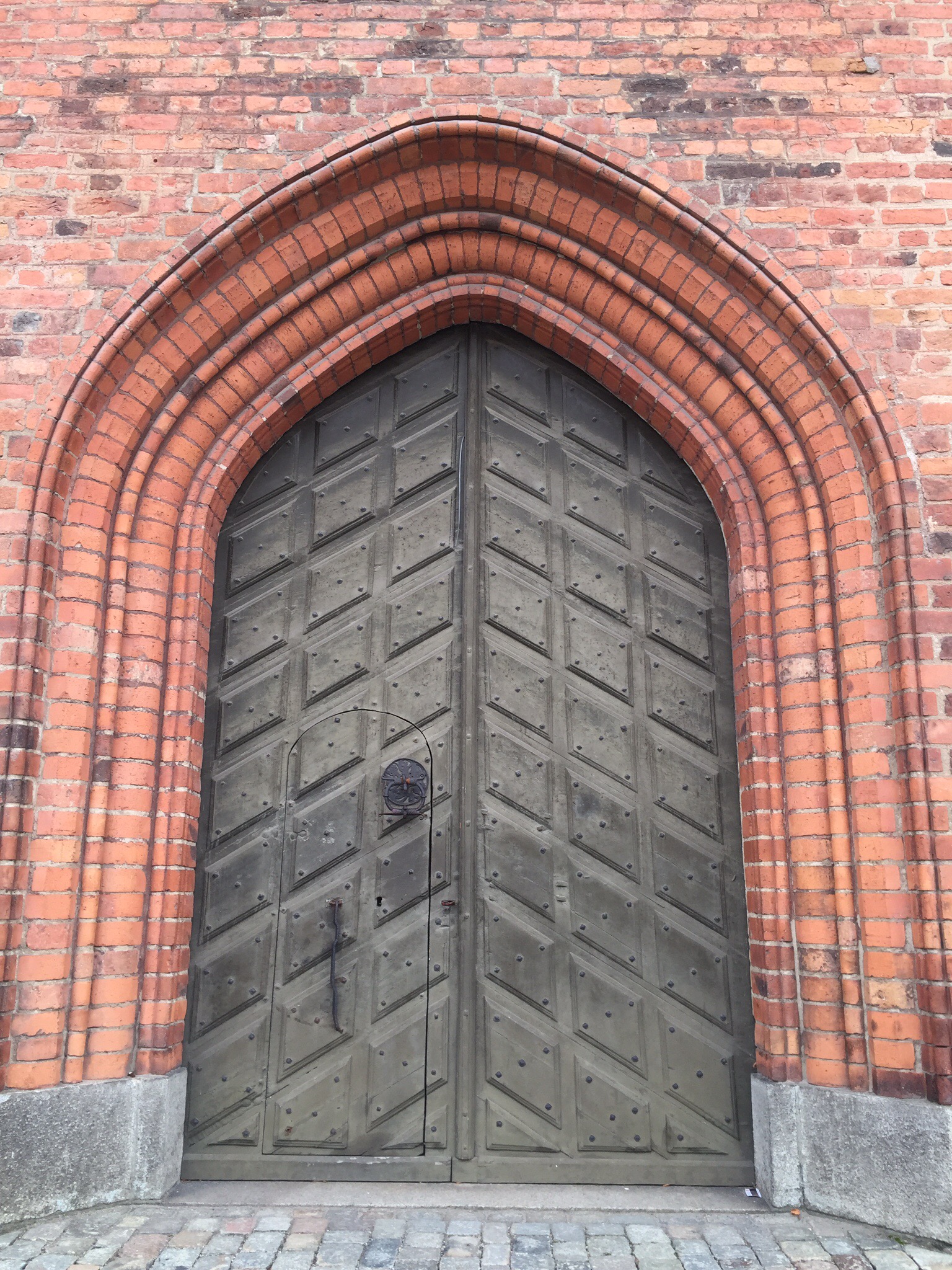
Some of the doors are clearly defensive.

img_4461

Some are more decorative, but still formidable.

img_4909

Some are meant to impress and possibly intimidate, like the one just past the drawbridge.

img_4456

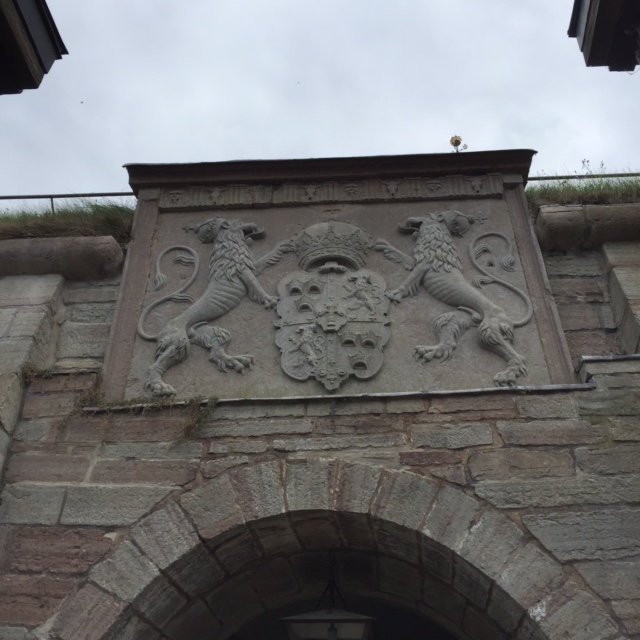
This door features the regal lions of Sweden.

img_4705

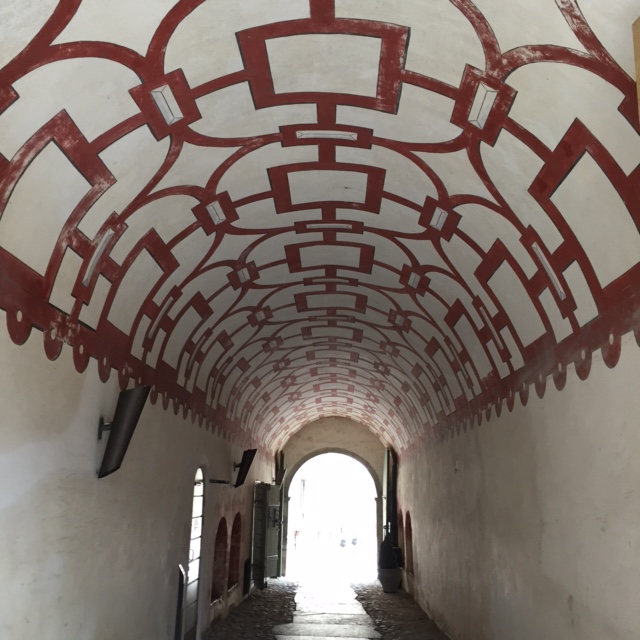
Inside, doorways reflect the luxurious tastes of kings and queens.

img_4863

The doorways of Kalmar Castle are all worth entering.  Everything is more spare than Renaissance castles and palaces in England, Austria, Germany, France or other European countries.  But that very spareness has its own Nordic elegance. The castle is a fascinating look at the unique ways that Renaissance ideas played out in Scandinavia.

The shop has books about Elizabeth I and Mary Queen of Scots, apparently because most of the major rebuilding and decoration of the castle was done during their lifetimes. And at least one Swedish prince was known to have courted Elizabeth I. Of course, we all know that she said “No!” to marriage. But at the time, Sweden was a great naval power.  I wonder if Elizabeth gave some serious thought to a Swedish alliance. How might history have been different if she had said “Yes!” to a Swedish prince?

Castle doorways always lead me to questions like this.  It’s why I travel.

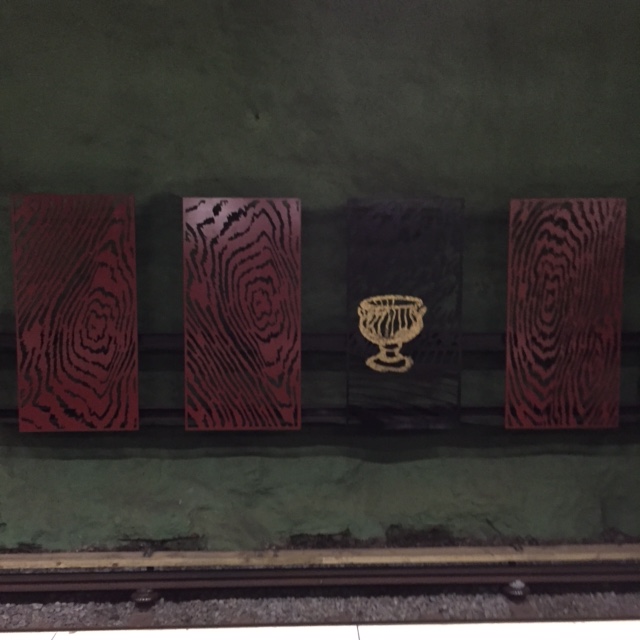
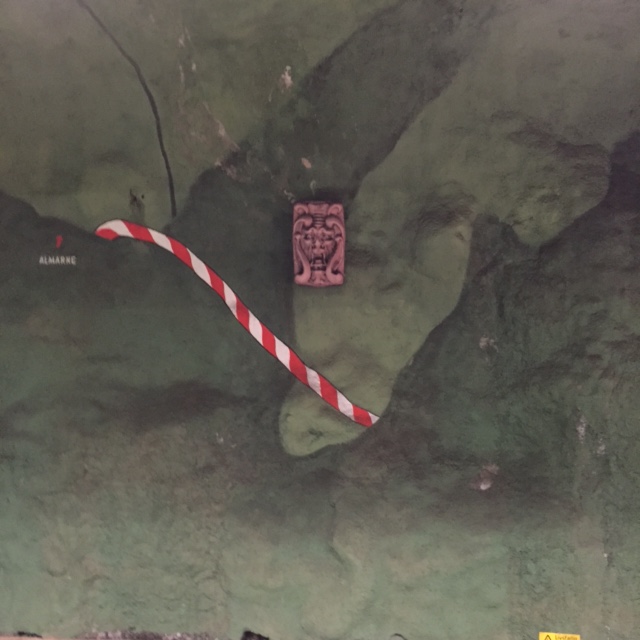
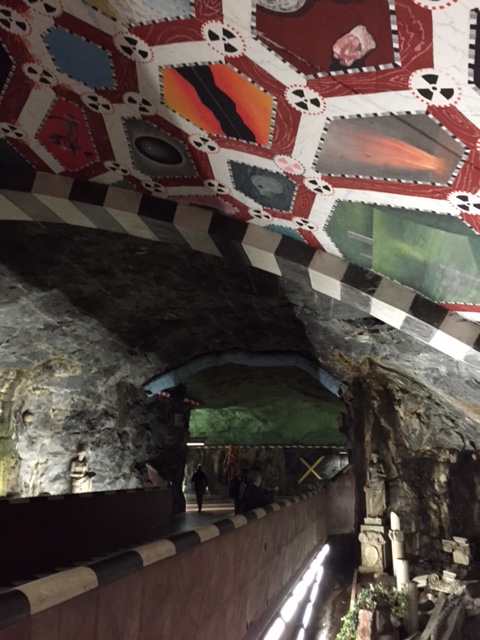
Stockholm Subway Art


img_2795It goes without saying that Stockholm metro trains are clean, bright and efficient.

IMG_1235

But the subway experience is also artful, like so much else in Sweden.

img_2799

All subway stations have some kind of cheerful art.

img_2802

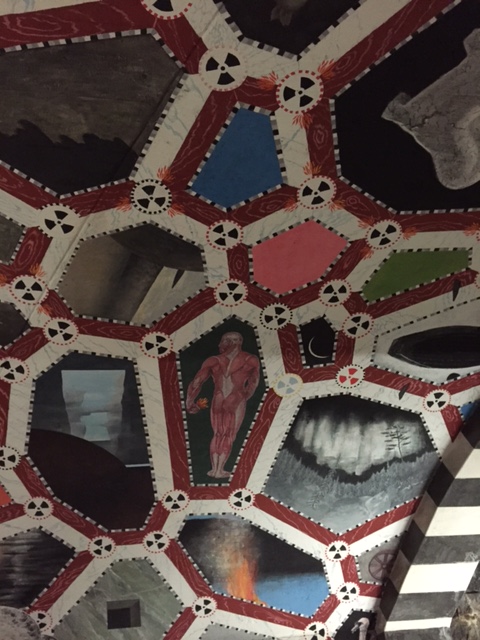
It might be on tunnel walls.

img_2805

Or it might be on the floor. And the floor is almost always clean enough to drop something without worrying about the 5-second rule.

img_1222

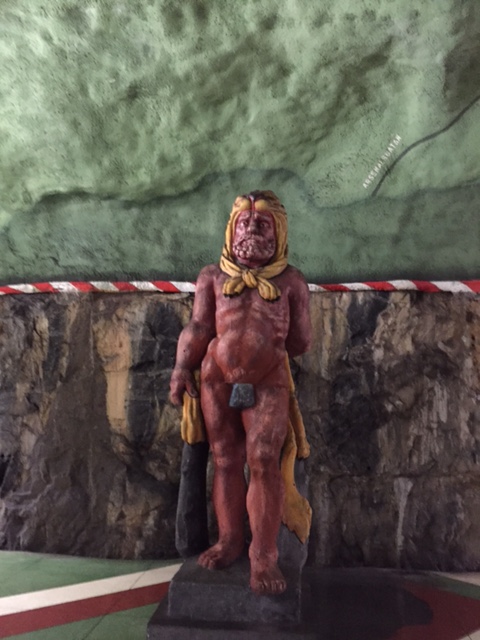
A piece of sculpture might greet you as you enter.

img_1226

Or museum artifacts might have a special spot in a station.

img_1232

In beautiful art-filled Stockholm, there’s always something to see–even underground.

Saturday in Stockholm: Love Is In the Air


IMG_1317

Each and every Saturday all year long, SIXTY couples get married in the Oval Room at City Hall. That’s 60 different sets of plans and dreams! That’s 120 people! They apply several months in advance for one of the coveted five-minute slots for a civil ceremony. Couples are told to arrive 15 minutes before their time slot. They spend the time either alone together, or with a few friends and family members.

img_1306

No doubt most people have checked out the venue ahead of tiime, but the city thoughtfully provides a helpful sign.

img_1325

A young woman with a clipboard stands at the door of the wedding room, keeping things moving.

img_1345

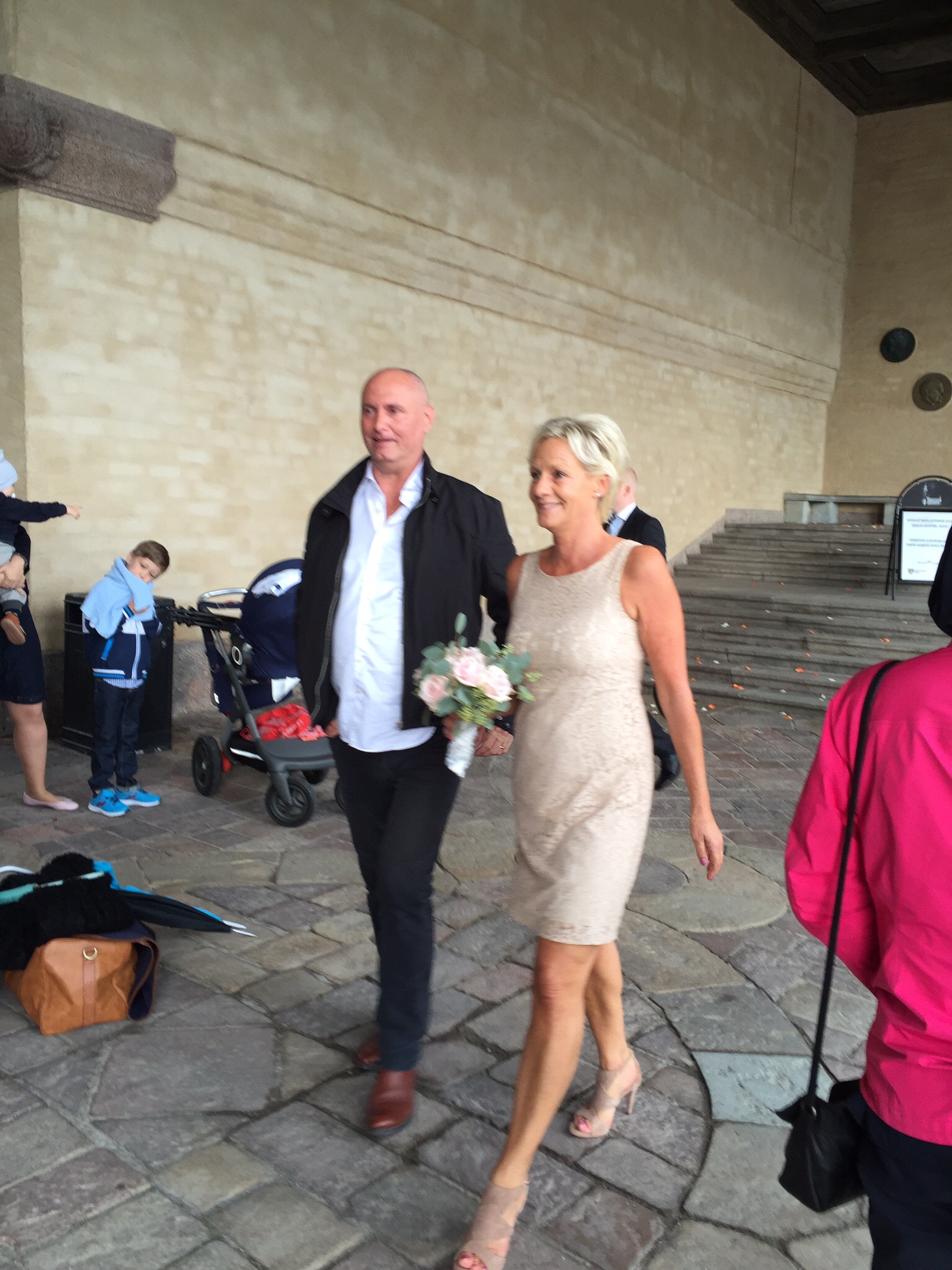
As many as many as fifteen people can fit into the room where civic officiants wait. But many couples choose to enter by themselves. I always cry at weddings, even when I don’t know the people.  Here they are, off together on the journey of the rest of their lives.

FullSizeRender (2)

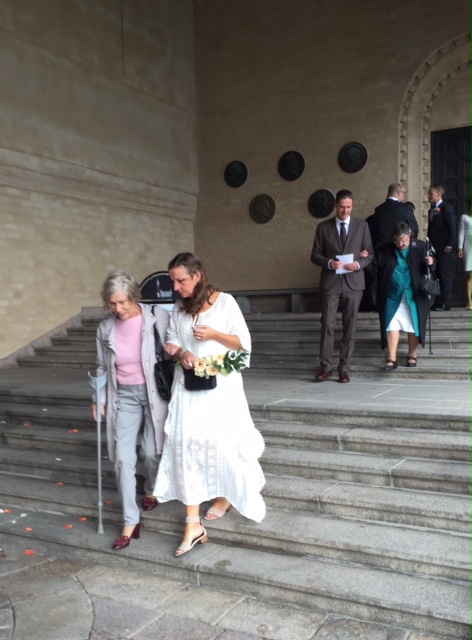
I was touched to see this older couple emerge, duly married, but each escorting an aged mother.  If the rest of Stockholm were not waiting to be seen, I could have watched this scene all afternoon, from noon to 6 pm when it’s over for the week.

img_1331

There’s joy all around.

IMG_1322

Considering the bloated wedding industry in the USA, this Swedish tradition is refreshing. Instead of spending many thousands of dollars trying to have the “perfect” wedding and reception, these folks choose to get the job done simply.  Many of them go off with a few friends and family to a nice restaurant meal, and that’s it.

img_1591

Of course people still get married in churches, too.  Or they get married in nice hotels and restaurants, with charming details like the little soap-bubble bottle shown above. That’s a pair of white doves perched on top, in case you were wondering.

IMG_1598

The soap-bubble bottles were given to guests waiting outside a restaurant, later in the day, to cheer a happy couple when they emerged.

IMG_0288

The City Hall is one of the most beautiful buildings in Stockholm, right on the waterfront.  I’m hoping to see the inside today.

I love the tradition of short and sweet weddings. I’ve been married for many years–long enough to remember when a pretty nice wedding consisted of a church ceremony followed by cake and punch in the church parlor. But if I were planning a wedding, I’d get on the City Hall list.  They do say that they have cancellations.  So another tactic would be to wait for the next opening!  Either way, I wish all the couples years of happiness.


Palatial Bathrooms

I’m about to get on a plane, so naturally my thoughts turn to bathrooms. The bathroom is one of my main concerns when booking a place to stay.  I’ll be in Scandinavia, a part of the world  I’ve never visited. While I wonder what my luck will be on bathrooms, I’m looking at pictures of bathrooms in the stately homes of Great Britain.

IMG_4105

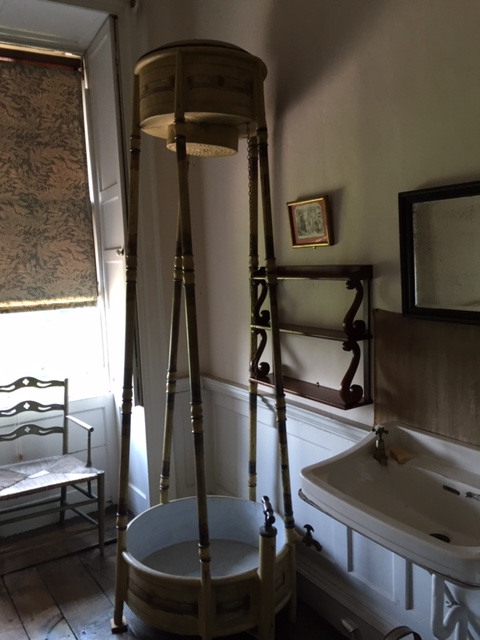
I like a nice hot bath after a long day tramping a city or country lanes. But the owners of Erddig in Wales were proud to own one of the first showers, a newfangled and somewhat alarming contraption in the late eighteenth century.

IMG_4114

They commissioned an artist to depict family members lining up for showers, and looking none too happy about it. Why the dunce caps?

IMG_5014

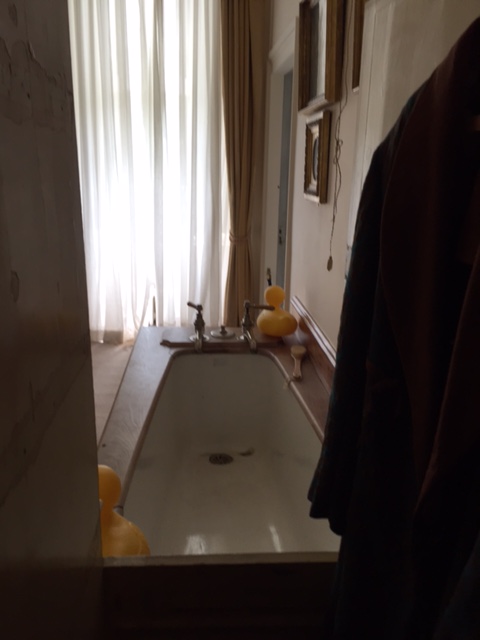
At Plas Newydd, a palatial country home on the water in Wales, the Marquis enjoyed his leisurely baths with his valet in close attendance.  His bathtub had a handy window to the hallway, so the valet could hand him a fresh drink every now and then.

IMG_5026

But at some point, the plumbing failed, as the rubber ducky warns visitors. (Once when I was a houseguest, I got up early to use a bathroom off the host’s kitchen, thinking I wouldn’t wake anyone. It turned out that the tap should have had a warning.  It had not been used in years, and I caused a flood).

IMG_1072

Still, I’m not alone in wanting my hot bath.  When Lord Curzon took over Montacute, a grand Elizabethan house in the early 1900s, he appreciated the ancient architecture.

IMG_1068

But he found a way to shoehorn a secret bathtub behind the priceless old panelled bedroom wall. (His mistress, the beautiful and accomplished novelist Elinor Glyn, was happily decorating and refurbishing the house when she received word that Lord Curzon was engaged to Grace Hinds, an equally beautiful but also very rich American. She packed up and left in a hurry, but I like to think she enjoyed one last bath).

IMG_6923

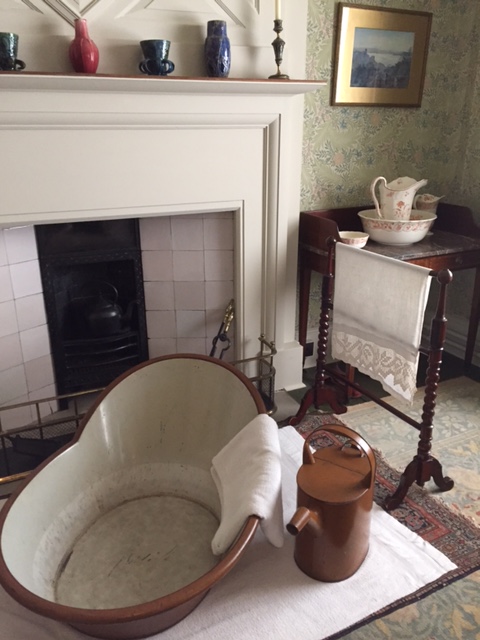
I think the ultimate in luxury would be a hand-drawn bath in front of the fire, like the one at Standen, an Arts and Crafts mansion built in the late 1800s as a family retreat for a wealthy businessman. Life for the servants who had to haul the water was not so pleasant, of course.  In this house, a maid left a recorded account of the day she finally was allowed “upstairs.” It was the day the house was opened to the public by the National Trust. She had toiled “below stairs” in the scullery for her entire working life, not even allowed to haul water upstairs.

FFEAF282-CBA4-4719-9CDB-F4D6337E406F

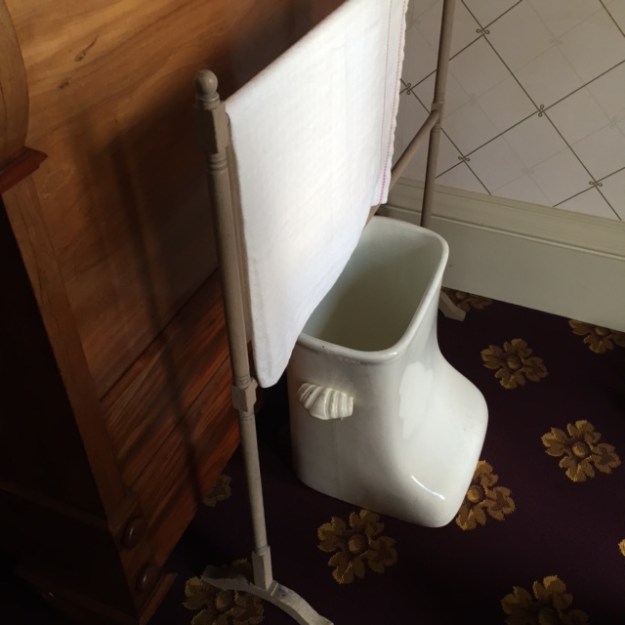
I hope this hard-working scullery maid at least had a foot bath for her aching feet, like this one below stairs at Wimpole.

As for me, I’m hoping for the best when I check in on my travels!


St. Jerome and His Lion: More Sightings

IMG_4931

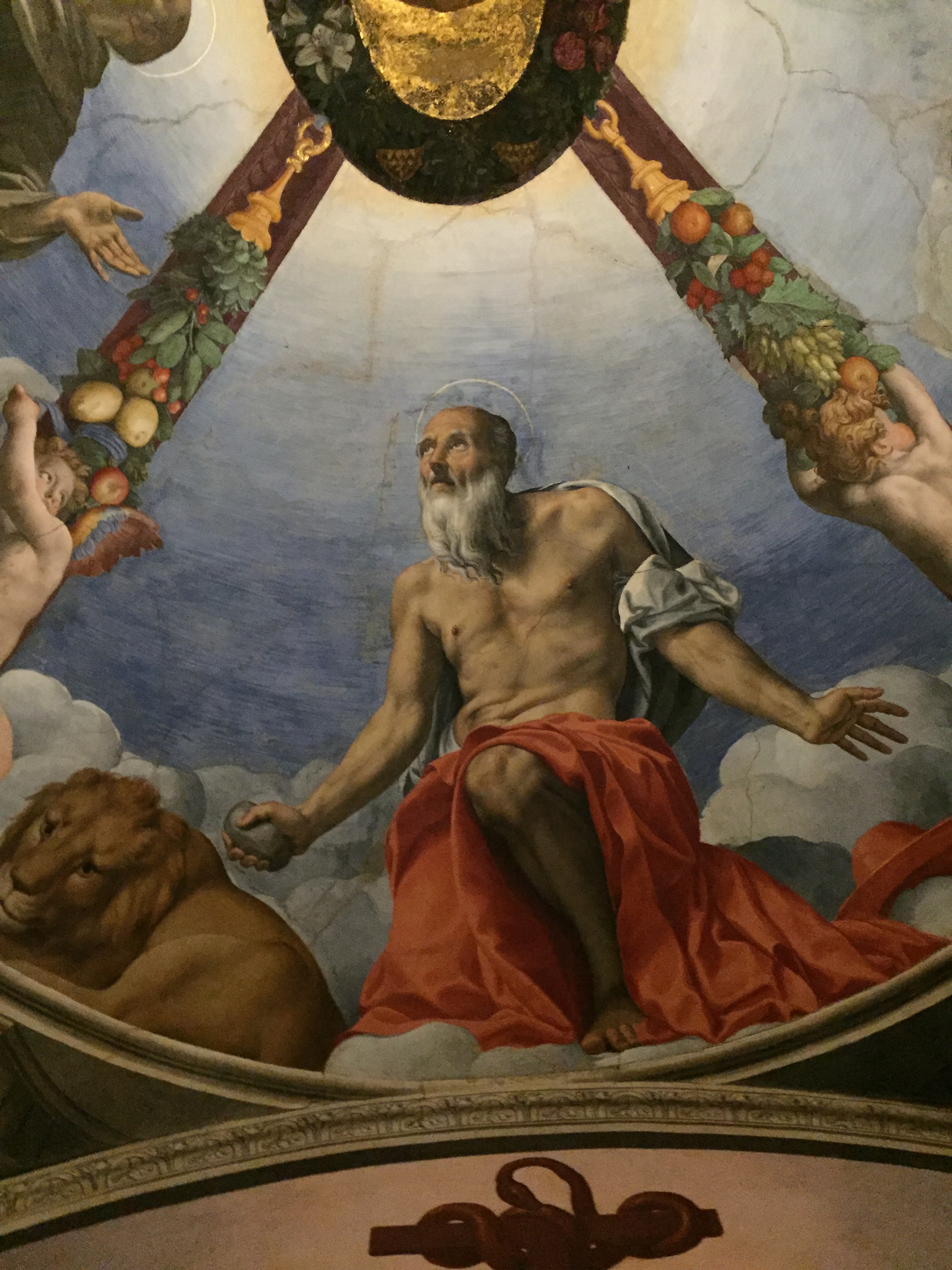
I’m always on the lookout for images of St. Jerome and his lion. Legend has it that when the saint retreated to the wilderness to study and pray, he came upon a lion with a thorn in its paw.  St. Jerome didn’t run or climb a tree.  He stopped and removed the thorn. From that day forward, the grateful lion stayed by his side. The fresco above is from a ceiling in the Palazzo Vecchio in Florence. Agnolo di Cosimo, known as Bronzino, painted it between 1540 and 1565.

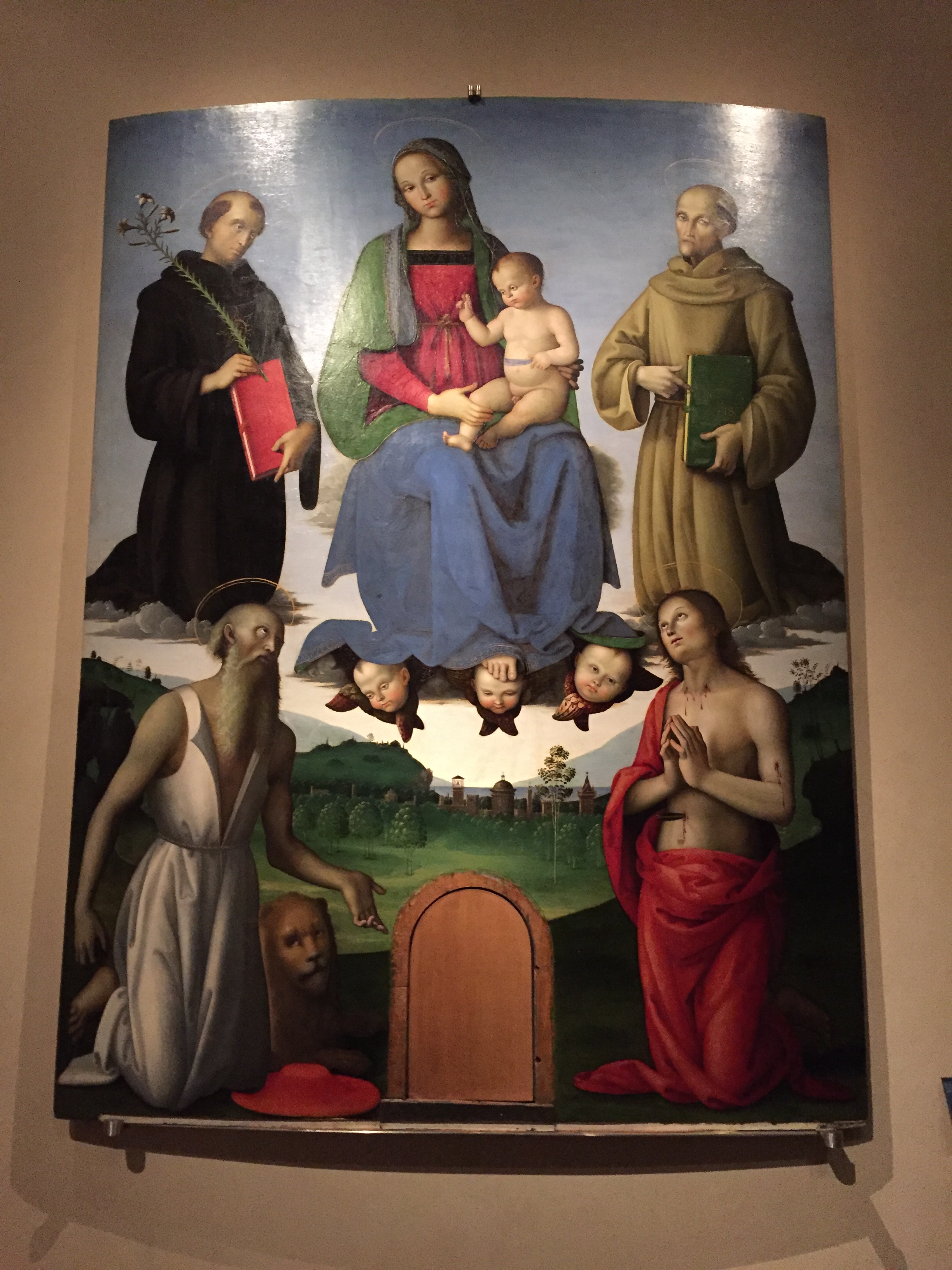
Pala Tezi, Pietro di Cristoforo Vannucci, known as Il Perugino, 1500

Pala Tezi, Pietro di Cristoforo Vannucci, known as Il Perugino, 1500

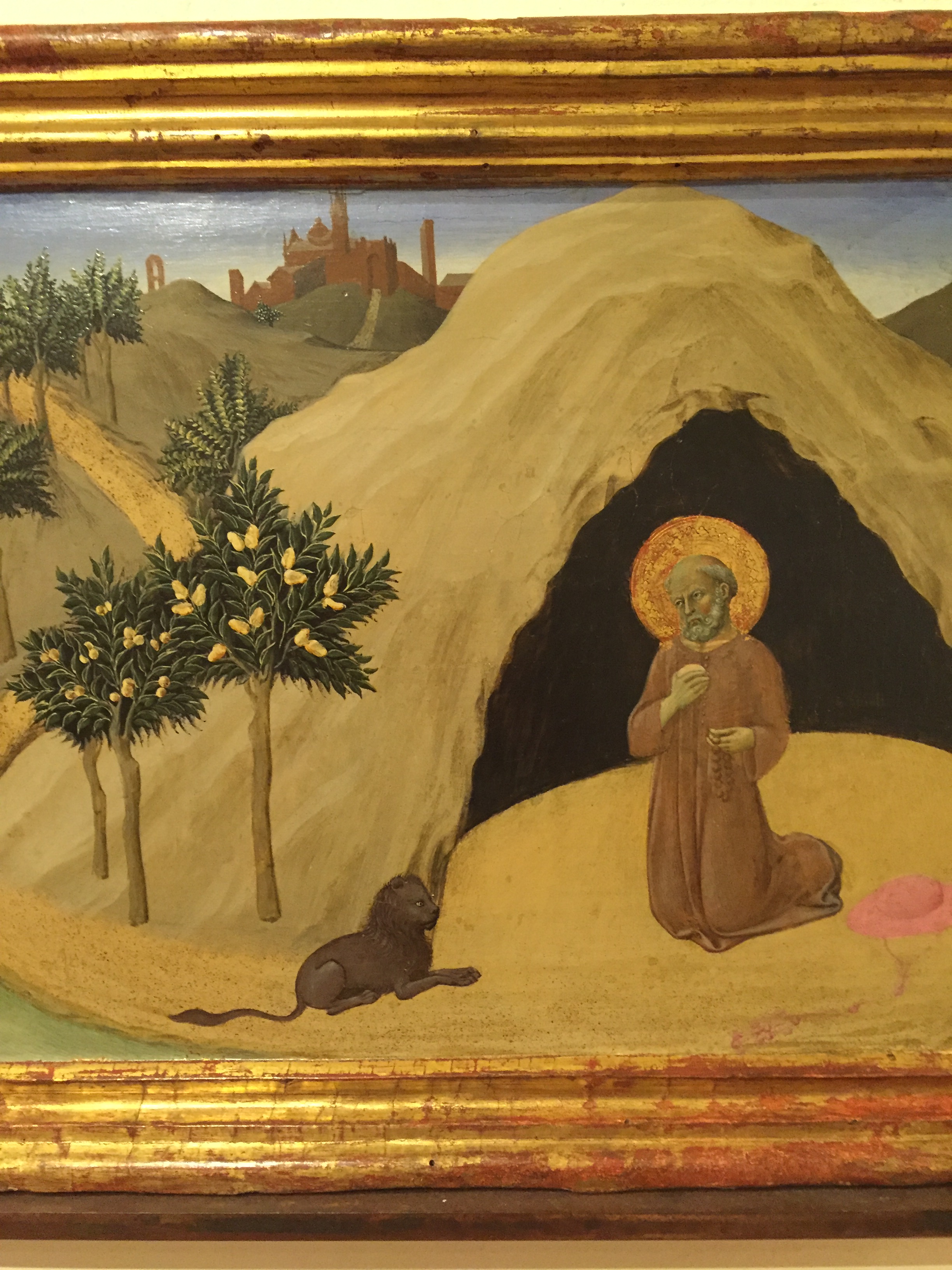
A more primitive, but still endearing, lion is in the painting above, from the Galleria Nazionale of Umbria in the town of Perugia.

Detail from Il Perugino painting above

Detail from Il Perugino painting above

The artist painted the lion and the saint sitting peacefully together in a simple landscape, in front of the cave that Jerome may have lived in.

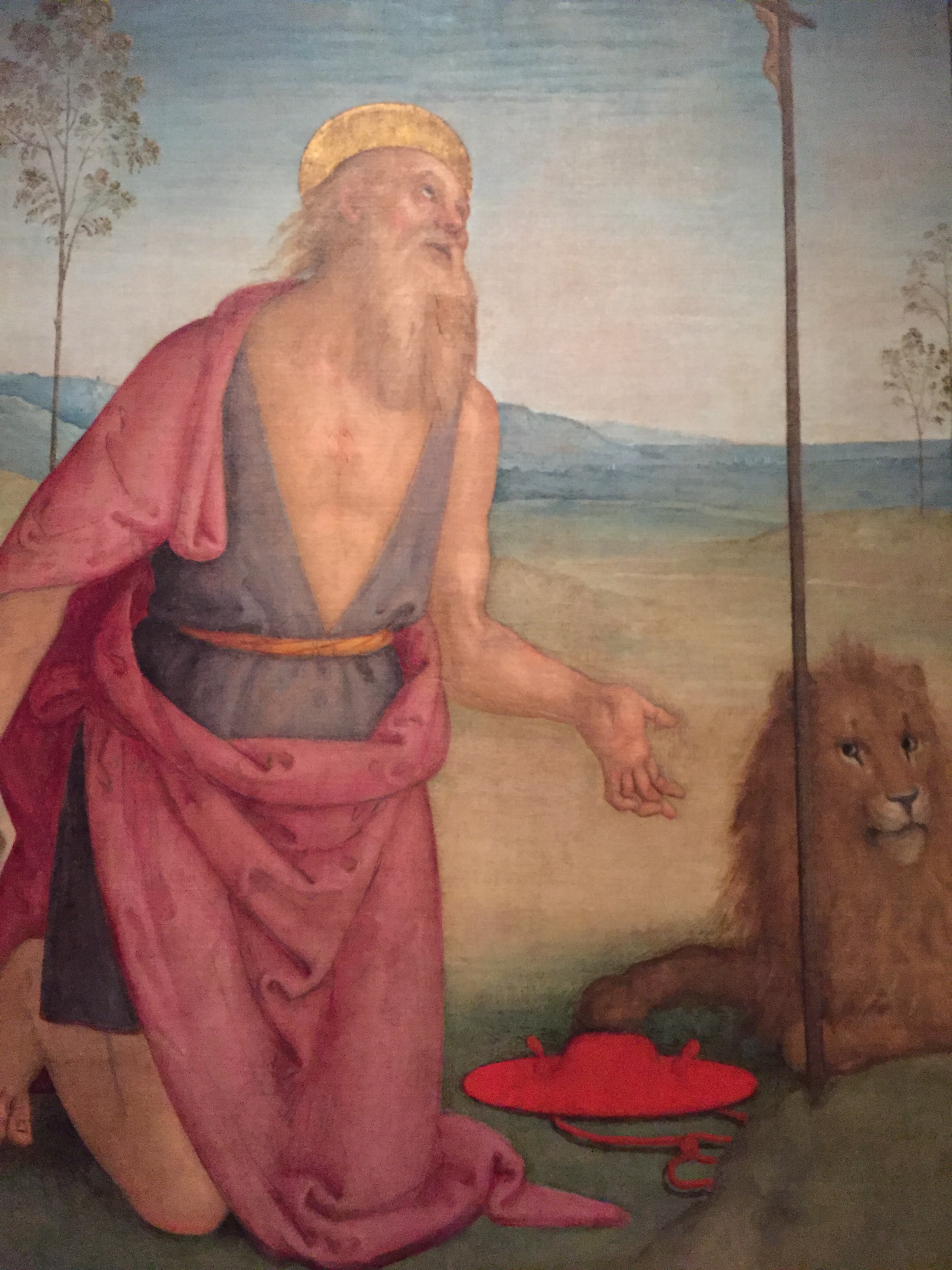
San Girolamo Penitente, Il Perugino, 1512

San Girolamo Penitente, Il Perugino, 1512

Another painting by Perugino shows the saint in contemplation of the Virgin and child, accompanied by other saints.  In humble adoration, he’s set his cardinal’s red hat on the ground–and who is lurking beside him?

San Girolamo Penitente, Il Perugino, 1512

San Girolamo Penitente, Il Perugino, 1512

In turn, Jerome’s faithful lion gazes adoringly at him.  Isn’t this what we all love to have our pets do?

Detail from Il Perugino painting above

Detail from Il Perugino painting above

The lion’s face is distinctly human.  How many of us humanize our pets? It’s an ancient impulse.

St. Jerome, Pintoricchio, around 1495

St. Jerome, Pintoricchio, around 1495

The same museum in Perugia has another painting of the saint in the same pose–also with his cardinal’s red hat set humbly on the ground. It’s by Bernardino di Betto, known as il Pintoricchio.

The friendly lion is guarding the hat–and St. Jerome.  Who wouldn’t like to have a tame lion riding shotgun all the way through life? Jerome’s lion always had his back.

In medieval times, retreating to the wilderness to meditate was a radical action. Jerome would not have been the first man eaten by a lion in the wilderness. At a time when nature was frightening, St. Jerome was revered for being at one with nature. In our times, retreating to the wilderness still has its risks, but it’s becoming more and more an expensive luxury. Our wildernesses are shrinking and human over-development is routing wild animals from their age-old homes.

1B2632B5-0CCB-42CB-AE4C-EDBC95B95B2B

I treasure any wildlife sightings, like this fox right outside my window.  And I’ll keep looking for glimpses of St. Jerome and his lion.

My previous post about St. Jerome and his lion is at

https://castlesandcoffeehouses.com/2015/08/06/st-jerome-and-his-lion/

Join me next time for more explorations in the art and history of Europe and the British Isles!

Happy International Cat Day!

60D3B527-DCDB-4E0E-9835-D1EE417C57B1

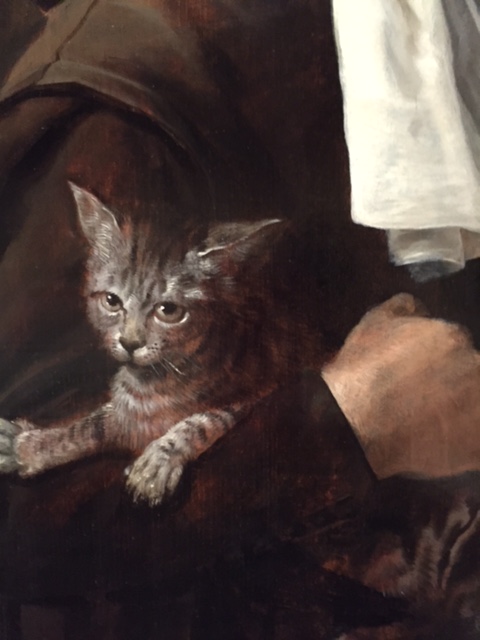
Do cats deserve a day of their very own in the international calendar? Of course they do. A couple of years ago, wandering art museums in Amsterdam and Haarlem, I wrote about the many dogs that appear in Dutch paintings.  I mused that for me, the dogs served as a window into long-ago times and places.  Cats are the same. It’s hard to identify with people wearing heavy black robe-like garments relieved only by starched white ruffs and collars. But  these same people had pets they loved.  The cat above, looking out at the world from the safety of her person’s lap, has the same smug look as any cat of mine. I can understand people who appreciate their feline friends enough to immortalize them in art.

5A866DE9-6454-4482-8B8A-B37736EF81E0

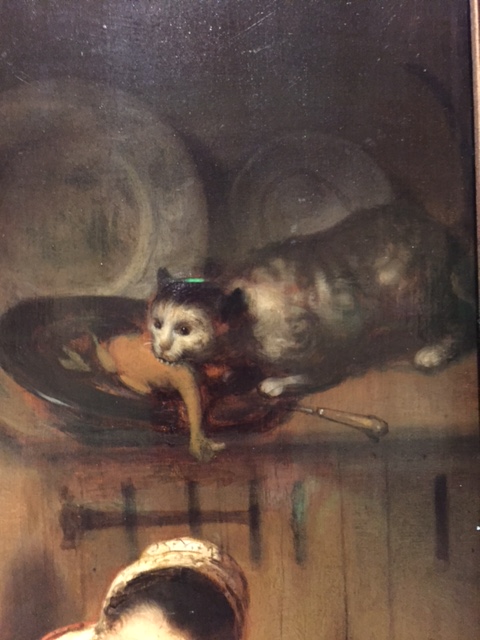
Cats in Dutch paintings are often up to no good.  The one above is about to make off with a plucked bird while the unsuspecting housewife is looking the other way.

00AD08E3-4B61-4426-9900-DCC3DB1E71D8

Cats often gaze longingly at the food artfully arranged in Dutch still life paintings, and they add some “life” to still lifes that consist mainly of dead animals ready to be consumed.

DA817445-8CF4-4AE2-BCCB-1CD306FED0ED

Children have always liked cats.  This ceramic pet, complete with a bib and abandaged leg, sits in the now-quiet nursery at Wightwick Manor, a wonderful Arts and Crafts home in England. He looks a little anxious. I have a feeling his broken ear and broken paw happened when he got tossed across the nursery in some long-ago game.

648F459B-2829-4CEC-9A55-736FD549E1CC

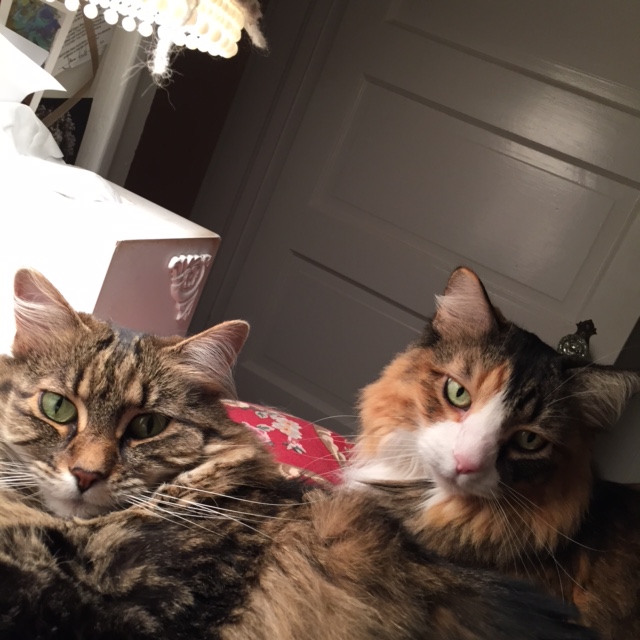
I have a soft spot for all cats, but especially for the calico and tabby  varieties. They remind me of the pair that patiently wait for me at home.

B84912A3-B784-4384-9232-83664DB88EC6

Of course I’m always on the lookout for friendly cats on my travels. This handsome fellow was in York, England.

CB007BF4-DDF8-4F4A-8F26-64A698F1FF1D

What about big cats? I love them too.  The fierce creature above is on an exterior wall of the very grand Pitti Palace in Florence.

6E00C57C-58E9-40B7-BBBD-934557E53E56

Chatsworth House in England has a pair of regal lions who lord it over the Sculpture Gallery. I think part of our fascination with big cats is that we feel we understand them just a bit, especially if we live with their small domesticated relatives. Our pet cats give us a little insight into both long-ago places and wild places on this earth.

In my post “Dogs in Dutch Art,” I quoted a striking poem by David Graham:  “The Dogs in Dutch Paintings.”  A couple of months ago I received a lovely comment from the poet, who had just happened upon my post.  The main reason I keep posting is to remember where I’ve been, what I’ve seen, and what I was thinking at the time.  That must be part of what motivates a poet, too.

Posts about dogs in art are at  https://castlesandcoffeehouses.com/2013/10/01/dogs-in-dutch-art/ ‎and https://castlesandcoffeehouses.com/2013/10/03/more-dogs-in-dutch-art/

Join me next time for more explorations in the art and history of Europe and the British Isles!

Happy Birthday, Emily Bronte!

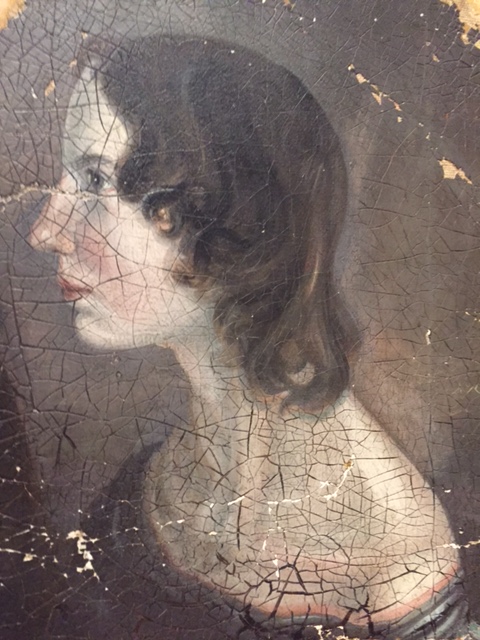
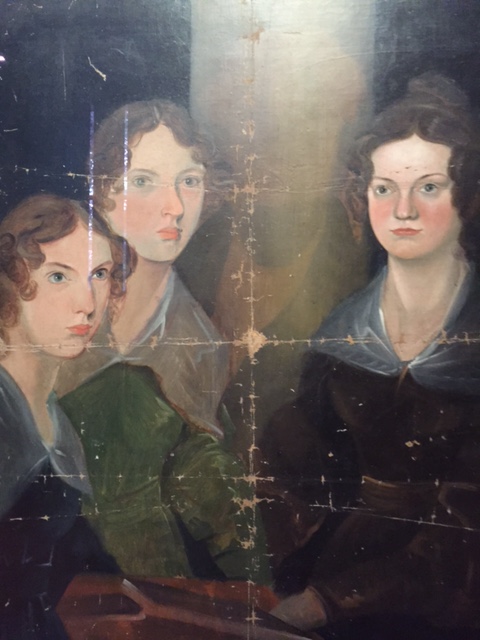
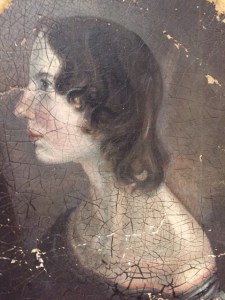
Emily Bronte, portrait by Branwell Bronte

Emily Bronte, portrait by Branwell Bronte

Emily Bronte was born on July 30, 1818. Her brother Branwell, an aspiring poet and portrait painter, composed one of the very few images of her. His sister Emily was painfully shy, hardly speaking with anyone outside the family. But she was a bold artist.  Her novel, Wuthering Heights, is still startling in its passion and social critique.
IMG_7974

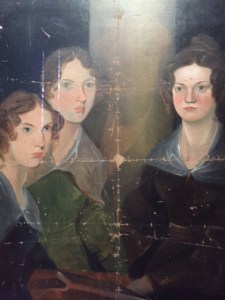
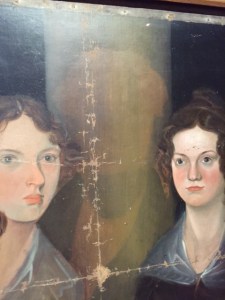
Branwell  was the only son in the family and great things were expected of him. I think poor Branwell suffered from what we might now call Preacher’s Kid Syndrome: a need to act out, just because his father, the Reverend Patrick Bronte, was such an upright man. Branwell studied painting, in between bouts of drinking, taking opiates, and getting fired from various gigs as a tutor–for which his father had taken great pains to educate him. In around 1834, at age 17, Branwell painted the group portrait above. It is now one of the most treasured works in London’s National Portrait Gallery, and the centerpiece of a special Bronte exhibit I saw last spring.

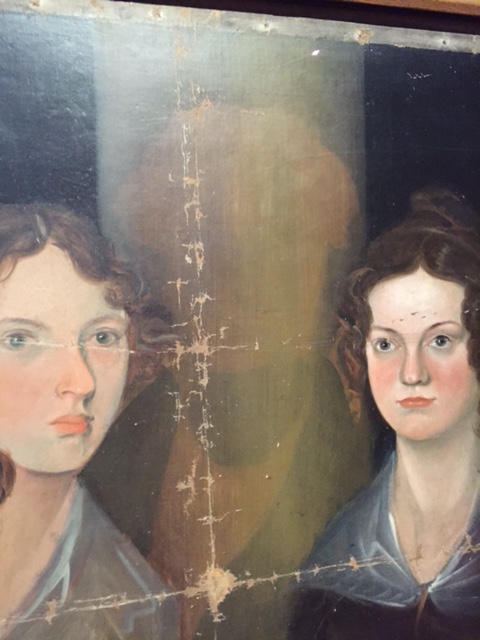
Why is this rare painting folded in the middle?  We’re lucky that it still exists, damaged as it is. The portrait, together with the profile of Emily, traveled to Ireland with Charlotte Bronte’s widower after her death as a young bride. It appears that a heartbroken Arthur Bell Nicholls shoved the portraits of his beloved Charlotte and her sisters on top of a wardrobe in an Irish farmhouse, out of sight and out of mind.
5BF4DE23-BACA-4EB1-A574-4B0C8DB37E39

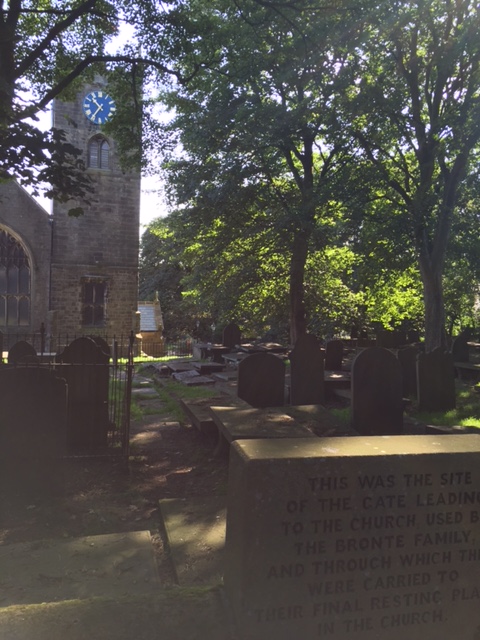
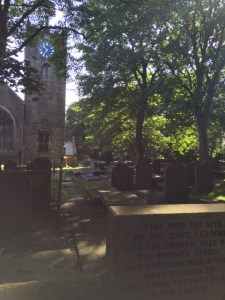
The churchyard where all the Brontes are buried (except Anne, who died at Scarborough and was buried there) is just outside the door of the parsonage. Living there, walking every day past the graves of so many loved ones who had died so young, must have been unbearably sad.

By the time Charlotte died, shortly after her marriage and while pregnant with her first child, Branwell, Emily and Anne were already dead. Most likely they died of either tuberculosis or infectious diseases from the poor sanitation in the village. (Branwell more or less drank himself to death). Nicholls stayed in Haworth for several years to care for his father-in-law. Nicholls eventually remarried. His widow finally discovered the paintings (housecleaning, no doubt) in 1914.
IMG_7991

Sadly, it seems that Branwell had erased himself from the family portrait. This fact was not known until the 1950s, when the oil paint became more transparent with age. Now, it is clear that there was once a man’s figure between the sisters.  Did Branwell already have such a low opinion of himself? Was he ashamed to be seen with his much-more-virtuous sisters? Or did he feel he could not do justice to his own wonderfulness? Or was this possibly a portrait of his father, who took a very dim view of Branwell’s nights spent in the local pub or worse?  We’ll never know.
IMG_7998

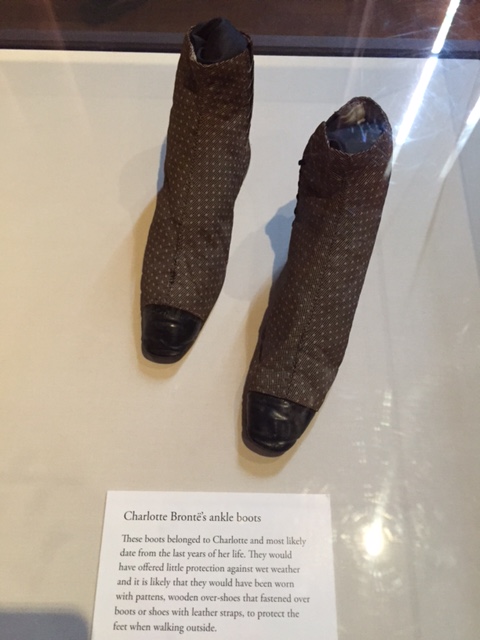
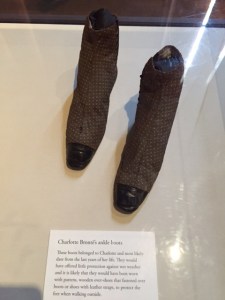
The London exhibit also contains items such as Charlotte’s tiny boots. The caption says that for outdoor wear, the boots were most likely worn with wooden platens strapped to the soles for a little protection against mud and snow. How did the Bronte girls manage to walk for miles in the rugged North Yorkshire moors in footgear like this?
516249D9-D9D6-4C17-9562-2F8427A4F7FA

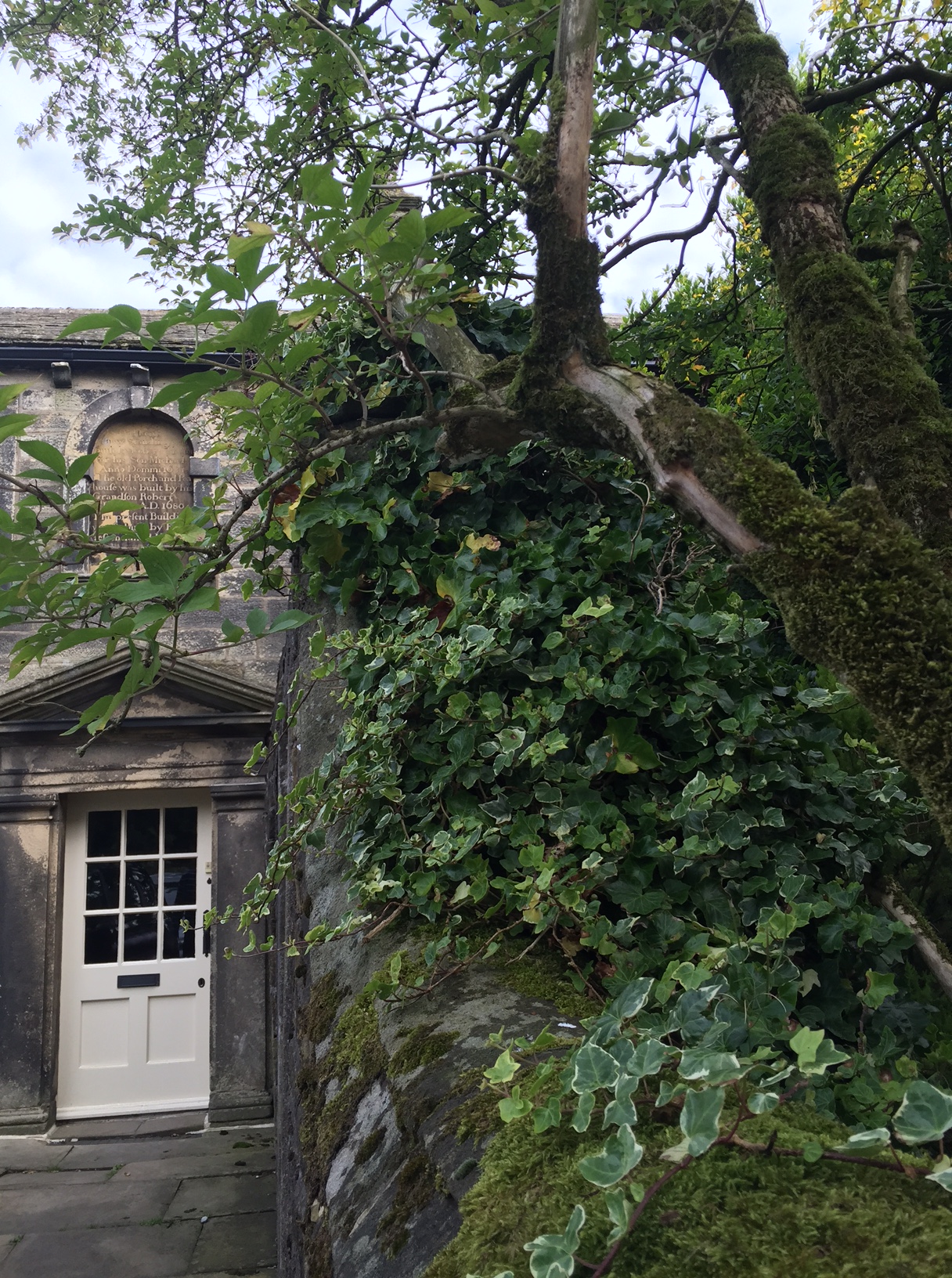
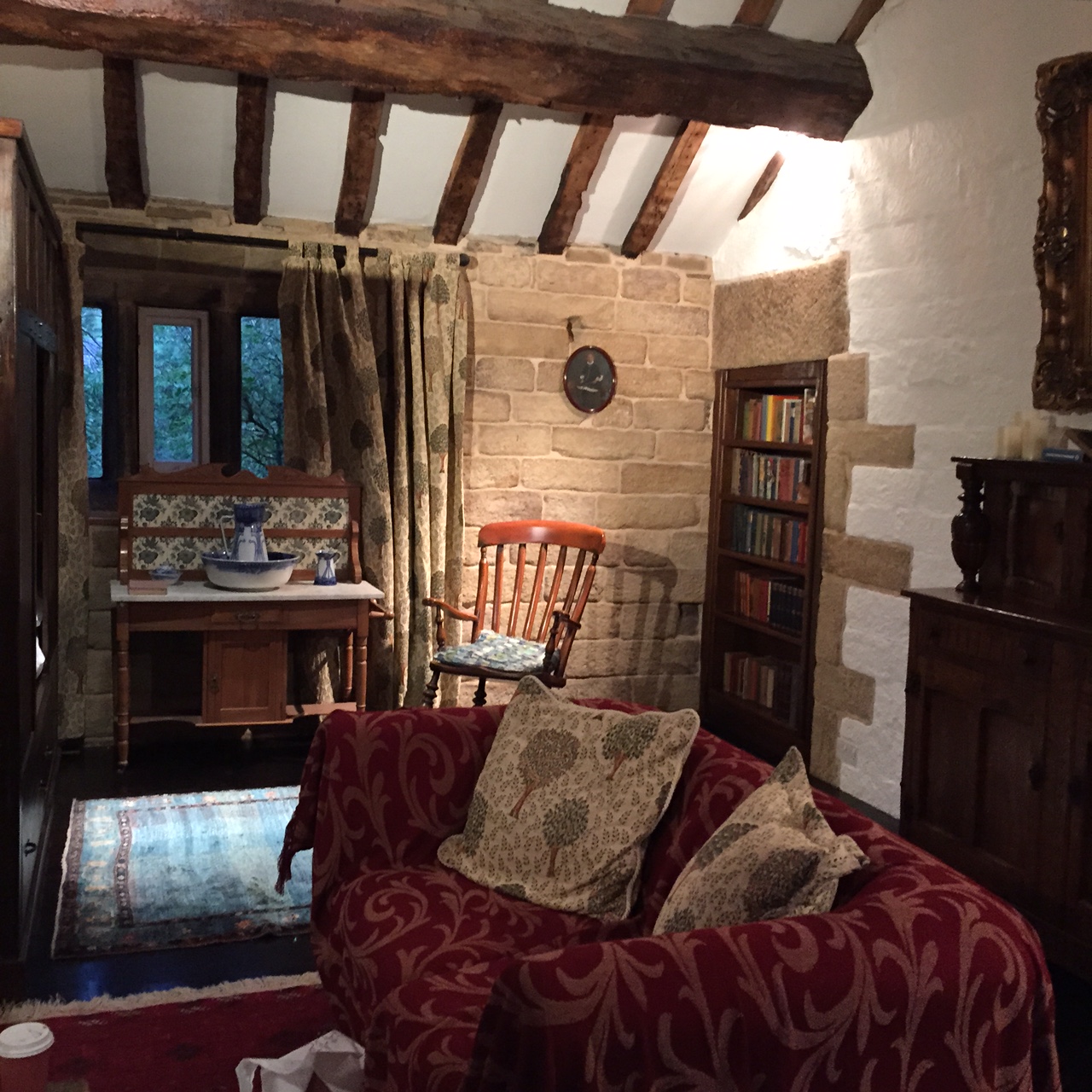
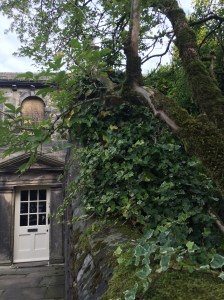
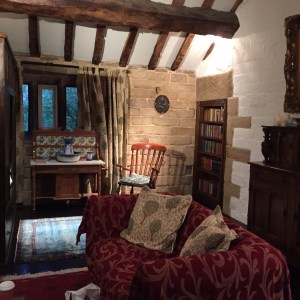
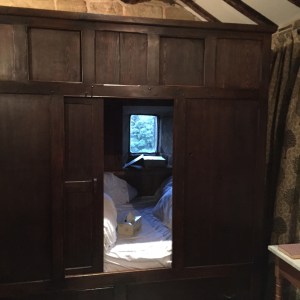
Last year I made a literary pilgrimage to Haworth in Yorkshire.  The town still looks much the same as it did when Emily composed her novel about wild forbidden love on the moors. I was lucky enough to stay at Ponden Hall, a house where the Brontes were regular visitors. It’s now a family home, a lovingly run bed and breakfast, and a venue for  gatherings of artists, writers, and Bronte fans. The charming hosts go out of their way to show all visitors around their historic home.  In the photo below, the bookcase is a hidden door into a secret library. The Bronte girls used to visit the house, a couple of miles from the parsonage, to use the library.
C62787CB-D25E-42C6-9317-8B42D8F7B0E1 7CCCA642-6749-4E0A-BDF0-962884452783

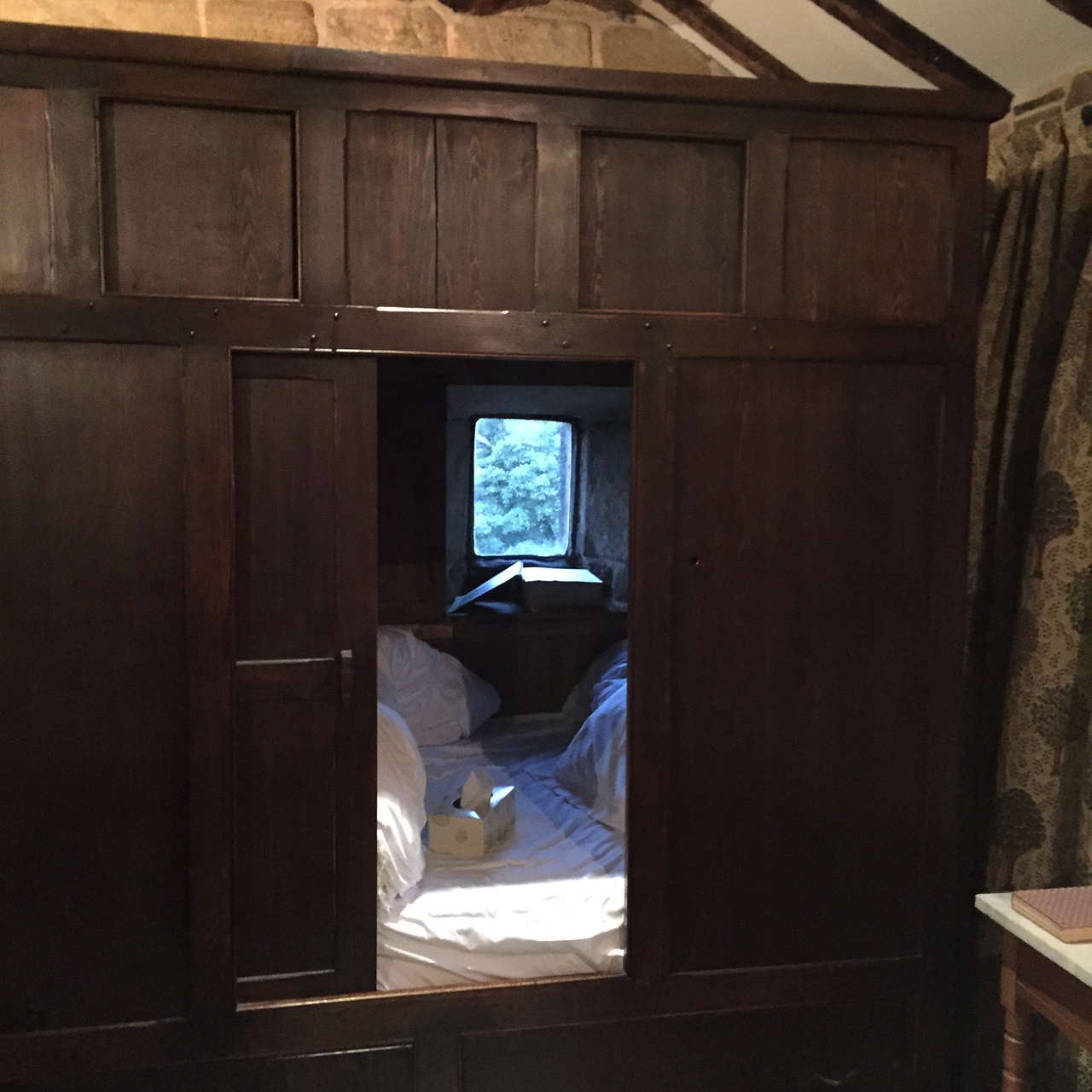
It’s possible to actually sleep in the “box bed,” shown above, with the little window that reportedly inspired Emily to write her famous scene where the ghost of Cathy appears outside the window, begging to be let in.  Her forbidden and guilt-ridden lover Heathcliffe staggers out onto the moors in desperate search of her. (Did I sleep in the box bed? No, but maybe next time! Do I believe in ghosts? Maybe!)
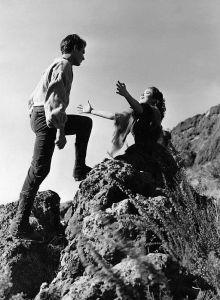
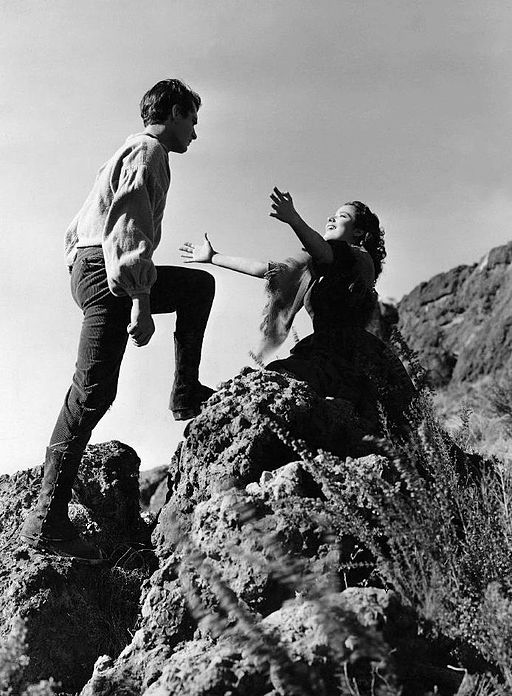
Laurence Olivier and Merle Oberon in "Wuthering Heights," Public Domain

Laurence Olivier and Merle Oberon in “Wuthering Heights,” Public Domain

In 1939, Laurence Olivier and Merle Oberon played the lovers Cathy and Heathcliffe in the classic romantic film based on the novel.  Since then, there’s been a 2011 film version that makes explicit the racism that Emily only hinted at in her novel, by calling Heathcliffe a “gypsy.” It’s on my list to watch.  There’s a 2009 miniseries, too.

577AA11D-6684-4EE1-9BFE-E0BDB8161171

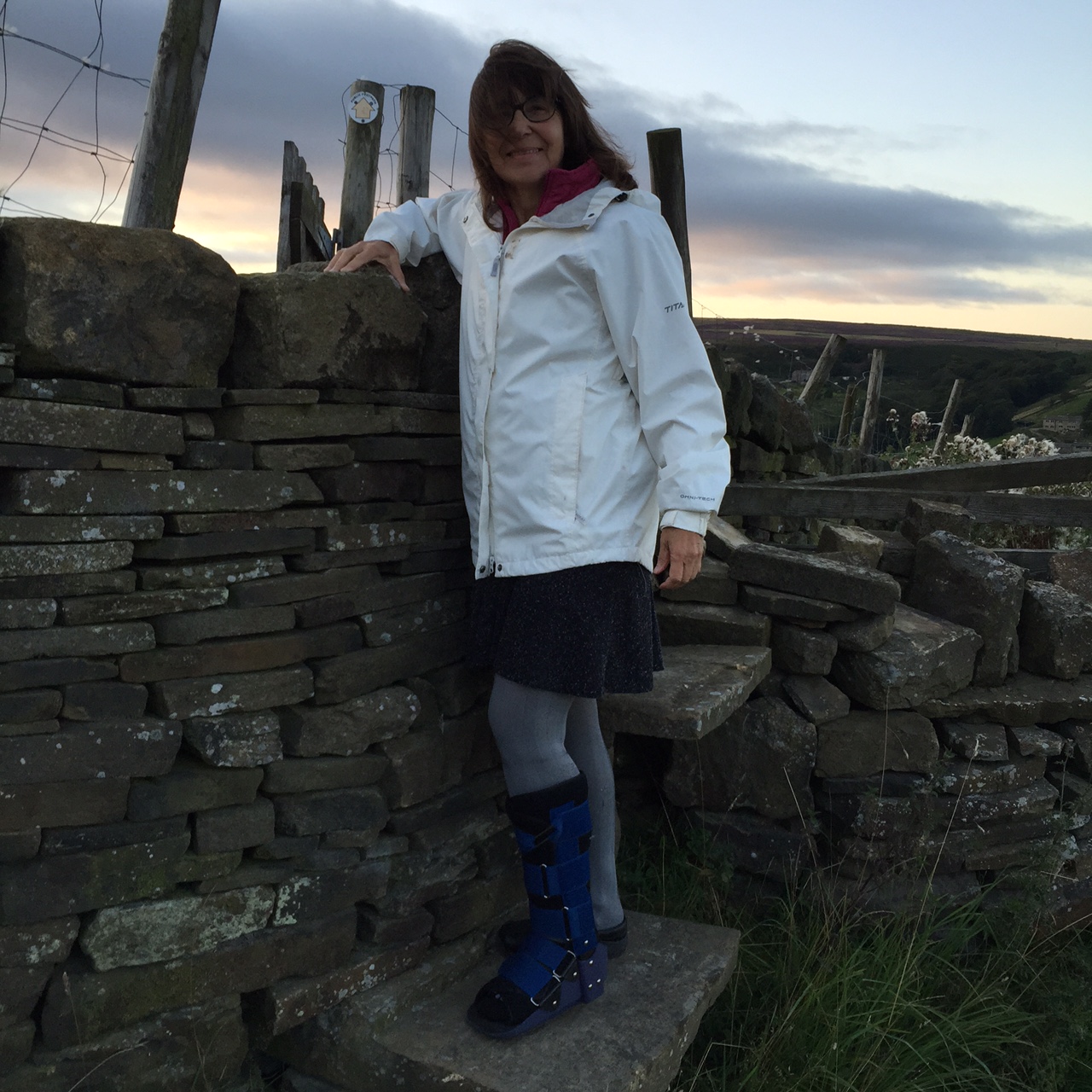
Did I venture onto the wild moors myself?  Only partway.  I had a broken foot, thanks to a super-klutzy fall just before I left on my trip.
E8ADF0D1-3C59-43B8-A466-D01193D148E5

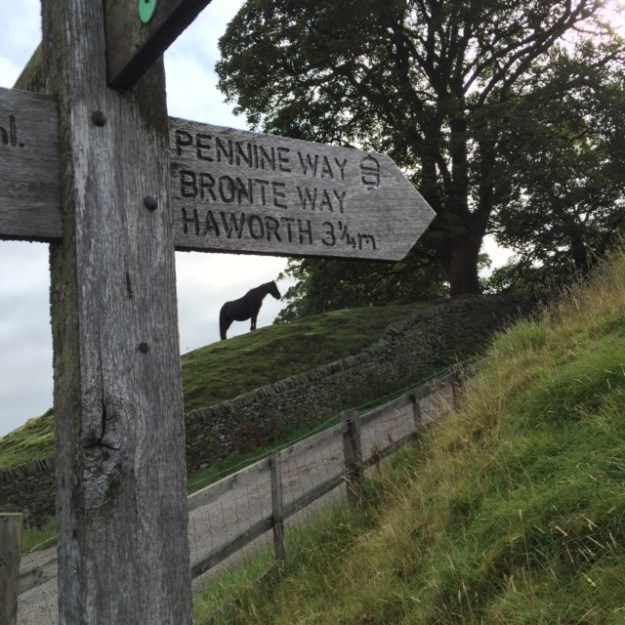
But I’m determined to hike the moors.  Next time, I hope I’ll be able to follow the signposts and get just a little bit lost in the wild countryside that inspired Emily Bronte and her sisters.

Join me next time for more explorations in the art, history and literature of Europe and the British Isles!