Tulip Monkey Business


photo (9)

I took a short train ride from Amsterdam to the nearby town of Haarlem, especially to visit the Frans Hals Museum. One of the more charming pieces I found there featured monkeys and tulips.  Frans Hals was a contemporary of Rembrandt; they competed for the same clientele of wealthy Dutch citizens during the Golden Age of Dutch painting, in the 1600s.  His namesake museum has many Hals paintings, plus work by other artists of his time.

"A Satire of Tulip Mania" by Brueghel the Younger, Public Domain

“A Satire of Tulip Mania” by Brueghel the Younger, Public Domain

“A Satire of Tulip Mania,” by Breughel the Younger, was painted in 1640, just after the debacle of the tulip boom and bust cycle.  This was the seventeenth-century equivalent of the dot-com boom and bust. It was probably the first modern instance of rampant speculation in a commodity, followed by a crash. At the height of the frenzy, a single tulip bulb sold for ten times the annual income of a skilled craftsman.

Brueghel dressed his gullible monkeys in contemporary clothes and showed them facing debtor’s court and even urinating on discarded tulips, turned from priceless to worthless overnight.

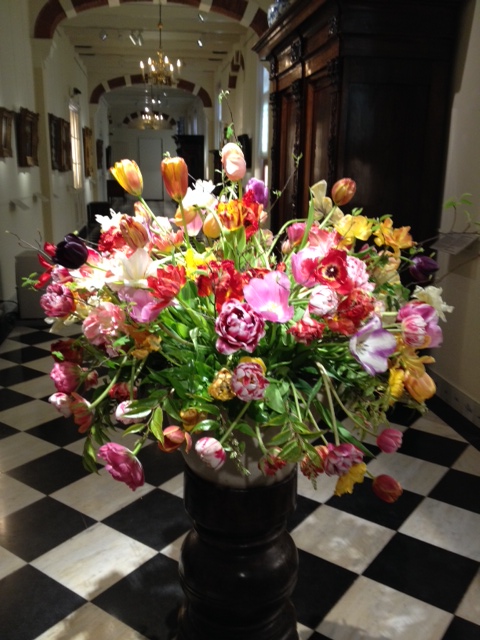
Today the tulip trade is much more stable.  The museum had spectacular arrangements of tulips and other spring flowers in every room.
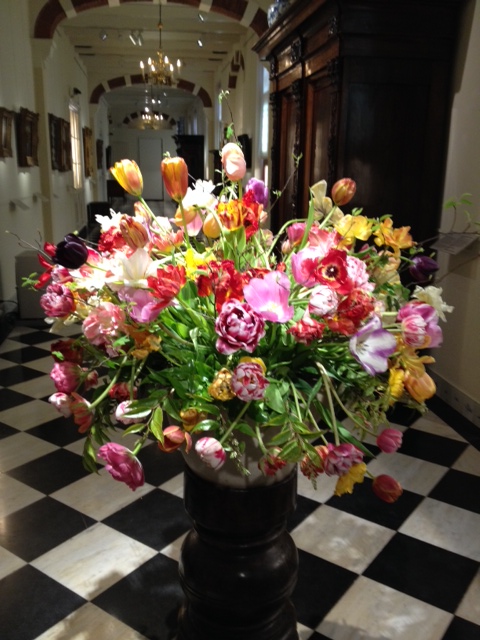
photo (12)

Join me next time for more explorations in the art and history of Europe!
Amsterdam: Canals, Bikes, Tulips and Dogs

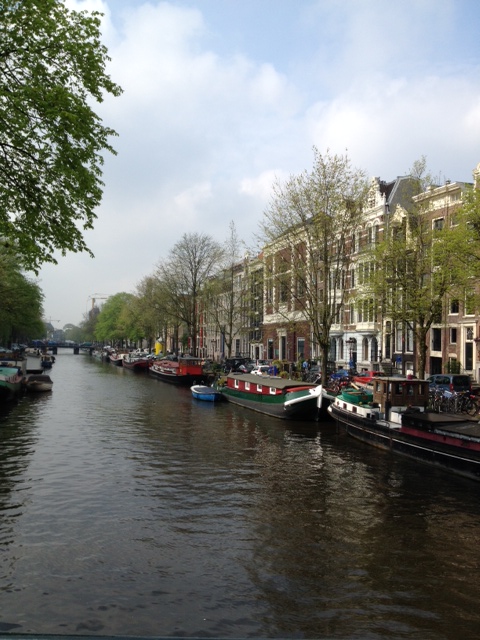
Amsterdam is beautiful in any season, but the long days of spring add to the enjoyment. The light on the canals is particularly beautiful in early morning and evening.

photo (6)

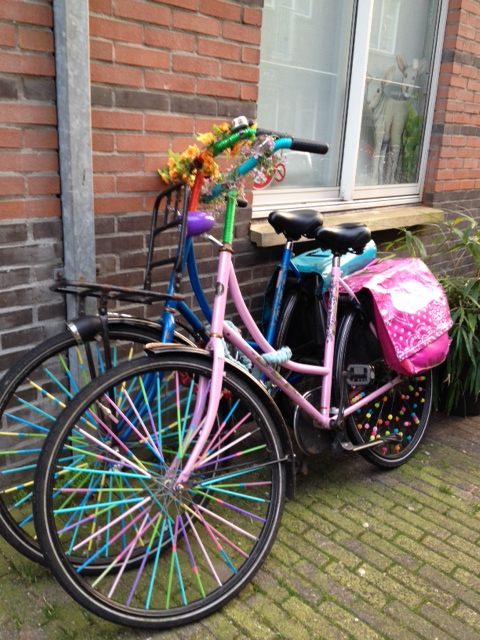
Bikes comprise about 40% of the traffic in the city.  And of course bikes make fashion statements all their own.

BikeFashion

Tulips are everywhere.

TulipArrgmt

And paintings from the Dutch Golden Age, in the 1600s, are replete with the family pets beloved then, as now.

DogPainting

For some reason, dogs occupy a very special place in Dutch painting.  I guess they were a big part of the good life in the heyday of Amsterdam, when trading made its citizens some of the richest and most contented people in the world.  The city today, at least the parts that tourists see, seems equally fun-loving and prosperous, if a lot more egalitarian.

Join me next time for more explorations in the art and history of Europe!
Join me next

Revisiting an Old Friend in Amsterdam

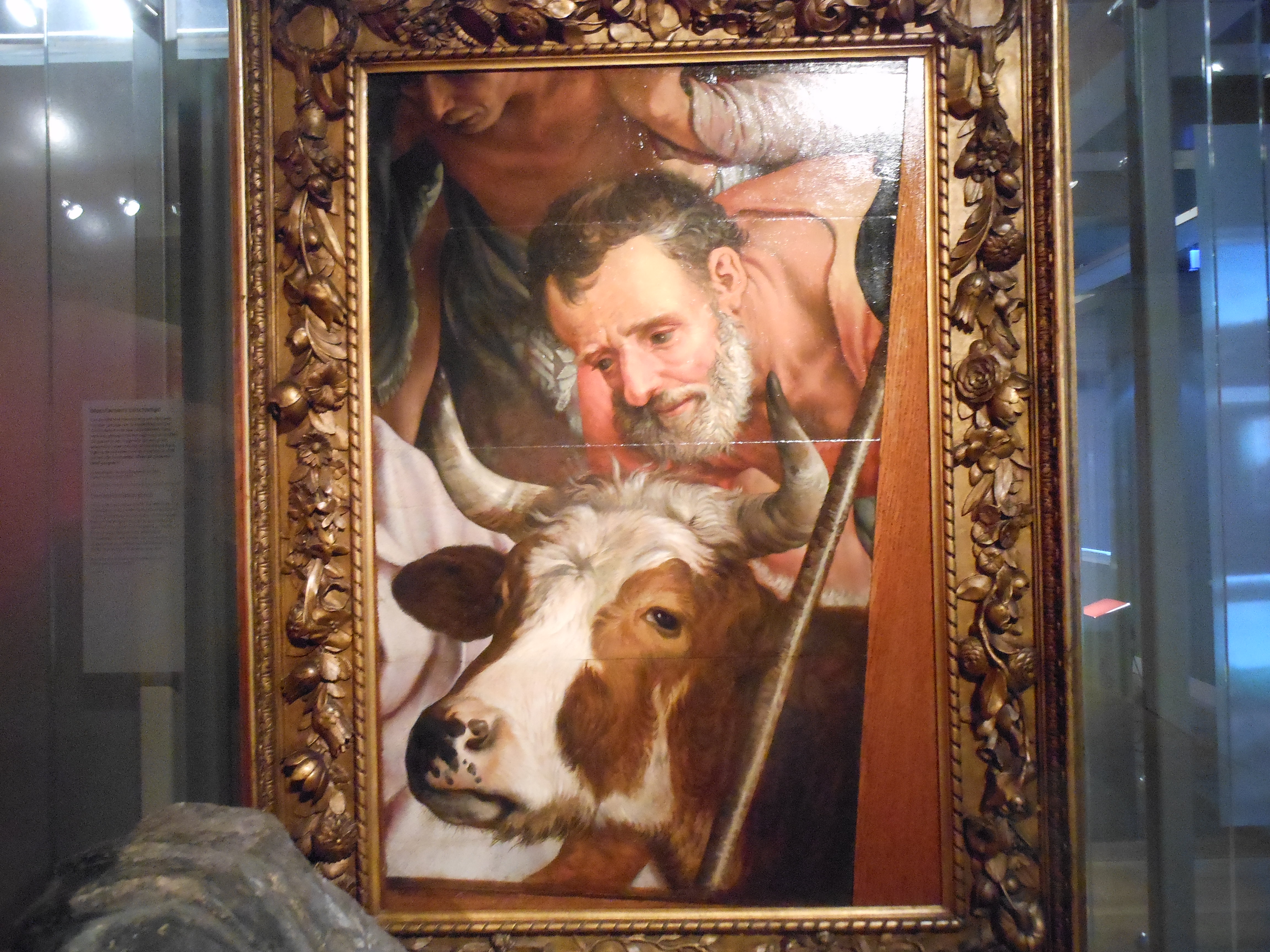
In the Amsterdam History Museum the last time I was there, I came upon a particularly lovely painting of a man with a cow.  It is a fragment left from a much larger painting, now lost.  There’s a benevolent looking man, bending toward a cow that looks equally benevolent. Man and animal are painted with exquisite detail. If anything, the animal is painted in clearer focus. The animal gazes outward toward the viewer, with calm intelligence. The man is intent on something below and beyond the frame: very likely a baby sleeping in a manger.  The scene is one of overwhelming tenderness and reverence.

DamagedMaster

The painting, about 3 by 4 feet, is identified as a fragment of a much larger piece, forever lost. The original work was part of a large altarpiece; the artist is unknown. The altarpiece was broken up during religious rioting in the 16th century.  Even peaceful, tolerant Holland did not escape the religious strife that tore through all of Europe in past centuries.

Some museums allow photos; some do not.  I am always grateful when I can take a quick photo of a piece of art that speaks to me.  I never intend to sell my photo, enlarge it, or frame it.  I’d buy a print if I wanted something to hang on a wall. Instead, my photo preserves a travel memory: an encounter with a piece of art that made me slow down during a long day of sightseeing. It’s a memory of time I took out of fast-moving everyday life to ponder the timeless moments of beauty and peace that great art creates.

I’m off to Amsterdam again.  I’ll be seeking out this painting, as an old friend.

Happy Easter!

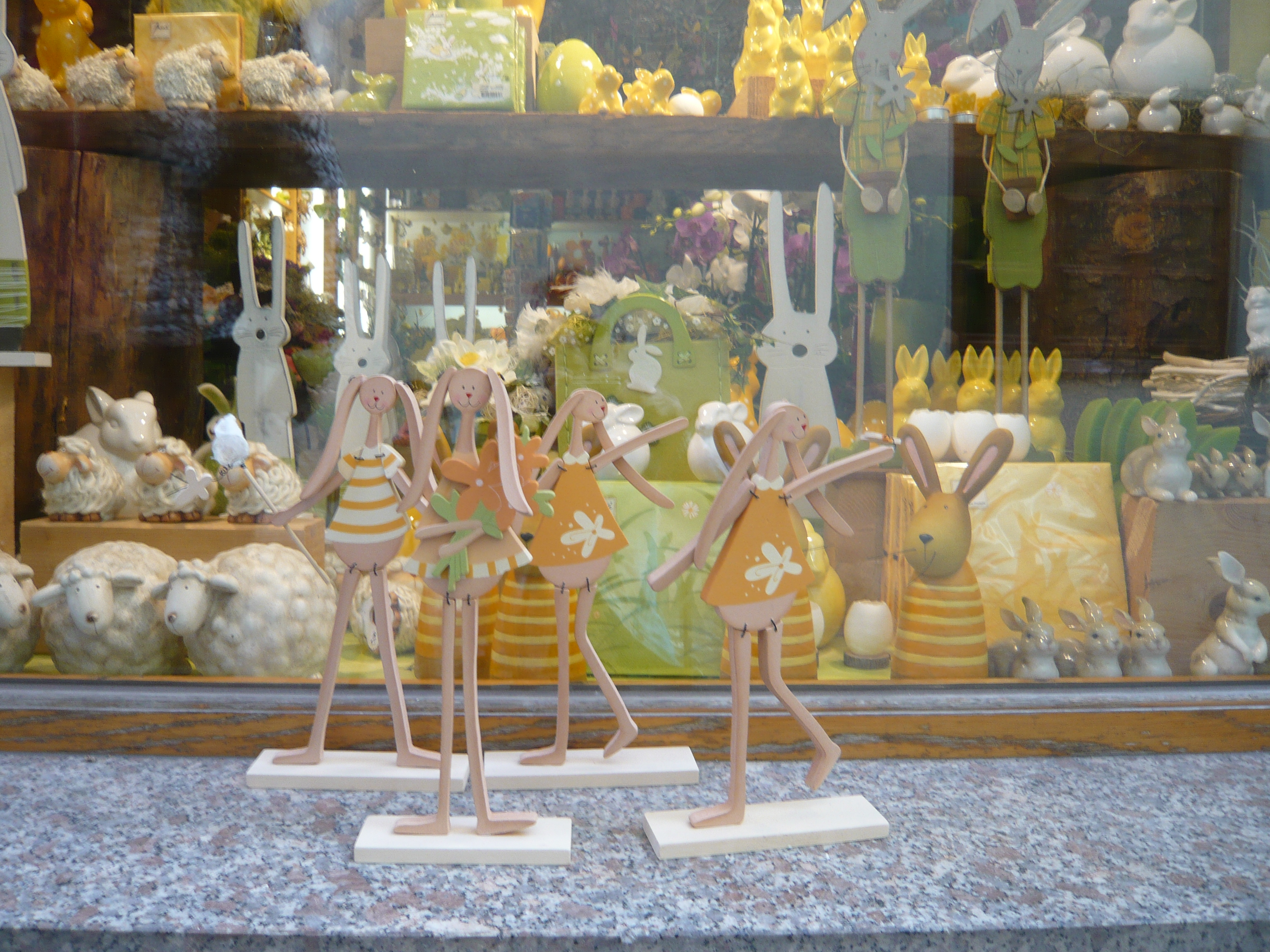
HallEasterShopWindow

Easter in many European countries is as big a holiday as Christmas. People gather in churches, starting at sunrise, then spend the rest of the relaxed day with their families.  Bakeries and candy shops are full of exquisite spring-themed treats. This shop window, in Hall, Austria a couple of years ago, shows the exuberance of the holiday.  Happy Easter to all!


Spring at Last


Snowwoods

I live in lands of ice and snow.  You have to love winter to choose life in the mountains. Mid-April in these parts, big wet flakes are still falling and people are still digging out from the long winter.

snowcar


People are putting away their skis and getting out their mountain bikes on days when the roads are clear.

MooseCloseup


Moose appear outside my window, searching for buds on the trees. Hungry bears have already been sighted near town.

MediciGrottoParis

But I’m off soon on a springtime trip to Europe, where (usually) the climate is a lot more temperate.  This year I’m lucky enough to have a few days in Paris–in April! I’m already dreaming of the Medici Grotto in the Luxembourg Gardens. I’m dreaming of the flowers in the Tuileries, once the pleasure gardens of kings and queens, but now open to all.

TuileriesFlowers3

Vienna Conservatory: Glorious Music, Free Concerts

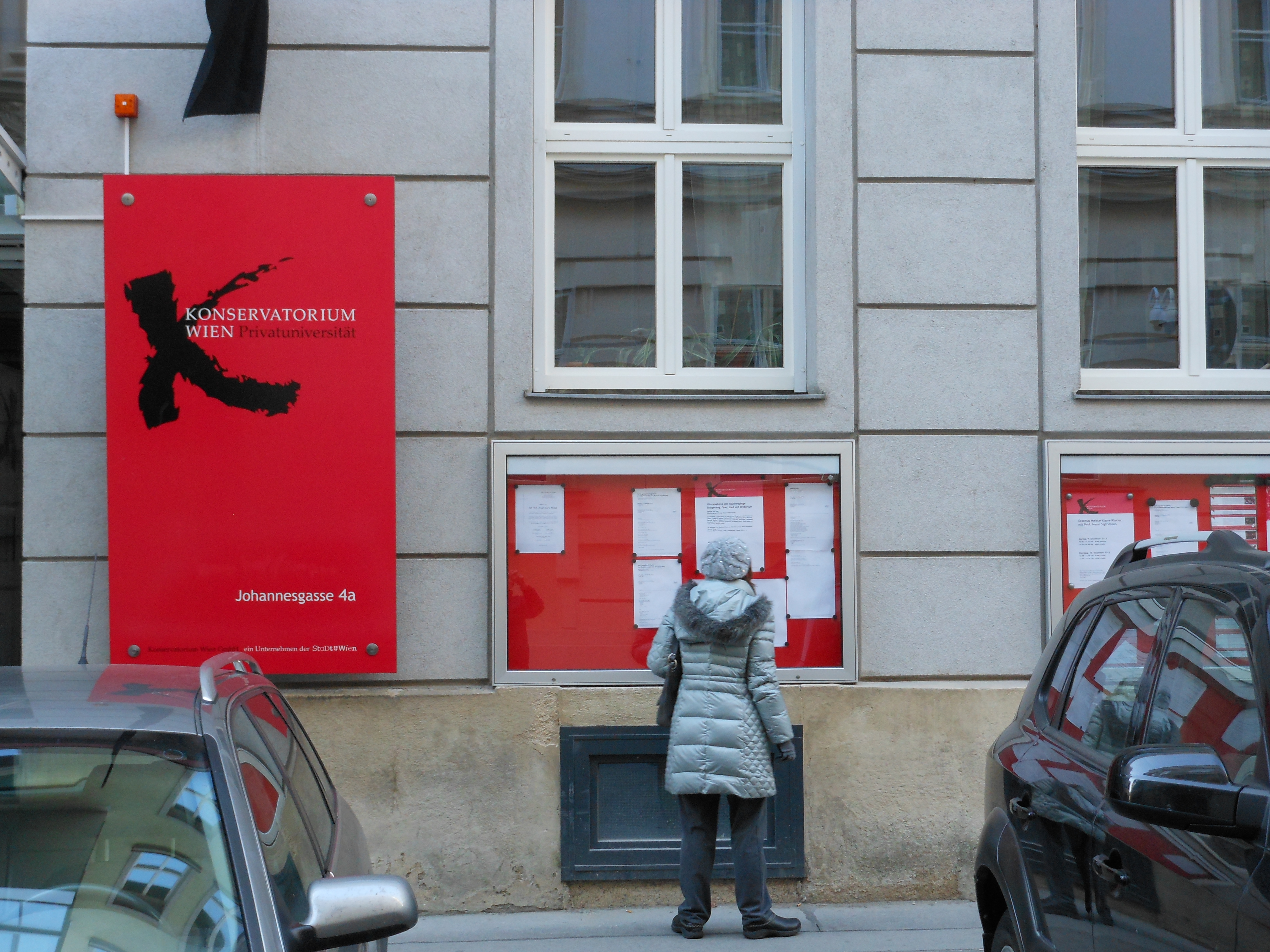
ConservSign

One of my first stops when I am lucky enough to visit Vienna is the bulletin board of the biggest and most central branch of the Vienna Conservatory.  Concerts at all three locations are always posted.  Before I buy any tickets for musical performances, I check out these free concerts.

MeConservatory

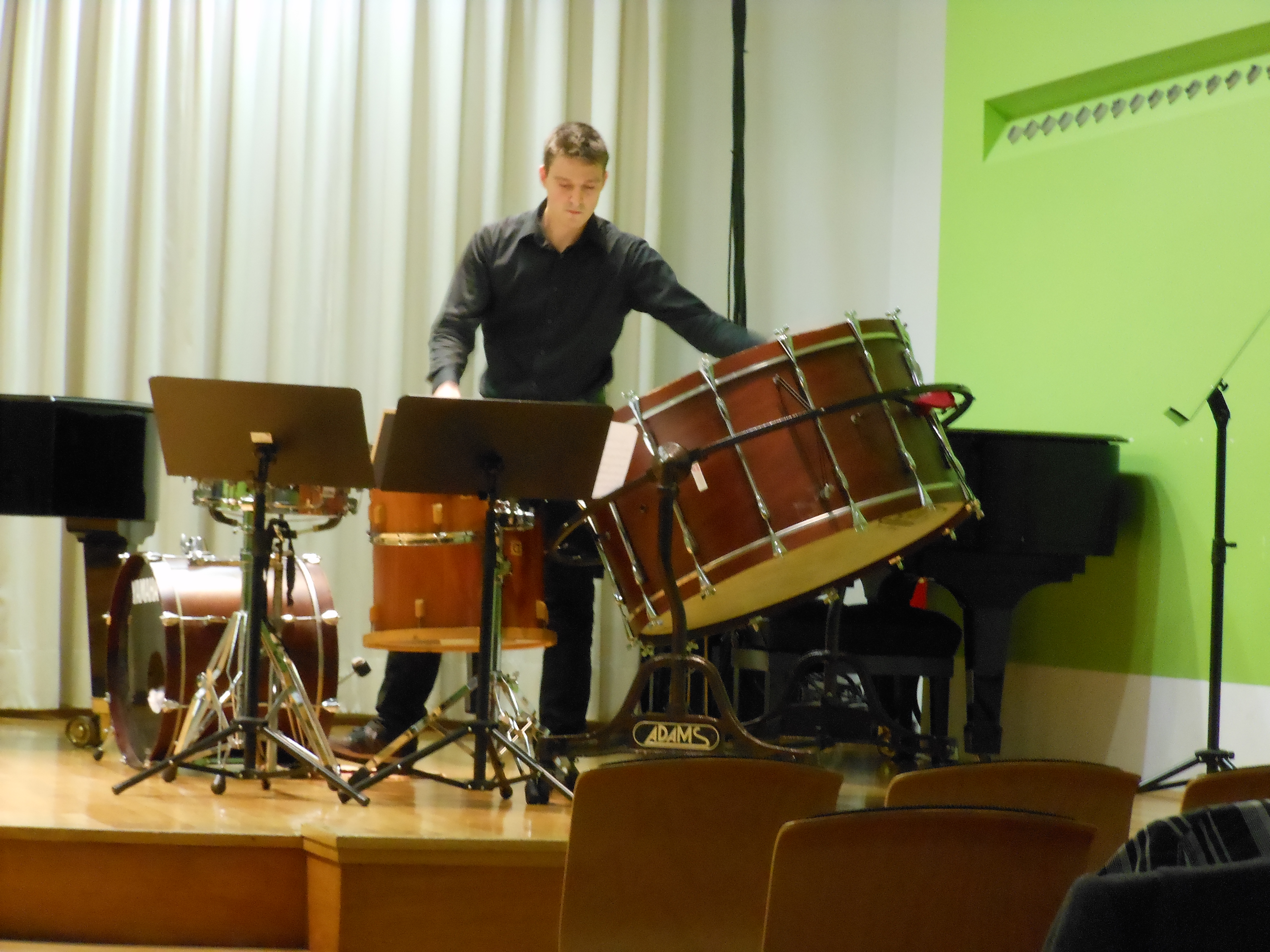
The audiences are usually quite small; the visitor rubs shoulders with friends and family of the performers and their professors.  The students are excited about their accomplishments, relieved when they finish, and glad to have a few more hands applauding in the audience. I’ve seen fabulous performances of opera arias, piano concertos, string quartets, clarinet and flute solos, and sublime violin and cello combinations. I once saw a young percussionist play a solo piece, about 15 minutes long, which used every single orchestral percussion instrument. His kettle drum made sounds I had no idea a drum could make.

RecitalDrum

I will admit that given the chance, I will probably never again attend an evening of trombone solos.  Mostly, though, I have to say, in the words of Joni Mitchell, “They played real good for free.”

RecitalClarinet


Vienna is a musical city; it’s fun to hang out with young people who are there to play beautiful music.

Join me next time for more explorations in the art and history of Europe!
Maria Theresa, the Original “Lean In” Woman

Theresia11-12The Habsburg dynasty was about to die out in the year 1740, when Emperor Charles VI died without a male heir.  He had seen this coming; he had worked during his entire reign to promote the Pragmatic Sanction, an agreement whereby members of the Austro-Hungarian Empire recognized his daughter, Maria Theresa, as his rightful heir even though she was a woman. He was not cold in his grave when many of the entities that had agreed changed their minds.

The young queen had to fight battles, both military and political, to hold on to power.  She married the man she loved, Francis of Lorraine. The Habsburg dynasty, instead of dying out entirely, became the Habsburg-Lorraine dynasty. Francis was not the sharpest knife in the drawer, though, and Maria Theresa soon realized that she had to be the actual day-to-day ruler of her vast empire. She did it for 40 years.

MariaTFamily

In her spare time, she gave birth to 16 children.  She arranged politically advantageous marriages for them all over Europe, mostly strengthening Habsburg power with each marriage.  Poor Marie Antoinette got the short end of the stick, but the other children made out pretty well.

Giants

In the Hofburg at Innsbruck, Maria Theresa’s PR skills are on glorious display.  She redecorated a very grand reception room, called the Giants’ Hall. When she began her reign, the room came with paintings of Hercules and other characters from myth and legend.  Maria Theresa did away with all that; instead she filled the room with oversized portraits of herself, her husband and above all her many children.  Visitors to the palace had to pass through this room, basically plastered with Habsburg dynasty billboards, to reach the other rooms of the palace. Children who had died in infancy were pictured in the clouds.

MariaThereseHall

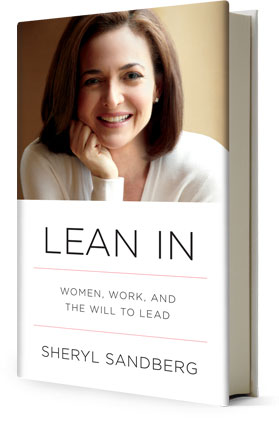
I don’t know why someone has not made a movie of Maria Theresa’s colorful life.  She is every bit as interesting as, say, her unfortunate daughter Marie Antoinette. Actually, there are not many biographies of Maria Theresa, and I don’t know of any historical novels about her.  I have a feeling, though, that Maria Theresa could have written a very modern book like Sheryl Sandberg’s “Lean In:  Women, Work, and the Will to Lead.”

LeanIn

Join me next time for more explorations in the art and history of Europe!


Augustinian Church in Vienna: A Cheerful Resting Place

Bazaar

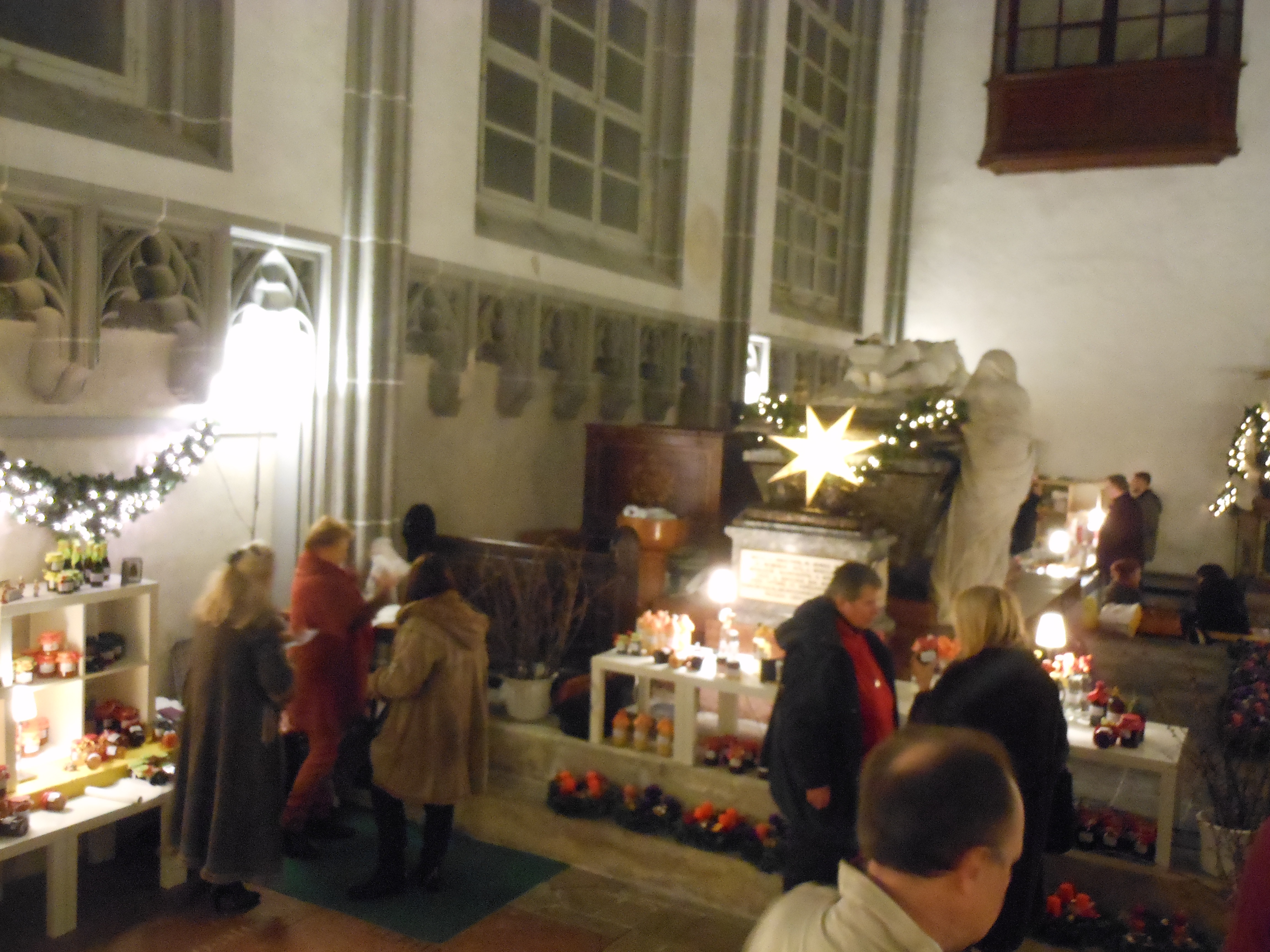
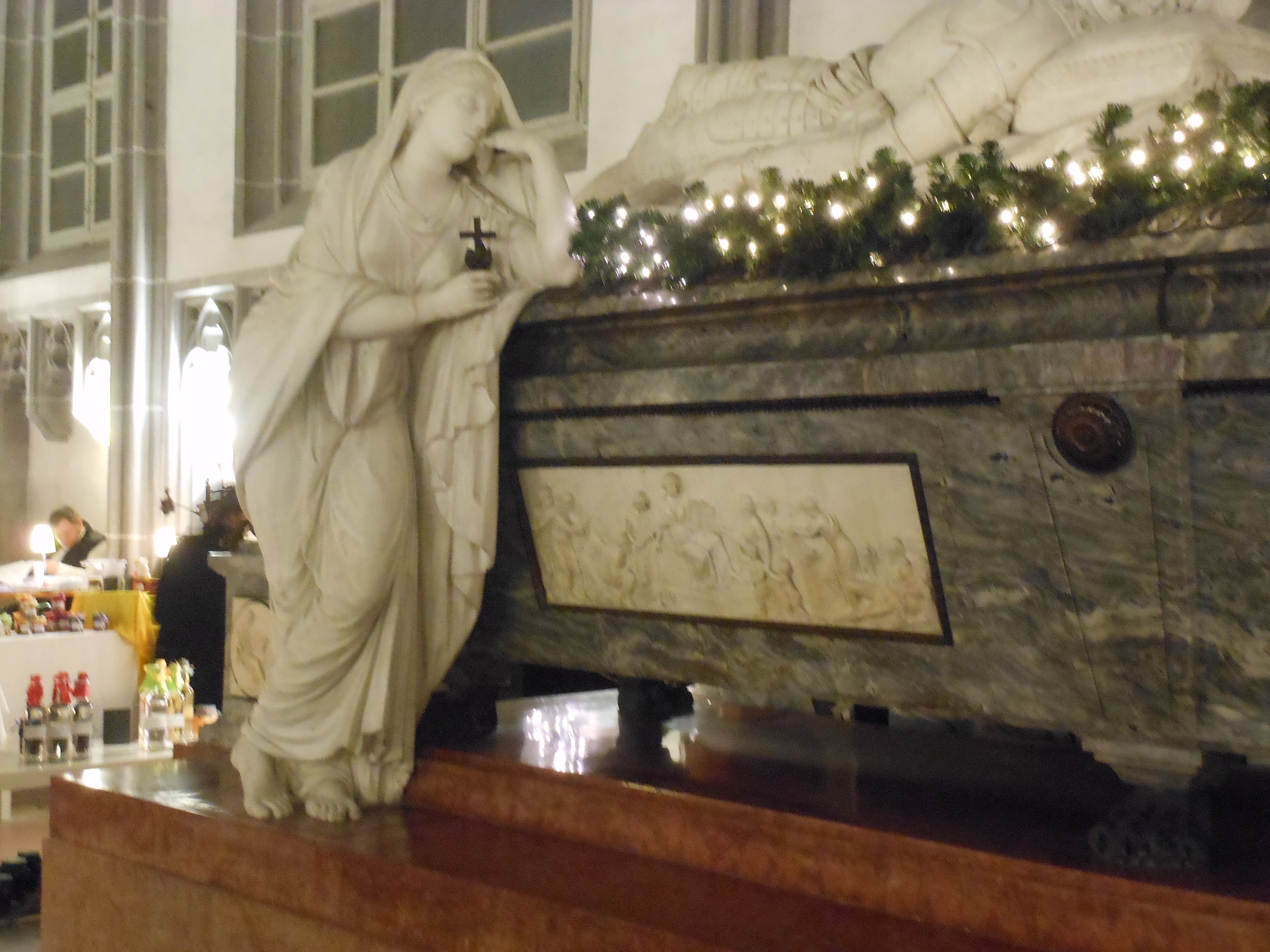
The Augustinian Church in Vienna is still very much a working church.  When I’m lucky enough to visit in December, I look forward to the little Christmas market held by church ladies (and gentlemen) in the adjoining chapel, which they call the crypt. It has tall windows, so it doesn’t seem very crypt-like.  I don’t think there is an altar, so maybe it is not really a chapel, at least not now.

The center of this cozy room houses the tomb of some notable, not a Habsburg but still important.  I always check his name, and I always forget.  I think he was an illustrious general.

Ornaments

Surrounding his very grand tomb, the church folks set up tables with ornaments and some handcrafted items.  They sell CDs of the many musical performances the church is famous for. They sell coffee, loaves of bread and cookies, too.  There’s nothing like a bake sale to make a tired traveler feel at home.

Tomb

The occupant of the tomb has his very own permanent mourner to keep him company, a life-sized marble lady standing sadly beside his resting place.  Still, I think this person, whoever he was, must enjoy the seasonal cheer of twinkling lights, glowing candles, cinnamon buns and fresh coffee.  Easter is in Vienna is almost as big a holiday as Christmas.  I imagine the church ladies and gentlemen have a springtime market set up in the chapel right now, selling brightly colored eggs and sprightly tulips.

Join me next time for more explorations in the art and history of Europe!
An Imperial Last Stop

CapuchinExt

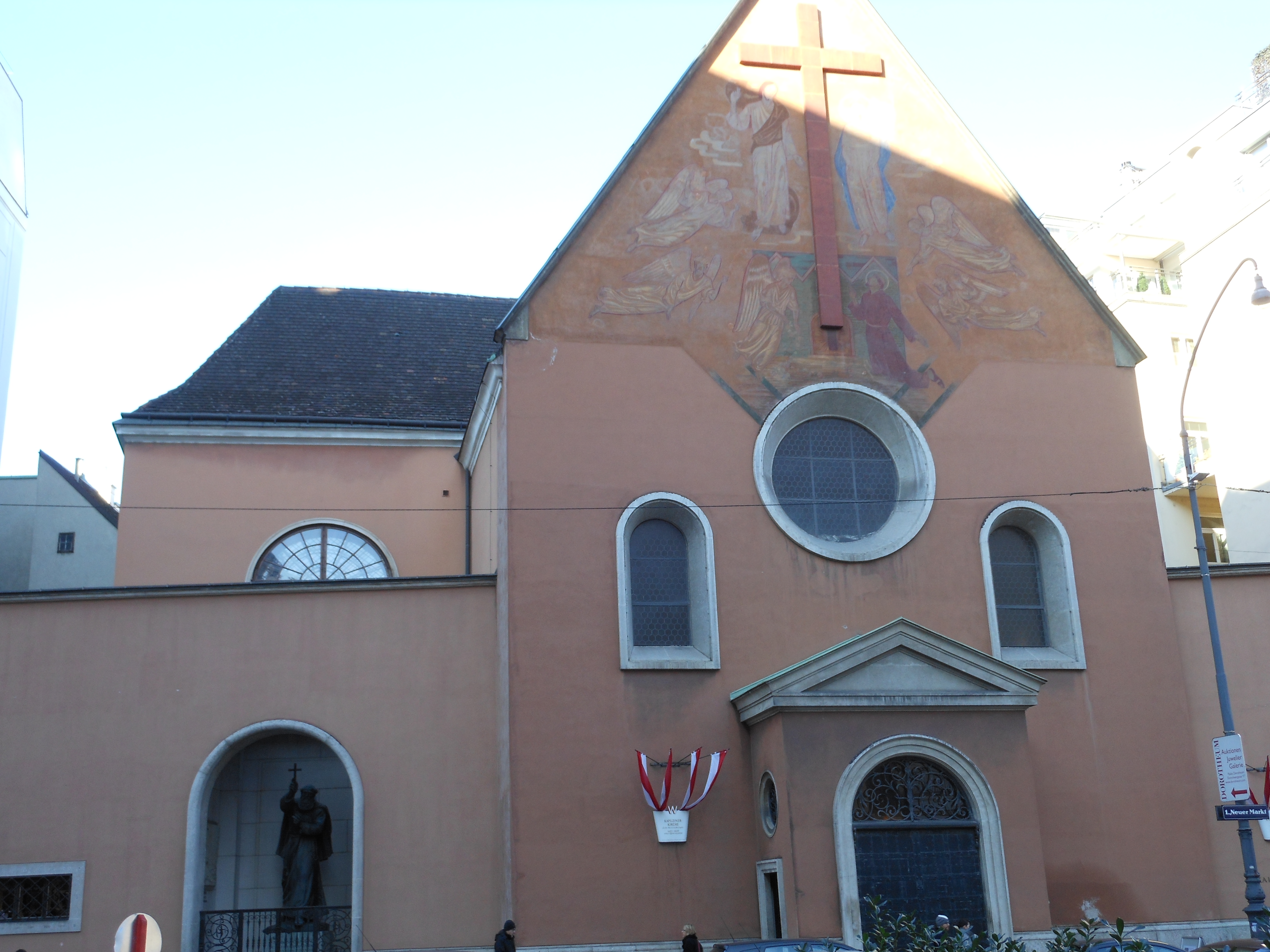
Since about 1633, members of the Habsburg dynasty have enjoyed a rare privilege: their own private burial vault under the Capuchin Church in Vienna.  It’s right in the middle of the city. Someday maybe I’ll pay a few Euros and descend into the vault, but so far I get creeped out every time I consider doing it. The vault is really a series of underground rooms, some of them domed so that daylight enters. About 145 Habsburgs rest there in their elaborate tombs, and some Habsburgs are still eligible even though the monarchy is long gone.  The most recent burial was in 2011. I think the statue outside is St. Peter, very appropriate for the royal pearly gates.

CapuchinStatue

In an age when common people (and geniuses like Wolfgang Amadeus Mozart) were usually buried in unmarked mass graves, the Habsburgs enjoyed their privilege.  It would not do to flaunt the luxury of a grand burial vault, though.

Early on, a Habsburg PR person came up with a brilliant idea: a ceremony of regal humility that precedes each burial.  The royal procession arrives at the church door and an official knocks–with a special regal staff, of course.  Crowds of commoners outside listen breathlessly to the ritual. A waiting monk inside the door calls out, “Who is there?” The official recites all the titles of the deceased–and with the Habsburgs, it was always a long and impressive list. The waiting monk answers, mournfully, “We do not know him.”  The official knocks again.  The monk asks, “Who is there?” The official recites an abbreviated list of titles.  Again, the waiting monk replies, “We do not know him.”  FInally, after the third knock on the door, the official says, “Here is (insert name), a poor sinner.”  The door swings open and the procession enters.

CrownPrince


In a previous post, “A Tragic Crown Prince,” I wrote about Rudolf, the frustrated son of Emperor Franz Joseph.   This young man could see that change was in the air, and tried his best, in his muddled way, to convince his father to go with the flow in order to hang on to power.  Franz Joseph would have none of it.  Rudolf committed suicide, along with his mistress, rather than live out his life in the gilded cage of the monarchy that was soon to be swept away by sweeping social change. That post is at https://castlesandcoffeehouses.com/2014/02/07/a-tragic-crown-prince/. A favorite movie of mine–I guess it’s a guilty pleasure–begins and ends with the Capuchin Church ceremony for poor Rudolf, with his heartbroken but stoic father, Emperor Franz Joseph, patiently waiting to enter the church. Those knocks on the massive church door get me every time.

Join me next time for more explorations in the art and history of Europe!
 

Hundertwasser’s Three Skins


In 1967 and 1968, the artist and activist Friedensreich Hundertwasser delivered his famous “Naked” speech as a kind of manifesto of his ideas at the time.  He appeared naked, and rounded up some friends willing to do the same.  The idea was that a human being has three “skins:” the epidermis, the clothing, and the dwelling place.  (This makes me wonder whether Hundertwasser ever designed any clothing).

Sign

He certainly designed the exteriors of buildings, the most famous of which is the Hundertwasserhaus apartment building in Vienna.  He took it as a sacred right that a human being should be able to express his individuality in the exterior of his living space, instead of being consigned to an anonymous box. He also designed the nearby museum that houses many of his paintings, mosaics and other works of art. Various exhibits explain the artist’s ideas, and there are many beautiful paintings.  The paintings remind me of Paul Klee’s work, but they are much larger in scale and more colorful.  Unfortunately, photographing the paintings is not allowed.

RoofGarden

Hundertwasser believed all urban buildings should have roof gardens.  He actually believed it would be feasible to make these roof gardens burial places for the residents of the buildings.  Somehow, this particular idea never really caught on. Still, Hundertwasser felt that a tree should be planted on top of every grave, instead of installing a headstone.  That way, he said,  you could visit the burial place of your grandfather and say, “This is my grandfather, the tree is growing well, fantastic.”  Eventually, when he died in 2000, he was buried according to his wishes under a tulip tree on property he owned in New Zealand. This wish was in stark contrast to the grand and ghoulish burial customs of the Habsburg dynasty, which deserve their own post later on.

TreeTenantClose

Hundertwasser’s ideas live on, in the minds of the many artists and thinkers he influenced. His ideas also live on in the enchanting museum he created for his work, in a quiet area of Vienna away from the tourist trail. I visited in the middle of winter.  The building has a number of “tree tenants:” trees which occupy balconies, flourishing in only a square meter of soil. I’m sure that now, in springtime, Hundertwasser’s beloved “tree tenants” are leafing out, making the concrete canyons of at least one street green with new life.

Join me next time for more explorations in the art and history of Europe!