
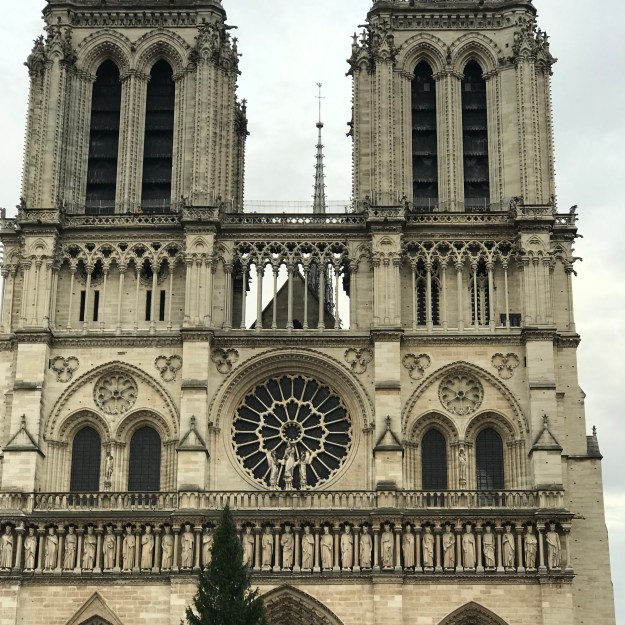
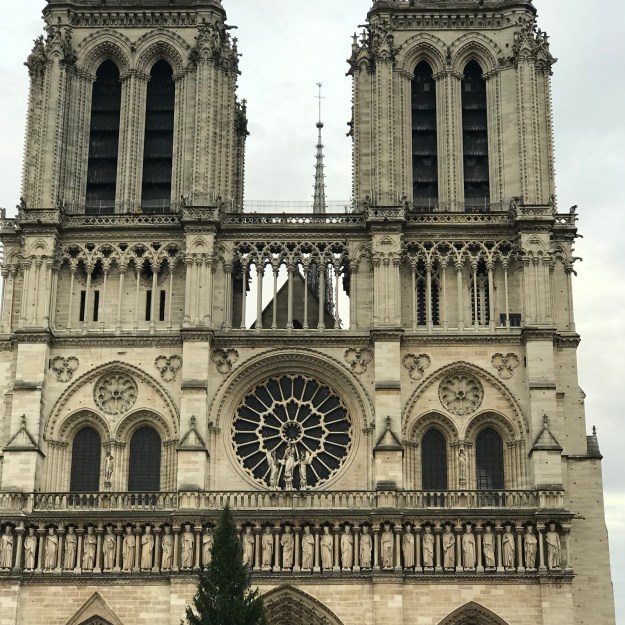
Paris is always old and always new. The real sight is just the city itself, where there’s stunning architecture and art at every turn. Medieval Notre Dame Cathedral? It never fails to thrill.
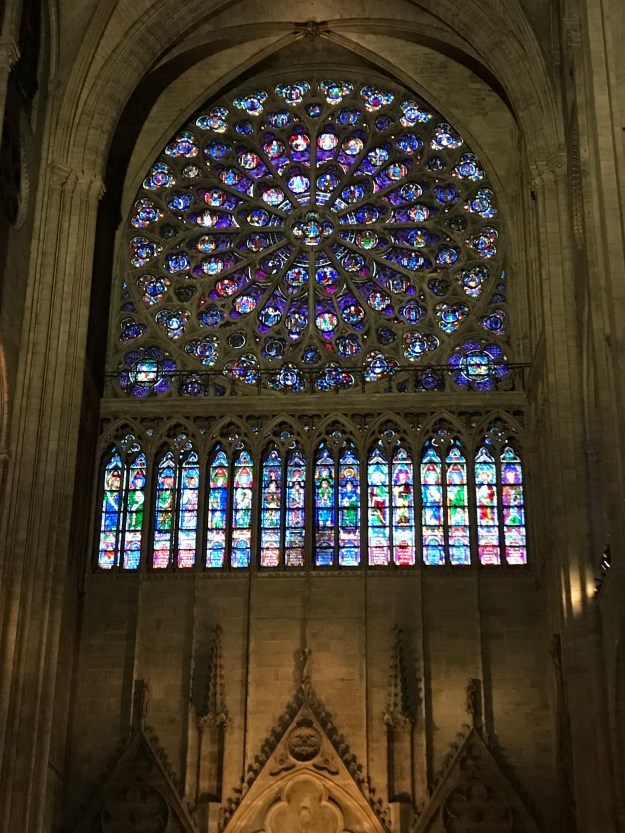
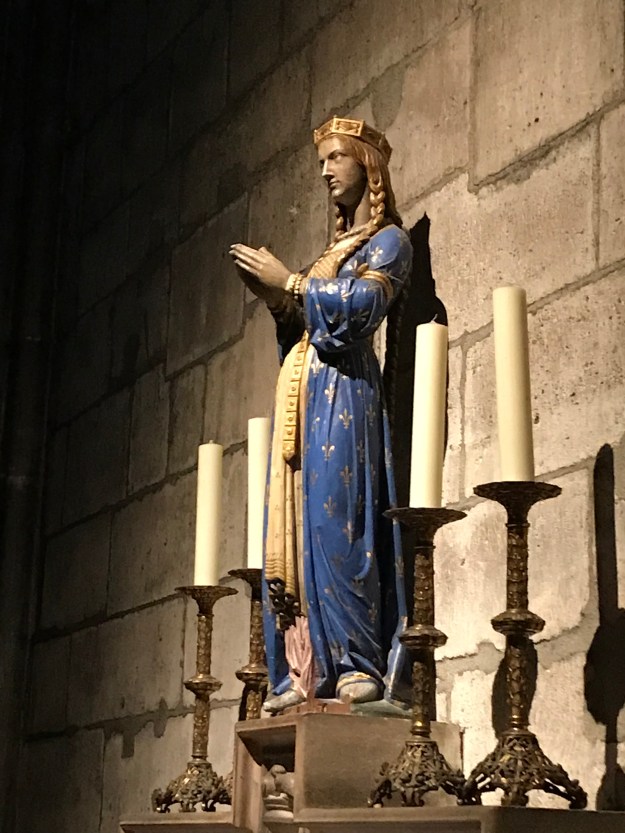

In November, it’s not crowded inside the cathedral. The present structure was built between 1163 and 1345. It still feels deeply spiritual.
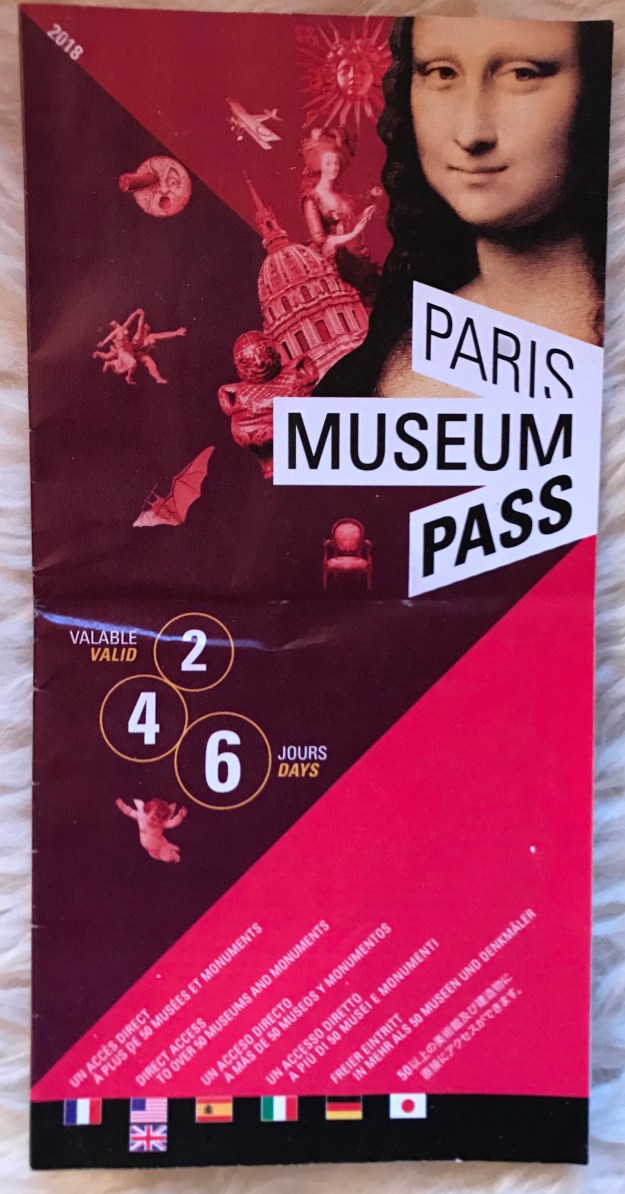
A Paris Museum Pass is the best bargain. For one thing, there’s no waiting in ticket lines. For about $15-20 per day, depending on number of days chosen, we take our heavy-duty culture in small doses. The Louvre is not intimidating (or exhausting) if we duck in for only an hour or two a day.

“La Nymphe au Scorpion,” Lorenzo Bartolini, 1777
The statue above? That’s me, checking my sore feet while looking out at I. M. Pei’s spectacular pyramid in the courtyard. (But we never stand in the horrendous lines at the pyramid entrance. It’s much better to go in through the underground shopping center, the Carousel du Louvre).

Goddess Nemesis, Egyptian, 2nd Century B. C.
We see way more by making just short forays into the Louvre. I especially liked the statue of a goddess, only about two feet high, in a little hallway alcove. She is Nemesis. The caption explains (I think) that she punished any kind of excess with an implacable reversal of fortune. She’s casually holding a little Wheel of Fortune. I can think of people who could use a reminder not to do anything to excess. Of course after eating excessive French pastries, I could use a reminder myself.

Puzzlement: Nemesis doesn’t look Egyptian. And did the Egyptians even have a concept of a wheel of fortune? I’ll always have things to learn. (Most of the captions in the Louvre are in French only, which means I probably get a lot of things wrong).

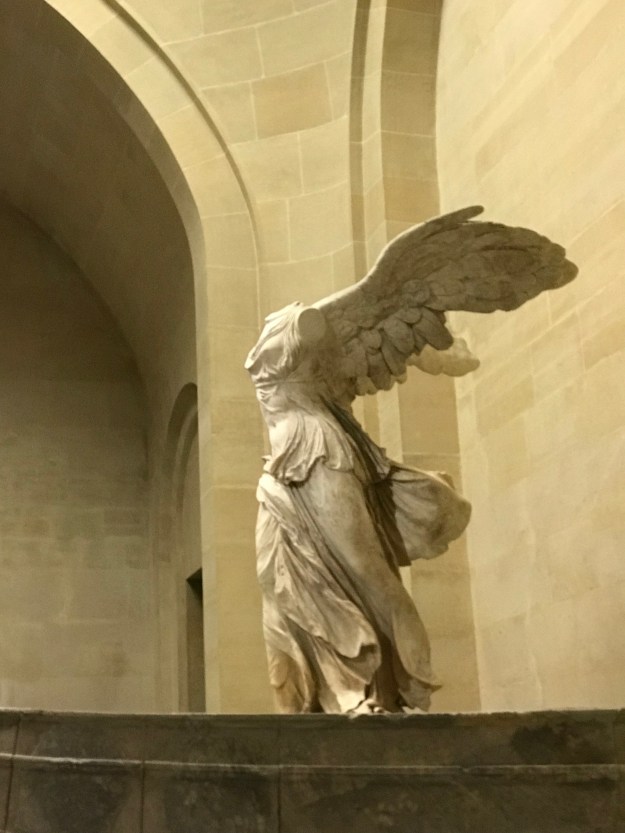
In November, even the crowd-stopping biggies have very few people standing around them, especially on the Wednesday and Friday evenings that the museum is open late. Here’s the Winged Victory of Samothrace, standing in her very own grand gallery–and without people jostling to take selfies.
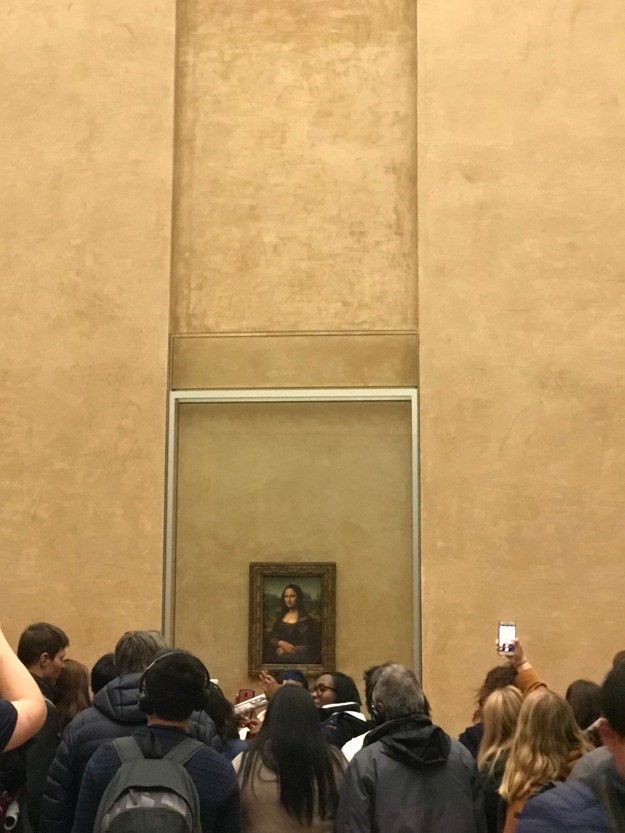
I’ve never before seen the Mona Lisa with a crowd only two or three deep in front of her. Usually the entire room is a jostling mass of humanity, and nobody is even looking at all the other fine paintings on its walls.

The Louvre now has nifty and free glass lockers for visitors to stash their stuff. In high season, I imagine these fill up. But we had our pick.
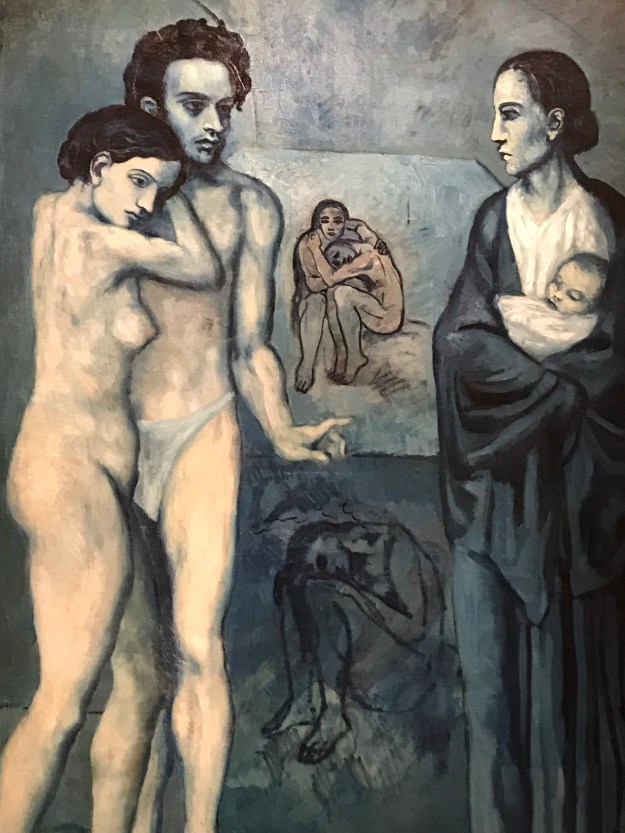
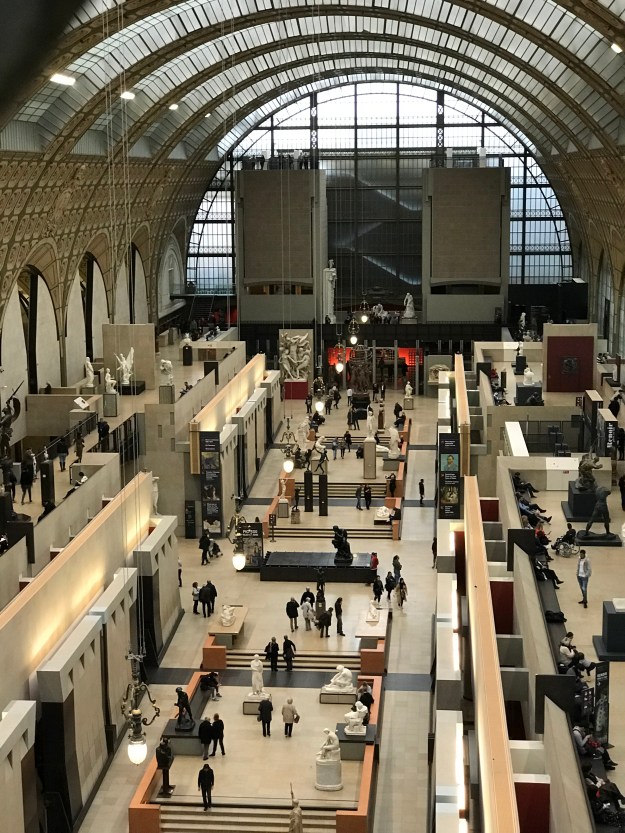
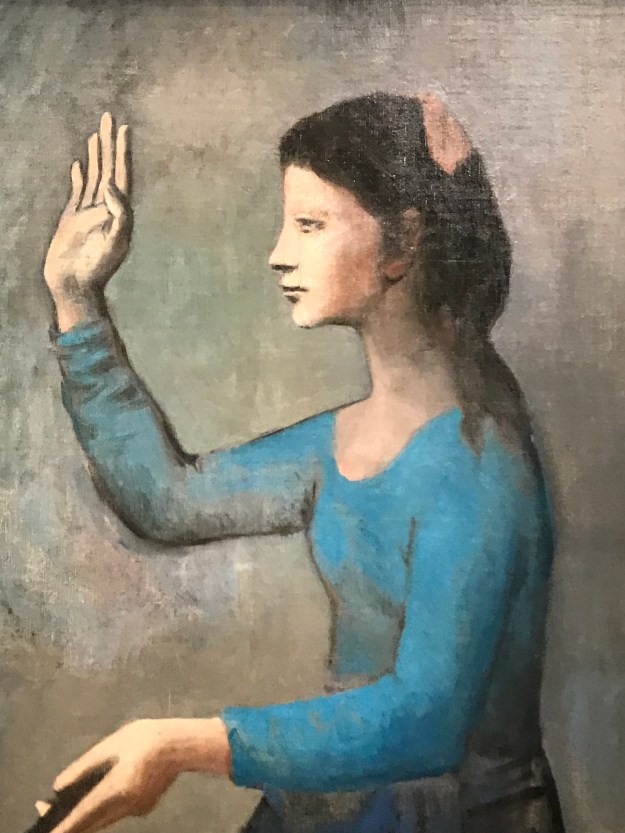
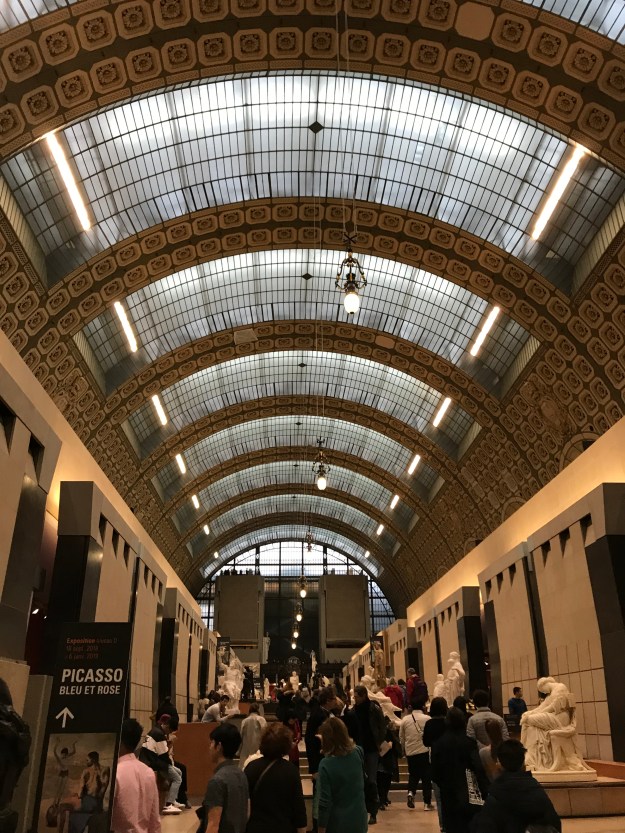
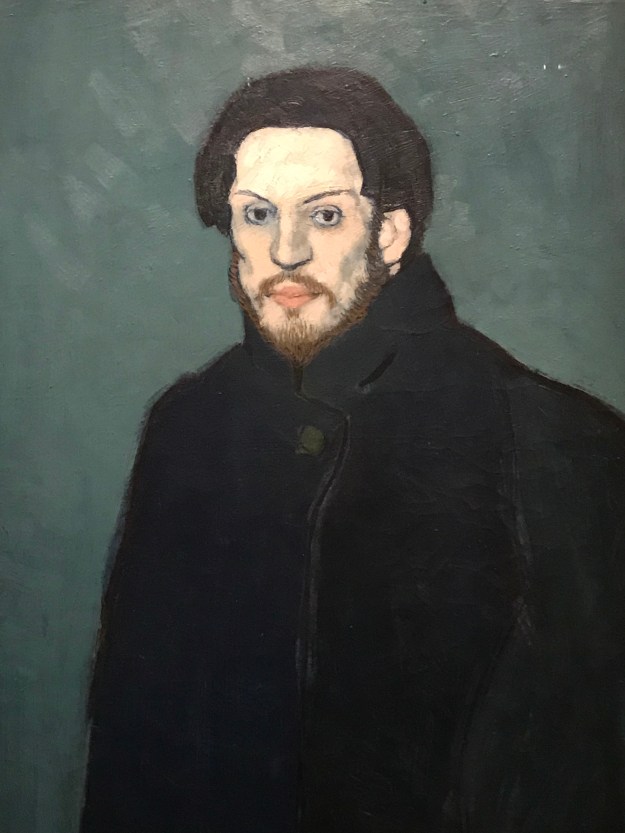
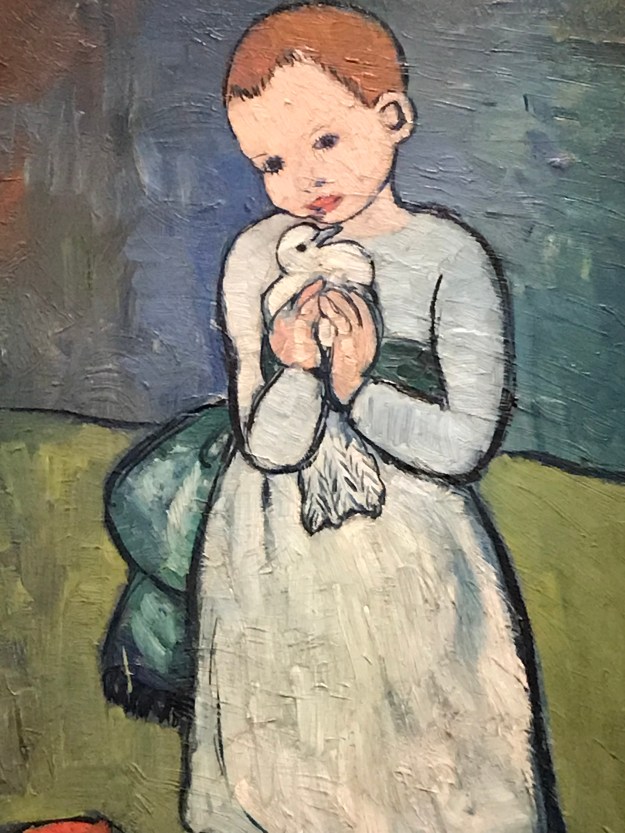
The Orsay also takes the Museum Pass. And special exhibits are always included. This trip, we had a couple of leisurely looks at Picasso’s Blue and Pink periods. I’m not the biggest fan of Picasso, but I liked this exhibit. That’s a detail from the exhibit’s centerpiece, “La Vie,” 1900.
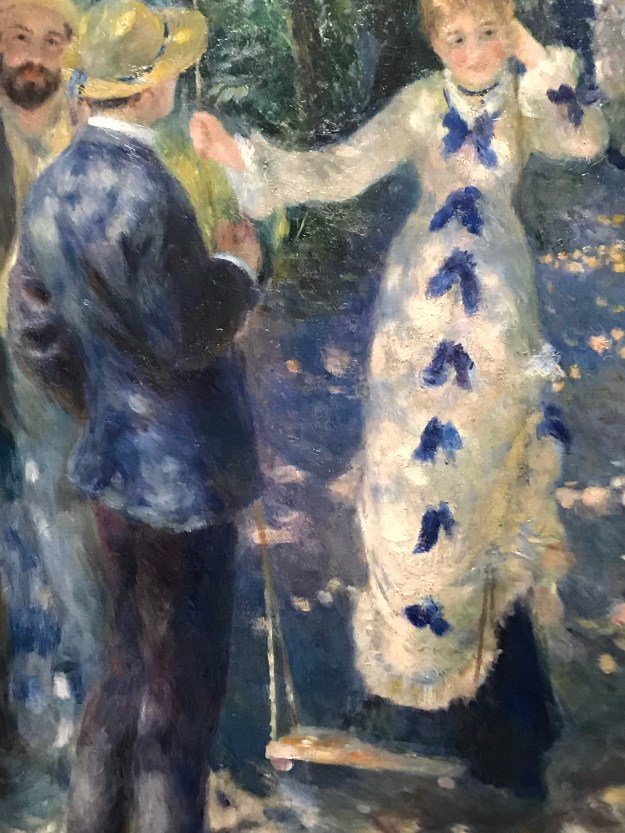
Detail from “La Balancoire,” Pierre-August Renoir, 1876
I do mostly like Renoir, although I think he was terrible at painting hands, and some of his women look like they were painted by someone way more nearsighted even than I am.
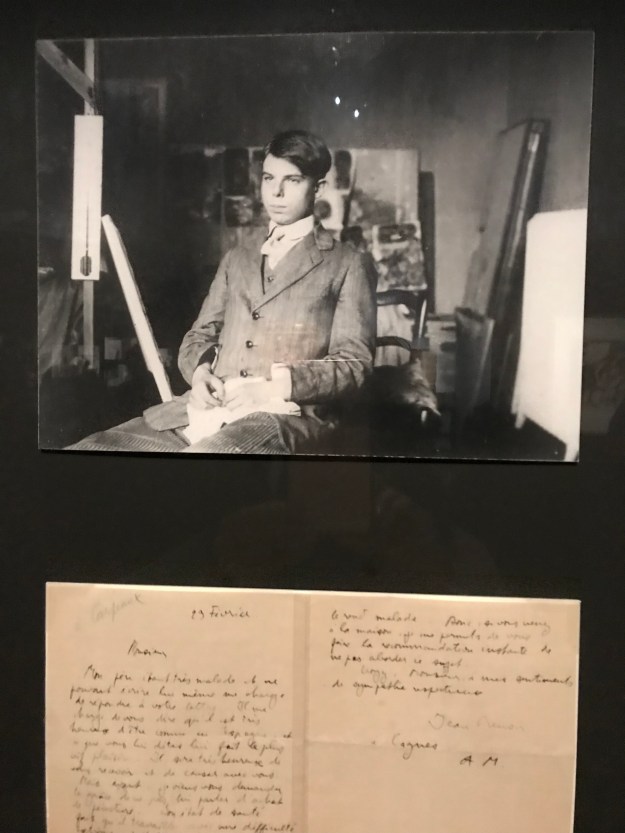 There was a nice exhibit about Renoir and Jean Renoir, his film-making son. Jean took inspiration from the joyous life his dad portrayed in his paintings. It was fun to watch old film clips next to the paintings.
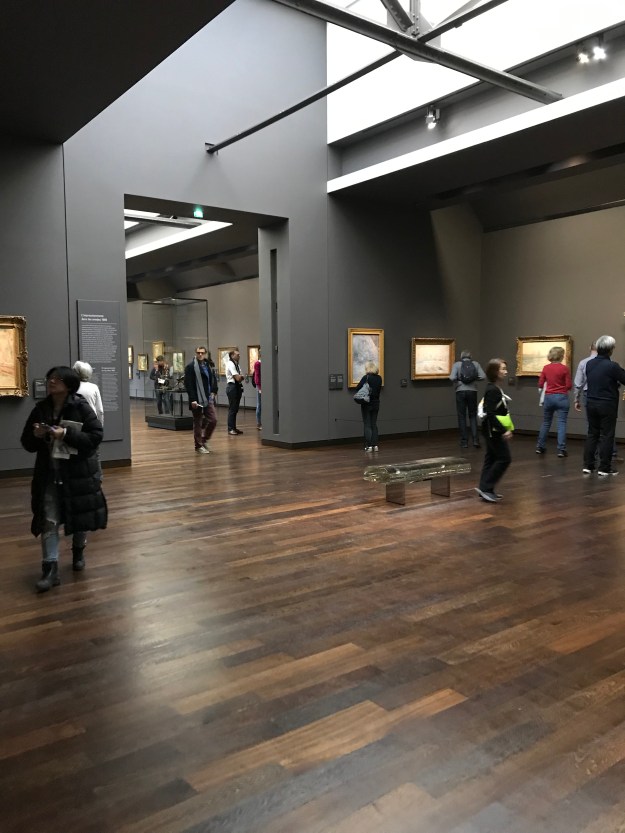
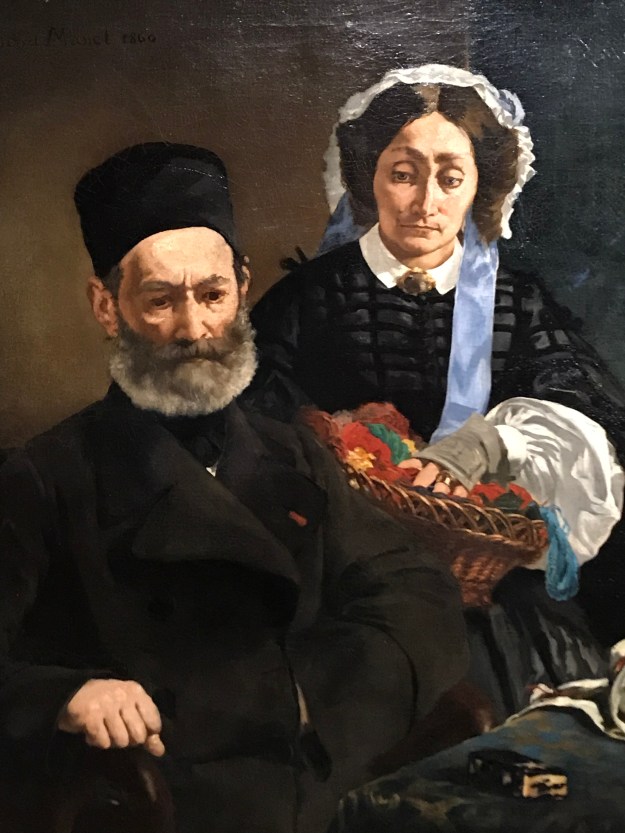
The regular galleries of the Orsay were wonderfully uncrowded, even the Impressionist rooms.
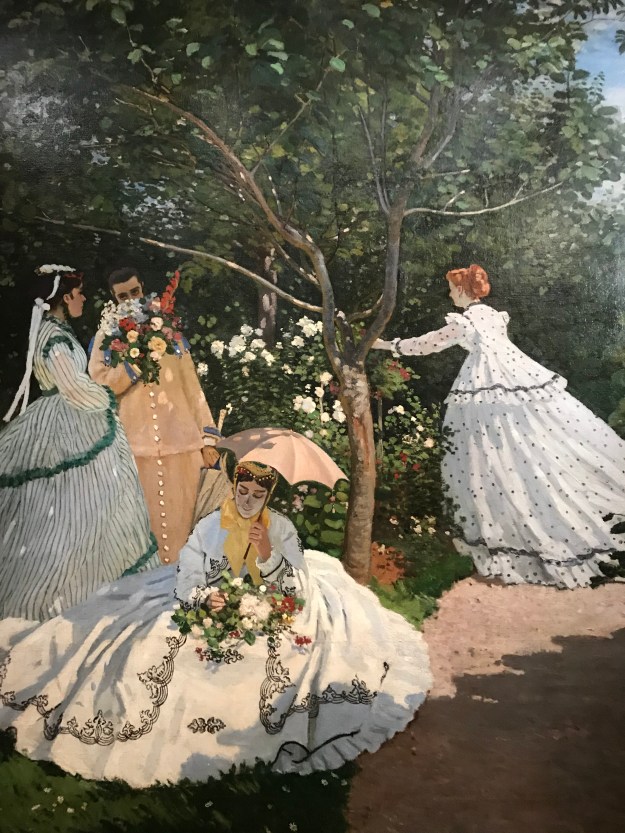
Femmes au Jardin, Claude Monet, 1866
After trudging through some of the Louvre’s rooms of correct-but-boring earlier French painting, it’s easy to see why the Impressionists were first ridiculed, then finally embraced for bringing in more light and color and joie de vivre.
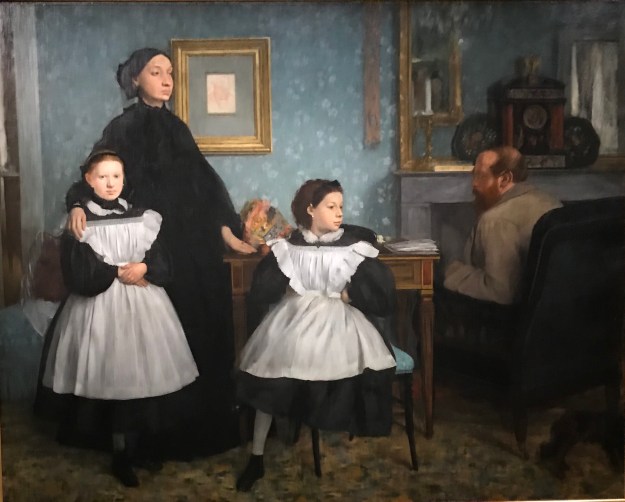
La Famille Bellilli, Edgar Degas, between 1858 and 1869
When the Orsay is uncrowded, it’s possible to stand in front of paintings and ponder things like family dysfunction, as well as masterful technique. In the family above, I’d choose the girl on the left as my friend. The other people look too standoffish, even to each other. And the dad looks pretty much absent.
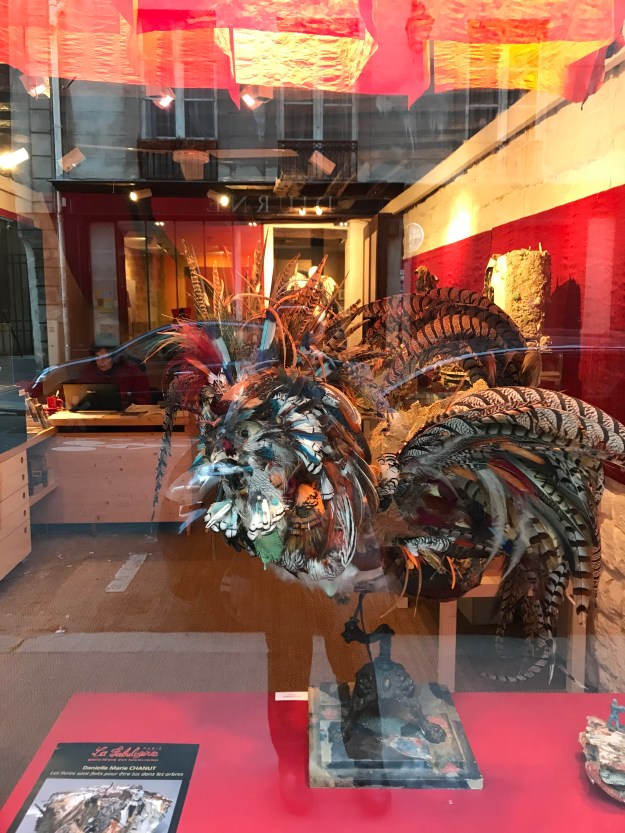
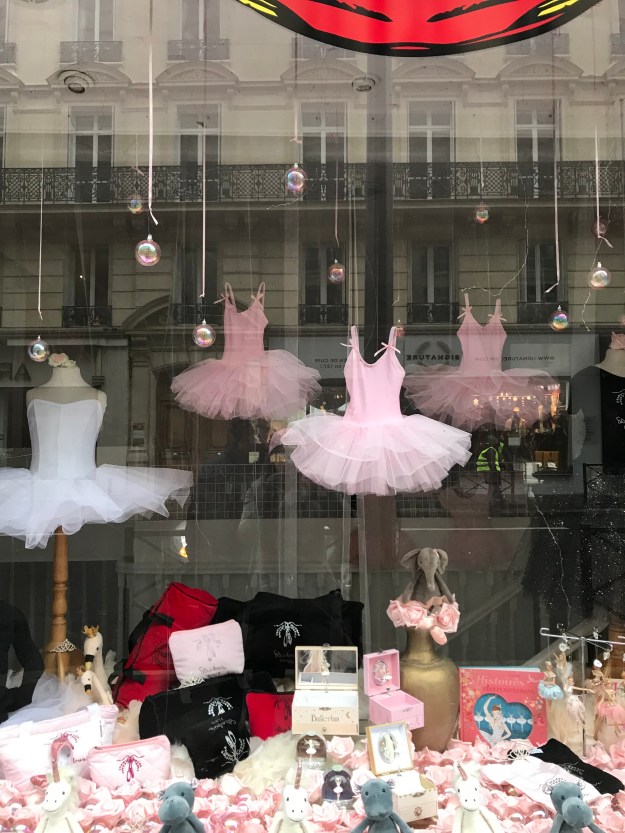
Time to escape museums and wander the streets of the Left Bank. Shop windows are as artful as anything. Yes, I’ll have that bird.
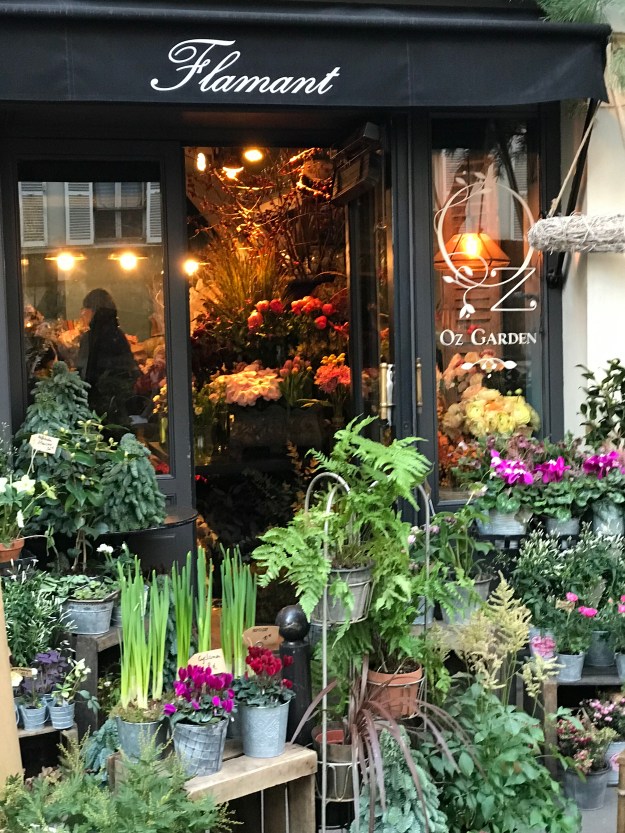
Florist shops are enchanting, and they spill out onto the street even in November. It’s not that cold, with highs of 45-50 in the daytime. Of course it helps to have a sunny day–which I’ll admit might be rare.
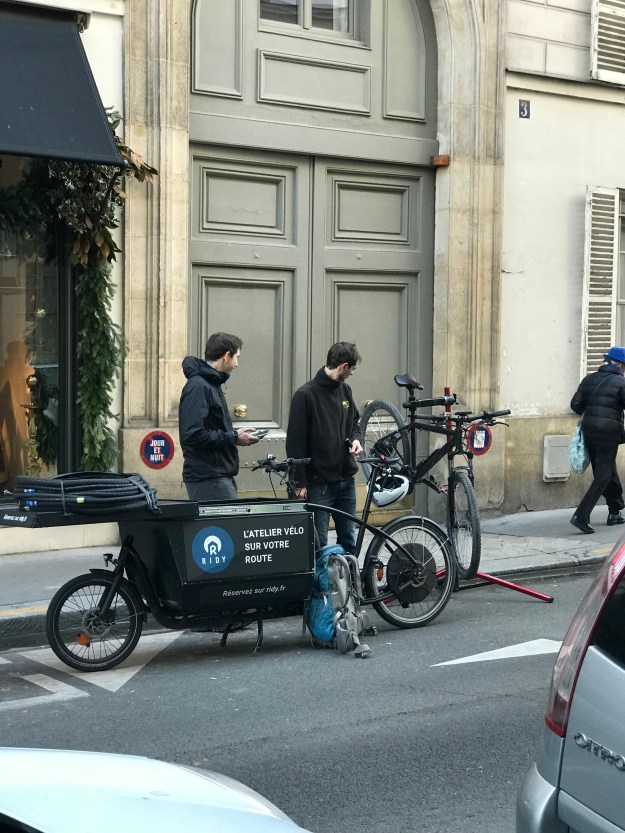
Help! My bike broke down. No worries, there’s a mobile bike repair shop to call: L’Atelier Velo Sur Votre Route.
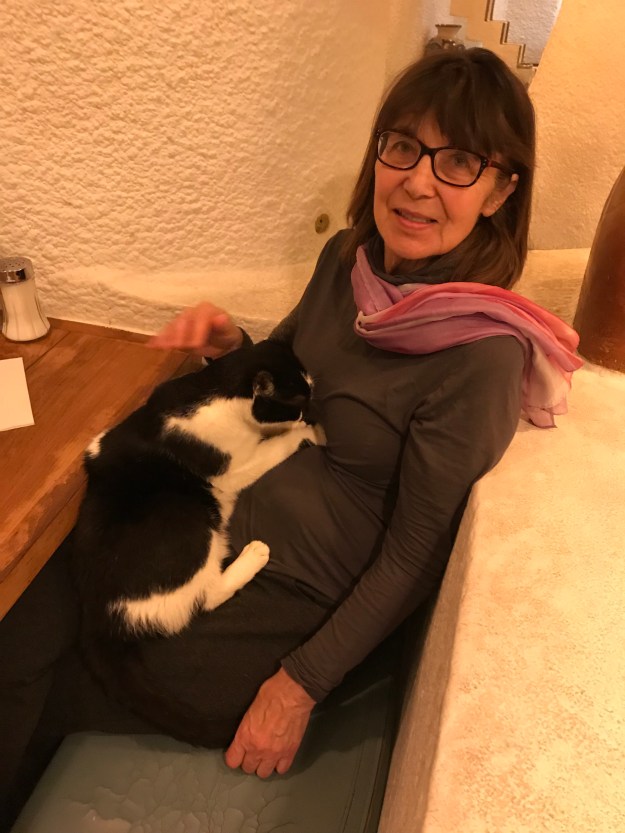
At almost any time of the day or night, I’m up for crepes. I especially like Creperie des Arts in the Latin Quarter. All right, I’ll admit the resident cat is a big part of the attraction. He knows me now.
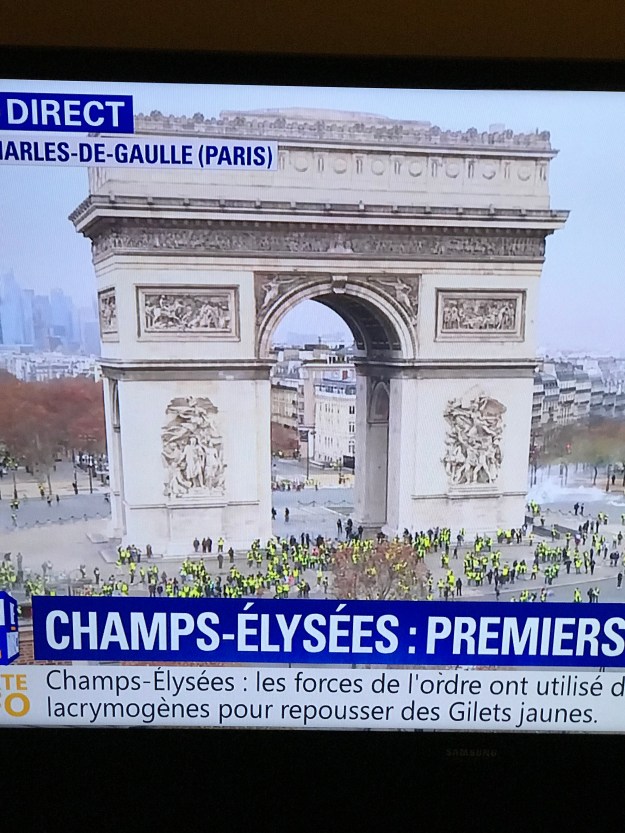
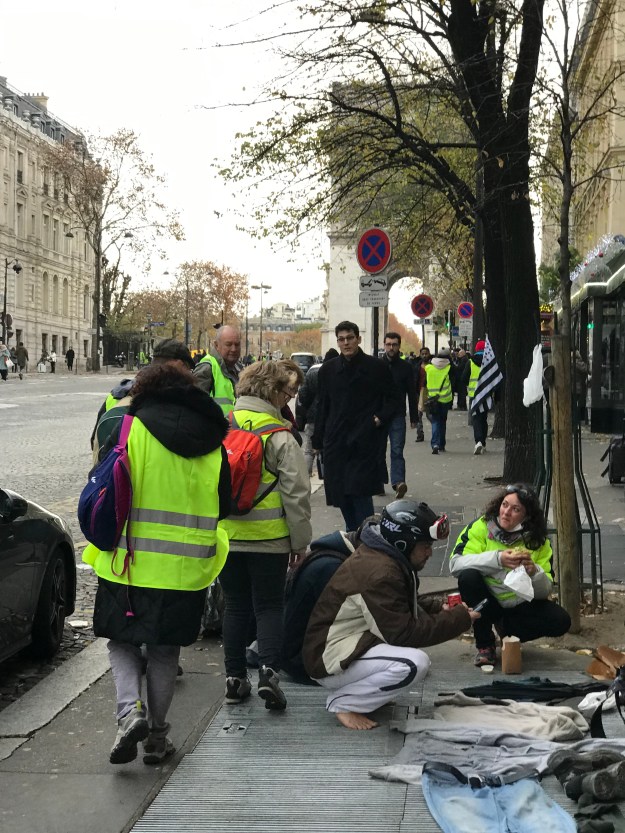
So this is November 2018 in Paris, sadly marred by violent Saturday protests.
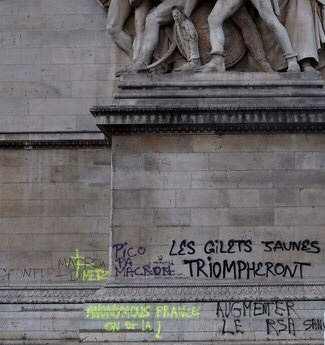
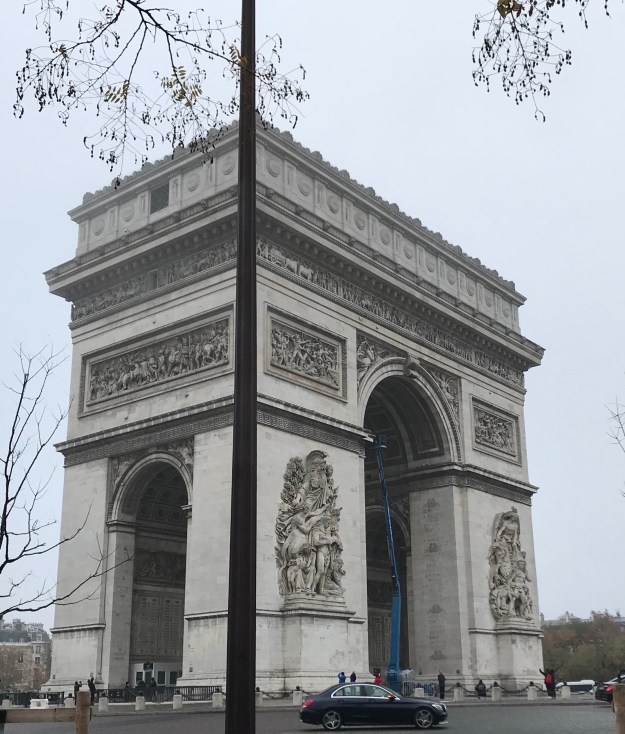
By the time I left, Napoleon’s Arc de Triomphe was looted and smeared with rude graffiti.

But Paris has weathered worse. When the dust settles, I’m sure I’ll be back. I still expect to see a little repair scaffolding at Notre Dame. After all, the building has stood through eight centuries of ups and downs in Paris.
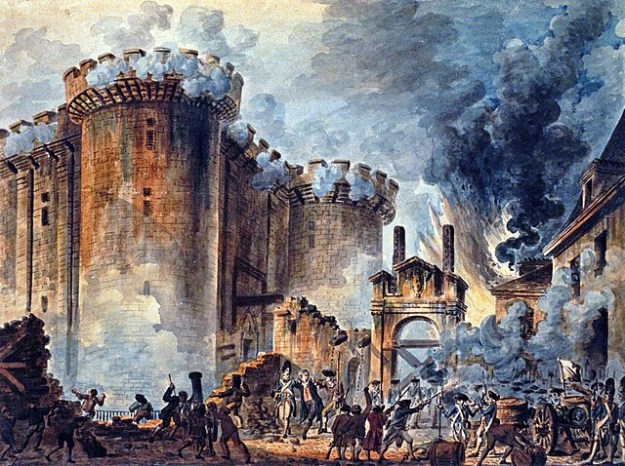
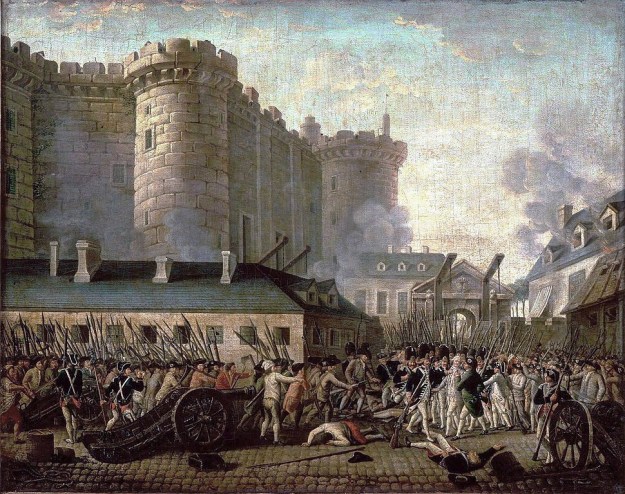
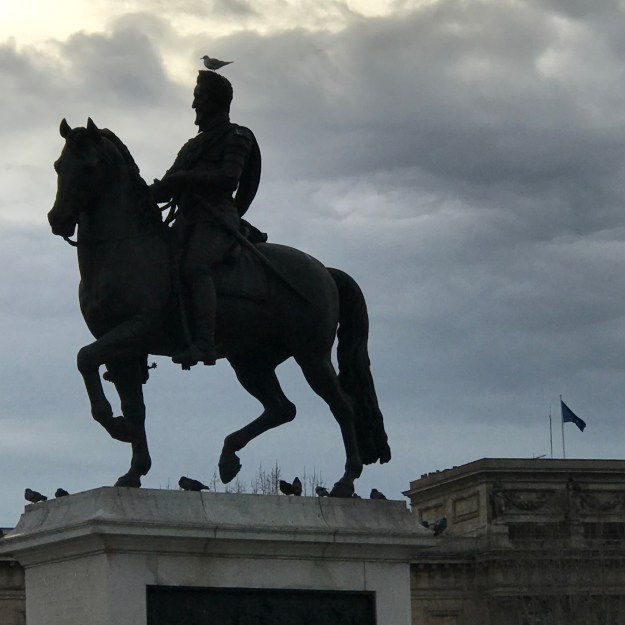 I just returned from a week and a half in Paris, and I have to say that Charles Dickens had it right in his opening to “A Tale of Two Cities.” He wrote, “It was the best of times, it was the worst of times, it was the age of wisdom, it was the age of foolishness…it was the season of Light, it was the season of Darkness, it was the spring of hope, it was the winter of despair…” Dickens was writing about the time of the French Revolution. The parallels to our own time are hard to ignore.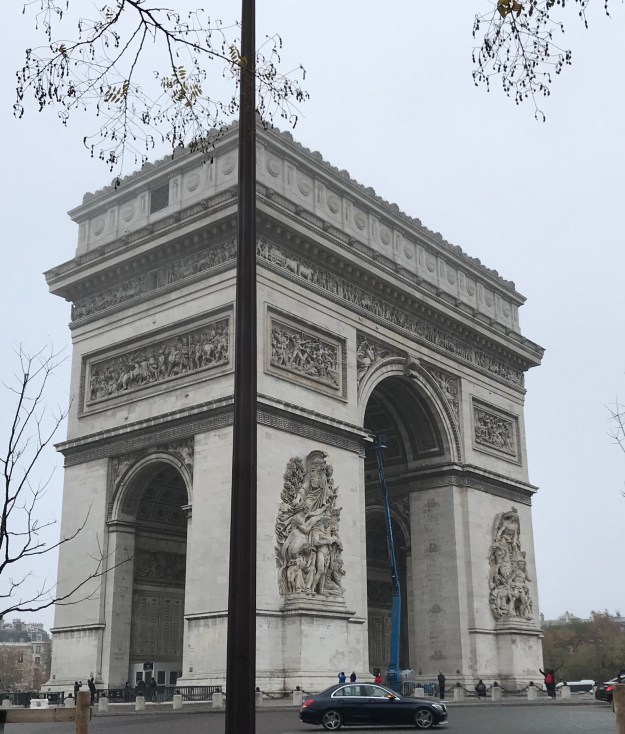
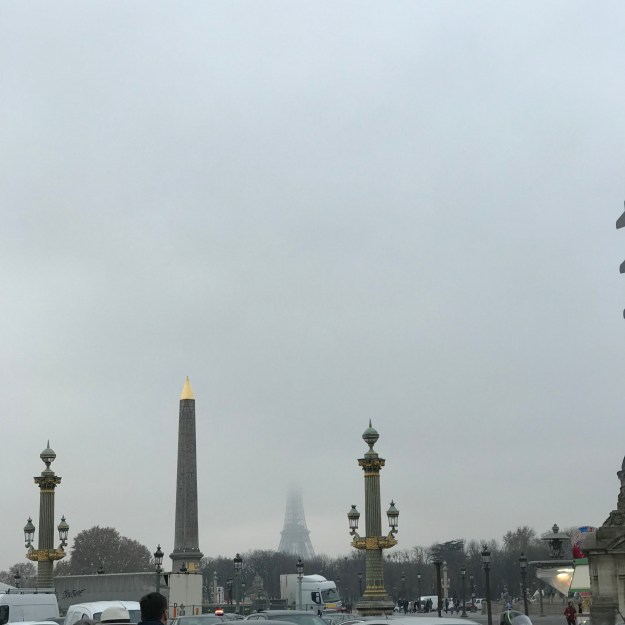
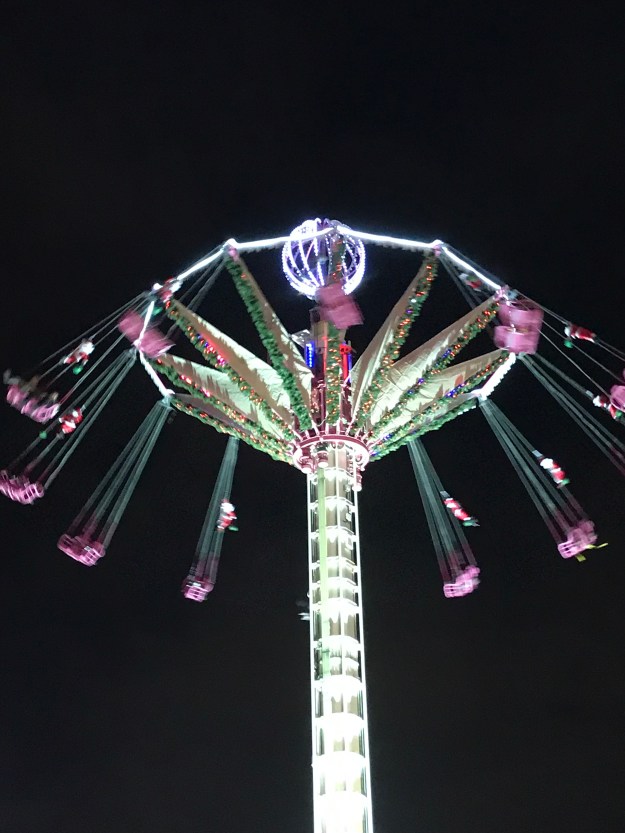
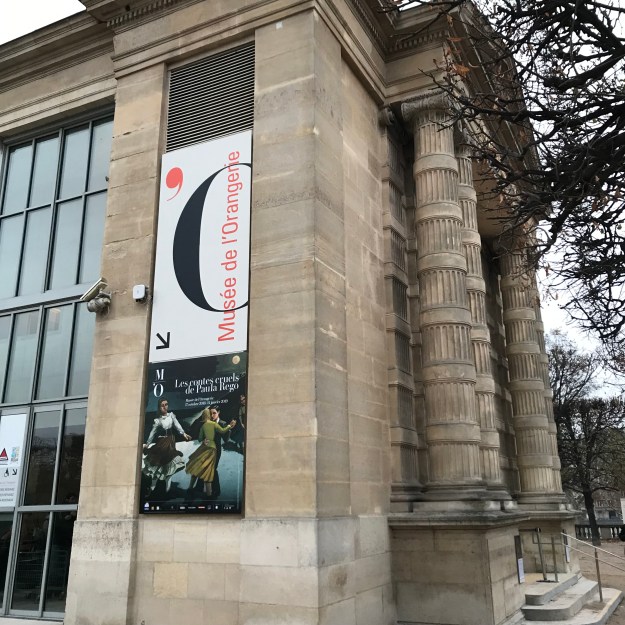 Our first day, a Friday, was foggy. We went to the Concorde and had a look at the art in the Orangerie.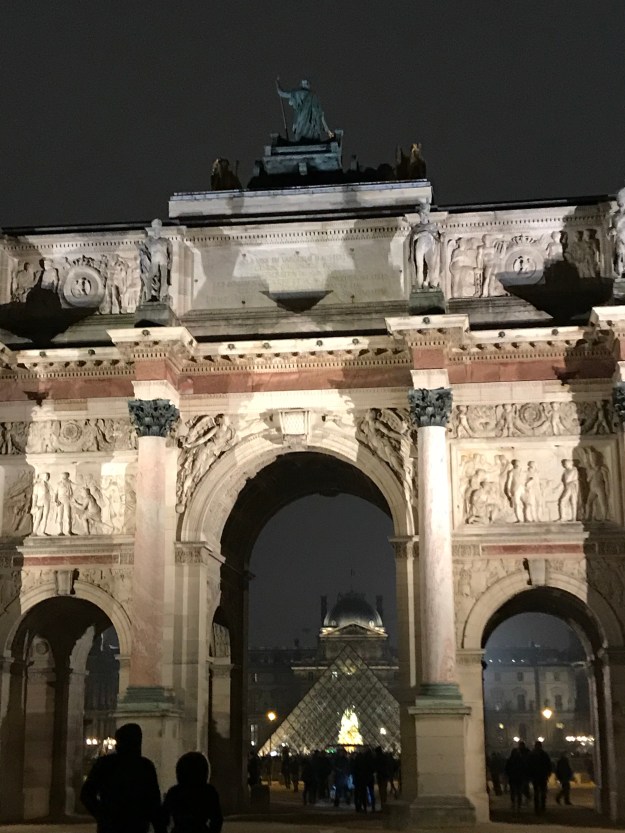



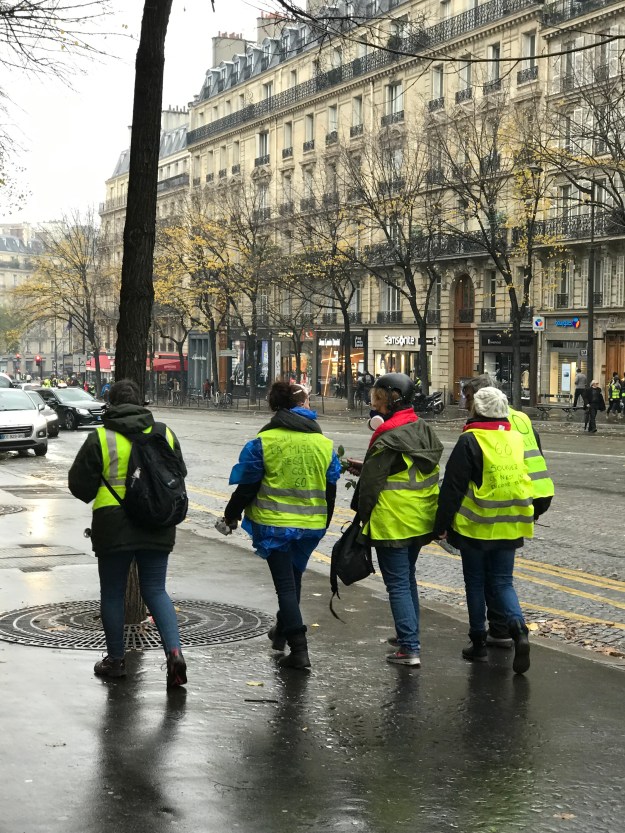
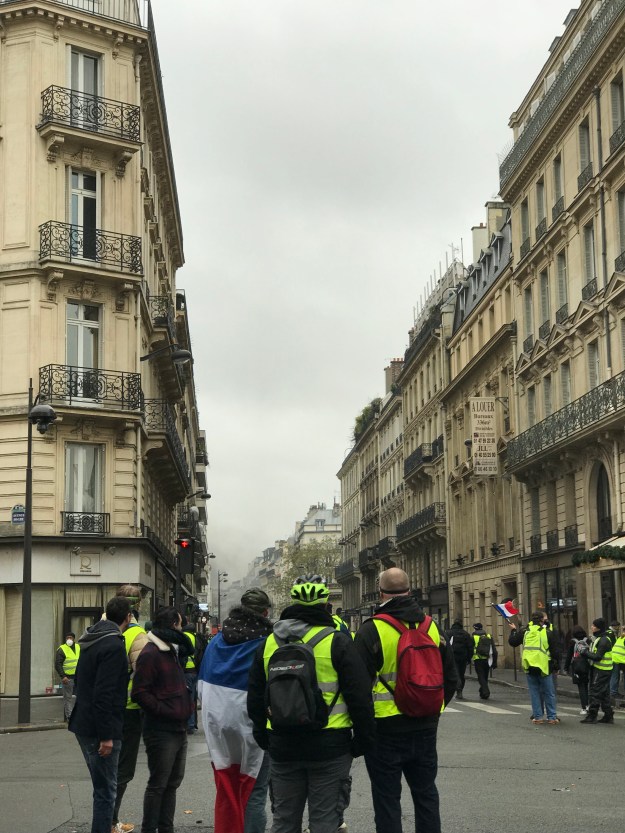


 Early in the afternoon, we bought some groceries and decided to hole up in our apartment until we left Paris in the morning. We felt safe because police had completely evacuated the Place Charles de Gaulle, the huge traffic circle that surrounds the Arc de Triomphe. Police vans by the dozen were parked on a nearby street, and we were on a smaller street, in an apartment inside a courtyard with a locked door to the quiet little rue de l’Etoile outside.


























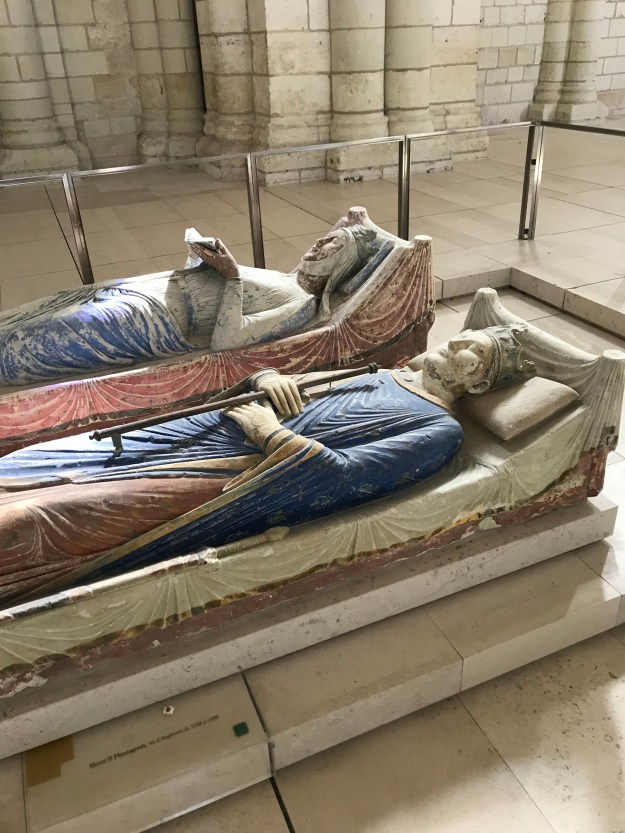
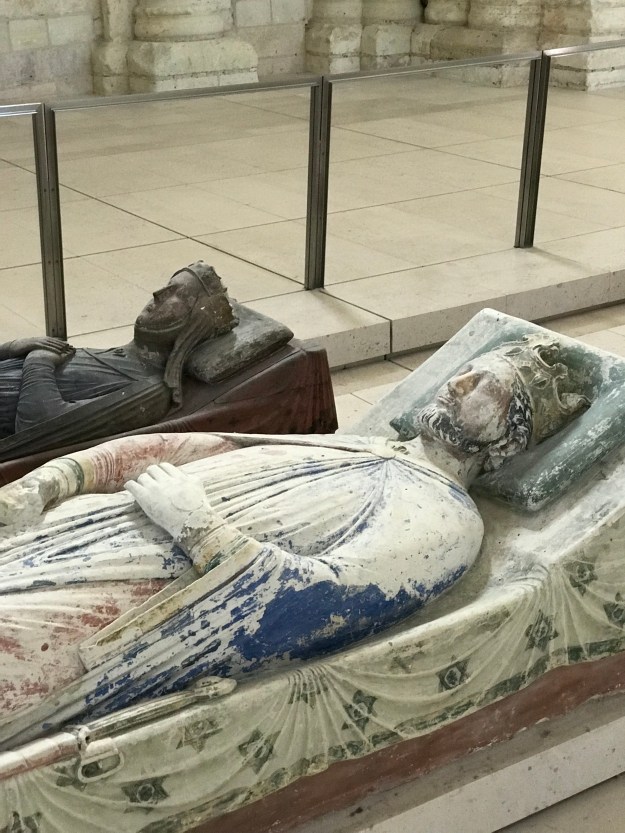
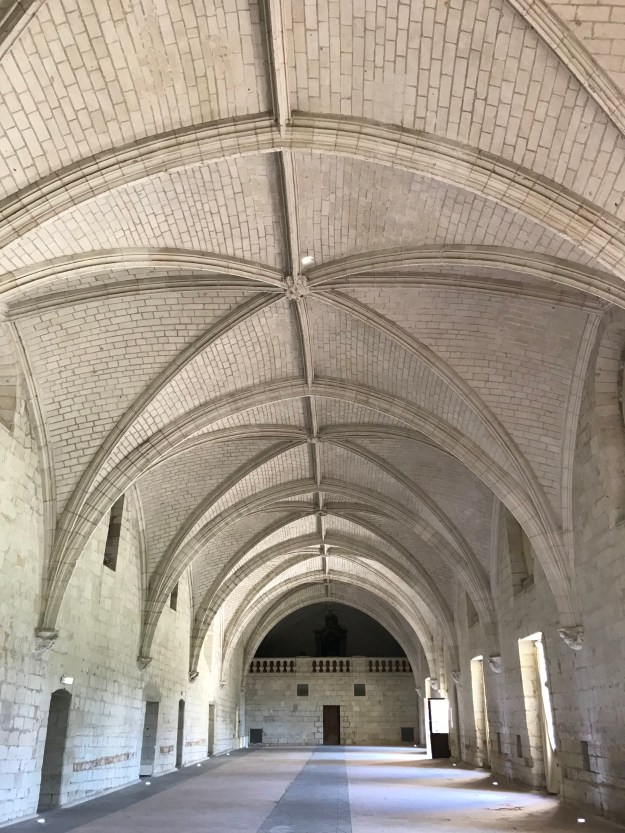
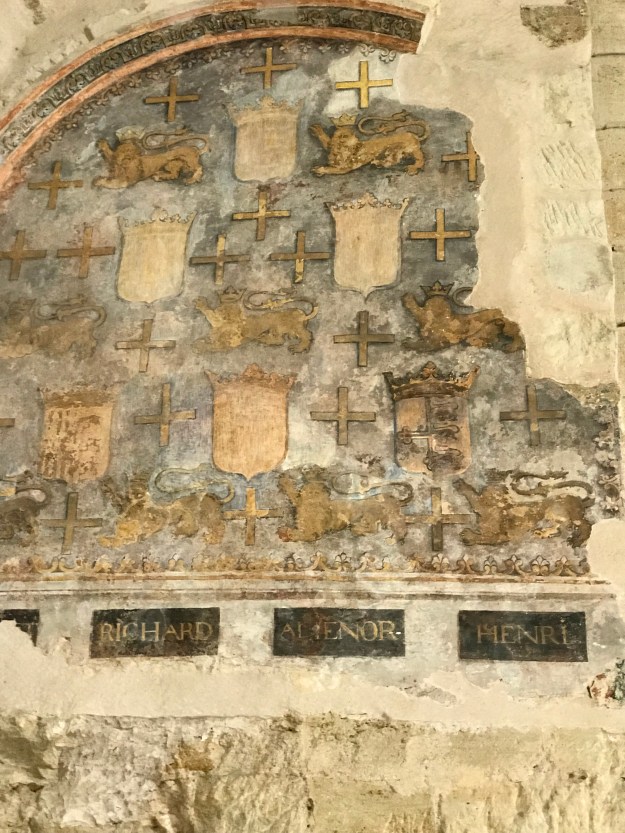
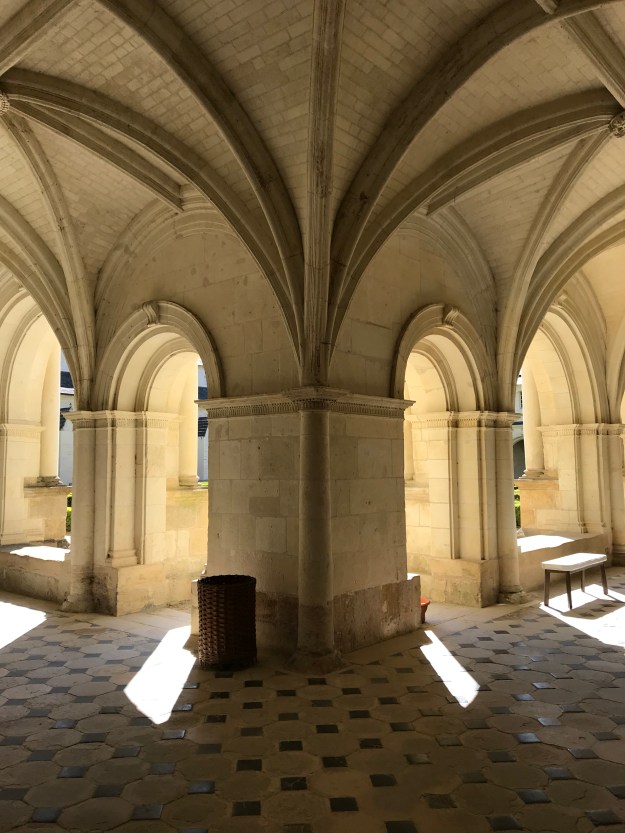
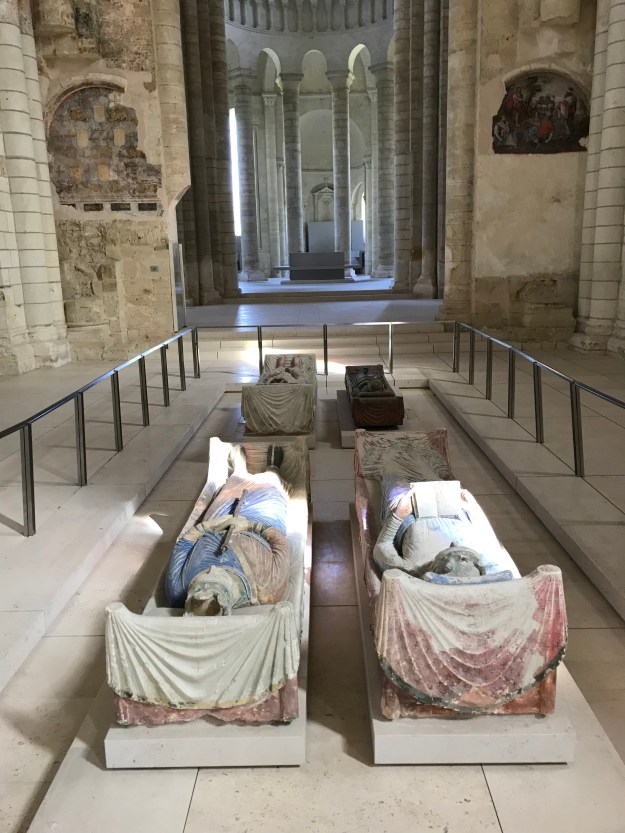
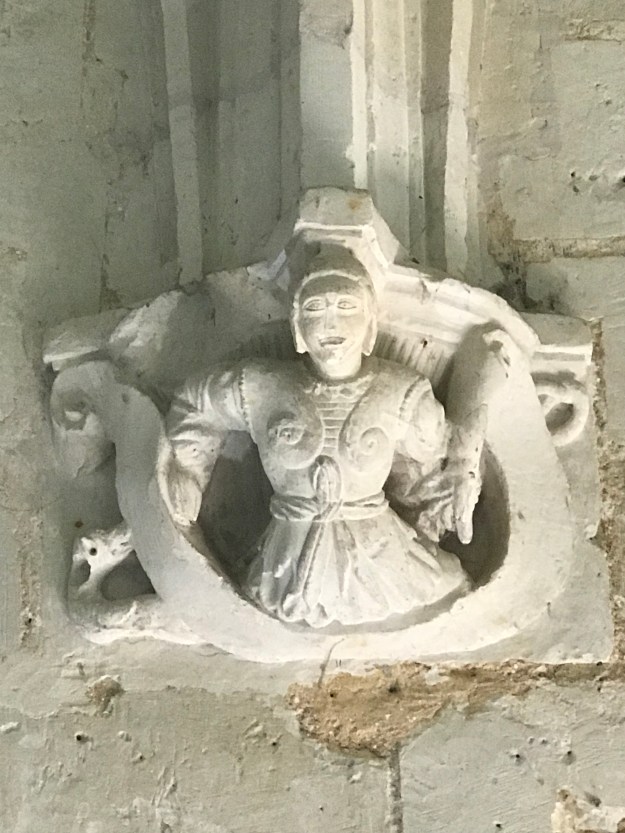 If I didn’t already believe in ghosts, I’d be positive they exist after visiting Fontevraud Abbey in France. I was looking forward to seeing it again on my last trip to France. I last saw it years ago, and expected it to be more developed for visitors now. It is, but not in a good way, at least not for me.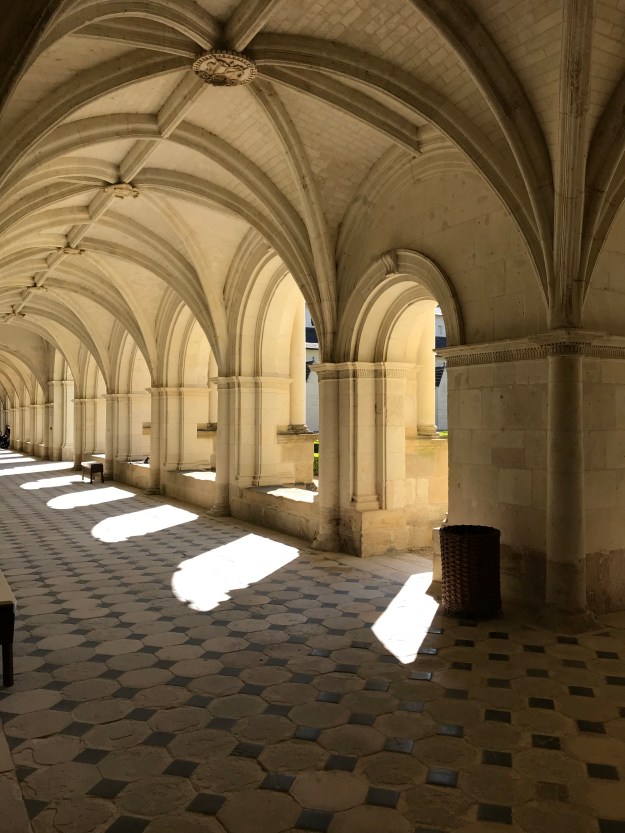
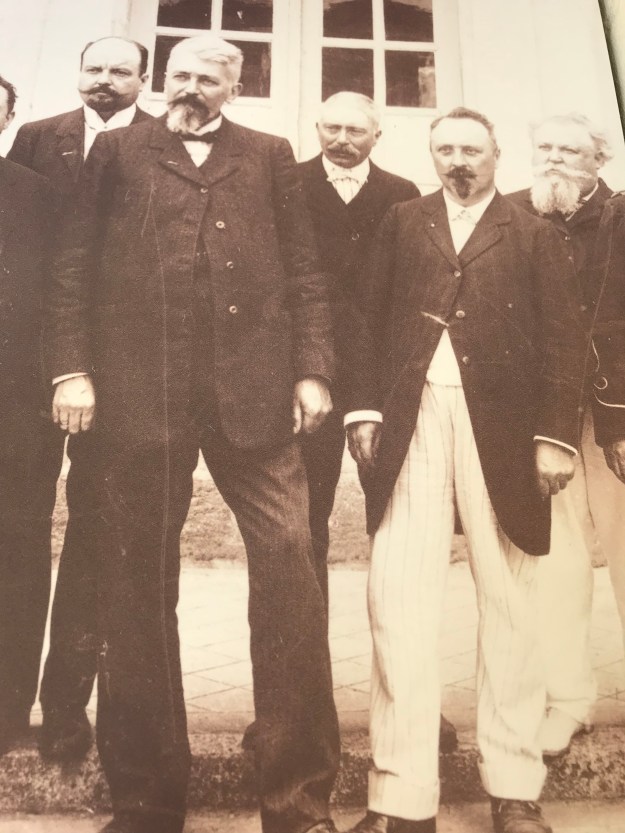
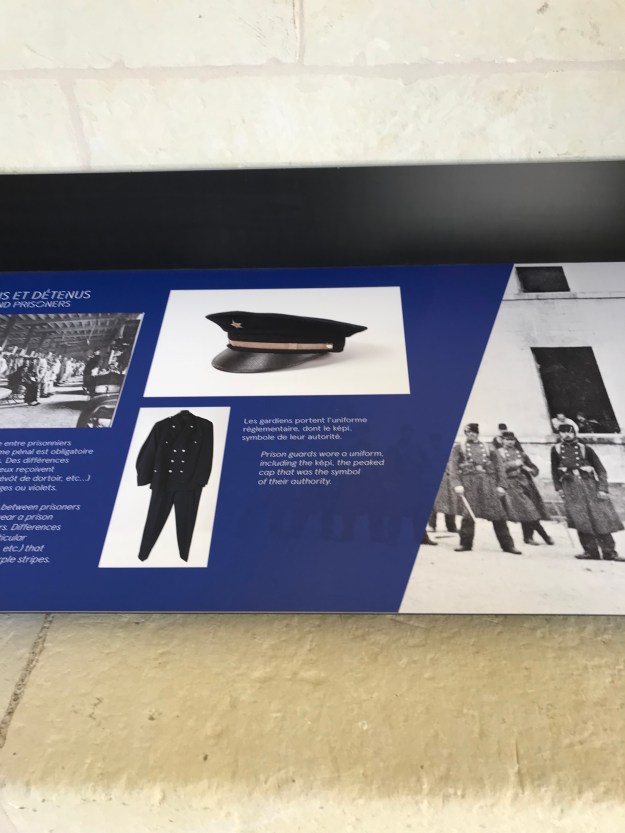
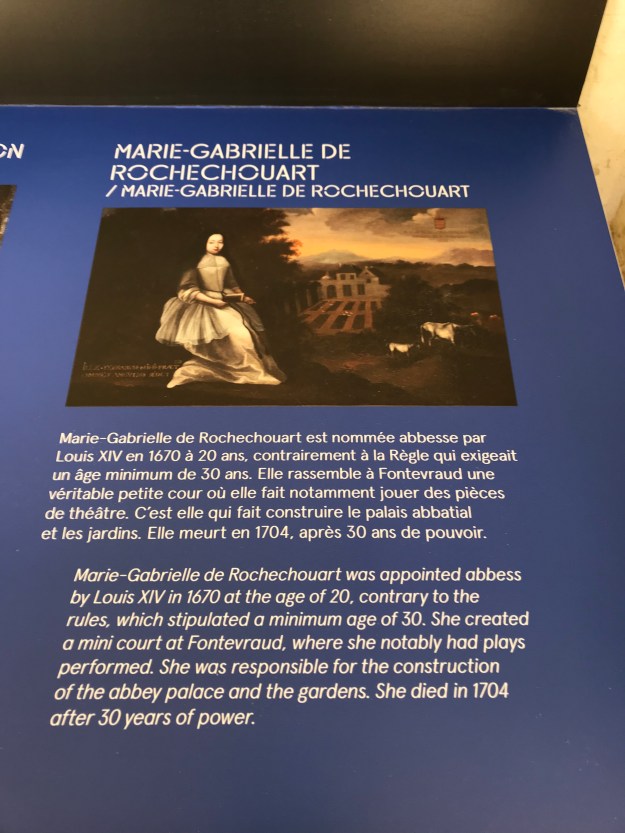 Many of them were noblewomen who either chose monastic life or retreated to the convent when they were widowed or retired from public life. Also, quite often women who were in disgrace were packed off to convents so that everybody else could feel better about them. An exhibit in the cloisters earnestly uses this fact to argue that monastic life was similar to prison life. Much is made of uniforms and hierarchies. I don’t buy the argument.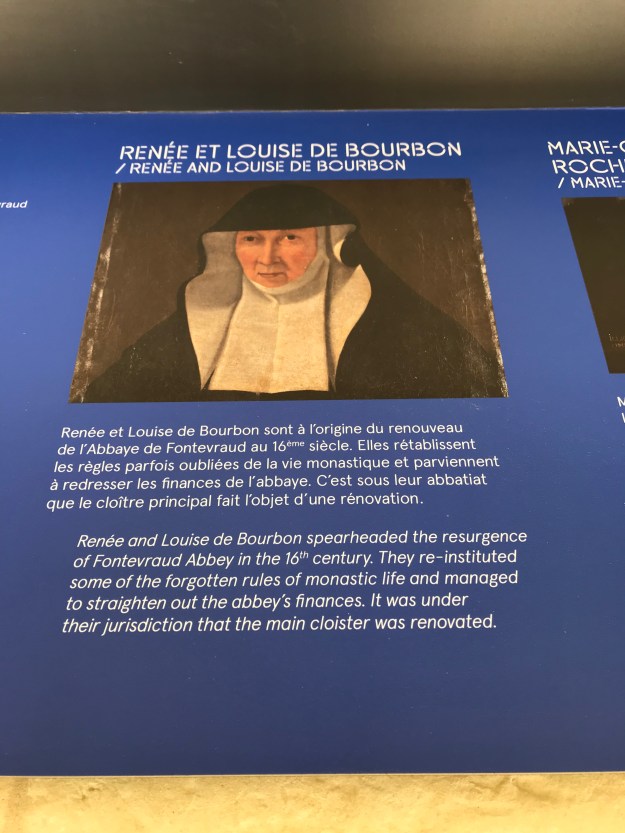
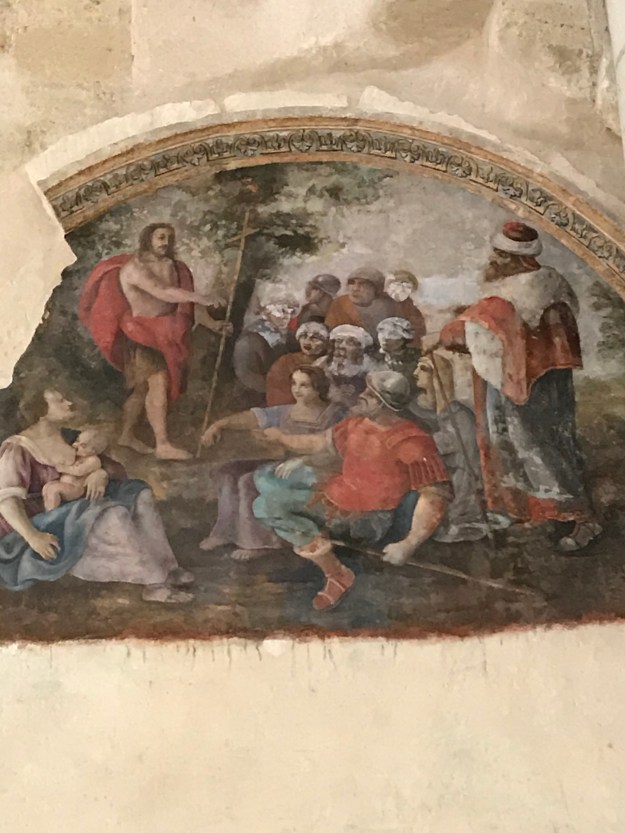
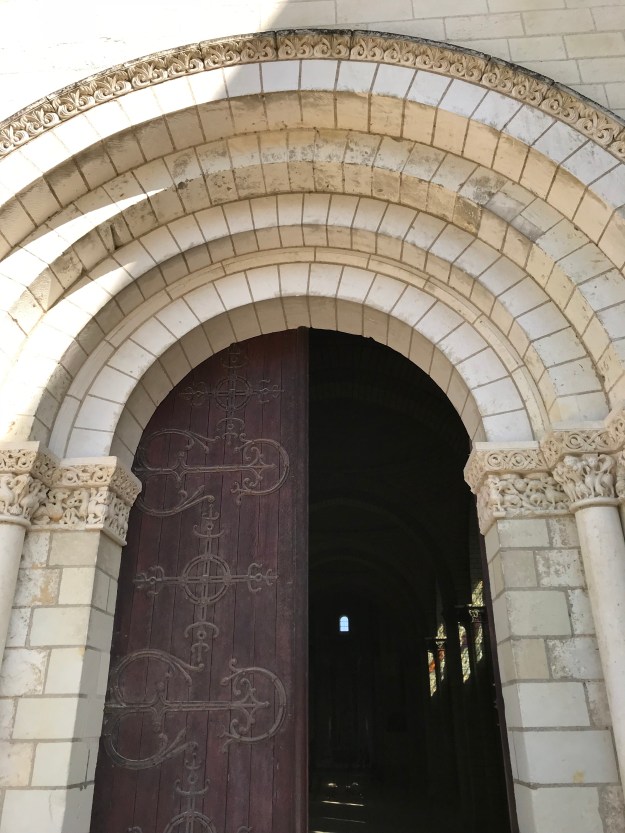
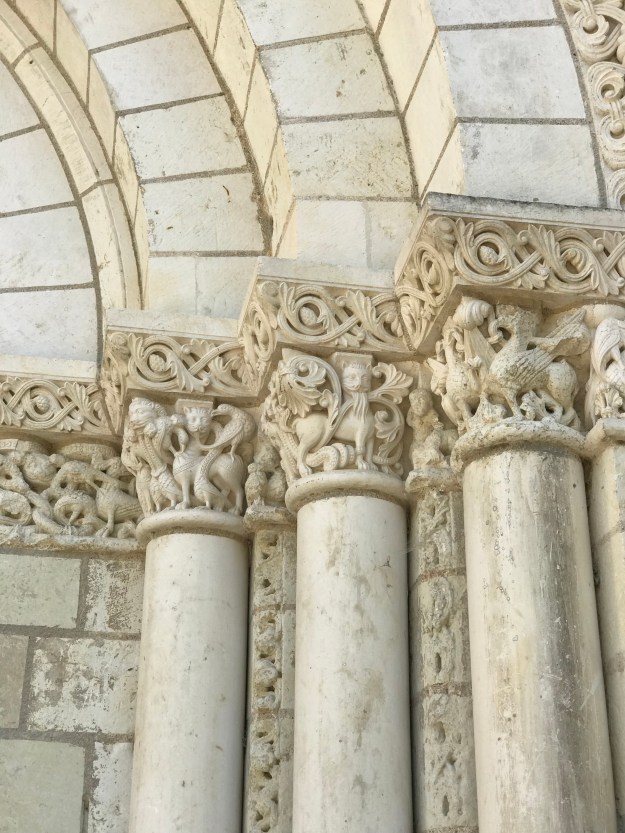
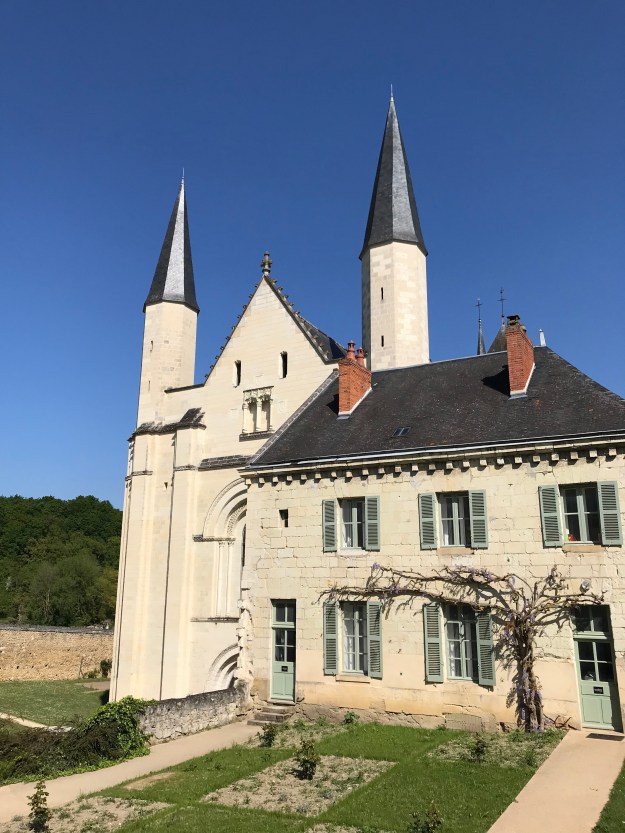
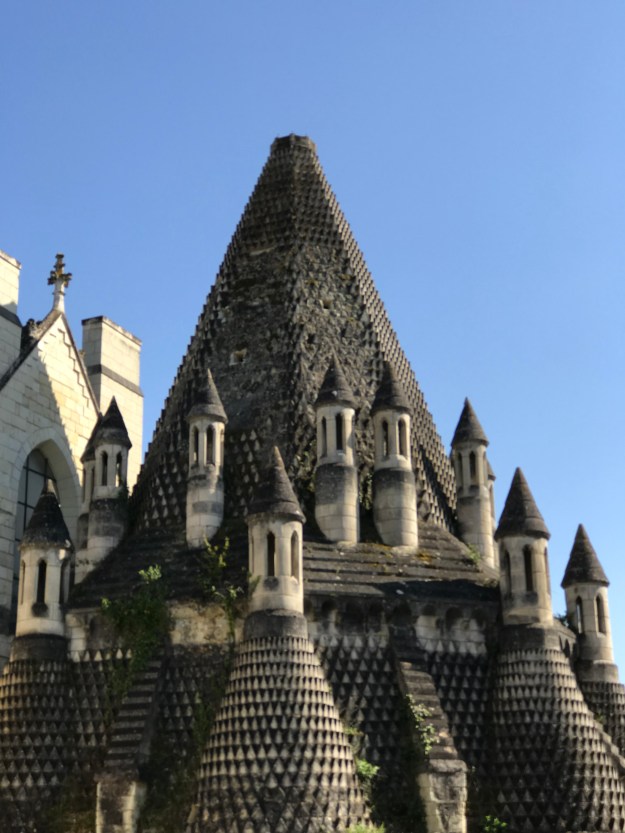




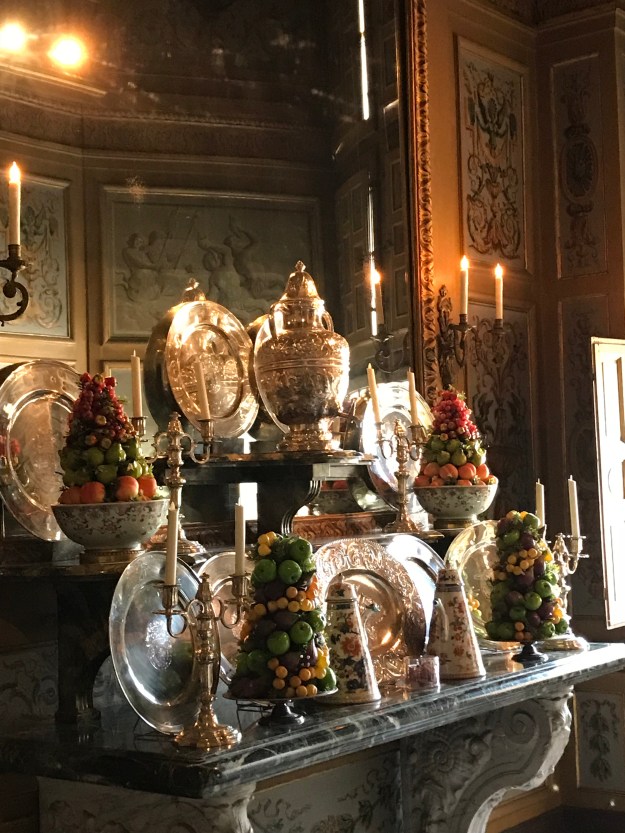







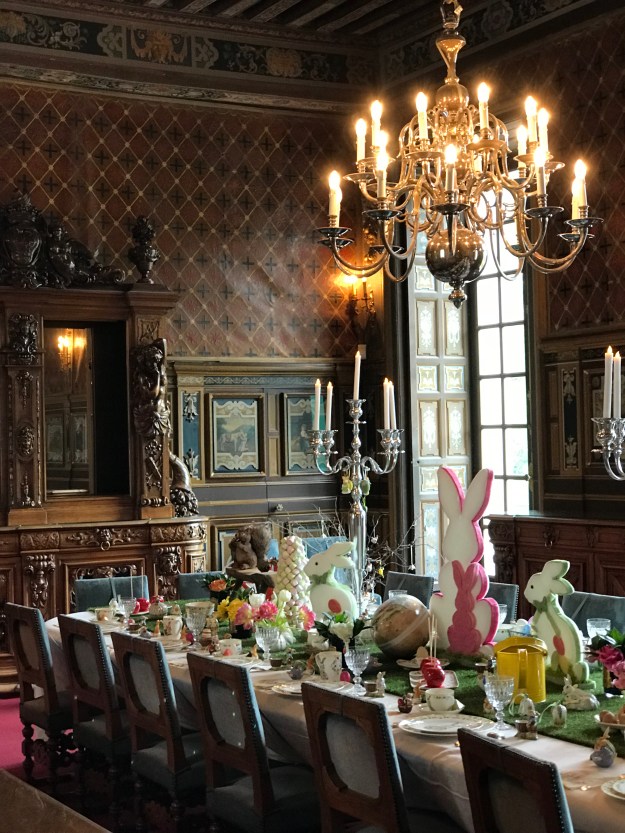


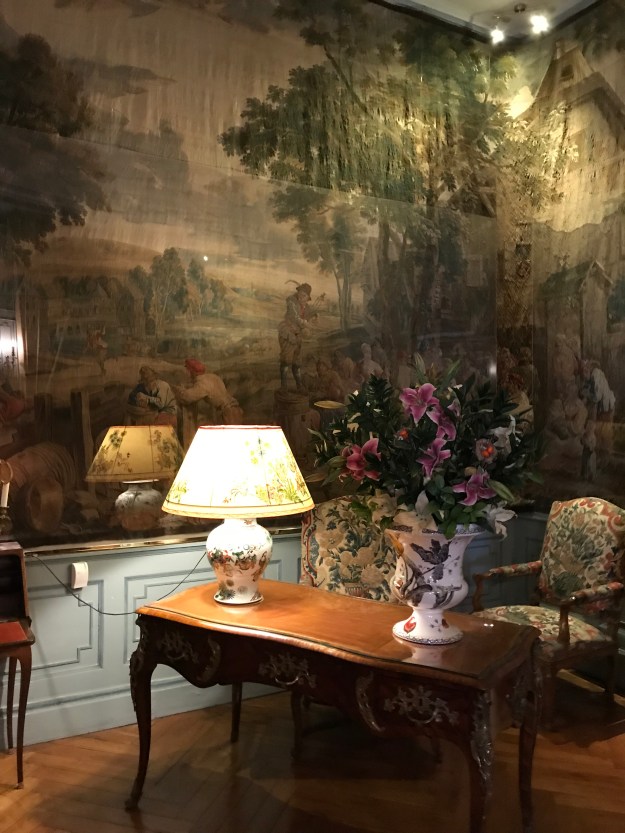

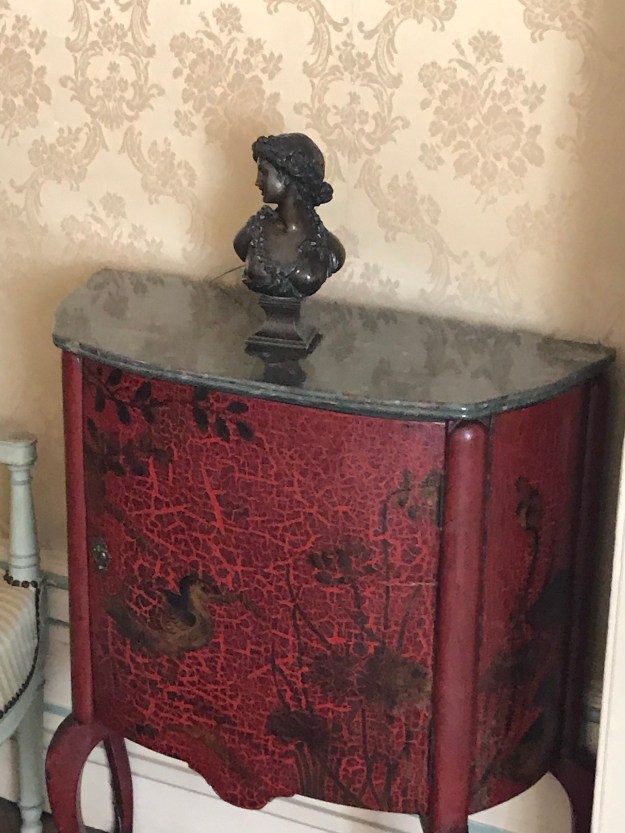
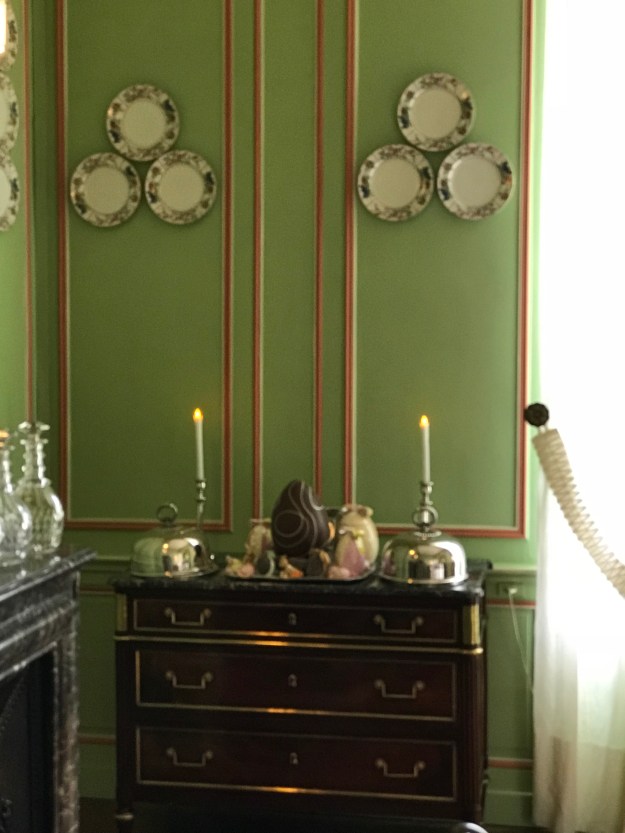
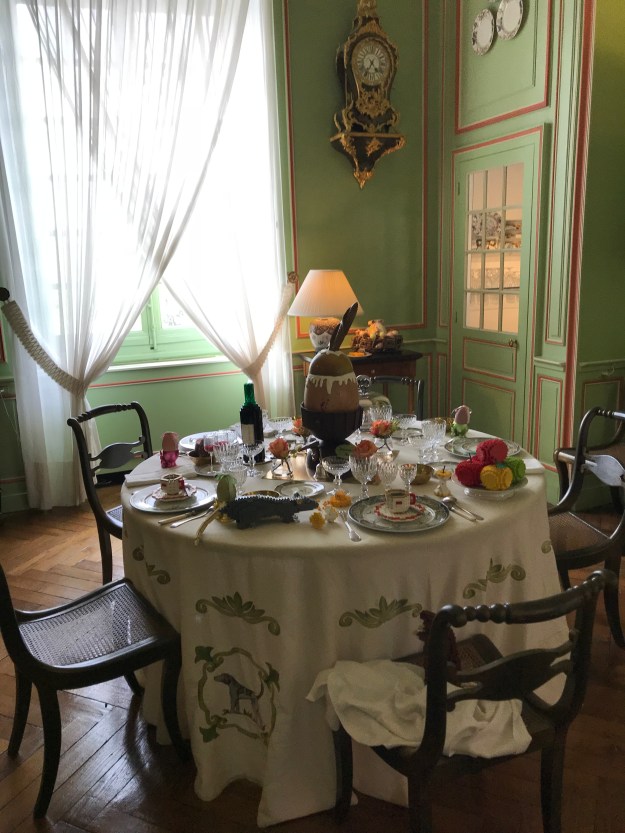







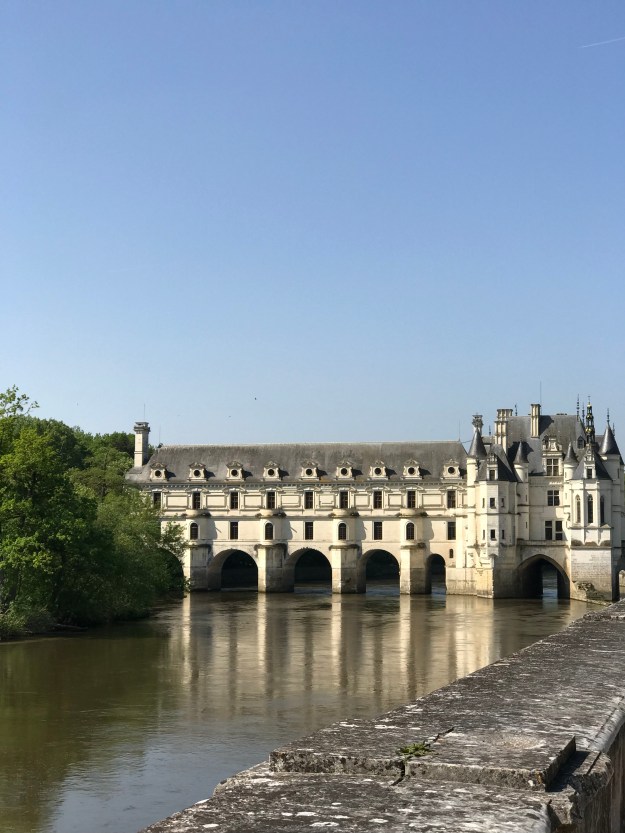
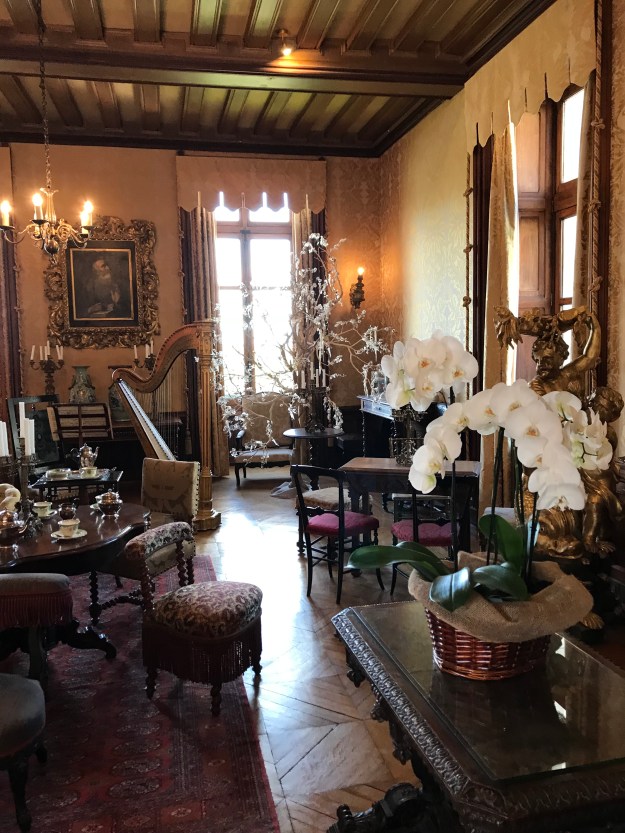
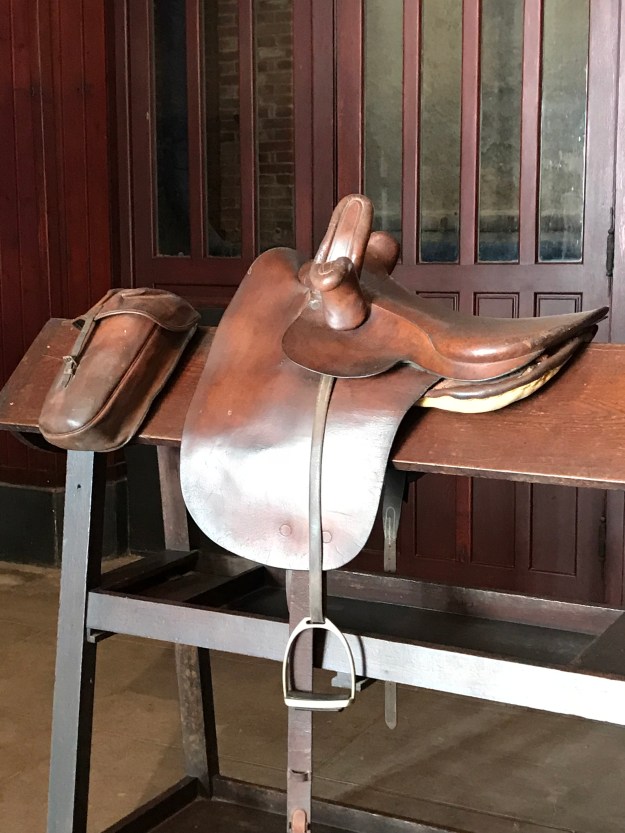
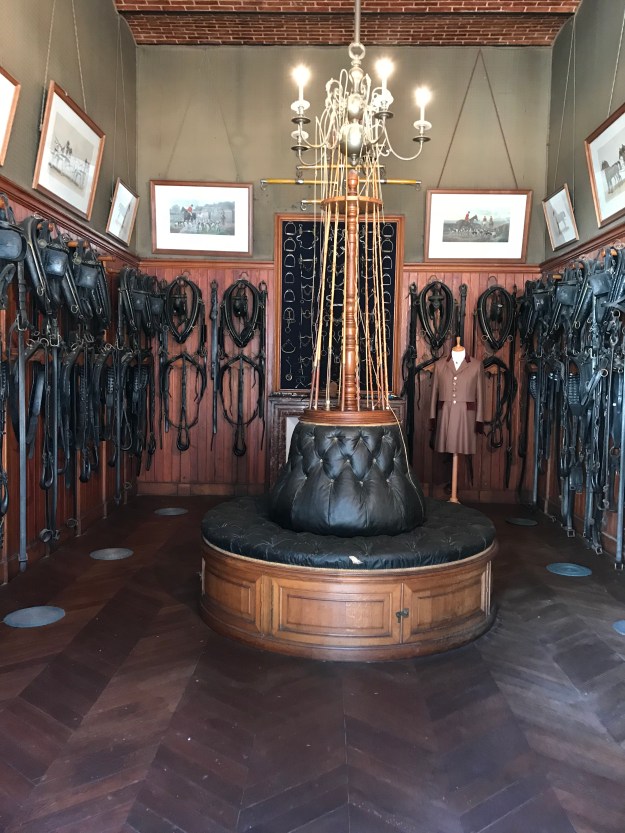
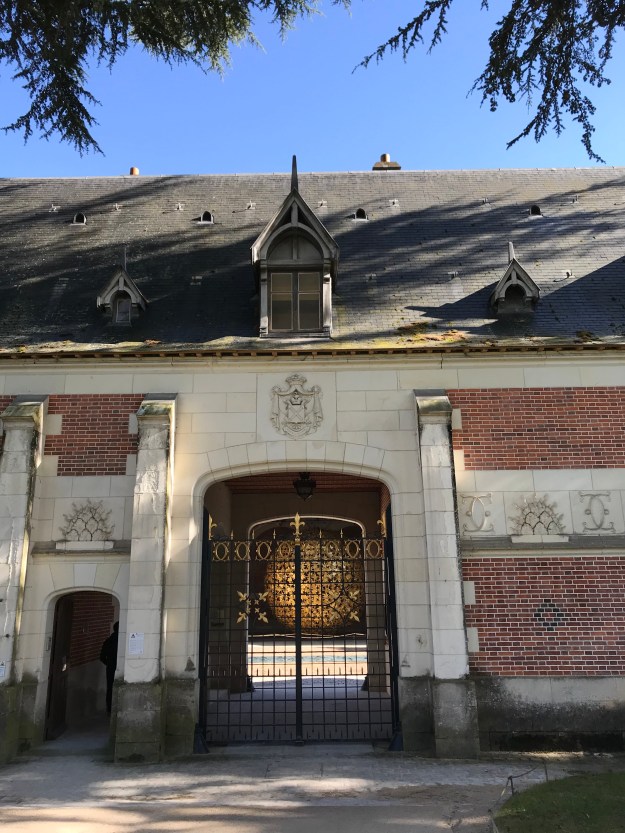
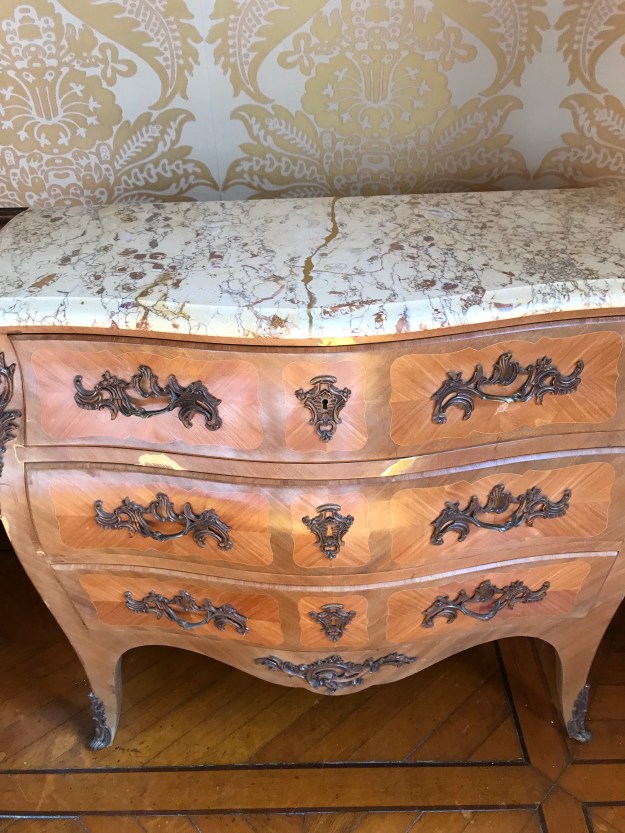
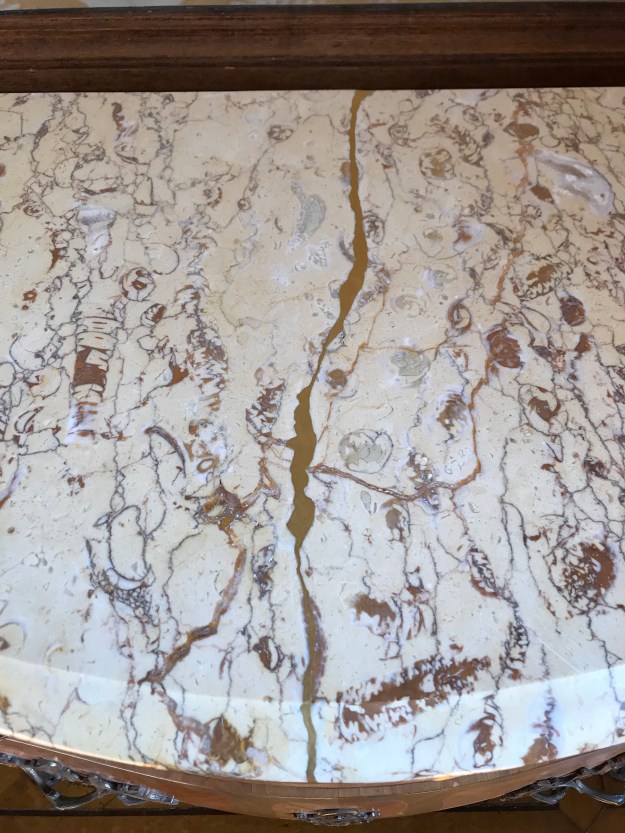
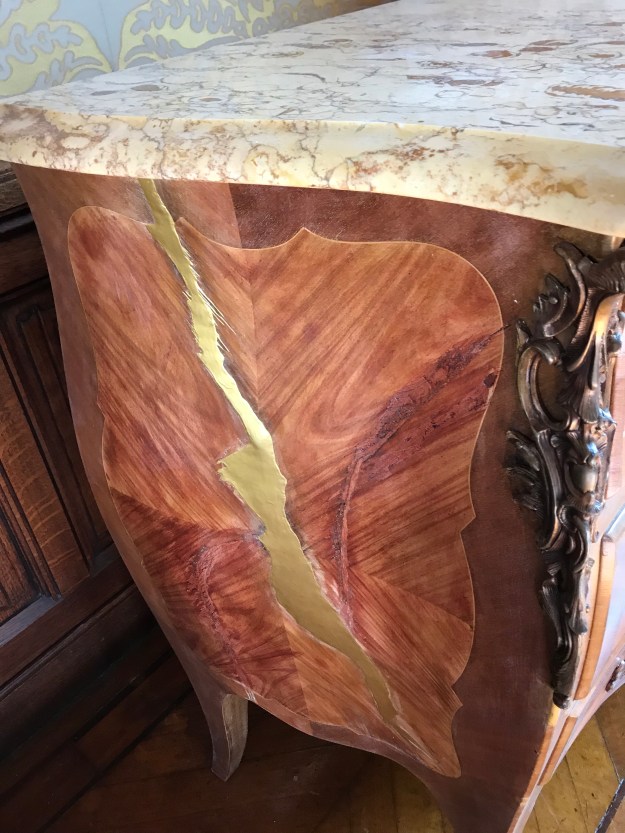
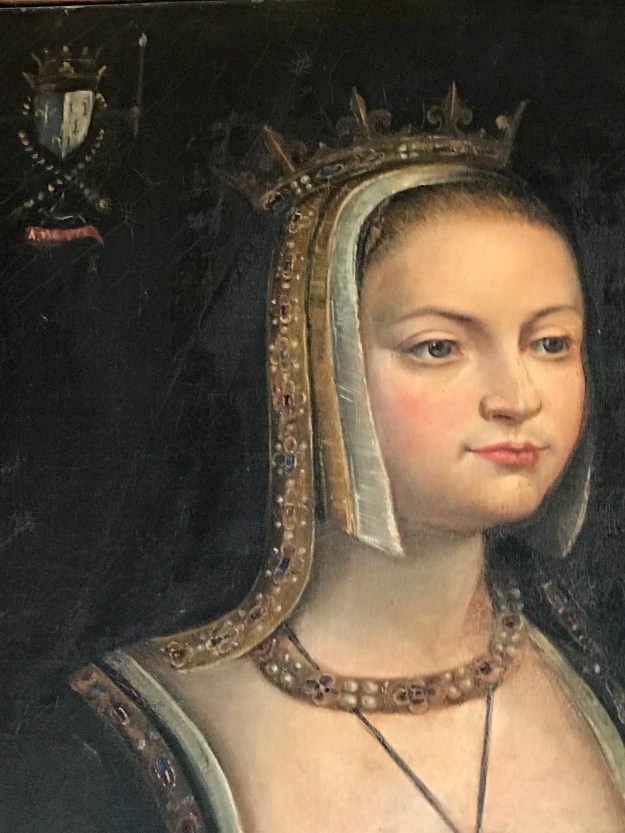
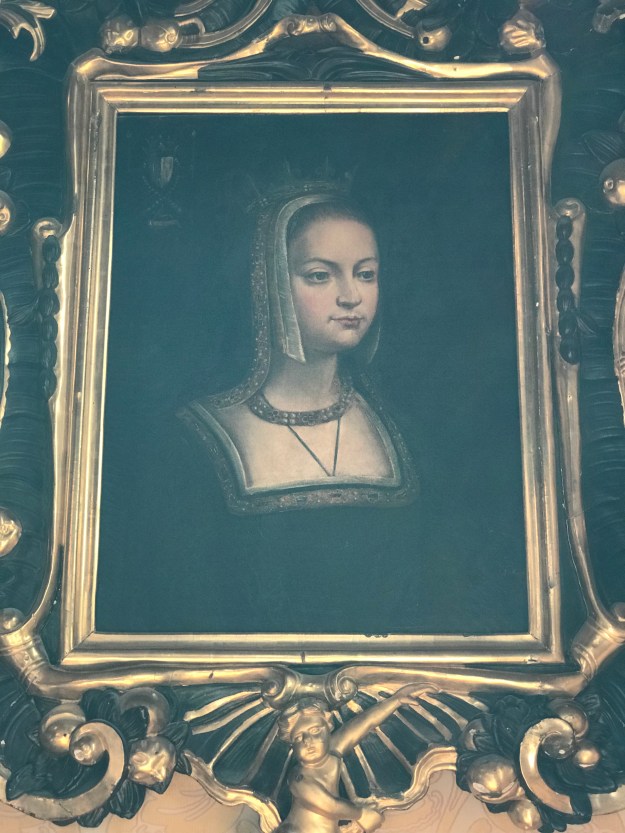
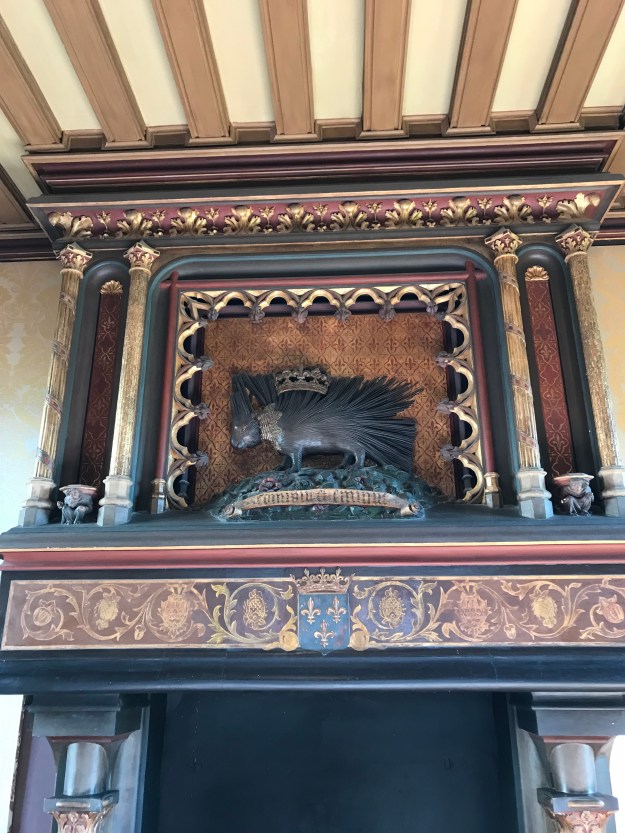
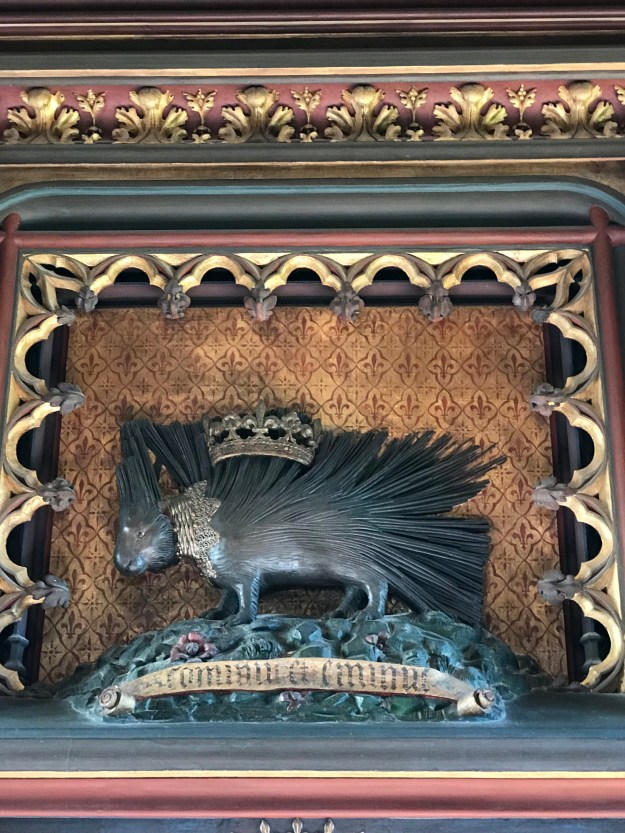
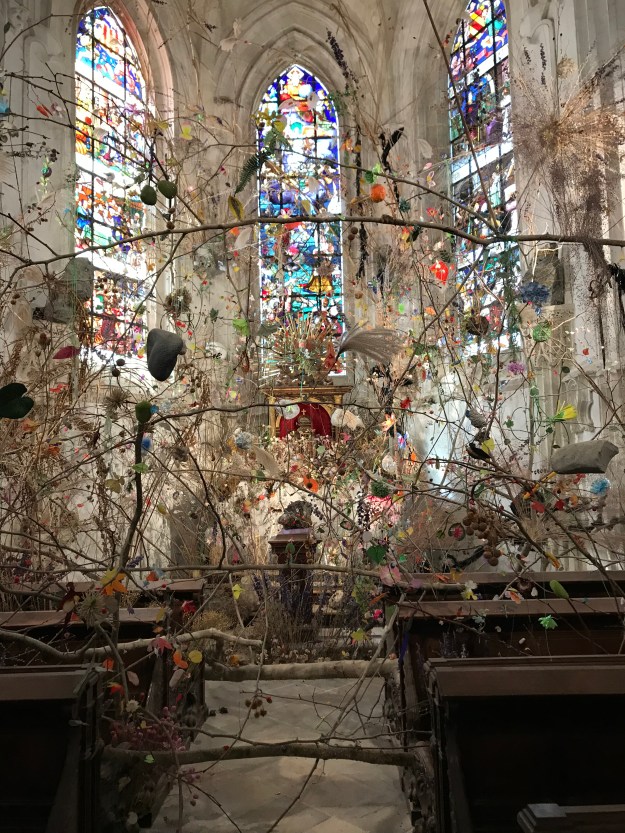
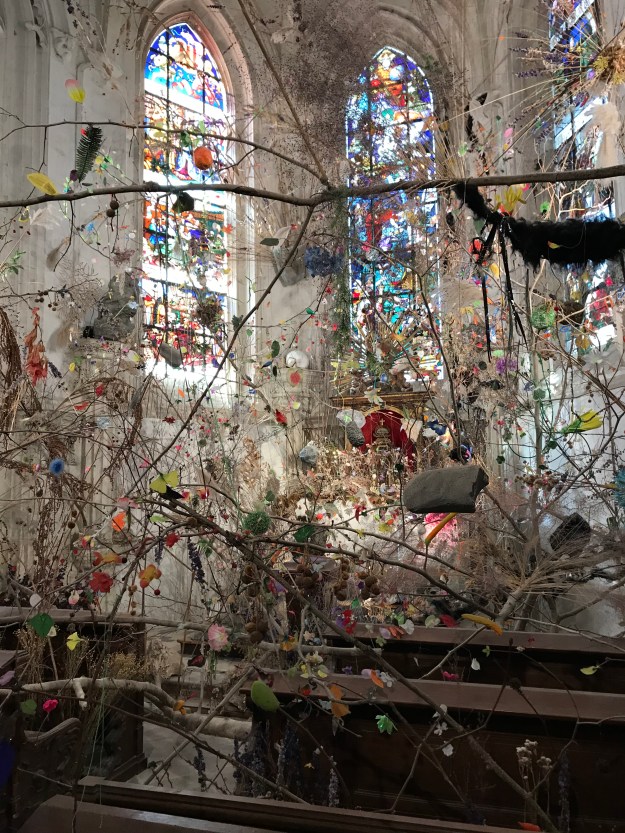
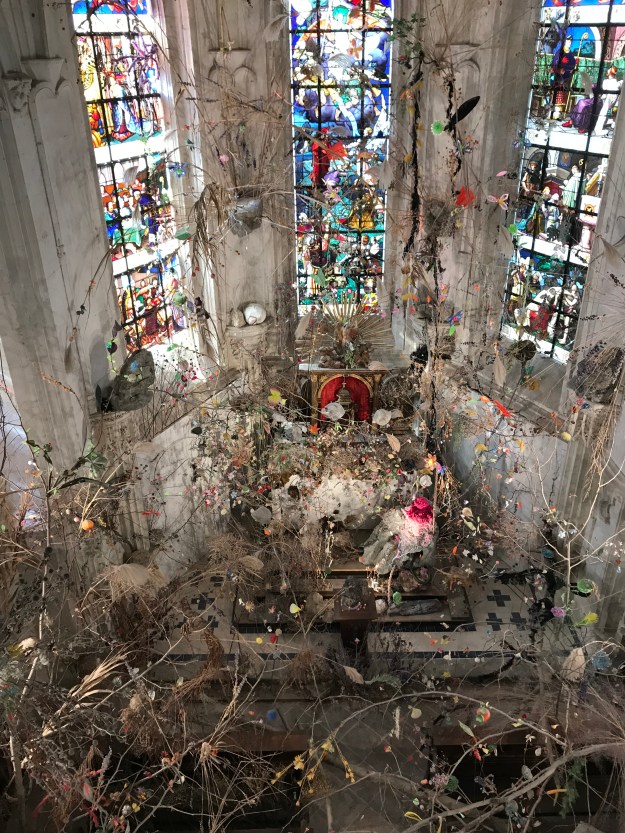
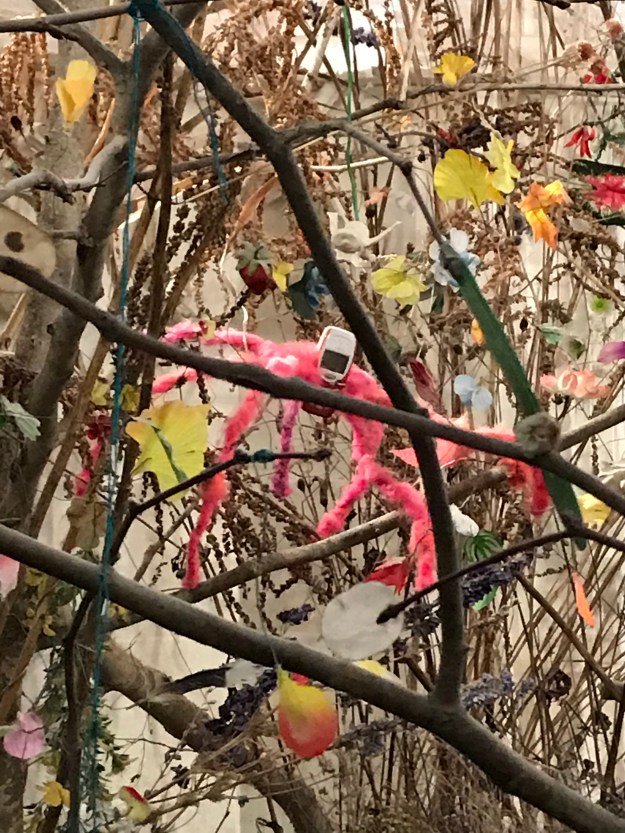
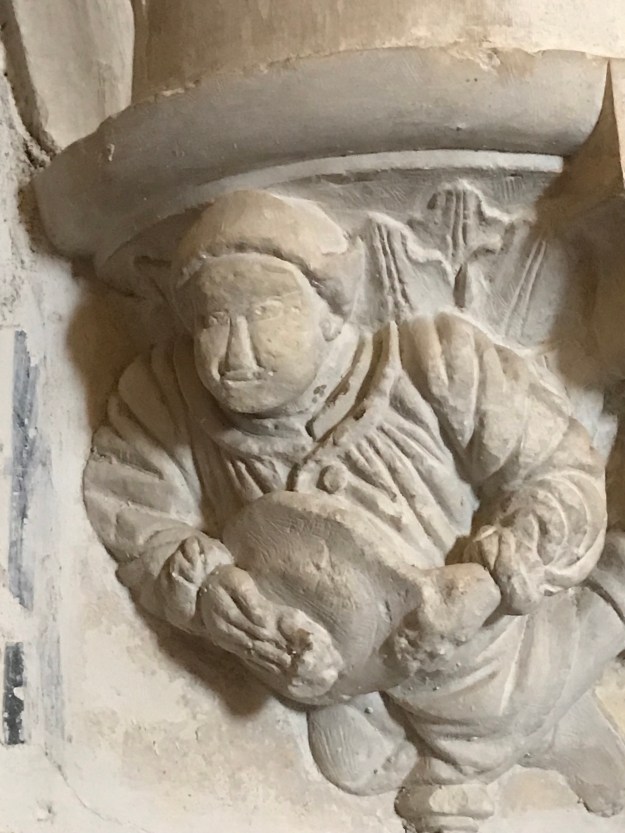
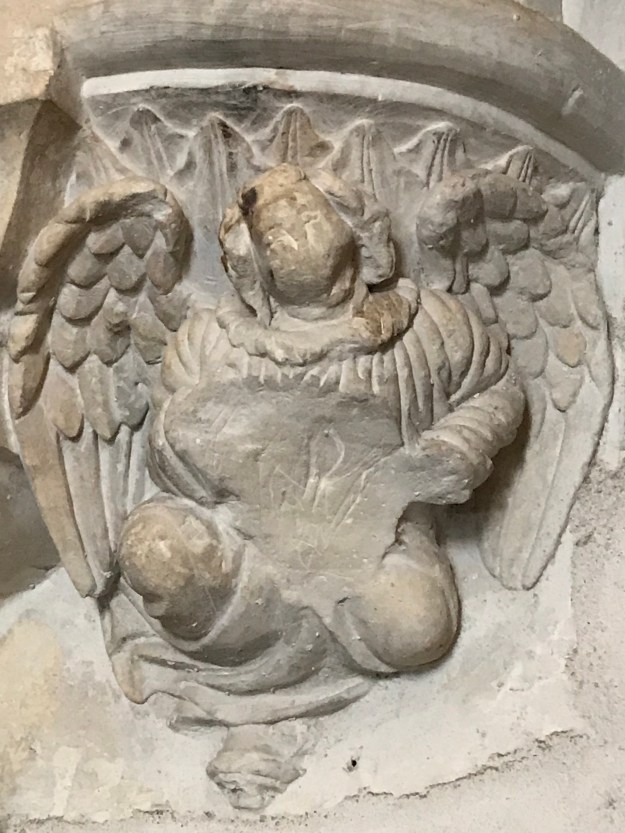
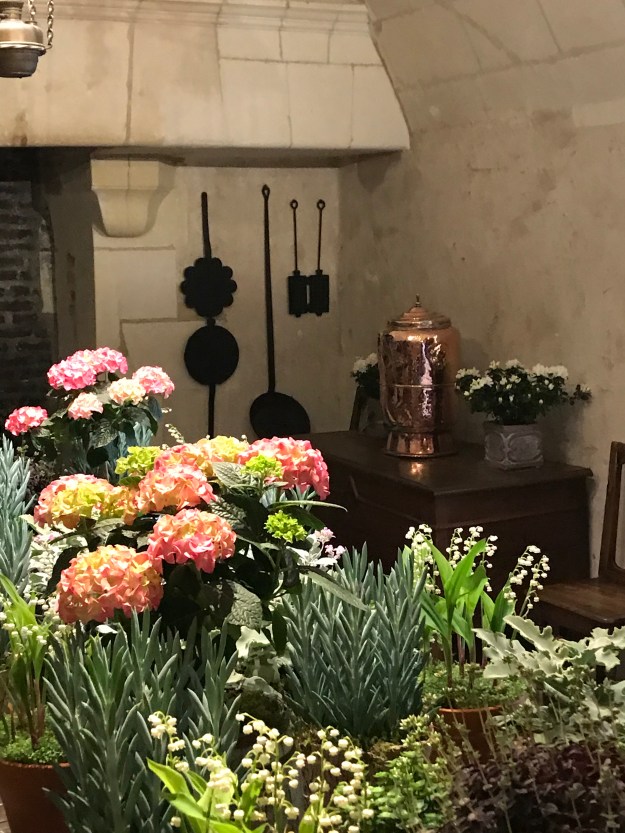
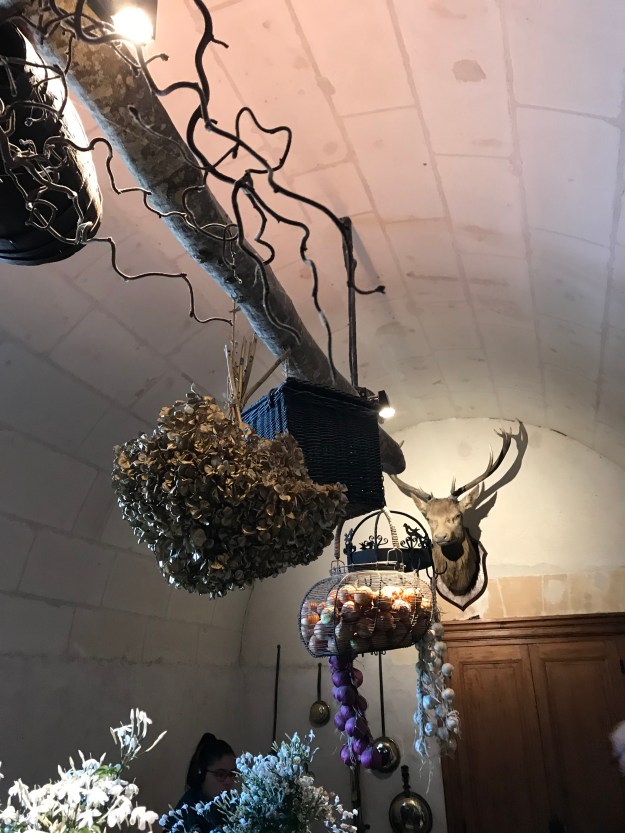
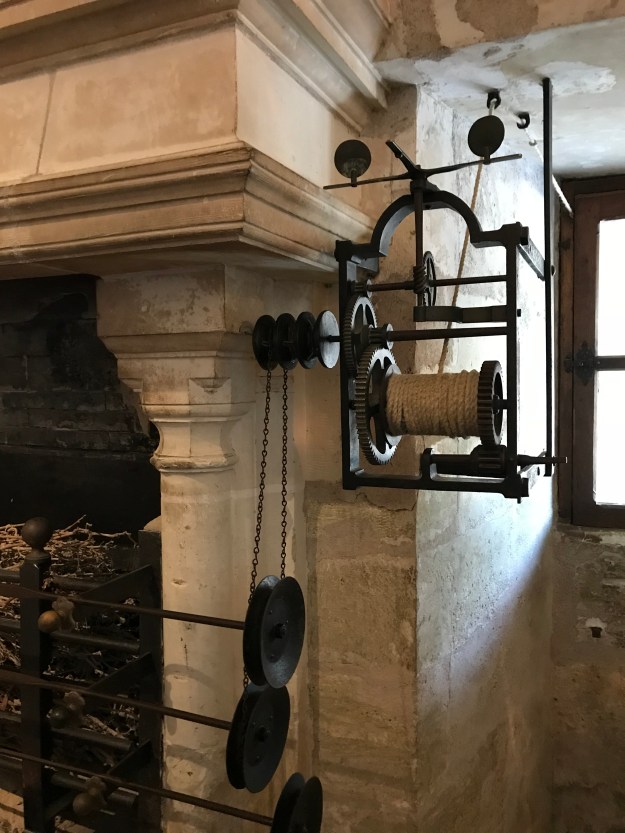
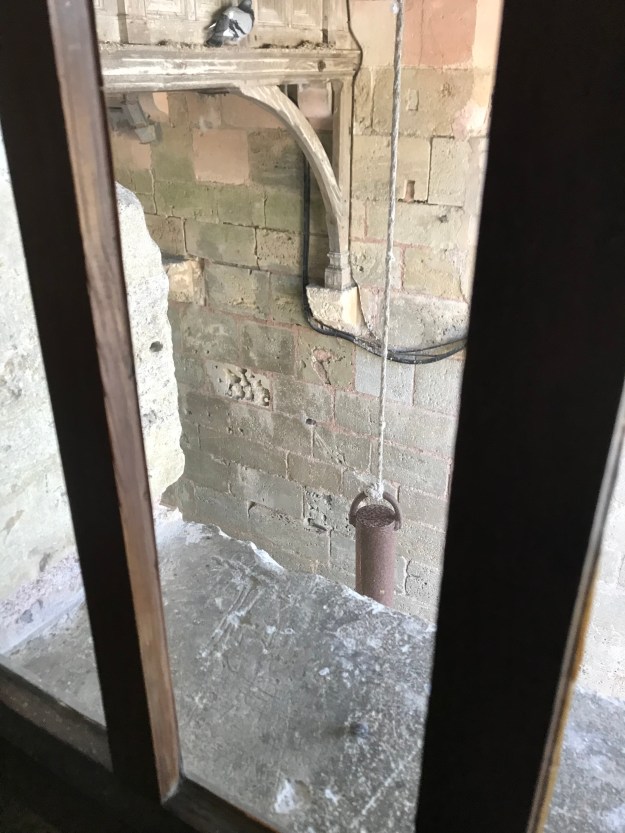
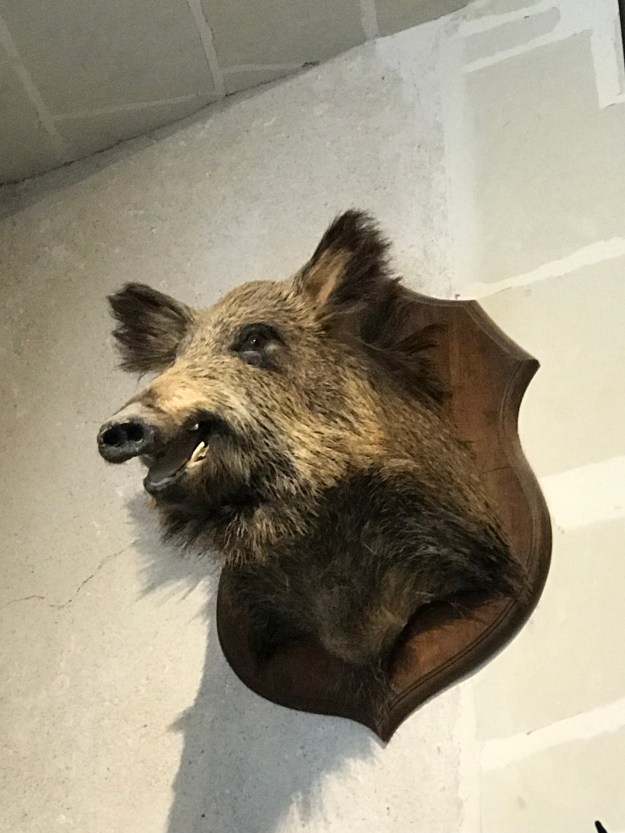
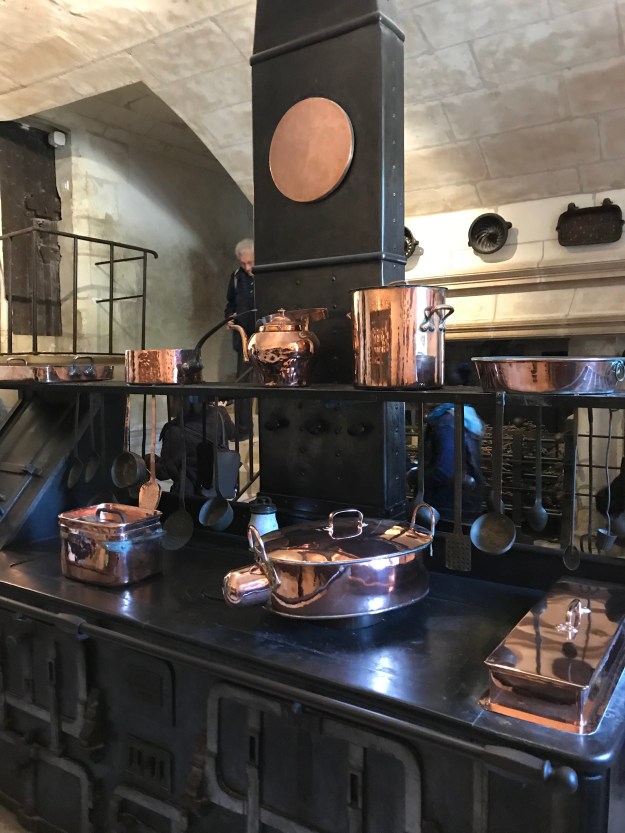
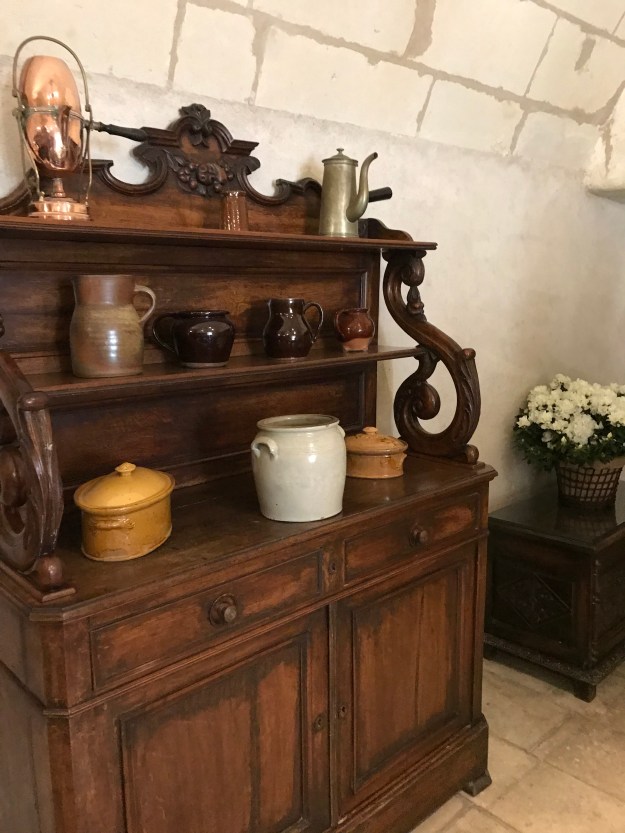
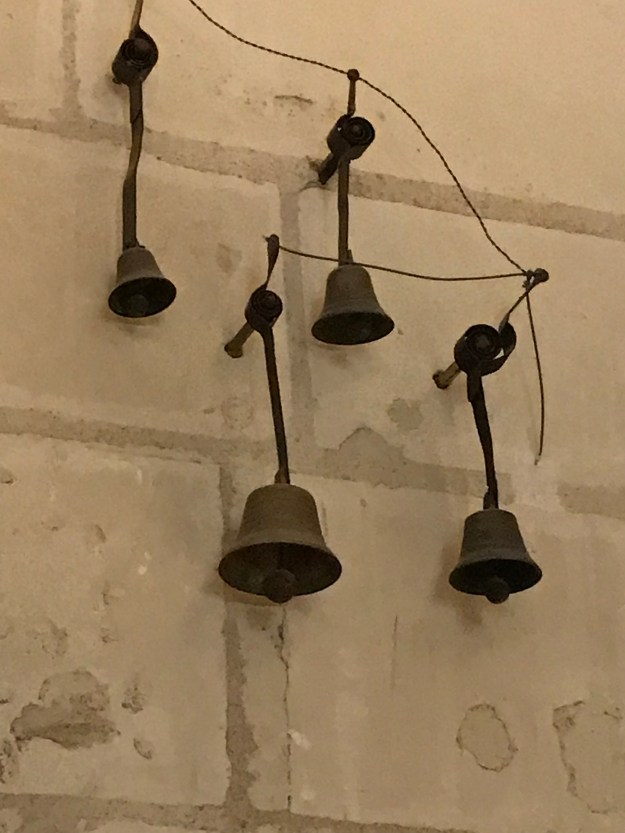

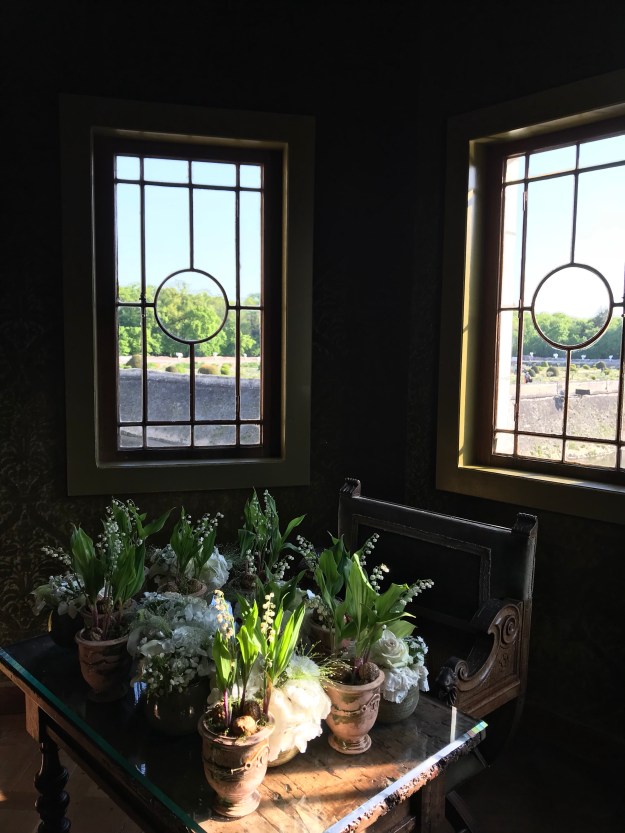
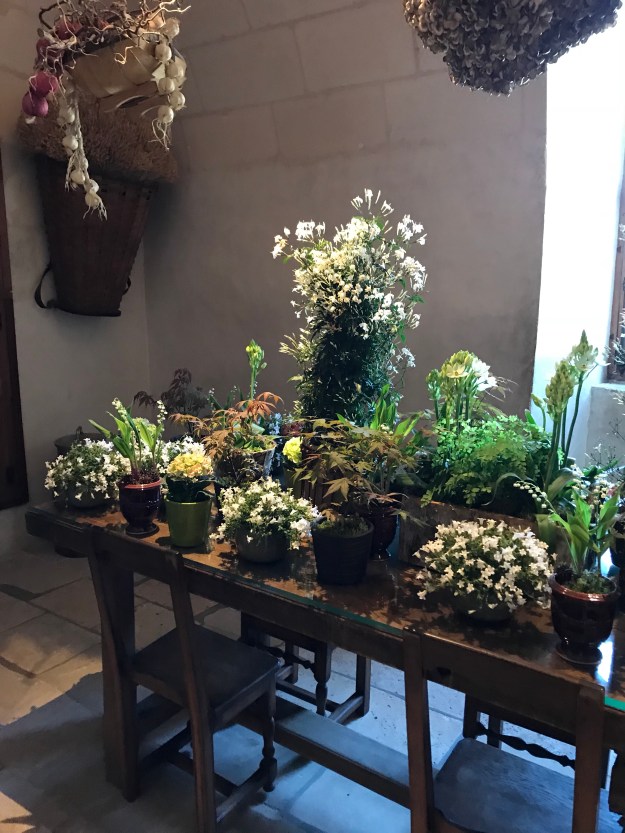
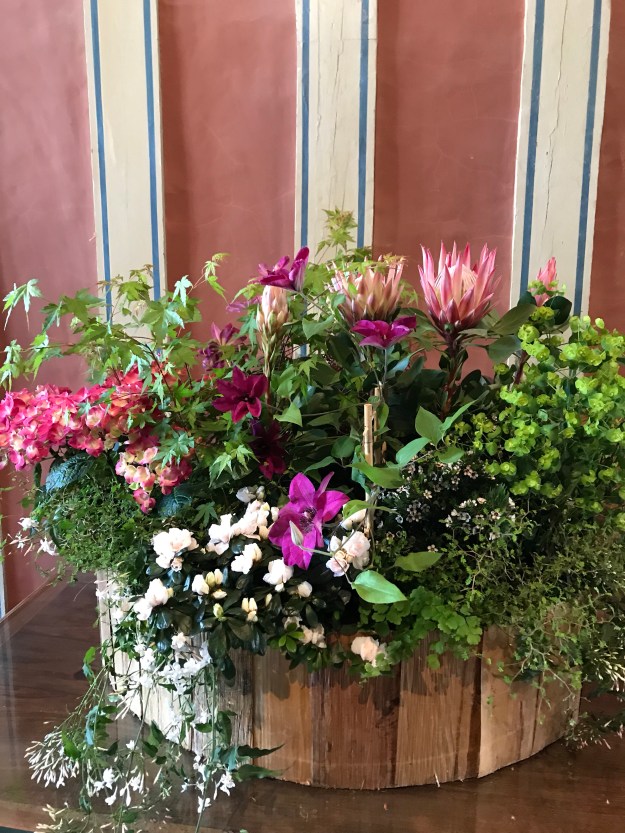
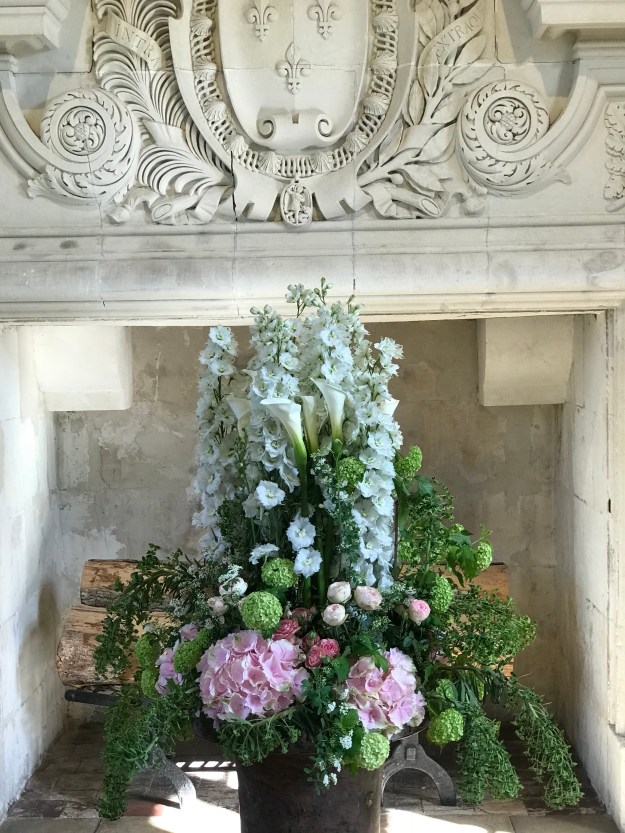
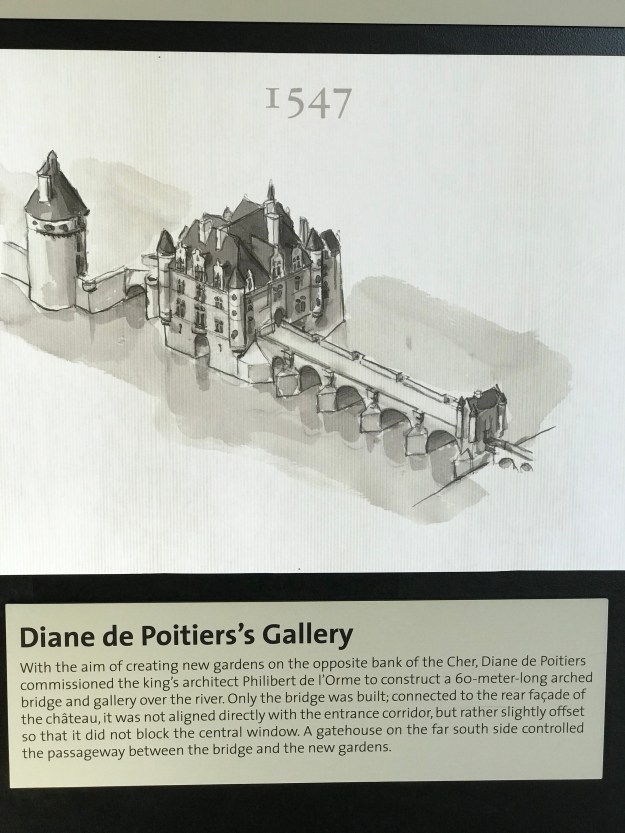
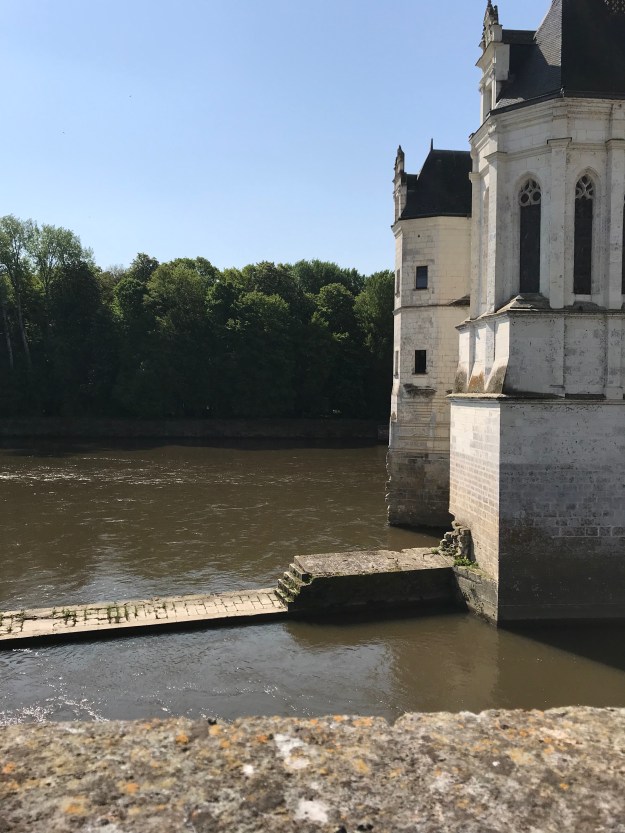
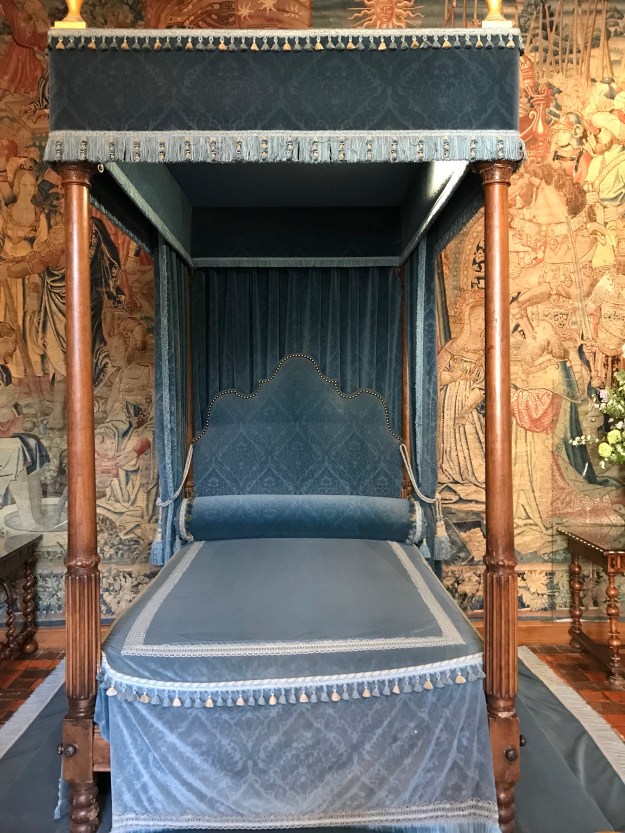
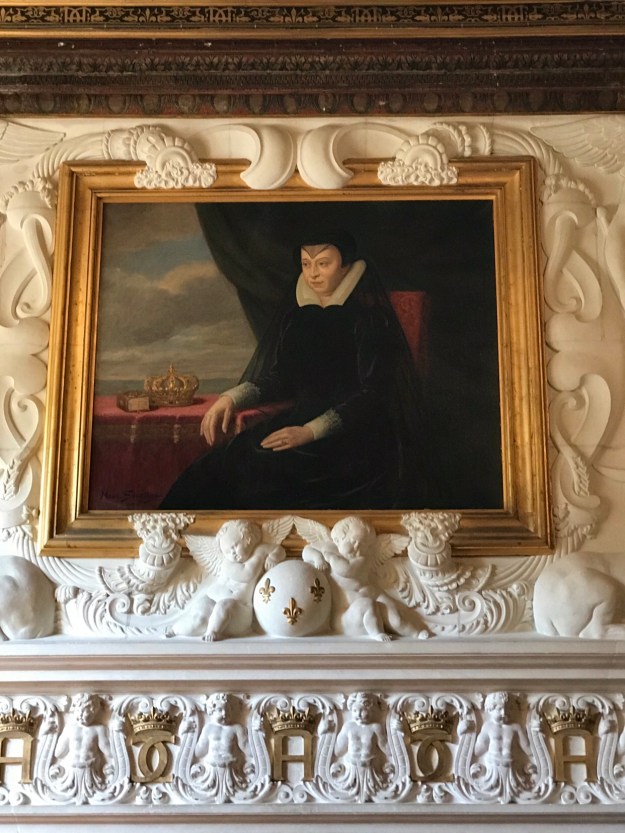
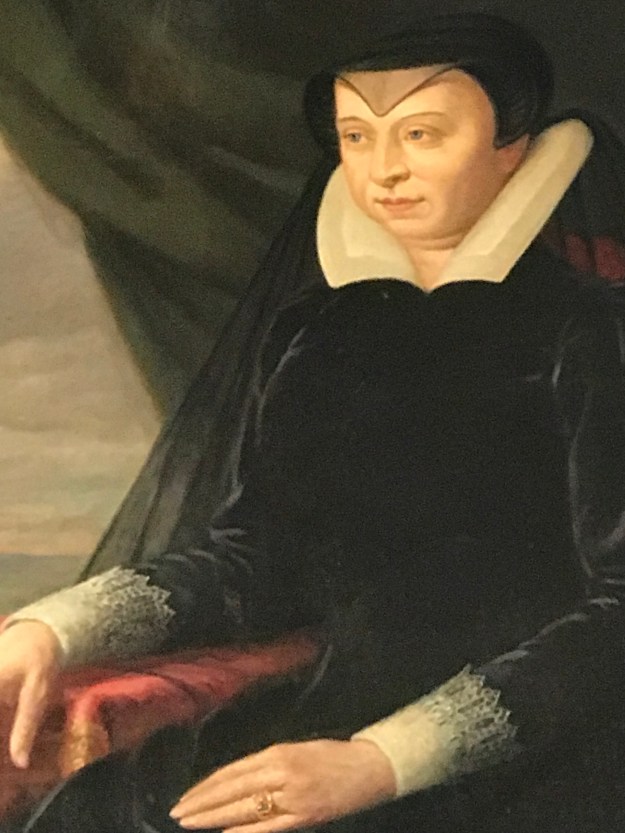
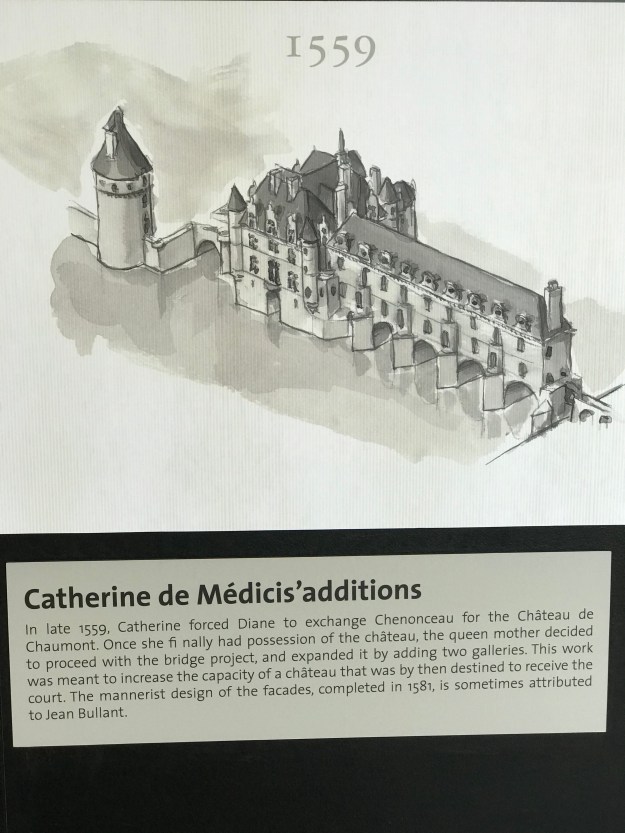
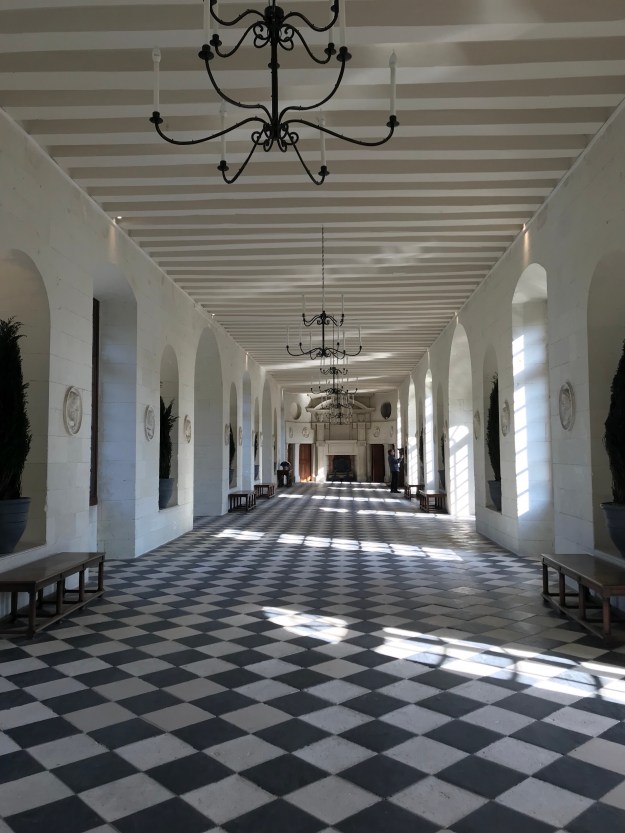
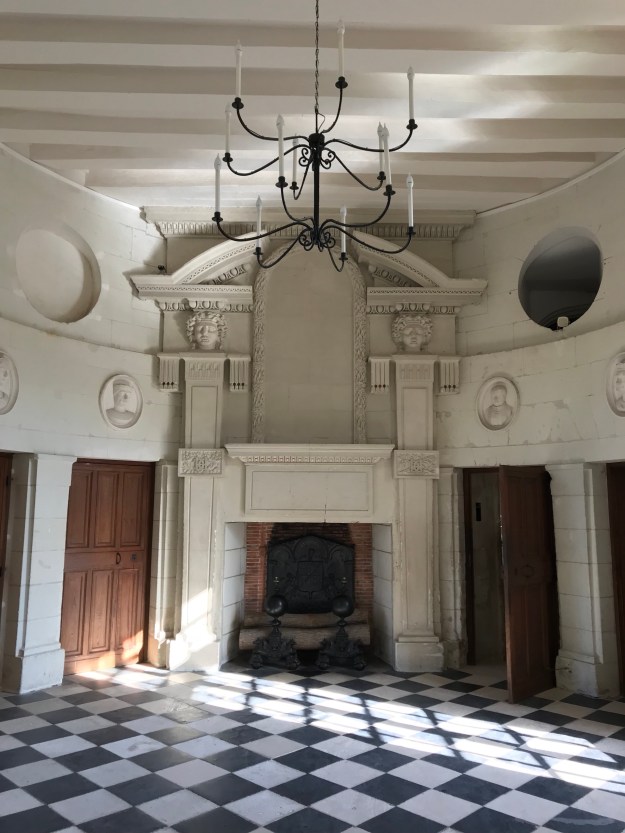
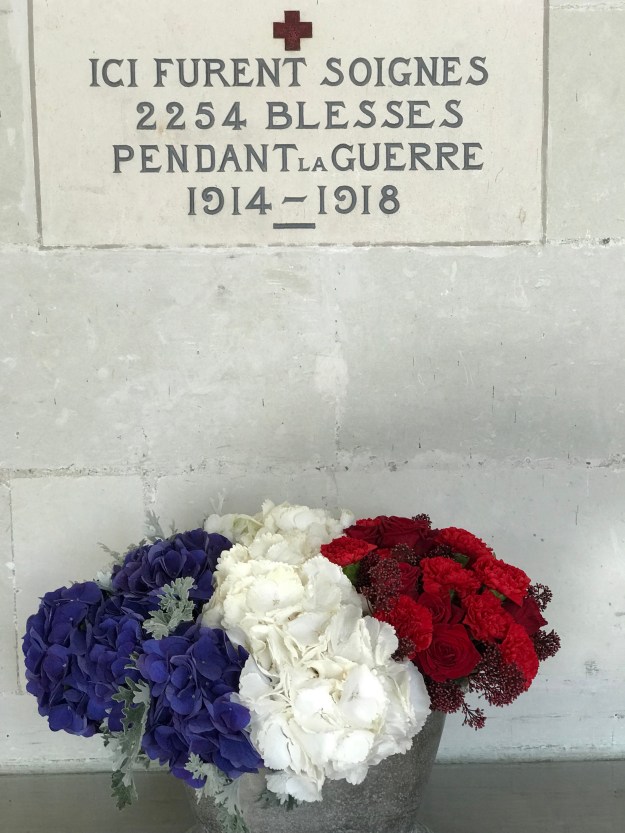
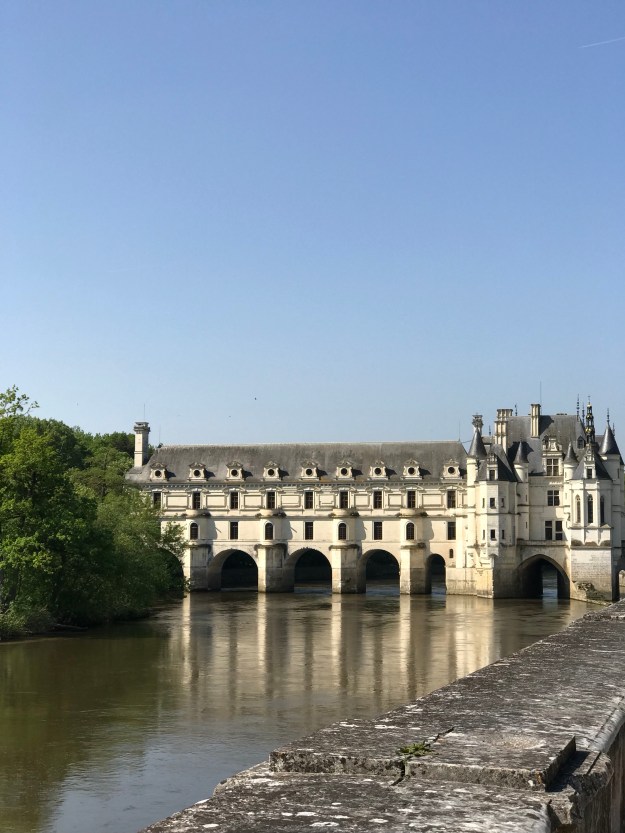
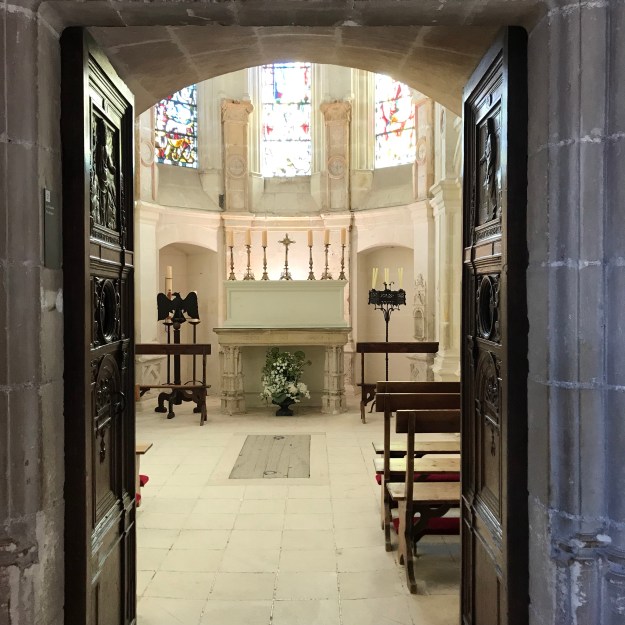
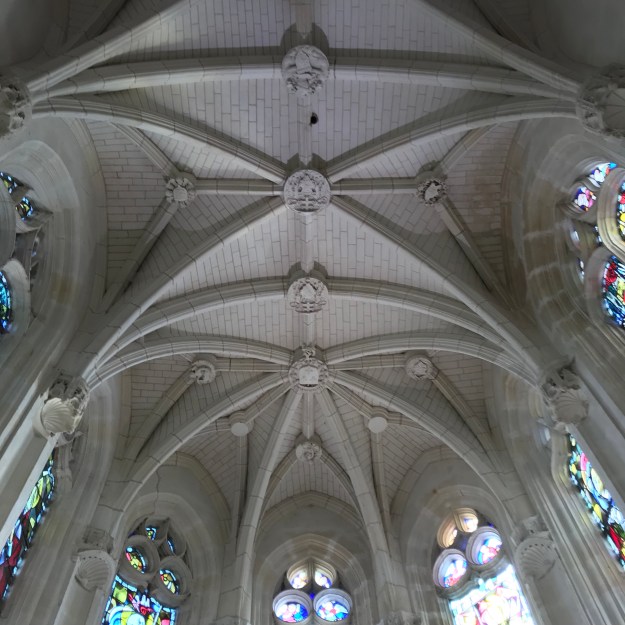

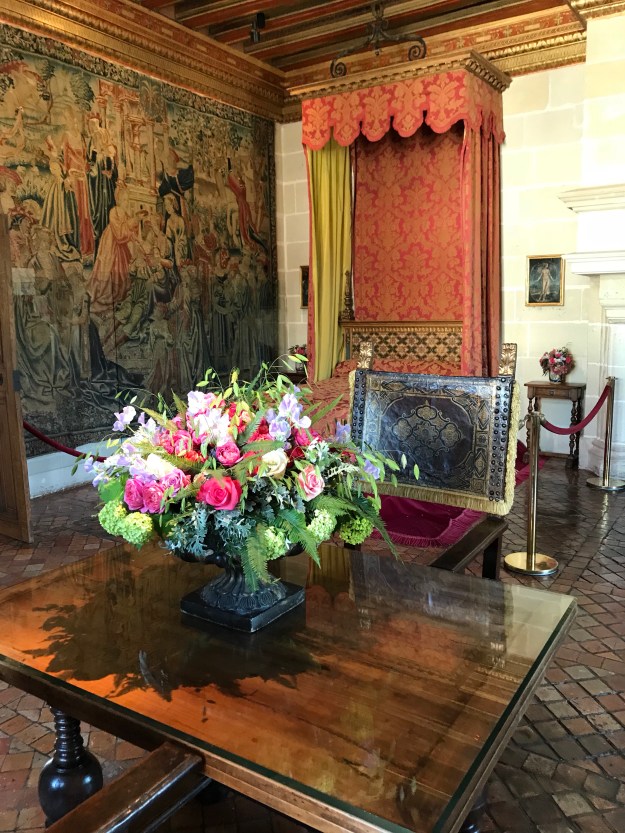
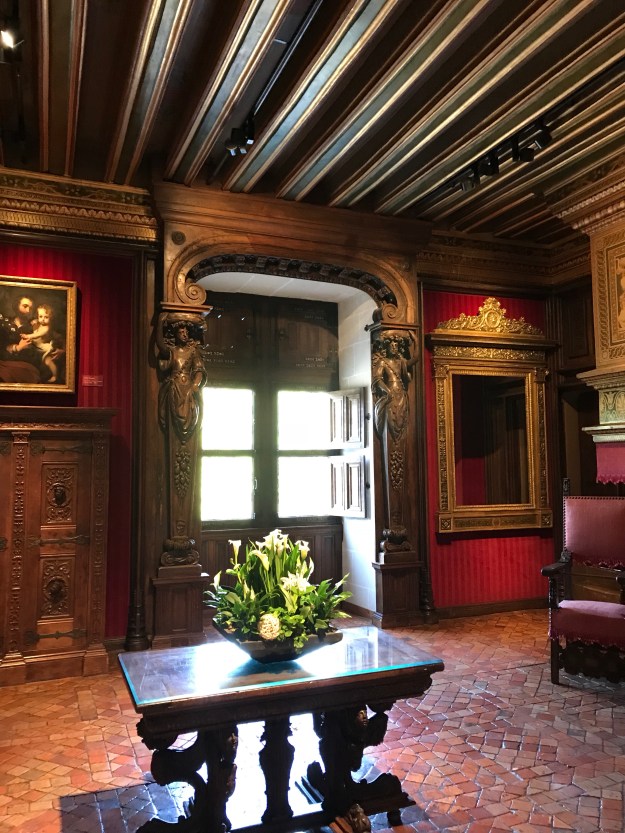
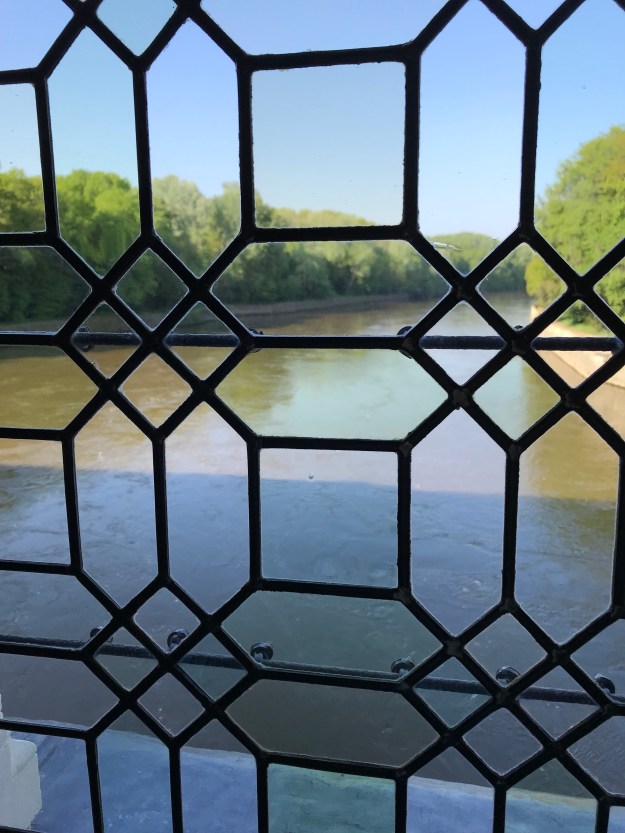
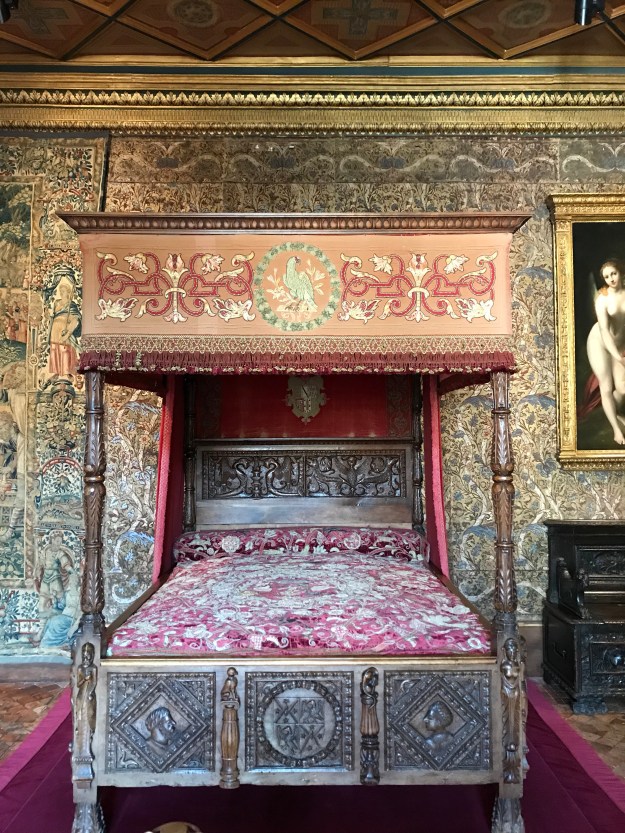
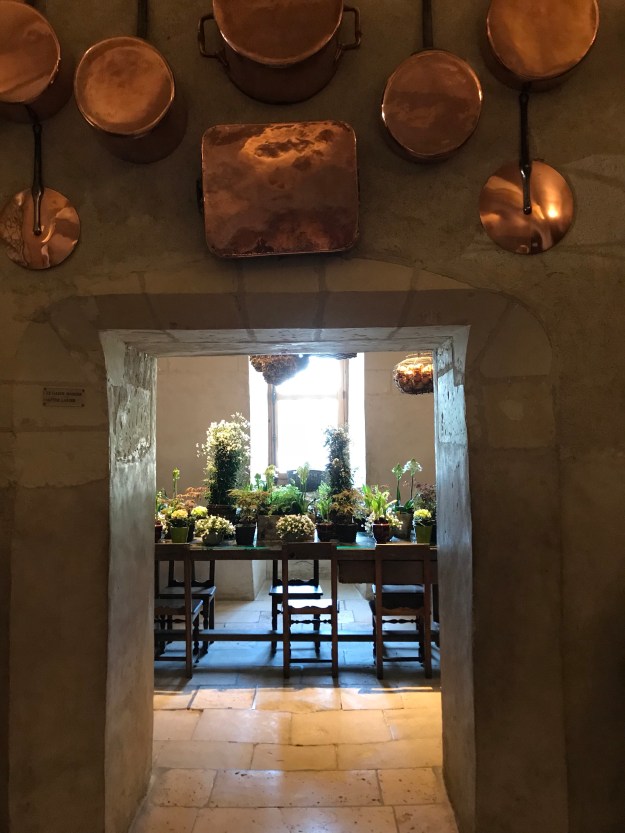
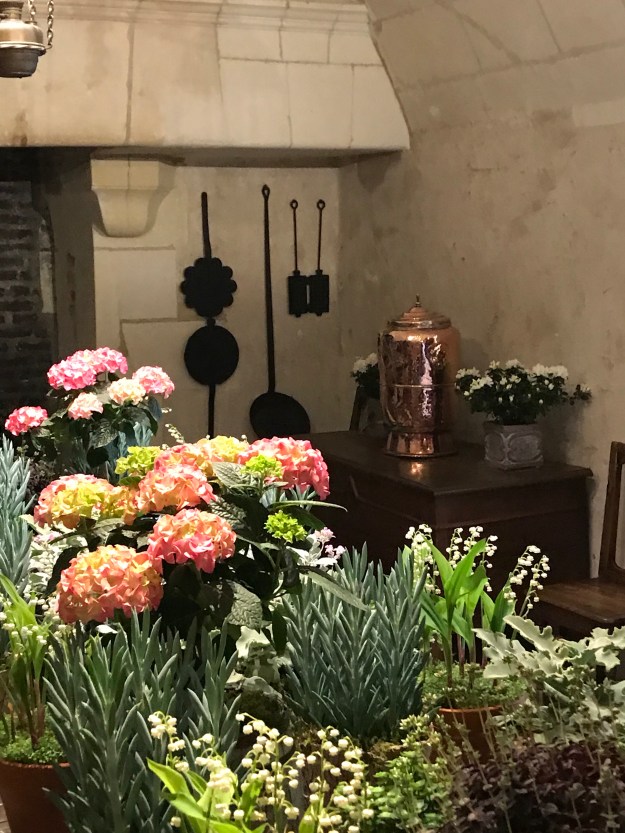
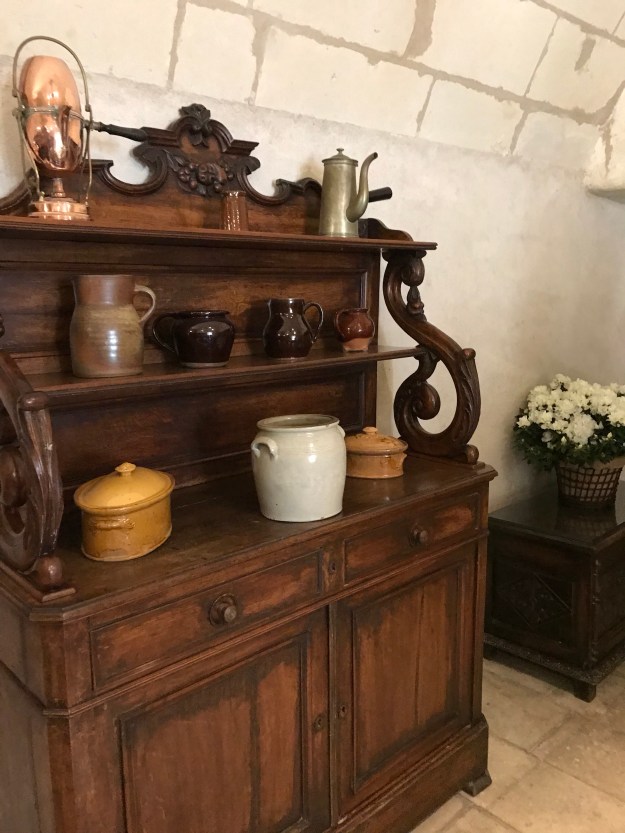 I might even settle for being a lowly scullery maid if I could work in the prettiest kitchen I ever saw. It must have stayed fairly cool, positioned right above the flowing river. (OK, I do realize the working kitchen would not be full of fresh flower arrangements. But still).
 castlesandcoffeehouses.com