Category Archives: Why I Love England

Why I Love England: A Garden is More Than a Garden


IMG_8907

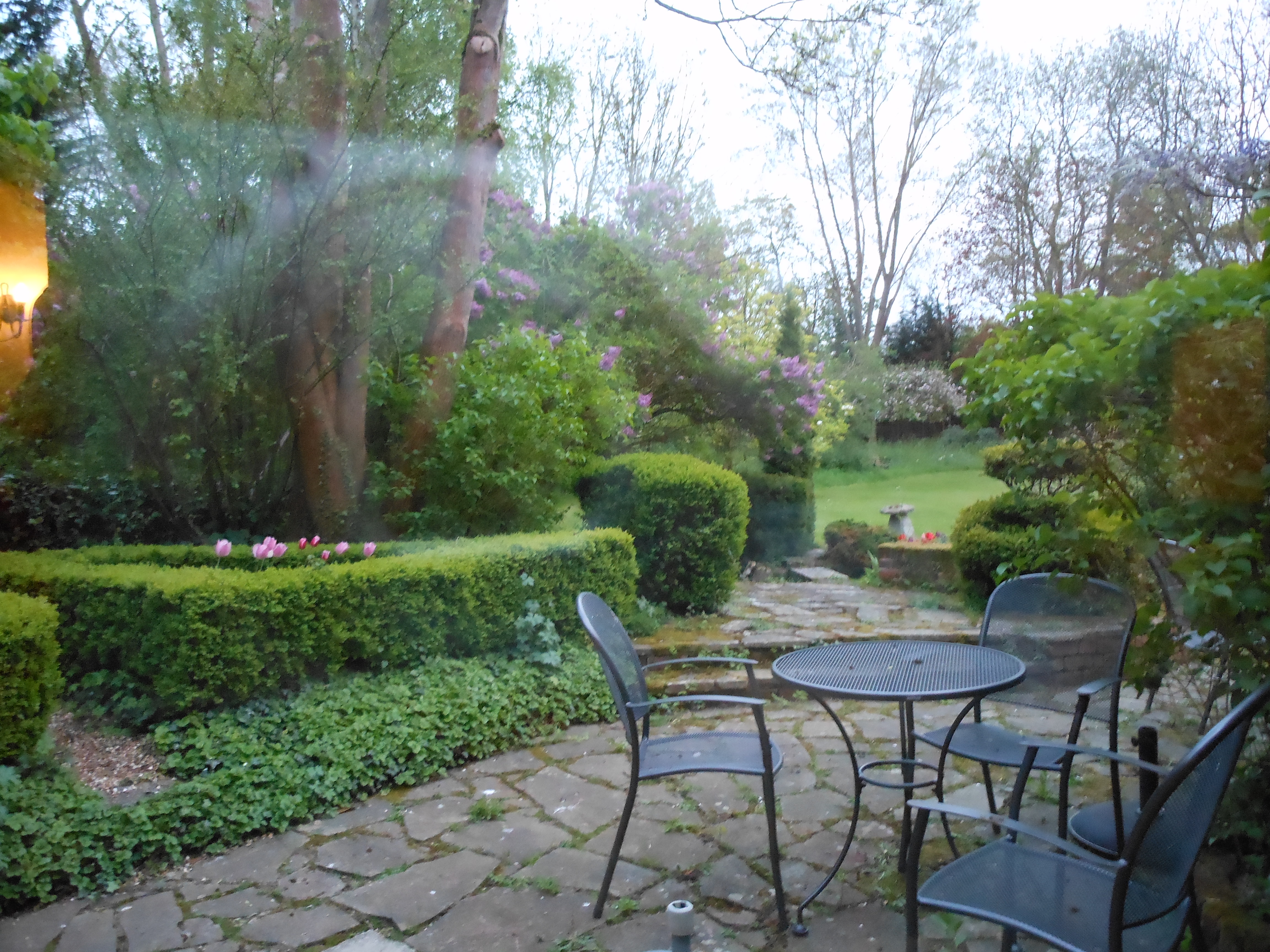
It seems that anyone in England who owns a patch of ground, large or small, is compelled to make it into a thing of beauty or an expression of taste. English gardeners use flowers as a painter uses color.
IMG_5899

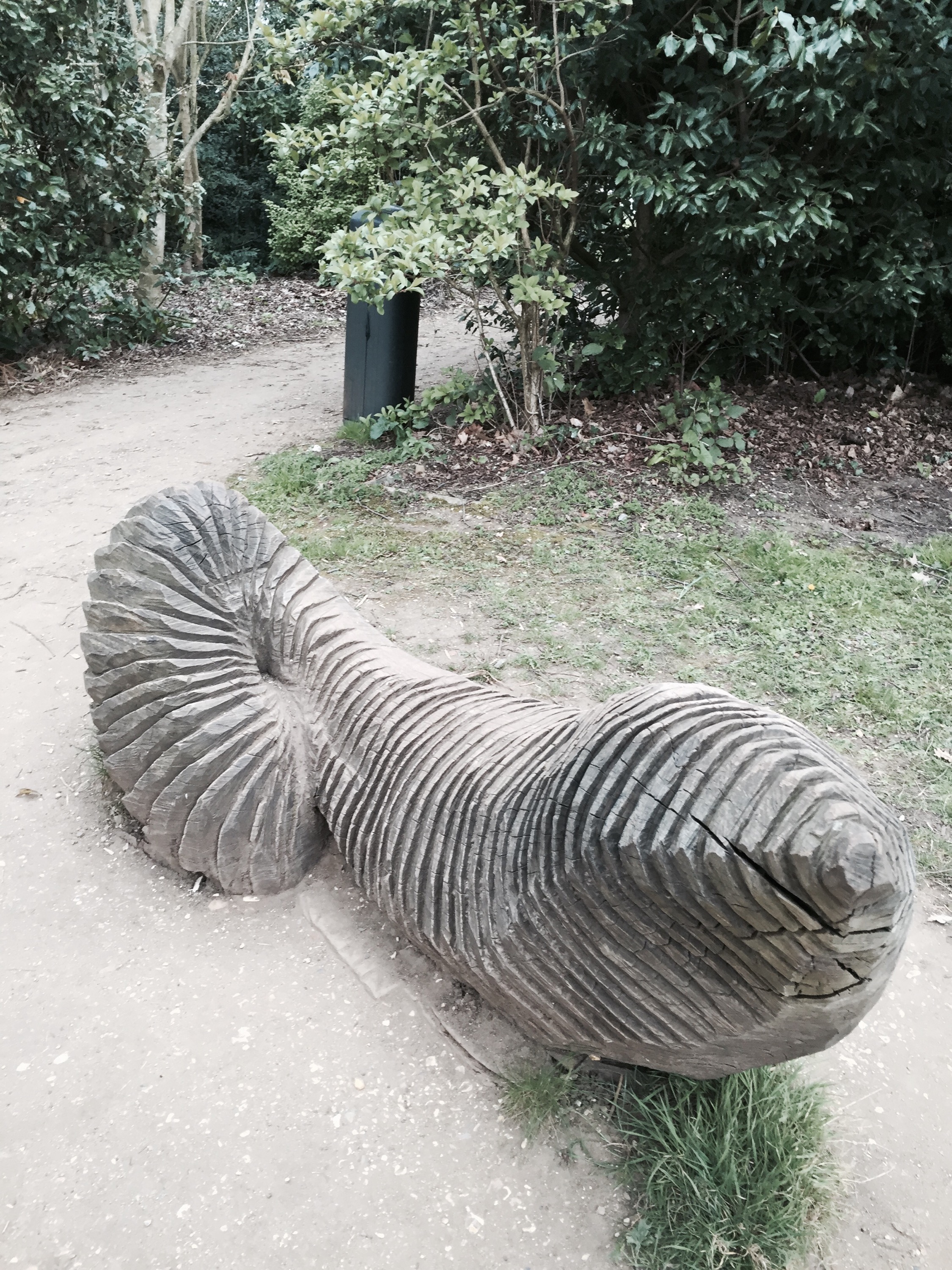
And an English garden is more than just pretty flowers.  It’s also a place to display the imagination and wit of the gardener. Do you have an unsightly stump with a horizontal lean to it? Turn it into a six-foot earthworm to greet your guests. This one is at the entrance to The Vyne, a National Trust house from the Tudor era. I’m pretty sure the earthworm was a modern gardener’s idea.
IMG_7684
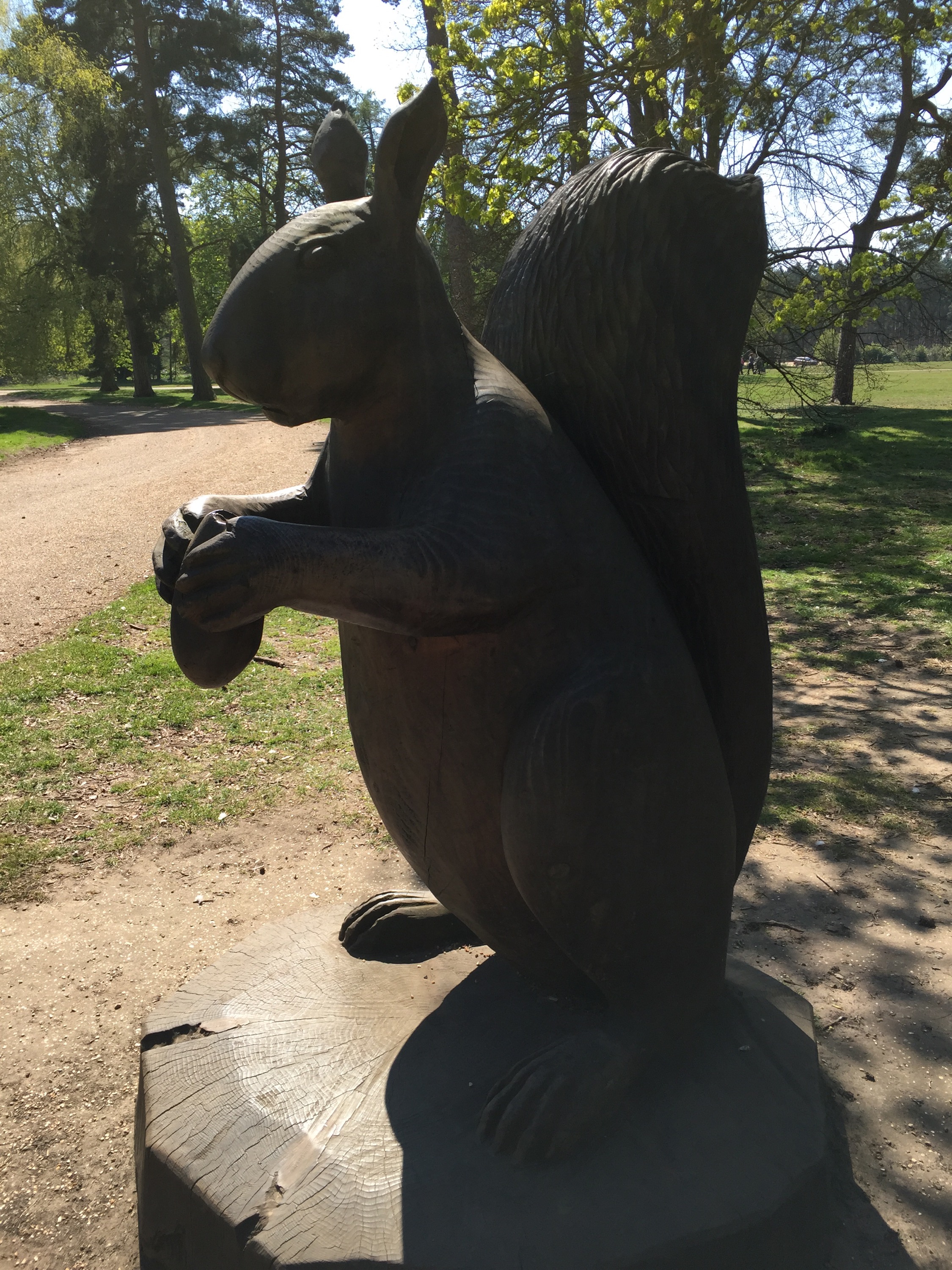
Maybe your stump is more vertical. The Queen turned one of hers into a giant squirrel at Sandringham, the private country estate of the Royal Family near King’s Lynn. The squirrel stands about eight feet tall.  Do children climb on it? There’s nothing to stop them except decorum–maybe the Queen will walk by.
SudeleySpider

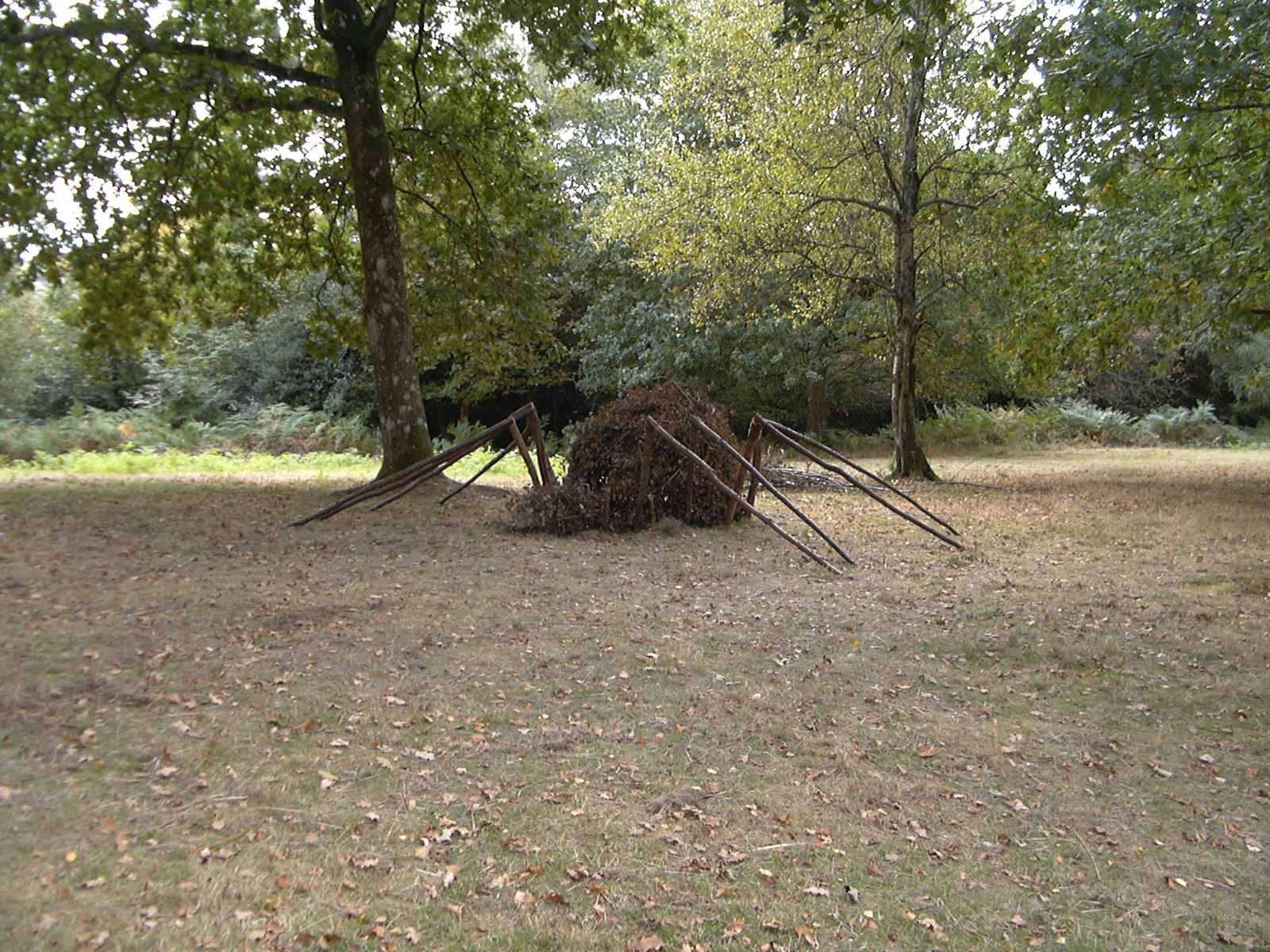
Do you have a boring expanse of lawn?  How about a creepy-crawly spider? This one, about a thousand times larger than life-size, is at Sudeley Castle.
Topiaries

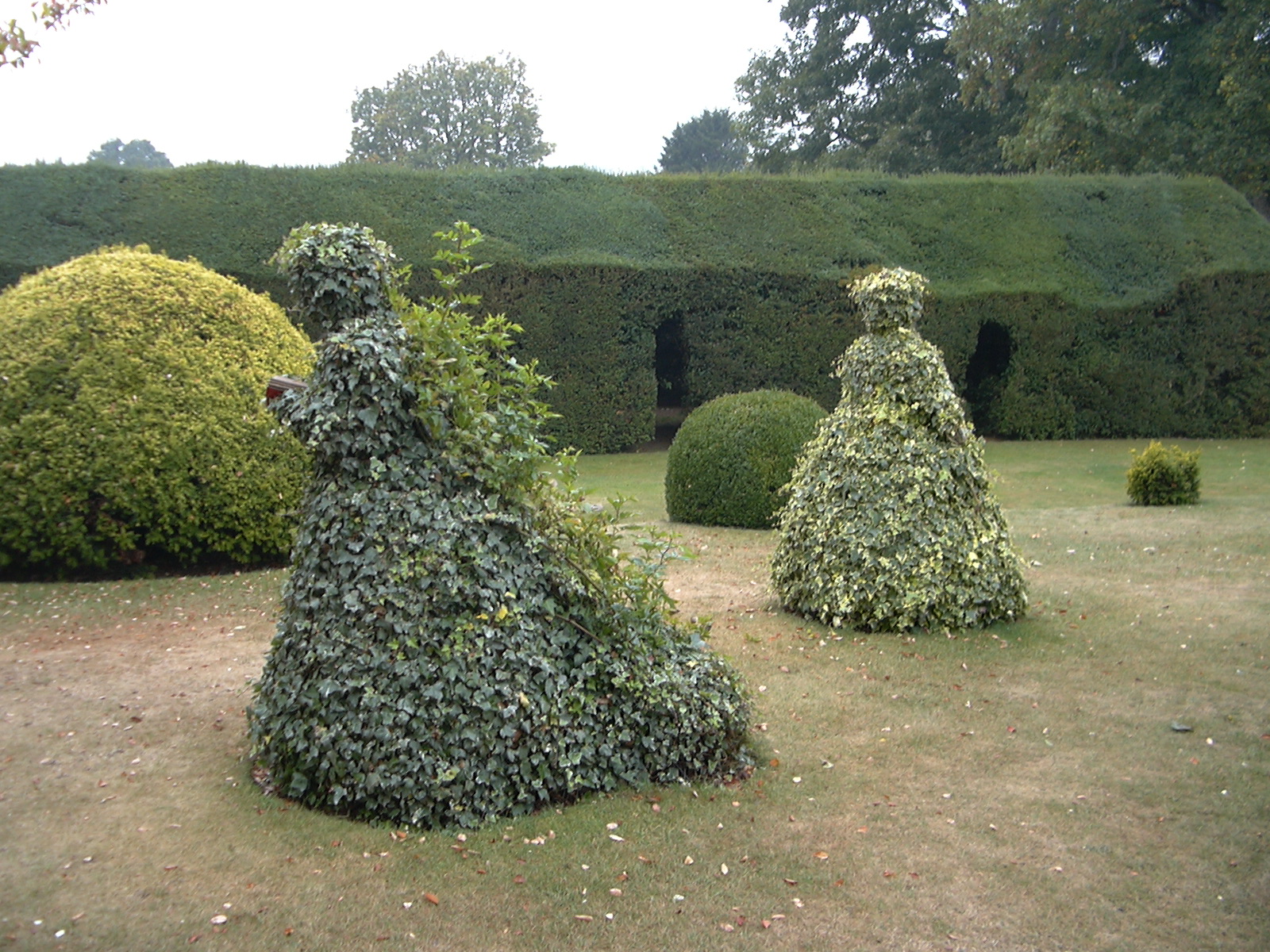
Sometimes garden ornaments touchingly describe history. Sudeley Castle has exquisite ivy garden sculptures depicting Queen Catherine Parr and her younger relative Lady Jane Grey, two queens who lived at Sudeley together for a time. Later, Lady Jane reigned as Queen for only nine days. The political machinations that put her on the throne brought her down quickly and she lost her head. Queen Catherine was the only wife to survive Henry VIII. She is buried in the nearby chapel where she and Lady Jane went daily to pray.
SudeleyRoses

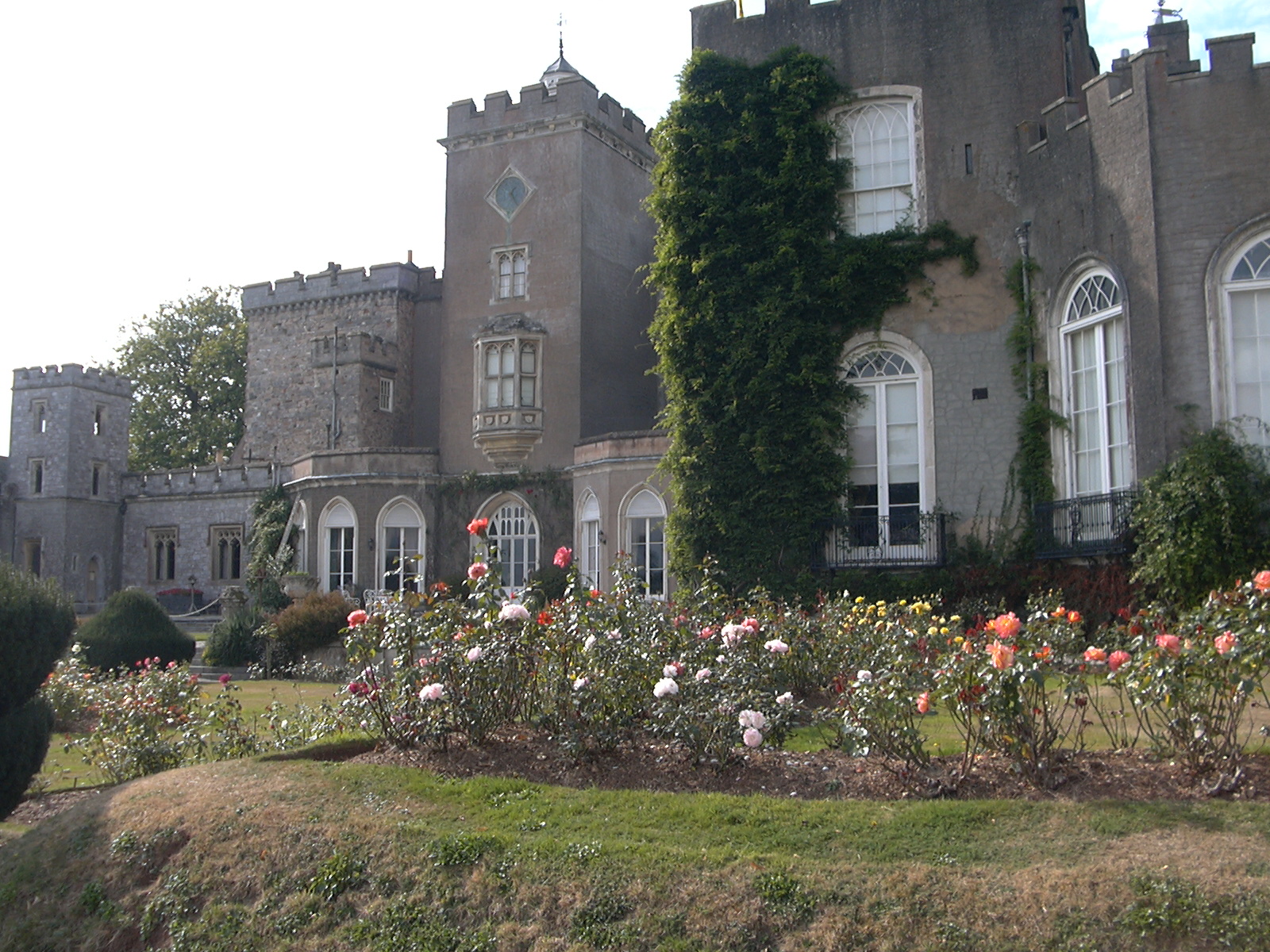
History is everywhere in English gardens. At Sudeley, antique roses are lovingly cultivated outside the castle where the 15-year-old Elizabeth, later Queen Elizabeth I, once had to fend off the advances of Thomas Seymour. Baron Seymour, always on the lookout for the main chance, eventually married Queen Catherine Parr after Henry VIII died.  Sadly, Baron Seymour’s ambition proved his undoing and he was later executed for treason. It seems that Elizabeth wisely avoided him after Catherine died. Elizabeth had suitors enough without this particular bad boy.
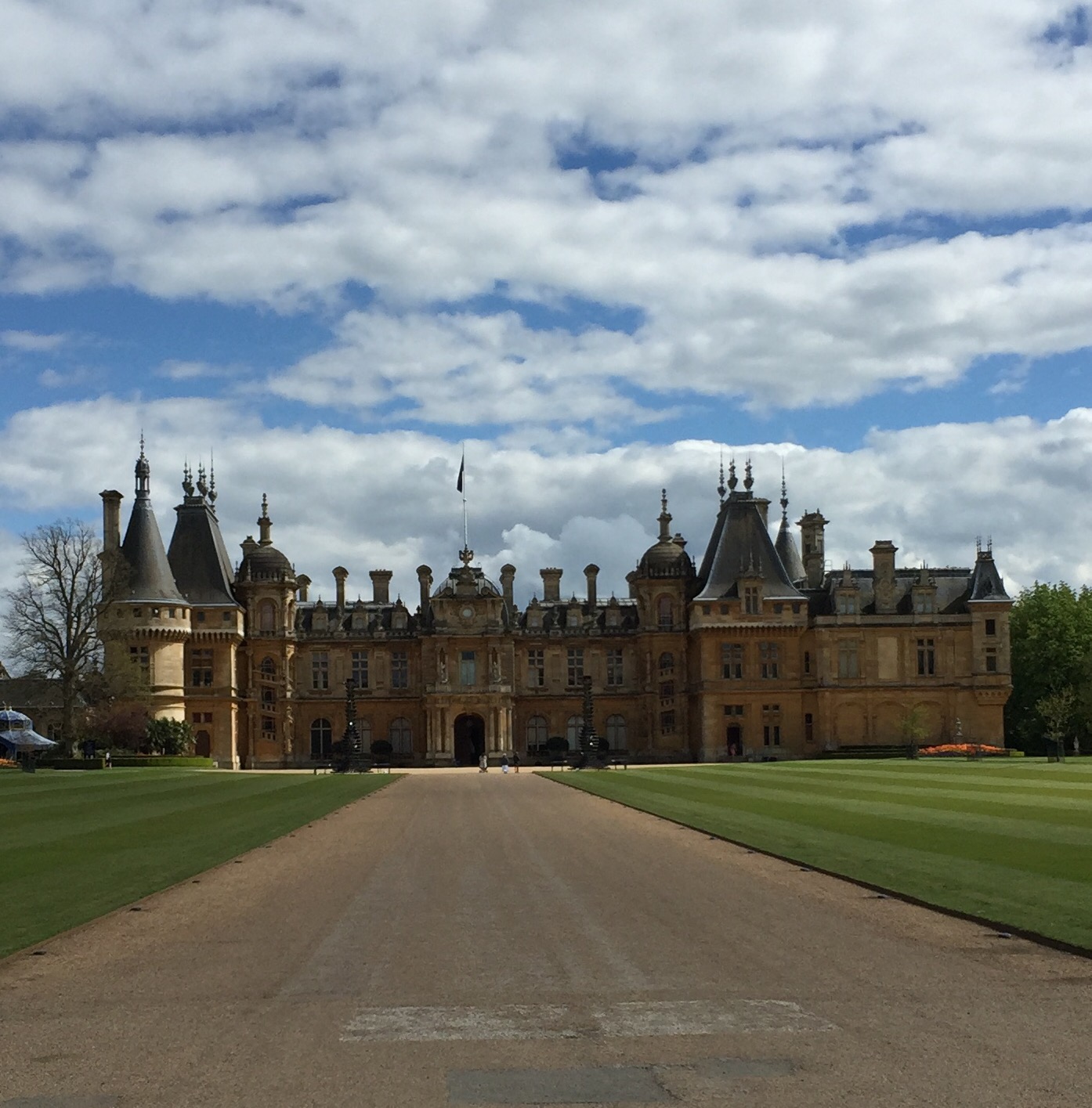

If your brother was the fabulously rich Baron de Rothschild and he built himself a French chateau in the English countryside, then put you in charge of the grounds, what would you come up with?
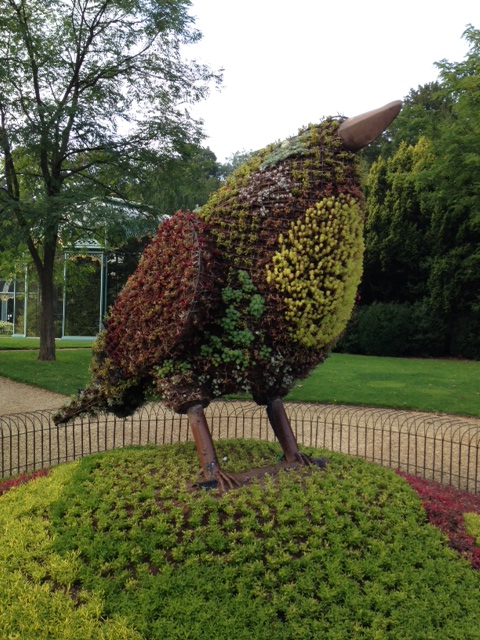
BirdWaddesdon

Baron de Rothschild’s sister Alice invented “vertical gardening” at Waddesdon Manor. This bird, studded with colored plants in early spring, is about 8 feet tall. Like her mega-rich brother, Alice liked to do things in a big way.
MeGarden

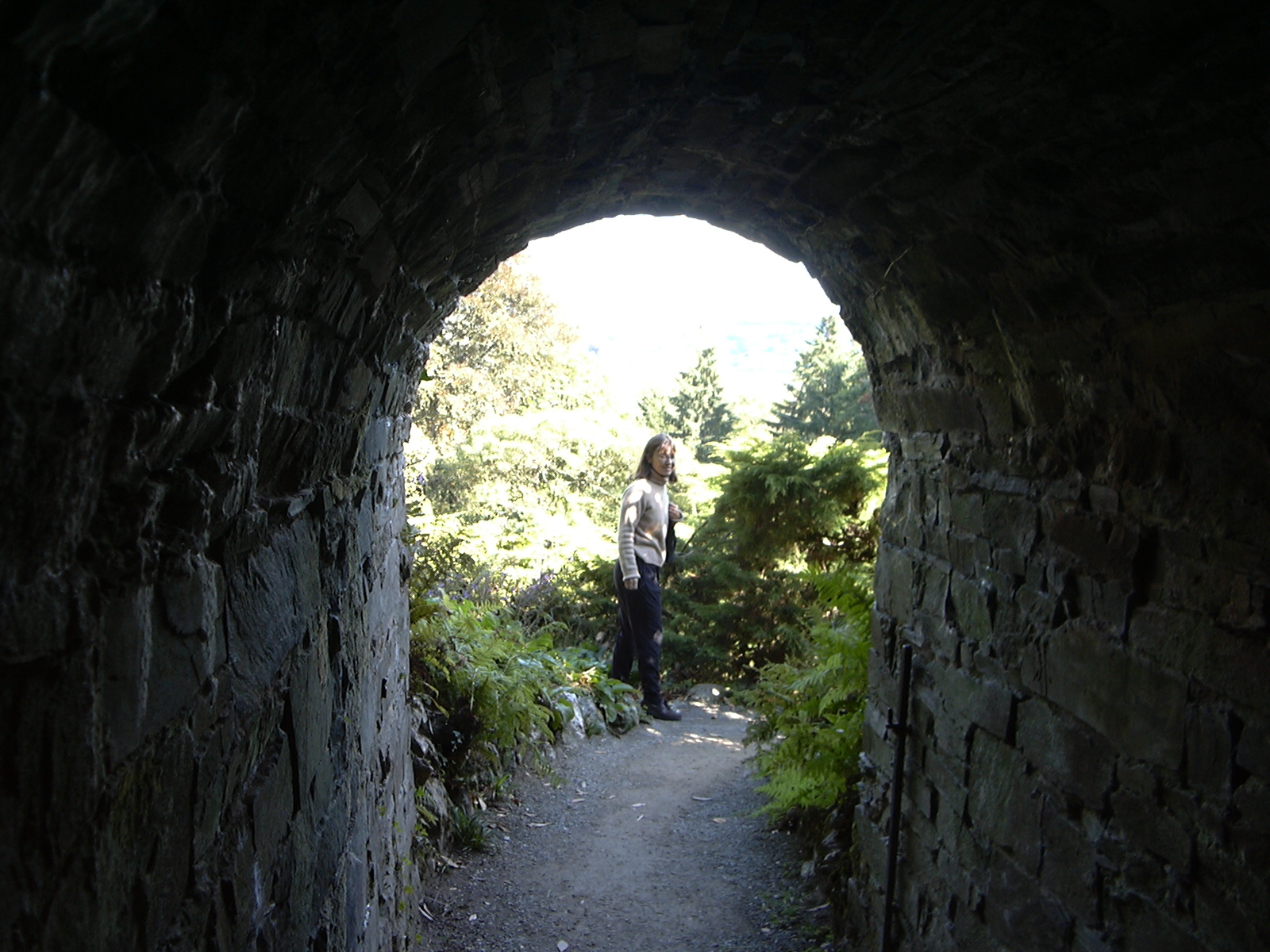
I’d love to be wandering in an English garden right now, looking for discoveries through the next garden gate. Join me next time for more explorations in the art and history of Europe and the British Isles!
 

Affordable Europe: The Old Farmhouse, Windsor

DSCN8934
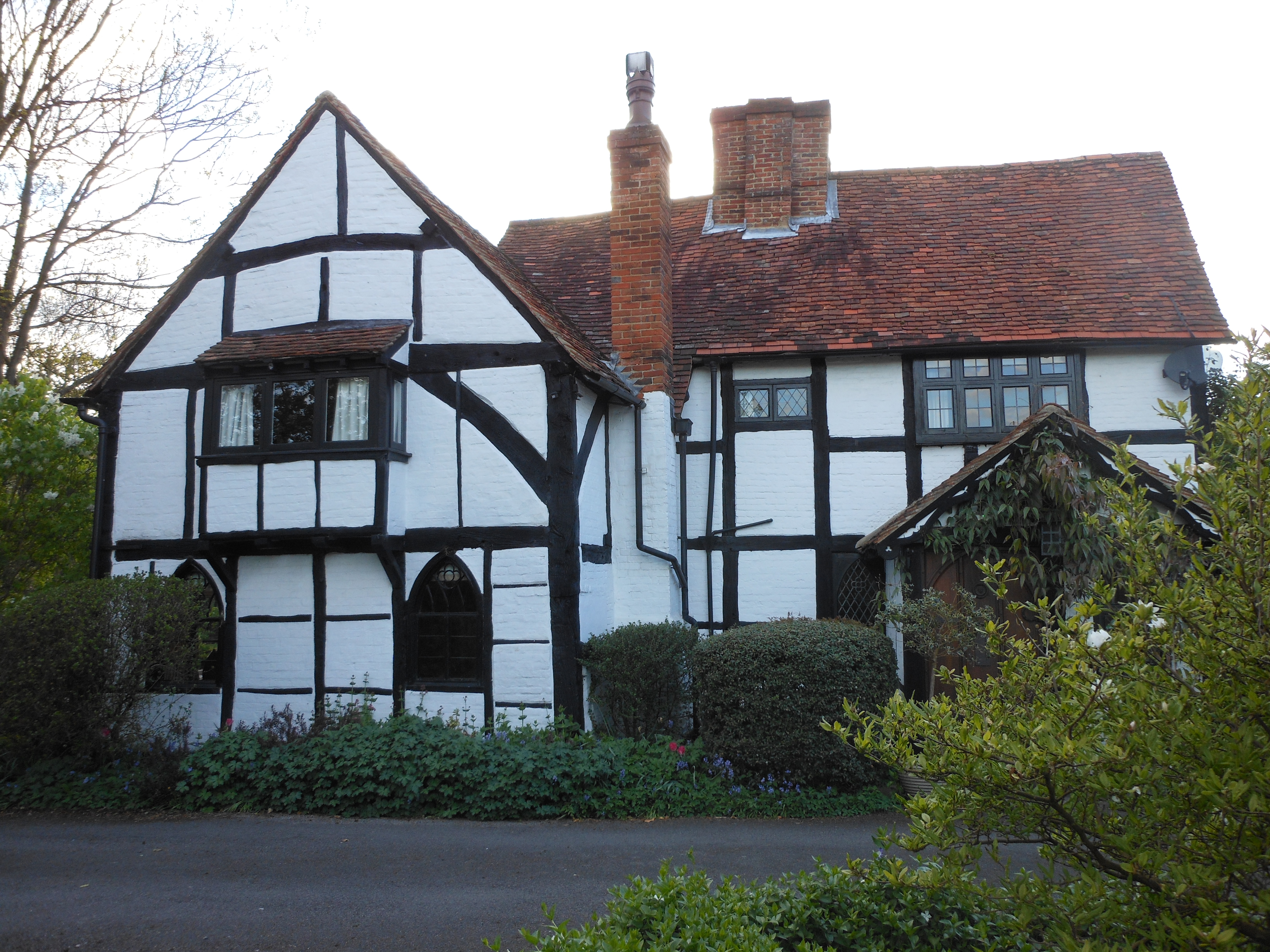
I chose The Old Farmhouse because it is close to Heathrow–a good place to unwind after a long flight or to depart without stress. I don’t like paying exorbitant airport hotel rates for rooms that are just OK at best. After three nights in this house, I’m hooked. I’ll go back any chance I get.

DSCN9118


The Old Farmhouse is a destination in itself–peaceful flowery grounds, just three guest rooms, and a cooked-to-order breakfast that comes with a huge fresh fruit plate. No one actually lives in the house–the very professional staff arrive in the morning to bustle around making breakfast and cleaning, cheerfully answering questions and generally being friendly. They’re on call the rest of the day and night.


It’s actually a 14th and 15th century house, modernized over the centuries but keeping the historic charm that brings Anglophiles like me to England. It’s not rock-bottom cheap, but it’s about a third of the price of a comparable nice hotel in the town of Windsor–and way less than anything in London.  I spend my trips to England using my National Trust pass to visit historic houses.  It’s a real treat to stay in one.

IMG_2697

My bedroom had ancient beams–complete with original wood pegs from the days when there were no nails.

IMG_2725


The entry has a beautiful and very old fireplace, decked with flowers in spring.

IMG_2705

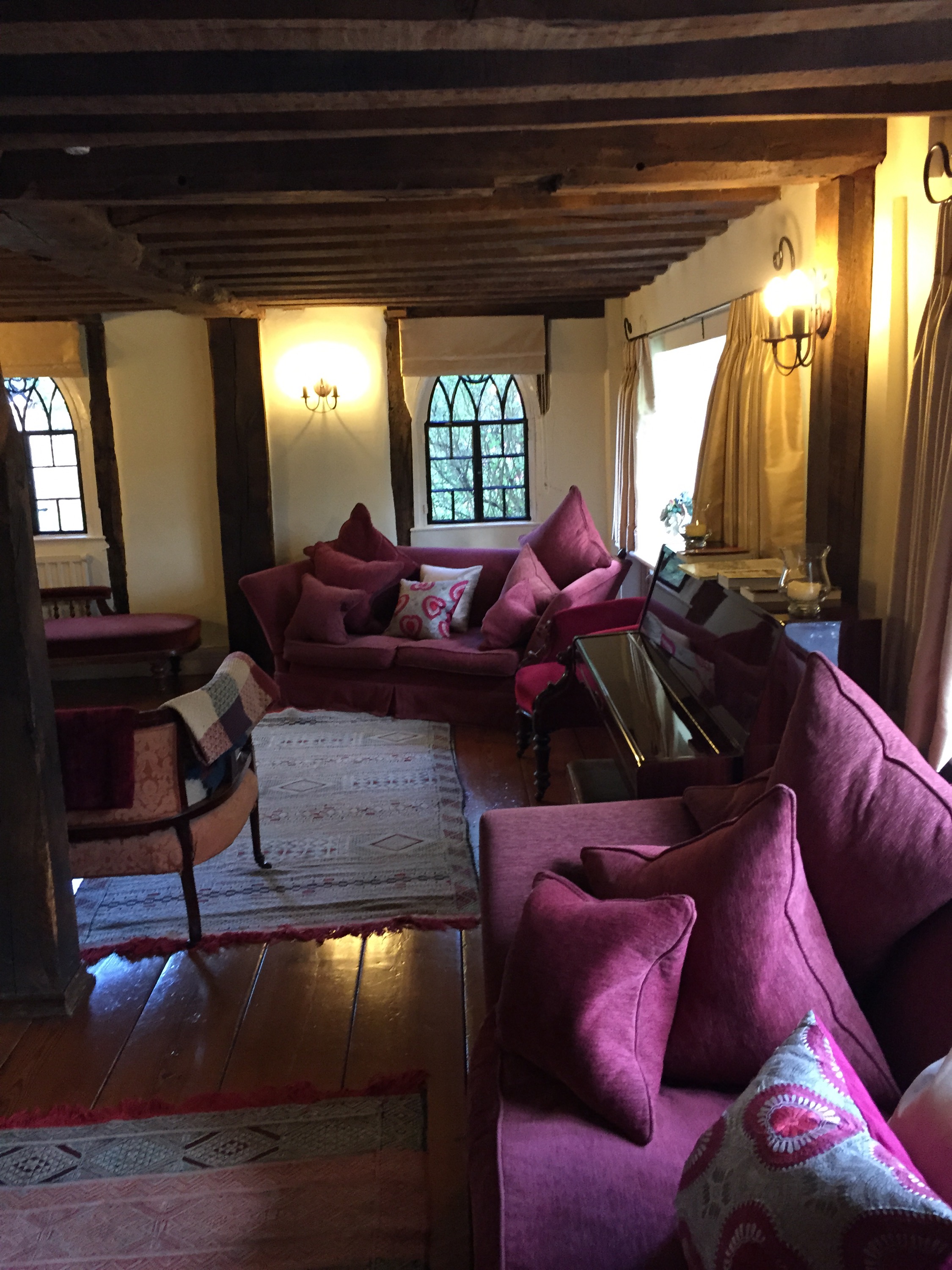
There’s a pretty lounge downstairs with comfy sofas and a piano. Wifi is free and fast.

Is there anything I didn’t like? Well, I have to say that flights out of Heathrow begin at around 6:30 in the morning. But Heathrow planes fly over all of Windsor. And there are not that many flights. The Old Farmhouse must be on one of many flight paths.

When we left, it took about 25 minutes to drive to the rental car return at Heathrow–which I had saved as a location on my GPS, because finding it is confusing. Heathrow is huge, and the car rental is not only at Terminal 5, but way outside the terminal. I think a taxi ride to the Heathrow departure level for a specific terminal would be a lot faster. I understand there is also a bus.

The location makes for an easy daytrip into London. An inexpensive train ride from Windsor to Paddington Station takes about half an hour, including an easy change at Slough. Trains run every 10 minutes. We had a rental car to drive to the station, less than two miles away. But the location is so close to Heathrow and Windsor that it would also work with taxi rides, kept pretty inexpensive by following the advice of staff and calling a particular company.

IMG_2773

Hampton Court Palace, where Henry VIII kept everybody shaking in their boots in the 1500s, is a 30-minute drive from Windsor. Henry’s Great Hall is intact, complete with some wood carvings of Anne Boleyn’s initials. Most of the marks of Anne’s time as Queen were removed along with her head, but even Henry VIII was not able to control every detail.

Join me next time for more explorations in the art and history of Europe and the British Isles!

Lord Nuffield ( the “Other” William Morris)

IMG_6101-0
William Morris wanted to be a surgeon, but his working-class family could not dream of sending him to university. So at the age of 15 he was apprenticed to a bicycle repair shop.  After awhile, he politely requested a raise.  When his boss refused, he went down the street and opened his own repair shop. Soon he was building and selling superior bicycles, which he personally raced, winning national awards for distances from one to fifty miles. His bikes, with a distinctive gilt wheel, attracted customers from all over Great Britain.
IMG_6094-0

He met his wife because she loved cycling too. As a side business, the enterprising Mr. Morris ran a taxi service.  Soon he was repairing taxis. It was just one step further to building his own car–simple and easy to repair. How hard could it be?

MorrisPoster

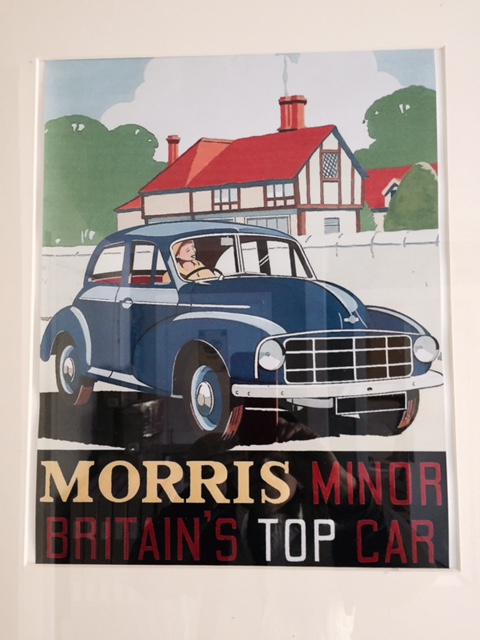
Soon he was selling huge numbers of Morris motorcars –and selling them at a price that middle-class and even working-class people could afford. Just as Henry Ford did in the United States, William Morris pioneered mass production, turning out fleets of fine affordable cars in ever-shorter times.

He was a master of marketing, too. He offered affordable car repair plans.  He published a colorful magazine that showed ordinary people tootling along the roads of Great Britain, enjoying excursions that were once reserved for the rich and their chauffeurs. But Mr. Morris gave away his money as quickly as he made it. All over Great Britain, self-made men were building stately homes that rivaled royal palaces. But Lord Nuffield gave most of his money to charities. He lived happily at his fairly modest home, Nuffield Place, now a National Trust property.

QueenThanks

In gratitude for his philanthropy, the King “created” him Viscount. He became a close personal friend of both King and Queen. He took the name “Lord Nuffield” from the village near Oxford, where he had a home. On the eve of coronation in 1937, the Queen wrote him a sweet note of gratitude.

FullSizeRender (27)

Rather reluctantly, because they were modest people, Mr. Morris and his wife decked themselves out in the ermine-trimmed red velvet robes needed for the coronation.

When World War II broke out, the Morris factories had to meet the tremendous need for military vehicles. Soldiers set forth from England to battlegrounds all over the world in Morris vehicles. Lord Nuffield was too old to fight, but he saw another need: anesthesia for field hospitals.

IMG_6240

Again, how hard could it be? In no time, he had designed a portable machine to administer ether. He gave away thousands of them. No longer did soldiers fresh off the battlefield have to endure excruciating pain in surgery.

IMG_6291
The war ended at last. Then in the 1950s, there was an outbreak of poliomyelitis, in England as in the United States. Lord Morris designed and manufactured an iron lung. One of them is on display at Nuffield Place. It is hard to imagine life inside one of these machines, but the machine saved many lives. Lord Nuffield gave away over 5,000 of these machines to patients all over Britain and the Commonwealth. Polio victims could get through the worst stage of the disease. Without such a machine they died because they could not breathe. Many of them were able to recover. They might be left with some paralysis, but they were alive.

So William Morris, who richly deserved the title “Lord Nuffield,” ended up saving and improving countless lives. What would he have accomplished as a surgeon? Most likely he would have been equally creative and generous as a physician.

FullSizeRender (7)

England has hundreds of very grand castles, palaces and stately homes.  But one of my favorite sights is Nuffield Place, the fairly modest home where William Morris chose to live.

I wrote about Lord Nuffield and his home after a visit last fall, at https://castlesandcoffeehouses.com/2015/04/21/nuffield-place…-practical-man/

I’m off to England again soon.  If I can, I’d like to pay another visit to this inventive, practical, generous man’s home. Join me next time for more explorations in the art and history of Europe and the British Isles!

Why I Love England…Especially in Spring

I’ve found that April is really a better month than May in England. It actually rains less in April than in May. It’s cool, but I just wear an extra layer. No one expects to completely avoid rain in England, but sunny days are a big plus.

IMG_2749

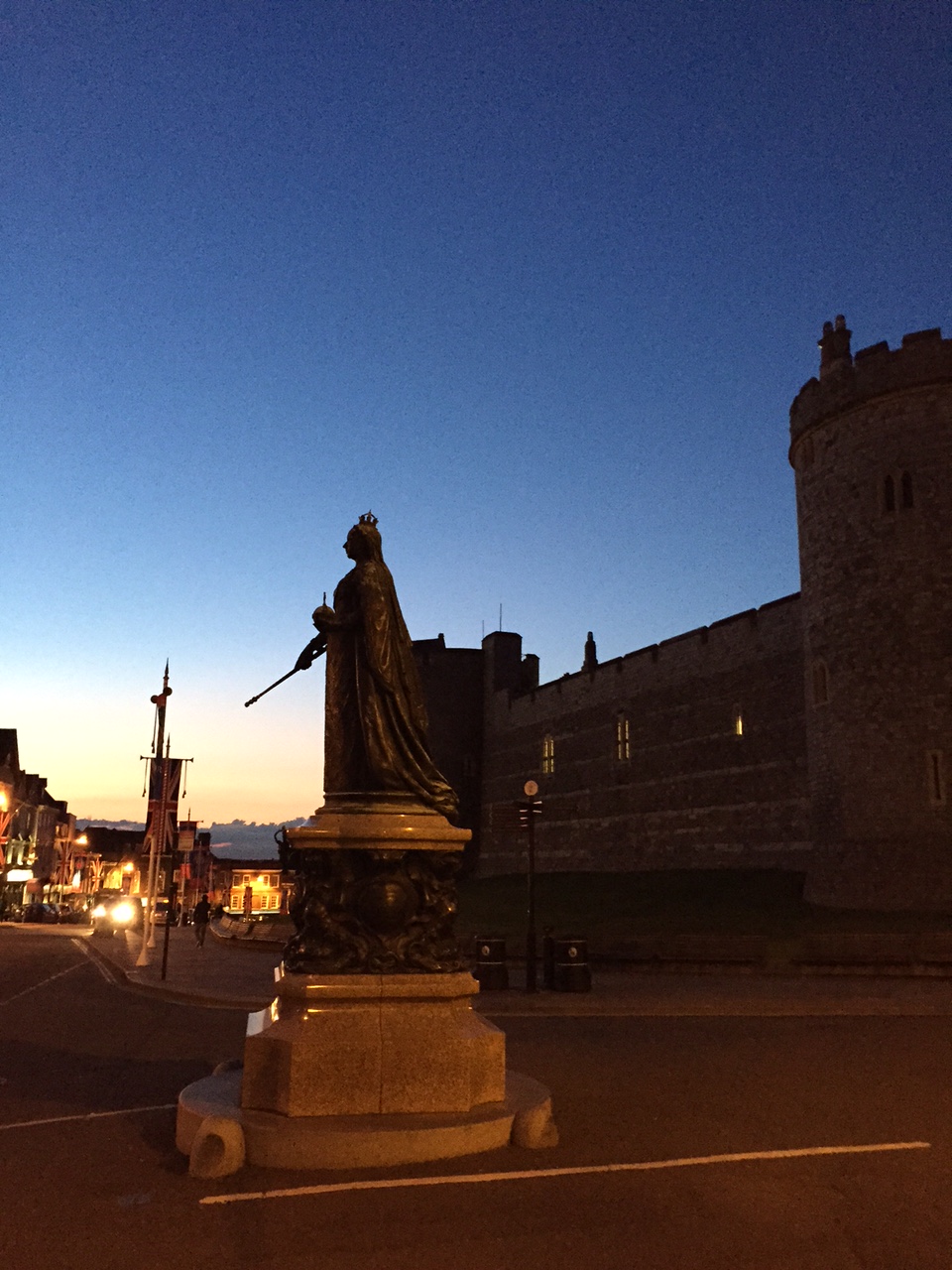
On a clear spring evening in Windsor, Queen Victoria stands sturdily on her pedestal and gazes majestically over the town. In this land of tradition, royalty begins to make sense even to an American puzzled by the idea of hereditary privilege. Victoria seems like a benign grandmother to one and all. No doubt she would approve of the very traditional name given to the new Princess of Cambridge, Charlotte Elizabeth Diana. Certainly the phenomenon that was Diana caused turmoil for the Royal Family, but then Victoria had troublesome children of her own. I imagine she took the long view.

IMG_2731
Spring flowers are in full bloom. Lilacs are fresh and fragrant.

IMG_6821
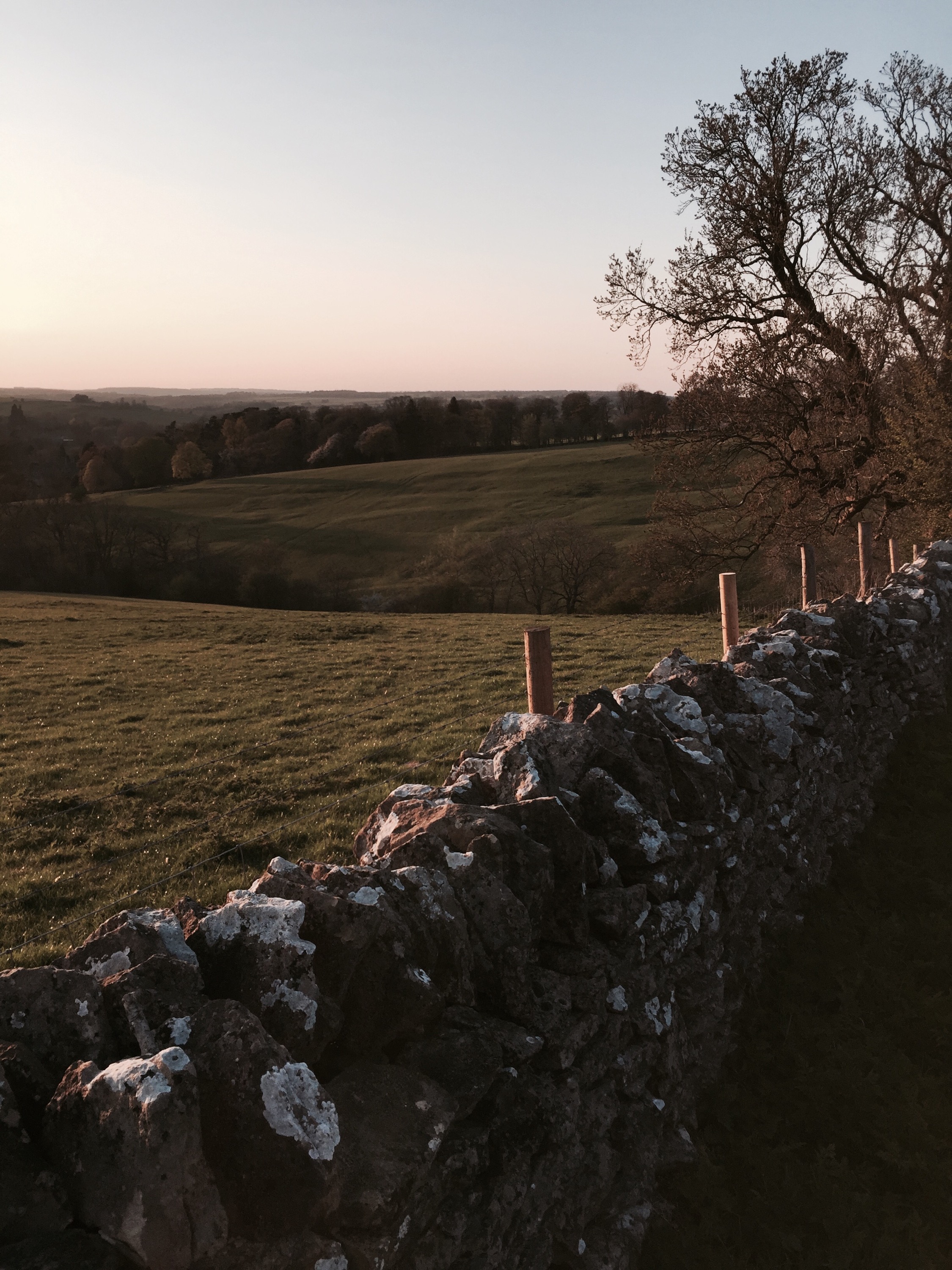
Stone fences neatly divide fields where every square foot has been lovingly farmed over many centuries.

IMG_8407

Public footpaths on private lands crisscross the entire country. The British consider keeping them public to be a sacred right, open to everyone. They’re muddy in rain, but easily walkable in dry weather.

IMG_0333

The British love their dogs (and their cats too). The little fellow above was dressed in a stylish fur-lined hoodie for a slightly chilly outing in Cambridge with his doting person.

IMG_7260 (1)
I get lonesome for pets left at home. B and Bs in the countryside often provide loaner pets on request, if you ask nicely. My new friend Ruby lives on a pretty farm in rural Suffolk.

Photo by nicogenin, Creative Commons Attribution Share Alike

Photo by nicogenin, Creative Commons Attribution Share Alike

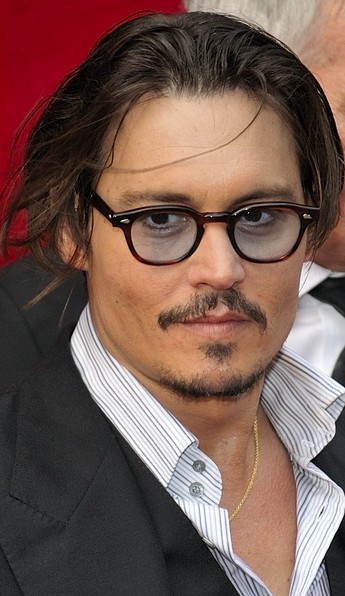
I had never been to the area north and east of London before–it’s off the main tourist trails.  In fact Rick Steves does not even mention the area, except for Cambridge. That may change, with William and Kate settling in Anmer, close to the coast in Norfolk.  And I think I had a Johnny Depp sighting!  Rumor has it that he bought a mansion in Burnham Market, a very posh but rural little village near Anmer. I think I spotted him driving right past me in a nifty Griffith sports car.  If the “east of England” is good enough for the royals and for Johnny Depp, it’s good enough for me.

I really do love England, in any season!