Category Archives: France

Thoughts of Paris


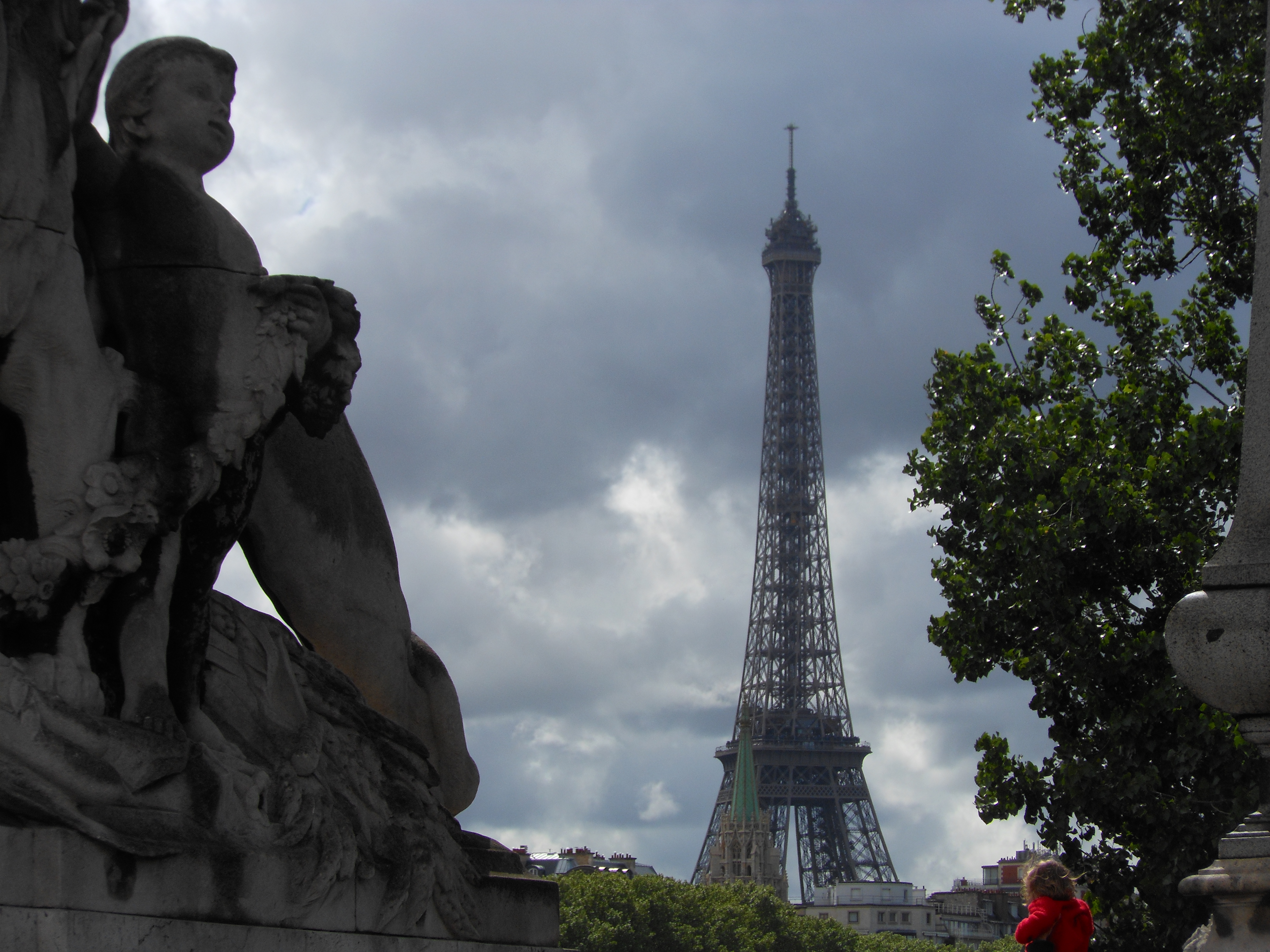
Seine

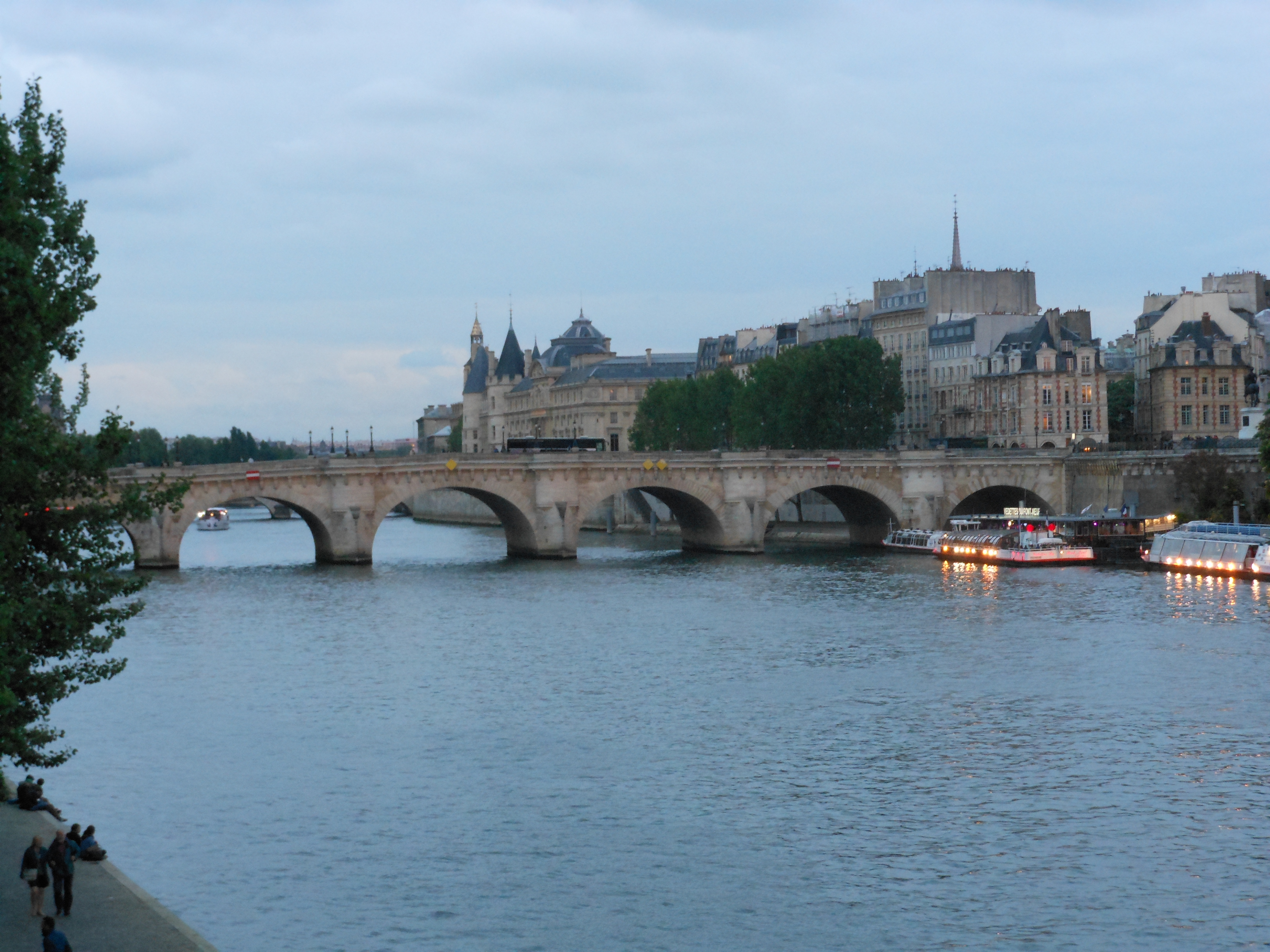
On this day when enormous crowds are gathering in Paris and other French cities, I’m there in spirit.

Eiffel

I look forward to being in Paris again, as soon as I can get back to one of the most beautiful and historic cities in the world.  Paris has seen its share of turmoil over the years.  Cloudy skies will clear.  It seems each generation faces and overcomes new challenges.  I wish Parisians, and citizens of other cities all across France, wisdom and courage in their current crisis.


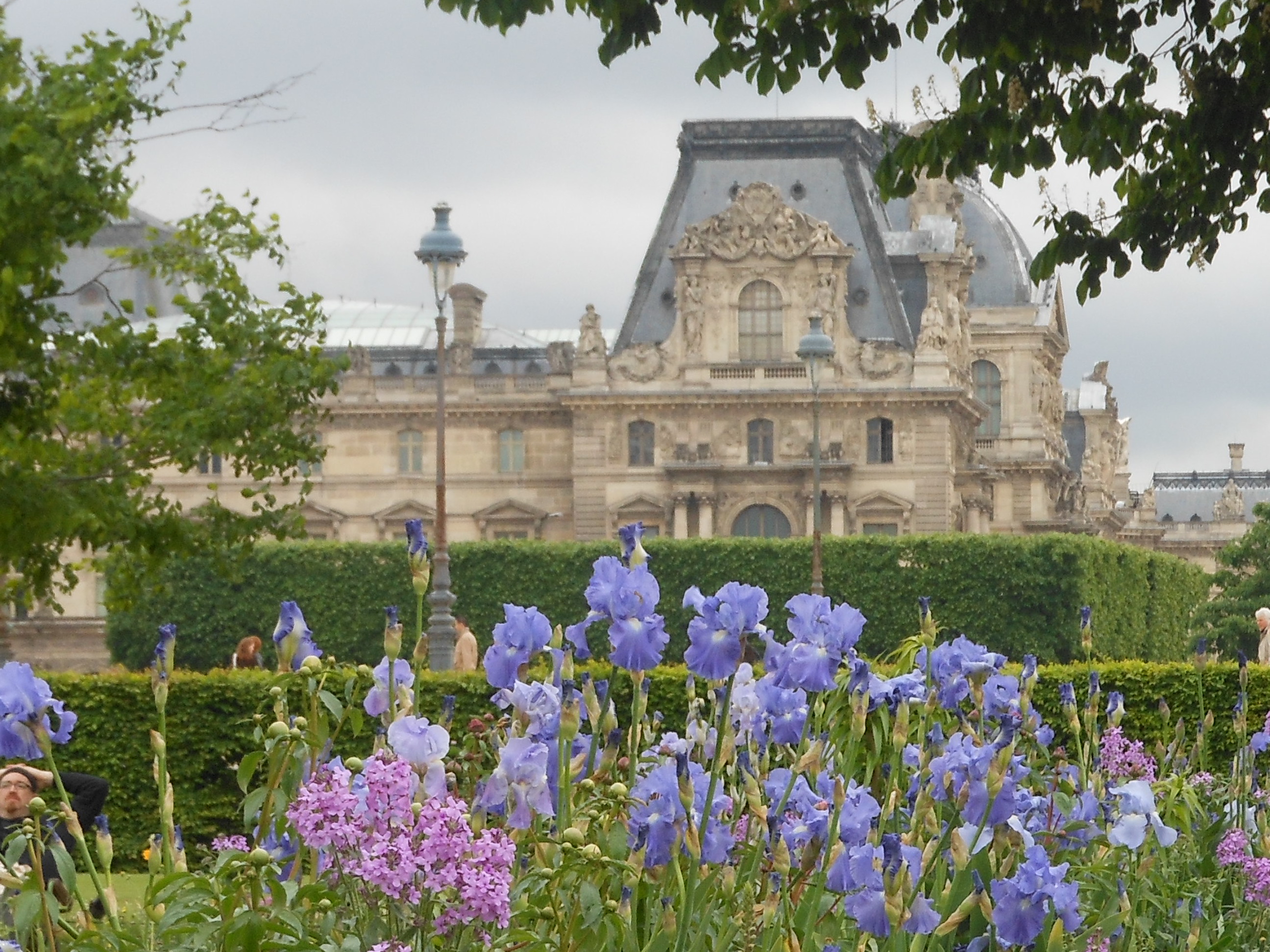
TuileriesIris

I am hoping this winter of violence gives way to a springtime of peace, good will and understanding between all people.


A Cradle Fit for a King (or Emperor or Duke)

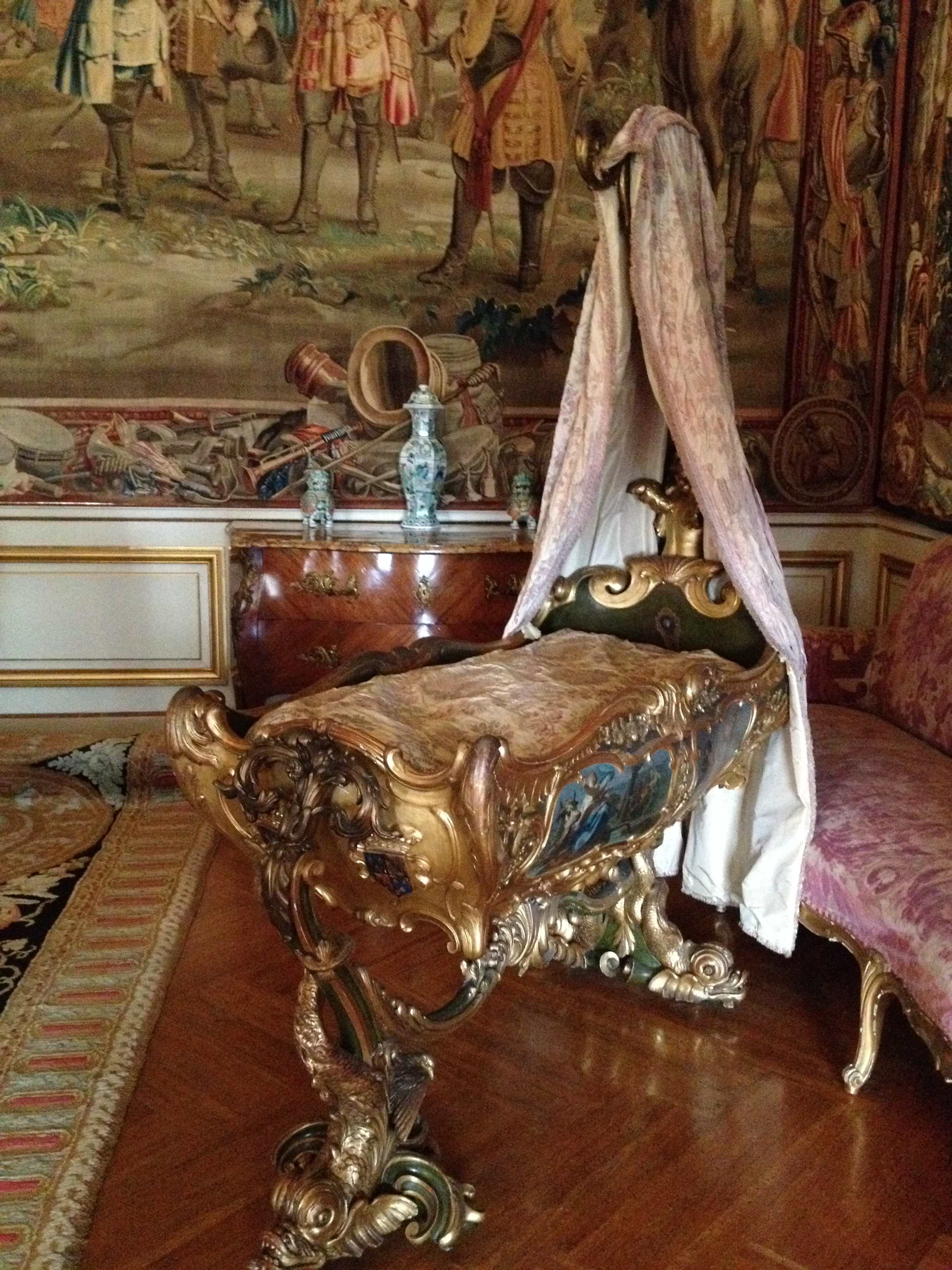
BlenCradle

When Consuelo Vanderbilt did her duty and produced the required “heir and a spare” for the 9th Duke of Marlborough, she rocked her boys in a regal cradle, which is still on view at Blenheim Palace.   Consuelo’s mother, the irrepressible Alva Vanderbilt, wasted no time in ordering this cradle from Italy.  She had moved heaven and earth to marry her very rich daughter to the Duke of Marlborough.  The birth of a male heir insured that the Vanderbilt bloodline would forever have a secure footing in the British aristocracy.

According to a placard about the cradle in Blenheim Palace, it was a near-replica of the one made for Napoleon Bonaparte’s long-awaited heir in 1811. I don’t see much resemblance, though. Consuelo’s cradle is ornate, over-the-top with fanciful figures and gilding. (Actually, a baby being rocked in this cradle would have gone straight over the top and onto the floor–the mattress is even with the sides. If Consuelo actually used it, she must have used it with a lower mattress).

NapoleonCrib


Napoleon II’s cradle is now in the Imperial Treasury in Vienna, because the child’s mother was Napoleon’s second wife, Marie-Louise of Austria. It was never actually subjected to a burping, crying child.  It was a ceremonial object–a “throne cradle”– presented to Empress Marie Louise by the City of Paris. This cradle has a distinctly military look. It was fashioned of 280 kg of silver, replete with symbols of power and good government:  horns of plenty, the Roman Capitoline Wolf, a laurel wreath, a crown of stars, and numerous bees. Napoleon the Emperor took the bee as his personal emblem; it was also an old symbol of Paris, indicating diligence. The foot of the cradle has a small eagle; Napoleon II was popularly known as “The Eaglet,” with the hope that he would surpass even the glorious exploits of his father.

Napoleon’s only legitimate son had a short and tragic life.  The Emperor made his son the King of Rome the instant he was born.  Glory did not follow, though. After his father’s abdication in 1814, Napoleon II’s mother was forced to flee home to Austria with her toddler.  She remained married to Napoleon, but never saw him again.  The child died in isolation in Austria, where he had to be kept from the public for fear of his father’s admirers trying to rally around him.  I read somewhere that the unfortunate child’s only companion was a pet bird.  He was a frail, sickly child, kept indoors almost all the time. He died of tuberculosis at age 21.

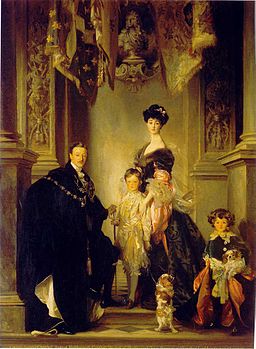
Duke of Marlborough and His Family, John SInger Sargent, 1905, Public Domain

Duke of Marlborough and His Family, John SInger Sargent, 1905, Public Domain

Consuelo’s marriage to the 9th Duke of Marlborough was loveless and unhappy, but her older son, in the fullness of time, became the 10th Duke of Marlborough and her younger son lived out his days as Lord Ivor Spencer-Churchill. Consuelo’s ancestors continue to occupy Blenheim Palace to this day.

Join me next time for more explorations in the art and history of Europe and the British Isles!

Happy Birthday, Pablo Picasso!

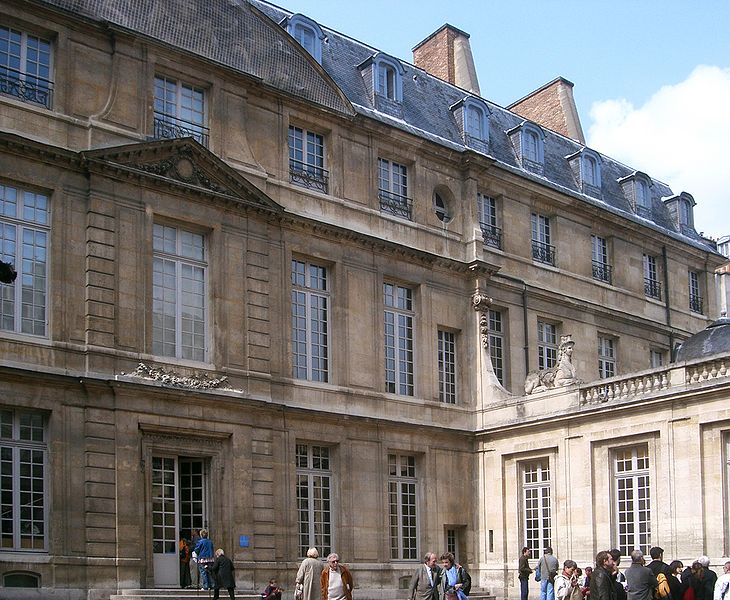
Today in Paris, the Musee Picasso reopens after five years of turmoil and $60 million in renovation.  It’s the anniversary of the great artist’s birth in 1881. (He would be 133 today!) Francois Hollande, the French President, will attend.  Throngs of art lovers will follow.  I’ll be among them as soon as I can swing a trip to Paris. When I was last in Paris, last spring, I just missed the planned May opening; it was one of many, many dates that came and went with no opening after all.

"Hotel Sale," photo by Beckstet, Creative Commons Share Alike 3.0

“Hotel Sale,” photo by Beckstet, Creative Commons Share Alike 3.0

The project was overseen by a distinguished but idiosyncratic Picasso scholar, Anne Baldassari. Five years ago, she was given the responsibility of remodeling the 17th-century mansion in the Marais district of Paris. Her uncompromising vision for the renovation turned a planned two-year project into five long years. The old museum never seemed crowded to me.  Not that many tourists made their way to its imposing gates.  The museum always felt a little damp; after all the “Maris district was once a swamp. It was always a labyrinth of rooms clearly carved out of a very old space never meant for exhibiting art.  But it was always one of my favorite museums. The space seemed appropriate; Picasso spent his entire career working in ancient spaces, both grand and humble.  He spent the years of World War II working tirelessly in studios in Paris, even though he was forbidden to exhibit his work by the occupying Nazis.

Anne Baldassari was dismissed about a year ago, after acrimonious struggles with workers, other administrators, and Picasso heirs.  But her scholarship is still respected; she was invited back to curate part of the hanging of the largest collection of Picasso paintings in the world. The museum houses about 5,000 works. In the old space, only a small fraction could be exhibited at a time. Picasso’s family donated most of these works to the French state after his death, in payment of death taxes.

ChildPicasso

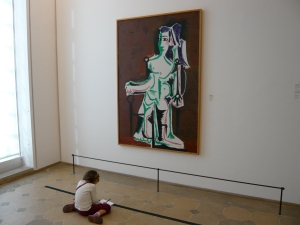
One of my most unforgettable sights in a museum was not a work of great art; it was a young child crouched on the floor of the Musee Picasso in Paris. As her mother waited nearby, the little girl moved from one Picasso painting to another, intently drawing in a notebook. She was oblivious to anything around her, and people respectfully stood back to let her work.  What she was doing WAS work, not play. Was she a budding genius, or just a kid going through a stage, as kids will? Hard to tell, but I admired her mother for patiently spending the day letting this child pursue her passion.

I think Pablo Picasso would approve.  I hope he enjoys his birthday in his renovated museum!

Beauty and Sadness: the House of Camondo


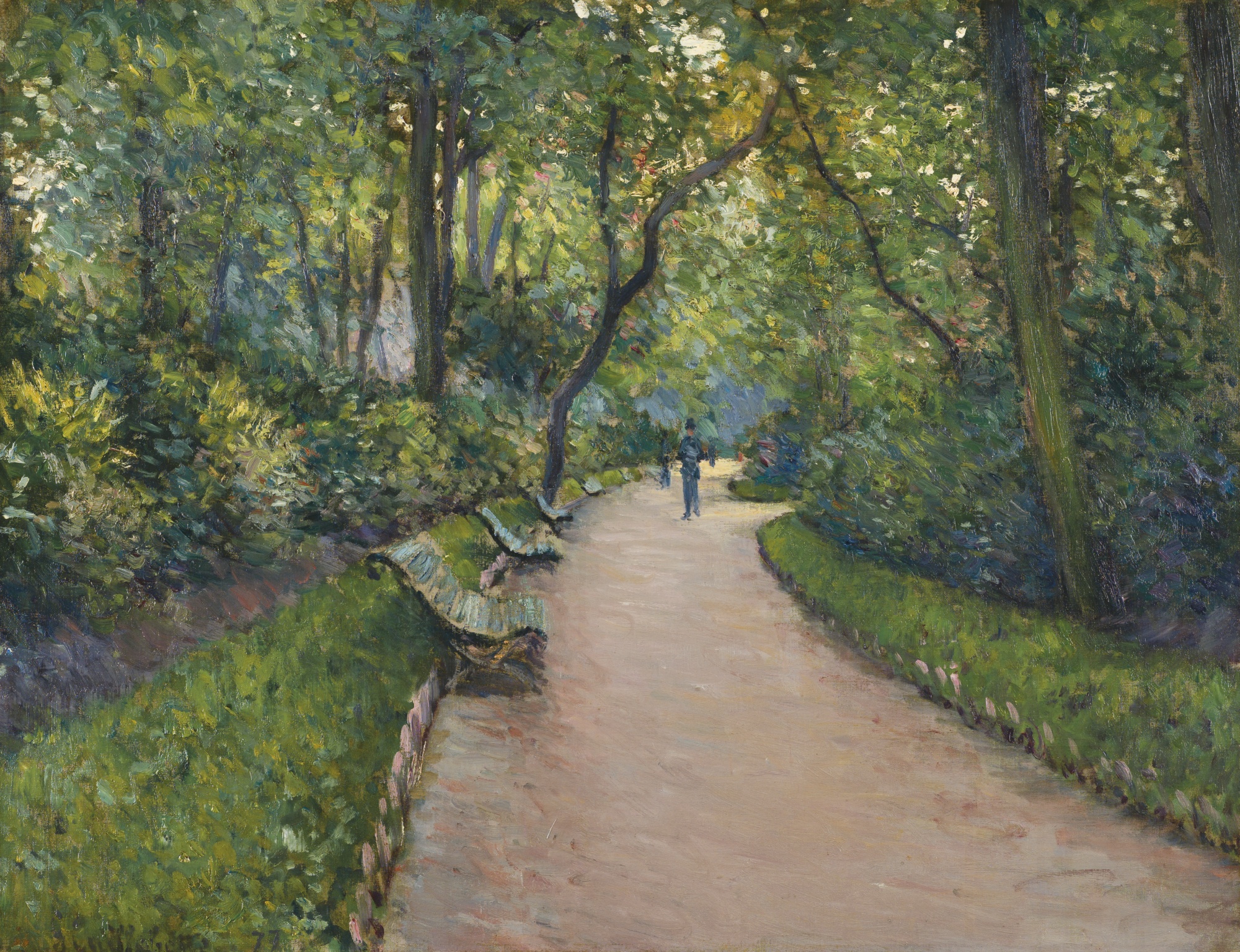
"Parc Monceau," Gustave Caillebotte, 1877, Public Domain

“Parc Monceau,” Gustave Caillebotte, 1877, Public Domain

The painting above is “Parc Monceau,” by Gustave Caillebotte, 1877. In 1911, Compte (Count) Moise de Camondo built his mansion on the edge of the very elegant Parc Monceau in Paris. The park still looks much the same as it did then, and the house is preserved as though the family had just left. But a visit to the Musee Nissim de Camondo in Paris ends with sobering realities. Newsreels show footage from the First and Second World War, plus some footage of the family members who were swept up in those wars, making this venerable family line extinct.

The Camondo family were prominent in Europe as merchants, bankers and philanthropists beginning in 15th century Spain.  After all Jews were expelled from Spain in 1492, they settled in Venice, where they prospered. When Austria took over Venice in 1798, they were again forced to relocate.  They went to Istanbul. Eventually, family members made their way to Paris where they already had business interests.  By that time, they had acquired the hereditary title of “Count.”
Nissim2

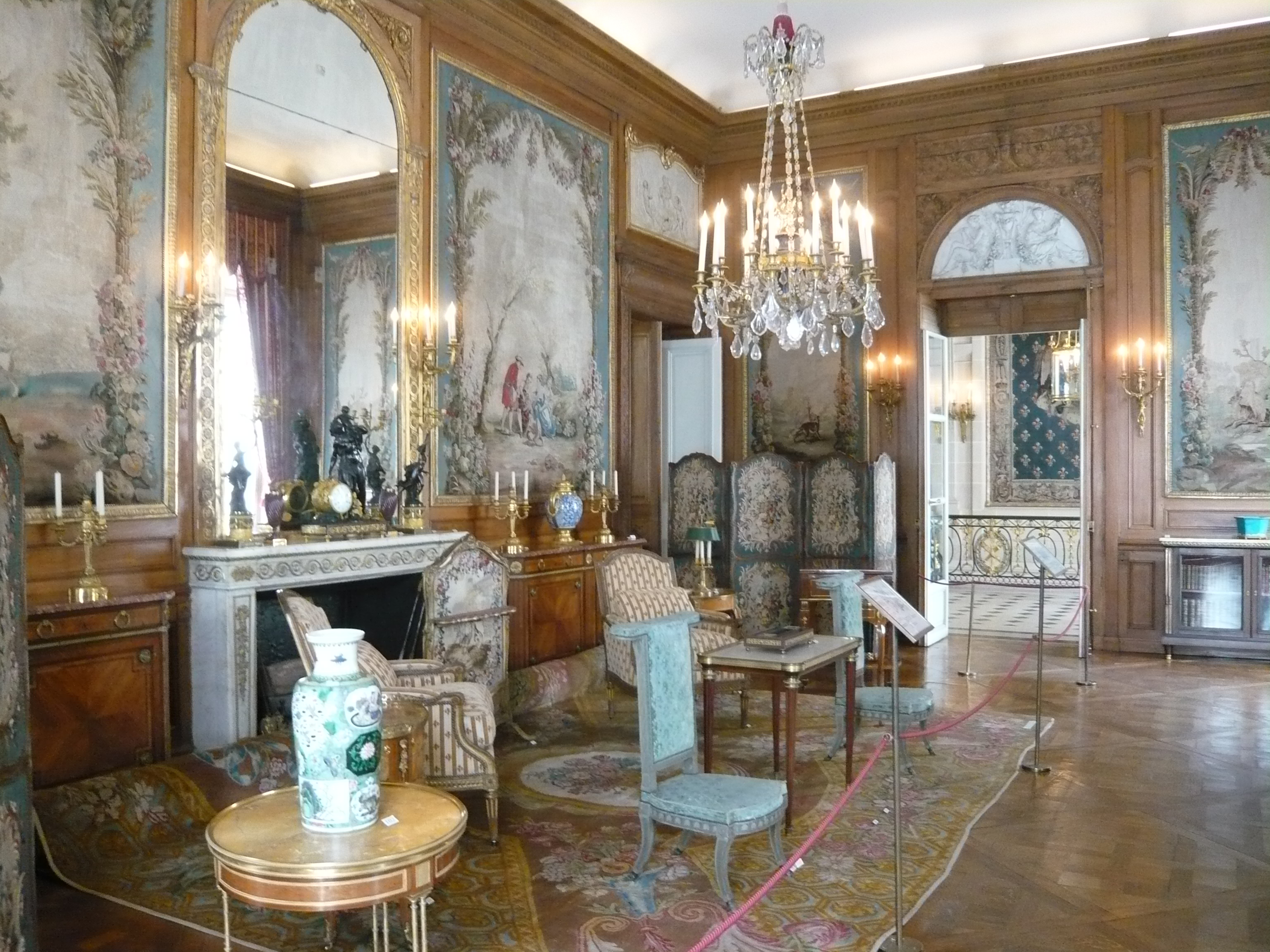
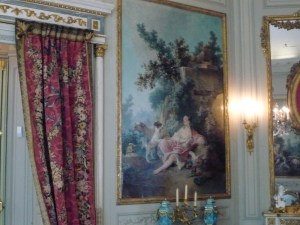
Moise de Camondo built his dream home. His dream was to live as an aristocrat in the 18th century. His tranquil salons are hushed now; not too many tourists make their way to the Parc Monceau.  In Moise’s day, his rooms were filled with friends, laughter, good conversation and music.
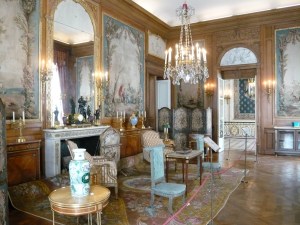
Nissim,1

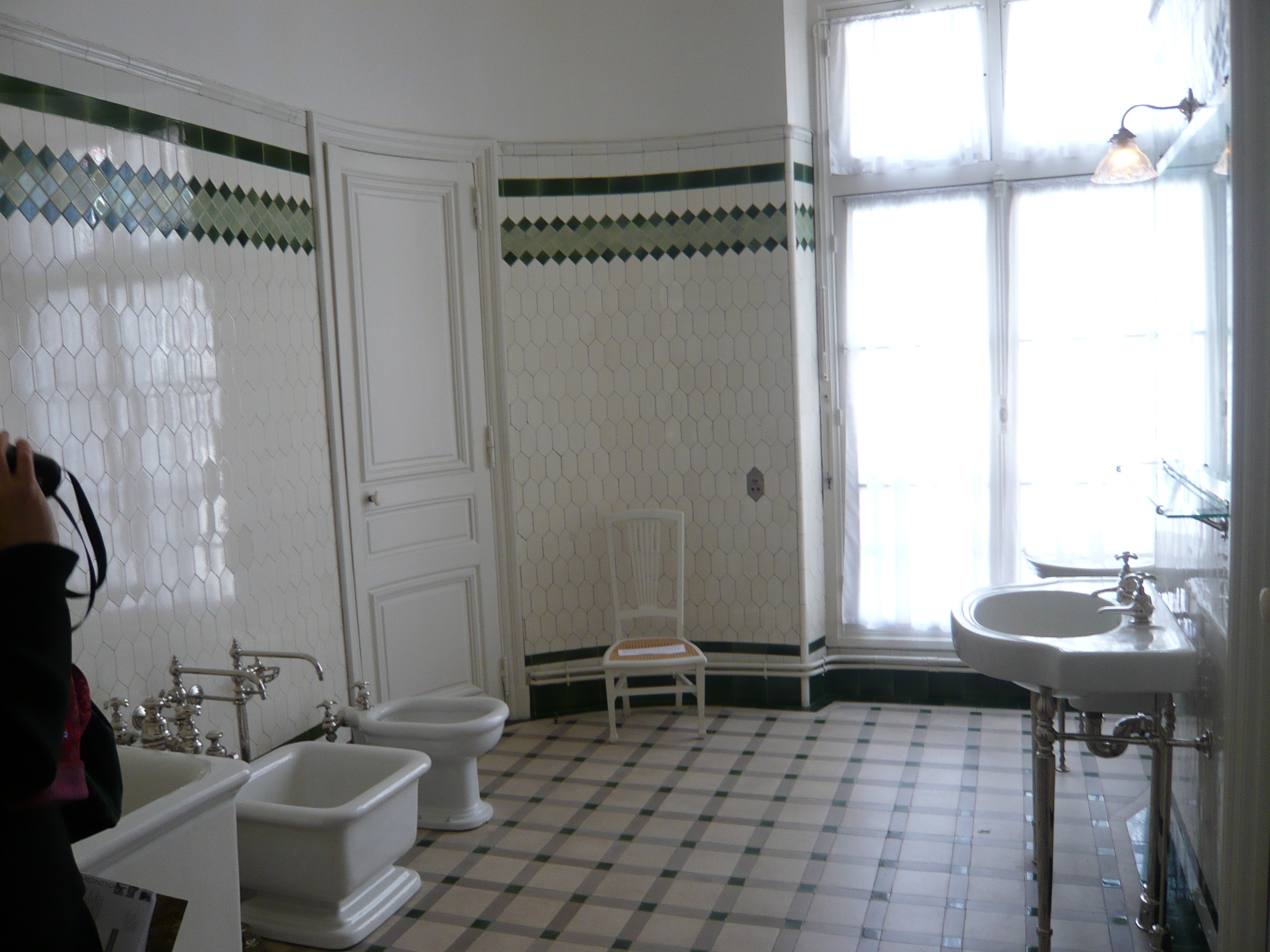
Moise filled his mansion with priceless art and furniture. He also had the very latest in plumbing and fixtures.
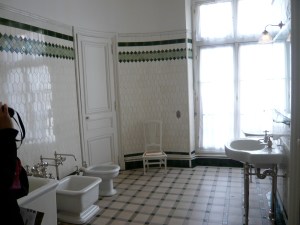
Nissim3

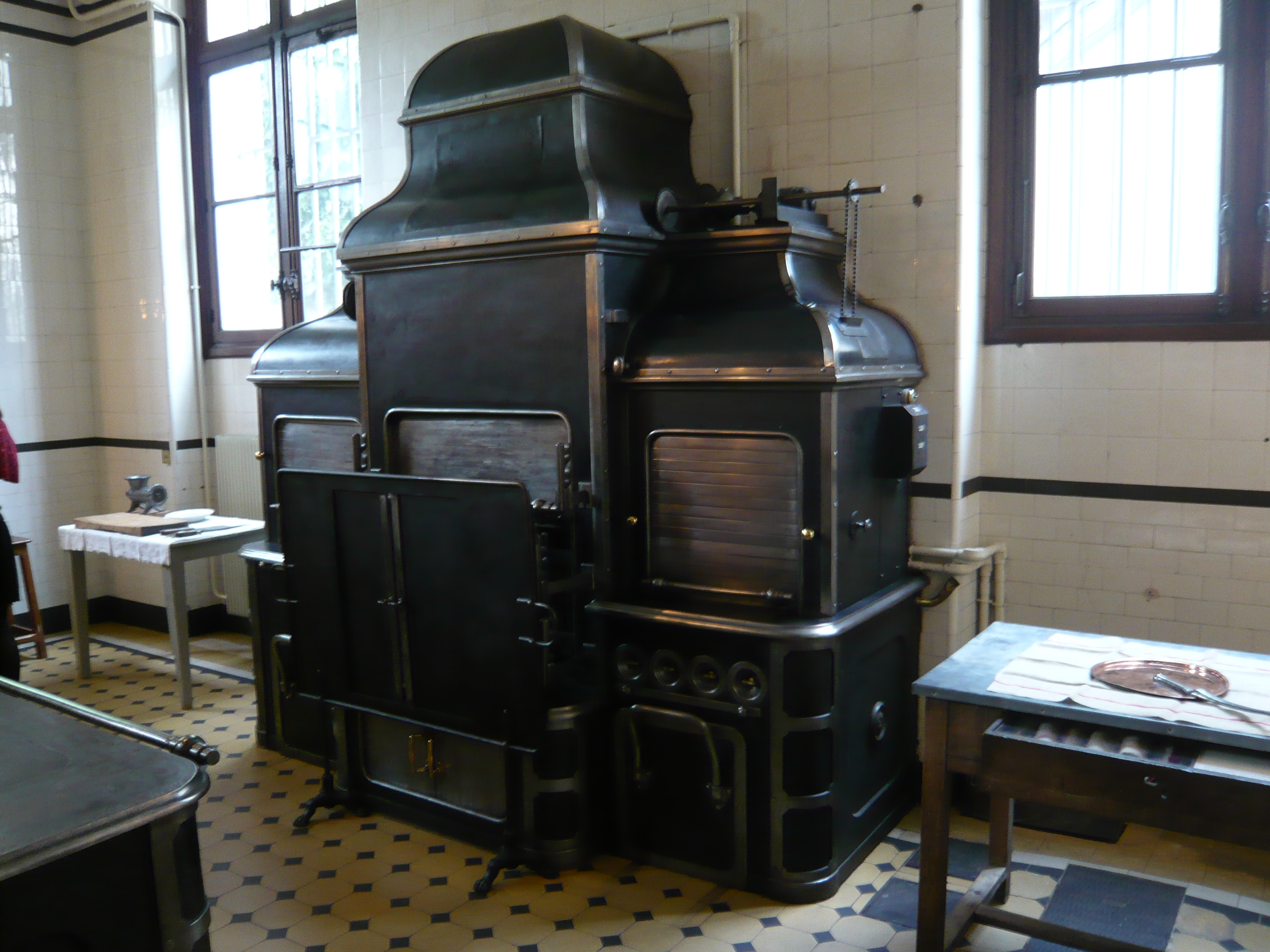
Moise’s state-of-the-art kitchen produced fabulous meals served on museum-quality china.
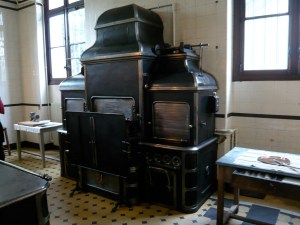
Nissim 4

But this idyllic life did not last long. Moise’s only son, Nissim, volunteered as combat pilot when World War I broke out. He was killed in action. When Moise died in 1935, he named the mansion for his only son and left it to be opened as a museum of 18th century decorative arts.

There was still plenty of money left over after Moise’s death for his daughter, Beatrice de Camondo.  She was a busy socialite. She saw no reason to change her life even as World War II began; like so many others, she apparently believed her family’s wealth and titled status would protect her.  Sadly, Beatrice, her two children and her husband were deported to Auschwitz between 1943 and 1945.  They were never seen again.

The mansion built in 1911 by Moise de Camondo still stands as he left it, a beautiful but melancholy sight in Paris.

 

My Own Private Odalisque

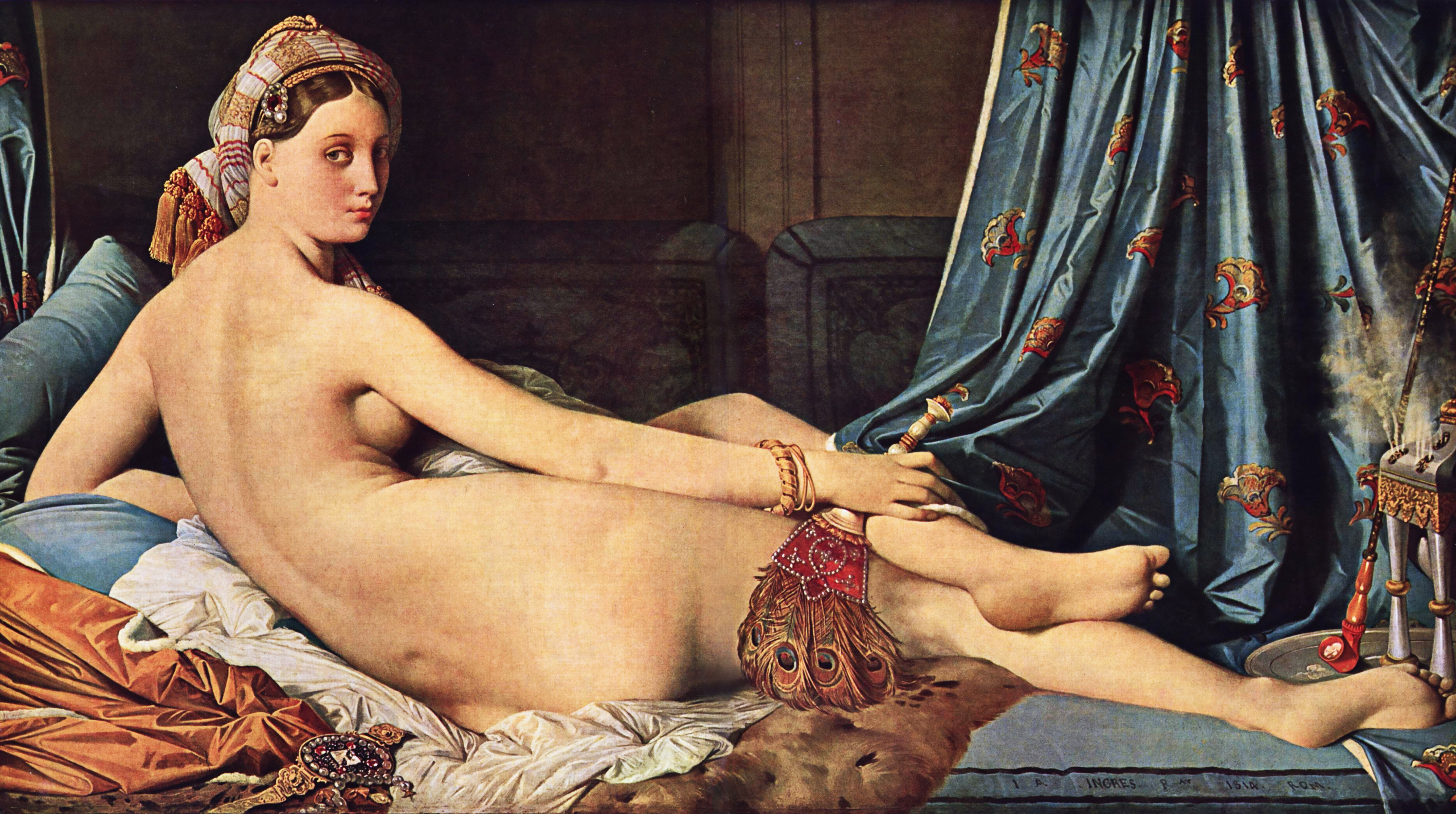
"La Grande Odalisque," Ingres, 1814, Public Domain

“La Grande Odalisque,” Ingres, 1814, Public Domain

I have a special fondness for a particular painting in the Louvre Museum in Paris: “La Grande Odalisque,” painted by Jean-Auguste-Dominique Ingres in 1814.  The original painting was commissioned by Napoleon Bonaparte’s sister, Queen Caroline Murat of Naples. (Early Popes invented “nepotism,” installing their nephews as Cardinals.  But Napoleon I took nepotism many steps further, installing family members on thrones all over Europe during the ten-year period when he was Emperor).

There is something a little off-kilter about this image.  Scientific analysis provided the reason, shortly after the painting first appeared in public: too much backbone. The painter Ingres defied all the known laws of anatomy and classical beauty in order to create a romanticized exotic image from an imagined Sultan’s harem. In order to enhance the sensuous curves of the woman’s body, Ingres painted this lady with at least five extra vertebrae. I guess she is alluring, if a little disconcerting. If you ask me, she looks quite a bit like a weasel.

Photo by Keven Law, Creative Commons Attribution Share-Alike2.0

Photo by Keven Law, Creative Commons Attribution Share-Alike2.0

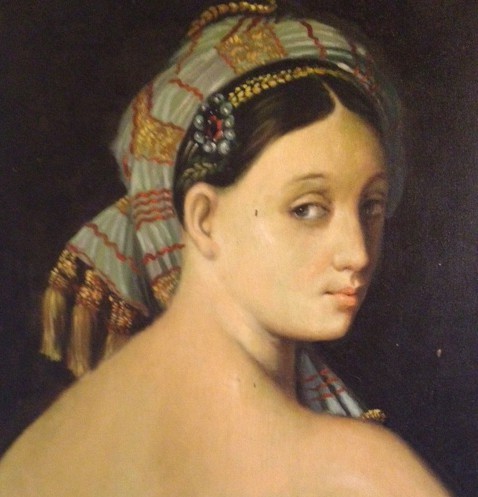
I prefer my own Odalisque, a lady I rescued from a garage sale one fall afternoon.

photo

The artist who painted this very good copy was one M. Feste, signed in red in the corner. The copy shows just the Odalisque’s head and shoulder. I found her canvas leaning against a wall, in danger of being stepped on. My private Odalisque doesn’t suffer the indignity of having a ridiculously elongated backside. Now she just gazes calmly back over her shoulder at anyone entering my bathroom, confident in her exotic beauty.

Join me next time for more explorations in the art and history of Europe!


Palace Seating: How Do You Rank?

KQStools

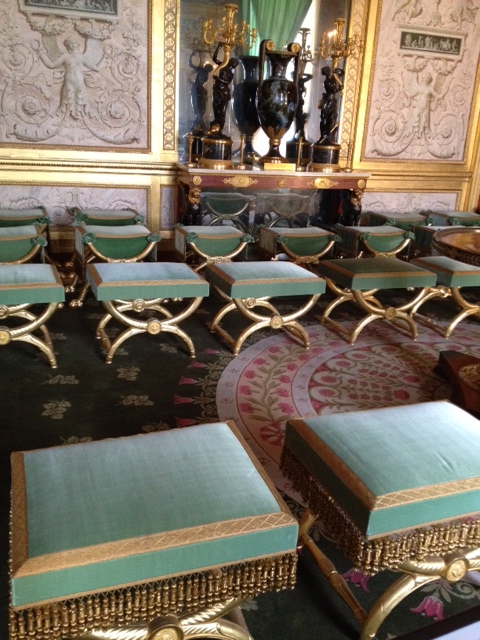
At Fontainebleau, as at many royal palaces, rooms are filled with rows of upholstered seating in various shapes and sizes. But apparently there were no cheap seats.  These folks must have spent a lot of time just hanging out with royalty in salons, hoping to curry favor.

As royal etiquette evolved over the centuries, a seat was not just a place to sit down. By the time of Louis XIV, a seat was a rigidly controlled indication of one’s rank in society. Seats had no nametags. There were no sections marked “Duchesses and above.” A person attending the King and/or Queen was just expected to know.   I’d have lived in terror that I might absentmindedly sit down in the wrong place and land myself in a dungeon, or worse.

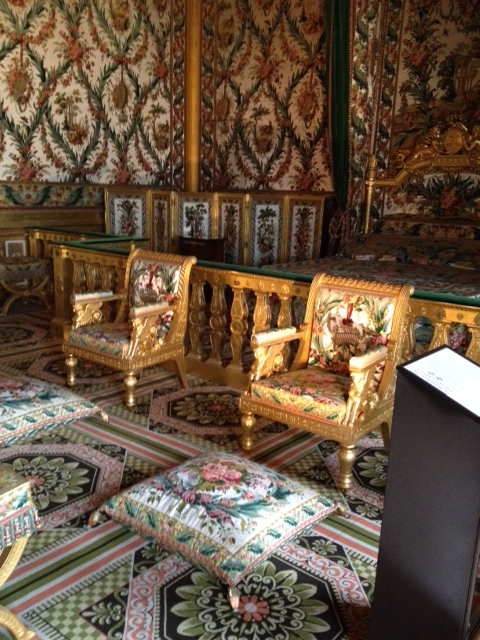
Chairs

Naturally, the pair of armchairs placed in the most desirable spot, like next to a fireplace in a chilly room, was reserved for royalty. And only the King and Queen rated footstools.

Stools

“Stools” of various sizes and heights–what we might call ottomans–were reserved for those high in rank.  But within each rank, there was a pecking order, with those currently most in favor getting to sit closest to the Queen.

KQChairs


Marie Antoinette, for example, could gather her most amusing ladies around her, close to the warmth of the fire–reason enough to get off as many good jokes as possible. The coveted seats needed to be wide and deep, to accommodate voluminous layers of skirts.


What about the guys?  Out of luck, I’m afraid. Gentlemen below royal rank were expected to stand at all times in the presence of royalty–unless they were invited into a private boudoir.

The first thing I look for when I enter a museum or palace room where I want to spend some time is a bench or chair designated for visitors.  Good thing I live in the 21st century!


Nelie’s Chapel


Self Portrait of Nelie Jacquemart, Public Domain

Self Portrait of Nelie Jacquemart, Public Domain

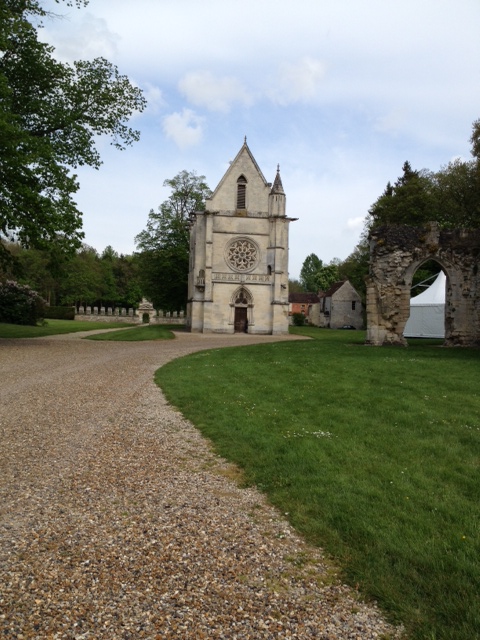
When Nelie Jacquemart-Andre’s colorful life ended in 1912, she was buried according to her wishes in the exquisite 12th-century Chapelle-Sainte-Marie on the grounds of her historic but somewhat modest chateau, the Abbaye Royale de Chaalis.  The chapel was built during the reign of France’s only sainted King, St. Louis. He used to worship there when he visited the monks in the Abbey. Nelie had donated the chateau, the chapel, the grounds, her Parisian mansion, and her priceless art collection to the Institut de France, and her homes were immediately opened as museums.
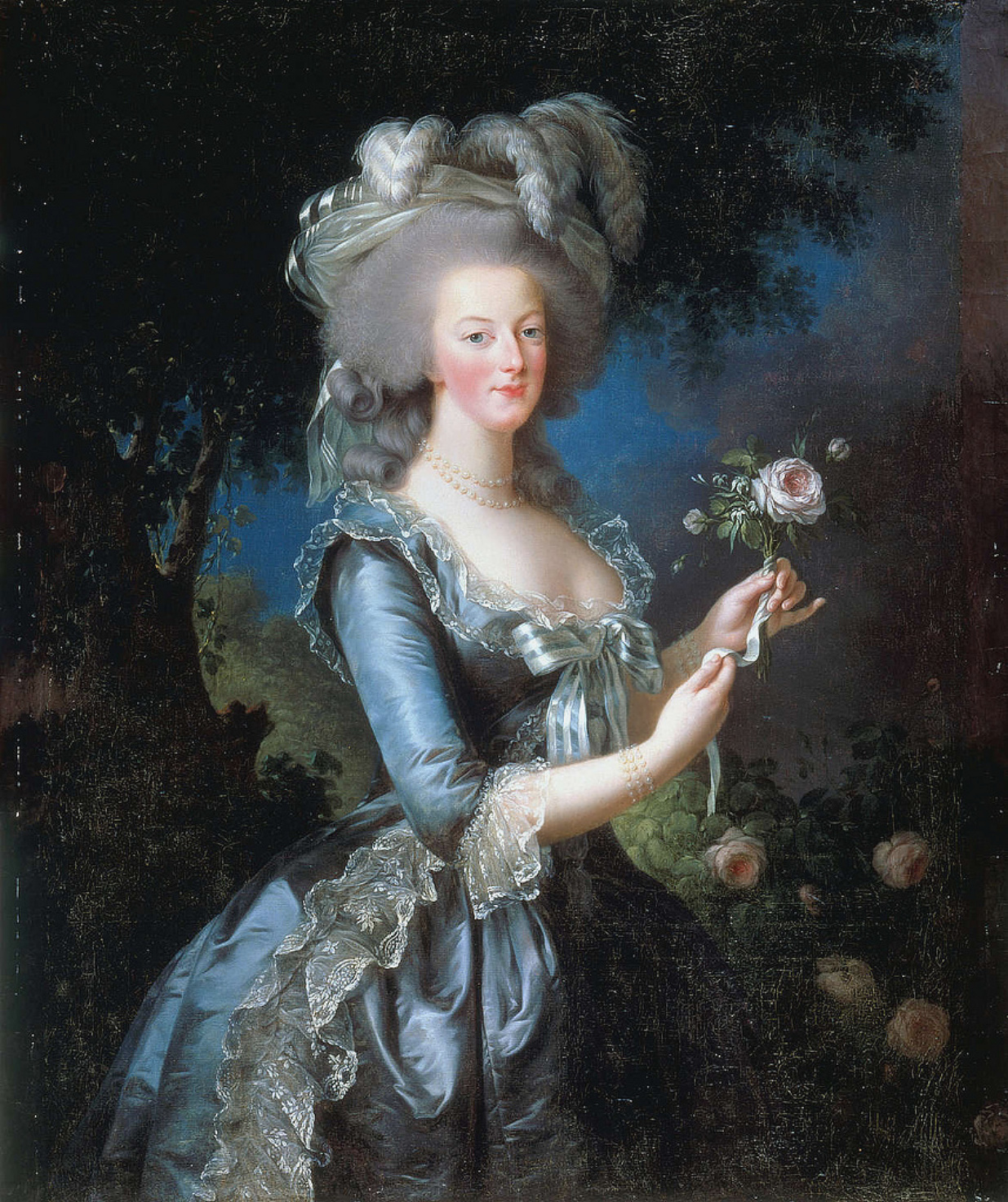
photo (12)

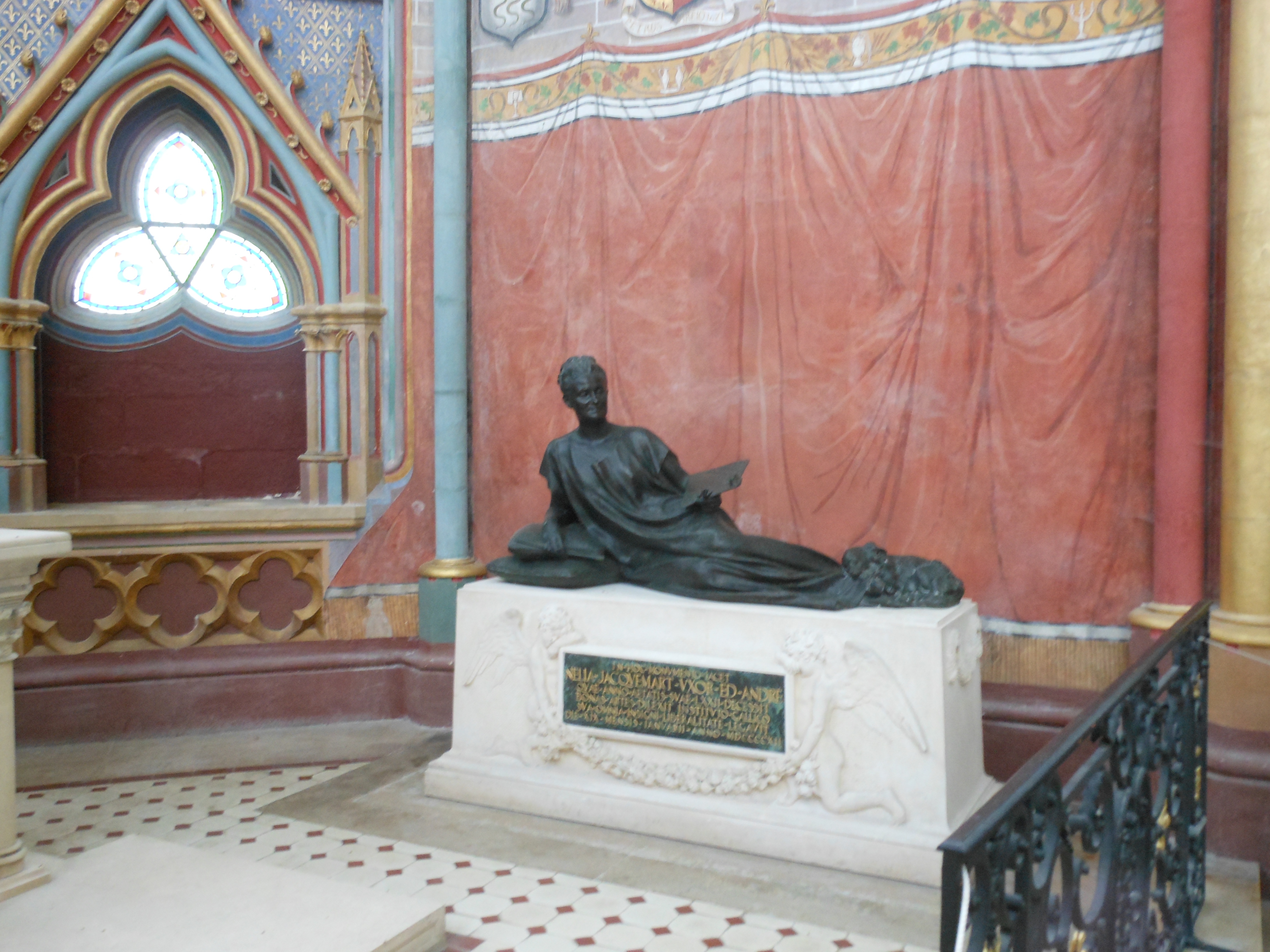
In gratitude, the Institut commissioned a bronze effigy which shows Nelie half-reclining, with her painter’s palette, in the chapel.

NelieTombChapel

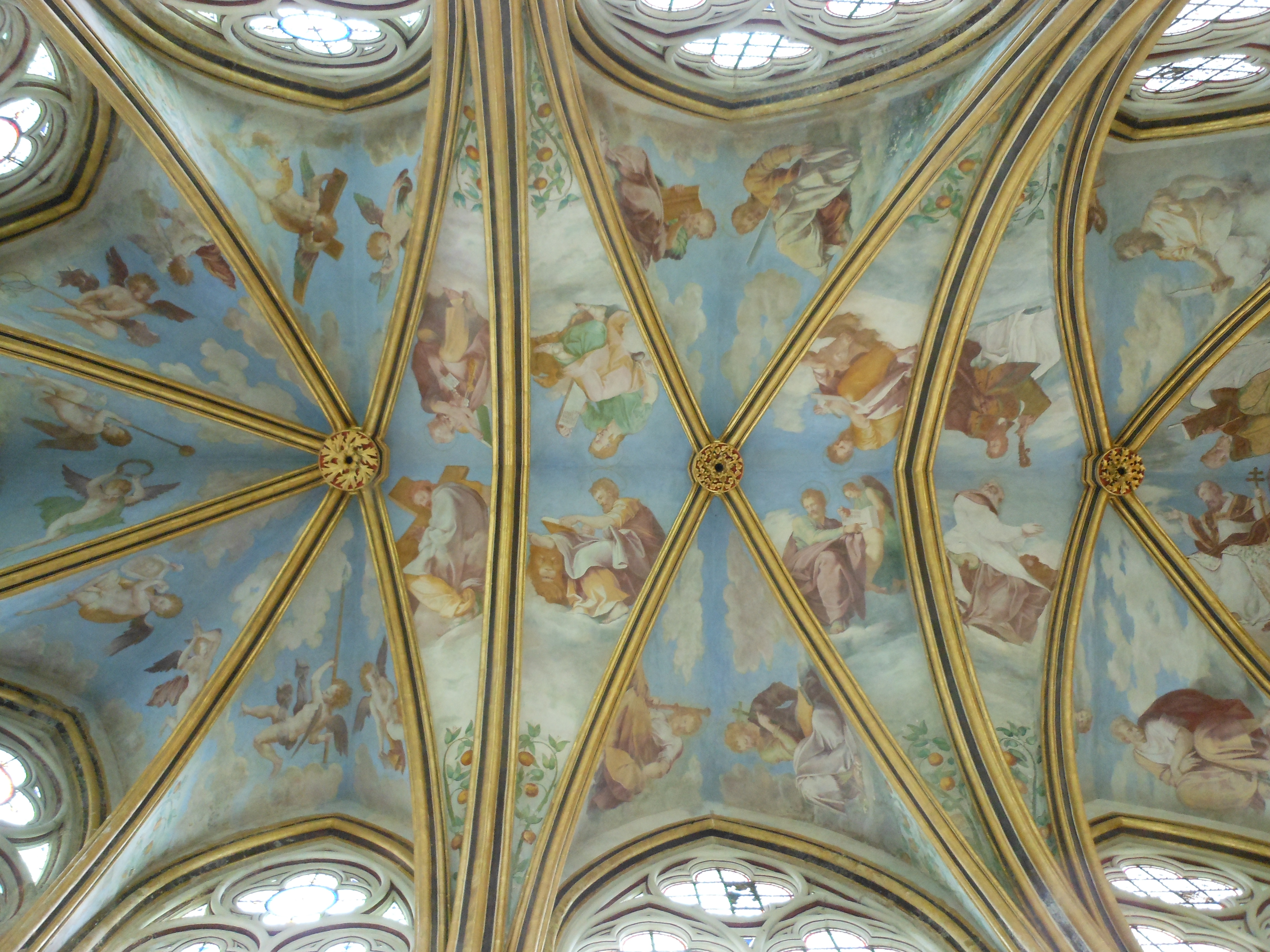
She rests beneath a beautiful ceiling painted by the great fresco artist Primaticcio. His most famous works grace the Palace of Fontainebleau, home of French kings through the centuries. What was good enough for several dynasties of French royalty was good enough for Nelie.

ChapelCeiling

I do wish that with all their money and influence, Nelie and her husband Edouard Andre had delved into the exciting art appearing within their own lifetimes.  Their collections would only be enhanced now by including Monet, Manet, Cassat, and others in that innovative group.  But Nelie and Edouard were intent on preserving great art of the past, and their accomplishments were stellar.

Some people dream of founding a dynasty. Nelie had no children.  Her dream was to welcome generations of art lovers to her homes after she was gone.  I think she deserves to rest and dream and welcome visitors underneath a masterpiece. I’m going to leave her there for awhile, after spending quite a lot of time writing about her life and her collections. Rest in peace, Nelie!

Interested in previous posts featuring Nelie Jacquemart-Andre, her life and legacy? They are at:

https://castlesandcoffeehouses.com/2014/08/16/nelie-and-edouards-100th/

https://castlesandcoffeehouses.com/2014/08/12/nelie-and-edouard/

https://castlesandcoffeehouses.com/2014/08/14/tiepolo-for-two/

https://castlesandcoffeehouses.com/2014/08/11/musee-jacquema…e-epoque-lives/

https://castlesandcoffeehouses.com/2014/08/24/nelies-chateau/

https://castlesandcoffeehouses.com/2014/08/22/pretty-as-an-angel-but-stupid/

: https://castlesandcoffeehouses.com/2014/08/17/the-golden-age-is-now/


Castle or Cottage, It’s All in the Details

MaintChateauI love architectural details: the curve of a stairwell, a finely carved door, a charming round tower. These small details make a place individual and personal.  I can imagine real people dreaming about a house or cottage or castle, debating the details, and watching their plans take shape.

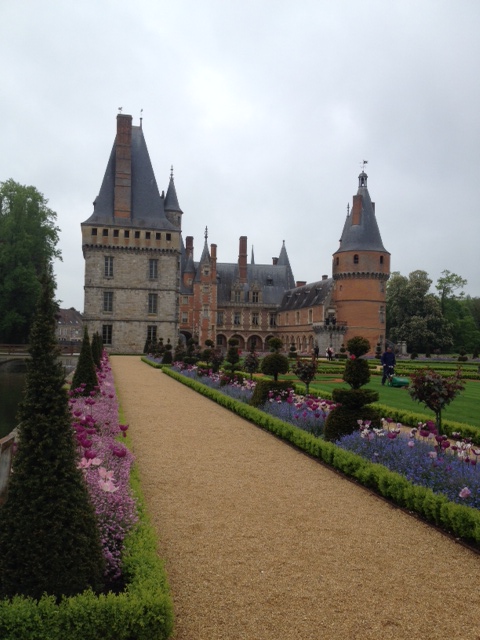
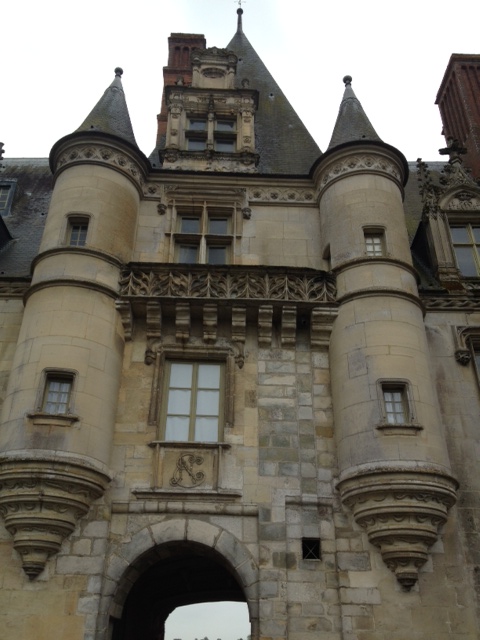
The most interesting details often appear in smaller dwellings, places that were likely planned by individuals instead of royal committees. The Chateau de Maintenon, near Chartres in France, is a fine example. Building was begun in the 10th century. As ownership changed, families in succeeding centuries refined and added to this exquisite chateau, but it remains an intimate family home rather than a grand showpiece. In fact, although it is now open to the public, the family still occupies one private wing.

MaintenonFacade

The north facade has rounded enclosures for stairwells with towers and an archway for carriages to pass under the building.

MaintStairDetail

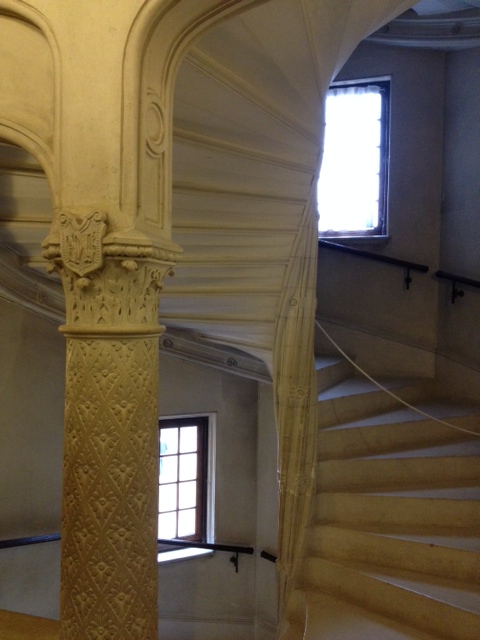
An interior circular stairway has sinuous curves and intricately patterned column supports.

MaintDoorDetail

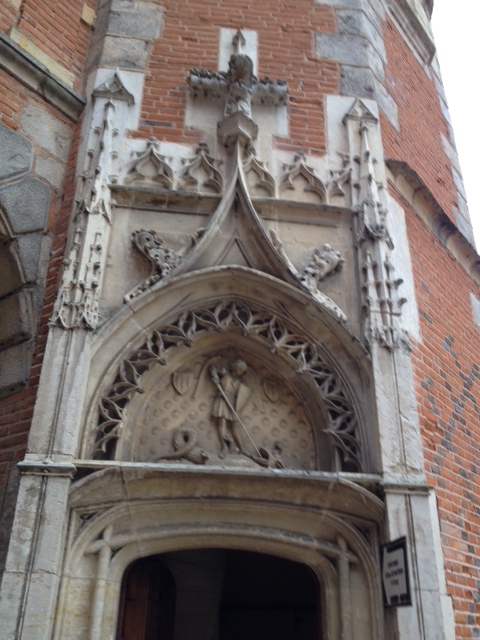
An exterior doorway is elaborately framed in Gothic stone. Entering that ancient doorway is an occasion in itself.

MaintLinenFold

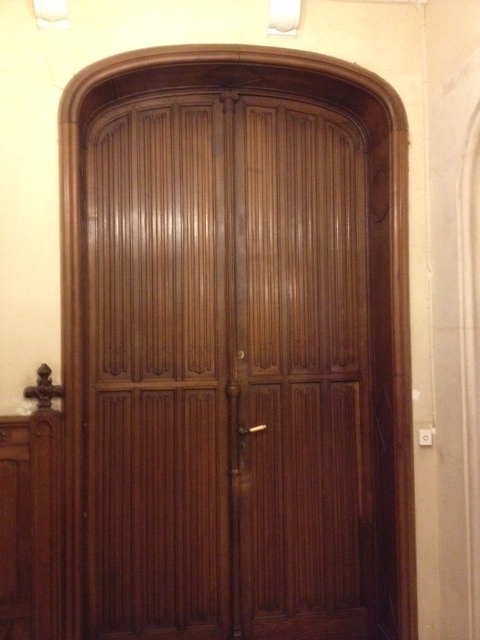
An interior doorway has very old “linen fold” pleats carved from sturdy ancient oak.

MmeMaintenon

This was the chateau given to Madame de Maintenon, the third and final wife of Louis the Sun King.  He was happy to escape the hubbub of Versailles in his old age and spend quiet time here.  I’d be happy to revisit this chateau anytime myself!

Previous posts about Chateau de Maintenon are at https://castlesandcoffeehouses.com/2014/05/07/chateau-de-maintenon/

and  https://castlesandcoffeehouses.com/2014/06/10/jean-de-noaill…nch-resistance/

and  https://castlesandcoffeehouses.com/2014/06/18/three-slugs-and-a-cabbage/

and  https://castlesandcoffeehouses.com/2014/05/15/louis-xiv-a-very-thirsty-king/

Wow, I guess I really liked this particular chateau! Join me next time for more explorations in the art and history of Europe.


Waking Up in a Chateau

ChateauHotel

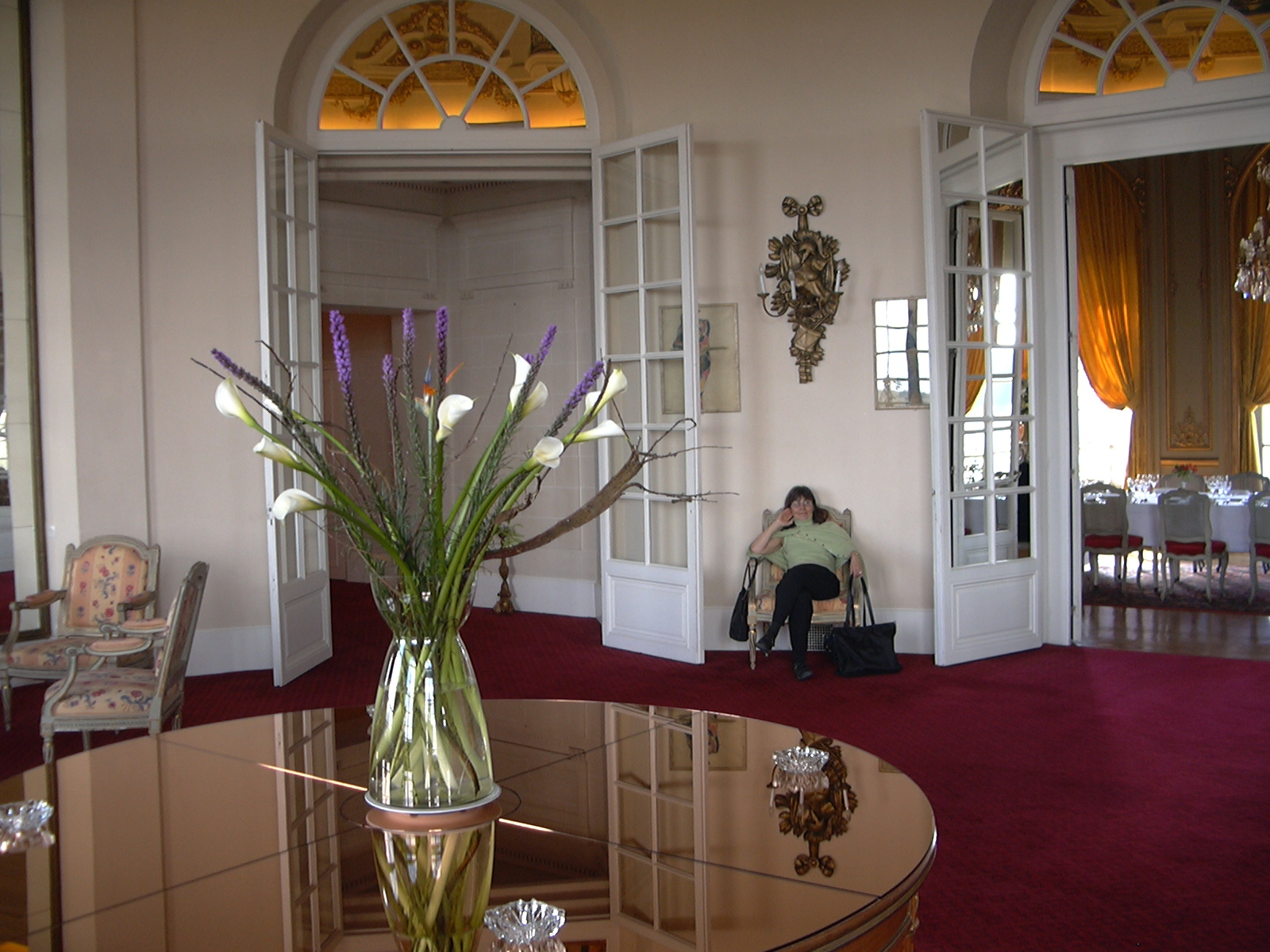
Some years ago, I splurged on a stay in an actual French chateau. Sadly, I can’t remember its name, but it was in the Loire Valley. (I’ve learned my lesson:  now I always take a picture of the entry and sign of anyplace I visit). That’s me above, enjoying the grand ambiance–or maybe exhausted after a long confusing drive trying to find the place, before the days I started using GPS. (I credit GPS with saving my marriage, bu that’s another subject).

ChateauHotelDome

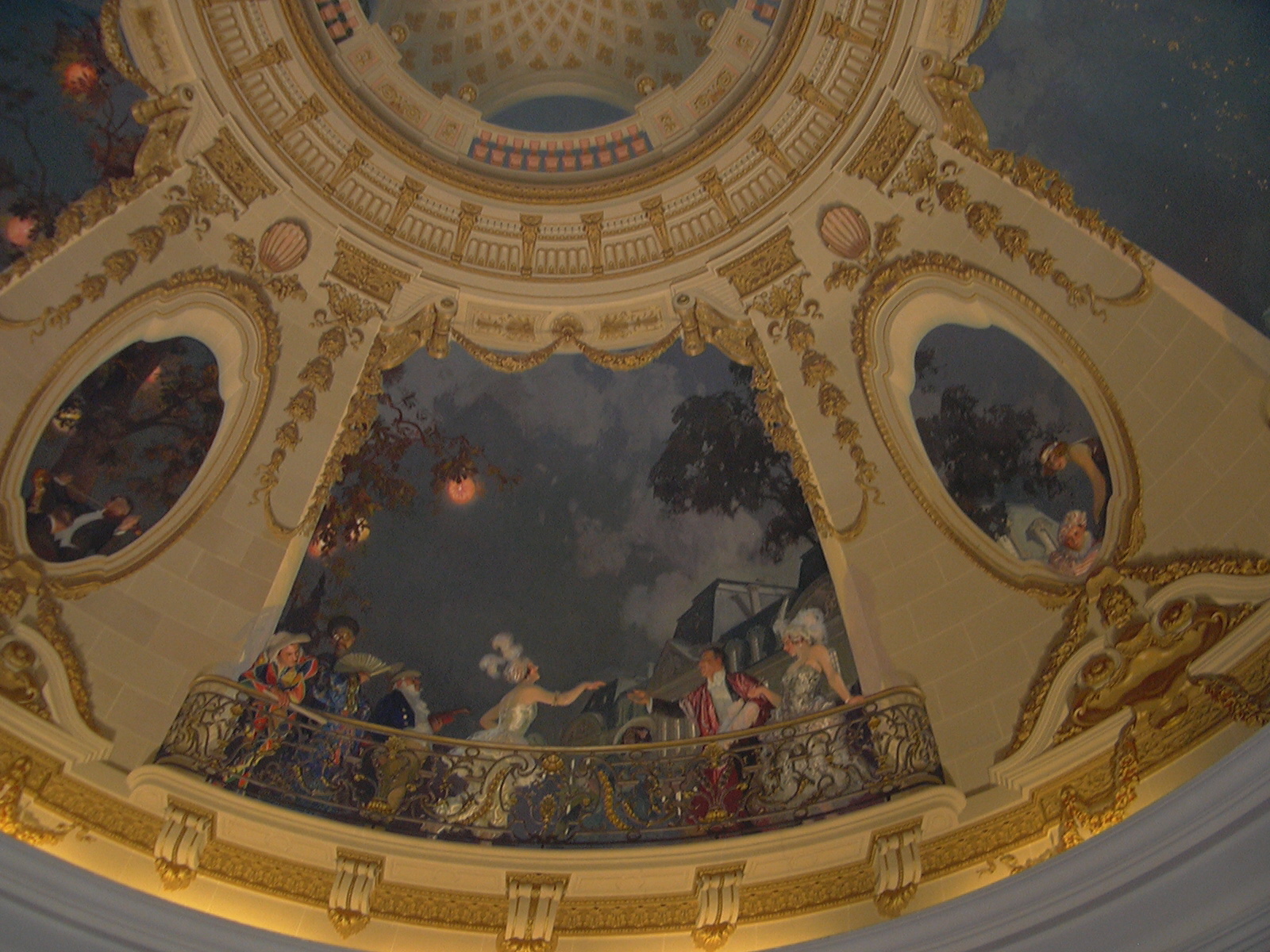
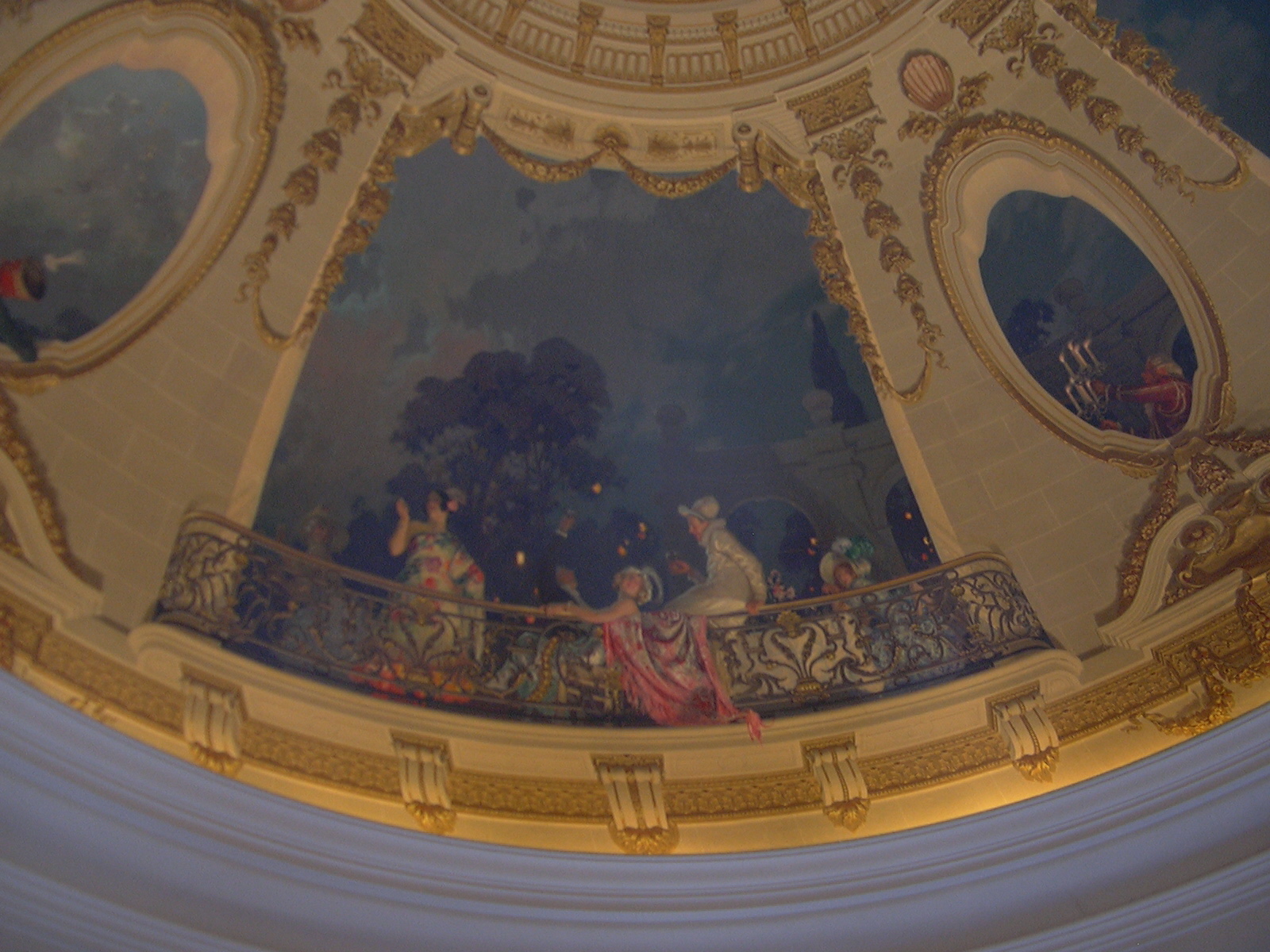
The main salon had a dome painted fancifully with party guests cavorting and gazing down at festivities below them.  The models were actual friends and relatives of the chateau’s owner. I think the chateau was refurbished in the early 1900s, and the dome painting was done around that time. La Belle Epoque!

ChateauHotelDome2

For my all-too-brief stay, I could pretend to be one of the party guests drinking champagne under the long-ago moonlit sky.

The reality was not quite as glamorous.  My room was a little threadbare and the mattress was way too hard. The much-hyped “spa” was a dreary basement room with a whirlpool that was not working. In fairness, I have to say that I was traveling in the off-season as usual, so things were probably being repaired.

ChateauHotel2

Still, I was happy to wander the very grand public rooms and walk in the beautiful wooded grounds, following in the footsteps of glamorous–and possibly even royal–people in days gone by.

Join me next time for more explorations in the art and history of Europe!

Elisabeth Vigee-Lebrun: Painter and Survivor


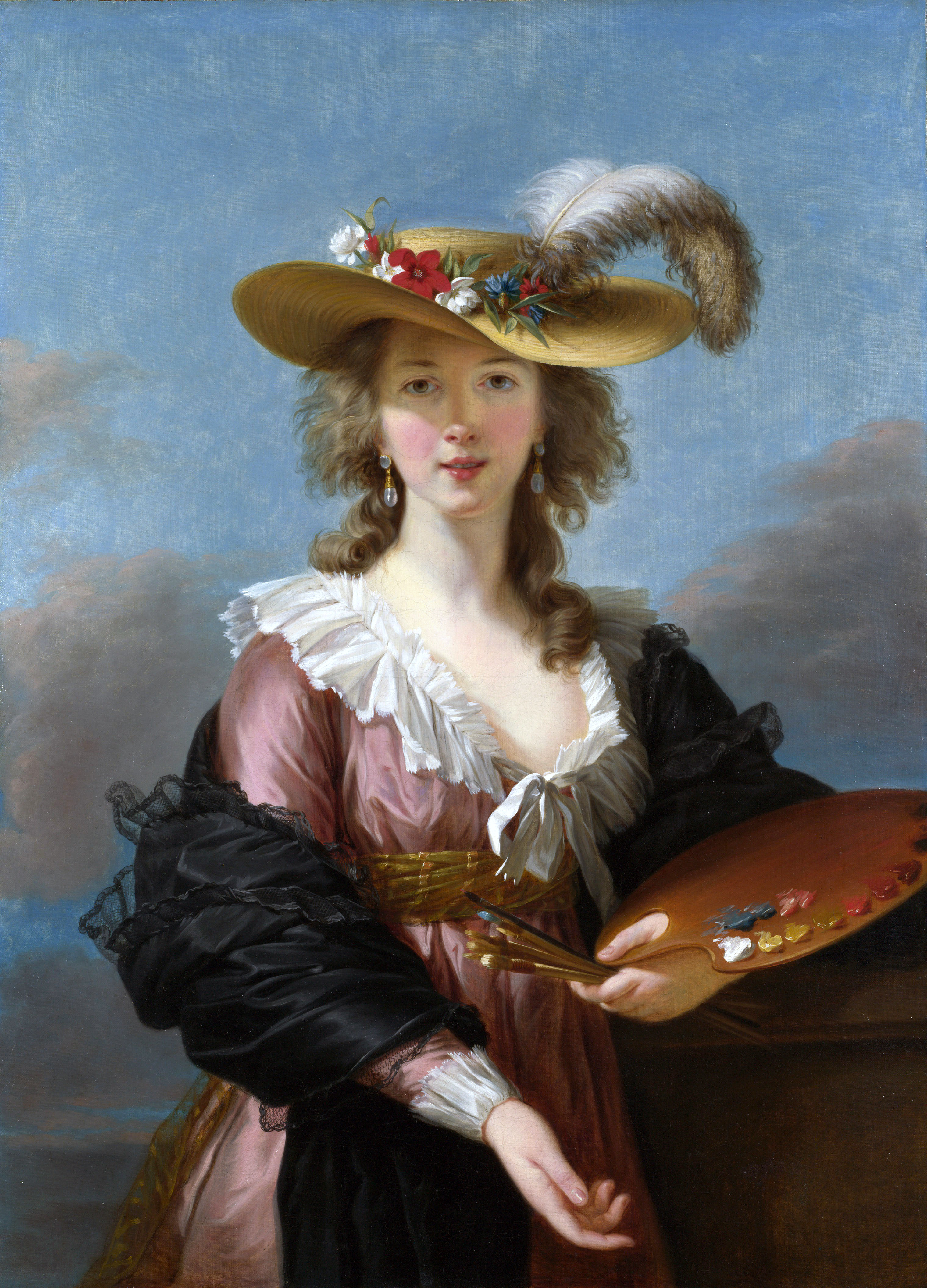
"Self-Portrait in a Straw Hat," Elisabeth Vigee-LeBrun, 1782, Public Domain

“Self-Portrait in a Straw Hat,” Elisabeth Vigee-LeBrun, 1782, Public Domain

Elisabeth Vigee LeBrun, in the self-portrait above, could be mistaken for a conventional 18th century woman, getting ready to pursue a conventional pastime like painting flowers.  But underneath the modest smile lurked talent, ambition, grit and a fierce determination to survive and thrive. She lived  through turbulent times when many others in her position lost their heads–literally. As a protege and friend of Marie Antoinette, Elisabeth adroitly escaped the horrors of the French Revolution, and even made the political turmoil work in her favor.

As a talented teenager, Elisabeth began painting portraits of society people, helped by her father, a fan painter, and later other teachers who recognized her talent. An important benefactor was Louise de Bourbon, wife of the Duke of Orleans. Early in Elisabeth’s career, everything in her studio was confiscated by the authorities–because she didn’t have a license to paint!  (In modern times, we often think our world is over-regulated. But at least in most places, being a starving artist does not require a government license). She applied for membership in the Academie de Saint Luc, and was somehow admitted.  It sounds to me like they didn’t realize they were dealing with a young girl. Maybe she just used her initials when she submitted paintings for approval.

"Marie Antoinette," Elisabeth Vigee-LeBrun, 1783, Public Domain

“Marie Antoinette,” Elisabeth Vigee-LeBrun, 1783, Public Domain

Her marriage helped her career.  At age 20, she married Jean-Baptist-Pierre LeBrun, a painter and art dealer.  His grandfather had been the first Director of the French Academy under Louis XIV, the Sun King. Soon Elisabeth was painting Marie Antoinette and her family members–about 30 royal family portraits in all.

When the French Revolution broke out, Elisabeth decamped to safer surroundings. She worked for several years in Russia, Italy, and Austria. Eventually, she was allowed to return to France while Napoleon I was Emperor. She continued to paint well into old age, once causing a minor scandal by painting a self-portrait with her teeth showing.  This was simply not done–probably for good reason, since most people had terrible teeth in those times. She died in 1842, at the ripe old age of 86. She left behind over 600 portraits, plus 200 landscapes and history paintings, which now appear in museums and private collections all over Europe and in the United States.

Join me next time for more explorations in the art and history of Europe!