Category Archives: British Isles

Angel with a Shot Glass

Want an antidote to the recent overload of royal news?  I just saw a wonderful movie about a group of people about as far from the doings of the aristocracy as it’s possible to get in the British Isles.

Movie poster, from NYT review cited below

Movie poster, from NYT review cited below

The Angels’ Share, directed by Ken Loach, takes its title from the traditional name for the 2 percent of the volume of single malt whiskey that somehow gets absorbed or evaporates from every barrel distilled. The movie opens in a Glasgow courtroom, where asorted young petty criminals are being sentenced to community service for their misdeeds.  The most serious offender is a young man named Robbie.  For no good reason other than generalized rage, he has mercilessly beaten another young man to a pulp.  His victim has lost the sight in one eye.  And this is only the last in a long string of violent offenses.  By rights, he should be sent to prison.  But sitting in the courtroom is his girlfriend, about to have his baby at any moment.  The judge gives him a break:  he’s off to community service with the others.

The girlfriend is middle-class, smart and tough with Robbie.  He is strictly on probation with her, though she loves him.  Her family not only detests him, but chases him down and beats him up.  Her father tries to pay him off to disappear.  But the girlfriend sees something in Robbie, and he sees something in her and the newborn son.  He just needs a break.

How many caper movies have you seen where the hero just needs to pull off one more crime in order to escape from his past forever?  How many times have you seen it work? In this movie, miraculously and hilariously, it does work.  Robbie and his misfit friends are taken under the wing of the kindly but tough supervisor of their community service.  He happens to be a devotee of fine whiskies.  After sharing a congratulatory drink with Robbie on the birth of his new son, the supervisor invites him to a very posh whiskey-tasting event in Edinburgh.  His new friends Rhino, Albert and Mo invite themselves along, and we’re off.  It seems Robbie has an incredible nose for fine whiskey–totally unexpected in a young man who previously spent most of his life getting plastered on whatever was cheap.  He also has a fine analytical mind and a talent for leadership.

The version I saw had subtitles, and it needed them.  The Scottish low-life brogue used by the characters is fast-moving, profane, and howlingly funny.  The very dimmest bulb of the group comes up with the very best idea:  wearing kilts to pull off a daring heist.

The story is a bit of a fairy tale; the crime is pretty much victimless.  What is special is the look inside the lives of lower-class Scottish youth, contrasted with the lives of much more refined Scots, Brits, and one American with way too much money. Who knew that whiskey had such an intricate and proud history?  Who knew that single malt whiskey is a way of literally tasting history?

The movie won the Jury Prize at the 2012 Cannes Film Festival.  The stellar cast includes Paul Brannigan, a newcomer totally convincing as Robbie, plus Jasmin Riggins, Gary Maitland, William Ruane, John Henshaw, and Siobhan Reilly.

One of many positive reviews of the movie is in The New York TImes at http://movies.nytimes.com/movie/465769/The-Angels-Share/overview.  It’s by Stephen Holden.

There’s a movie trailer at The Angels‘ Share (2012) – Official Trailer [HD] – YouTube

I visited Edinburgh a couple of years ago and passed on the distillery tour.  Health nut that I am, I wasn’t interested.  Now I’m putting it on my list for the next time I go.
 

Her Majesty STILL Knows Best

The Duchess of Cambridge just entered the hospital to give birth to her second child.  She’s in the luxurious Lindo Wing of St. Mary’s Hospital, Paddington. She and Prince William will have a two-room suite with Wifi, satellite TV, and a chef on call.  Of course none of that matters very much to a mother embarking on what we now call “natural childbirth.” The “natural” process, these days, does get a little help from medical science.  I decided to re-post an article I wrote a couple of years ago, when the new baby’s great-great-great-great-great grandmother, Queen Victoria, changed childbirth for most mothers by insisting on having some anesthesia.

Mothers all over the world owe a debt of gratitude to Her Majesty, Queen Victoria of England.  At the time she was doing her duty for England by giving birth to 9 children, women still suffered through childbirth with no anesthetic of any kind.  In 1850, before she gave birth to her 7th child, her physicians investigated the possible use of anesthetic with Dr. John Snow.

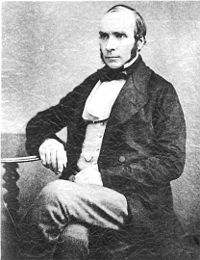
Dr. John Snow, public domain

Dr. John Snow, public domain

Dr. Snow was a pioneer in the use of chloroform and ether to ease the pain of various medical procedures.  It sounds as though Victoria’s beloved Prince Albert was especially interested in alleviating her pain in childbirth. The procedure was unheard-of at the time, though. For whatever the reasons, nothing came of it and Victoria suffered as usual.

Queen Victoria with her eldest daughter, public domain

Queen Victoria with her eldest daughter, public domain

But in 1853, prior to the birth of Victoria’s 8th child, Dr. Snow was finally asked to administer chloroform to Victoria.  He had studied the use of anesthetics for many years.  He knew just when to administer the anesthetic, so as to provide the best pain relief without slowing the natural process of labor. He agreed to attend Victoria.  Was he a little nervous?  Maybe, maybe not.  By all accounts, he knew exactly what he was doing. The chloroform was a resounding success.  Victoria used it again for her 9th child.

The (male) religious leaders of the day treated the news with some consternation–after all, the Bible taught that women were supposed to suffer during childbirth.  But no one was about to argue with the judgment of their beloved Queen. In any case, the Queen was the head of the Church of England. Women all over England, and then women all over the world, began demanding anesthetic during childbirth.

Queen Victoria in her coronation regalia, public domain

Queen Victoria in her coronation regalia, public domain

An article from UCLA,  detailing the history of Dr. John Snow’s medical innovations, is at http://www.ph.ucla.edu/epi/snow/victoria.html.

As Kate, the Duchess of Cambridge, awaits her turn in history, she can be confident that the birth will be as comfortable as possible.  No doubt Prince William is as anxious about her well-being as Prince Albert was about Victoria’s. I wish Kate a safe and easy delivery of the long-awaited heir!

Queen Victoria WOULD be Amused

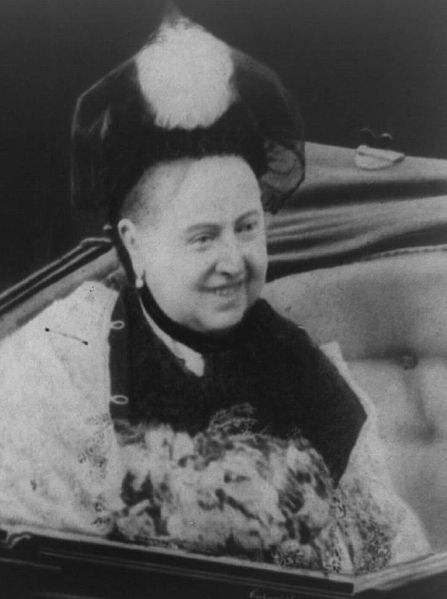
Prince William’s ancestor, Queen Victoria, was widely reported to have said icily, “We are not amused,” when confronted with some risque joke or other.  (She was using the royal “we,” of course). But her biographers deny she ever said it.  In fact, she was known to enjoy life and laugh uproariously when the occasion called for it.

Victoria Amused; photo in public domain

Victoria Amused; photo in public domain

Queen Victoria was known as the “Grandmother of Europe” because her sons and daughters married crowned heads all over Europe during her reign, all of the marriages judiciously arranged.  Victoria’s own marriage was semi-arranged; she was presented with various options.  She fell in love with one of the suitors, her first cousin, Albert of the Saxe-Coburg-Saalfeld dynasty. (Victoria’s overbearing mother was German; actually, the present-day British royals all have mostly German ancestry).  The young Albert returned her feelings.  She made him wait, though.  He cooled his heels during various visits until she finally proposed to him.

Queen Victoria's family, public domain

Queen Victoria’s family, public domain

In a way, we can think of Queen Victoria as the “grandmother of tabloids,” because she was the first British monarch to hit on the idea of holding up the royal family as an example of virtuous family life.  This involved opening up the family to some public scrutiny, which of course carried some risks in her day, and still does.  But during Victoria’s reign, and with the capable help of her beloved Prince Albert, Britain fully became a constitutional monarchy.  No longer did the monarch have much real power; she could mostly lead only by example.  She retained “the right to be consulted, the right to encourage, and the right to warn.”

I like to think Victoria would applaud Prince WIlliam’s decision to marry for love, to take his time, and even to finally marry the commoner Kate Middleton. I was in Edinburgh a few months before the royal engagement was announced.  I read a long magazine article that disparaged “Waity Katy,” who by that time had dated Prince William on and off for years with no resolution in sight.  I cheered for her when the long-awaited engagement was announced.

We all know the British Royal Family has not been a very good example of family happiness in recent years.  Am I the only one who could see trouble coming for Prince Charles and Lady Diana right from the official engagement press conference, when they were asked whether they were in love?  She answered, “Of course.”  He moodily replied, “Whatever ‘in love’ means.” Be that as it may, the monarchy is getting a new lease on life right now as the world breathlessly awaits the birth of a new heir.

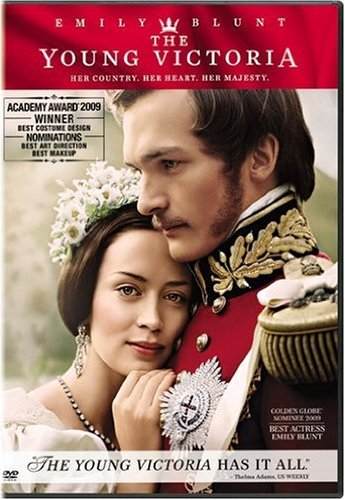
While I’m waiting, I think I’ll watch again the 2009 movie The Young Victoria. It was written by Julian Fellowes, who also wrote Gosford Park and is probably at this moment working on the next season of Downton Abbey. The movie shows a young Victoria who is practically kept under house arrest until she accedes to the throne at age 18.  She had to sleep in her mother’s room, and was never even allowed to walk down a flight of stairs without a trusted person holding her hand.  All that changed, though, as she grew into her role of being the Queen Victoria who ruled England for 63 years.  She was not always a dumpy and grumpy-looking old lady.

The Young Victoria, Amazon

The Young Victoria, Amazon

The lovely Emily Blunt plays Victoria and the very handsome Rupert Friend plays her beloved Albert. The movie is available at Amazon.

Join me next time for more explorations into the art and history of Europe and the British Isles, while we all wait for new history to be created!

Be the First on Your Block

One of my favorite catalog stores, The Vermont Country Store, just thoughtfully sent me an opportunity to buy a commemorative plate to celebrate the birth of the soon-to-arrive new prince or princess.  Of course the plate will be pink for a girl and blue for a boy.  Delivery is promised in October.

Commemorative Plates available at The Vermont Country Store

Commemorative Plates available at The Vermont Country Store

Or maybe I would prefer a mug instead.

Commemorative Mug available at The Vermont Country Store

Commemorative Mug available at The Vermont Country Store

I would love to be in England right now, anticipating the royal birth along with everyone else, whether they care to admit it or not.  I understand William, the Duke of Cambridge is even now on duty as a rescue pilot while he awaits the birth.  He gets two weeks off when the baby is born. Kate, Duchess of Cambridge, is no doubt getting a little impatient like all moms everywhere. Even anti-Royalists must wish this new young family well. I can only imagine the cornucopia of commemorative items in British markets right now.  I’ll resist, though.

Jelly Babies available at The Vermont Country Store

Jelly Babies available at The Vermont Country Store

On the other hand, The Vermont Country Store offers a lot of other hard-to-find British products…like old-fashioned Jelly Babies.  Hmmm…


Beach Reading for Anglophiles

Have you ever wondered what it would be like to actually own a stately home in England? Recently I picked up a perfect bonbon of a novel: A Much Married Man, by Nicholas Coleridge.

Photo from target.com

Photo from target.com

The protagonist inherits not just the stately home, but the entire village that goes with it. Barely out of what we would call high school, he falls madly in love with a beautiful but totally unreliable girl, whom he manages to marry. He can hardly believe his good luck. He happily moves with her into a tiny cottage in the village. (His decrepit and confused mother occupies the stately home itself, and pretty much monopolizes the grand old rooms.). But his luck doesn’t last long; off goes his true love, leaving him with a much-cherished baby daughter and greatly reduced prospects. Instead of going to Oxford or Cambridge, he works on the farm of the estate so that he can take care of the little girl. The family money comes from a venerable London banking firm that can get along very nicely without this gullible young man.

Soon enough, there are more assorted wives and mistresses, and more children. The honorable and kind-hearted hero is generous to a fault with all of them, and all of the romances end in disaster of one kind or another. Without fail, though, he loves and cares for all the children. The third wife is the worst nightmare. She moves everyone out of the stately home and undertakes a year-long modernization which makes hash of the history of the place. Worse yet, she brings with her a psychopathic and violent son. In her eyes, the son can do no wrong. So the hero has to bail him out of outrageous scrapes, and worse.

Eventually, the hero finds himself toiling in London in the family’s bank. Much to his and everyone else’s surprise, he is good at it. But times being what they are, the bank is ripe for collapse. The hero nearly loses his home and his village. At least partial salvation comes when some of the hangers-on he has put up with persuade him to make the estate a venue for rock concerts and such.

The fun of the book is the intimate look at life in the upper crust. Things look glamorous from the outside, but there is never quite enough money. Heating a huge old uninsulated pile is so costly that family members routinely wear overcoats and mittens around the house. The quaint cottages and rectories on the estate are chilly and damp, with hopeless or nonexistent plumbing. All manner of disasters begin and are exposed at impossibly fancy parties and clubs like Annabel’s. Mr. Coleridge makes fun of his own very posh social set. I’m sure I don’t get half the references to people and the brand names of their material possessions. But I get the idea.

Against all odds, there is a happy and unexpected ending–one the hero deserves just because he is such a good-hearted fellow.

Nicholas Coleridge; photo from Wikipedia

Nicholas Coleridge; photo from Wikipedia

Only after I finished the book did I realize that Mr. Coleridge is the head honcho of Conde Nast Publications. He owns an actual stately home in Worcestershire, the 1709 Wolverton Hall. It was featured in the December 2007 issue of Conde Nast’s World of Interiors magazine. (I don’t think the house is open for tours).

A review of the book, from The Guardian, is at http://www.guardian.co.uk/books/2006/apr/30/fiction.features3.

Did I call this a beach read? Better yet, read it on a plane on the way to England! Join me next time for more explorations into the art and history of Europe and the British Isles.

Coming Soon: A New Prince or Princess

Queen Elizabeth announced (or rather, had her people announce) that the soon-to-be born baby of Prince William will be called His (or Her) Royal Highness the Prince (or Princess)– of what?  Royal watchers think it will be Cambridge, since Prince William was made Duke of Cambridge at his wedding in 2011.  This is a burning question in England.  I seem to remember that one of the lowest blows Princess Diana sustained during her divorce was that she was stripped of the all-important “Her Royal Highness” or “HRH” designation.  The Queen herself was named “Her Royal Highness the Princess of York” when she was born, because her father was the Duke of York.

Her Royal Highness Princess Elizabeth of York; photo from abcnews.go.com

Her Royal Highness Princess Elizabeth of York; photo from abcnews.go.com

I find all this just a little annoying.  But mostly I find it endearing.  The British doggedly stick to their traditions.  If we didn’t have real live holders of titles walking among us, we’d have a hard time imagining the nobility of the past.  To me, the titles, though shopworn, are living history.  Titles have their practical uses, too. Crowds turn out to see the royals, especially the more likable ones.  Vast sums are raised for the charities they support. And items like tea towels are manufactured and sold in great quantities, providing jobs.

I once attended a ballet performance in London where Princess Margaret, the late sister of the present Queen, was the honored guest.  I must admit it was a thrill to watch her sweep through the lobby with her entourage. And it was fun to see her sitting in the center of the balcony (no tiara, but plenty of jewels and taffeta).

I won’t be posting much about the new royal baby when he or she arrives–our magazine covers will be doing more than enough of that for all of us.  But I salute Prince WIlliam for marrying  commoner Kate Middleton and bringing a breath of fresh air into the British Royal Family.  May they all keep their feet firmly on the ground.

No More Lords a’Leaping?

More than 237 years after the American Declaration of Independence, Great Britain is moving closer to a fully representative democracy. But considering that the British resolved to start working on the process over a hundred years ago, it might still take awhile. Since 1911, the British have made repeated stabs at reforming the House of Lords, which historically included only hereditary peers (plus high Church of England officials). In recent years, pressure has been building to just do it. Many would like to replace the ancient House of Lords with a fully-elected body, which would be similar to our Senate.  Slowly but surely, change is coming.

In 1066, William of Normandy crossed the English Channel and conquered England.  He codified a feudal system in which a council of large landowners and church officials advised him. Titles were formalized, as in my previous post, More Peering at the Peerage. Having a title was a mixed blessing.  At any time, the holder of the title could be summoned to the monarch’s court, at his own expense.  He could be ordered to pay crippling taxes, or to raise an army.  In compensation, he got to sit in council with the king, theoretically having some influence on decisions. (If I’d been sitting across the table from King Henry VIII, I’d have kept my head down). Eventually, the king’s council became the House of Lords, filled by nobles with hereditary titles and the lands that went with them.

In 1215, under King John, the Magna Carta, or Great Charter of the Liberties of England, was written.  Among other things, it stated that never again could the king tax without the consent of the governed–i.e., the nobles.  (At this point, no one thought to worry much about commoners). Five hundred years later, the American colonists demanded the same rights for themselves. The Boston Tea Party was an audacious challenge to the English king’s practice of taxation without representation.

Sometime in the 14th century, due to popular pressure, a House of Commons evolved in Britain so that commoners could have a say in government.  The present 650 members are elected.  They are called MPs, or Members of Parliament.  They actually do the business of government.

Since Great Britain is a constitutional monarchy, the monarch still has a formal role in government.  The theory is that she (or he) provides continuity and stability.  The same theory applies to the House of Lords, but its days could be numbered.  To this day, though, the Queen presides over the opening of every new session of Parliament.

I’ve often watched Question TIme in the House of Commons.  Amid catcalls from one side and cries of “Hear, hear,” from the other, the British Prime Minister leaps up from his seat to answer the most provocative of questions.  It’s a pretty good show. As far as I know, there is no such opportunity to watch the House of Lords at work. There are still 93 hereditary peers eligible to sit in the House of Lords.  The remaining positions are filled by a complicated and ever-changing system of election and appointment which I can’t for the life of me understand.  In fact, I can’t even figure out how many people are entitled to wear the heavy red velvet robes of the House of Lords.

Should the British eliminate the peerage?  One reason it has not yet happened is that the British people love their traditions.  Cynics argue that the hereditary peerage (and the monarchy) provide nifty spectacles for tourists.  I can’t argue with that.

Anyway, as an American, I don’t think I’m entitled to an opinion on either the peerage or the monarchy.  After all, in our “classless” society, we pay outrageous salaries to athletes while teachers have trouble feeding their families.  And we pay homage to “celebrities”–including reality stars of dubious talents–in all our media. Meanwhile, I’m as fond of British traditions, including titles, as any other Anglophile.  England would be a different country with no one to call “Lord” or “Lady.”

Join me next time for more explorations in the art and history of Europe and the British Isles.

Peering at the Peerage

The New York Times recently published a story about momentous changes possibly coming to the hallowed British laws governing titles and property.  The article is titled “Son and Heir? In Britain, Daughters Cry No Fair.” Royal heredity laws were recently changed to benefit the baby due soon to Prince William and Duchess Catherine.  Boy or girl, the child will become third in line to the throne. (I’m thinking that fun-loving Prince Harry will not really mind giving up his place).

This raises questions for other families still under the laws of primogeniture:  inheritance by males only.  Only in the British Isles does this still happen.  Most European countries have long since required parents to provide for all of their children, regardless of sex or birth order.  But in the British Isles, titles and lands have been held together and preserved for families precisely because the oldest son almost always inherits, and no one else gets anything.

But the changes in royal inheritance law have emboldened other families to question the age-old way of doing things.

Liza Campbell, daughter of the 25th Thane of Cawdor; photo from NYT

Liza Campbell, daughter of the 25th Thane of Cawdor; photo from NYT

For example, Liza Campbell, pictured above, grew up on her family’s Scottish estate, complete with castle, knowing all the while that her younger brother would inherit it all.  (There is still actually a Thane of Cawdor–he’s not just a character from Shakespeare’s MacBeth). Her father always told her, “Your face is your fortune”–meaning that it was up to her to marry well since there was nothing else coming to her.

Now, laws to allow the oldest child to inherit, whether male or female, are making their way through the British legal system.  This means that both titles and lands could still be held together for a family, but having the all-important son would no longer be a requirement.  In Downton Abbey terms, Lady Mary would just inherit the whole kit and kaboodle, and she could marry whomever she pleased.

The ultimate source on titles in Britain, Burke’s Peerage, still publishes the guide found on many a British bookshelf.  Naturally, it’s now an interactive website, too.  Founded in 1826, Burke’s Peerage also lists the genealogical history of all the royal families of Europe and the presidential families of the United States.

Only in Great Britain, though, do titles mean anything in a legal sense.  Many Europeans use their hereditary titles, but they have no legal standing.  And unless the person in question inherited the lands and estates that used to go along with the title, there is no income either. Of course, the “death tax” wreaks havoc on those lucky enough to actually inherit real estate as well as titles.  Some people joke that royal titles in most of Europe are about as valuable as vanity license plates.  In Britain, though, inheritance among the aristocracy still means something.  So any change will have profound results.  Whether there should even be heredity titles–or a monarchy–are subjects of another whole debate.  Change comes slowly in a land as bound by tradition as Great Britain.

The article from The New York TImes is at

Join me next time for more explorations into the history of Europe and the British Isles!

Channeling Freddie Mercury in Buxton

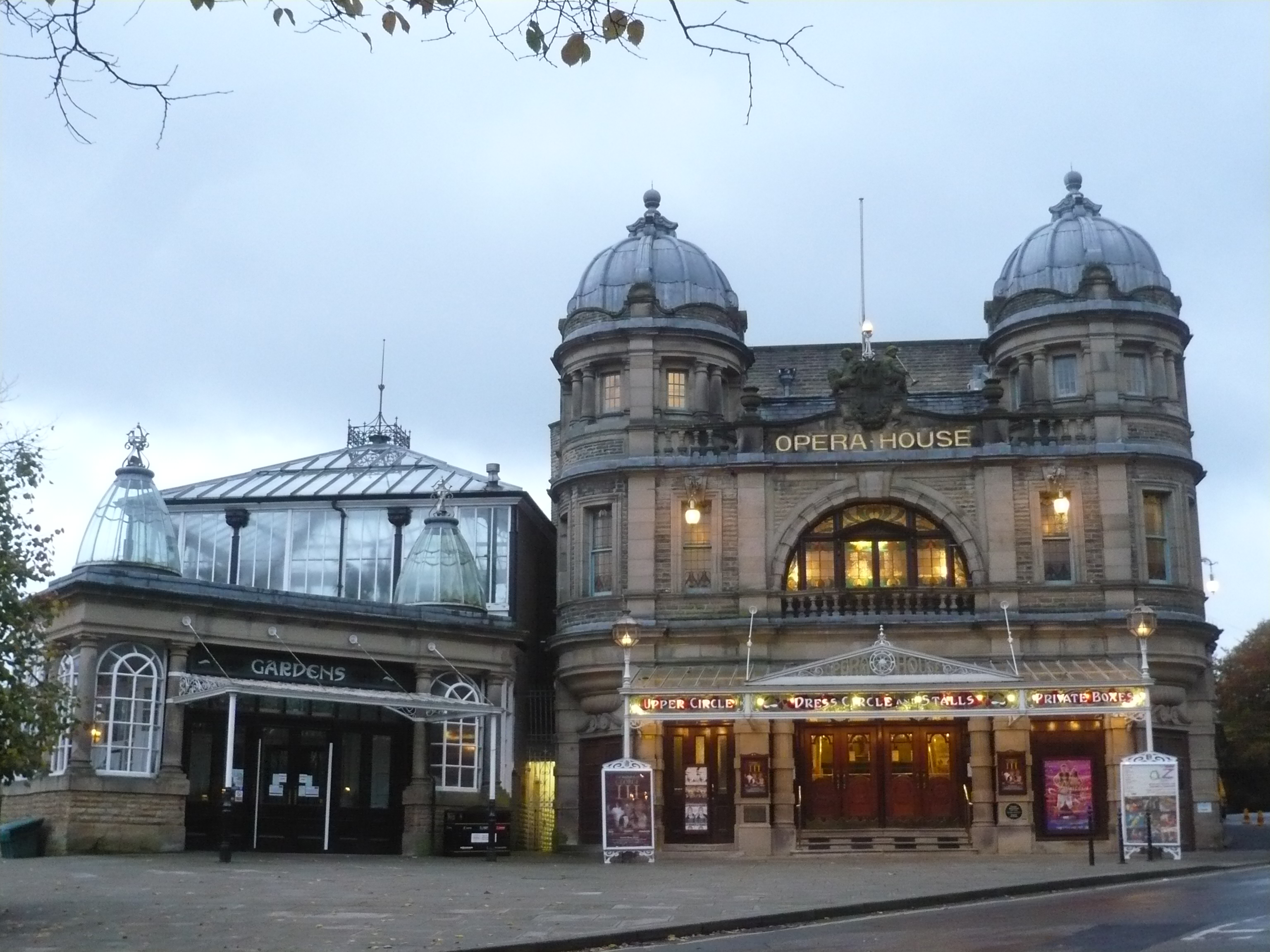
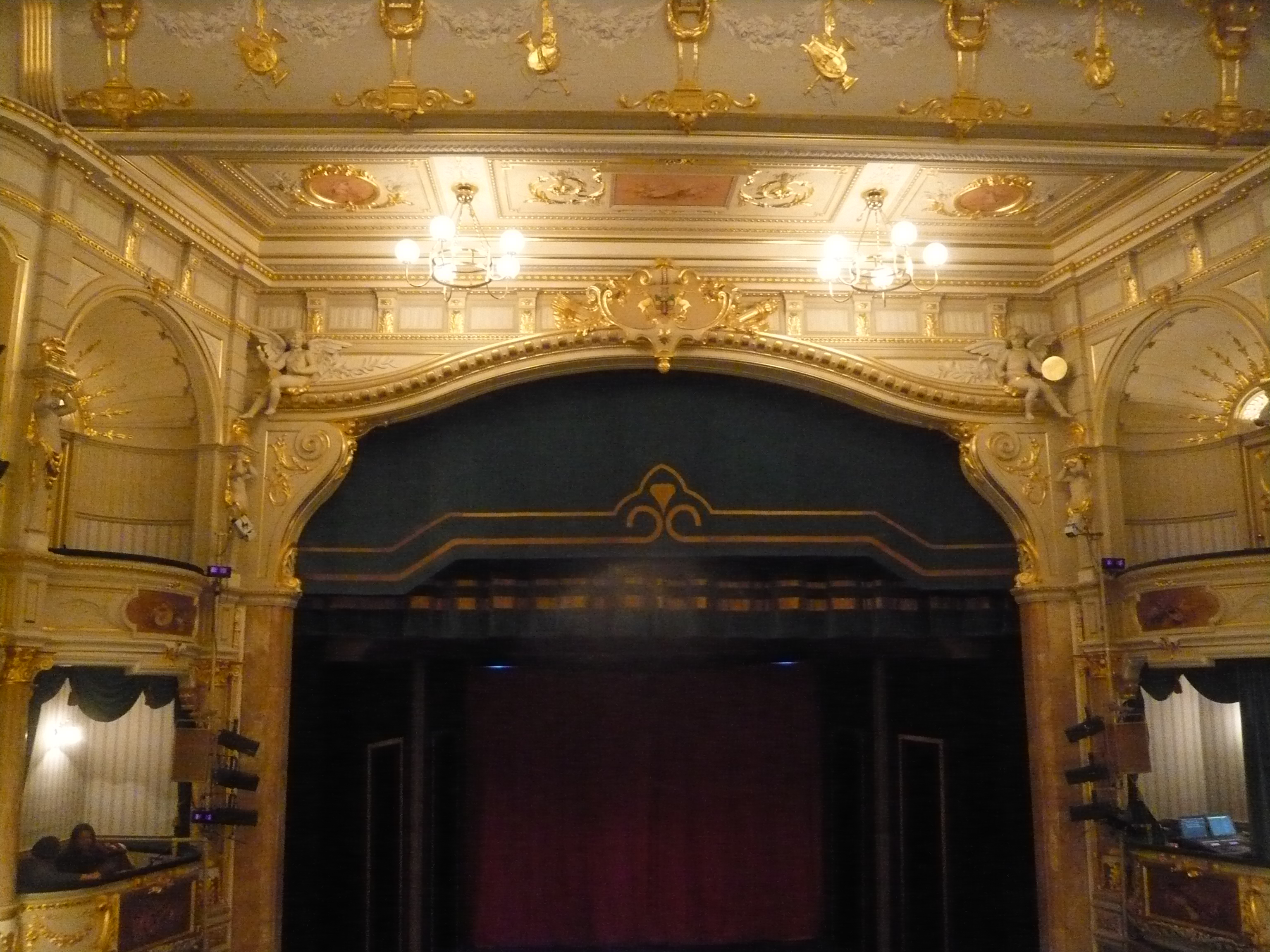
While watching the BBC series Lost Empires, I am sure I recognized one of the locations:  the Opera House in Buxton, England. Built in 1903, the 902-seat theater hosted music-hall shows and other live entertainments in the very period depicted in the series, 1913. (I described this excellent series in yesterday’s post). By 1927, movies had overtaken variety shows in popularity.  The theater turned into a cinema.  In 1979, it was refurbished for live performance, which continue year-round to this day.  I’d love to be there for the annual Gilbert and Sullivan Festival, but I don’t like to travel in the height of summer.  So I take potluck when I go. There is some kind of live entertainment, or a high-quality film, almost every night of the year.

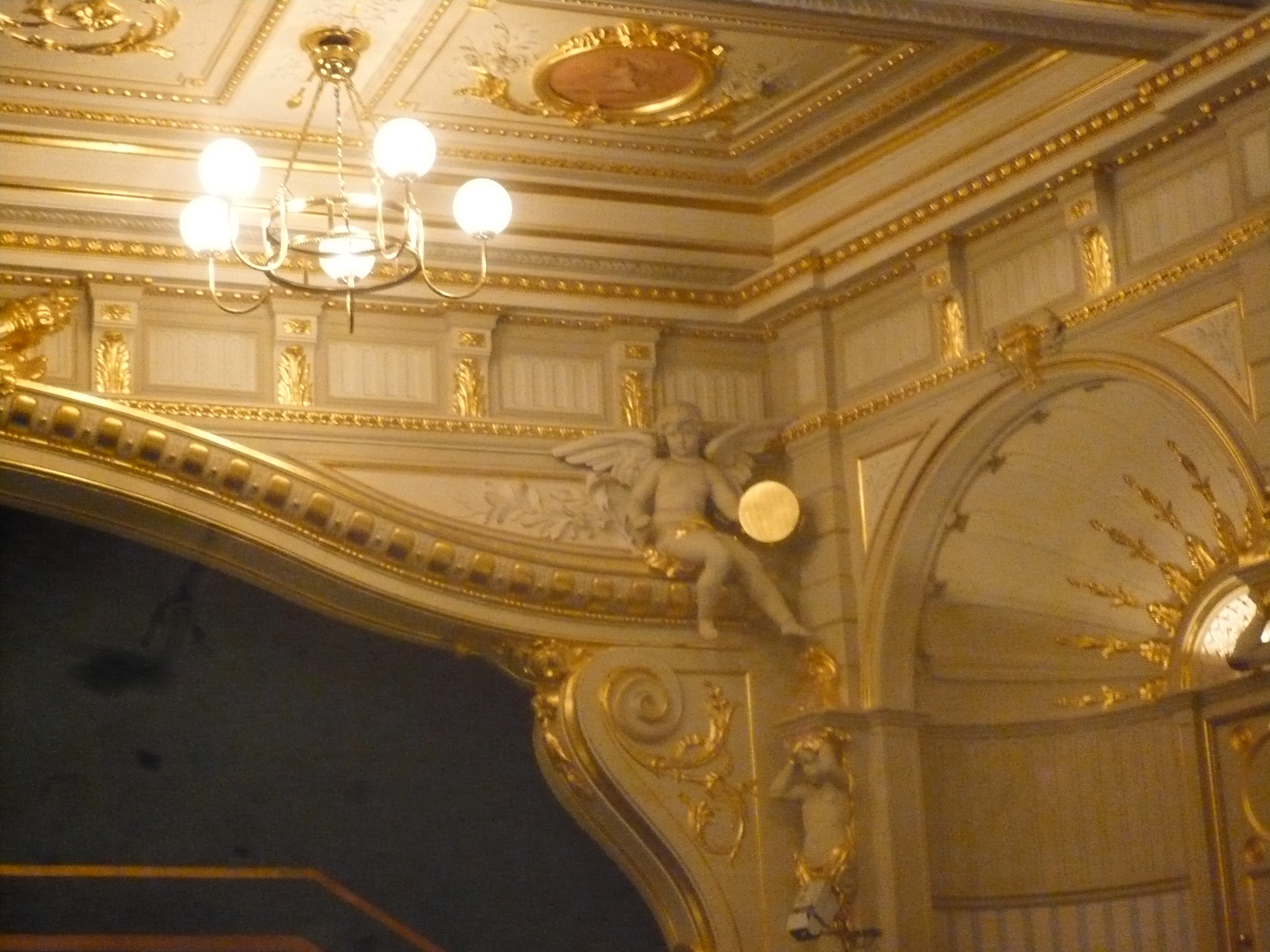
Buxton Opera House

Buxton Opera House

Buxton Opera House Detail

Buxton Opera House Detail

The theater interior is beautiful, white with gilded cherubs, curlicues galore,  and red velvet curtains.  There is not a bad seat in the house, not even way up in “the gods”–theater parlance for the very highest and cheapest seats. In Lost Empires, the seasoned trouper played by Laurence Olivier cautions the young performer played by Colin Firth to always play to “the gods”–the customers in the cheap seats.  They can make you or break you, soon-to-be washed-up performer warns, and he should know.

Buxton Opera House Stage

Buxton Opera House Stage

I once saw a mountain-climbing documentary at the Opera House.  Another time, I saw a very good touring performance of the play “The Madness of King George.” Last time I was in Buxton (to visit nearby Chatsworth and to enjoy the beauty of Derbyshire), I bought tickets for an event I probably would have given a miss, if there had been anything else going on.  There was a Queen tribute band, starring Patrick Meyers as the late Freddie Mercury.  As it turned out, I had a great time.  The band is called Killer Queen.  They fill large stadiums, and they put on a smaller-scaled show for venues like the Buxton Opera House.  Patrick Meyers does not quite have the 4-octave range of Freddie Mercury, but he makes up for it in showmanship, passion, knowledge of his subject, and sheer kinetic energy.

Patrick/Freddie danced and sang his heart out, flinging a series of flamboyant satin jackets out into the audience at just the right moments. And so it went, through the great classic rock repertory of Queen: “Bohemian Rhapsody,” “Killer Queen,” “Somebody to Love,” “Don’t Stop Me Now,” “Crazy Little Thing Called Love,” and of course the anthem “We are the Champions.”

The audience was almost as entertaining as the show itself.  The first two rows were filled with teenagers and young adults from a nearby school for people with various disabilities.  To prepare for the outing, they must have been listening to Queen albums nonstop. Many of them knew every song by heart and sang along, with gusto.  They jumped up and danced, too–which Mr. Meyer tried in vain to get the rest of the audience to do.

One young man in particular was in ecstasy through the entire performance.  He kept moving right up to the stage apron, pounding out the rhythms with his hands.  Every now and then, a teacher would gently lead him back to his seat, but he popped up again every time.  He just couldn’t help it.  He sang every word of every song, and he shouted and spun in circles between songs.

When the show ended, and the curtain calls were done, the band’s drummer dashed to the front of the stage and handed his drumsticks–probably still smoking from the heat of the performance–to this young man.

Until I attended this show, I had never quite understood the fuss about Queen, or the influence on the development of rock. Now I get it.  Reportedly Sacha Baron Cohen is developing a film about the remarkable journey that the multi-talented Farrokh Bulsara took to become Freddie Mercury.

Freddie Mercury died of AIDS in 1987.  I like to think that his talent and creativity live on in memory, and in performances like the one I almost didn’t go to see. I imagine the young man who received the special drumsticks still treasures them as a memory of a wonderful night.

The music hall tradition lives on in Great Britain, taking new forms and honoring old ones. Tastes have changed over time, but the need for audiences and performers to connect remains the same.

Hitching a Ride on a Steam Train

My friend, Judy Gunthorpe, sent me an entertaining message about a trip on a piece of history:  a steam train in England.  She lives in Bristol–very close to Tyntesfield.  Steam trains were an important part of the industrial development that allowed people like the Gibbs family of Tyntesfield to build their fortunes. Judy and I must have been on the same wavelength!  With her permission, I’m sharing her article below.  (I say she needs her own blog–I hope this is a start).  All aboard!

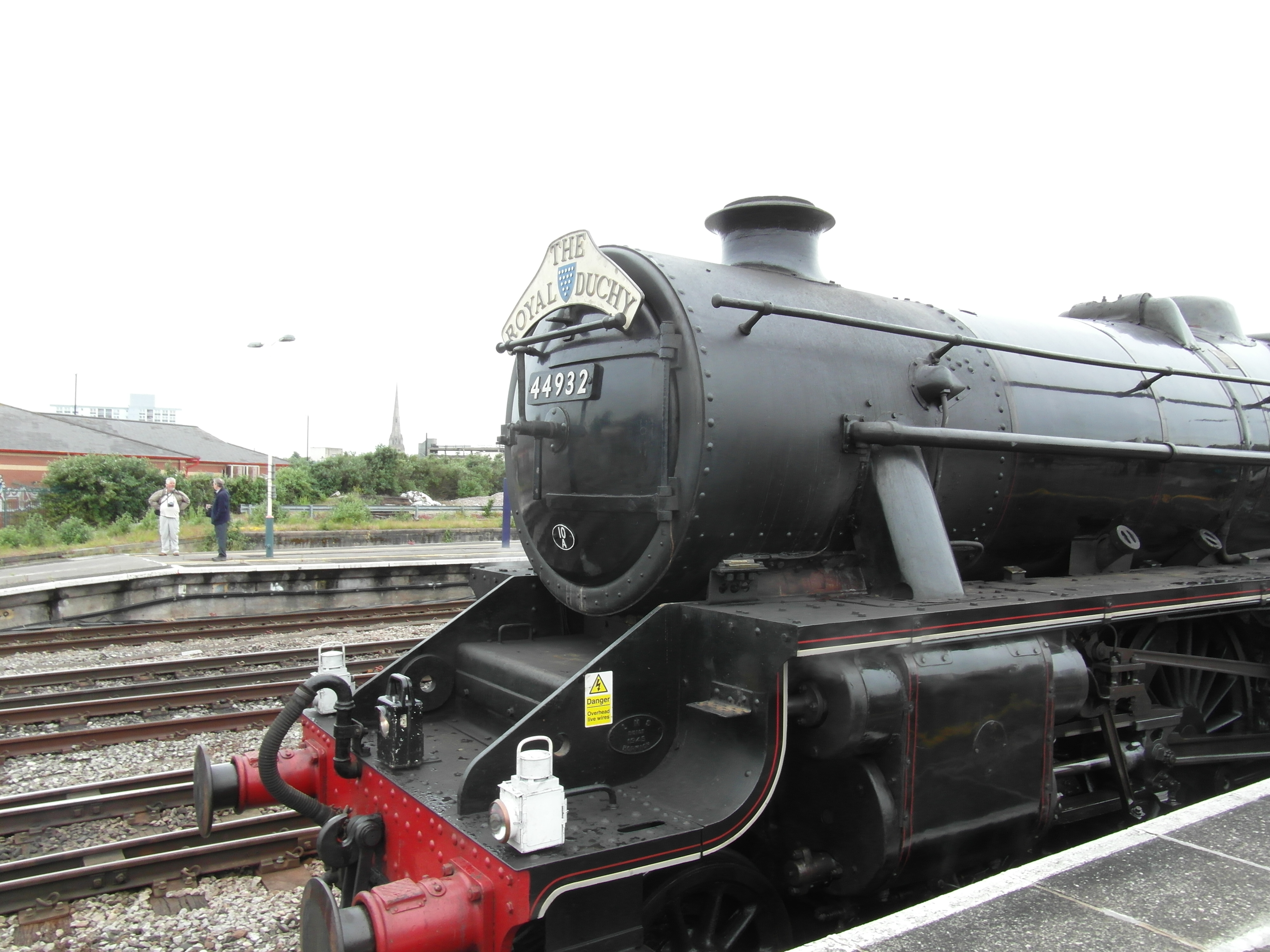
Engine Arriving

Engine Arriving

It’s 8.30am on a Sunday morning and I’m sitting on a steam train at Bristol Temple Meads station. Without any fanfare, a platform overhead light turns to OFF, two guards wave their paddles and, imperceptibly, as if magically, we glide forward.

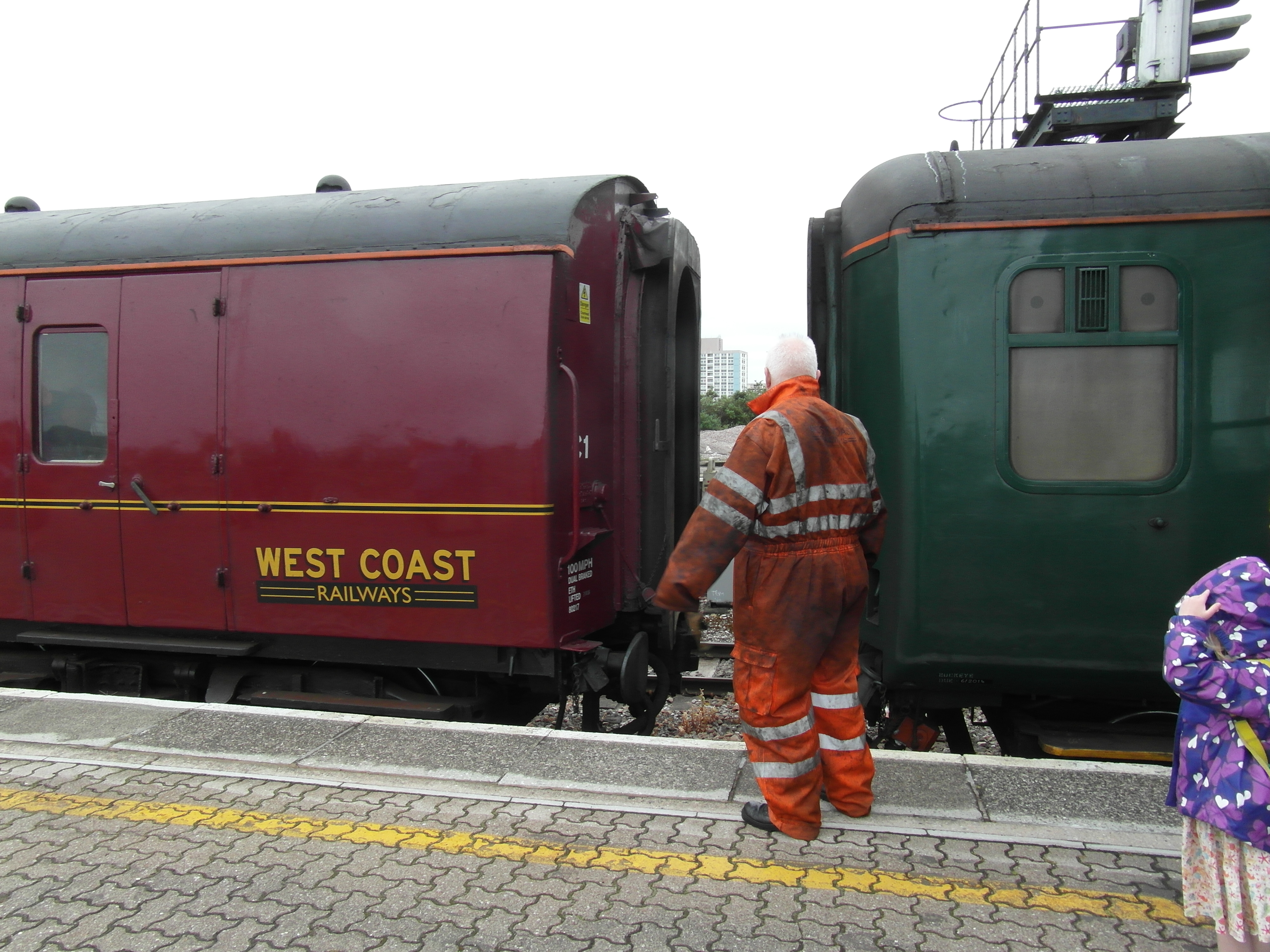
This is the Royal Duchy trip organised by the The Railway Touring Company and we are heading for Par in south Cornwall. There are 8 carriages and a kitchen carriage. Immediately behind the engine are four Premier coaches where passengers have paid £179 for a full English breakfast and a three course ‘silver-served’ dinner. The next three coaches are First Class, offering morning coffee and Danish pastries and afternoon tea with scones and finger sandwiches. We are in the single Standard carriage of 64 seats with tables of four, where everyone has brought their own picnic and ‘sharing’ happens!! (At half the cost of the Premier service we think we’ve got the best deal).

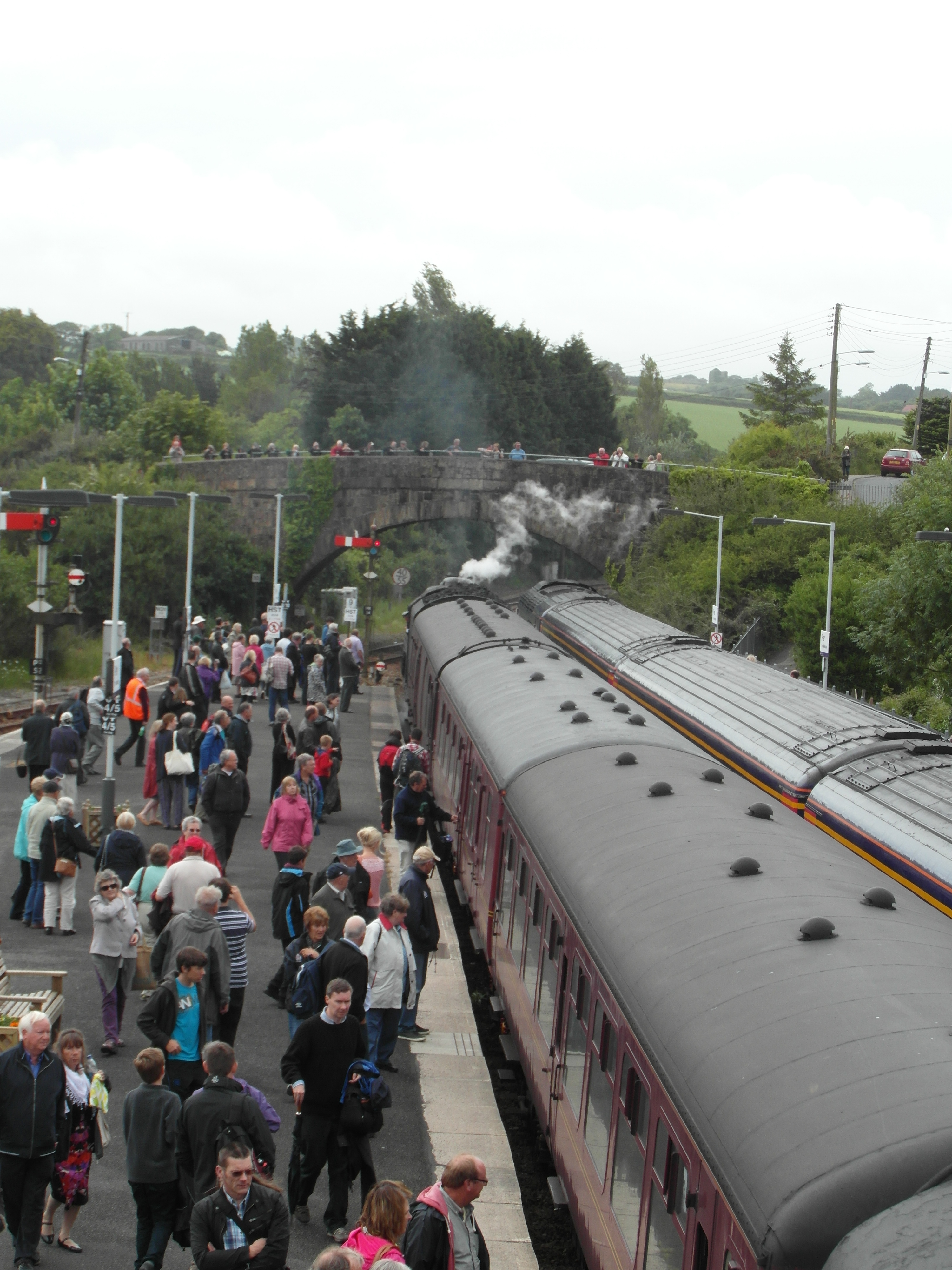
Flock of Passengers

Flock of Passengers

The other couple at our table have driven over from Lincoln and are steam aficionados! They stopped yesterday at Cheltenham Racecourse for a mini local steam ride. Armed with DIY safety specs from Wicks, they spend most of the journey south with their heads out of the door window. Hmmm!!

Coupling Up to Carriages

Coupling Up to Carriages

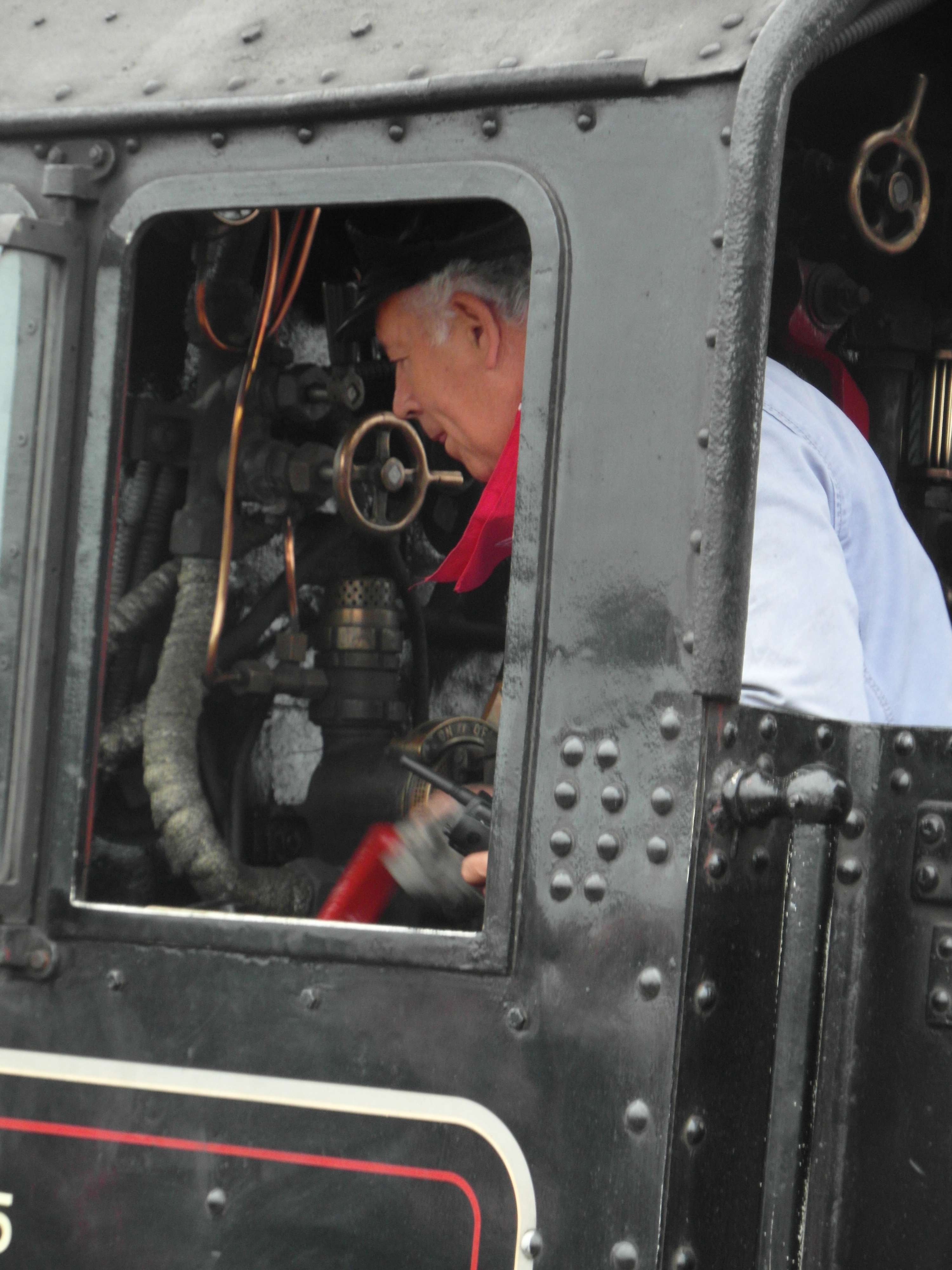
We stop at various stations to collect more passengers and there is almost an hour’s Water scheduled delay at Exeter.  The old ‘automatic’ boiler water pipes alongside the tracks have been removed, so refilling now requires a very different process. During this stop we actually climb onto the footplate, warm ourselves by the open, roaring furnace and chat to the drivers. They are dressed in denim with the compulsory neckerchief. They tell me its ‘jolly chilly’ in their open cab compared to the protected equivalent of a modern engine.

Looking Good

Looking Good

Warned by the early morning weather forecast of ‘bad weather ‘over the south-west we are prepared with kagools and umbrellas. It was cold but dry as we left Bristol but by Taunton the drizzle had begun. Along the causeway towards Teignmouth the rain cascaded down the windows.

All along the route we see steam fanatics waiting on balconies, in fields, in back-gardens, on bridges. They wave, click cameras and jot down details. The stations appear to have suspended the ‘ticket only’ entry to platforms, allowing anyone / everyone access to this special engine.

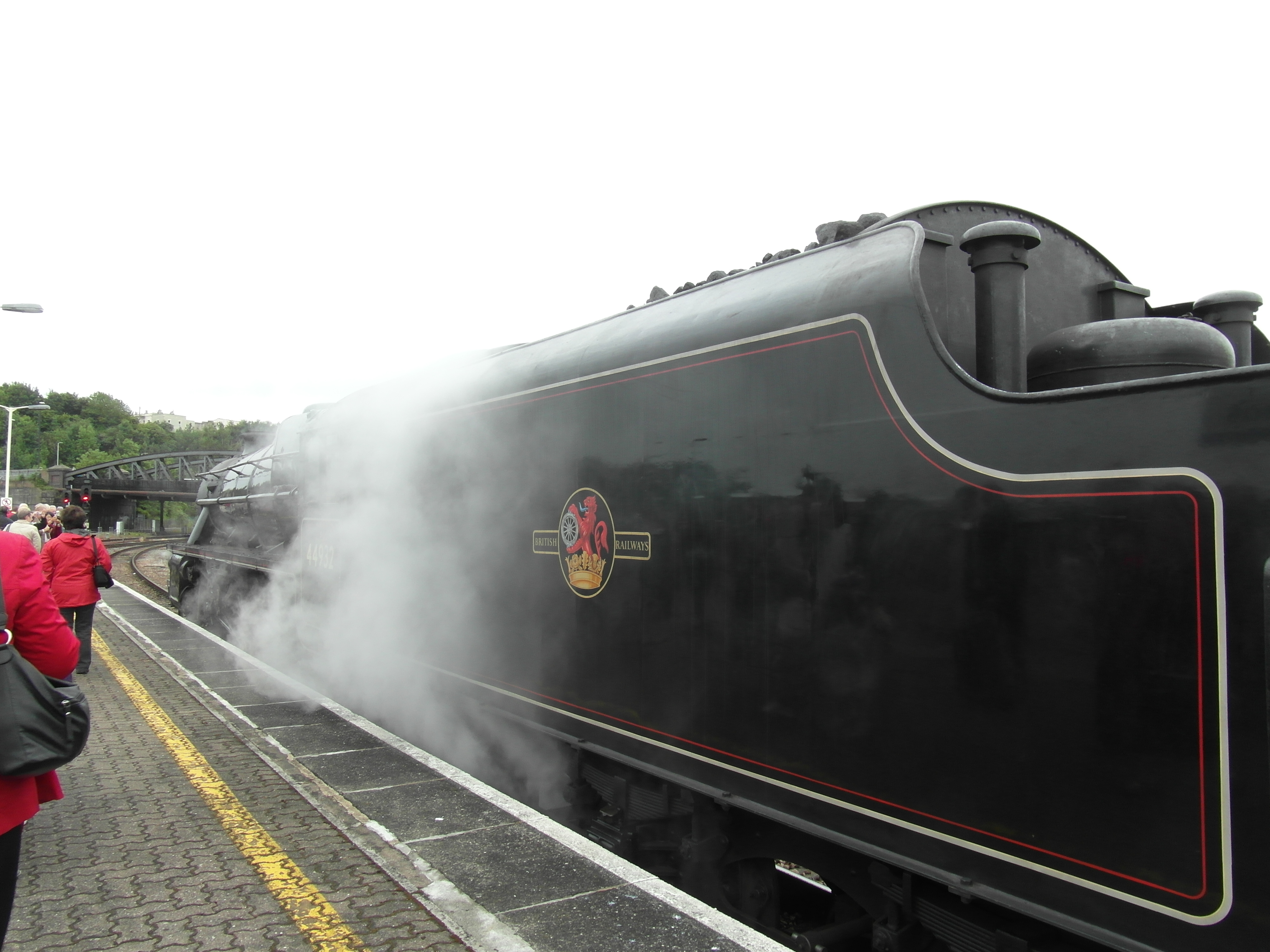
The Mighty Engine

The Mighty Engine

At Dawlish Warren we pull onto a side track to allow a faster Intercity to race past, and at Newton Abbott there is an unscheduled hold-up because a Great Western train needs to disembark some unruly passengers! This presents a disadvantage when we do set off; ahead is the worst climb of the journey – the third steepest main line bank on the British mainland – and we’ve no momentum to assist us. As we head for the Dainton Tunnel we are almost at walking pace. It’s when the engine struggles up these inclines I can hear the chatter of the wheels – ‘I think I can, I think I can’!!

Some years ago my husband Robin saw a Bristol-Penzance rail offer for £10 return. Collecting the tickets, he was delighted to find that, for another £5, we could travel First Class and enjoy unlimited tea, coffee and biscuits. We planned to take the bus on to Land’s End. However, due to ‘wet rails’, we arrived five minutes after the bus left!! Walking to St Michael’s Mount the weather was so cold and miserable I needed a brandy to recover!

Robin produces a bag of strange tasting gummy sweets. On inspection, I see they are from Target, so originated in Colorado. That makes me look closer – to find the sell-by date was December 2012. He argues they are pretty inert so exceeding the date by six months will have no effect.  Later, during our 3 hour turn round time at delighful and scenic Charlestown, near Par, we enjoy afternoon tea. Robin has a scrumptious genuine scone and cream and I manage to demolish a generous slice of pecan pie.  Sadly, within 5 minutes of leaving the coffee shop, my cake has left me!!  Now, was that caused by those odd sweets????

The Man in Charge

The Man in Charge

The journey home always seems shorter that the outward leg, and dusk falls as we cross the Somerset levels. We notice bats flitting round and the cattle, who all day have fled from our unusual sounds, simply lift their heads to look. As our carriage attendant collects the rubbish and tidies things away, I eavesdrop surrounding conversations; pet cats, hospital visits, long train journeys, future train trips, gradients and speed. My own thoughts revert to my father putting me on a train at Liverpool Lime Street and my mother meeting me at Euston Station for a half-term break. Yes, we could travel alone as children safely in those days. It’s time to snooze  – until the motion slows and we gently settle back on Platform 10 in Temple Meads.  For now, we are all ‘steamed out.’

Thank you, Judy!  It’s almost as good as being on that train myself!

Join me next time for more adventures in exploring Europe and the British Isles.