Handcrafts and Scandinavian design everywhere! I could get into a lot of trouble shopping.

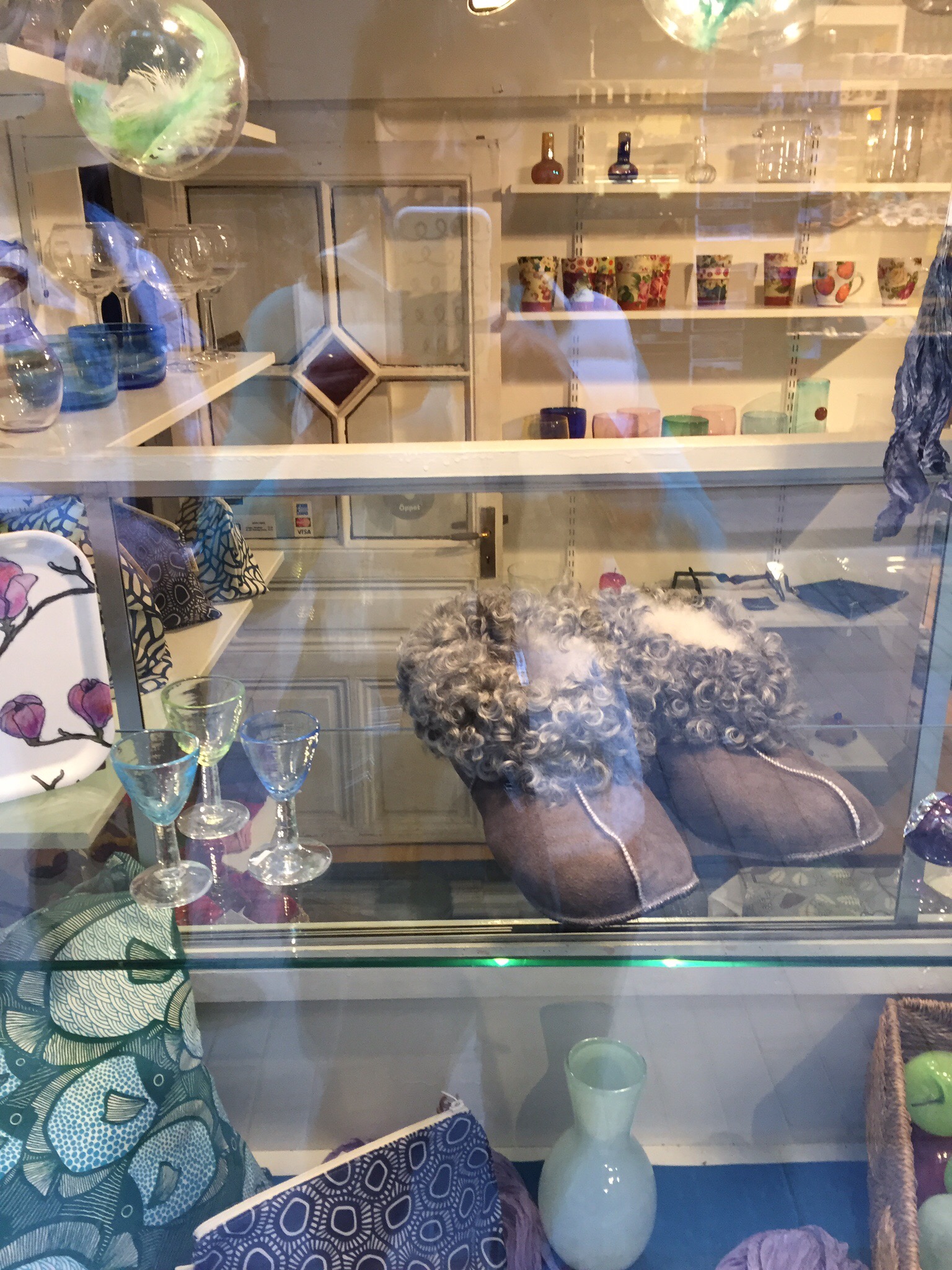
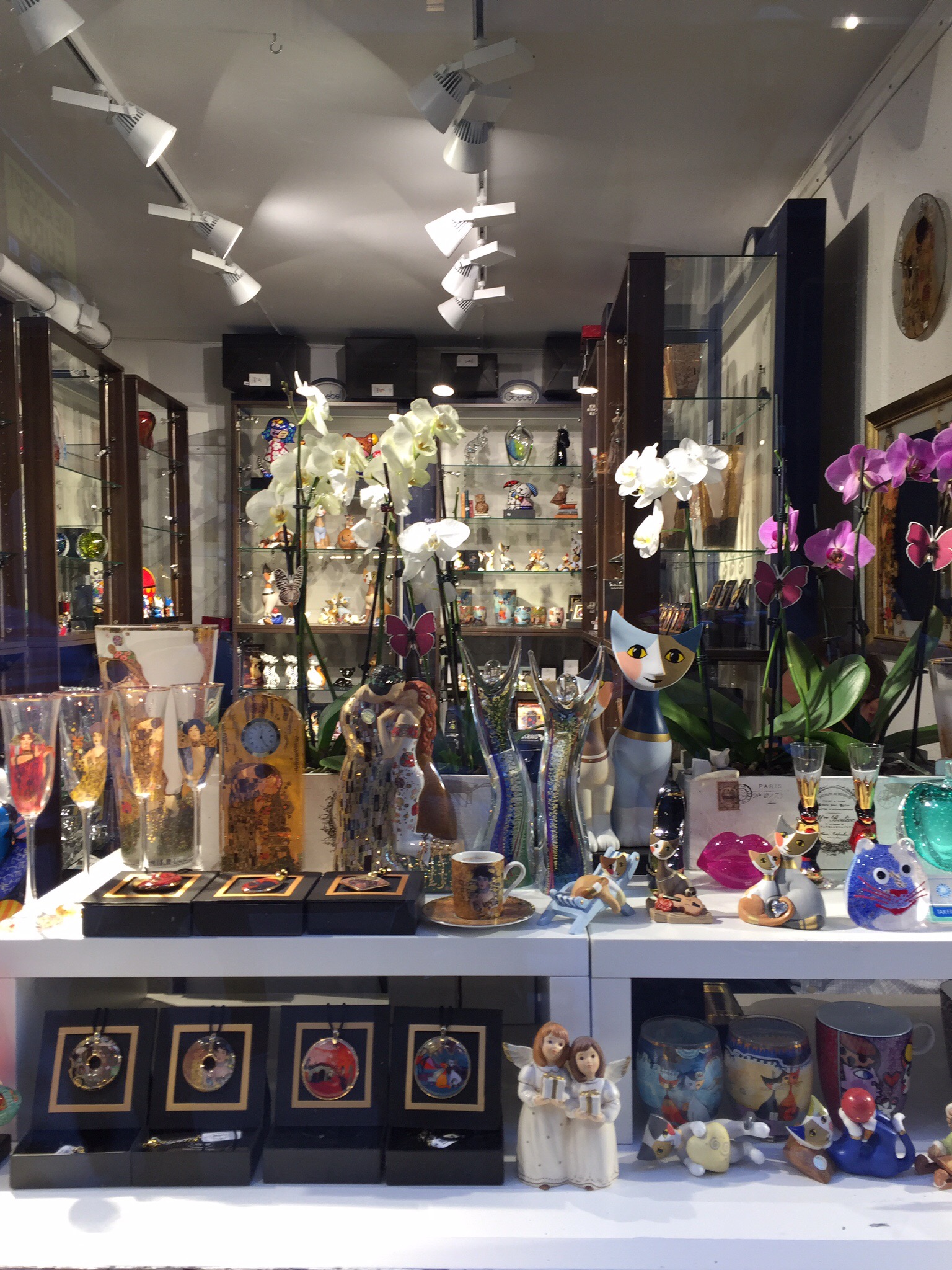



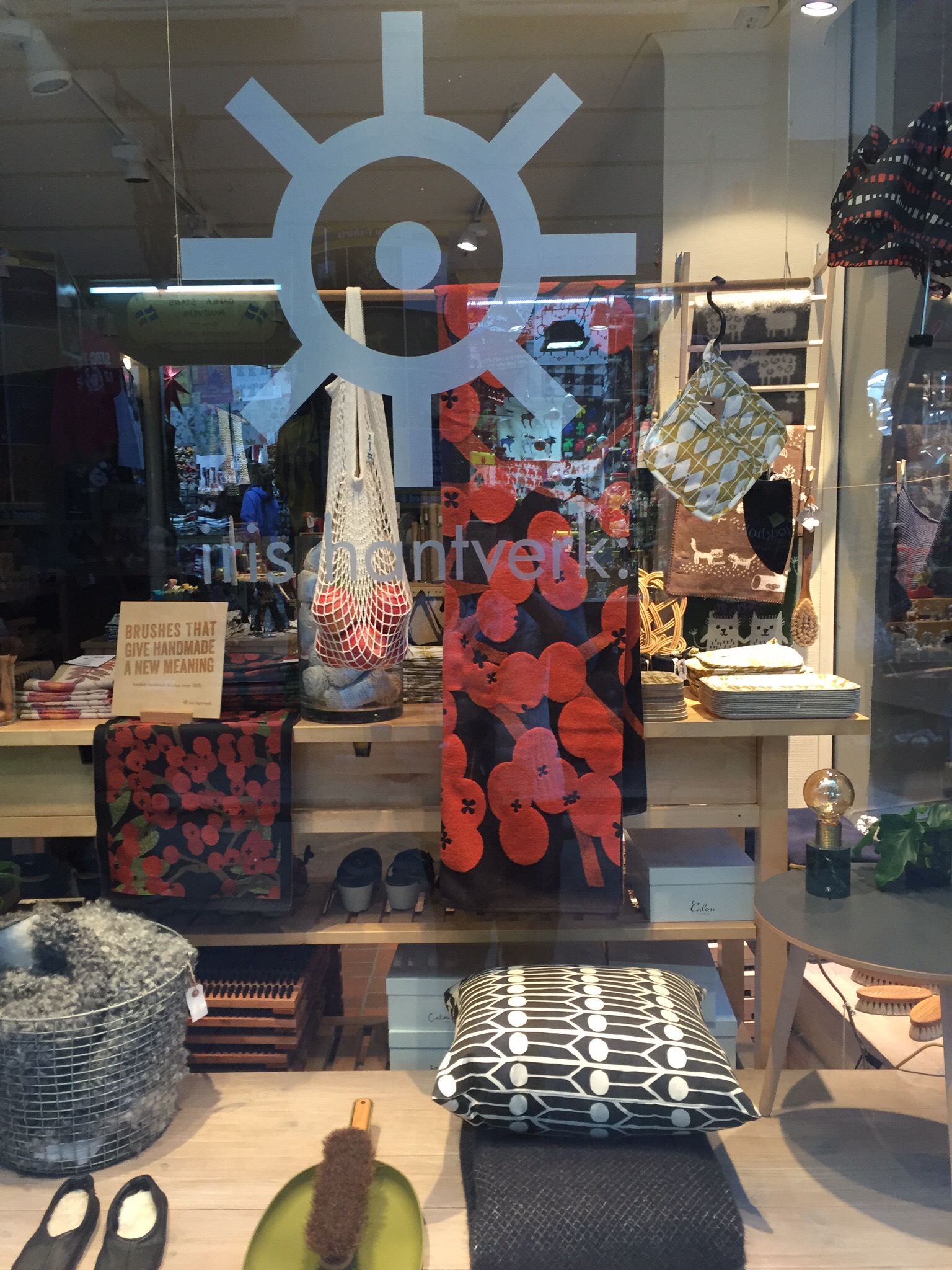
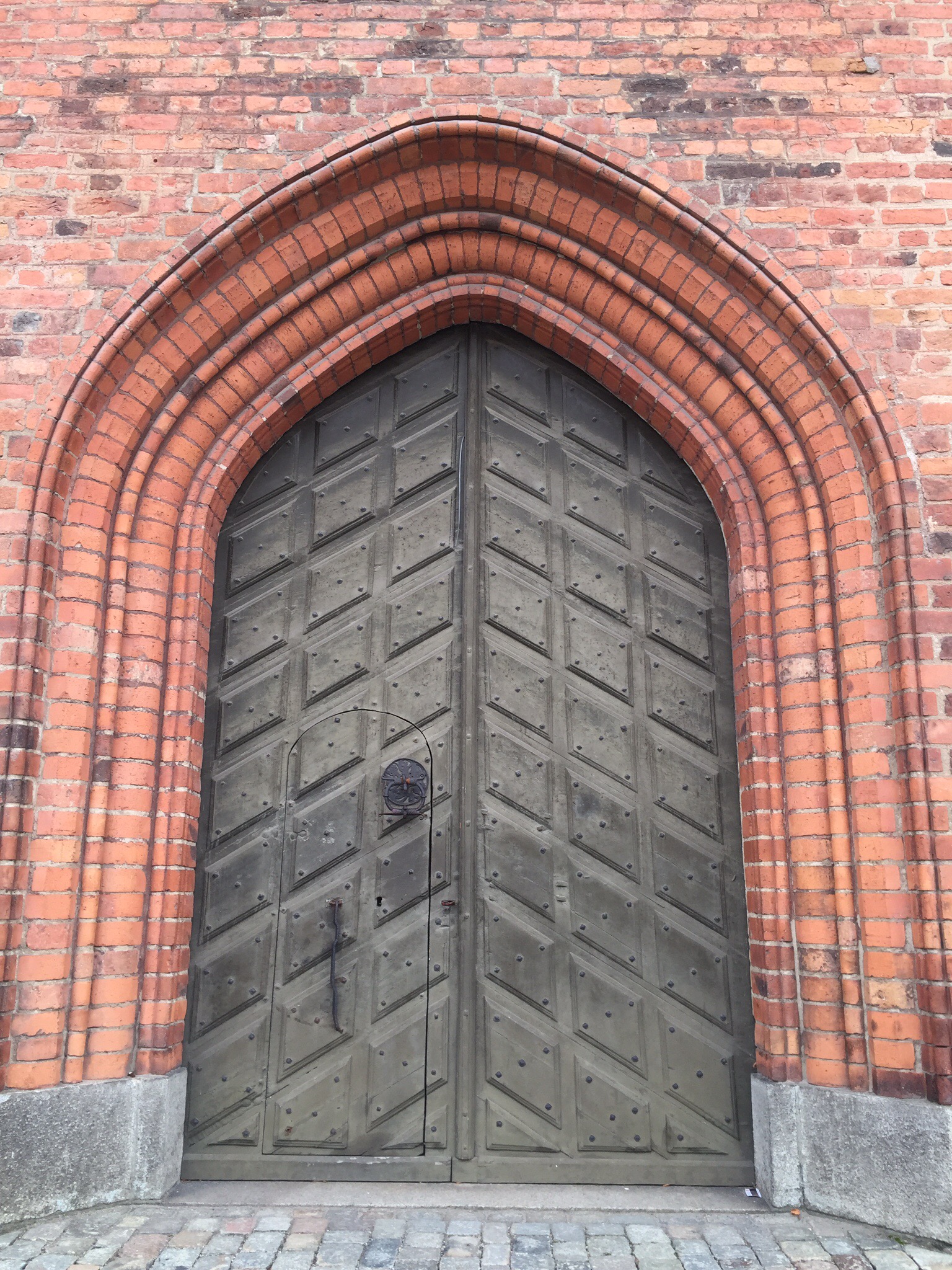
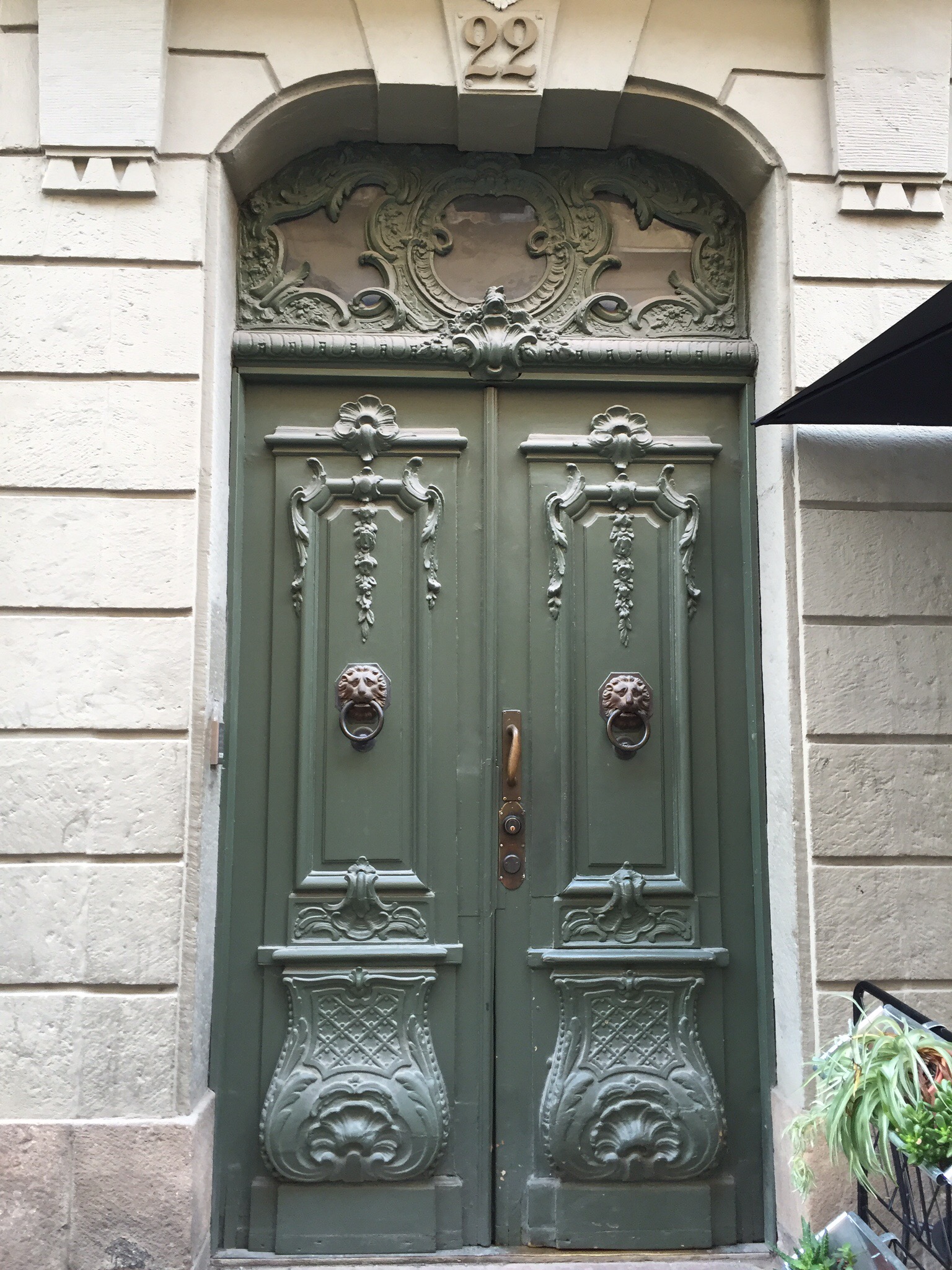
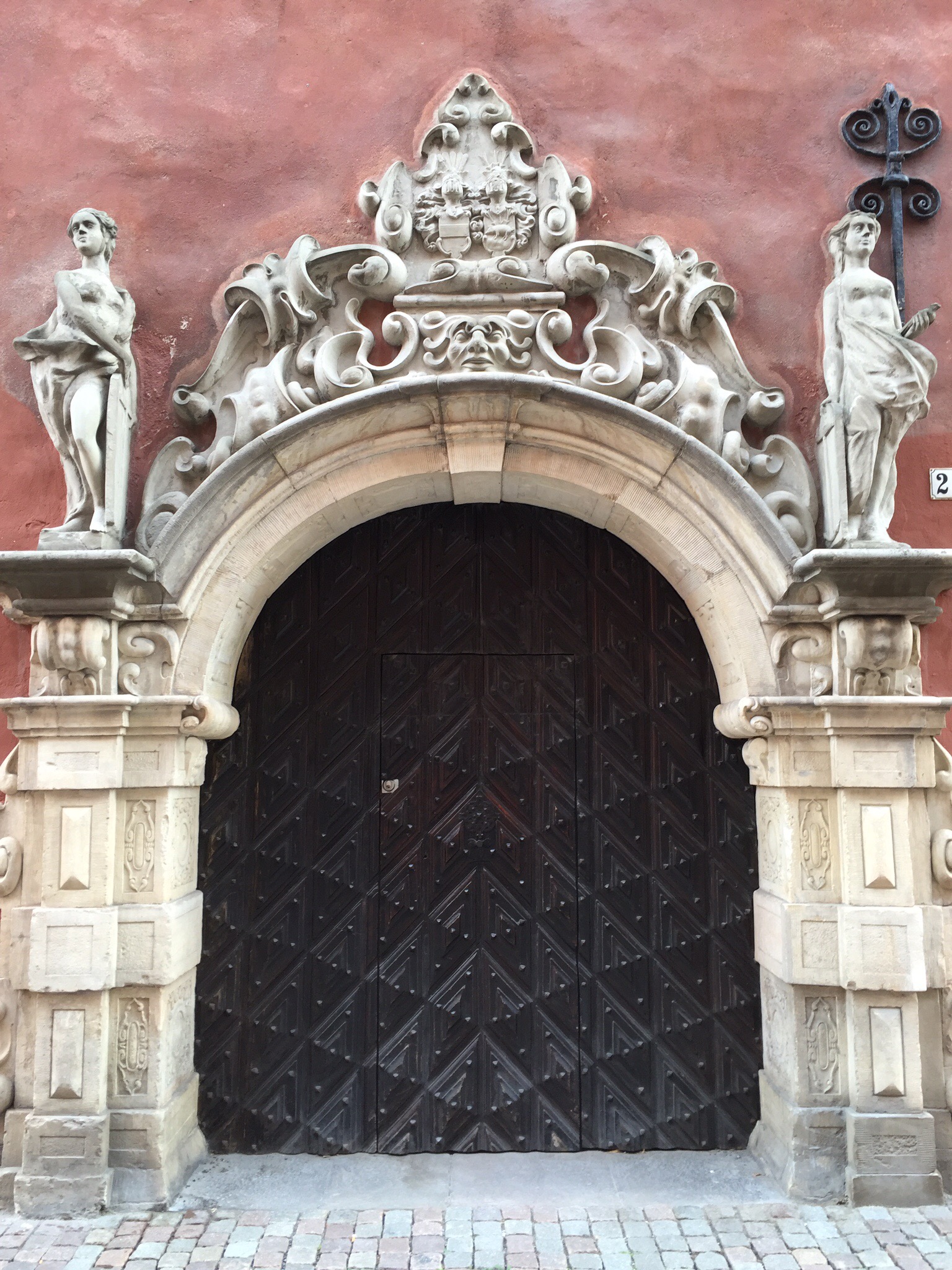
Stockholm Shop Windows
Leave a reply

Handcrafts and Scandinavian design everywhere! I could get into a lot of trouble shopping.




I’m about to get on a plane, so naturally my thoughts turn to bathrooms. The bathroom is one of my main concerns when booking a place to stay. I’ll be in Scandinavia, a part of the world I’ve never visited. While I wonder what my luck will be on bathrooms, I’m looking at pictures of bathrooms in the stately homes of Great Britain.
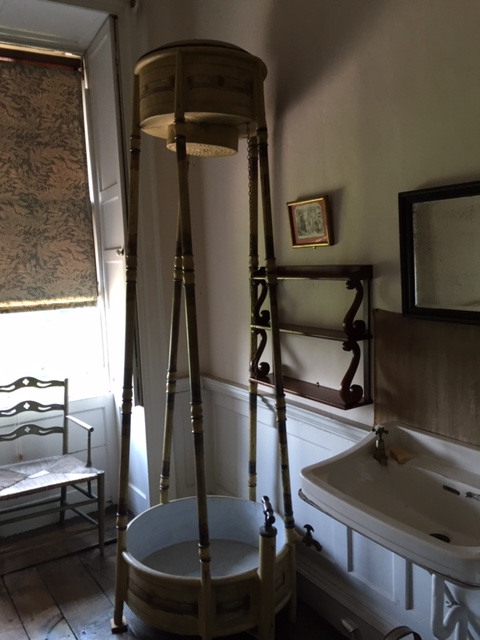
I like a nice hot bath after a long day tramping a city or country lanes. But the owners of Erddig in Wales were proud to own one of the first showers, a newfangled and somewhat alarming contraption in the late eighteenth century.

They commissioned an artist to depict family members lining up for showers, and looking none too happy about it. Why the dunce caps?
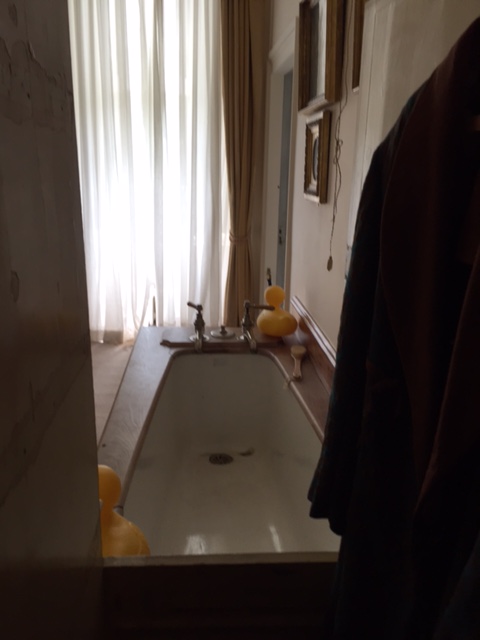
At Plas Newydd, a palatial country home on the water in Wales, the Marquis enjoyed his leisurely baths with his valet in close attendance. His bathtub had a handy window to the hallway, so the valet could hand him a fresh drink every now and then.

But at some point, the plumbing failed, as the rubber ducky warns visitors. (Once when I was a houseguest, I got up early to use a bathroom off the host’s kitchen, thinking I wouldn’t wake anyone. It turned out that the tap should have had a warning. It had not been used in years, and I caused a flood).

Still, I’m not alone in wanting my hot bath. When Lord Curzon took over Montacute, a grand Elizabethan house in the early 1900s, he appreciated the ancient architecture.

But he found a way to shoehorn a secret bathtub behind the priceless old panelled bedroom wall. (His mistress, the beautiful and accomplished novelist Elinor Glyn, was happily decorating and refurbishing the house when she received word that Lord Curzon was engaged to Grace Hinds, an equally beautiful but also very rich American. She packed up and left in a hurry, but I like to think she enjoyed one last bath).
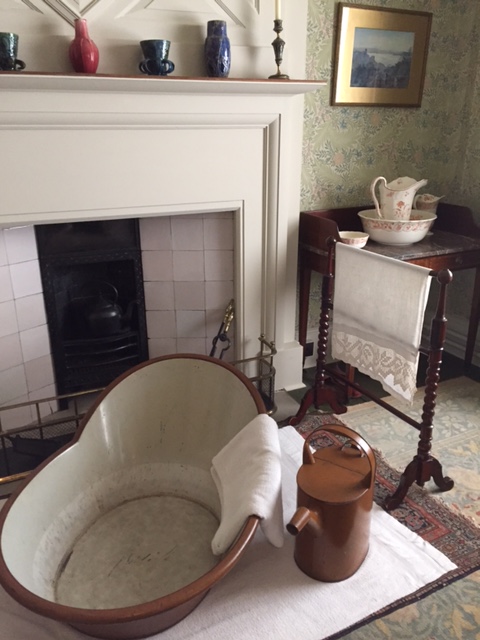
I think the ultimate in luxury would be a hand-drawn bath in front of the fire, like the one at Standen, an Arts and Crafts mansion built in the late 1800s as a family retreat for a wealthy businessman. Life for the servants who had to haul the water was not so pleasant, of course. In this house, a maid left a recorded account of the day she finally was allowed “upstairs.” It was the day the house was opened to the public by the National Trust. She had toiled “below stairs” in the scullery for her entire working life, not even allowed to haul water upstairs.
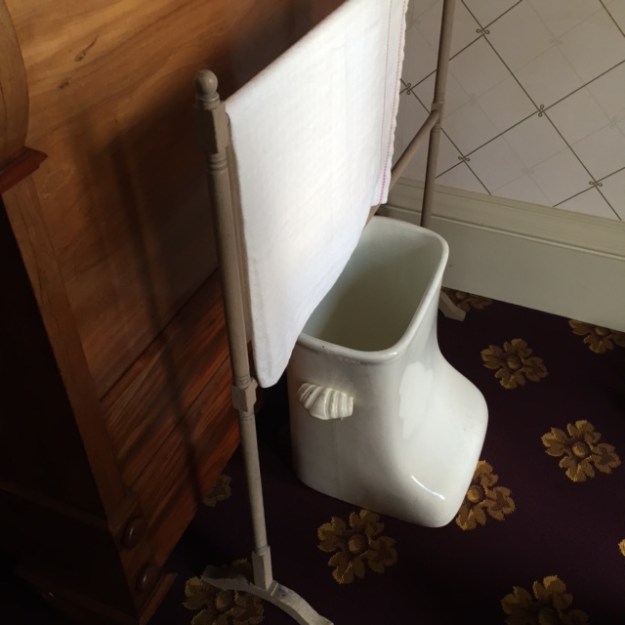
I hope this hard-working scullery maid at least had a foot bath for her aching feet, like this one below stairs at Wimpole.
As for me, I’m hoping for the best when I check in on my travels!

It seems like only yesterday, but we’ve actually been married 49 years. And here we are, a pair of Dusty Old Things. Fortunately our favorite activity is traveling together and looking at dusty old things!

We’re standing in front of Rex Whistler’s fantastic mural at Plas Newydd country house in Wales.
The mural is a fanciful and fantastically detailed landscape of places with special meaning to the artist and Lady Caroline’s family.

The artist spent 4 years painting the entire dining room, stretching out the work because he was devoted to the daughter of the family, Lady Caroline. She appears in the gondola above.
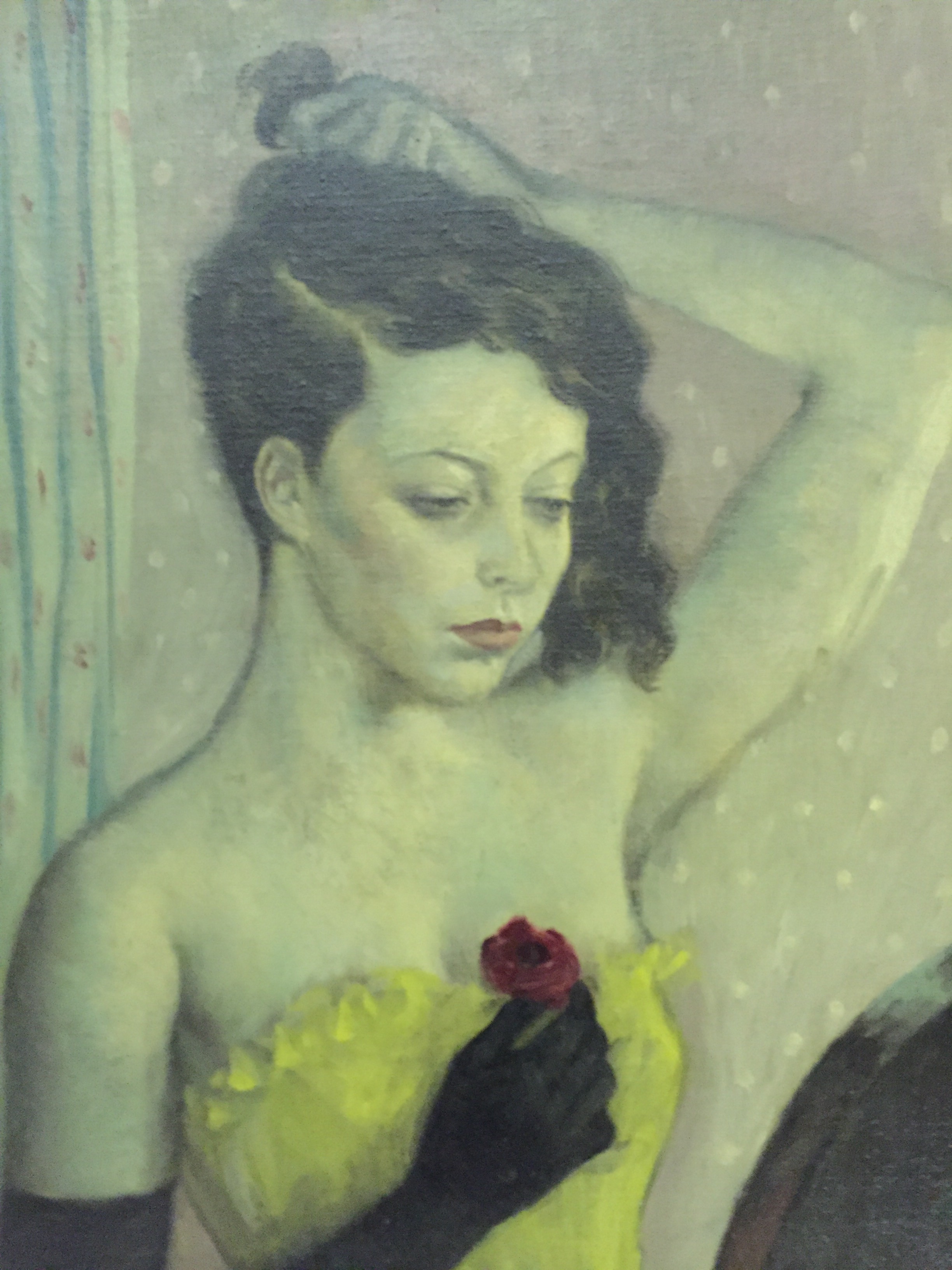
He painted her portrait many times.
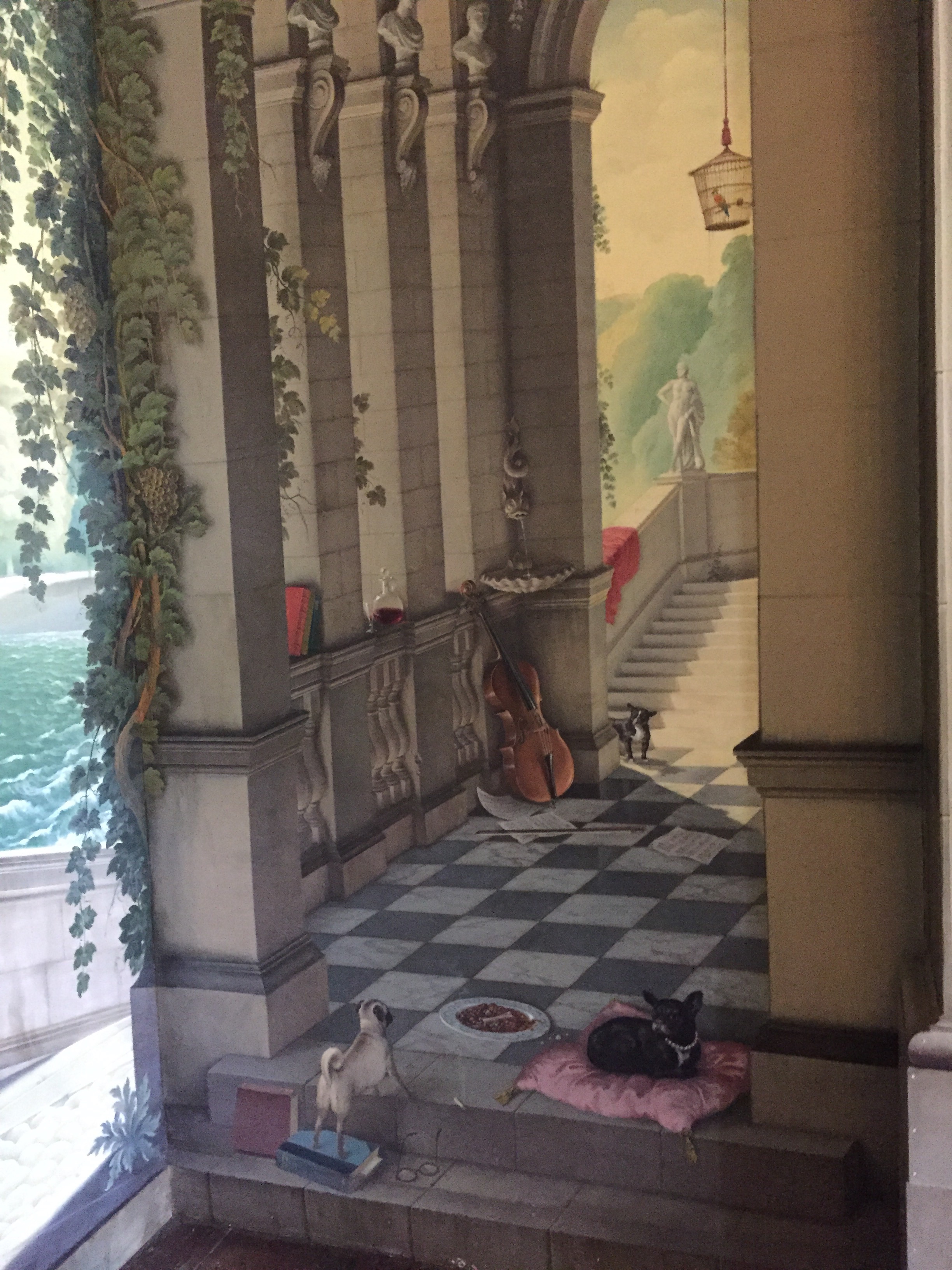
He painted favorite dogs, the very favorite one lying in splendor on a cushion and wearing a string of pearls instead of a collar.

He painted a self-portrait at one edge of the mural.
Like so much of history, the story is bittersweet. Rex Whistler died in combat in 1944, aged 39. Another famous mural of his is at the Tate Gallery in London.
I feel incredibly fortunate to have married my best friend and to have had so many happy years together!

Last week at Kingston Lacy, a grand estate near the Dorset coast in England, I fell in love with the house, its treasures dating back at least to the 1400s, and images of a Victorian mother and her children.

What an idyllic childhood in a beautiful place. Two girls were born first, then the all-important son and heir came along.

The girls described climbing into their mother’s beautiful bed when they woke up with nightmares. Of course, aristocratic Victorian wife that she was, she had her own bedroom. The house was full of priceless marble sculptures and museum-quality paintings. When she came to Kingston Lacy in 1897 as the young bride of the middle-aged squire, she was allowed to decorate her own room as she saw fit.
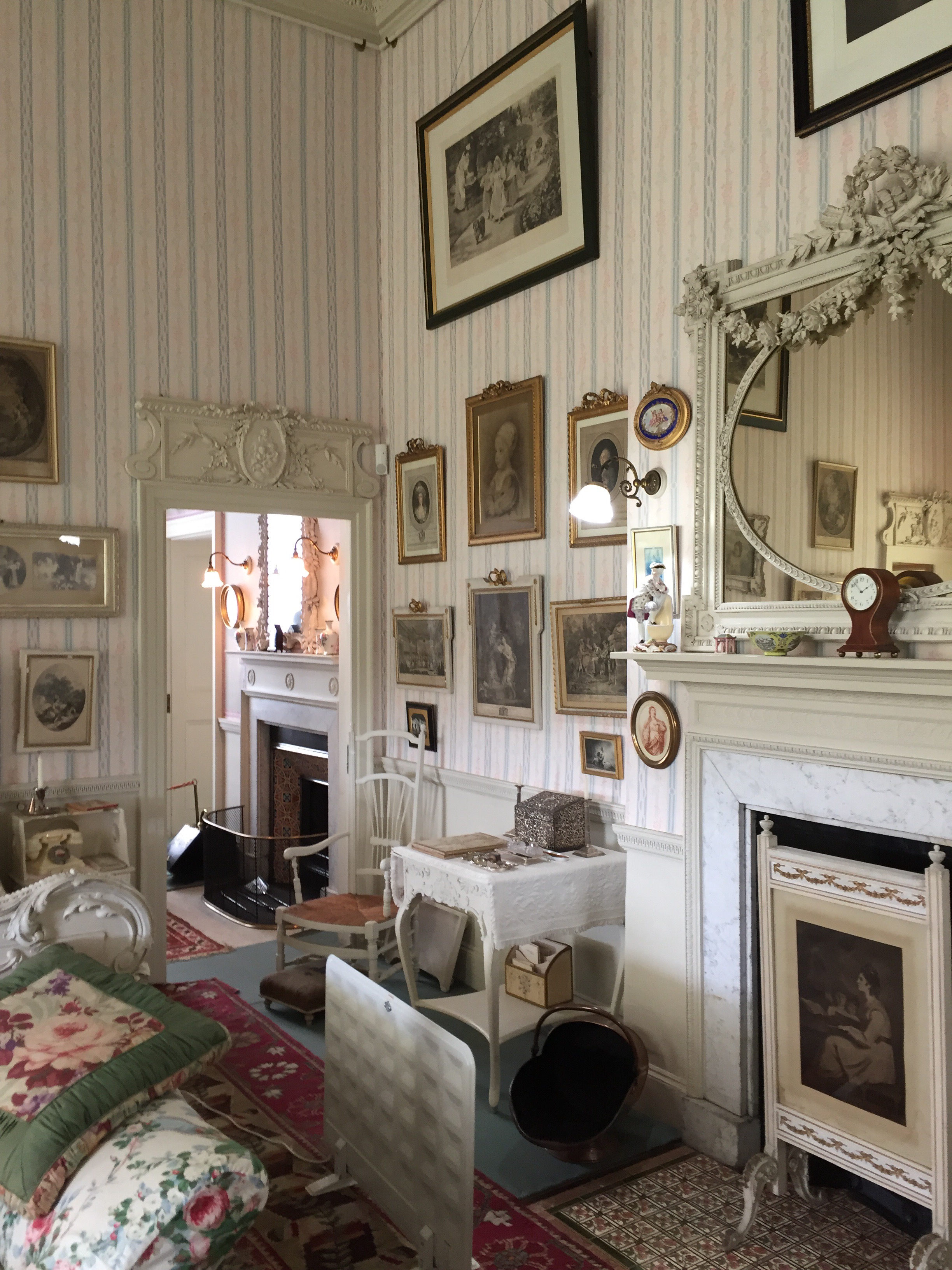
She went straight to Harrod’s in London and ordered a suite of white furniture. She filled the room with cheerful chintzes and striped wallpaper.
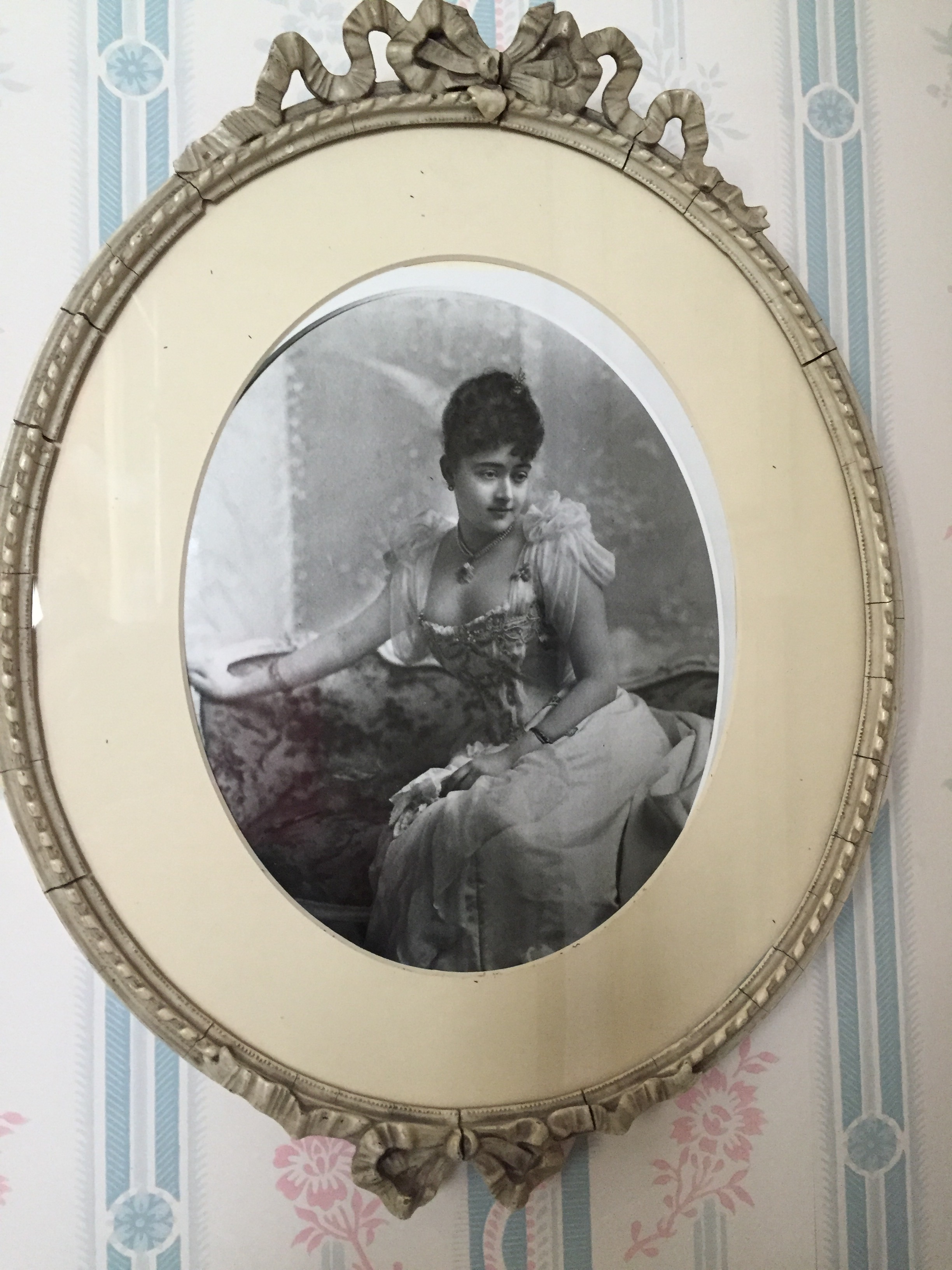
She covered the walls with pretty prints and photos of herself and her family. Interestingly, her husband seems invisible in this light-hearted room. The rest of the estate was his; this room was hers and hers alone.

When royalty visited, the family assembled on the front steps for a photo. The young heir looked spiffy in a white suit, center front beside the Queen.

Unfortunately, a nursery maid, wearing huge cabbage roses on her hat, weaseled her way into the photo. She appears, big as you please, on the left in the photo, behind the two daughters in white. For that stunt, she was sent packing, in disgrace.
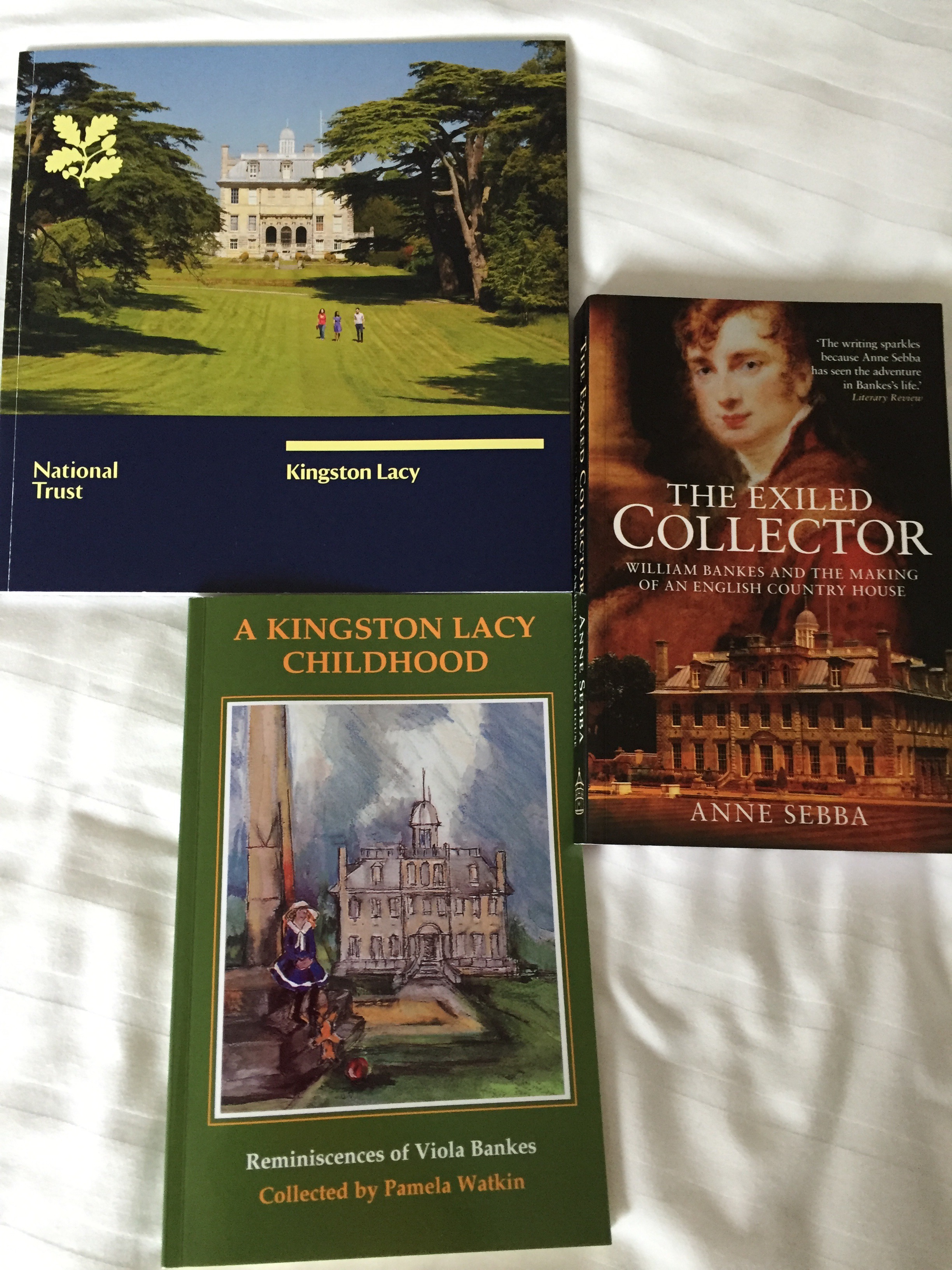
I bought some books about the family. I have a feeling that life at Kingston Lacy was not always the paradise it seemed to me, over a hundred years after these photos were taken. But the images of a beautiful mother and loving children remain. I wish all mothers a happy day!
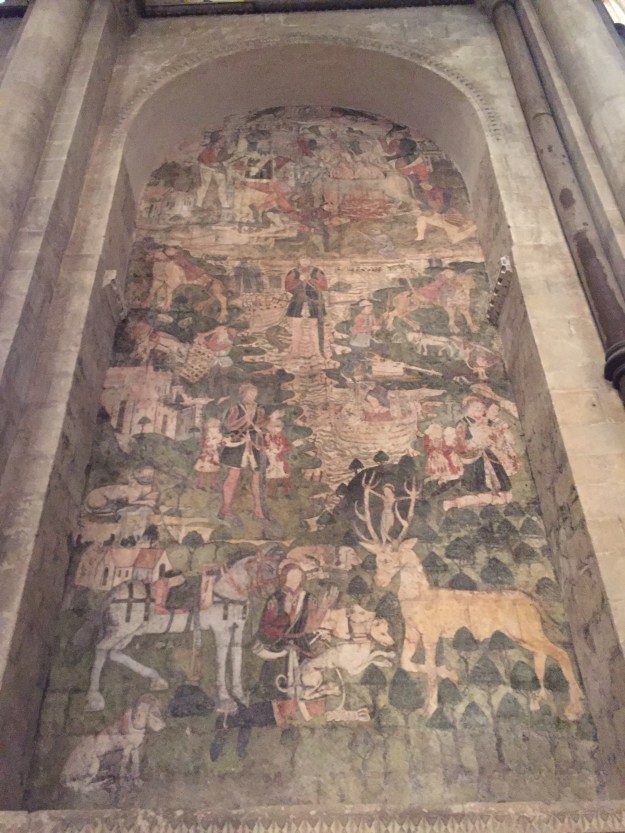
Among the many treasures at Canterbury Cathedral, one of my favorites on my visit this week was this large large wall painting, done in about 1480. It’s the legend of St. Eustace, who lived a colorful if harrowing life. He might possibly have been a known historical character, a Roman general named Placidus, in the 2nd century A.D.
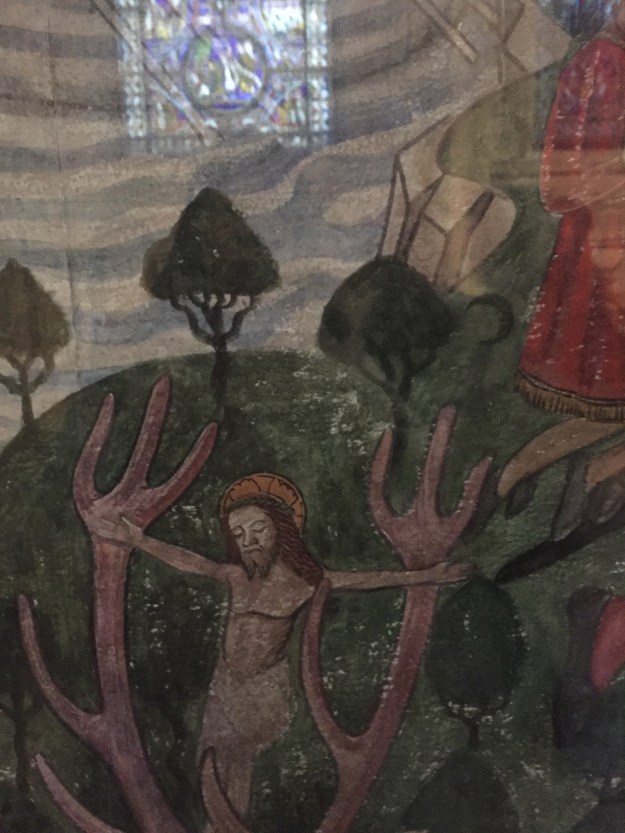
The legend goes that Placidus was out hunting one day when he had a vision of Christ in the antlers of a stag. He immediately converted to Christianity and changed his name to Eustace.
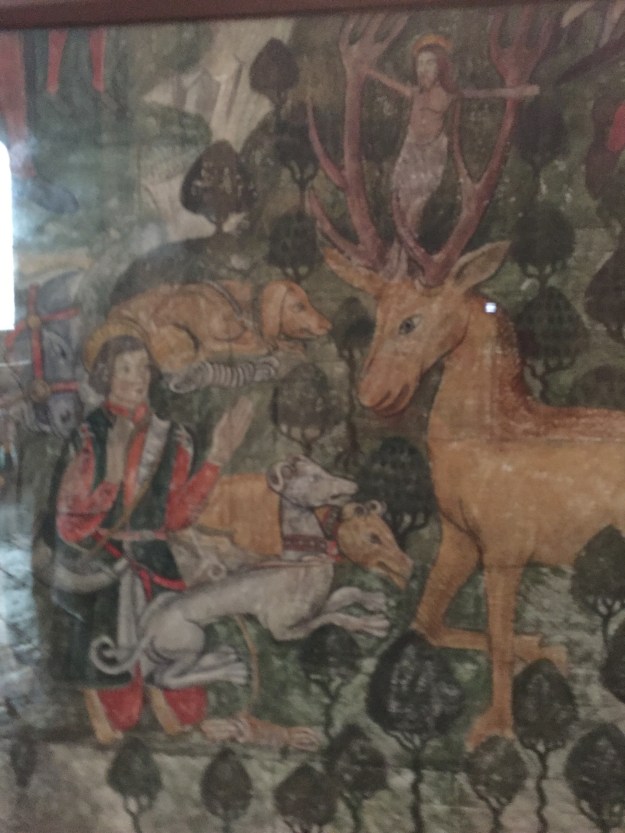
It’s hard to see the images that go high up the stone wall of the catheral. But there’s a horizontal copy nearby. Photos of it are not great because it’s covered by glass, but the reflections of the stained glass windows are sort of a bonus. I loved the images, especially the animals like the smiling stag and the hunting dogs above.
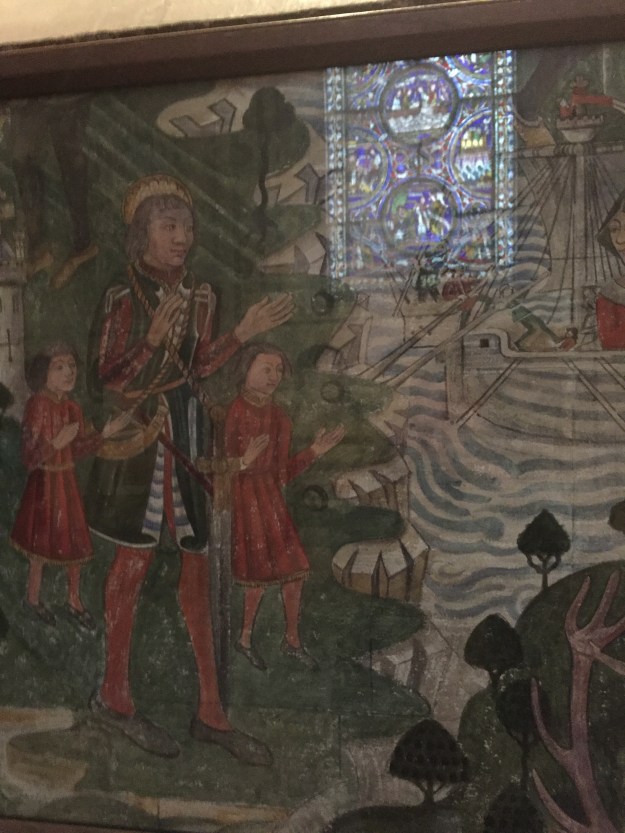
The legend goes that Eustace’s troubles began right away. His faith was tested by various calamities.
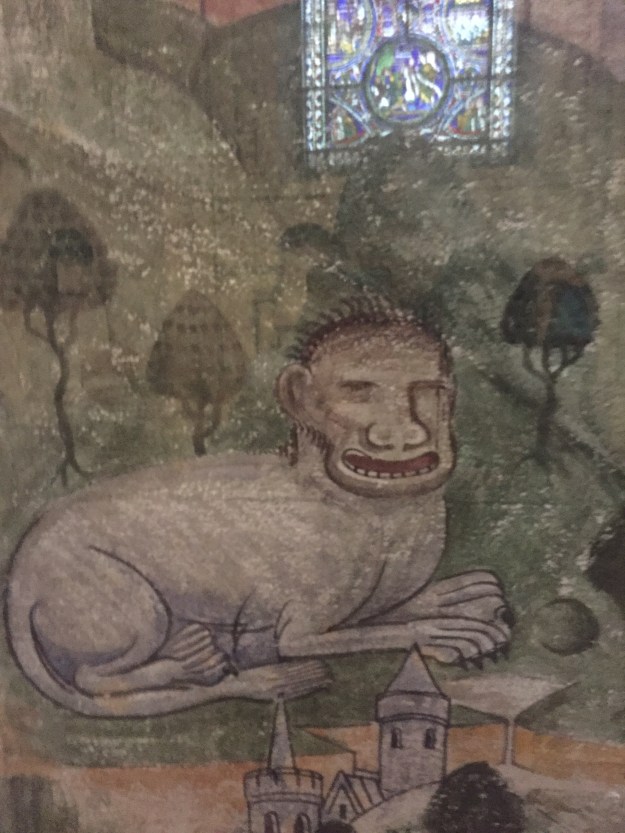
I was admiring the lion image. Personality plus! Then I read that the lion was grinning because he had just eaten Eustace’s son.
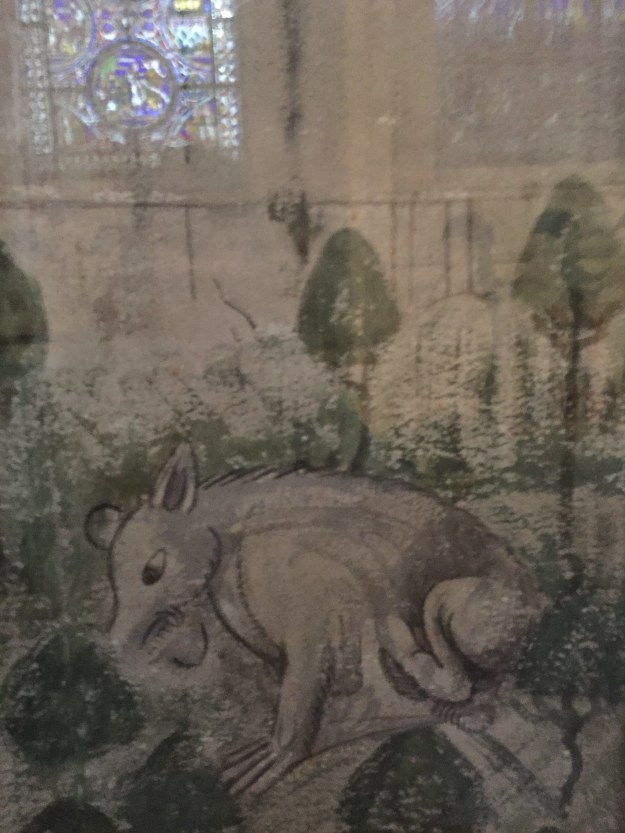
The wolf, looking all innocent? He had eaten the other son. But the legend goes that Eustace endured his hardships and kept his faith.
The painter of the Canterbury mural subscribed to a disputed end of Eustace’s story: the very upper part of the mural shows Eustace, his wife and his remaining children being roasted alive by order of the Emperor Hadrian. Eustace had refused to make a pagan sacrifice. Then they were all beatified, so there was still a happy ending of sorts. However, the martyrdom and even the historical existence of the saint are in doubt. I love the painting, regardless of the source. Bravo to the anonymous painter, back through the centuries!
To me, the charm of the mural is in the medieval images of people in nature, learning lessons from animals. The painter told the story with gusto and some humor.
Join me next time for more explorations in the art and history of Europe and the British Isles!
 In the whole history of the world, has anyone ever enjoyed paying taxes? Probably not. In London’s National Gallery, I came upon these two fellows, obviously no friends of the artist. The painting is from the workshop of Marinus van Reymerswale, most likely from the 1540s. The caption explains that it was probably painted as a satire on covetousness.
At the time, government authorities imposed taxes on items such as wine, beer and fish. The serious-looking gentleman on the left is apparently writing out a tax list. Once the tax rate was set, private individuals were entrusted with actually collecting the money from taxpayers. An unscrupulous tax-gatherer could obviously take advantage of this system. The man on the right, with his grasping fingers and face contorted by greed, looks more than ready to grab more than his fair share of whatever he collects.
Do tax collectors deserve any sympathy? The painting below, a 1599-1600 masterpiece of Michelangelo Merisi da Caravaggio, depicts the moment that Jesus Christ called the tax collector Levi to walk away from his lucrative profession and follow Jesus as a disciple. He became the disciple we know as Matthew.

The Calling of St. Matthew, Caravaggio, 1599-1600, Public Domain
So who is St. Matthew in the painting? Opinions vary. I’ve always thought it was the bearded man, pointing to himself as though to ask, “Who, me?” But I recently read that some experts think Matthew is the young man slumped over at the end of the table, trying to avoid the summons to a life of poverty and hardship. It could not have been an easy choice.
April 15 is the day that Americans have to submit their income tax forms to the government. We all would like to believe the tax system we live under is fair, uncorrupted and just. Let’s hope so, and as we send off our tax returns, let’s hope that every hard-earned penny is spent wisely.
Sunrise service on the mountain, and moose family napping in the snow. And time to get ready for springtime travels. Happy Easter!


In the midst of the most turbulent American political season in decades, I recently re-read Shakespeare’s play Julius Caesar. His source was mostly the historian Plutarch. The play is still relevant, and still illuminating on the subjects of loyalty to others versus loyalty to country, honest differences of political opinion, the uses and abuses of power, and whether and when violence is justified. And because it’s Shakespeare, every word is memorable. In history and in the play, Julius Caesar meets a bloody end. But Shakespeare gave him some memorable lines before he went down. In the play, contemplating his risks, Julius Caesar says, “Cowards die may times before their deaths; the valiant never taste of death but once.”
This day, the 15th of March in year 44 B.C., did not work out well for Julius Caesar. According to the historian Plutarch, a fortune-teller warned Caesar that something terrible would happen to him before the “Ides of March.” There were other warnings, too: a graphically violent dream by Caesar’s worried wife Calphurnia, men seemingly walking around on fire in the marketplace, a lion wandering the streets. Confident (or foolhardy) fellow that Julius Caesar was, he laughed at the portents and predictions. He even gloated, as he made his way to the Roman Senate on that morning. When he reached the Theater of Pompey, where Senate sessions were being temporarily held, he figured he was home free. But a lethal circle of assassins awaited him, knives concealed under their togas. Calphurnia’s nightmare came horribly true.

“Death of Caesar,” 1798, Vincenzo Camuccini, public domain
Julius Caesar’s death marked the end of the Roman Republic and the beginning of fierce civil wars that eventually led to the formation of the Roman Empire–a period that was stable, but definitely not democratic. Julius Caesar had already more or less ended the Republic: at the height of his power, he had named himself “Imperator.”

Could Caesar have avoided his violent end? Given his personality and supreme self-confidence, he probably could not. He had refused to resign when the Senate politely requested that he step down, and with one of his legions he had defiantly crossed the Rubicon River into Italy. That was strictly forbidden. Military conquest was for the frontiers. Rome was for reasoned debate among civilized men. Ever since Julius Caesar’s audacious and risky march across that border river, the expression “crossing the Rubicon” has meant a fateful and irreversible action. There was no turning back, for Caesar or for Rome.

Looking back over the centuries, it appears that the common people loved Julius Caesar for his flamboyance and for the military glory he had brought home to Rome. But his aristocratic peers saw only danger ahead. They decided that Caesar had to go. Once he was safely dead and out of the way, his heir, Octavius, obligingly made Julius Caesar a god. No danger there, and the move placated the restive common people.
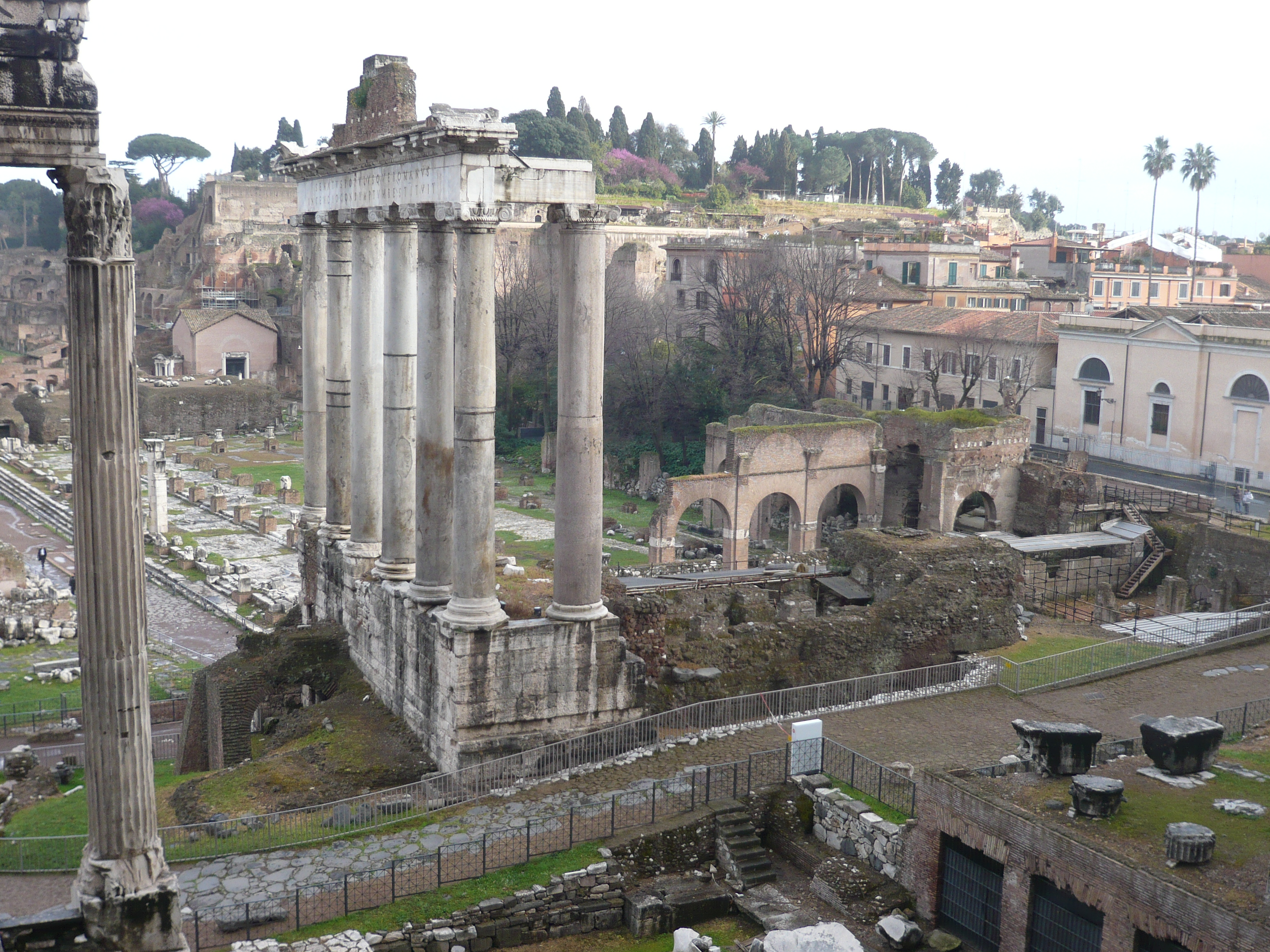
Today, the Roman Forum is a haunting place to wander, pondering the ups and downs of history. When I visited, I bought a book with clear overlays which shows how the various buildings must once have looked back in the day. But even without a visual aid, it is not hard to imagine Julius Caesar and his entourage making his way through the Forum on his way to the Senate session on that fateful day, the Ides of March in 44 B.C.
Join me next time for more explorations into the art and history of Europe!

Who was the man getting the surprise ice-water bath above, and what did he have to do with victory in World War II? One day in 2004, a National Trust guide at Hughenden Manor overheard an intriguing conversation. An old man was very quietly describing to his grandchild how he had once worked in the very room they were standing in. Hughenden Manor was the country home of Benjamin Disraeli, the Prime Minister and friend of Queen Victoria.
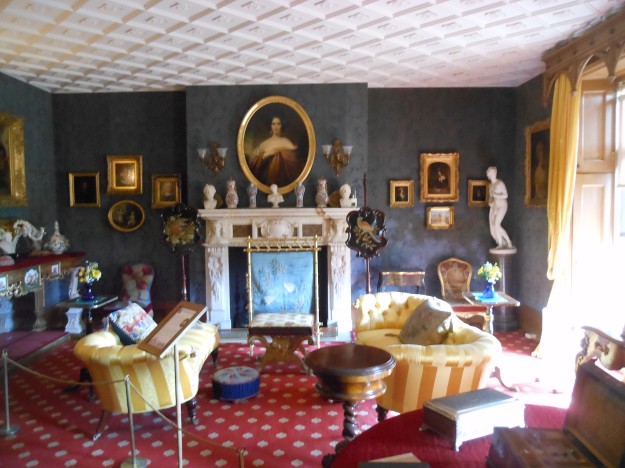
The house was a dusty relic of Victorian times. But it turned out that the house played a pivotal role in the Second World War, totally unknown to anyone except the 100 or so people who secretly worked there in the 1940s.
When the Battle of Britain and the London Blitz ended in late 1940, Britain’s Royal Air Force, the RAF, had overcome all the odds and held off the German Luftwaffe. Adolf Hitler had believed that the British would fold under heavy bombing, negotiate a peace treaty, and become his allies. How wrong he was. About 3,000 young pilots, averaging 20 years of age, did battle daily over the Channel, outnumbered by 5 to 1 in both equipment and flyers. They were not all British; some of them were Polish, Czech, Belgian and French. According to the RAF, 544 of them were killed in the Battle of Britain, and another 814 died later in the war. Winston Churchill famously summed up the Battle of Britain: “Never in the field of human conflict was so much owed by so many to so few.” To this day, pilots who fought are referred to as “The Few.”
But the war was just beginning. It was necessary for Allied forces, soon including the United States, to knock out German infrastructure. The only maps available at the time were made for tourists. They showed roads, cities, railways and sightseeing destinations like castles and cathedrals. Bombers needed detailed maps to accomplish their missions of destroying armament factories and other strategic targets.

Hughenden Manor became a secret command center for the vital mission of creating detailed maps for bomber pilots to use. British Spitfires and later Mosquitos were dispatched across the Channel with automatic cameras in their gun bays. Since the gun bays had no guns, the planes had no protection. The pilots, as brave as any of The Few, flew thousands of surveillance missions over Germany. Over the course of the war, they took 36 million photos. The camera film was carried by courier to Hughenden Manor, where the 100 or so top-secret mapmakers went to work.
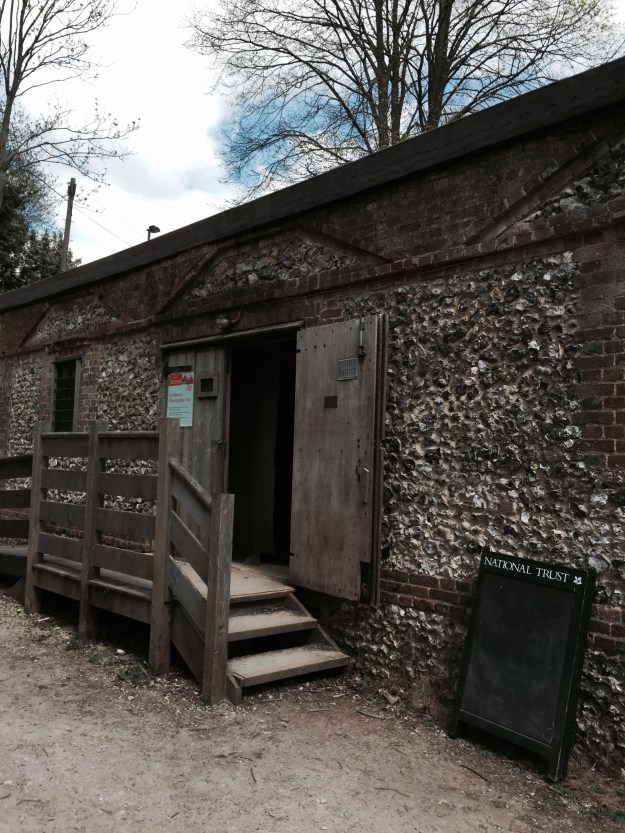
The old Hughenden icehouse was the darkroom.

Mapmakers were on duty at all times; someone always slept in the icehouse.

Inside, mapmakers worked day and night, translating the surveillance photos into maps for bomber pilots. Target maps were drawn by hand, with the target in the middle, surrounded by concentric circles one mile apart.

Today, the visitor can try out the equipment, which in its day was high-tech. Completed maps, thousands of them, were sent seven miles up the road to Bomber Command. Often, couriers used bicycles, so as not to draw attention.

The entire map-making operation was a military secret, protected by the Official Secrets Act. People who worked at Hughenden, military and civilian, took an oath to keep the operation secret for their entire lifetimes. When the National Trust accidentally learned a little about the amazing World War II history of Hughenden, they went to Parliament and eventually received permission to make the secrets public. Today, the icehouse and the basement of Hughenden hold an enthralling museum of this vital part of victory for the Allies in World War II.

Veterans of the secret operation were tracked down and interviewed on video, before their stories were lost forever. People sent in their personal diaries and photos. The almost-lost history came alive.

And the man getting the surprise ice bath? Newbies were invited into the icehouse to have a wartime picture taken, to send to the folks at home (of course, the location was always kept secret). The helpful icehouse staff posed the unsuspecting person under an icy water outlet in the brick ceiling. Someone pulled a lever at the exact moment the camera snapped. Everyone, including the victim, laughed uproariously.
The result was a nice wartime keepsake, and a personal reminder of undaunted British spirit when the odds of victory seemed slim. British self-deprecating humor and camaraderie were a big part of that spirit.
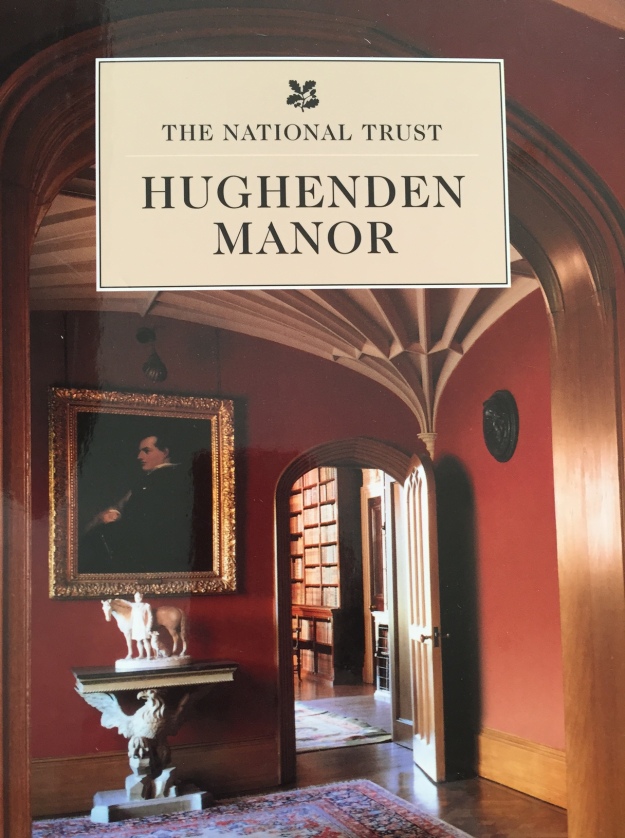
I’d recommend a visit to Hughenden Manor. Join me next time for more explorations in the art and history of Europe and the British Isles!
 castlesandcoffeehouses.com