Top Hats and Toppled Trees

Recently I went running in Minnesota and encountered a beaver-chewed tree.  Where was the beaver? Scared off? On a coffee break? Sent off by the Chief Beaver to chew another tree instead? This particular beaver never did return.  Alas, the tree is done for.  It fell over in the last high wind.

Beaver-chewed tree

Beaver-chewed tree

The expression “beaver hat” came to mind, the kind of hat I would call a “top hat.”

TopHat


I noticed that at the recent wedding of Brad Pitt and Angelina Jolie, the children were allowed to choose what to wear, and one of the boys chose a black top hat, which he wore, elegantly, with shorts. (I’m also going to go out out a limb and say that Angelina’s wedding dress and veil, embroidered with drawings by her six children, was the most beautiful and meaningful wedding attire I’ve ever seen.  What an inspired use for refrigerator art!)

I started wondering why hats in the past couple of centuries were made from beaver fur. I learned that the beaver’s fur, sheared off, boiled, and pressed into thick felt, was so pliable it could be made into almost any shape of hat.  Beaver hats were warm, soft, and resistant to water. Between 1550 and about 1850, huge numbers of such hats were made, for both civilian and military use.
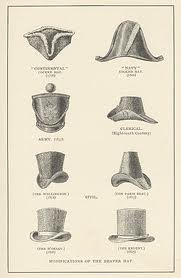
Some varieties of the beaver hat

Public Domain

Everyone had to have at least one. Wealthy men, like Jane Austen’s Mr. Darcy, had several. The European beaver was hunted and trapped to near-extinction.  Traders turned to North America, where the American beaver was plentiful. In fact, demand for beaver pelts was a big factor in colonial expansion in the New World, especially in Canada.  The Hudson’s Bay Company, founded in 1670, made a fortune in the beaver trade.  The company still exists today.

Finally, in the mid-1850’s, silk hats became more fashionable.  The beaver could relax a bit.

American Beaver by Steve, Creative Commons Share Alike 2.0

American Beaver by Steve, Creative Commons Share Alike 2.0

As far as I can see, the American beaver is thriving wherever there is water. I encountered this beaver-chewed tree in the middle of winter next to a stream in Colorado.

Beaver-chewed tree on Yampa River in Steamboat Springs

Beaver-chewed tree on stream in Colorado

People trying to maintain waterside property are not fond of the beaver.  Still, I have to admire the little guy’s energy and ambition.

Join me next time for more explorations into the art and history of Europe, and the many connections with development elsewhere in the world.

Palace Seating: How Do You Rank?

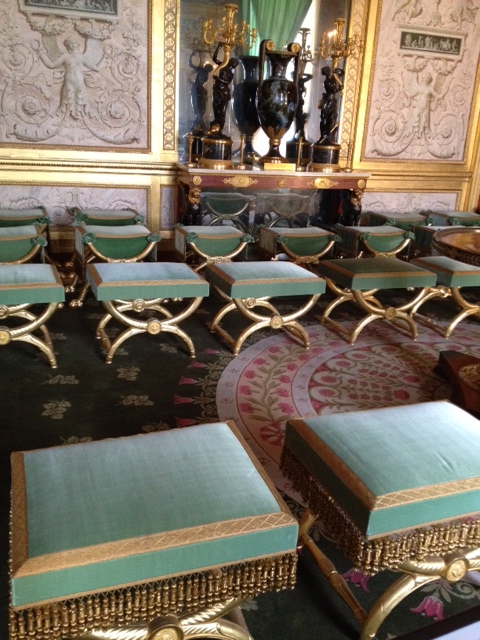
KQStools

At Fontainebleau, as at many royal palaces, rooms are filled with rows of upholstered seating in various shapes and sizes. But apparently there were no cheap seats.  These folks must have spent a lot of time just hanging out with royalty in salons, hoping to curry favor.

As royal etiquette evolved over the centuries, a seat was not just a place to sit down. By the time of Louis XIV, a seat was a rigidly controlled indication of one’s rank in society. Seats had no nametags. There were no sections marked “Duchesses and above.” A person attending the King and/or Queen was just expected to know.   I’d have lived in terror that I might absentmindedly sit down in the wrong place and land myself in a dungeon, or worse.

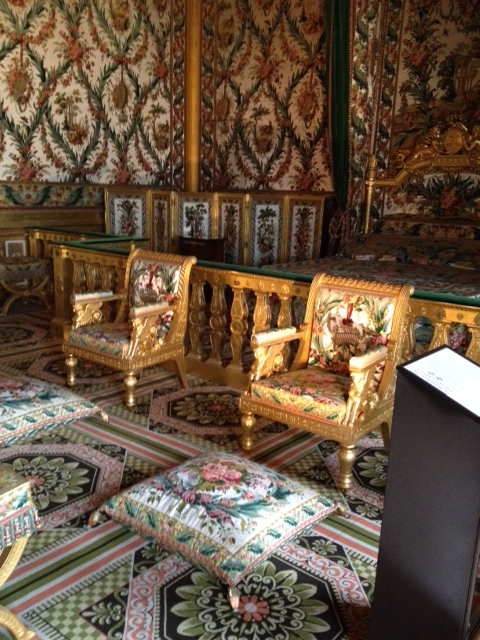
Chairs

Naturally, the pair of armchairs placed in the most desirable spot, like next to a fireplace in a chilly room, was reserved for royalty. And only the King and Queen rated footstools.

Stools

“Stools” of various sizes and heights–what we might call ottomans–were reserved for those high in rank.  But within each rank, there was a pecking order, with those currently most in favor getting to sit closest to the Queen.

KQChairs


Marie Antoinette, for example, could gather her most amusing ladies around her, close to the warmth of the fire–reason enough to get off as many good jokes as possible. The coveted seats needed to be wide and deep, to accommodate voluminous layers of skirts.


What about the guys?  Out of luck, I’m afraid. Gentlemen below royal rank were expected to stand at all times in the presence of royalty–unless they were invited into a private boudoir.

The first thing I look for when I enter a museum or palace room where I want to spend some time is a bench or chair designated for visitors.  Good thing I live in the 21st century!


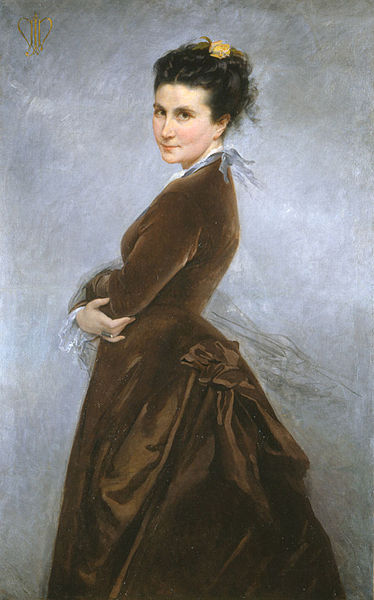
Nelie’s Chapel


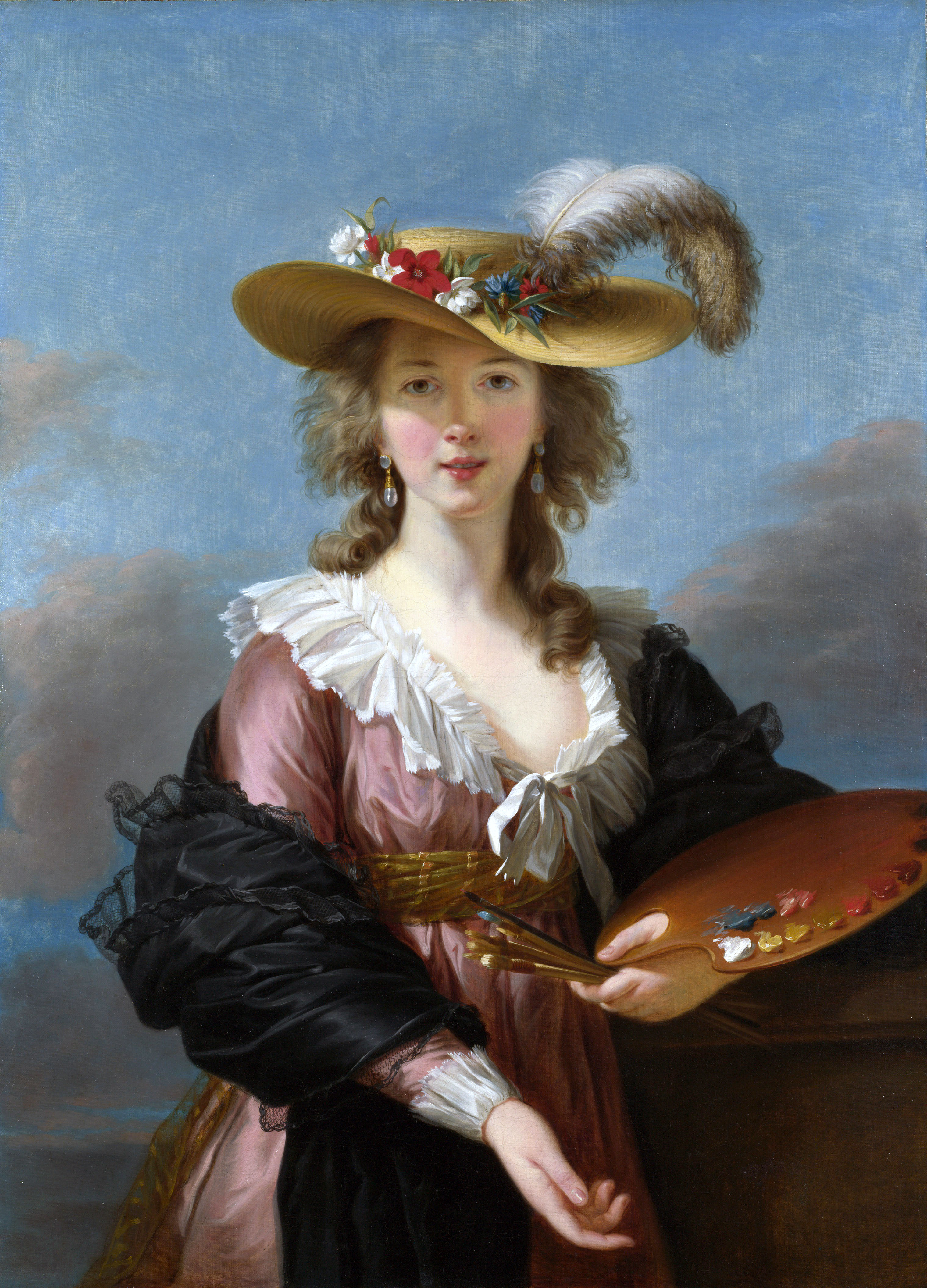
Self Portrait of Nelie Jacquemart, Public Domain

Self Portrait of Nelie Jacquemart, Public Domain

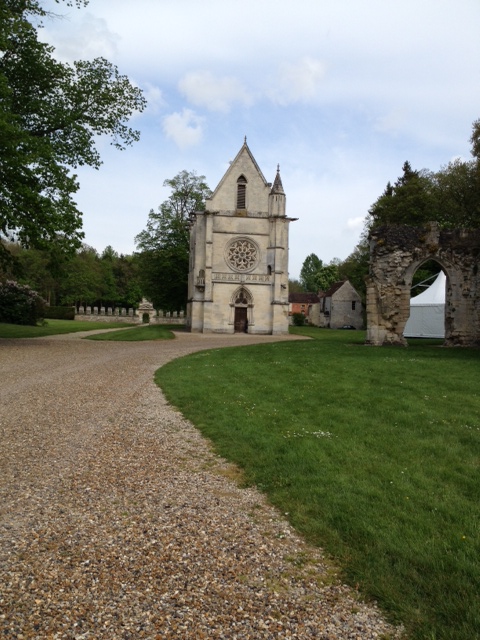
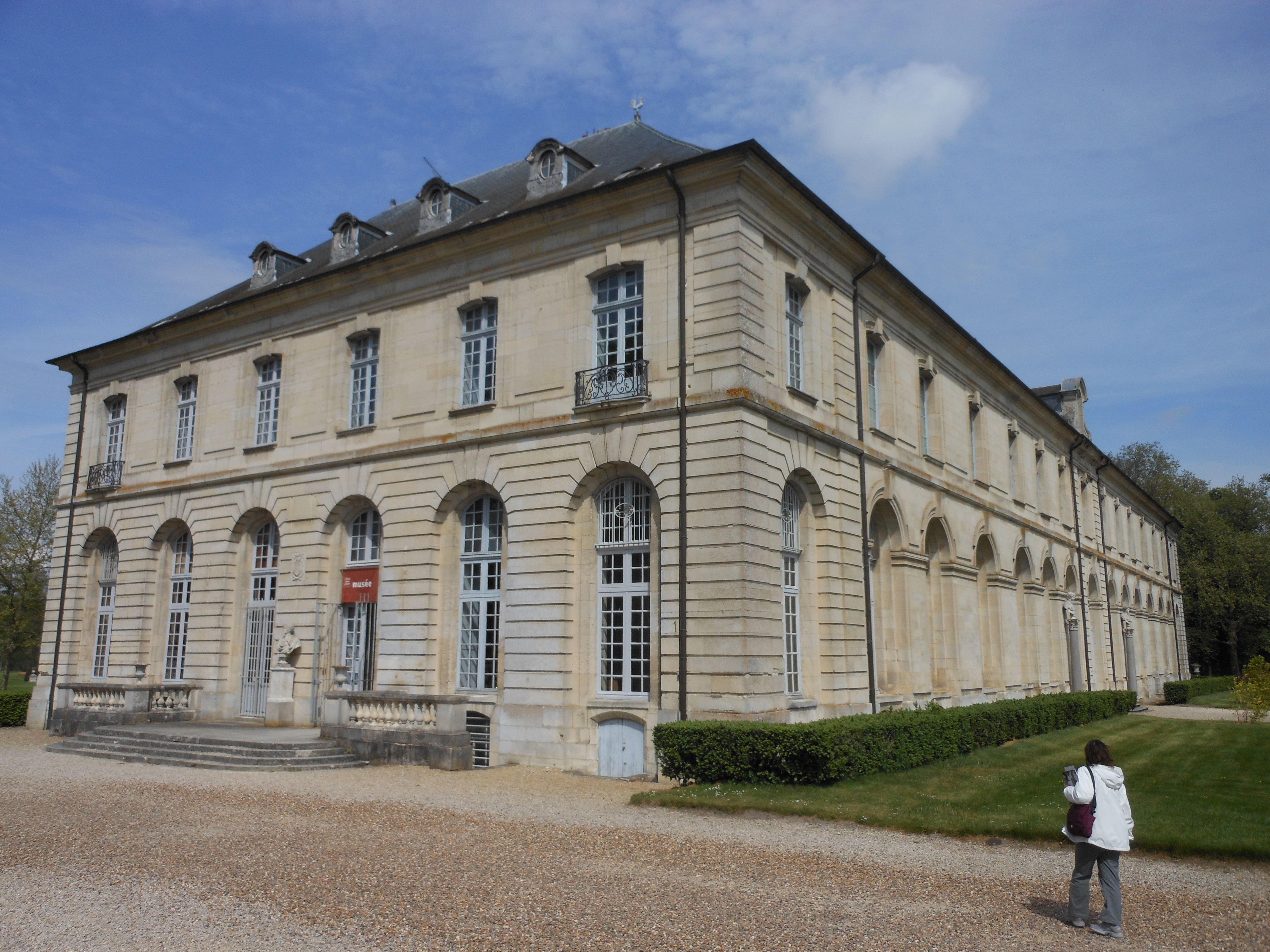
When Nelie Jacquemart-Andre’s colorful life ended in 1912, she was buried according to her wishes in the exquisite 12th-century Chapelle-Sainte-Marie on the grounds of her historic but somewhat modest chateau, the Abbaye Royale de Chaalis.  The chapel was built during the reign of France’s only sainted King, St. Louis. He used to worship there when he visited the monks in the Abbey. Nelie had donated the chateau, the chapel, the grounds, her Parisian mansion, and her priceless art collection to the Institut de France, and her homes were immediately opened as museums.

photo (12)

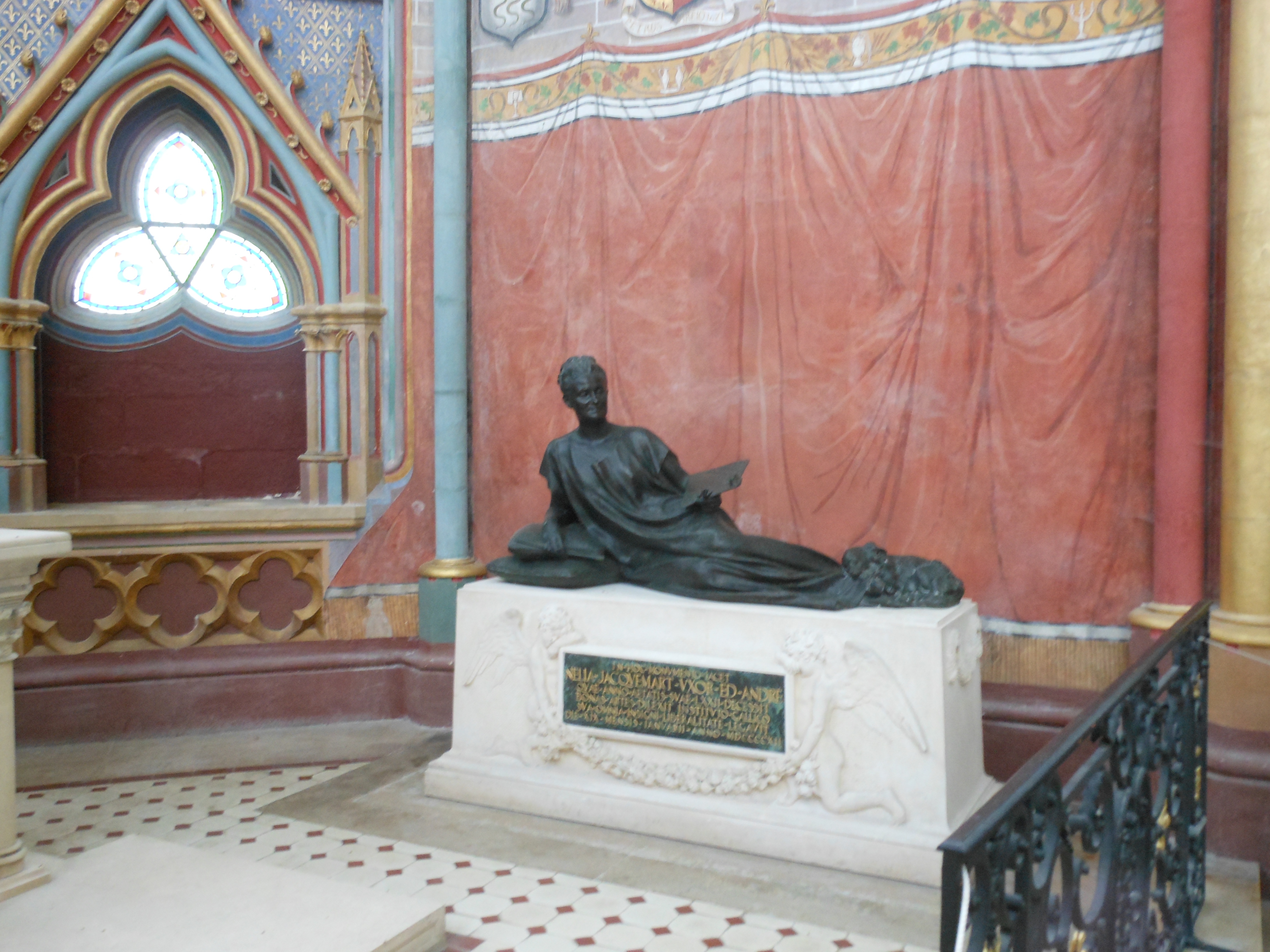
In gratitude, the Institut commissioned a bronze effigy which shows Nelie half-reclining, with her painter’s palette, in the chapel.

NelieTombChapel

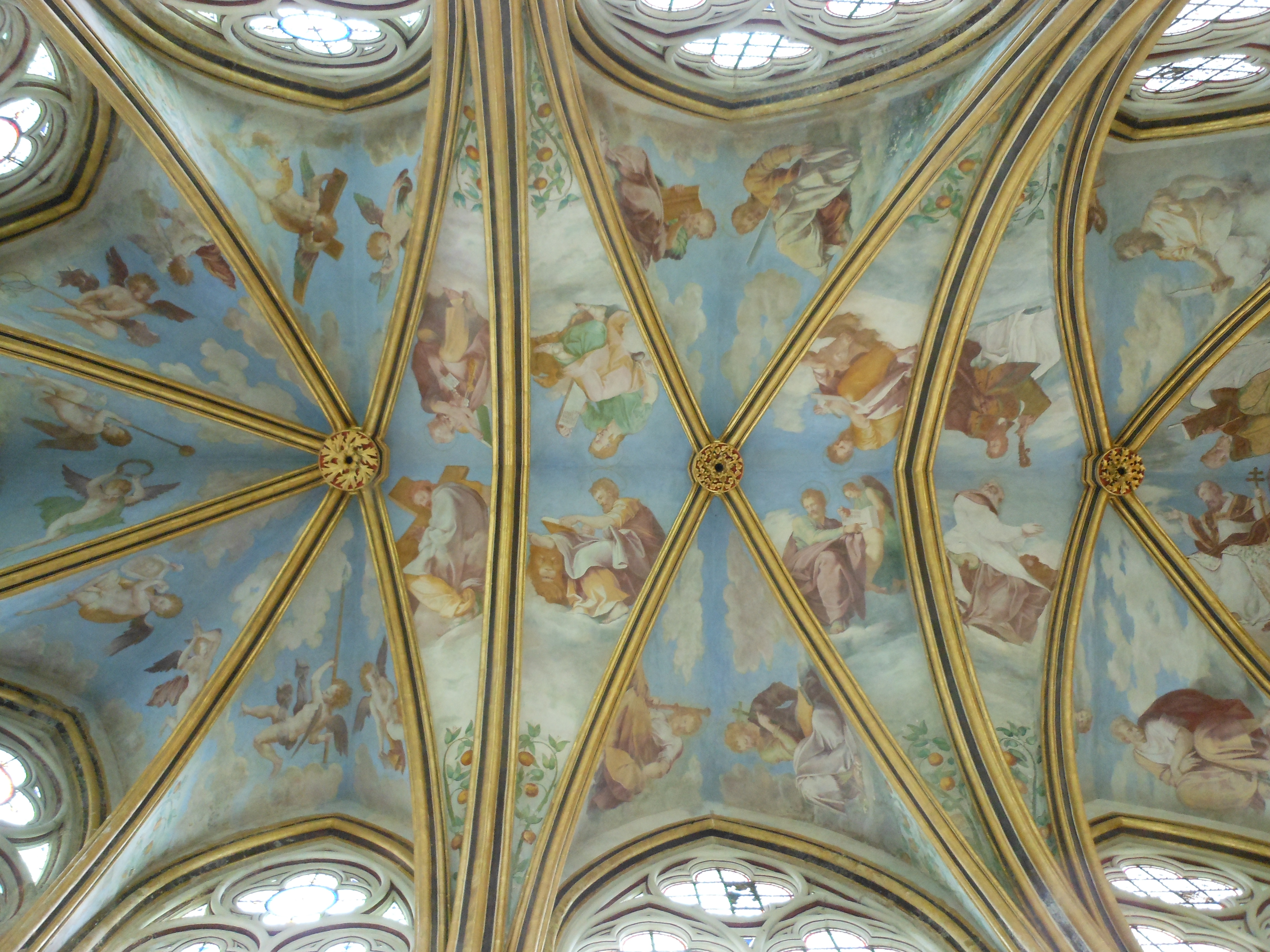
She rests beneath a beautiful ceiling painted by the great fresco artist Primaticcio. His most famous works grace the Palace of Fontainebleau, home of French kings through the centuries. What was good enough for several dynasties of French royalty was good enough for Nelie.

ChapelCeiling

I do wish that with all their money and influence, Nelie and her husband Edouard Andre had delved into the exciting art appearing within their own lifetimes.  Their collections would only be enhanced now by including Monet, Manet, Cassat, and others in that innovative group.  But Nelie and Edouard were intent on preserving great art of the past, and their accomplishments were stellar.

Some people dream of founding a dynasty. Nelie had no children.  Her dream was to welcome generations of art lovers to her homes after she was gone.  I think she deserves to rest and dream and welcome visitors underneath a masterpiece. I’m going to leave her there for awhile, after spending quite a lot of time writing about her life and her collections. Rest in peace, Nelie!

Interested in previous posts featuring Nelie Jacquemart-Andre, her life and legacy? They are at:

https://castlesandcoffeehouses.com/2014/08/16/nelie-and-edouards-100th/

https://castlesandcoffeehouses.com/2014/08/12/nelie-and-edouard/

https://castlesandcoffeehouses.com/2014/08/14/tiepolo-for-two/

https://castlesandcoffeehouses.com/2014/08/11/musee-jacquema…e-epoque-lives/

https://castlesandcoffeehouses.com/2014/08/24/nelies-chateau/

https://castlesandcoffeehouses.com/2014/08/22/pretty-as-an-angel-but-stupid/

: https://castlesandcoffeehouses.com/2014/08/17/the-golden-age-is-now/


Castle or Cottage, It’s All in the Details

MaintChateauI love architectural details: the curve of a stairwell, a finely carved door, a charming round tower. These small details make a place individual and personal.  I can imagine real people dreaming about a house or cottage or castle, debating the details, and watching their plans take shape.

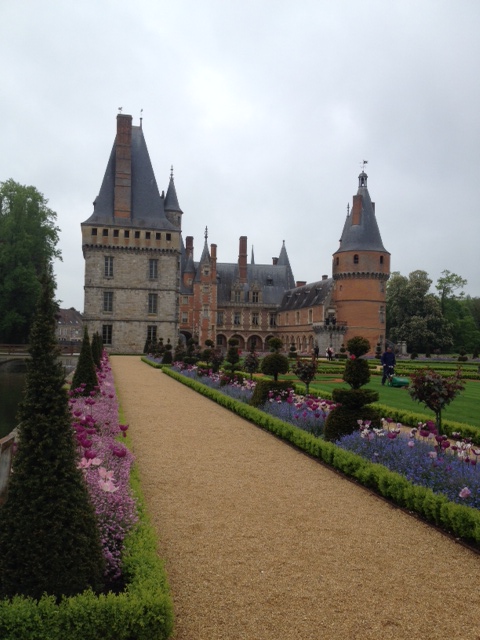
The most interesting details often appear in smaller dwellings, places that were likely planned by individuals instead of royal committees. The Chateau de Maintenon, near Chartres in France, is a fine example. Building was begun in the 10th century. As ownership changed, families in succeeding centuries refined and added to this exquisite chateau, but it remains an intimate family home rather than a grand showpiece. In fact, although it is now open to the public, the family still occupies one private wing.

MaintenonFacade

The north facade has rounded enclosures for stairwells with towers and an archway for carriages to pass under the building.

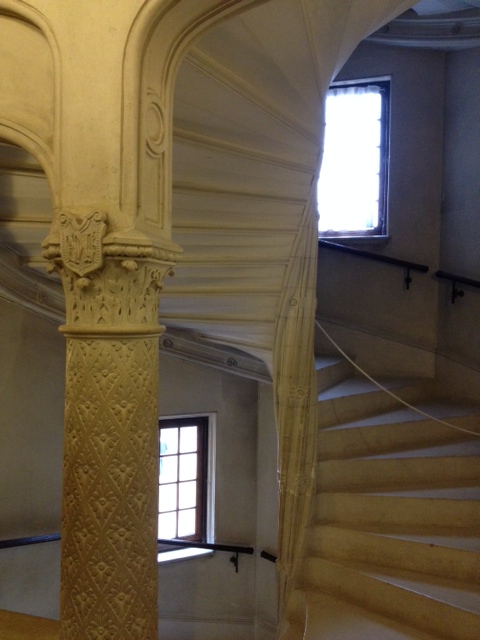
MaintStairDetail

An interior circular stairway has sinuous curves and intricately patterned column supports.

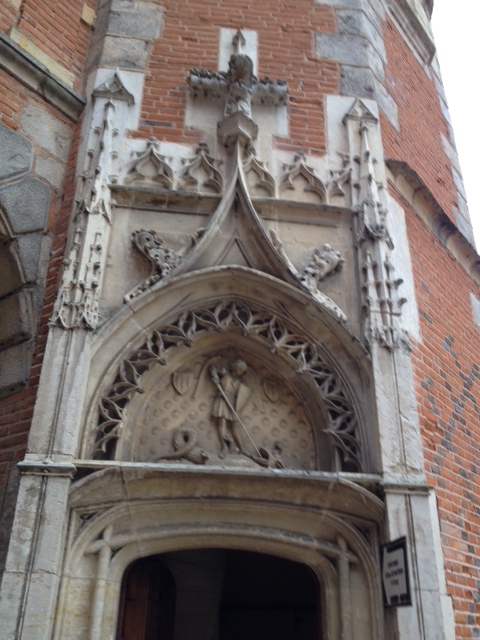
MaintDoorDetail

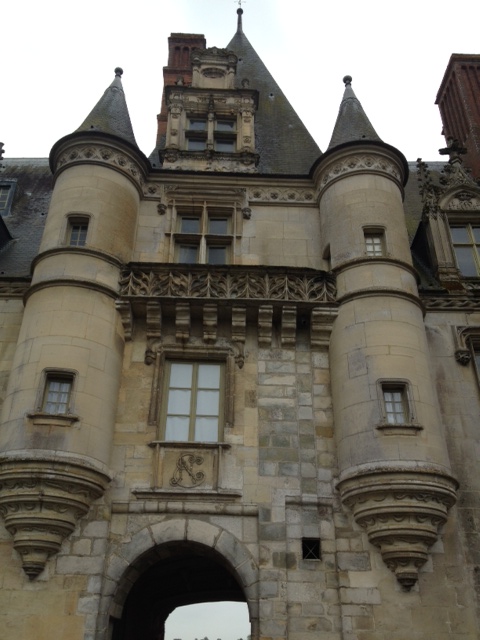
An exterior doorway is elaborately framed in Gothic stone. Entering that ancient doorway is an occasion in itself.

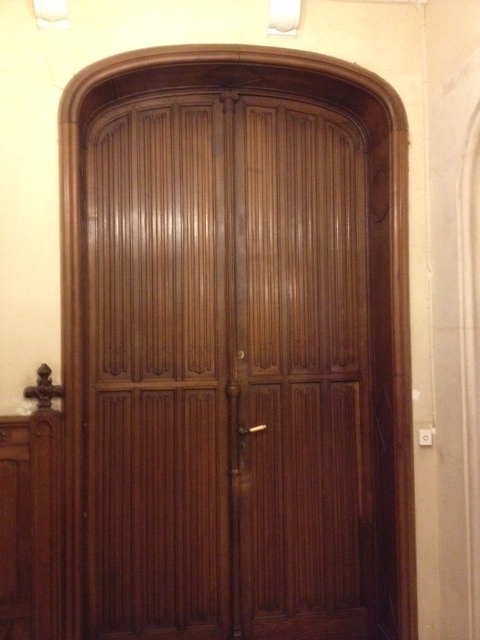
MaintLinenFold

An interior doorway has very old “linen fold” pleats carved from sturdy ancient oak.

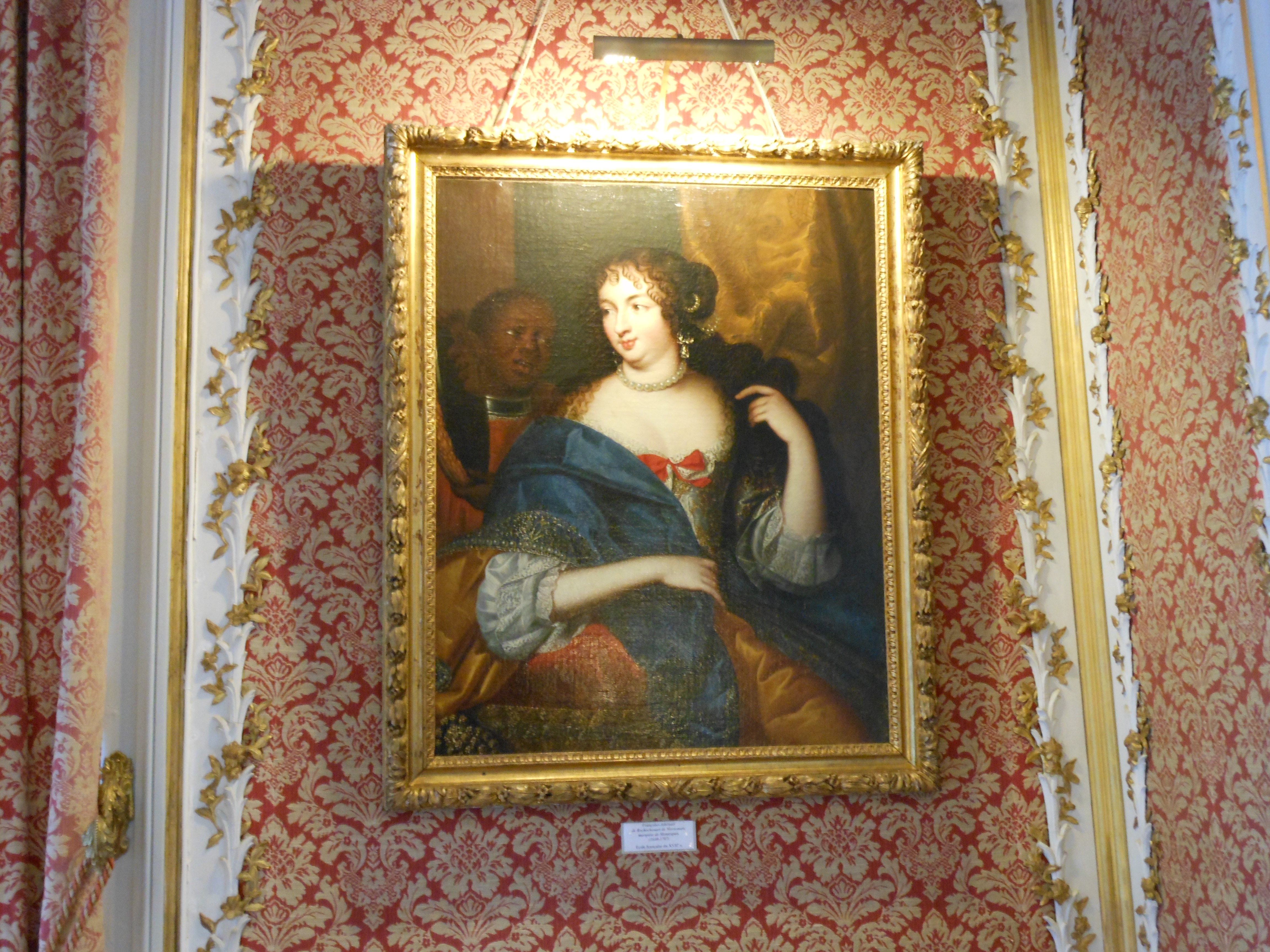
MmeMaintenon

This was the chateau given to Madame de Maintenon, the third and final wife of Louis the Sun King.  He was happy to escape the hubbub of Versailles in his old age and spend quiet time here.  I’d be happy to revisit this chateau anytime myself!

Previous posts about Chateau de Maintenon are at https://castlesandcoffeehouses.com/2014/05/07/chateau-de-maintenon/

and  https://castlesandcoffeehouses.com/2014/06/10/jean-de-noaill…nch-resistance/

and  https://castlesandcoffeehouses.com/2014/06/18/three-slugs-and-a-cabbage/

and  https://castlesandcoffeehouses.com/2014/05/15/louis-xiv-a-very-thirsty-king/

Wow, I guess I really liked this particular chateau! Join me next time for more explorations in the art and history of Europe.


Waking Up in a Chateau

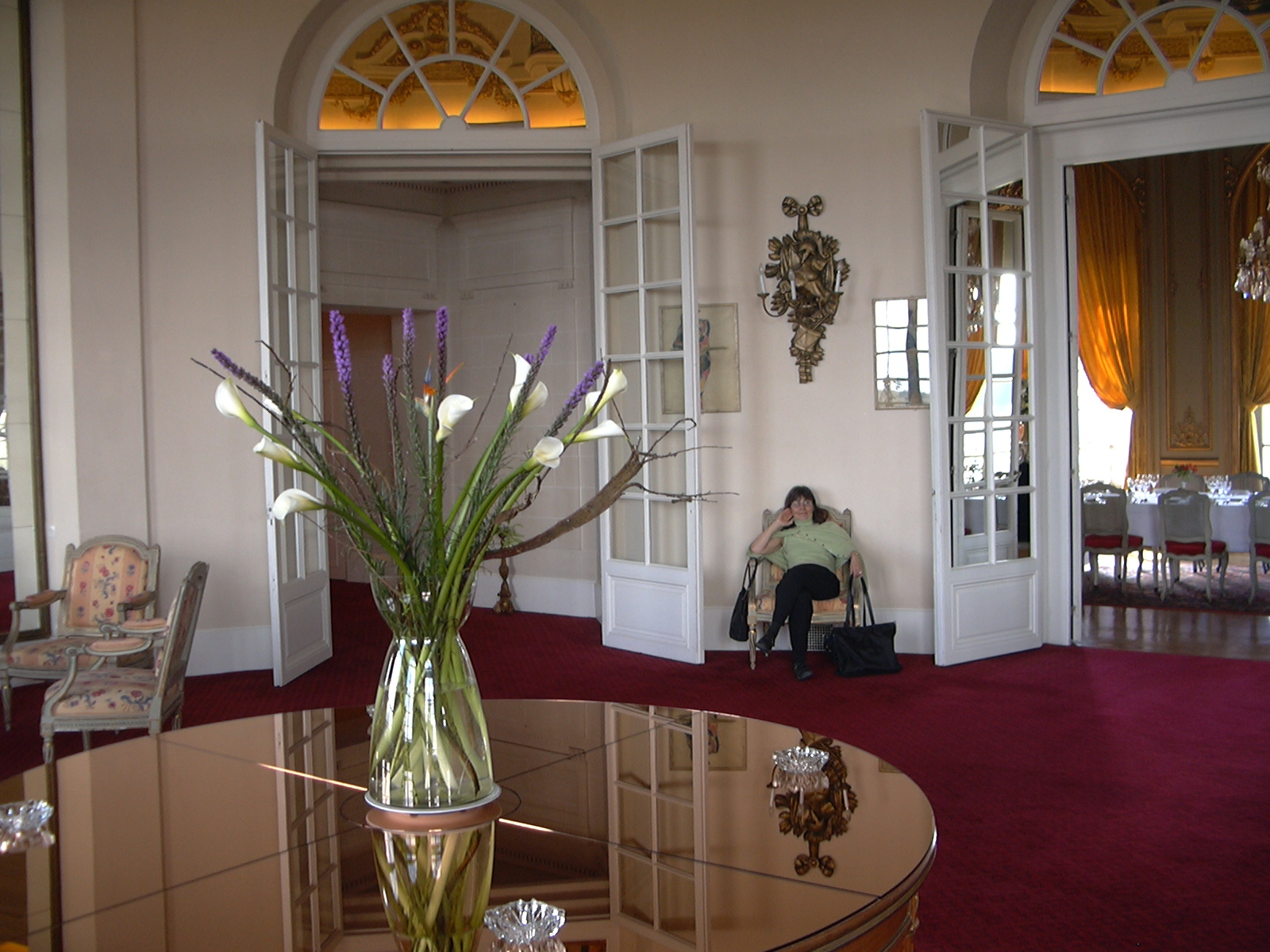
ChateauHotel

Some years ago, I splurged on a stay in an actual French chateau. Sadly, I can’t remember its name, but it was in the Loire Valley. (I’ve learned my lesson:  now I always take a picture of the entry and sign of anyplace I visit). That’s me above, enjoying the grand ambiance–or maybe exhausted after a long confusing drive trying to find the place, before the days I started using GPS. (I credit GPS with saving my marriage, bu that’s another subject).

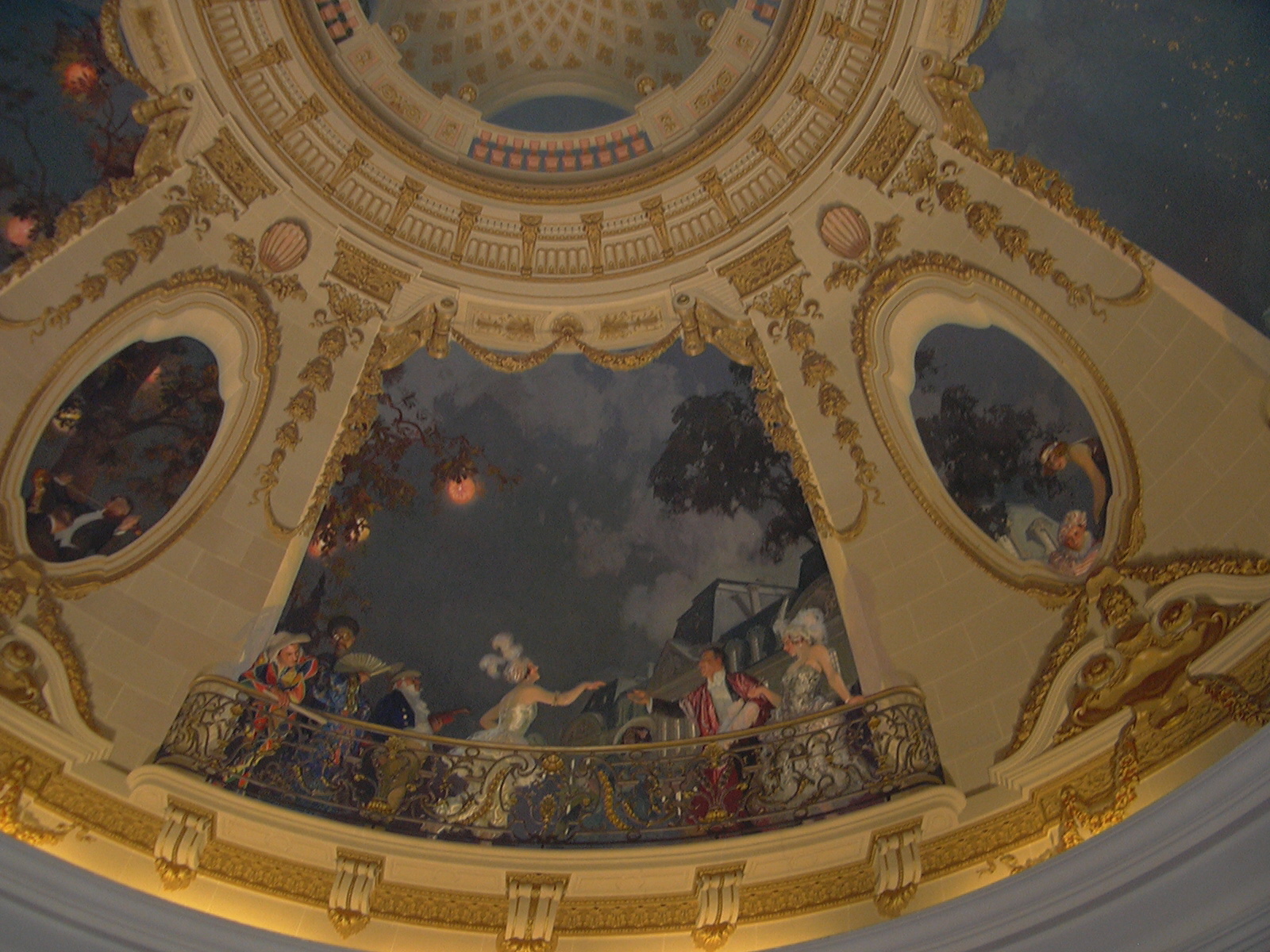
ChateauHotelDome

The main salon had a dome painted fancifully with party guests cavorting and gazing down at festivities below them.  The models were actual friends and relatives of the chateau’s owner. I think the chateau was refurbished in the early 1900s, and the dome painting was done around that time. La Belle Epoque!

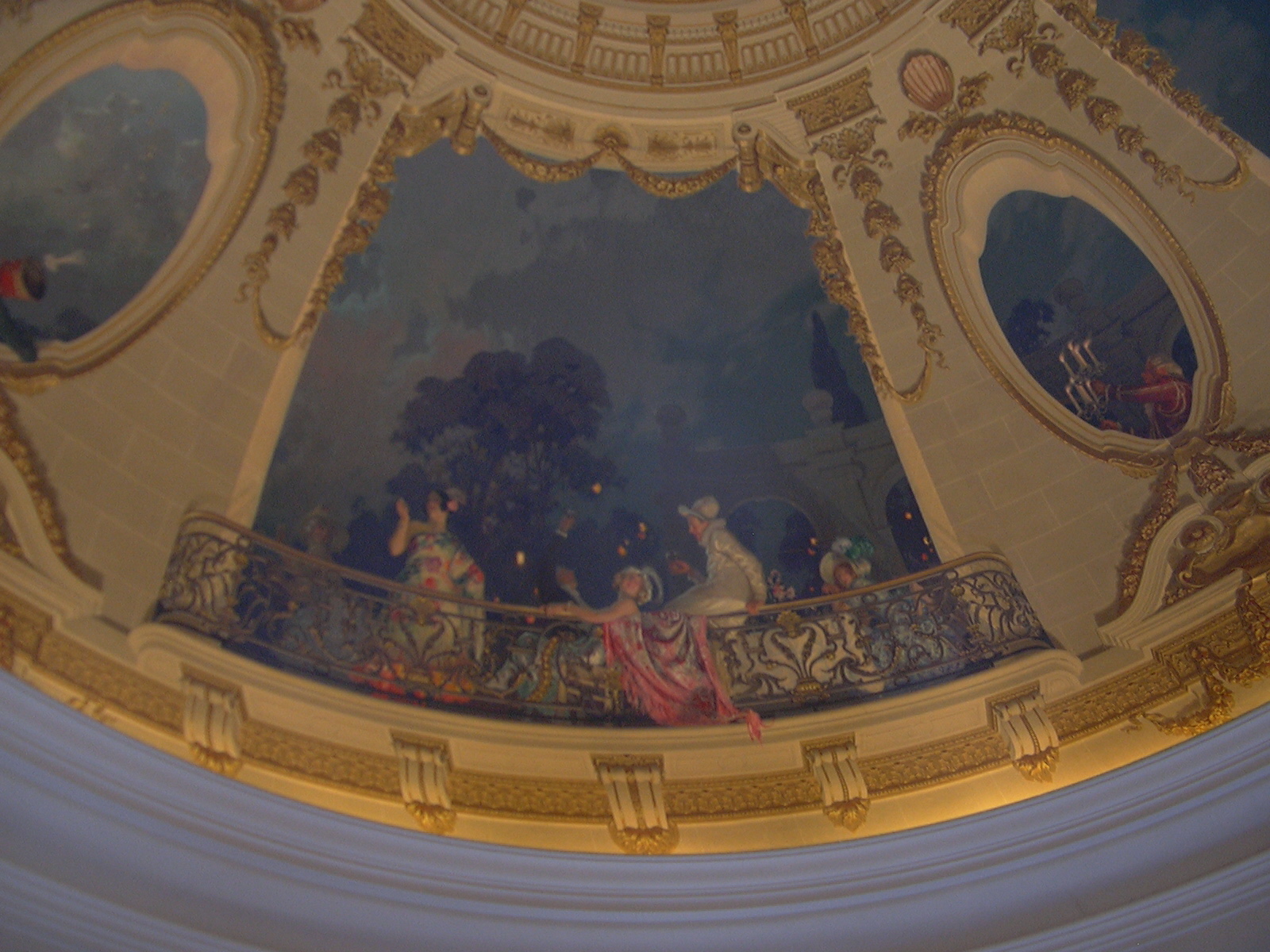
ChateauHotelDome2

For my all-too-brief stay, I could pretend to be one of the party guests drinking champagne under the long-ago moonlit sky.

The reality was not quite as glamorous.  My room was a little threadbare and the mattress was way too hard. The much-hyped “spa” was a dreary basement room with a whirlpool that was not working. In fairness, I have to say that I was traveling in the off-season as usual, so things were probably being repaired.

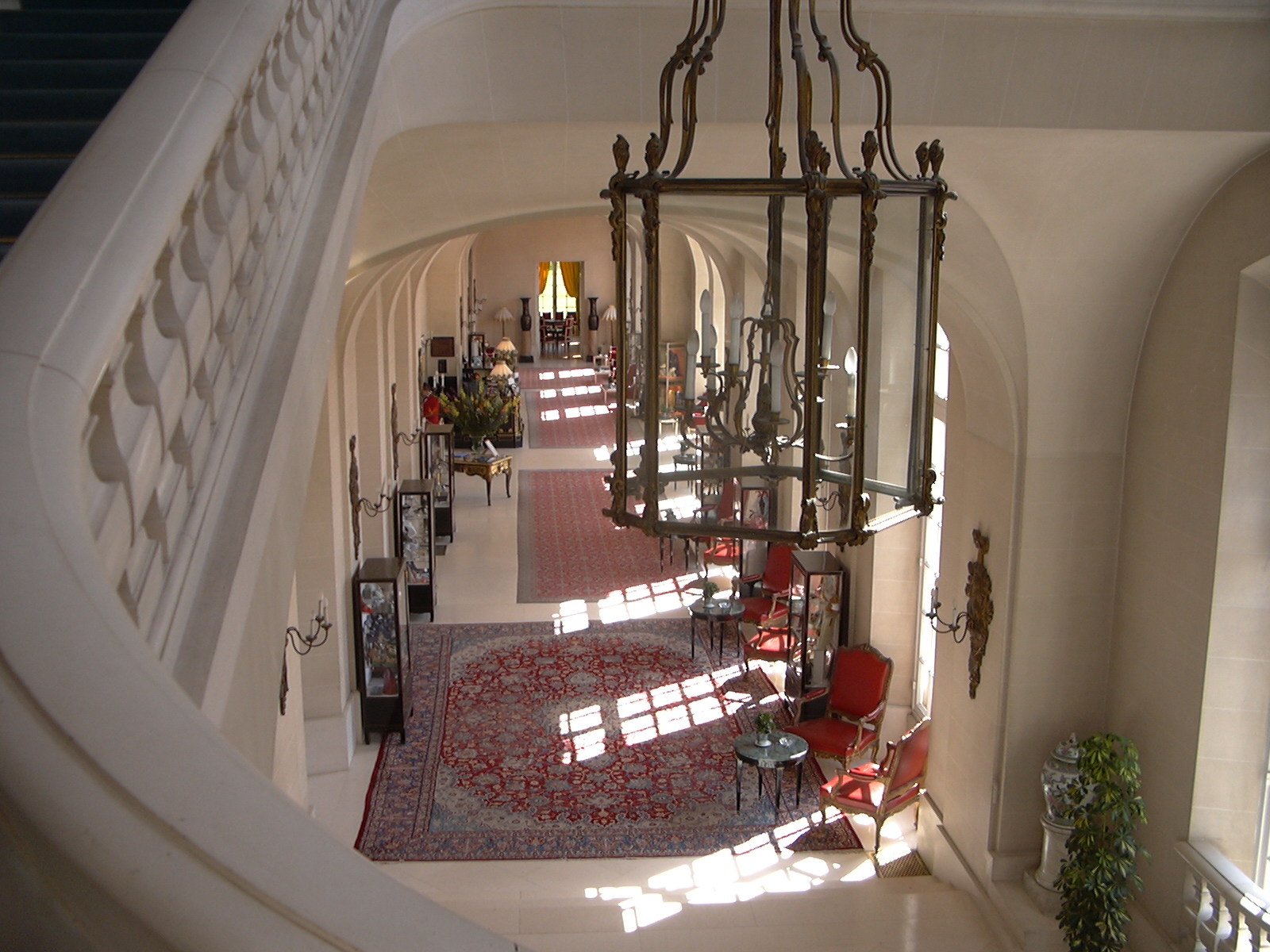
ChateauHotel2

Still, I was happy to wander the very grand public rooms and walk in the beautiful wooded grounds, following in the footsteps of glamorous–and possibly even royal–people in days gone by.

Join me next time for more explorations in the art and history of Europe!

Elisabeth Vigee-Lebrun: Painter and Survivor


"Self-Portrait in a Straw Hat," Elisabeth Vigee-LeBrun, 1782, Public Domain

“Self-Portrait in a Straw Hat,” Elisabeth Vigee-LeBrun, 1782, Public Domain

Elisabeth Vigee LeBrun, in the self-portrait above, could be mistaken for a conventional 18th century woman, getting ready to pursue a conventional pastime like painting flowers.  But underneath the modest smile lurked talent, ambition, grit and a fierce determination to survive and thrive. She lived  through turbulent times when many others in her position lost their heads–literally. As a protege and friend of Marie Antoinette, Elisabeth adroitly escaped the horrors of the French Revolution, and even made the political turmoil work in her favor.

As a talented teenager, Elisabeth began painting portraits of society people, helped by her father, a fan painter, and later other teachers who recognized her talent. An important benefactor was Louise de Bourbon, wife of the Duke of Orleans. Early in Elisabeth’s career, everything in her studio was confiscated by the authorities–because she didn’t have a license to paint!  (In modern times, we often think our world is over-regulated. But at least in most places, being a starving artist does not require a government license). She applied for membership in the Academie de Saint Luc, and was somehow admitted.  It sounds to me like they didn’t realize they were dealing with a young girl. Maybe she just used her initials when she submitted paintings for approval.

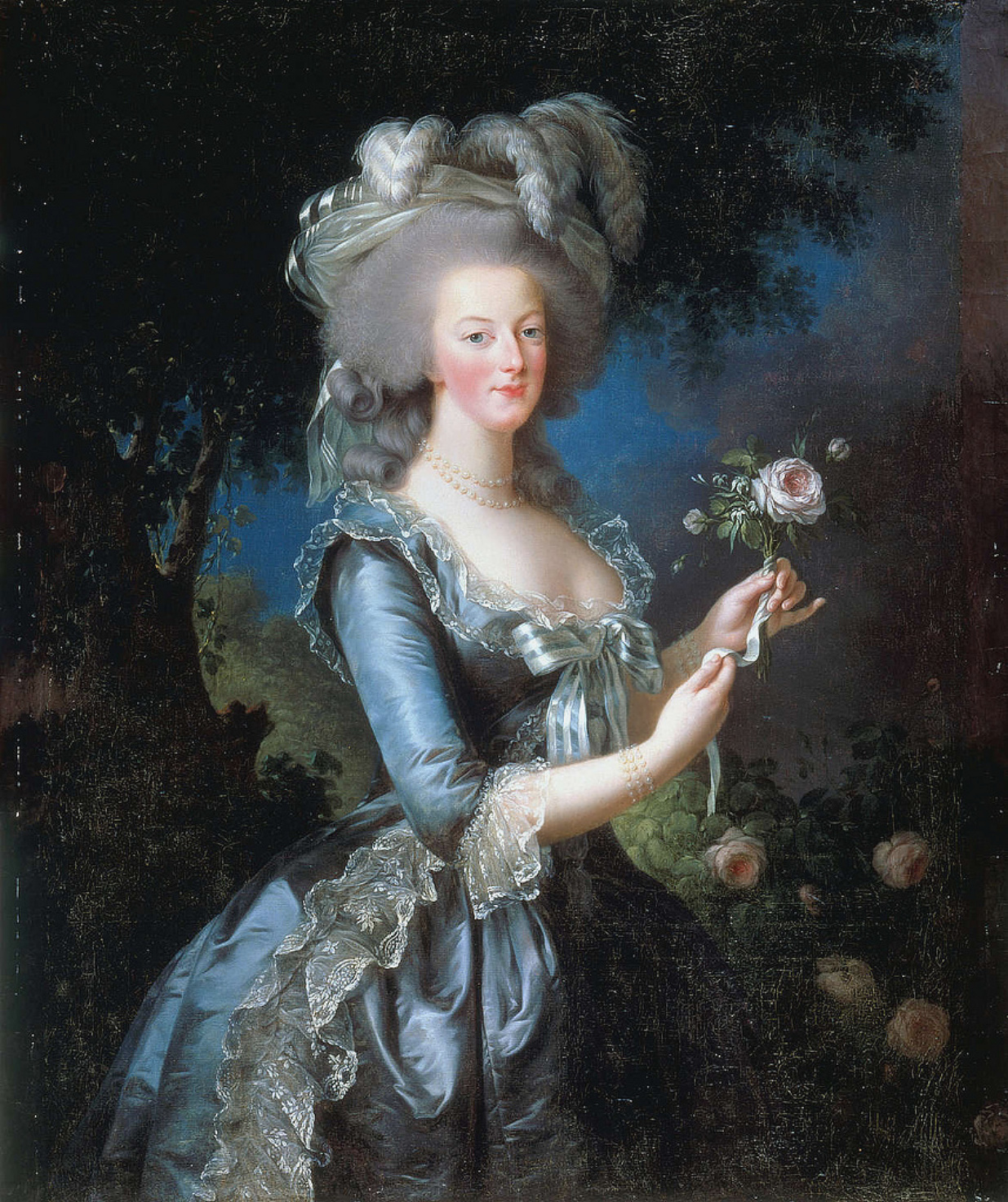
"Marie Antoinette," Elisabeth Vigee-LeBrun, 1783, Public Domain

“Marie Antoinette,” Elisabeth Vigee-LeBrun, 1783, Public Domain

Her marriage helped her career.  At age 20, she married Jean-Baptist-Pierre LeBrun, a painter and art dealer.  His grandfather had been the first Director of the French Academy under Louis XIV, the Sun King. Soon Elisabeth was painting Marie Antoinette and her family members–about 30 royal family portraits in all.

When the French Revolution broke out, Elisabeth decamped to safer surroundings. She worked for several years in Russia, Italy, and Austria. Eventually, she was allowed to return to France while Napoleon I was Emperor. She continued to paint well into old age, once causing a minor scandal by painting a self-portrait with her teeth showing.  This was simply not done–probably for good reason, since most people had terrible teeth in those times. She died in 1842, at the ripe old age of 86. She left behind over 600 portraits, plus 200 landscapes and history paintings, which now appear in museums and private collections all over Europe and in the United States.

Join me next time for more explorations in the art and history of Europe!

Nelie’s Chateau

Most of us can only dream of owning a chateau. Nelie Jacquemart-Andre was able to hang her hat in a chateau, late in life. When Edouard Andre died in 1894 and left Nelie Jacquemart-Andre a widow, she faithfully continued to fill out his collections. In 1902, Nelie was traveling in the Orient, scouting for antiquities, when she received word that a chateau just outside Paris was for sale. She dropped everything and rushed back to France.

photo

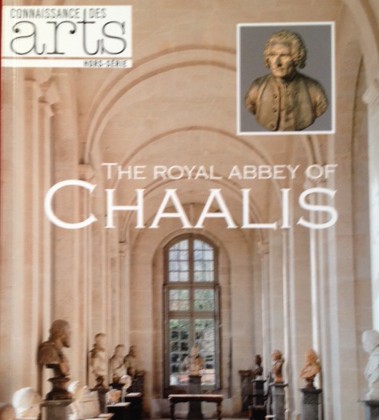
This was not just any chateau. It was the Abbaye Royale de Chaalis, and she had spent a good part of her childhood and young adulthood there. The guidebook above, new since the last time I visited, gave details about Nelie’s life that I had always wondered about. It turns out Nelie was not universally admired. The Comptesse Jean de Pange is quoted in the guidebook as saying that aristocrats used to mock the “plump, impulsive and very idiosyncratic little woman” who swept in and bought herself a fabulously historic chateau.  (I sympathize with Nelie. Rich people always manage to annoy somebody).

Nelie was a talented painter even as a child, and she was taken on as a sort of protege of the chateau owners at the time, particularly Rose Pamela Vatry.  Nelie was given art instruction, a studio was built for her, and she attended soirees packed with the aristocracy, illustrious artists, musicians and writers, and even with royalty.  The young woman had a particular flair for portraits, and she obtained many commissions.  One of these commissions, to paint the rich young banker Edouard Andre, eventually led to her brilliant marriage.

But Nelie was always a bit of a handful.  Her patroness complained that she never even used her painting studio, she only appeared at dinner when the company was glittering enough, and she seemed more interested in social climbing than in painting.

photo (12)

The Chaalis estate had begun as an abbey in the Middle Ages. It gained great wealth and power due to royal patronage and extensive rich lands. In the years 1255-1260, an exquisite small chapel was built, during the reign of St. Louis, the king who became a full-fledged saint.  He used to retreat to the abbey and live for awhile as a monk when he needed a break from ruling France. That chapel has been restored and is the best part of the chateau estate.

NelieExt


In the 1700s, the medieval buildings occupied by the religious order were rebuilt, and a little later the monks departed.  Their cells in the main building became guest rooms for a succession of owners who set about making the “abbey” into a “chateau.”

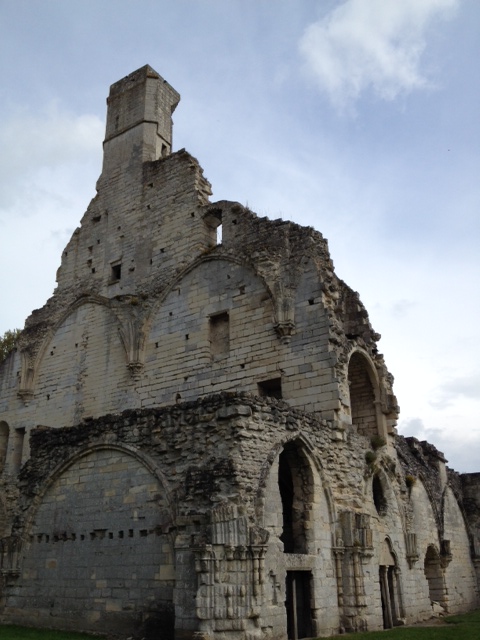
ChaalisRuin


By this time, the enormous main church had become a picturesque ruin, and so it remains.

When the entire estate went up for sale in 1902, Nelie snapped it up at a bargain price.  I gather that she felt she had been treated as a sort of poor relation;  this was payback.  She set about installing her own magnificent collections, especially of antiquities.  She also, according to the guidebook, hoped to marry a neighbor at nearby Chantilly, the Prince de Broglie.  That never happened.

On her death, Nelie left both her Parisian mansion and her country chateau to the Institut de France, and both were immediately opened to the public as museums.

The Abbaye Royale de Chaalis is close to CDG Airport, making it an easy stop for drivers.  It’s near the pretty and walkable town of Senlis, with its own historic sights.  Chaalis is covered by the Paris Museum Pass, unlike the Musee Jacquemart-Andre. Indoor photos are restricted.  But the new guidebook is a great read. If anyone other than Nelie Jacquemart-Andre had bought the property, it would probably be a golf club with condos today.  Instead, it’s a permanent treasury of art and history, open to all.

Join me next time for more explorations in the art and history of Europe!

Child Safety, Circa 1850

ChildHelmet

This charming little portrait shows a child wearing a safety device apparently common among extra-careful parents in the middle of the 19th century:  a safety helmet, made of padded wood, prettily concealed under lace ruffles.  I saw the painting at the Teylers Museum in Haarlem, Netherlands, as part of a special exhibit on Russian Romantic painting. This 1831 painting is by Jan Adam Kruseman.

Then as now, parents worried.  Infant mortality was beginning to improve, but childhood was still full of dangers.  Parental love for this particular child, no doubt from a very privileged background, shines through in this portrait.

GirlHelmets

Little girls today wear equally pretty helmets, for riding bikes and skateboards.

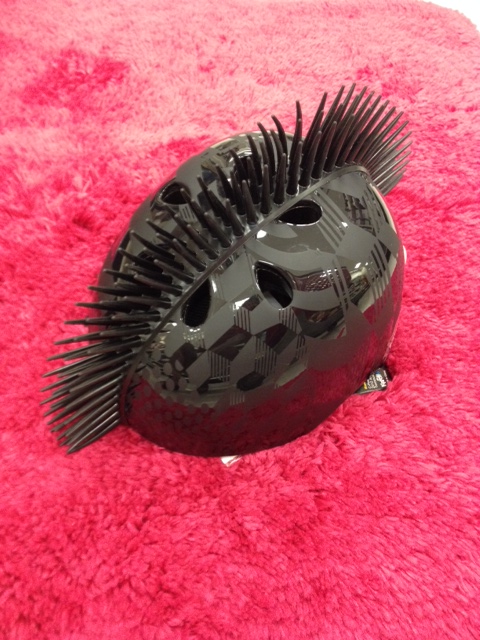
photo (1)

More macho helmets are available for the well-dressed and well-protected little boy. The love and concern of parents for their children is a common denominator linking us to generations past.

Join me next time for more explorations into the art and history of Europe!

An Elisabeth Vigee-Lebrun Portrait of A Polish Countess: “Pretty as an Angel, But Most Stupid”

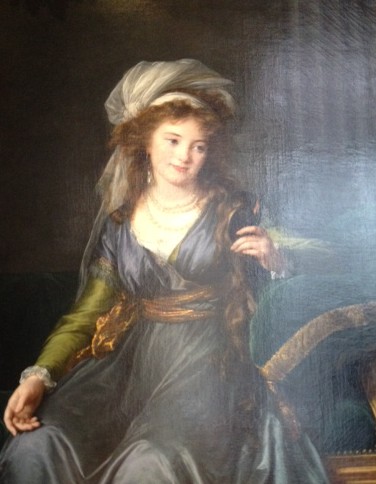
RussianGirl

The artist had a low opinion of her subject; hopefully she kept her thoughts to herself and concentrated on her painting. Nelie Jacquemart-Andre must have liked this portrait a lot; she hung it in her boudoir, now a room in the Musee Jacquemart-Andre, close to her luxurious bathtub (Nelie loved soaking in the tub). The subject is the Countess Skavronskaia, wife of the Polish Ambassador to Italy.  The artist is Elisabeth Vigee Lebrun, who gained fame and fortune as the official painter for Marie Antoinette and her gilded circle of friends. The artist fortunately left France just before the French Revolution.  Her reputation and talent led her through the courts of Europe.

During her stay in Naples in 1790, Elisabeth Vigee Lebrun painted this young countess.  The artist remarked in her journal, “The Countess was as mild and pretty as an angel,” but “she had no education, and her conversation was most stupid.”  Still, the artist, like everyone else, fell under the irresistible charm of this sweet young woman.  That charm shines through the portrait. Her lovely face is an island of warmth in the painting, all cool blues and greens. Is that a mirror in her hand? The artist must have allowed herself this small comment on her subject. Today’s equivalent might be a supermodel with no thought other than her own beauty. But sheer niceness always counts for something.

There’s a better image of the Countess on the website of the Musee Jacquemart-Andre at http://musee-jacquemart-andre.com/en/collections/portrait-countess-skavronskaia.

Join me next time for more explorations in the art and history of Europe!

Sarah Bernhardt, Sculptor

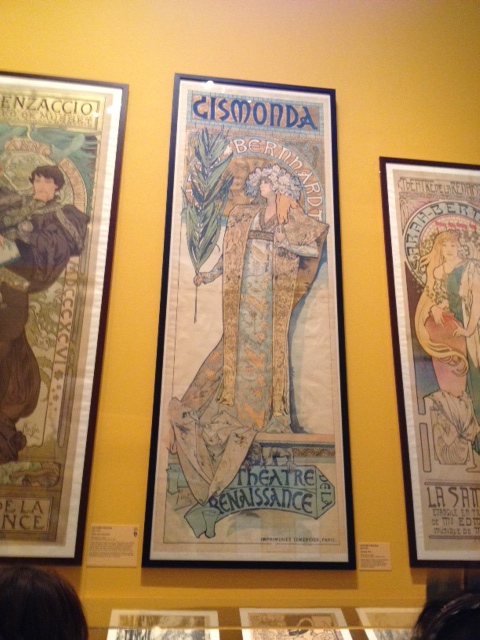
Bernhardt

At the “Paris 1900” exhibit this past spring, I was not surprised to see theatrical posters featuring the famous actress Sarah Bernhardt, “The Divine Sarah.”  She was a celebrated–and often notorious–figure of the Belle Epoque. She was thrown out of the Comedie-Francaise as a very young woman, for slapping another actress.  But she lived to return in triumph, giving spectacular performances to rave reviews. The venerable Comedie-Francaise was not big enough for her talents, though.  She founded her own theaters in several locations and traveled the world performing.

Acting was not big enough for her talents, either. Who knew that  “The Divine Sarah” was an accomplished sculptor, when she wasn’t onstage playing Phaedra–or Hamlet?  She created around 50 sculptures, starting when she was 25. She painted, too.

BernhardtSculpt

The Paris 1900 exhibit contained a sculpture that Sarah Bernhardt actually created for the 1900 Exposition held on the banks of the Seine. It’s titled “Une Algue,” which I think means “An Algae.”  It certainly looks like one, lovingly rendered in bronze.  Where did she find the time?

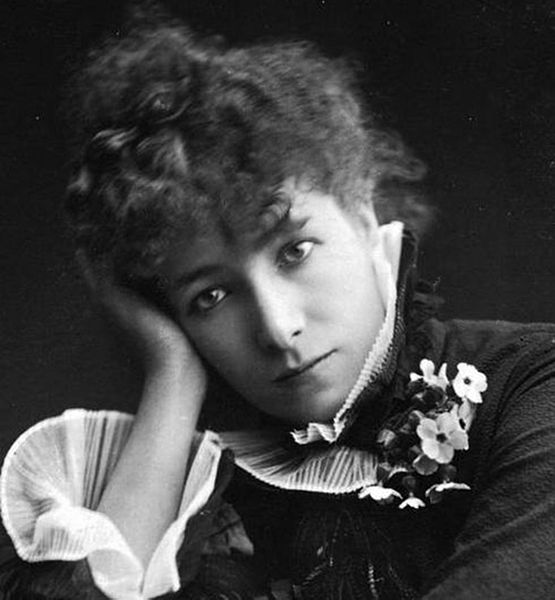
Sarah Bernhardt, Public Domain

Sarah Bernhardt, Public Domain

Join me next time for more explorations in the art and history of Europe!